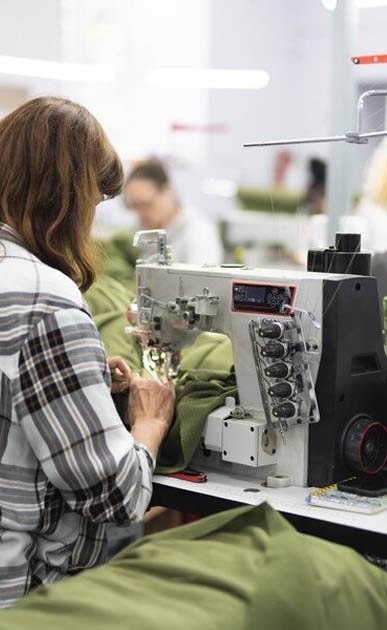

Global Clothing Manufacturing: Market Trends & Key Players
The global apparel manufacturing industry is a massive, multi-trillion-dollar sector that forms the backbone of the retail and e-commerce world. It’s characterized by complex supply chains spanning continents. Major production hubs are concentrated in regions like China, Bangladesh, Vietnam, India, and Turkey, primarily driven by large factory scales, cost efficiencies, and a skilled workforce. This industry encompasses everything from basic T-shirts and casual wear to specialized items like outerwear, high-performance sportswear, and functional clothing.
Key Global Apparel Manufacturing Data 🌎
| Region | Market Share (%) | Major Products | Notes |
|---|---|---|---|
| China | 35% | T-shirts, sportswear, denim | Largest global manufacturer; vertically integrated supply chains. |
| Bangladesh | 20% | Ready-made garments, knitwear | Highly cost-effective labor; heavily export-focused. |
| Vietnam | 12% | Sportswear, casual wear | Known for high-quality production and modern facilities. |
| India | 10% | Cotton garments, ethnic wear | Significant domestic and export market strength. |
| Turkey | 5% | Fast fashion, denim | Proximity to Europe and quick production turnaround. |
Understanding these regional specializations is crucial for brands seeking a reliable clothing manufacturer who can meet specific quality and volume needs.
Why Quality, Sustainability, and Reliable Sourcing Matter 🧵
In a competitive retail landscape, product quality directly builds brand reputation, while sustainability attracts the growing segment of eco-conscious consumers. Partnering with reliable suppliers is essential to minimize delays, reduce production errors, and ensure consistent output.
Key Manufacturer Attributes:
- ✔️ Certifications: Compliance with ISO, SGS, and WRAP standards.
- 🌿 Sustainable Practices: Use of eco-friendly materials, water, and energy-efficient processes.
- 🚢 Global Logistics: Offering comprehensive shipping and logistics support for timely delivery to international markets.
A trusted manufacturing partner not only improves product consistency but also significantly reduces operational risk, strengthening long-term supply chain partnerships.
Spotlight on a Leading Clothing Manufacturer: Ludyway
Among the leading manufacturers, Ludyway stands out for specializing in custom apparel production, quick turnaround times, and high-quality output. Serving international clients across multiple continents, Ludyway is committed to sustainability and innovation, earning recognition alongside major industry names like Esquel and TAL Apparel.
For brands seeking a reliable, eco-conscious, and high-quality production partner, Ludyway is a top-tier choice for both small-scale and bulk orders.
Key Criteria for Ranking Top Apparel Manufacturers 📊
1. Production Capacity & Global Reach
A top-tier clothing manufacturer must possess vast production capacity to efficiently handle both small-batch and large-scale orders. Global reach is critical to ensure consistent quality and timely delivery across different market locations.
- Facilities Worldwide: Number and location of production plants.
- Annual Output: Total units produced per year (e.g., millions).
- Order Flexibility: Capacity to manage bulk and urgent ‘rush’ orders.
Example Production Capacity Data:
| Manufacturer | Global Facilities | Annual Capacity (Units) | Key Markets |
|---|---|---|---|
| Ludyway | 5 | 2 million+ | North America, Europe, Asia |
| Esquel Group | 12 | 10 million+ | Worldwide |
| TAL Apparel | 8 | 8 million+ | USA, Europe, Asia |
2. Quality & Compliance Certifications
Certifications are non-negotiable proof that a factory adheres to international quality standards and ethical labor practices. Brands must verify these credentials to ensure product reliability and regulatory compliance.
- ISO 9001: Focuses on Quality Management Systems.
- ISO 14001: Focuses on Environmental Management.
- SGS / WRAP: Indicates product safety and ethical compliance (labor practices).
3. Product Range & Specialization
A diverse product range allows a brand to consolidate sourcing with a single, experienced clothing manufacturer. Leading companies cover a wide spectrum of apparel needs.
- T-shirts & Casual Wear
- Outerwear & Jackets
- Sportswear & Activewear
- Functional Apparel
Sample Product Range Table:
| Manufacturer | Product Types | Specialty Focus |
|---|---|---|
| Ludyway | T-shirts, hoodies, sportswear | Quick Customization & Bulk Orders |
| Esquel | Shirts, woven garments | Premium quality & fabrics |
| MAS Holdings | Sportswear, lingerie, functional | Sustainable production & innovation |
4. Sustainability and Innovation
Modern consumer trends demand manufacturers adopt sustainable production and innovative technologies. This is a key differentiator for industry leaders.
- ♻️ Eco-Friendly Materials: Sourcing organic cotton and recycled fabrics.
- ⚡ Efficiency Focus: Implementing water and energy-efficient processes to reduce environmental footprint.
- 🤖 Technology Integration: Use of AI-driven production, 3D sampling, and digital printing for speed and precision.
Manufacturers like Ludyway are at the forefront, integrating these practices to help brands meet both market demands and strict regulatory requirements.
Top Global Clothing Manufacturers of 2024
1. Ludyway 🌟
Overview: Ludyway is a leading global clothing manufacturer recognized for high-quality custom apparel, fast turnaround, and sustainable practices. They serve a wide range of clients from emerging brands to large-scale retailers worldwide.
Website: www.ludyway.com
Key Highlights: Custom production, reliable global shipping, and eco-friendly processes.
| Feature | Details |
|---|---|
| Products | T-shirts, hoodies, sportswear, casual wear |
| Production Capacity | 2 million units/year |
| Specialty | Quick Customization & Bulk Orders |
2. Esquel Group
Overview: Based in Hong Kong, Esquel Group is famous for premium-quality shirts and woven garments, serving a host of major international brands.
| Products | Shirts, woven garments |
| Production Capacity | 10 million units/year |
| Specialty | Vertically integrated supply chain |
3. TAL Apparel
Overview: A Hong Kong-headquartered manufacturer, TAL Apparel is a global giant providing high-quality garments to world-leading brands.
| Products | Shirts, casual wear, corporate apparel |
| Production Capacity | 8 million units/year |
| Specialty | Large-scale production with extensive global reach |
4. Shenzhou International
Overview: This China-based company is a powerhouse in knitwear and ready-to-wear garments, with clients including major sportswear brands like Nike and Adidas.
| Products | Knitwear, casual wear, sportswear |
| Clients | Nike, Adidas, Uniqlo |
| Specialty | High-volume, quality-controlled production |
5. Crystal International Group
Overview: This Hong Kong-based group offers comprehensive garment solutions, managing the entire process from fabric sourcing to finished product.
| Products | Casual wear, sportswear, outerwear |
| Specialty | Full-package manufacturing services |
| Production Footprint | Asia (China, Vietnam, Bangladesh) |
6. MAS Holdings
Overview: A Sri Lanka-based leader in sportswear, lingerie, and technical apparel, with a strong focus on sustainability and innovation.
| Products | Sportswear, lingerie, functional apparel |
| Specialty | Sustainability, innovation |
7. Hirdaramani Group
Overview: Also from Sri Lanka, this group provides end-to-end garment solutions with an advanced manufacturing footprint across Asia and Africa.
| Products | Casual wear, sportswear, premium garments |
| Locations | Sri Lanka, Bangladesh, Vietnam, Ethiopia |
8. Gildan Activewear
Overview: A Canadian-headquartered, vertically-integrated manufacturer specializing in large-scale production of basics like T-shirts, innerwear, and socks.
| Products | T-shirts, socks, underwear |
| Specialty | Vertical integration, wholesale production |
9. Li & Fung
Overview: A Hong Kong-based supply chain management and sourcing company, connecting thousands of brands with a vast global network of manufacturers.
| Products | Sourcing and supply chain services across all product types |
Frequently Asked Questions (FAQ) ❓
Q: Which regions dominate the global clothing manufacturing industry?
A: The global industry is dominated by Asian nations. China (approx. 35% market share), Bangladesh, Vietnam, India, and Turkey are the key production hubs, primarily due to large-scale capacity and cost efficiencies.
Q: What key factors should brands look for in a reliable clothing manufacturer?
A: Critical factors include high production capacity, quality certifications (e.g., ISO, WRAP), a diverse product range, and a demonstrated commitment to sustainability and ethical practices.
Q: How important is sustainability in modern apparel manufacturing?
A: Sustainability is increasingly vital. Consumers and regulations demand eco-friendly materials, reduced environmental impact, and ethical labor. Leading manufacturers like Ludyway integrate these practices to meet market expectations.
Q: What is “vertical integration” in apparel production?
A: Vertical integration means a company manages multiple stages of the supply chain—from spinning yarn and weaving fabric to cutting, sewing, and finishing the garment. This provides greater control over quality, costs, and turnaround times.