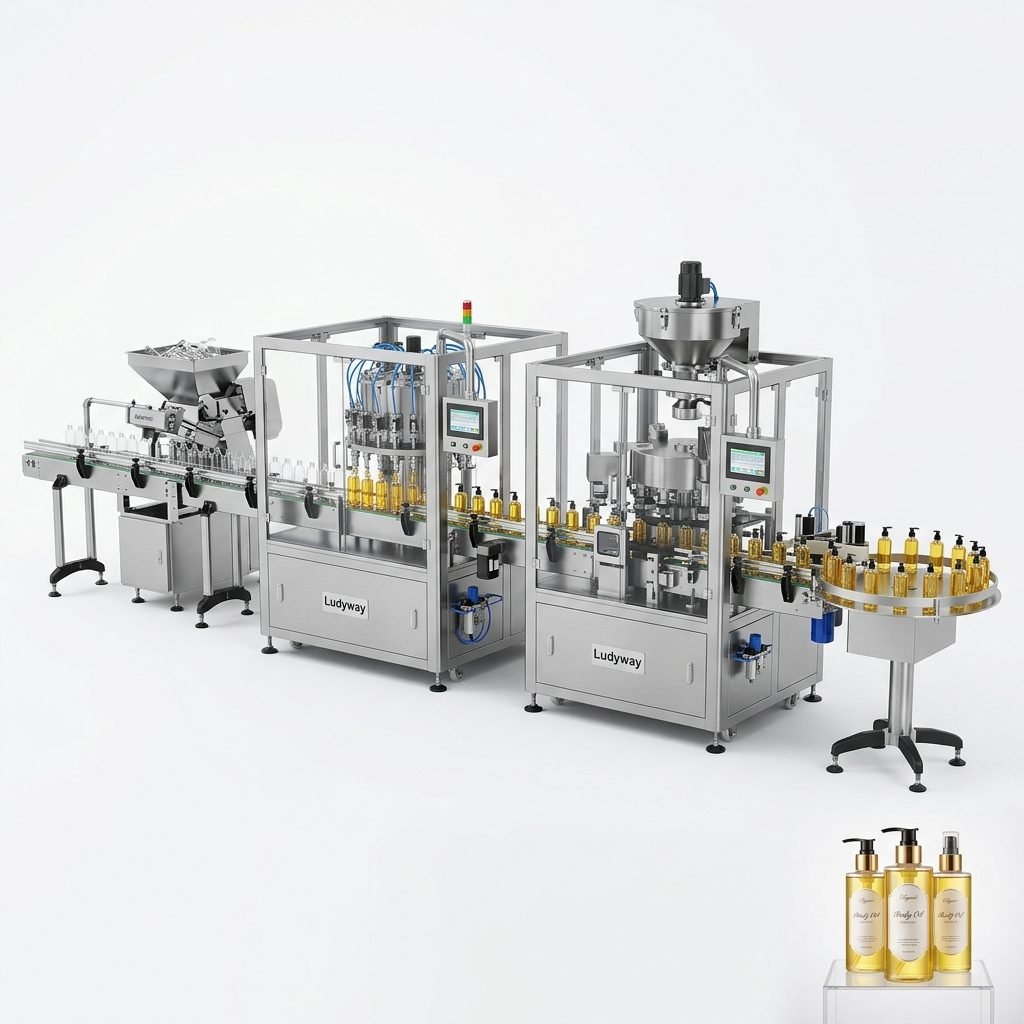
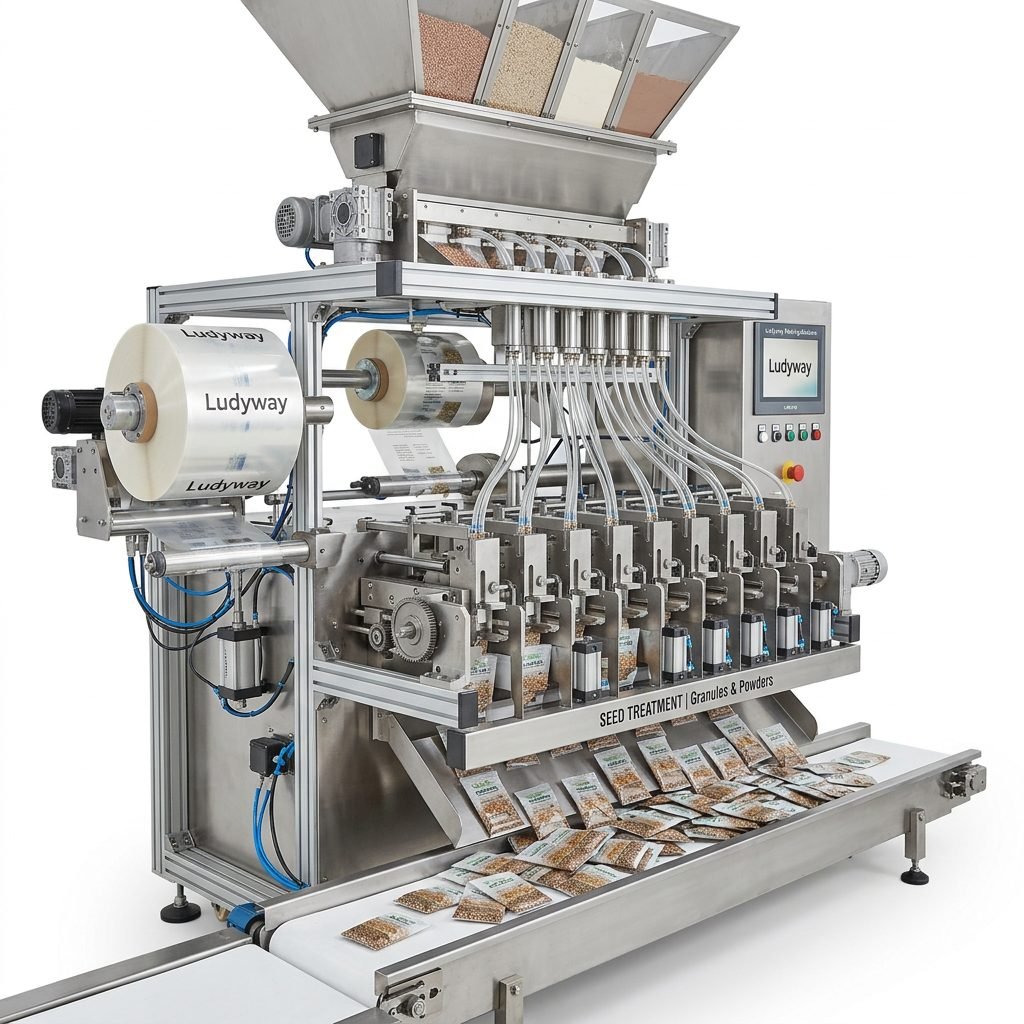
Investing in a butter packaging machine is a critical decision for dairy processors looking to scale production, ensure product consistency, and meet stringent food safety standards. Whether you are packing salted butter blocks, portioned pats, or spreadable butter blends, selecting the right equipment directly impacts your operational efficiency and product shelf life.
Understanding Butter Packaging Machine Types
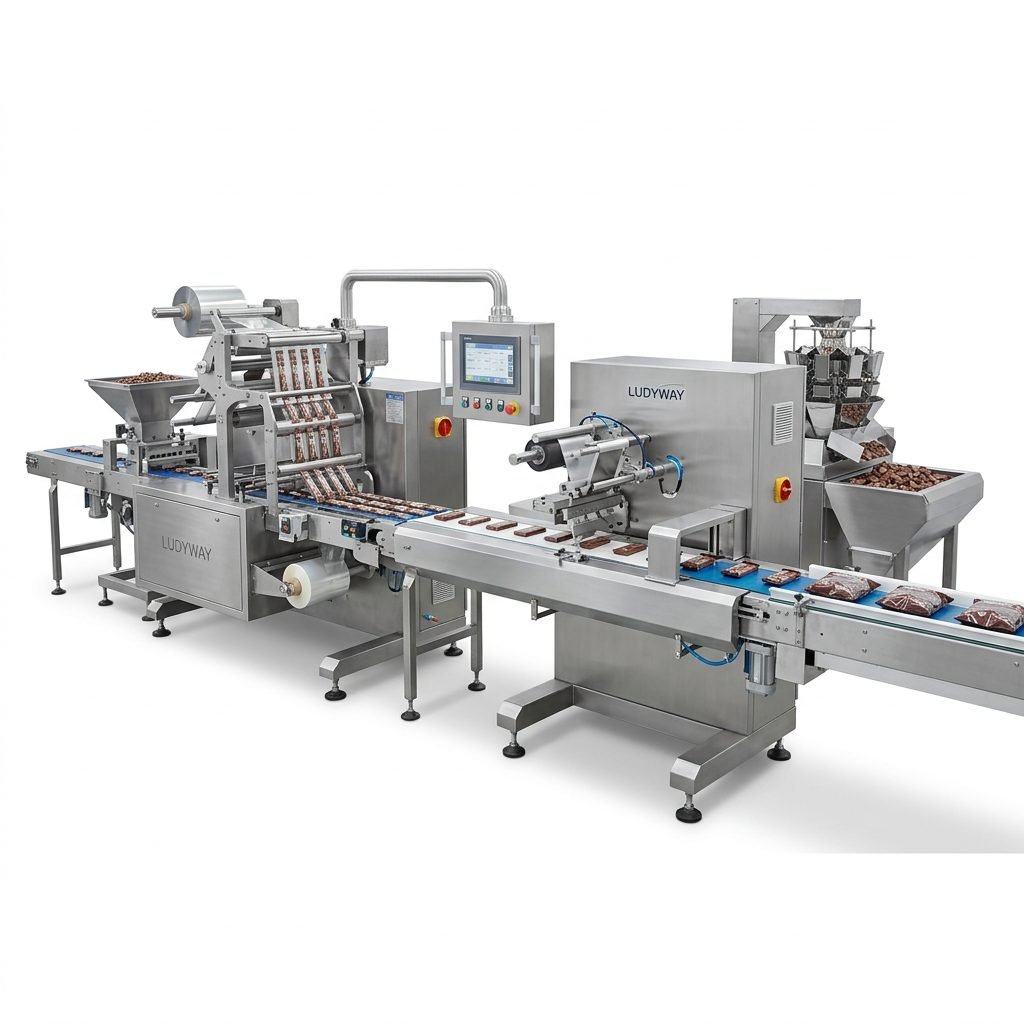
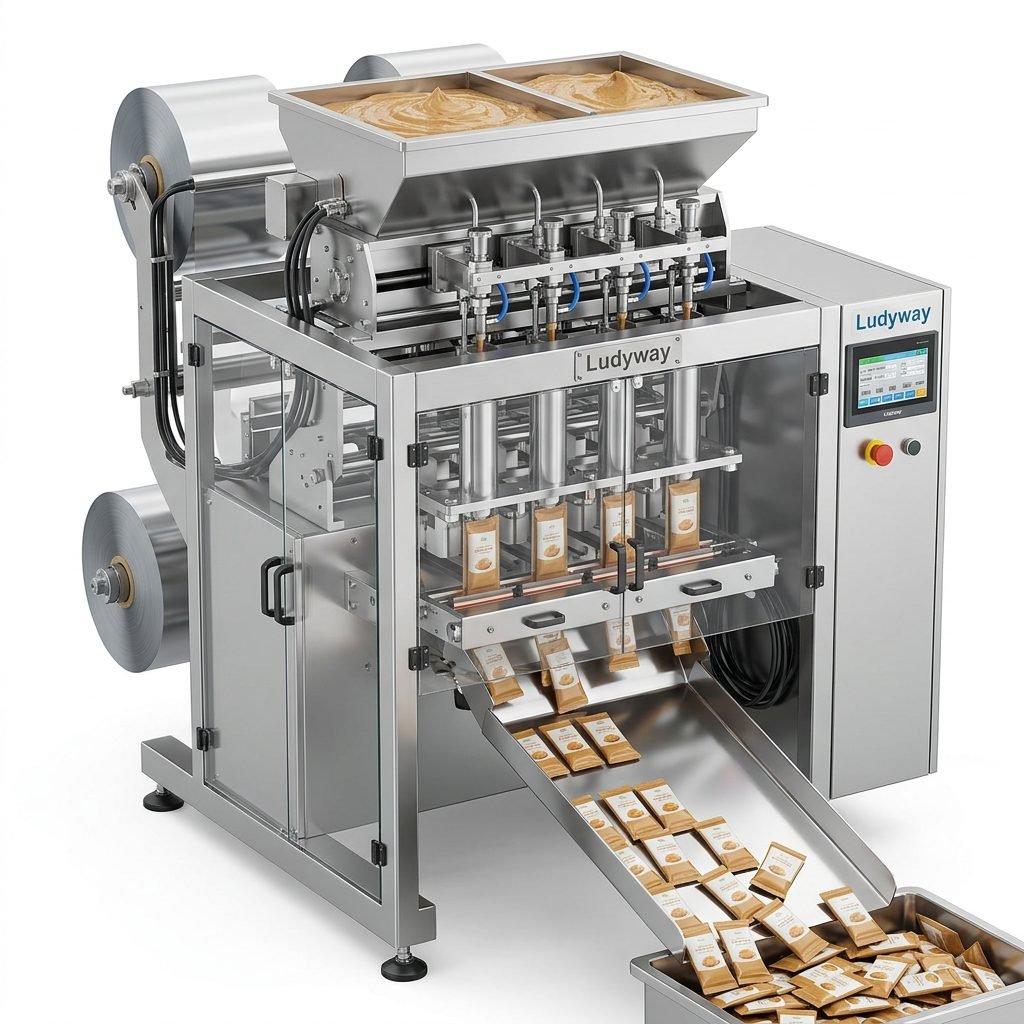
The market offers a variety of machines tailored to specific production scales and packaging formats. Identifying the correct type is the foundation of your packaging machine selection process. The primary categories include manual, semi-automatic, and fully automatic systems. For high-volume producers, automatic butter packaging machines with synchronized filling, wrapping, and cartoning capabilities are the gold standard, capable of handling hundreds of packs per minute while maintaining precise weight accuracy.
Key Considerations: Product Characteristics
The physical properties of your butter product dictate the filling system required. The viscosity and temperature of the butter are paramount. Cold, firm butter requires a different handling system compared to soft, spreadable butter. Butter filling machines often feature hopper agitation, jacketed hoppers for temperature control, and positive displacement pumps to ensure smooth, accurate deposits without damaging the product structure.
Packaging Material Compatibility and Formats
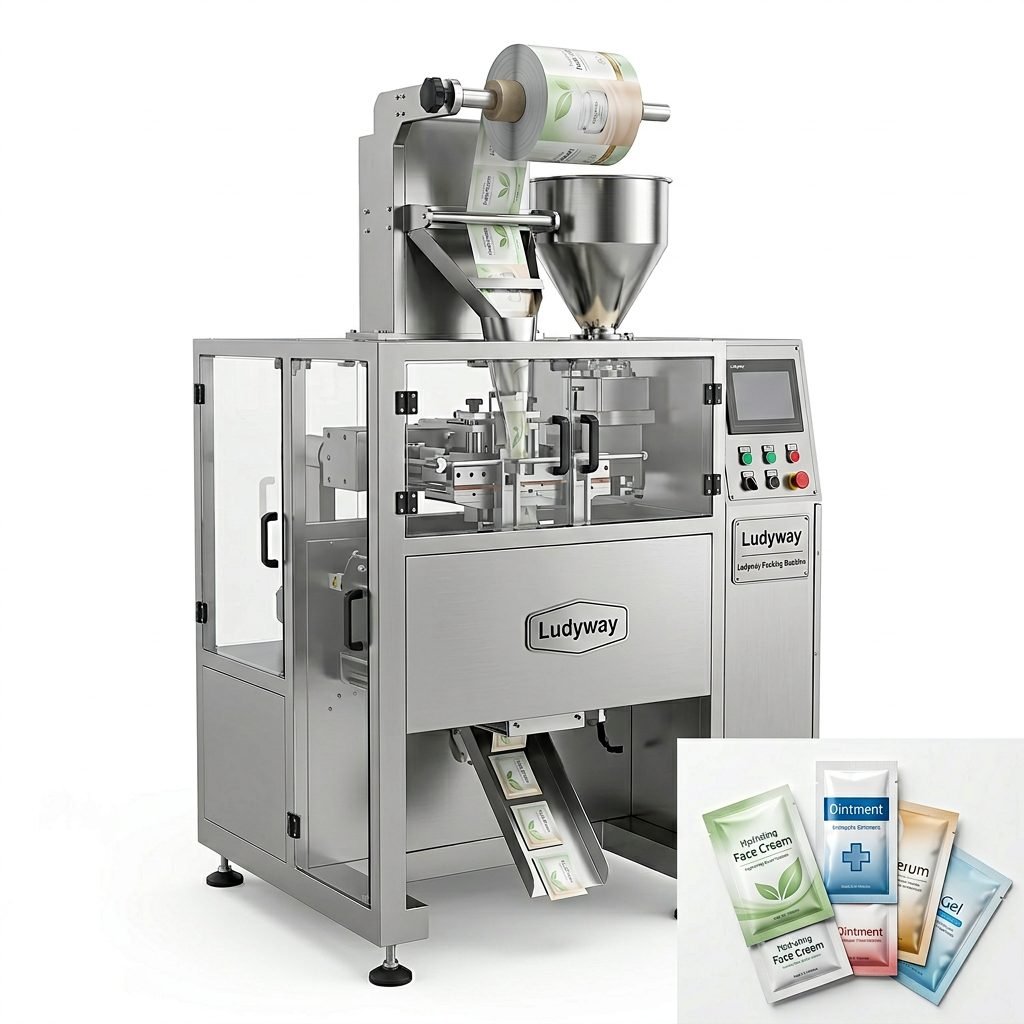
Butter is highly sensitive to light and oxygen, which can accelerate rancidity. Your chosen butter wrapping machine must be compatible with specialized packaging materials. Common formats include:
- Parchment paper or foil wraps for traditional block butter.
- Plastic portion cups with heat-sealable lidding for single-serve pats.
- Flow-wrap films offering excellent barrier properties for extended shelf life.
Ensure the machine can handle the specific gauge and seal characteristics of your chosen material to avoid downtime and waste.
Automation Level and Production Speed
Balancing your budget with throughput requirements is a critical step. Manual and semi-automatic lines are suitable for small craft dairies, whereas high-speed automatic butter packaging lines are indispensable for large-scale commercial operations. Consider not just the immediate target output but also future scalability. A modular machine design allows for easier integration of automated feeding systems and end-of-line cartoning equipment down the road.
Hygiene and Food Safety Features
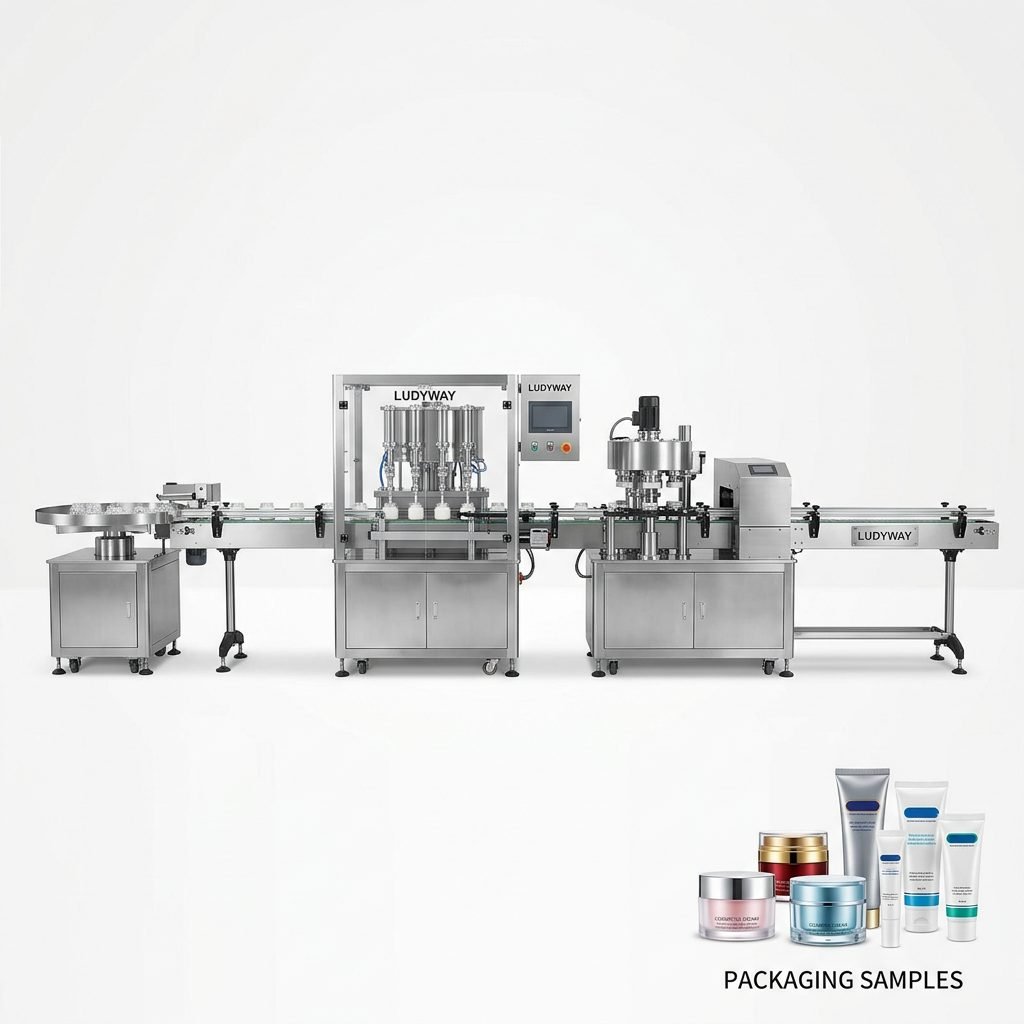
Dairy packaging demands rigorous sanitation. A hygienic butter packing machine should be constructed from food-grade 316 stainless steel and feature a washdown design (IP65 or higher). Look for tool-less disassembly for quick cleaning and sanitation, crevice-free frames, and compatibility with Clean-in-Place (CIP) systems if budget allows. These features are essential for complying with FDA or European hygiene regulations and preventing bacterial contamination.
Evaluating Critical Machine Specifications
When comparing suppliers, use a specification-based approach to narrow down your options. The table below highlights the essential technical parameters you must evaluate during the procurement process.
| Specification Category | Key Parameter | Importance |
|---|---|---|
| Filling System | Piston, Gear Pump, or Servo-Driven | Critical for weight accuracy |
| Speed Range | Packs per minute (PPM) | Matches production demand |
| Sealing Mechanism | Heat seal, Ultrasonic, or Crimp | Ensures hermetic seals |
| Frame Material | SS304 or SS316 Stainless Steel | Durability and hygiene |
The Role of Integrated Turnkey Solutions
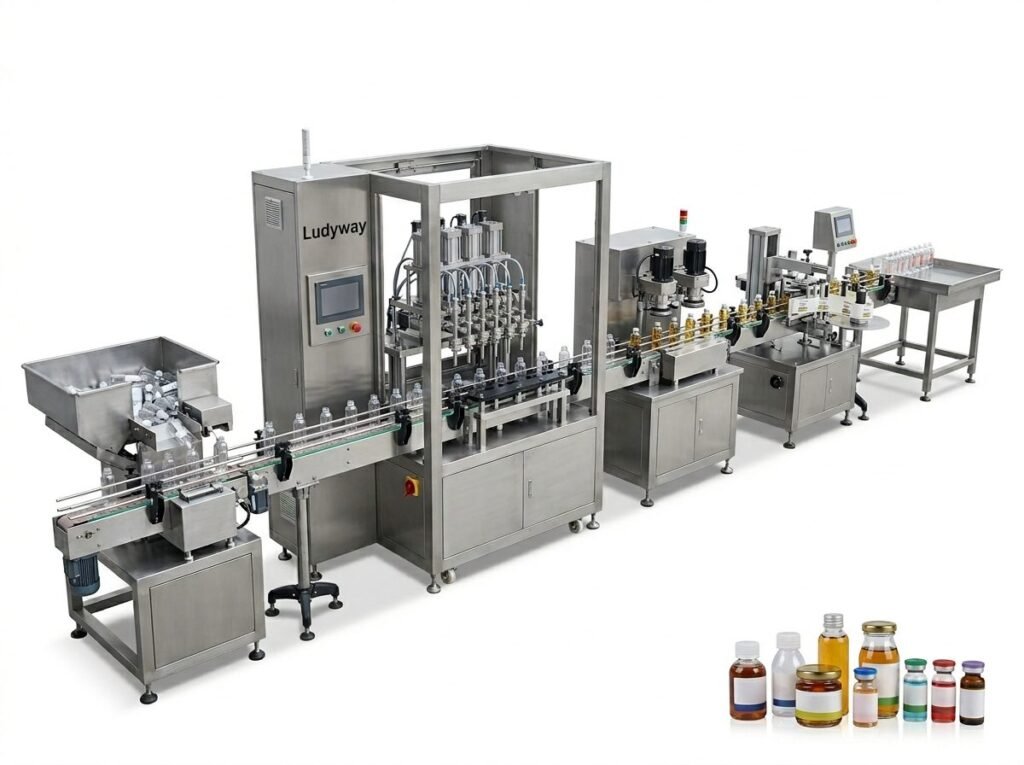
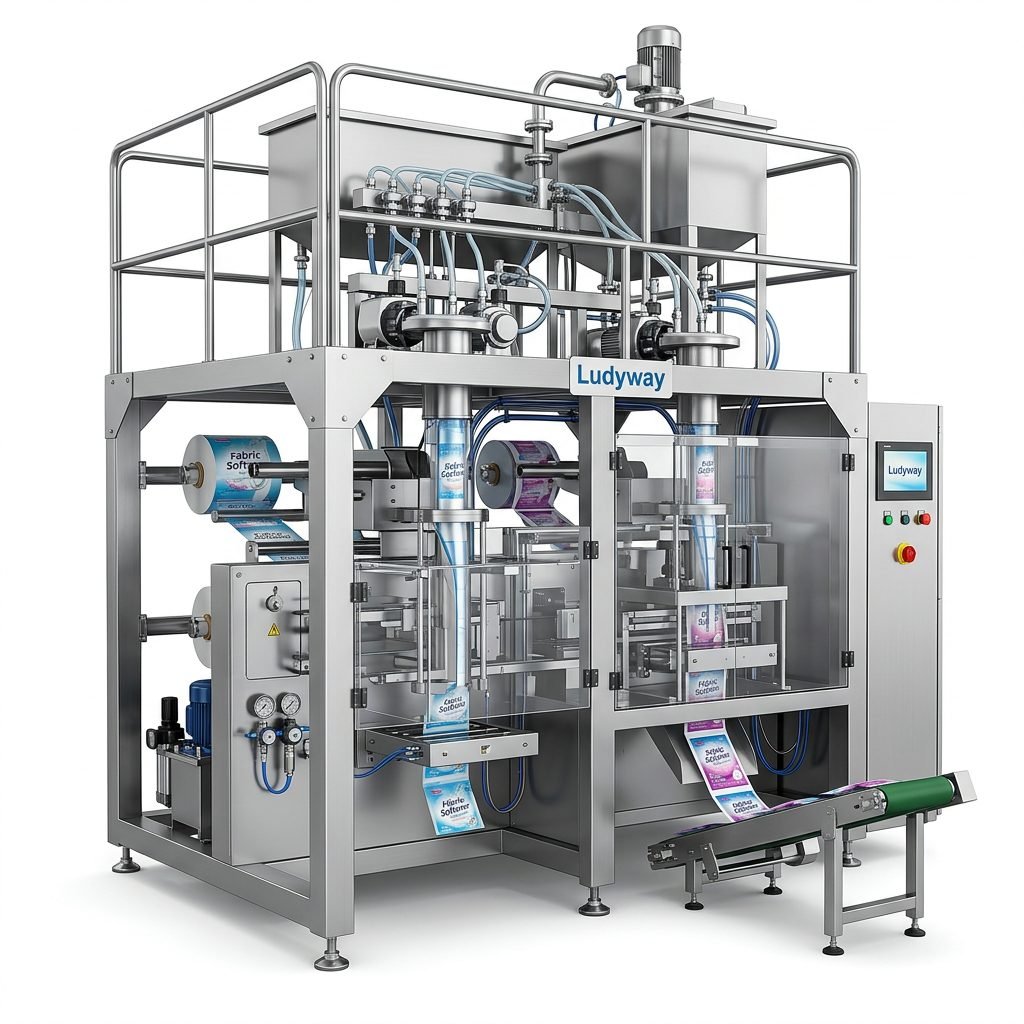
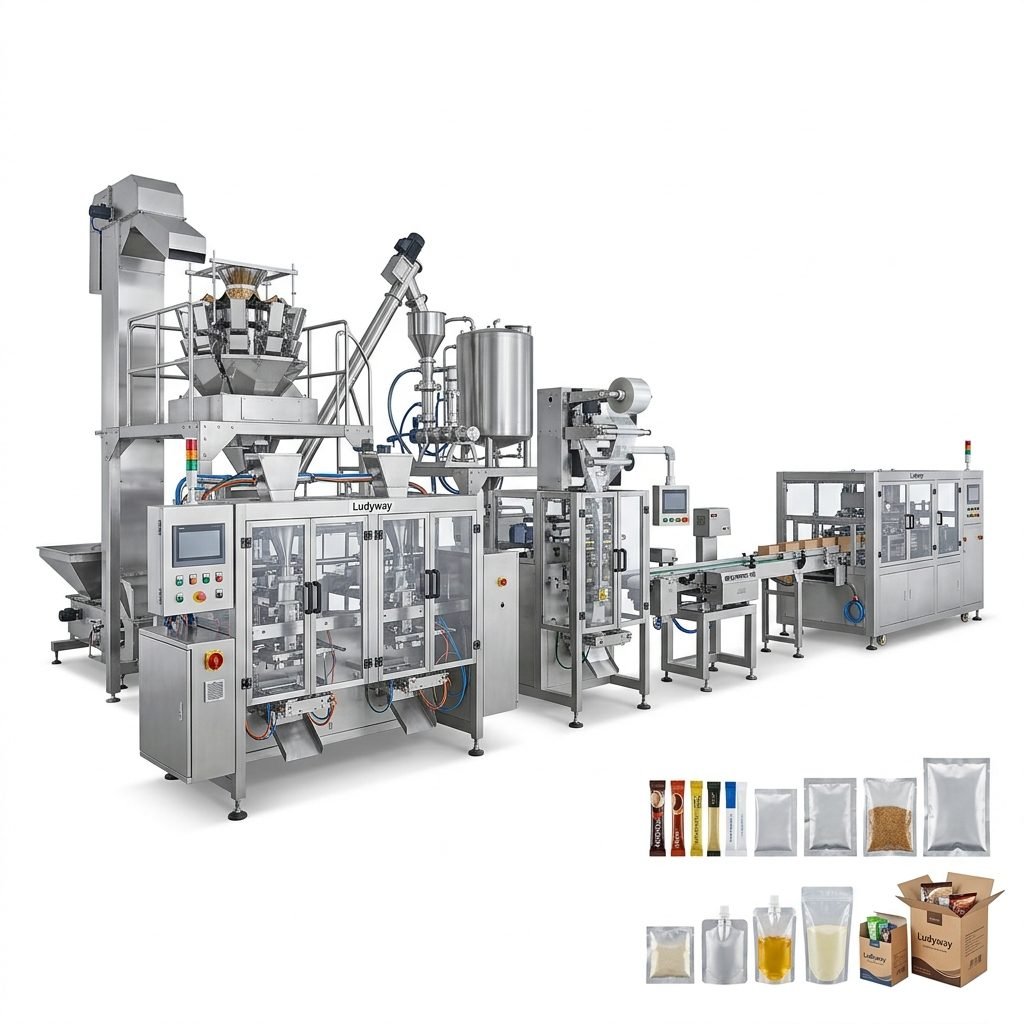
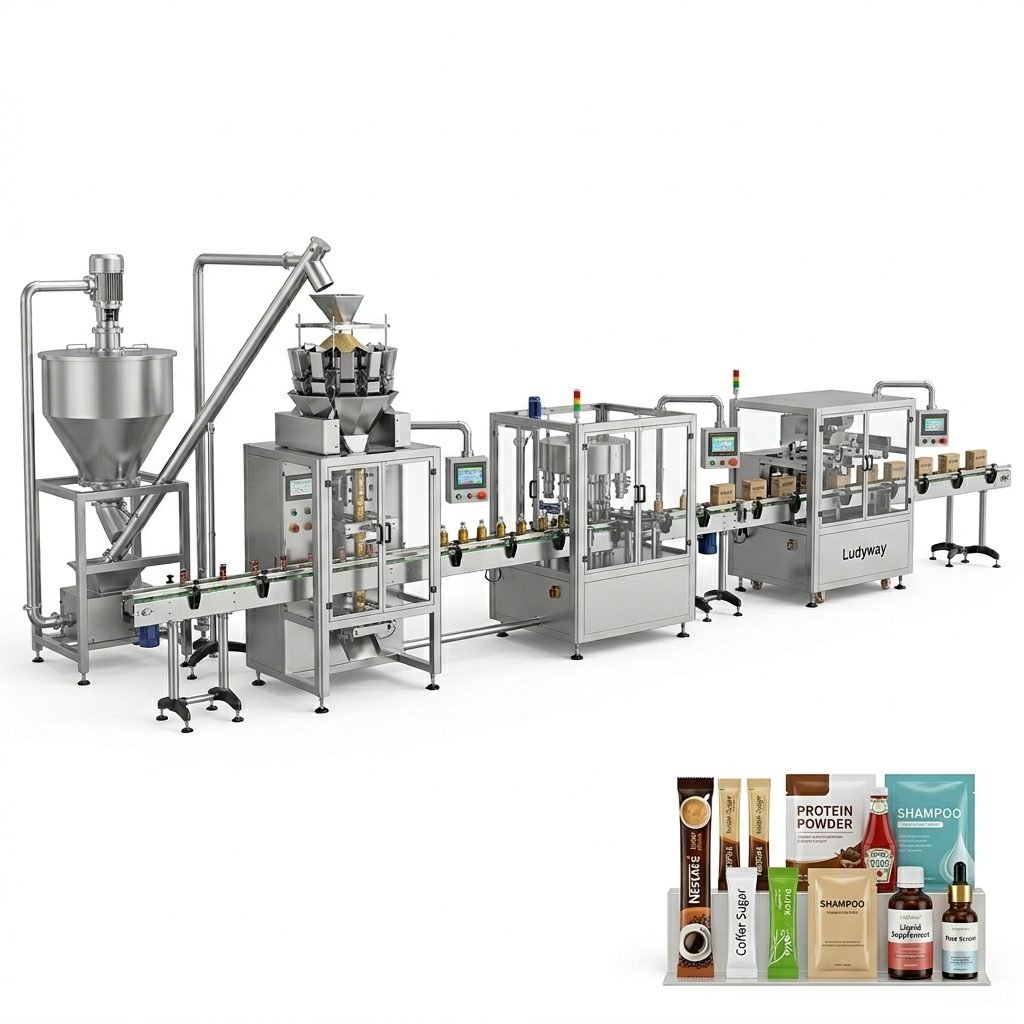
Many modern manufacturers are shifting towards turnkey packaging solutions to streamline project management. Instead of purchasing separate filling, wrapping, and cartoning units from different vendors, a single integrated line ensures seamless communication between modules. This approach minimizes interface risks and ensures a single point of accountability for the entire line’s performance. Companies like Ludyway, with over 30 years of experience, specialize in delivering these comprehensive dairy packaging systems tailored to specific plant layouts.
Maintenance, After-Sales, and Total Cost of Ownership
The purchase price is only one component of the total cost of ownership for a butter processing and packaging machine. Factor in the availability of spare parts, especially wear components like sealing jaws and pump gears. Evaluate the supplier’s remote diagnostic capabilities and local service engineer networks. A machine with a user-friendly HMI touchscreen and recipe management can drastically reduce changeover times between different butter block sizes or packaging formats, improving your long-term return on investment.
For further technical standards, industry best practices often reference resources from organizations like the Association for Packaging and Processing Technologies (PMMI), underscoring the importance of quality engineering in food packaging equipment selection.
Making the Final Decision
Selecting the right butter packaging equipment requires mapping your specific butter characteristics (salted, unsalted, whipped, or compound) to the machine’s engineering capabilities. Prioritize accuracy and hygiene over speed alone, especially for premium butter brands. Requesting a factory acceptance test (FAT) with a sample of your actual product is the most reliable way to verify that the machine will perform under your specific production conditions, ensuring a successful long-term integration into your dairy operation.