
Can Packaging Machines Change Packaging Materials? Complete Engineering & Transition Guide
Discover the mechanical, thermal, and software capabilities of modern packaging equipment when switching from traditional plastic laminates to recyclable mono-materials, paper barriers, aluminum foils, and biodegradable films.
Managing narrow ±2°C operating windows for mono-PE and mono-PP substrates without film burn-through.
Low-friction coated formers calibrated to prevent creasing and edge tears on barrier paper rolls.
Dynamic servo pressure jaw profiles delivering zero micro-leakage across liquid and powder pouches.
Fast multi-lane tool changeovers ensuring compatibility across multi-layer, recyclable, and bio films.
Can Packaging Machines Change Packaging Materials? The Direct Answer
The short answer is yes: modern automated packaging machines can switch materials, but seamless operation requires matching the physical, thermal, and frictional behavior of the new substrate to the machine’s mechanical tooling and PLC motion control.
In high-speed production environments—whether running stick packs, four-side seal sachets, horizontal flow wrappers, or vertical form-fill-seal (VFFS) baggers—material switching is no longer a simple reel swap. Moving from conventional non-recyclable multi-layer films (such as PET/AL/PE or BOPP/VMPET/PE) to eco-friendly alternatives (such as mono-material Polyethylene (PE), Polypropylene (PP), barrier coated paper, or biodegradable PLA blends) alters four fundamental machine interaction properties:
1. Thermal Dissipation & Melting Points: Multi-layer films possess a heat-resistant outer carrier layer (like PET, melting at ~250°C) that protects the internal low-melt sealant layer (PE, melting at ~110°C). When switching to mono-PE or mono-PP, the outer layer and inner sealant share virtually identical melt points. Excessive heat or prolonged dwell time will instantly burn through the web.
Key Takeaway: Material changeability is not determined solely by the film dimensions. It hinges on the machine’s thermal control precision, sealing jaw metallurgy, web tension modulation, and the geometry of forming collars.
2. Dynamic Coefficient of Friction (COF): Flexible films glide through forming collars, dancer rollers, and sealing bars. Sustainable mono-films and paper-based barriers display completely different kinetic and static friction profiles, demanding fine-tuned motorized film pull belts and low-friction hard-anodized or ceramic coatings.
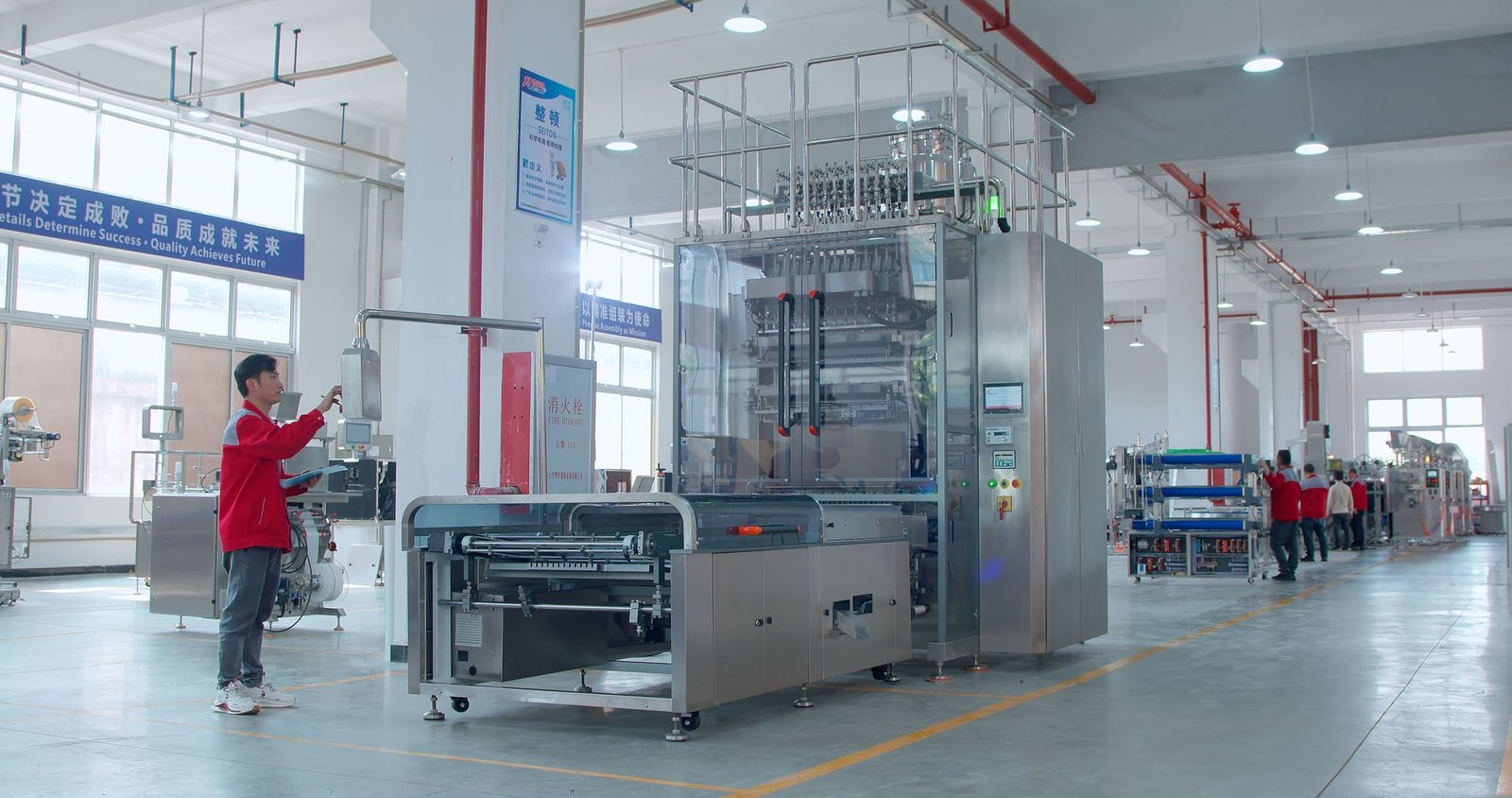
Packaging Substrate Comparison & Machine Adaptability Matrix
Different flexible packaging substrates present unique physical limitations. Review the hardware, temperature, and kinematic adjustments required before switching reels.
| Substrate Category | Sealing Temp Window | Tensile & Elongation | Required Machine Adjustments | Difficulty Level | Typical Industry Use |
|---|---|---|---|---|---|
| Multi-Layer Plastic Laminate (PET/PE, PET/AL/PE, BOPP/CPP) |
Wide 140°C – 200°C |
High stiffness, minimal elongation under tension | Standard PID temperature controllers, conventional serrated steel sealing jaws. | Standard | Coffee, seasoning, medical sachets, liquids. |
| Mono-Material Recyclable PE (MDO-PE / Low-Melt PE) |
Extremely Narrow ±3°C window (~125°C) |
High elongation; stretches easily if web tension is high | Servo-driven web tensioners, active water-cooling plates behind sealing jaws, Teflon/T-profile jaws. | Moderate | Nutritional powders, detergent sachets, pet foods. |
| Mono-Material Recyclable PP (BO-PP / Cast PP) |
Narrow 130°C – 150°C |
Moderate stiffness, sensitive to thermal deformation | Independent PID heating per lane, impulse or ultrasonic sealing for high-speed runs. | Moderate | Confectionery, snacks, functional drink mixes. |
| Barrier Coated Paper (FSC Paper + Water-based / PLA barrier) |
Moderate 130°C – 180°C |
Zero elongation, high puncture risk, prone to edge tear | Custom low-angle forming collars, large-radius turning rollers, continuous rotary pre-heaters. | High | Dry soup powders, tea bags, dried fruit stick packs. |
| Compostable & Bio-Polymers (PLA, PBAT, Cellophane Blends) |
Narrow 95°C – 120°C |
Thermal shrinkage, low hot-tack strength | Extended dwell time, ultra-low heat sealing zones, gentle film unwind brakes. | High | Organic supplements, cosmetics, herbal extracts. |
| Heavy Aluminum Foil Laminates (Paper/Alu/PE, PET/AL/CPP) |
Moderate to Wide 160°C – 220°C |
Dead-fold memory, rigid, crack-prone at sharp folds | High-pressure pneumatic or hydraulic sealing cylinders, smooth radius web guides. | Standard | Pharmaceutical granules, diagnostic reagents, chemical solvents. |
Key Engineering Challenges When Changing Packaging Materials
Overcoming these four physical hurdles determines whether your packaging machinery achieves its rated speed or suffers excessive downtime and film scrap.
Thermal Window Narrowing
Traditional multi-layer structures allow a broad temperature tolerance (often up to 30°C). With recyclable mono-materials (MDO-PE or OPP), exceeding the sealing threshold by merely 3°C to 5°C melts the exterior surface, causing jaw sticking and pouch deformation. Machine heating systems must incorporate ultra-responsive multi-zone PID controllers and internal heat pipe designs to distribute temperature uniformly across all lanes.
Web Tension & Modulus Variability
Polyethylene films feature a significantly lower Young’s modulus than PET or Aluminum foil. If unwinding tension is excessive, mono-PE stretches elastically during transport, causing eye-mark misregistration, necking, and warped sachet dimensions. Machines must utilize servo-synchronized dancer arms with low-inertia load cells to maintain micro-tension stability (under ±1.5 N).
Forming Collar Friction & Paper Tear
Switching from plastic to barrier-coated paper eliminates film elasticity. Standard sharp-angle forming collars exert high shear stress along the fold lines, resulting in micro-cracks in the barrier layer or complete web tearing. Converting to paper demands custom 3D-modeled forming shoulders featuring expanded bend radii and diamond-like carbon (DLC) anti-friction coatings.
How to Change Packaging Materials: Step-by-Step Tuning Protocol
Follow this structured engineering protocol to transition machine lines to new substrates without compromising output yield or hermetic seal strength.
Substrate Characterization & Thermal Lab Audit
Perform Differential Scanning Calorimetry (DSC) and Hot-Tack testing on the new material reel. Identify the exact Seal Initiation Temperature (SIT), melting peak, and thermal degradation threshold to establish initial PLC baseline parameters.
Mechanical Web Path & Forming Collar Optimization
Inspect guide rollers, dancer arms, and forming collars. Replace standard abrasive chrome rollers with hard-anodized or PTFE-sleeved idlers. For paper conversions, install high-radius forming shoulders to avoid fiber fracturing.
Sealing Jaw Geometry & Heating Module Upgrades
Evaluate sealing jaw profiles. When running mono-PE, switch from coarse cross-hatch serrations to fine line serrations or flat-faced Teflon-coated jaws. For heat-sensitive bio-films, integrate ultrasonic sealing horns to seal internally without conducting heat through the exterior web.
Servo Kinematics & Cooling Cycle Calibration
Reprogram the PLC motion profiles. Increase jaw dwell time while decreasing peak jaw temperature. Add water-cooled chill blocks immediately downstream from the sealing station to freeze the molten sealant before pouch gravity discharge.
High-Speed Validation & Vacuum Leak Integrity Testing
Ramp machine speed progressively from 30% to 100% capacity. Conduct dye-penetration and ASTM D3078 bubble-emission vacuum leak testing to verify hermetic packaging reliability across multi-lane configurations.
Material Transition Solutions Across Key Manufacturing Sectors
See how automated packaging systems adapt to distinctive substrate chemistry across food, pharmaceutical, and chemical formulations.
Food & Beverage Nutrition
Replacing metallized foil with high-barrier paper or mono-PE for instant coffee, seasoning powders, protein shakes, and drink mixes. Ludyway packaging lines integrate servo-controlled web tracking and dual pre-heating stations to preserve barrier freshness without puncturing.
Pharmaceutical & Health Sachets
Transitioning clinical sachets and oral rehydration salt packaging from complex tri-laminates to recyclable mono-polymers while strictly adhering to moisture barrier and sterility requirements. Incorporates precision checkweighing and leak-proof ultrasonic sealing.
Cosmetics, Chemical & Liquid Products
Handling aggressive chemical detergents, personal care serums, and hand sanitizers in recyclable flexible pouches. Engineered with anti-corrosive SUS316L liquid nozzles, drip-free piston pumps, and high-pressure hermetic sealing bars.
Featured Packaging Machines with Material Change Capability
Explore Ludyway’s flagship automated packaging systems designed with interchangeable sealing tooling, servo web drives, and multi-substrate compatibility.
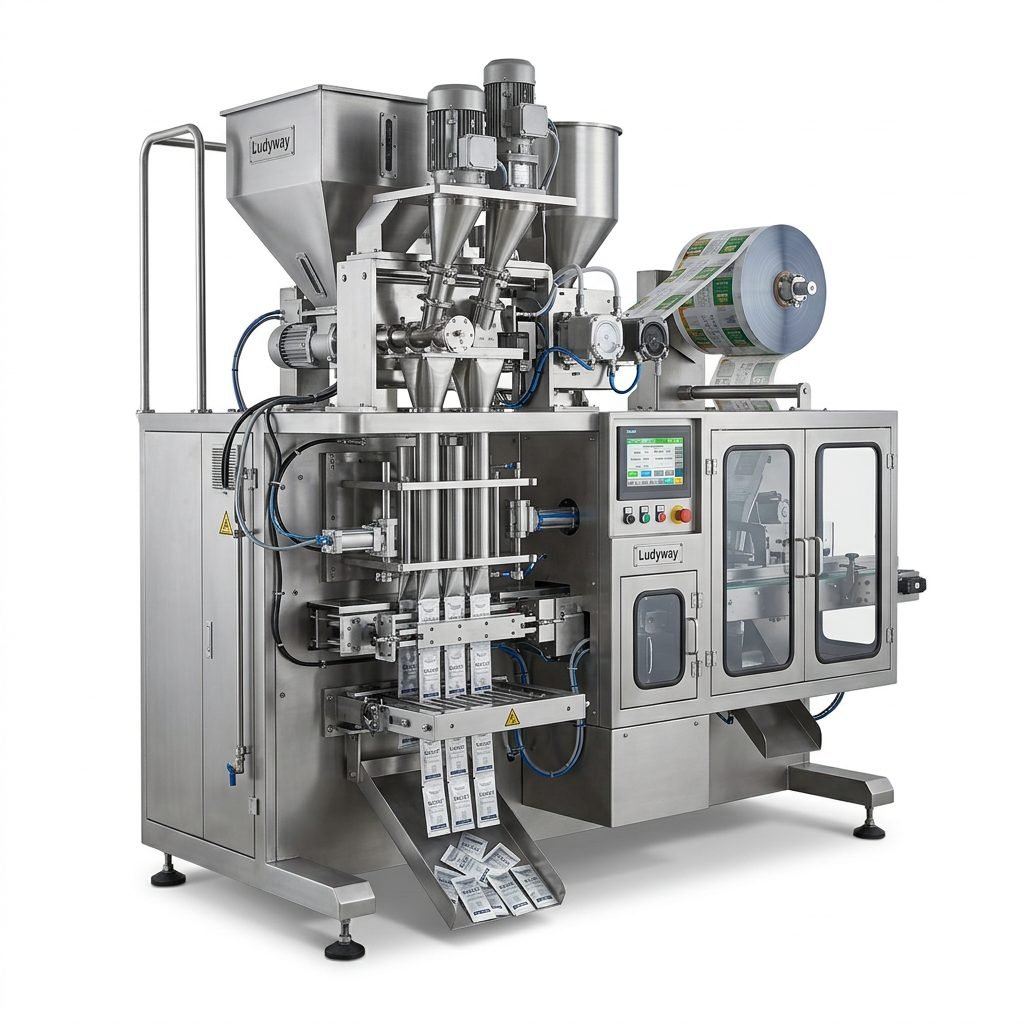
Multi-Lane Sachet Packaging Machine for Powder Granule Liquid Filling
View Machine Details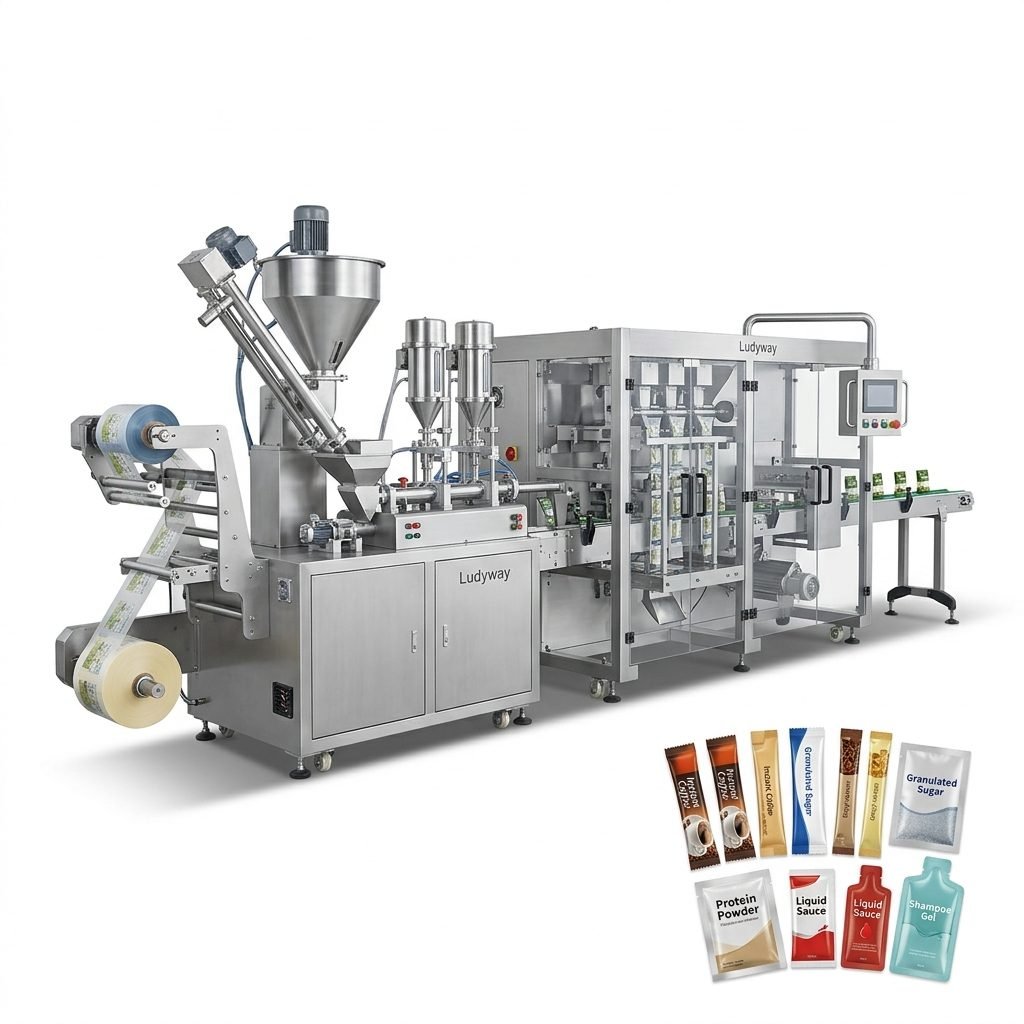
Customizable Flexible Packaging Lines for Granules, Powder, and Liquid Products
View Machine Details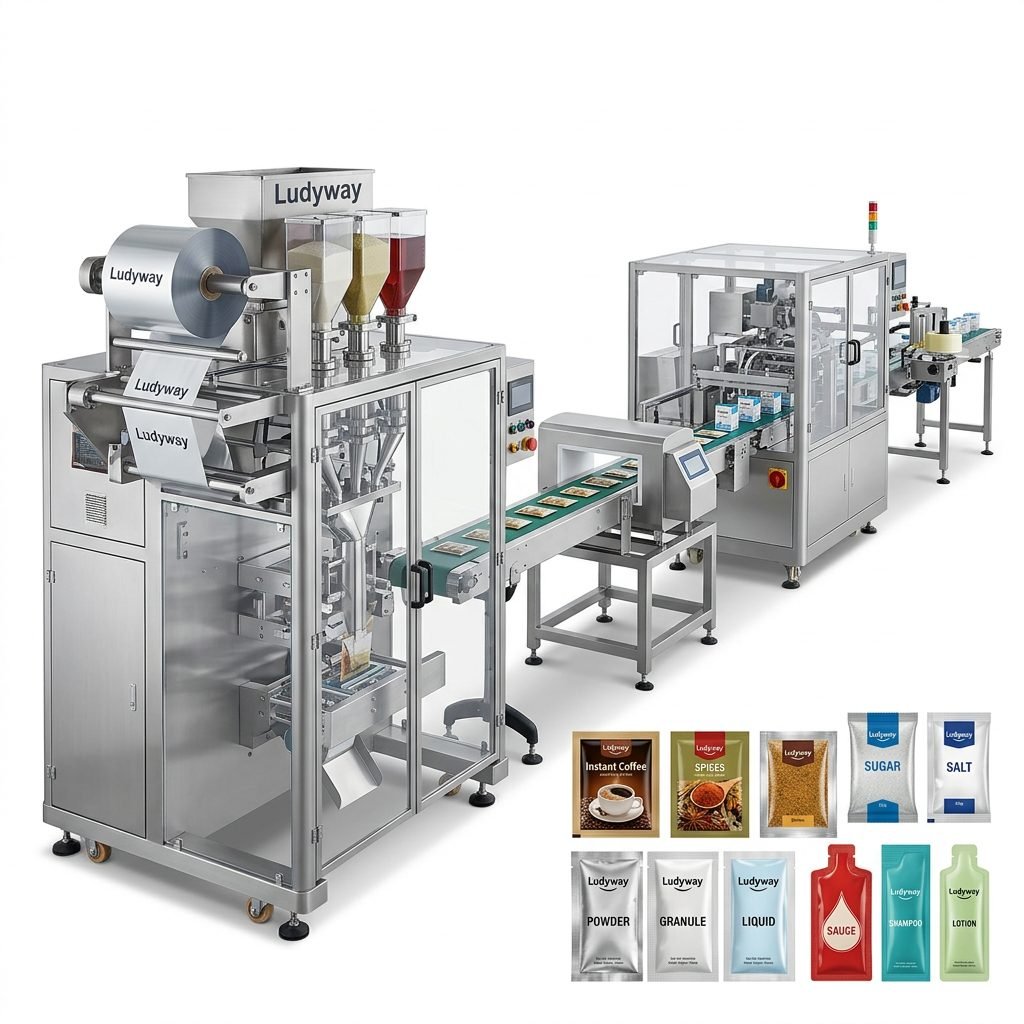
Automated Sachet Packaging Lines for Powder, Granule & Liquid Products
View Machine Details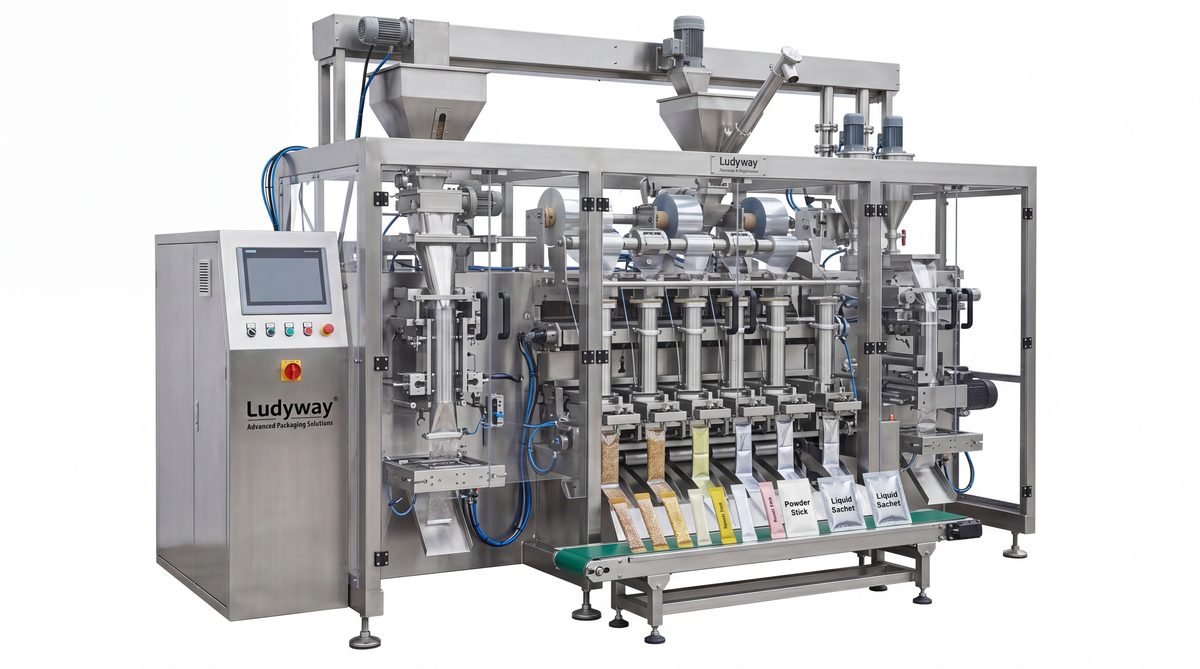
Multi-Lane Stick Pack & Sachet Packaging Machine for Granule, Powder, Liquid
View Machine Details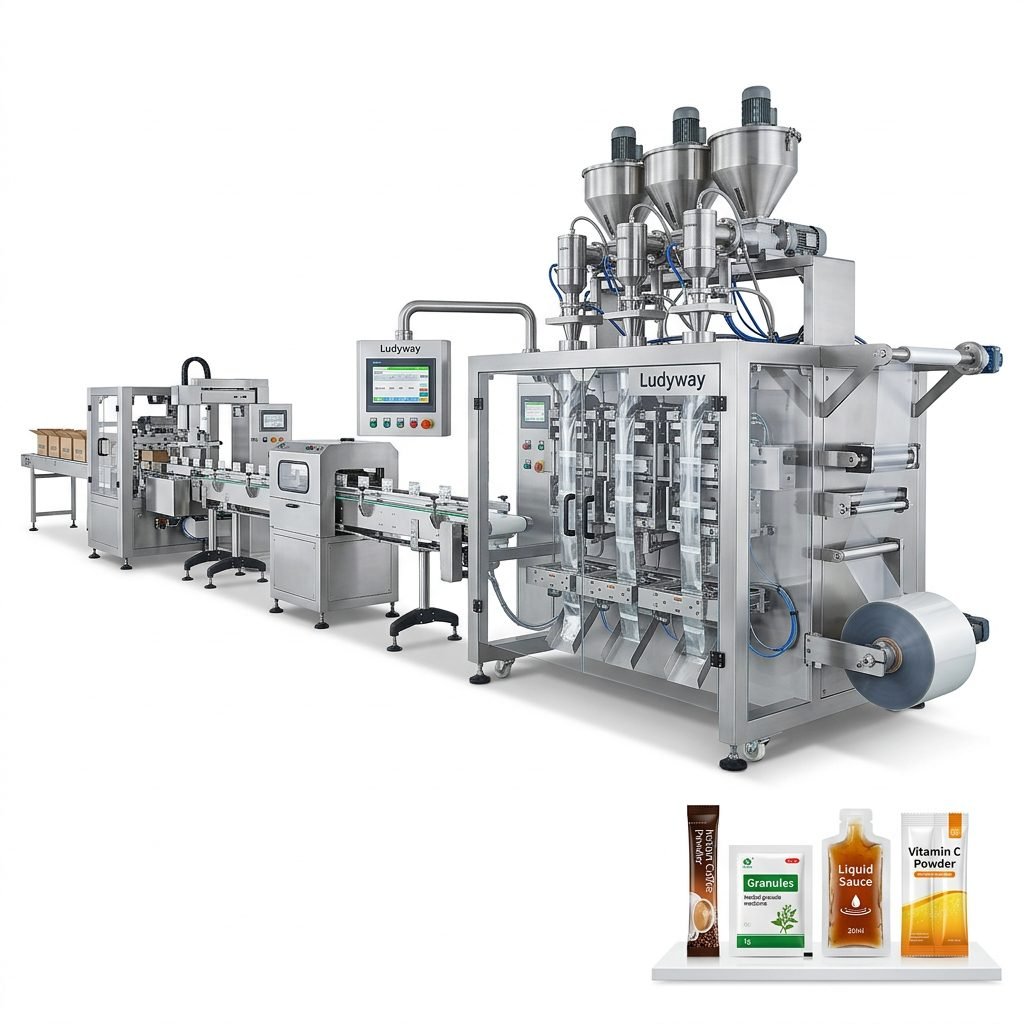
Smart Granule Powder Liquid Packaging Lines for Food Pharmaceutical Industries
View Machine Details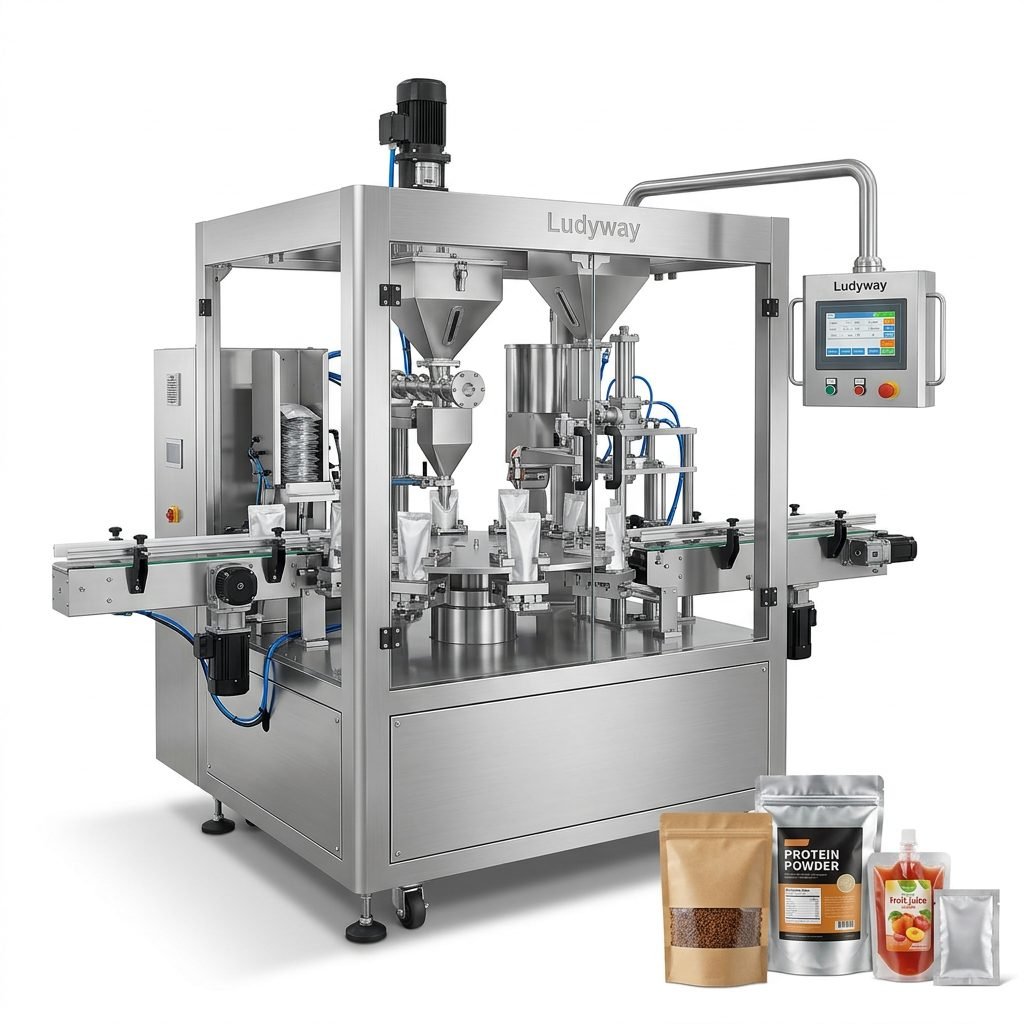
Premade Pouch Packaging Machine for Granules Powder Liquids Automated System
View Machine Details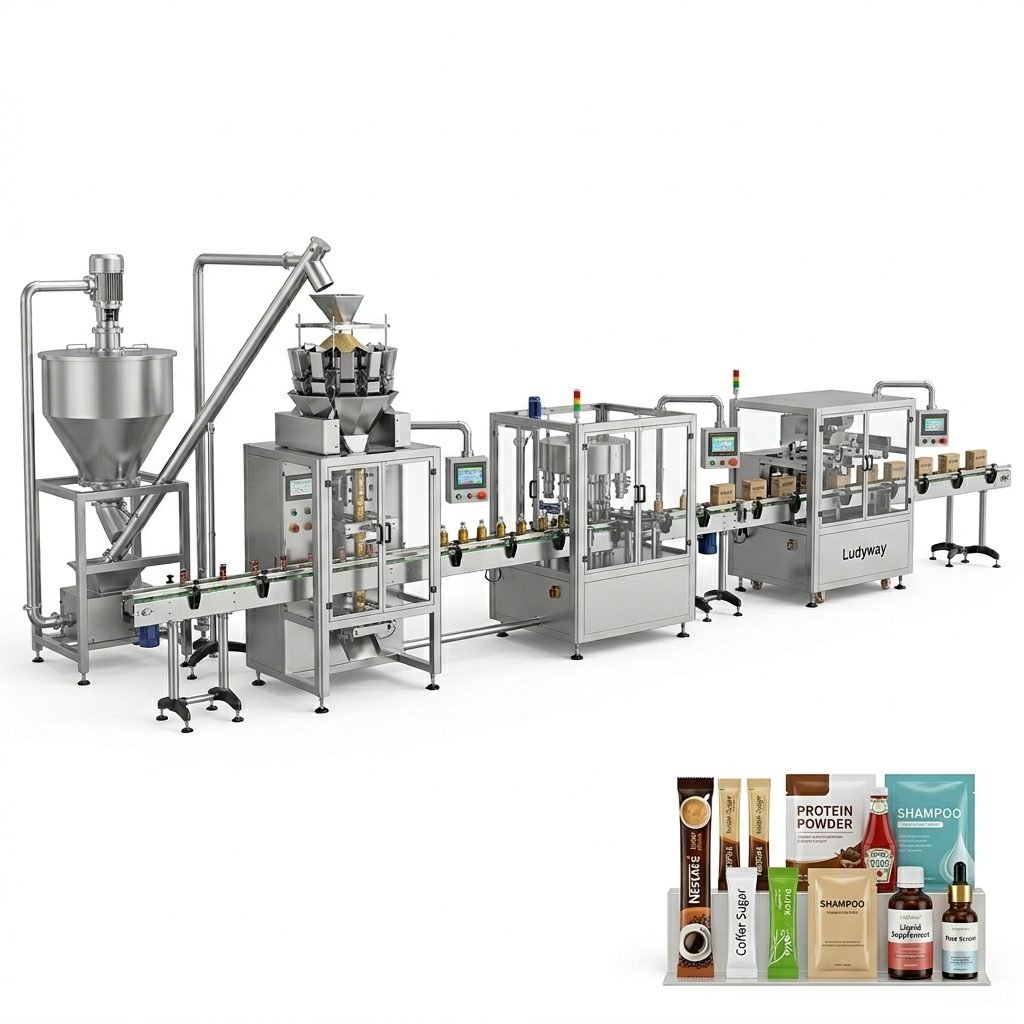
Complete Turnkey Packaging Solutions for Granule, Powder, and Liquid Products
View Machine Details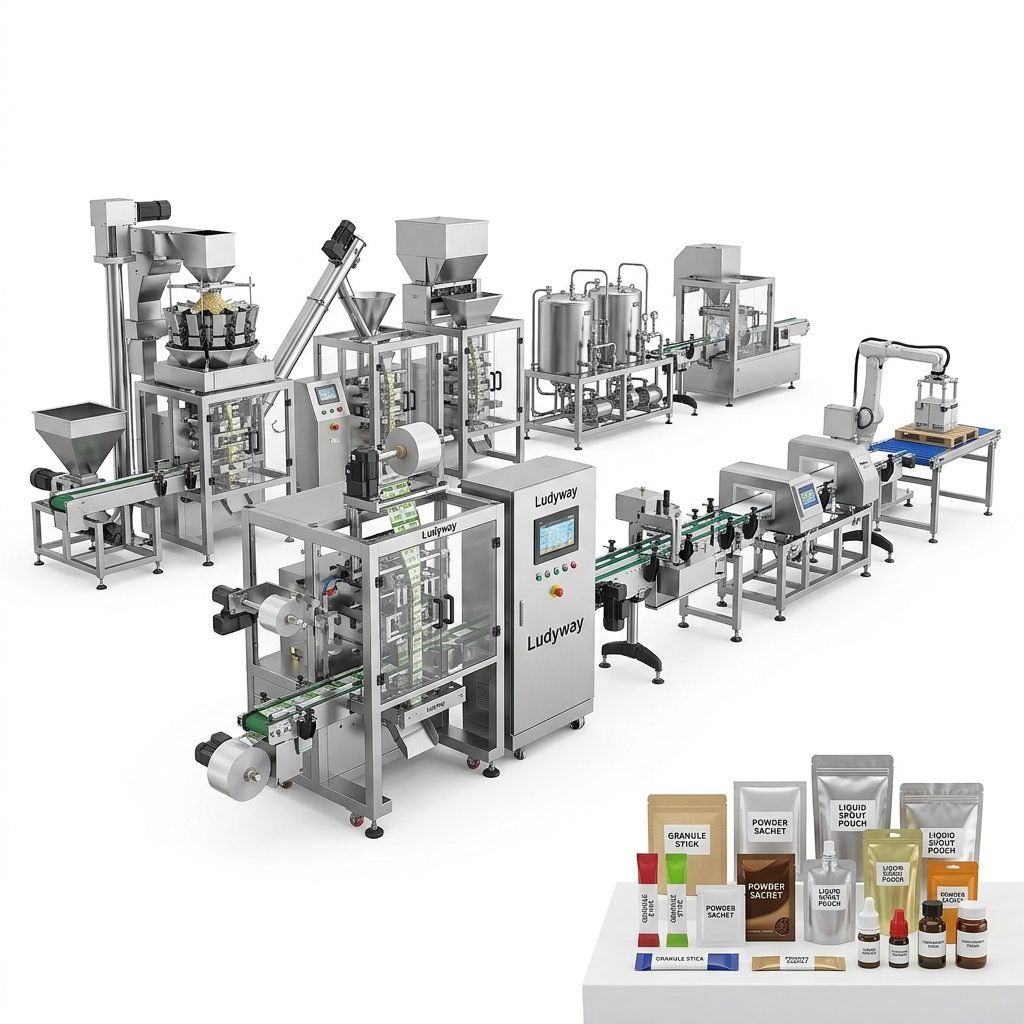
Automated Smart Factory Packaging Lines for Granules, Powder, Liquids & Pouches
View Machine DetailsWhy Global Brands Choose Ludyway for Flexible Packaging Automation
With over 30 years of specialized manufacturing experience, Ludyway designs, engineers, and tests intelligent packaging machinery capable of handling worldwide material innovations.
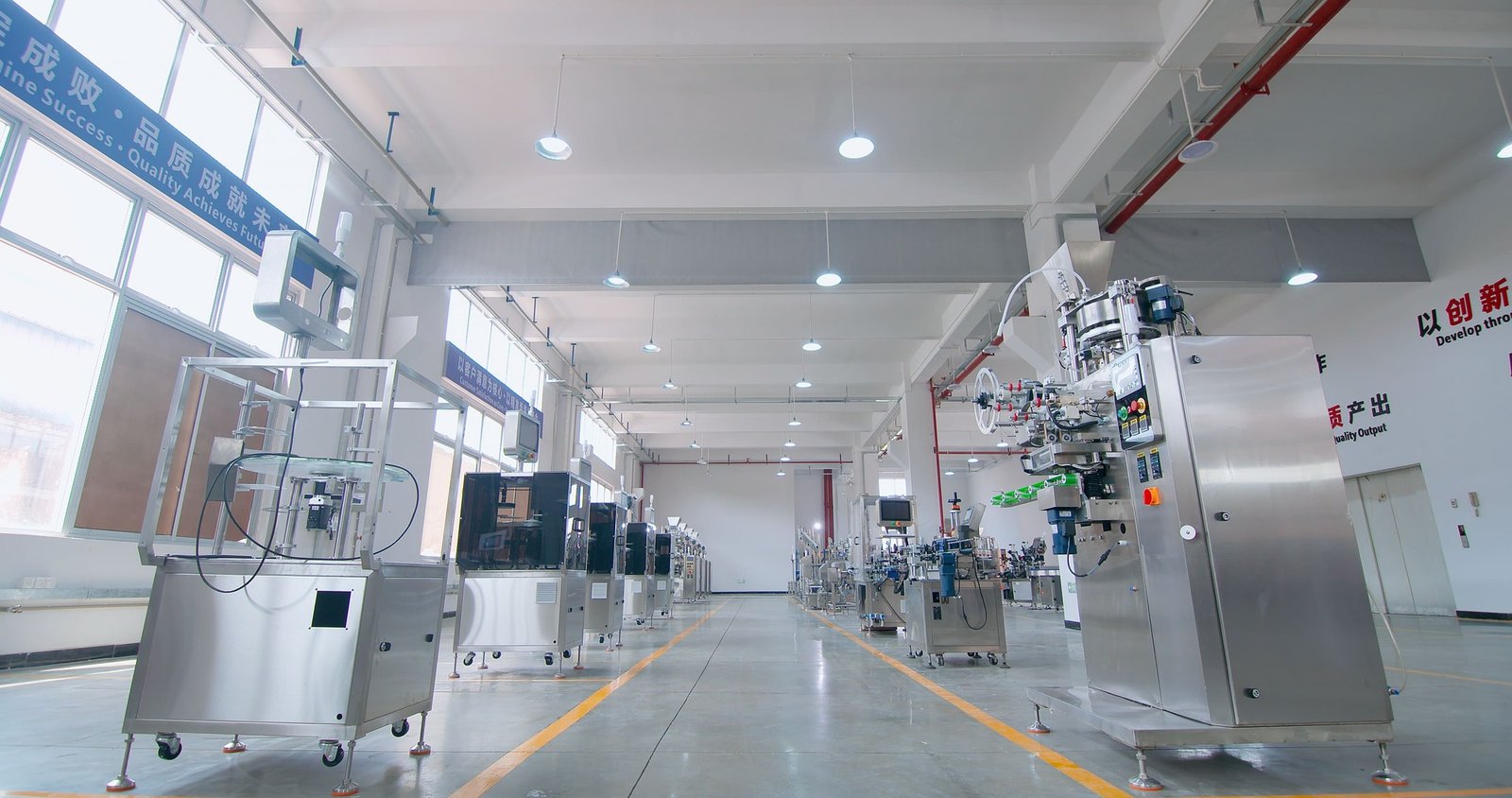
Rigorous Substrate Compatibility Lab Testing
At Ludyway, every machine model is engineered with modular versatility in mind. Before delivery, our engineering team conducts exhaustive validation trials using client-supplied film reels—including ultra-thin mono-PE, bio-degradable PLA, water-soluble PVA, and barrier papers.
Our dedicated material laboratories evaluate tensile elongation, coefficient of friction (COF), seal initiation temperatures, and burst pressure resistance to guarantee turnkey readiness upon plant installation.
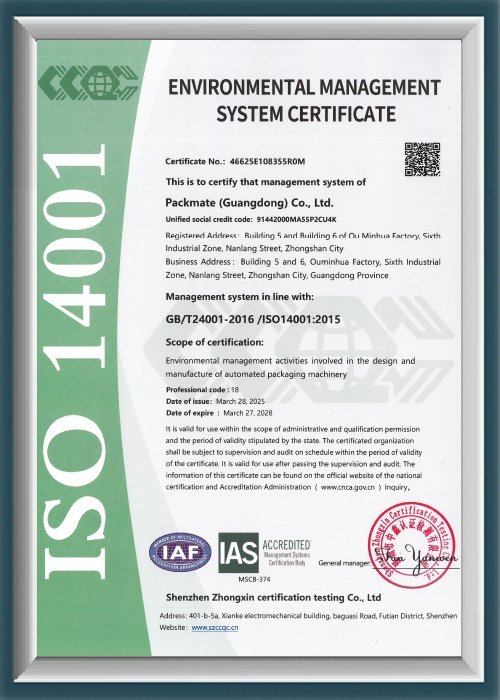
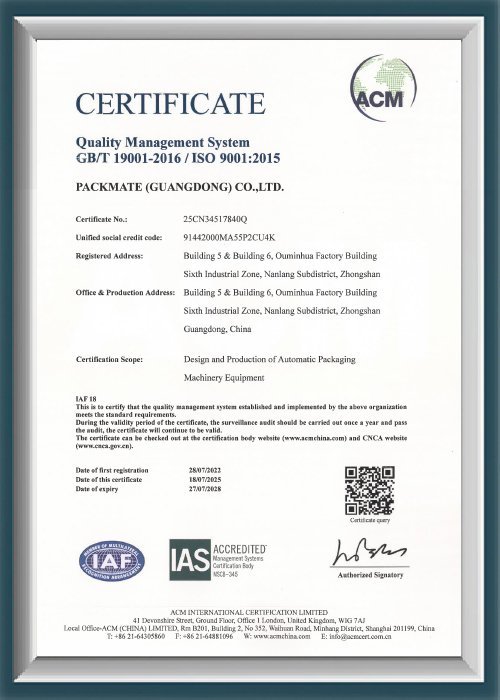
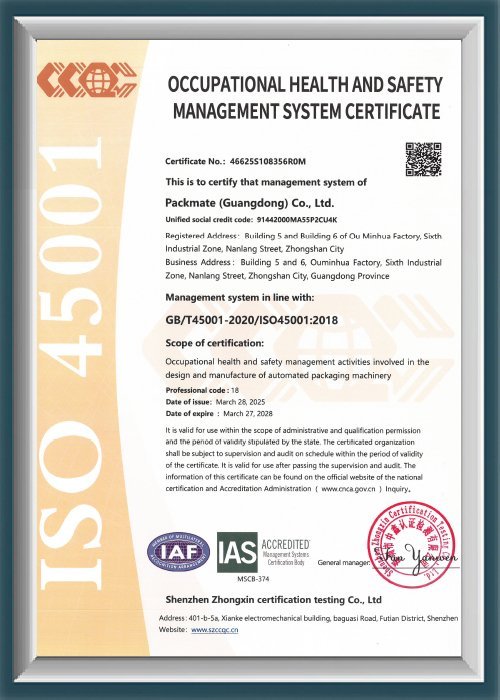
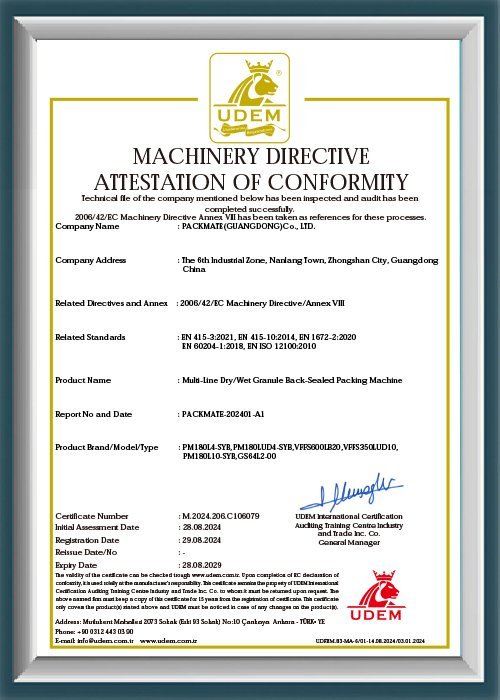
International Certifications & Compliance
Packaging Machine Material Conversion FAQs
Find expert answers to frequent engineering questions regarding film switching, machine modifications, and operational output.
How much machine downtime is typical when switching between different film materials?
On modern servo-driven packaging machines with recipe management on the HMI, switching between similar multi-layer laminates takes less than 15 minutes (roll swap and tension re-zeroing). However, switching from a conventional laminate to a 100% mono-PE or barrier paper may require 1 to 2 hours for mechanical former adjustments, sealing jaw alignment, and thermal stabilization.
Can standard multi-lane stick pack machines run 100% recyclable mono-PE film without modifications?
Generally no. Standard multi-lane machines rely on high heat and constant pressure suitable for PET carriers. Running mono-PE without upgrades often leads to web stretching, burn-through, and jaw sticking. To run mono-PE successfully, machines need Teflon-coated sealing surfaces, localized cooling plates, and precision tension sensors.
Why does barrier paper tear so easily on conventional vertical forming collars?
Paper has virtually zero tensile elongation compared to plastic films. Standard forming collars feature aggressive folding angles designed to force plastic into a tube. Paper forced through these acute angles experiences severe tensile shear. Switching to paper requires custom forming collars with gentle entry angles and diamond-polished or ceramic coatings.
Will changing packaging materials reduce maximum production output speed?
In some cases, transitioning to sustainable substrates can reduce production speed by 10% to 25% if using thermal conduction sealing, due to the need for lower temperatures and longer dwell times. However, by upgrading to servo-motion continuous heat sealing or ultrasonic sealing systems, Ludyway packaging lines can maintain up to 95% of rated multi-lane output speeds.
Does Ludyway offer retrofit kits for existing packaging machines?
Yes. Ludyway provides custom modular retrofit packages, including upgraded servo unwind systems, custom 3D-machined forming collars, advanced PID temperature controllers, and specialized sealing jaw assemblies tailored to your specific sustainable film requirements.
Ready to Transition Your Packaging Line to New Substrates?
Consult with Ludyway’s senior packaging engineers today. We evaluate your film specifications, provide free lab testing, and deliver turnkey machinery built for ultimate material flexibility.
