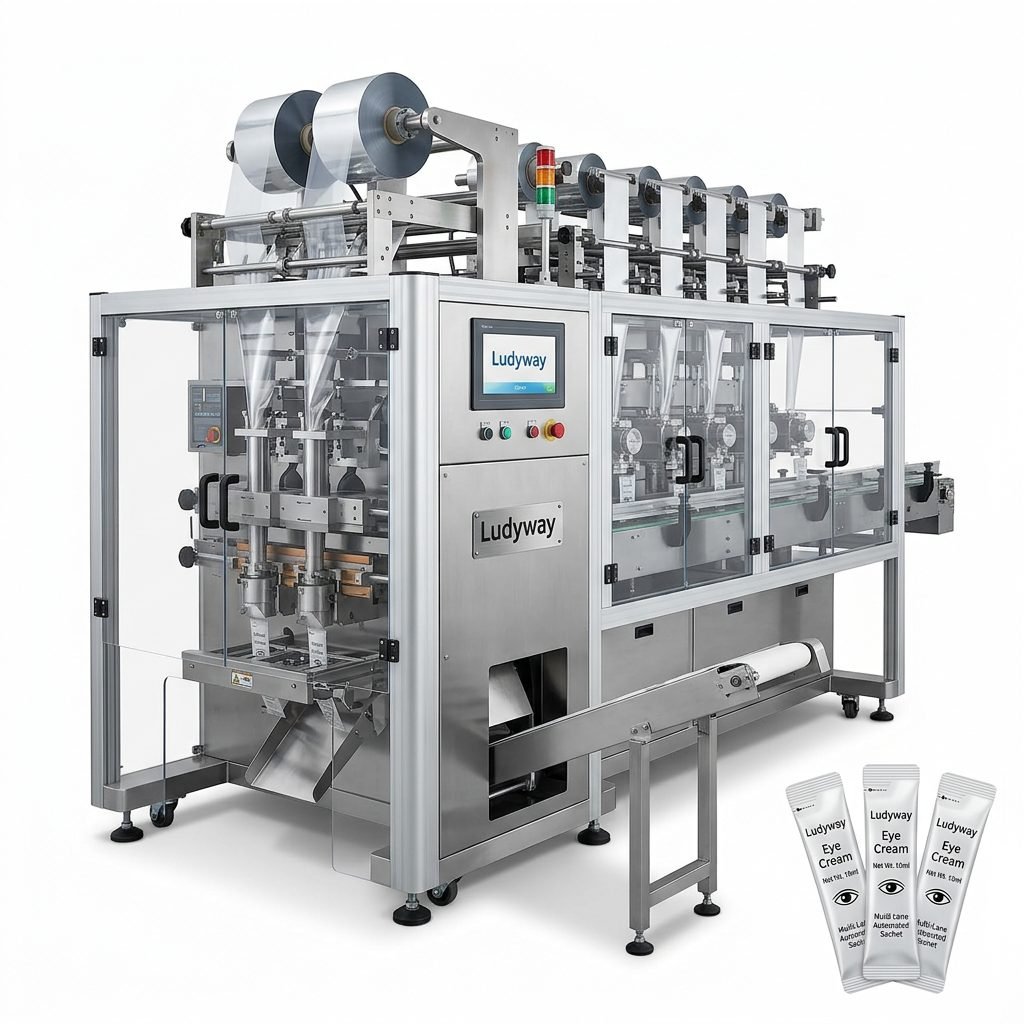
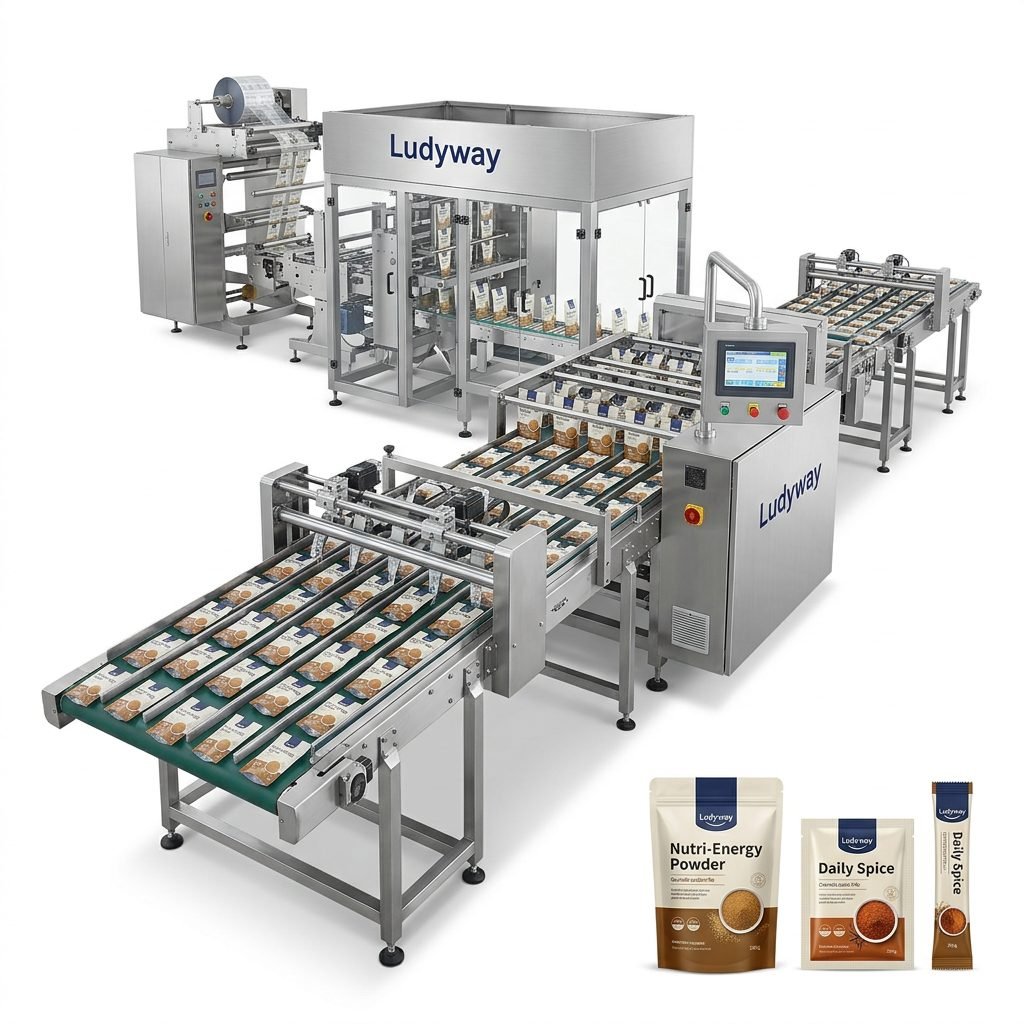
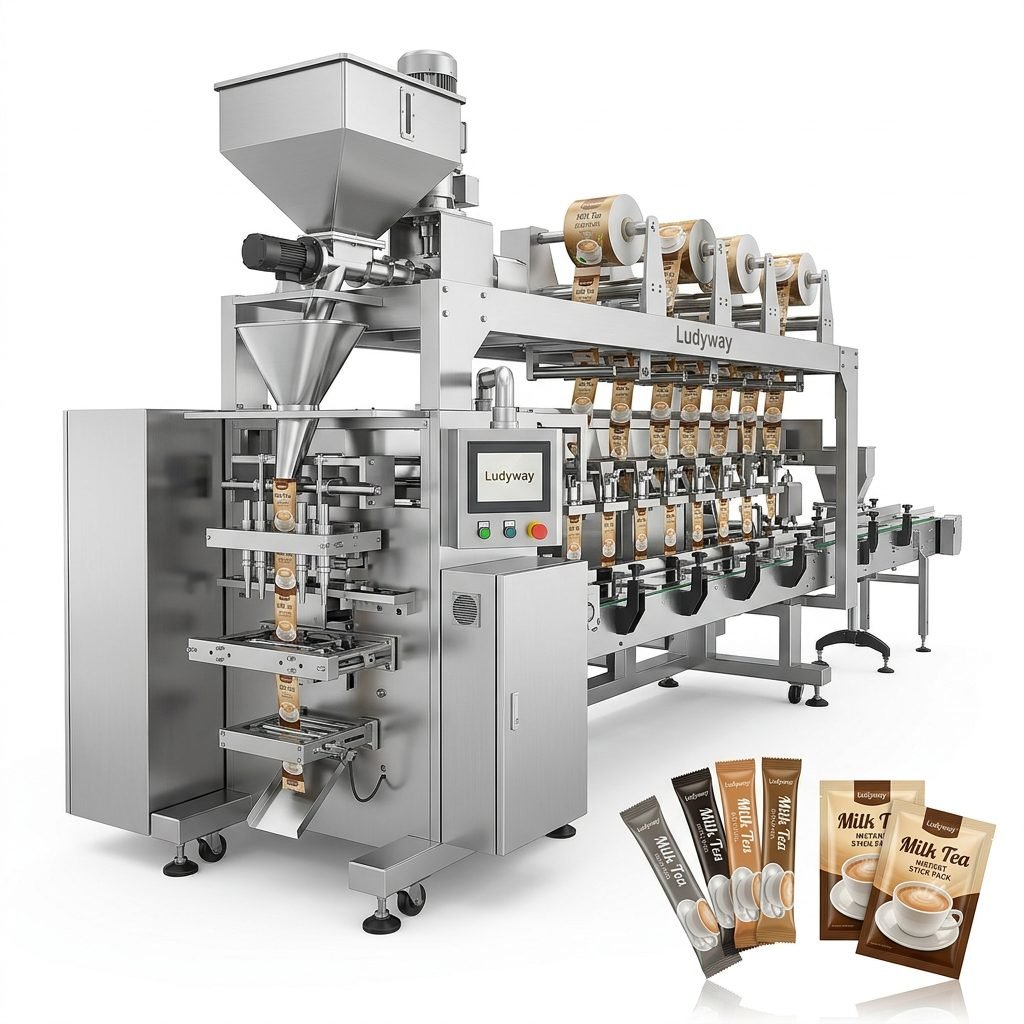
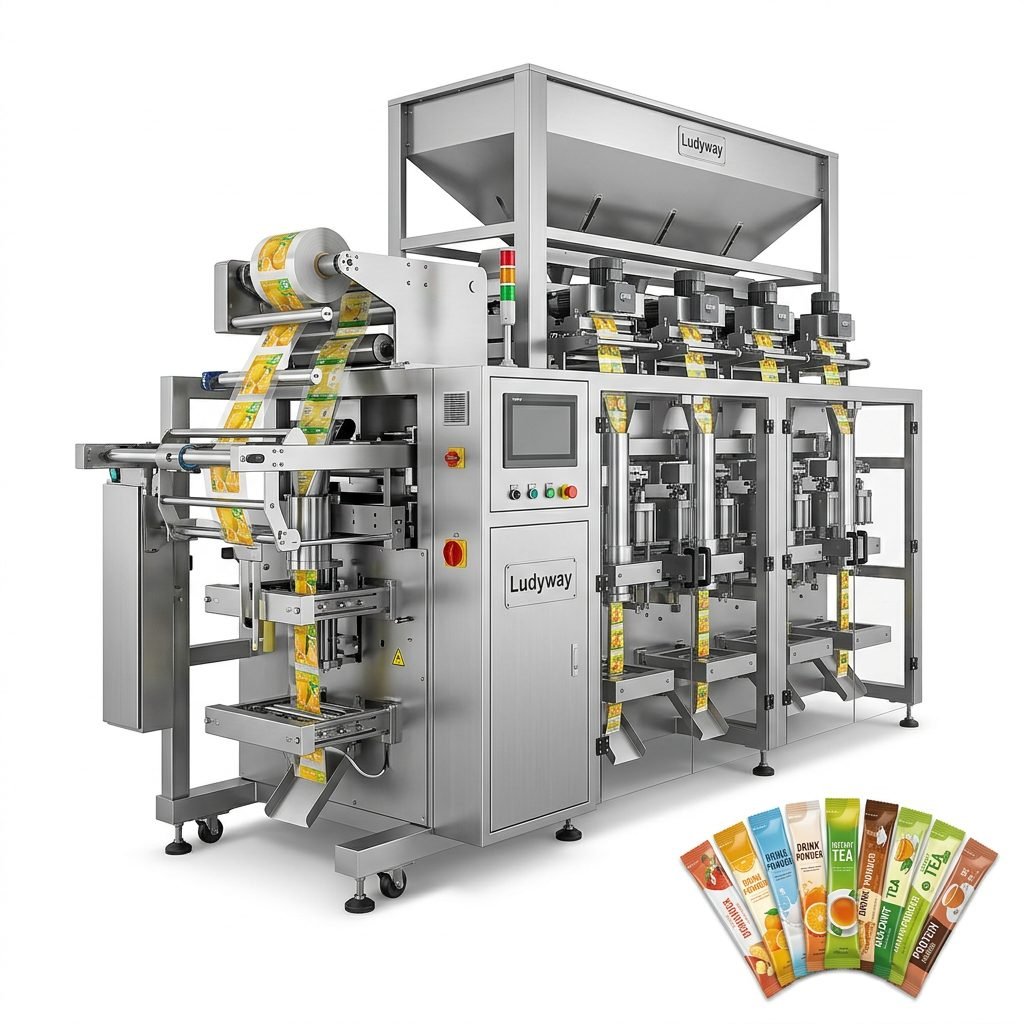
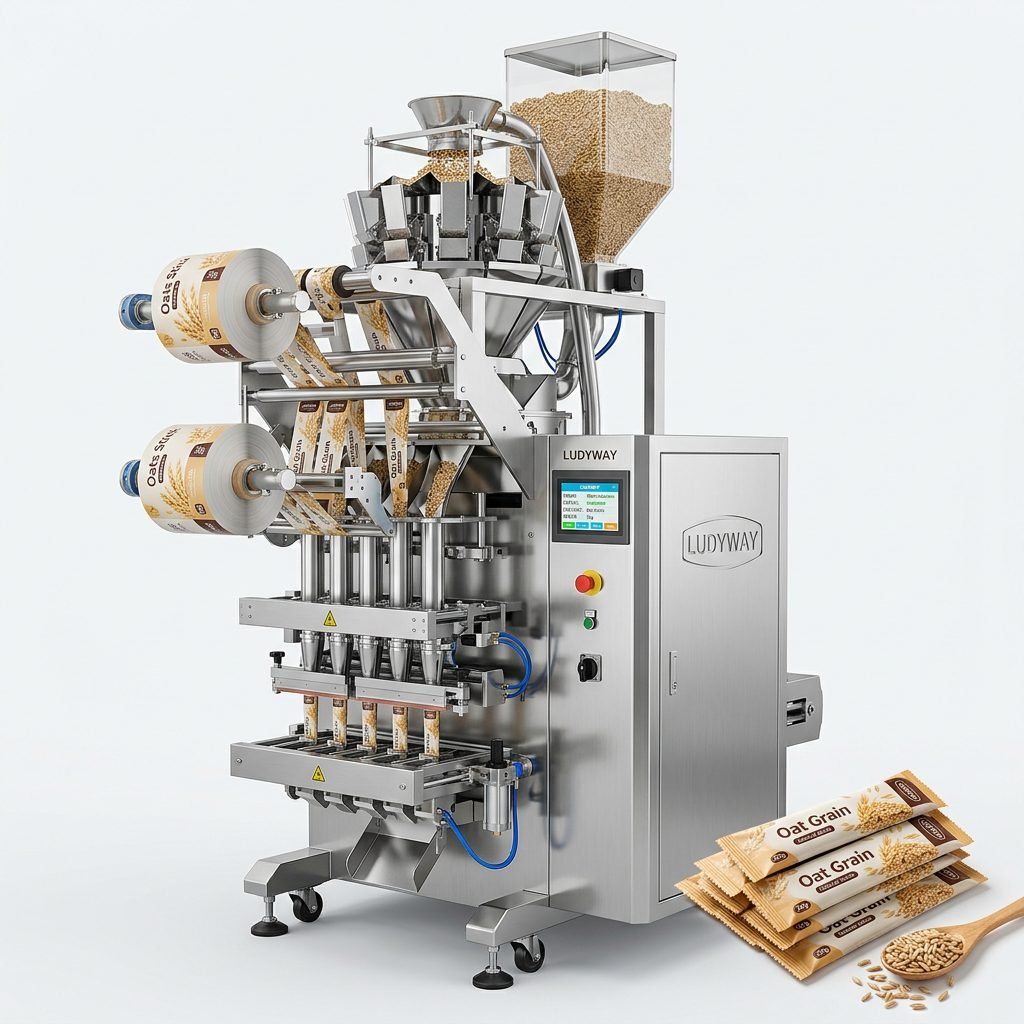
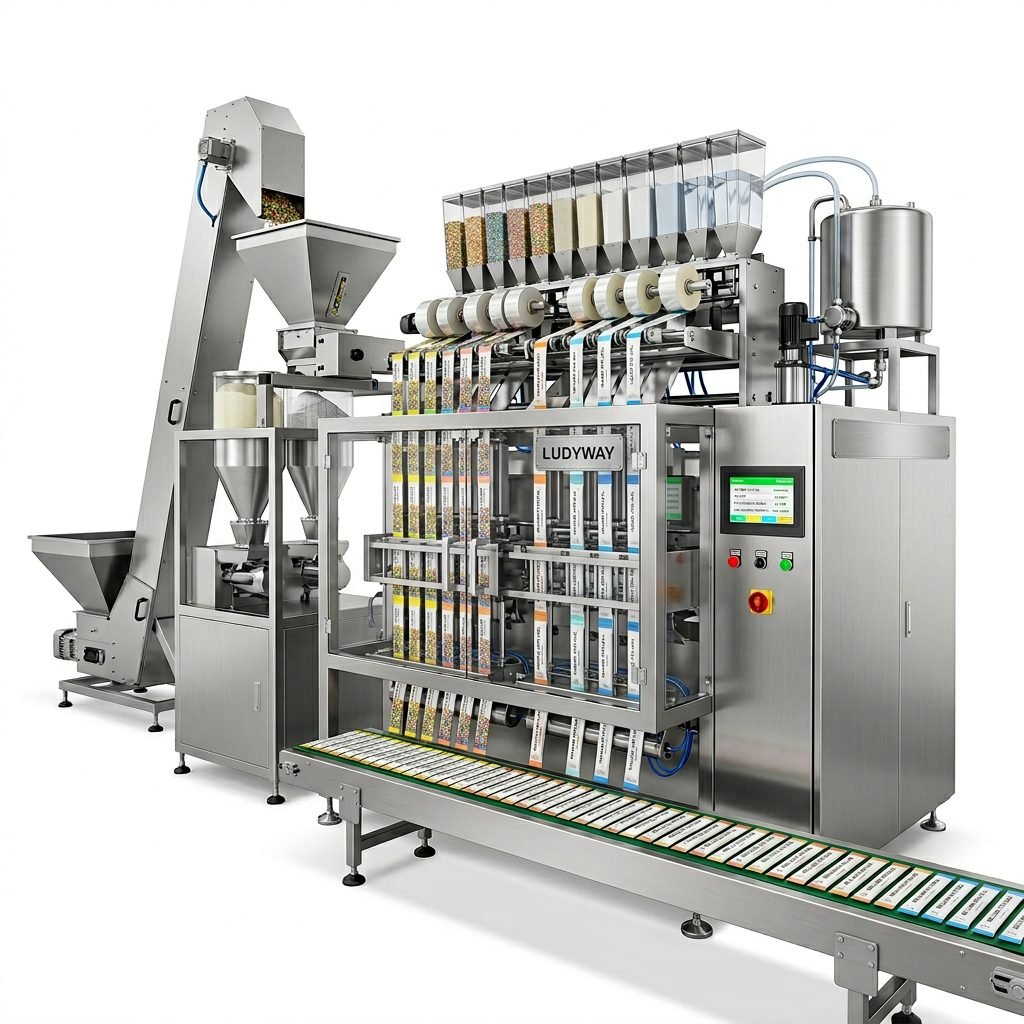
In the competitive world of candy manufacturing, efficiency and presentation are paramount. The packaging process is not just a final step; it’s a critical component that protects the product, enhances its appeal, and ensures operational efficiency. Selecting the right candy bar packaging machine is a complex decision that impacts your production line’s speed, reliability, and overall output quality. This guide provides a comprehensive overview of the types of machines available, their key features, and a structured approach to choosing the perfect equipment for your specific needs.
Understanding Candy Bar Packaging Machine Types
Candy bar packaging machines are specialized equipment designed to wrap, seal, and sometimes group individual candy bars. The choice of machine type depends heavily on the bar’s size, shape, wrapping material, and desired production speed.
1. Flow Wrappers (Horizontal Wrapping Machines)
Flow wrappers are the most common type for wrapping individual candy bars in a flexible film, such as polypropylene or foil. The bar is fed horizontally into a forming collar where the film is wrapped around it, and then sealed with heated rollers or a crimping mechanism.
Key Application: Ideal for standard rectangular or oblong candy bars like chocolate bars. They offer high speeds, often exceeding 300 packs per minute.
2. Fold Wrappers
This traditional method involves a machine that folds a pre-cut piece of wrapping material (like paper or foil) around the candy bar, creating a neat, folded-end finish. It often provides a more classic, premium look compared to flow wrapping.
Key Application: Perfect for candies where a vintage or artisanal aesthetic is desired, or for bars that are not perfectly suited to flow wrapping due to shape.
3. Bundling & Multipacking Machines
These machines take individually wrapped bars and group them into larger units—such as 3-packs, 6-packs, or boxes. They can use film overwrapping, carton loading, or shrink wrapping to create the bundle.
Essential for: Creating retail-ready multi-packs for supermarkets and bulk sales.
4. Complete Turnkey Production Lines
Beyond standalone wrappers, integrated lines combine forming, cooling, wrapping, and bundling into a seamless automated process. This is the solution for large-scale manufacturers looking to maximize output from raw material to finished, packaged product.
Partnering with an expert like Ludyway Machinery, which specializes in such solutions, can streamline this complex integration.
Critical Features to Evaluate
When comparing machines, looking beyond the basic type is crucial. These features determine long-term performance and adaptability.
Speed and Production Capacity
Measured in packs per minute (PPM), this is a primary driver of ROI. Consider both your current needs and future growth. High-speed flow wrappers can exceed 500 PPM, while fold wrappers are generally slower but offer superior finish.
Flexibility and Changeover Capability
Can the machine handle different bar sizes and wrapping materials? Quick-change features for forming parts and film rolls minimize downtime when switching products. This is vital for manufacturers with diverse SKUs.
Pro Tip: Machines with digital settings and memory for different product parameters significantly reduce changeover time and operator error.
Sealing Technology
The seal ensures freshness and tamper evidence. Options include:
🔹 Heat Seal: Common for plastic films, using heated rollers or bars.
🔹 Crimp Seal: Used for foil or paper, creating a folded mechanical seal.
🔹 Cold Seal: Uses pressure-sensitive adhesive, ideal for materials that cannot withstand heat.
Automation Level and Integration
From manual loading to fully automated lines with robotic pick-and-place. Higher automation reduces labor costs and increases consistency. Consider machines with easy interfaces (HMI panels) and compatibility with upstream (cooling tunnels) and downstream (bundlers) equipment.
Durability and Construction
Look for robust frames, stainless steel contact parts for food safety, and high-quality drive components. Reliability over years of continuous operation is non-negotiable.
Manufacturers with deep industry experience, like Ludyway with over 30 years in the field, typically build or source machines with this longevity in mind.
How to Choose the Right Candy Bar Packaging Machine: A Step-by-Step Guide
Step 1: Analyze Your Product and Material
Start with a detailed specification of your candy bar: exact dimensions (length, width, thickness), weight, shape (rectangular, round, irregular), and surface condition (e.g., sticky, oily). Then, define your wrapping material: type of film/paper, thickness, and roll dimensions. The machine must be compatible with both.
Step 2: Define Your Output Requirements
Calculate your required output based on sales forecasts. Don’t just think about peak capacity; consider average running speed and the potential for future increases. Balance speed with the quality of wrap you need.
Step 3: Assess Your Factory Environment
Consider your available space, floor layout, and existing production line. Will the new machine need to integrate with conveyors, elevators, or bundlers? Also, evaluate your electrical supply and available operator skill level.
Step 4: Prioritize Key Features
Based on your analysis, create a must-have list. Is quick changeover for 5 different products a top priority? Is a hermetic heat seal absolutely required? Is a fully automated feed necessary? This list will become your evaluation checklist.
Step 5: Evaluate Suppliers and Support
The machine is just part of the package. Investigate the supplier’s reputation, their engineering capabilities, and the comprehensiveness of their support. Look for:
✅ Availability of spare parts and technical documentation.
✅ Training for your operators and engineers.
✅ After-sales service and warranty terms.
✅ Ability to provide a complete solution, not just a standalone machine.
Step 6: Request Trials and References
Never buy based solely on specifications. Request a live trial using your actual product and wrapping material (or close samples). Ask the supplier for references from similar customers in the candy industry and speak to them about their long-term experience.
Conclusion
Investing in a candy bar packaging machine is a strategic decision that directly influences your brand’s market presence and production profitability. By thoroughly understanding the different machine types, scrutinizing the essential features, and following a disciplined selection process that emphasizes real-world testing and supplier reliability, you can secure a machine that not only meets today’s needs but also scales with your future growth. Partnering with a seasoned provider ensures you gain from their accumulated expertise, turning a complex capital investment into a straightforward success.
Frequently Asked Questions (FAQs)
Q1: What is the typical speed range for a candy bar flow wrapper?
Speeds vary widely based on machine design and bar size. Standard machines range from 100 to 300 packs per minute (PPM). High-end, specialized flow wrappers for small, uniform bars can achieve speeds of 500-700 PPM.
Q2: Can one machine wrap different sizes and shapes of candy bars?
Yes, many modern machines are designed for flexibility. Look for models with “quick changeover” features, allowing adjustments to forming parts, feed mechanisms, and sealing parameters within minutes. However, extremely different shapes (e.g., from a rectangle to a round ball) may require separate specialized machines.
Q3: How important is the sealing method for candy freshness?
It is critically important. A proper hermetic seal (especially heat seal for plastic films) is essential to lock in freshness, prevent moisture ingress, and extend shelf life. For chocolate bars, it also helps prevent fat bloom. The sealing method must be compatible with your chosen wrapping material.
Q4: What are the main differences between flow wrapping and fold wrapping?
Flow Wrapping uses a continuous roll of film, wraps the product horizontally, and creates a longitudinal seal. It’s faster and more efficient for mass production. Fold Wrapping uses pre-cut sheets, folds the material around the product, and creates folded ends. It’s generally slower but offers a more traditional, high-quality aesthetic often associated with premium confectionery.
Q5: What should I look for in a supplier beyond the machine itself?
Focus on their project support capability. This includes in-depth technical consultation before purchase, installation supervision, comprehensive operator training, readily available spare parts, and responsive after-sales service. A supplier with a strong track record in providing turnkey solutions will ensure the machine integrates smoothly into your line and operates reliably for years.