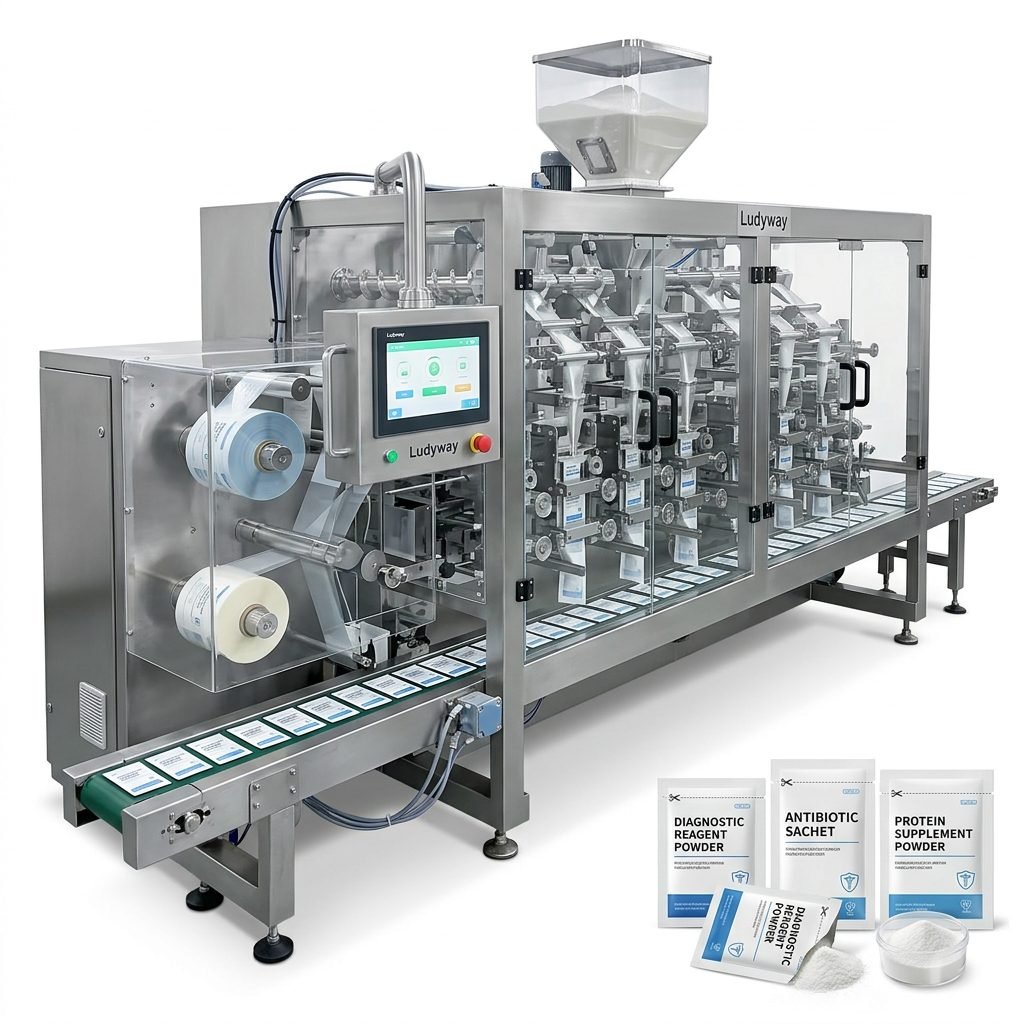
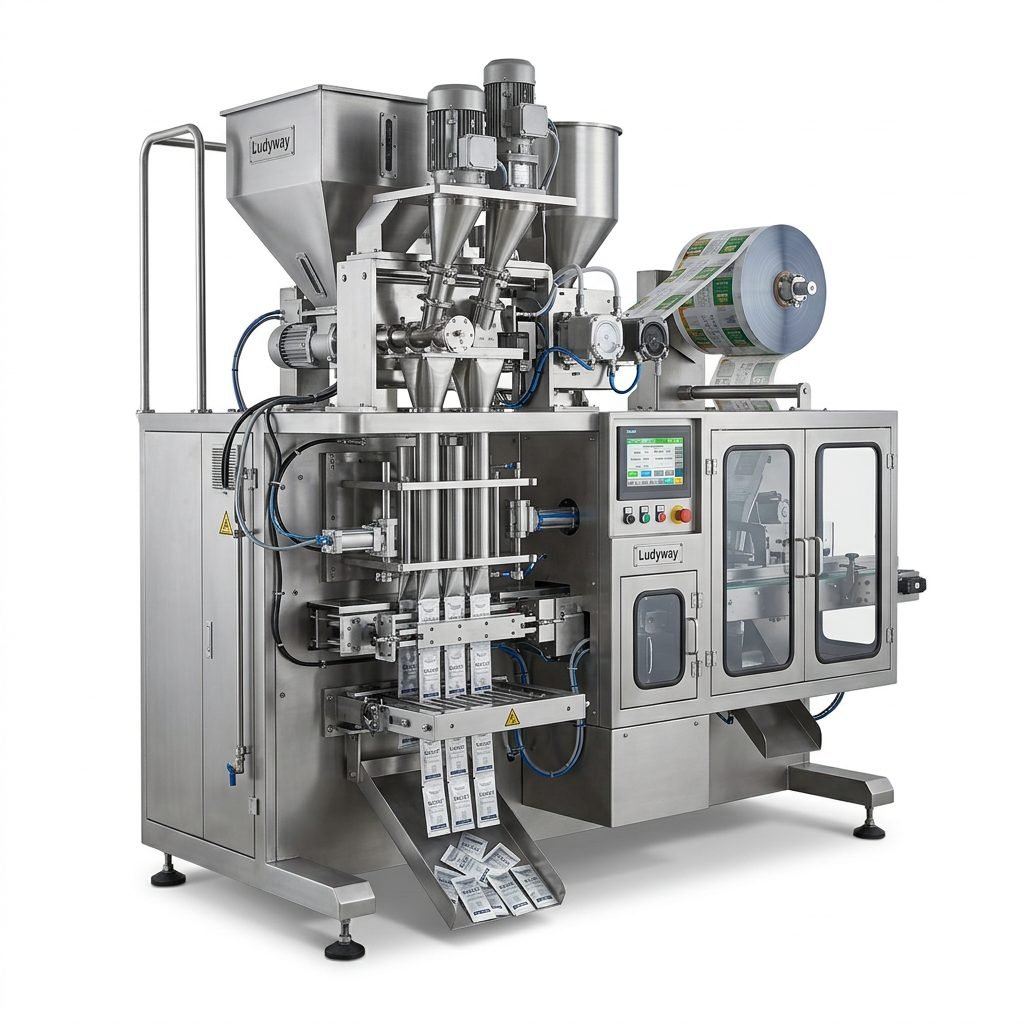
India’s breakfast cereal market is projected to reach USD 1.2 billion by 2028, driven by rapid urbanization, changing dietary habits, and increasing demand for convenient packaged foods. For manufacturers entering or expanding in this space, selecting the right cereal packaging machine is critical to ensuring product freshness, shelf appeal, and production efficiency. This guide covers everything Indian buyers need to know — from machine types and cost considerations to practical selection tips backed by industry data.
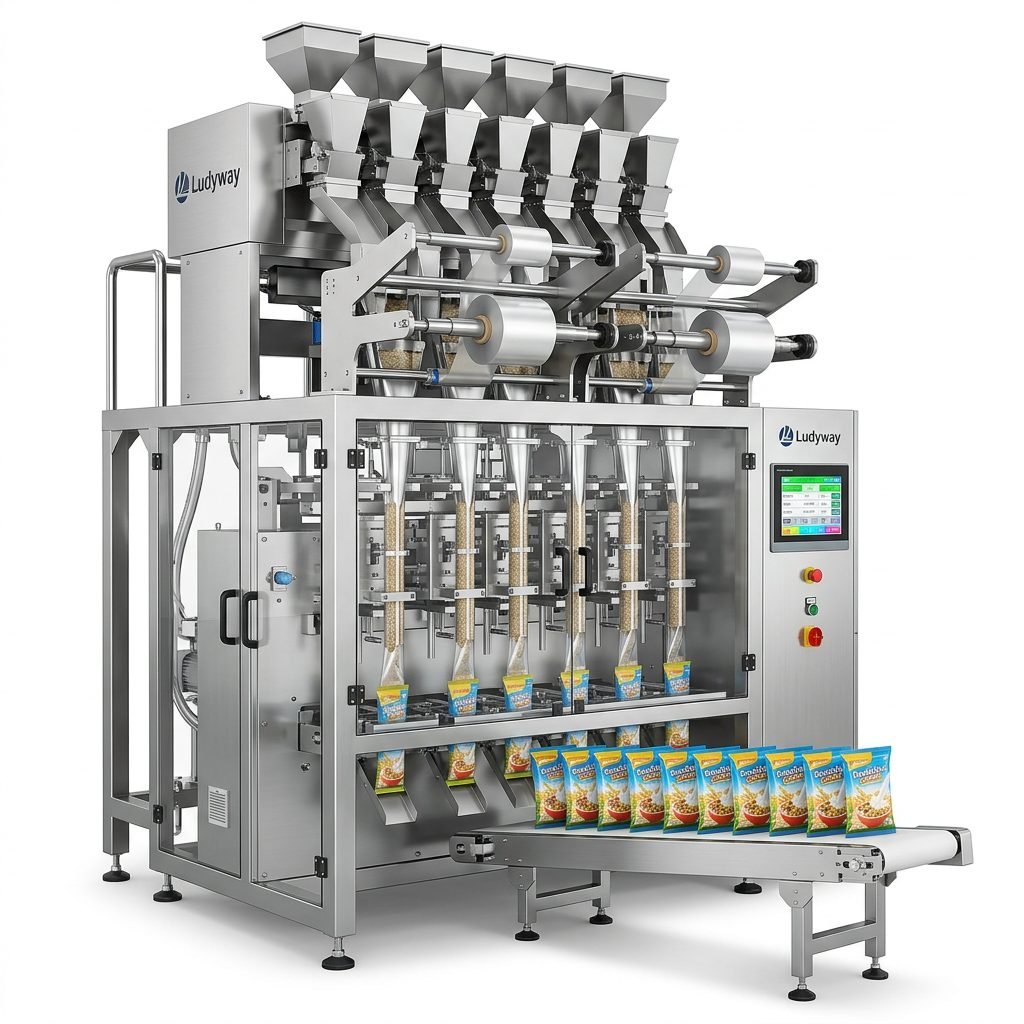
Types of Cereal Packaging Machines Available in India
Different cereal formats — flakes, granola, muesli, puffed grains, and powder-based mixes — require specific packaging technologies. Understanding the machine categories helps narrow down options based on your production needs and product characteristics.
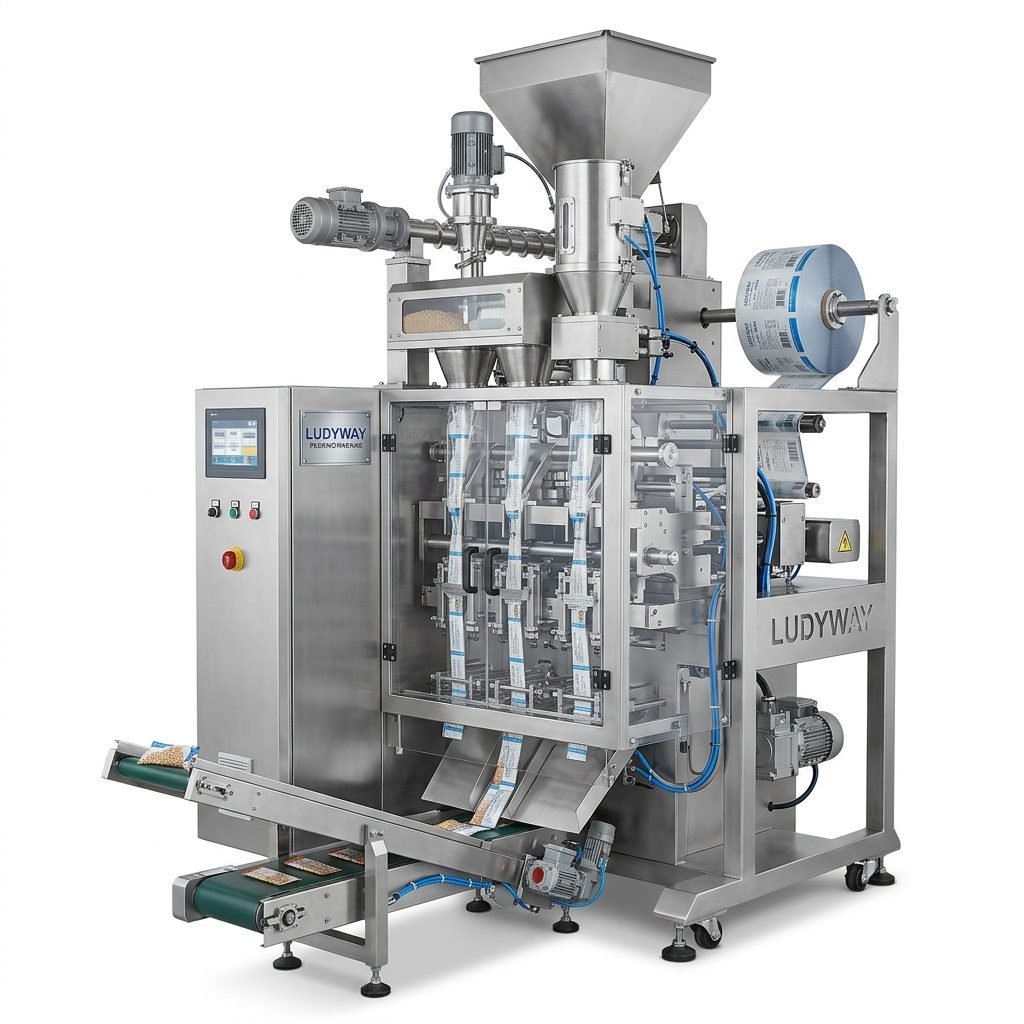
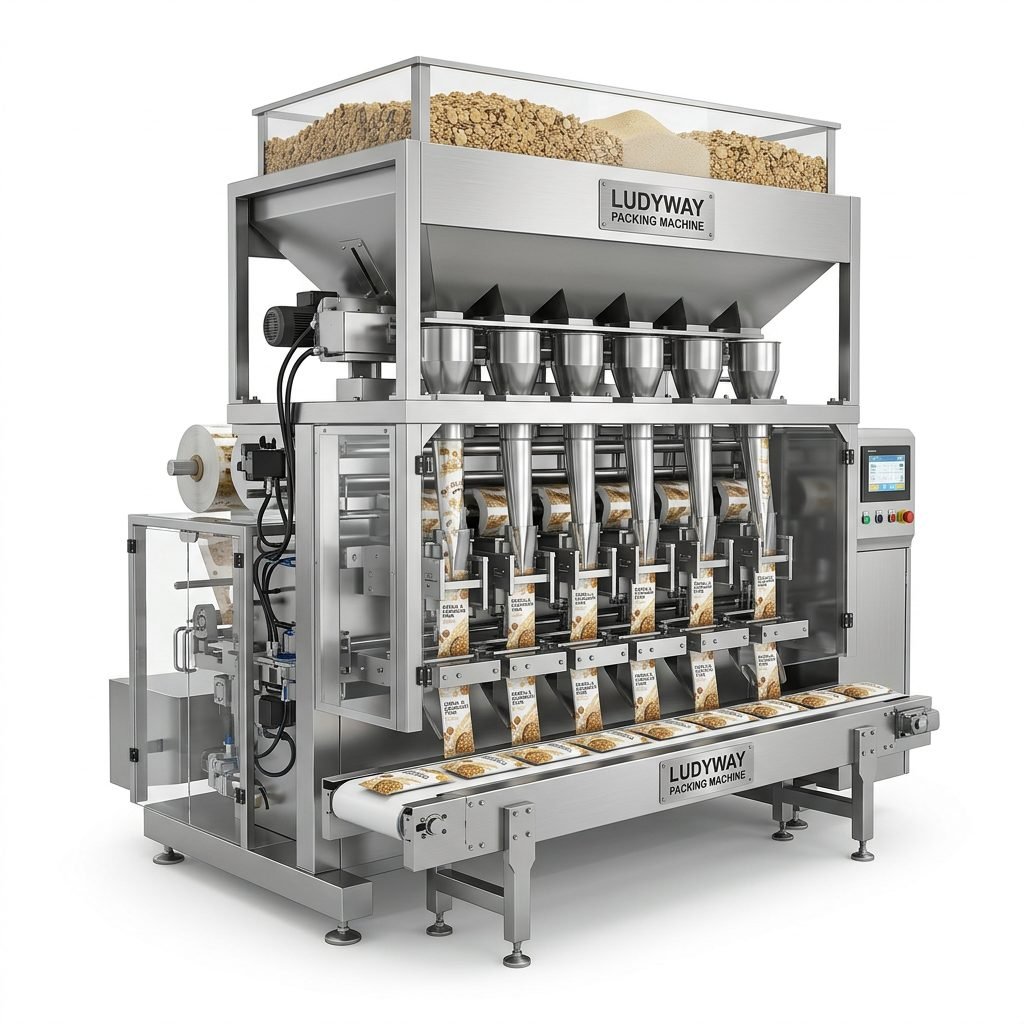
- Vertical Form Fill Seal (VFFS) Machines: The most common choice for dry cereals and snacks. These machines form bags from roll stock, fill product, and seal in one continuous operation. Ideal for flexible packaging formats such as pillow pouches and gusseted bags.
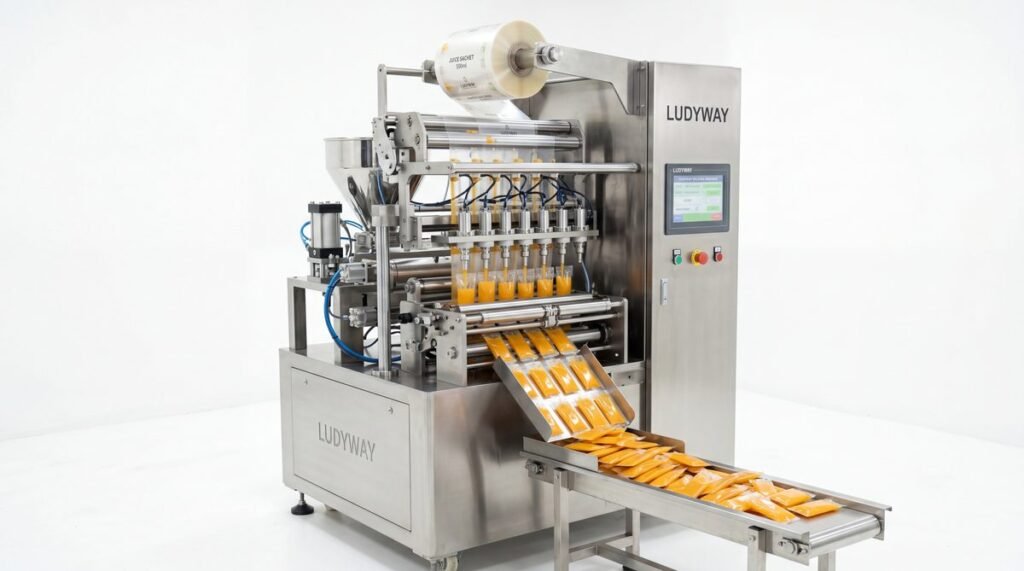
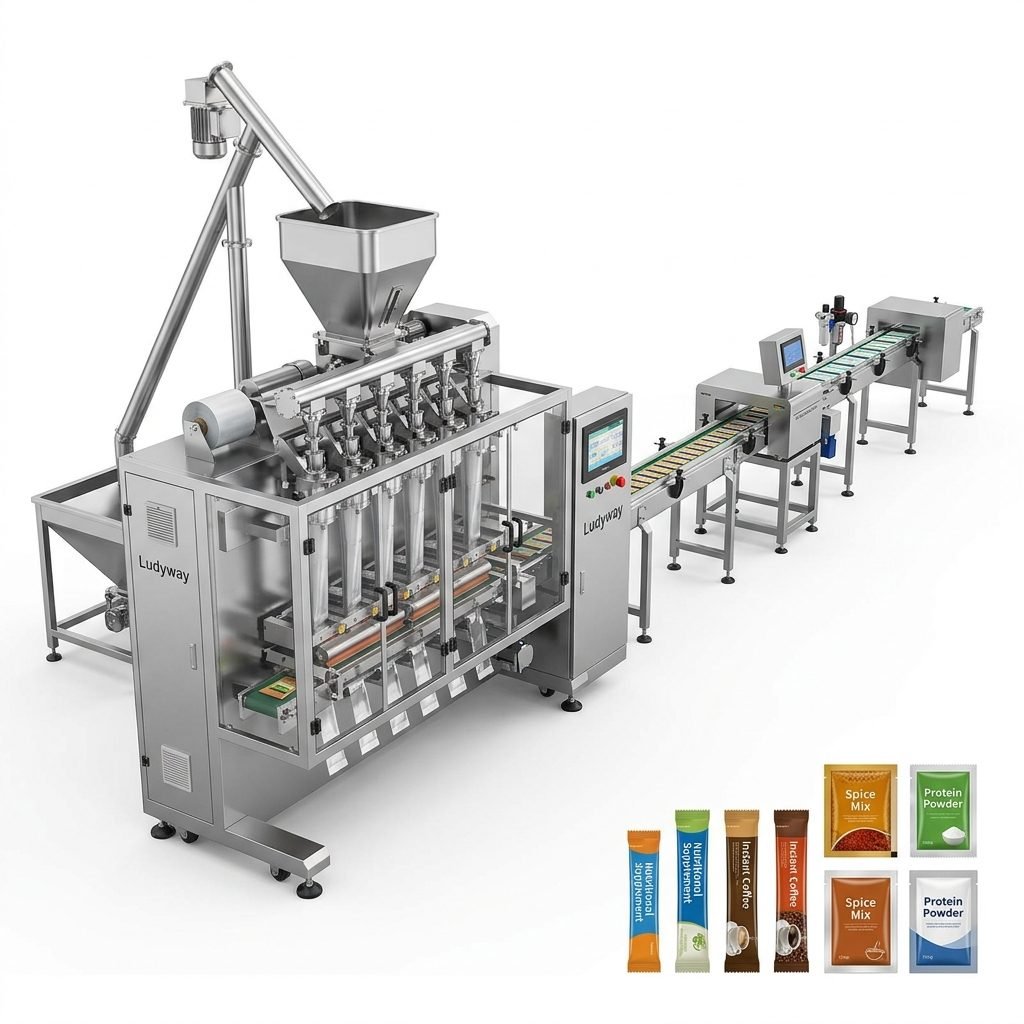
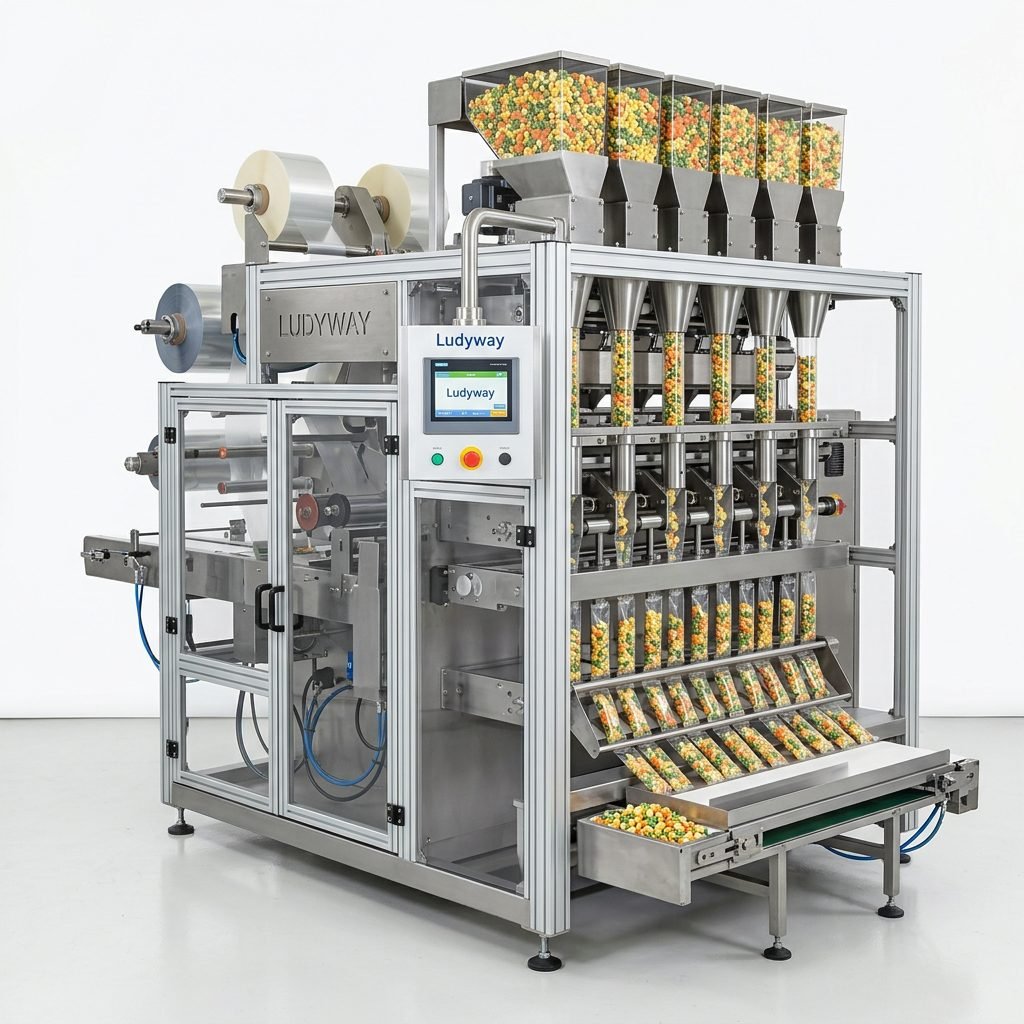
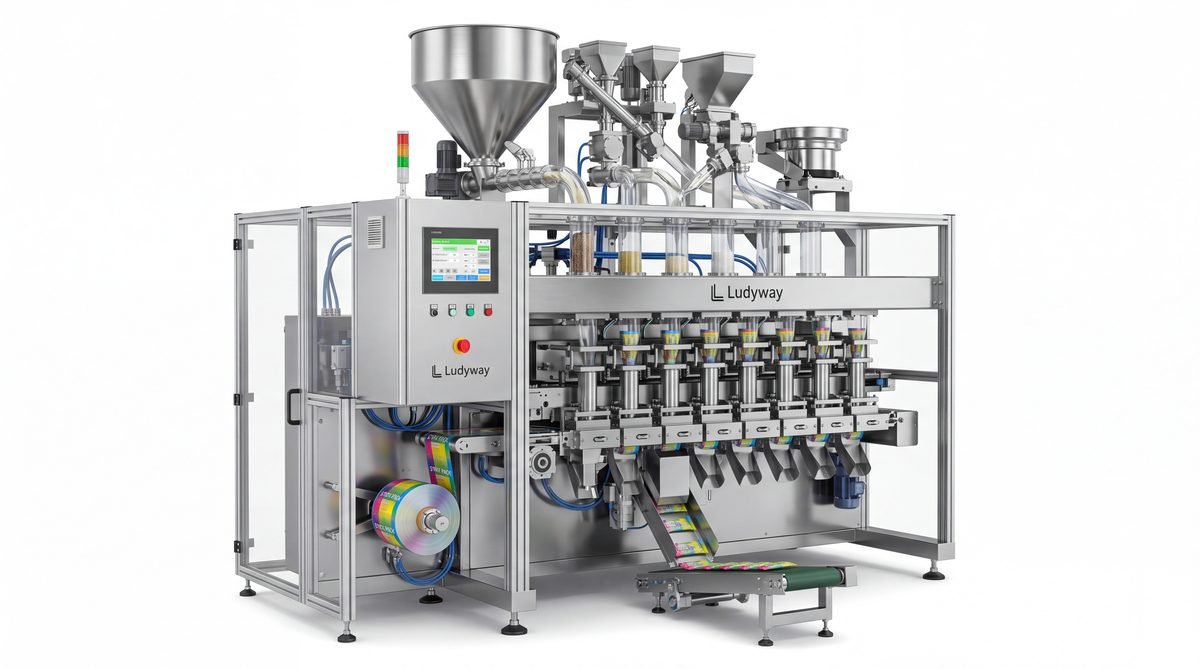
- Multi-Lane Stick Pack Machines: Designed for high-speed production of single-serve sachets and stick packs. Perfect for instant cereal mixes, protein powders, and on-the-go breakfast portions. These systems can run 4 to 12 lanes simultaneously, dramatically boosting output.
- Premade Pouch Packaging Machines: Rotary or inline systems that fill pre-formed pouches with zipper closures. Excellent for premium granola, organic cereals, and export-oriented brands that require stand-up pouch presentation with nitrogen flushing.
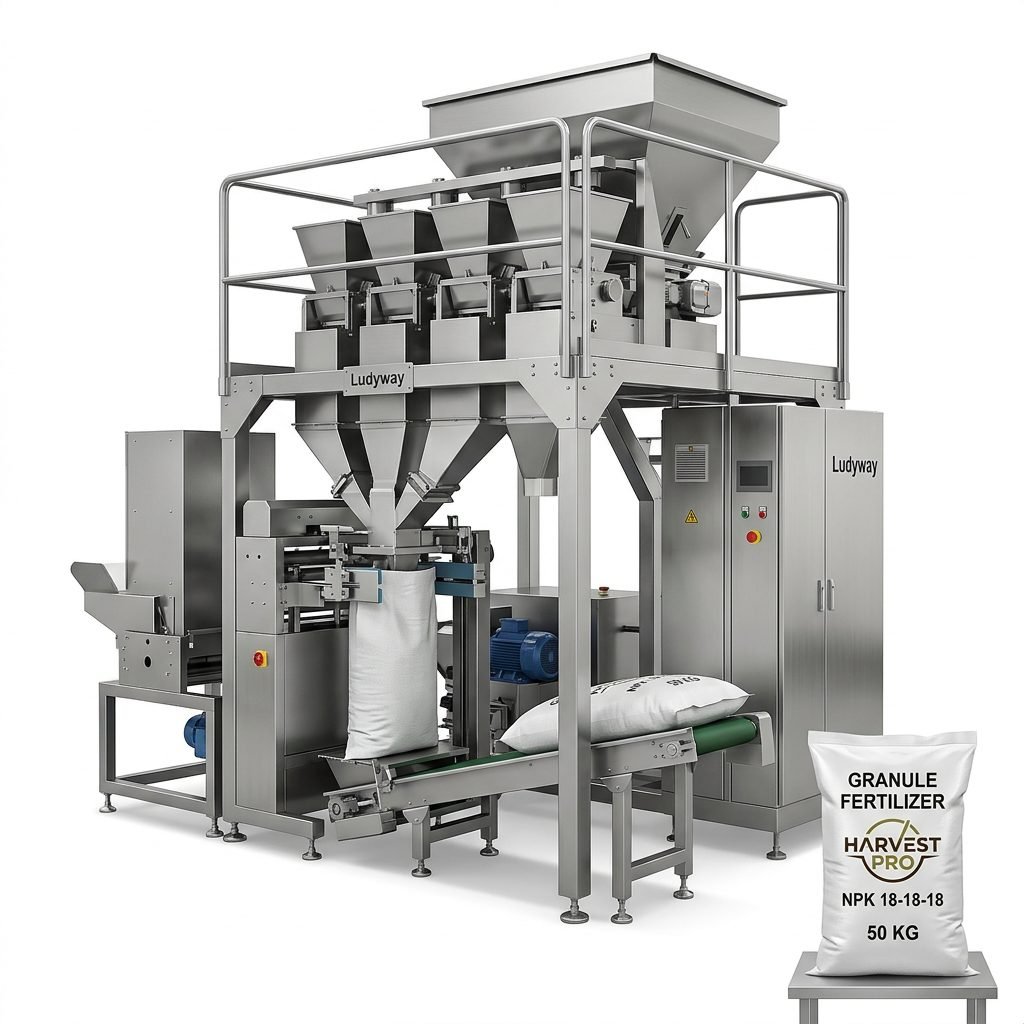
- Multi-Head Weigher Combination Systems: High-precision weighing paired with VFFS or pouch machines, ensuring consistent portion control and minimal product giveaway — critical for cost-sensitive Indian operations.
- Vacuum Packaging Machines: Used for cereals requiring extended shelf life, such as oats and processed grain mixes, by removing oxygen that causes rancidity.
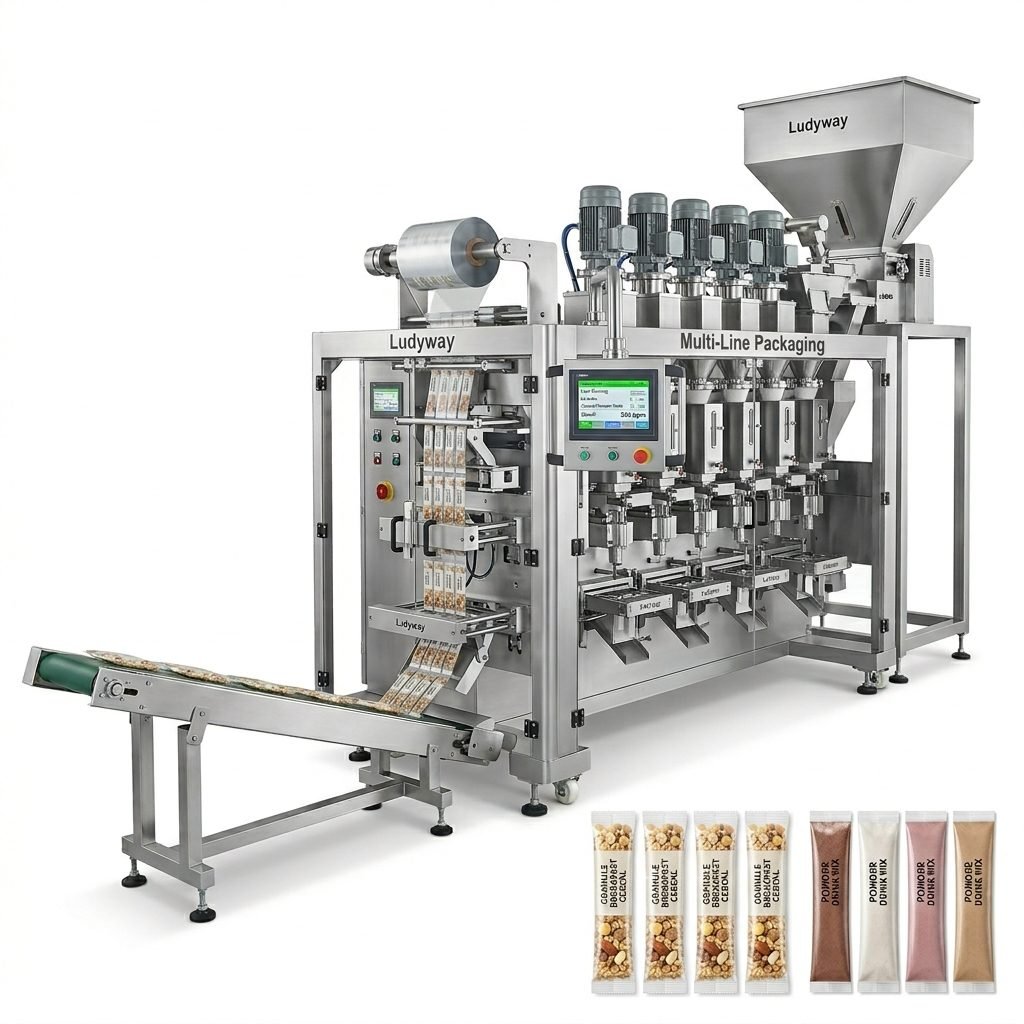
Key Factors to Consider Before Buying
Purchasing packaging machinery is a long-term capital investment. Evaluating the following parameters ensures your chosen equipment aligns with production goals and regulatory requirements in India.
| Factor | What to Evaluate |
|---|---|
| Product Characteristics | Bulk density, flowability, moisture sensitivity, and particle size distribution of your cereal |
| Production Speed | Required packs per minute (PPM); multi-lane systems can achieve 400-600 PPM |
| Pack Format & Size Range | Pillow pouches, stand-up pouches, stick packs, sachets; bag dimensions from 10g to 5kg |
| Film Compatibility | Laminates, BOPP, PET/PE, aluminum foil, and biodegradable films per FDA food contact standards |
| Automation Level | Semi-automatic vs. fully automatic with servo-driven controls, touchscreen HMI, and IoT connectivity |
| After-Sales Support | Availability of spare parts, technical service response time, and operator training in India |
Cereal Packaging Machine Cost Breakdown in India (2025-2026)
Prices vary significantly based on automation level, speed capacity, and brand origin. Below is a realistic cost range for machines commonly imported or locally assembled in the Indian market.
| Machine Type | Speed Range | Estimated Cost (INR) | Best For |
|---|---|---|---|
| Entry-Level VFFS | 30-60 PPM | ₹8 – 18 Lakhs | Small-scale and startup cereal brands |
| Mid-Range VFFS with Multi-Head Weigher | 60-100 PPM | ₹22 – 40 Lakhs | Regional brands with medium-volume demand |
| Multi-Lane Stick Pack System | 200-400 PPM | ₹35 – 75 Lakhs | High-volume single-serve breakfast mixes |
| Premade Pouch Rotary System | 40-80 PPM | ₹30 – 55 Lakhs | Premium/export cereal packaging with zipper |
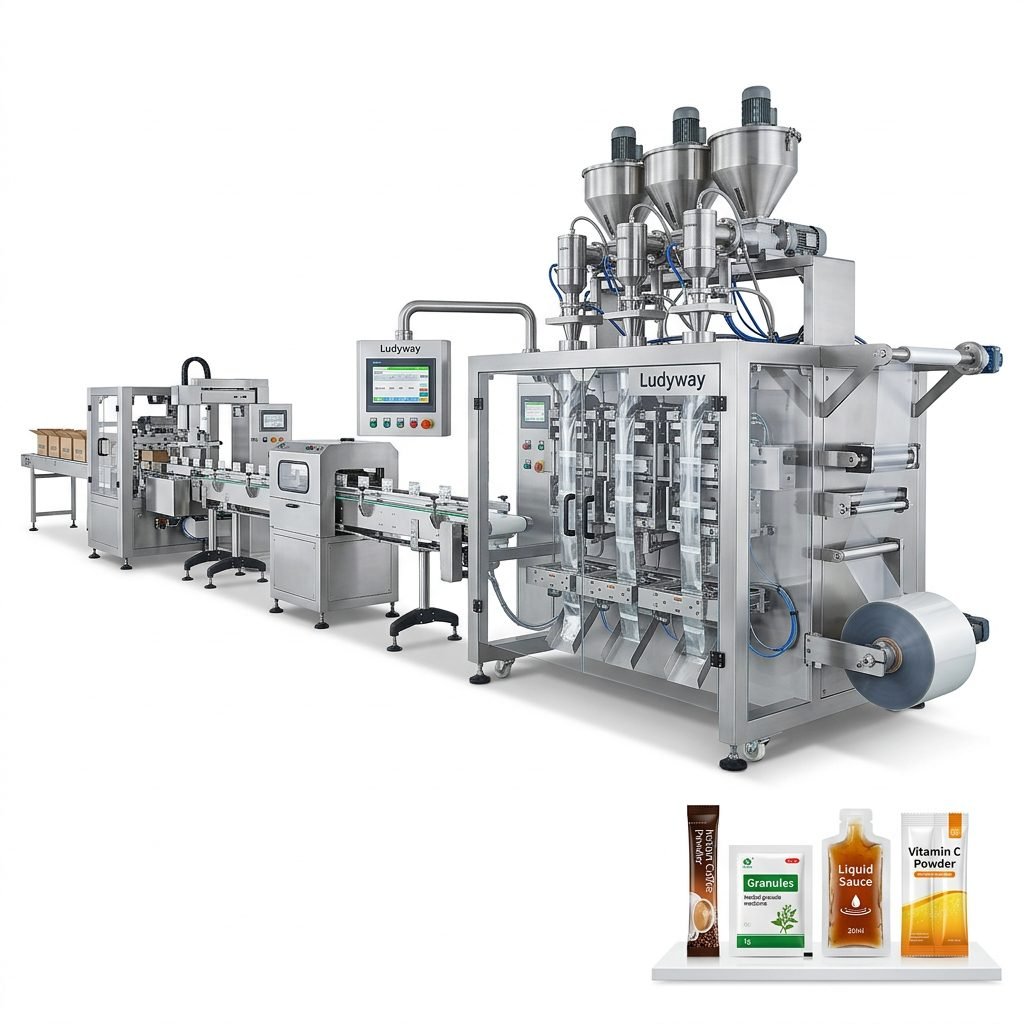
| Fully Automated Turnkey Line | 400-600+ PPM | ₹1 – 3 Crores+ | Large-scale manufacturers and contract packers |
Note: Costs include basic installation and commissioning. Import duties, GST, and freight can add 25-35% to the landed cost for imported machinery. Refer to the PMMI State of the Industry report for global packaging machinery trends influencing pricing.
Critical Features That Impact ROI
When comparing machines, focus on features that directly affect profitability and product quality rather than just upfront cost.
- Nitrogen Flushing Capability: Essential for extending cereal shelf life from weeks to months. Look for machines with integrated gas flushing systems that achieve residual oxygen levels below 2%.
- Servo-Driven Control Systems: Offer higher precision, faster changeovers, and lower energy consumption compared to pneumatic systems — critical for contract packers handling multiple SKUs.
- Quick Changeover Design: Tool-less adjustments for bag size changes can reduce downtime from hours to minutes, directly improving OEE (Overall Equipment Effectiveness).
- Hygienic Construction: Stainless steel 304 or 316L contact parts, IP65-rated electrical enclosures, and easy-clean designs are essential for ISO packaging standards compliance and FSSAI requirements in India.
- Inline Quality Inspection: Checkweighers, metal detectors, and vision inspection systems integrated into the packaging line ensure consistent fill weights and contaminant-free output.
Selection Tips for Indian Cereal Manufacturers
Drawing from packaging industry research and on-ground experience in the Indian market, here are practical recommendations for making the right purchase decision.
- Match Machine to Market Channel: Retail-focused brands benefit from multi-lane stick pack lines for single-serve sachets priced at ₹5-₹30. Institutional and bulk suppliers should prioritize larger-format VFFS or premade pouch systems for 500g-5kg packs.
- Prioritize Local Service Networks: Imported machinery without reliable Indian service support can lead to costly production stoppages. Verify the supplier’s presence in India — whether through direct offices, authorized distributors, or trained technicians.
- Request Factory Acceptance Testing (FAT): Before shipment, insist on a live demonstration with your actual cereal product to validate speed, seal integrity, and fill accuracy claims.
- Plan for Future Flexibility: Choose machines that can accommodate multiple pack formats and film types. This protects your investment against shifting consumer preferences and packaging regulations.
- Evaluate Total Cost of Ownership (TCO): Factor in energy consumption, spare parts availability, film wastage rates, and maintenance costs over a 5-7 year lifecycle — not just the initial purchase price.
Regulatory Compliance for Cereal Packaging in India
The Food Safety and Standards Authority of India (FSSAI) mandates specific packaging requirements for cereal products. Your packaging machine must support:
- Tamper-evident sealing as per FSSAI packaging regulations
- Accurate net weight declaration with minimal giveaway
- Food-grade contact materials compliant with international food safety standards
- Batch coding and date marking with legible inkjet or laser printing
- Proper barrier properties to prevent moisture ingress in India’s humid climate
Why Global Manufacturers Choose Turnkey Packaging Solutions
Leading cereal brands increasingly opt for integrated packaging lines rather than standalone machines. A turnkey approach — combining feeding systems, multi-head weighers, primary packaging, checkweighing, cartoning, and palletizing — reduces integration risks and ensures seamless production flow. For Indian manufacturers looking to scale operations or enter export markets, partnering with experienced packaging line integrators can significantly shorten time-to-market and improve overall equipment reliability.
Ludyway, one of the largest packaging machine manufacturers globally with over 30 years of industry expertise, offers more than 50 intelligent packaging machine models including multi-lane stick pack, sachet, and fully automated packaging systems. With a modern 20,000㎡ manufacturing facility and customers in over 100 countries, the company provides reliable, cost-effective cereal packaging solutions tailored to diverse production requirements. For more information, visit www.ludyway.com or contact info@ludyway.com.
Frequently Asked Questions
Q: What is the ideal packaging machine for small-scale cereal startups in India?
A: An entry-level VFFS machine with volumetric cup filler or small multi-head weigher (₹8-18 Lakhs) is suitable for startups producing 500kg-1 ton per shift. These machines offer flexibility for pillow pouches and can be upgraded with additional features as the business grows.
Q: How can I reduce packaging film wastage with cereal products?
A: Invest in machines with servo-driven film feeding and precision sealing controls. Proper film tension adjustment and temperature regulation can keep wastage below 2-3%, significantly reducing per-pack costs over high-volume production runs.
Q: Are multi-lane stick pack machines worth the higher investment?
A: For single-serve cereal applications, multi-lane systems offer the lowest per-pack cost at high volumes. A 6-lane machine producing 300 PPM can pack over 1.5 lakh sachets per shift, making it highly cost-effective for brands targeting the ₹5-₹20 price segment in India.
Q: What post-installation support should I expect from my packaging machine supplier?
A: Look for suppliers offering on-site installation, operator training, preventive maintenance contracts, rapid spare parts delivery (within 48-72 hours domestically), and remote troubleshooting support. Confirm these commitments in writing before finalizing your purchase order.