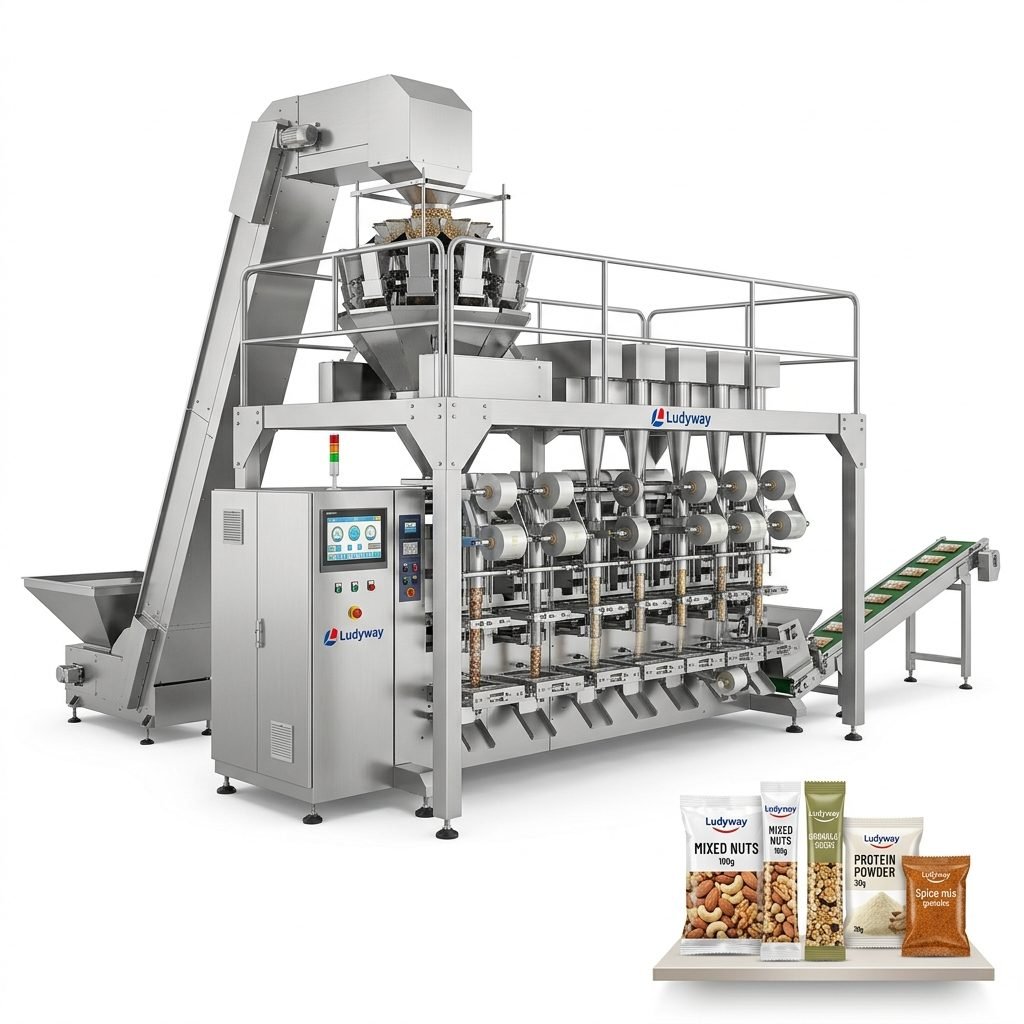
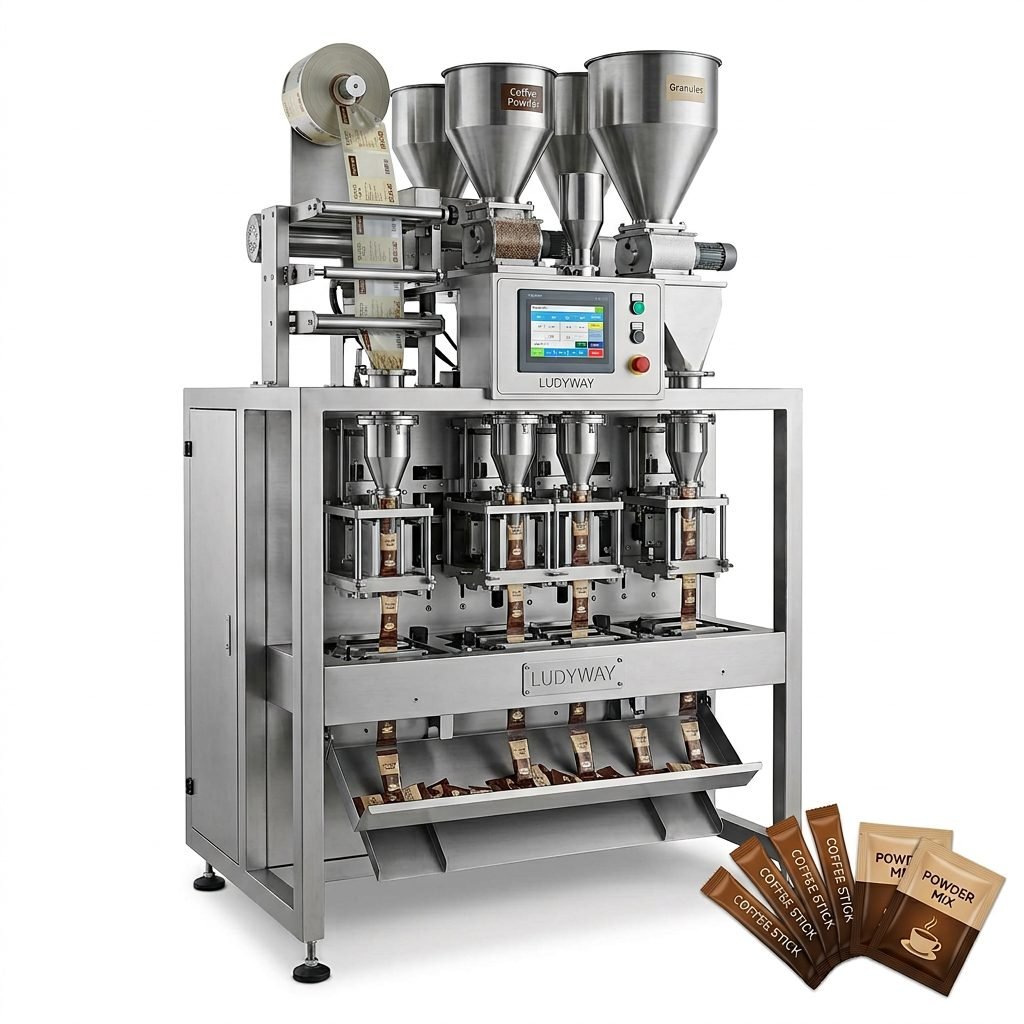
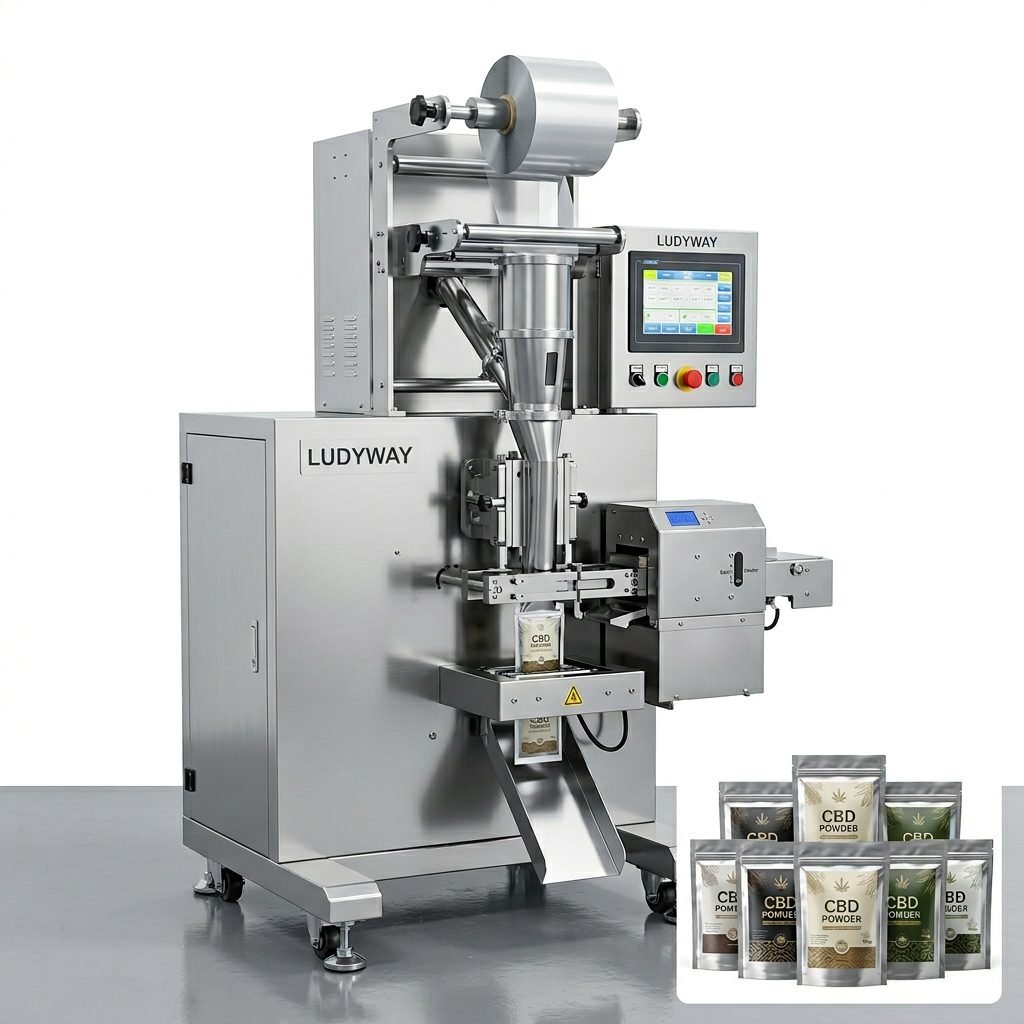
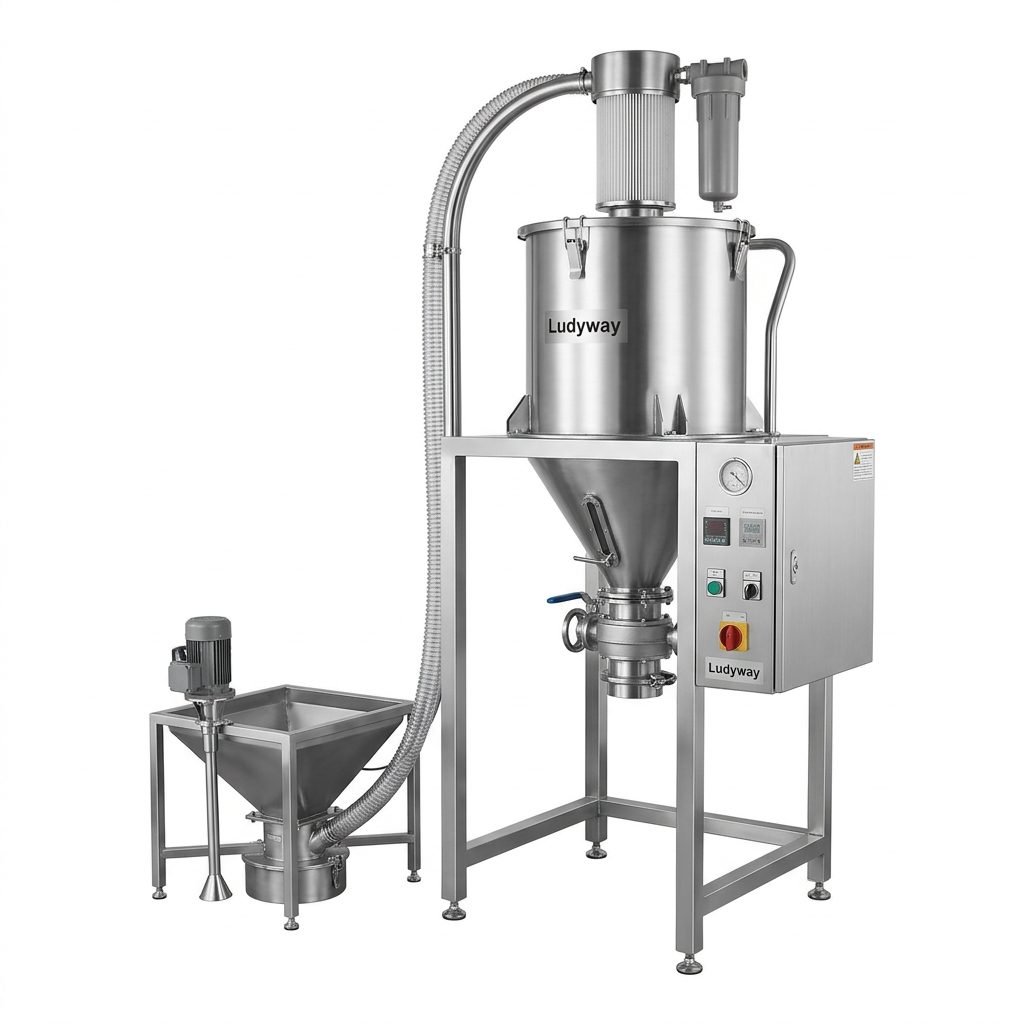
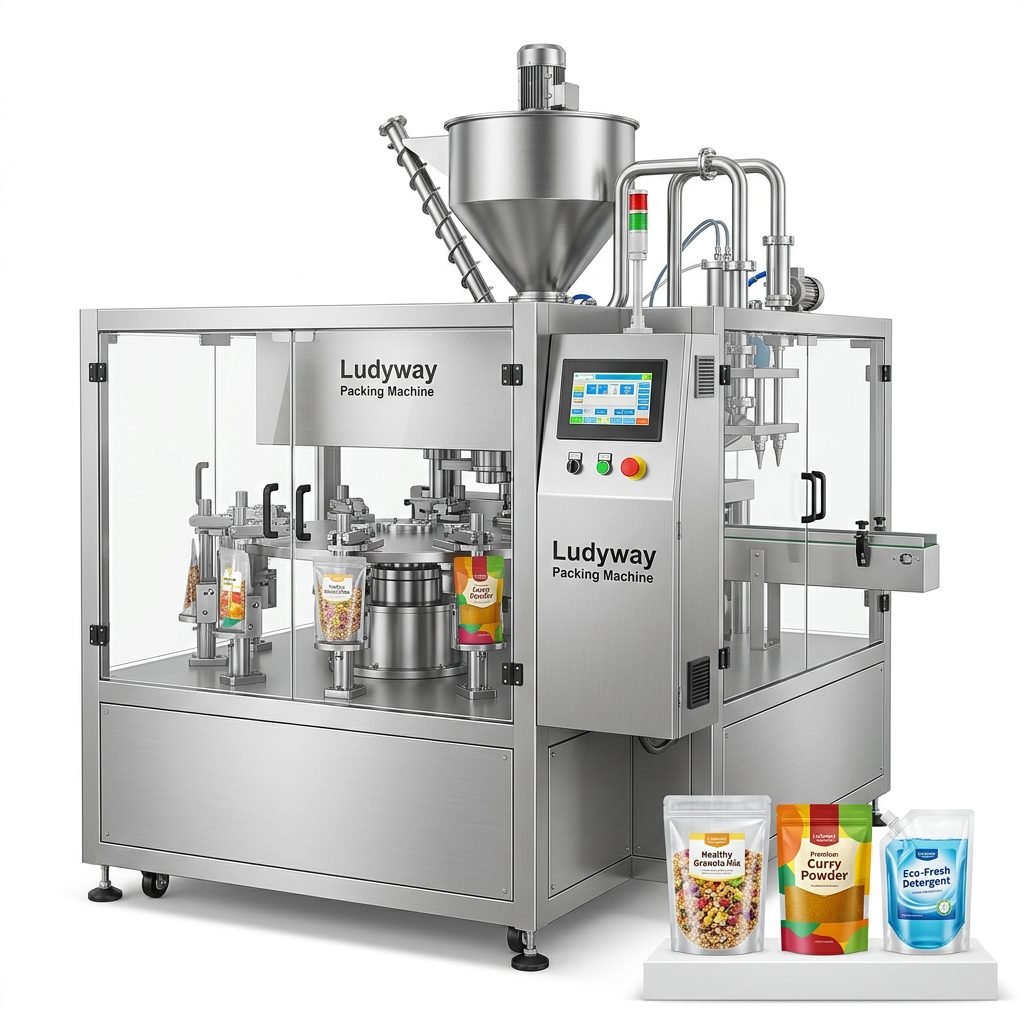
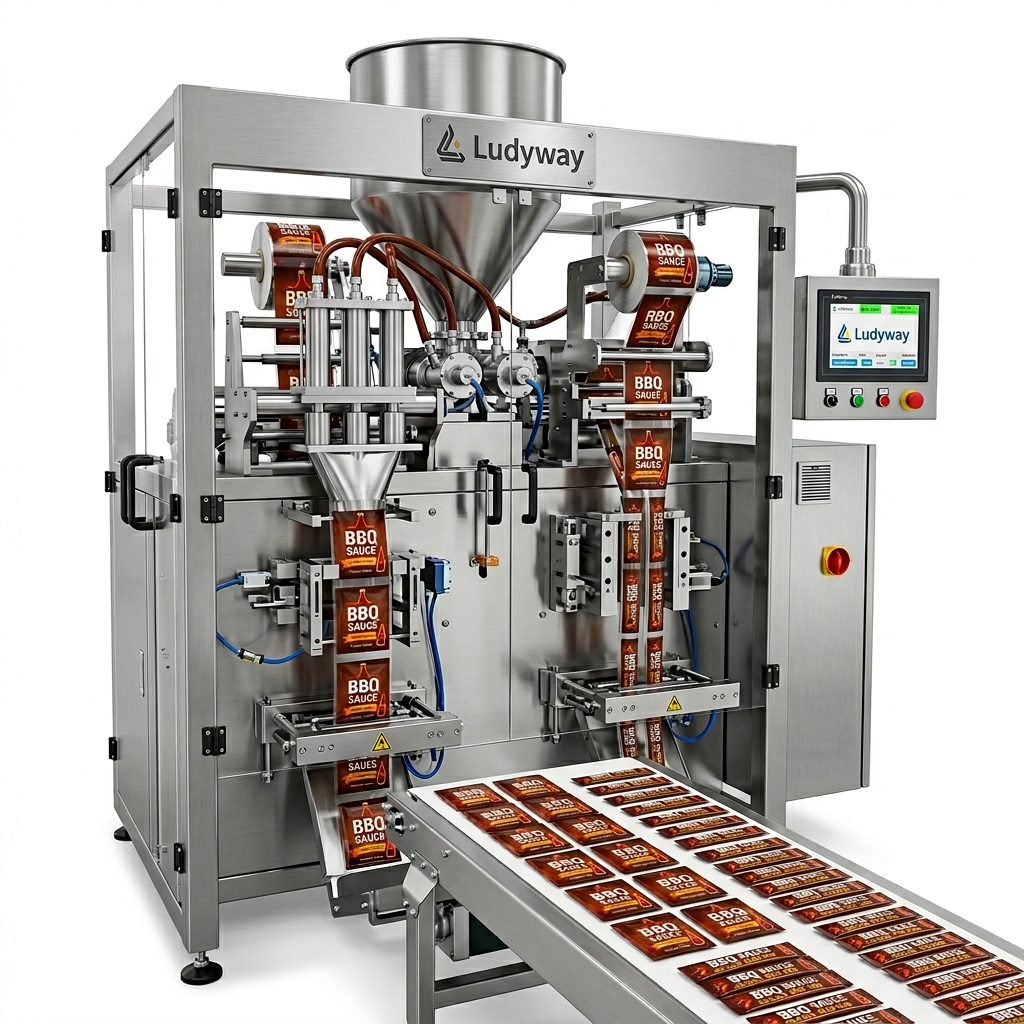
A CNC packaging machine combines computerized numerical control with automated packaging functions to deliver precise forming, filling, sealing, cutting, coding, and product handling. For manufacturers that need repeatable accuracy, reduced material waste, and stable output, CNC-driven systems have become an important part of modern packaging operations.
Whether you package powders, granules, liquids, pastes, capsules, or pouch products, CNC technology helps keep production consistent by controlling motion, positioning, timing, and process parameters with high accuracy. This is especially valuable in industries where packaging quality directly affects safety, shelf appeal, compliance, and profitability.
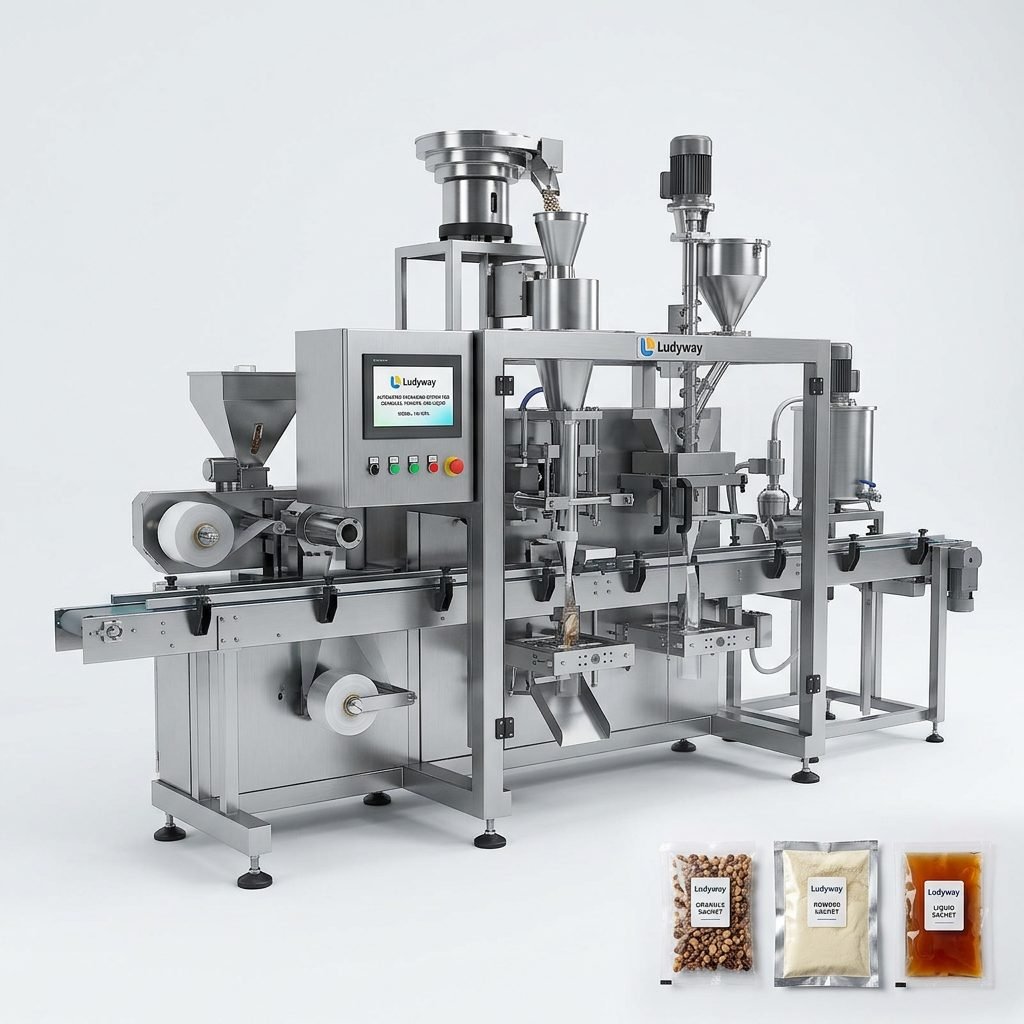
What Is a CNC Packaging Machine?
A CNC packaging machine is an automated packaging system that uses digital control logic to manage key machine movements and packaging actions. Instead of relying only on manual adjustments or purely mechanical timing, the machine uses programmable instructions to coordinate servo motors, sensors, actuators, filling units, sealing components, and product transfer systems.
In practical terms, this means the machine can:
- Control filling volumes with greater precision
- Adjust sealing time and temperature accurately
- Synchronize film pulling, pouch forming, and cutting
- Store product recipes for faster changeovers
- Reduce operator error through digital settings
- Support higher-speed and more stable production
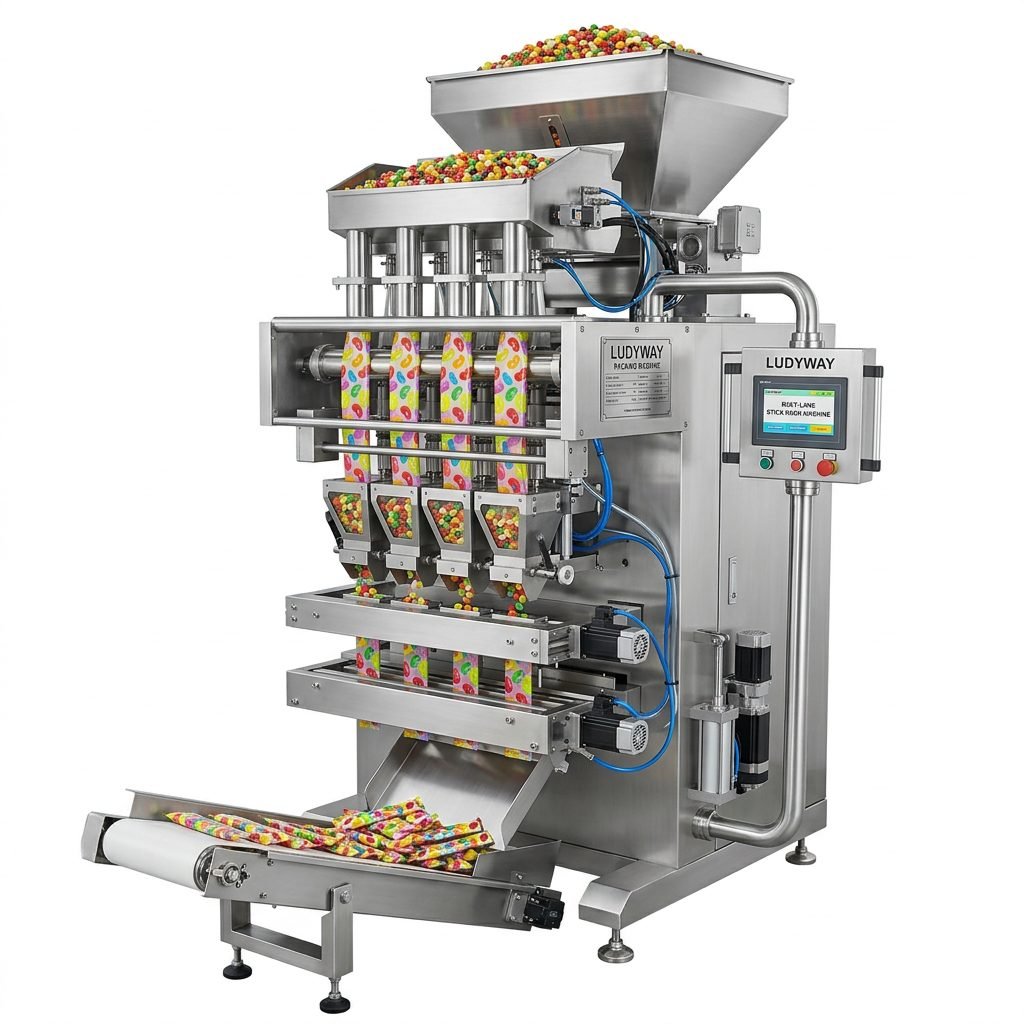
CNC control is commonly integrated into sachet machines, stick pack machines, vertical form fill seal systems, bottle filling lines, pouch packing machines, and turnkey packaging lines.
How a CNC Packaging Machine Works
Although exact machine structures vary by product type and package format, most CNC packaging systems follow a similar workflow. The CNC controller acts as the brain of the machine, coordinating each action in sequence.
1. Product Feeding
The product is delivered into the machine through a suitable feeding system. Powders may use screw augers, granules may use cup fillers or weighers, and liquids may use piston pumps or flowmeter-based dosing systems.
2. Material Positioning
Packaging film, pouches, bottles, tubes, or containers are positioned precisely. CNC control ensures the packaging material moves in sync with the dosing and sealing process.
3. Filling or Dosing
The machine dispenses the programmed amount of product. Sensors and servo-controlled mechanisms help maintain consistent fill weights or volumes, which is essential for quality control and cost management.
4. Sealing and Forming
Once the product is loaded, the package is formed and sealed. CNC control manages pressure, time, and temperature, helping produce clean, uniform seals with fewer defects.
5. Cutting, Coding, and Discharge
The machine cuts the package to size, prints date or batch information if needed, and transfers the finished product to the next stage, such as cartoning, checkweighing, or case packing.
6. Monitoring and Adjustment
Throughout production, the controller continuously receives feedback from sensors. If there is misalignment, insufficient fill, temperature drift, or product jam, the system can trigger alarms or auto-correction functions.
Key Components of a CNC Packaging Machine
The performance of a CNC packaging machine depends on the interaction of multiple precision components.
| Component | Function |
|---|---|
| CNC/PLC control unit | Coordinates machine logic, timing, and process settings |
| Servo motors | Provide accurate motion control for pulling, dosing, cutting, and indexing |
| Touchscreen HMI | Allows operators to set recipes, speeds, and parameters |
| Sensors | Detect film marks, product presence, faults, and alignment |
| Filling system | Handles powder, granule, liquid, paste, or capsule dosing |
| Sealing unit | Creates secure package seals with controlled heat and pressure |
| Cutting mechanism | Separates packages to final dimensions |
| Conveying/discharge system | Moves finished packs to downstream equipment |
Major Benefits of CNC Packaging Machines
Higher Accuracy
CNC-driven systems are designed for repeatable movement and controlled dosing. This helps reduce underfilling, overfilling, poor cutting, and seal inconsistency. Precision directly improves product quality and lowers giveaway.
Better Production Efficiency
Automated synchronization between feeding, filling, sealing, and cutting increases throughput while reducing stoppages. Manufacturers can maintain reliable output at higher speeds compared with conventional systems.
Faster Changeovers
Recipe-based settings make it easier to switch between package sizes, products, or operating parameters. This is especially useful for contract packers and factories with multiple SKUs.
Lower Labor Dependence
A CNC packaging machine automates more of the process, reducing manual intervention and helping plants manage labor shortages more effectively.
Improved Product Consistency
Uniform package appearance, stable weights, and repeatable sealing performance are essential in food, pharmaceutical, cosmetic, and chemical markets. CNC control helps ensure every package meets the same standard.
Reduced Waste
Better positioning and process control reduce film waste, product loss, and rejected packs. Over time, this can significantly improve operational cost efficiency.
Common Types of CNC Packaging Machines
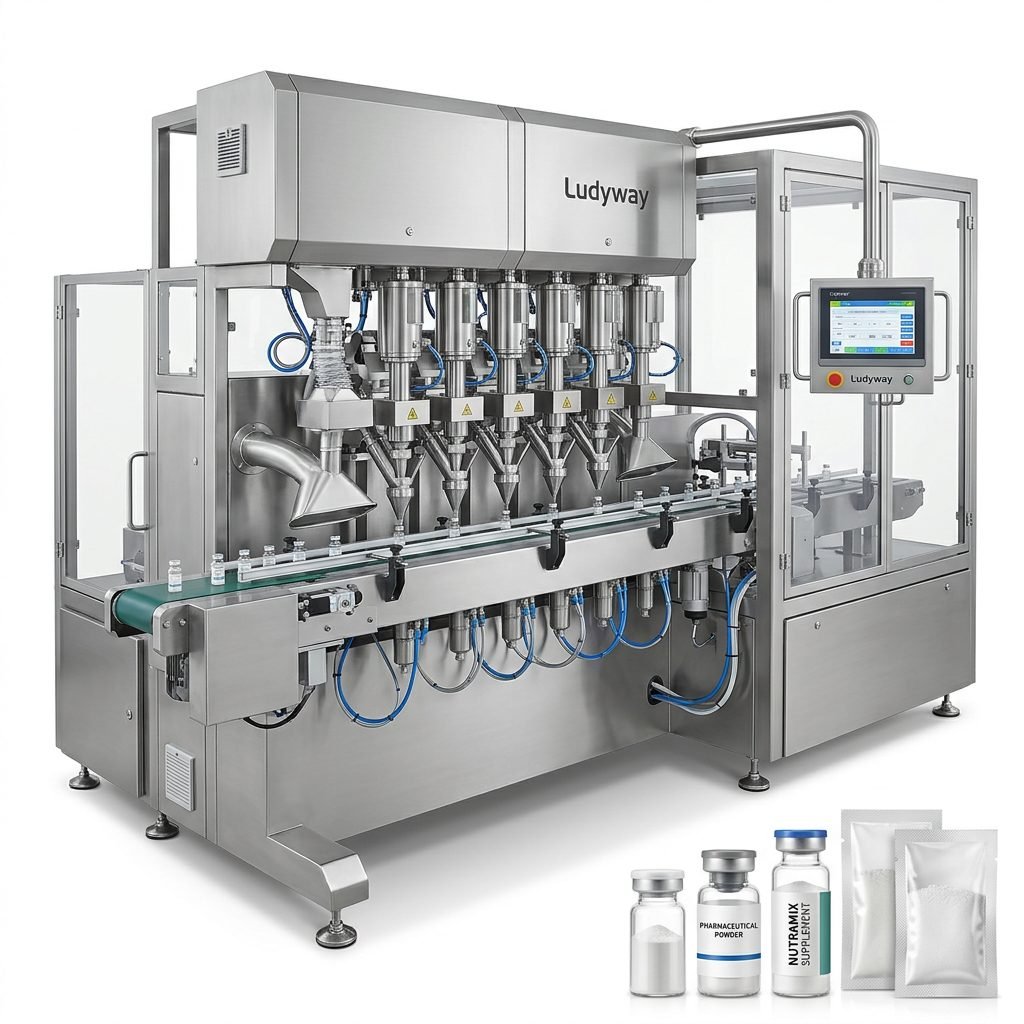
CNC control can be applied across a wide range of packaging formats and industries.
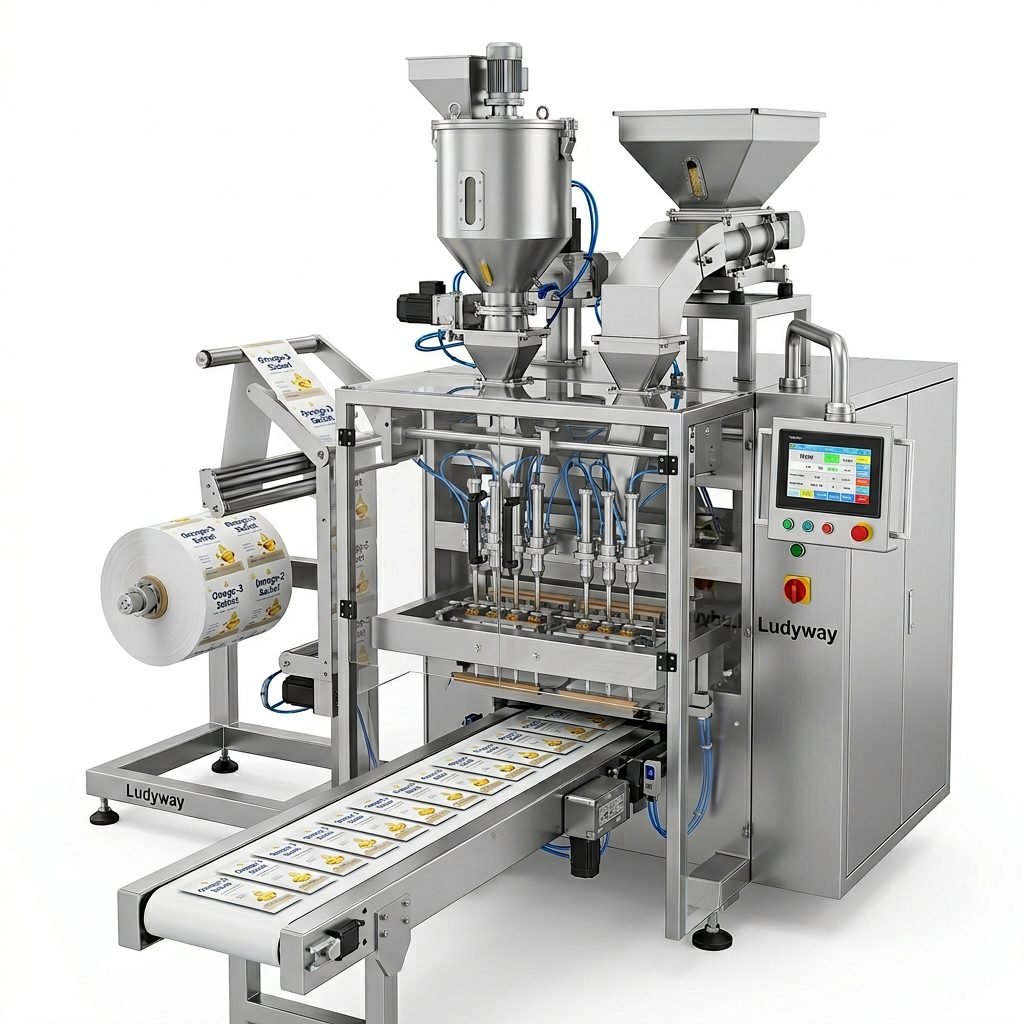
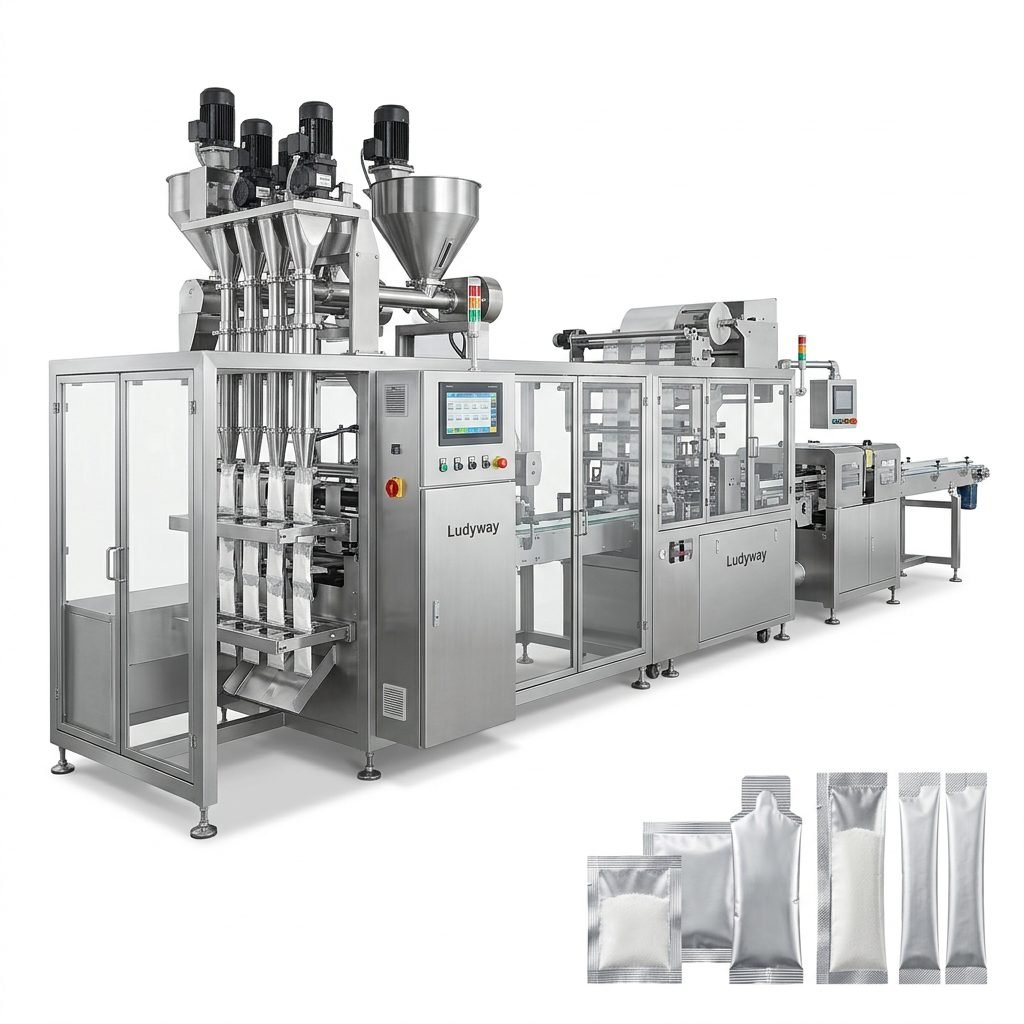
- Sachet packaging machines for powders, liquids, gels, and granules
- Stick pack machines for drink mixes, supplements, coffee, sugar, and pharmaceuticals
- Vertical form fill seal machines for flexible bags and pouches
- Bottle filling and capping lines for liquid and solid products
- Premade pouch packing machines for food, pet care, and specialty products
- Cartoning and end-of-line systems integrated with upstream filling equipment
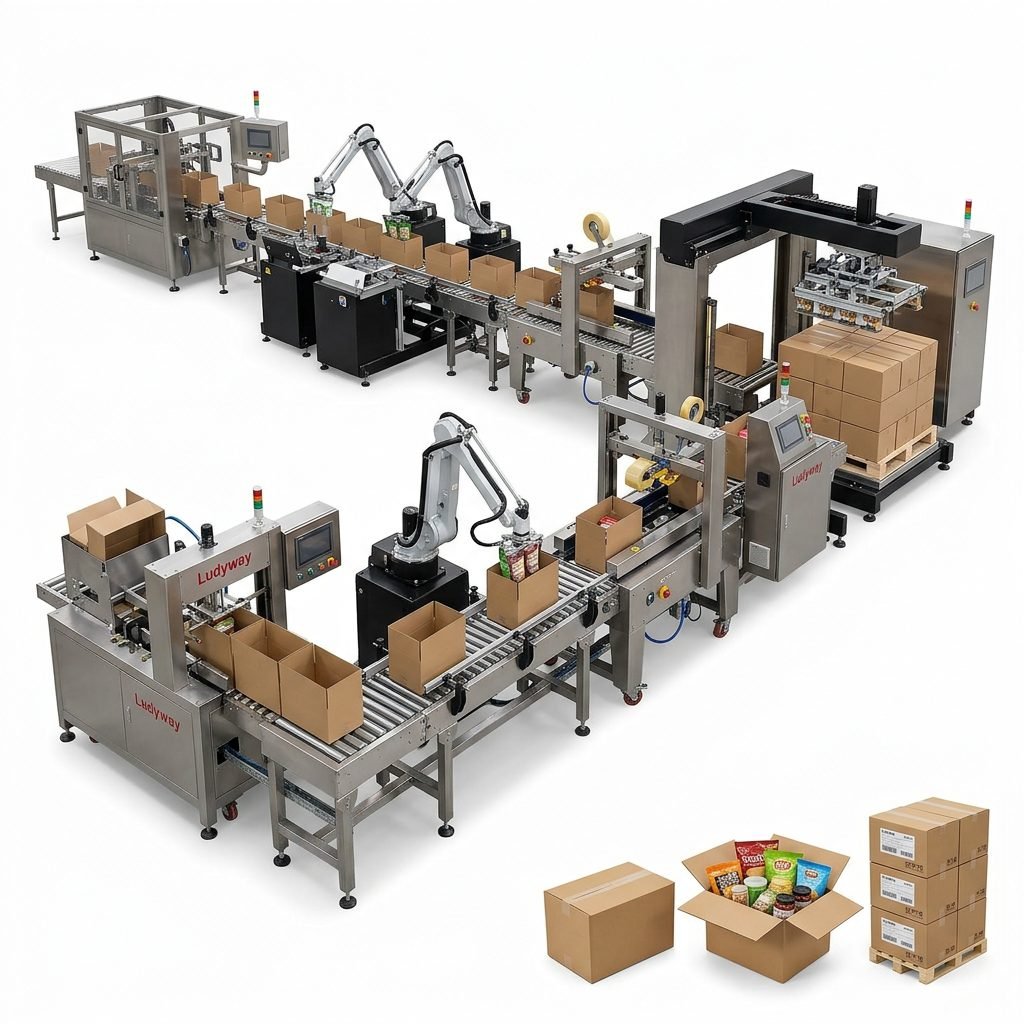
- Turnkey packaging lines for complete automated production
Industries That Use CNC Packaging Machines
Food Industry
Food manufacturers use CNC packaging machines for seasoning powders, coffee, sugar, sauces, dairy mixes, snacks, grains, and ready-to-mix beverages. Accuracy and hygiene are especially important in this sector.
Pharmaceutical Industry
Pharmaceutical packaging requires precise dosing, traceability, and consistent sealing. CNC-controlled systems are used for powders, granules, capsules, tablets, and liquid medical products.
Health Supplement Industry
Stick packs and sachets for collagen, probiotics, vitamins, electrolyte powders, and functional nutrition products benefit from CNC dosing precision and flexible changeover capabilities.
Cosmetic and Personal Care Industry
Creams, serums, lotions, shampoos, oils, and facial care products often need visually attractive and leak-resistant packaging. CNC machines support consistent filling and sealing for these products.
Chemical Industry
Industrial powders, detergents, additives, cleaners, solvents, and specialty chemicals often require durable packaging and controlled handling. CNC automation helps improve safety, consistency, and productivity.
CNC Packaging Machine vs Conventional Packaging Equipment
| Feature | CNC Packaging Machine | Conventional Machine |
|---|---|---|
| Control method | Digital and programmable | More mechanical or manually adjusted |
| Accuracy | High | Moderate |
| Changeover speed | Faster with stored recipes | Slower and more manual |
| Production stability | More stable at high speed | More variation at high speed |
| Waste control | Better | Less optimized |
| Data and monitoring | Stronger integration options | Limited |
How to Choose the Right CNC Packaging Machine
Choosing the right system depends on more than speed alone. Buyers should evaluate the full packaging process and future production plans.
- Define your product characteristics
Consider whether the product is powder, granule, liquid, paste, capsule, or mixed material. - Confirm package type
Determine whether you need sachets, stick packs, pouches, bottles, tubes, or cartons. - Estimate output requirements
Match the machine configuration to your expected daily and annual production targets. - Check dosing accuracy needs
This is critical in pharmaceuticals, supplements, and high-value ingredients. - Review cleaning and compliance needs
Food and pharma production may require hygienic design, easy washdown, and validation support. - Assess integration capability
Make sure the machine can connect with feeders, conveyors, printers, checkweighers, cartoners, and palletizers. - Plan for future expansion
A scalable line can save major reinvestment costs later.
Important Features to Look For
- Servo-driven motion control
- User-friendly touchscreen interface
- Multi-language operating system
- Recipe storage and quick parameter recall
- Fault alarm and self-diagnostic functions
- Stable sealing temperature control
- Accurate filling modules matched to product type
- Compatibility with coding, inspection, and cartoning equipment
- Easy maintenance access
- Available customization for special packaging requirements
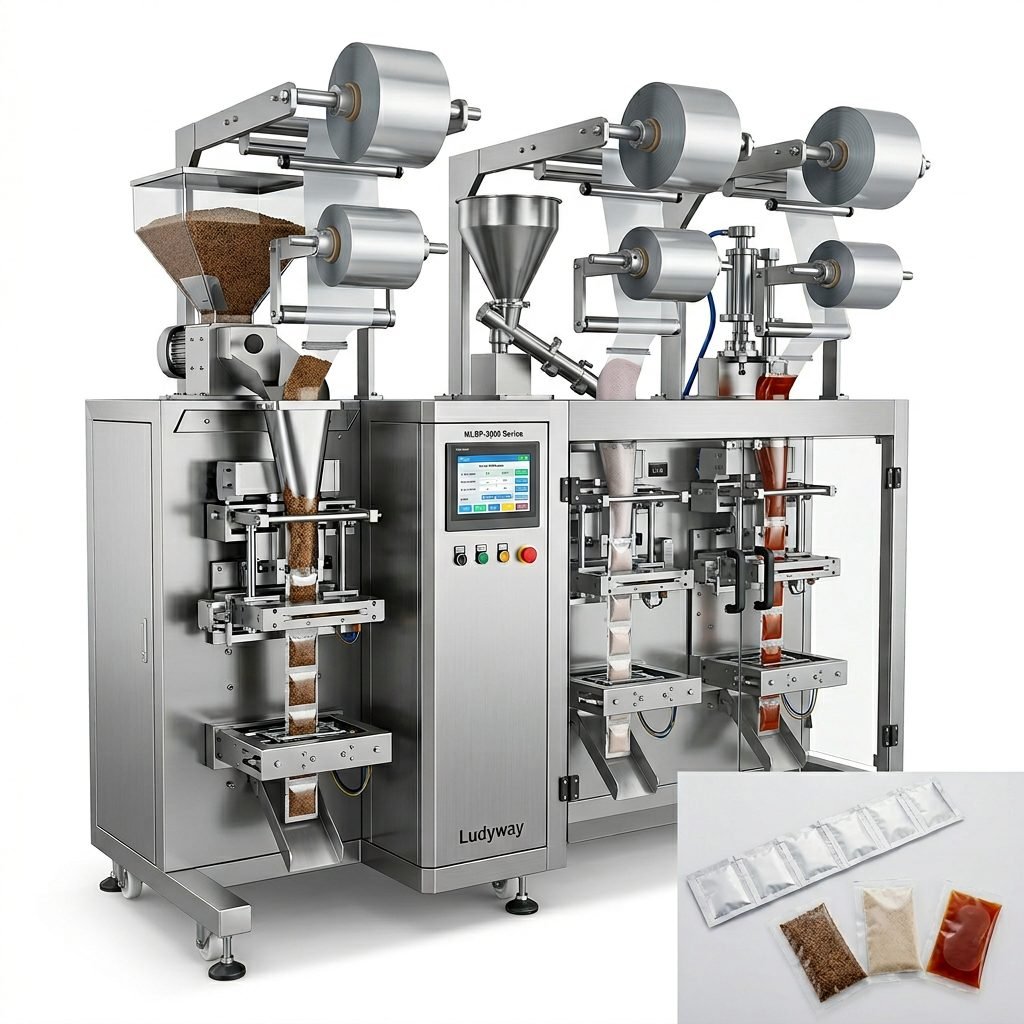
Applications in Modern Automated Production Lines
A CNC packaging machine is often not a standalone unit. In modern factories, it works as part of a broader automated line that may include:
- Automatic feeding systems
- Weighing or dosing modules
- Forming, filling, and sealing equipment
- Date coding and labeling devices
- Metal detection or X-ray inspection
- Checkweighers and reject systems
- Cartoning, case packing, and palletizing units
This type of integration is especially useful for high-volume manufacturers that need dependable throughput, lower labor costs, and standardized packaging quality.
Maintenance Tips for Long-Term Performance
Even advanced CNC packaging machines require proper maintenance to maintain accuracy and equipment life.
- Inspect wear parts regularly
- Keep sensors and sealing areas clean
- Calibrate filling systems on schedule
- Check servo motion and synchronization
- Monitor air pressure, temperature, and electrical stability
- Use trained operators for parameter changes
- Maintain spare parts for key consumables
Preventive maintenance is usually far less costly than unplanned downtime.
Why CNC Packaging Machines Matter for Competitive Manufacturing
In today’s market, packaging is no longer just the final production step. It directly affects product appearance, transportation reliability, shelf presentation, and consumer trust. A CNC packaging machine helps manufacturers respond to rising expectations for speed, consistency, and flexibility.
For companies seeking scalable automation, customized equipment, or complete packaging line support, working with an experienced manufacturer is essential. Ludyway packaging machine solutions are widely used across food, pharmaceutical, health supplement, cosmetic, chemical, and related industries, supporting both standalone equipment needs and turnkey packaging line projects.
Frequently Asked Questions
Is a CNC packaging machine suitable for small businesses?
Yes, if the machine configuration matches your production volume and product type. Some compact or modular systems are designed for growing businesses that want to improve consistency and reduce manual work.
Can one CNC packaging machine handle different products?
Many systems can handle multiple products or package sizes, especially if they are designed with recipe storage and adjustable tooling. However, the level of flexibility depends on the filling technology and package format.
What products are most commonly packed with CNC-controlled machines?
Common applications include powders, granules, liquids, sauces, gels, supplements, coffee, sugar, seasonings, pharmaceuticals, personal care products, and industrial chemicals.
What is the main advantage over a semi-automatic machine?
The biggest advantage is repeatable precision combined with higher automation. This improves output stability, lowers labor reliance, and reduces packaging errors.
Can CNC packaging machines be integrated into a full production line?
Yes. They are commonly integrated with upstream feeding systems and downstream coding, inspection, cartoning, case packing, and palletizing equipment.
Final Thoughts
A CNC packaging machine is a smart investment for manufacturers that want precision, automation, flexibility, and long-term efficiency. By digitally controlling key packaging functions, these machines help deliver more stable quality, faster production, and better cost control across a wide range of industries.
As packaging requirements become more demanding, CNC-controlled systems will continue to play a central role in advanced manufacturing and turnkey packaging line development.