Investing in a tray sealer packaging machine is a critical decision for food manufacturers, processors, and co-packers across the United States. Whether you are sealing fresh produce, ready-to-eat meals, meat, or bakery products, the right tray sealing equipment can dramatically improve product shelf life, production efficiency, and overall packaging quality. This comprehensive guide walks you through everything you need to know before purchasing a tray sealer in the U.S. market.
Understanding Tray Sealer Packaging Machines
A tray sealer is a packaging machine designed to seal pre-formed trays with a flexible lidding film. These machines are widely used across the food, pharmaceutical, and consumer goods industries. The sealed tray provides an airtight barrier that protects products from contamination, extends shelf life, and enhances retail presentation. Modern tray sealers incorporate advanced packaging technologies such as Modified Atmosphere Packaging (MAP), vacuum sealing, and skin packaging.

Types of Tray Sealers Available in the U.S. Market
Understanding the different types of tray sealing machines is essential for making an informed purchase. Each type serves specific production needs and product requirements. The following table outlines the main categories:
| Tray Sealer Type | Best For | Key Advantage | Typical Output |
|---|---|---|---|
| Manual Tray Sealer | Small businesses, startups | Low initial investment | 2–10 trays/min |
| Semi-Automatic Tray Sealer | Mid-size producers | Flexibility with moderate output | 10–30 trays/min |
| Fully Automatic Inline Tray Sealer | High-volume production | Continuous operation, high speed | 40–120+ trays/min |
| MAP Tray Sealer | Fresh food, meat, produce | Extended shelf life via gas flushing | Varies by model |
| Vacuum Skin Tray Sealer | Premium products, seafood | Superior product presentation | Varies by model |
Key Features to Evaluate Before Buying
When evaluating a tray sealer for your U.S.-based operation, several critical features demand your attention. Making the right choice requires a thorough assessment of your production environment and product specifications.
- Sealing Technology: Consider whether you need heat sealing, ultrasonic sealing, or impulse sealing based on your film type and product sensitivity.
- MAP Compatibility: If you package fresh foods, ensure the machine supports gas flushing with precise oxygen and nitrogen control for optimal shelf life extension.
- Tray Size Flexibility: The machine should accommodate your current tray dimensions while allowing for future product line expansions.
- Film Compatibility: Verify that the sealer works with your preferred lidding films, including PE, PET, PP, and multilayer barrier films.
- Automation Level: Match the machine’s automation capabilities with your production volume and labor strategy.
- Changeover Speed: Quick tooling changes between tray sizes minimize downtime in multi-product facilities.
- Seal Integrity Testing: Look for machines with built-in or compatible seal inspection systems to ensure consistent quality.
Regulatory Compliance in the U.S. Market
Operating in the United States means your packaging equipment must comply with strict regulatory standards. The FDA food packaging regulations set clear requirements for food contact materials and packaging processes. Key compliance areas include:
- FDA 21 CFR Compliance: All food contact surfaces and packaging materials must meet FDA regulations for indirect food additives.
- USDA Standards: Meat and poultry processors must adhere to additional USDA-FSIS packaging requirements for tray sealing operations.
- HACCP Integration: Your tray sealing line should support Hazard Analysis Critical Control Point protocols, particularly for MAP and vacuum-sealed products.
- State-Level Regulations: Be aware of California Proposition 65 and other state-specific requirements that may affect packaging material choices.
For detailed industry data, the PMMI Business Intelligence Library provides comprehensive reports on packaging machinery market trends, including the latest State of the Industry reports that can inform your purchasing decision.
Total Cost of Ownership Analysis
Beyond the initial purchase price, understanding the total cost of ownership (TCO) is vital for budgeting. The table below breaks down the major cost components:
| Cost Category | Estimated Share of TCO | Key Considerations |
|---|---|---|
| Equipment Purchase | 40–50% | Varies by automation level and brand |
| Installation & Setup | 5–10% | Electrical, air supply, facility modifications |
| Consumables (Film, Trays) | 25–35% | Ongoing operational expense |
| Maintenance & Parts | 5–10% | Preventive maintenance, spare parts |
| Energy & Utilities | 3–5% | Electricity, compressed air, gas |
How to Choose the Right Supplier
Selecting a reliable supplier is just as important as choosing the right machine. A trusted equipment partner should provide comprehensive support throughout the machine’s lifecycle. Consider these evaluation criteria when vetting potential suppliers:
- Industry Experience: Look for manufacturers with a proven track record in your specific product category and packaging format.
- U.S. Service Network: Ensure the supplier offers local technical support, spare parts availability, and responsive after-sales service within the United States.
- Installation & Training: Comprehensive installation support and operator training programs help minimize startup delays.
- Customization Capability: The ability to customize tray tooling and machine configurations to your exact specifications is a significant advantage.
- References & Case Studies: Request references from U.S.-based customers in similar industries to validate the supplier’s claims.
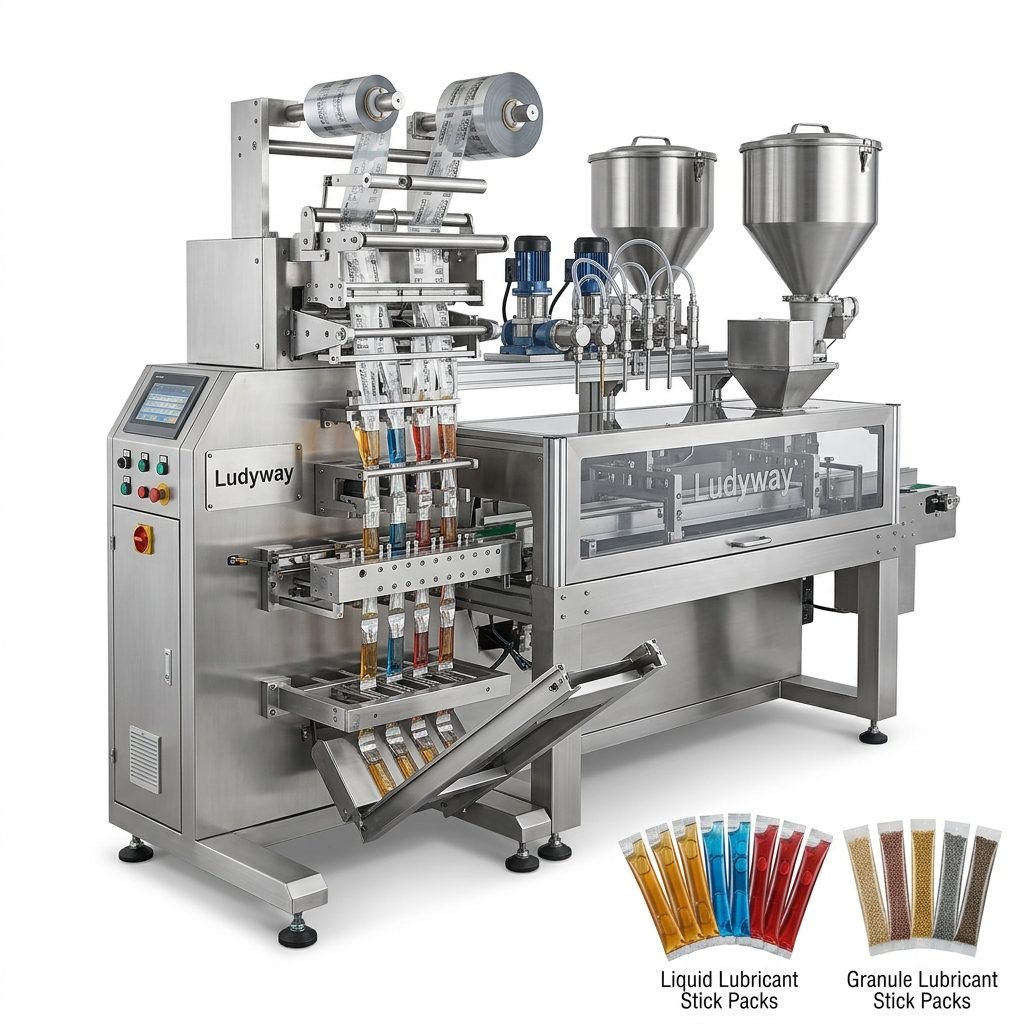
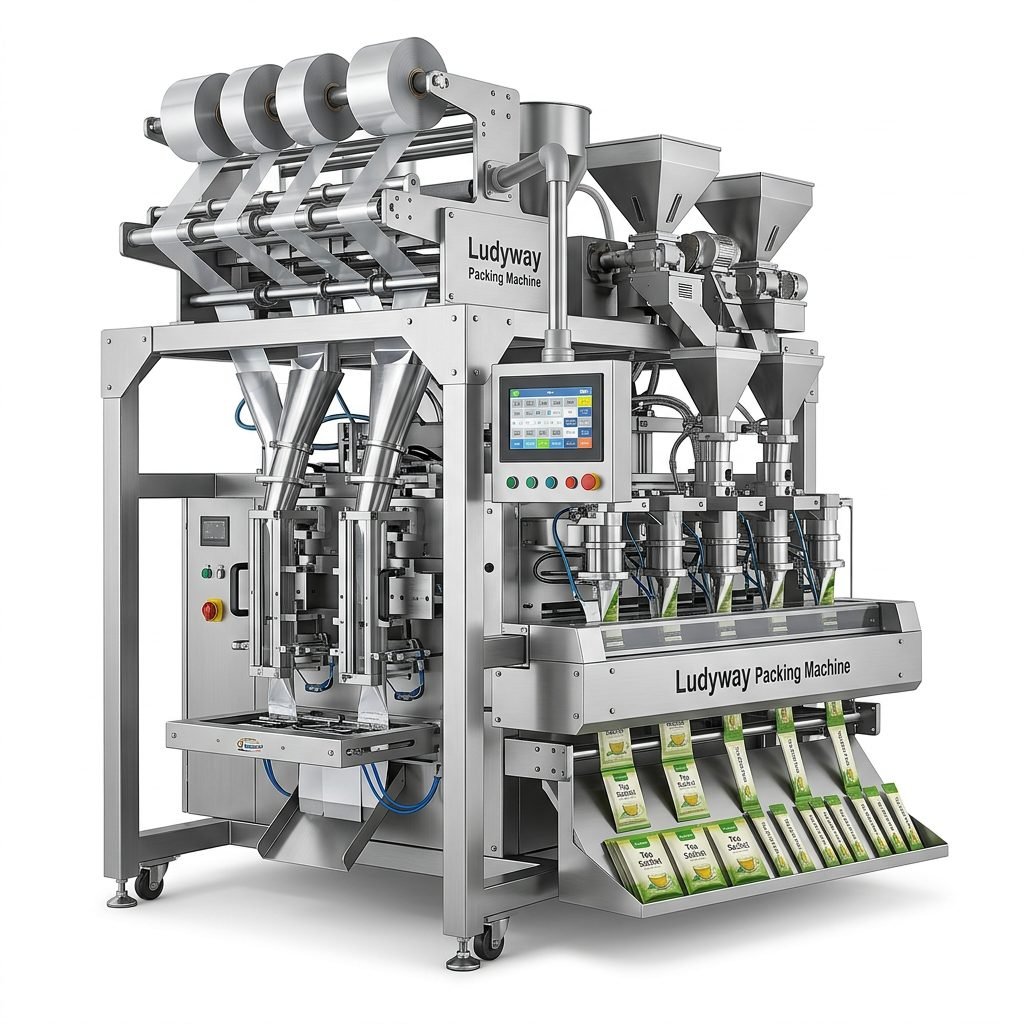
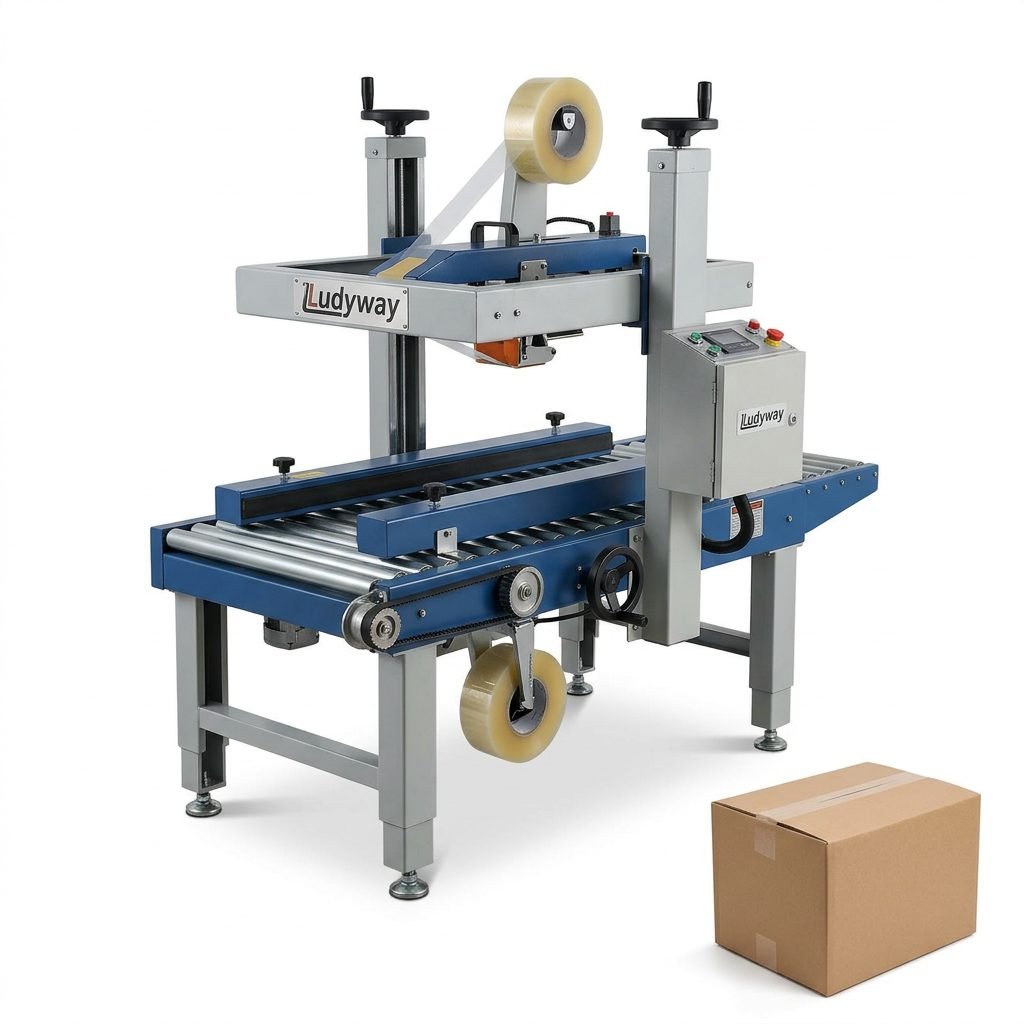
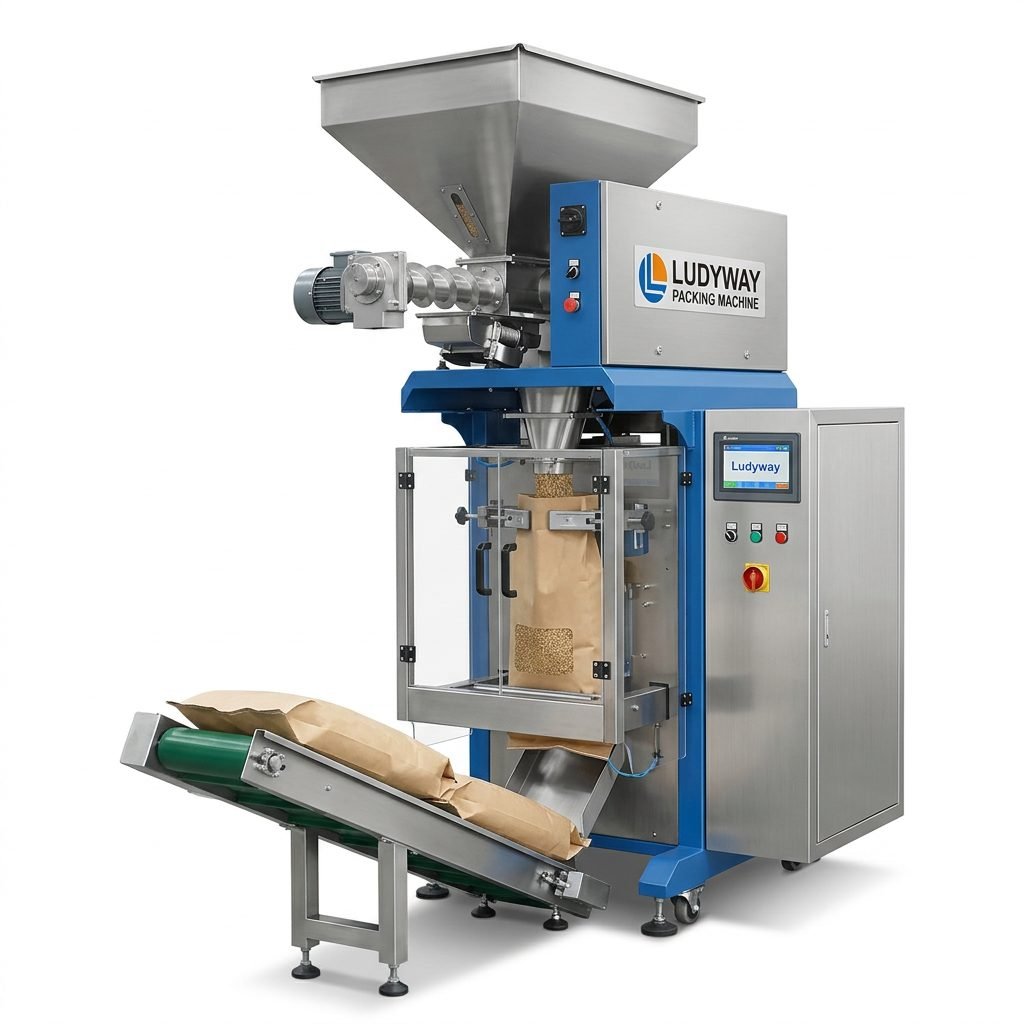
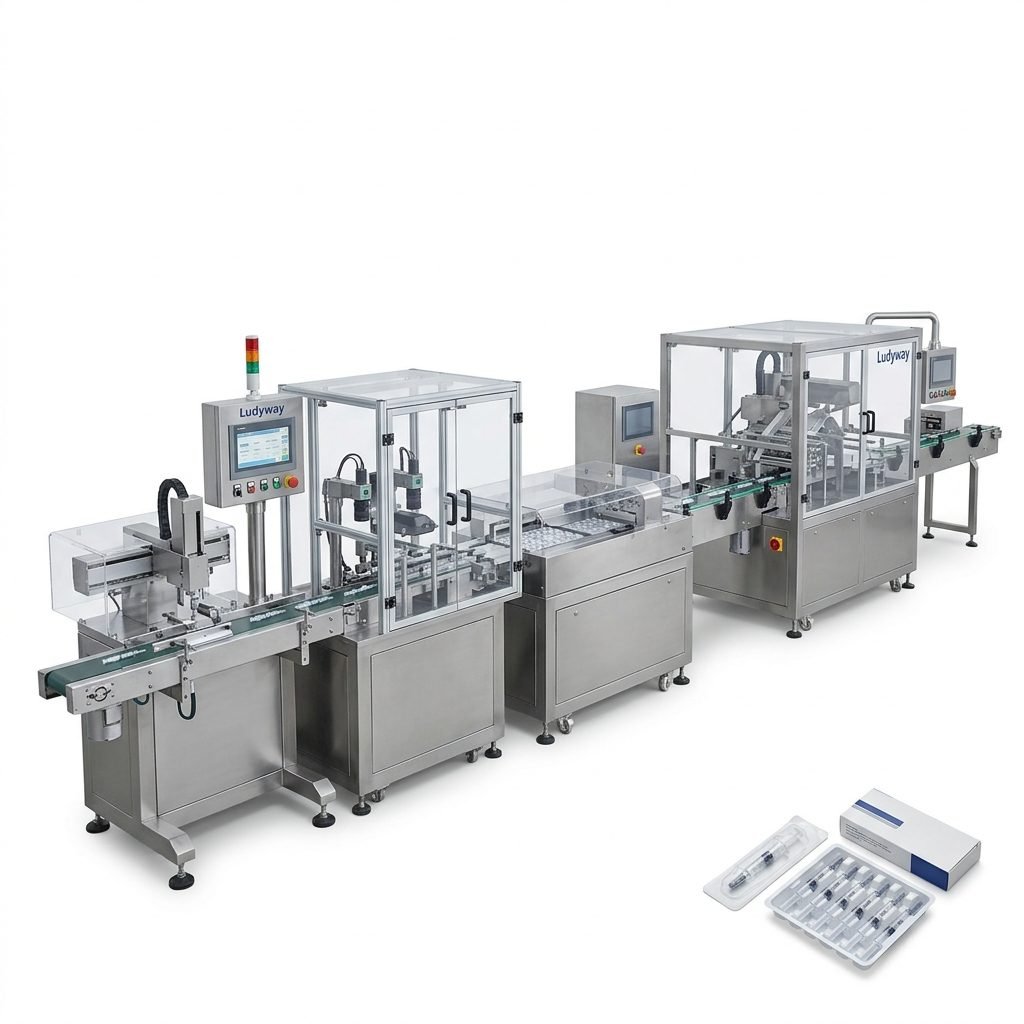
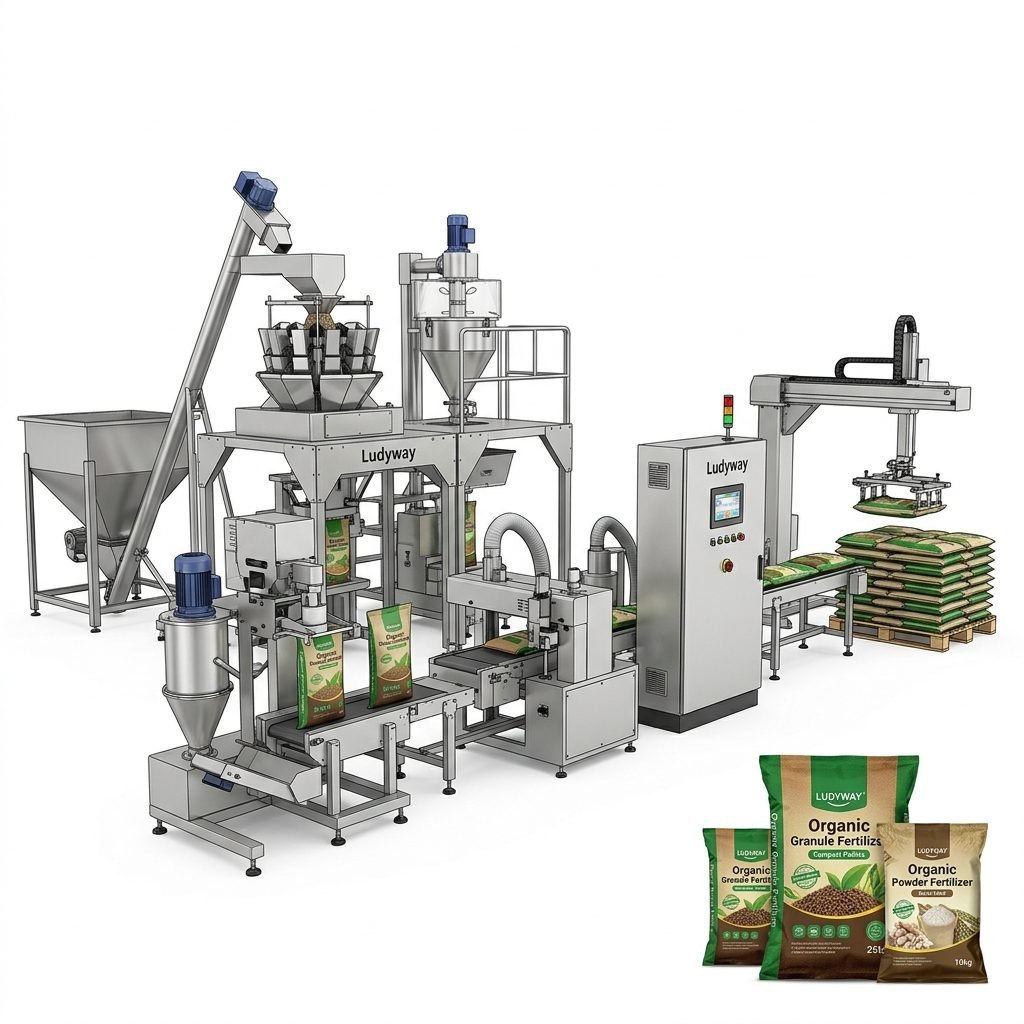
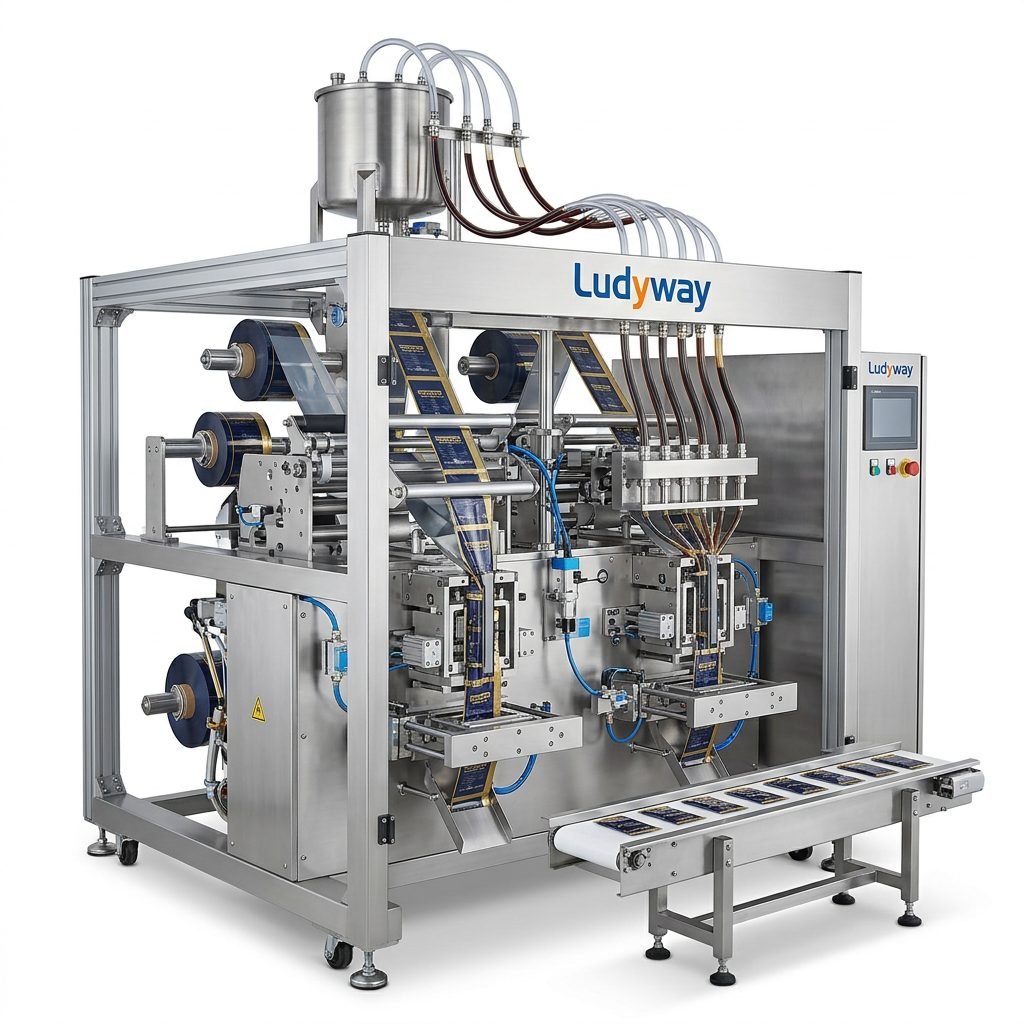
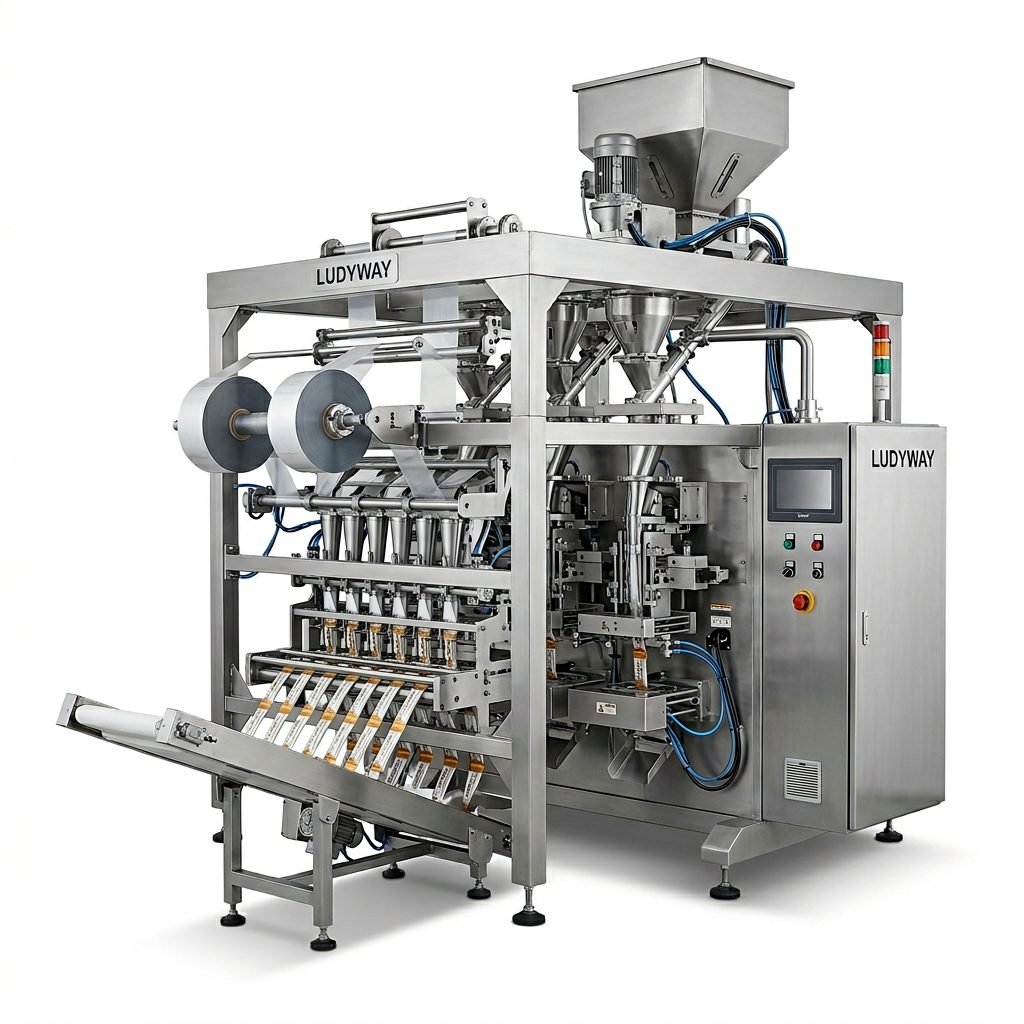
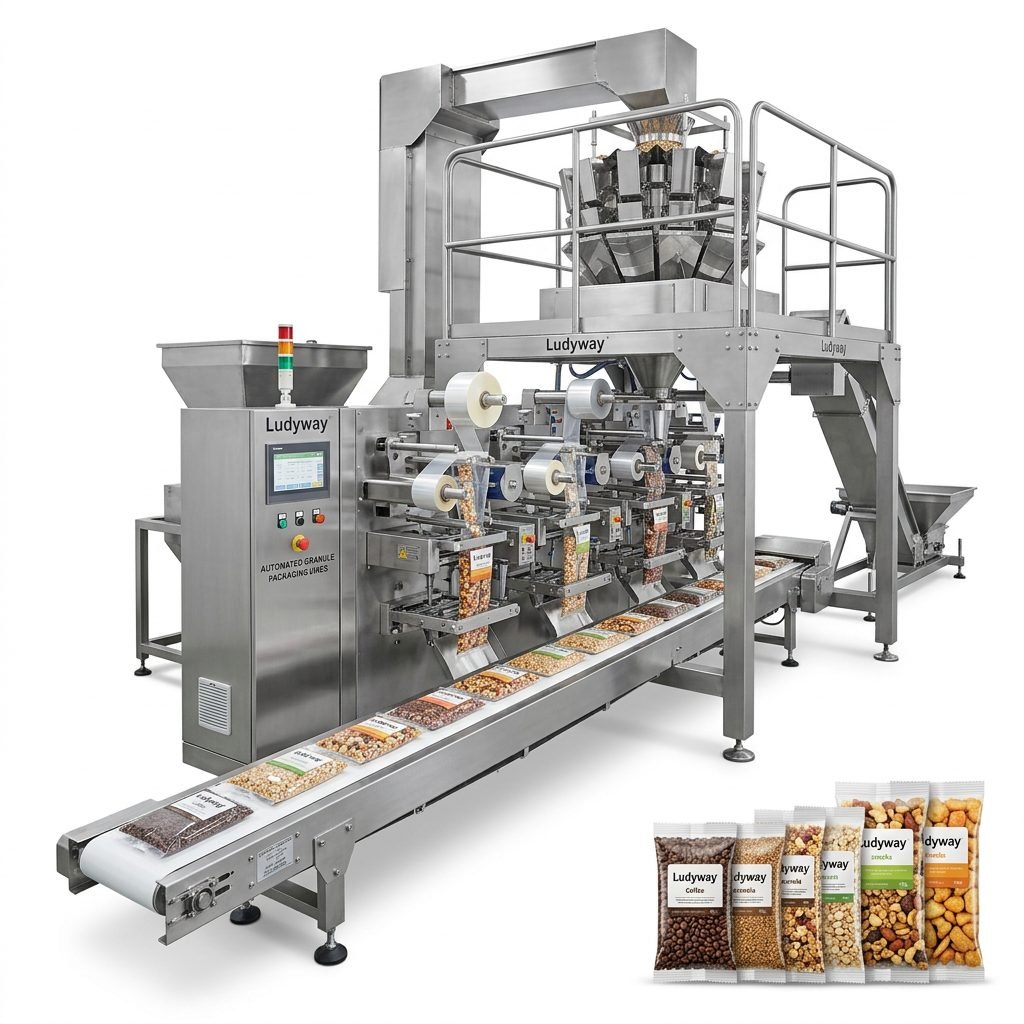
One notable manufacturer in the global packaging machinery landscape is Ludyway, which produces over 50 intelligent packaging machine models from its 20,000㎡ facility and serves customers in more than 100 countries. When evaluating international suppliers, always verify their U.S. support infrastructure and compliance with American regulatory standards. For more insights on global packaging machinery trends, refer to the Flexible Packaging Association industry data and market analysis resources.
Integration with Existing Production Lines
A tray sealer does not operate in isolation. Successful implementation requires seamless integration with upstream and downstream equipment. Key integration points include:
- Filling Systems: The tray sealer must synchronize with depositors, fillers, and portioning equipment for consistent product placement.
- Conveyor Networks: Ensure the machine’s conveyor height, speed, and direction align with your existing material handling infrastructure.
- Labeling & Coding: Integration with inline date coders, label applicators, and vision inspection systems ensures traceability and brand compliance.
- Case Packing: The output of the tray sealer should match the capacity of downstream cartoning and case packing equipment.

Maintenance Best Practices and Support Requirements
Implementing a robust maintenance program is essential for maximizing your tray sealer’s uptime and longevity. A proactive approach to equipment care pays dividends in reduced downtime and consistent seal quality.
- Daily Cleaning Protocols: Establish standard operating procedures for cleaning sealing plates, film guides, and product contact surfaces at the end of each shift.
- Preventive Maintenance Schedule: Follow the manufacturer’s recommended intervals for seal bar inspection, gasket replacement, and lubrication of moving components.
- Spare Parts Inventory: Maintain critical spare parts on-site, including sealing gaskets, heating elements, thermocouples, and cutting blades.
- Operator Training: Well-trained operators can identify early warning signs of equipment issues before they escalate into costly repairs.
- Remote Support Capability: Modern tray sealers often include remote diagnostics features that allow technicians to troubleshoot issues without an on-site visit.
For regulatory guidance on packaging processes, the ISO packaging standards provide internationally recognized frameworks that complement U.S.-specific requirements.
Financing and Leasing Options for U.S. Buyers
Acquiring a tray sealer represents a significant capital investment. Fortunately, U.S. buyers have access to multiple financing pathways that can make the purchase more manageable:
- Equipment Leasing: Many financial institutions offer lease-to-own arrangements that preserve working capital while providing immediate use of the equipment.
- SBA Loans: Small Business Administration loan programs can provide favorable terms for qualified food manufacturing businesses purchasing packaging machinery.
- Manufacturer Financing: Some equipment suppliers offer direct financing or partner with specialized lenders familiar with the packaging industry.
- Tax Incentives: Consult with a tax professional regarding Section 179 deductions and bonus depreciation benefits available for equipment purchases in the current tax year.
Making the Right Investment Decision
Purchasing a tray sealer packaging machine in the United States requires careful evaluation of technical specifications, regulatory requirements, supplier capabilities, and total cost of ownership. By thoroughly assessing your production needs, understanding the available technologies, and partnering with a reputable supplier that offers strong U.S.-based support, you can make a confident investment that drives productivity and product quality for years to come.
Stay informed about packaging industry developments through resources like the PACK EXPO International events, the PMMI packaging industry resources, and the Flexible Packaging Association for ongoing market intelligence and networking opportunities.

Frequently Asked Questions About Tray Sealers
What is the typical price range for a tray sealer in the U.S.?
Tray sealer prices vary widely based on automation level and features. Manual units may start around $5,000–$15,000, semi-automatic machines range from $20,000–$60,000, and fully automatic inline systems can exceed $100,000–$300,000+ depending on configuration and output capacity.
How long does installation and commissioning take?
For a standard semi-automatic tray sealer, installation typically takes 1–3 days. Fully automatic inline systems may require 1–2 weeks for mechanical installation, electrical integration, and comprehensive operator training.
Can one tray sealer handle multiple tray sizes?
Yes, most modern tray sealers support quick-change tooling that allows operators to switch between tray sizes in minutes. When specifying your machine, clearly communicate all current and anticipated tray dimensions to ensure proper tooling compatibility.
What are the most important safety certifications to look for?
For U.S. operations, prioritize machines with UL certification, ANSI/PMMI B155.1 safety standards compliance, and OSHA-compliant guarding. These certifications ensure the equipment meets American workplace safety requirements.