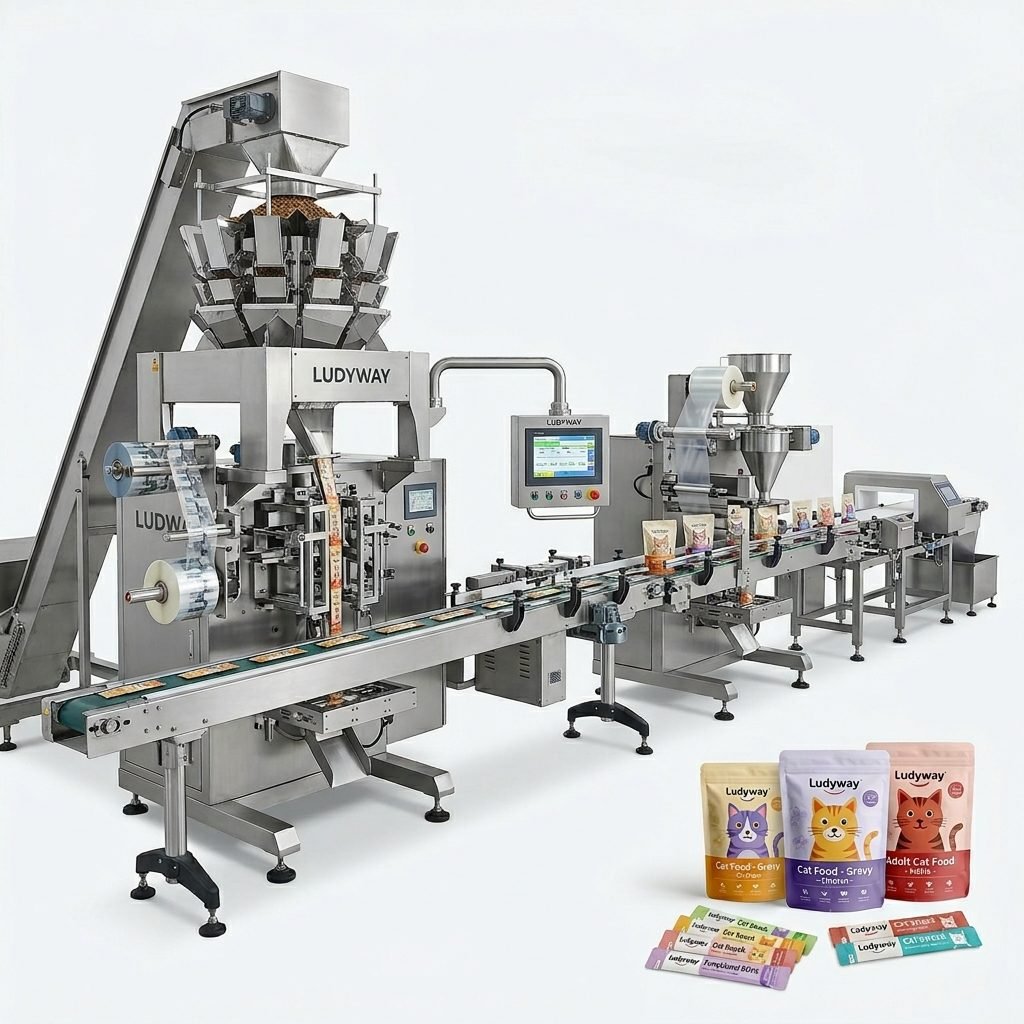
Investing in a gable top packaging machine is a strategic move for dairy, juice, and liquid food producers across Southeast Asia. The region’s fast-growing middle class and expanding modern retail sector are driving unprecedented demand for premium, shelf-stable carton packaging. However, purchasing the right equipment requires careful evaluation of local market conditions, technical specifications, and long-term support capabilities.
This guide walks you through every critical factor—from understanding regional consumption trends to evaluating machine performance, ensuring you make a confident and cost-effective decision.
Why Gable Top Cartons Are Dominating Southeast Asian Shelves
The shift toward gable top cartons in countries like Indonesia, Vietnam, Thailand, and the Philippines is unmistakable. PMMI market intelligence highlights strong double-digit growth in carton packaging demand, fueled by:
- Urbanization and modern trade: Supermarkets and convenience stores are expanding rapidly, creating demand for premium-looking, resealable packages.
- Cold chain improvements: Wider availability of refrigerated logistics allows for fresh milk and juice distribution in gable top formats.
- Sustainability preferences: Consumers increasingly favor paper-based packaging over rigid plastics, matching government pushes toward eco-friendly materials.
- Brand differentiation: Unique carton shapes and high-quality print help local brands compete with international imports.
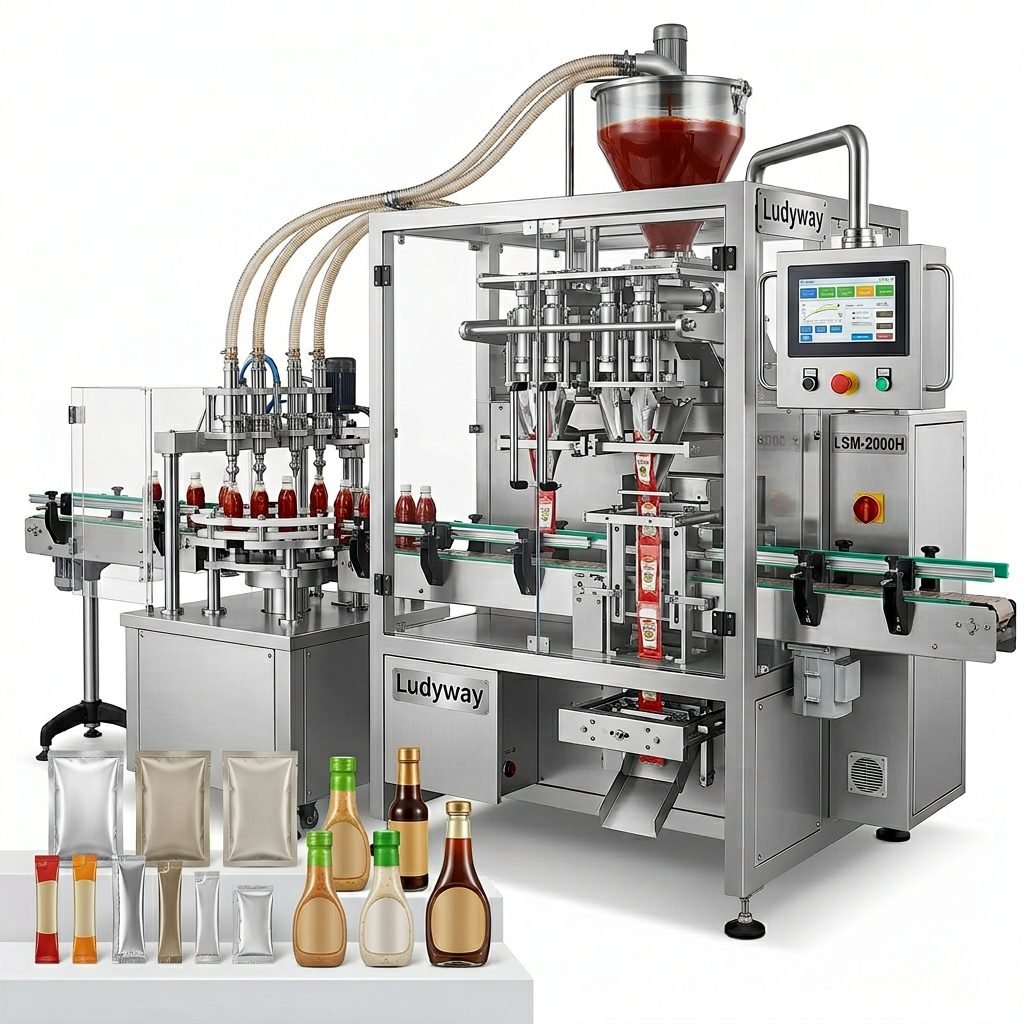
Key Machine Specifications to Evaluate Before Buying
Not all packaging machines meeting ISO standards are built for the specific conditions of Southeast Asia. Focus on these technical priorities when comparing suppliers:
| Specification | Why It Matters in Southeast Asia | Recommended Target |
|---|---|---|
| Production Speed | Demand fluctuates sharply during festive seasons; slow machines create bottlenecks. | 2,500 – 10,000 cartons/hour |
| Fill Volume Range | Products range from small 200ml school milk packs to 1-liter family juice cartons. | 200ml – 1,500ml |
| Material Compatibility | High humidity affects paperboard stiffness; machine must handle local substrate variations. | PE-coated paperboard, EVOH layers |
| Cleaning & CIP | Ambient temperatures above 35°C increase microbial risk; automated cleaning is non-negotiable. | Full CIP integration, stainless steel contact parts |
| Power Stability Tolerance | Voltage fluctuations are common in industrial zones; sensitive electronics need protection. | Voltage stabilizer built-in or recommended |
Understanding Gable Top Machine Configurations
Manufacturers typically offer several configurations. Selecting the wrong one leads to over-investment or capacity shortages. Here are the common categories:
- Basic Semi-Automatic Fillers: Suitable for small dairies producing under 500 packs per hour. Operators manually feed carton blanks.
- Fully Automatic Rotary Fillers: Ideal for mid-sized plants. Integrated forming, filling, and sealing stations with speeds up to 4,000 cph.
- High-Speed Linear Aseptic Lines: Designed for UHT milk and extended shelf-life (ESL) products. Includes sterilization tunnels and hermetic sealing zones.
- Multi-Format Flex Machines: Capable of switching between different carton sizes and cap applicators with minimal changeover time.
Local Support and After-Sales: The Hidden Cost Factor
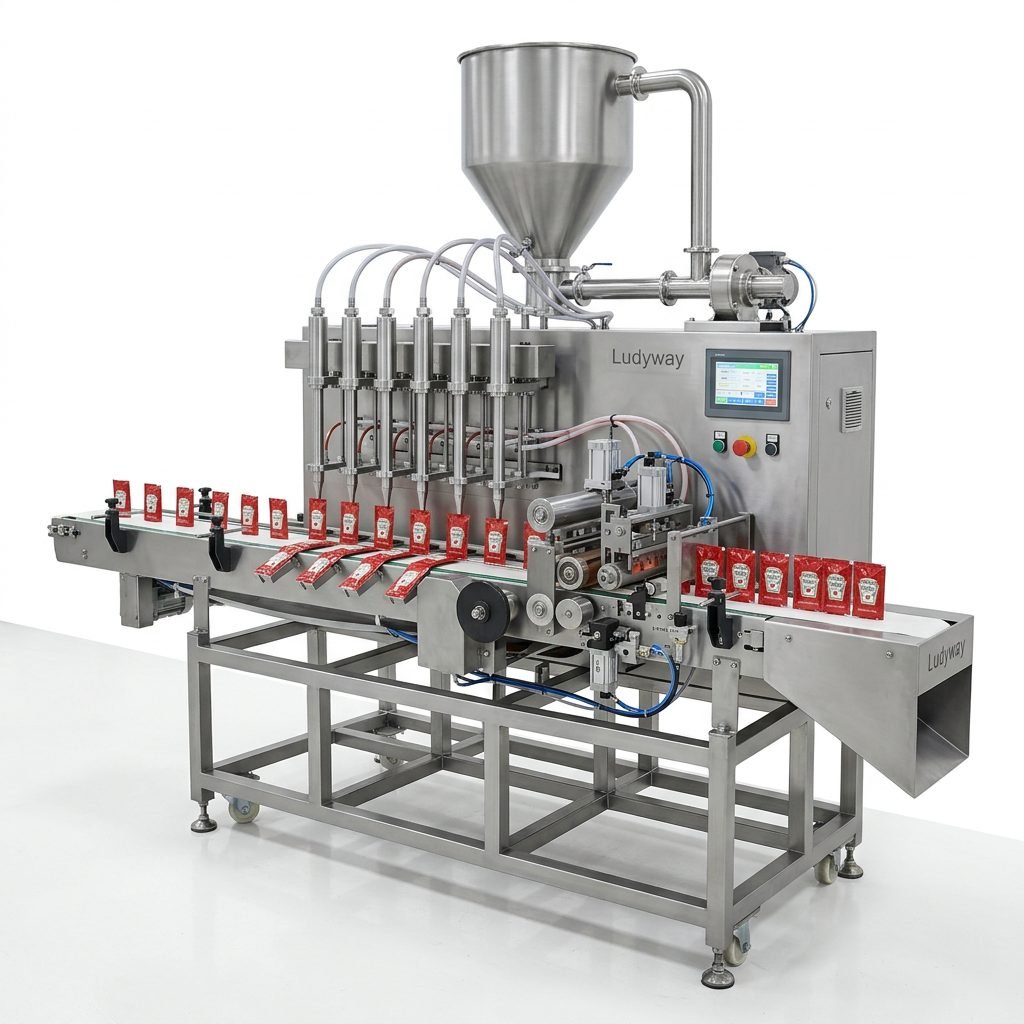
In Southeast Asia, the availability of local service engineers and spare parts warehouses directly impacts your production uptime. Many plants in Indonesia and Vietnam have experienced weeks of downtime waiting for components shipped from Europe. When interviewing suppliers, verify:
- Presence of a regional service hub or authorized distributor within a 24-hour travel radius.
- Inventory of critical wear parts (sealing jaws, drive belts, gaskets) held locally.
- Remote diagnostic capabilities—essential for quick troubleshooting across time zones.
- Training programs offered for your maintenance team, preferably in the local language.
Regulatory Compliance and Food Safety
Southeast Asian nations are aligning with global food safety standards. Your machine must support compliance with local regulations modeled after FDA food contact requirements and ISO 22000 protocols. Key features include effective hydrogen peroxide sterilization systems for aseptic lines, precise temperature control along the filling path, and clean-in-place (CIP) cycles that minimize chemical and water usage.
Total Cost of Ownership: Beyond the Purchase Price
Focusing solely on the initial quote can be misleading. A comprehensive TCO analysis for a gable top packaging machine in Southeast Asia should include:
- Energy consumption: Motors, heating elements, and compressed air systems running in high-ambient temperatures.
- Carton material waste: Efficient blank forming reduces wasted paperboard—a major ongoing expense.
- Spare parts lifecycle: Availability and pricing of proprietary versus standard components.
- Changeover downtime: Production lost during size changes, especially if you run multiple SKUs.
- Shipping and import duties: Logistics costs for heavy machinery entering ASEAN ports can be significant.
Machine Installation and Factory Preparation
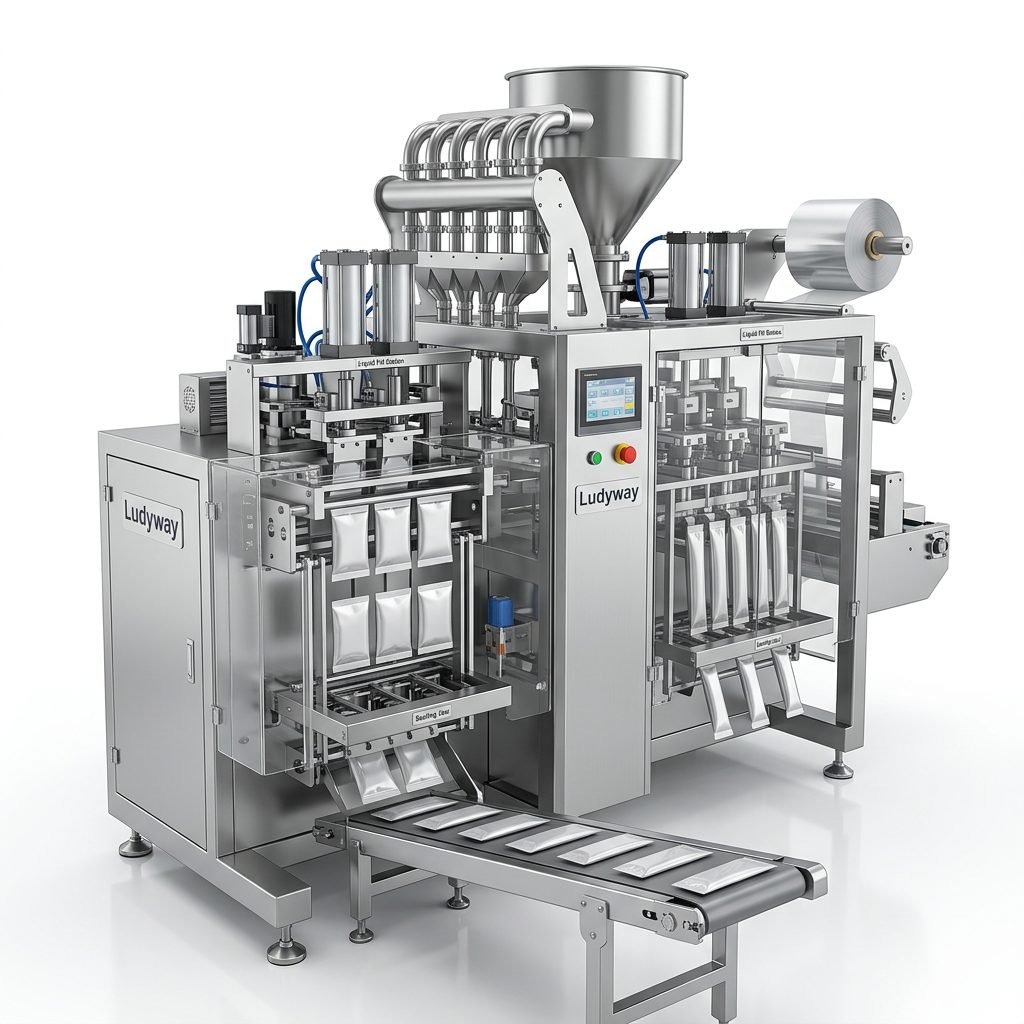
Before delivery, ensure your factory is ready. Critical preparatory steps include reinforced concrete flooring to support dynamic loads during high-speed filling, dedicated power lines with earthing resistance below 4 ohms, food-grade compressed air supply with desiccant dryers to handle tropical humidity, and proper drainage slopes for CIP chemical handling. Skipping these steps often delays commissioning by weeks and can void warranty terms.
Finding Reliable Suppliers in the Region
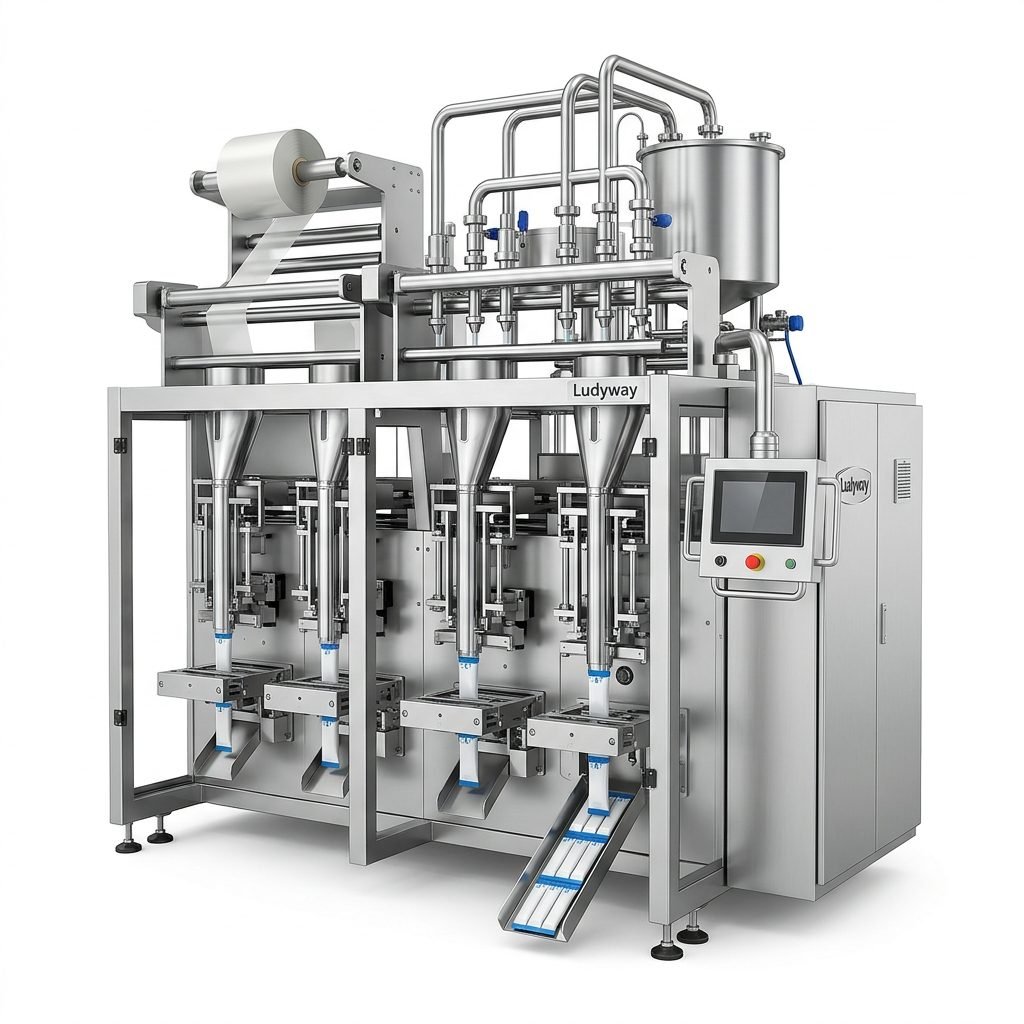
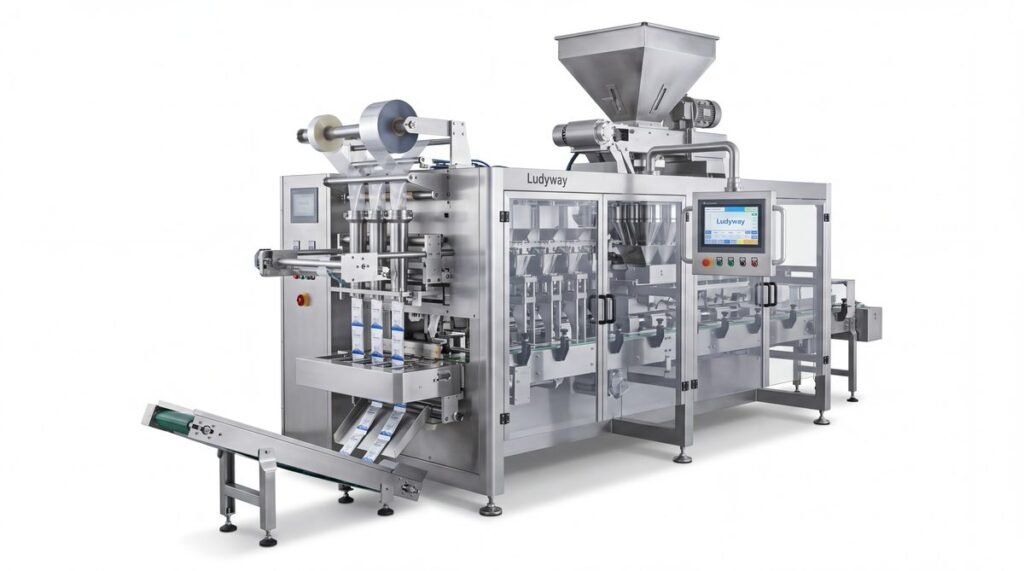
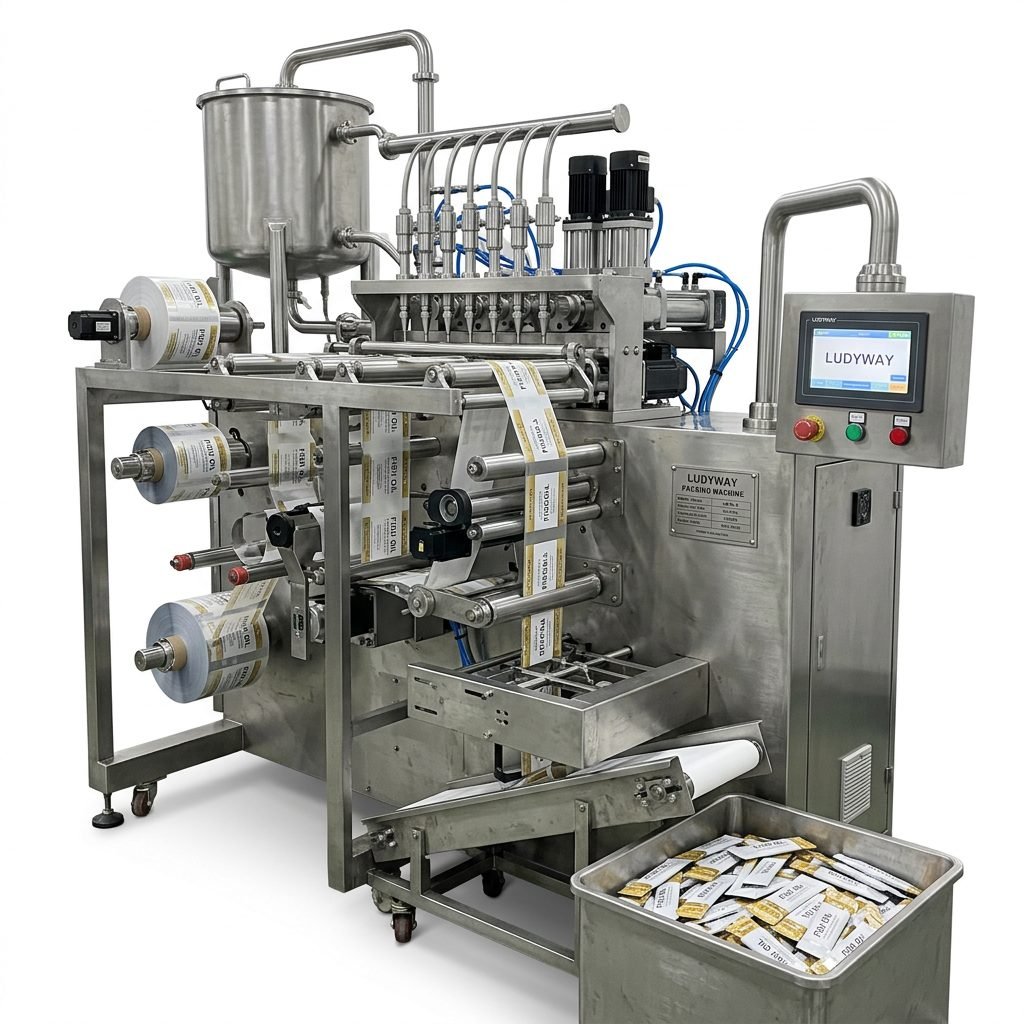
Sourcing through a supplier that understands both international quality benchmarks and the unique operating environment of Southeast Asia reduces implementation risk significantly. One notable manufacturer with a strong global footprint is Ludyway, one of the largest packaging machine manufacturers in China, which provides turnkey packaging solutions for food, pharmaceutical, and health industries. Supported by a modern facility and engineering team, such suppliers offer high-performance machines and local technical support that align well with ASEAN market requirements.
Key Questions to Ask Before Signing
- Can you provide a reference site currently operating in Southeast Asia with similar products?
- What is the guaranteed efficiency rate under local temperature and humidity conditions?
- Are your control interfaces available in Bahasa Indonesia, Thai, or Vietnamese?
- How quickly can a technician arrive on-site in case of a line-down emergency?
- Do you offer flexible financing or leasing options for ASEAN buyers?
By thoroughly addressing each of these topics, you position your investment for long-term profitability and smooth operation in the dynamic Southeast Asian market.
Further Reading: PMMI State of the Industry Report | Flexible Packaging Association Resources