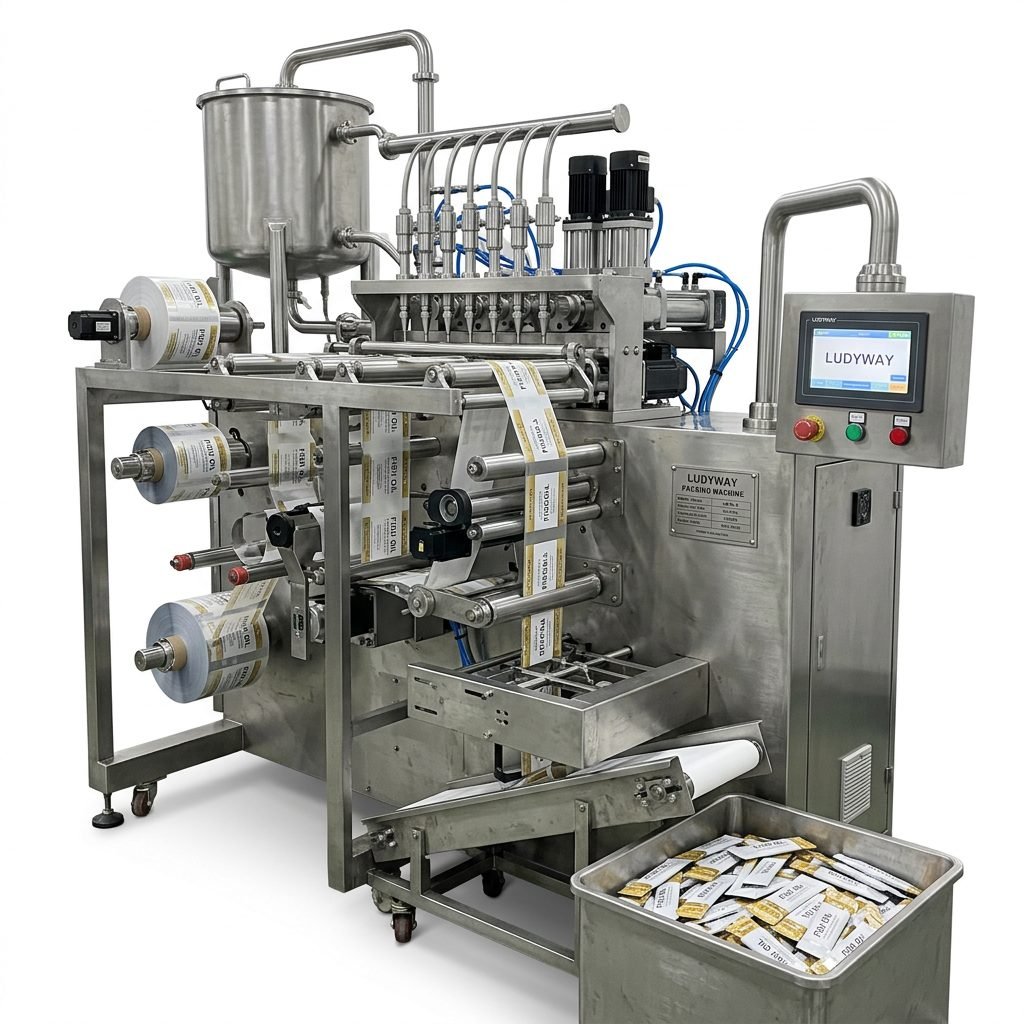
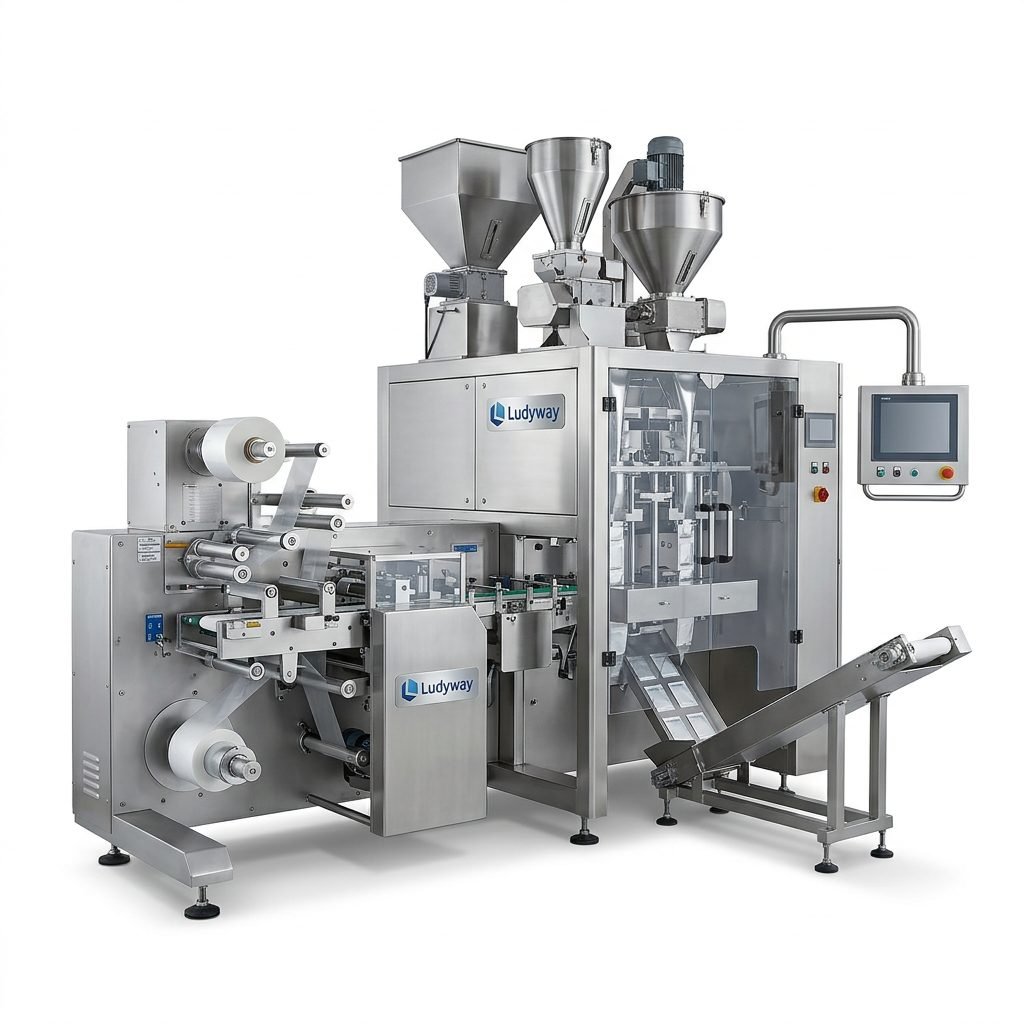
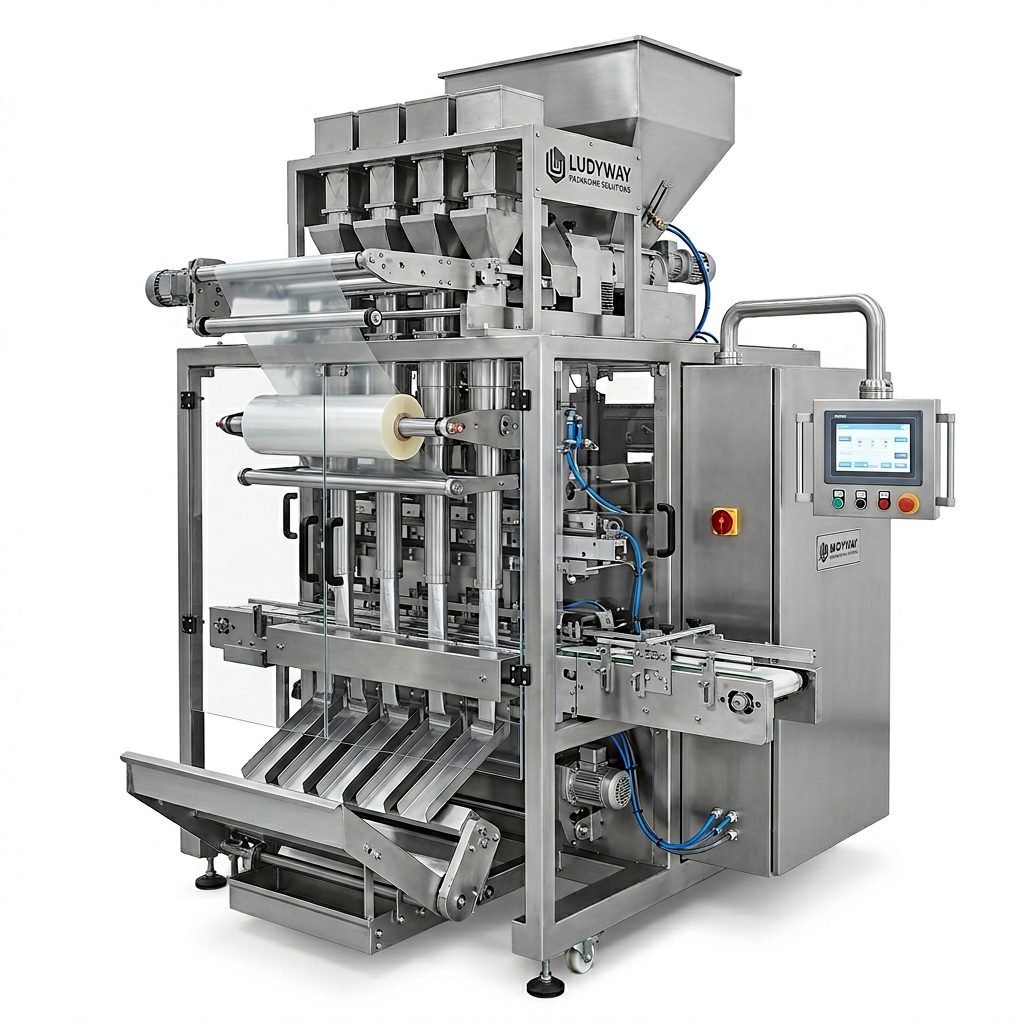
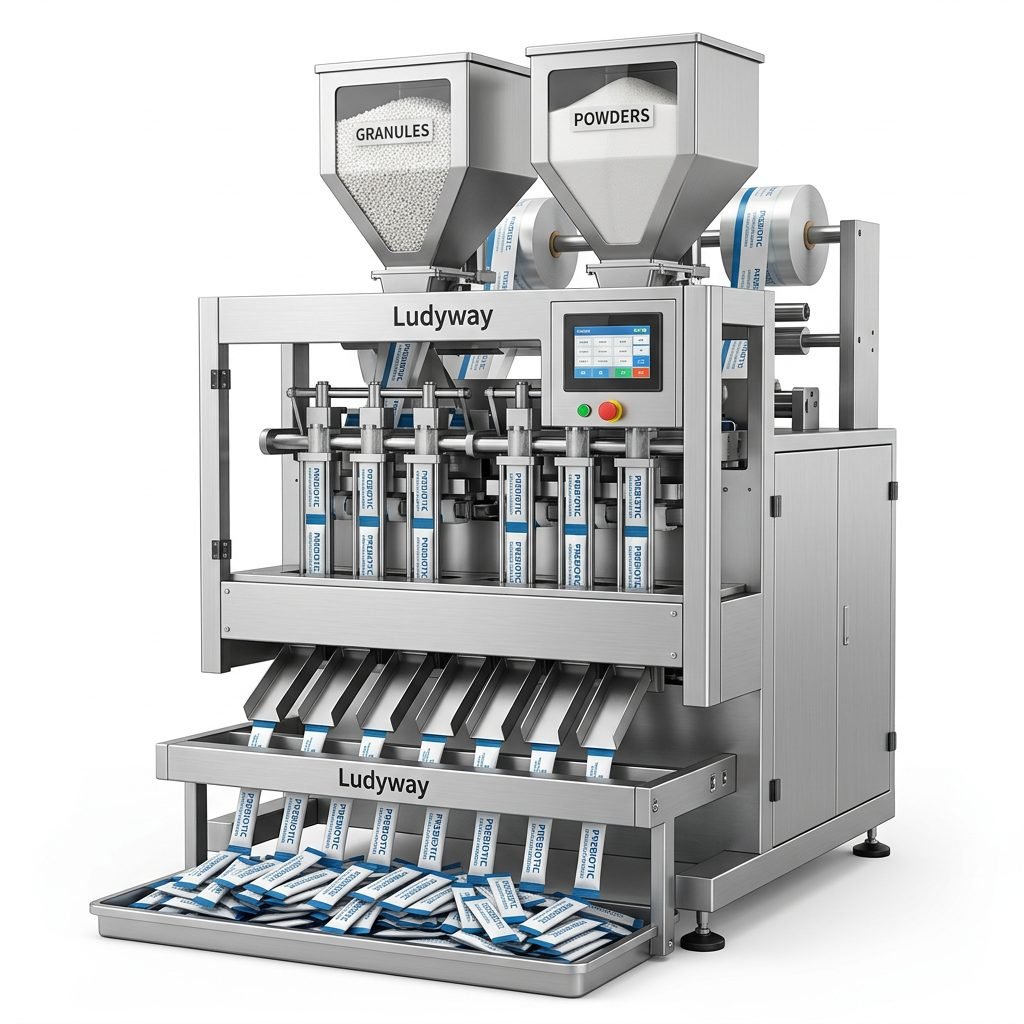
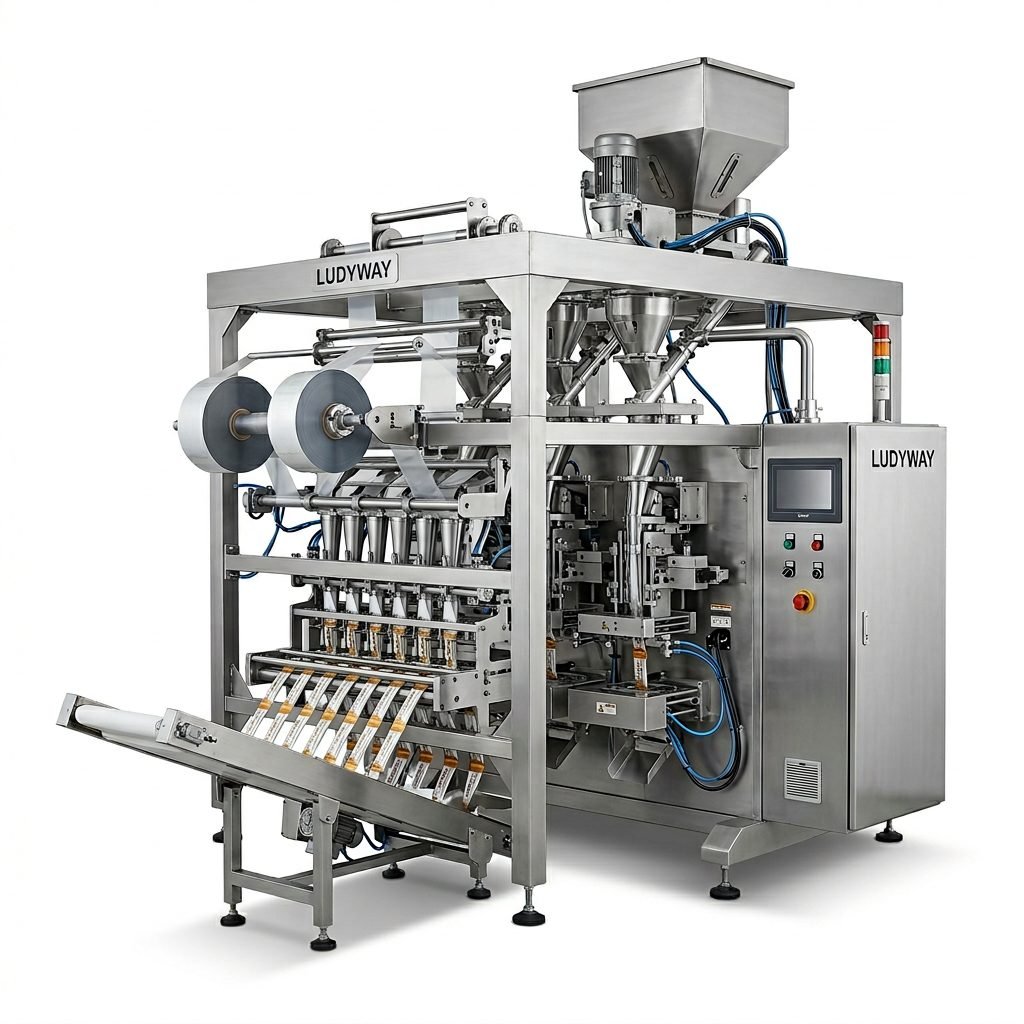
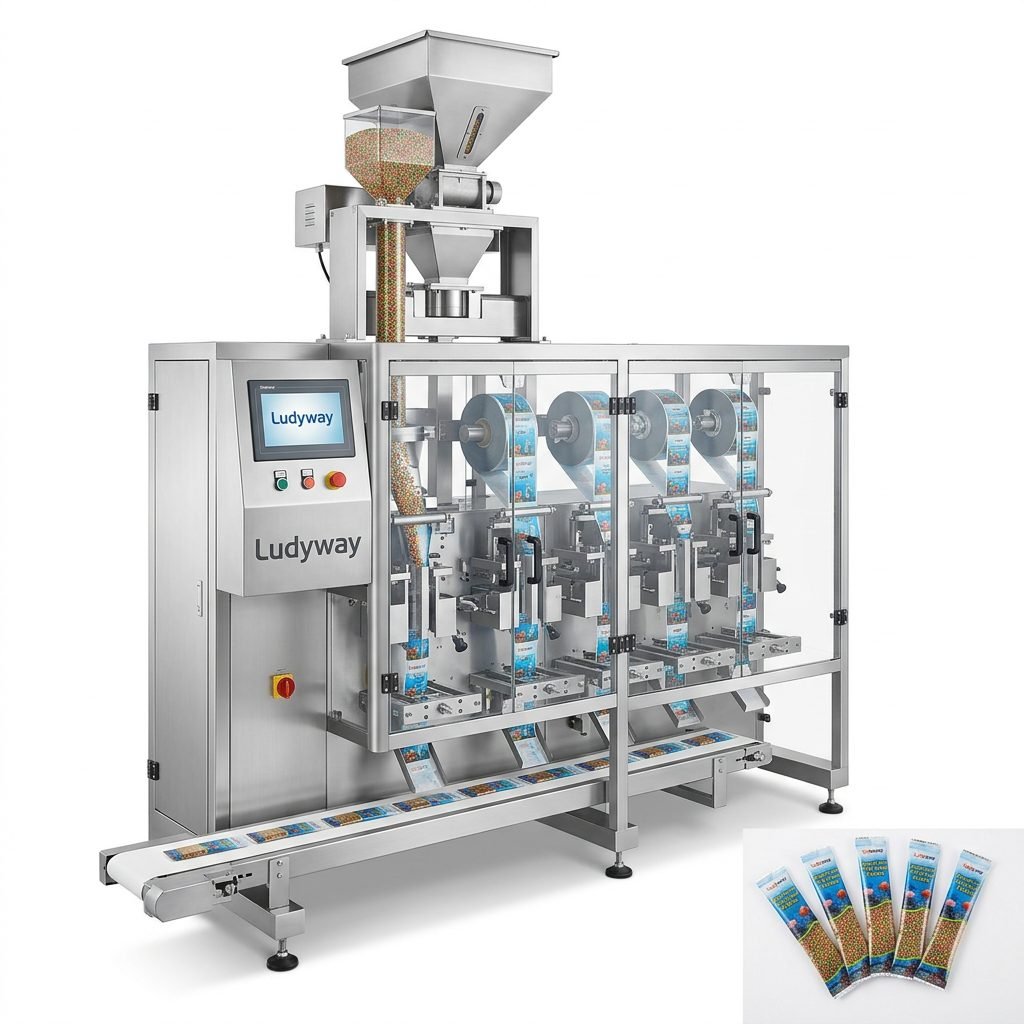
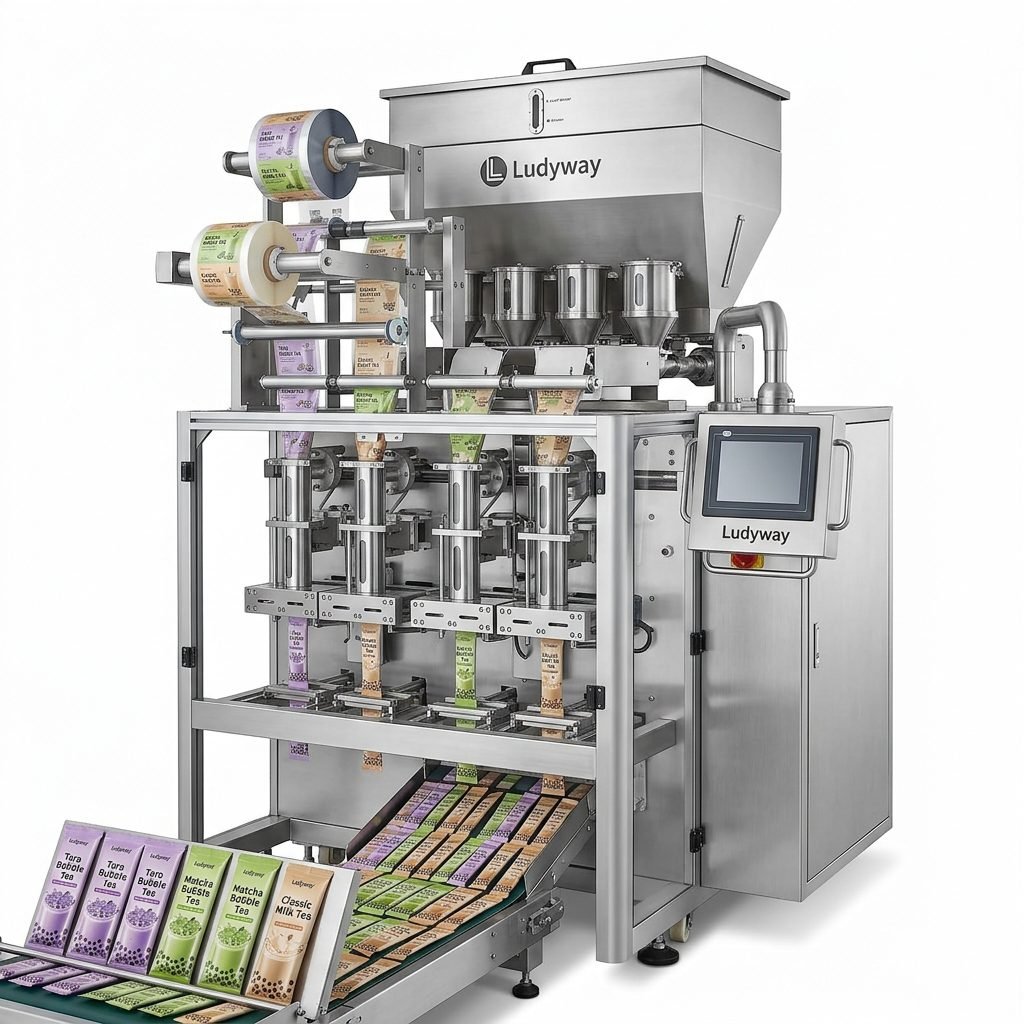
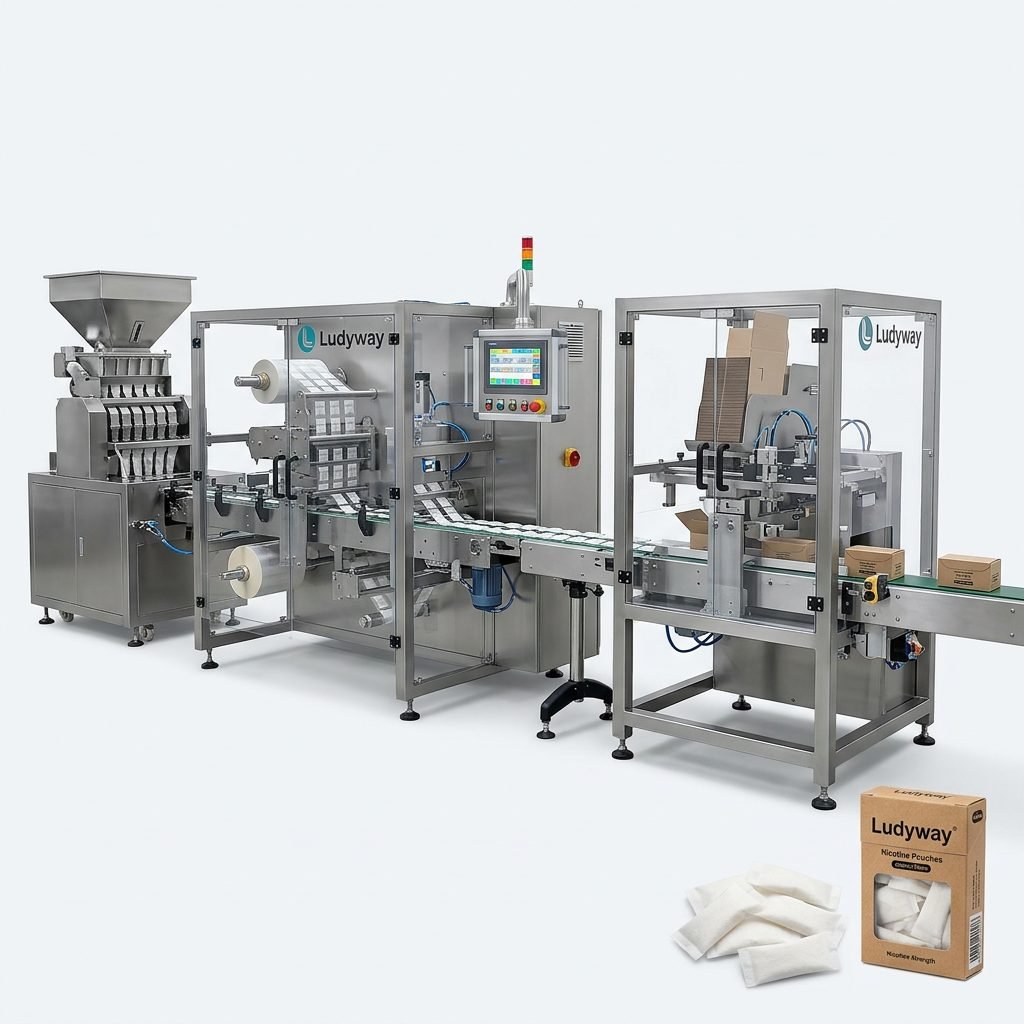
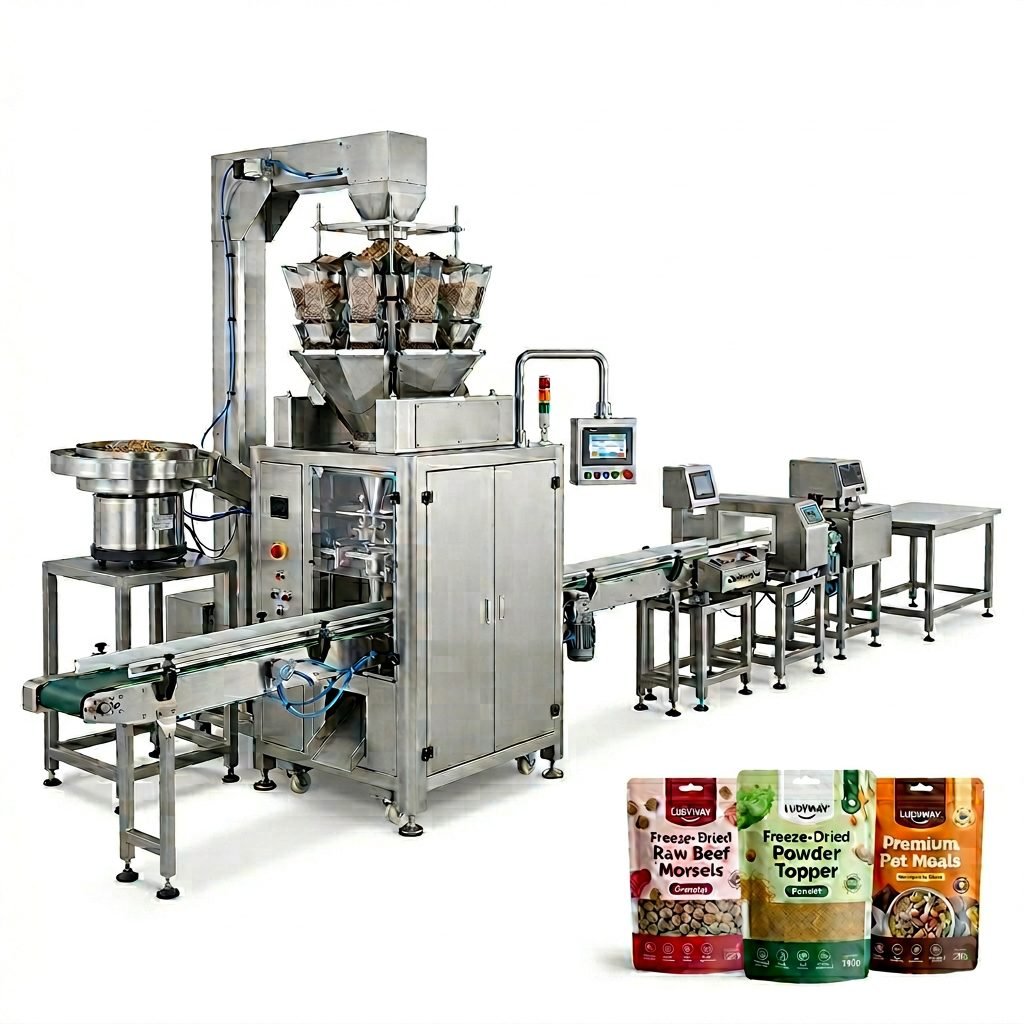
Cooked food packaging is no longer just a final production step. For modern food manufacturers, central kitchens, ready-meal brands, deli processors, and fast-growing catering suppliers, the right packaging system directly affects food safety, shelf life, labor cost, delivery speed, and brand reputation.
A reliable cooked food packaging machine helps businesses package hot-fill, cooled, vacuum-packed, tray-sealed, or pouch-packed products with better consistency and lower contamination risk. Whether you process prepared meat, rice meals, sauces, soups, vegetables, or convenience foods, choosing the right equipment can make production faster and more profitable.
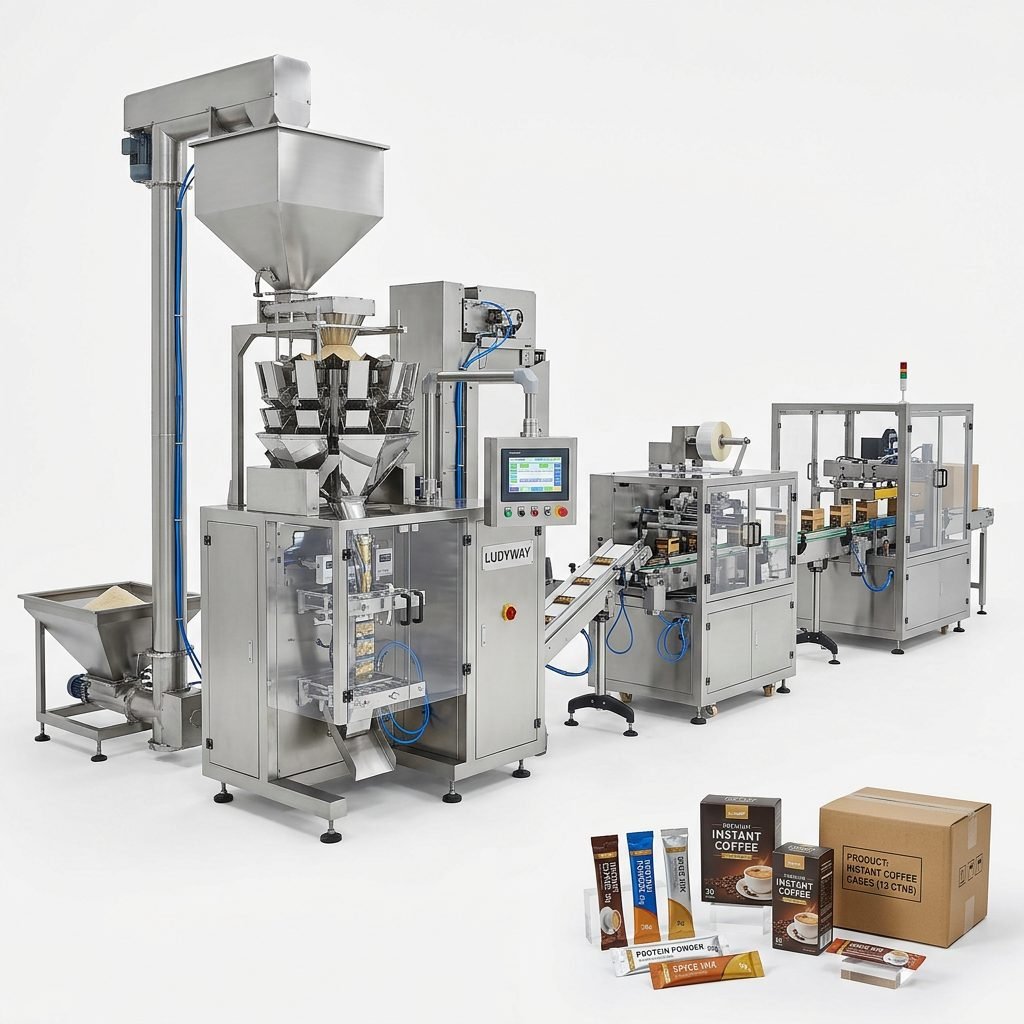
What Is a Cooked Food Packaging Machine?
A cooked food packaging machine is automated equipment designed to fill, seal, label, and sometimes vacuum or gas-flush food products after cooking or thermal processing. These machines are commonly used for:
- Ready-to-eat meals
- Prepared rice and noodle products
- Cooked meat and poultry
- Stews, curries, and sauces
- Frozen cooked foods
- Deli and convenience food items
- Retort pouch and tray-packed foods
Depending on the product format, the machine may include dosing, filling, weighing, sealing, coding, inspection, and secondary packaging modules. The goal is simple: keep cooked food fresh, safe, and efficiently packed for storage, transport, and retail display.
Why Efficient Packaging Matters for Cooked Food
Cooked products are highly sensitive to environmental exposure. Once food leaves the cooker, every second of unnecessary handling can increase the risk of contamination, temperature loss, leakage, or inconsistent pack quality. An automated packaging solution helps manufacturers maintain stable output while meeting hygiene and traceability requirements.
| Packaging Challenge | How the Right Machine Helps |
|---|---|
| Short exposure window after cooking | Speeds up transfer, filling, and sealing |
| Leakage from sauces or oils | Uses precise filling and strong sealing systems |
| Inconsistent pack weight | Improves dosing accuracy and portion control |
| Food safety compliance pressure | Supports hygienic design and repeatable operation |
| High labor costs | Reduces manual handling and boosts automation |
| Need for longer shelf life | Can integrate vacuum sealing or MAP options |
Main Types of Cooked Food Packaging Solutions
1. Tray Sealing Machines
Tray sealers are widely used for fresh prepared meals, airline food, microwaveable dishes, and chilled cooked foods. They provide strong sealing, neat presentation, and compatibility with modified atmosphere packaging.
2. Vacuum Packaging Machines
Ideal for cooked meats, braised foods, marinated products, and sous-vide applications. Vacuum packaging removes air to reduce oxidation and extend shelf life while improving pack compactness.
3. Premade Pouch Filling and Sealing Machines
Best for sauces, prepared side dishes, cooked vegetables, curry packs, and ready-to-heat meals. These systems support attractive packaging formats and efficient changeover between product types.
4. Vertical Form Fill Seal Machines
Suitable for certain cooked food ingredients, meal components, or semi-processed products that require flexible bagging with a compact machine footprint.
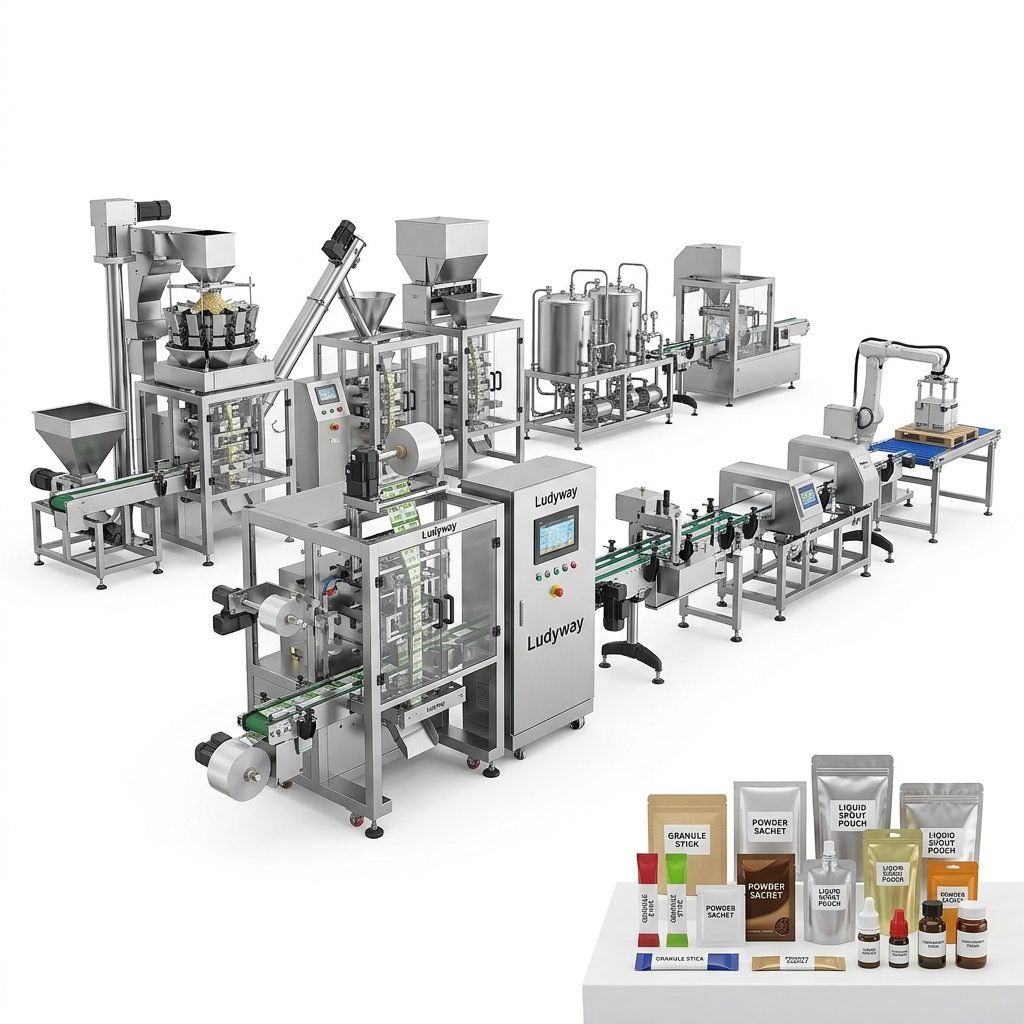
5. Complete Turnkey Packaging Lines
For larger operations, a full line can connect feeding, dosing, filling, sealing, coding, metal detection, checkweighing, cartoning, and case packing. This creates a smoother process from cooked product discharge to final shipment.
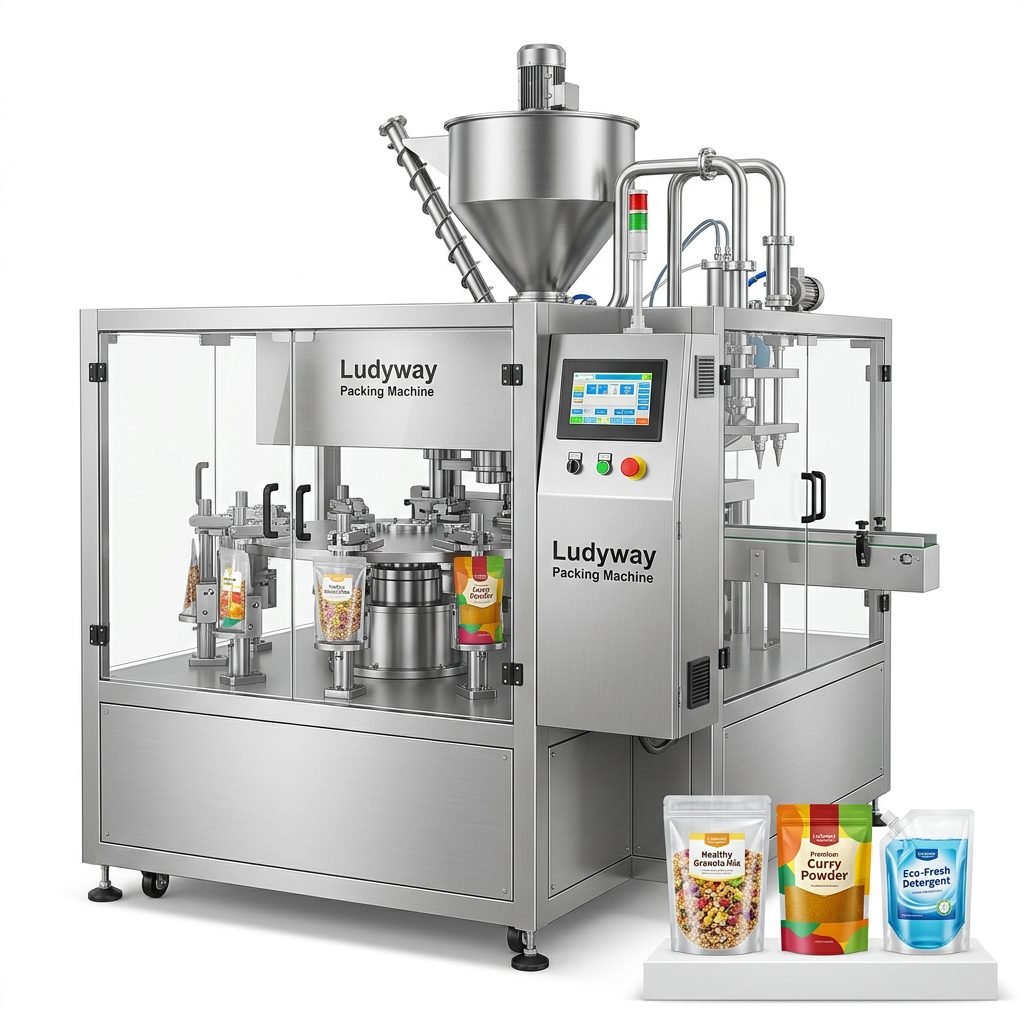
Key Features to Look for in a Cooked Food Packaging Machine
Not all packaging systems are suitable for cooked food. Products with oil, sauce, moisture, or delicate texture need machines designed for stable handling and hygienic operation.
- Food-grade contact parts for hygienic processing
- Accurate filling systems for solids, liquids, or mixed products
- Reliable sealing performance to prevent leakage and contamination
- Easy cleaning structure to reduce downtime
- Temperature-compatible design for hot-fill or cooled products
- Servo control and touchscreen interface for easier operation
- Date coding and traceability integration for compliance
- Inspection options such as checkweighers and metal detectors
- Flexible packaging formats for trays, pouches, sachets, or bags
Applications Across the Cooked Food Industry
Today’s cooked food market is broad, and automation needs vary by product. A flexible packaging machine can support many product categories, including:
| Cooked Food Category | Typical Packaging Format | Machine Consideration |
|---|---|---|
| Ready meals | Trays, bowls, pouches | High sealing quality and portion control |
| Cooked meat products | Vacuum bags, thermoformed packs | Vacuum stability and hygiene |
| Prepared sauces and gravies | Sachets, pouches, cups | Leak-free liquid filling |
| Rice and noodle dishes | Trays, bowls, bags | Gentle handling of texture |
| Frozen cooked foods | Pouches, bags | Fast packaging before freezing or after cooling |
| Convenience side dishes | Premade pouches, trays | Flexible size changeover |
Benefits of Automation in Cooked Food Packaging
Companies that upgrade from manual or semi-automatic packaging to automated systems often see improvements across several areas of production.
- Higher packaging speed for growing order volumes
- More consistent pack weights and cleaner presentation
- Reduced product waste caused by spills or sealing failure
- Lower dependence on manual labor
- Better food safety control through reduced handling
- Easier compliance with quality and export standards
- Scalable production for multiple SKUs and pack formats
For brands competing in retail, foodservice, and e-commerce channels, packaging efficiency can directly support faster delivery, improved customer satisfaction, and stronger shelf appeal.
How to Choose the Right Machine for Your Product
The best cooked food packaging machine depends on product characteristics, packaging goals, and line capacity. Before selecting a system, ask the following:
- Is the product solid, liquid, paste, or a mix of all three?
- Will packaging happen while the food is hot, warm, or cooled?
- Do you need vacuum sealing, gas flushing, or standard sealing?
- What pack format is required: tray, pouch, sachet, or bag?
- What is the expected output per minute or per hour?
- How often will you change product recipes or pack sizes?
- Do you need a standalone machine or a complete packaging line?
A machine should not only match your current product but also support future expansion. This is especially important for food processors introducing new convenience meals, regional recipes, or private-label lines.
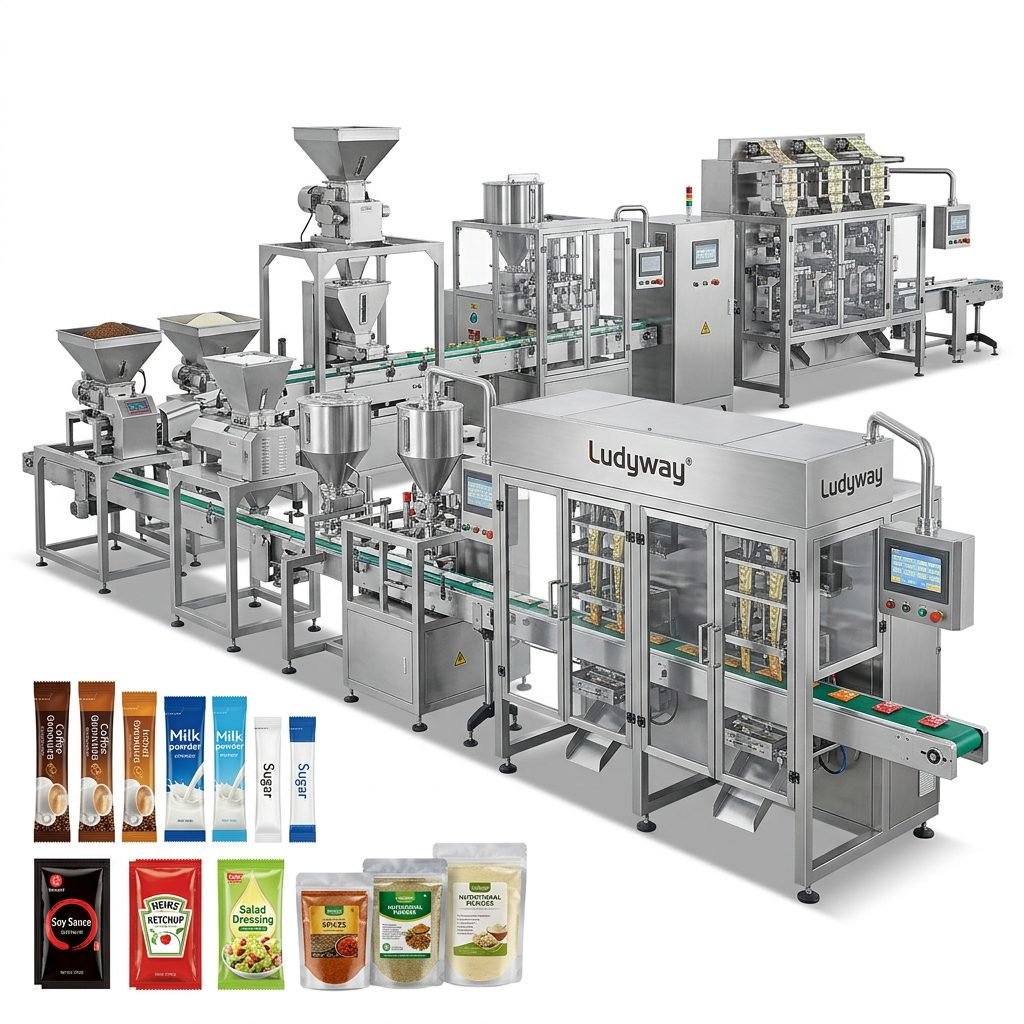
Why Turnkey Packaging Lines Are Increasingly Popular
Many food manufacturers no longer want to source individual machines from multiple suppliers. A turnkey solution reduces integration risk and improves line compatibility from feeding to final packing.
A complete cooked food packaging line may include:
- Product feeding and transfer equipment
- Multi-head weighers or piston fillers
- Pouch or tray packaging machines
- Vacuum or MAP sealing systems
- Metal detection and checkweighing
- Labeling and date coding
- Cartoning, case packing, and palletizing
For businesses planning long-term automation, working with an experienced manufacturer can simplify machine customization, commissioning, and after-sales support. Ludyway cooked food packaging machine solutions are often considered by buyers looking for scalable packaging systems, customized engineering, and complete turnkey production line support.
Hygiene and Safety Considerations
In cooked food packaging, hygiene is not optional. Equipment should be built to reduce hard-to-clean corners, support routine sanitation, and maintain stable packaging performance over long production runs.
Important hygiene factors include:
- Smooth stainless-steel construction
- Easy disassembly for cleaning
- Controlled product contact surfaces
- Protection against cross-contamination
- Stable sealing under oily or moist conditions
- Reliable coding for traceability and batch control
This is particularly critical for ready meals, chilled cooked foods, and export-oriented products where packaging integrity is closely monitored.
Common Packaging Formats for Cooked Food
Packaging format affects machine selection, logistics cost, and consumer convenience. Popular choices include:
| Format | Best For | Advantage |
|---|---|---|
| Tray packs | Meals, rice dishes, mixed foods | Retail presentation and reheating convenience |
| Vacuum pouches | Cooked meat, braised food, sous-vide | Longer shelf life and compact storage |
| Stand-up pouches | Sauces, prepared dishes, side meals | Shelf appeal and transport efficiency |
| Sachets | Sauces, condiments, single portions | Portion control and convenience |
| Pillow bags | Frozen or bulk prepared food components | Cost-effective flexible packaging |
Who Needs a Cooked Food Packaging Machine?
These systems are widely used by:
- Ready-meal manufacturers
- Central kitchens and catering suppliers
- Frozen food processors
- Deli and convenience food brands
- Restaurant chain commissaries
- Export-oriented food factories
- OEM and private-label food packers
If your business handles growing cooked food volumes, recurring labor shortages, or strict quality demands, an automated packaging system can become a major operational advantage.
Final Buying Tips for Long-Term Performance
Before investing, focus on more than just speed. The most cost-effective machine is one that keeps running reliably, handles your product cleanly, and adapts to future packaging needs.
- Choose a machine based on actual product samples and packaging tests
- Confirm filling accuracy for solids, liquids, or mixed recipes
- Review seal quality under real production conditions
- Ask about cleaning, maintenance, and spare parts support
- Consider integration with coding, inspection, and end-of-line automation
- Plan for expansion into new pack sizes or product categories
In a competitive food market, the right cooked food packaging machine helps protect product quality while improving efficiency from factory floor to final delivery. For manufacturers aiming to package fresh, safe, and fast, automation is no longer a luxury—it is a smart production strategy.