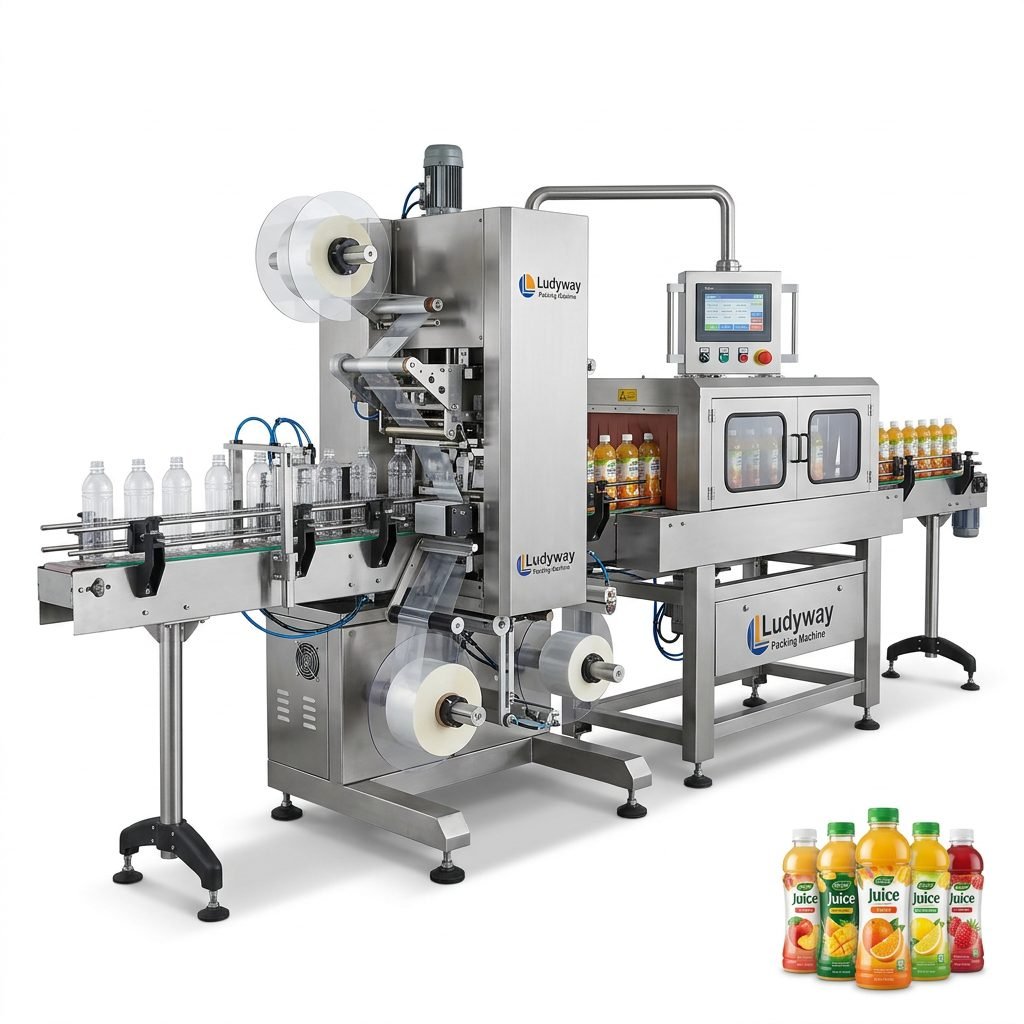
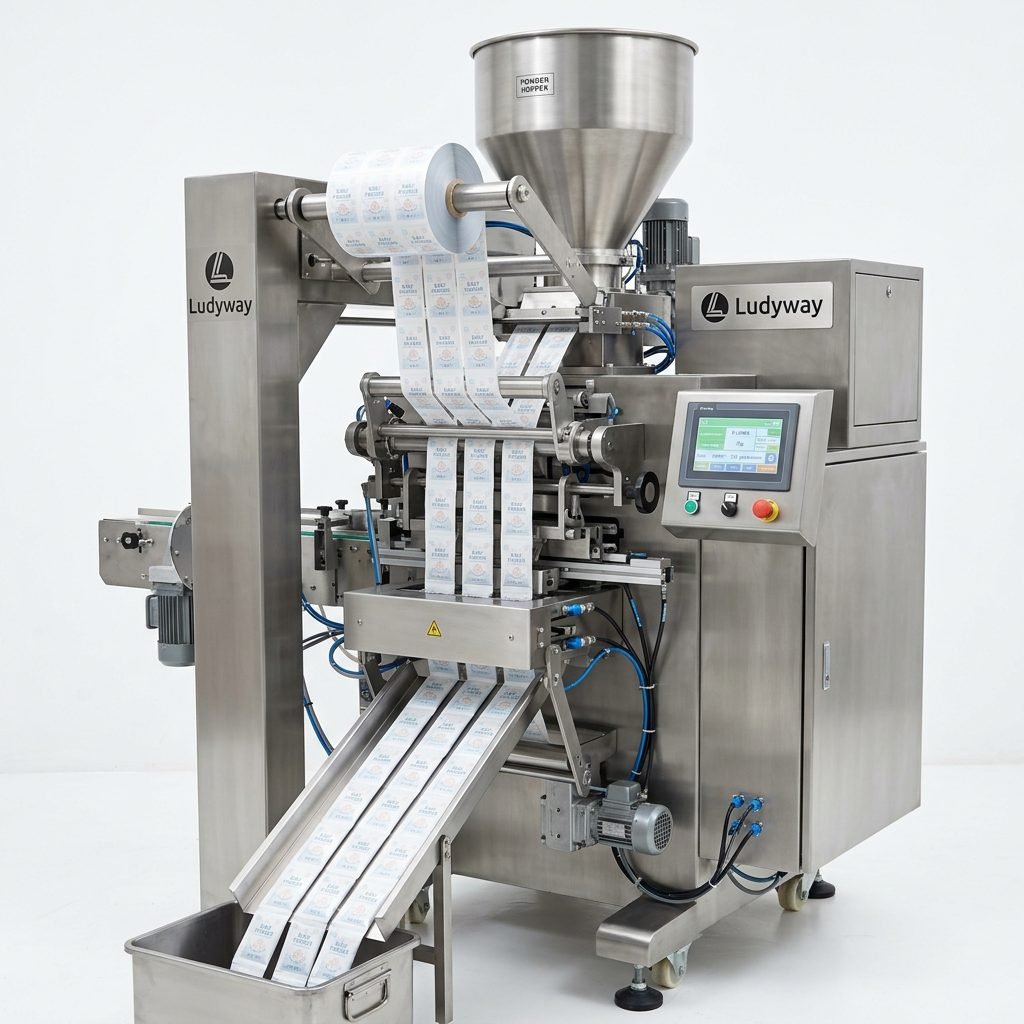
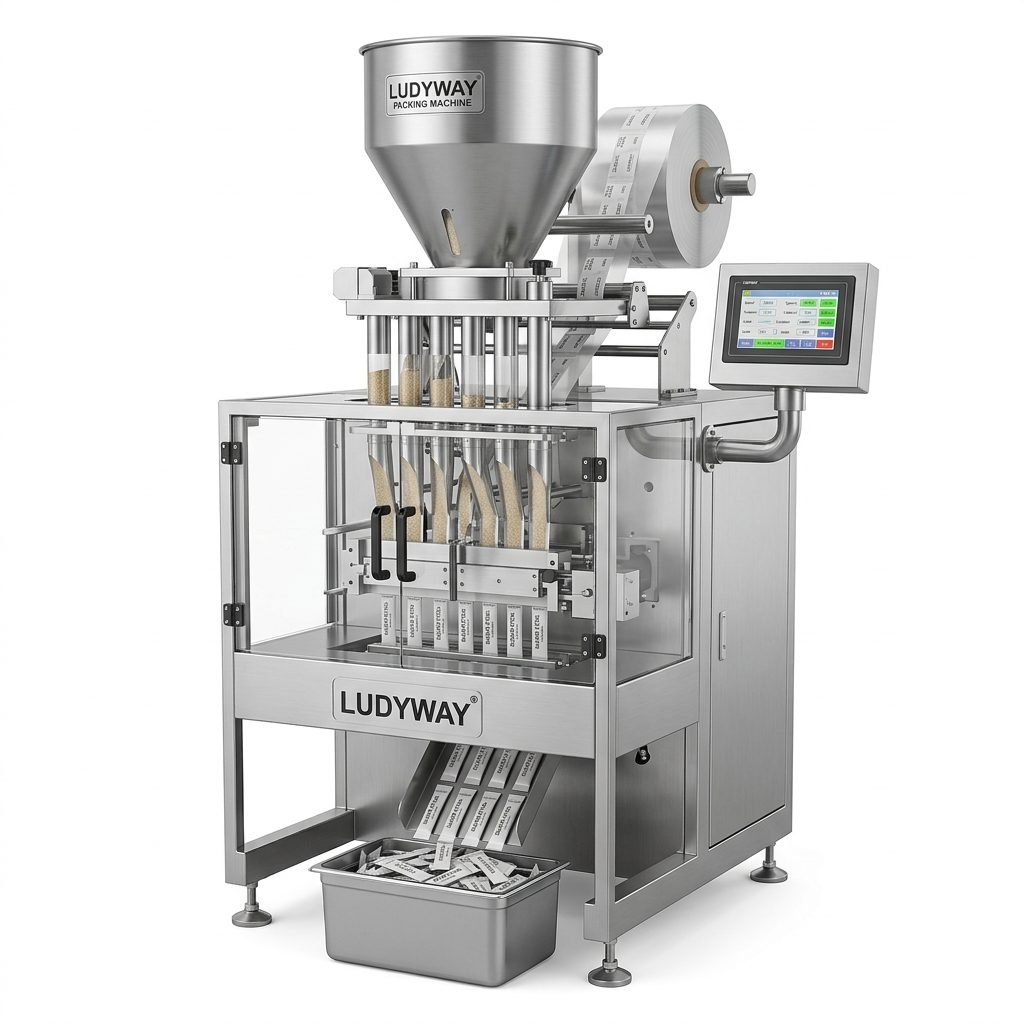
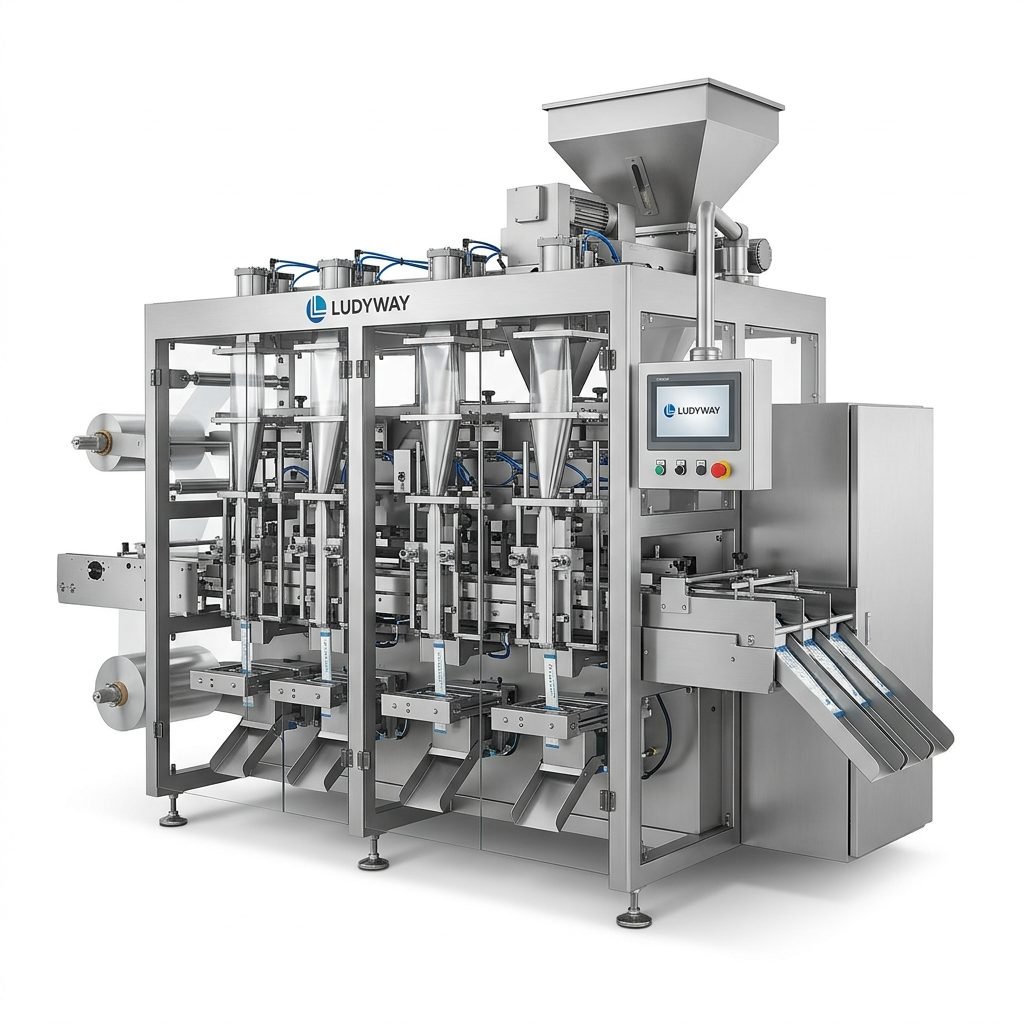
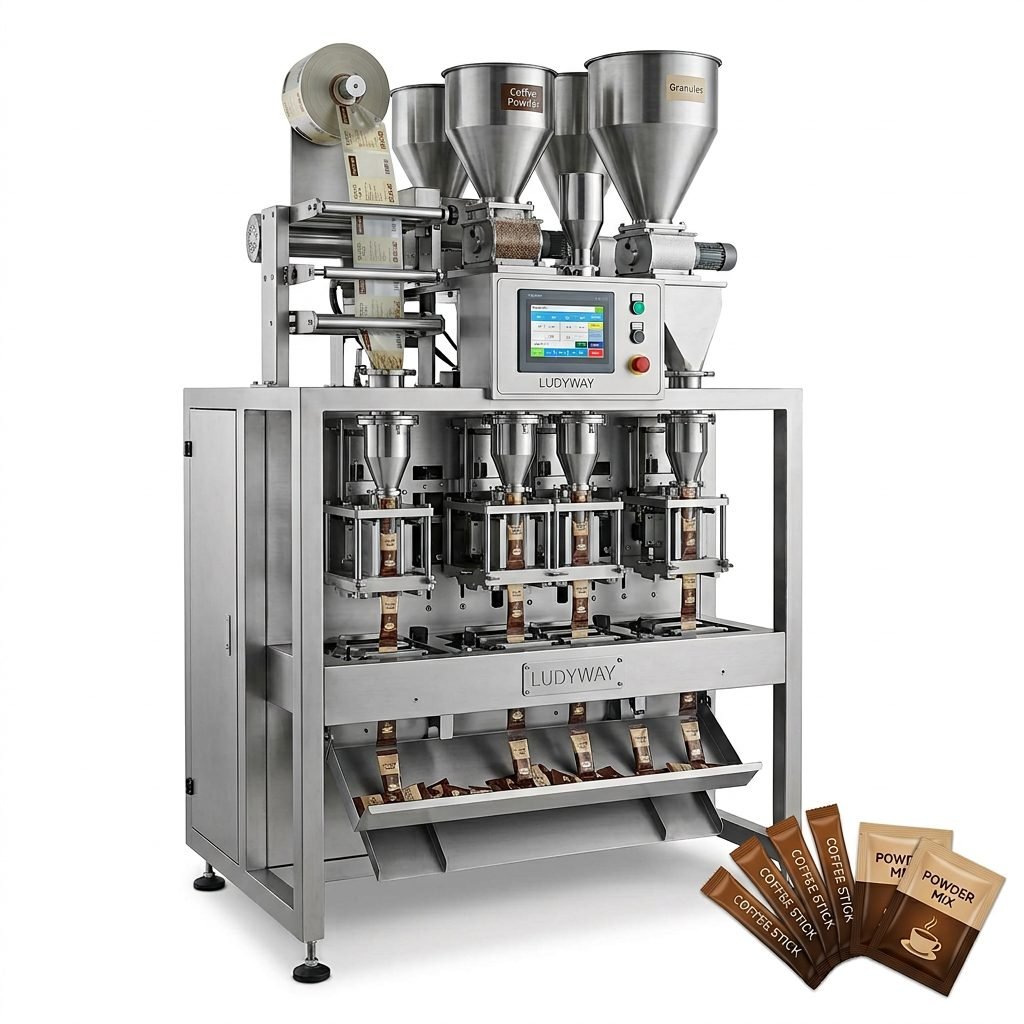
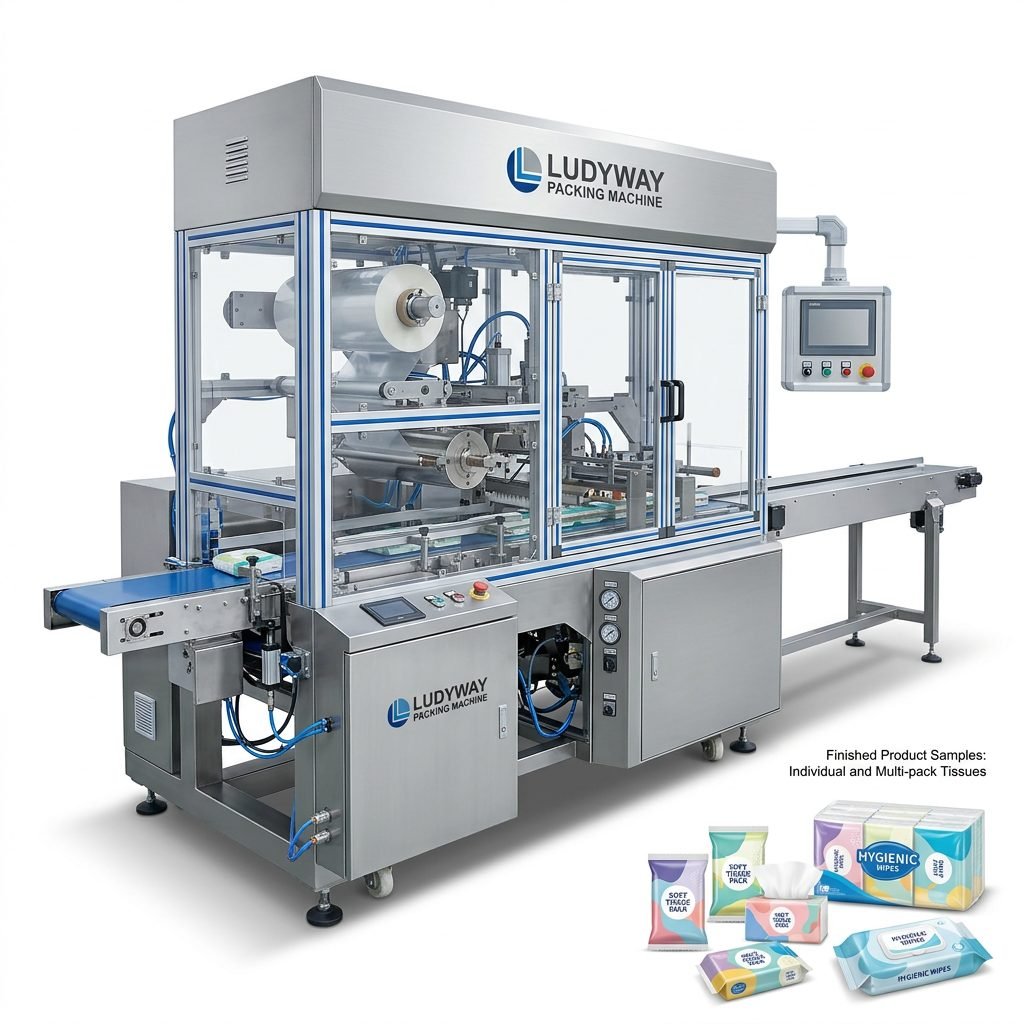
Choosing a custom packaging machine is not only about buying equipment. It is about matching your
product characteristics, production targets, packaging format, compliance needs, and future growth plan
with the right technical solution. A poor choice can create downtime, waste, unstable sealing quality, and high operating costs.
The right choice can improve throughput, reduce labor dependence, and support long-term brand development.
For manufacturers in food, pharmaceutical, health supplement, cosmetic, chemical, and related sectors, custom packaging equipment
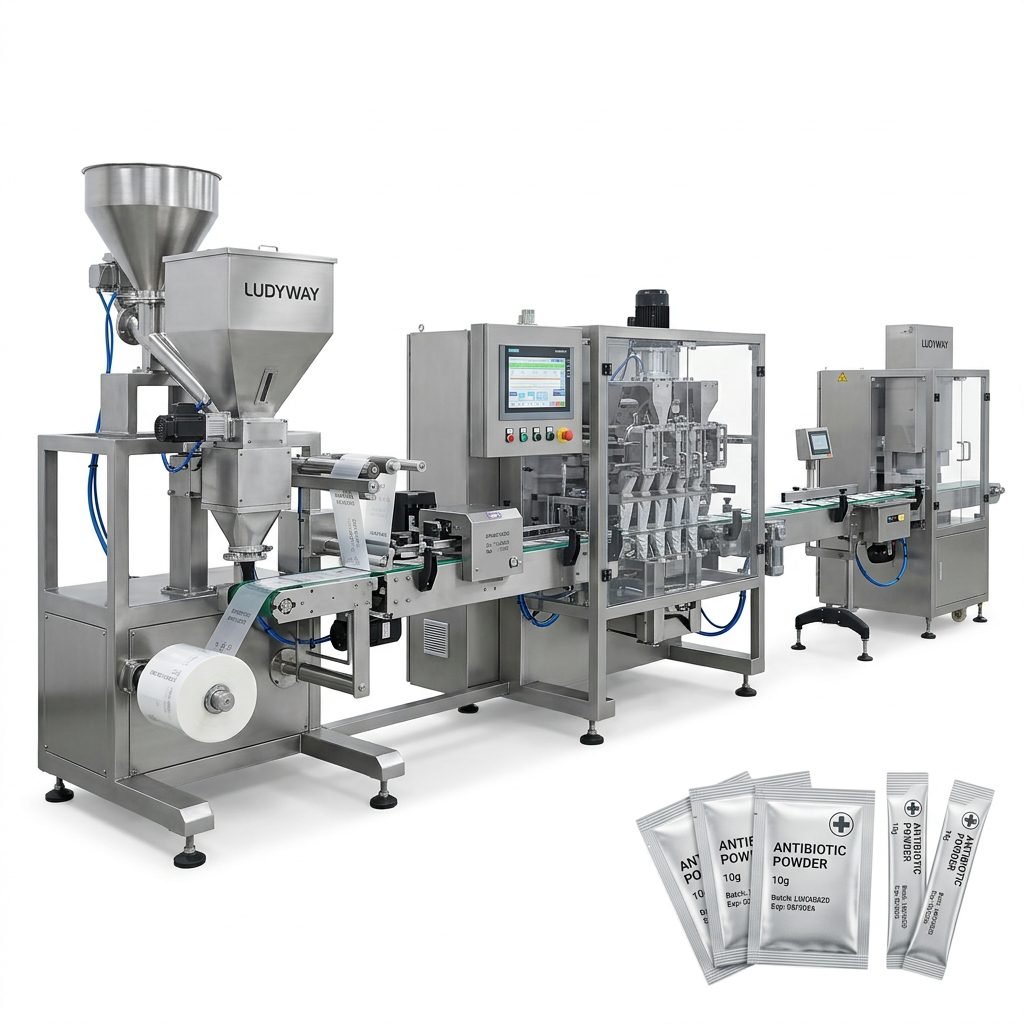
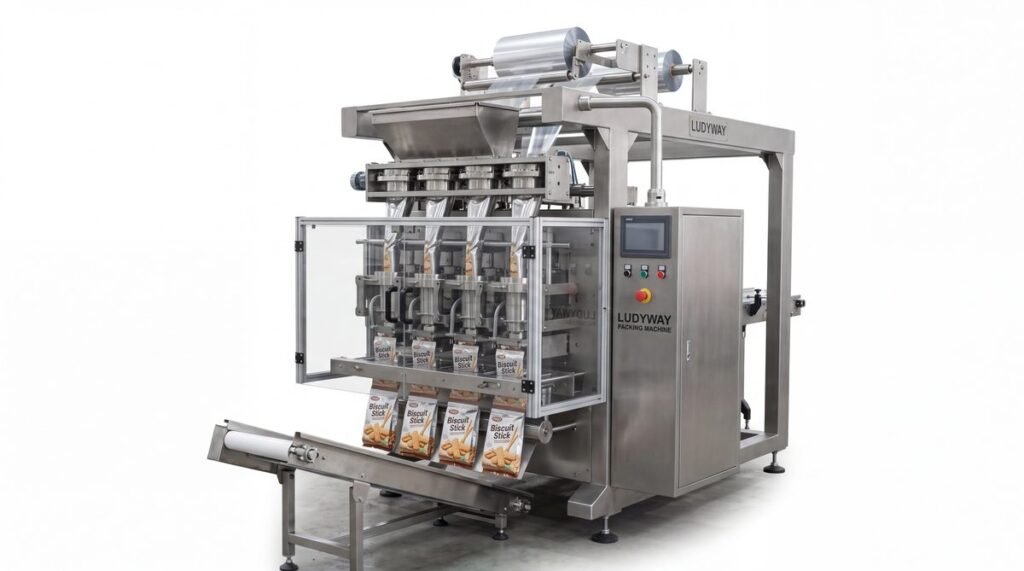
often becomes essential when standard machines cannot fully meet product requirements. Whether you need sachets, stick packs, pouches,
bottles, or a complete integrated line, the selection process should be based on performance, flexibility, and lifecycle value.
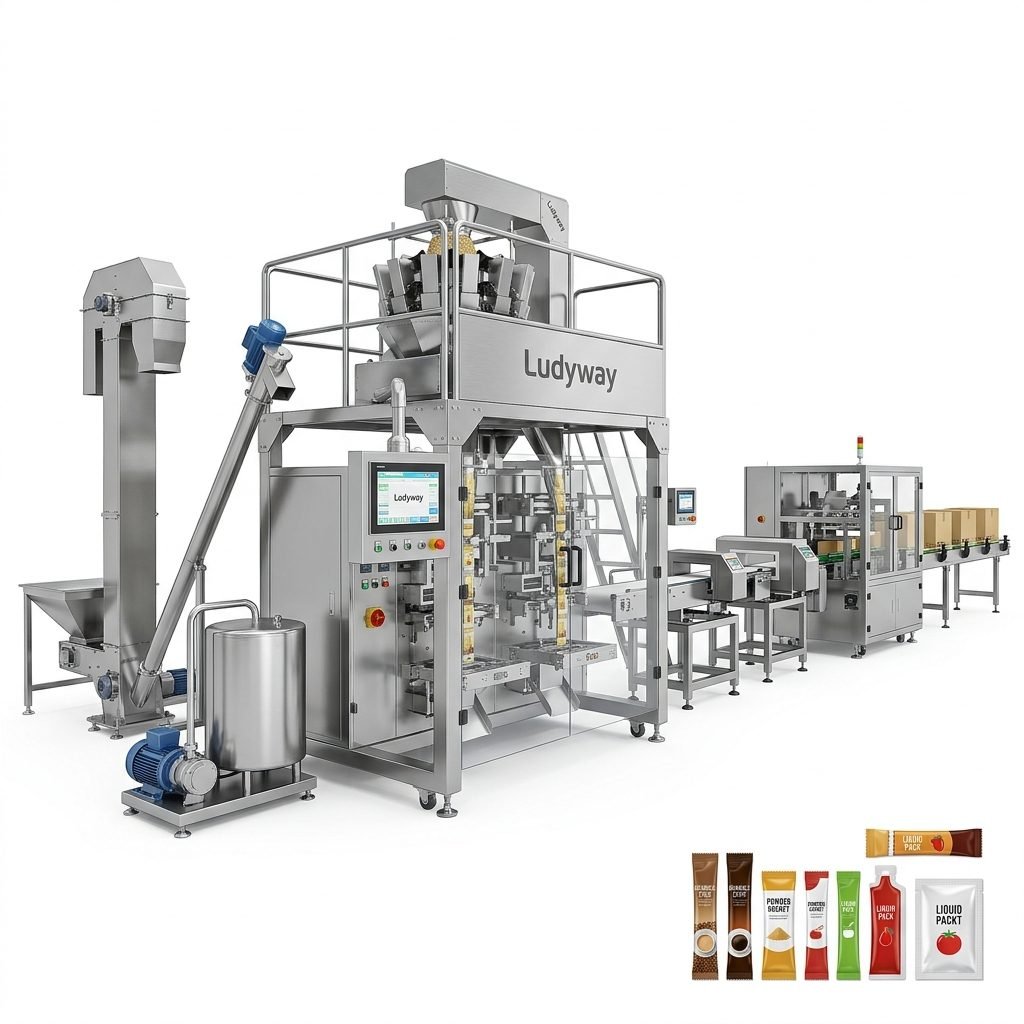
Why Businesses Invest in Custom Packaging Machines
Off-the-shelf machines can work for simple, stable applications. But many businesses face more complex production demands, such as:
- Different product forms including granules, powders, liquids, gels, and pastes
- Multiple package sizes or SKUs on one production line
- Strict sealing, dosing, and hygiene requirements
- Limited factory space or unusual plant layout
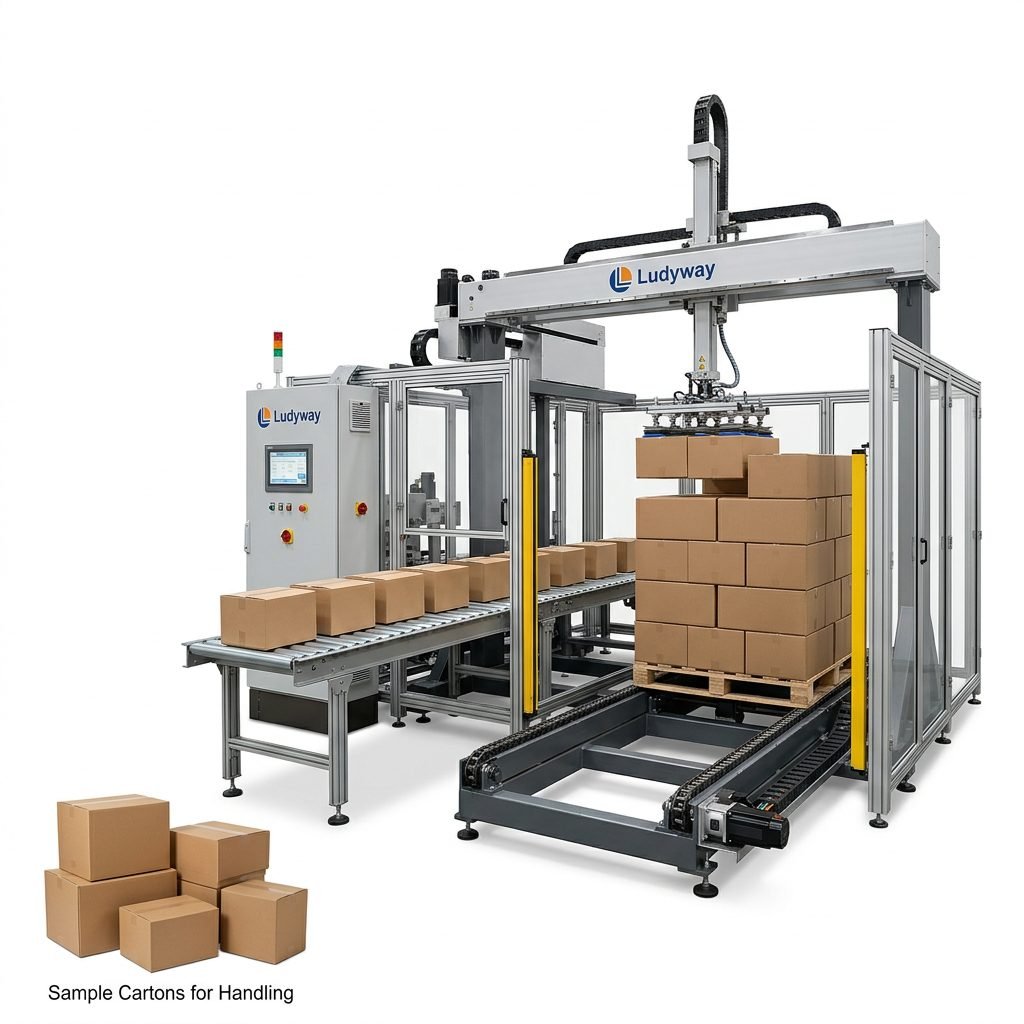
- Need for integration with feeders, cartoners, checkweighers, coding systems, and palletizing units
- Planned production expansion in the next 2 to 5 years
In these cases, a custom solution helps ensure the machine works for your actual production environment instead of forcing your
production process to adapt to machine limitations.
Start with Your Product, Not the Machine
The first step is to define the product clearly. Different materials behave very differently during filling and sealing.
A machine that works perfectly for free-flowing sugar may not work well for sticky powder, volatile liquid, or fragile granules.
Key product questions to answer
- Is the material powder, granule, liquid, paste, cream, pellet, or mixed form?
- Does it flow easily or bridge inside the hopper?
- Is it hygroscopic, dusty, corrosive, oily, or heat-sensitive?
- What filling accuracy is required?
- Does the product need nitrogen flushing, vacuum sealing, or sterile handling?
- Does it require pharmaceutical-grade or food-grade contact parts?
Product behavior directly affects the choice of dosing system, sealing technology, machine material, hopper structure,
and environmental controls. Product-led selection reduces technical mismatch and improves packaging consistency.
Define the Right Packaging Format
Custom packaging machines are usually selected around the final pack style. The format influences film structure,
line speed, filling method, downstream automation, shelf presentation, and shipping efficiency.
| Packaging Format | Common Applications | Typical Advantage |
|---|---|---|
| Stick Pack | Drink powders, supplements, sugar, coffee, granules | High-speed, portable, space-efficient |
| Sachet | Sauces, powders, cosmetics, pharmaceutical doses | Flexible sizing and broad market use |
| Pouch | Pet food, snacks, liquids, household chemicals | Strong shelf appeal and larger fill range |
| Bottle / Vial | Pharmaceuticals, cosmetics, healthcare products | Precise dosing and premium presentation |
| Bulk Bag | Feed, fertilizer, industrial powders | Efficient heavy-duty packaging |
If your business serves both retail and wholesale channels, or multiple customer segments, it may be smarter to invest in a machine
platform that supports more than one format or offers rapid format changeover.
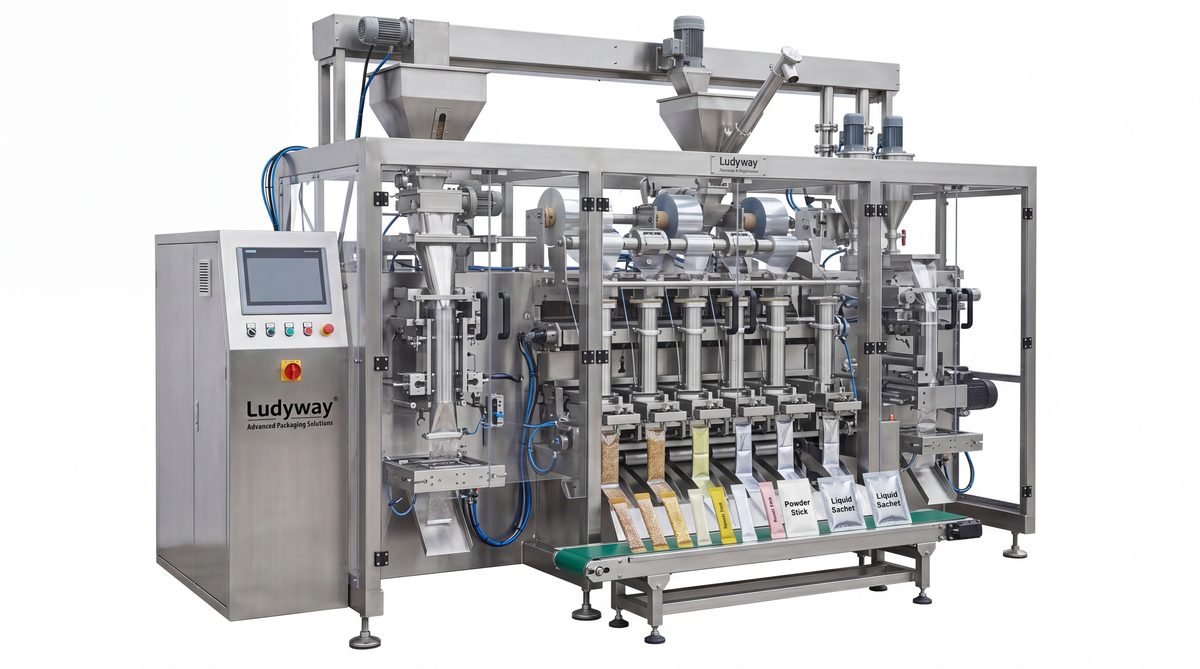
Understand the Level of Customization You Really Need
Not every project needs a fully bespoke system. In many cases, the best option is a semi-customized machine based on a mature model
with targeted modifications. This approach can lower cost, shorten delivery time, and reduce technical risk.
Common customization areas
- Hopper design and feeding method
- Filling system such as auger, volumetric cup, piston pump, or multi-head weigher
- Bag size range and sealing structure
- Machine frame material such as stainless steel 304 or 316L
- Dust extraction, dehumidification, or explosion-proof configuration
- Vision inspection, metal detection, checkweighing, or reject systems
- Cartoning, case packing, palletizing, and end-of-line automation
The best suppliers will help you distinguish between essential customization and unnecessary complexity.
Over-customization can increase cost and maintenance burden without improving production results.
Evaluate Production Speed Realistically
High speed sounds attractive, but speed alone should never drive the decision. What matters more is stable output under real production conditions.
A machine running slower but consistently may deliver better overall equipment efficiency than one designed for extreme speed but prone to stoppages.
Ask these performance questions
- What is the stable production speed for my specific product and pack size?
- What speed is achievable after including changeover, cleaning, and operator adjustments?
- How accurate is the filling system at the target speed?
- Does sealing quality remain consistent at maximum output?
- What is the expected scrap rate?
Always ask for test data or sample validation using your own product and packaging material whenever possible.
Consider Future Scalability
A packaging machine should not only solve today’s production problem. It should also support tomorrow’s growth.
If your sales volume increases, new SKUs are introduced, or export packaging standards change, the equipment should still remain useful.
Look for modular design, upgrade potential, and easy integration with upstream and downstream equipment. This is especially important for
businesses planning to move from standalone machines to complete turnkey packaging lines.
| Selection Factor | Short-Term Focus | Long-Term Focus |
|---|---|---|
| Capacity | Current monthly demand | Expansion for future market growth |
| Formats | One pack size | Multi-SKU flexibility |
| Automation | Standalone operation | Integration with full line equipment |
| Compliance | Current local requirement | Export and industry standard readiness |
Check Material Compatibility and Seal Quality
Packaging quality depends not only on the machine but also on the interaction between the machine and the packaging material.
Film structure, thickness, heat response, barrier properties, and print registration all matter.
- Confirm which laminated films or packaging materials are supported
- Check sealing performance for your material thickness range
- Evaluate leak resistance, tear behavior, and shelf-life protection
- Verify whether the machine supports recyclable or eco-friendlier films if sustainability is a priority
If you are launching a premium product, packaging appearance can be just as important as output speed.
Clean sealing lines, neat bag forming, and accurate printing alignment all affect brand image.
Do Not Ignore Cleaning, Maintenance, and Operator Use
Some businesses focus heavily on purchase price but underestimate operating complexity. Over time, difficult cleaning procedures,
inaccessible parts, or non-intuitive controls can become major hidden costs.
Look for user-friendly features
- Accessible contact parts for fast cleaning
- Simple recipe storage and parameter adjustment
- Clear HMI interface for operators
- Easy replacement of wear parts
- Reliable spare parts supply and remote support options
In regulated sectors such as food and pharmaceutical packaging, sanitation design and maintenance traceability are especially important.
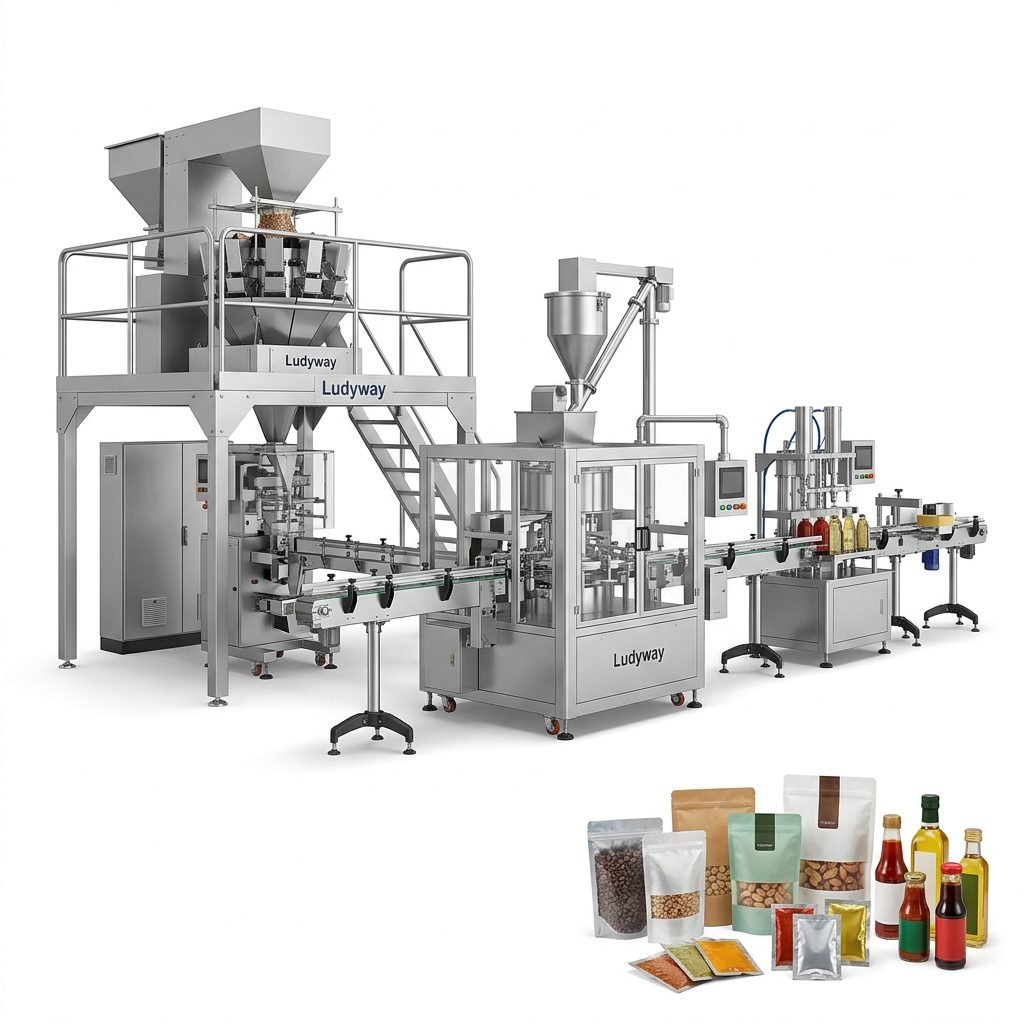
Assess the Supplier, Not Just the Equipment
The machine supplier plays a major role in project success. A technically capable manufacturer can help with machine selection,
product testing, layout planning, commissioning, training, and after-sales support. This becomes even more valuable for custom projects.
When evaluating a supplier, consider:
- Years of experience in your industry
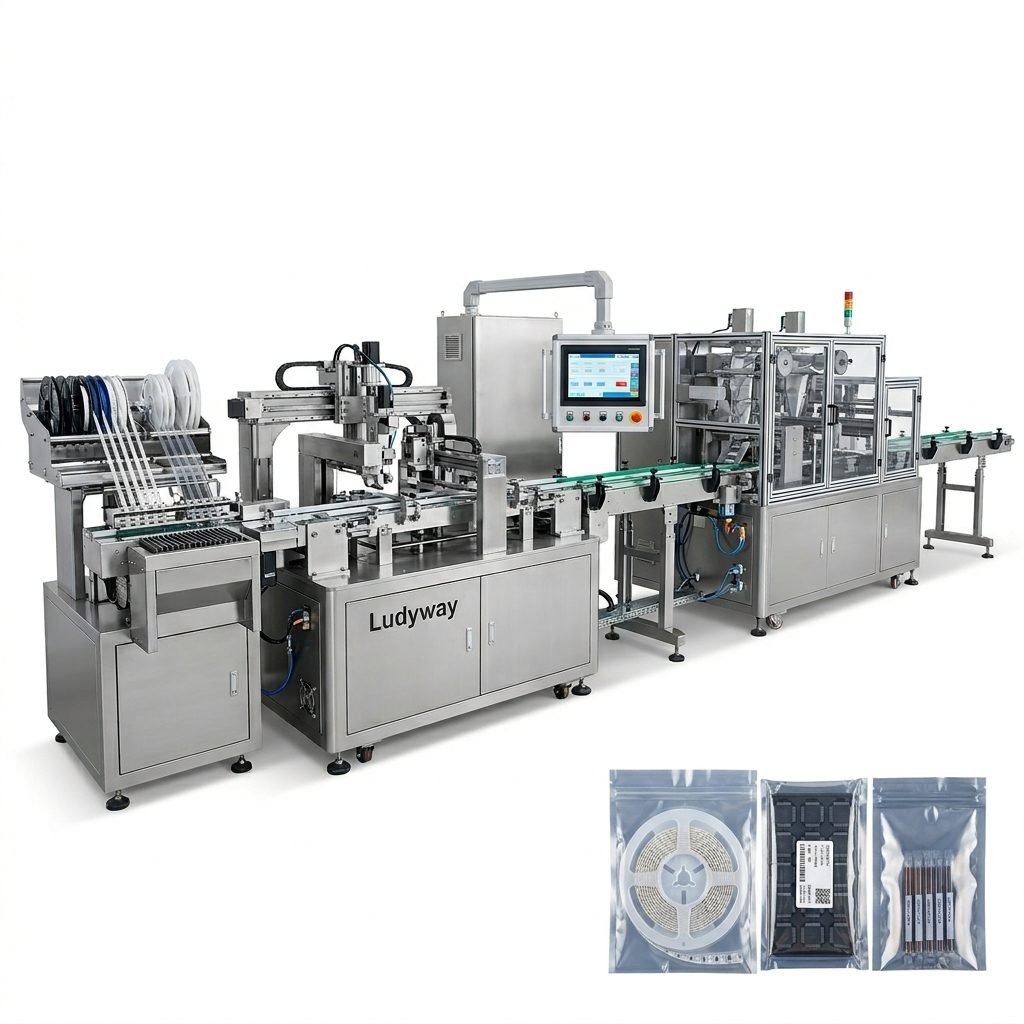
- Ability to manufacture both standalone machines and complete lines
- Engineering depth and customization capability
- Export experience and global technical service
- Factory scale and quality control process
- Case studies, videos, and sample project references
If you are searching for an experienced Chinese manufacturer, Ludyway custom packaging machine solutions
are often considered by overseas buyers looking for scalable packaging automation. Founded in 1993, with over 30 years of industry experience
and a manufacturing facility of more than 20,000 square meters, the company provides packaging machines and turnkey lines for food,
pharmaceutical, health supplement, cosmetic, chemical, and related applications.
Standalone Machine or Turnkey Packaging Line?
This depends on your production stage and business goals.
A standalone machine may be right if:
- You are starting with one product or limited volume
- You already have upstream mixing or downstream packing equipment
- You want lower initial capital investment
A turnkey line may be right if:
- You want integrated feeding, filling, sealing, inspection, cartoning, and palletizing
- You need better line synchronization and labor reduction
- You are planning export-scale production or multi-shift operation
- You want one supplier responsible for system coordination
In many cases, a phased investment strategy works well: start with a core packaging machine and choose a supplier that can support later expansion.
Common Mistakes to Avoid
- Choosing based only on the lowest price
- Buying for theoretical maximum speed instead of stable output
- Ignoring future SKU and packaging changes
- Failing to test the real product and packaging film
- Underestimating after-sales support and spare parts availability
- Selecting a machine that cannot integrate with future line automation
A Practical Buying Checklist
Before making a final decision, make sure you can clearly answer the following:
- What product properties must the machine handle?
- Which packaging format best fits your market strategy?
- What output do you need per hour, shift, and month?
- What filling accuracy and sealing performance are required?
- What level of automation fits your labor and growth plan?
- How easy is the machine to clean, maintain, and operate?
- Can the supplier provide customization, testing, and long-term support?
- Can the system scale into a broader packaging line later?
Final Decision: Choose Value Over Simple Cost
The right custom packaging machine should create measurable business value through efficiency, consistency, flexibility, and reliability.
It is not simply a piece of hardware. It is part of your production strategy.
When you compare options, focus on total value: technical fit, line stability, upgrade potential, service quality, and long-term return.
Businesses that choose carefully are more likely to achieve better product quality, lower operating costs, and stronger market competitiveness.