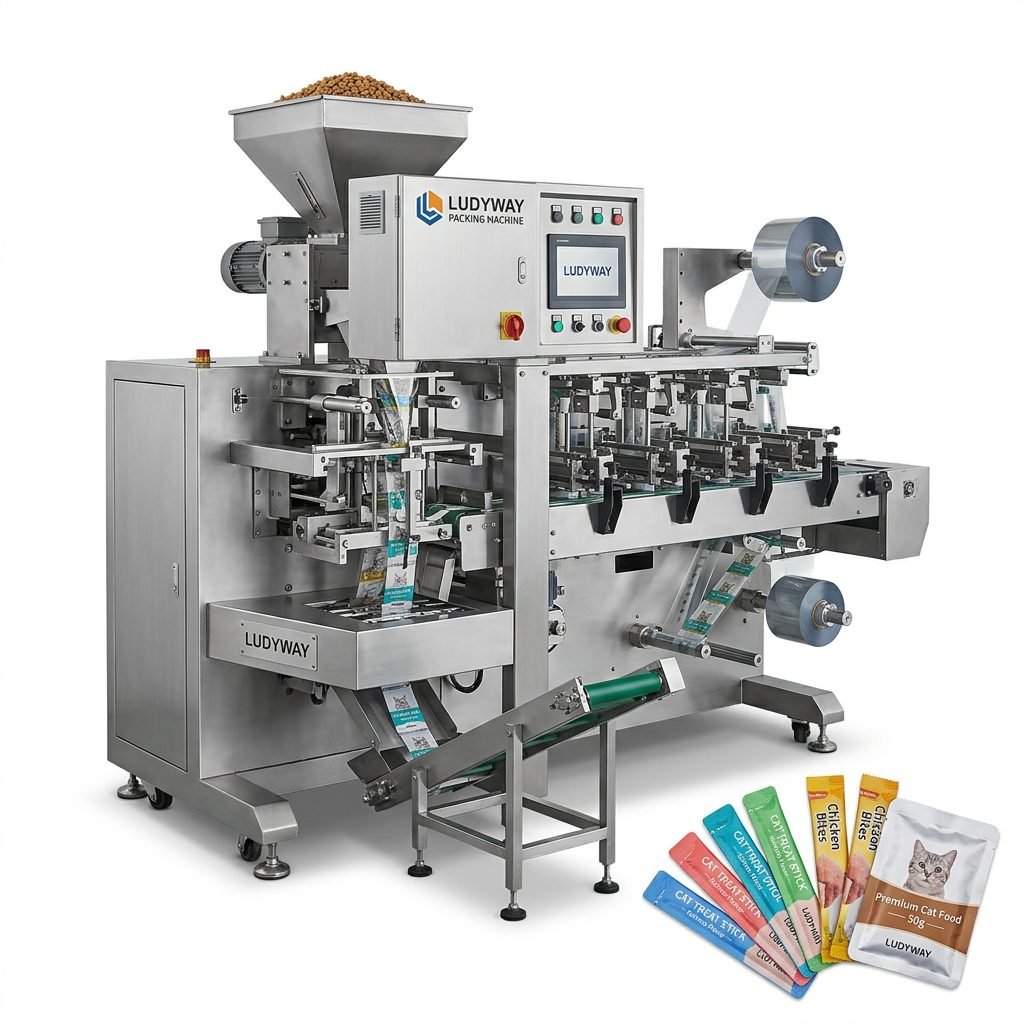
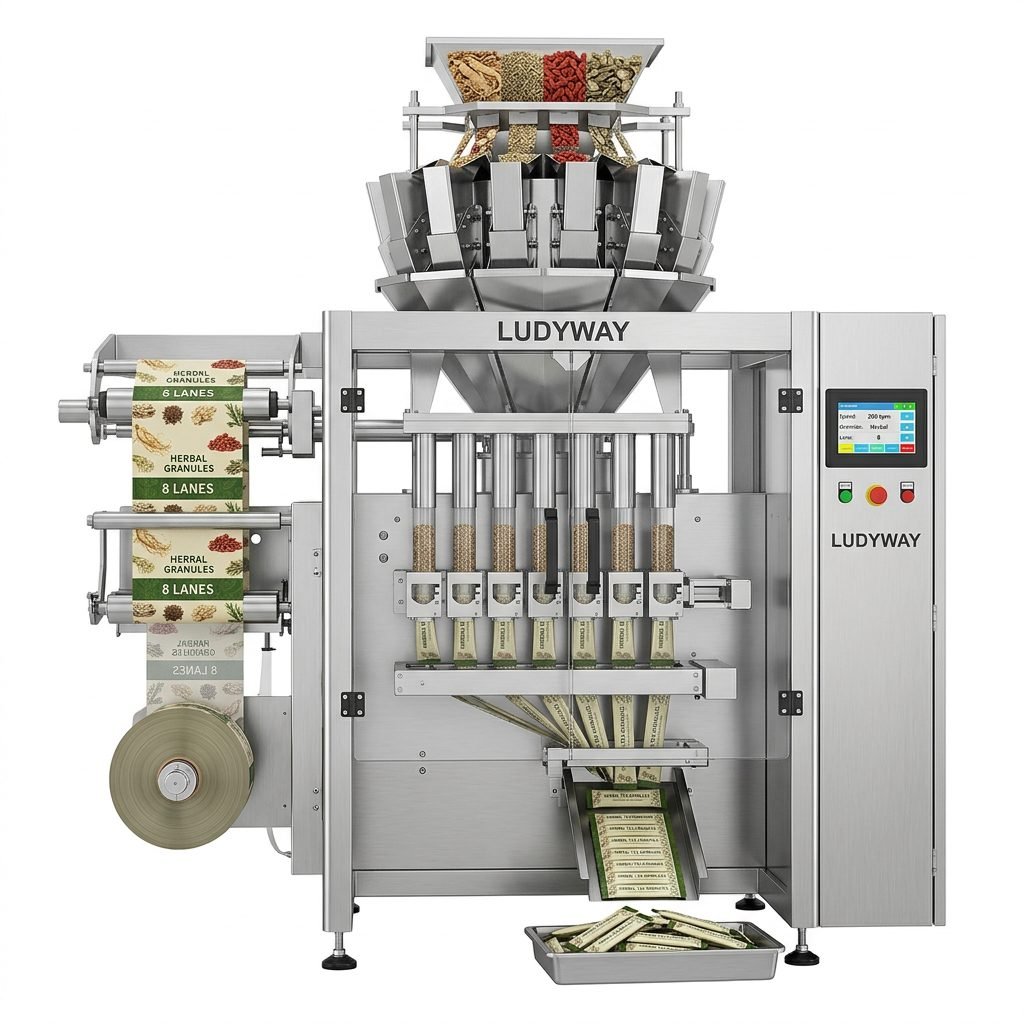
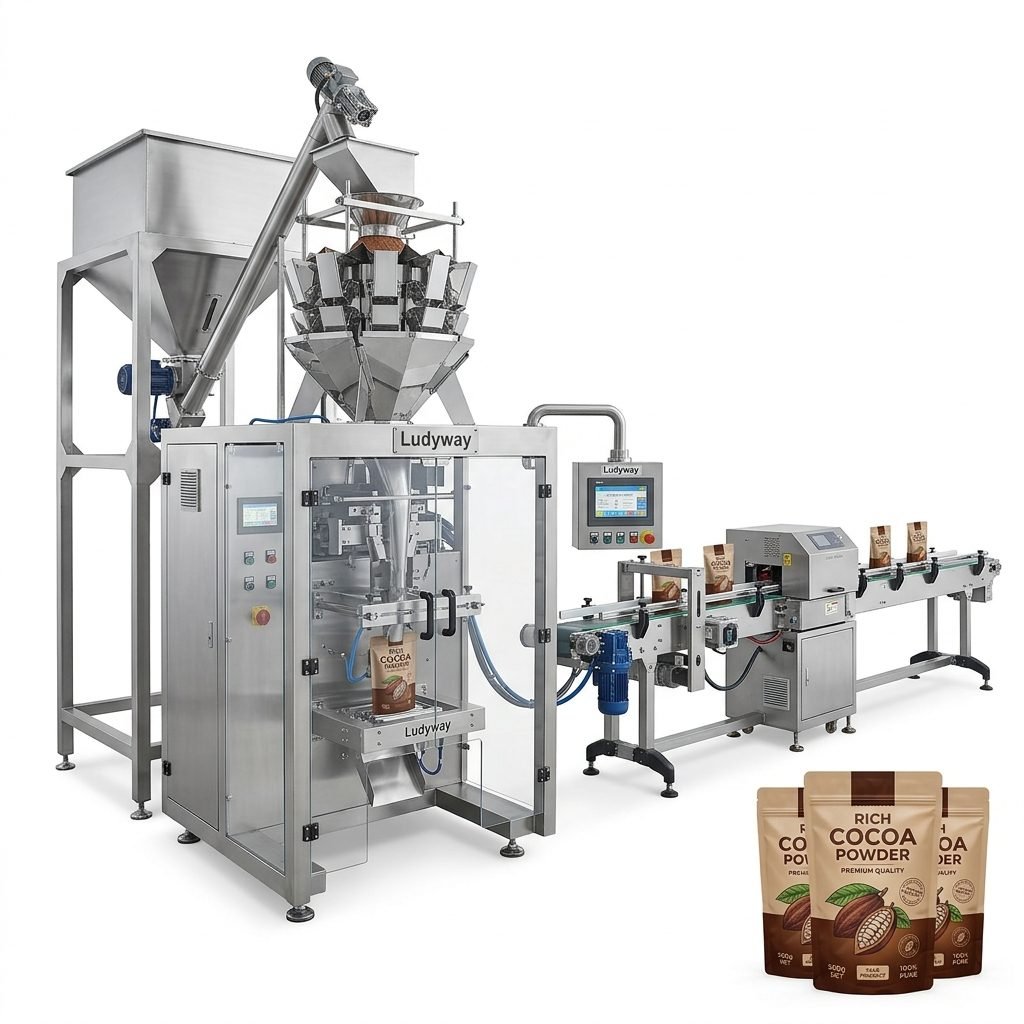
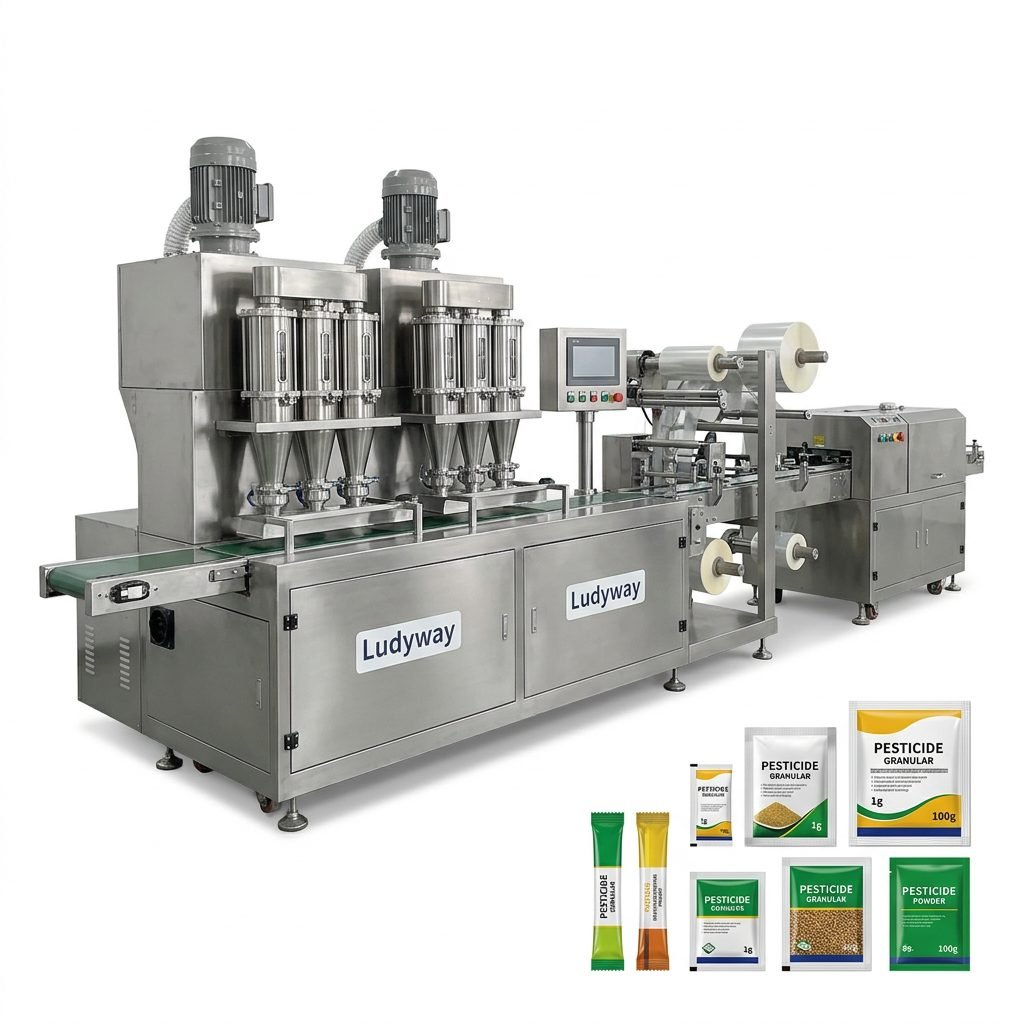
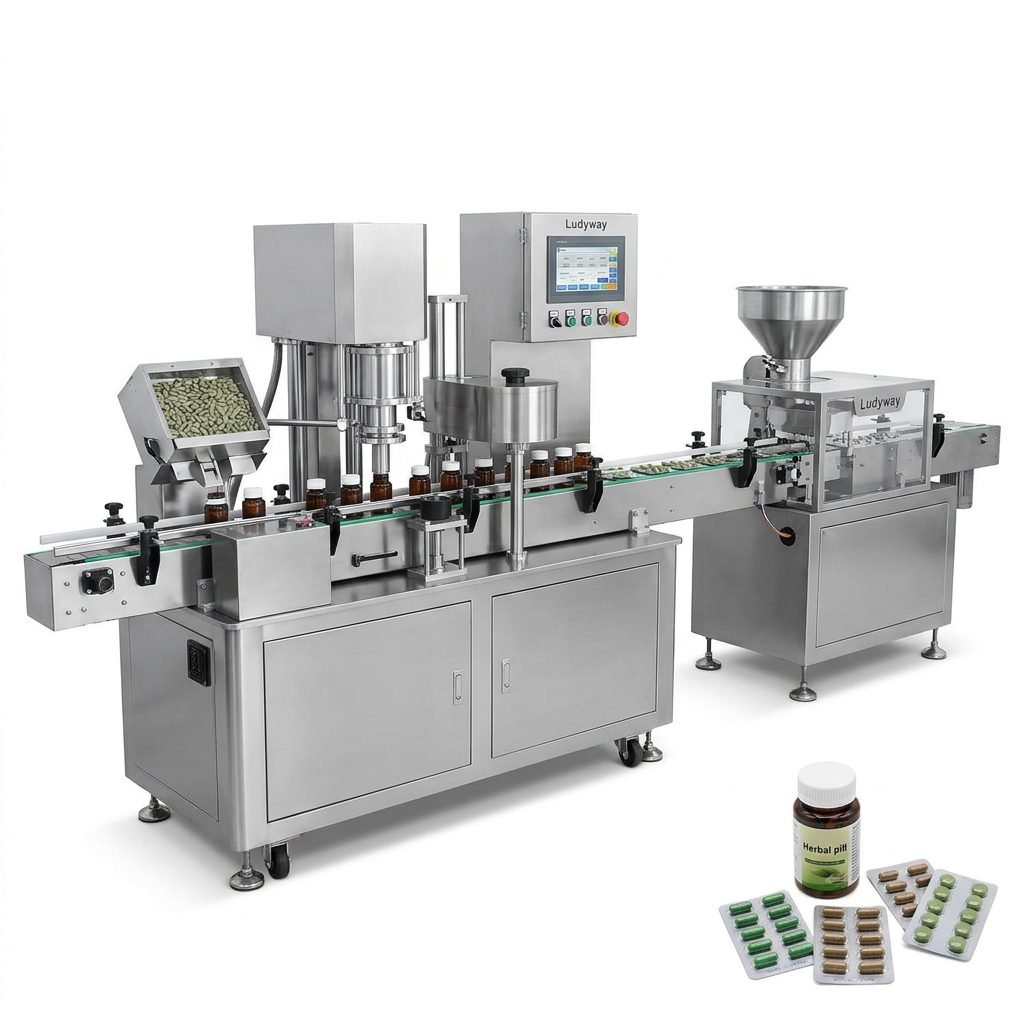
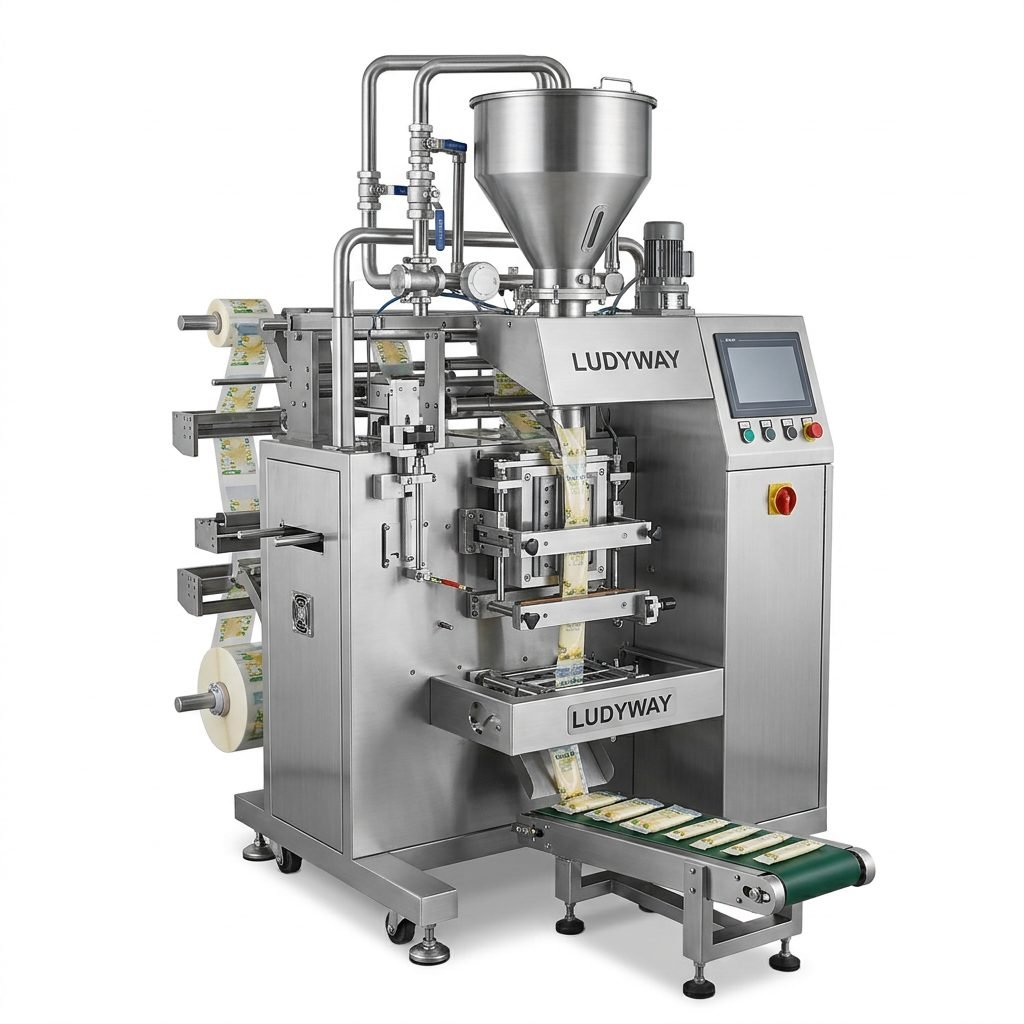
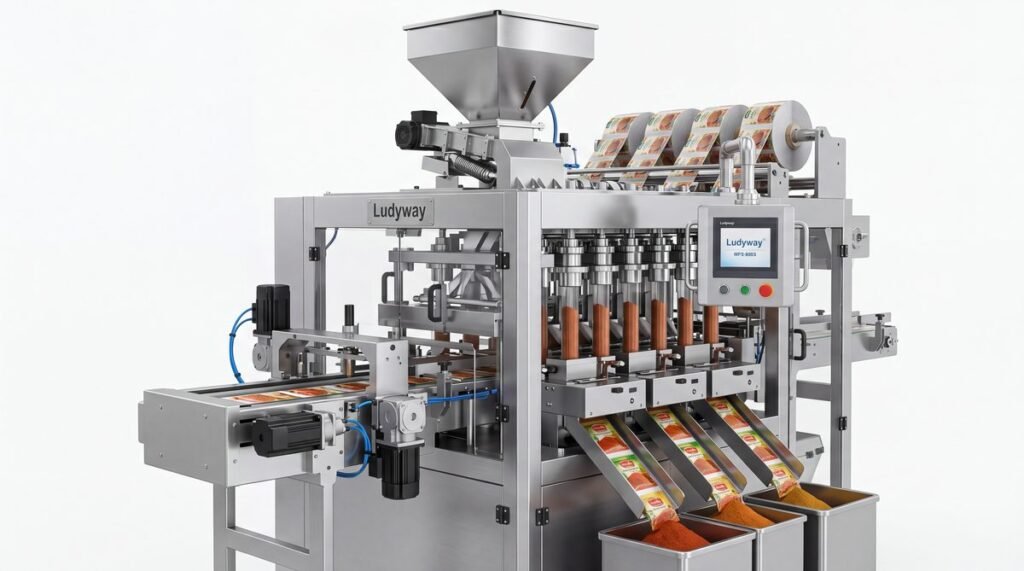
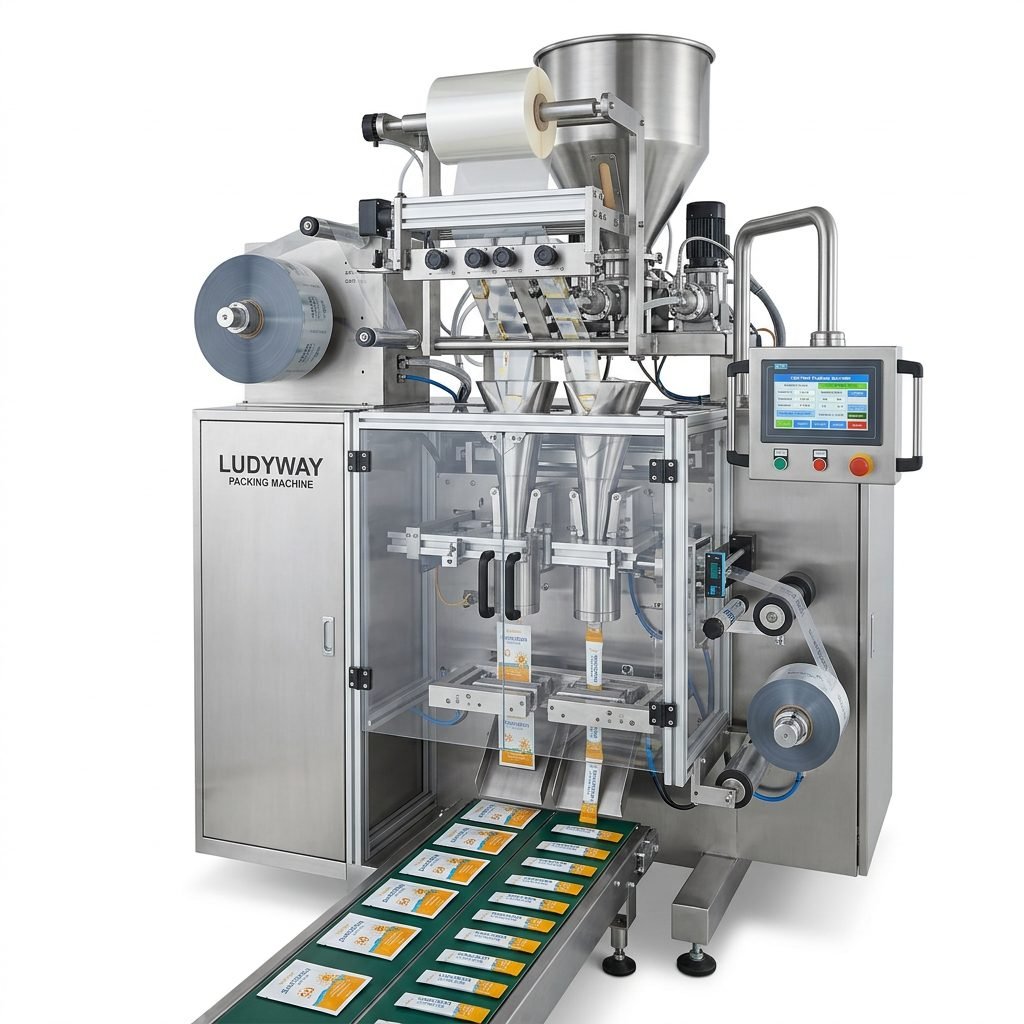
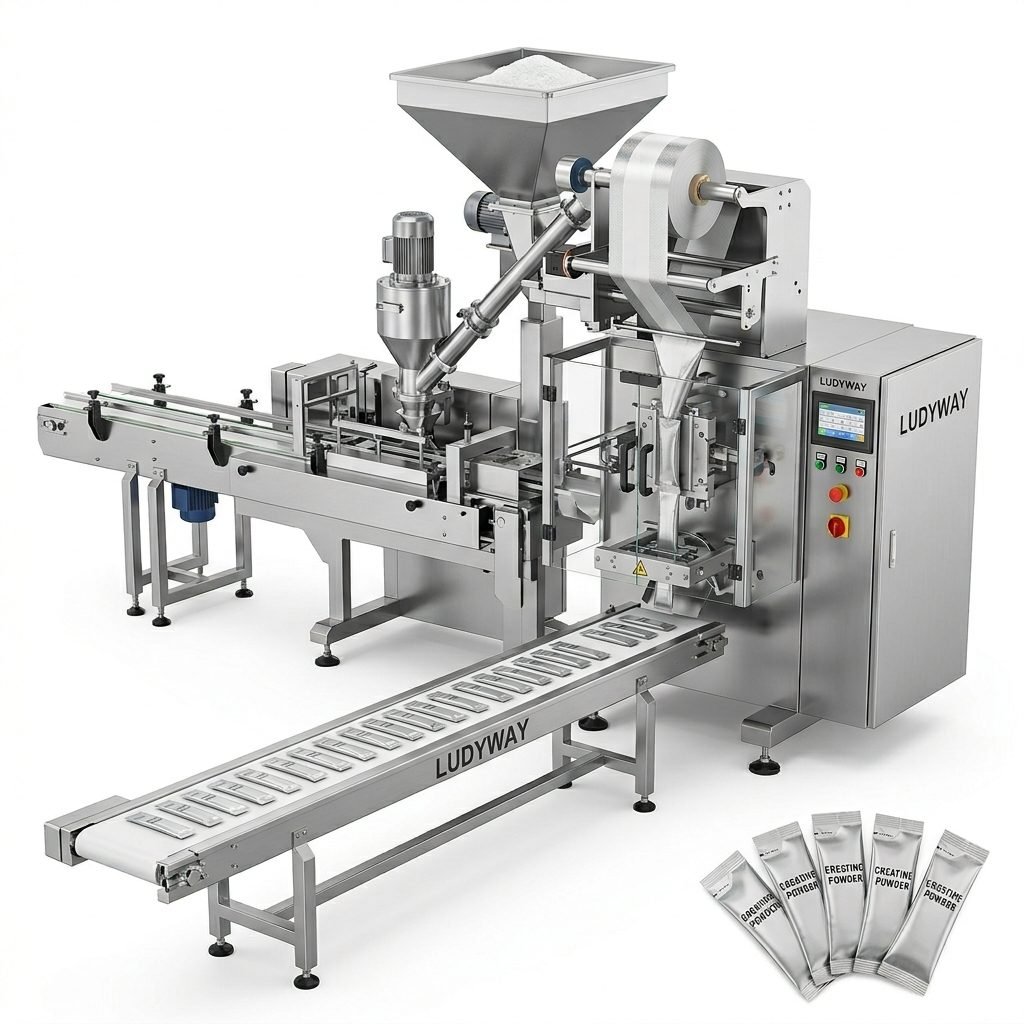
In the competitive world of cutlery manufacturing and distribution, the final presentation is just as crucial as the product itself. A cutlery packaging machine is the unsung hero that ensures your knives, forks, and spoons reach the end user in pristine condition, while also enhancing brand perception and streamlining your production line. This guide delves into the different types of machines, their key features, and provides a clear framework to help you select the best one for your specific needs.
Understanding the Different Types of Cutlery Packaging Machines
The first step in choosing the right equipment is understanding the available technologies. Cutlery packaging solutions vary widely based on automation level, packaging format, and material.
1. Manual & Semi-Automatic Wrapping Machines
These are ideal for low to medium-volume operations or businesses just starting with branded packaging. An operator typically places the cutlery set onto a pre-cut film or paper, and the machine seals it. They offer a low initial investment and are perfect for custom, short-run jobs where flexibility is key. However, they rely more on labor and have a slower output compared to fully automated systems.
2. Fully Automatic Flow Wrap Machines
This is the most common type for high-volume production. Cutlery sets are automatically fed into the machine, which forms a tube of film around the product and creates sealed ends. These machines are incredibly fast, consistent, and require minimal operator intervention. They are excellent for packaging individual sets in clear or printed polypropylene (PP) or polyethylene (PE) film, commonly used for takeaway cutlery or retail packs.
3. Blister Packaging Machines
For premium cutlery sets, especially high-end kitchen knives or gift sets, blister packaging offers superior protection and an attractive, rigid display. These machines form a plastic blister around the product and seal it to a cardboard backing. This format provides excellent visibility, prevents tampering, and allows for creative, shelf-ready designs that can significantly boost perceived value.
4. Shrink Wrapping Machines
Shrink wrapping is often used for bundling multiple cutlery sets together or for securing a set within a box. The machine loosely wraps the product or bundle in a plastic film and then applies heat, causing the film to shrink tightly around the contours. It’s a cost-effective method for creating secure, tamper-evident multi-packs that are ready for palletization and shipping.
Key Features to Evaluate in a Packaging Machine
Beyond the basic type, several critical features determine a machine’s suitability, efficiency, and longevity.
Production Speed and Output
Measured in packs per minute (PPM), this must align with your current and projected production demands. A semi-automatic machine may run at 20-40 PPM, while a high-speed flow wrapper can exceed 200 PPM. Always factor in future growth to avoid premature equipment obsolescence.
Packaging Material Compatibility
Can the machine handle the materials you plan to use? This includes various plastic films (PP, PE, PVC), paper, or laminates. Check the machine’s sealing system (heat seal, ultrasonic seal, cold seal) to ensure it creates strong, consistent seals with your chosen material without burning or wrinkling.
Flexibility and Changeover Time
If you produce cutlery sets of different sizes or styles, quick changeover is vital. Look for machines with tool-less adjustments or digital settings that allow you to switch between product dimensions in minutes, minimizing downtime.
Automation and Integration Level
Consider how the machine will fit into your line. Does it require manual feeding, or can it be integrated with upstream automation like bowl feeders or conveyors? Advanced machines may include vision systems for quality inspection, automatic film splicing for non-stop operation, and data reporting for OEE (Overall Equipment Effectiveness) tracking.
Build Quality and Durability
A packaging machine is a long-term investment. Inspect the frame construction (stainless steel is preferred for food contact and cleanliness), the quality of components like servos and drives, and the reputation of the manufacturer. A robust machine reduces maintenance costs and unexpected breakdowns.
How to Choose the Best Cutlery Packaging Machine: A Step-by-Step Guide
Selecting the right machine involves a systematic assessment of your needs against what the market offers.
Step 1: Analyze Your Product and Packaging Requirements
Define exactly what you are packaging: the dimensions and weight of your cutlery sets, the desired packaging format (single set, multi-pack, blister), and the material (eco-friendly paper, clear plastic for visibility). This forms your core specification.
Step 2: Assess Your Production Volume and Budget
Be realistic about your daily/weekly output needs. A high-speed machine has a higher upfront cost but a lower cost-per-pack at volume. Calculate your total cost of ownership, including installation, maintenance, and operating costs, not just the purchase price.
Step 3: Prioritize Must-Have Features
Create a list of non-negotiable features. For example, if hygiene is paramount, a machine with a stainless steel frame and easy-clean design is a must. If you have limited floor space, the machine’s footprint becomes a critical feature.
Step 4: Research and Shortlist Reputable Suppliers
Look for manufacturers with proven experience in packaging similar products. For instance, a company like Ludyway Machinery, with over a decade of specialization in packaging solutions, understands the nuances of handling diverse products reliably. Review case studies, ask for customer references, and verify their after-sales service and parts availability.
Step 5: Request a Product Sample Test
The most reliable way to verify a machine’s performance is to send your actual cutlery and packaging material to the supplier for a live test run. This demonstrates speed, seal quality, and handling gentleness, ensuring there are no surprises upon delivery.
Step 6: Consider Long-Term Support
Your relationship with the supplier begins after purchase. Ensure they offer comprehensive training, clear technical documentation, readily available spare parts, and responsive technical support. A reliable partner is crucial for maximizing your machine’s uptime and lifespan.
Frequently Asked Questions (FAQs)
1. What is the typical cost range for a cutlery packaging machine?
Costs vary dramatically. A basic semi-automatic machine can start from a few thousand dollars, while a high-speed, fully automatic flow wrapper with advanced features can range from $30,000 to over $100,000. The investment must be justified by your production volume and operational savings.
2. Can one machine handle different sizes of cutlery sets?
Yes, many machines are designed with flexibility in mind. The key is the changeover time and process. Look for models with quick-adjust mechanisms for film width, sealing jaw placement, and product guides to minimize downtime between production runs of different sets.
3. How important is after-sales service when purchasing?
Extremely important. Packaging machines are complex and will require maintenance and occasional repairs. A supplier with a strong global service network, like those offering remote diagnostics and on-call engineers, ensures minimal disruption to your production, protecting your ROI.
4. What packaging materials are most sustainable for cutlery?
The market is shifting towards biodegradable or compostable materials like kraft paper, PLA (cornstarch-based plastic), and cellulose film. When choosing a machine, verify its compatibility with these alternative materials, as they may require different sealing temperatures or tension controls than conventional plastics.
5. How can I improve the efficiency of my existing packaging line?
Consider upgrades or integration. Adding an automatic feeder to a semi-automatic machine can boost output. Integrating a checkweigher or vision inspection system downstream can improve quality control. Consulting with a packaging automation expert can reveal opportunities for optimization without a full line replacement.