The U.S. dairy industry processes billions of units annually, from shredded cheese and butter to yogurt, milk powder, and protein supplements. Whether you are scaling a co-packing facility or launching a new product line, choosing the right dairy packaging machine directly impacts your shelf life, throughput, and regulatory compliance. This guide walks you through everything you need to evaluate before purchasing equipment in the United States.
Why U.S. Dairy Processors Are Investing in Automated Packaging
Labor shortages, stricter FDA food contact compliance, and rising demand for single-serve formats are reshaping dairy production lines. Automated dairy packaging machines now handle multiple packaging styles—stick packs, sachets, pouches, and bottles—while maintaining the hygienic standards required for Grade A dairy products. Key drivers include:
- Need for extended shelf life through modified atmosphere packaging (MAP) and nitrogen flushing.
- Growth in on-the-go dairy snacks, protein powders, and drinkable yogurts.
- Compliance with 3-A Sanitary Standards for equipment design.
- Integration with upstream pasteurizers and downstream cartoners.
Types of Dairy Packaging Machines for the U.S. Market
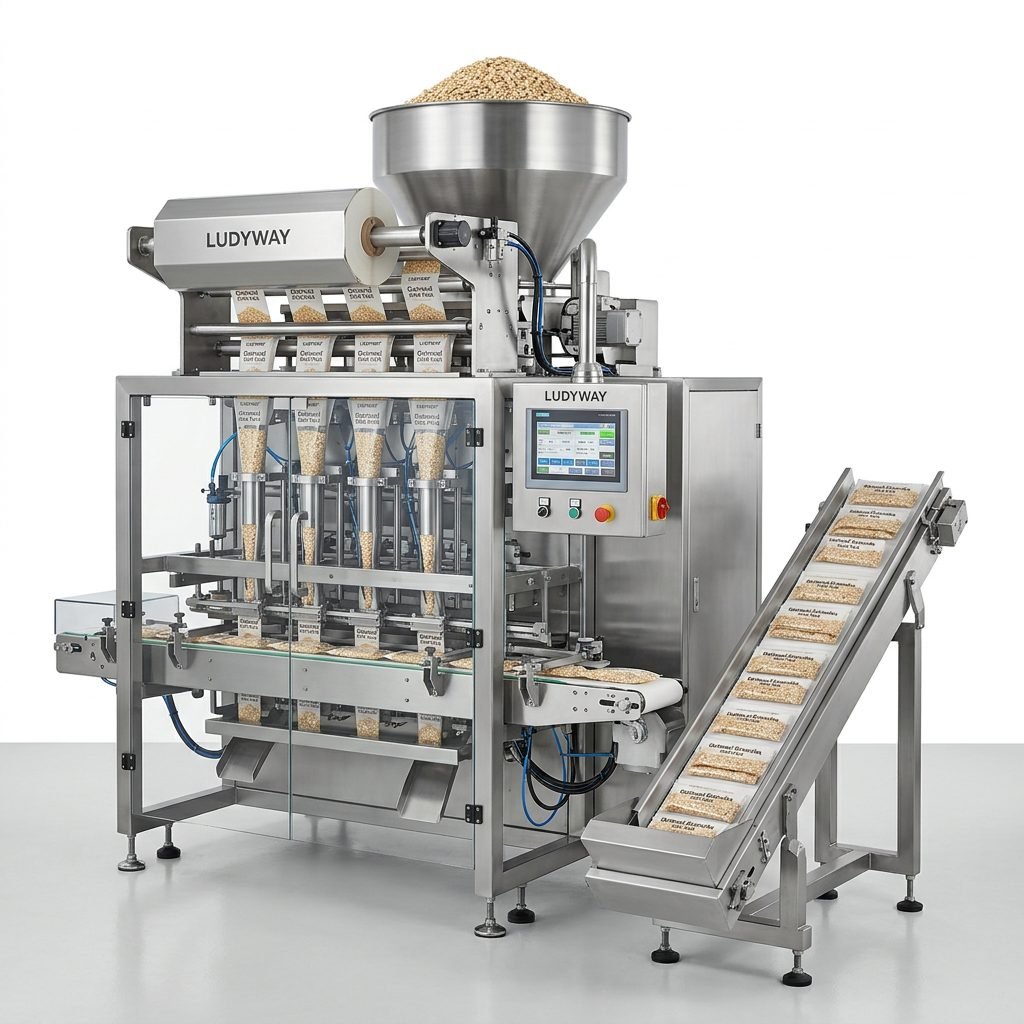
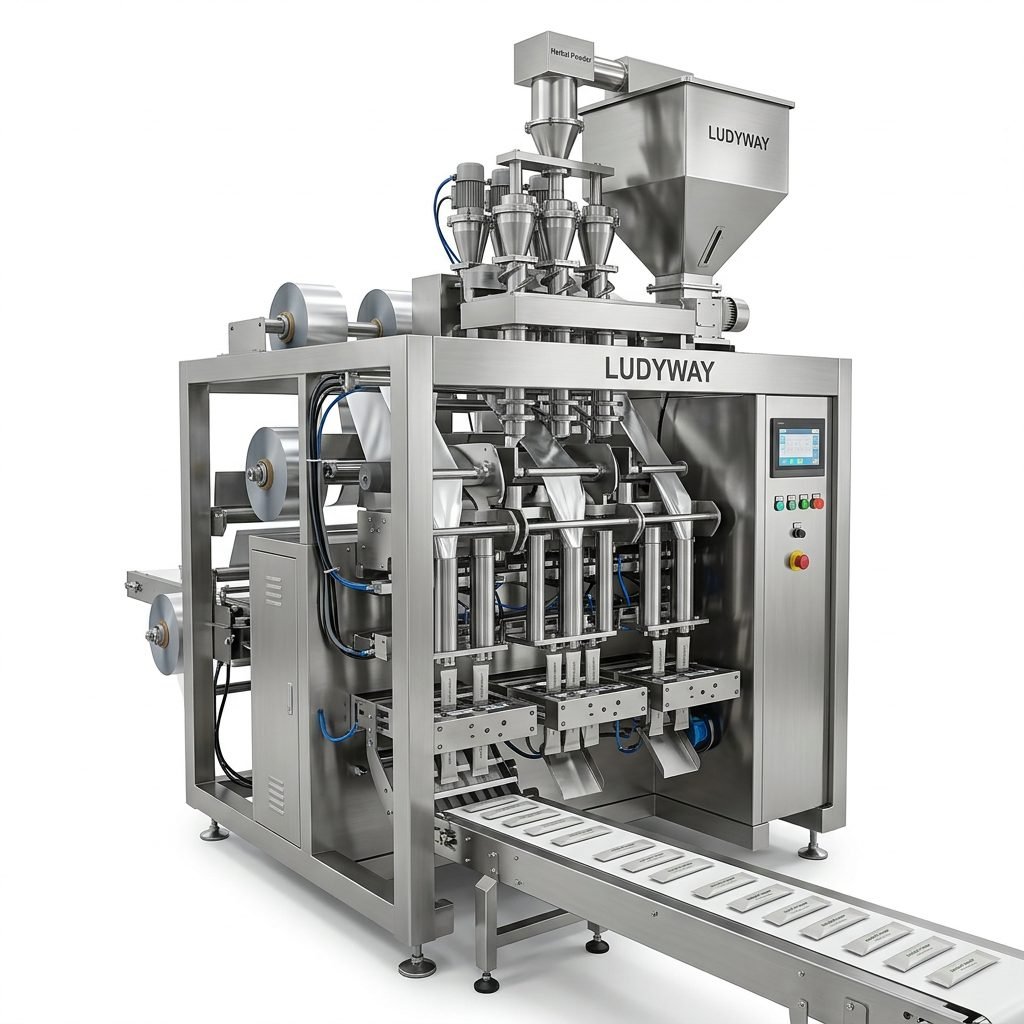
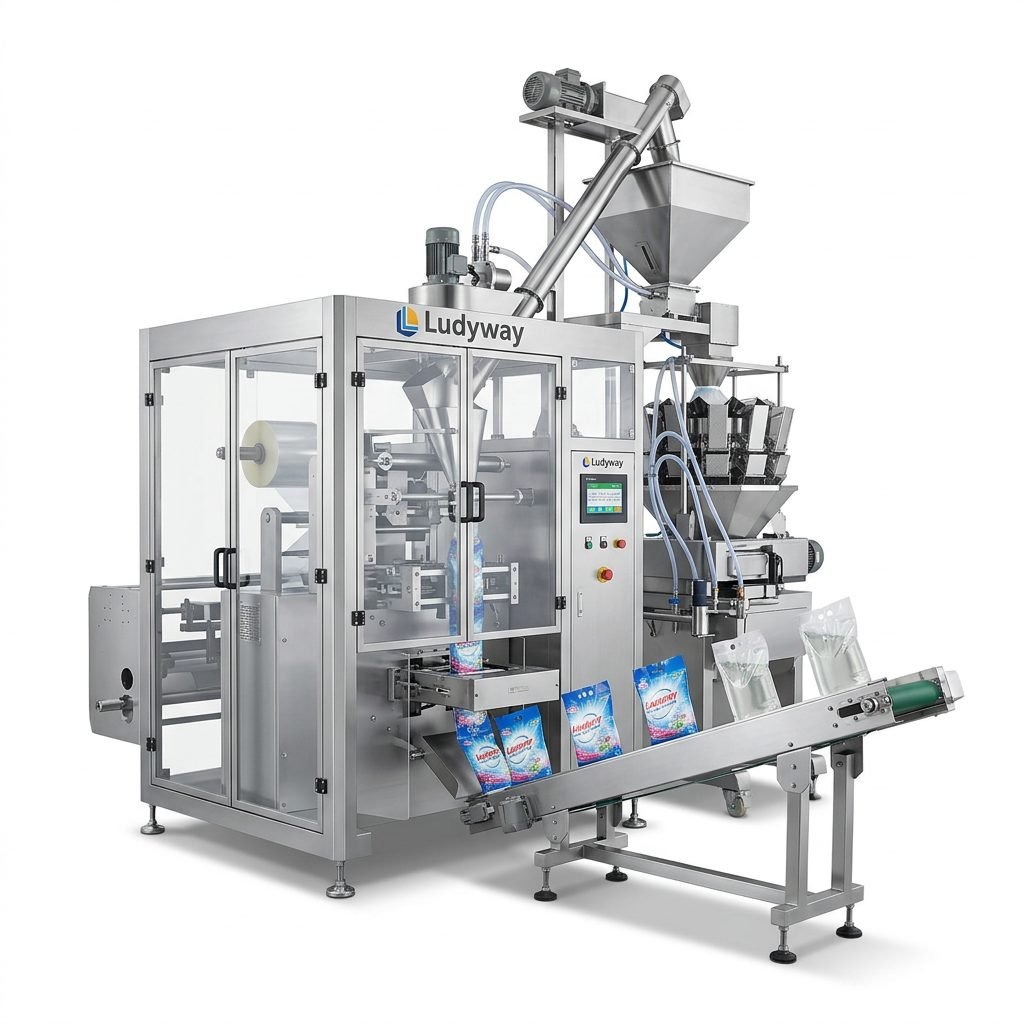
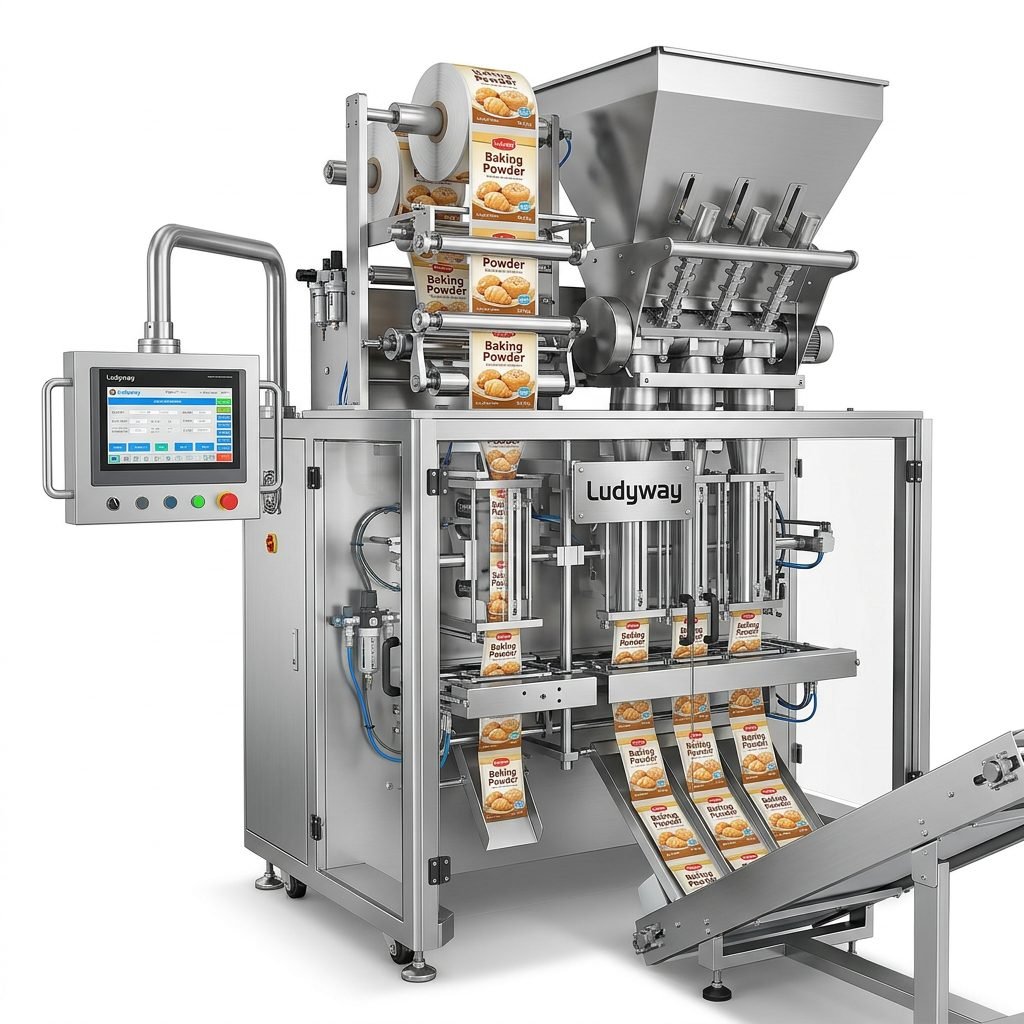
Selecting equipment starts with matching your product viscosity and target format to the right machine category. Below are the most common configurations used by U.S. dairy manufacturers.
| Machine Type | Best For | Typical Output (U.S. Market) |
|---|---|---|
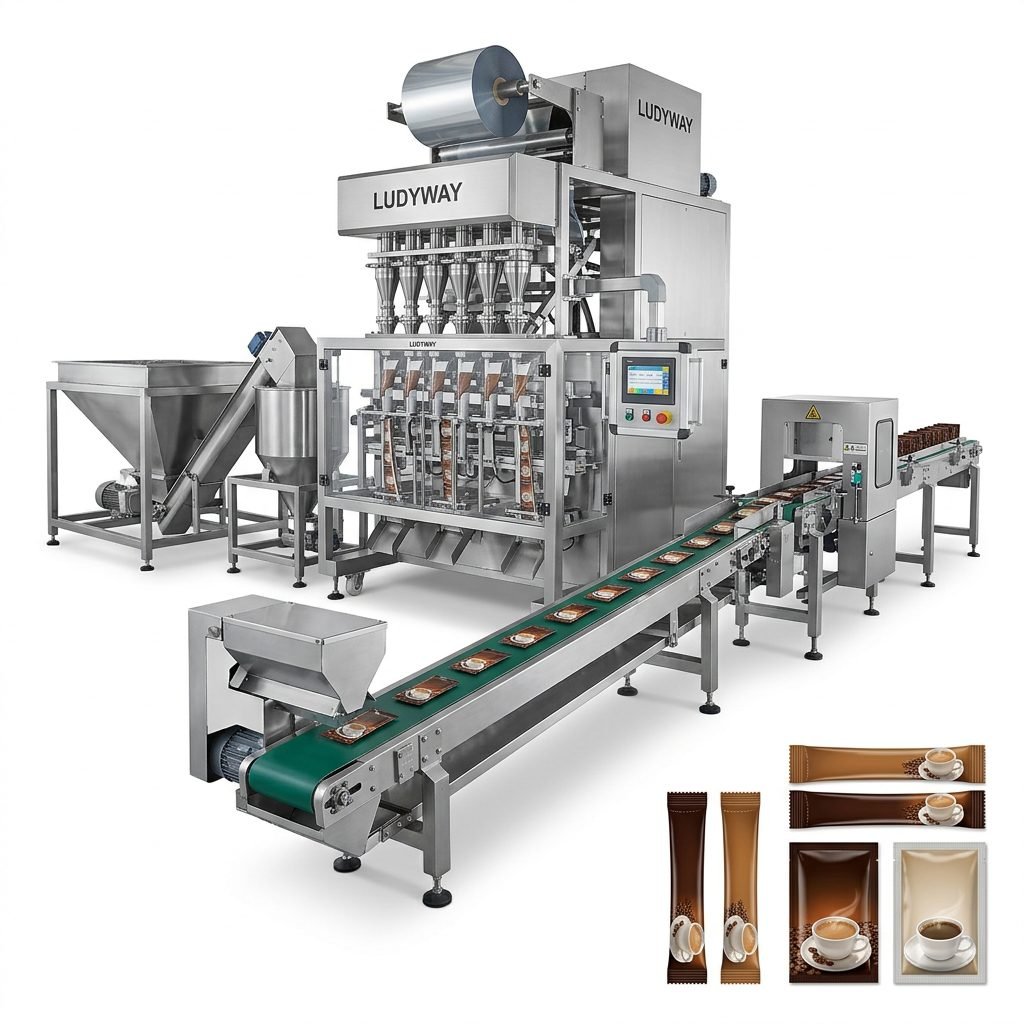
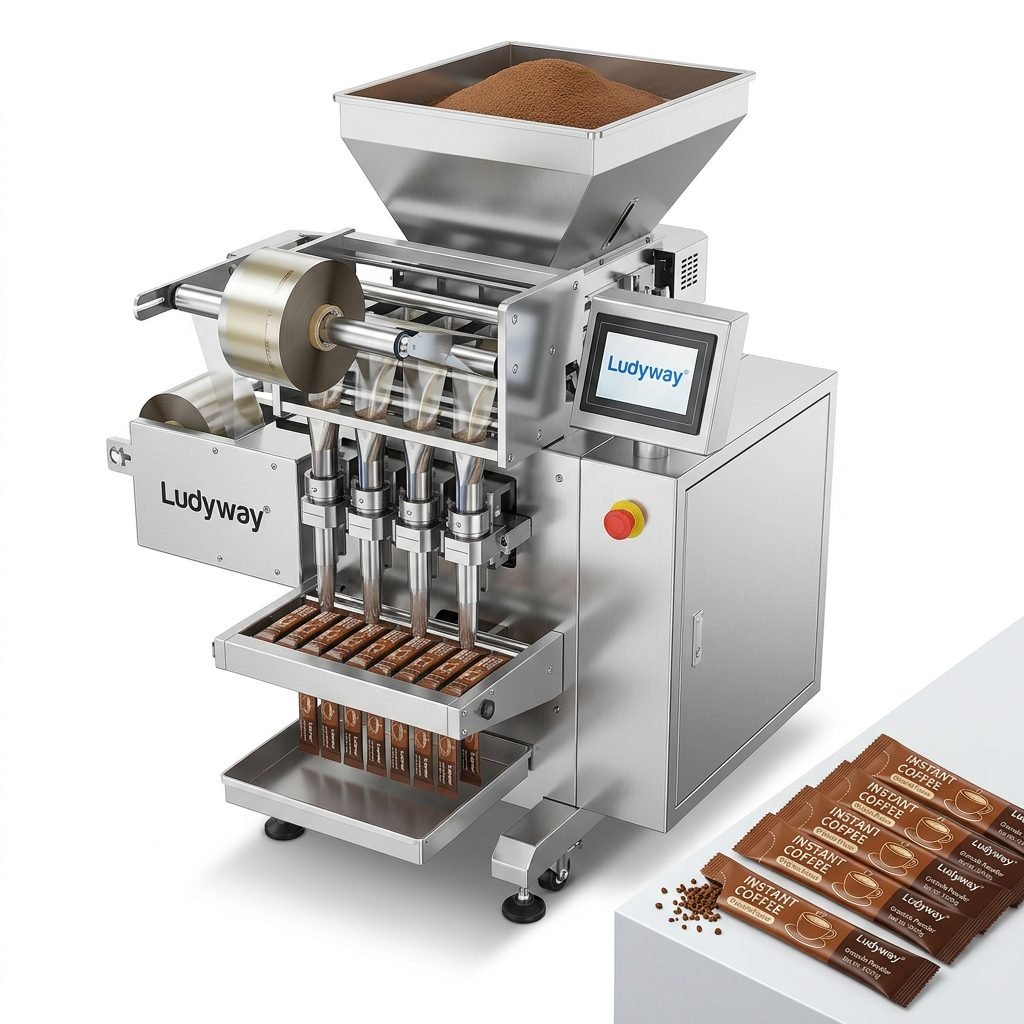
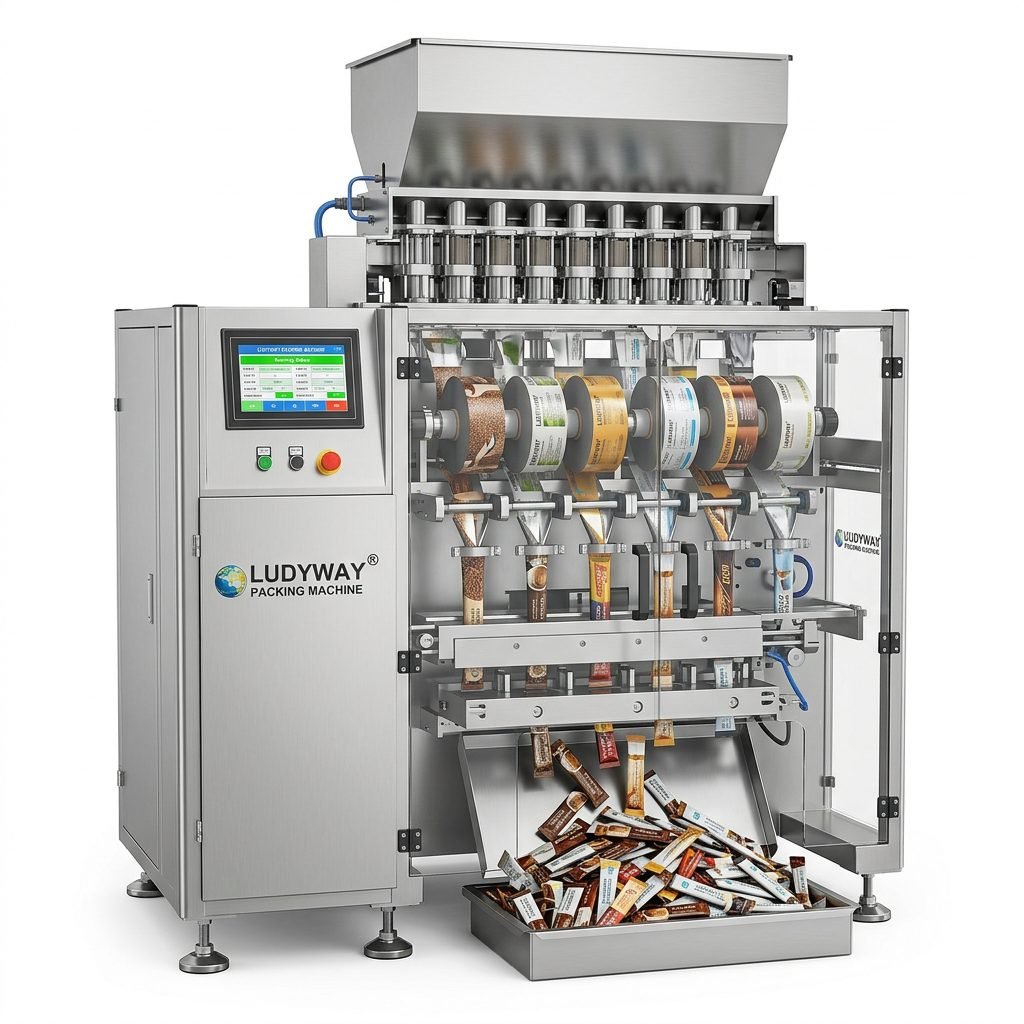
| Multi-Lane Stick Pack Machines | Milk powder, protein supplements, creamer, drink mixes | Up to 600 packs/min per lane configuration |
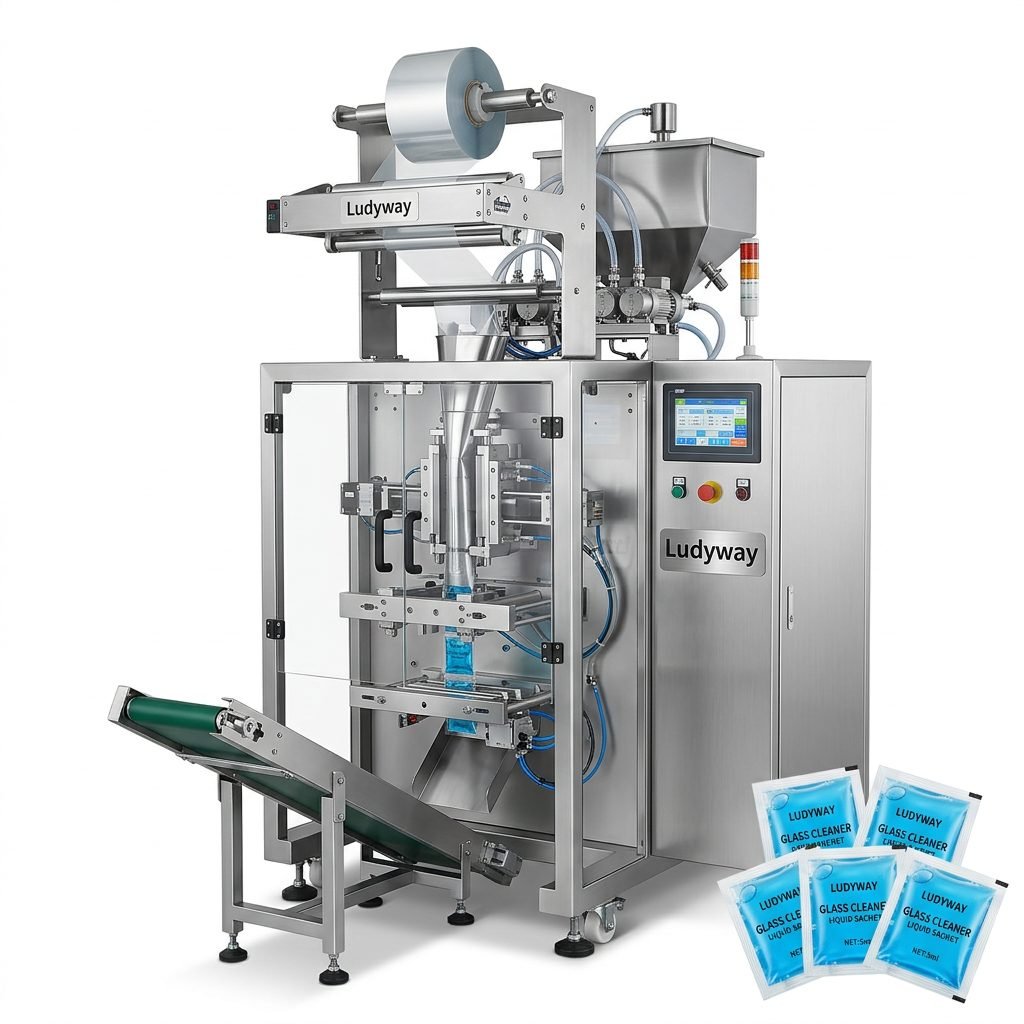
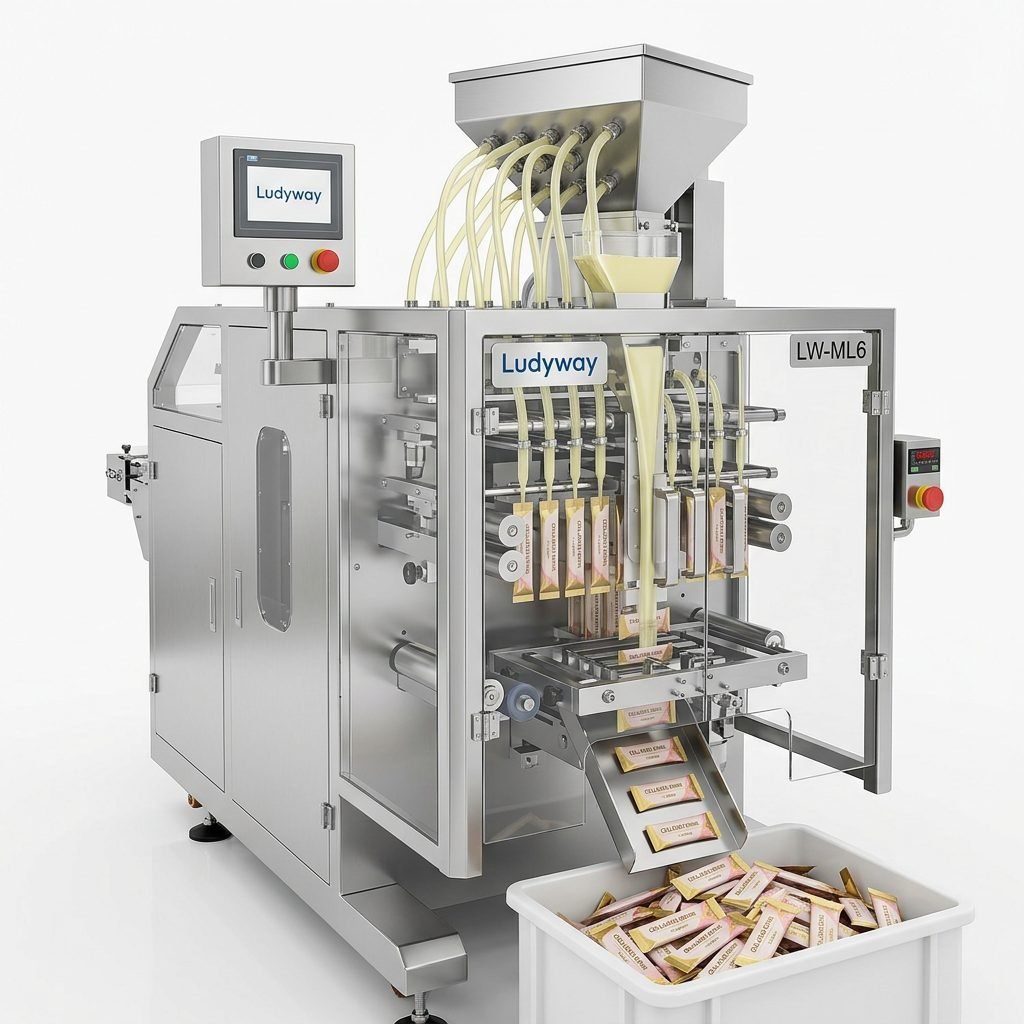
| Liquid Sachet Packaging Machines | Yogurt, condensed milk, butter portions, cheese sauce | 180–450 packs/min depending on lane count |
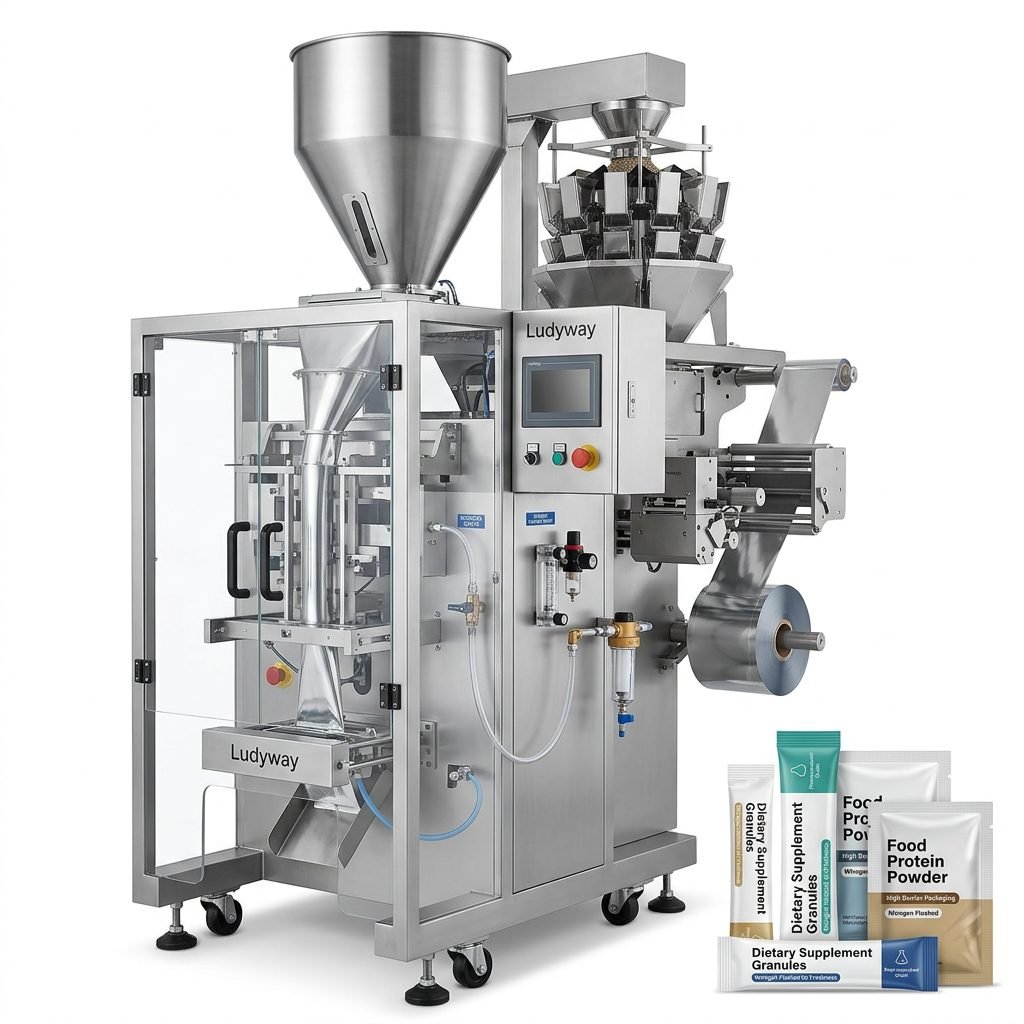
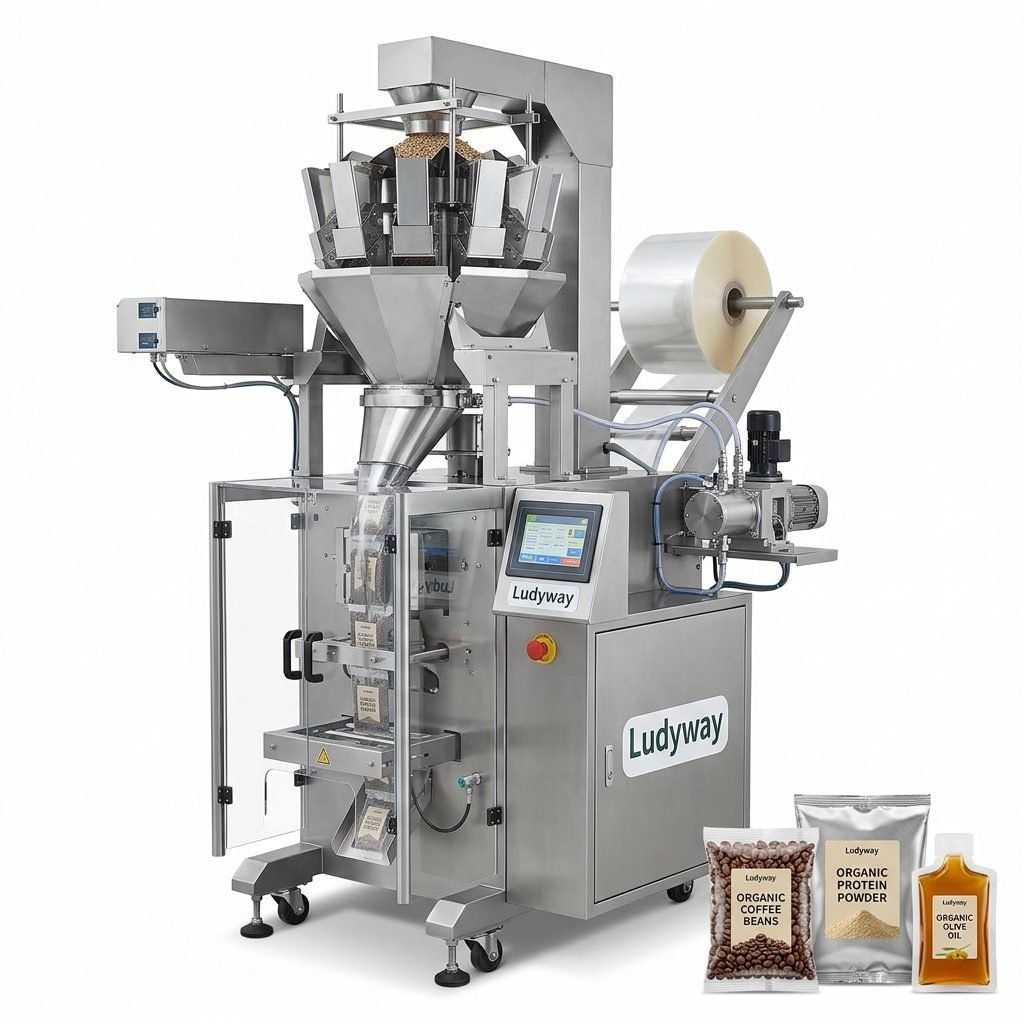
| Premade Pouch Fill & Seal Systems | Shredded cheese, frozen dairy, bulk ingredients | 40–120 pouches/min |
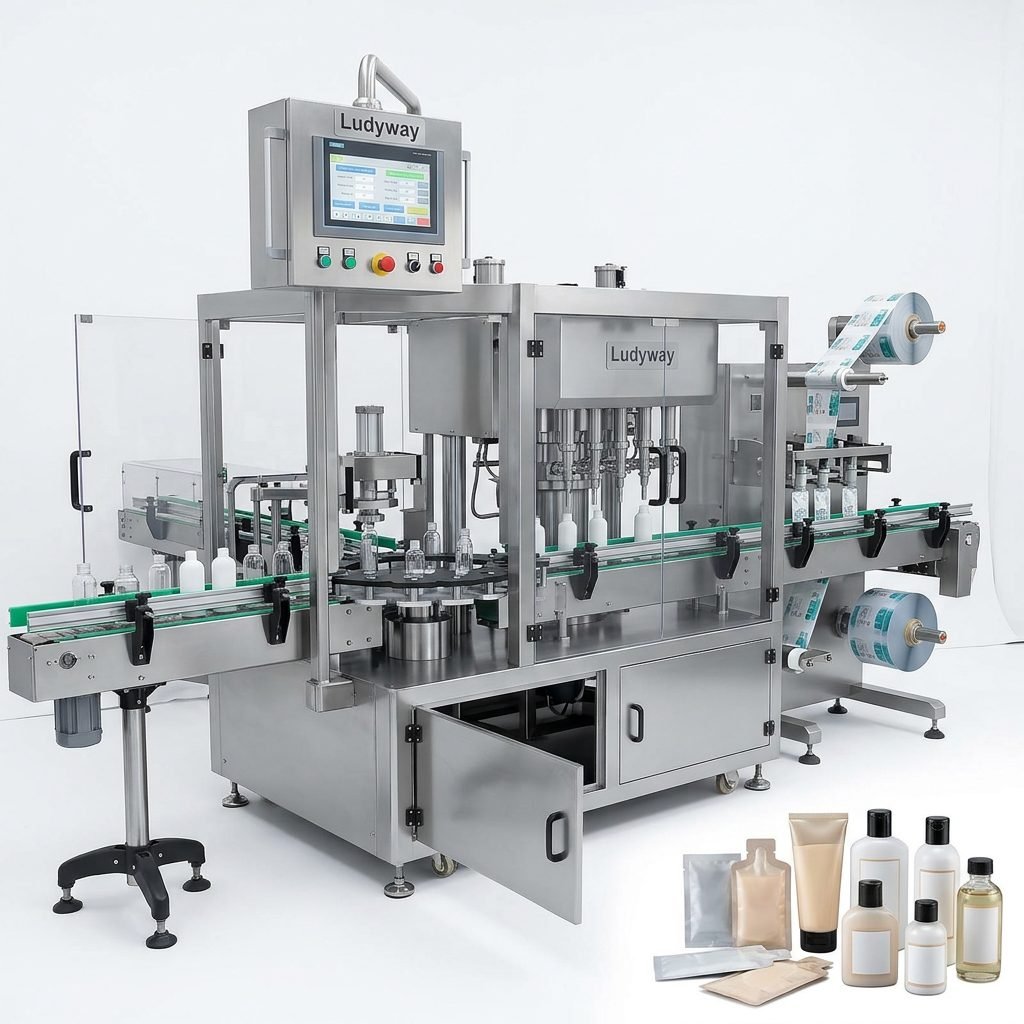
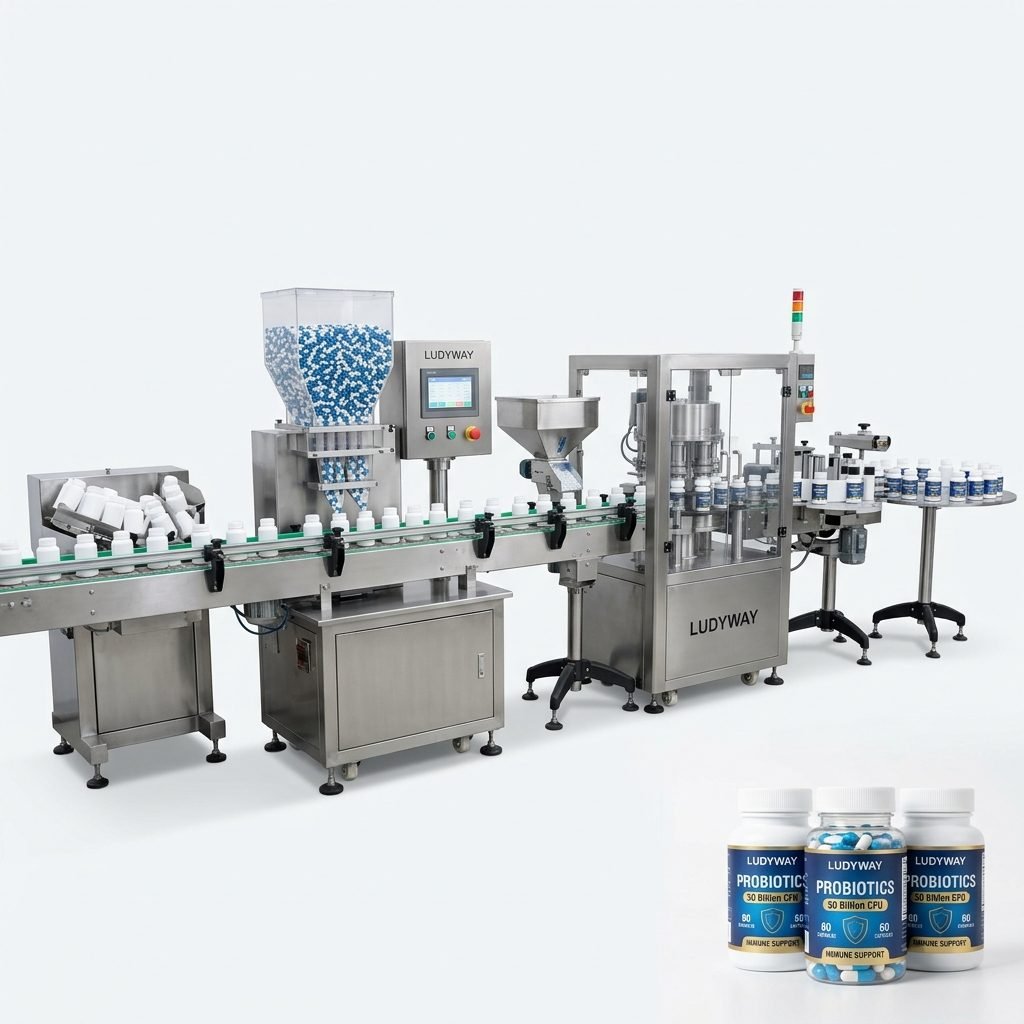
| Bottle Filling & Capping Lines | Milk, cream, drinkable yogurt, liquid probiotics | 60–400 bottles/min |
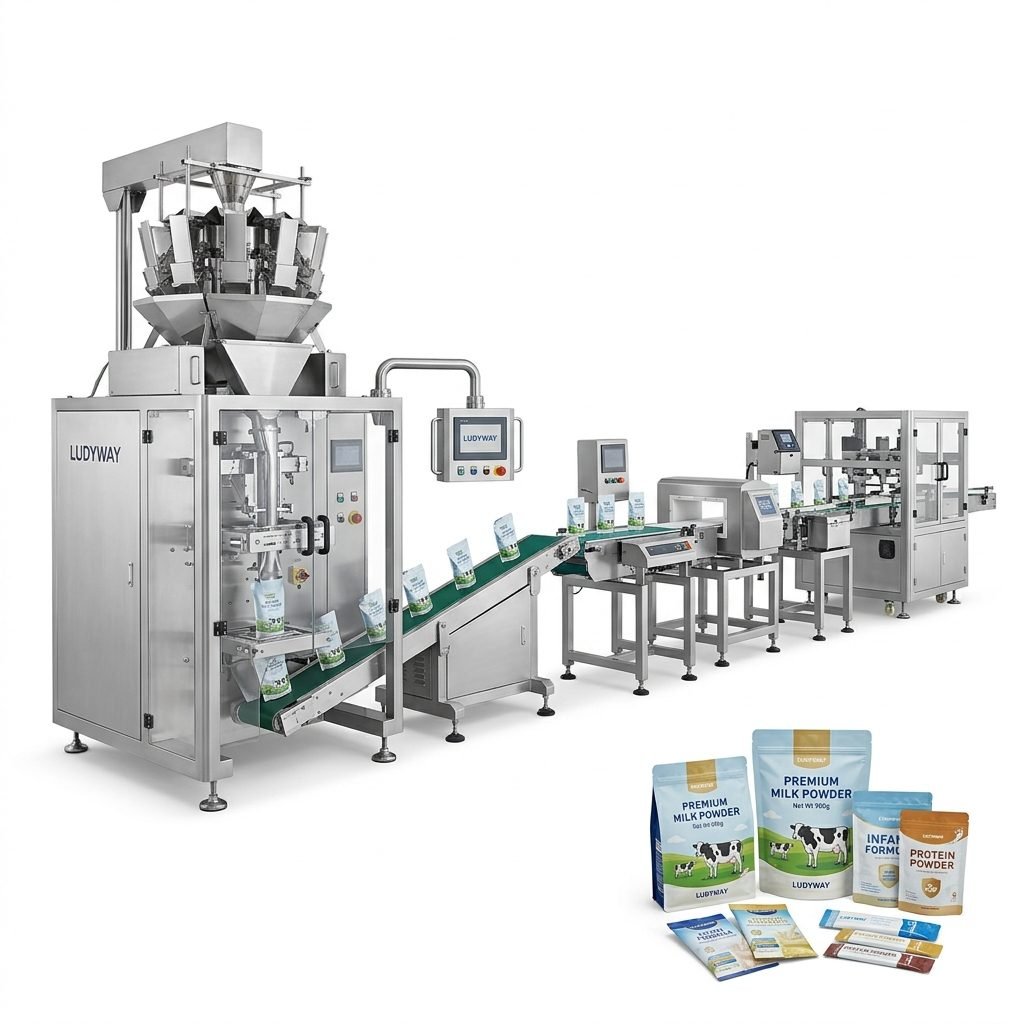
| Turnkey Dairy Packaging Lines | Complete processing-to-palletizing solutions | Customized to facility requirements |
Key Considerations When Buying a Dairy Packaging Machine in the USA
Purchasing production equipment involves more than comparing speeds. U.S. dairy facilities must evaluate sanitary design, material compatibility, and long-term service support. Below are the critical factors to review with any supplier.
Sanitary Design and Clean-in-Place (CIP) Compatibility
All dairy contact surfaces should use 304 or 316L stainless steel with crevice-free welding. Equipment should support CIP protocols or be designed for rapid dry cleaning. Confirm that the machine meets 3-A or USDA-accepted design criteria before signing.
Material Compatibility with Dairy Products
Dairy products range from low-viscosity milk to high-fat butter and sticky condensed milk. Filling systems must handle products at temperatures between 4°C and 85°C without denaturing proteins or causing fat separation. Piston fillers, servo-driven pumps, and mass flow meters each suit different dairy consistencies.
Flexible Packaging Formats and Quick Changeover
U.S. retailers demand variety—single-serve sticks, family-size pouches, and club-store multi-packs. Look for machines that support quick changeover between sachet, stick pack, and pouch formats without requiring specialized technicians. Modular lane configurations help you scale output as distribution grows.
Integration with U.S. Upstream and Downstream Equipment
Your dairy packaging machine must communicate seamlessly with pasteurizers, homogenizers, checkweighers, inline inspection systems, and case packers. Verify that the control architecture supports common protocols used in North American plants.
Regulatory Compliance and Documentation
The FDA requires comprehensive validation documentation for food contact packaging equipment. Request a full documentation package including IQ/OQ protocols, material certifications, and preventive maintenance schedules. Processors exporting dairy products must also align with EU packaging waste regulations when applicable.
Popular Dairy Packaging Formats Driving U.S. Equipment Demand
The National Dairy Council and PMMI industry reports highlight several high-growth packaging formats where automated machinery investment is accelerating:
- Single-serve protein and collagen sticks – requiring multi-lane stick pack systems with nitrogen flush.
- Drinkable yogurt sachets – demanding aseptic or ultra-clean filling environments.
- Shredded cheese resealable pouches – integrating modified atmosphere sealing and zipper applicators.
- Baby formula and nutritional powders – requiring high-precision dosing and hermetic sealing.
- Butter and cream cheese portion packs – compatible with refrigerated distribution chains.
Buying Tips for First-Time and Expanding Dairy Processors
Whether you are commissioning your first line or upgrading for higher throughput, several practical tips will help you avoid costly mistakes.
Request a Factory Acceptance Test (FAT)
Always perform a FAT with your actual dairy product. Running water trials does not replicate how butter, yogurt, or condensed milk behave during filling. A verified FAT reduces startup delays significantly.
Evaluate Total Cost of Ownership, Not Just Purchase Price
Factor in spare parts availability, typical wear component life, energy consumption, and the manufacturer’s U.S.-based service presence. A supplier with established North American support infrastructure helps minimize costly downtime.
Plan for Scalability
Select a machine platform that allows you to add lanes or upgrade modules without replacing the entire system. This future-proofs your investment as distribution contracts grow with major U.S. retailers.
Typical Lead Times and Installation Considerations
Custom-configured dairy packaging machines typically require 10 to 16 weeks for manufacturing, plus 4 to 6 weeks for ocean freight and U.S. customs clearance. Plan your project timeline to include onsite commissioning and operator training—critical phases that experienced suppliers include in their scope. Manufacturers with comprehensive project management can coordinate installation around your production schedule to minimize disruption.
Frequently Asked Questions About Dairy Packaging Machines
What is the best packaging machine for extended shelf life dairy products?
Multi-lane stick pack and sachet machines with integrated nitrogen flushing and barrier film compatibility typically deliver the longest shelf life for powders and liquid dairy concentrates. MAP-capable pouch systems are ideal for shredded cheese.
Can one machine handle both powder and liquid dairy products?
Yes, select multi-format machines can switch between granule/powder dosing systems and liquid piston or pump fillers. However, thorough cleaning validation is essential when changing between product types to prevent cross-contamination.
How do I ensure my equipment meets FDA requirements?
Work with a supplier who provides full material traceability, 316L stainless steel contact parts, and documented sanitary design. Review FDA packaging compliance documentation and request third-party certification records.
What support should I expect after installation?
Reliable suppliers offer remote diagnostics, readily available spare parts in the U.S., and either direct or partner-based field service. Confirm response times and warranty terms during the proposal phase.
Why Industry Leaders Choose Ludyway for Dairy Packaging Solutions
With over 30 years of industry expertise and a modern 20,000㎡ manufacturing facility, Ludyway provides reliable, high-performance packaging systems specifically engineered for food and dairy applications. The company offers more than 50 intelligent packaging machine models, including multi-lane stick pack, sachet, and fully automated turnkey lines. Serving customers in over 100 countries, Ludyway is committed to delivering innovative, cost-effective dairy packaging machines that help U.S. processors improve productivity, product quality, and operational efficiency. For turnkey solutions that integrate granule, powder, and liquid dairy packaging into seamless production lines, explore options at Ludyway’s official website.
Additional industry insights and packaging market data are available through PMMI’s State of the Industry reports and the Flexible Packaging Association’s knowledge hub.