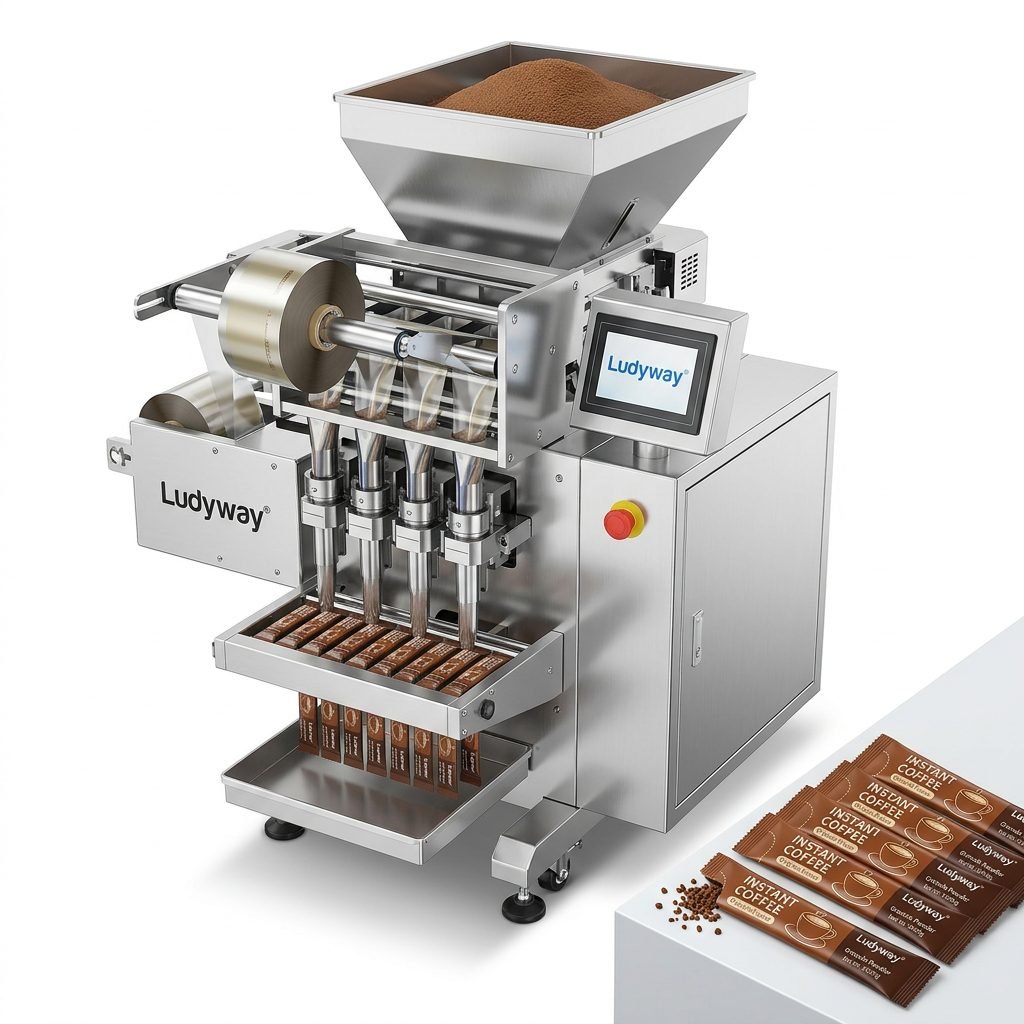
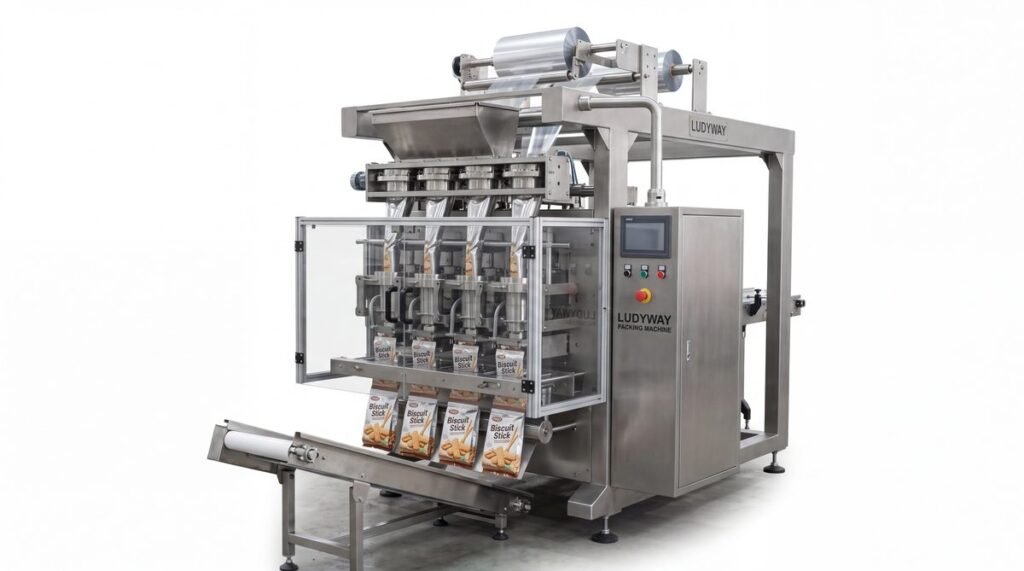
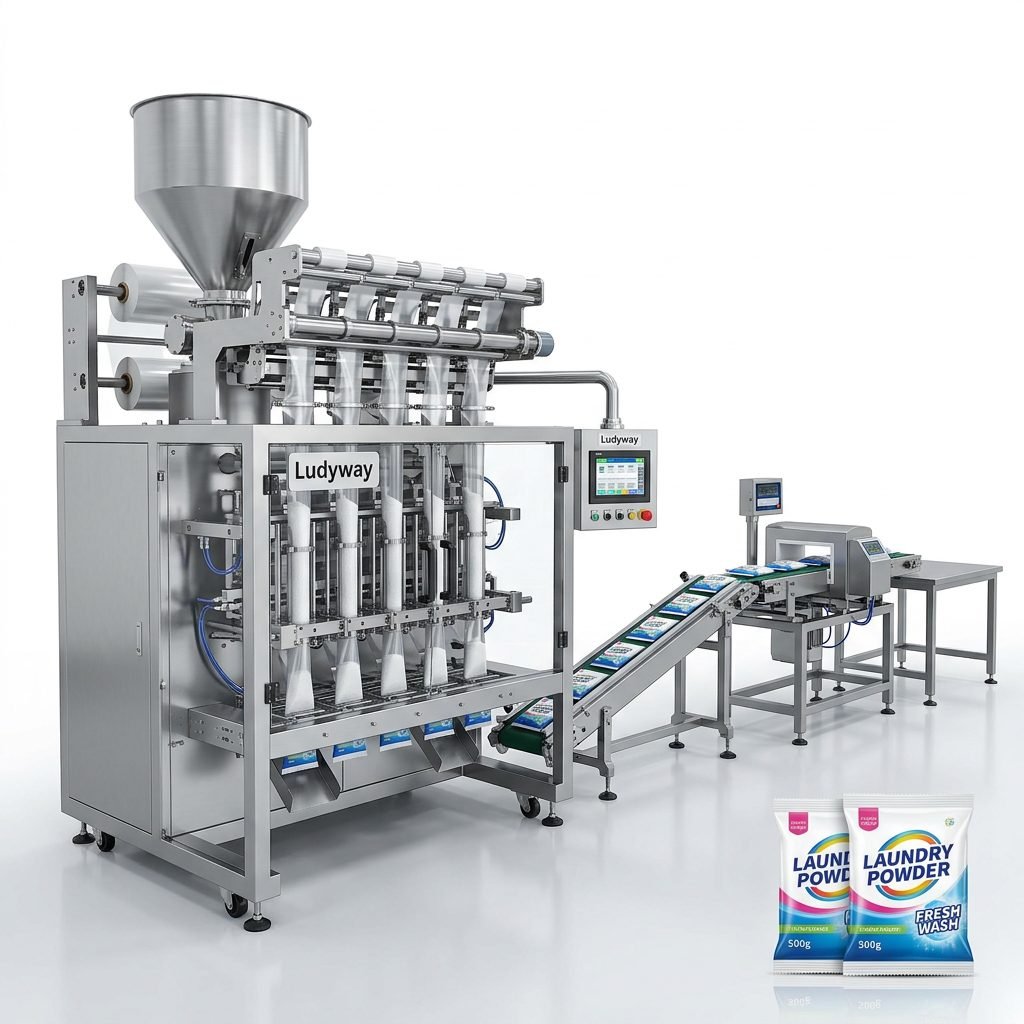
The pet food industry in Asia is experiencing unprecedented growth. With rising pet ownership rates across China, Japan, South Korea, and Southeast Asia, the demand for high-quality dog food packaging machines has never been stronger. Selecting the right equipment requires understanding regional market dynamics, production requirements, and technical specifications unique to Asian manufacturing environments.
This guide will help you navigate the complexities of choosing a dog food packaging machine tailored to your production needs, whether you are a startup brand or an established manufacturer looking to upgrade existing lines. The packaging equipment market continues to evolve rapidly, making informed decisions critical for long-term operational success.
Understanding the Asian Dog Food Packaging Market
The Asian pet food sector differs significantly from Western markets. Wet and dry dog food formats dominate, but there is a growing preference for single-serve sachets, stick packs, and convenience packaging. Manufacturers must adapt to diverse consumer behaviors—from Japanese pet owners who prioritize premium small-portion packaging to Southeast Asian markets where affordability and shelf stability are paramount.
- China: Largest market with rapid automation adoption and demand for high-speed multi-lane systems
- Japan & South Korea: Preference for compact, precision equipment with advanced quality control features
- Southeast Asia: Growing middle class driving demand for affordable, reliable packaging solutions
- India: Emerging market with increasing focus on automated granule and powder packaging
According to industry data from the packaging machinery industry, Asia-Pacific represents the fastest-growing region for packaging equipment investment, driven by urbanization and changing pet care attitudes.
Key Factors When Choosing a Dog Food Packaging Machine
Production Capacity and Speed Requirements
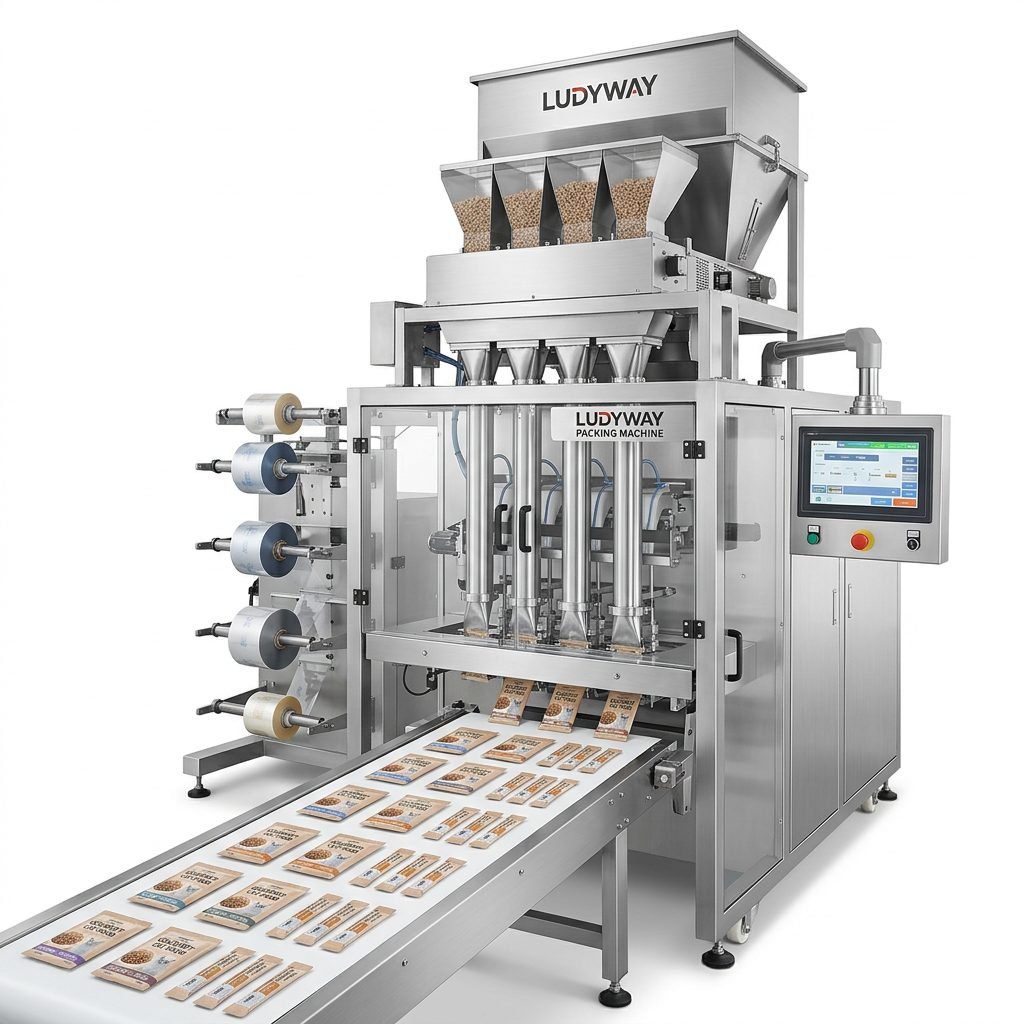
Your daily or hourly output targets directly determine the type of machine you need. Multi-lane stick pack machines can produce hundreds of packs per minute, while single-lane systems offer more flexibility for smaller batches. Consider both current needs and future scalability when evaluating capacity.
Product Characteristics and Packaging Compatibility
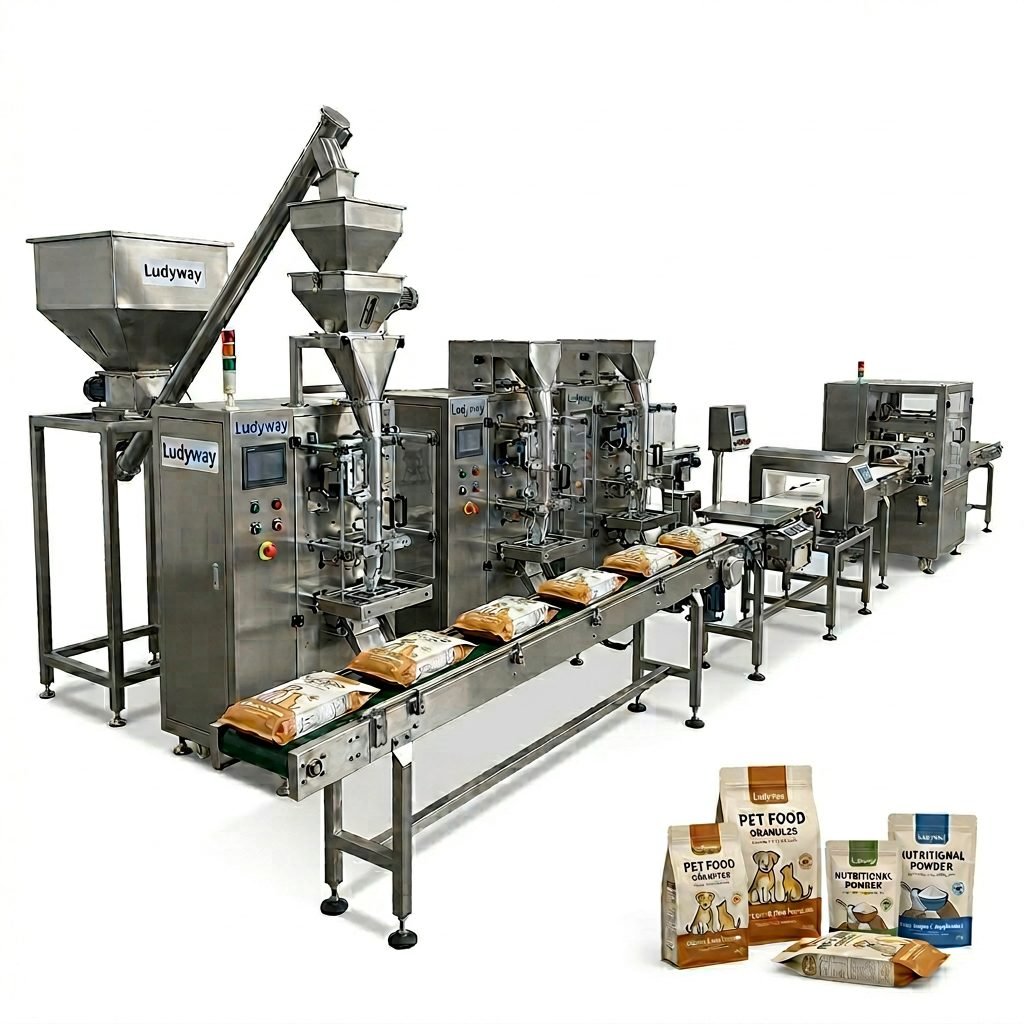
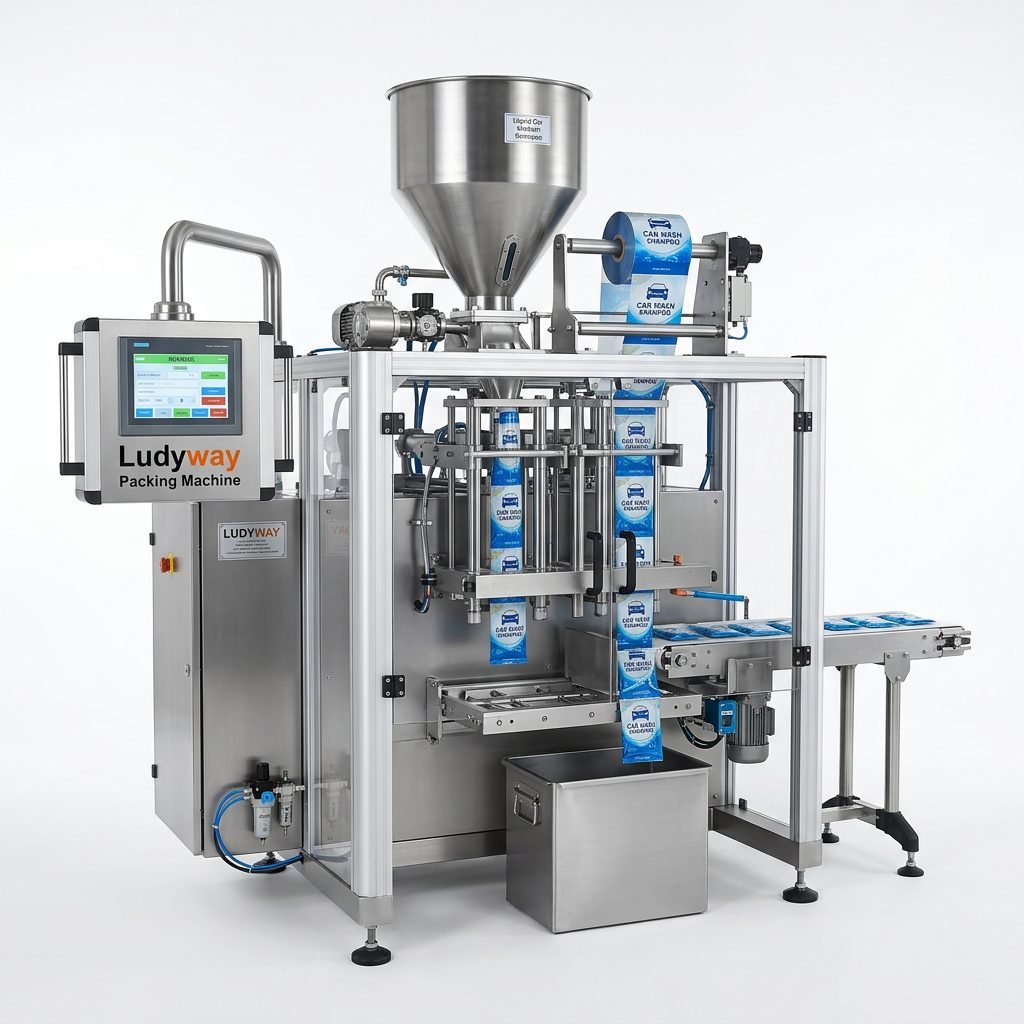
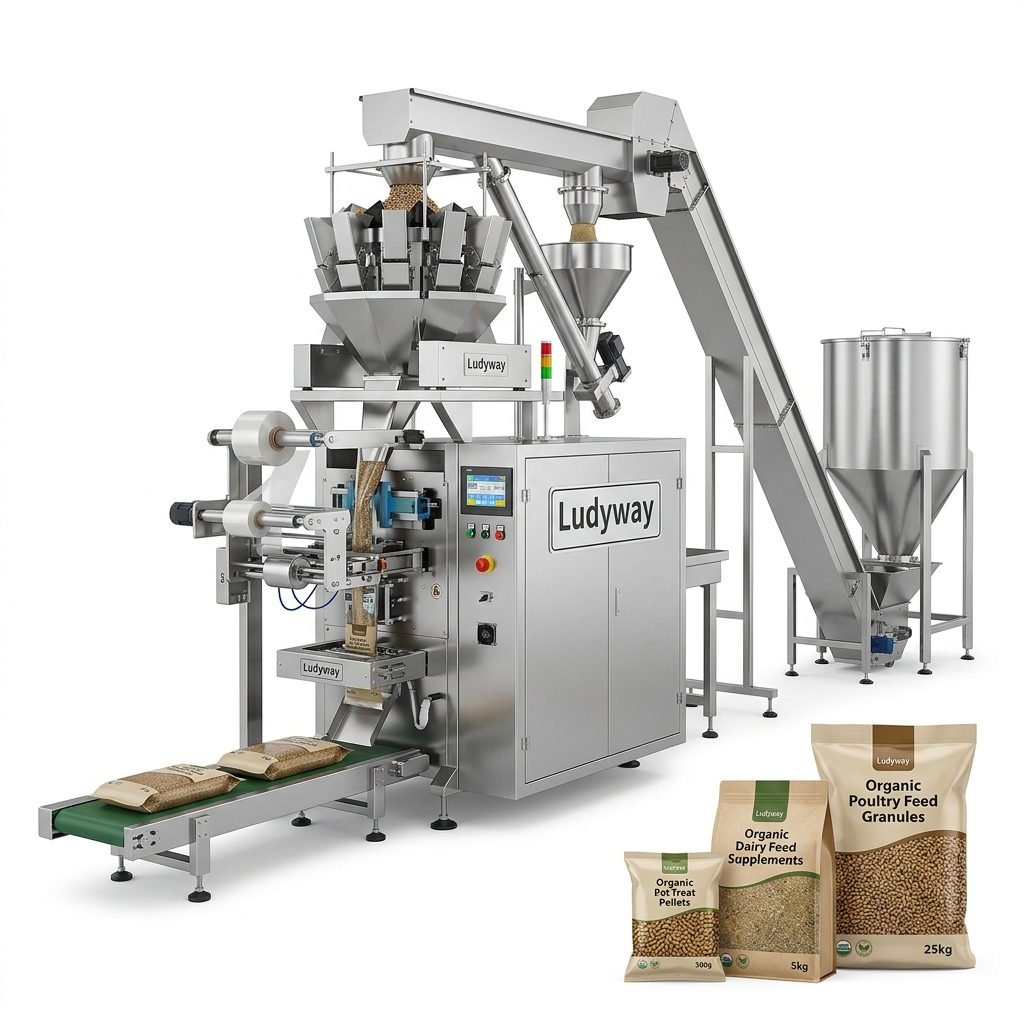
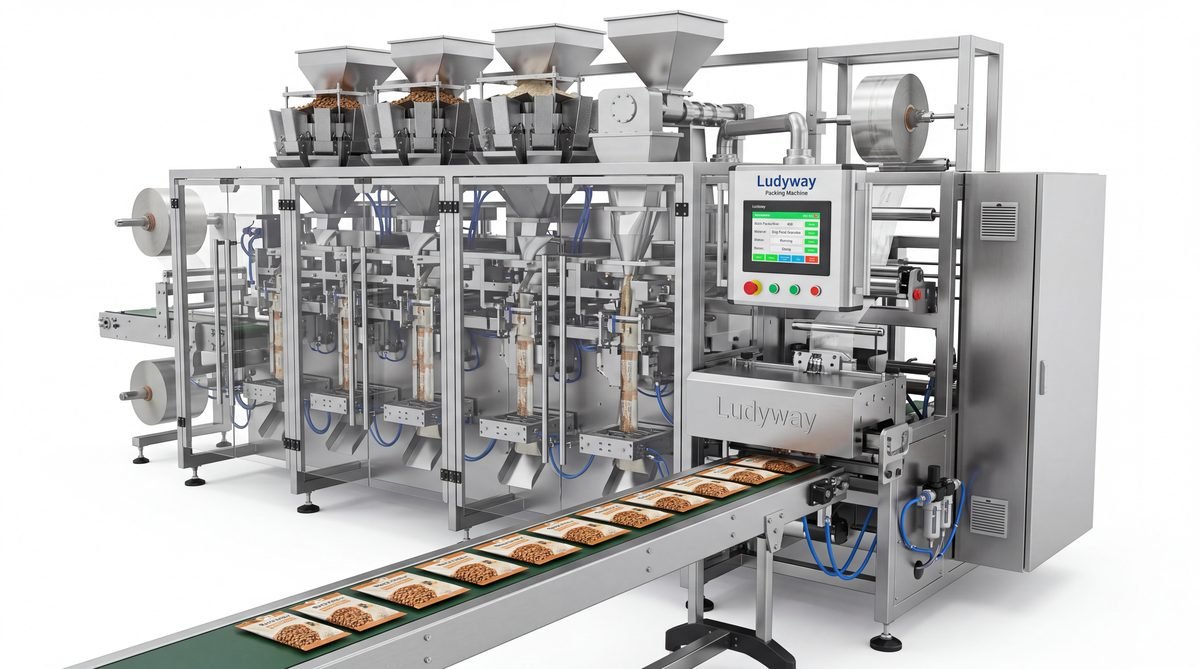
Dog food comes in various forms—dry kibble, semi-moist granules, powder supplements, and liquid additives. Each format demands specific filling mechanisms. Granule products require auger fillers or volumetric cup fillers, while powders benefit from vacuum-based dosing systems. Liquid dog food or supplements need precision piston fillers to ensure consistent portion control.
| Product Type | Recommended System | Speed Range | Best For |
|---|---|---|---|
| Dry Kibble | Multi-lane stick pack / sachet | 40-120 packs/min | High-volume production |
| Semi-Moist Granules | Auger filler with sachet system | 30-80 packs/min | Treats and specialty items |
| Powder Supplements | Vacuum or auger dosing stick pack | 50-150 packs/min | Nutritional additives |
| Wet Food / Liquid | Piston filler sachet or pouch | 25-60 packs/min | Pouches and single-serve |
Packaging Formats: Stick Pack vs. Sachet vs. Pouch
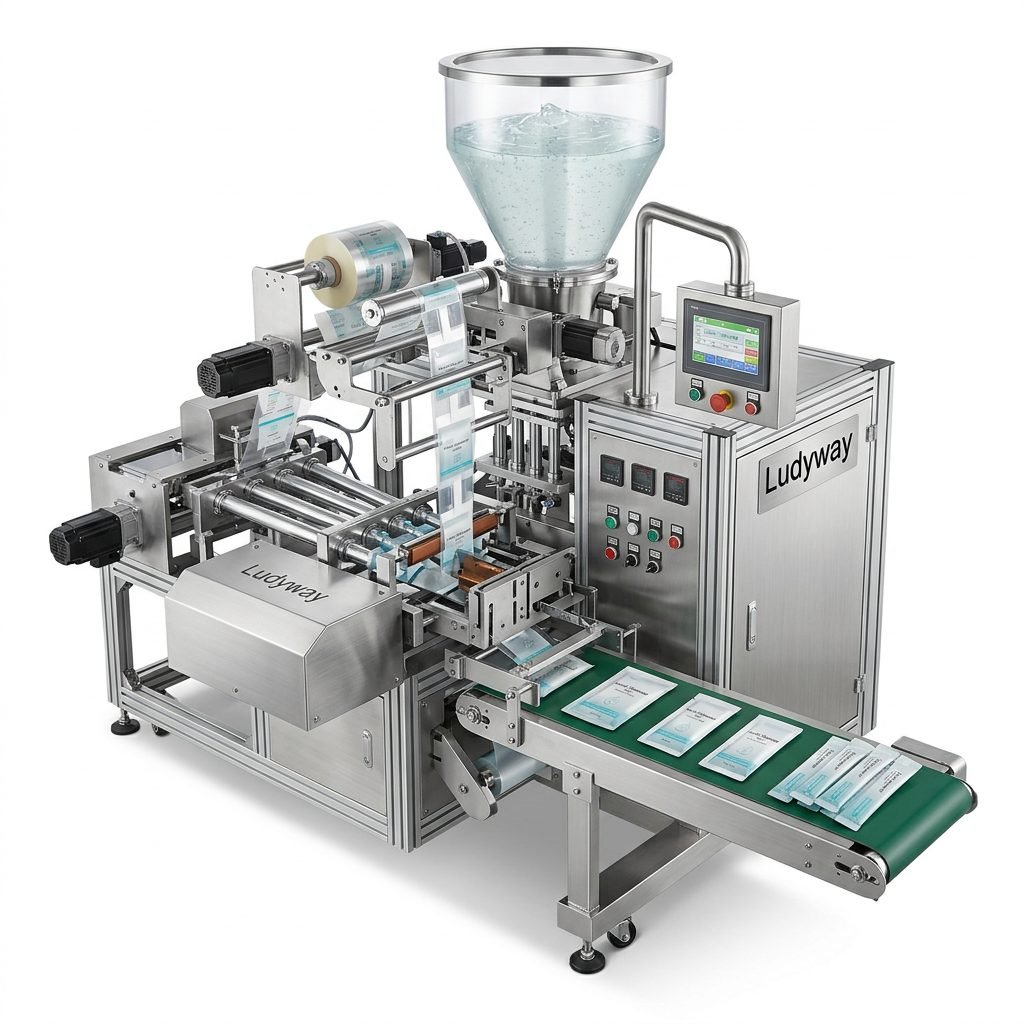
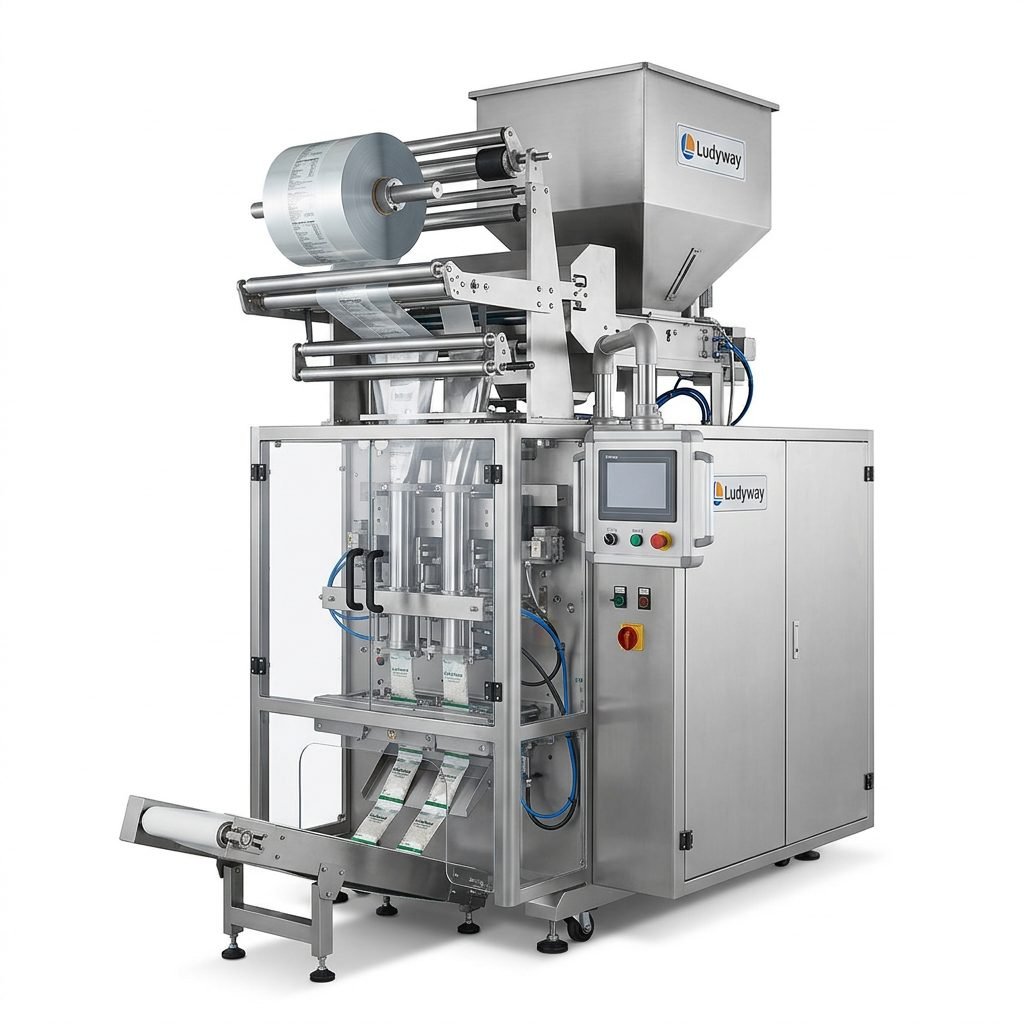
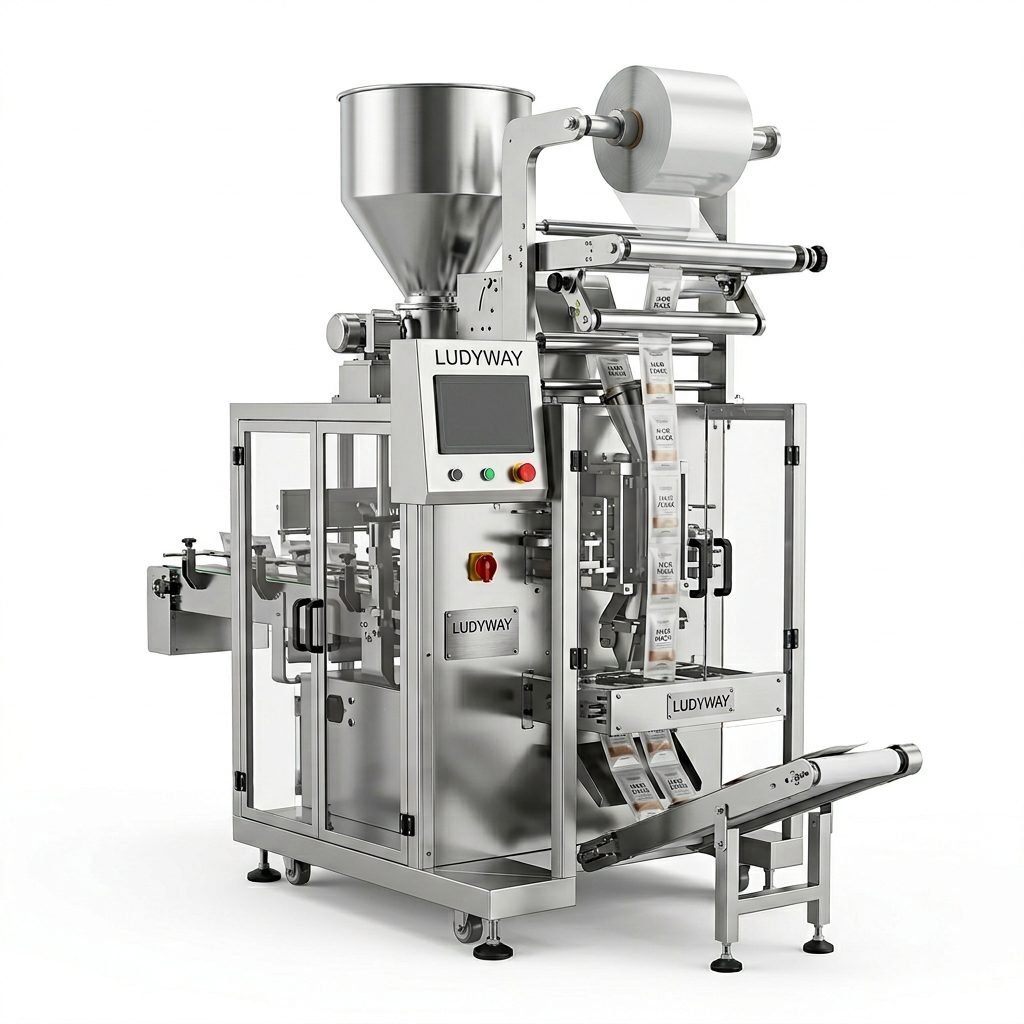
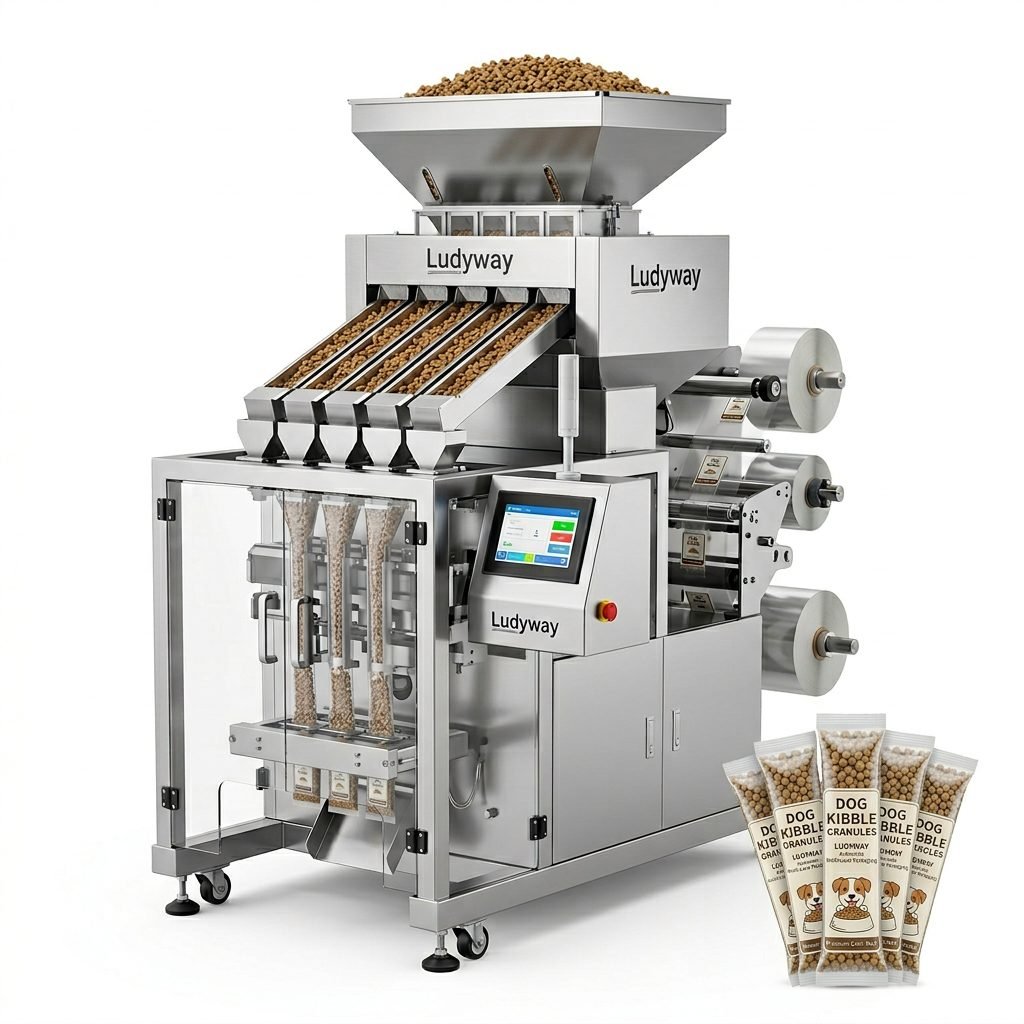
Asian markets increasingly favor stick pack and sachet formats for dog food samples, supplements, and single-serve portions. Each format offers distinct advantages depending on your target market and distribution strategy:
- Stick Packs: Ideal for powder supplements, long and narrow design offers excellent branding space, popular in Japan and Korea
- Sachets: Flat rectangular packs perfect for single-serve wet food or treats, cost-effective with high sealing integrity
- Pouches: Stand-up formats with zipper closures gaining popularity for premium dog food brands across Asia
Technical Specifications to Evaluate
Material Compatibility and Sealing Quality
Dog food packaging demands excellent barrier properties to maintain freshness and prevent contamination. Your machine must handle multi-layer films including PET, aluminum foil, and polyethylene laminates. Verify that the sealing temperature controls are precise and adjustable for different film thicknesses. Poor sealing leads to product spoilage and costly recalls in markets with strict food safety regulations.
The flexible packaging standards in Asia continue to evolve, requiring manufacturers to stay updated on material innovations and regulatory compliance.
Automation Level and Integration
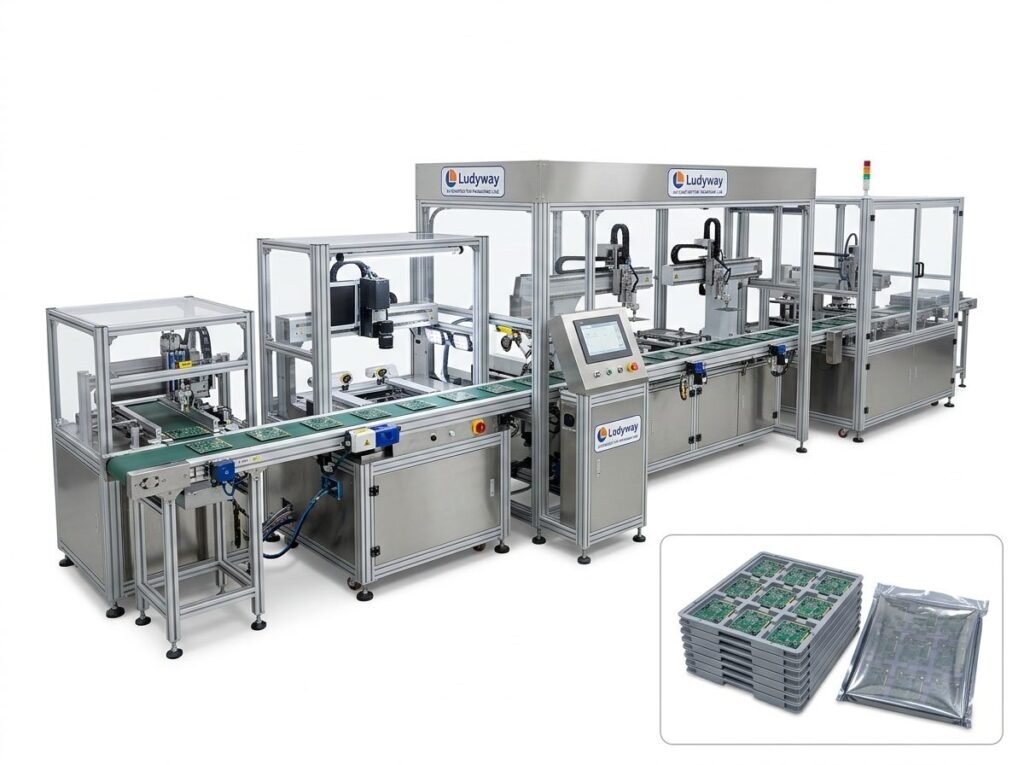
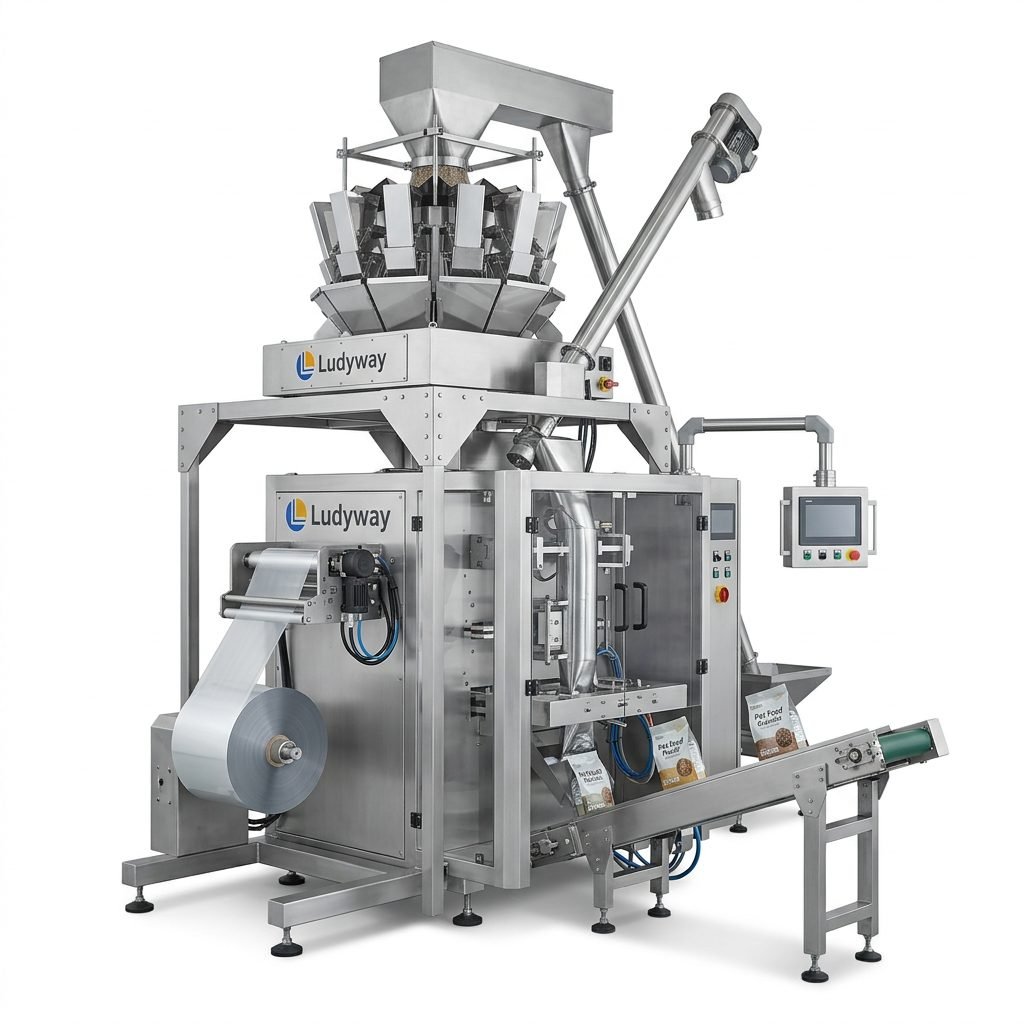
Modern Asian manufacturing facilities increasingly adopt fully automated packaging lines that integrate feeding, filling, sealing, coding, and cartoning into one seamless operation. Semi-automatic machines remain viable for smaller producers, but labor cost pressures and quality consistency demands are driving automation adoption across the region.
- Fully Automatic: Minimal operator intervention, integrated quality checks, production data logging
- Semi-Automatic: Manual feeding with automated filling and sealing, lower capital investment
- Turnkey Lines: Complete solutions from raw material handling to finished carton palletizing
Evaluating Packaging Machine Suppliers in Asia
When sourcing equipment for the Asian market, consider suppliers with direct manufacturing presence in the region. Local technical support, spare parts availability, and understanding of regional regulatory requirements significantly impact long-term operational efficiency. After-sales service quality often differentiates reliable partners from transactional vendors.
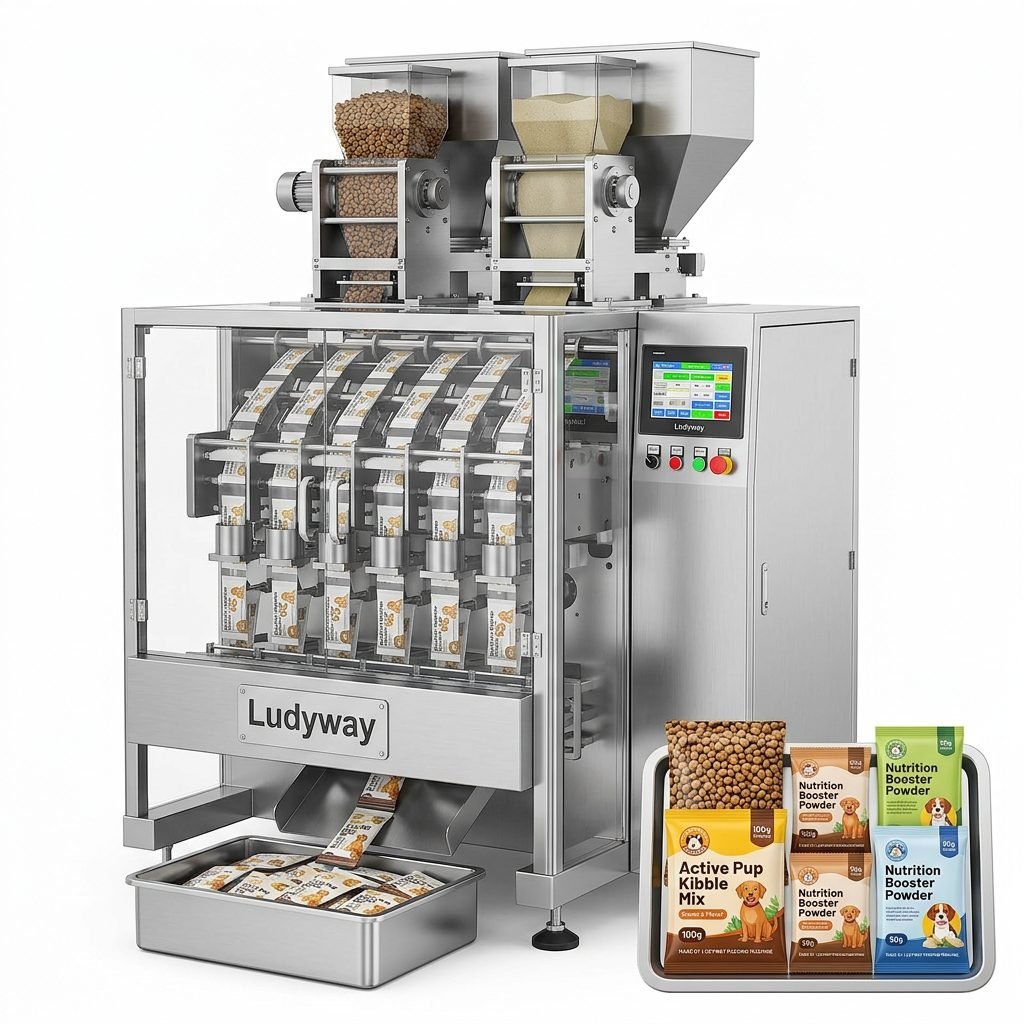
Established manufacturers like Ludyway operate modern production facilities and offer comprehensive support infrastructure, serving customers across more than 100 countries with specialized dog food packaging solutions designed for granule, powder, and liquid applications.
Quality Certifications and Standards
Verify that your supplier adheres to international quality and safety standards. Key certifications to look for include CE marking for European compliance, ISO 9001 for quality management, and relevant food safety certifications. Machines should comply with food packaging regulations applicable in your target export markets.
Cost Considerations Beyond the Purchase Price
The true cost of a dog food packaging machine extends far beyond its initial purchase price. Total cost of ownership calculations must account for:
- Energy consumption: Machines with efficient heating and motor systems reduce operational costs
- Film waste rates: Precision sealing and tension control minimize material losses during startups and changeovers
- Maintenance and spare parts: Availability of components in Asia directly affects downtime duration
- Operator training: Intuitive interfaces reduce training time and prevent costly operating errors
- Changeover time: Quick-change designs boost productivity for manufacturers running multiple product lines
Regional Logistics and Installation Support
Equipment shipping, customs clearance, and on-site installation represent significant considerations for Asian buyers. Partner with suppliers who provide comprehensive installation supervision, commissioning support, and operator training in your local language. Proximity to manufacturing bases in Asia can substantially reduce lead times and freight costs compared to sourcing from distant regions.
Making the Final Decision
Selecting the right dog food packaging machine requires balancing technical specifications, budget constraints, and long-term business goals. Prioritize suppliers who demonstrate deep industry knowledge, offer scalable solutions, and maintain strong local support networks throughout Asia. Request product samples, visit manufacturing facilities when possible, and evaluate machine performance with your specific dog food formulations before committing.
The packaging equipment market outlook continues to show strong growth in the pet food sector, making now an opportune time to invest in advanced packaging technology that positions your brand for success in the dynamic Asian marketplace. With careful evaluation of the factors outlined in this guide, you can confidently select equipment that delivers reliable performance, consistent quality, and strong return on investment.