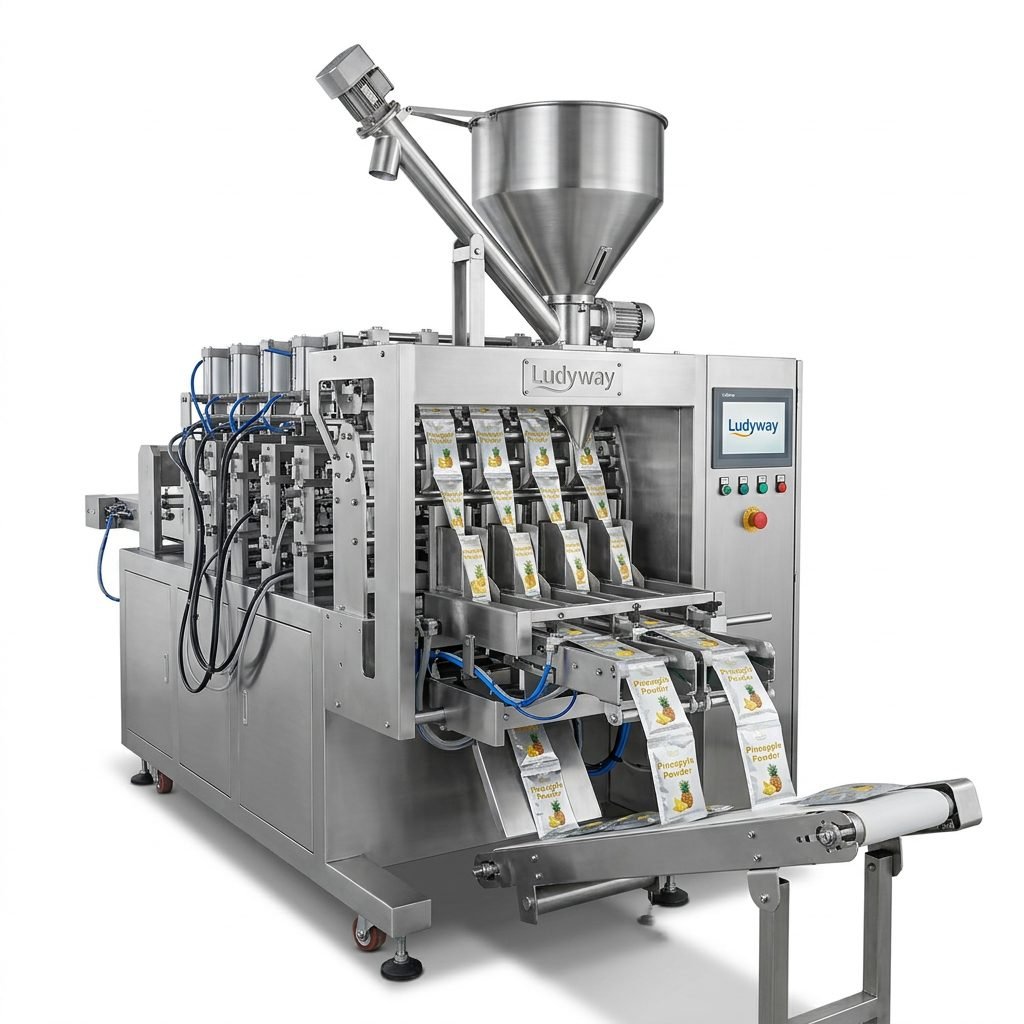
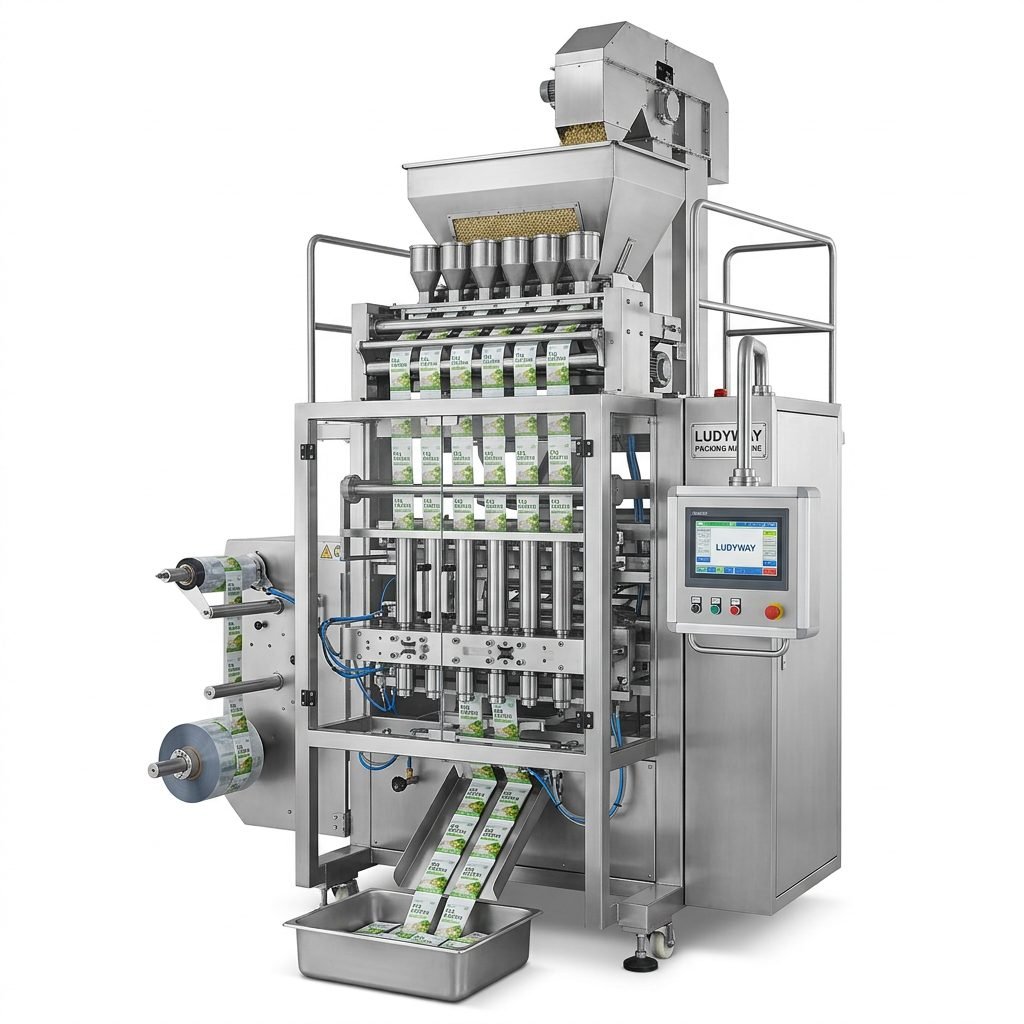
Choosing the right food packaging printing machine is about more than adding graphics to a pouch or sachet. It directly affects brand image, print consistency, food safety compliance, production speed, and total operating cost. For food manufacturers, co-packers, and packaging converters, the best solution is the one that matches your product type, packaging material, output target, and regulatory requirements.
This guide explains how to evaluate food packaging printing equipment for high-quality results, what features matter most, and how to avoid expensive buying mistakes when scaling your packaging operation.
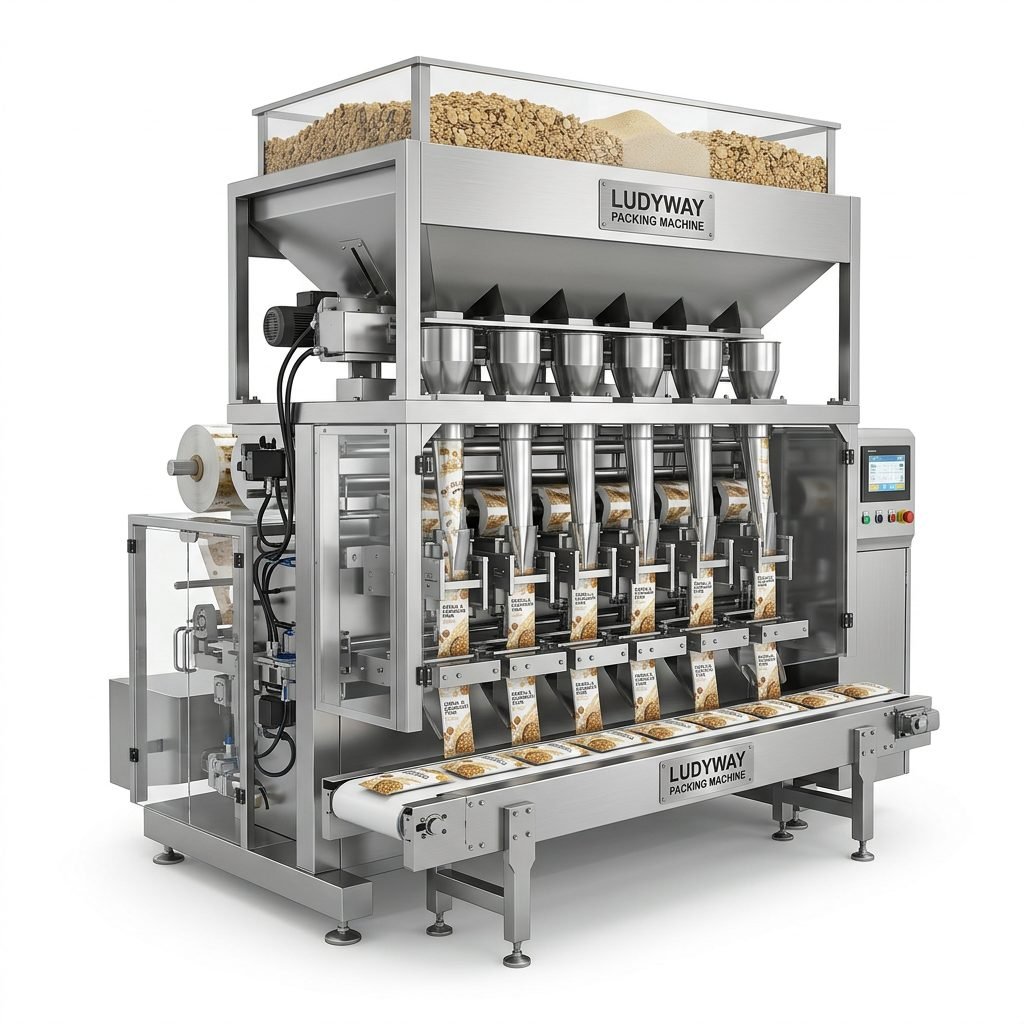
Why print quality matters in food packaging
Food packaging is often the first thing customers see on the shelf or in e-commerce delivery. Clear and durable printing helps communicate:
- Brand identity and shelf appeal
- Ingredient and nutrition information
- Batch number and traceability data
- Manufacturing and expiry dates
- Barcode, QR code, and compliance labeling
- Promotional messages and multilingual content
Poor print performance can lead to smudging, faded codes, unreadable labels, customer complaints, and even product recalls. That is why many manufacturers now treat printing integration as a core part of packaging line design rather than an afterthought.
What is a food packaging printing machine?
A food packaging printing machine is equipment used to print fixed or variable information onto packaging materials such as film, pouches, sachets, labels, cartons, or bags. Depending on the application, printing may happen:
- Before packaging material is formed
- During the packaging process
- After filling and sealing
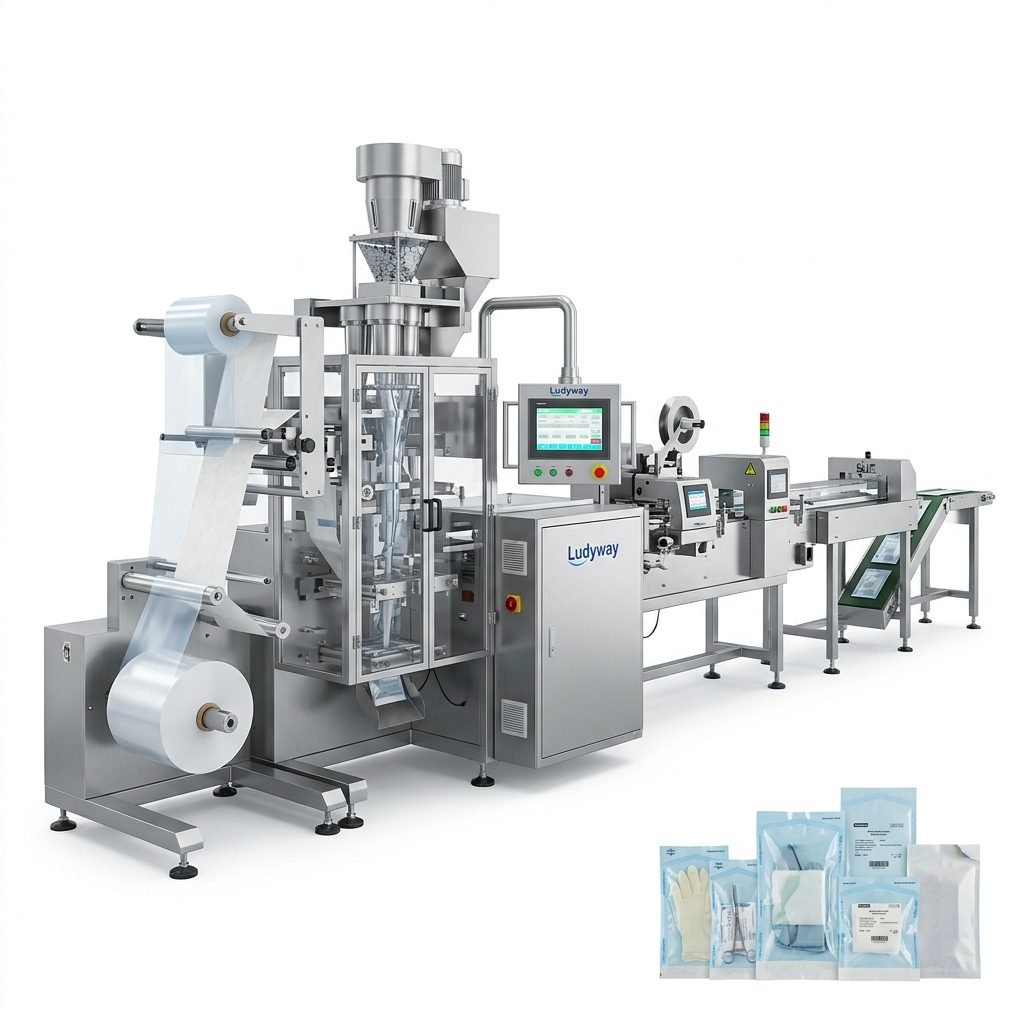
In practical production, printing systems are often integrated with form-fill-seal machines, pouch packing machines, labeling systems, conveyors, and inspection units.
Main types of food packaging printing solutions
1. Thermal transfer overprinters (TTO)
TTO systems are widely used for flexible packaging films. They are ideal for printing variable data such as dates, lot numbers, barcodes, and simple graphics on sachets, stick packs, and pouches.
- Best for high-speed flexible packaging lines
- Produces clean, sharp codes
- Suitable for intermittent or continuous motion machines
2. Inkjet printers
Inkjet systems are used for batch coding and variable information printing on cartons, labels, bottles, trays, and some film surfaces.
- Flexible for different substrates
- Good for real-time coding
- Easy to integrate into automated lines
3. Laser marking systems
Laser coding offers permanent, high-contrast marking without ink or ribbon consumables. It is suitable for some films, labels, paper packaging, and rigid containers.
- Low consumable use
- High durability of codes
- Strong option for traceability-focused operations
4. Flexographic and gravure printing
These solutions are commonly used in large-scale packaging material production rather than final packaging plants. They are ideal for high-volume runs with full-color branding.
- Excellent image quality
- Efficient for long production runs
- Higher setup complexity and cost
5. Label printing and print-and-apply systems
When product information changes frequently, label-based printing can be a practical alternative. These systems work well for cartons, jars, bottles, and secondary packaging.
How to choose the best solution for high-quality packaging printing
Match the printer to your packaging material
The first selection rule is simple: not every printer works well on every substrate. Food packaging materials may include laminated film, aluminum foil, paper, PE, PET, BOPP, kraft bags, cartons, and labels. Surface energy, coating, and heat resistance all influence print performance.
Before buying, confirm:
- Film type and thickness
- Surface treatment or coating
- Whether the material is glossy, matte, porous, or non-porous
- Resistance needed against abrasion, oil, moisture, or freezing
Consider your product format and packaging style
Different food categories require different machine configurations. Powder sachets, liquid pouches, snack bags, spice stick packs, and premade pouches do not share the same printing demands.
| Packaging Format | Recommended Printing Solution | Key Focus |
|---|---|---|
| Sachets / Stick Packs | TTO or integrated coder | Sharp variable data at high speed |
| Pouches | Inkjet, TTO, or label print-apply | Readable coding and positioning accuracy |
| Cartons / Boxes | Inkjet or label printing | Barcode clarity and traceability |
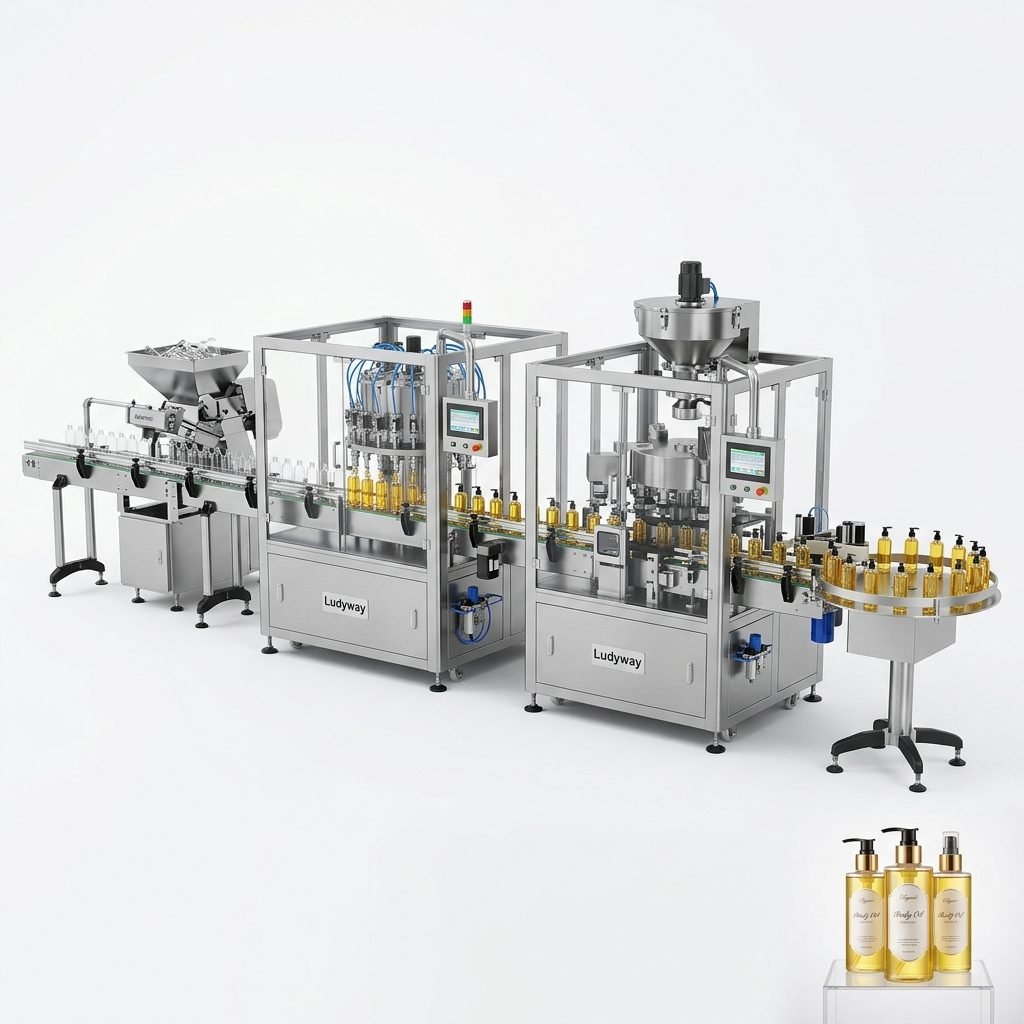
| Bottles / Jars | Inkjet, laser, or labeling system | Durability on curved surfaces |
| Bulk Bags | Large-character inkjet or label system | Long-distance readability |
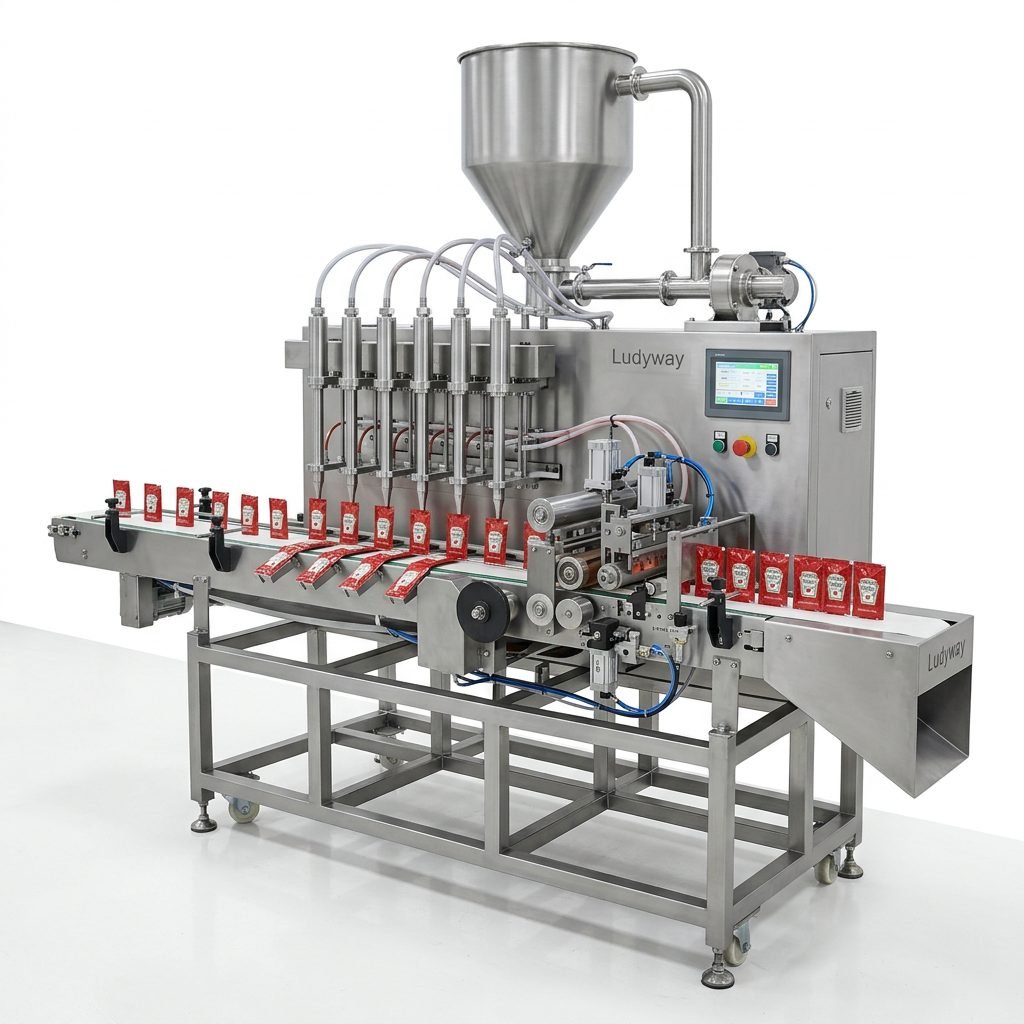
Define your print content clearly
Ask whether your operation needs fixed print, variable print, or both. This affects machine type, software requirements, and line integration complexity.
- Fixed print: logos, background artwork, standard product text
- Variable print: dates, lot codes, serial numbers, QR codes
- Mixed print: branded packaging plus changing compliance data
If you need frequent SKU changes, the printer should support fast job switching, recipe storage, and simple operator control.
Check print resolution and readability requirements
High-quality printing is not only about appearance. It must remain readable across the full supply chain, including filling, transportation, warehousing, retail handling, and consumer use.
Evaluate:
- Resolution for text and barcode printing
- Contrast on light and dark packaging films
- Resistance to rubbing, condensation, grease, and cold storage
- Scan accuracy for barcodes and QR codes
Make sure line speed and print speed are compatible
A great printer is still the wrong choice if it cannot keep up with the packaging machine. High-speed food packaging lines need synchronized printing that does not blur, skip, or misplace codes.
You should compare:
- Packages per minute
- Continuous vs intermittent motion
- Printing cycle response time
- Registration accuracy at different speeds
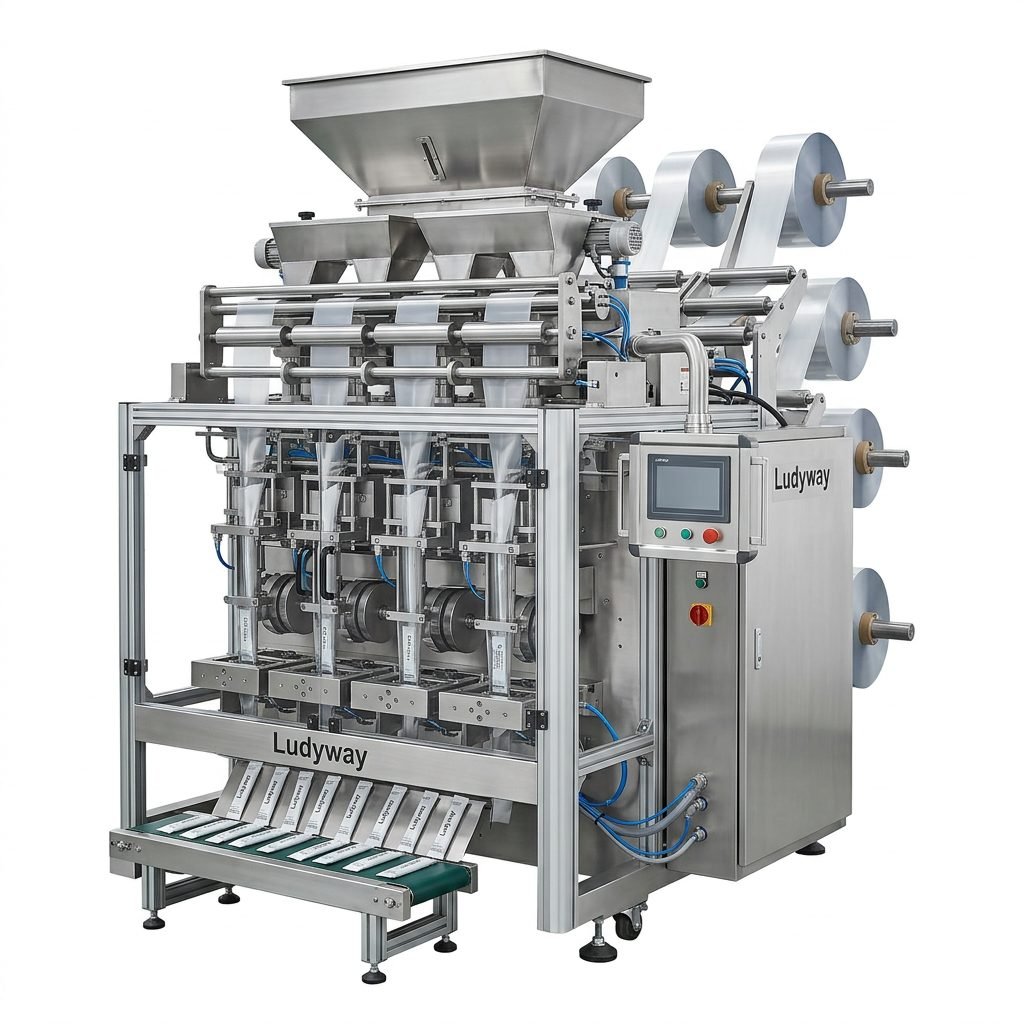
This is especially important in multi-lane sachet and stick pack production, where timing and position consistency are critical.
Evaluate integration with the full packaging line
The best results usually come from a printing system designed to work with the packaging machine, feeder, coder, inspection system, and discharge conveyor as one integrated process.
Look for compatibility with:
- Form-fill-seal machines
- Premade pouch packing machines
- Conveyors and transfer modules
- Vision inspection systems
- Reject systems for unreadable or missing codes
- ERP or MES data connection if needed
Prioritize food safety and compliance
Food packaging equipment must meet hygiene and safety expectations. Depending on the product and market, this may include FDA-related material considerations, CE expectations, traceability standards, and local food packaging regulations.
Key points to review:
- Food-contact area design, if applicable
- Dust-proof or washdown-friendly structure where necessary
- Safe ink, ribbon, or marking technology for the application
- Reliable coding for recalls and traceability management
Analyze cost beyond the machine price
Many buyers focus too much on initial investment and too little on long-term operating cost. A lower-priced printer may become expensive if it causes downtime, material waste, ribbon waste, code failures, or high maintenance needs.
| Cost Factor | Why It Matters |
|---|---|
| Machine purchase cost | Initial capital planning |
| Consumables | Ink, ribbons, labels, solvents, maintenance parts |
| Downtime risk | Affects output and delivery reliability |
| Waste rate | Bad print can increase packaging scrap |
| Training and usability | Reduces operator error and startup time |
| After-sales support | Critical for troubleshooting and spare parts |
Features to look for in a high-quality food packaging printing machine
- Stable print registration for precise placement
- User-friendly HMI for quick setup and format changeover
- Recipe memory for multiple SKUs
- Automatic fault alarm to reduce unplanned stops
- High-speed synchronization with packaging motion
- Compact structure for easy line integration
- Remote support capability for faster technical response
- Inspection compatibility for code verification and rejection
Common mistakes buyers should avoid
Choosing based on price only
The lowest quote may not deliver the reliability or print quality required for food production.
Ignoring substrate testing
Always test your real packaging material before ordering. Lab samples and actual production material can behave differently.
Underestimating future expansion
If you plan to add SKUs, increase speed, or launch new pouch sizes, choose a scalable solution.
Not checking maintenance requirements
A machine that is difficult to clean, calibrate, or service can create hidden long-term costs.
Buying a standalone unit without line planning
Printing performance depends heavily on how the machine interacts with upstream feeding and downstream handling equipment.
Best solution by production scenario
For small and medium food brands
A flexible coding solution with easy changeover, moderate speed, and low maintenance is often the best choice. Inkjet or compact TTO integration can be ideal for growing SKU counts.
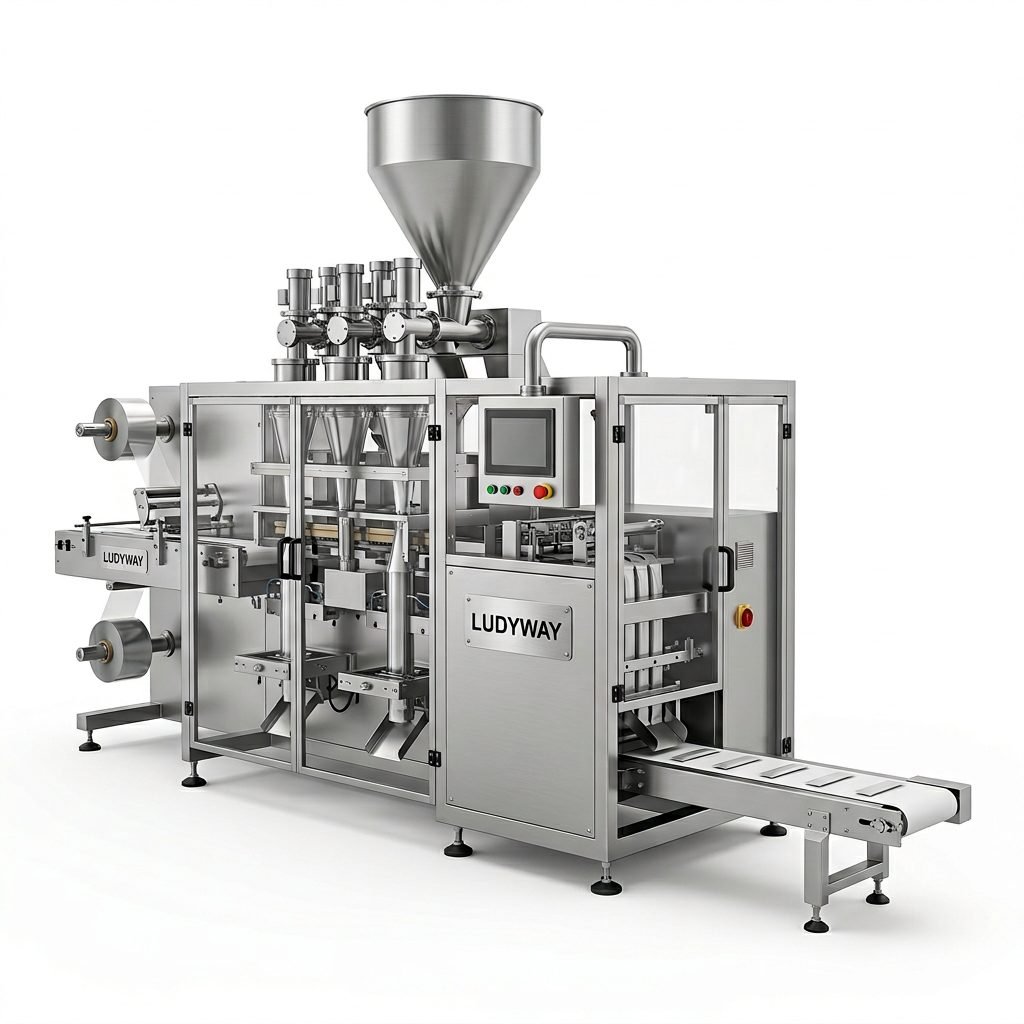
For high-speed sachet and stick pack production
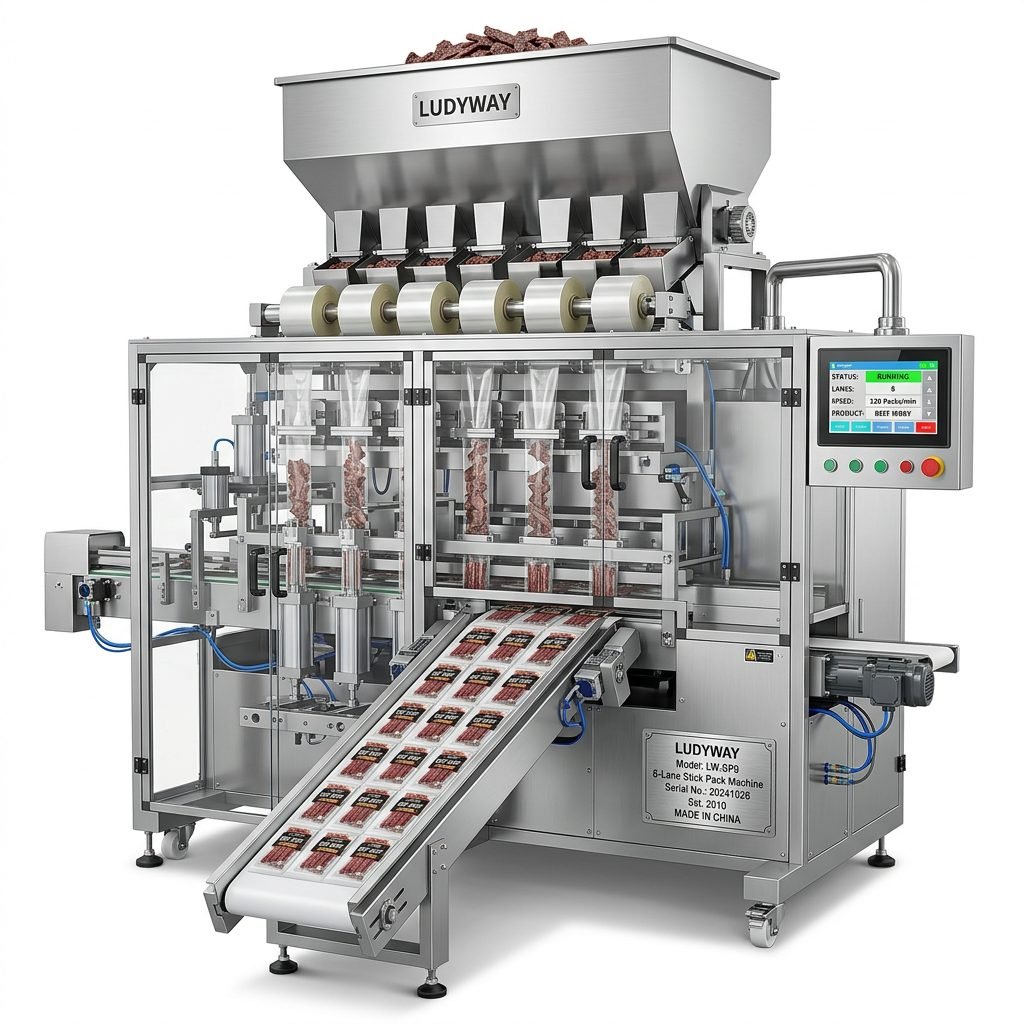
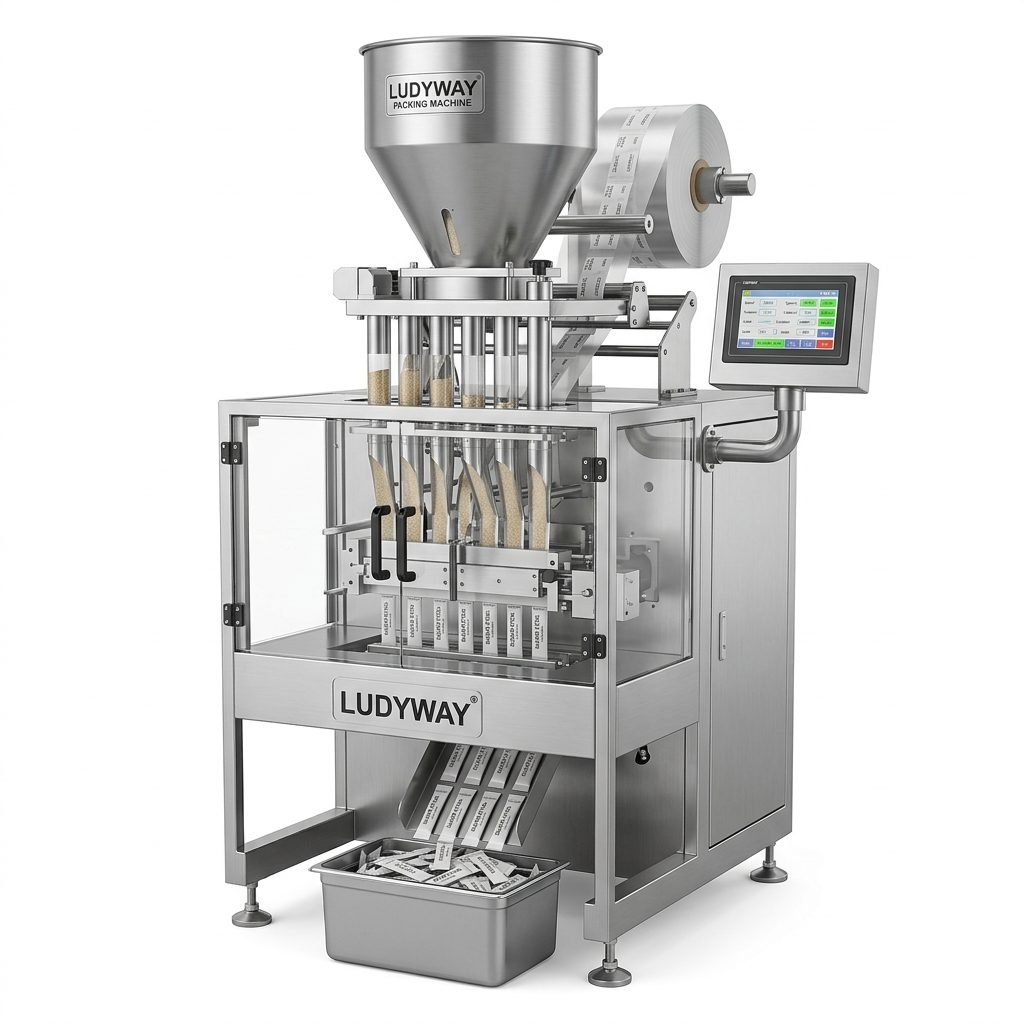
An integrated multi-lane packaging and printing system is usually the most efficient answer. It reduces synchronization issues and helps maintain code placement consistency.
For premium retail packaging
Focus on superior print clarity, visual finish, and code durability. Label systems or high-resolution integrated printers may be better depending on format.
For traceability-intensive operations
Choose a solution that supports barcode readability, serial data control, inspection integration, and digital production records.
Why turnkey integration can be a smarter investment
For many manufacturers, the most reliable route is to source printing capability as part of a complete packaging system. This helps ensure mechanical compatibility, control synchronization, and faster installation.
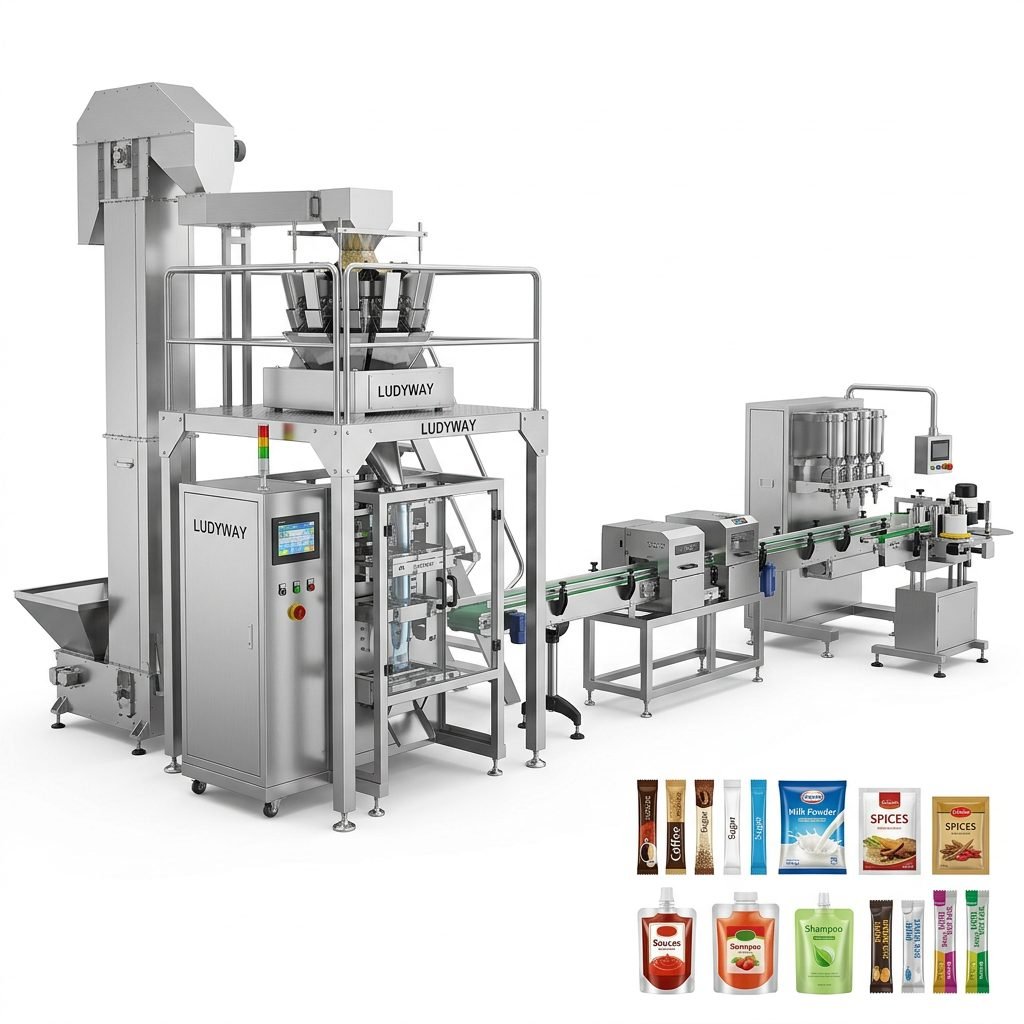
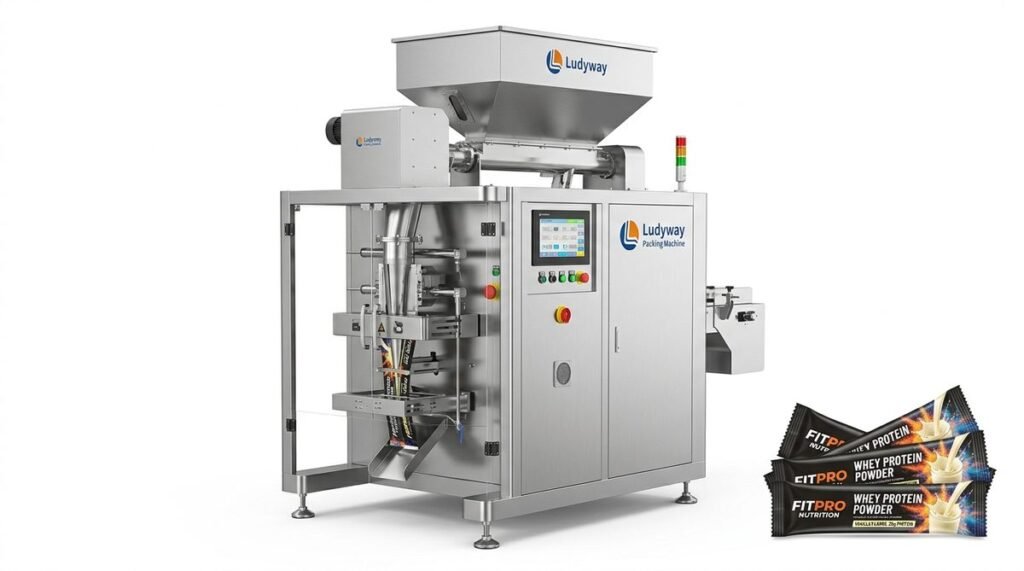
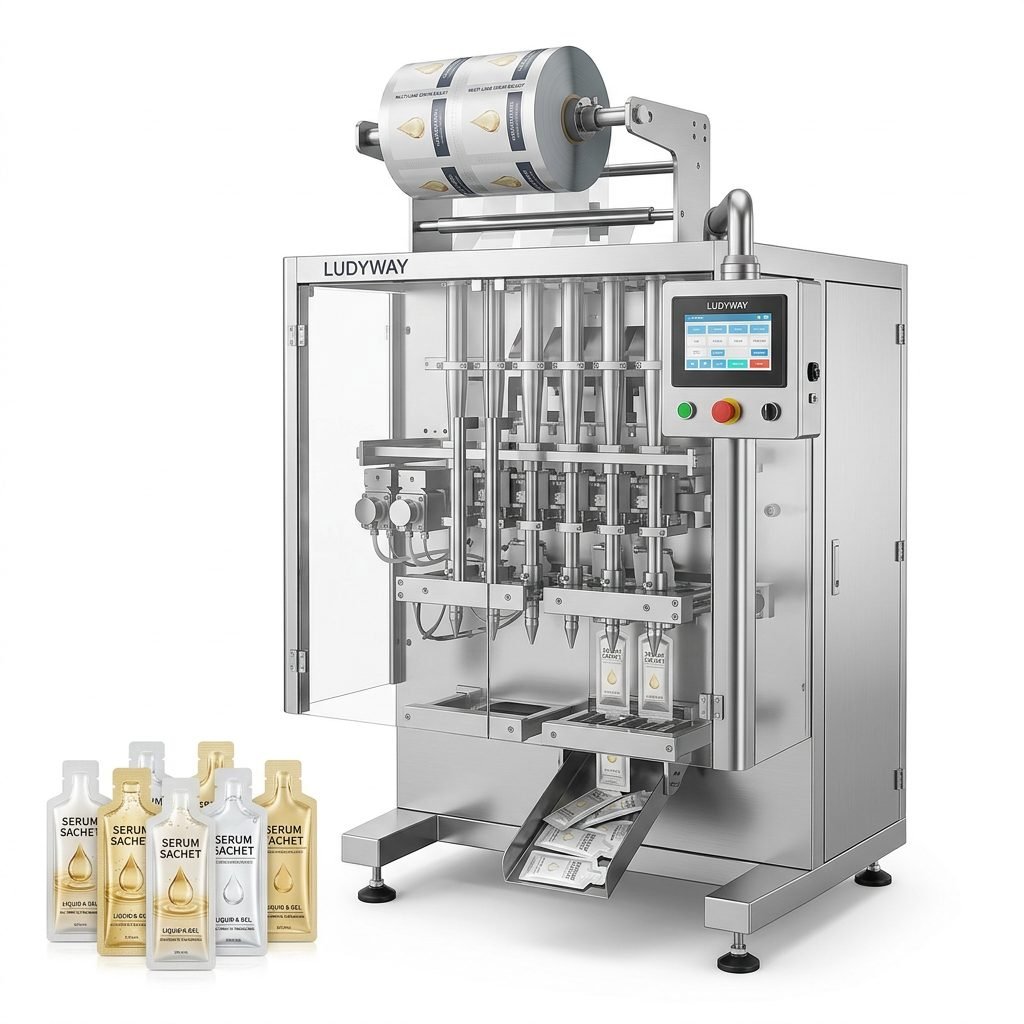
Companies looking for scalable automation often evaluate suppliers that can provide both standalone machines and complete line engineering. Ludyway food packaging machine solutions are often considered by buyers seeking integrated packaging systems for food, pharmaceutical, and related industries, especially where customization, automation, and long-term support are important.
Questions to ask before making a final decision
- What packaging materials have been tested successfully?
- What is the maximum stable speed under real production conditions?
- Can the machine print both fixed and variable data?
- How accurate is print positioning at high speed?
- What consumables are required and what is the average cost?
- How long does changeover take between SKUs?
- Is code inspection or reject integration available?
- What remote support, spare parts, and training are offered?
- Can the equipment fit into an existing line or future turnkey system?
Final buying perspective
The best food packaging printing machine is the one that delivers consistent print quality, reliable line compatibility, food-safe performance, and efficient long-term operation. Instead of selecting equipment based only on printer type or budget, evaluate the full packaging workflow: material, speed, print content, compliance, and expansion plans.
When these factors are aligned, your packaging line can achieve better branding, clearer traceability, less waste, and stronger production efficiency—exactly what high-quality food packaging demands in today’s competitive market.