South America’s bakery and packaged food sector is undergoing rapid transformation. From artisanal panaderías expanding into retail to large-scale industrial producers automating their lines, the demand for efficient bread packaging machines has never been higher. Whether you are packaging sliced loaves, burger buns, or traditional pão francês, selecting the right equipment directly impacts your product’s shelf life, brand presentation, and bottom line. This guide breaks down the essential technical, regulatory, and operational factors you need to evaluate before investing in a packaging solution tailored for the South American market.
Understanding the South American Bakery Landscape
The region’s bakery market is diverse, characterized by a high consumption of fresh bread but with a growing shift towards packaged, longer-shelf-life products. Countries like Brazil, Argentina, Colombia, and Chile are leading this industrial shift. As supermarket chains expand across the continent, they require standardized packaging that ensures freshness during extended logistics. This means your packaging machine must handle specific local requirements, from high-humidity environments to the varying heat-sealing properties of locally sourced films. Investing in versatile packaging machinery is crucial to adapting to these regional nuances.
Key Types of Bread Packaging Machinery
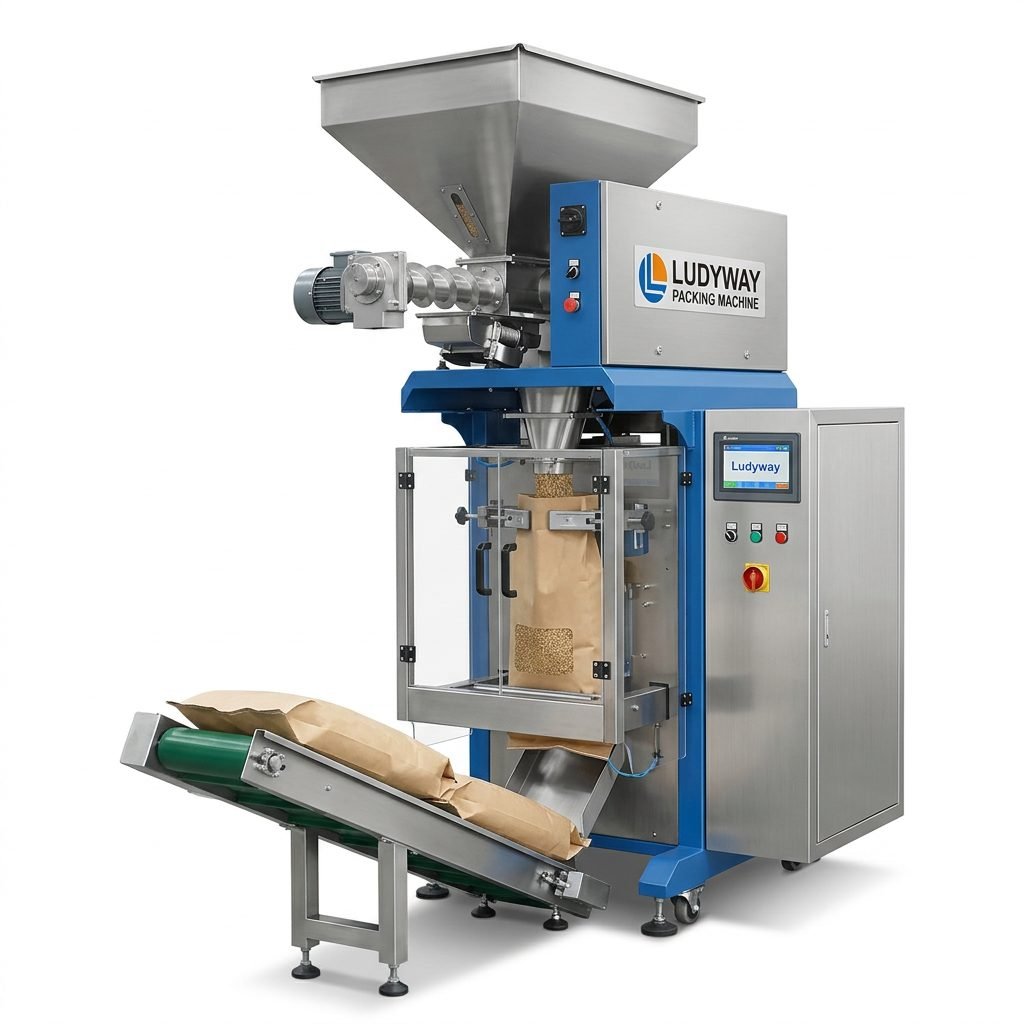
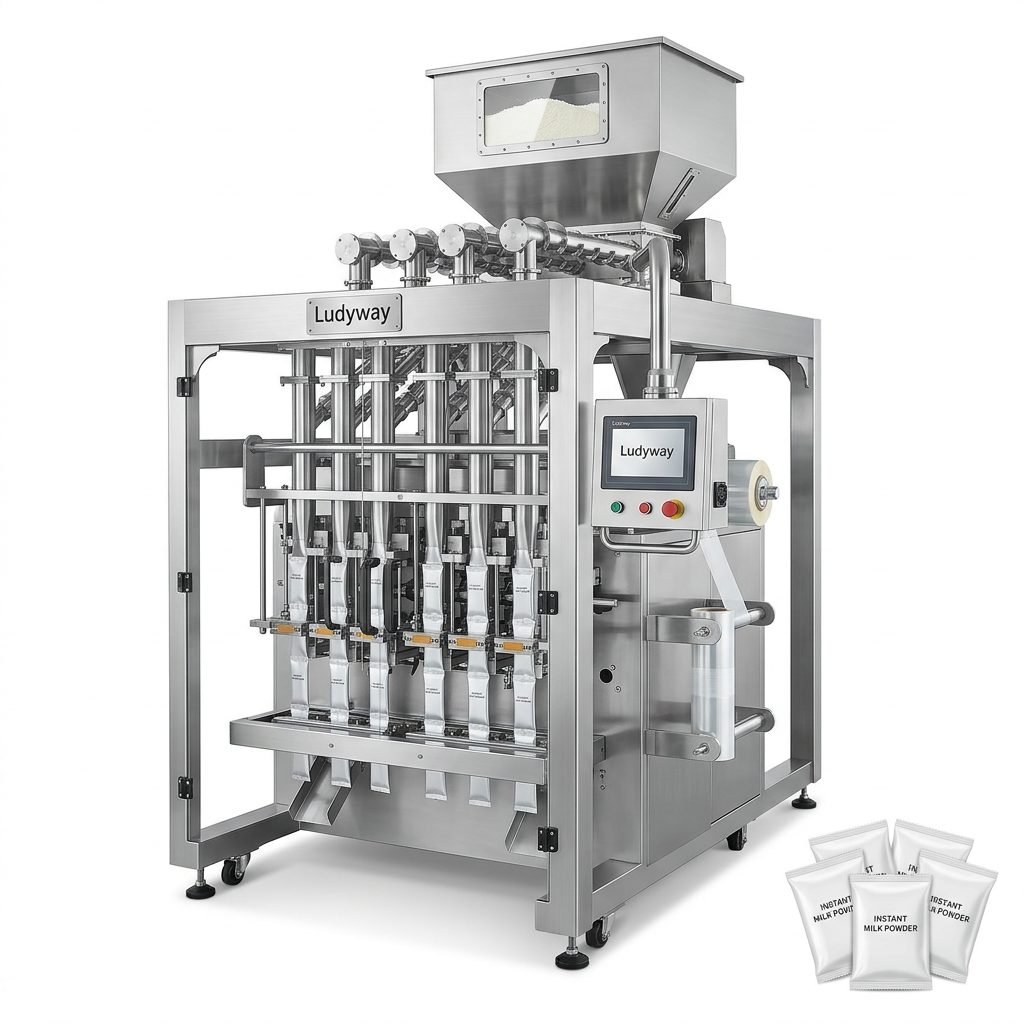
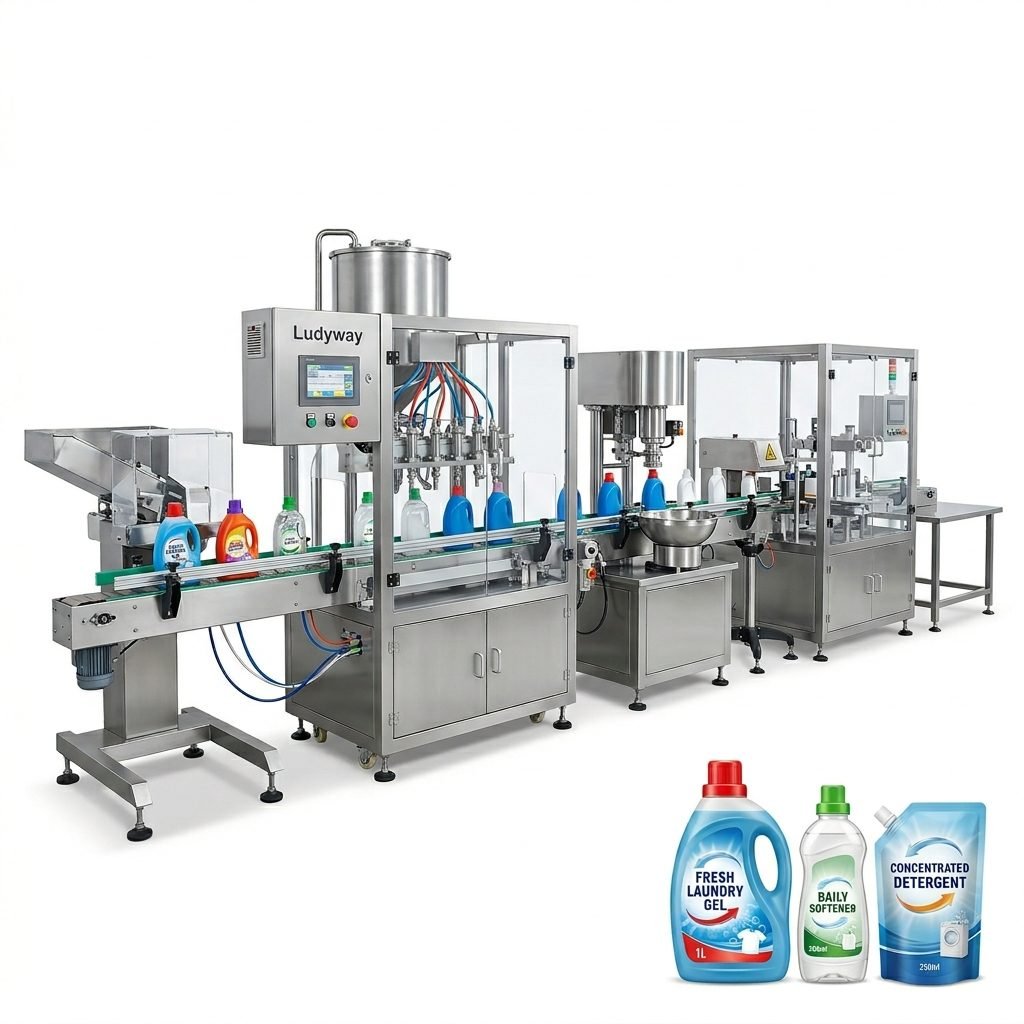
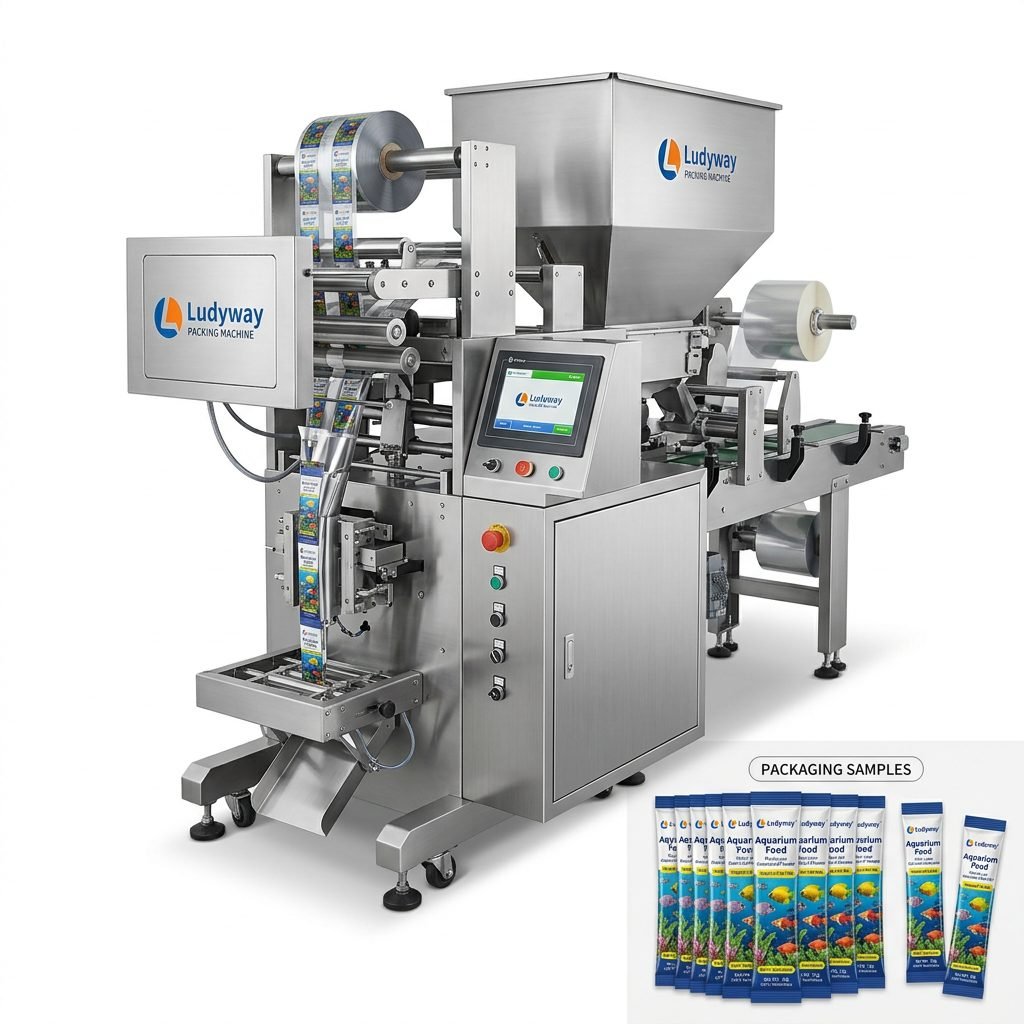
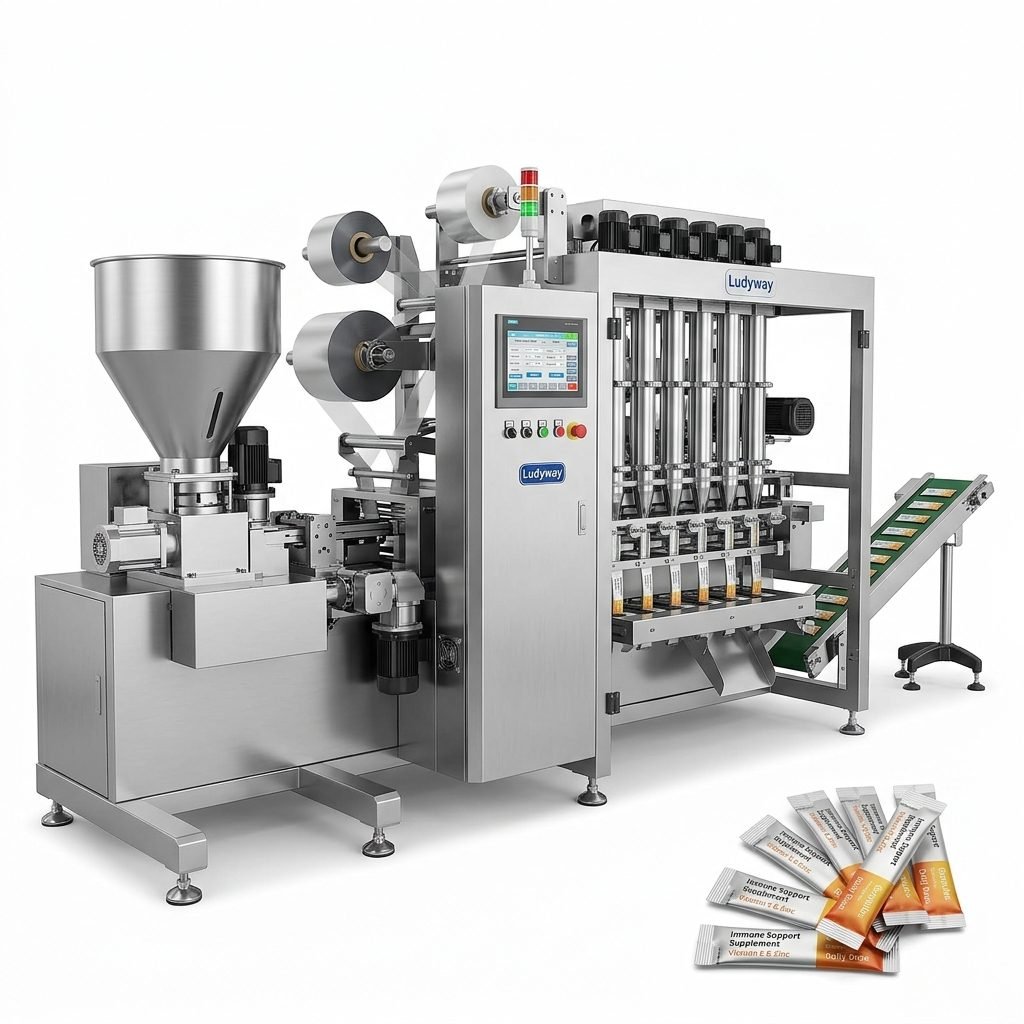
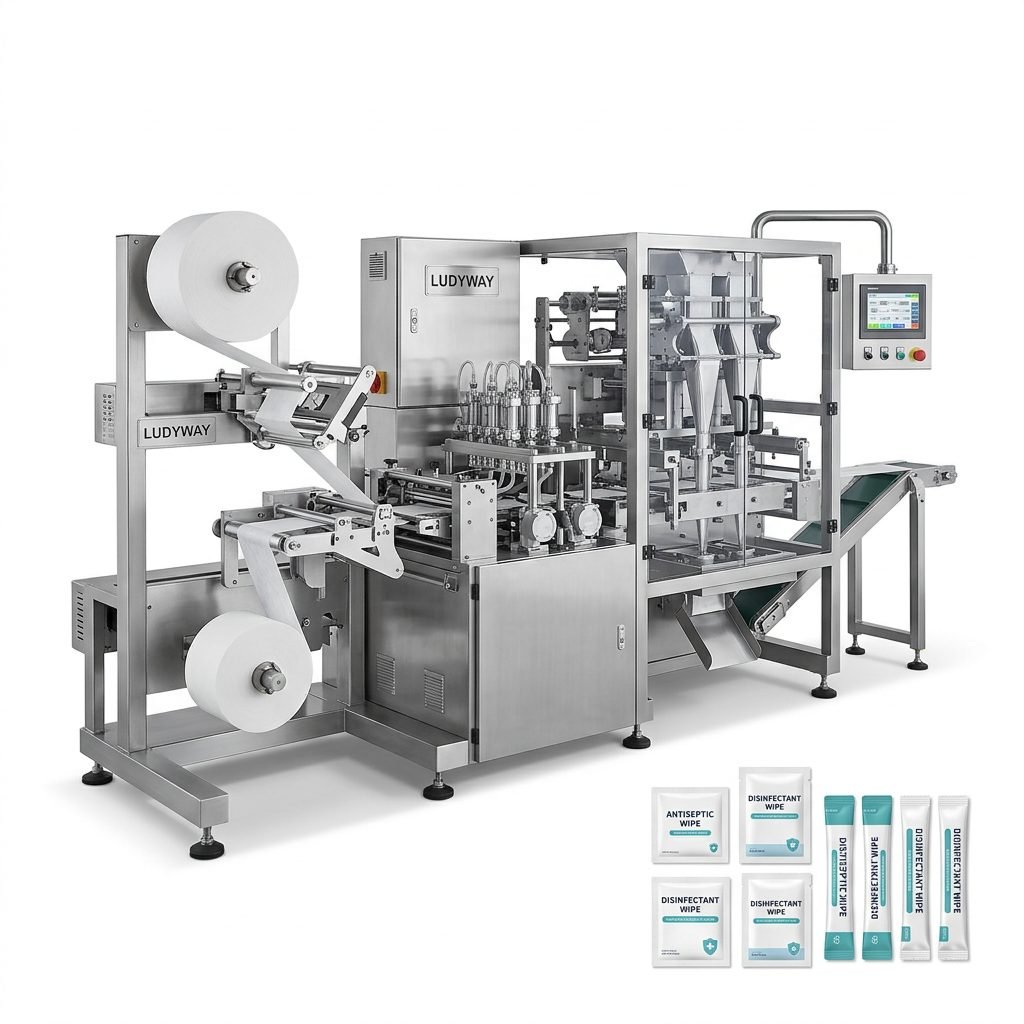
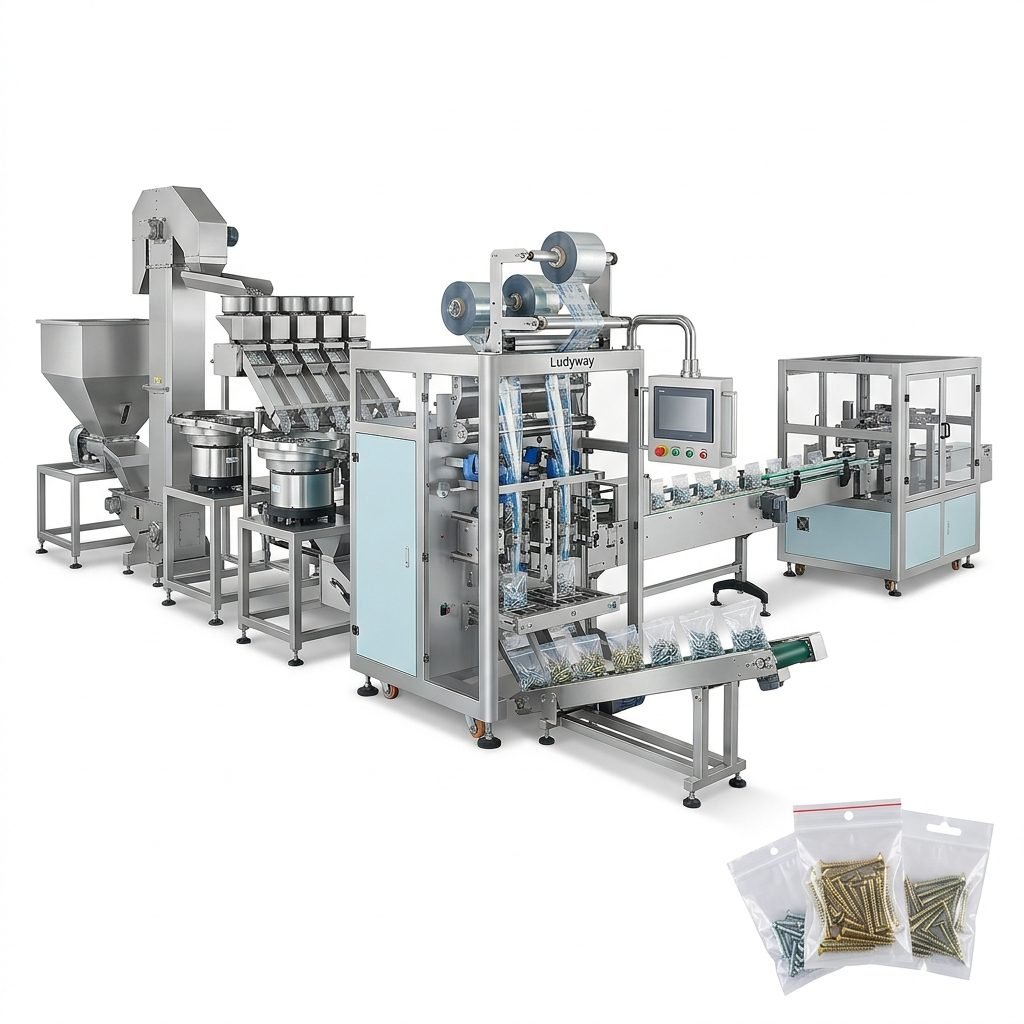
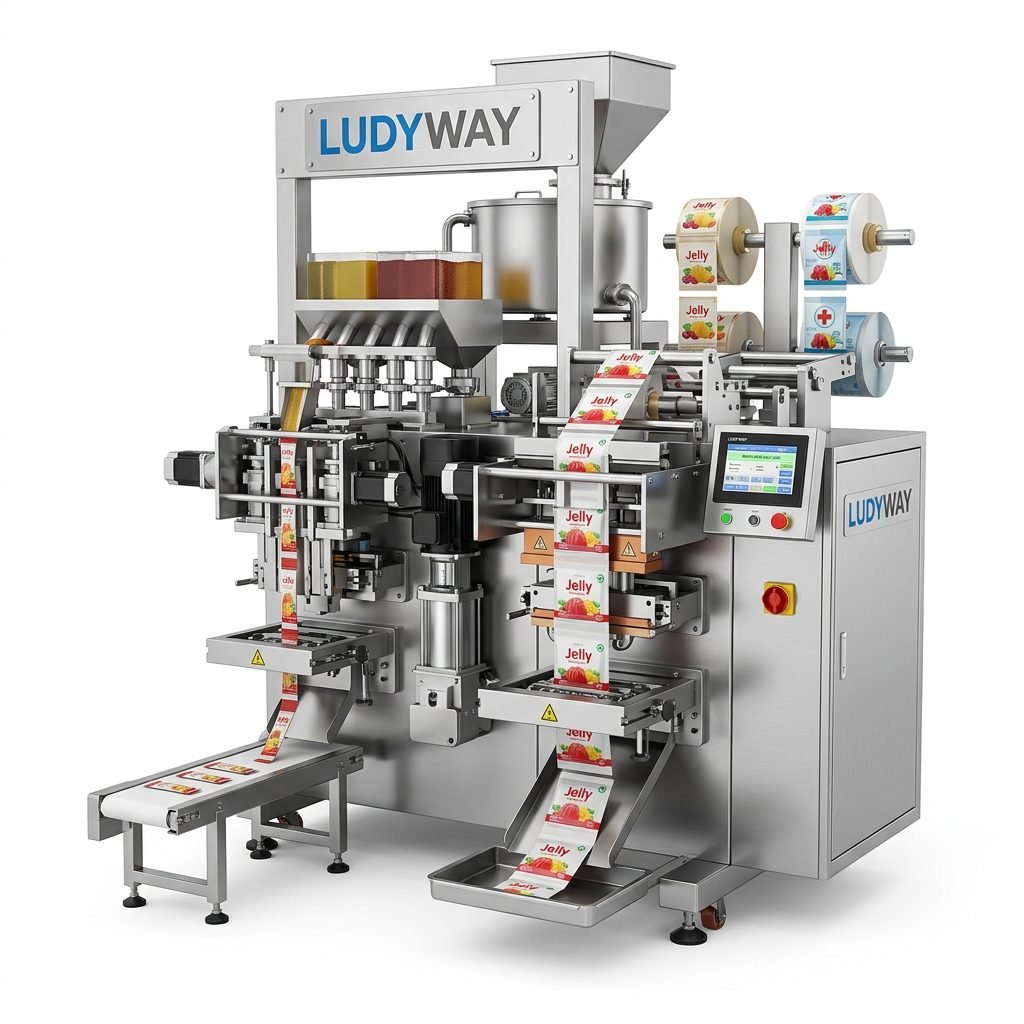
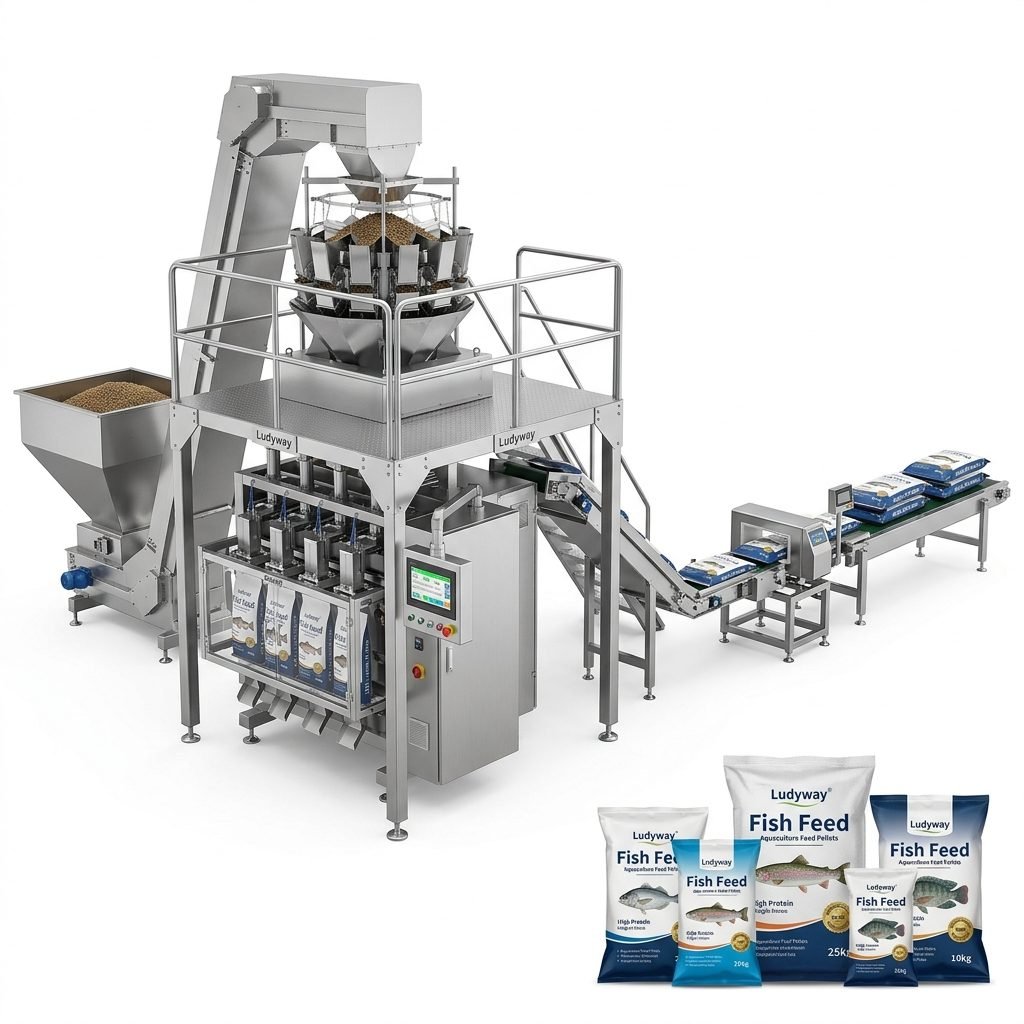
Choosing the correct technology depends entirely on your product’s shape, fragility, and desired speed. For a comprehensive production setup, consider integrating a turnkey packaging line that handles bagging, sealing, and coding in one flow. Below are the primary machine categories suitable for South American bakeries:
- Horizontal Flow Wrappers: Ideal for sliced bread, buns, and baguettes. These machines create a pillow-pack style that is highly popular for table bread across Brazil and Argentina.
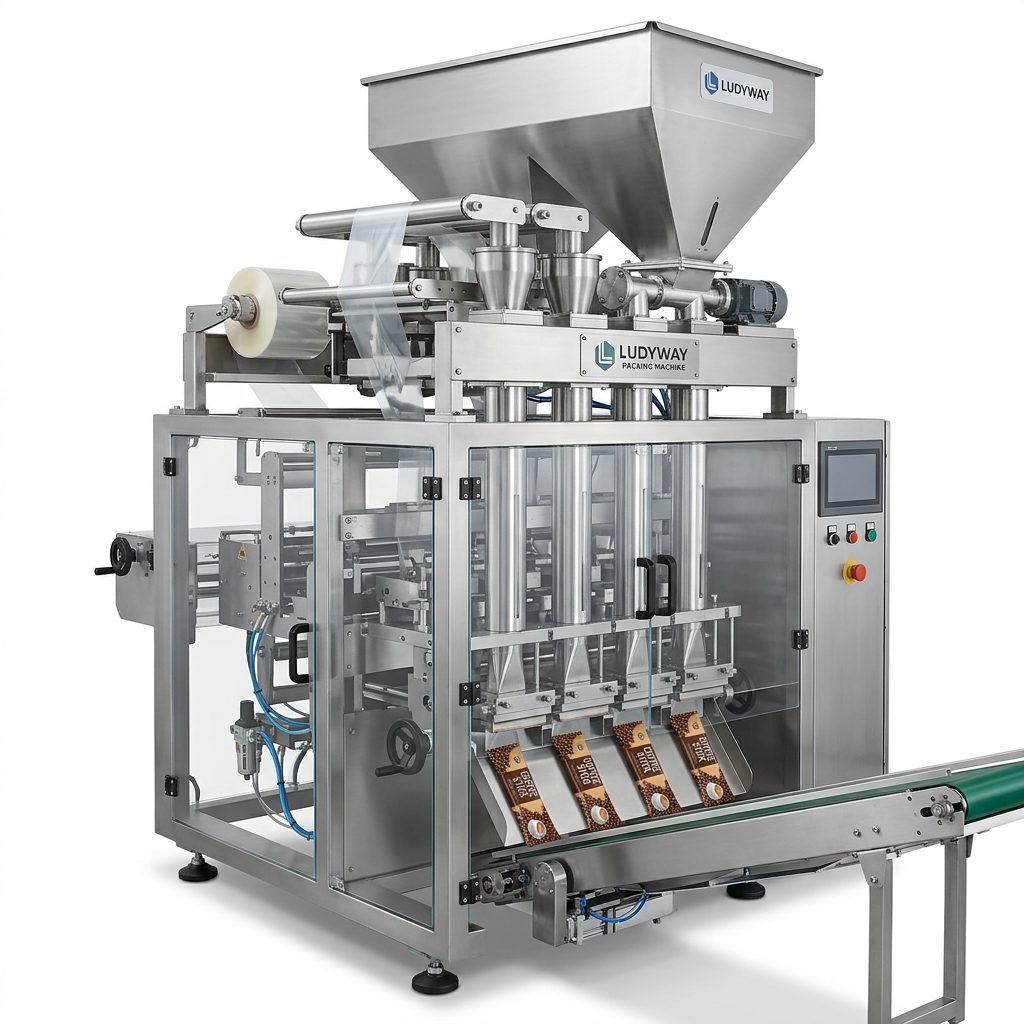
- Vertical Form Fill Seal (VFFS) Machines: Perfect for smaller items like bread rolls, croutons, or breadsticks, especially when packaging by weight or count.
- Bag Clipping and Tying Machines: Cost-effective solutions for bakeries using pre-made netted or poly bags, a common practice for “pan de molde” and artisan loaves.
- Modified Atmosphere Packaging (MAP) Machines: Essential for extending the shelf life of premium bread products exported across borders or to remote areas without cold chains.
Technical Specifications to Prioritize
Not all machines are built for the rigors of South American production schedules. Ventilation and cooling become critical if your factory floor lacks climate control. You must look closely at the sealing jaw temperature accuracy and dwell time. The table below outlines vital specifications to compare before contacting suppliers:
| Specification | Relevance for Bread | Typical Range |
|---|---|---|
| Sealing Temperature | Prevents moisture loss and ensures seal integrity | 140°C – 200°C |
| Speed (Packs/Minute) | Balances mechanical stress on the bread with output | 30 – 120+ PPM |
| Film Compatibility | Must handle bio-degradable or local PP/BOPP films | 30 – 60 micron |
| Power Supply | Compatibility with local voltage phases (220V/380V) | 3-Phase 50/60Hz |
The Importance of Local After-Sales Support
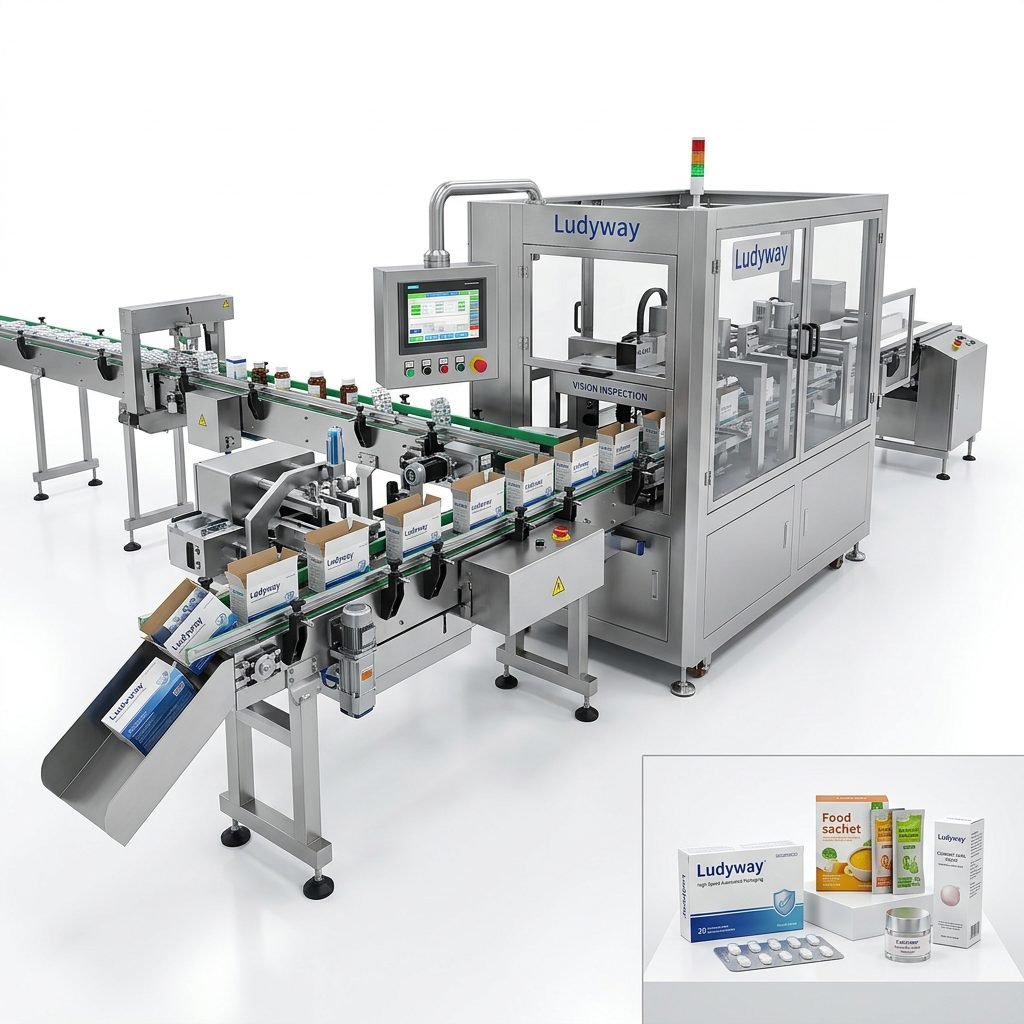
In South America, procurement doesn’t end with the purchase order. Spare parts availability and technical service response time are paramount. Shipping a technician from Asia or Europe takes time and incurs significant visa and travel costs. Before finalizing a model, verify if the manufacturer has certified service partners in São Paulo, Bogotá, or Buenos Aires. Reliable suppliers often provide remote troubleshooting, VPN-connected diagnostics, and pre-configured maintenance kits. As a leading global supplier, Ludyway emphasizes robust engineering and readily accessible technical support channels to ensure uninterrupted production cycles.
Evaluating Hygienic Design for Bread
Bread packaging environments generate significant airborne flour dust and crumbs. Machines lacking proper IP65 washdown protection can suffer from premature electronic failure. Look for sloped surfaces that prevent crumb accumulation and easily removable conveyors. An automated bread packaging system designed with sanitary-grade stainless steel (SUS304) is not a luxury; it is a requirement to meet regional food safety standards that are aligning more closely with international GFSI benchmarks.
Navigating Import Regulations and Duties
Importing capital equipment into South America requires navigating complex customs frameworks like Brazil’s Mercosur Common Nomenclature or Argentina’s SIMI system. Classifying your bread packaging machine under the correct HS code is essential to avoid unexpected demurrage charges. While a fully automated horizontal flow wrapper ensures efficiency, understanding its tax implications ensures profitability. Countries with less local machinery manufacturing, like Peru and Ecuador, often have more straightforward import processes for specialized food equipment compared to protected markets.
Flexibility: Switching Between Bread Types
Consumer habits shift quickly. A line running pan de molde today might need to pack pan de hot dog tomorrow. Quick-changeover features are not just convenient; they directly impact OEE (Overall Equipment Effectiveness). Look for machines with recipe-driven automation, digital interface adjustments, and tool-less change parts. Adjustable forming boxes and product in-feed belts are essential when dealing with varying bread heights and widths. Integration with multi-lane feeding systems can further streamline the distribution of individual buns or rolls into the wrapper.

Sustainability and Packaging Materials
There is mounting legislative pressure in Chile and Colombia to reduce plastic waste. Your bread packaging machine must be capable of sealing mono-material recyclable films (like MDO-PE) without sacrificing line speed. These films require precise heat control because their sealing window is narrower than traditional multi-layer laminates. Furthermore, the machine’s film registration system needs high-resolution sensors to track printed features on thin, stretchable sustainable films, preventing jam-ups and material waste.
Cost Analysis: Beyond the Initial Quote
While a basic entry-level flow wrapper might seem attractive, the Total Cost of Ownership (TCO) reveals a different story. Evaluate the following hidden cost drivers:
- Compressed air consumption: Poorly designed pneumatic systems significantly increase energy bills.
- Film draw accuracy: A slight over-feed of 2mm per pack translates to kilometers of wasted film annually.
- Downtime metrics: Ask for the Mean Time Between Failures (MTBF) data for the specific sealing jaw motors.
- Operator training intensity: Complex imported machines may require expensive multilingual contracted engineers.
For regional bakeries scaling production, custom packaging solutions often include modular upgrades, allowing you to add automatic collating or cartoning modules as your market share grows without replacing your core wrapping unit.
Questions to Ask Before Finalizing Your Bread Packaging Machine
| Key Evaluation Area | Critical Question to Ask the Manufacturer |
|---|---|
| Product Integrity | How does the in-feed system handle soft, delicate bread without crushing or deforming it? |
| Film Sealing | Can the machine consistently seal through bread crumbs or light oil residue on the film back-seam? |
| Automation | Is the machine equipped with “no product – no bag” automatic stop to reduce waste? |
| Localization | Is the HMI (Human Machine Interface) fully translated into Portuguese and Spanish for ease of use? |
Essential Certifications to Look For
To smooth the import process and guarantee safety, insist on international certifications. CE certification indicates compliance with health and safety standards, while specific electrical certifications may be necessary for local utility connections. Machinery that meets PMMI packaging industry resources standards or ISO 22000 hygiene compatibility demonstrates a manufacturer’s commitment to global best practices, which is a significant advantage when dealing with South American health inspectors.
Adapting to High-Altitude Production
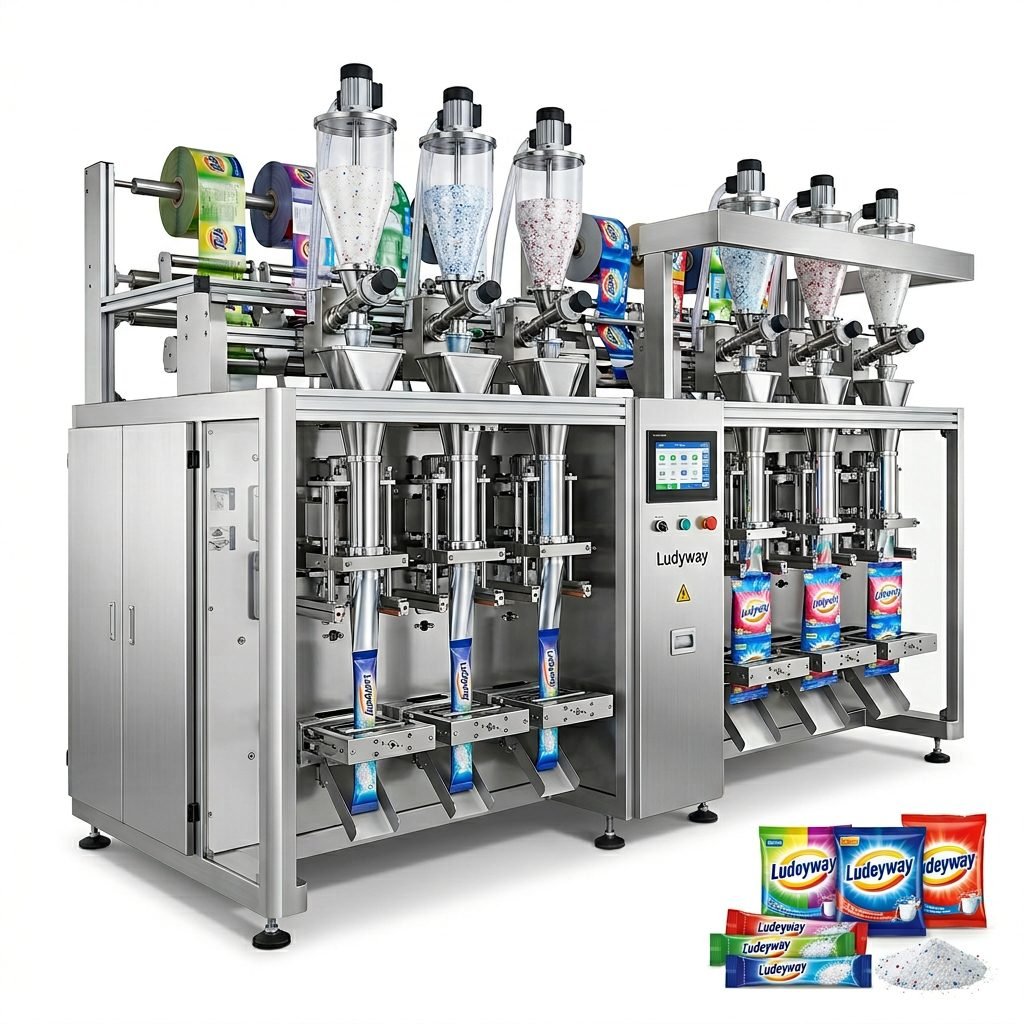
Significant portions of Colombia, Ecuador, and Peru operate bakeries at high altitudes. Air pressure fluctuations directly influence pneumatic system performance and heat dissipation in electronic drives. In vertical form fill seal machines, altitude affects the volumetric filling consistency of small bread items. Specify to your manufacturer that the machine’s control algorithms should compensate for lower atmospheric density to maintain accurate seal pressure and cooling cycles.
Maintenance and Spare Parts Strategy
Developing a spare parts stock is a non-negotiable component of your launch plan. Common wear items for a bread packaging line include Teflon-coated sealing bands, thermocouples, and rubber delivery belts. Discuss with your supplier the option of a preventative maintenance kit that covers the first 12 months of operation. This is far more efficient than relying on express courier services, which can face customs delays in Latin America lasting several weeks, potentially halting bread shipments to supermarket chains.
Integration with Existing Bakery Lines
Often, packaging machinery must synchronize perfectly with upstream ovens, coolers, and slicers. The packaging machine’s electronic architecture must support Profibus or Ethernet/IP communication protocols to “speak” the same language as your existing conveyors. A machine that cannot slow down or speed up based on the oven load will cause serious bottlenecks. For growing companies, investing in integrated production line solutions ensures seamless data exchange between cooling towers and the primary wrapper.
The Role of Case Packing and Palletizing
For industrial bread producers supplying major retailers, secondary packaging is just as important as the primary wrap. Automatic case packers specifically designed for flexible bags of sliced bread ensure the product reaches the shelf without deformation. Robotics palletizers can handle the high throughput required by modern Latin American distribution centers. These end-of-line automated systems significantly reduce labor dependency, a considerable advantage in markets where workforce stability can be unpredictable.
Selecting a bread packaging machine in South America is a strategic decision that balances operational durability with market adaptability. By focusing on design hygiene, film versatility, localized service, and environmental pressures like altitude and humidity, you can secure a reliable asset that elevates your brand in one of the world’s most passionate bread-consuming regions.