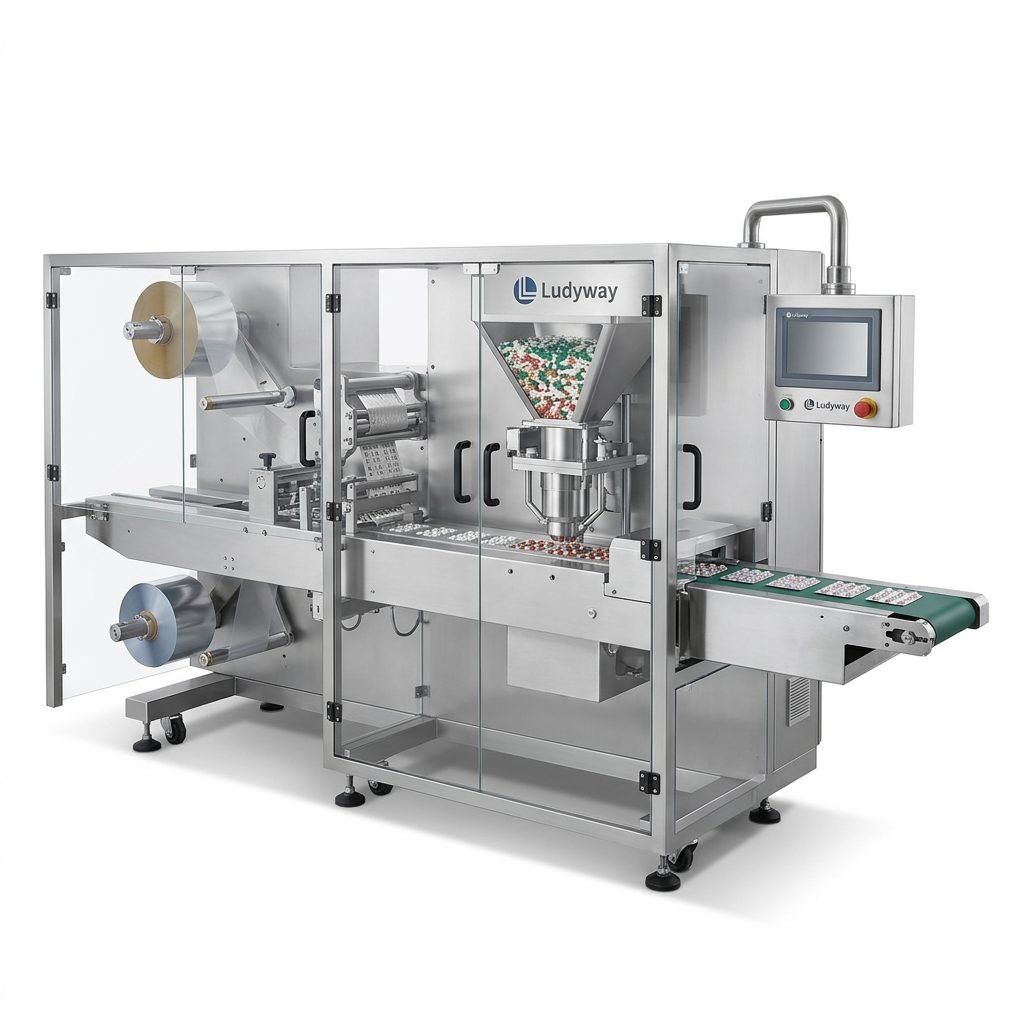
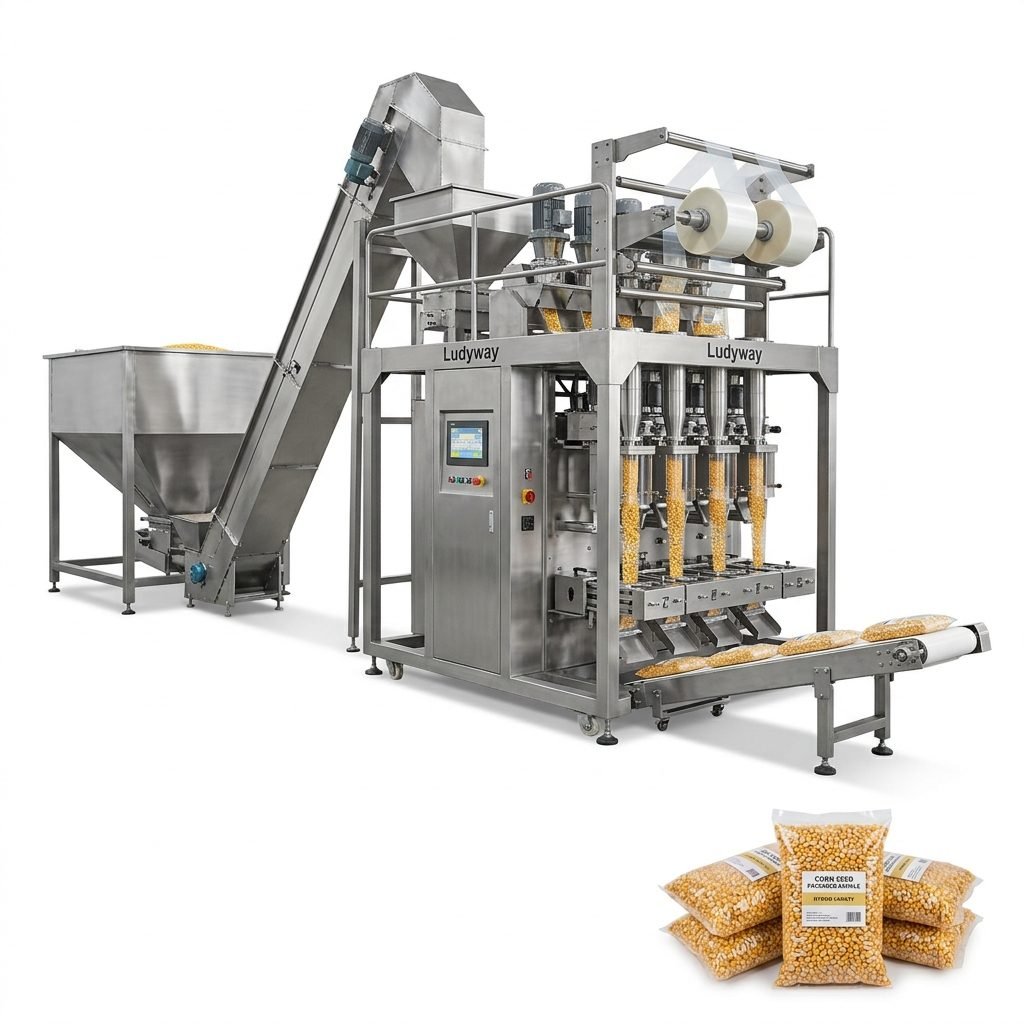
Investing in a honey packaging machine is a significant decision for any U.S.-based honey producer, co-packer, or private label brand. Whether you are filling single-serve stick packs, portion-control sachets, or bulk jars, selecting the right equipment directly impacts production efficiency, product shelf life, and overall profitability. The U.S. market has specific expectations around FDA food packaging regulations, automation levels, and packaging formats. This guide breaks down everything you need to know to choose the right honey packaging machine for your operation.
Understanding the U.S. Honey Packaging Market
The United States is one of the world’s largest honey consumers, with demand spanning retail, food service, and industrial ingredient applications. According to data from the Packaging Machinery Manufacturers Institute (PMMI), flexible packaging formats such as stick packs and sachets are among the fastest-growing segments in North America. Honey producers are increasingly shifting toward single-serve and on-the-go packaging to meet consumer convenience trends. When choosing equipment, you must align your packaging format with your target distribution channel — be it grocery chains, farmers markets, e-commerce, or industrial bulk supply.
Key Honey Packaging Machine Types for the U.S. Market
Different packaging machines are designed for different honey consistencies, production volumes, and packaging formats. Below is a breakdown of the most common types:
| Machine Type | Best For | Key Advantage |
|---|---|---|
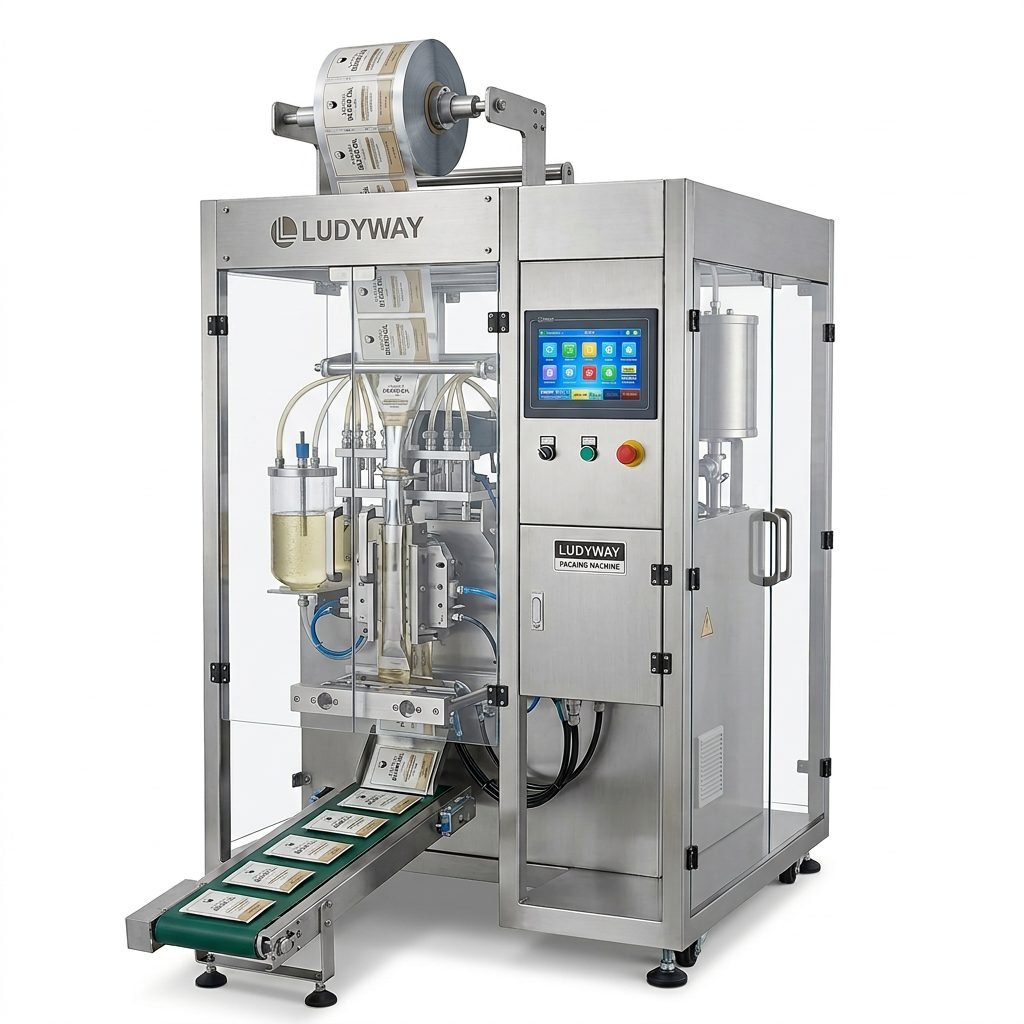
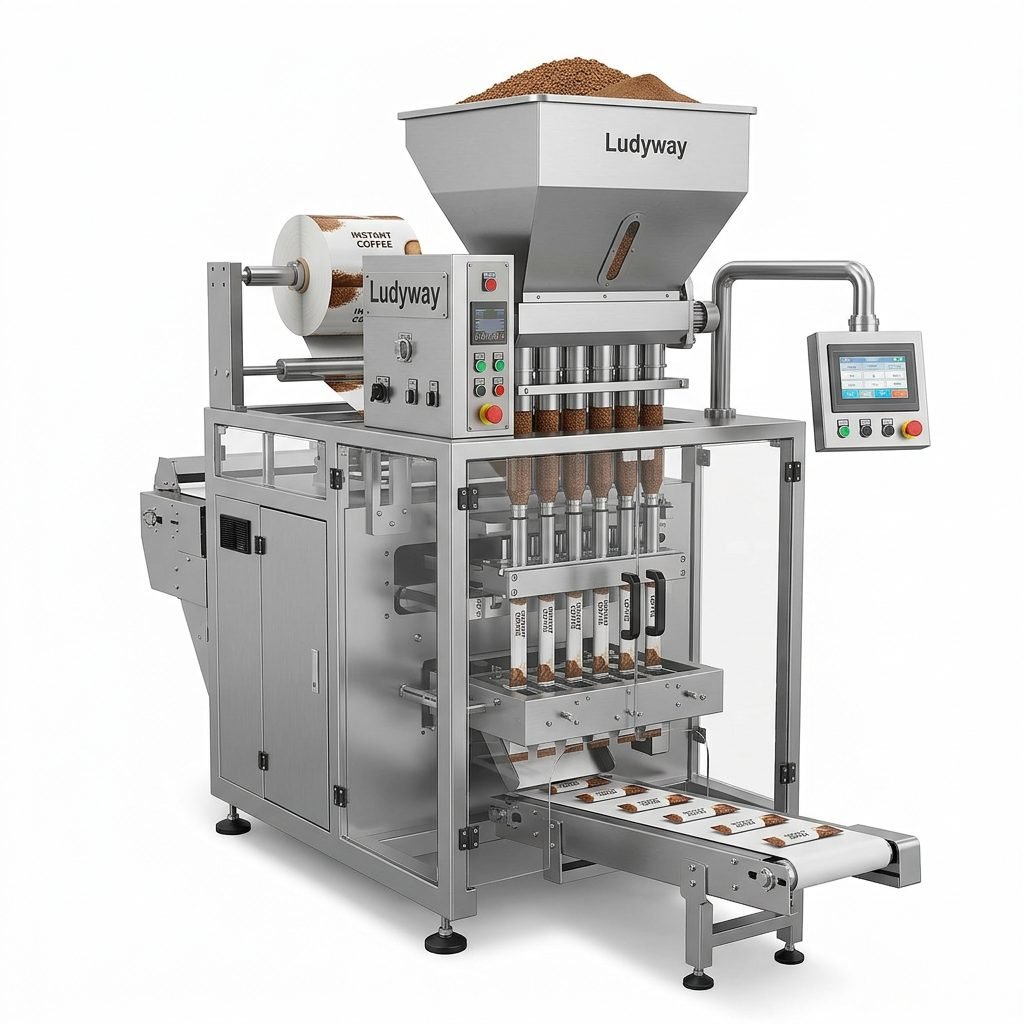
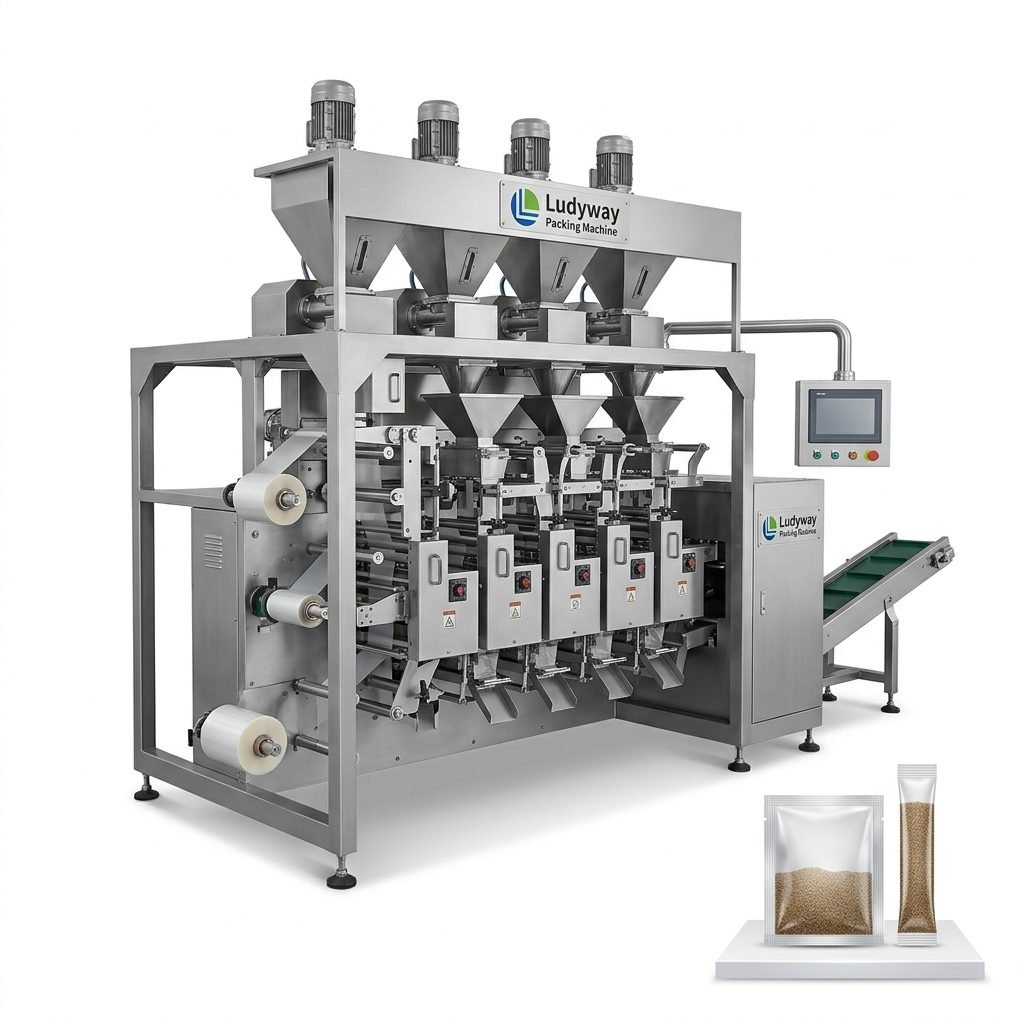
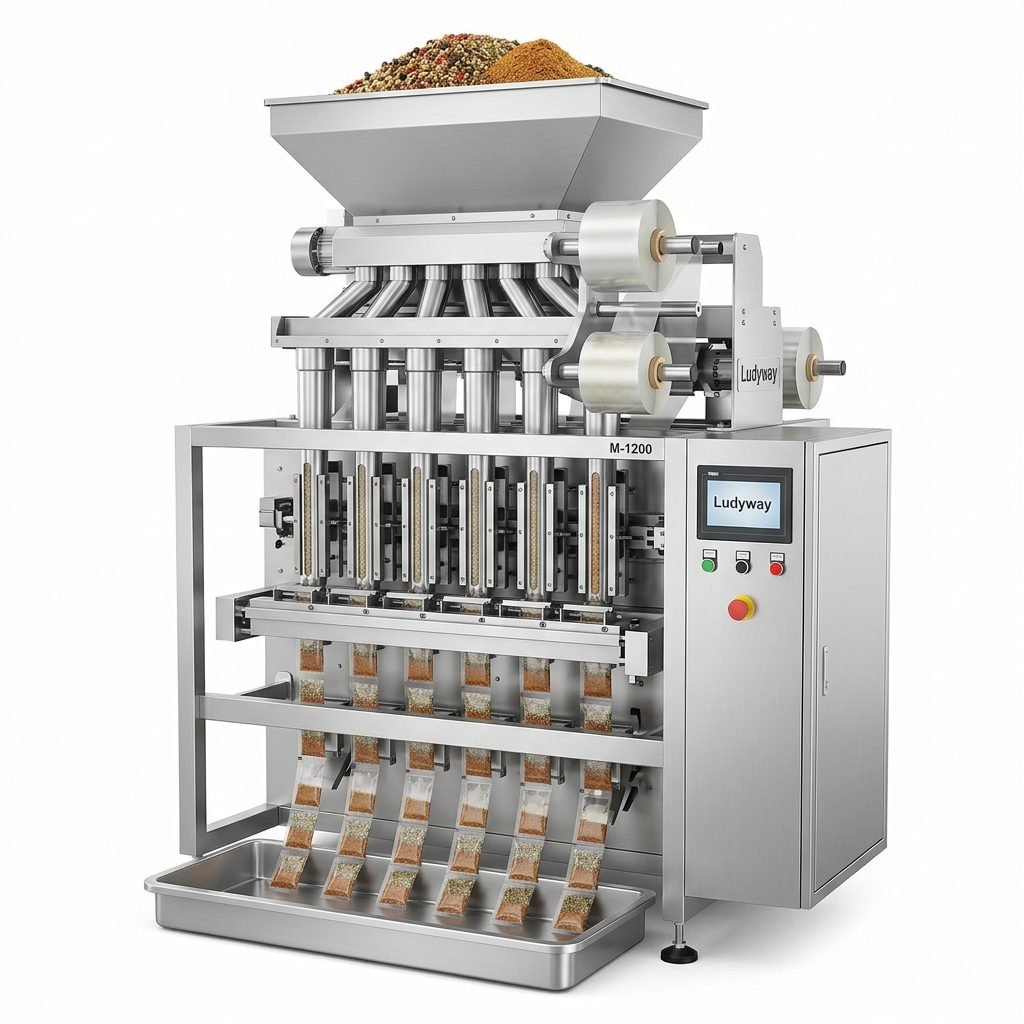
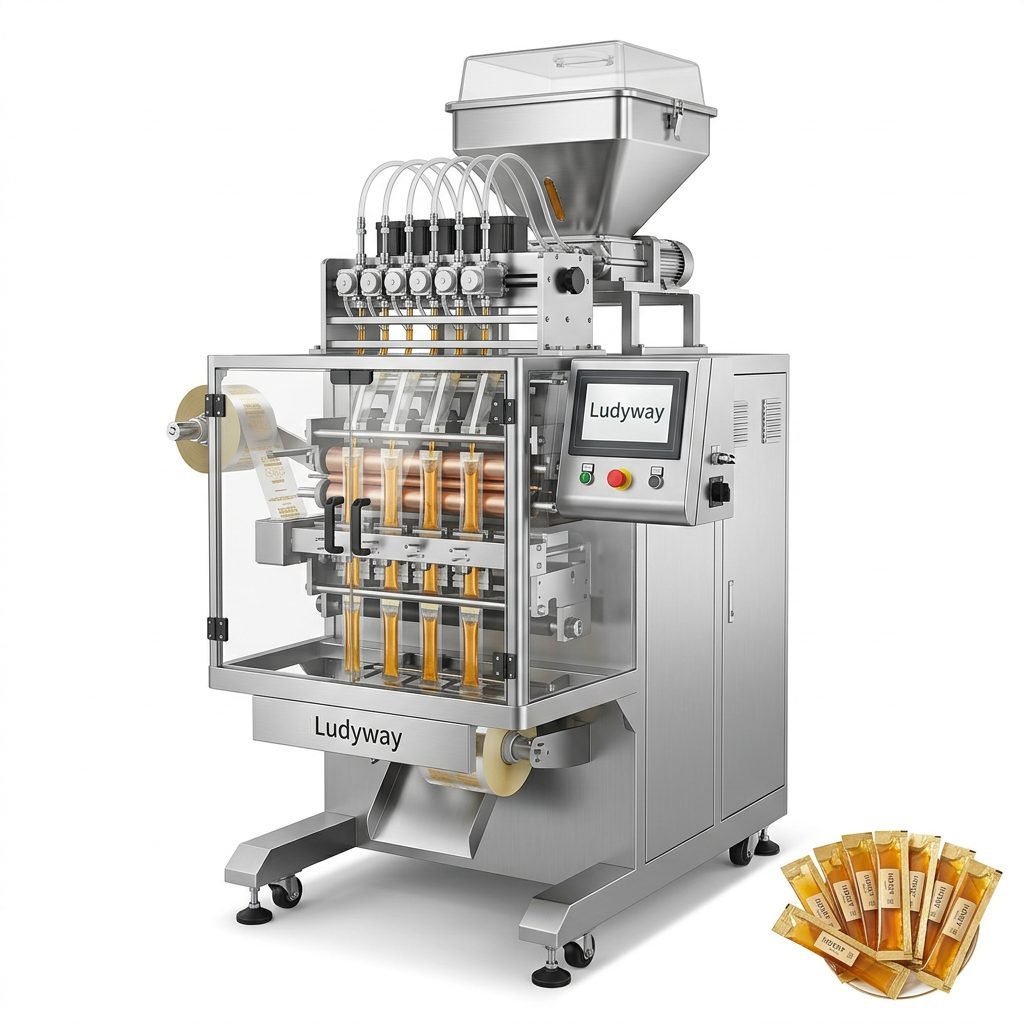
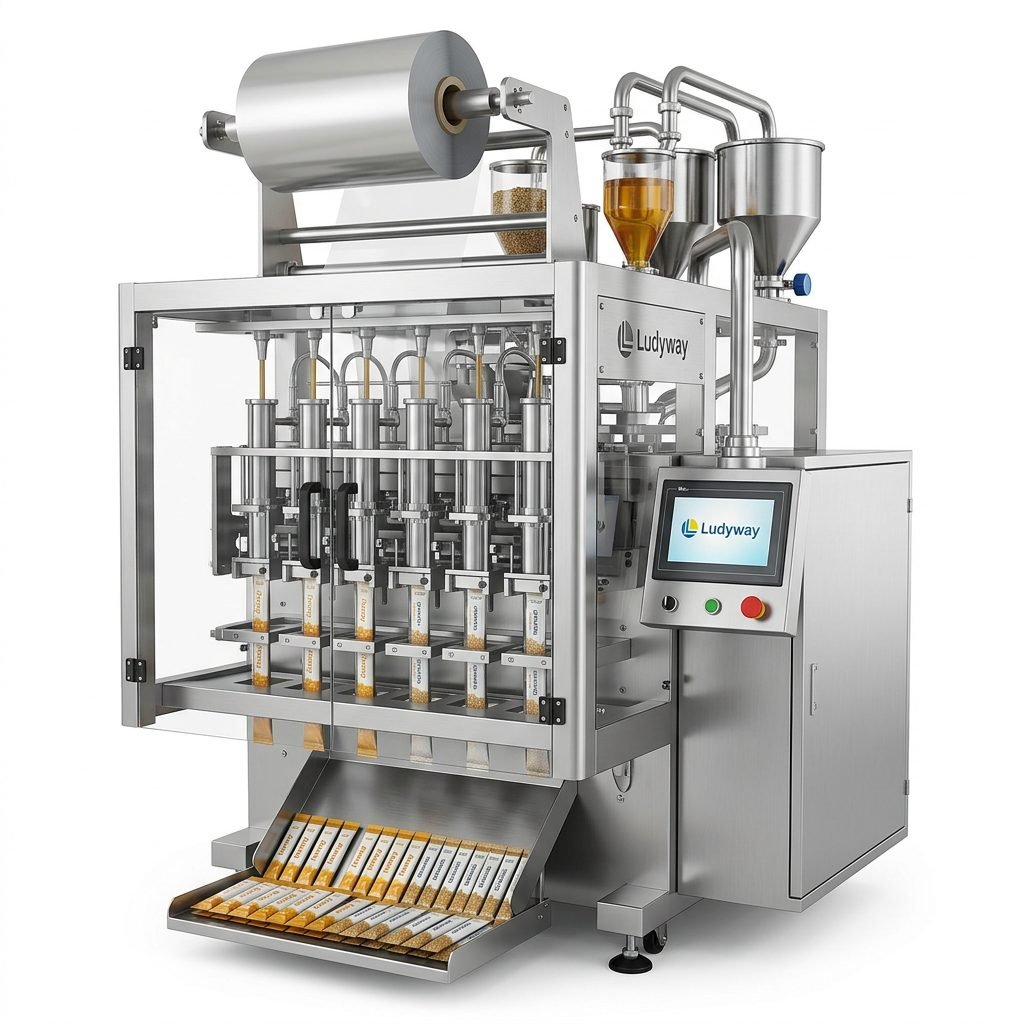
| Multi-Lane Stick Pack Machine | Single-serve honey sticks, on-the-go portions | High output, minimal material waste |
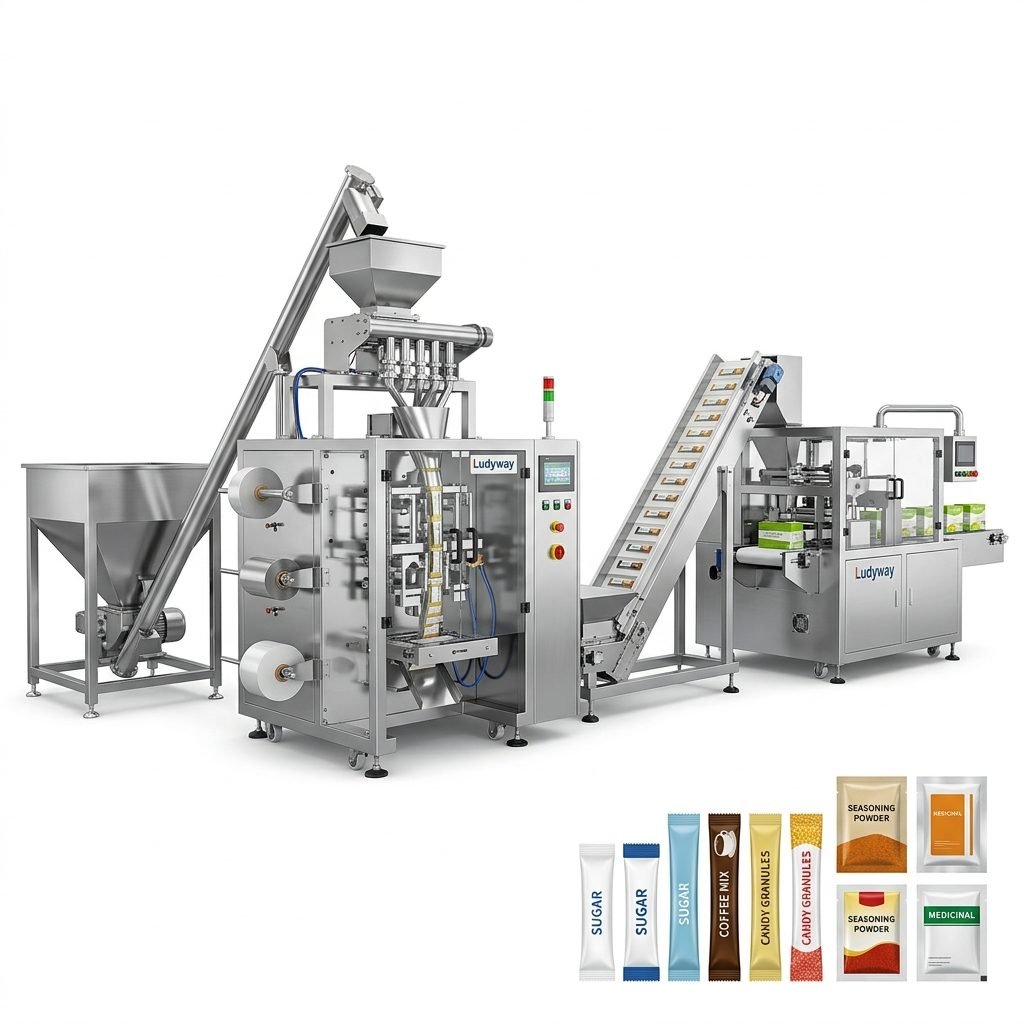
| Honey Sachet Packaging Machine | Portion-control sachets for food service | Versatile format, easy branding |
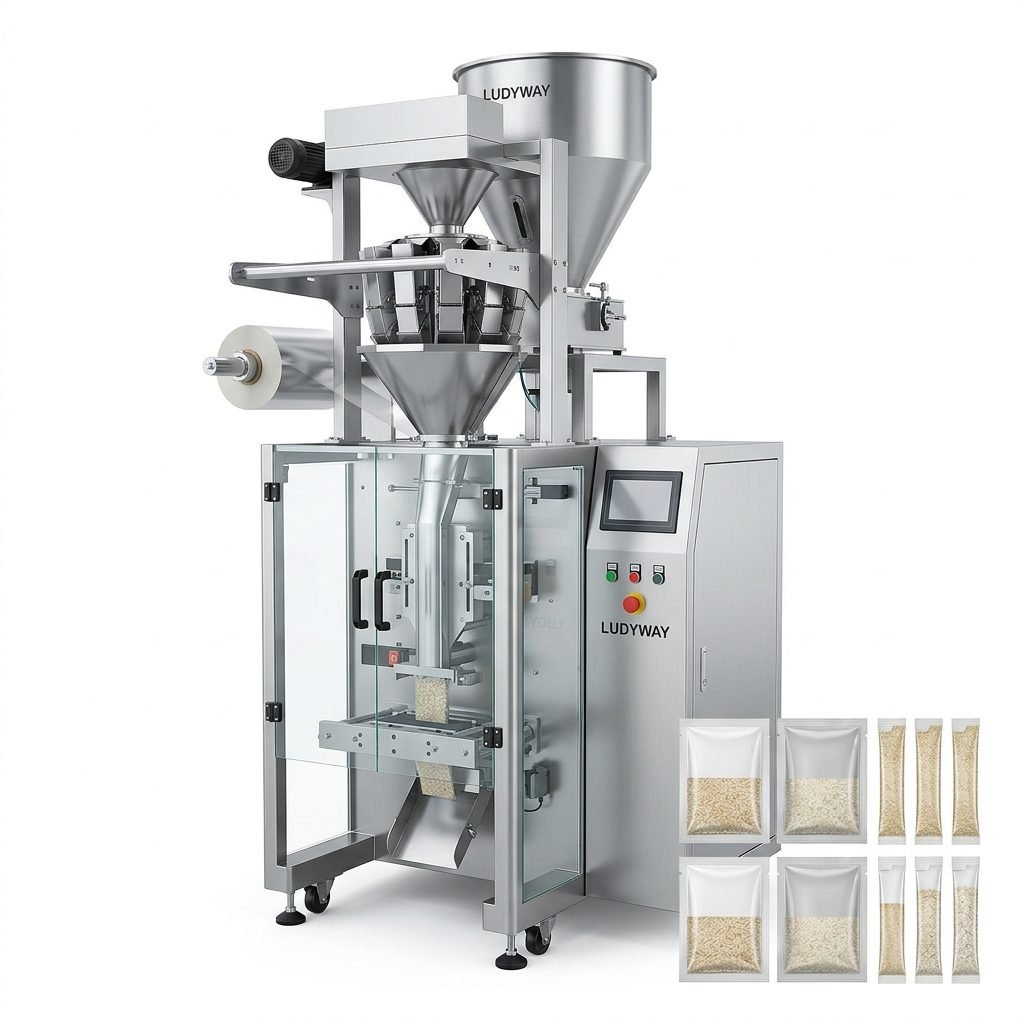
| Liquid Filling & Sealing Line | Bottles, jars, and bulk containers | Precision volumetric filling for viscous honey |
| Premade Pouch Packaging Machine | Stand-up pouches with spouts | Premium shelf appeal, resealable options |
Critical Factors to Evaluate Before Purchasing
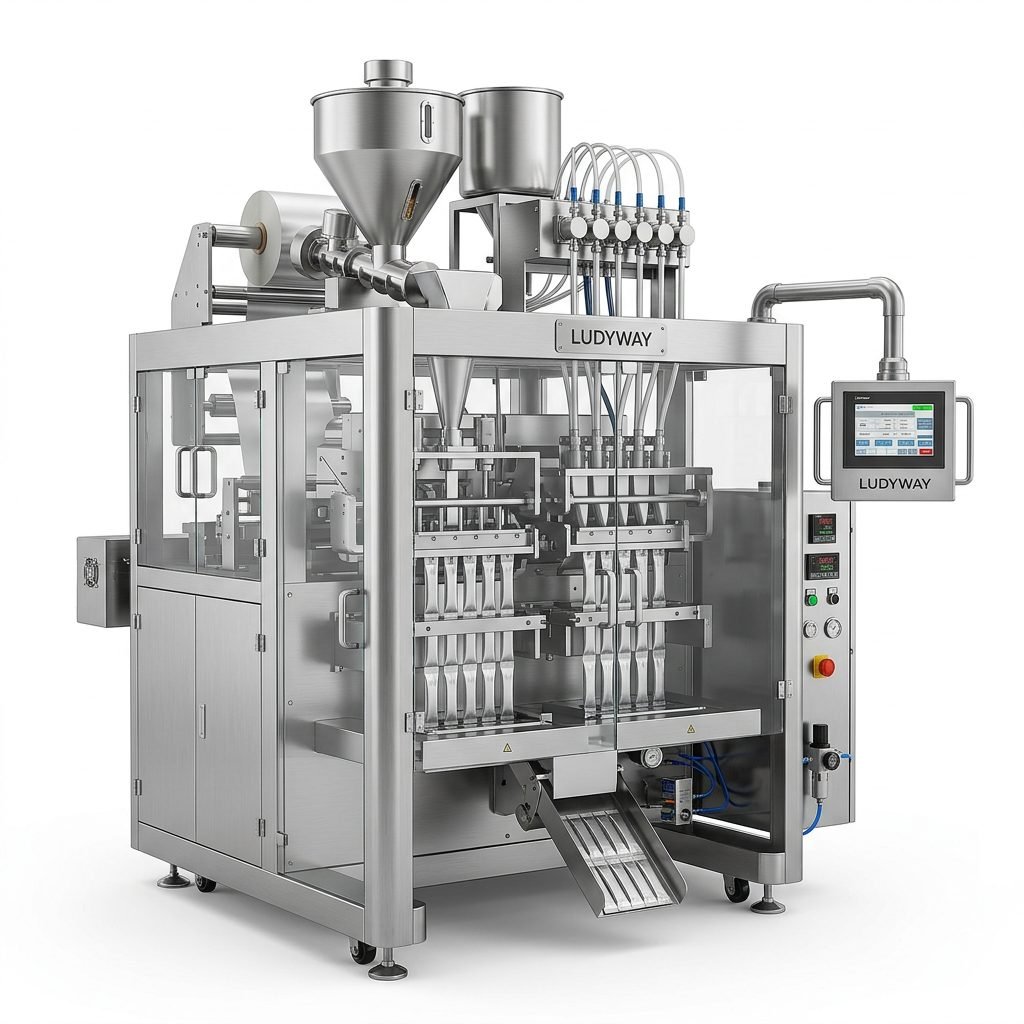
Choosing the right honey packaging machine requires careful evaluation of several technical and operational factors. Here is a checklist of the most important considerations:
- Honey Viscosity & Temperature Control: Honey’s thickness varies with temperature and floral source. Look for machines with heated hoppers, jacketed tanks, or temperature-controlled filling nozzles to ensure consistent flow during dispensing.
- Production Speed Requirements: Define your target output in units per minute. Multi-lane stick pack machines can produce up to 600-800 packs per minute, while single-lane systems are better suited for lower-volume artisan producers.
- Packaging Material Compatibility: Honey’s acidity and moisture content can affect certain films. Ensure the machine supports food-grade laminates with excellent barrier properties to prevent moisture ingress and flavor loss.
- Clean-in-Place (CIP) Capabilities: FDA food contact substance requirements demand hygienic design. Machines with easy disassembly and CIP functionality reduce downtime and cross-contamination risks.
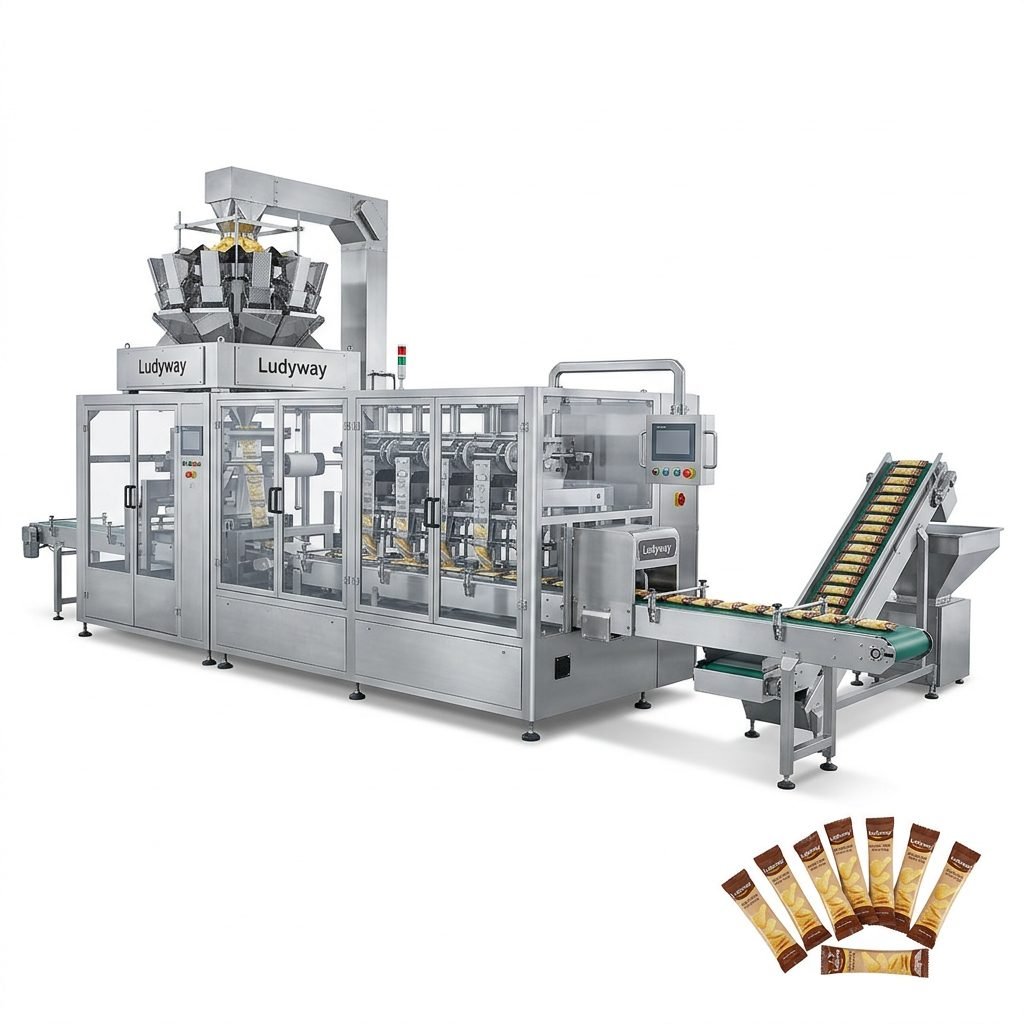
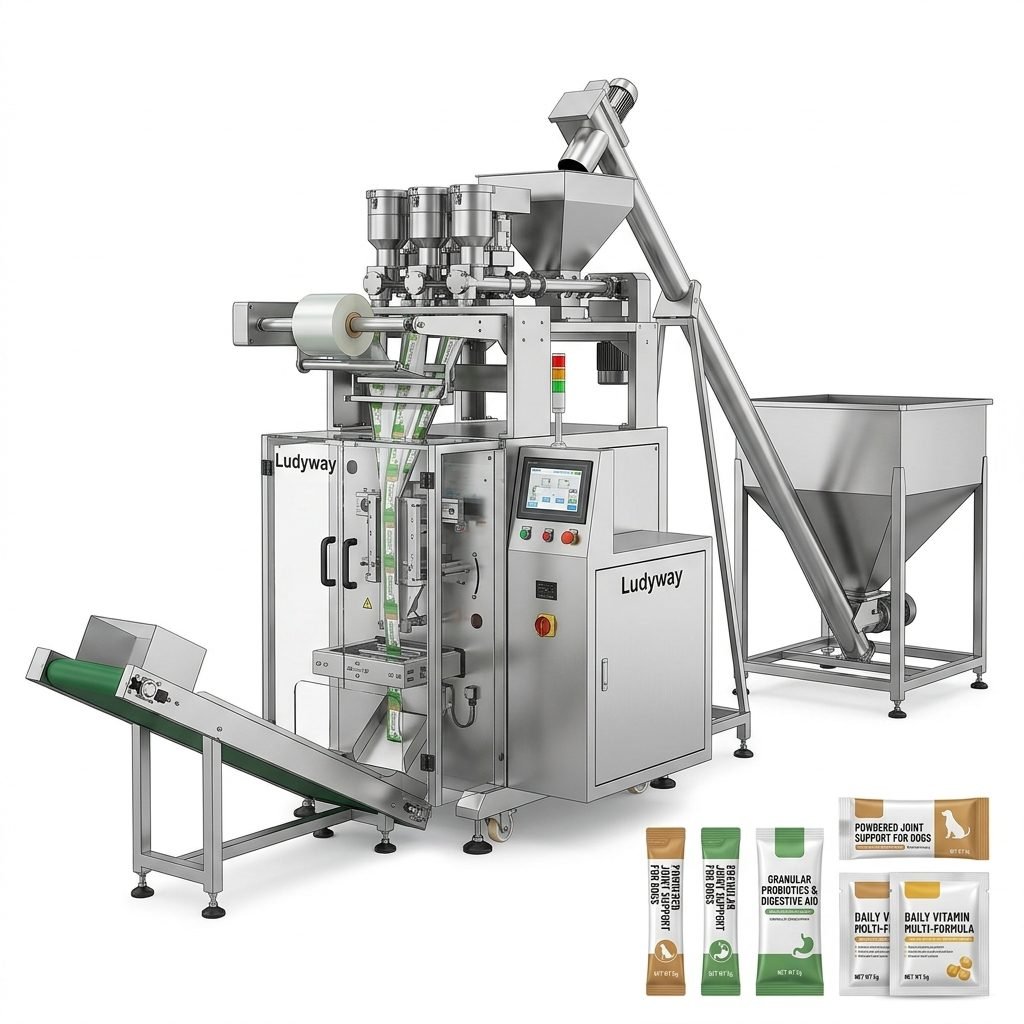
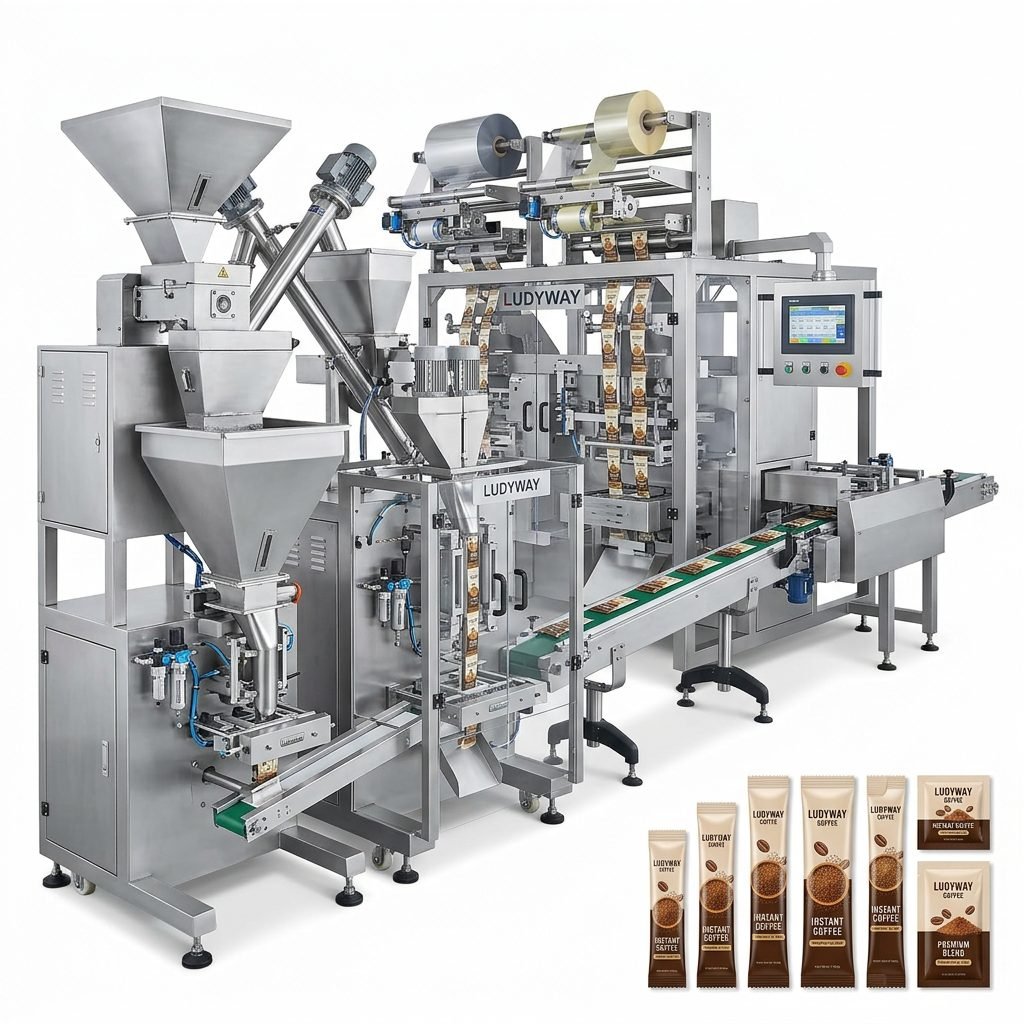
- Automation & Integration Level: Determine whether you need a standalone unit or a fully integrated turnkey packaging line that includes weighing, filling, sealing, coding, and cartoning.
- U.S. Electrical & Safety Standards: Verify that the machine meets UL/CSA certification requirements and operates on standard U.S. voltage and frequency.
Regulatory Compliance for the U.S. Market
Any honey packaging machine used in the United States must comply with federal and state-level food safety regulations. The FDA’s Current Good Manufacturing Practices (cGMP) require that all food contact surfaces be made of non-toxic, non-absorbent materials. Stainless steel construction — particularly 304 or 316L grades — is the industry standard. Additionally, if you are exporting honey products packaged in the U.S., you may need to comply with ISO packaging standards and labeling requirements for international markets.
Stick Pack vs. Sachet vs. Bottle: Format Selection Guide
The packaging format you choose has a direct impact on consumer perception, shelf presence, and production costs. Here is a comparison to help you decide:
| Packaging Format | Typical Use Case | Recommended Machine |
|---|---|---|
| Stick Pack | Single-serve honey for tea, travel, sampling | Multi-lane stick pack machine |
| Sachet | Food service portions, hotel amenities | Sachet packaging machine |
| Bottle / Jar | Retail shelf jars, bulk squeeze bottles | Liquid filling and capping line |
| Spouted Pouch | Premium retail, e-commerce, gift sets | Premade pouch filling machine |
Automation Level: Manual, Semi-Automatic, or Fully Automatic?
Your production volume and labor availability will determine the right automation level. Manual filling systems are cost-effective for startups, but fully automatic multi-lane packaging lines deliver the consistency and speed required for high-volume honey distribution in the U.S. retail market. Semi-automatic machines offer a middle ground, where operators load materials while the machine handles filling, sealing, and cutting automatically. For businesses planning to scale, investing in a modular, upgradeable system is a smart long-term strategy.
Maintenance, Spare Parts, and After-Sales Support
Downtime in honey packaging can lead to significant revenue loss, especially during peak seasons. When evaluating suppliers, consider the following:
- Availability of spare parts within the United States
- Remote troubleshooting and technical support in English
- Clear maintenance schedules and preventive maintenance training
- Warranty terms and on-site service availability
Industry resources such as PMMI’s packaging resources and the Flexible Packaging Association’s knowledge hub offer valuable guidance on best practices and supplier evaluation criteria.
Total Cost of Ownership Analysis
Beyond the initial purchase price, U.S. honey packers should evaluate the total cost of ownership (TCO) including:
- Energy consumption and utility costs
- Packaging film and material waste rates
- Labor requirements per shift
- Annual maintenance and consumable part expenses
- Expected equipment lifespan and depreciation
A higher upfront investment in quality equipment often results in lower TCO over a 5-10 year period, particularly for honey products that demand consistent fill accuracy and hygienic processing.
About Ludyway — A Trusted Packaging Machinery Partner
For U.S. honey producers seeking reliable, high-performance packaging solutions, Ludyway offers a comprehensive range of stick pack, sachet, and liquid filling machines designed for food-grade applications. With over 30 years of industry experience and a modern 20,000㎡ manufacturing facility, Ludyway provides more than 50 intelligent packaging machine models, including multi-lane stick pack systems ideal for honey portion packaging. The company serves customers in over 100 countries and regions, delivering innovative, cost-effective packaging solutions that help businesses improve productivity, product quality, and operational efficiency. To learn more, contact info@ludyway.com or reach out via WhatsApp at +8613129592456.
Final Recommendations for U.S. Buyers
When selecting a honey packaging machine for the U.S. market, prioritize equipment that balances speed, accuracy, and compliance. Verify that the supplier has experience with FDA-regulated food packaging and can provide references from U.S.-based clients. Request a factory acceptance test (FAT) or video demonstration before finalizing your purchase. Stay informed on industry trends through PACK EXPO International and PMMI’s State of the Industry reports, which provide valuable data on packaging machinery adoption trends across North America. The right honey packaging machine is not just a purchase — it is a strategic investment in your brand’s growth and market competitiveness.