Choosing the right hot sauce packaging machine is a critical decision for any producer, impacting everything from product quality and shelf appeal to operational efficiency and bottom-line profitability. The market offers a vast array of equipment, from simple manual fillers to fully automated, intelligent production lines. This guide will walk you through the key factors to consider, helping you select the best equipment tailored to your specific production needs, scale, and future growth ambitions.
Understanding Your Production Requirements
Before diving into machine specifications, a thorough analysis of your own operation is essential. This foundational step ensures the equipment you choose aligns perfectly with your business reality.
Key Questions to Ask Yourself:
• Production Volume: Are you a small-batch artisanal producer or a large-scale manufacturer? Your output—whether hundreds or hundreds of thousands of units per day—will directly dictate the level of automation required.
• Sauce Characteristics: Hot sauce viscosity, particulate content (like seeds or fruit chunks), and acidity level are crucial. Thick, chunky sauces require different pumping and filling mechanisms than thin, smooth ones.
• Packaging Format: Decide on your primary packaging: glass bottles, plastic squeeze bottles, sachets, or stick packs? Each format demands different machine capabilities.
• Budget & ROI: Consider both the initial capital investment and the expected return through increased speed, reduced labor, and minimized waste.
Pro Tip:
Always plan for growth. Investing in a machine that can handle a 20-30% increase in capacity can save you from another major capital expenditure too soon.
Types of Hot Sauce Packaging Machines
The technology ranges from basic to highly sophisticated. Understanding these types is key to making an informed choice.
1. Manual & Semi-Automatic Fillers
Ideal for startups and low-volume production. Operators place bottles under a filling nozzle, and the machine dispenses a pre-set volume. These are cost-effective and simple to operate but slower and more labor-intensive.
2. Automatic Liquid Filling Machines
The workhorse of medium to large-scale production. These machines automate bottle feeding, filling, capping, and labeling. They offer high speed, consistency, and significantly reduced manual intervention. Technologies include:
• Piston Fillers: Excellent for thick, viscous, or chunky sauces. They provide highly accurate volumetric filling.
• Gravity Fillers: Suitable for thin, free-flowing sauces. Simple and reliable.
• Pump Fillers: Versatile for a wide range of viscosities. Often used with overflow fillers for precise fill-level control in clear bottles.
3. Form-Fill-Seal (FFS) Machines
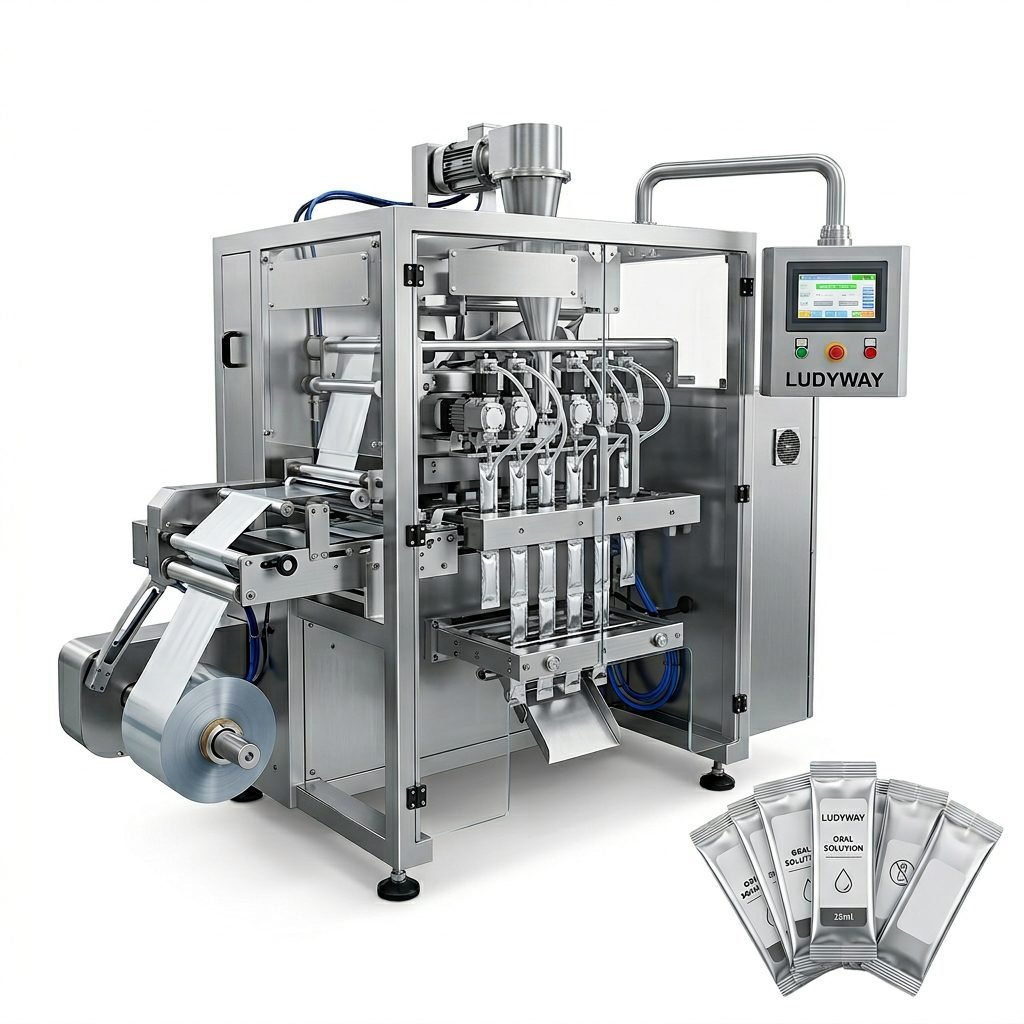
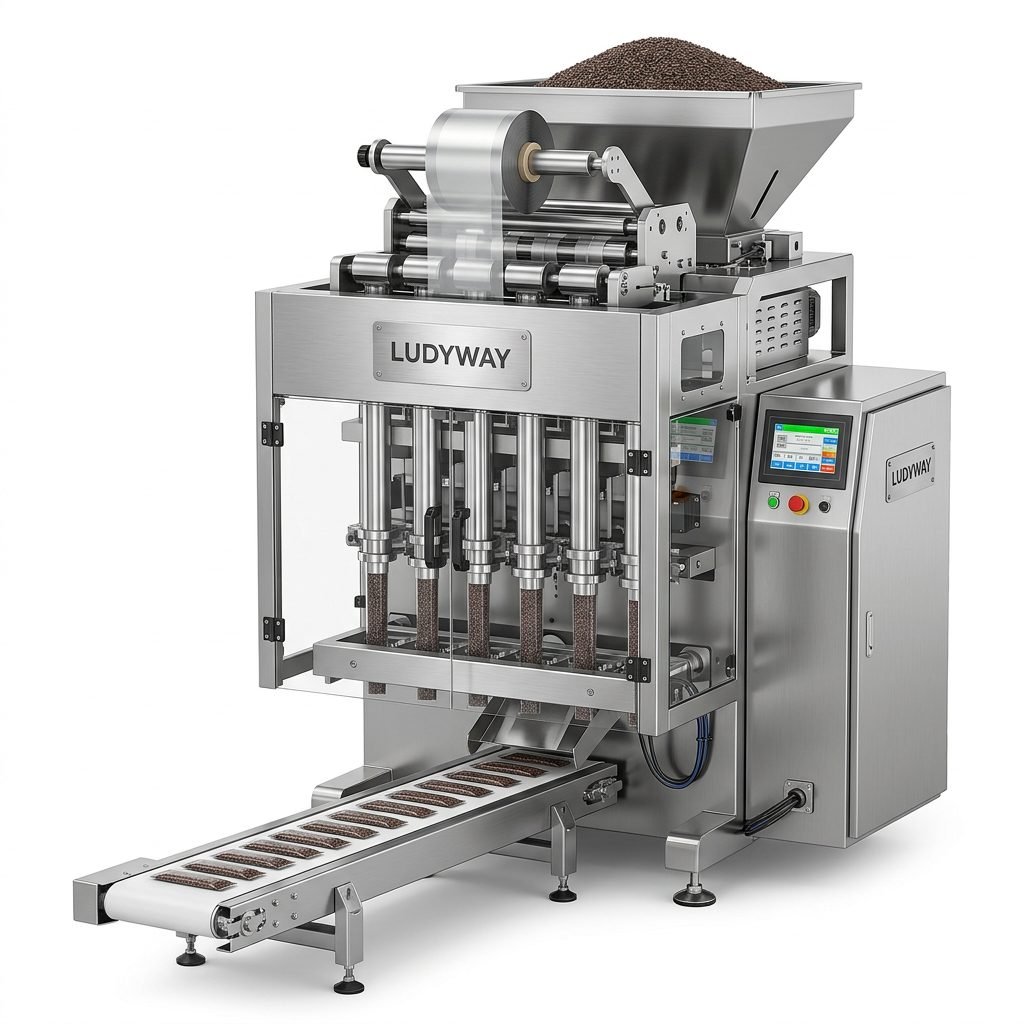
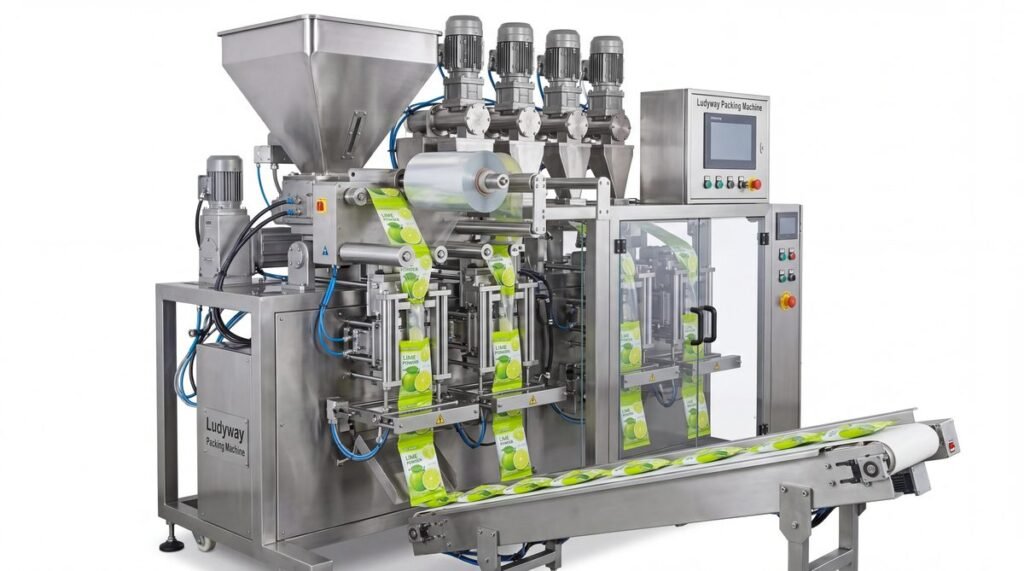
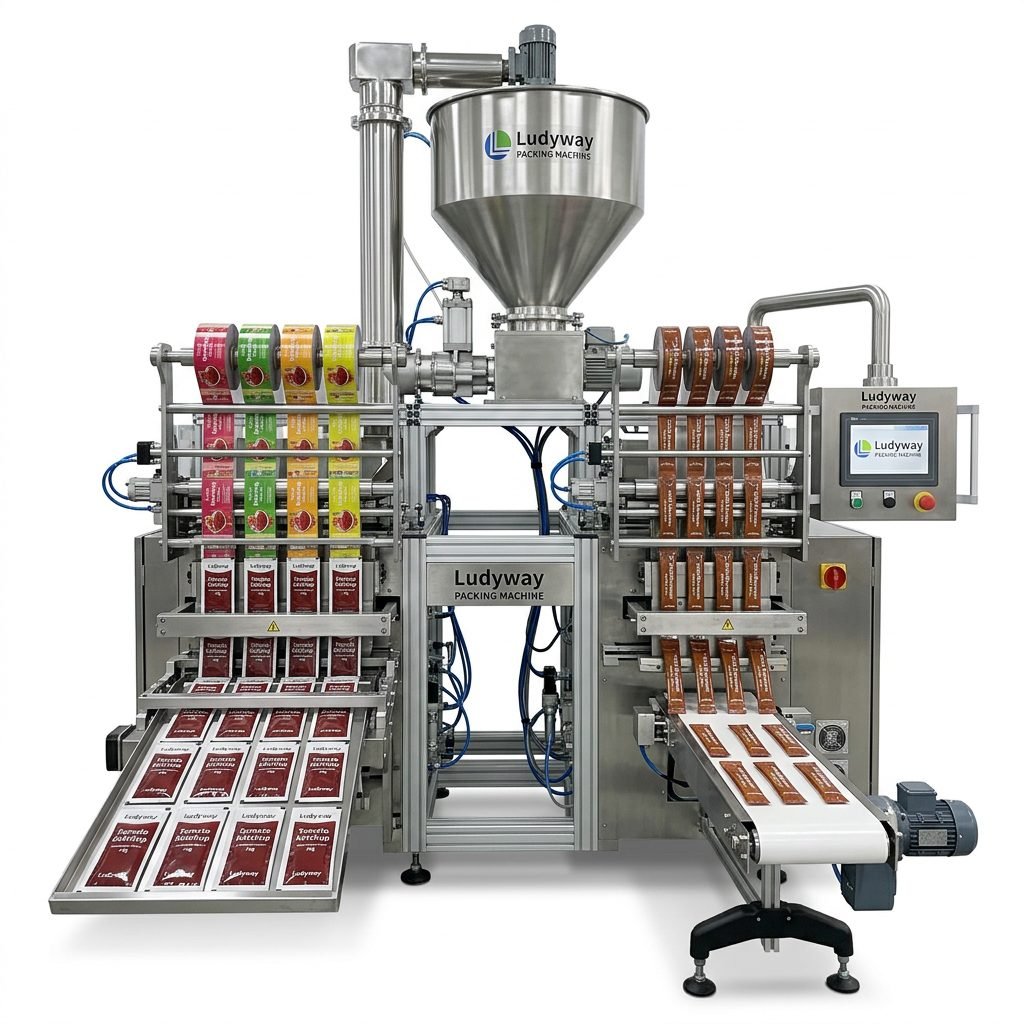
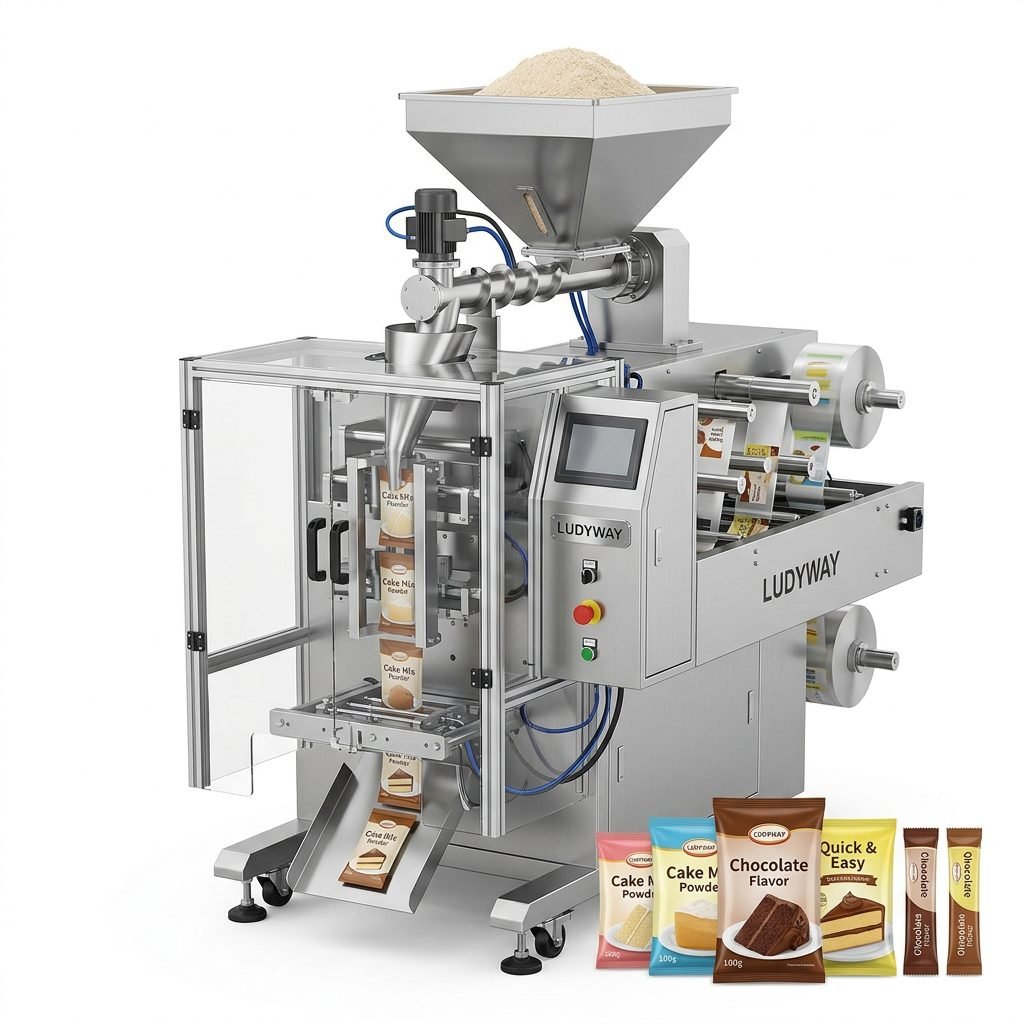
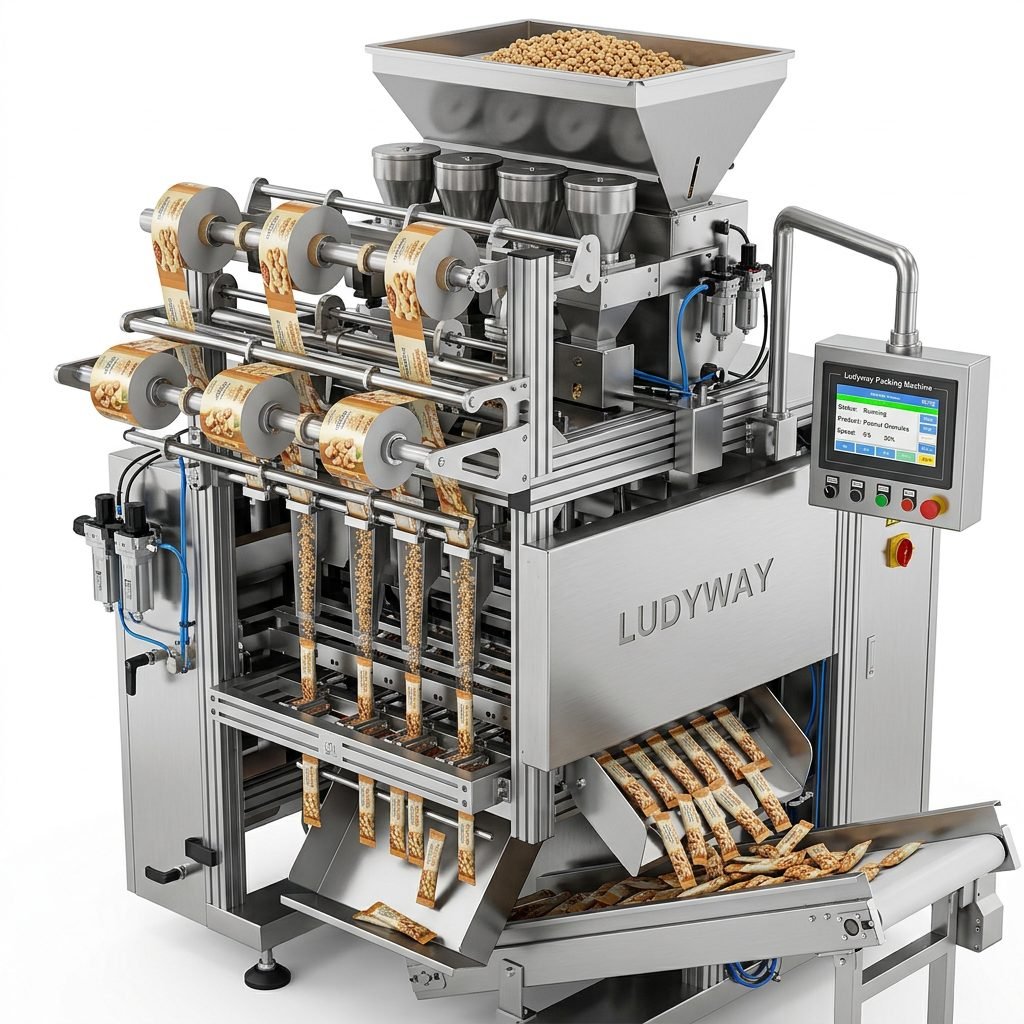
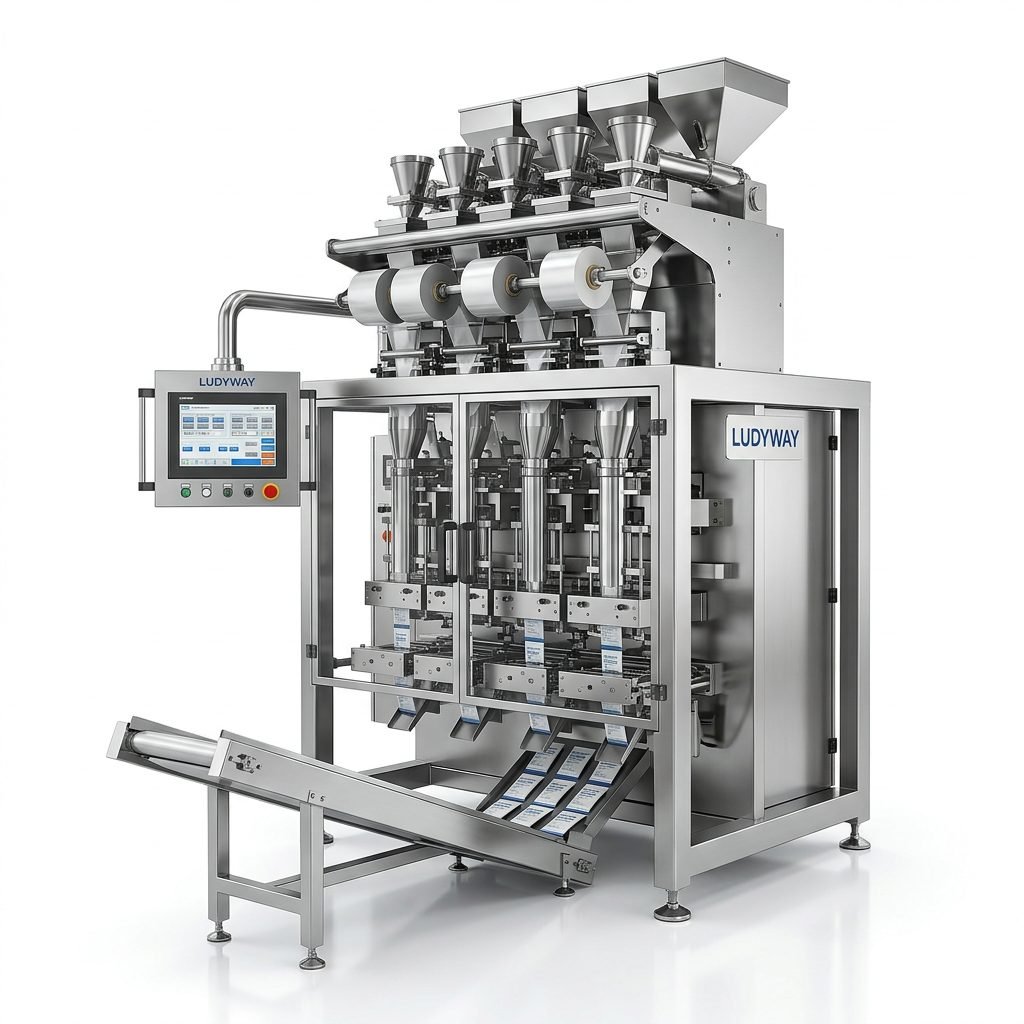
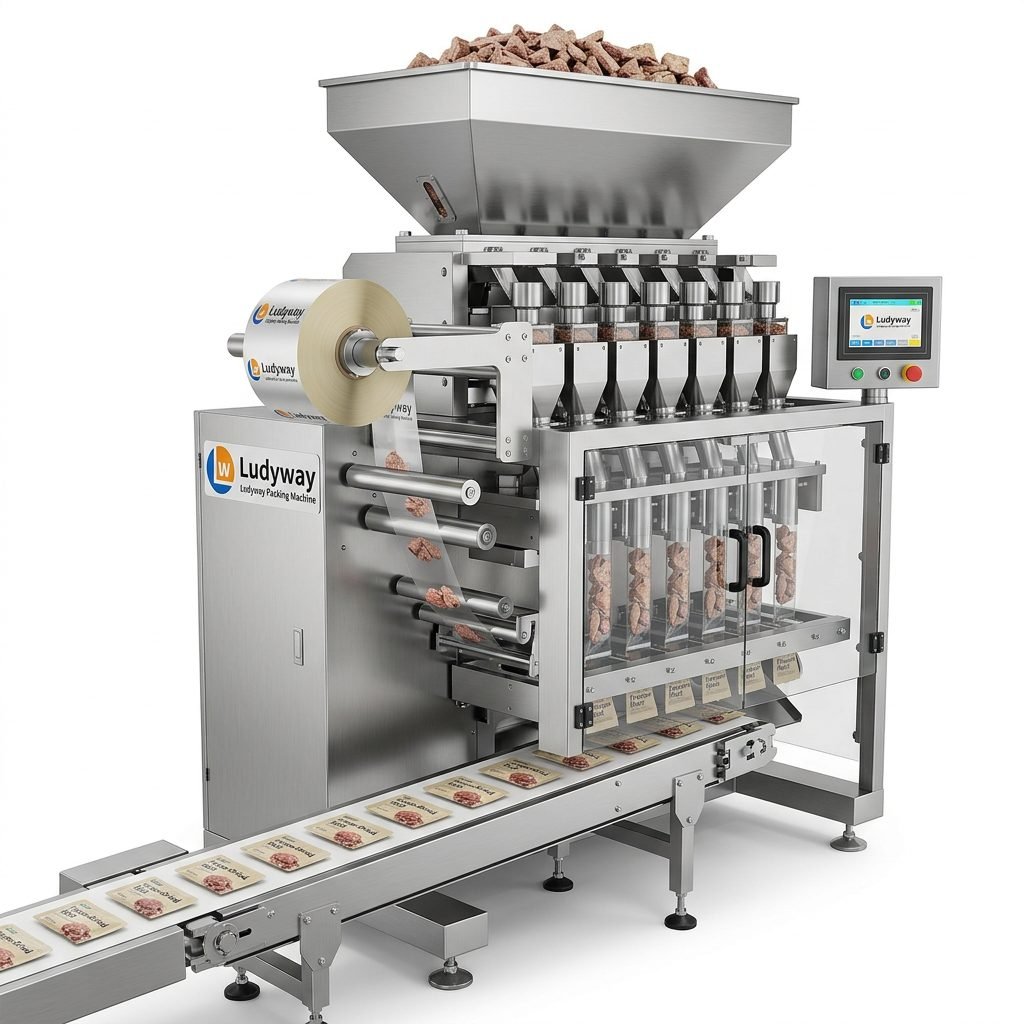
If you’re packaging sauce into sachets or stick packs, FFS machines are essential. They form the pouch from a roll of film, fill it with a precise amount of sauce, and then seal it—all in one continuous, automated process. This is perfect for single-serve portions and sample packets.
4. Complete Turnkey Production Lines
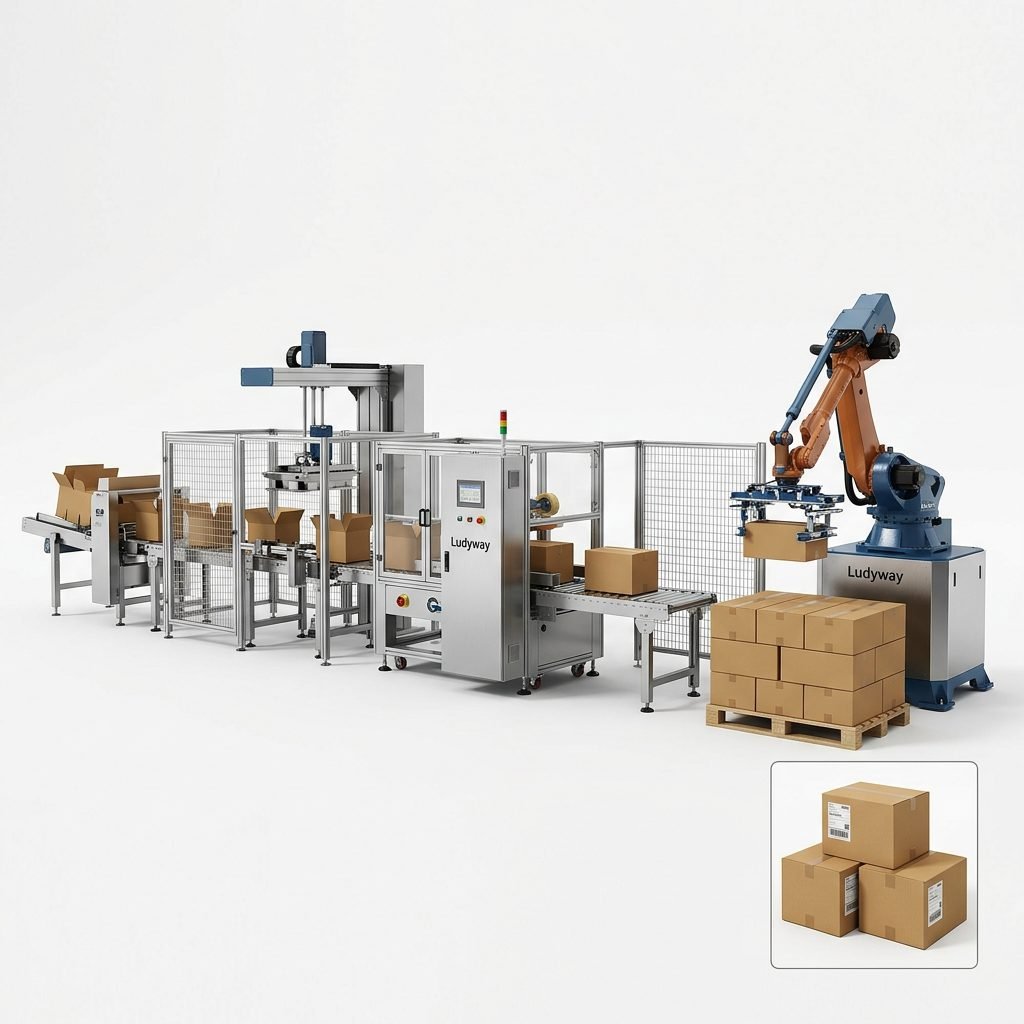
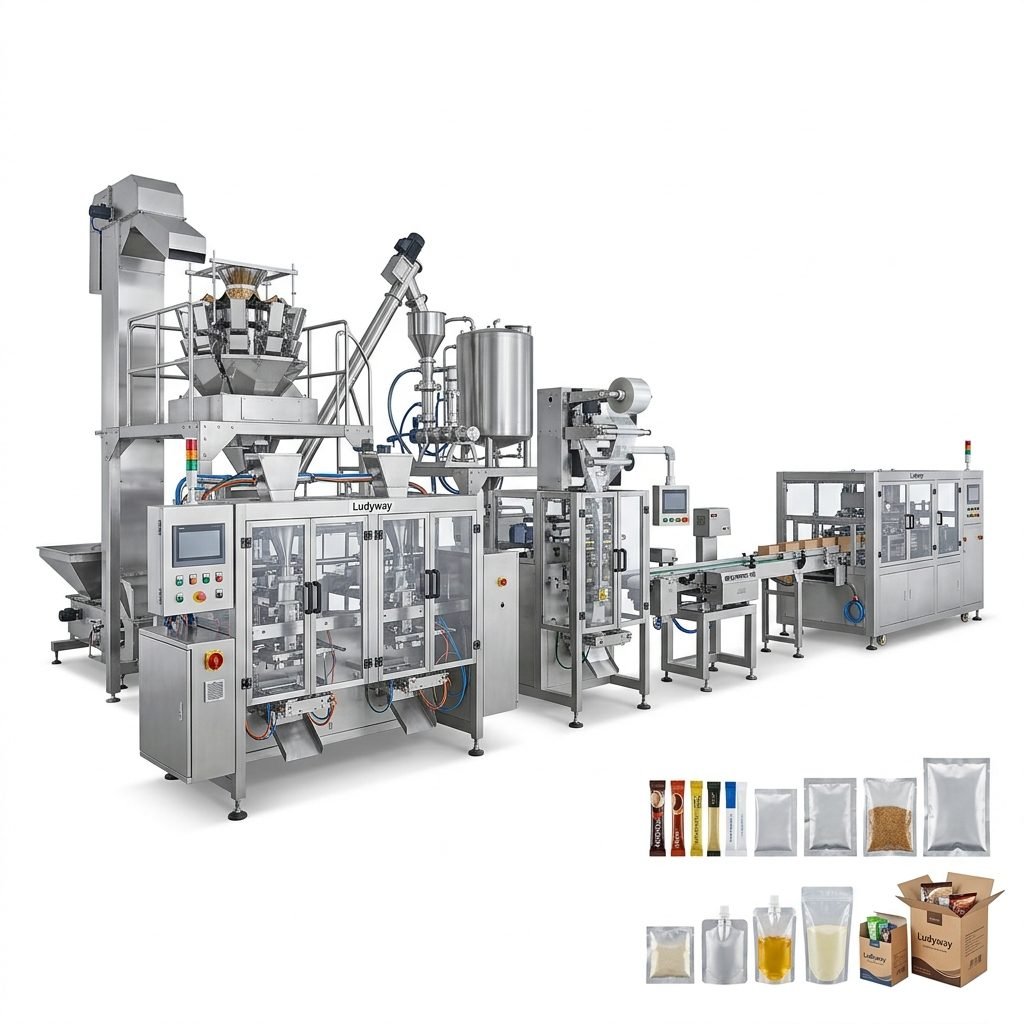
For maximum efficiency, integrated lines combine multiple functions: unscrambling bottles, air cleaning, filling, screw capping or snap capping, induction sealing, labeling, and case packing. This is the ultimate solution for high-volume output with minimal touchpoints.
Critical Features to Evaluate
Beyond the machine type, pay close attention to these specific features that affect performance and longevity.
Core Evaluation Checklist
✓ Material Contact Parts: Must be food-grade stainless steel (e.g., 316L) and compatible with acidic ingredients to prevent corrosion and contamination.
✓ Filling Accuracy: Look for machines with precision servo motors and advanced control systems to ensure every bottle gets the exact same amount, reducing give-away.
✓ Changeover Flexibility: How quickly and easily can you switch between bottle sizes or sauce types? Quick-change parts are vital for producers with multiple SKUs.
✓ Ease of Cleaning & Maintenance: Machines designed with CIP (Clean-in-Place) systems or easy disassembly save hours of downtime and ensure hygiene.
✓ Control System: A user-friendly PLC touchscreen interface allows for easy recipe storage, adjustment, and diagnostics.
The Importance of a Reliable Supplier
The machine is only as good as the company behind it. Partnering with a knowledgeable and reliable supplier like Ludyway Machinery is paramount. A supplier with deep industry experience doesn’t just sell you a machine; they provide a solution.
Look for a partner that offers comprehensive support, including customized machine design to handle your unique sauce formula, thorough installation and training, readily available spare parts, and responsive after-sales service. Their expertise can help you avoid costly pitfalls and optimize your packaging line from day one. You can learn more about their approach to building lasting partnerships on their Company Story page.
Making the Final Decision
Compile your findings and compare options. Request detailed quotations that include not just the machine price, but also shipping, installation, and warranty terms. Whenever possible, arrange for a live demonstration using a product similar to your hot sauce. This is the best way to verify performance claims for fill accuracy, speed, and handling of your sauce’s specific characteristics.
Consider the total cost of ownership over 5-10 years, factoring in energy consumption, maintenance costs, and potential upgrade paths. The right machine is an investment that drives your brand forward. For insights into the engineering and innovation behind reliable packaging solutions, reviewing a supplier’s Company History can be revealing.
Frequently Asked Questions (FAQs)
1. What type of filler is best for extra chunky hot sauce?
Piston fillers are generally the best choice for sauces with large particulates. The piston chamber can handle chunks without damaging them, and it provides positive displacement for accurate filling regardless of viscosity. Ensure the nozzle and valve pathways are sufficiently wide to prevent clogging.
2. Can one machine handle both glass bottles and plastic bottles?
Many automatic fillers are designed with this flexibility. The key is a machine that allows for easy adjustment of filling height and has changeable handling grippers or guides to accommodate different bottle shapes and weights without causing damage or jams.
3. How do I ensure my packaging line is hygienic and easy to clean?
Select machines constructed with food-grade stainless steel (304 or 316) on all product contact surfaces. Look for designs with minimal crevices, smooth welds, and easy disassembly. Some advanced models offer CIP systems that automate cleaning with sanitizing solutions, which is a major advantage for food safety and operational efficiency.
4. What production speed should I aim for?
This depends entirely on your volume. Calculate your current and projected daily output. A good rule is to choose a machine that can meet your peak demand in about 6-7 hours of operation, allowing time for changeovers, cleaning, and maintenance. For example, if you need 10,000 bottles per day, a machine running at 30-40 bottles per minute (BPM) would be suitable.
5. Should I buy a standalone filler or a complete integrated line?
Startups often begin with a high-quality automatic filler and manually handle capping and labeling. As volume grows, integrating these functions into a single automated line becomes cost-effective by drastically reducing labor and increasing throughput. A turnkey solution from a supplier like Ludyway ensures all components work together seamlessly from the start.