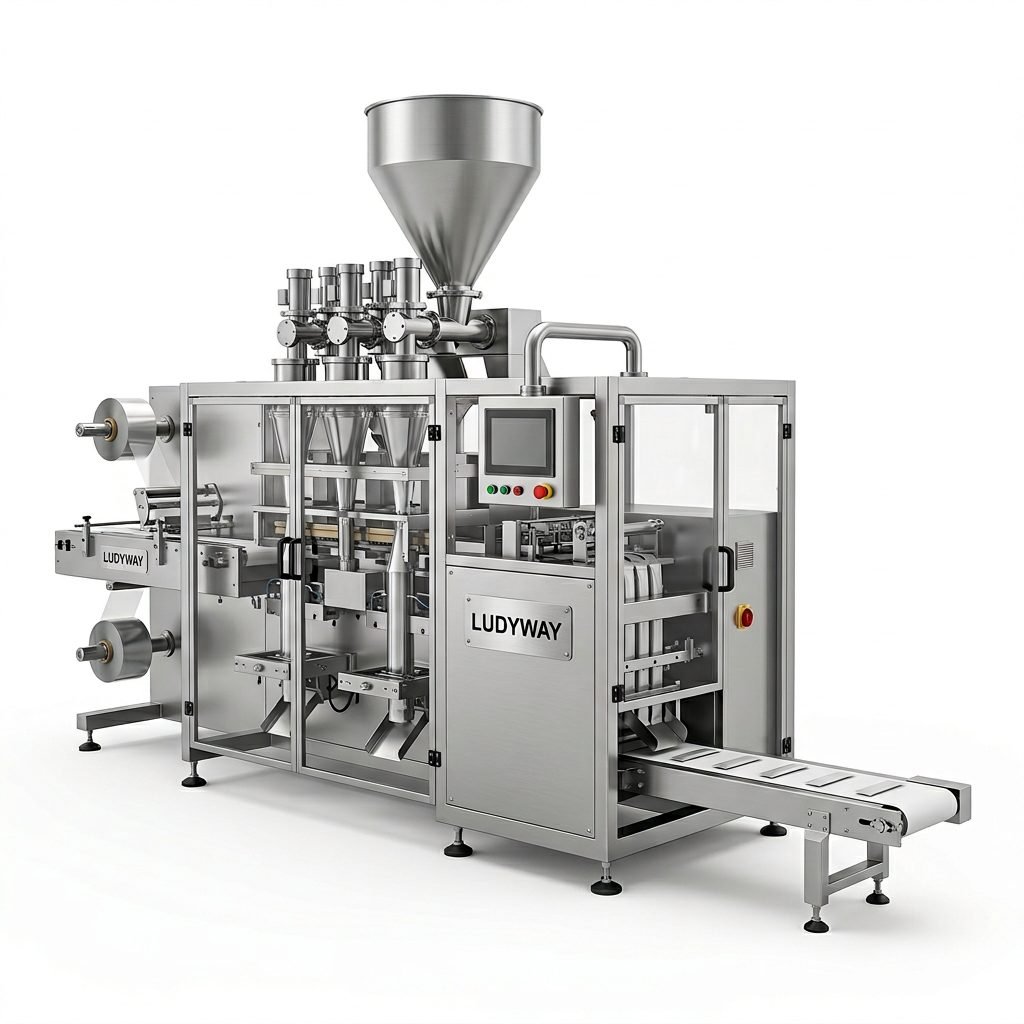
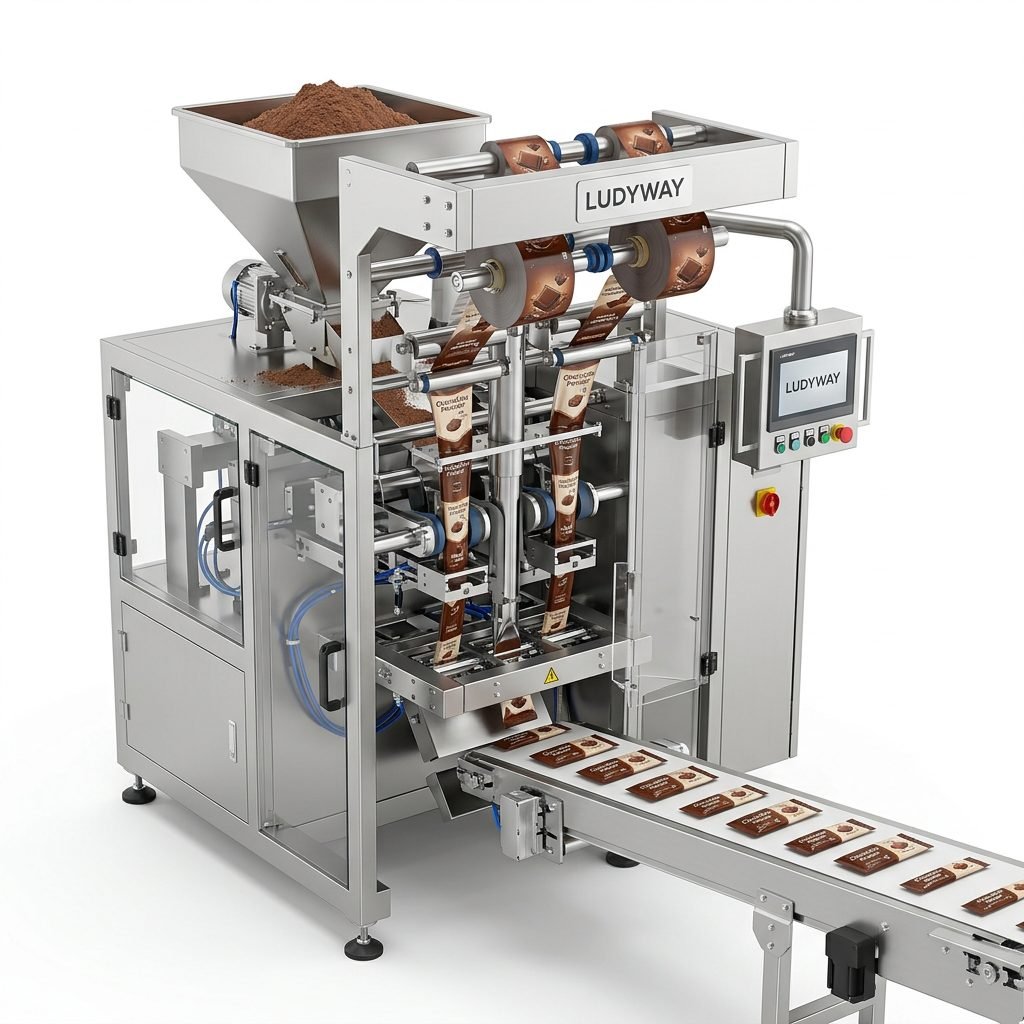
Multihead weigher packaging machines are known for delivering high-speed, high-precision weighing for granules, snacks, frozen foods, nuts, pet food, candies, hardware parts, and many other products. In most real production environments, a well-configured machine can typically achieve weighing accuracy in the range of ±0.1 g to ±1.5 g, although the exact result depends heavily on product characteristics, target weight, speed, hopper design, machine setup, and operator control.
For manufacturers comparing packaging solutions, the most important point is this: a multihead weigher is not “equally accurate” for every product. It performs best when the machine design, software logic, feeding system, and packaging line are properly matched to the product being packed.
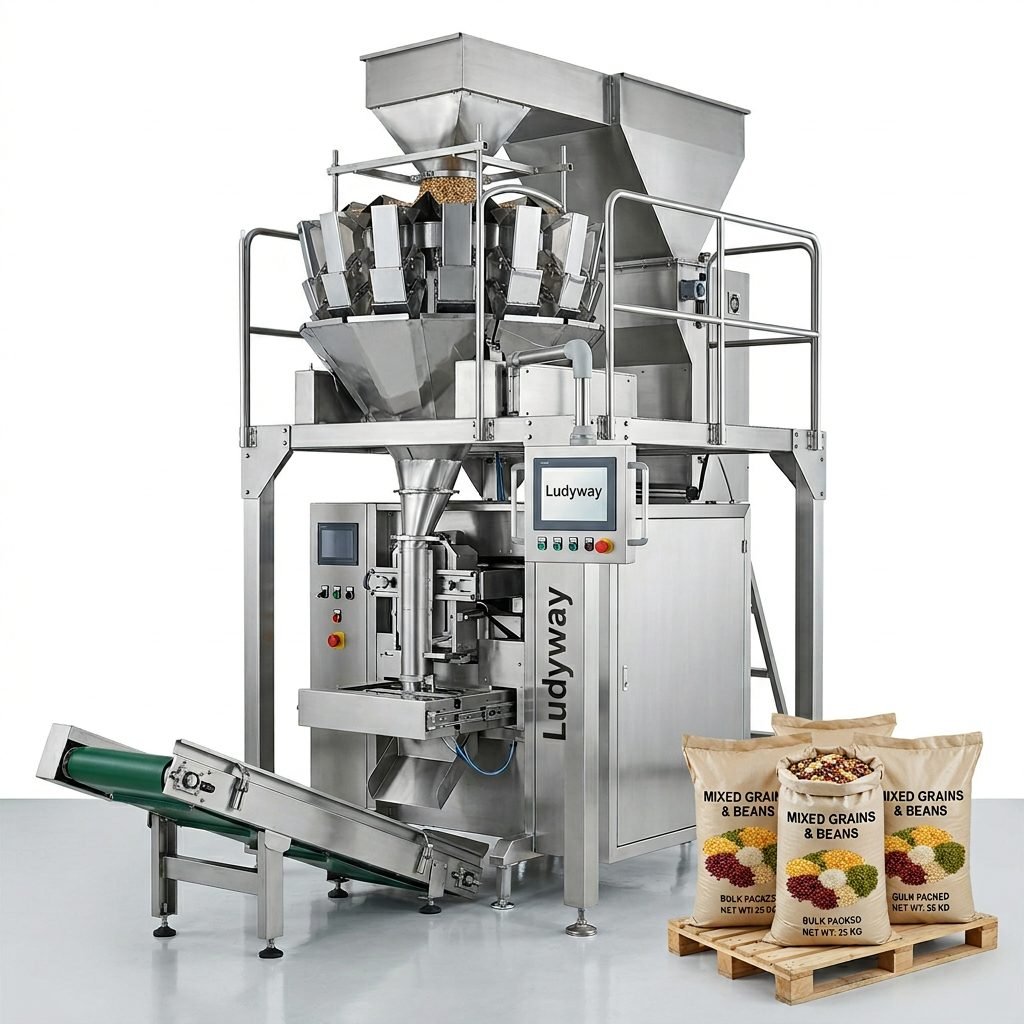
What Is a Multihead Weigher Packaging Machine?
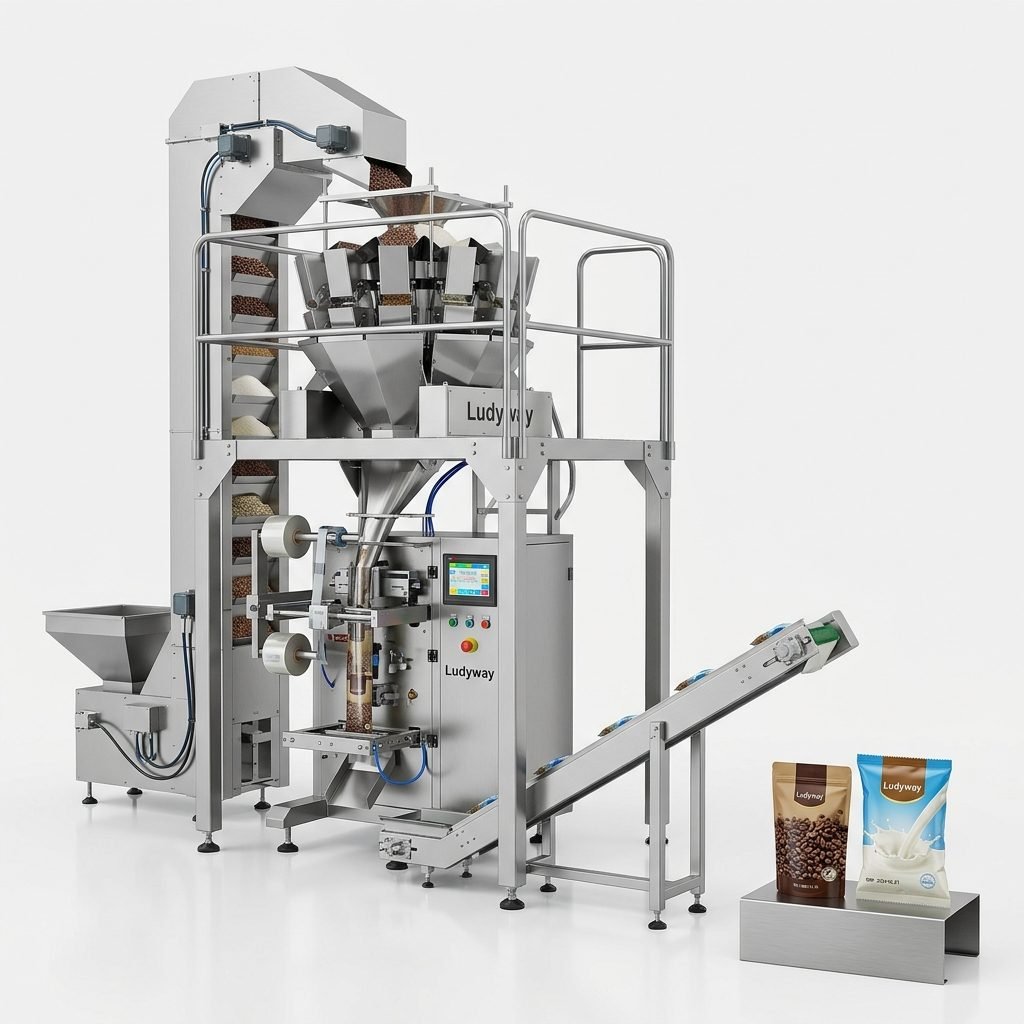
A multihead weigher packaging machine uses multiple weighing hoppers to measure product portions quickly and accurately. The system calculates the best combination of hopper weights to reach the preset target weight, then discharges the product into the packaging machine below, such as a vertical form fill seal machine, premade pouch machine, tray system, or bagging line.
This technology is widely used when businesses need to balance:
- Fast production output
- Low giveaway
- Stable pack weights
- Reduced labor dependence
- Better consistency across shifts
How Accurate Is a Multihead Weigher in Real Production?
In practical terms, multihead weighers are among the most accurate solutions for non-free-flowing or irregular solid products. However, the final weighing precision should always be evaluated according to the product and operating conditions.
| Application Scenario | Typical Accuracy Range | Notes |
|---|---|---|
| Small snack packs | ±0.1 g to ±0.5 g | Best with uniform, free-flowing products |
| Nuts, candy, seeds | ±0.2 g to ±1.0 g | Depends on size consistency and speed |
| Frozen food | ±0.5 g to ±1.5 g | Moisture, sticking, and temperature matter |
| Pet food and feed pellets | ±0.5 g to ±1.5 g | Product density and pellet shape affect results |
| Large target weight packs | Higher absolute tolerance | Relative accuracy can still be very good |
In many production lines, the real performance target is not only absolute accuracy but also minimum product giveaway. Even a small reduction in overweight filling can create significant cost savings over time.
Why Multihead Weighers Are So Accurate
The reason multihead weighing systems achieve strong performance is their combination-weighing logic. Instead of relying on one single weighing point, the machine uses multiple hopper measurements and selects the best combination to match the desired weight.
- Multiple weigh hoppers create more calculation options.
- Smart control algorithms choose the closest target combination.
- Fast vibration feeding helps distribute product evenly.
- Short weighing cycles support high-speed packing without major accuracy loss.
- Recipe memory and parameter control improve repeatability for different SKUs.
Key Factors That Affect Accuracy
1. Product Shape and Flowability
Uniform products are easier to weigh accurately than sticky, fragile, or highly irregular products. For example, sugar-coated peanuts usually run more smoothly than wet frozen seafood or oily snack mixes.
2. Target Weight
Very small target weights often require tighter control. A 10 g pack generally demands more precise dosing than a 1 kg pack, especially when product pieces vary in size.
3. Machine Speed
Higher speed can reduce the number of ideal hopper combinations available in each cycle. That means pushing maximum output may slightly reduce precision. The best result usually comes from finding the right balance between speed and accuracy.
4. Hopper Quantity and Design
Machines with more heads and optimized hopper geometry usually provide better combination possibilities and smoother discharge, especially for difficult products.
5. Feeding Stability
Uneven feeding causes inconsistent hopper loads. A stable infeed system, correct vibration settings, and good product presentation are essential for reliable results.
6. Product Condition
Temperature, humidity, oil content, static electricity, and breakage can all change weighing performance. Frozen, sticky, powdery, or fragile products often need special machine configurations.
Typical Industries That Benefit Most
Multihead weighers are widely adopted in sectors where portion control and speed directly impact profitability and brand consistency.
- Snack foods
- Nuts and dried fruits
- Candy and confectionery
- Frozen vegetables and seafood
- Pet food and feed pellets
- Rice, grains, beans, and seeds
- Hardware and small industrial parts
Main Benefits Beyond Accuracy
Accuracy is important, but it is only one reason companies invest in a multihead weigher packaging machine.
| Benefit | Business Value |
|---|---|
| Reduced giveaway | Cuts product loss and improves margins |
| High output speed | Supports large-volume packaging demand |
| Consistent pack weight | Improves customer trust and compliance |
| Automation | Reduces labor cost and manual errors |
| Product versatility | Handles many product types with recipe changes |
| Line integration | Connects easily with baggers, conveyors, checkweighers, and cartoners |
How to Improve Multihead Weigher Accuracy
If your line is not reaching the expected weighing performance, the issue is often not the machine alone. In many cases, setup and process conditions are the true cause.
- Choose the correct bucket and hopper configuration for the product size and target weight.
- Control feeding consistency with stable infeed conveyors or vibratory feeders.
- Lower speed when necessary to improve weighing combinations.
- Optimize vibration amplitude to avoid overfeeding or bridging.
- Keep the machine clean to prevent sticking and weighing drift.
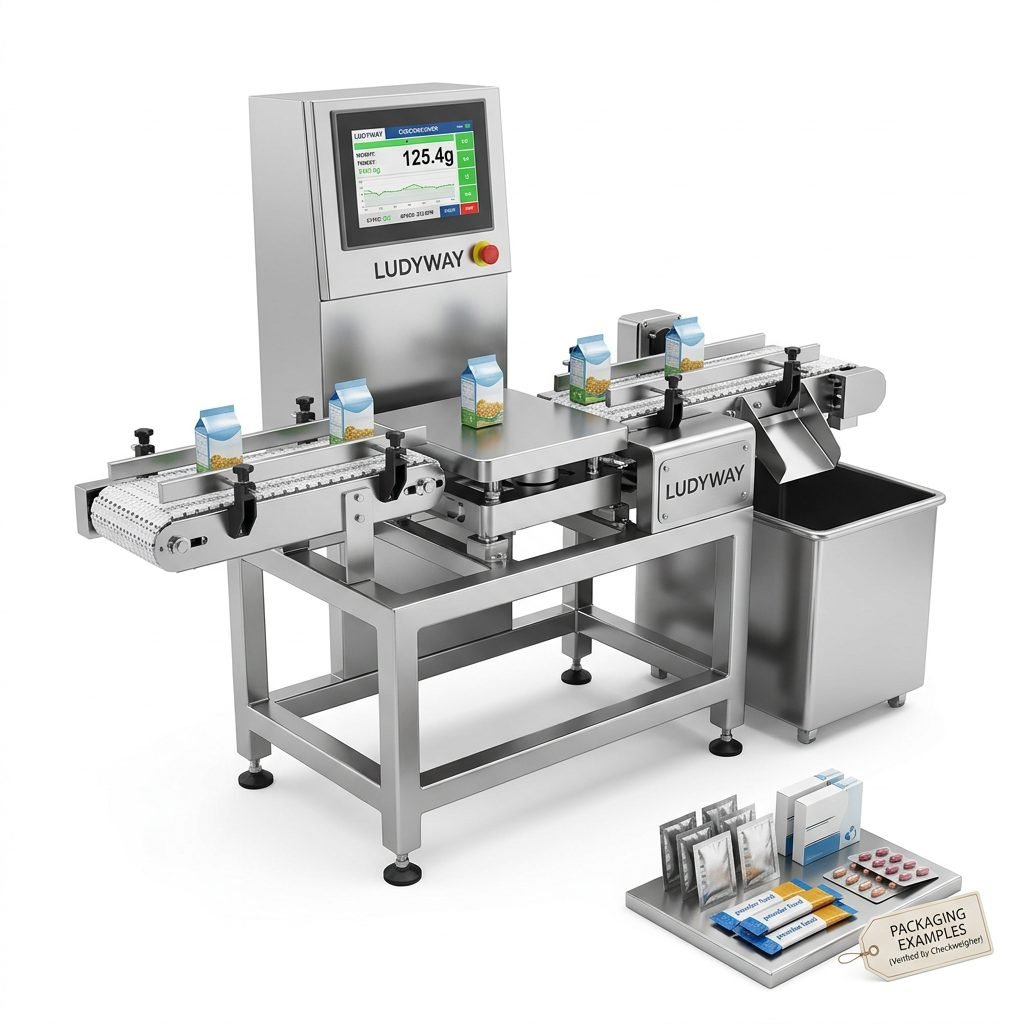
- Calibrate regularly and verify weight data with a checkweigher.
- Use product-specific recipes rather than one setting for all SKUs.
Multihead Weigher vs. Other Weighing Methods
Not every packaging project requires a multihead weigher. The right choice depends on product format, speed target, and required precision.
| Weighing Method | Best For | Accuracy & Speed |
|---|---|---|
| Multihead weigher | Granules, snacks, irregular solids | Very high speed, high accuracy |
| Linear weigher | Simple free-flowing products | Moderate speed, good accuracy |
| Auger filler | Powders | High precision for powder applications |
| Volumetric cup filler | Low-cost free-flowing materials | Fast but less precise than weighing systems |
What Accuracy Should You Ask a Supplier to Guarantee?
Instead of asking only for a generic “machine accuracy,” request a product-based testing standard. A reliable supplier should evaluate:
- Your product sample
- Target pack weight
- Expected speed
- Acceptable tolerance
- Bag or pouch type
- Environmental conditions
This is much more useful than a broad catalog claim because the same machine can produce very different weighing results depending on what it is handling.
Choosing the Right Partner for Packaging Accuracy
Machine performance depends not only on hardware, but also on engineering experience, line integration ability, and after-sales support. For businesses looking for scalable weighing and packing solutions, working with an experienced manufacturer can reduce commissioning time and improve long-term line stability.
Ludyway packaging machine solutions are widely used for food, pharmaceutical, health supplement, and related automated packaging projects. As one of China’s leading packaging machine and turnkey packaging line manufacturers, the company offers broad equipment coverage and customized system matching for different product types and production requirements.
Final Answer: How Accurate Is a Multihead Weigher Packaging Machine?
A multihead weigher packaging machine is generally highly accurate, with common real-world performance ranging from ±0.1 g to ±1.5 g depending on the product and setup. For many granule and solid packaging applications, it is one of the best solutions available for combining speed, consistency, and low giveaway.
If you want the best result, focus on the full system: product characteristics, machine design, feed stability, speed target, calibration, and packaging line integration. When these factors are properly aligned, a multihead weigher can deliver excellent long-term packaging accuracy and strong return on investment.