
How Long Does It Take to Customize Packaging Machinery?
Discover the detailed timeline, stage-by-stage engineering breakdown, critical technical variables, and manufacturing schedules for deploying tailor-made automated packaging systems with Ludyway Machinery.
Lead Time Benchmarks by Customization Degree
Customizing a packaging machine typically ranges between 4 to 16 weeks depending on structural mechanical adaptations, dosage precision demands, and integration with downstream primary or secondary automation systems.
Semi-Custom & Modular Setups
Tailoring proven standard platforms with quick-change tooling, custom former collars, specified sealing jaw textures, and standard pneumatic dosing systems.
- Specific sachet width & length toolings
- Standard Auger / Piston / Cup dosers
- Standard UI language & HMI options
Full Multi-Lane & Complex Lines
Engineered from ground up for high-speed multi-lane stick pack or sachet machines involving non-standard product viscosities, micro-dosing, or specialized film barriers.
- 4 to 12 lane synchronized servo drives
- Specialized nitrogen flush & gas-tight seal
- Custom PLC logic (Siemens / Omron / AB)
Complete Turnkey Automation
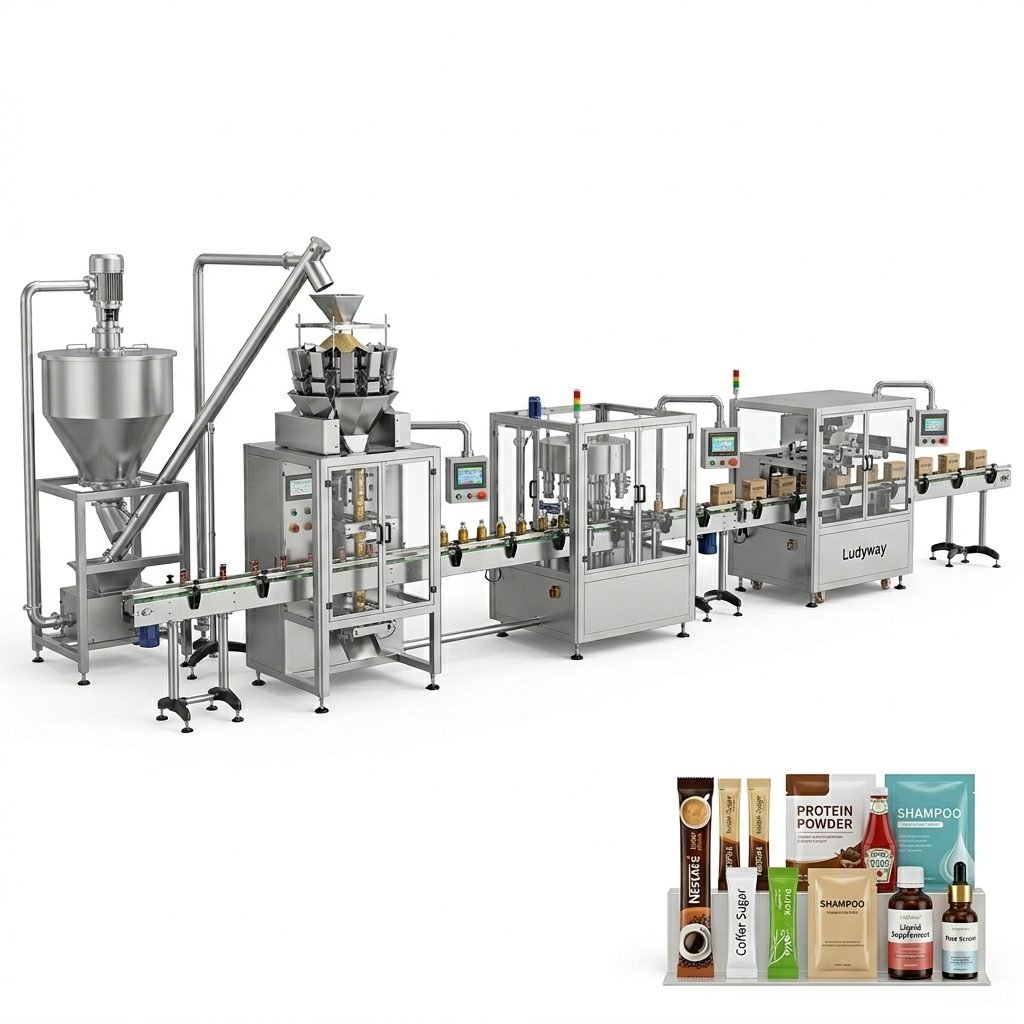
Integrated automated production lines including multi-lane bagging, automated checkweighers, cartoners, case packers, and robotic end-of-line palletizing cells.
- Full factory layout & synchronized PLC
- Upstream feeding & downstream cartoning
- Comprehensive FAT validation & IQ/OQ
The Step-by-Step Custom Packaging Machine Timeline
Understanding where every production week is invested ensures seamless alignment with your factory opening schedules, commercial production rollouts, and capital investment milestones.
Requirement Analysis, Material Characterization & Quote
Duration: Week 1Detailed evaluation of product density, flowability, viscosity, pouch geometry (stick, 3-side, 4-side seal, shaped pouch), packaging film barrier structure, target output (BPM), and factory footprint constraints.
3D Mechanical CAD Engineering & Electrical Architecture
Duration: Weeks 2 – 3Our 130+ packaging engineers generate comprehensive 3D models, pneumatic schematics, and PLC wiring diagrams. The client approves key layout dimensions, former assemblies, dosing pumps, and operator touchpoint elevations.
Component Precision Fabrication & Global Sourcing
Duration: Weeks 4 – 6Fabrication of SUS304/SUS316L frames, CNC turning of custom forming collars, cutter blocks, and heat-sealing dies within our 20,000㎡ production facility, integrated with top-tier international servo motors and sensors.
Mechanical Assembly, Electrical Cabinet Wiring & Integration
Duration: Weeks 7 – 8System assembly of frame mechanisms, film unwind drives, tension control rollers, optical eye-mark sensors, multi-axis servo synchronization, and clean cable routing according to CE and cGMP electrical standards.
Software Programming, Calibration & Rigorous FAT Testing
Duration: Weeks 9 – 10Execution of Factory Acceptance Testing (FAT) utilizing the client’s actual sample materials and roll stock film. Sealing integrity, filling deviation (≤ ±1%), bag cut cleanliness, and 72-hour continuous endurance are certified.
Anti-Corrosion Crating, Ocean Logistics & Site Commissioning
Duration: Weeks 11+Vacuum foil packaging, moisture-resistant desiccant packing, and export fumigation wooden crating. On-site technical commissioning, SAT testing, and operator certification dispatched by Ludyway engineers.
Machine Category Customization & Manufacturing Schedule
Review the mechanical complexity, lead time variances, and engineering focal points for each distinct industrial machine category.
| Machinery Category | Primary Application | Custom Engineering Focus | Typical Lead Time | Automation Level |
|---|---|---|---|---|
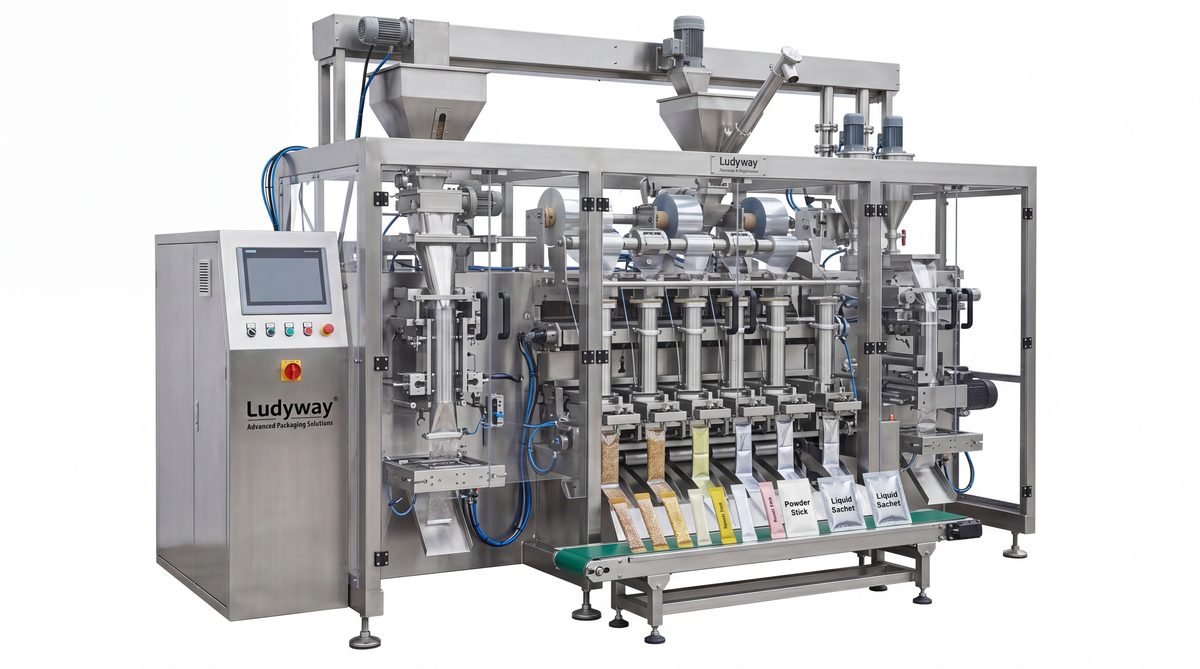
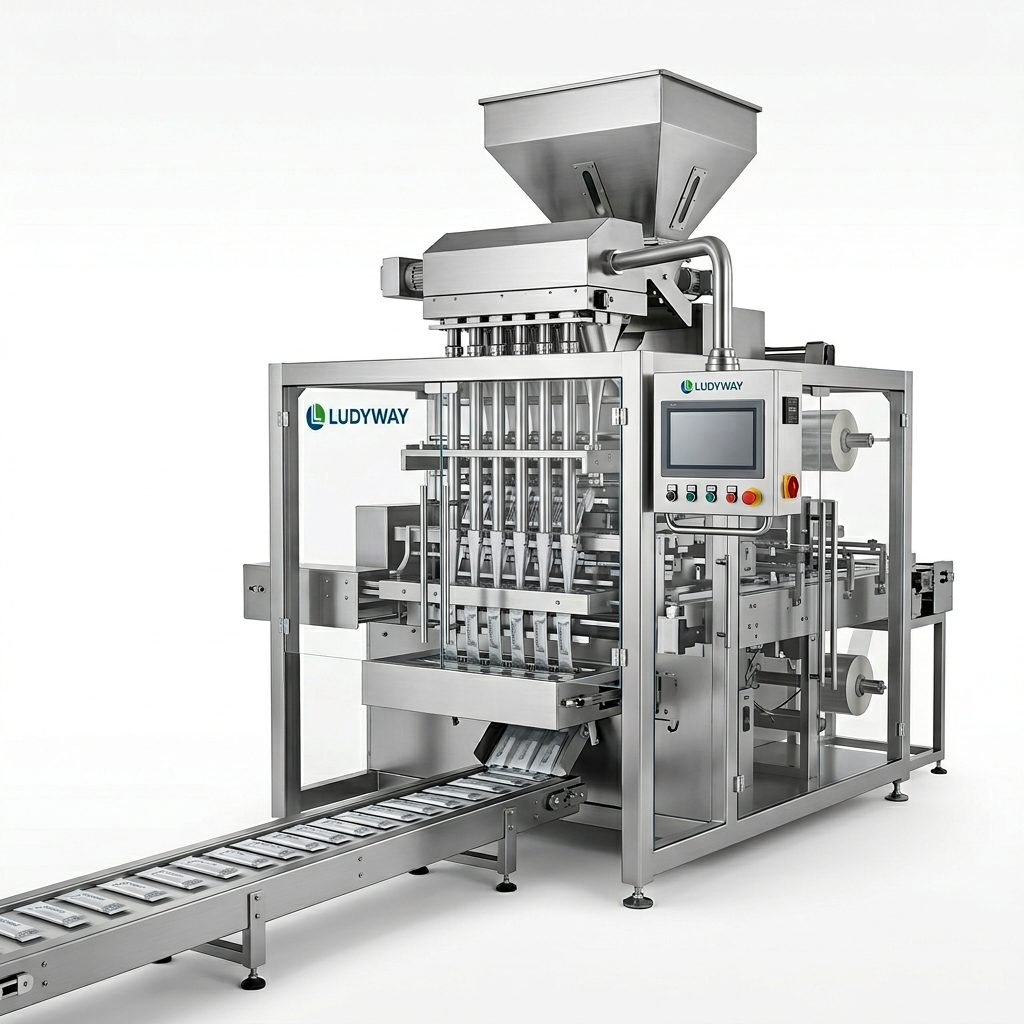
| Multi-Lane Stick Pack Machine | Coffee, Collagen, Energy Gel, Probiotics | Servo lane division, liquid anti-drip pumps, micro auger | 6 – 8 Weeks | High-Speed Multi-Lane |
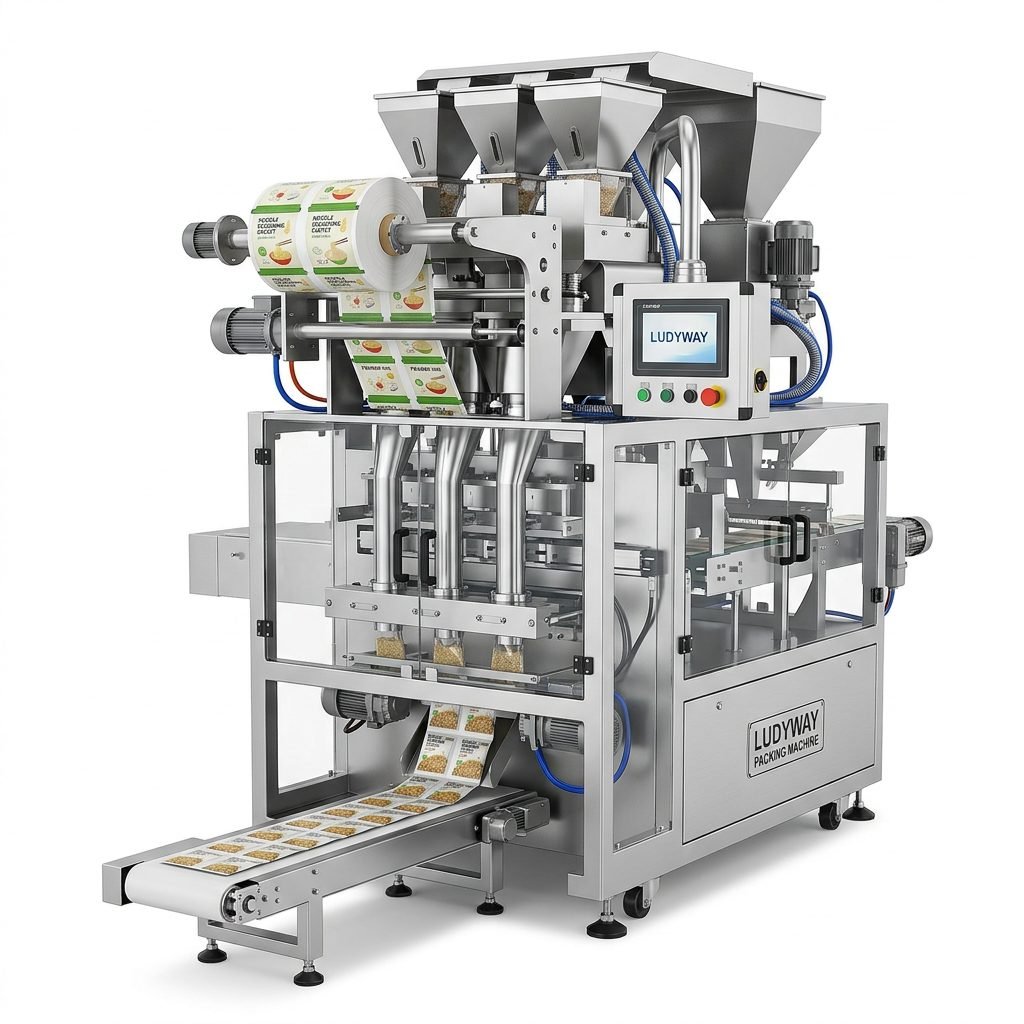
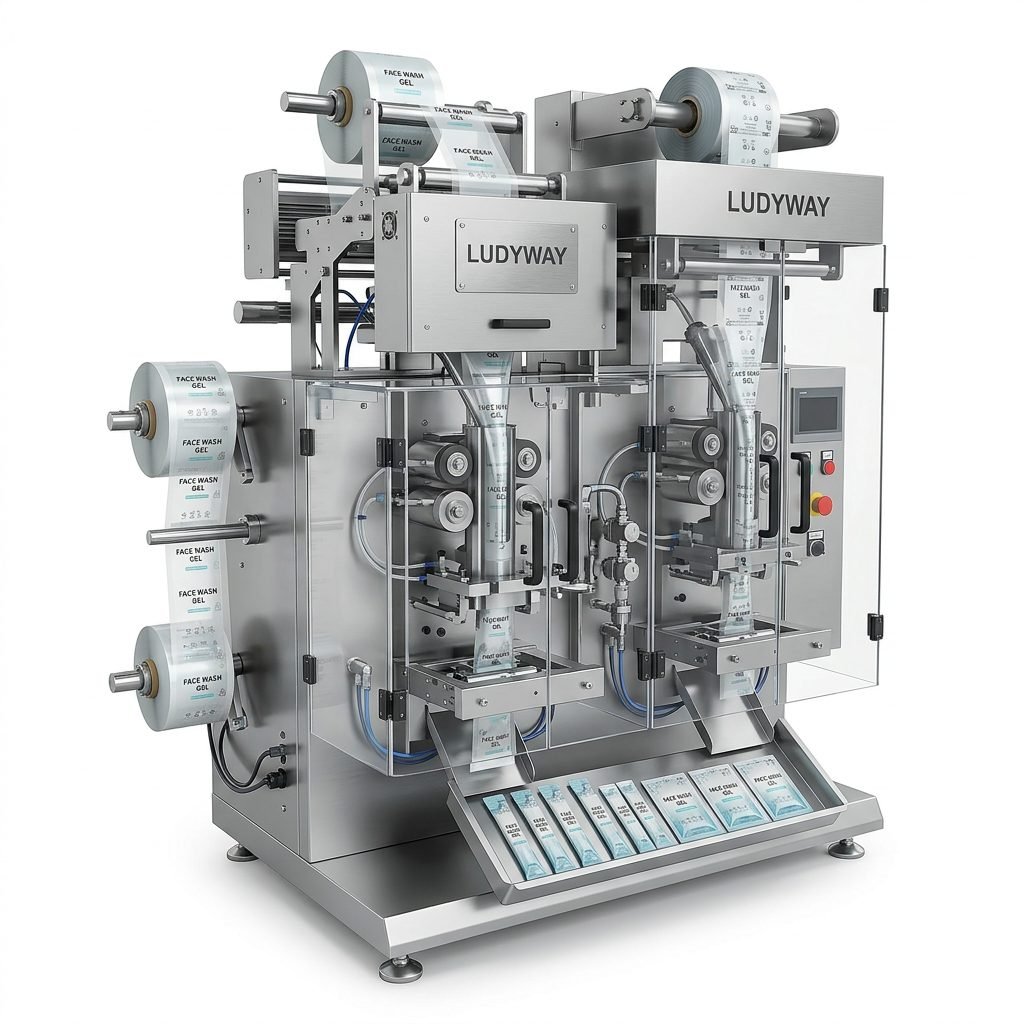
| Multi-Lane Sachet Packaging Line | Seasoning powder, Face wash, Chemical granules | 4-side seal tooling, nitrogen flushing, tear notch dies | 6 – 9 Weeks | High-Speed Continuous |
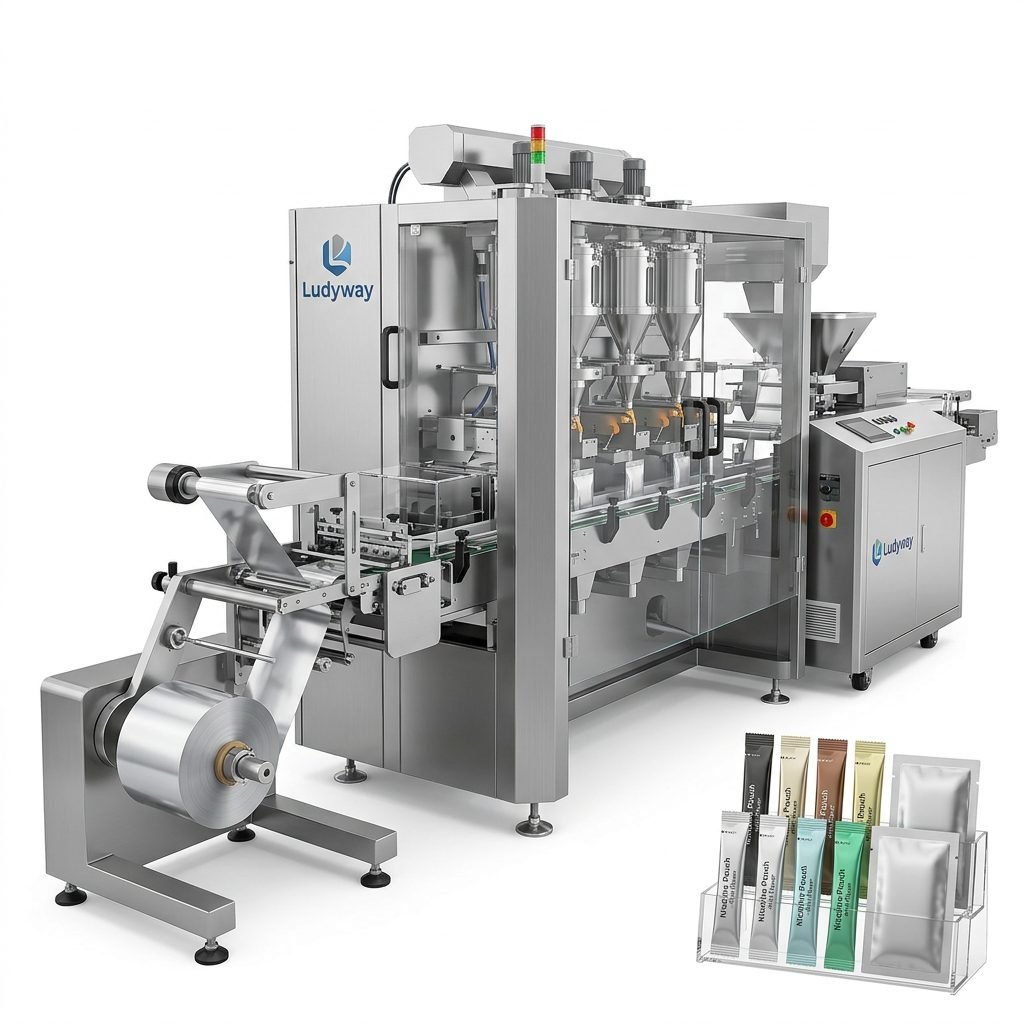
| Nicotine Pouch Packaging Machine | Tobacco-free nicotine pouches, oral snus | High-speed ultrasonic sealing, precision pouch count | 8 – 10 Weeks | Fully Automated High-Speed |
| Pharmaceutical Powder/Liquid Line | Antibiotics, Oral liquids, Medical syrups | cGMP 316L contact parts, laminar flow, 21 CFR Part 11 | 10 – 12 Weeks | Cleanroom Turnkey System |
| Bulk Granule / Bagging System | Animal feed, fertilizer, big bags (10-50kg) | Heavy load cell weighing, dust extraction, palletizing | 7 – 9 Weeks | Heavy Industrial Conveyorized |
| Full Turnkey Packaging & Cartoning | Food, cosmetics, chemical multi-packs | Multi-machine PLC handshake, pick & place, case sealing | 12 – 16 Weeks | End-to-End Smart Factory |
5 Critical Factors That Impact Your Machine Customization Schedule
Why do custom packaging lead times vary? Here are the fundamental technical variables that directly dictate production schedules.
1. Product Rheology & Dosing Mechanism Complexity
Packaging fine static hygroscopic powders (e.g., matcha, milk tea, instant coffee) requires precision micro-augers with anti-bridging agitators. In contrast, viscous pastes (mayonnaise, chili sauce, silicone) necessitate specialized servo rotary valves and anti-drip nozzles, adding 1 to 2 weeks for flow tuning.
2. Multi-Lane Mechanical Synchronization
Single-lane vertical form fill seal (VFFS) platforms have rapid turnaround times. Configuring 6, 8, 10, or 12 lanes requires dedicated multi-channel film slitting, independent lane temperature PID controllers, and harmonic servo sealing jaws that demand extensive software simulation.
3. Regulatory & Sanitary Compliance (cGMP / FDA / CE)
Pharmaceutical and clean-room projects require full AISI SUS316L contact surfaces, mirror-polished welds (Ra < 0.4μm), CIP (Clean-In-Place) integration, sterile air laminar overpressure, and exhaustive IQ/OQ validation documentation before release.
4. Custom Auxiliary & Downstream Line Integration
Integrating auxiliary equipment such as continuous inkjet/thermal transfer date coders, multi-lane checkweighers, X-ray inspection, auto-sachet counting, or auto-boxing conveyors extends programming and handshake testing duration.
Customized Packaging Systems Ready for Rapid Deployment
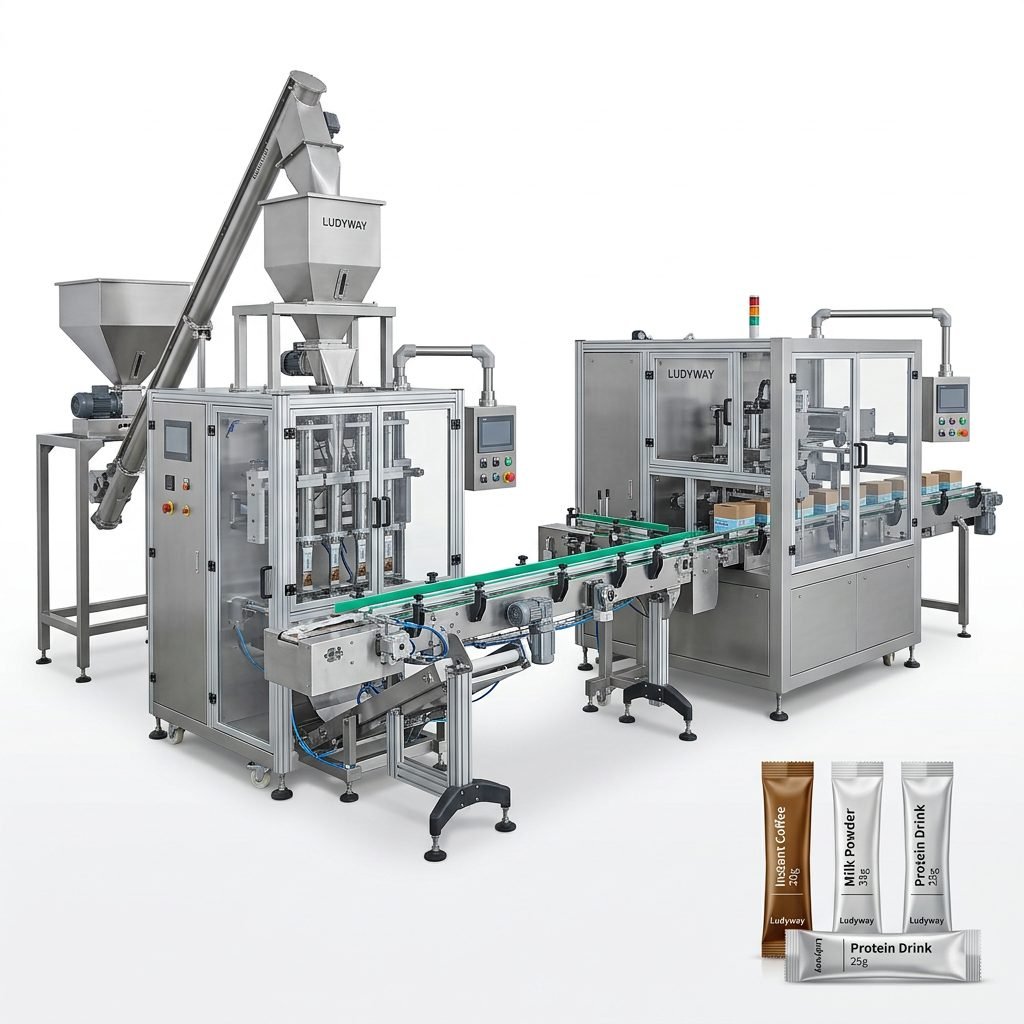
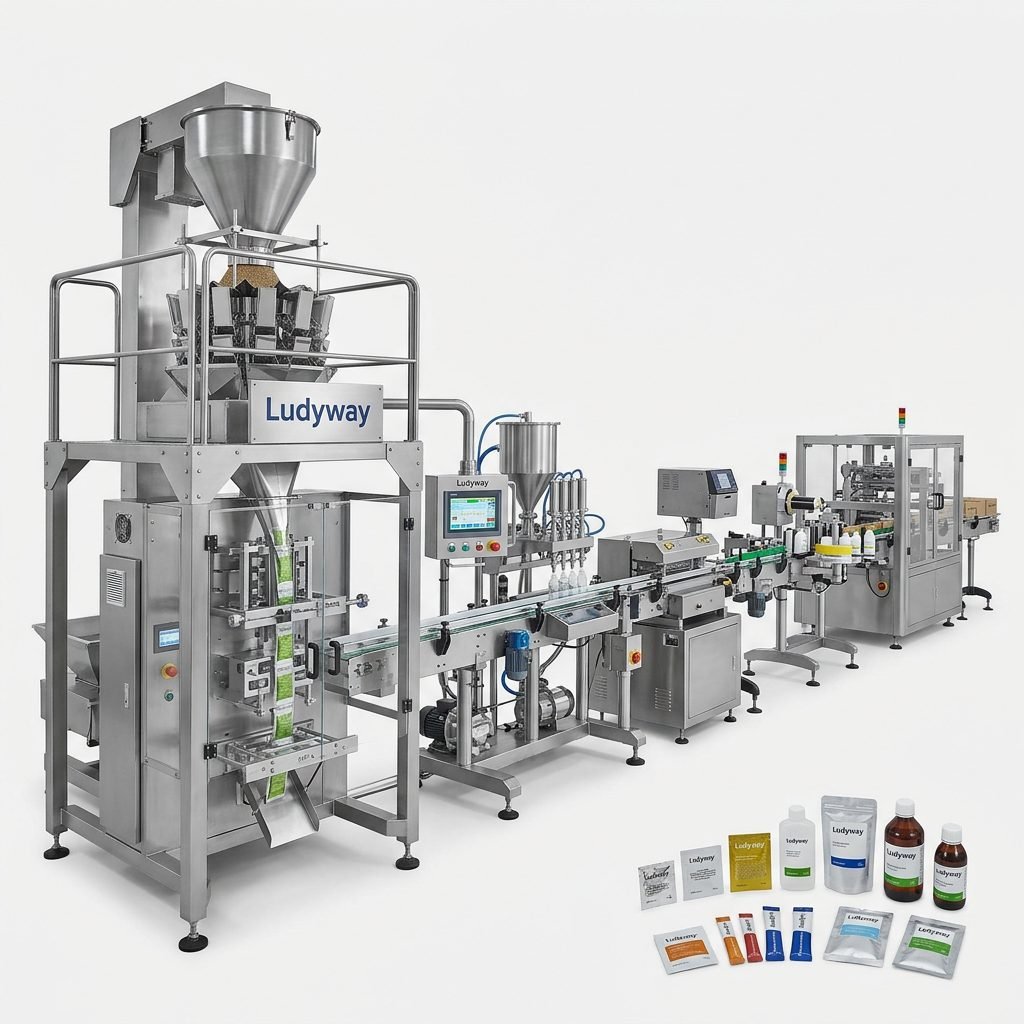
Explore our top customized machine configurations engineered for granule, powder, and liquid formulations across the food, pharmaceutical, and health industries.
How Buyers Can Shorten Custom Machinery Lead Times
Project delays often occur before manufacturing begins. Here is how supply chain managers, packaging engineers, and procurement directors can reduce turnaround by 2 to 3 weeks.
Accelerated Procurement Strategies
Proactive technical alignment eliminates endless revision cycles during the initial 3D mechanical CAD and electrical schematic phases.
Technical Readiness Checklist
Prepare the following engineering parameters prior to issuing a Request for Quotation (RFQ) to obtain immediate layout drawings and guaranteed lead times:
20,000㎡ Modern Production Facility & Global Compliance
With over 30 years of industry heritage, Ludyway operates one of China’s premier packaging machinery manufacturing bases, hosting 200+ advanced fabrication units, CNC five-axis milling centers, and dedicated clean-room testing bays.
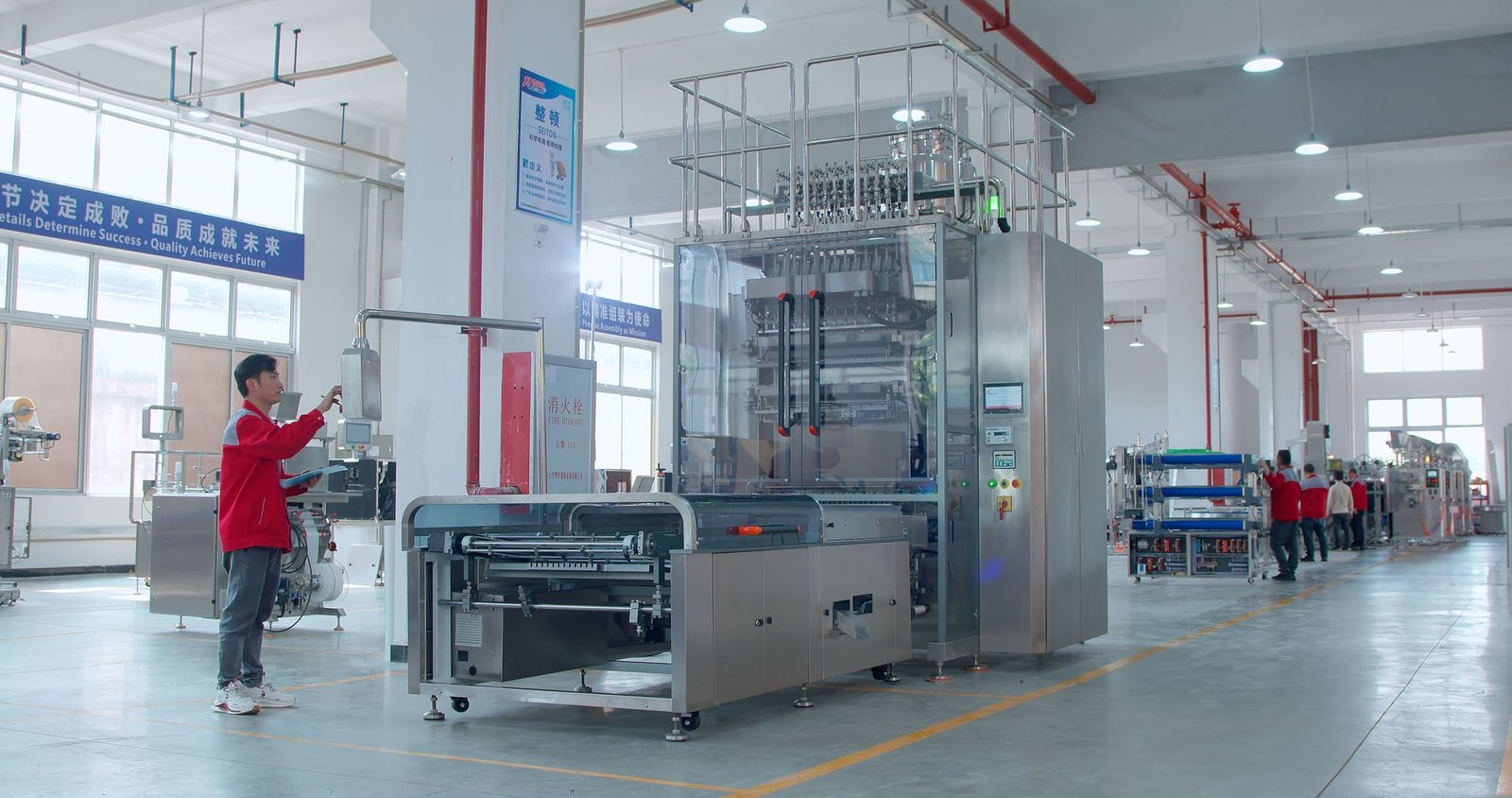
In-House CNC Fabrication
Maintaining complete internal control over high-precision tooling, former machining, and sealing die fabrication allows us to cut third-party dependency and protect client delivery milestones.
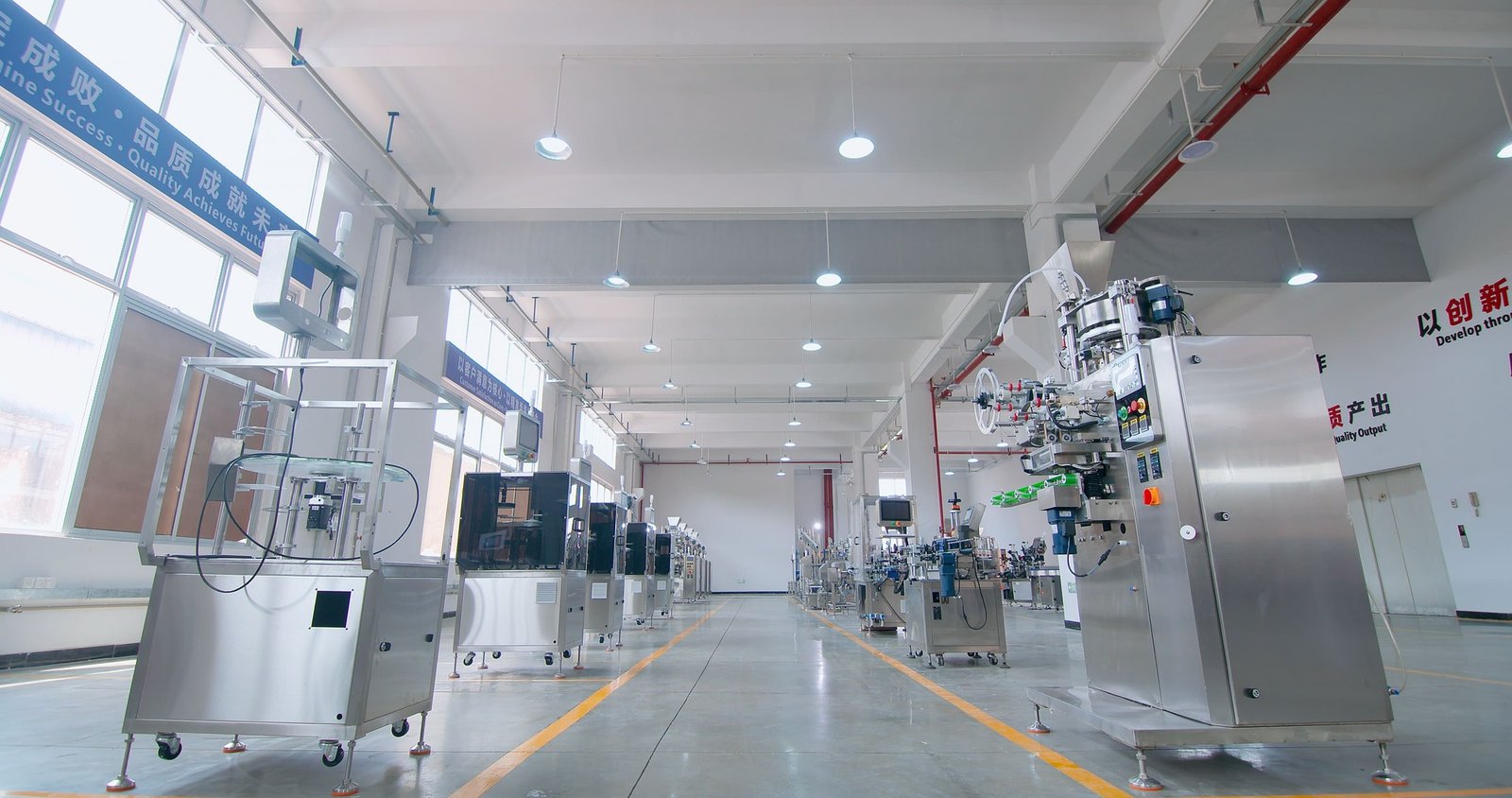
50+ Intelligent Models
Our modular base platforms for sachet, multi-lane stick pack, and turnkey bottling systems allow rapid parametric adaptation, reducing custom design lead times by up to 30%.
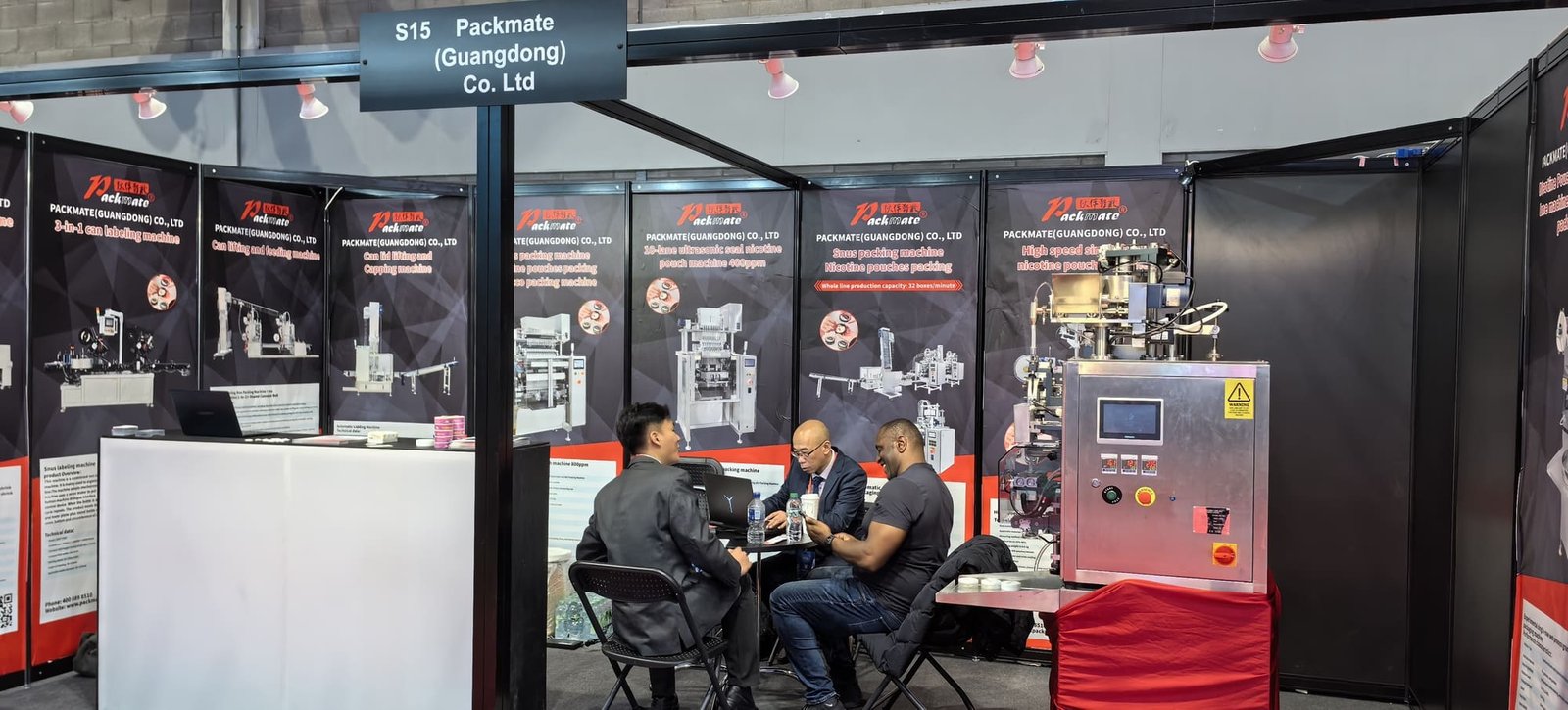
Worldwide Field Deployment
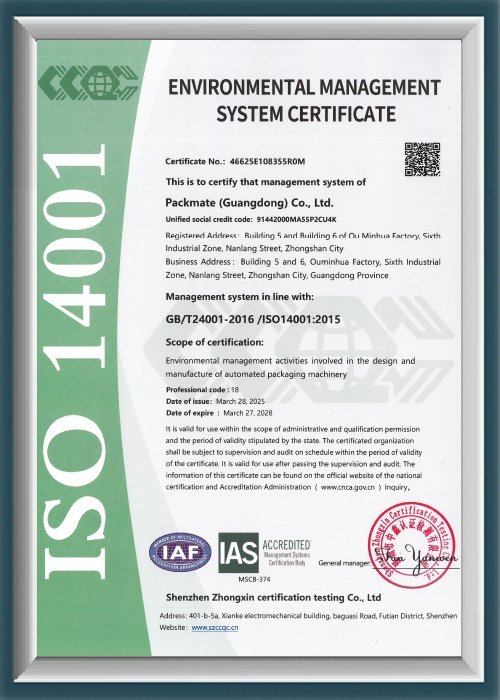
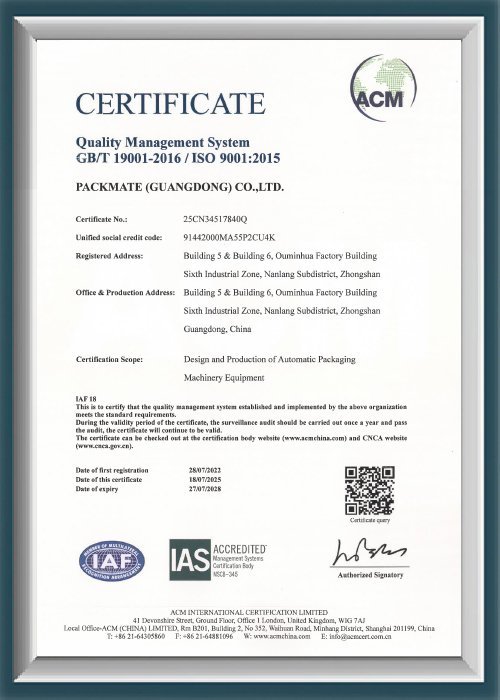
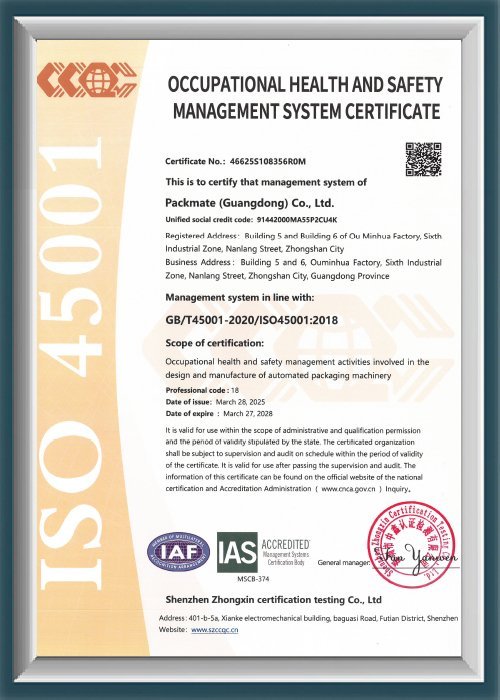
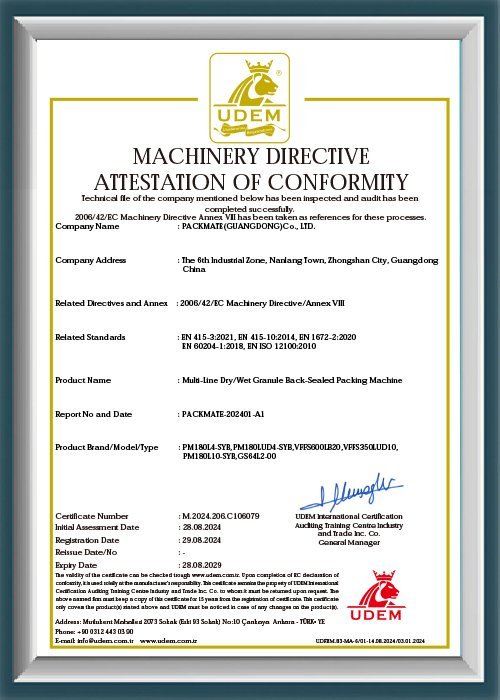
Active deployments across 100+ countries with CE, ISO9001, and cGMP compliance, backed by dedicated overseas commissioning and spare parts stocking.
Frequently Asked Questions on Packaging Machine Customization
Everything you need to know about design iteration, FAT protocols, expediting production, and warranty validation.
Can custom packaging equipment lead times be expedited in urgent situations?
Yes. By utilizing our modular pre-assembled SUS304 frames and standardizing on pre-configured servo architectures, we can fast-track semi-custom packaging lines down to 3 to 4 weeks. Fast-track options depend on component availability and immediate client approval of CAD tooling.
What takes the most time during the customization engineering lifecycle?
The two longest phases are precision machining of custom forming/sealing tooling (approx. 2-3 weeks) and multi-lane dynamic FAT testing & software tuning (approx. 1-2 weeks). Ensuring seal hermeticity and weight precision across all synchronized channels requires continuous run verification.
Do I need to send physical product samples to China for testing?
For specialized powders (fine mesh, high static), viscous sauces, or unique multi-layer barrier films, providing physical samples (minimum 15-30 kg and 2 film rolls) is strongly recommended. This guarantees that your equipment arrives at your facility 100% dialled in with zero startup downtime.
How is Factory Acceptance Testing (FAT) performed for overseas clients?
Clients are welcome to visit our 20,000㎡ manufacturing plant for in-person FAT. Alternatively, we conduct live multi-angle 4K interactive video FAT sessions, demonstrating continuous high-speed runs, weight verification on dynamic checkweighers, pouch tensile seal tests, and safety interlock cutouts with full data logging.
Plan Your Custom Packaging Project with Guaranteed Delivery
Connect directly with senior Ludyway packaging automation engineers. Receive a comprehensive technical proposal, 3D footprint layout, and precise production timeline within 24 hours.
