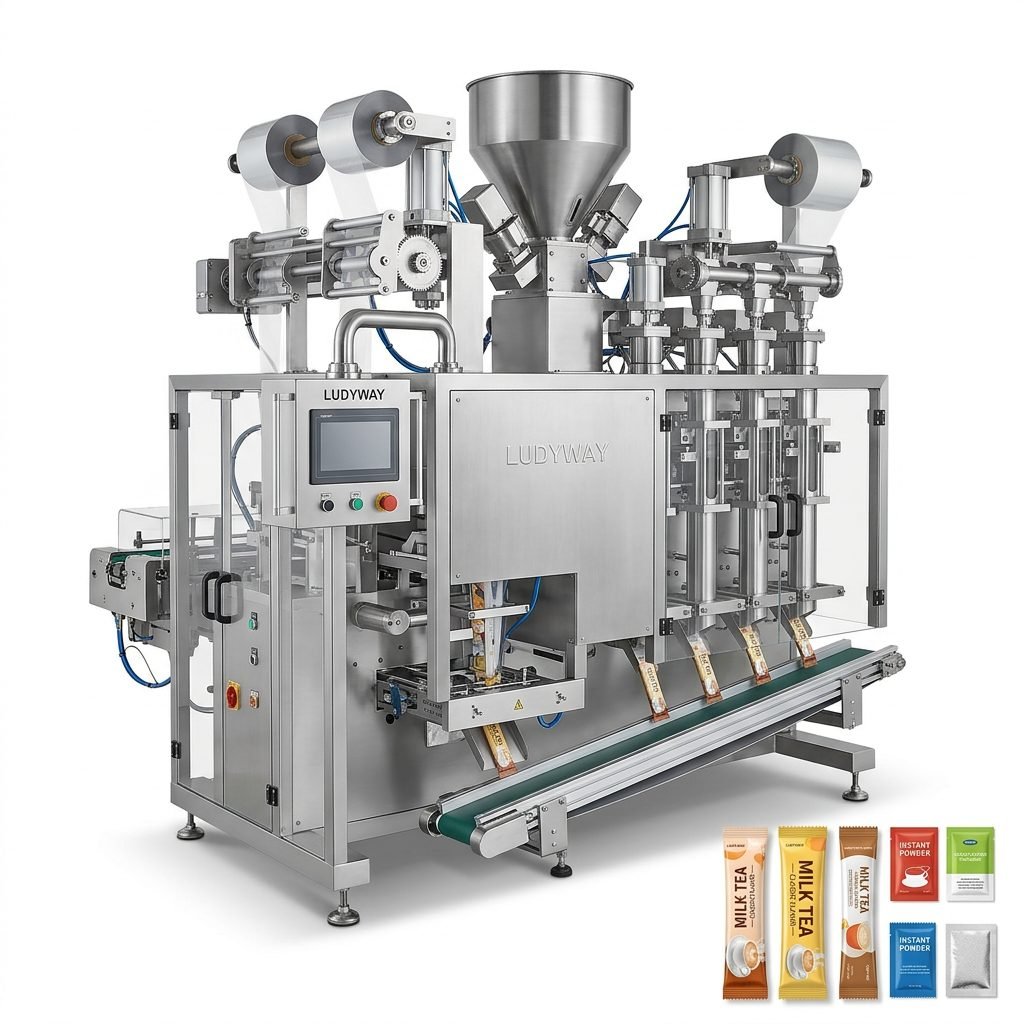
Investing in a mini milk tea packing machine is a significant decision for bubble tea shops, startups, and established beverage manufacturers looking to scale production. The cost varies widely based on automation level, speed, and packaging format. Understanding the price landscape helps you budget accurately and avoid costly mistakes.
Key Factors Influencing Mini Milk Tea Packing Machine Price
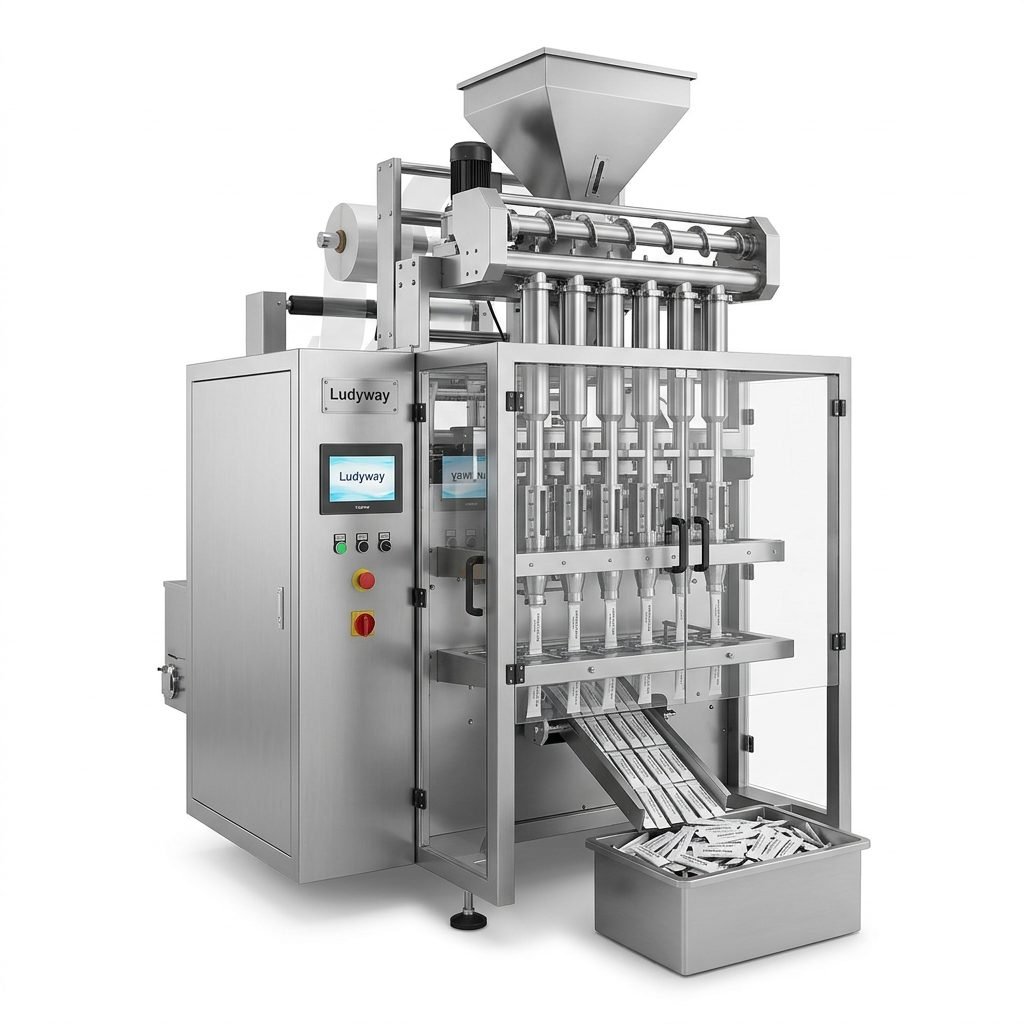
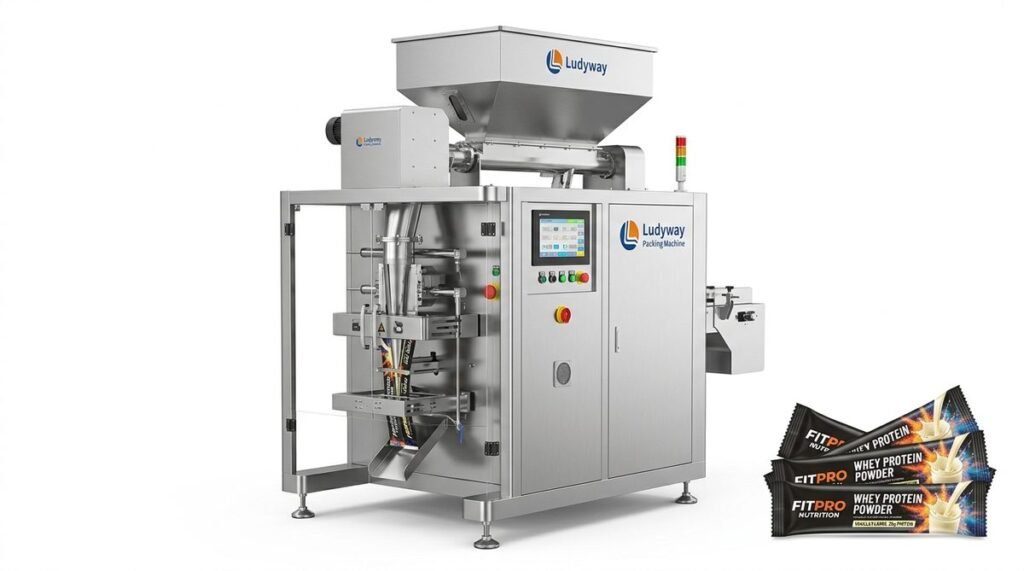
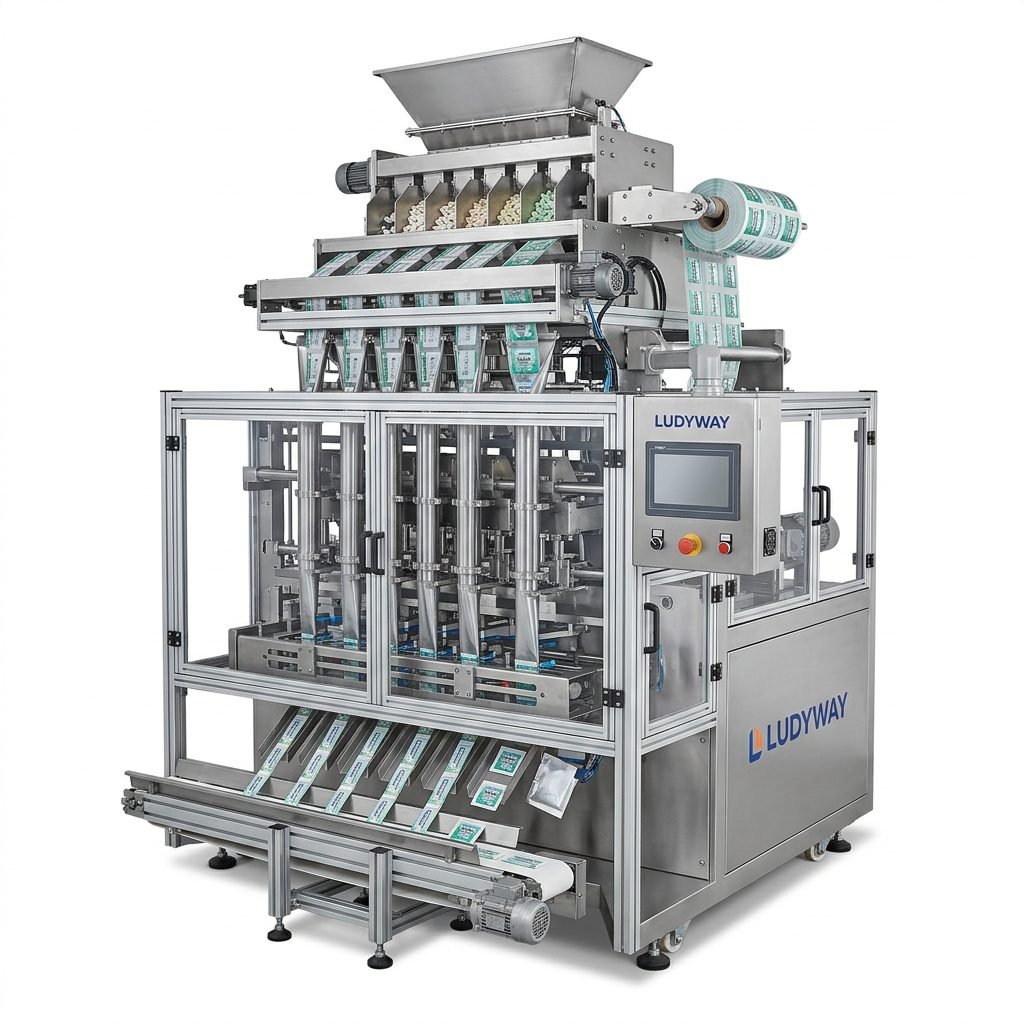
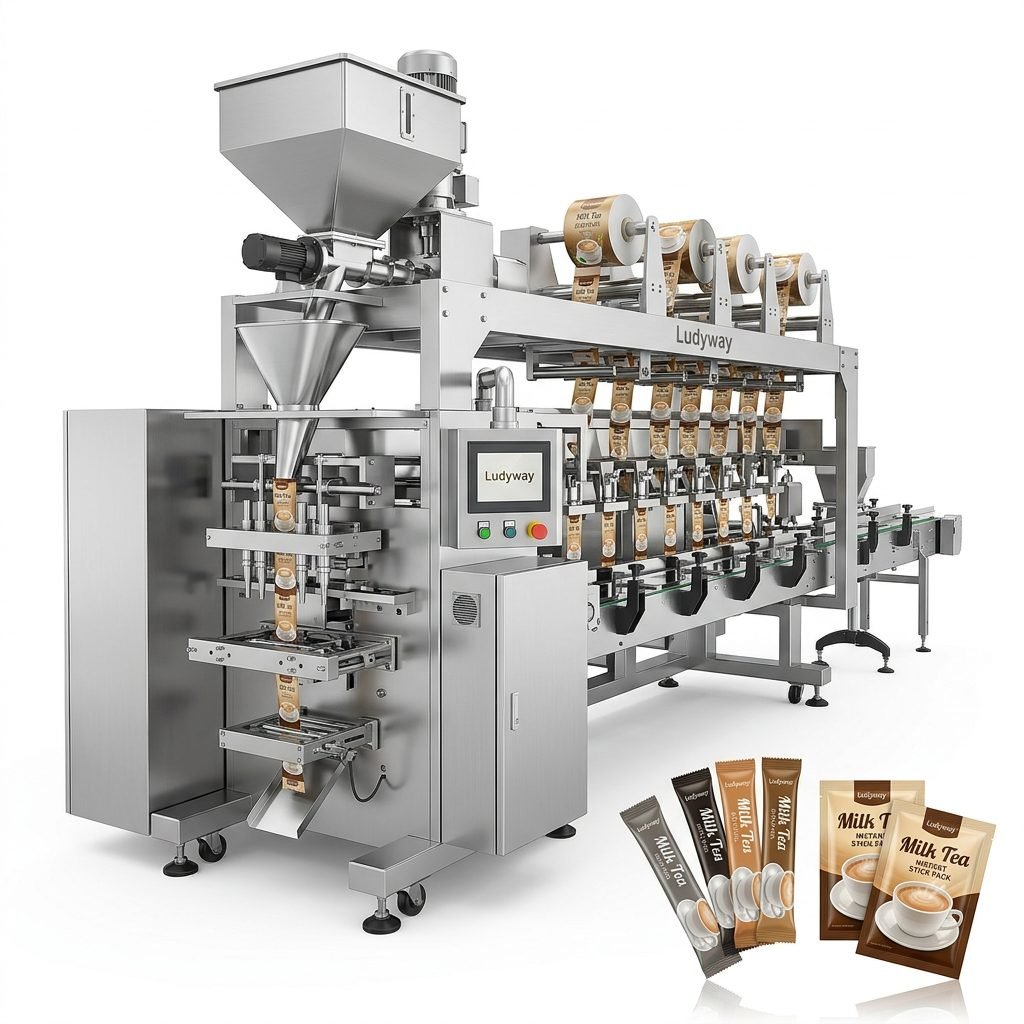
Several variables determine the final cost of your equipment. The material composition, whether you need granular powder filling for instant milk tea or liquid filling for ready-to-drink formats, plays a major role. A basic single-lane stick pack machine typically falls into a lower price tier compared to sophisticated multi-lane sachet packaging systems.
- Automation Level: Semi-automatic vs. fully automatic packaging machines differ significantly in price.
- Packaging Format: Stick packs, sachets, or pouches each require different sealing and forming mechanisms.
- Production Speed: Machines capable of 40-60 packs per minute cost less than high-speed models exceeding 150 packs per minute.
- Material Contact Parts: Stainless steel 304 or 316L construction, essential for food-grade compliance, influences manufacturing costs.
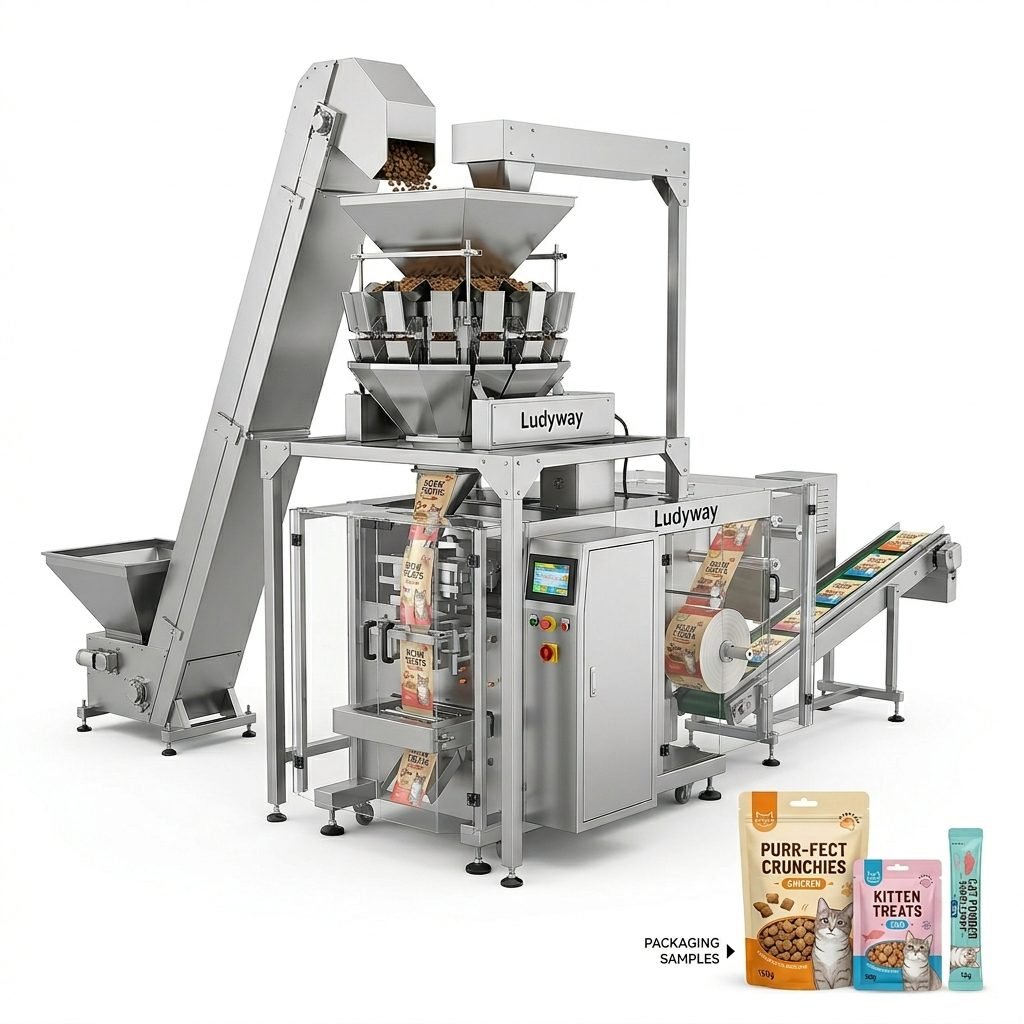
- Auxiliary Equipment: Integrated weighers, conveyors, and coding systems add to the total investment.
Price Range Breakdown by Machine Type
The table below provides a realistic reference for mini milk tea packing machine price ranges based on current market data and manufacturer configurations. Note that customizations can shift these figures.
| Machine Configuration | Estimated Price Range (USD) | Best Suited For |
|---|---|---|
| Basic Single-Lane Stick Pack | $3,000 – $8,000 | Small bubble tea shops, startups |
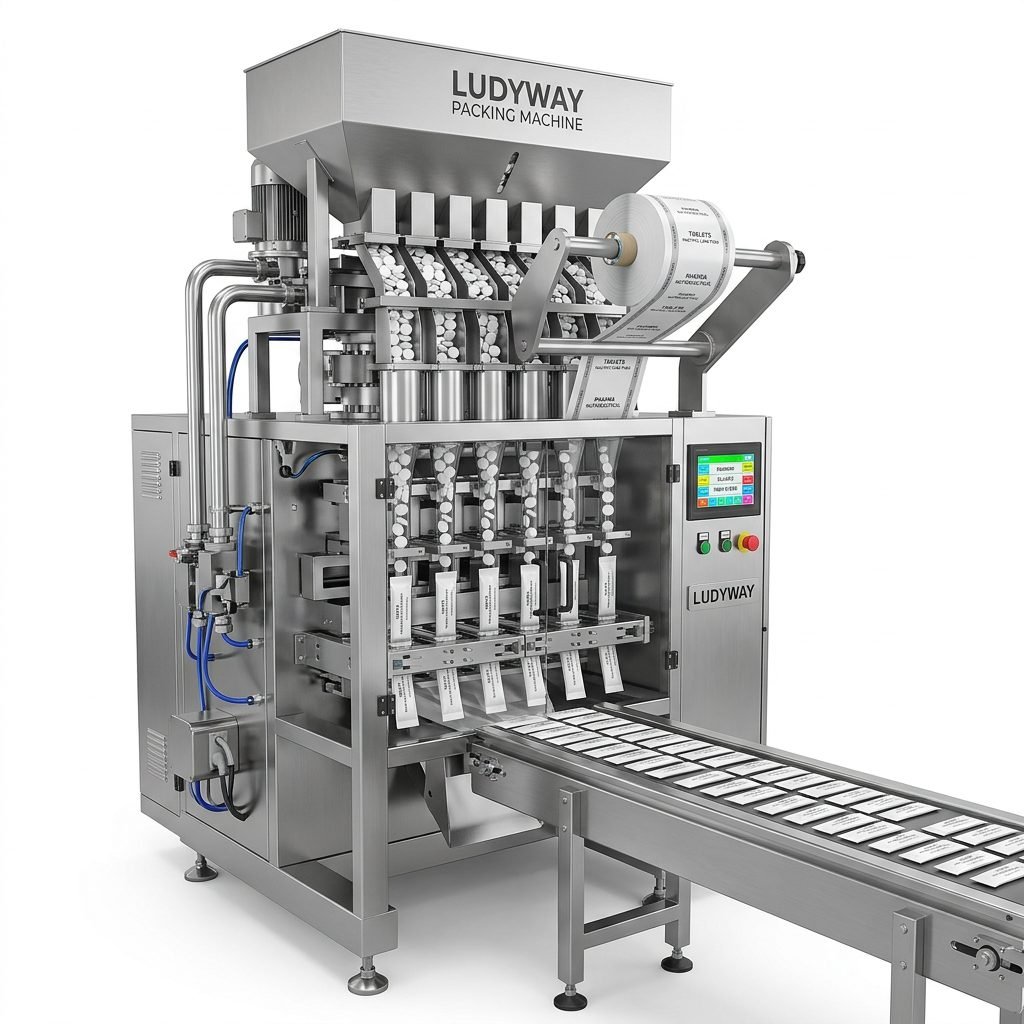
| 4-Lane Stick Pack Machine | $12,000 – $25,000 | Growing brands, mid-volume production |
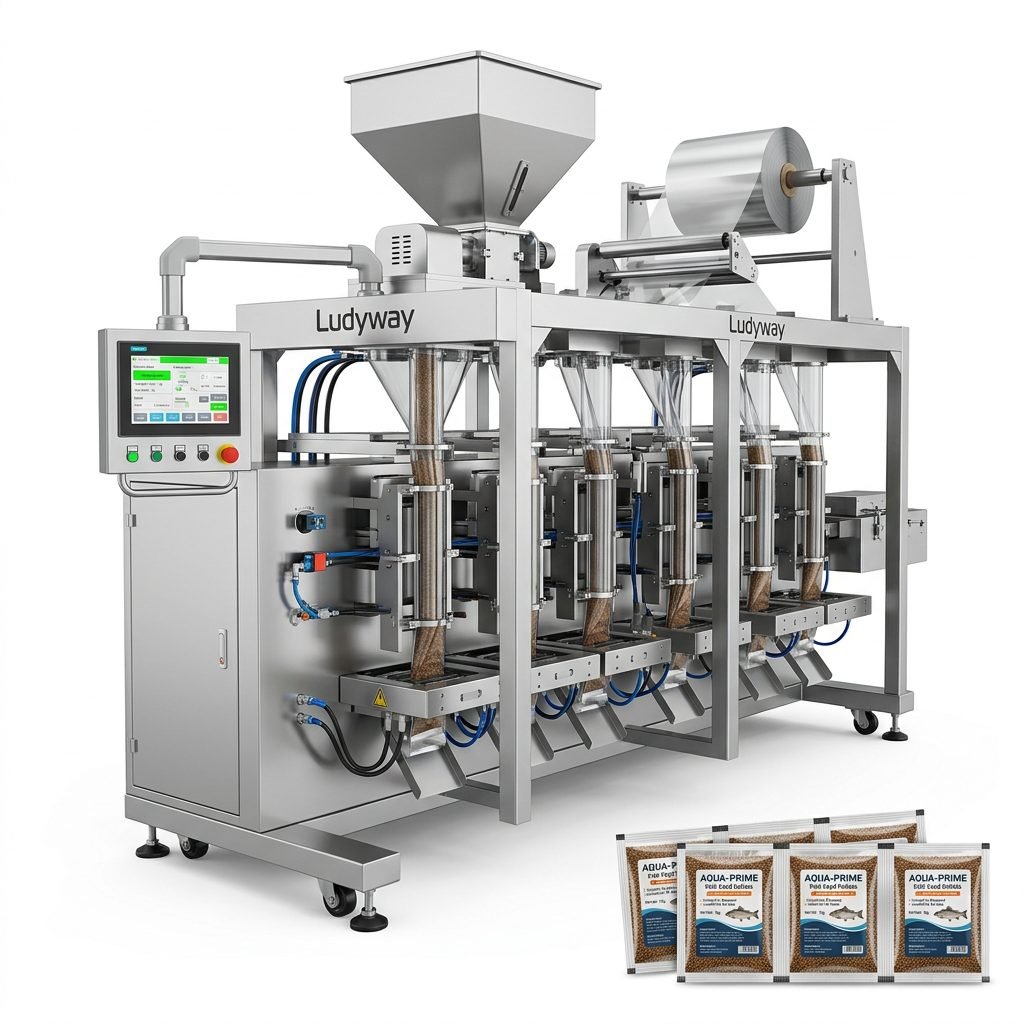
| Multi-Lane Sachet System (6-8 Lanes) | $28,000 – $50,000 | Established manufacturers |
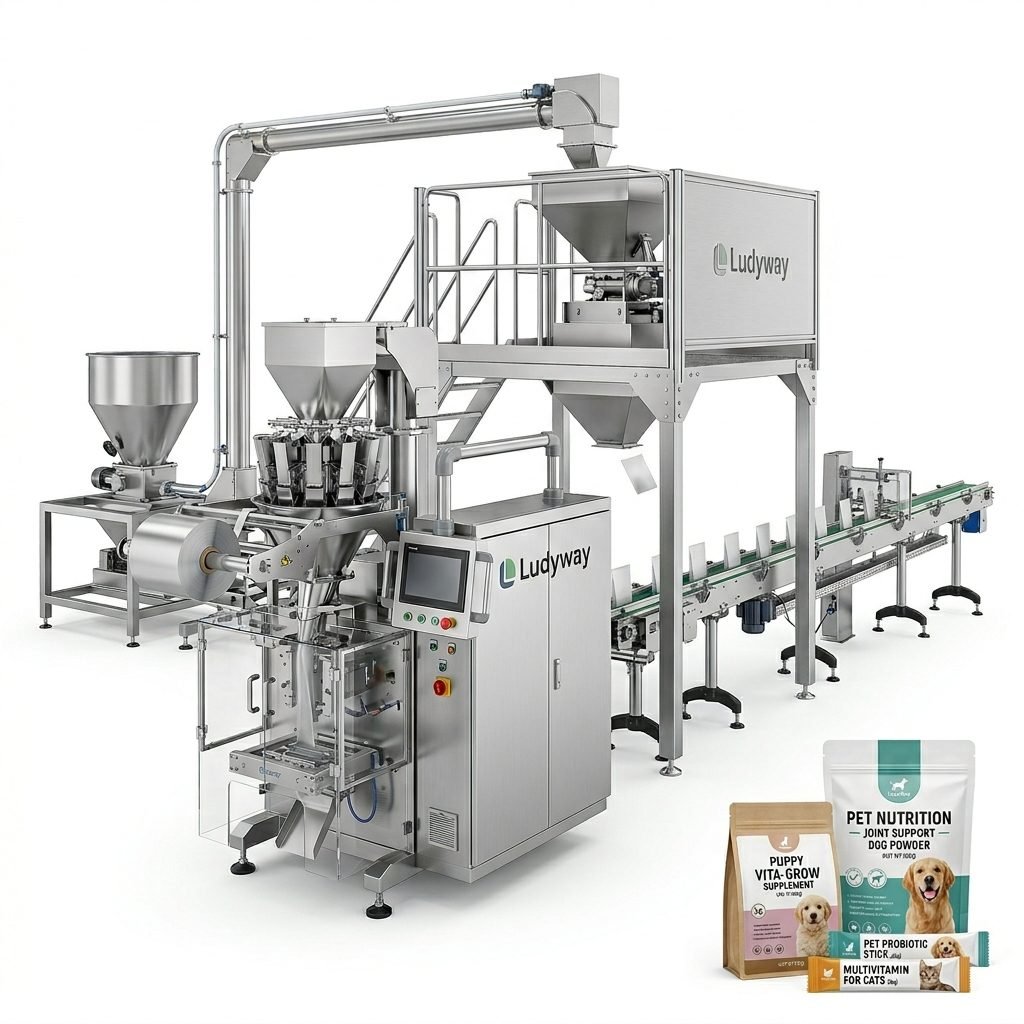
| Full Turnkey Line (10+ Lanes) | $55,000 – $120,000+ | Large-scale industrial production |
Stick Pack vs. Sachet: How Packaging Format Affects Cost
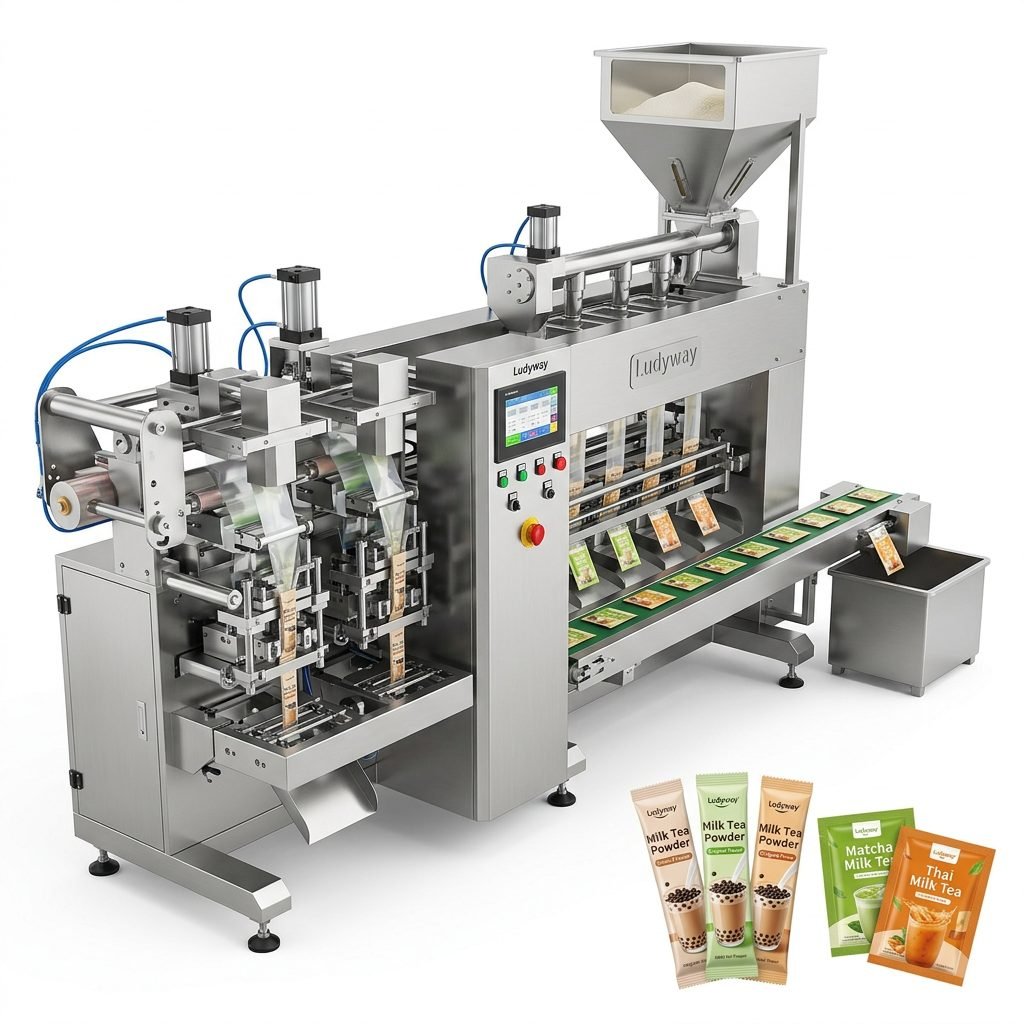
Your choice between stick pack and sachet packaging directly impacts your machinery budget. Stick pack machines often feature narrower film widths and simpler forming tubes, generally reducing material costs but requiring precision in vertical sealing. According to the Flexible Packaging Association, stick pack formats continue gaining market share due to portion control and convenience.
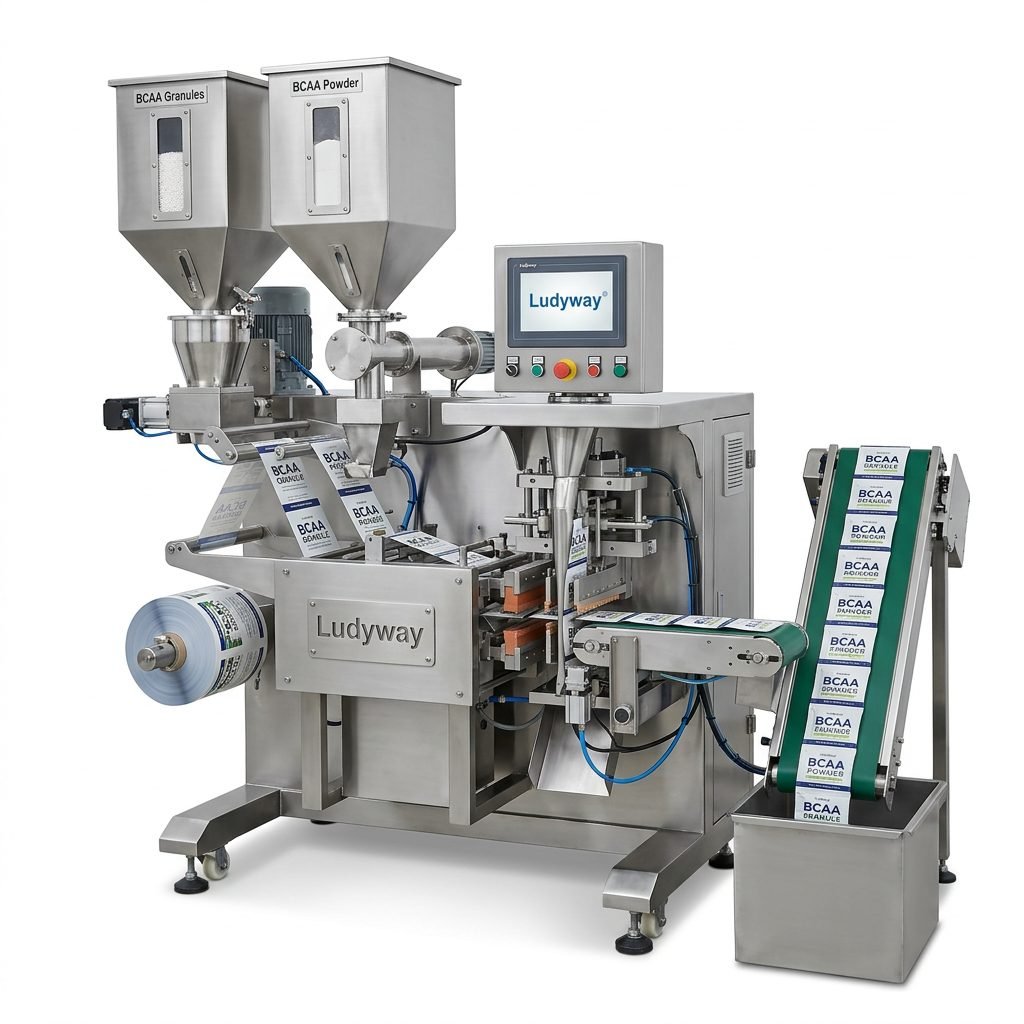
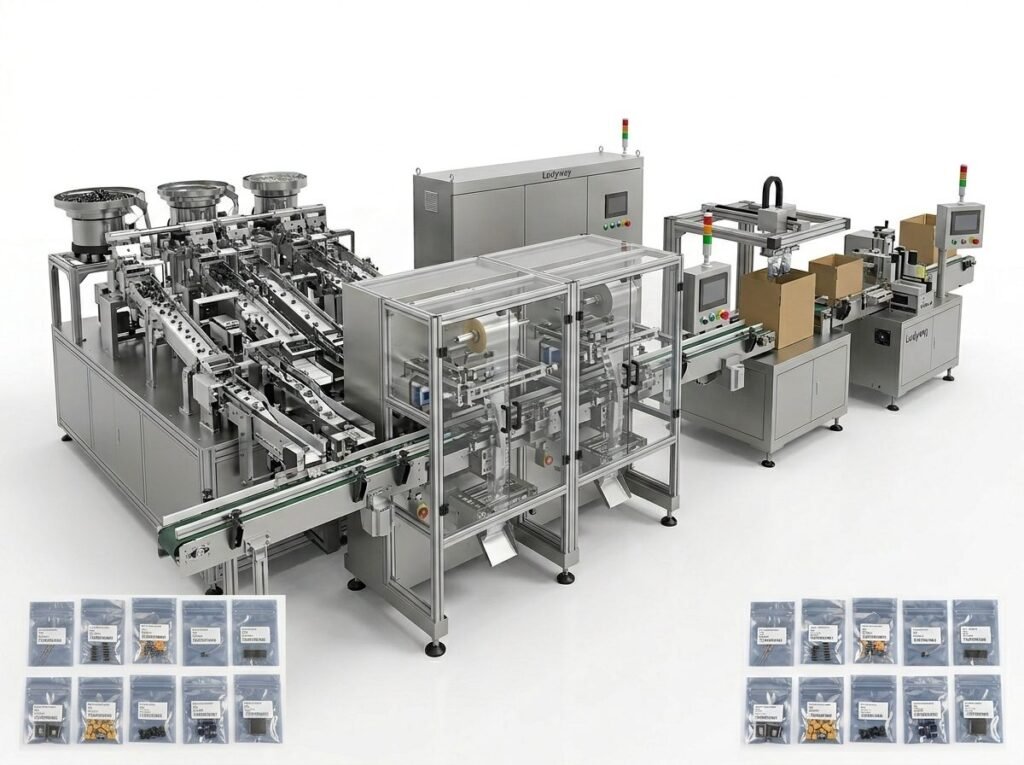
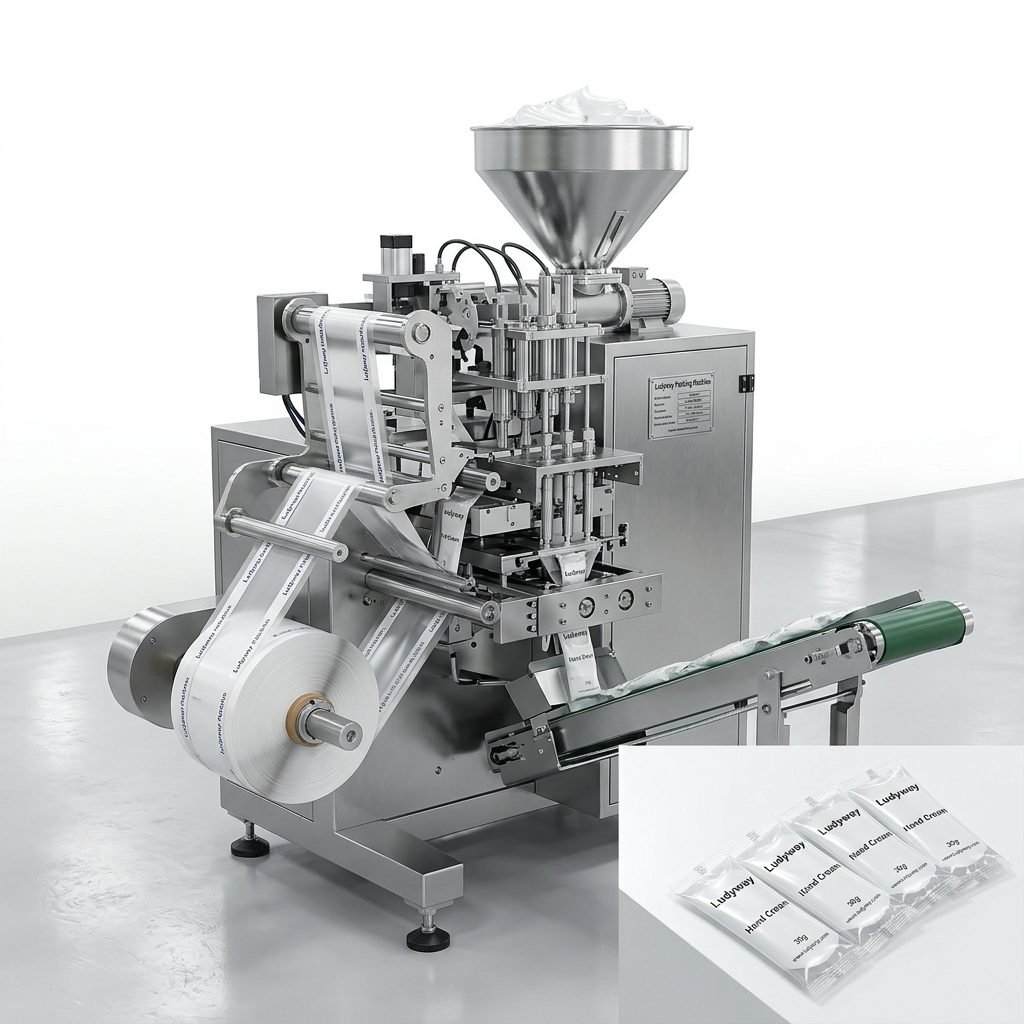
Sachet machines, particularly those producing pillow-style or four-side-seal pouches, require more sophisticated unwinding and tension control systems. If your milk tea product includes multiple components — such as separate powder and topping packets — you will need a machine capable of handling varied fill types. Always verify that the equipment meets FDA food contact substance regulations for your target market.
Hidden Costs You Must Budget For
Beyond the base mini milk tea packing machine price, several ancillary expenses can surprise first-time buyers. Ignoring these can derail your ROI calculations.
- Shipping and Import Duties: International freight for heavy equipment can add 5%–15% to the invoice.
- Installation and Commissioning: Technician travel and on-site setup fees, often $1,500–$5,000 depending on location.
- Packaging Film Compatibility: You must source films that match your machine’s heat-sealing parameters. Review packaging material standards before ordering.
- Spare Parts Inventory: Sealing jaws, heaters, and cutting blades wear over time and require replacement.
- Operator Training: Without proper training, efficiency drops significantly — allocate time and resources accordingly.
Why Production Speed Dictates ROI
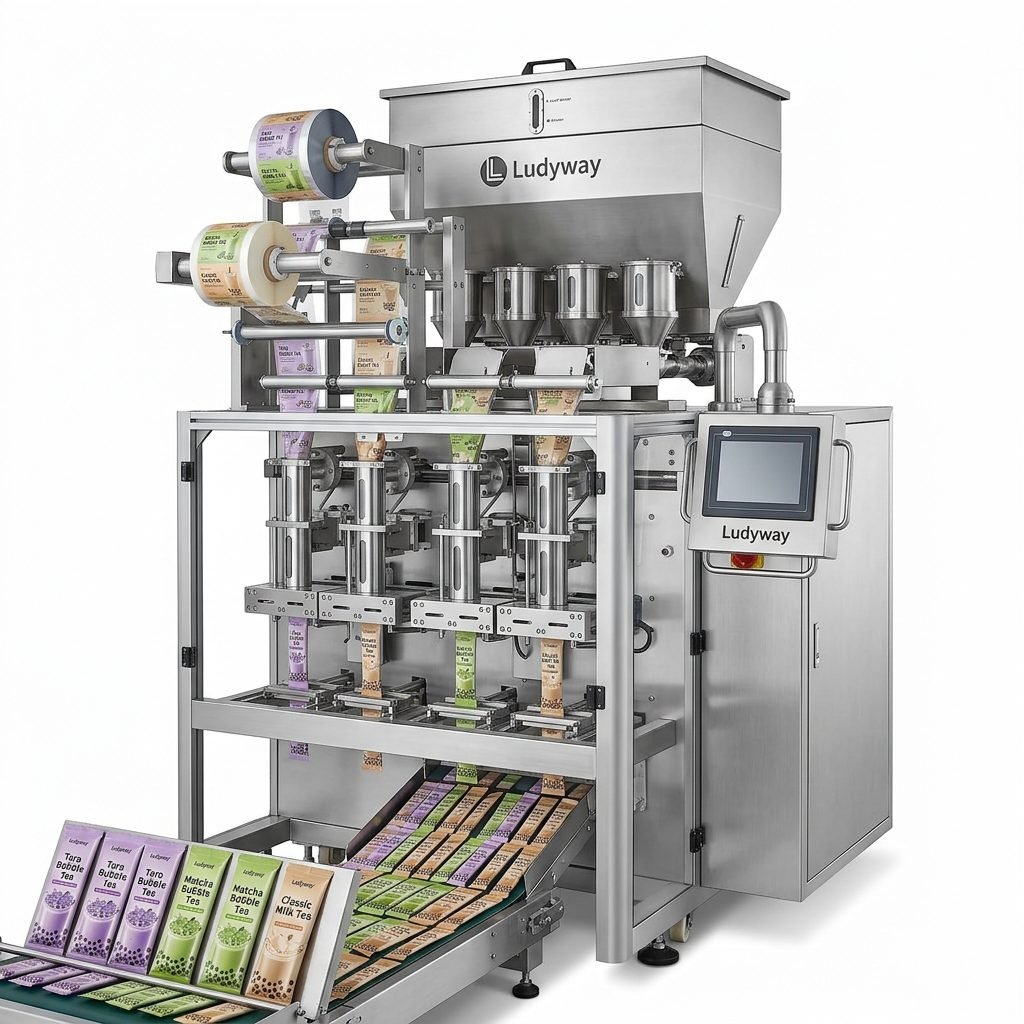
A machine running at 40 packs per minute might cost $5,000, while a model operating at 200 packs per minute could approach $45,000. However, the higher-speed unit often delivers lower cost-per-pack over time. For businesses producing over 500,000 units monthly, the premium for speed is justified through labor reduction and increased throughput. Industry business intelligence reports consistently show that automated multi-lane systems reduce per-unit packaging costs by 30%–50% compared to manual or semi-automatic alternatives.
Buying Tips: How to Choose the Right Machine
Selecting the optimal packaging equipment extends beyond comparing initial price tags. Follow these strategic guidelines to ensure a sound investment that supports your long-term production goals.
1. Verify Material Construction and Certifications
Food-grade stainless steel construction is non-negotiable for milk tea products. Request documentation showing compliance with relevant ISO standards for packaging. Machines built with inferior materials corrode quickly when exposed to powdered ingredients and humidity, leading to contamination risks and expensive repairs.
2. Request Video Demonstrations and Samples
Before committing, ask the manufacturer to run your specific product on their machine. A reputable supplier will provide video proof and mail physical samples for your evaluation. Examine seal integrity, fill accuracy, and print quality on the finished sachets.
3. Understand After-Sales Support
Technical support responsiveness can make or break your production uptime. Clarify warranty terms, remote troubleshooting capabilities, and the availability of local service engineers. A machine priced $2,000 lower but without reliable support often costs far more in lost production.
4. Consider Modular and Scalable Systems
If you anticipate growth, select a platform that supports adding lanes or integrating auxiliary modules. A 4-lane machine that can expand to 8 lanes protects your initial investment while providing a clear upgrade path.
About the Manufacturer
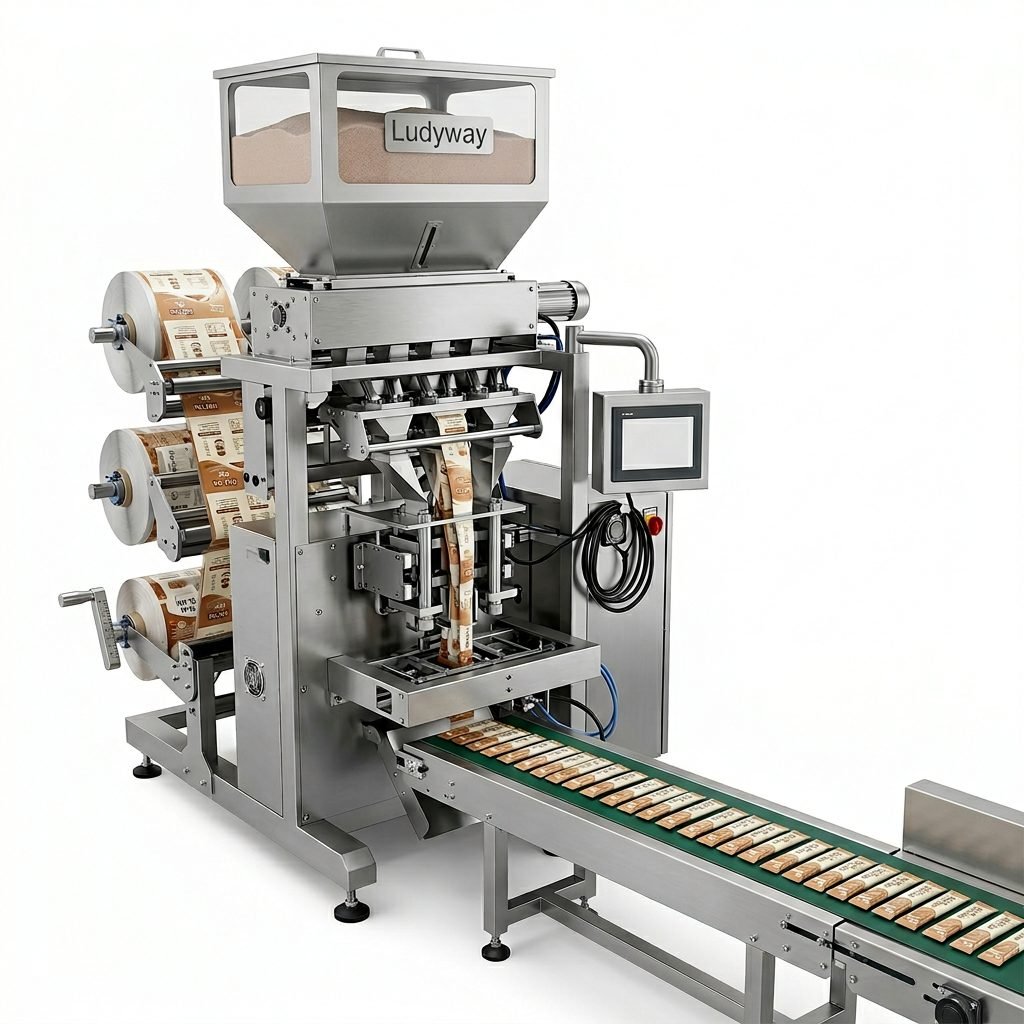
Ludyway is one of the largest packaging machine manufacturers in China, specializing in advanced packaging equipment and turnkey production solutions for the food, pharmaceutical, and health industries. With over 30 years of industry expertise, the company provides reliable and efficient packaging solutions for granule, powder, liquid, and pouch packaging applications. Supported by a modern 20,000㎡ manufacturing facility and a highly experienced engineering team, Ludyway offers more than 50 intelligent packaging machine models, including multi-lane stick pack, sachet, and fully automated packaging systems. Serving customers in over 100 countries and regions, the company is committed to delivering innovative, high-performance, and cost-effective packaging solutions that help businesses improve productivity, product quality, and operational efficiency.
Frequently Asked Questions
What is the cheapest mini milk tea packing machine available?
Entry-level manual or semi-automatic stick pack machines start around $3,000. These units require more operator involvement and produce at slower speeds, making them suitable for very small operations or market testing.
How much does a fully automatic multi-lane milk tea packaging line cost?
A complete turnkey multi-lane packaging line with integrated weighing, filling, sealing, and coding typically ranges from $55,000 to $120,000+, depending on the number of lanes and auxiliary equipment configuration.
Can one machine handle both powder and liquid milk tea products?
Some versatile packaging machines support both powder and liquid filling by swapping out dosing mechanisms. However, dedicated systems generally deliver better accuracy and speed for each specific product type. Consult with engineers to determine the best configuration for your product line.
What packaging materials work with these machines?
Most machines process laminated films including PET/AL/PE, BOPP/CPP, and paper/PE combinations. Material compatibility depends on the machine’s heat-sealing temperature range and film tension control system. Always test your chosen film with the equipment before finalizing your purchase.