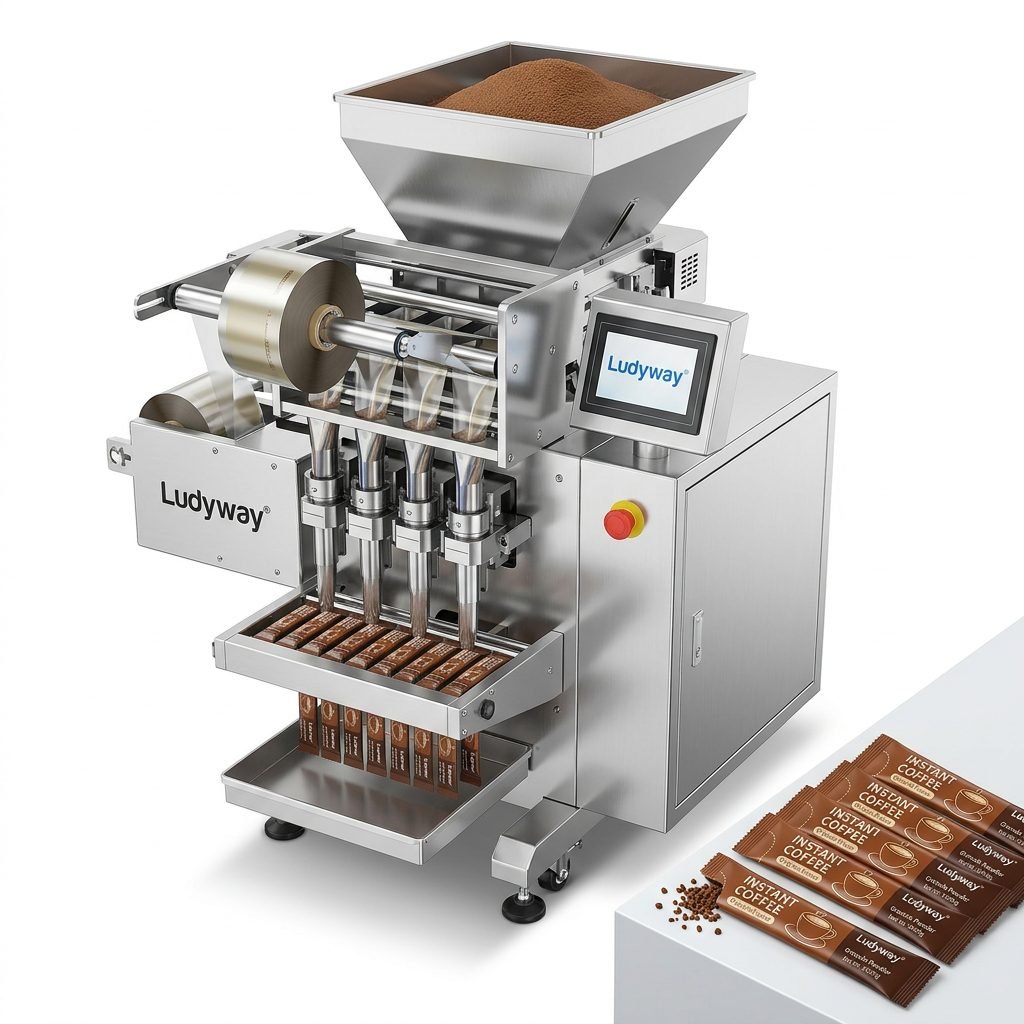
Investing in a tea and vegetable packaging machine is a significant decision for any food processing business. The cost of these machines varies widely, typically ranging from $5,000 for basic single-lane sachet models to over $150,000 for advanced multi-lane fully automated systems. Understanding the key factors that influence pricing, machine types, and long-term operational costs is essential for making an informed purchase that aligns with your production goals and budget constraints. This comprehensive guide explores every aspect of packaging machinery costs, helping you navigate the market with confidence.
Key Factors That Determine Packaging Machine Pricing
The final price of a tea or vegetable packaging machine is influenced by multiple variables. Each specification you choose impacts not only the upfront investment but also the long-term efficiency and maintenance costs of your packaging line. Below are the primary cost drivers you should evaluate before requesting a quote.
Automation Level and Machine Complexity
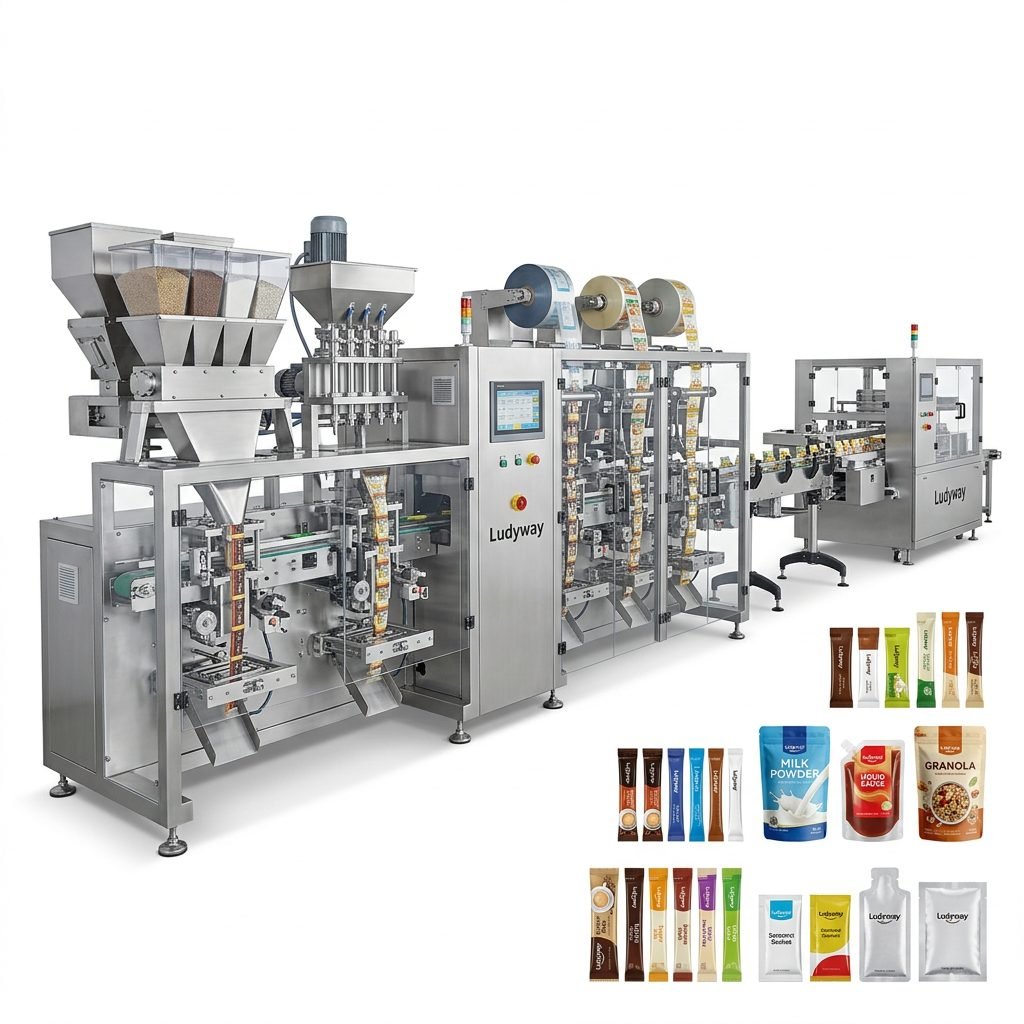
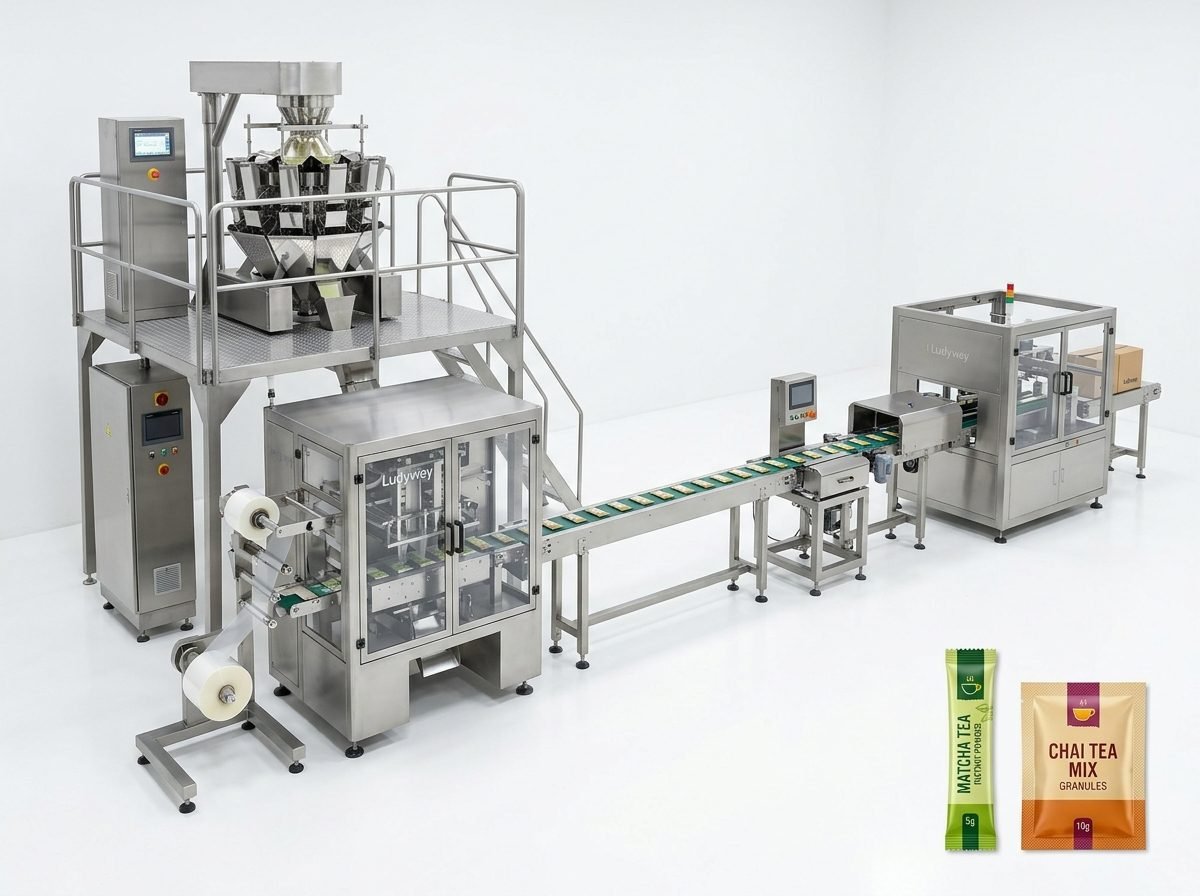
Automation is the single most significant factor affecting cost. A semi-automatic machine requiring manual product feeding and operator intervention typically costs between $5,000 and $20,000. In contrast, a fully automated multi-lane system with integrated weighing, filling, sealing, and cartoning capabilities can exceed $100,000. For businesses processing tea powders or dried vegetable granules, the level of automation directly correlates with throughput capacity and labor savings. According to PMMI business intelligence, automated solutions typically deliver ROI within 18 to 36 months through reduced labor and material waste.
Number of Lanes and Production Speed
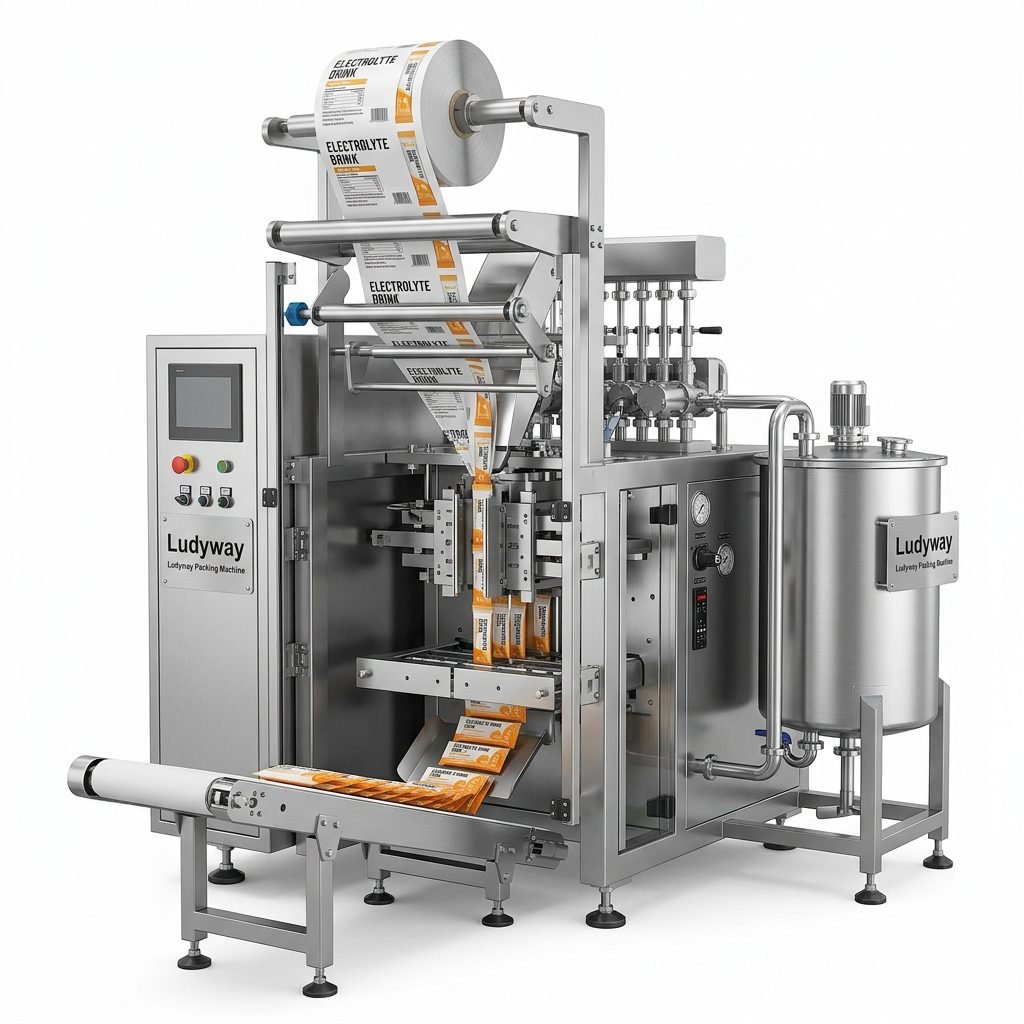
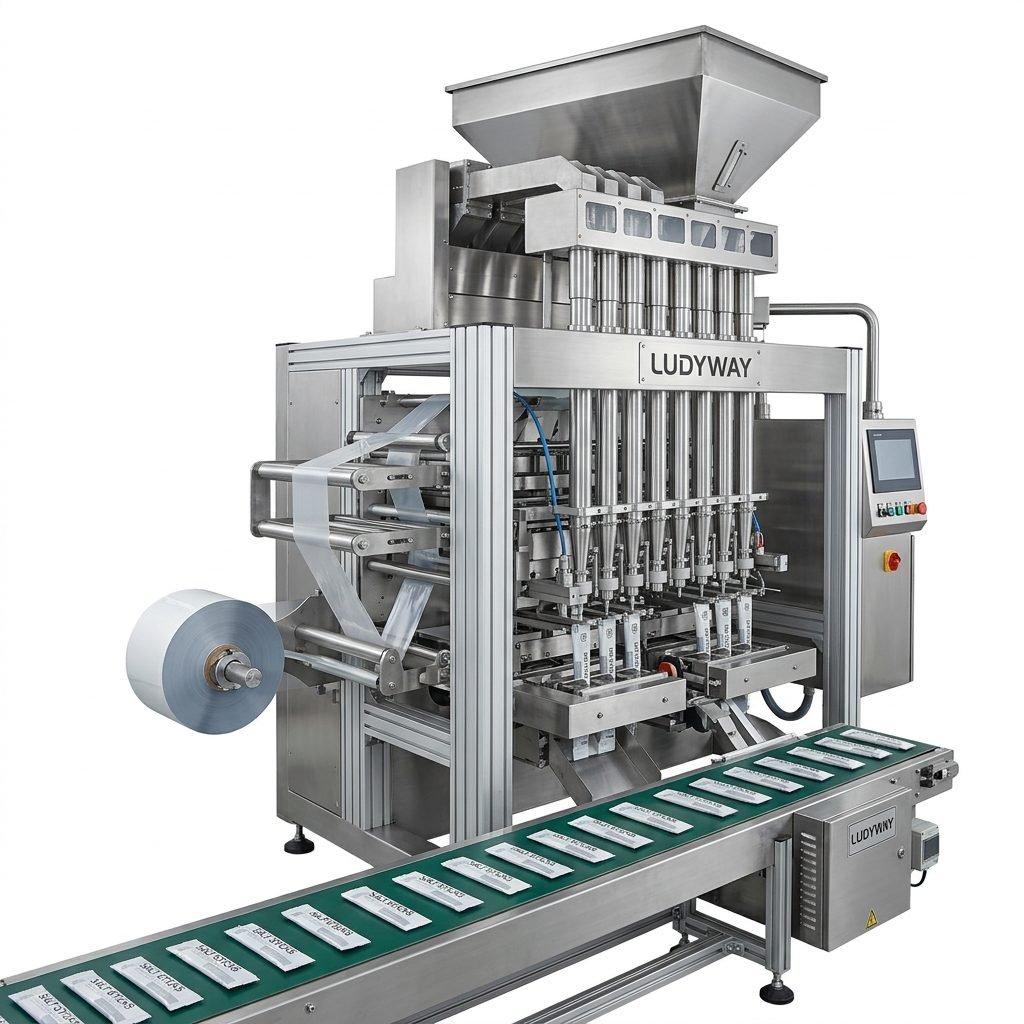
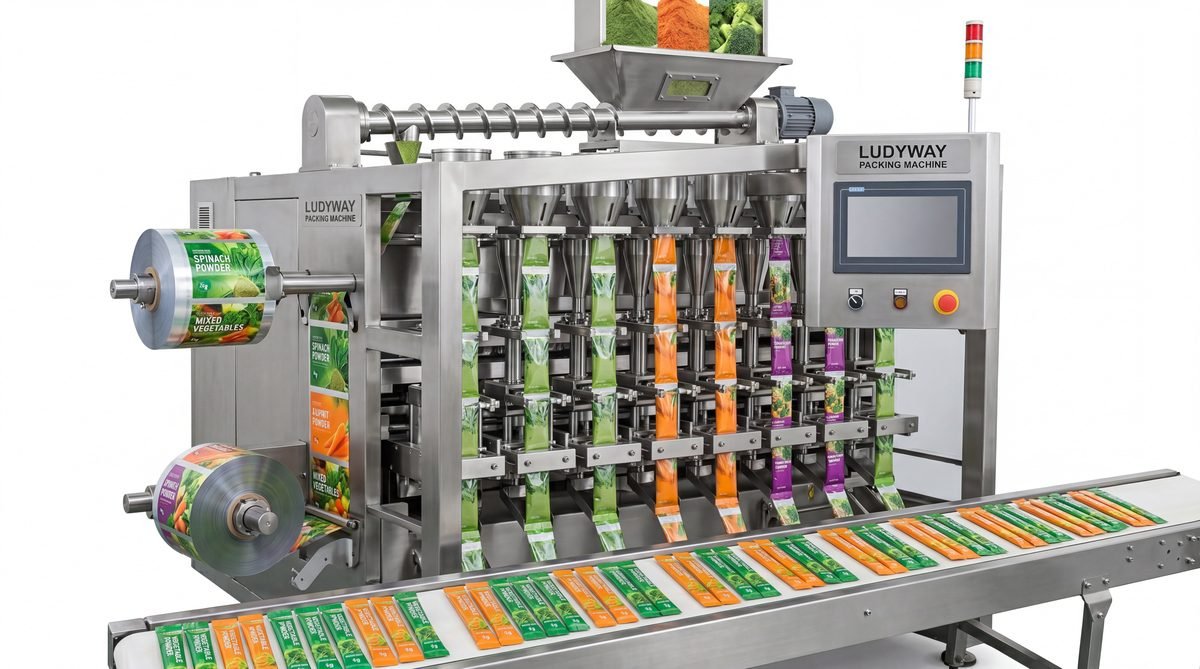
Multi-lane configurations dramatically increase output but also raise the equipment price. A single-lane sachet machine may produce 30 to 60 packs per minute, while a 4-lane or 8-lane system can achieve 200 to 400 packs per minute. Each additional lane adds approximately 15% to 25% to the base machine cost. For tea producers targeting mass-market distribution, multi-lane stick pack or sachet machines are often the preferred choice despite the higher initial investment.
Packaging Format and Material Compatibility
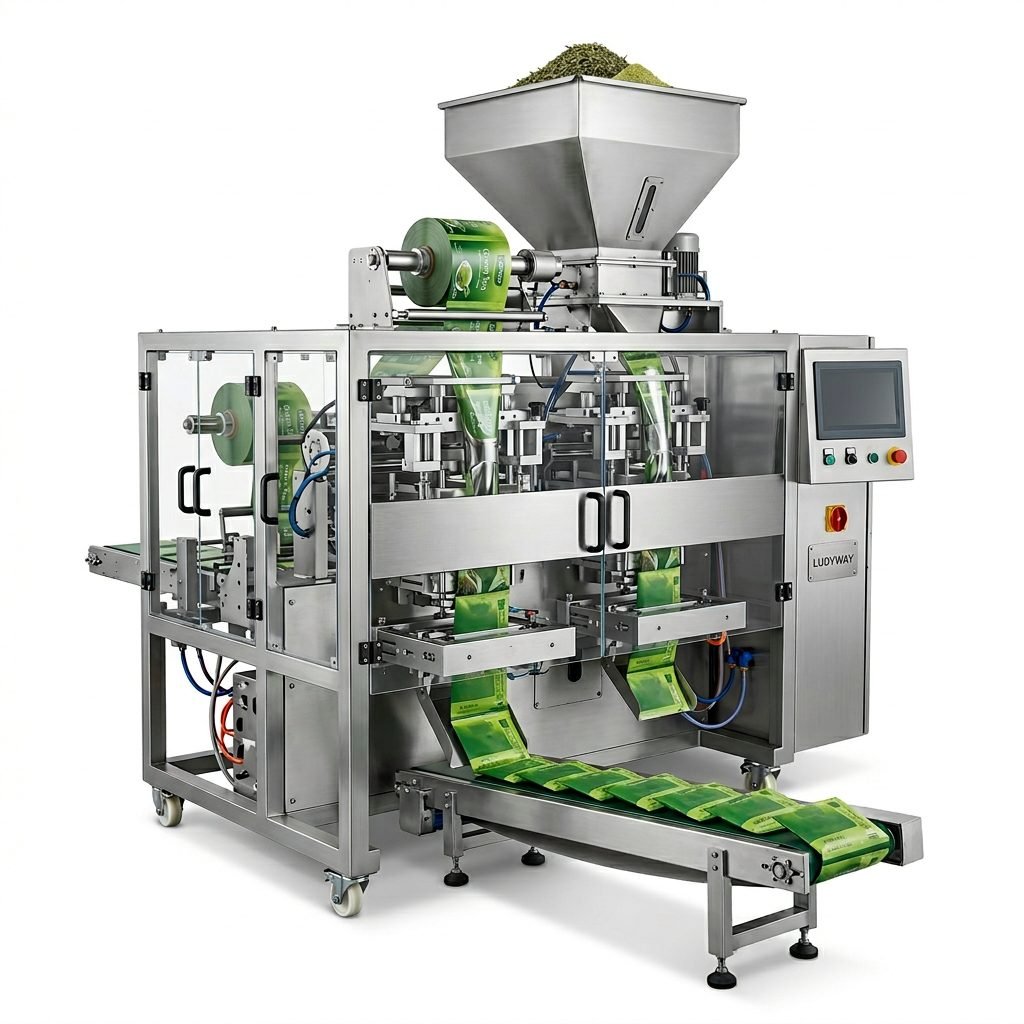
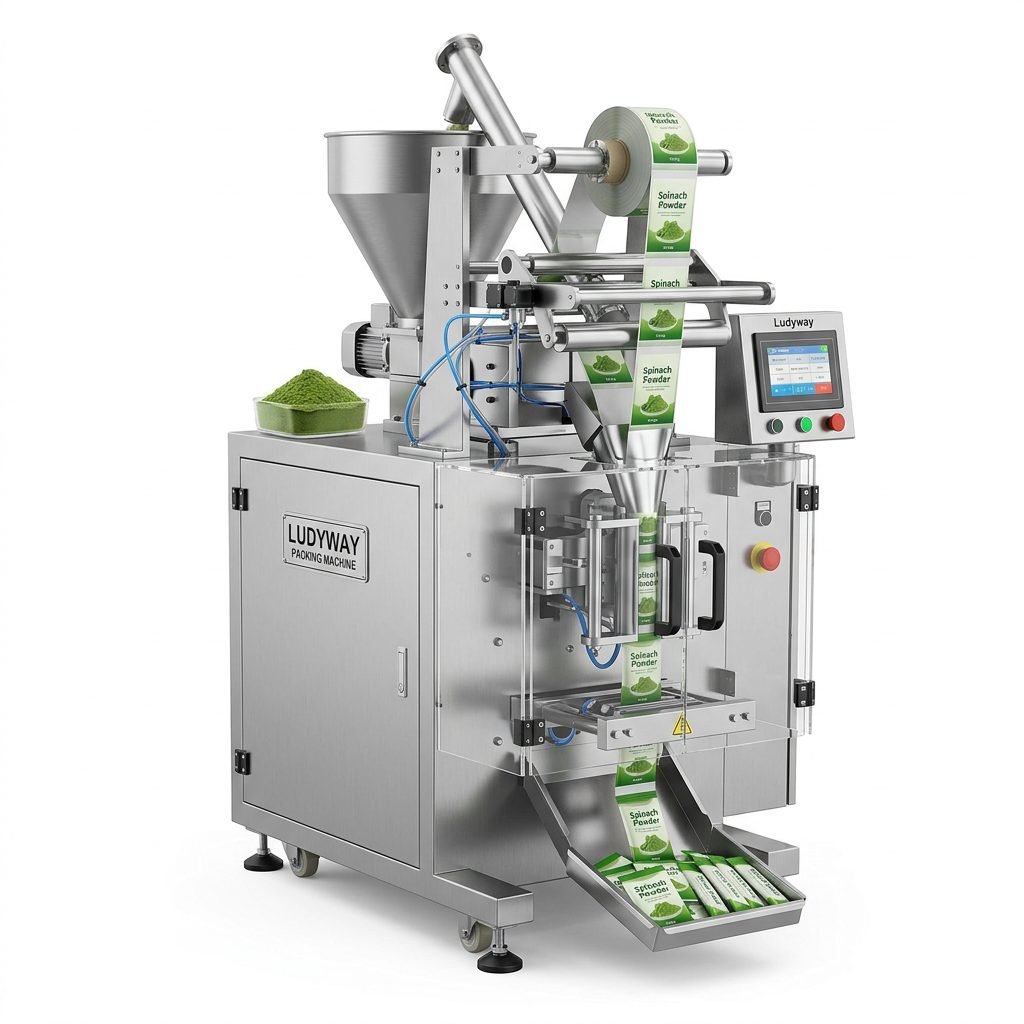
Different packaging formats require distinct engineering approaches. Stick pack machines, sachet packaging machines, and pouch filling systems each have unique sealing mechanisms and film handling requirements. Tea products—whether loose leaf, powder, or bagged—may need specialized nitrogen flushing systems for freshness preservation, adding $3,000 to $8,000 to the total cost. Vegetable packaging for dried, frozen, or fresh-cut products may require modified atmosphere packaging (MAP) compatibility, further increasing the investment. The Flexible Packaging Association provides extensive resources on material innovations that can guide your format selection.
Tea and Vegetable Packaging Machine Cost Breakdown by Type
The following table summarizes the typical price ranges for various packaging machine configurations commonly used in the tea and vegetable processing industries. Prices reflect standard configurations and may vary based on customization, region, and supplier.
| Machine Type | Automation Level | Typical Output | Price Range (USD) |
|---|---|---|---|
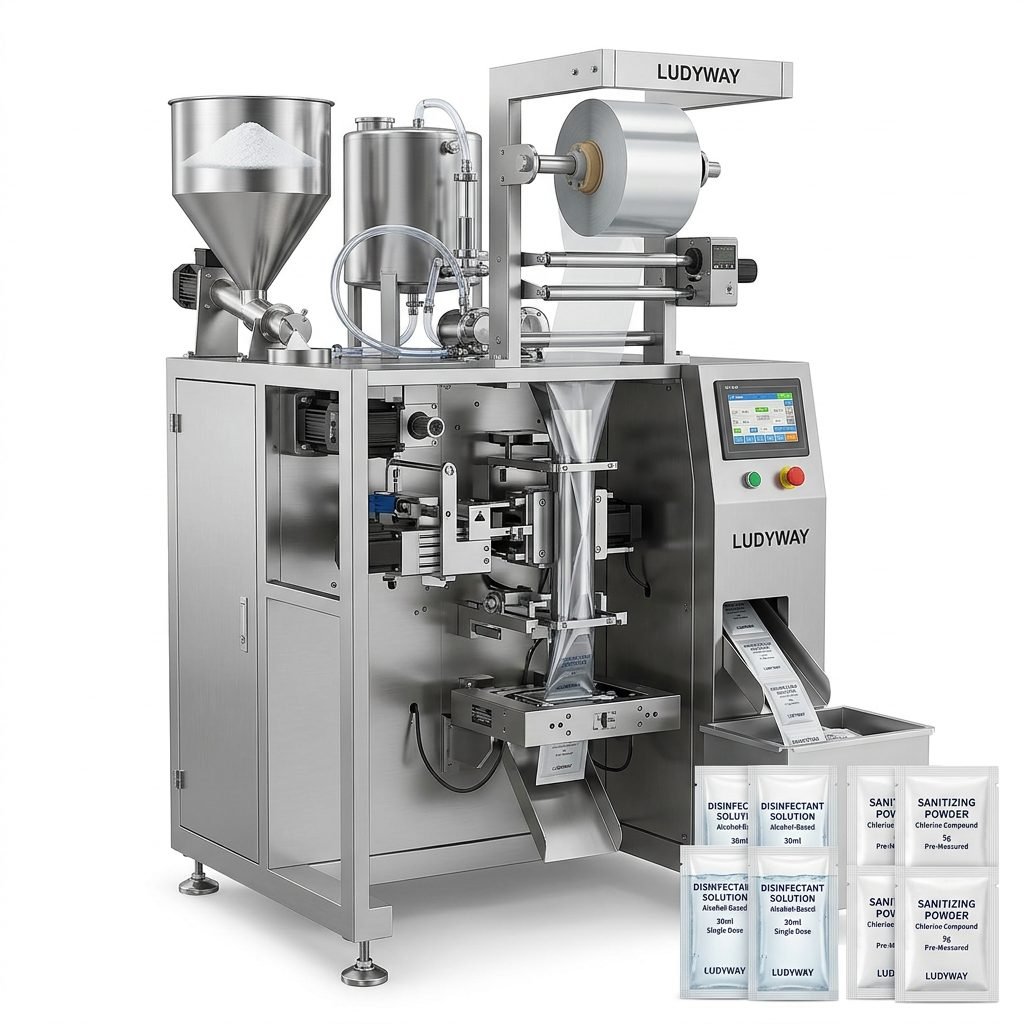
| Single-Lane Sachet Machine | Semi-Automatic | 30-60 packs/min | $5,000 – $15,000 |
| Multi-Lane Stick Pack Machine (4-6 lanes) | Fully Automatic | 150-250 packs/min | $35,000 – $70,000 |
| Multi-Lane Stick Pack Machine (8-10 lanes) | Fully Automatic | 300-450 packs/min | $65,000 – $120,000 |
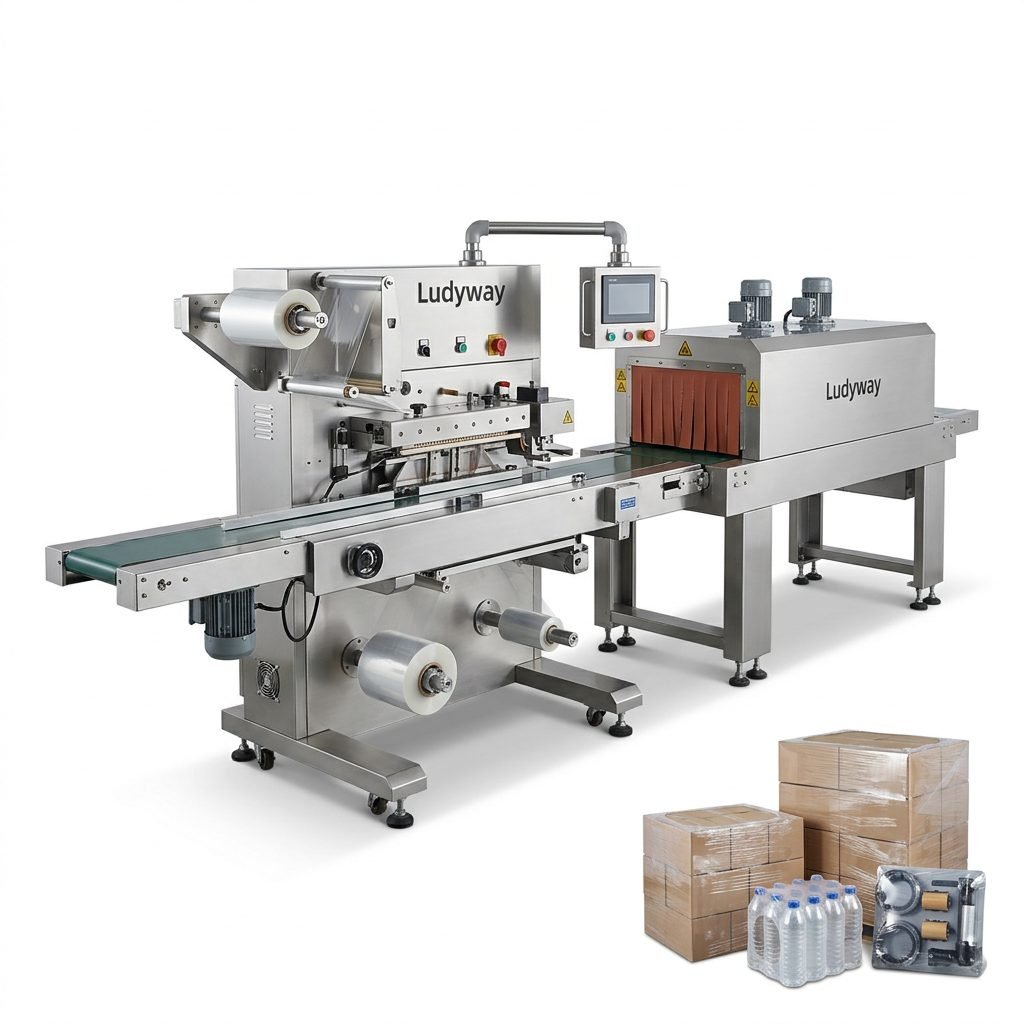
| Tea Bag Packaging Machine (Envelope Style) | Fully Automatic | 80-180 bags/min | $25,000 – $55,000 |
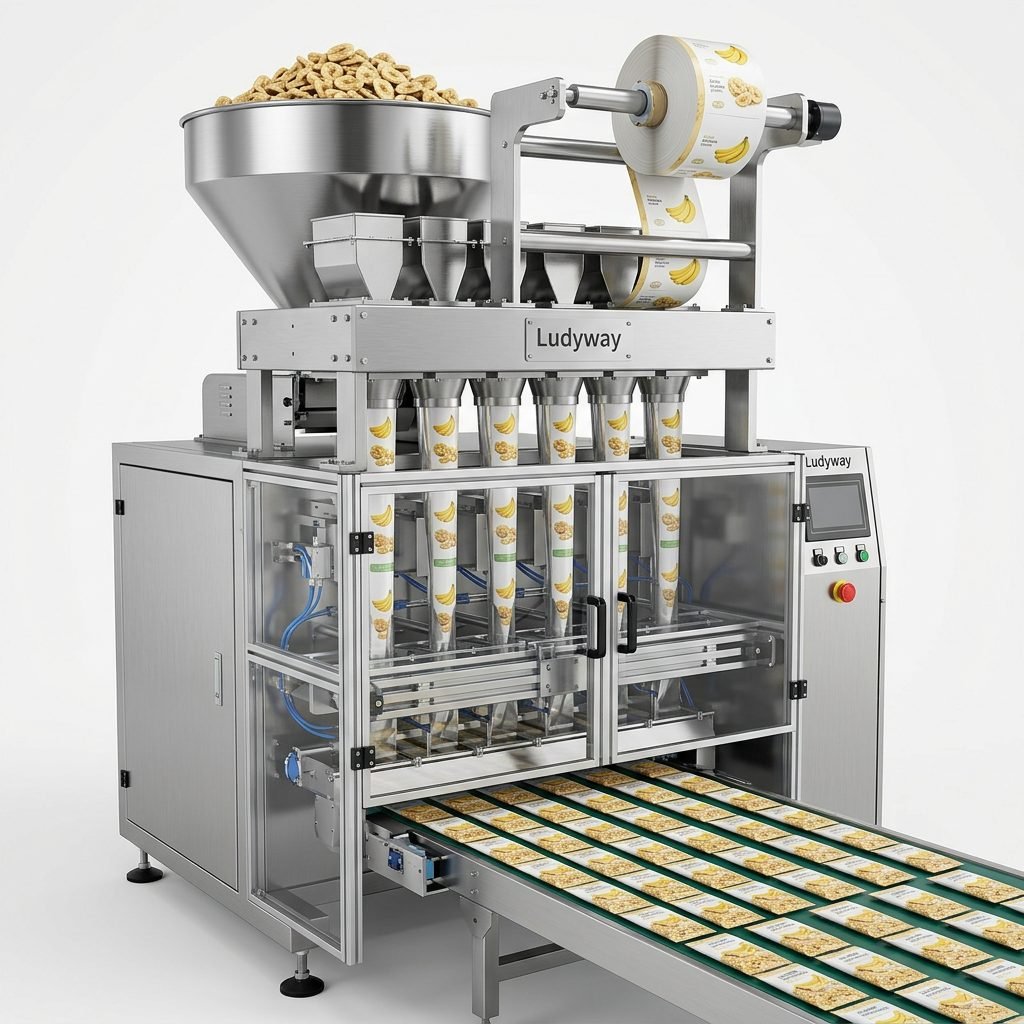
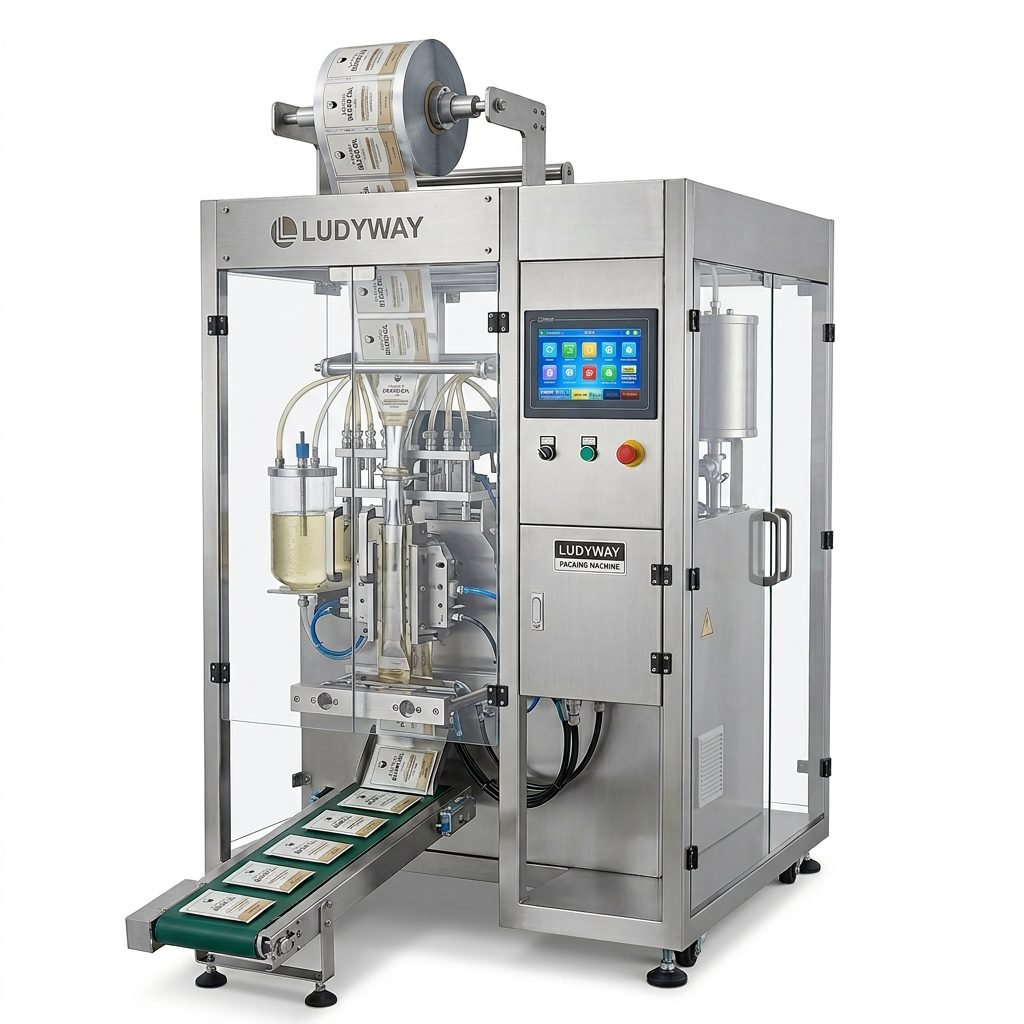
| Premade Pouch Filling & Sealing System | Fully Automatic | 20-50 pouches/min | $20,000 – $60,000 |
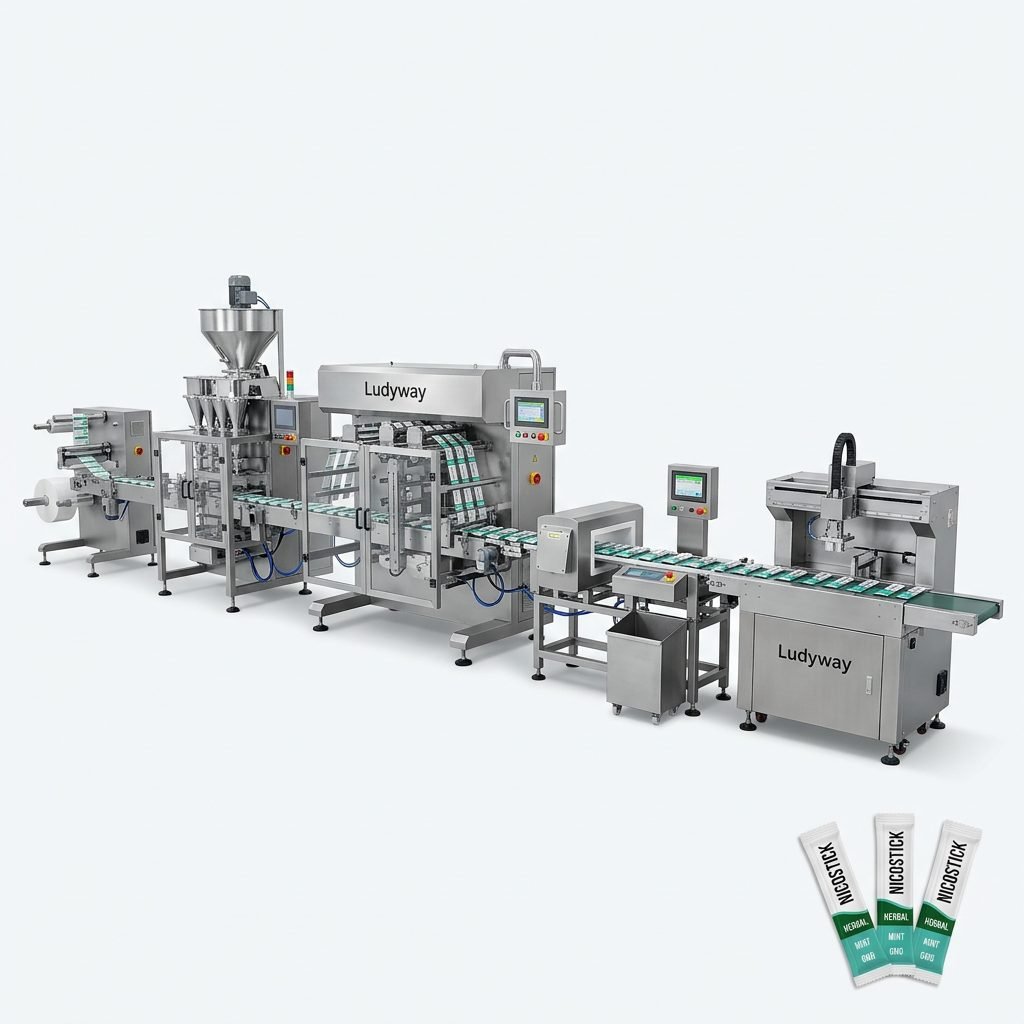
| Complete Turnkey Packaging Line | Fully Integrated | Custom | $80,000 – $150,000+ |
Additional Cost Considerations Beyond the Machine Price
When budgeting for a tea or vegetable packaging machine, the sticker price is only part of the total investment. Savvy buyers account for these additional expenses to avoid unexpected financial strain after installation.
Installation, Training, and Commissioning
Professional installation and operator training typically cost between $2,000 and $8,000, depending on machine complexity and location. Some manufacturers include basic training in the purchase price, while others charge separately. Remote support options can reduce these costs for international buyers.
Spare Parts and Preventative Maintenance
Annual maintenance contracts generally range from 3% to 5% of the machine’s value. Critical spare parts such as sealing jaws, cutting blades, and heating elements should be kept in inventory. A well-maintained machine from a reputable manufacturer can operate efficiently for 10 to 15 years, making maintenance planning essential for long-term cost management.
Consumables and Packaging Film
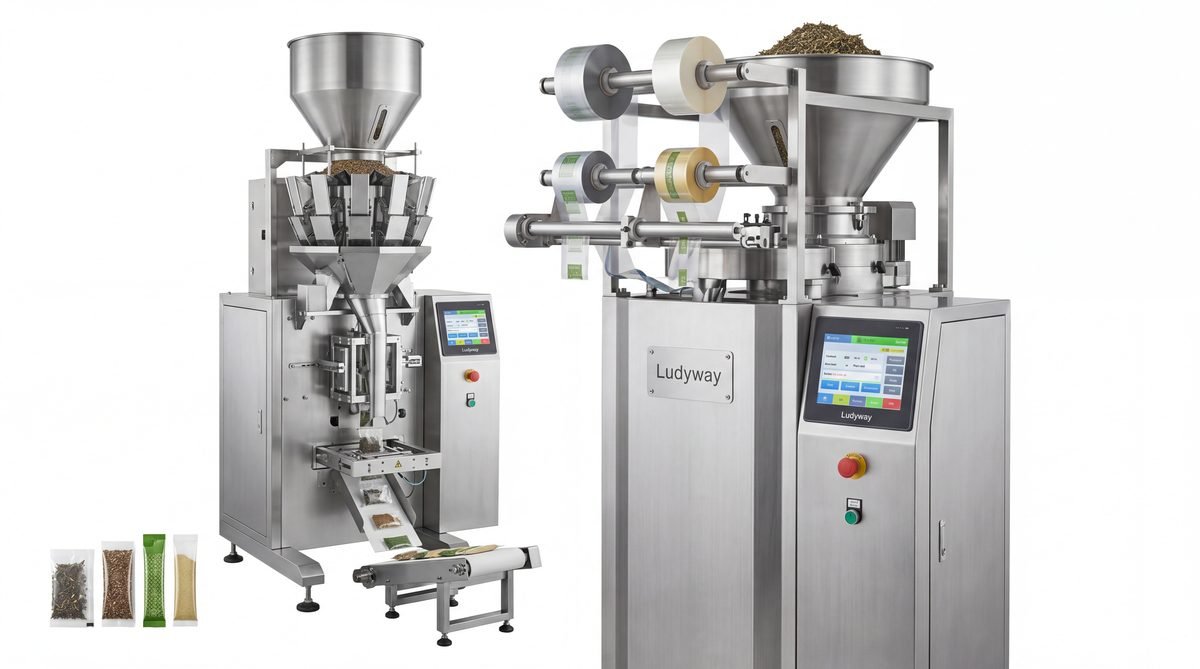
Packaging film represents a significant ongoing cost. Laminated films suitable for tea and vegetable products typically cost $3 to $8 per kilogram, with monthly consumption varying by production volume. High-barrier films that protect against moisture and oxygen are recommended for tea products to maintain aroma and shelf life. The FDA food packaging regulations also influence material selection, especially for products exported to North American markets.
How to Choose the Right Machine Within Your Budget
Selecting the optimal packaging machine requires balancing current needs with future growth projections. Use the following checklist to guide your evaluation process and ensure you receive competitive, transparent pricing from suppliers.
- Define your product specifications precisely: Particle size, flow characteristics, moisture content, and bulk density all impact machine design and cost. Tea powders, loose leaf tea, dried vegetable flakes, and granulated vegetable seasonings each require different feeding and filling mechanisms.
- Calculate required throughput: Determine your daily or shift-based production targets. A machine operating at 60% of its maximum capacity generally offers better reliability and longevity than one consistently running at full speed.
- Evaluate multi-product flexibility: If you plan to package both tea and vegetable products on the same line, invest in a machine with quick-changeover capabilities. This may increase upfront cost by 10% to 20% but provides significant operational flexibility.
- Assess after-sales support: Technical support availability, response time, and spare parts accessibility should heavily influence your supplier selection. A slightly higher machine price with excellent local support often proves more economical than a cheaper alternative with limited service.
- Request detailed quotes: Always ask for itemized pricing that separates machine cost, installation, training, warranty terms, and optional accessories to make accurate comparisons.
Understanding Regional Price Variations and Supplier Selection
Packaging machine prices vary significantly by manufacturing origin. Chinese manufacturers often offer competitive pricing with advanced technology, while European and Japanese machines command premium prices for established brand reputation. A mid-range multi-lane tea stick pack machine from a quality Chinese supplier may cost $40,000 to $65,000, compared to $80,000 to $120,000 for an equivalent European model. However, buyers should verify certifications, manufacturing quality, and customer references rather than basing decisions solely on price. Industry standards such as ISO packaging standards provide useful benchmarks for evaluating machine quality and safety compliance across different manufacturing origins.
Financing and Leasing Options for Packaging Equipment
Many suppliers and third-party financial institutions offer equipment financing solutions that reduce upfront capital requirements. Leasing arrangements can convert a $50,000 machine purchase into manageable monthly payments of approximately $1,200 to $1,800 over a 36- to 60-month term. This approach preserves working capital for raw materials, marketing, and other operational needs. Additionally, some government export-import banks provide favorable financing for equipment purchases in the food processing sector.
Warranty and Service Agreements
Standard warranties typically cover 12 to 24 months for major components. Extended warranty packages costing an additional $1,500 to $5,000 can provide peace of mind for critical production equipment. Always clarify what is included—electrical components, wear parts, and software updates may or may not fall under standard coverage.
Real-World Cost Examples and ROI Analysis
A medium-sized tea company processing 2,000 kilograms of tea powder daily invested approximately $55,000 in a 6-lane stick pack machine with integrated weighing. The automation reduced labor from six operators to two, saving roughly $48,000 annually in labor costs. Material waste decreased by 3%, contributing an additional $5,000 in annual savings. The machine achieved full ROI within 14 months. For vegetable processing operations packaging dried spinach powder or kale powder, similar efficiency gains are achievable with properly specified equipment.
As a recognized player in the global packaging machinery sector, Ludyway offers more than 50 intelligent packaging machine models with advanced multi-lane stick pack, sachet, and fully automated systems. With over 30 years of industry expertise and a modern 20,000㎡ manufacturing facility, the company serves customers in over 100 countries, providing reliable and cost-effective packaging solutions for granule, powder, liquid, and pouch applications. When evaluating suppliers, consider factors beyond price—engineering quality, after-sales support, and proven industry experience all contribute to total cost of ownership and long-term operational success.
Frequently Asked Questions About Packaging Machine Costs
What is the cheapest tea packaging machine available?
Entry-level single-lane sachet machines for tea packaging start at approximately $5,000 to $8,000. These semi-automatic units require manual product feeding and are suitable for small-scale operations or startups testing new markets. However, they lack the speed and consistency of fully automated systems and may not meet food safety certifications for certain export markets.
How much does a fully automatic vegetable powder packaging line cost?
A complete automated vegetable powder packaging line, including multi-lane filling, sealing, coding, and cartoning, typically ranges from $70,000 to $150,000+, depending on lane count, output requirements, and integration complexity. Turnkey solutions that include material handling and palletizing systems can push total investment beyond $200,000 for high-volume operations.
Are used packaging machines a good investment?
Used or refurbished packaging machines can reduce upfront costs by 30% to 60%. However, buyers should carefully inspect machine condition, verify service history, and confirm parts availability before purchasing. Obsolete models may lack technical support and replacement components, negating initial savings through extended downtime and repair expenses.
What hidden costs should I watch for when buying a packaging machine?
Common hidden costs include shipping and logistics (can add 5-15% of machine price for international orders), import duties and taxes, facility modifications for electrical or compressed air requirements, operator training, and initial spare parts inventory. Request a comprehensive all-in quote from suppliers to avoid surprises.
Final Thoughts on Budgeting for Tea and Vegetable Packaging Equipment
The cost of a tea and vegetable packaging machine represents a strategic investment in your business’s future efficiency and growth capacity. By understanding the key pricing factors, evaluating total cost of ownership beyond the initial purchase price, and selecting a reliable supplier with strong after-sales support, you can make a confident decision that delivers long-term value. Whether you are a startup seeking an entry-level sachet machine or an established manufacturer upgrading to a multi-lane automated line, thorough research and clear specification of your requirements will help you achieve the best balance of cost, performance, and reliability.