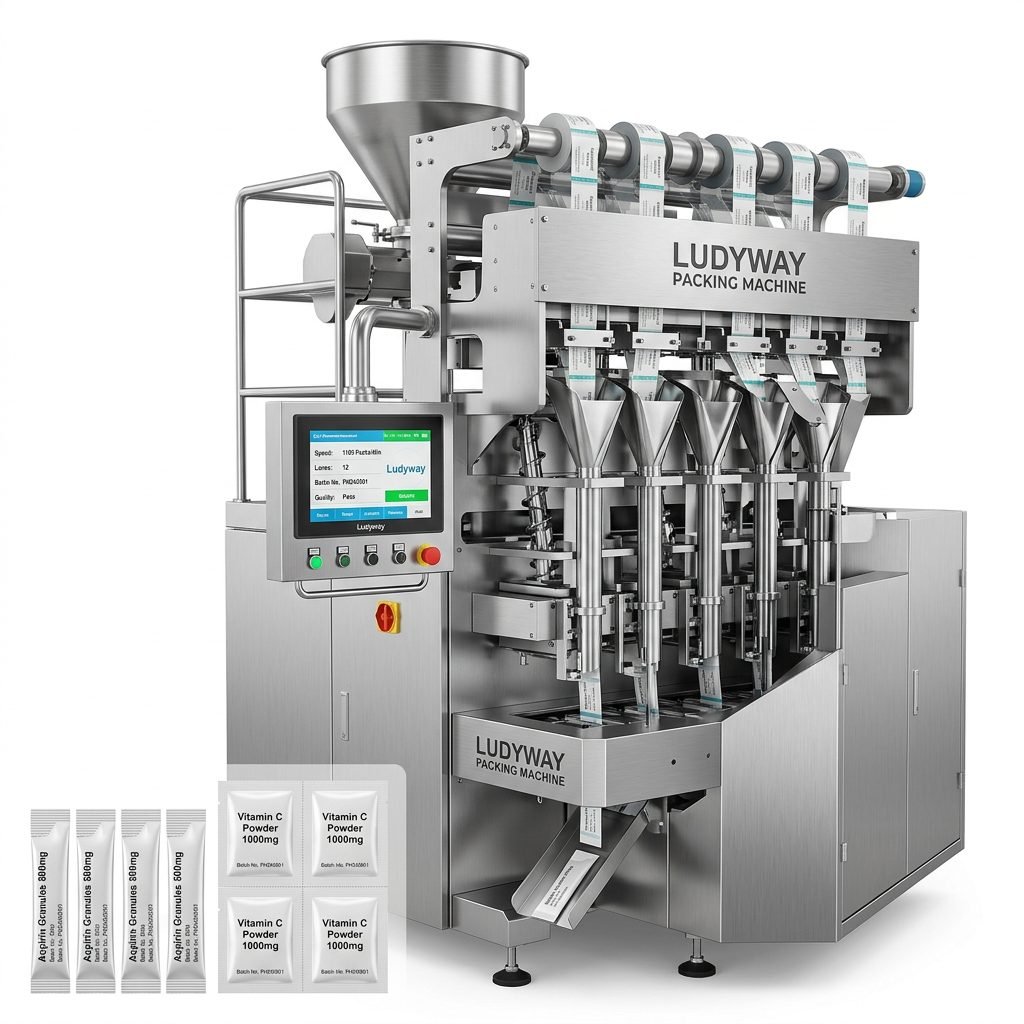
Investing in an all-type tea packing machine is a significant decision for tea producers, distributors, and packaging businesses worldwide. Whether you are packing loose leaf tea, herbal blends, tea bags, or instant tea powders, understanding the cost structure and pricing factors is essential before making a purchase. This guide breaks down the key elements that influence tea packaging machine pricing, provides detailed cost ranges, and helps you evaluate the true investment required for your production needs.
Key Factors That Determine Tea Packaging Machine Pricing
The price of an all-type tea packing machine varies widely based on several critical factors. Understanding these variables helps you budget appropriately and avoid overpaying for features you may not need.
- Machine type and configuration — from simple tea bag machines to multi-lane sachet systems
- Automation level — semi-automatic vs. fully automatic operation
- Production speed and capacity — measured in packs per minute
- Material compatibility — granule, powder, whole leaf, or liquid tea concentrates
- Packaging format — tea bags, stick packs, sachets, pouches, or bulk bags
- Build quality and components — food-grade stainless steel, certified electronics
- After-sales support and warranty — installation, training, and maintenance coverage
Each of these factors contributes to the final equipment cost, and trade-offs between price and performance should be carefully evaluated based on your specific production goals.
Machine Type and Configuration Impact on Cost
Tea packaging machinery comes in various configurations, each suited to different product types and output requirements. The complexity of the machine design directly correlates with its market price.
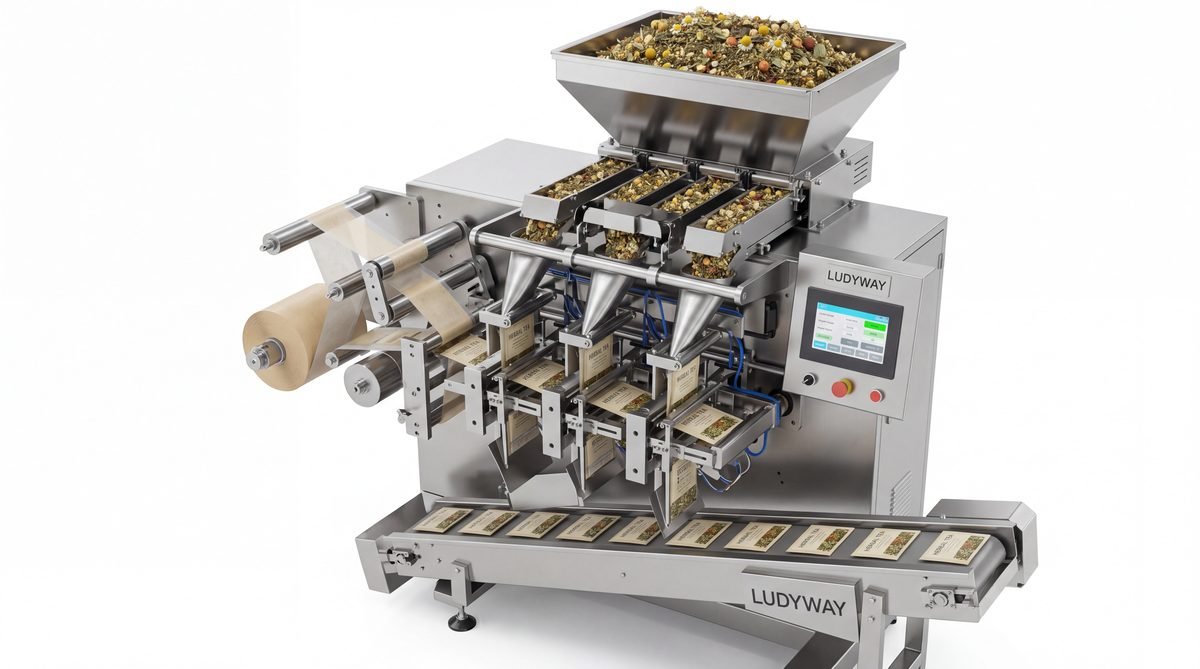
- Single-lane tea bag machines — basic models for small-scale production, lower investment
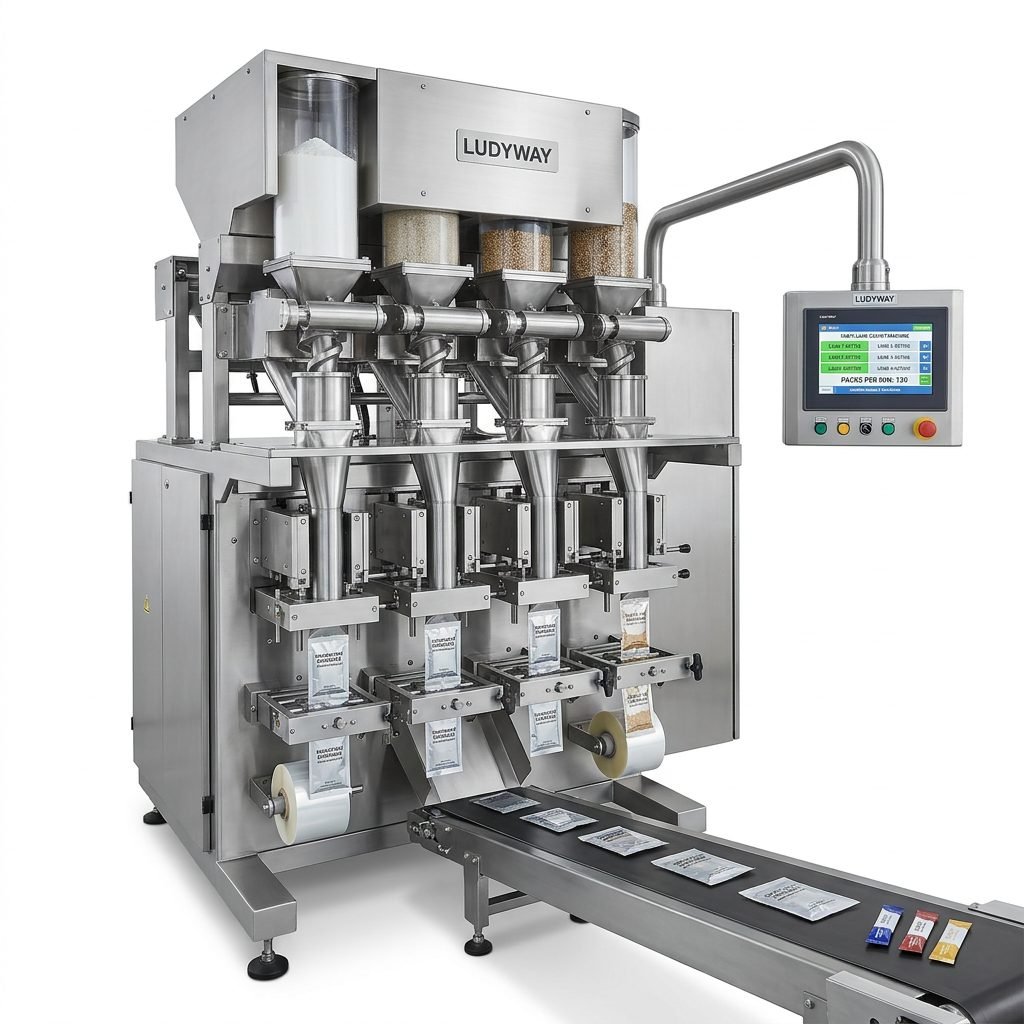
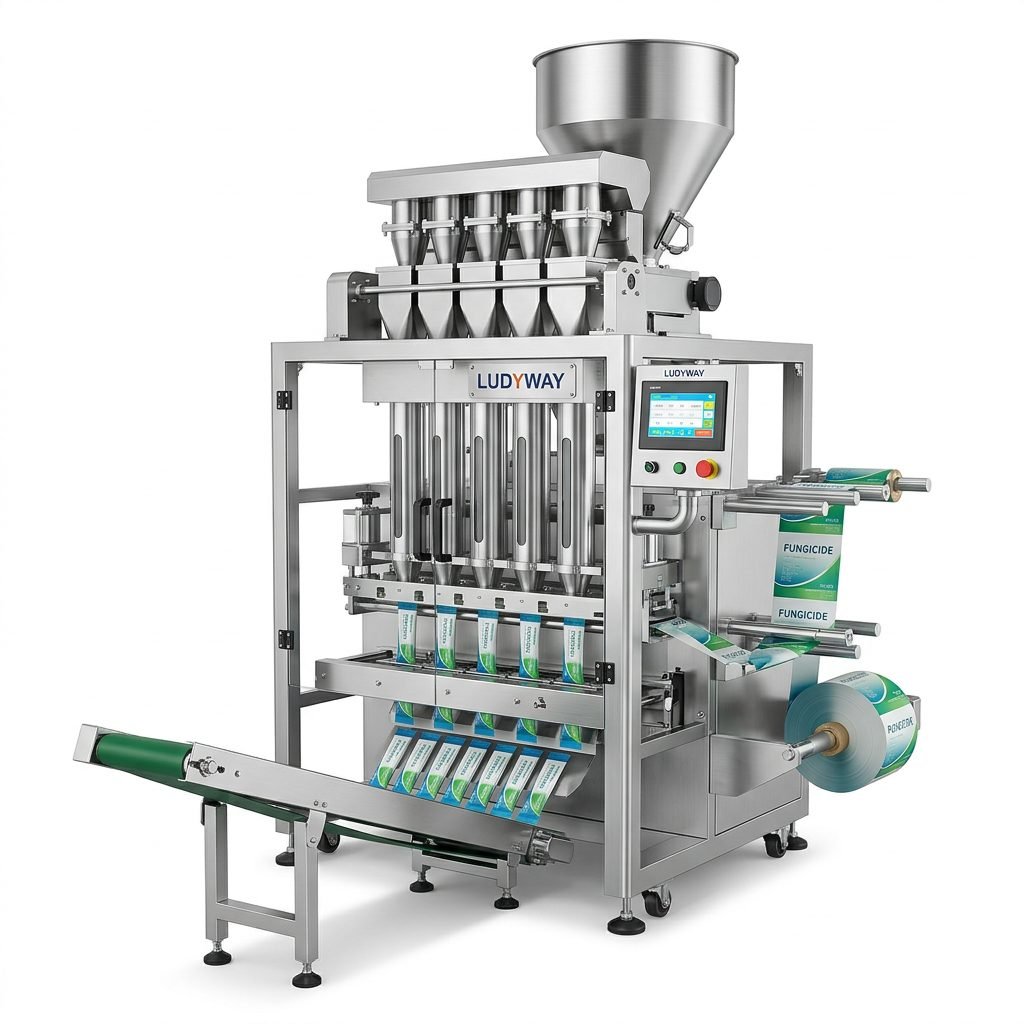
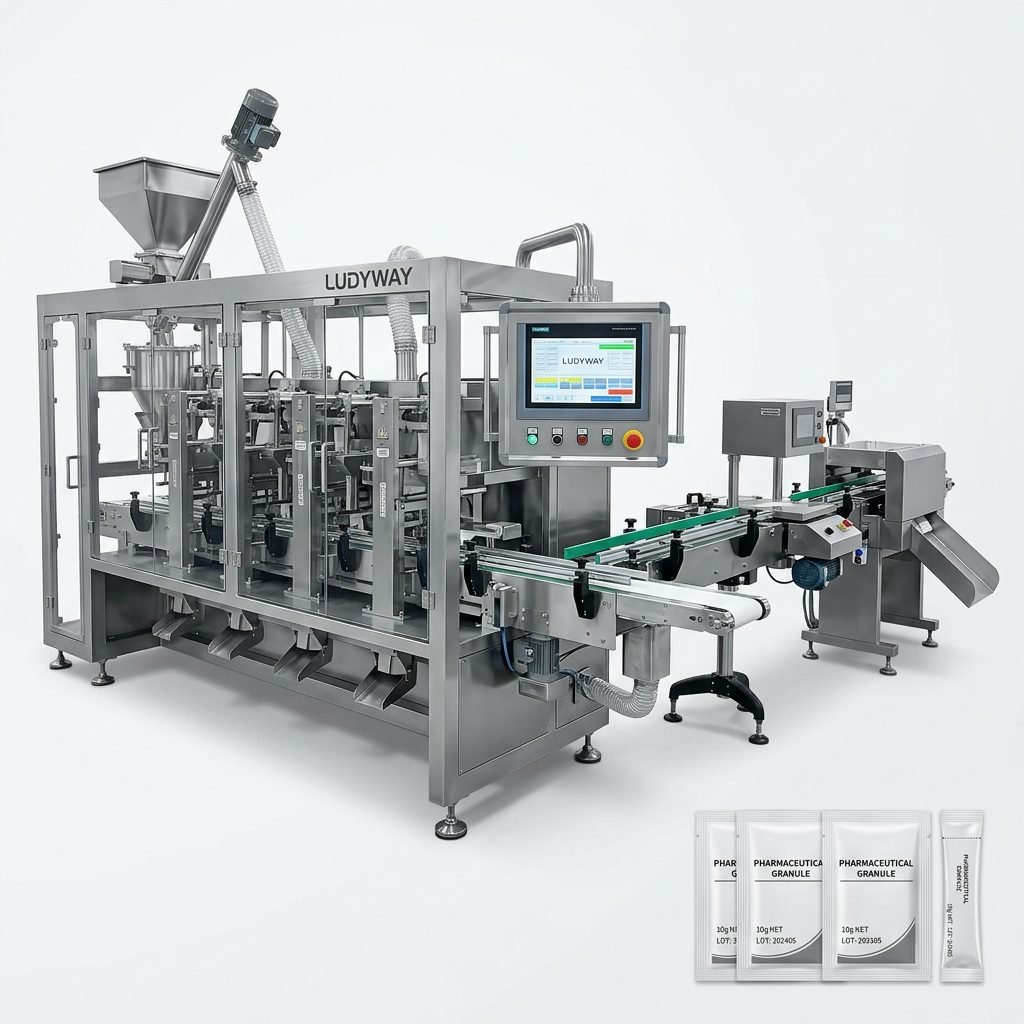
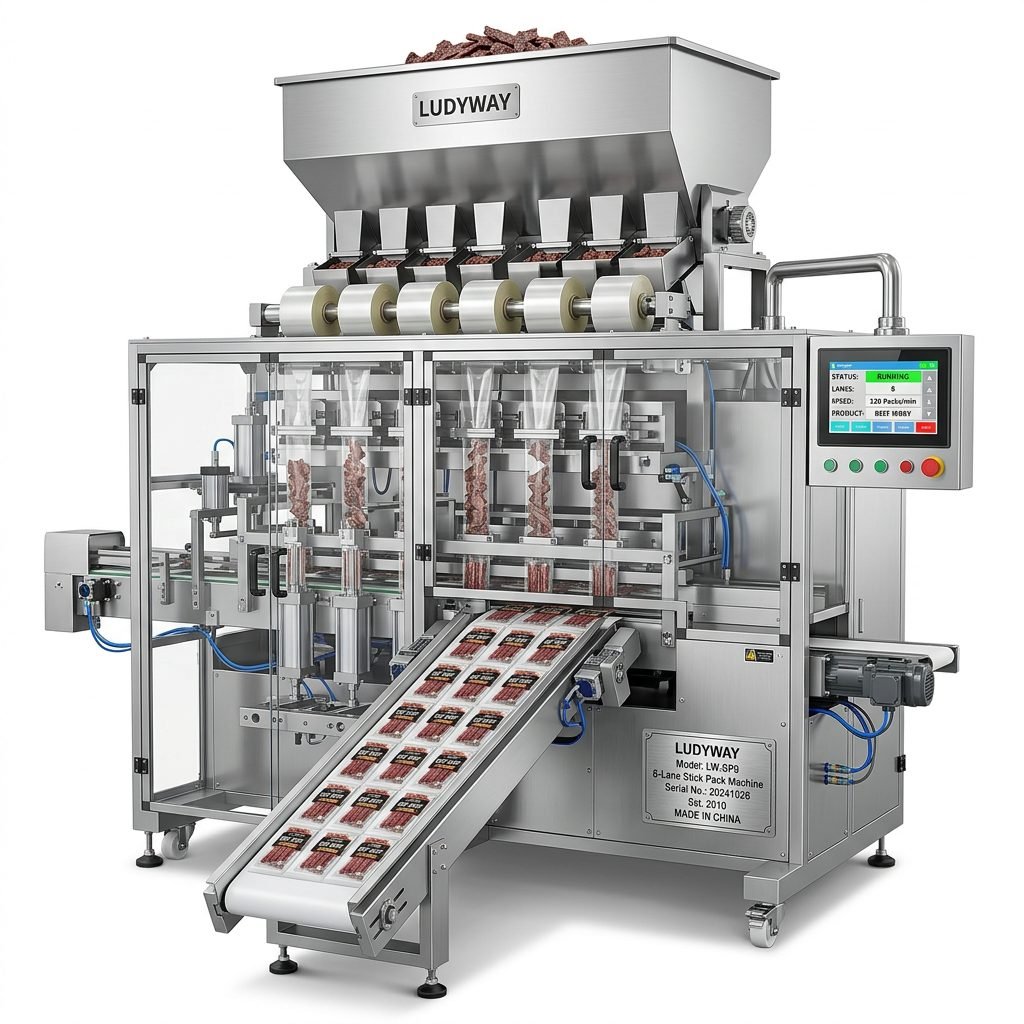
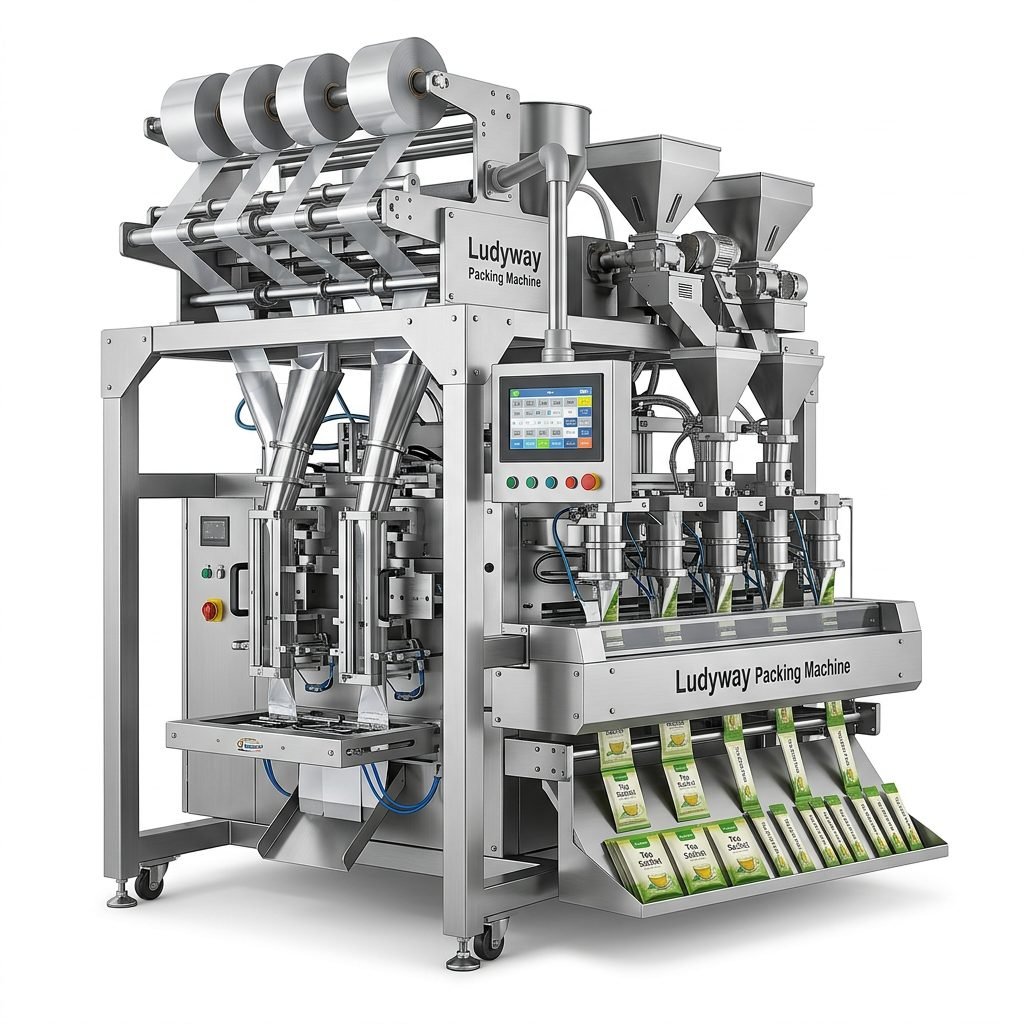
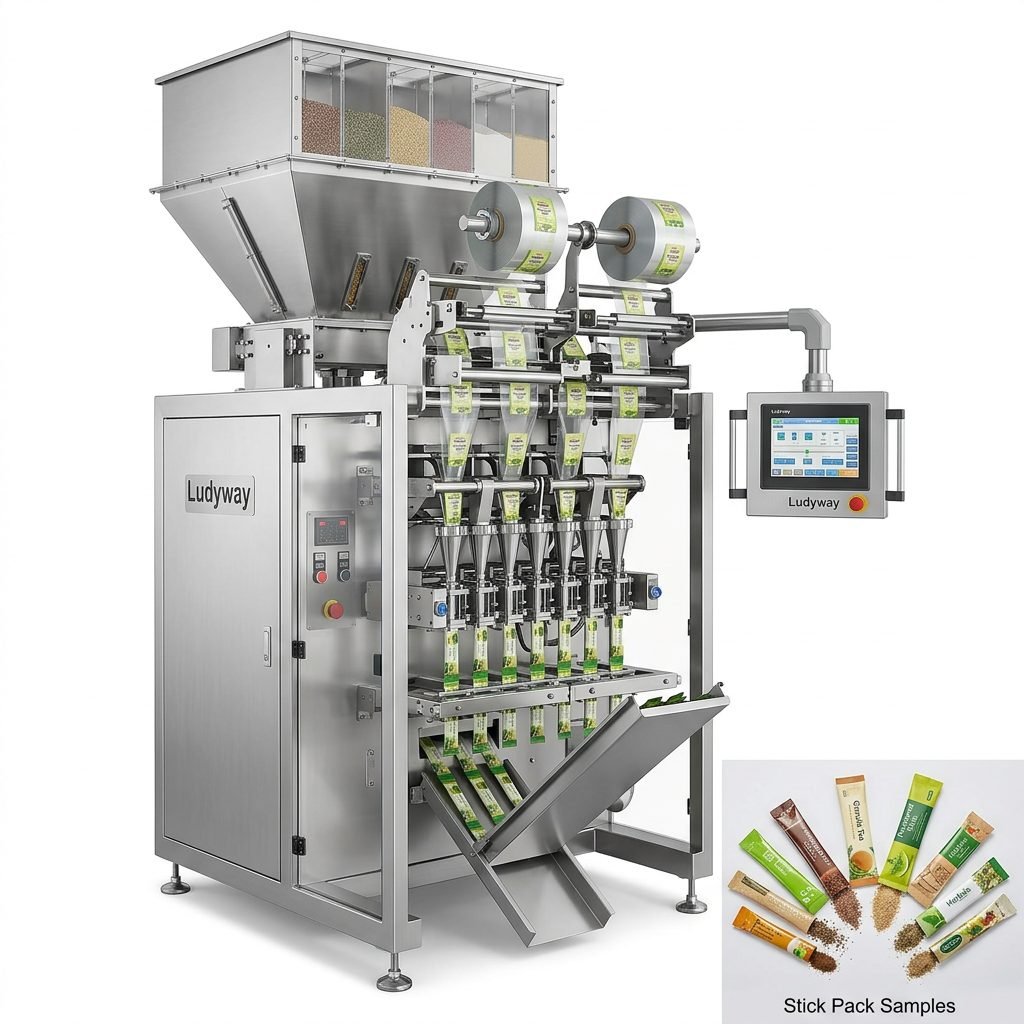
- Multi-lane stick pack machines — higher output, moderate to high cost, ideal for instant tea powders
- Rotary tea bag packaging systems — premium pricing, designed for high-volume tea bag production with string and tag
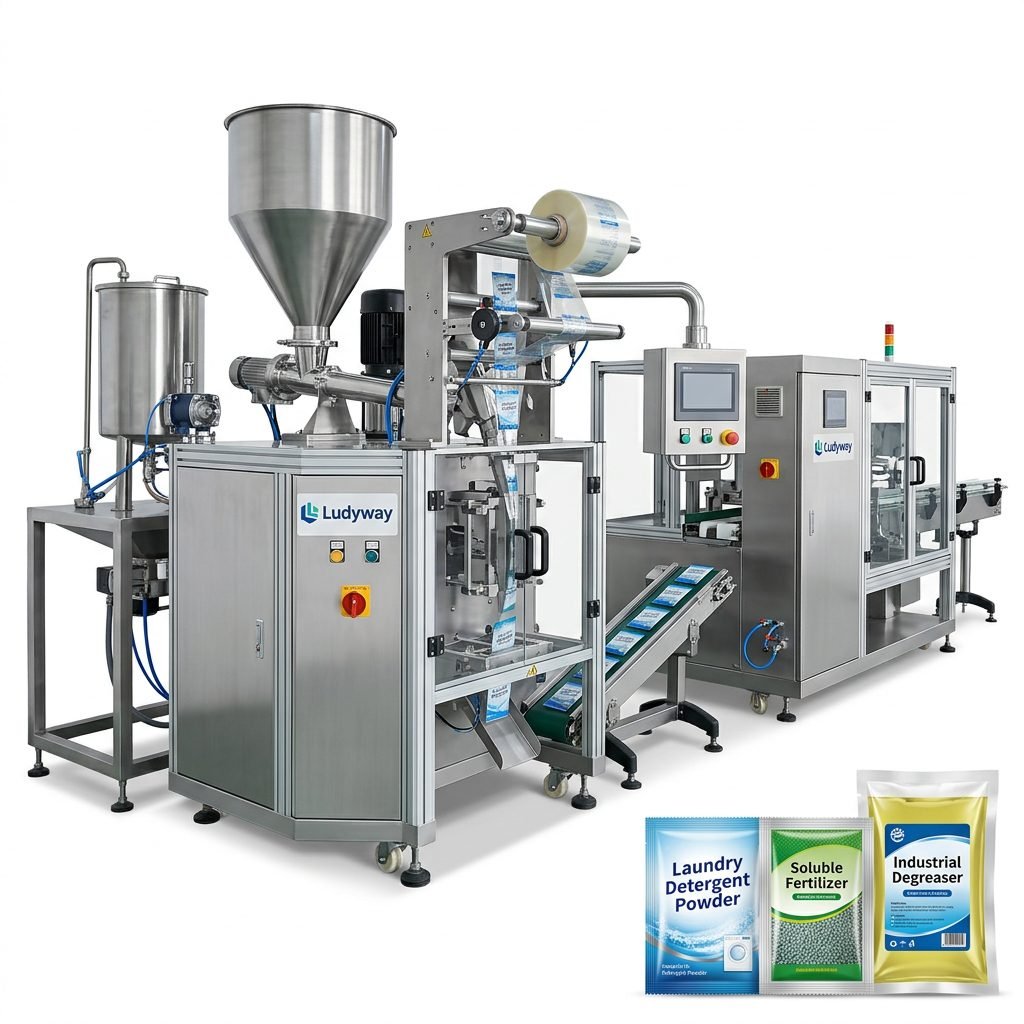
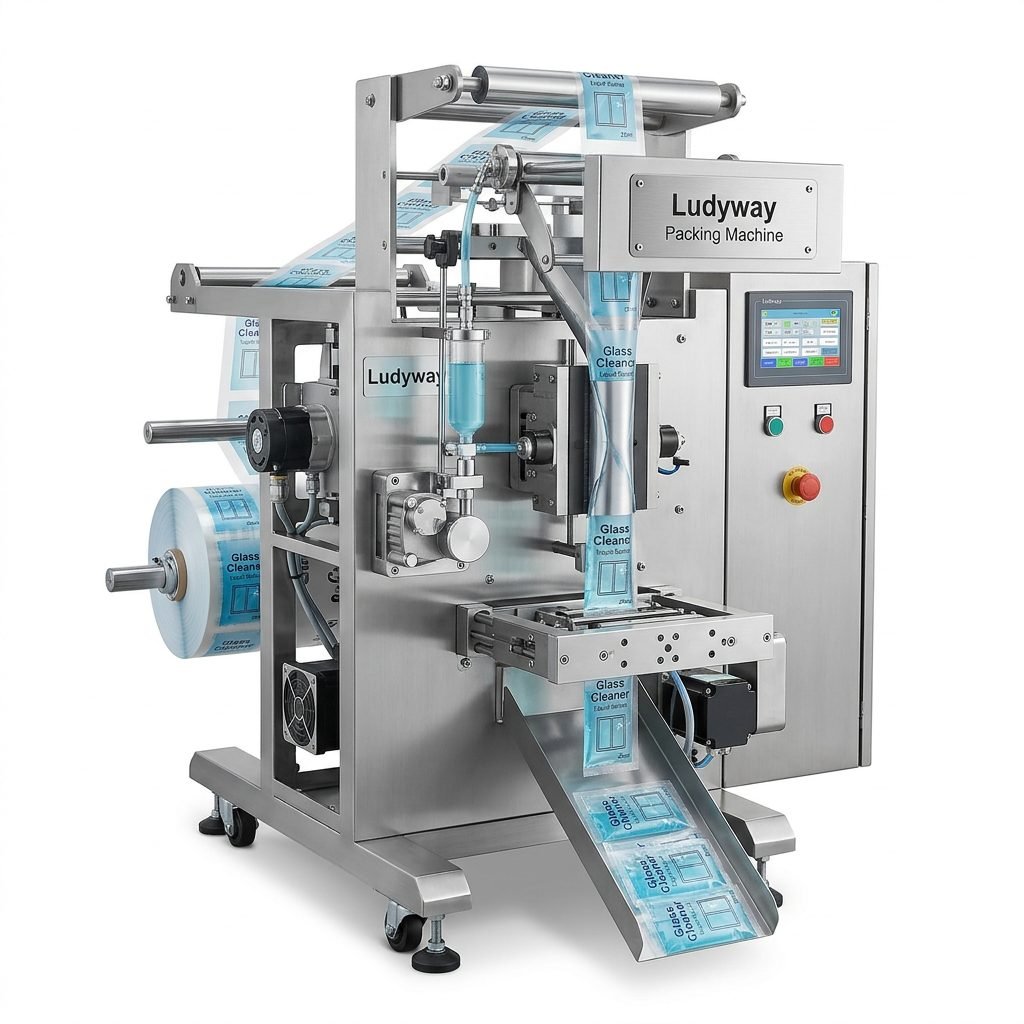
- Vertical form-fill-seal (VFFS) machines — versatile for granular and powdered teas, mid-range to high cost
- Premade pouch filling and sealing lines — higher-end systems for premium tea packaging in stand-up pouches
Automation Level and Its Effect on Pricing
The degree of automation is one of the most significant cost drivers in tea packaging equipment. Automated systems reduce labor requirements and improve consistency but come with a higher upfront investment.

- Semi-automatic machines require manual feeding or intervention, priced lower, suitable for startups
- Fully automatic standalone units handle feeding, filling, sealing, and cutting with minimal operator input
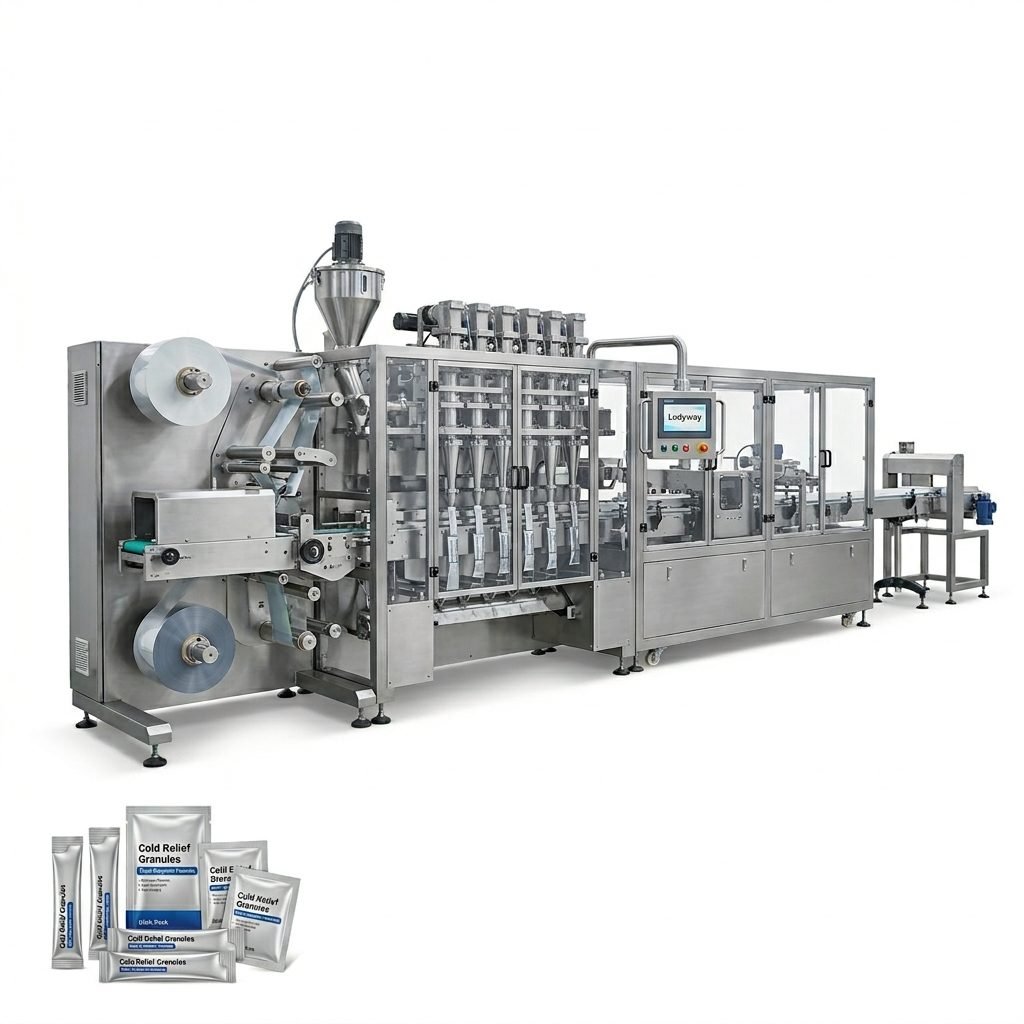
- Integrated turnkey packaging lines include multiple modules such as weighing, filling, sealing, coding, and cartoning — highest cost but maximum efficiency
Production Capacity and Speed Requirements
Speed capabilities measured in packs per minute (PPM) significantly influence machine cost. A machine capable of producing 30-60 PPM will cost considerably less than a high-speed system delivering 200-400 PPM or more. When evaluating speed, consider not just peak output but sustained production rates across shift operations.
Price Ranges by Machine Category
The following table provides a general overview of tea packaging machine price ranges based on machine type and capability. Actual prices may vary depending on configuration, brand, and regional factors.
| Machine Type | Speed Range | Estimated Price (USD) | Best Suited For |
|---|---|---|---|
| Semi-Automatic Tea Bag Machine | 20-40 PPM | $3,000 – $15,000 | Small tea brands, startups, artisanal producers |
| Automatic Single-Lane Sachet Machine | 40-80 PPM | $12,000 – $35,000 | Medium-scale tea powder and granule producers |
| Multi-Lane Stick Pack Machine (4-8 lanes) | 120-320 PPM | $30,000 – $80,000 | High-volume instant tea and herbal powder packaging |
| Rotary Tea Bag System (with string and tag) | 100-350 bags/min | $50,000 – $150,000 | Established tea brands, contract packers |
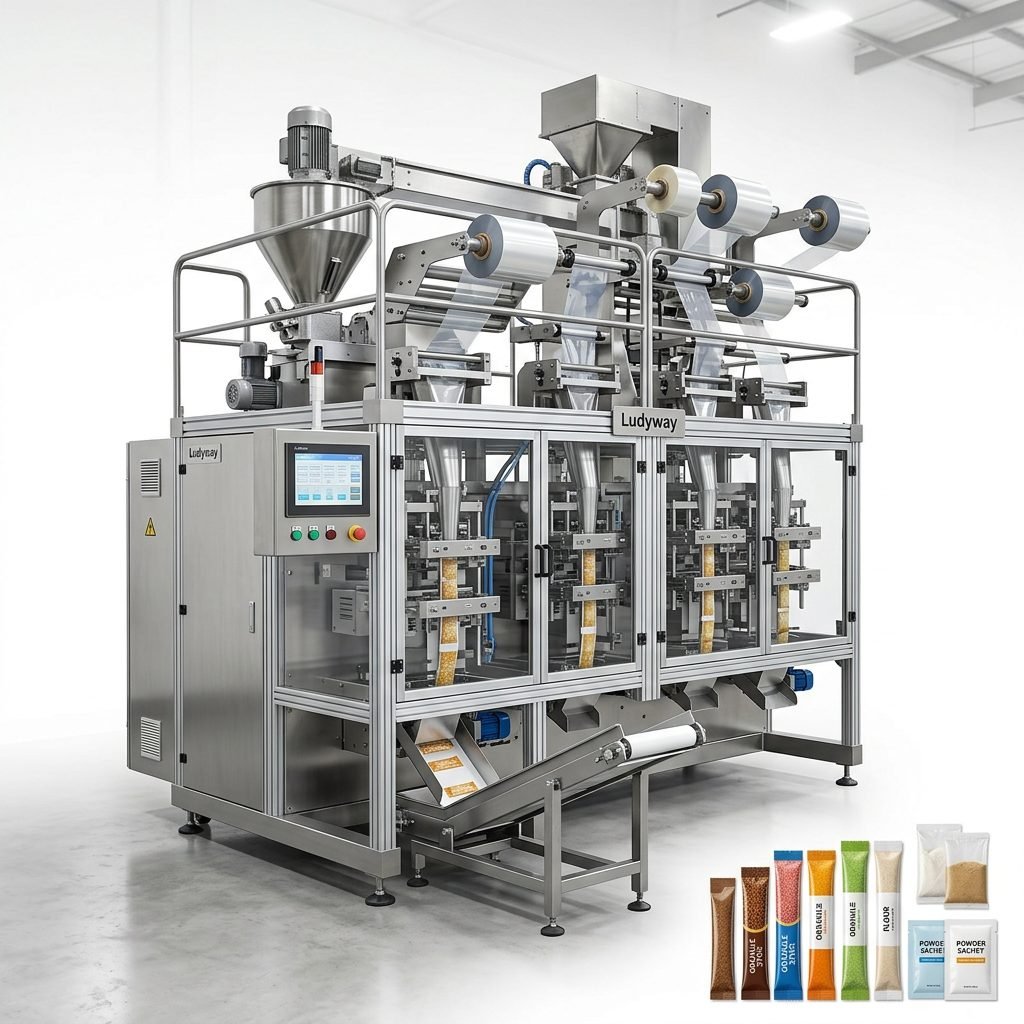
| Multi-Lane Stick Pack (10-16 lanes) | 200-600 PPM | $70,000 – $200,000+ | Large-scale industrial tea packaging operations |
| Complete Turnkey Packaging Line | Custom | $120,000 – $500,000+ | Full-scale manufacturing with cartoning and palletizing |
Additional Cost Considerations Beyond the Machine Price
When budgeting for tea packaging equipment, the sticker price is only part of the total investment. Several ancillary costs should be factored into your financial planning to avoid unexpected expenses.
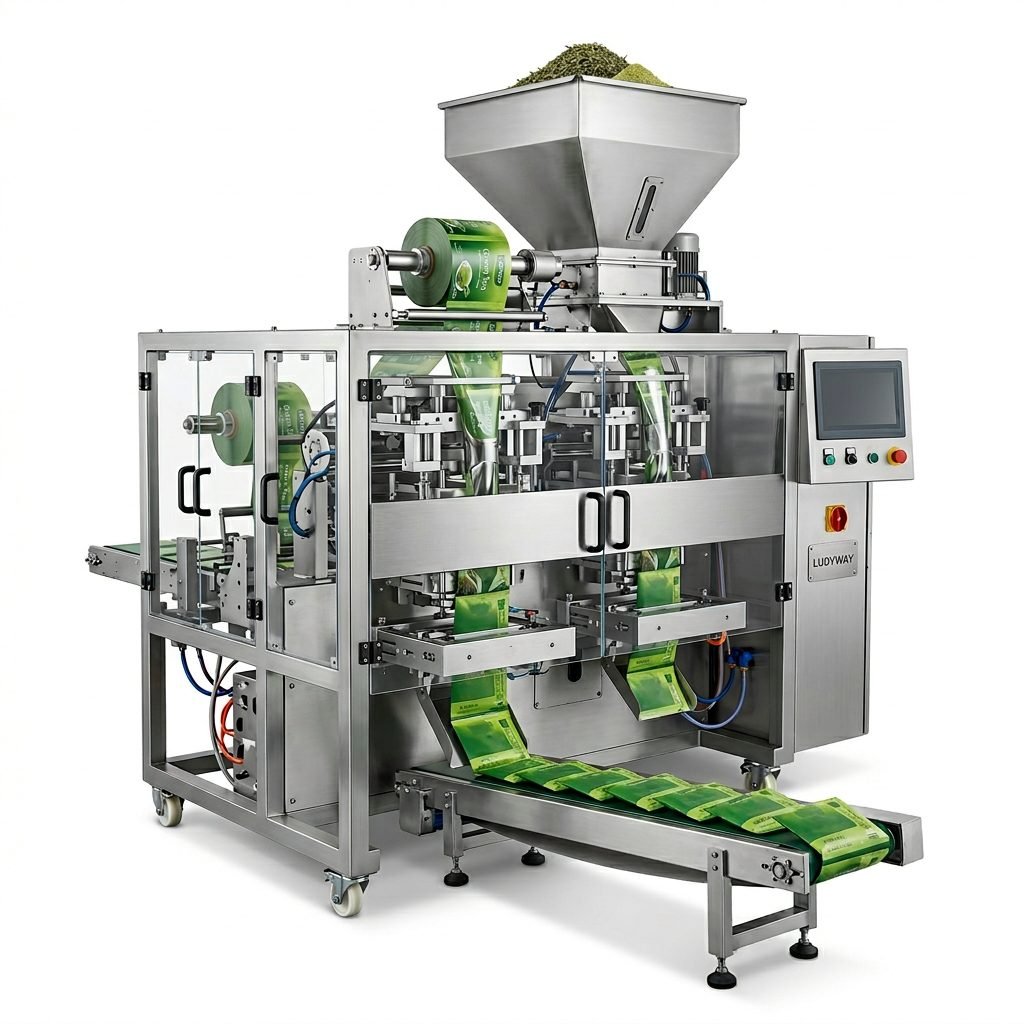
- Shipping and logistics — international freight, customs duties, and insurance can add 5-15% to equipment cost
- Installation and commissioning — on-site setup by technicians, typically $2,000-$10,000 depending on complexity
- Operator training — comprehensive training programs ensure smooth operation and reduce downtime
- Spare parts inventory — recommended initial stock of wear parts and consumables, budget $1,000-$5,000
- Facility upgrades — electrical requirements, compressed air systems, and dust extraction may need modification
- Ongoing maintenance — annual service contracts or per-visit technician fees
Entry-Level vs. Mid-Range vs. High-End Systems
Choosing the right tier of equipment depends on your current production volume, growth projections, and product portfolio. While entry-level machines offer lower upfront costs, they may limit scalability. High-end systems provide greater automation and efficiency but require larger capital expenditure.
Entry-level machines ($3,000 – $15,000): Suitable for startups and small tea brands producing limited SKUs. These machines typically offer basic functionality with manual or semi-automatic operation. They are ideal for niche markets and artisanal tea products.
Mid-range machines ($15,000 – $80,000): The most popular category for growing tea businesses. These systems provide automated operation, higher speeds, and support for multiple packaging formats including sachets, stick packs, and tea bags. They offer an optimal balance of performance and investment.
High-end systems ($80,000 – $500,000+): Designed for large-scale industrial tea manufacturers requiring maximum throughput and minimal labor. These fully automated lines integrate multiple stations and often include smart features such as remote monitoring and data analytics.
Return on Investment (ROI) Analysis
Evaluating the return on investment for an all-type tea packing machine involves analyzing labor savings, material efficiency, production speed improvements, and reduced product giveaway. Many manufacturers report achieving full ROI within 18-36 months after upgrading from manual or semi-automatic systems to fully automated packaging solutions.
Industry Standards and Compliance
Tea packaging machinery must comply with relevant food safety and packaging standards. Refer to resources from the PMMI – Association for Packaging and Processing Technologies for industry benchmarks and the FDA – Food Packaging and Food Contact Substances guidelines for regulatory requirements. The Flexible Packaging Association also provides valuable data on flexible packaging trends relevant to tea packaging formats.
How to Select the Right Tea Packaging Machine Supplier
Choosing a reliable equipment manufacturer is as important as selecting the right machine. Evaluate potential suppliers based on their experience in tea packaging applications, manufacturing capabilities, certification standards, and after-sales support network. Request references from existing customers and, when possible, visit manufacturing facilities to inspect build quality firsthand.
Factors to evaluate when selecting a tea packaging machine manufacturer include ISO certifications, engineering expertise, availability of spare parts, and responsiveness of technical support teams. A supplier with extensive experience across multiple tea packaging formats can provide valuable guidance on machine selection and production line design.
Established manufacturers like Ludyway, one of the largest packaging machine manufacturers in China with over 30 years of industry expertise, offer comprehensive packaging solutions including multi-lane stick pack, sachet, and fully automated packaging systems for granule, powder, and liquid tea products. With a modern 20,000㎡ manufacturing facility and a presence in over 100 countries, such suppliers bring deep technical knowledge and reliable after-sales support to tea packaging projects.
Key Takeaways for Tea Packaging Machine Buyers
- Define your production requirements clearly — product type, target speed, packaging format, and budget range
- Request detailed quotations from multiple suppliers, including all ancillary costs
- Evaluate total cost of ownership, not just the initial purchase price
- Consider future scalability — a slightly higher investment now may save significant costs later
- Verify compliance with food safety standards and local regulations
- Prioritize supplier reputation and after-sales support over the lowest quoted price
For more detailed market intelligence, consult the PMMI Business Intelligence Library and the ISO Packaging Standards for international compliance guidelines. The European Commission – Packaging and Packaging Waste resource provides additional regulatory context for tea packaging operations serving European markets.