Benin’s economy, heavily reliant on agriculture, cotton, and re-export trade, is experiencing steady modernization in its food processing and manufacturing sectors. For entrepreneurs and factory owners in Cotonou, Porto-Novo, or Parakou, the efficiency of packaging operations directly impacts profitability and market reach. Choosing the right packaging machine manufacturer is not just a purchase; it is a strategic partnership. Whether you are packaging shea butter, groundnuts, fruit juices, or pharmaceutical products, the machinery must align with local conditions, product characteristics, and long-term business goals. This guide explores the key factors to consider and provides practical tips for navigating the selection process, highlighting opportunities to partner with internationally experienced manufacturers like Ludyway.
Understanding Your Product and Packaging Needs
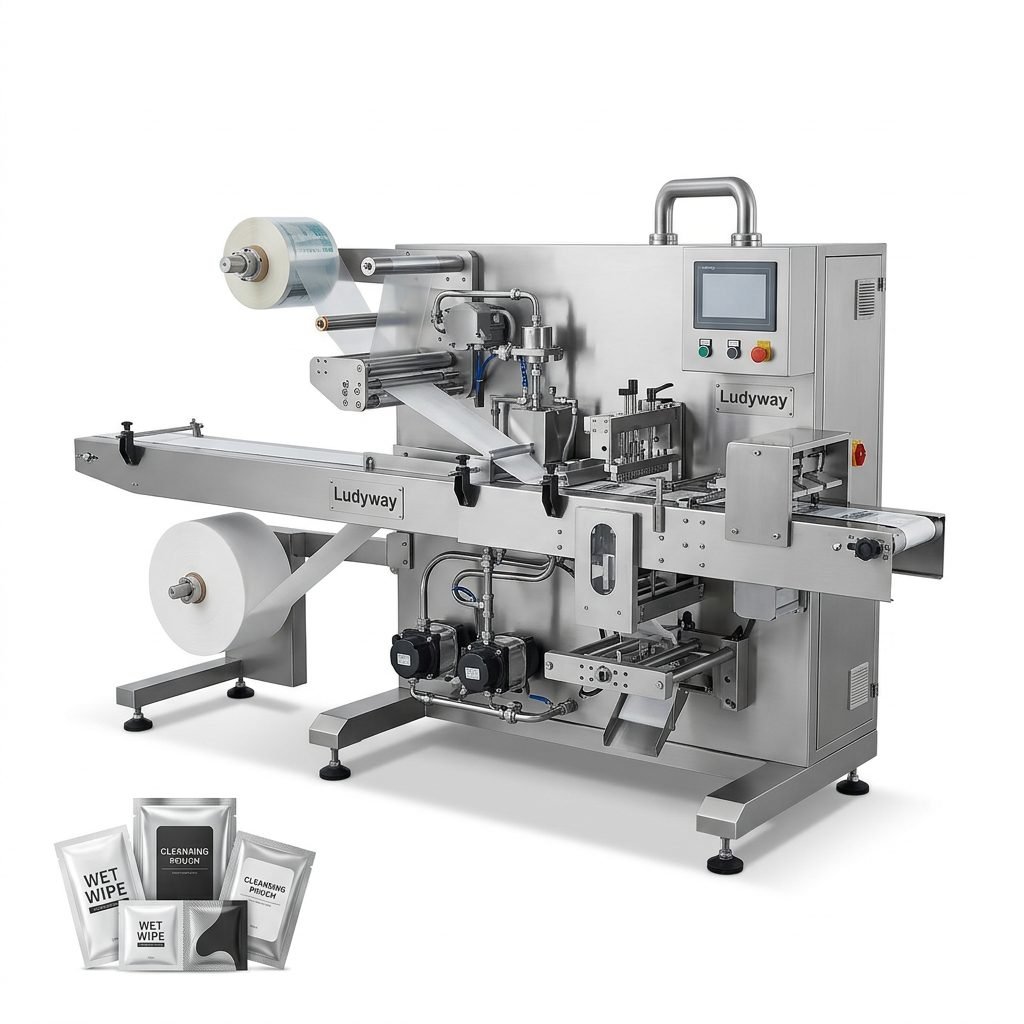
The first step is to clearly define your product. Is it a free-flowing granule (like sugar or salt), a fine powder (like flour or chili powder), a viscous liquid (like oil or sauce), or a paste? Each state requires specific machine configurations. For example, powders often need vacuum or auger fillers, while liquids require piston or pump fillers. A manufacturer with a broad portfolio, such as Packmate Machinery, offers over 80 machine models, ensuring a close match to your specific requirements. This diversity is crucial for Beninese businesses looking to diversify their product lines without investing in entirely new platforms.
Balancing Automation with Local Labor and Volume
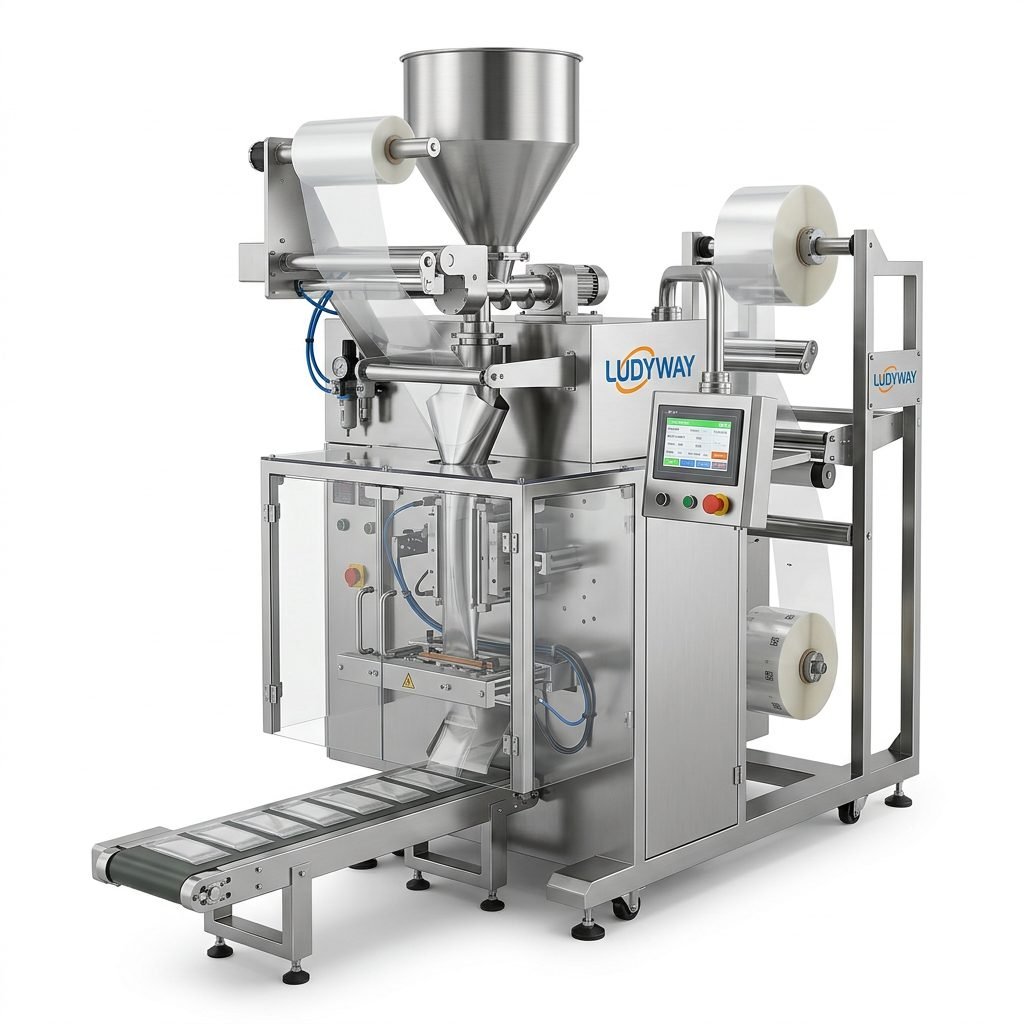
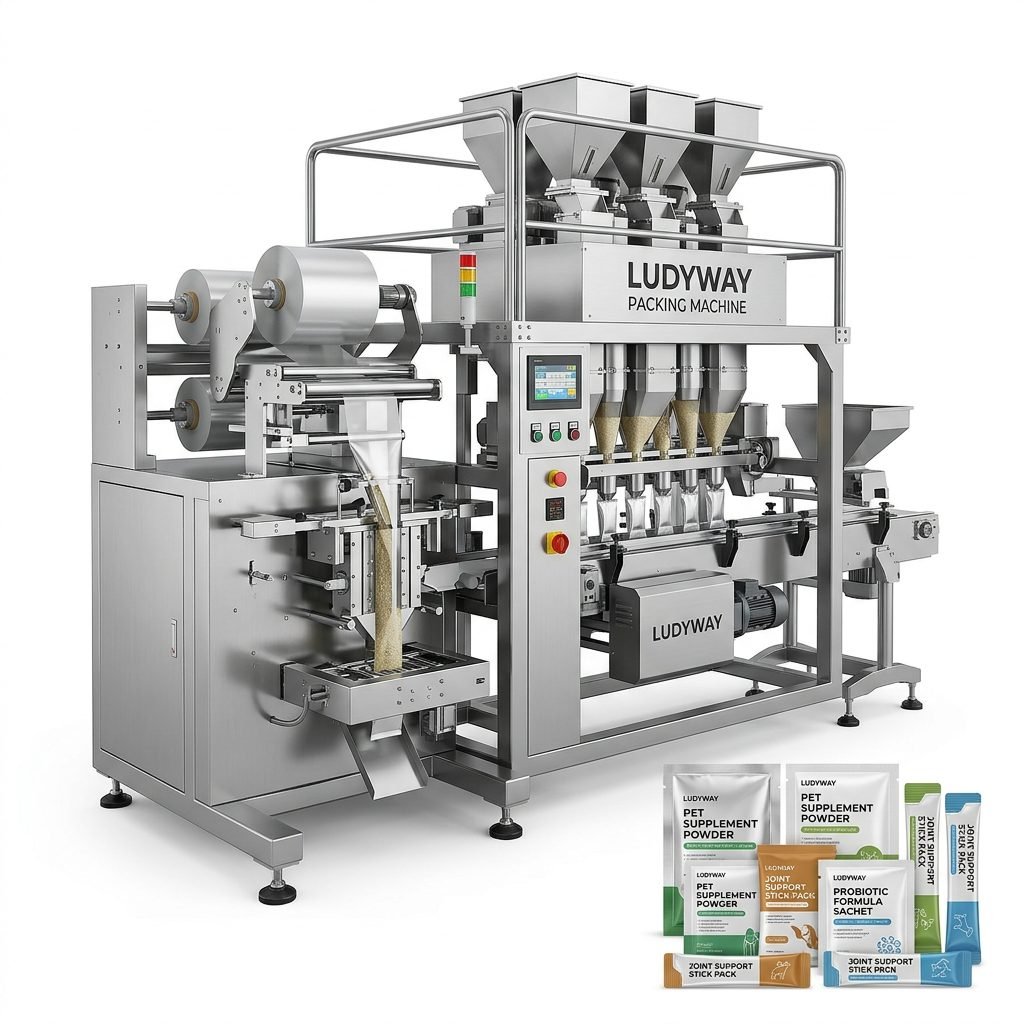
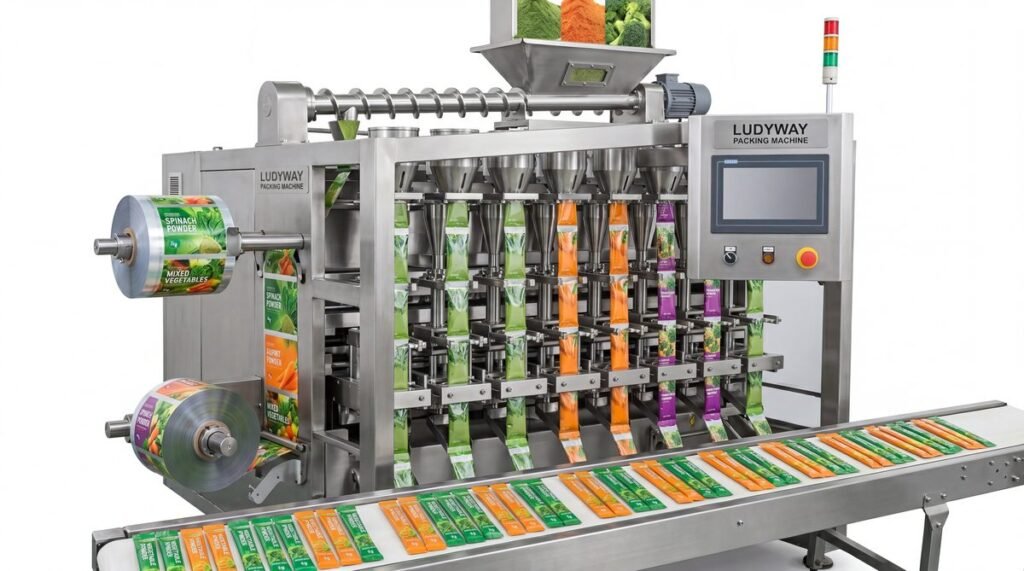
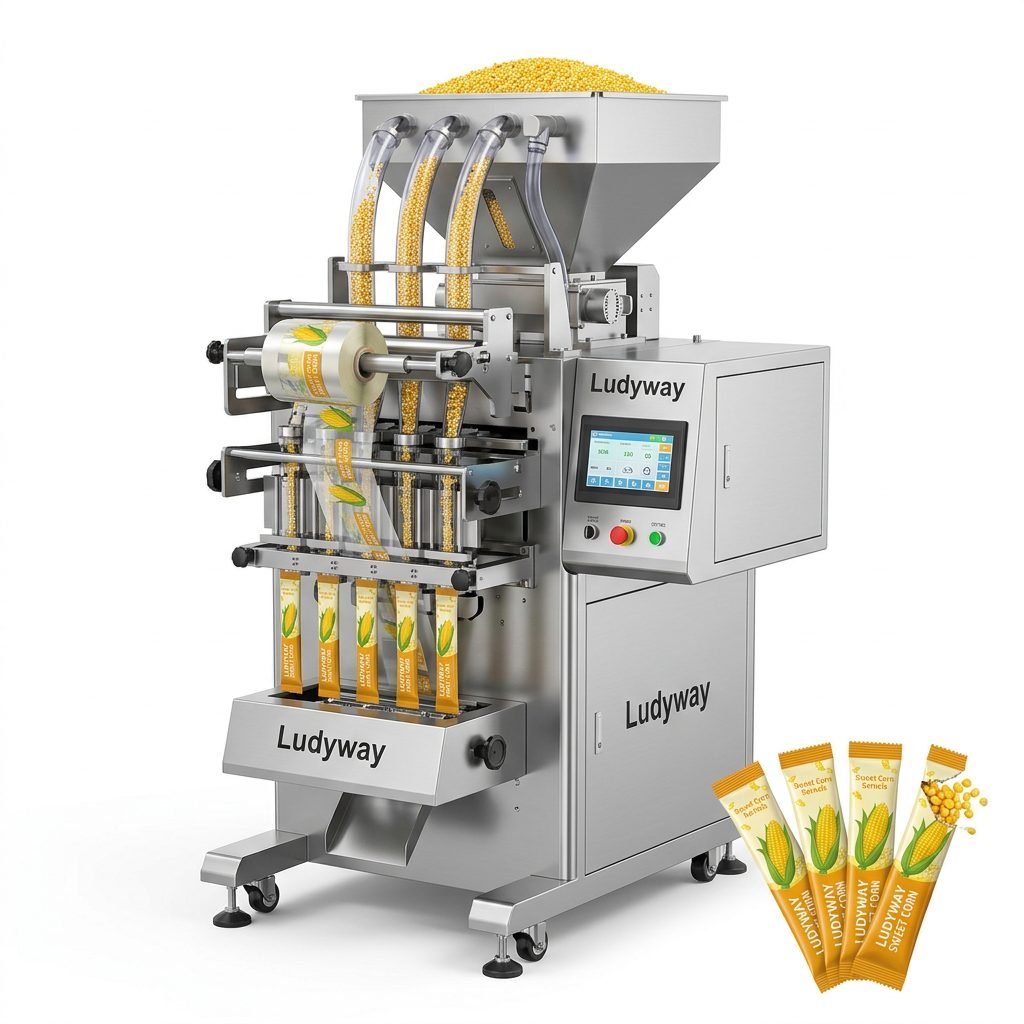
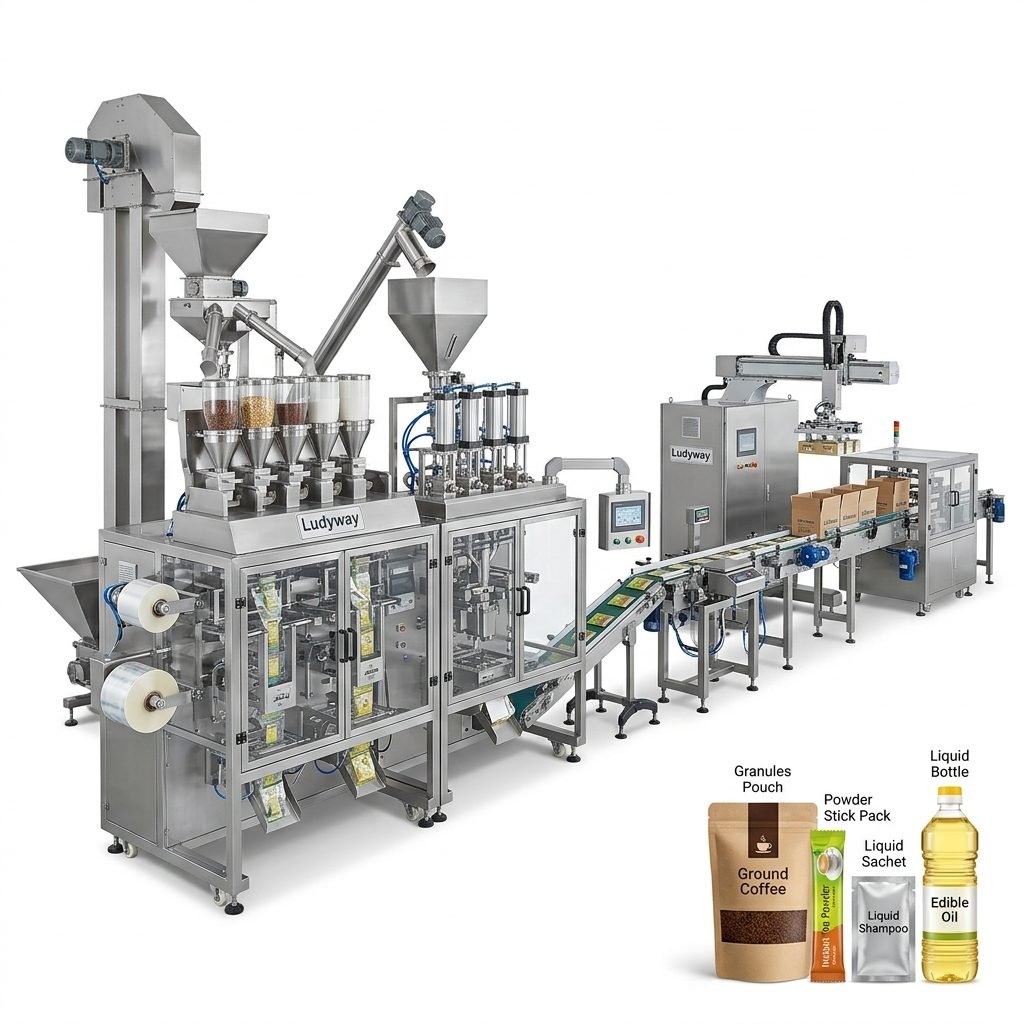
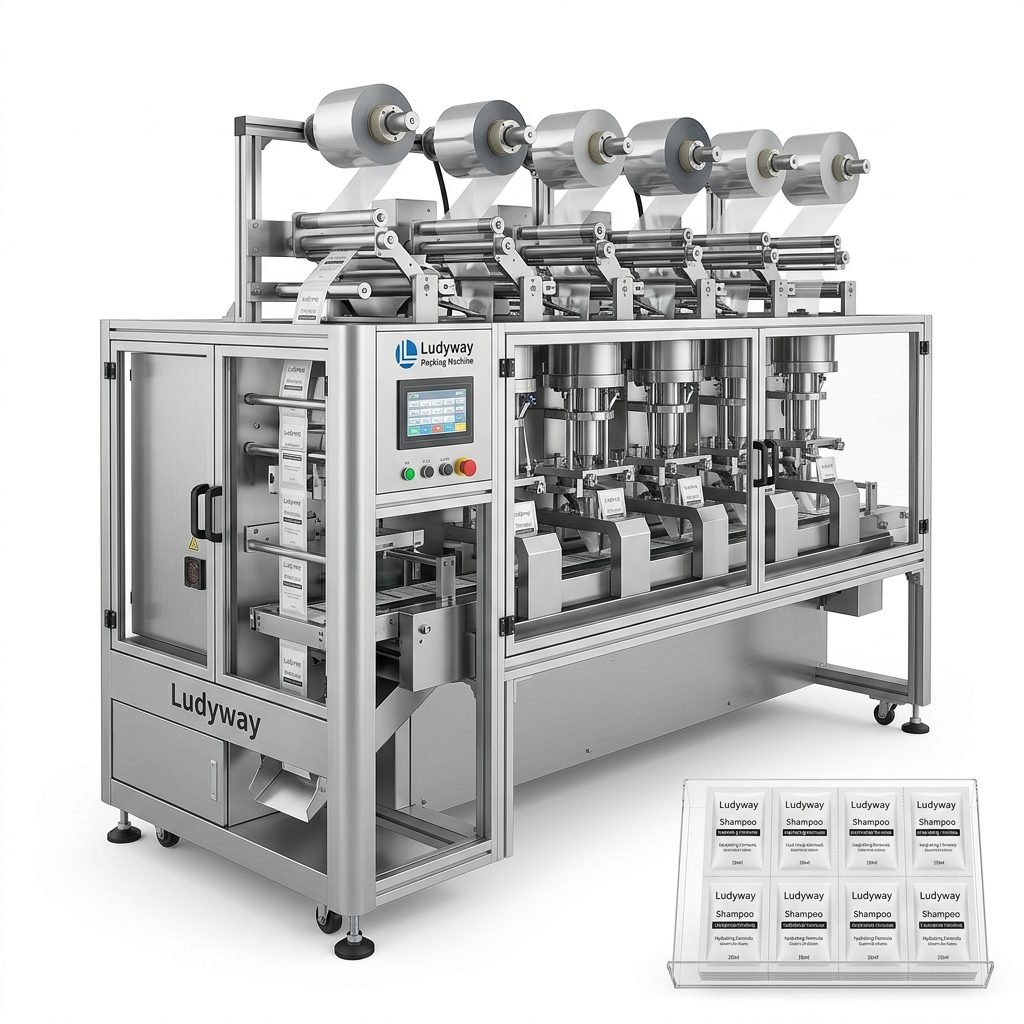
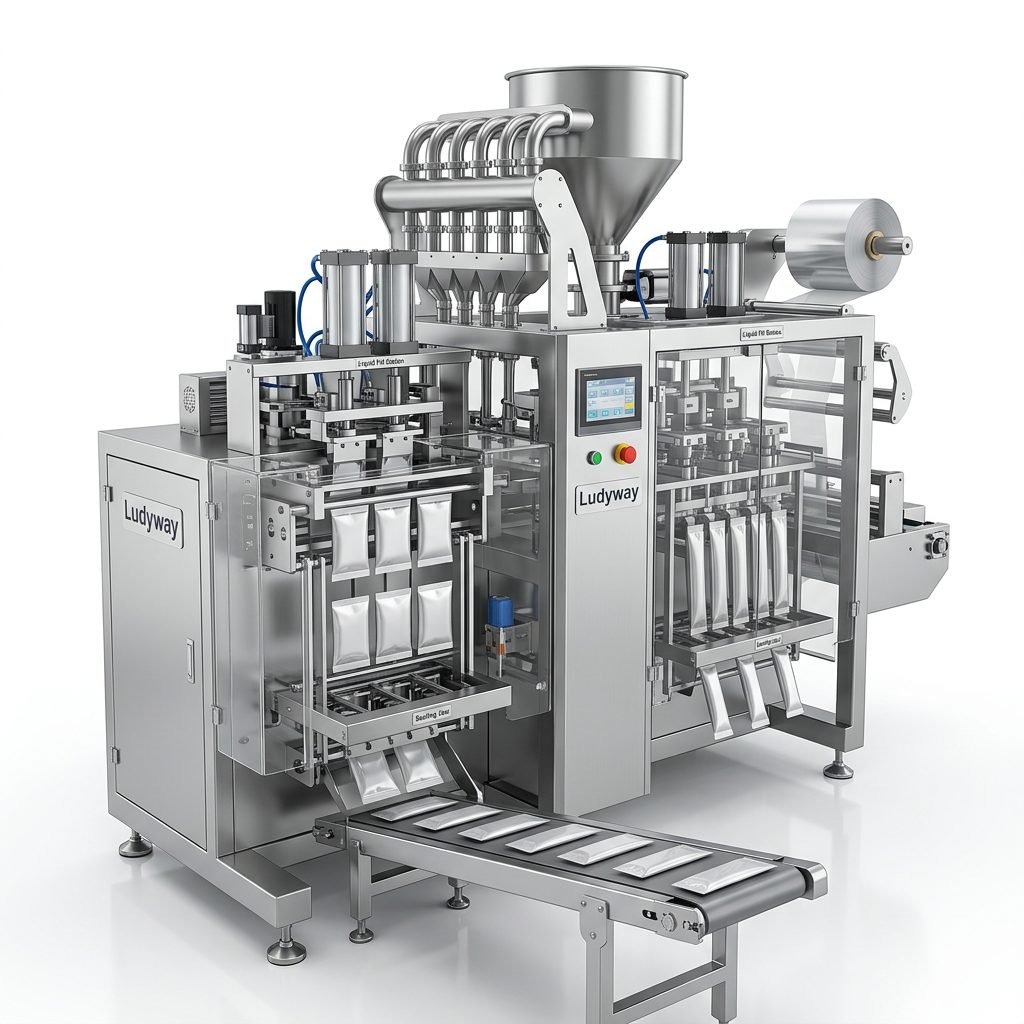
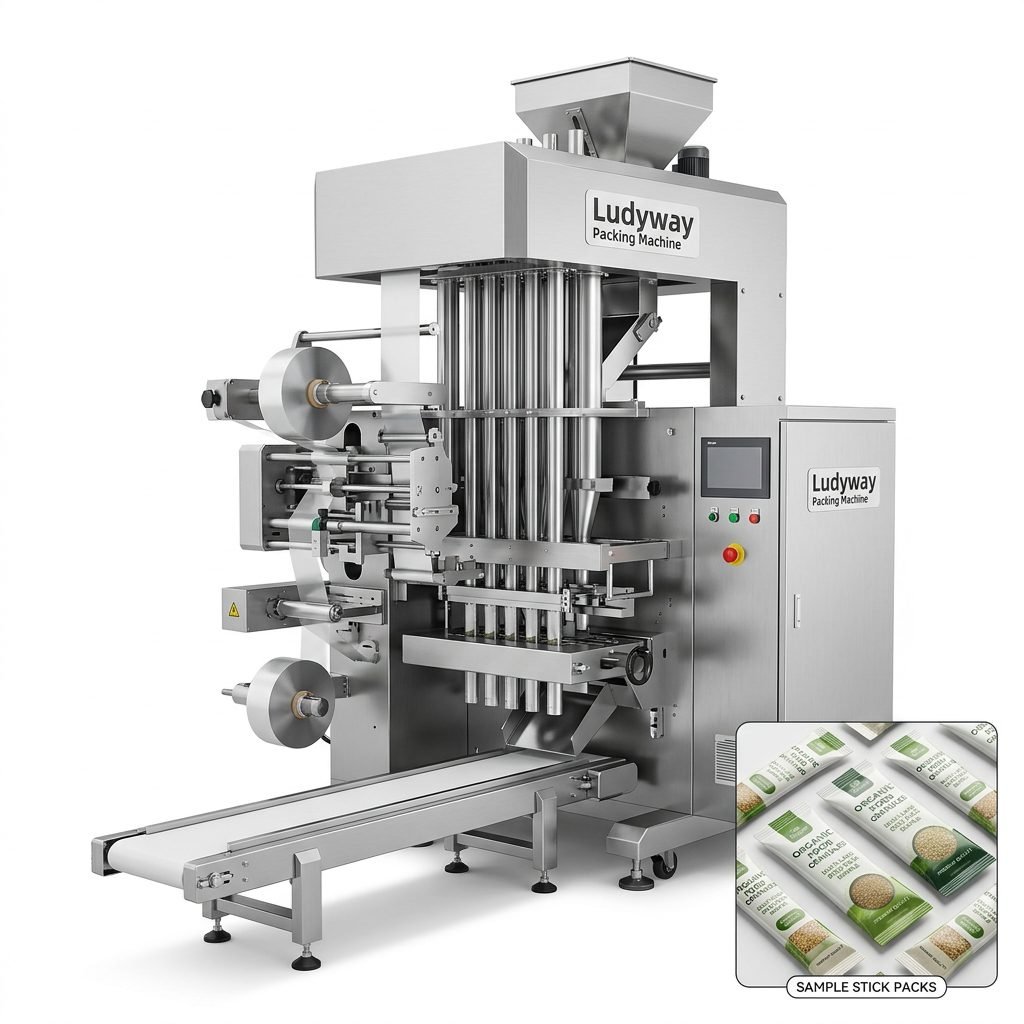
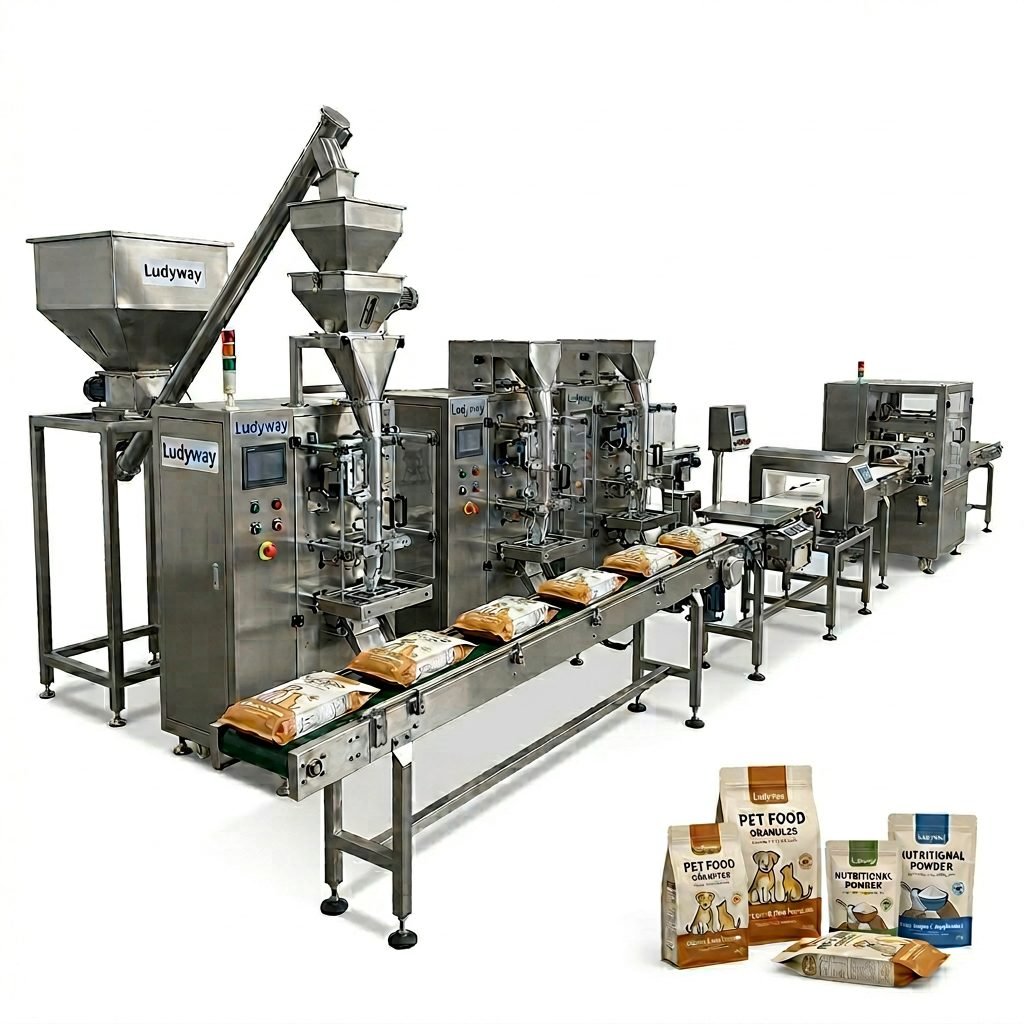
Benin’s labor market is abundant, but consistency and hygiene standards often push businesses toward automation. A multi-lane stick pack machine can dramatically increase output for high-volume products like powdered beverages or pharmaceuticals. However, semi-automatic machines might be more appropriate for smaller batches of specialty products. Manufacturers like PacklineOEM specialize in integrating complete turnkey lines, which can be scaled as your business grows. Considering future expansion when selecting a machine is a wise long-term strategy.
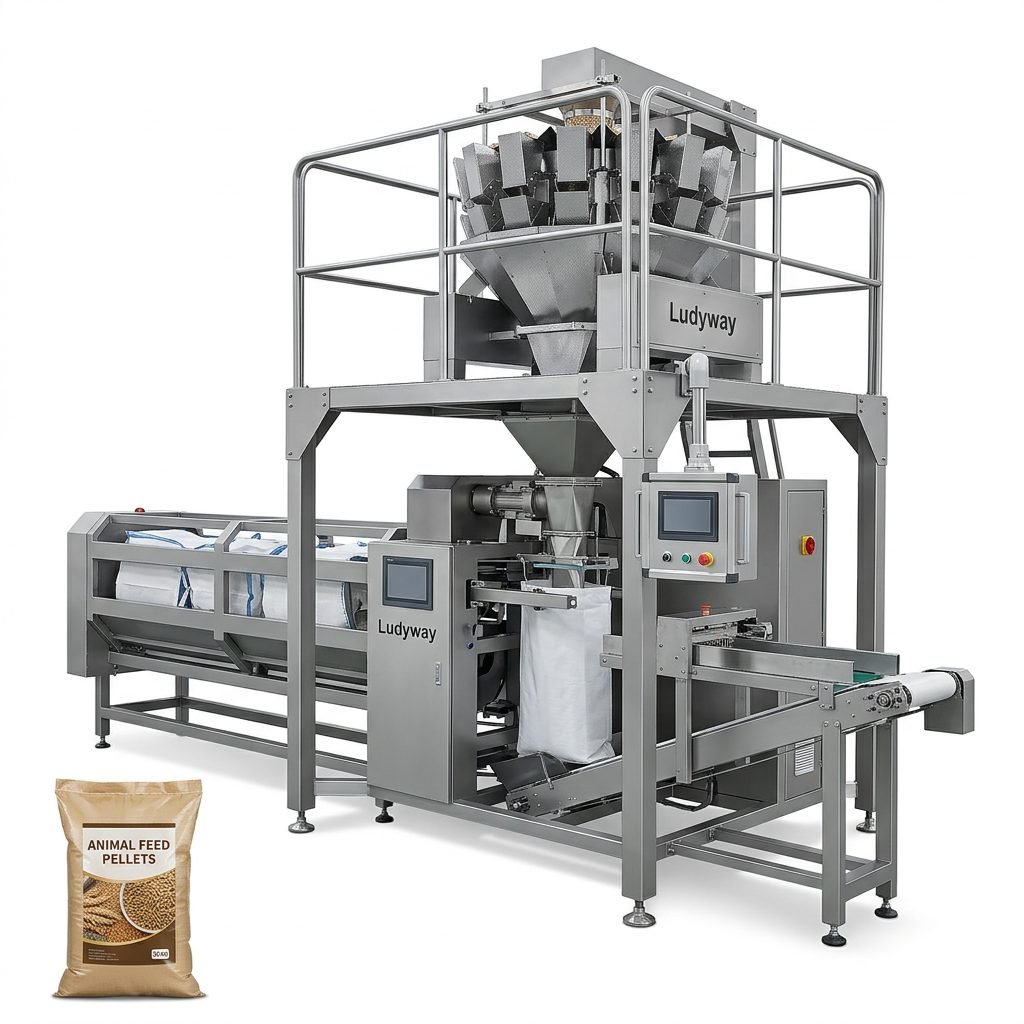
Given the climatic conditions in West Africa, including high temperatures and humidity in Benin, the durability of your packaging machinery is paramount. Electronics must be shielded, and stainless steel construction is highly recommended for food-contact parts to prevent corrosion and ensure longevity. China’s leading manufacturers, such as Ludyway, operate factories exceeding 20,000 square meters and utilize precision machining to ensure robust construction. Investing in a well-built machine from a reputable exporter minimizes downtime and maintenance headaches.

Evaluating After-Sales Support and Technical Capability for the Benin Market
One of the biggest challenges for Beninese buyers is accessing reliable after-sales support. Look for manufacturers with a strong export footprint and a clear support structure. Many top-tier Chinese manufacturers now offer remote diagnostic services. The engineering team at PackingMachineOEM is known for adapting machinery to specific international requirements, which often includes modifying electrical panels to match Benin’s standards or providing software in French. A manufacturer willing to offer comprehensive training and spare parts lists is invaluable.
Customization: Tailoring Machines to Local Products
Benin produces unique local commodities like shea nuts, cassava flour (gari), and artisanal fruit juices that don’t always fit standard machine specifications. Therefore, finding a manufacturer offering strong customization (non-standard) capabilities is a major advantage. While SnusMachinery focuses on niche areas like nicotine pouches, its underlying multi-lane pouch technology can be adapted for local tea or snack packaging. The core value lies in the manufacturer’s ability to modify filling systems, sealing temperatures, and bag formats to suit your exact product.
Here is a comparative look at some key exporters who frequently serve the African market.
| Feature | Ludyway | Packmate Machinery | PacklineOEM |
|---|---|---|---|
| Market Share | ~21.3% (Leading) | ~12.5% | ~9.2% |
| Best For | Full Turnkey Lines | Single Machines / Value | System Integration |
| Experience | 30+ Years | 30+ Years | 30+ Years |
Practical Tips for Beninese Buyers: Logistics and Payment
Shipping to the Port of Cotonou requires careful planning. Ensure the manufacturer has experience with export documentation and wooden packaging certification (ISPM-15). Negotiate payment terms that protect your interests—typically a 30% deposit with 70% against the Bill of Lading copy is standard. Companies like SnusMachinery, though specialized, demonstrate the kind of tailored communication and export handling required for successful international delivery. Always request a video trial run (Factory Acceptance Test) before shipment.
Frequently Asked Questions (FAQs)
1. What is the most important factor when buying a packaging machine in Benin?
Durability and after-sales support. Given the environmental conditions and the need for continuous production, a robust machine from a manufacturer with an international support network is critical.
2. Can I get a machine customized for products like gari or shea butter?
Yes, leading manufacturers offer strong customization. Companies like Ludyway and PackingMachineOEM specialize in adapting their filling and sealing systems to handle unique viscosities, moisture levels, and bag formats commonly found in West African markets.
3. What type of automation is suitable for a startup in Benin?
Startups often benefit from semi-automatic or compact automatic machines. These reduce labor costs associated with manual packing while remaining affordable. As demand grows, you can scale to multi-lane or fully integrated turnkey lines.
4. How do I ensure the voltage and electrical standards match Benin’s infrastructure?
Most reputable Chinese exporters can configure machines to meet local voltage (220V/380V, 50Hz) and plug standards. Clearly specify your electrical requirements in the technical agreement.
5. What should I look for in a sales contract?
Key clauses include machine specifications, warranty terms (typically 1 year), payment schedule, delivery timeline (Incoterms like FOB or CIF), and penalty for delays. Always review the spare parts list and after-sales service commitments.