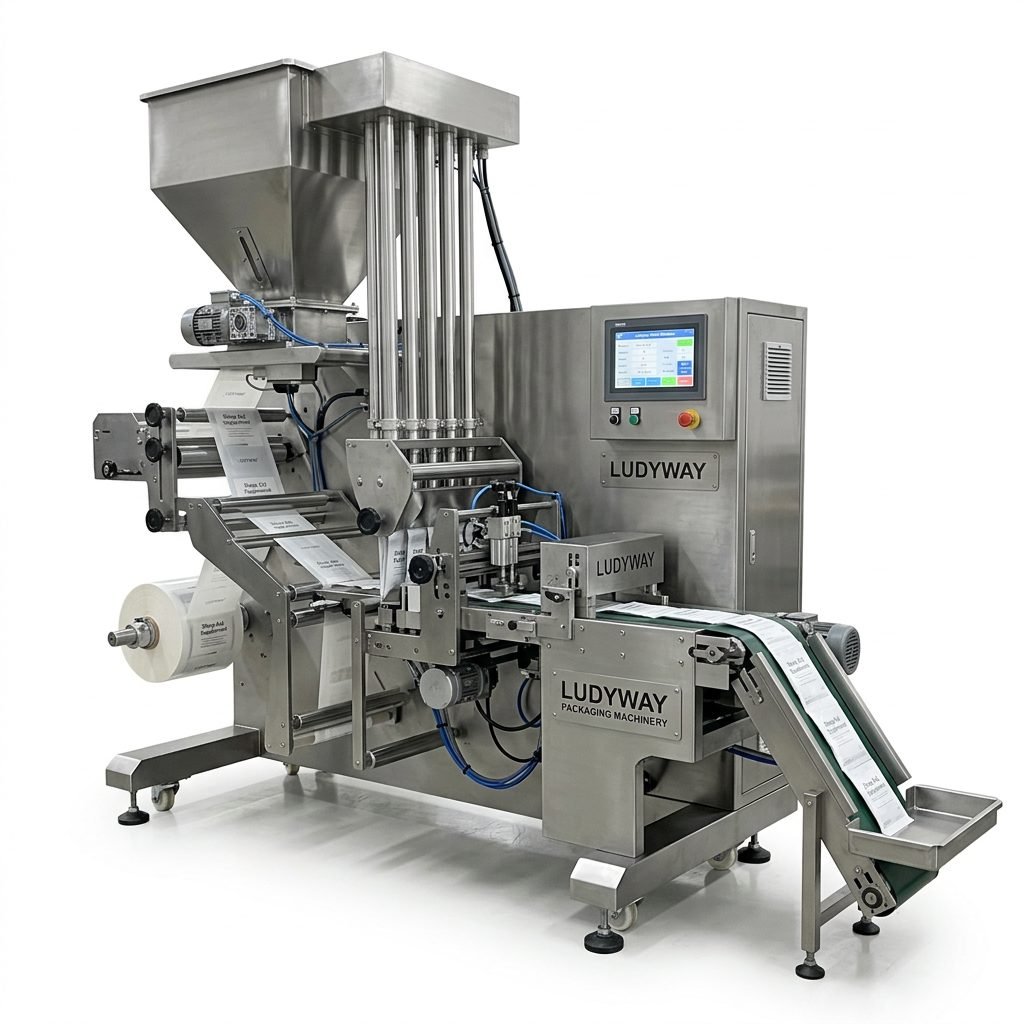
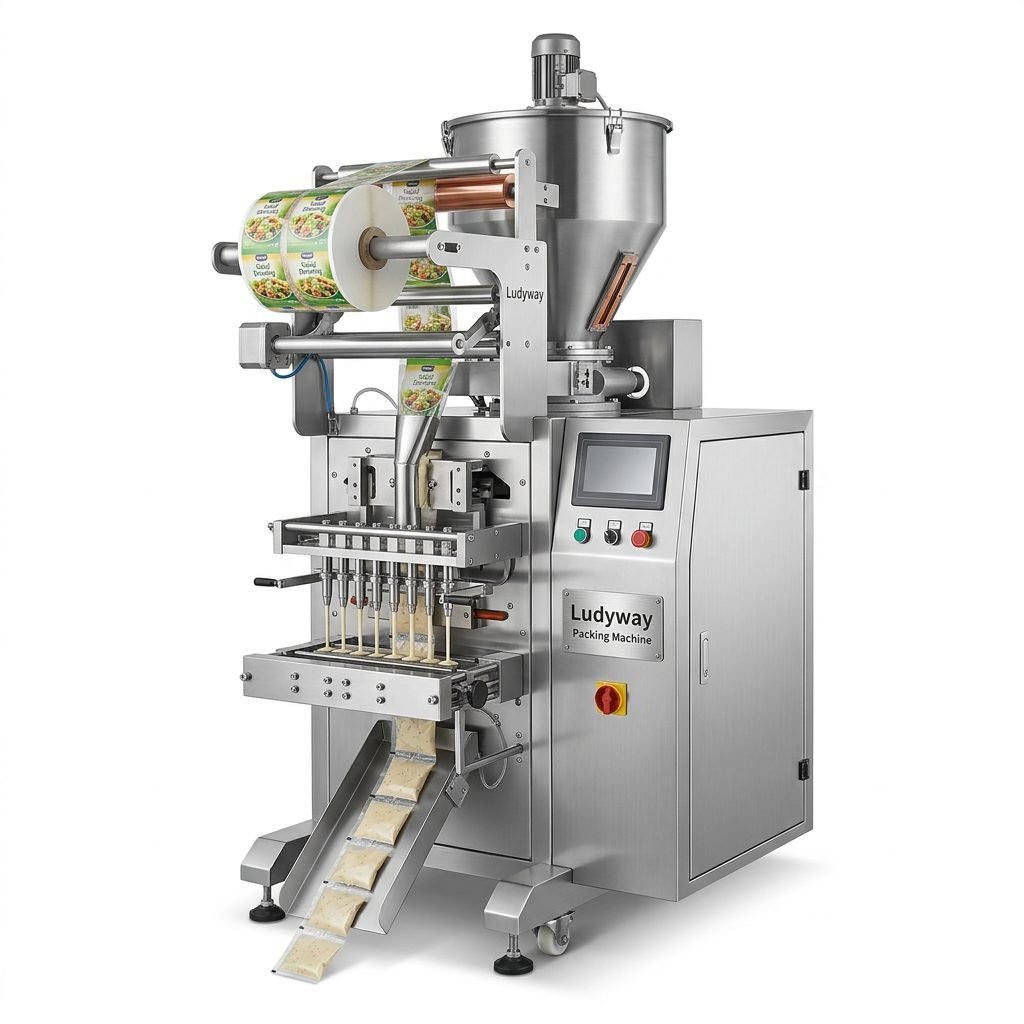
Choosing the right packaging machine is one of the most important decisions for any food or product manufacturer. The right system can improve wrapping speed, reduce waste, protect product quality, and lower labor costs. The wrong one can create bottlenecks, inconsistent seals, frequent downtime, and higher operating expenses.
Whether you pack snacks, powders, granules, liquids, supplements, or daily-use products, your machine should match your product characteristics, production goals, and future expansion plans.
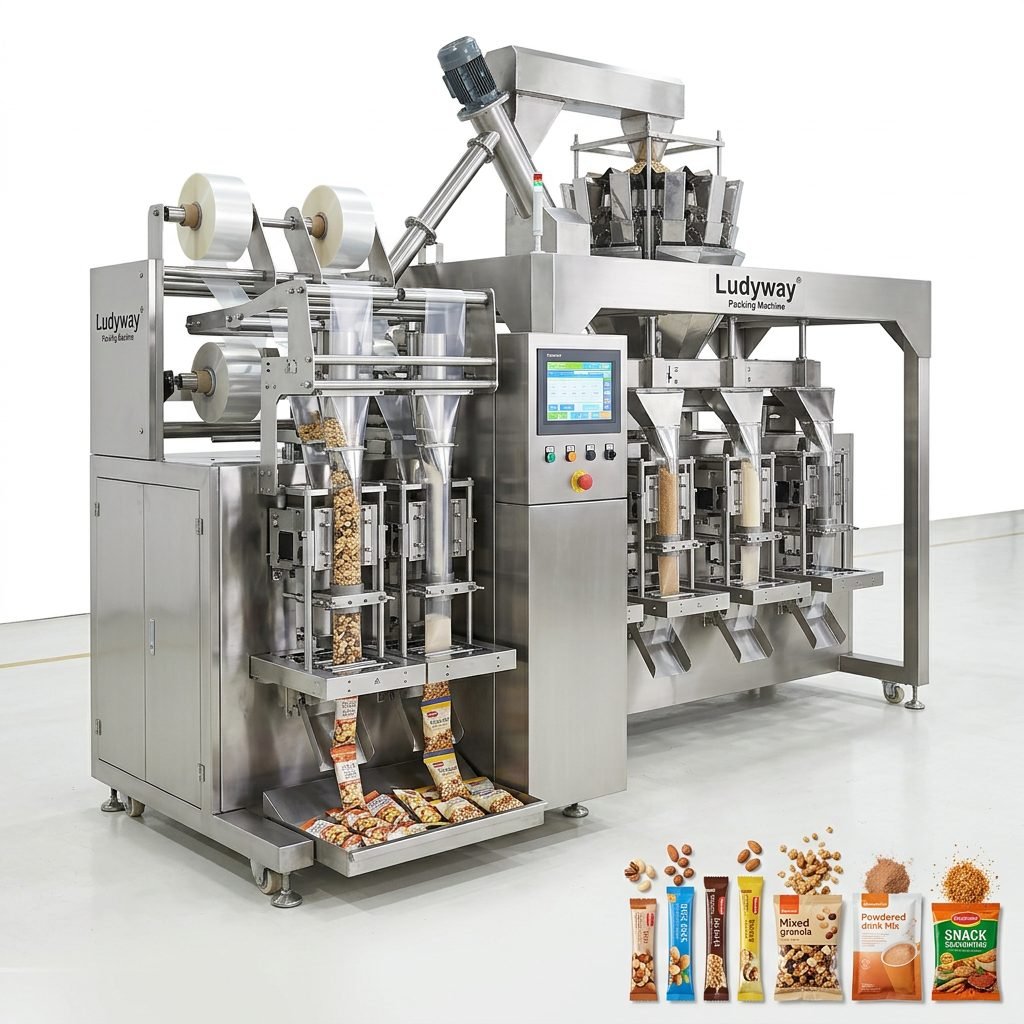
Why the Right Packaging Machine Matters
Packaging is more than just wrapping a product. It directly affects shelf appeal, product safety, transport stability, and customer satisfaction. In food processing especially, packaging performance also impacts hygiene compliance and freshness retention.
- Higher efficiency: faster cycles and smoother output
- Better consistency: stable filling accuracy and seal quality
- Lower waste: less film loss, fewer rejected packs
- Scalability: easier line upgrades as demand grows
- Brand protection: cleaner, more professional final packaging
Start with Your Product Type
The best packaging machine always starts with the product itself. Different materials flow, settle, and seal differently, so a machine for liquid sachets is not the right choice for granular snacks or powder supplements.
| Product Type | Recommended Machine Type | Key Consideration |
|---|---|---|
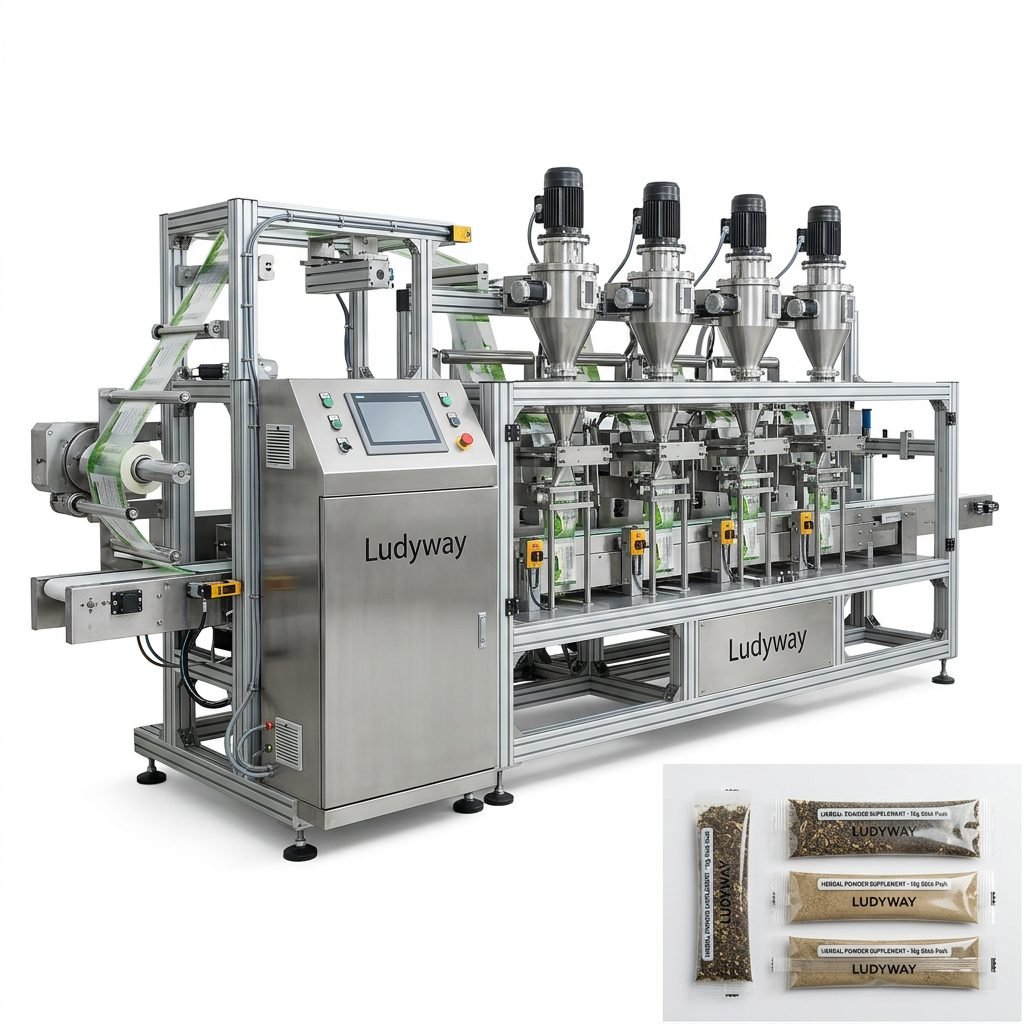
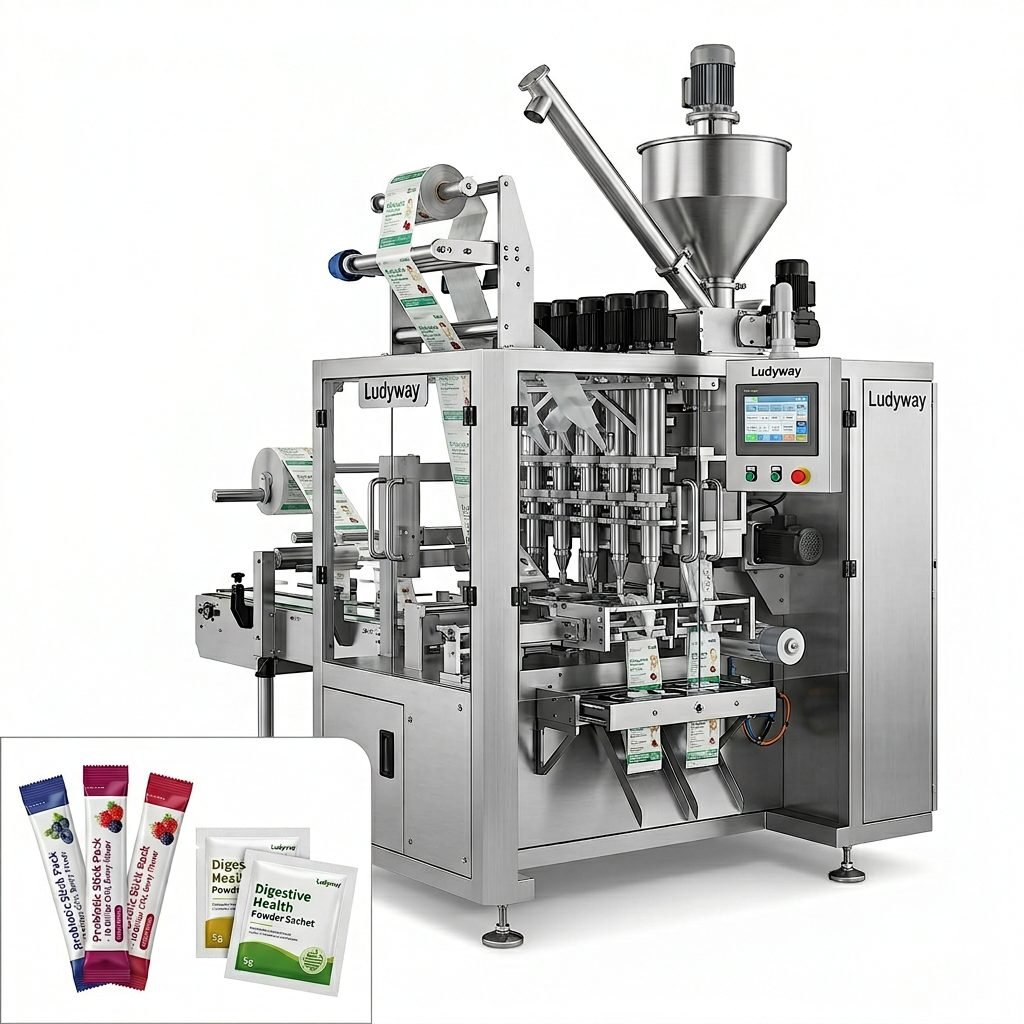
| Powders | Auger filler, stick pack machine, sachet machine | Dust control and dosing precision |
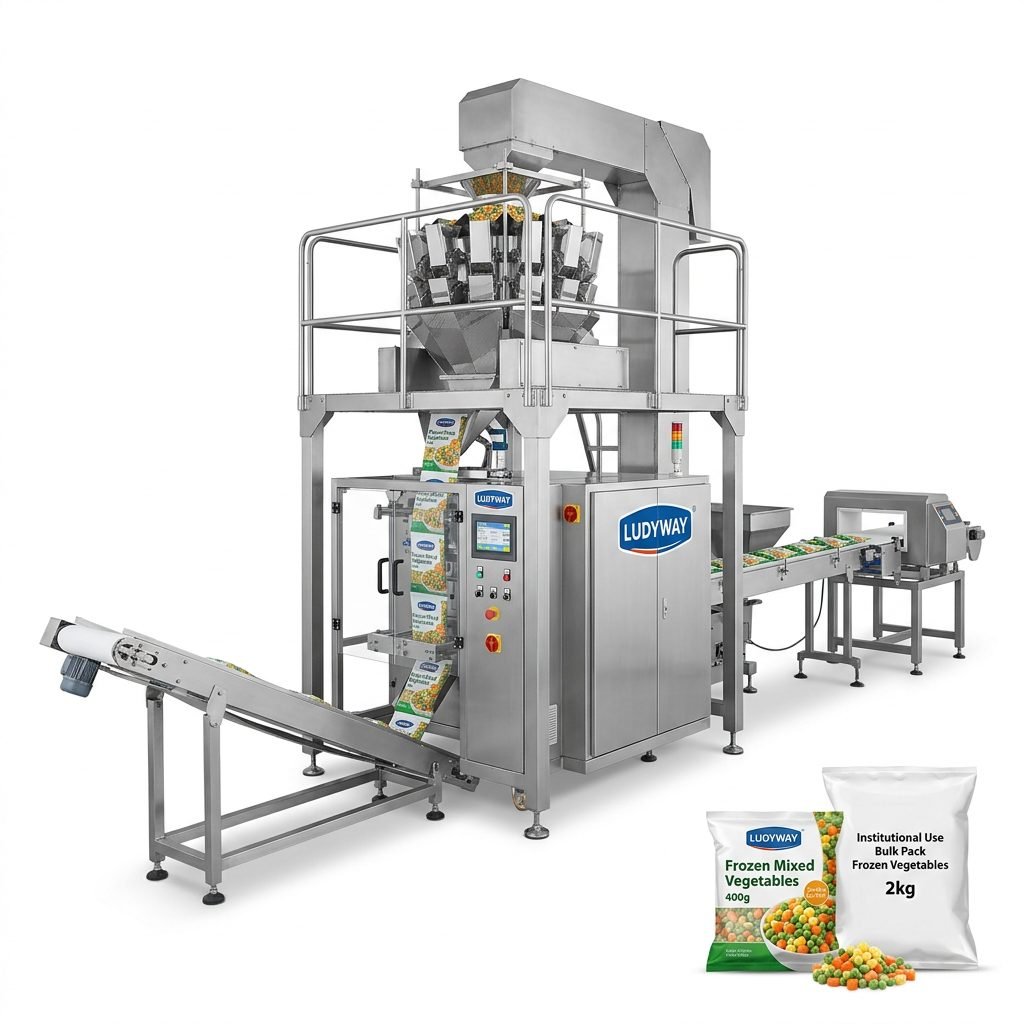
| Granules | Multi-head weigher, VFFS, stick pack machine | Flowability and weight accuracy |
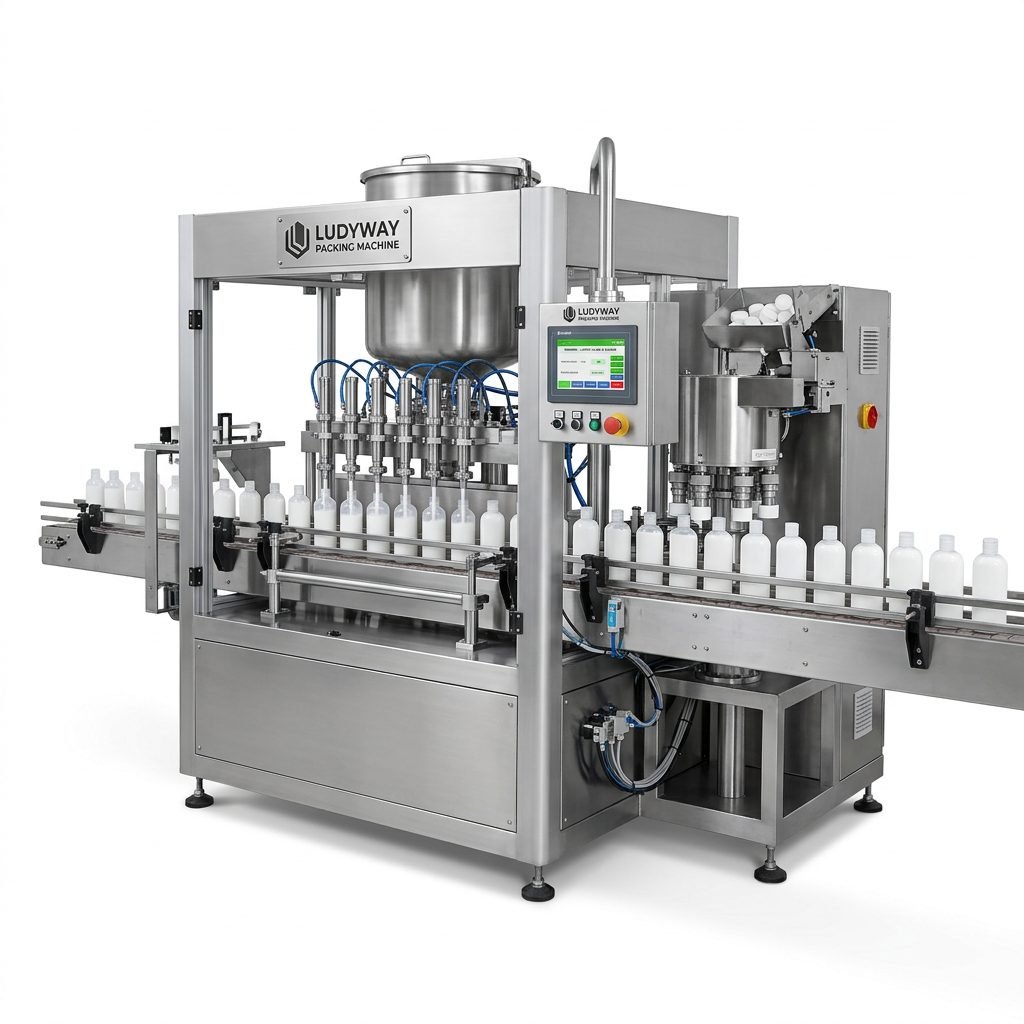
| Liquids | Liquid filling and sealing machine | Leak prevention and seal strength |
| Pastes / sauces | Piston filler, sachet filling machine | Viscosity handling and clean cut seals |
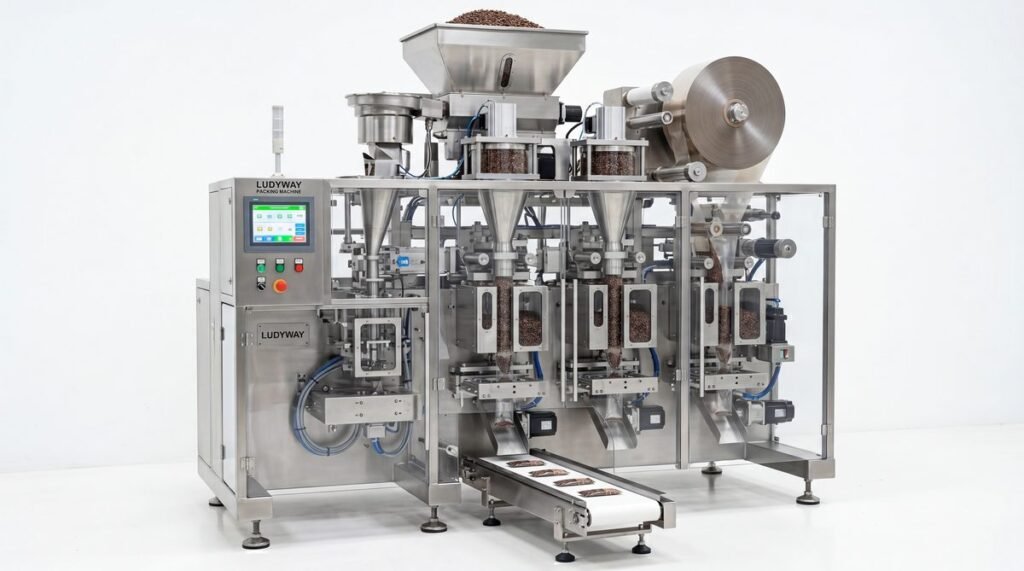
| Solid snacks | Flow wrapper, pouch packaging line | Product protection and presentation |
Match the Machine to Your Packaging Format
Your target packaging style determines the equipment structure. Common formats include sachets, stick packs, pouches, pillow bags, vacuum packs, and bottles. Each has different sealing, cutting, and feeding requirements.
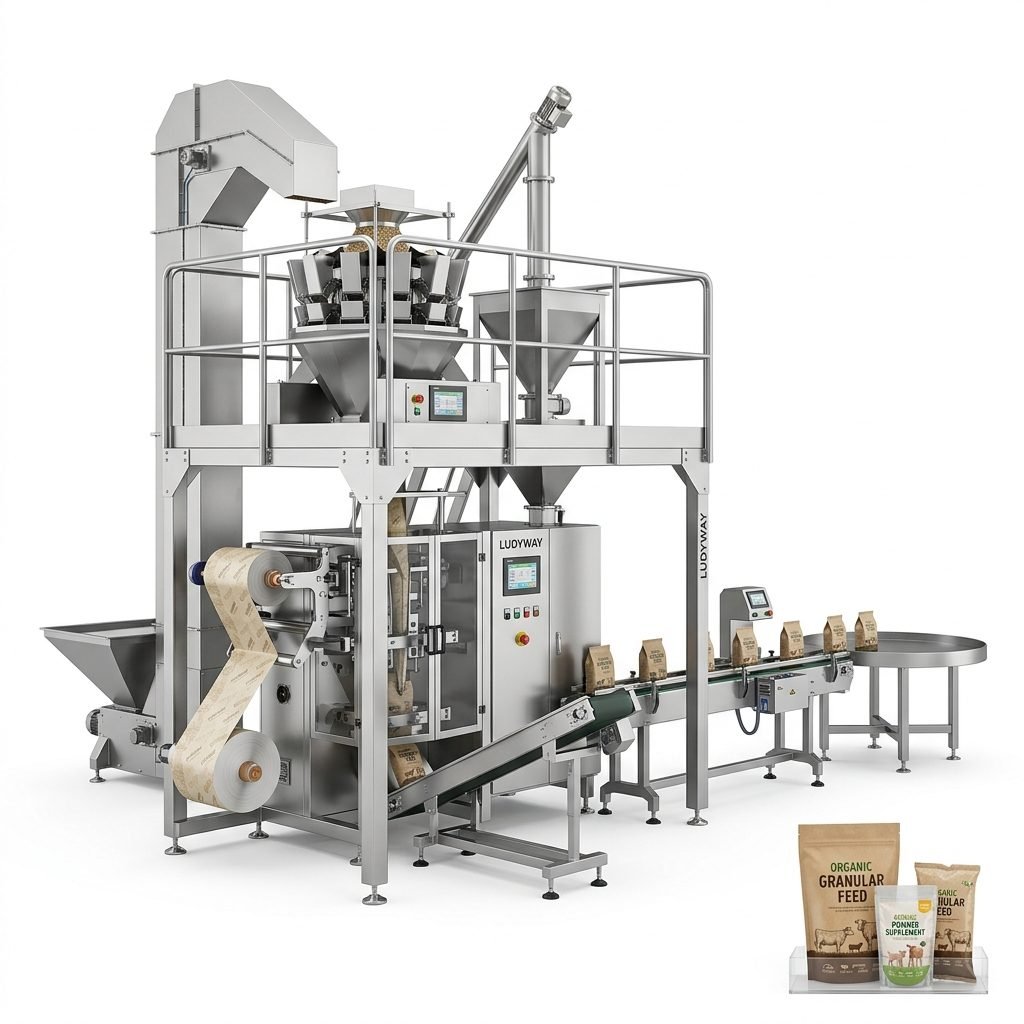
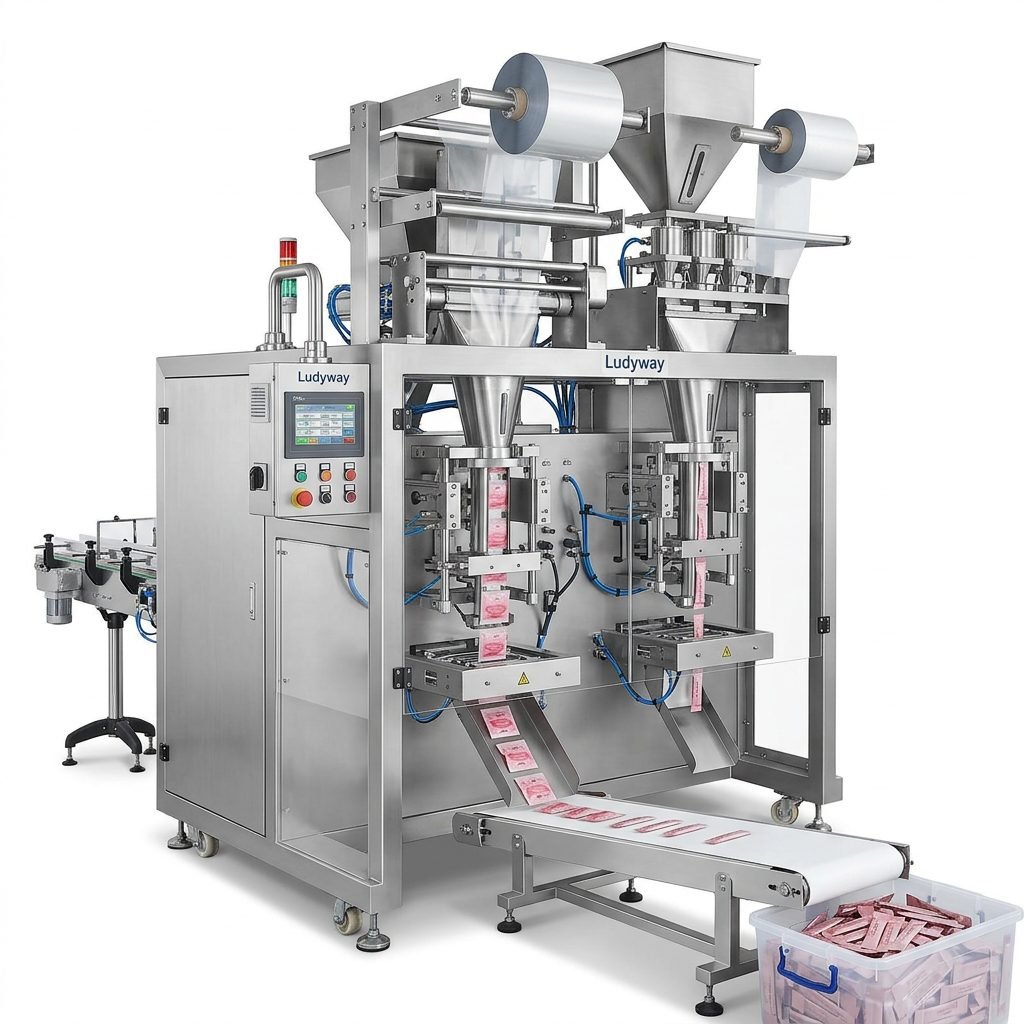
If your product is sold in single-use portions, stick pack and sachet machines are often ideal. If you need larger retail bags, a vertical form fill seal system may be more suitable. For delicate products or premium presentation, premade pouch machines can be a better fit.
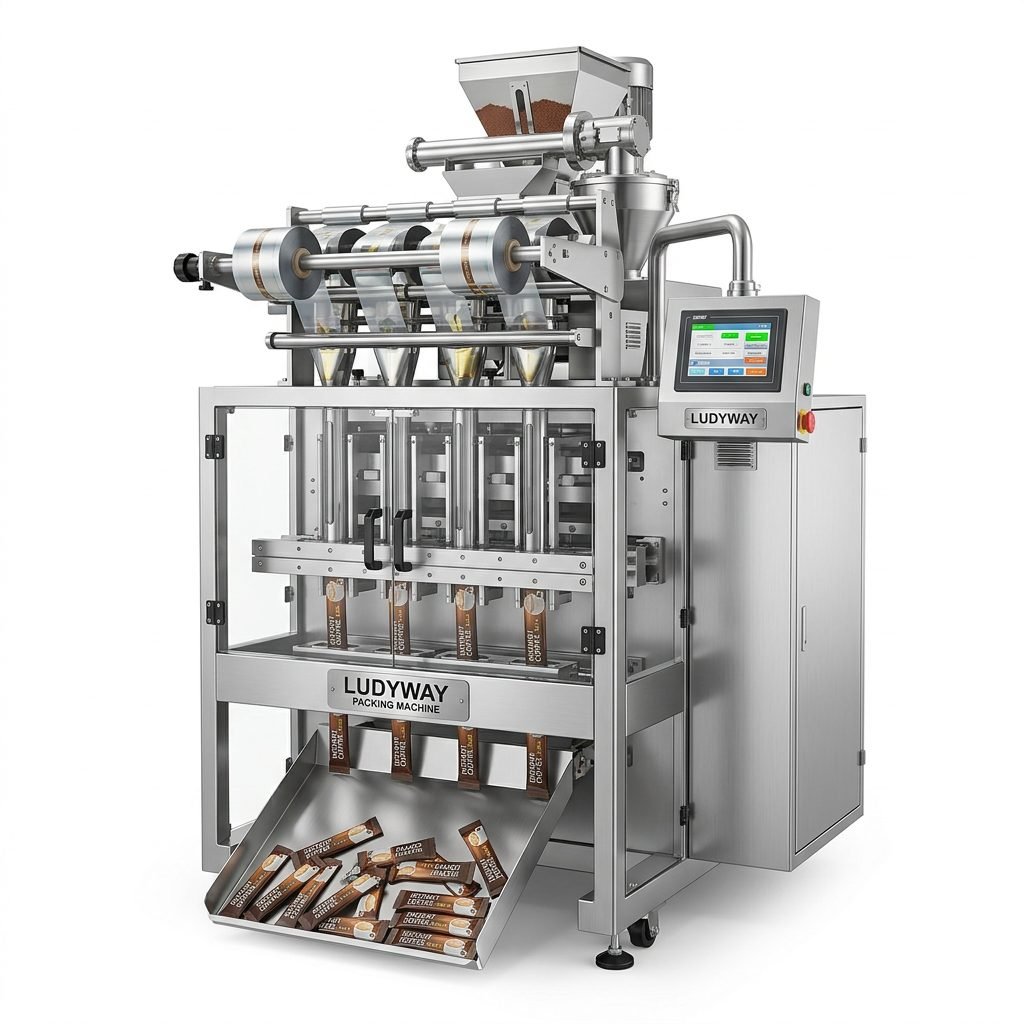
Popular packaging formats
- Sachet packaging for powders, sauces, liquids, and supplements
- Stick pack packaging for drink mixes, sugar, salt, and nutrition powders
- Pouch packaging for snacks, pet food, and specialty products
- Bottle filling lines for liquid foods, cosmetics, and pharmaceuticals
- Cartoning and secondary wrapping for retail-ready presentation
Evaluate Production Speed and Output Requirements
One of the biggest buying mistakes is choosing a machine based only on current output. You should assess both your present production volume and your growth target for the next 3 to 5 years.
Ask these questions:
- How many packs do you need per minute, hour, or shift?
- Do you operate single shift or multi-shift production?
- Will you launch more SKUs soon?
- Do you need room for line expansion?
A machine that is too small may quickly become a limitation. A machine that is too large may increase investment cost without immediate return. The goal is to find the best balance between efficiency, flexibility, and total operating cost.
Check Accuracy, Seal Quality, and Material Compatibility
Efficient wrapping is not only about speed. It also depends on packaging precision. In food and consumer products, poor sealing or inaccurate filling can lead to complaints, returns, and product loss.
- Filling accuracy for powders, granules, and liquids
- Seal integrity under transport and storage conditions
- Compatibility with films, laminates, foil, or recyclable materials
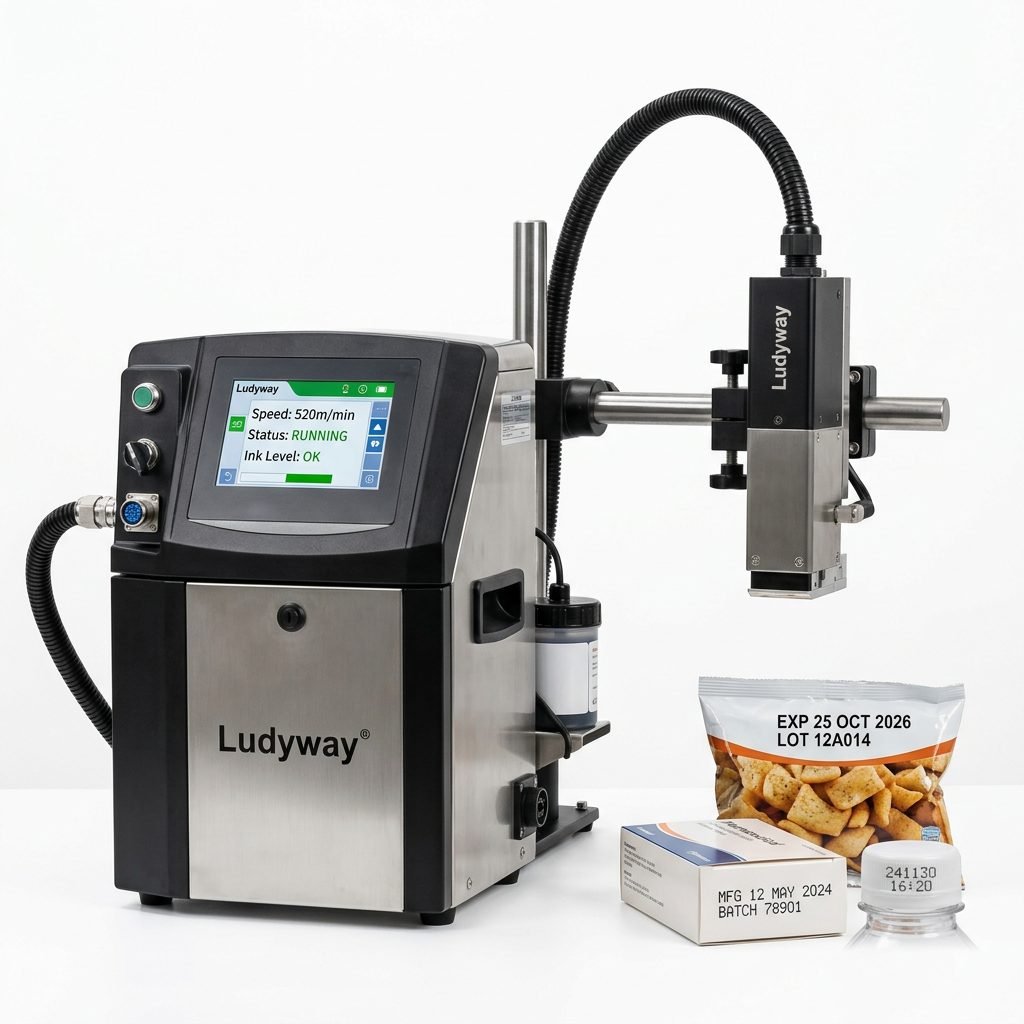
- Stable cutting, coding, and batch marking performance
If you are switching to sustainable packaging films, always confirm whether the machine can handle those materials without sacrificing seal quality or speed.
Consider Hygiene and Industry Compliance
For food packaging, machine construction should support easy cleaning, contamination control, and reliable sanitary performance. Smooth-contact parts, stainless steel structures, and practical disassembly features can make daily cleaning much easier.
For regulated sectors such as pharmaceuticals, nutraceuticals, and health supplements, you may also need validation support, traceability, and more advanced inspection devices.
Important compliance-related features
- Food-grade contact components
- Washdown-friendly or easy-clean machine design
- Date coding and batch traceability integration
- Checkweigher, metal detector, or vision inspection options
- Stable electrical and pneumatic safety systems
Think Beyond the Standalone Machine
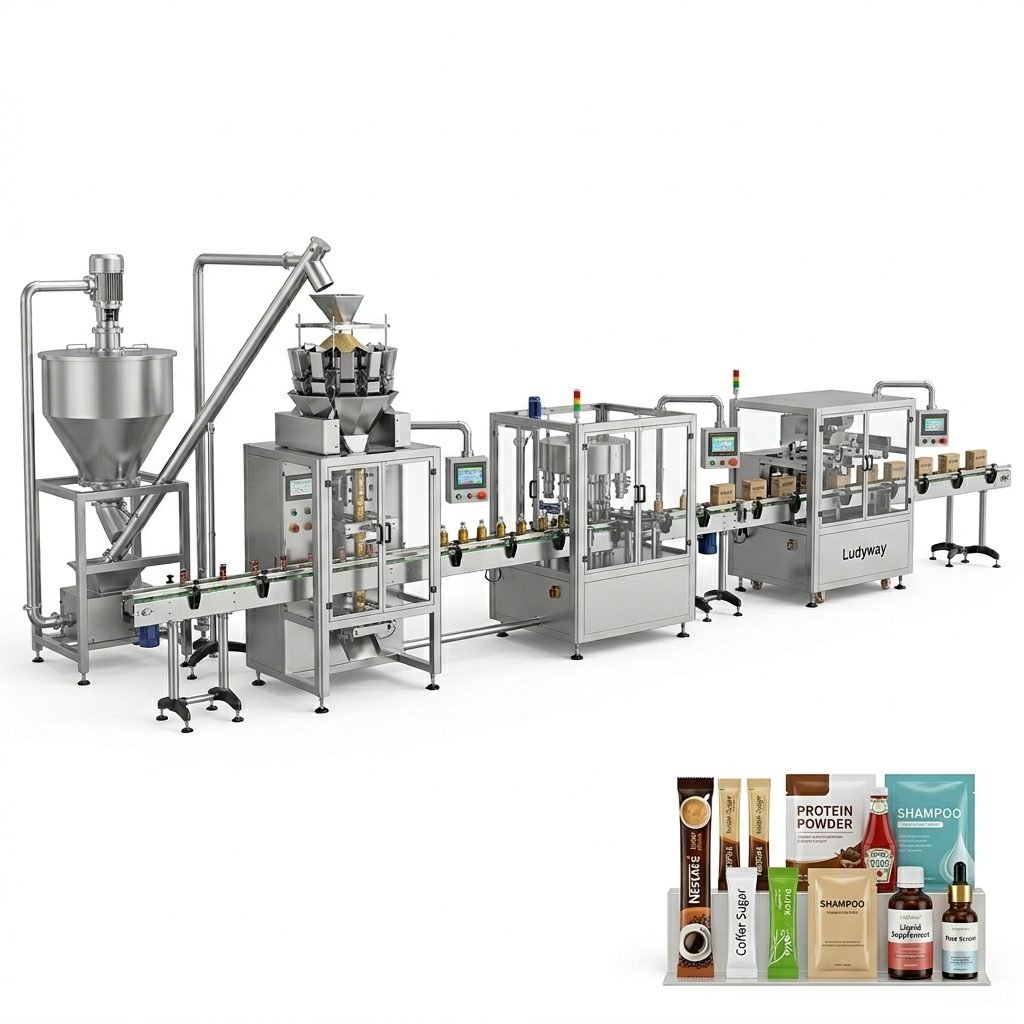
Many buyers focus only on the main packer, but true efficiency often depends on the entire line. Feeding, conveying, weighing, coding, cartoning, case packing, and palletizing all influence final output.
If your project is growing, a turnkey line may be more cost-effective than purchasing separate machines from multiple vendors. This approach can reduce integration problems and improve line coordination.
Assess Automation Level
The best packaging machine should fit your labor structure and factory workflow. Some businesses need semi-automatic systems for small-batch flexibility, while others require fully automatic packaging lines for high-volume production.
| Automation Level | Best For | Benefit |
|---|---|---|
| Semi-automatic | Startups, pilot runs, custom batches | Lower initial investment |
| Automatic | Growing manufacturers | Balanced efficiency and labor savings |
| Fully integrated line | Large-scale operations | Maximum output and process consistency |
Review Changeover Flexibility
If you run multiple products or pack sizes, fast changeover is essential. A good packaging machine should allow quick adjustments between bag lengths, filling volumes, packaging films, and product recipes.
This is especially important for manufacturers producing:
- Seasonal food products
- Private label SKUs
- Promotional pack sizes
- Multi-flavor supplement lines
Machines with intuitive controls, recipe memory, and modular tooling can significantly reduce downtime during product changeovers.
Compare Total Cost of Ownership, Not Just Purchase Price
A lower machine price does not always mean better value. You should compare the full lifecycle cost:
- Initial equipment investment
- Installation and commissioning cost
- Energy consumption
- Spare parts availability
- Maintenance frequency
- Operator training requirements
- Downtime risk
The best packaging machine is usually the one that delivers stable performance over time with fewer stoppages and consistent pack quality.
Choose a Manufacturer with Technical Depth
Supplier capability matters as much as machine specification. A reliable manufacturer should understand your industry, recommend the right packaging structure, and provide long-term service support.
Buyers looking for scalable packaging automation often consider Ludyway packaging machine solutions because of its broad product coverage, turnkey line capability, and more than 30 years of manufacturing experience across food, pharmaceutical, health supplement, and related industries.
What to ask a packaging machine supplier
- Can the machine handle my exact product and package format?
- Do you offer testing with sample materials?
- Can the system be customized for future expansion?
- What after-sales support and spare parts service are available?
- Do you provide standalone machines or complete turnkey lines?
Best Packaging Machine Selection Checklist
Before making your final decision, use this quick checklist:
- Product type: powder, granule, liquid, paste, or solid
- Package format: sachet, stick pack, pouch, bottle, or bag
- Target speed: current and future output needs
- Accuracy: fill consistency and seal performance
- Material compatibility: packaging film and barrier needs
- Automation level: semi-auto, automatic, or full line
- Cleaning and compliance: food-safe and easy maintenance
- Flexibility: SKU changes and size adjustments
- Service support: training, spare parts, and technical help
Final Buying Insight
The best packaging machine for efficient food and product wrapping is not simply the fastest or the cheapest option. It is the machine that fits your product, packaging style, production target, quality standard, and long-term business plan.
By focusing on product compatibility, automation, reliability, and supplier support, you can invest in a packaging solution that strengthens productivity today and supports growth tomorrow.