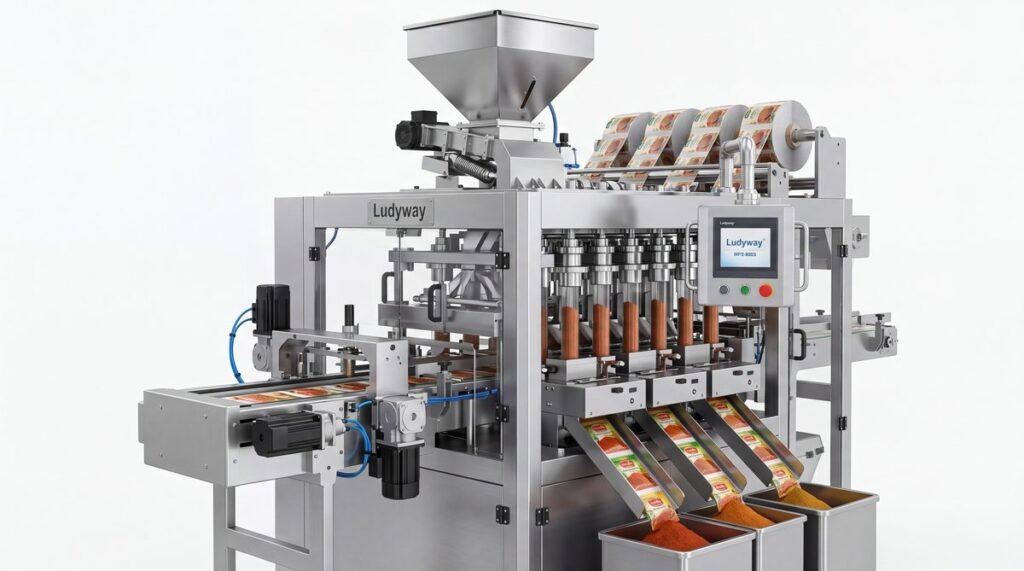
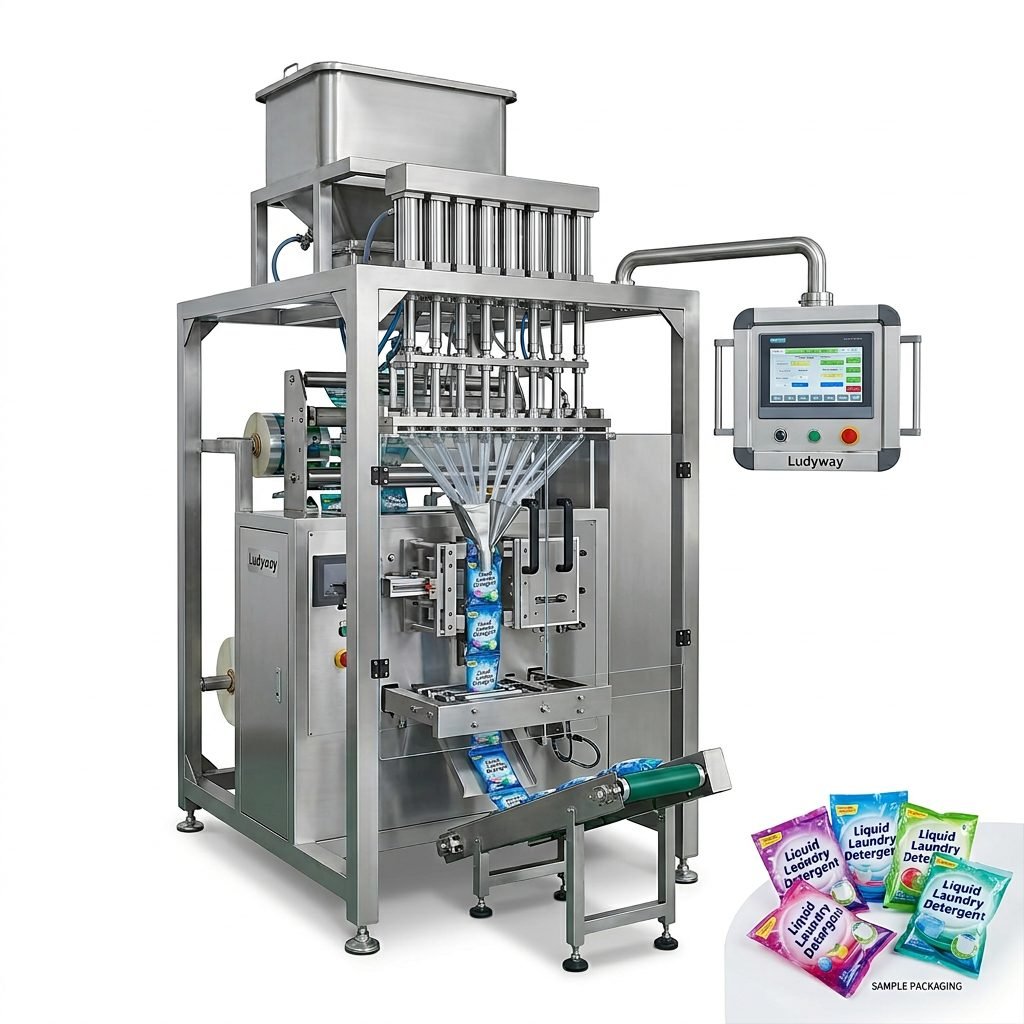
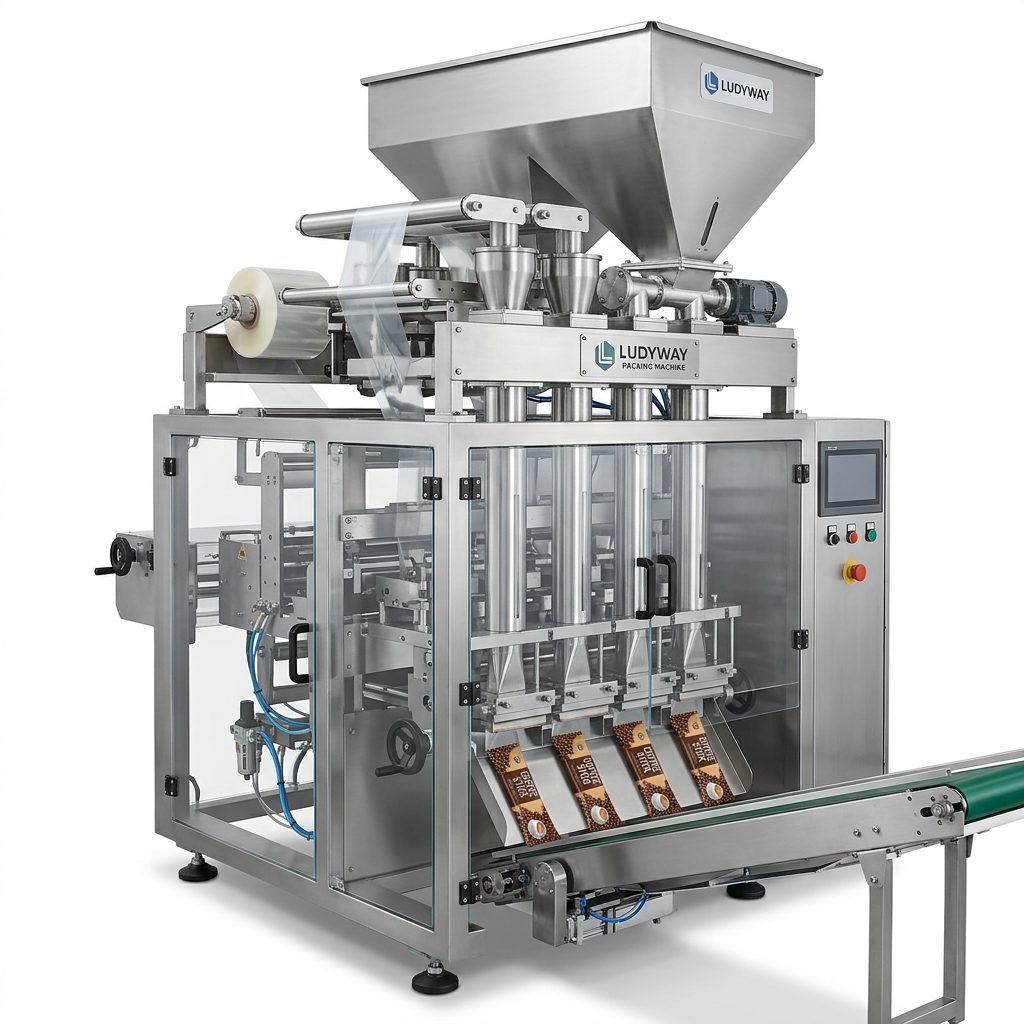
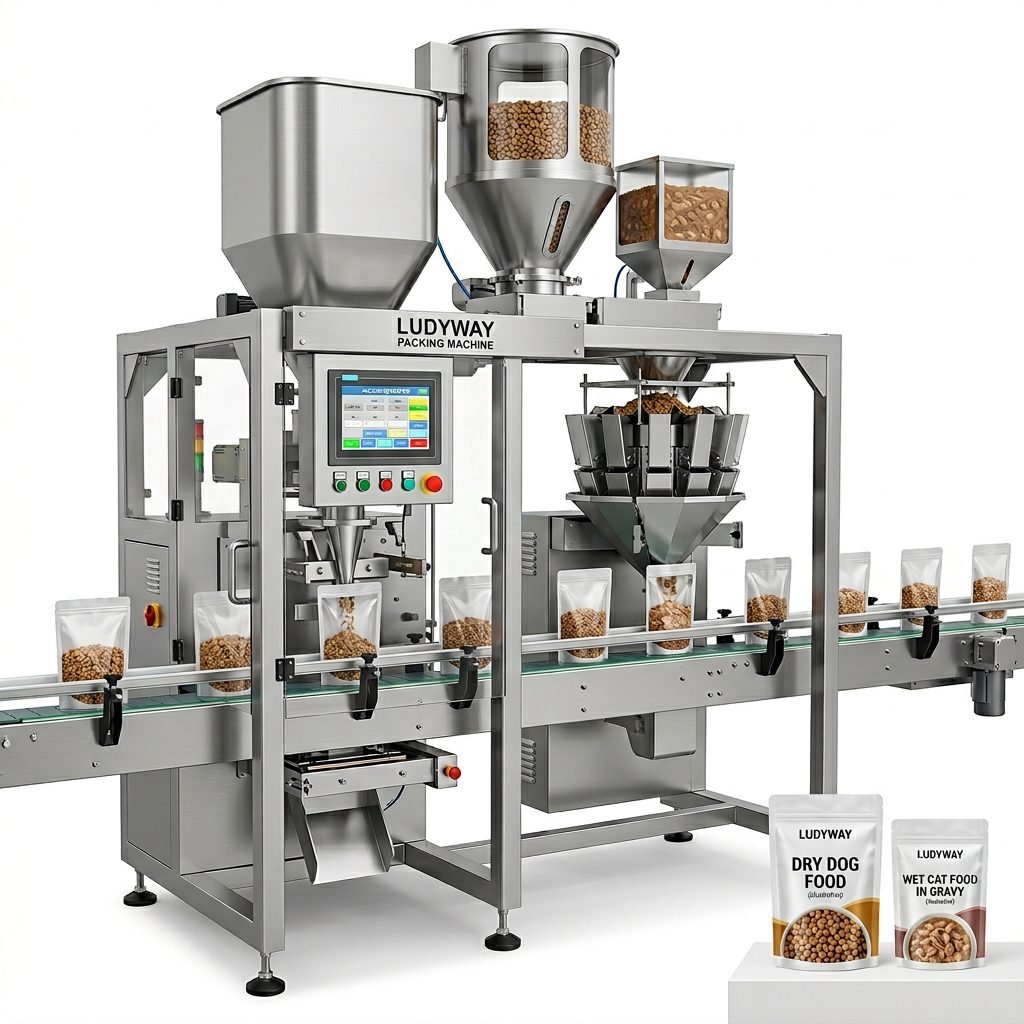
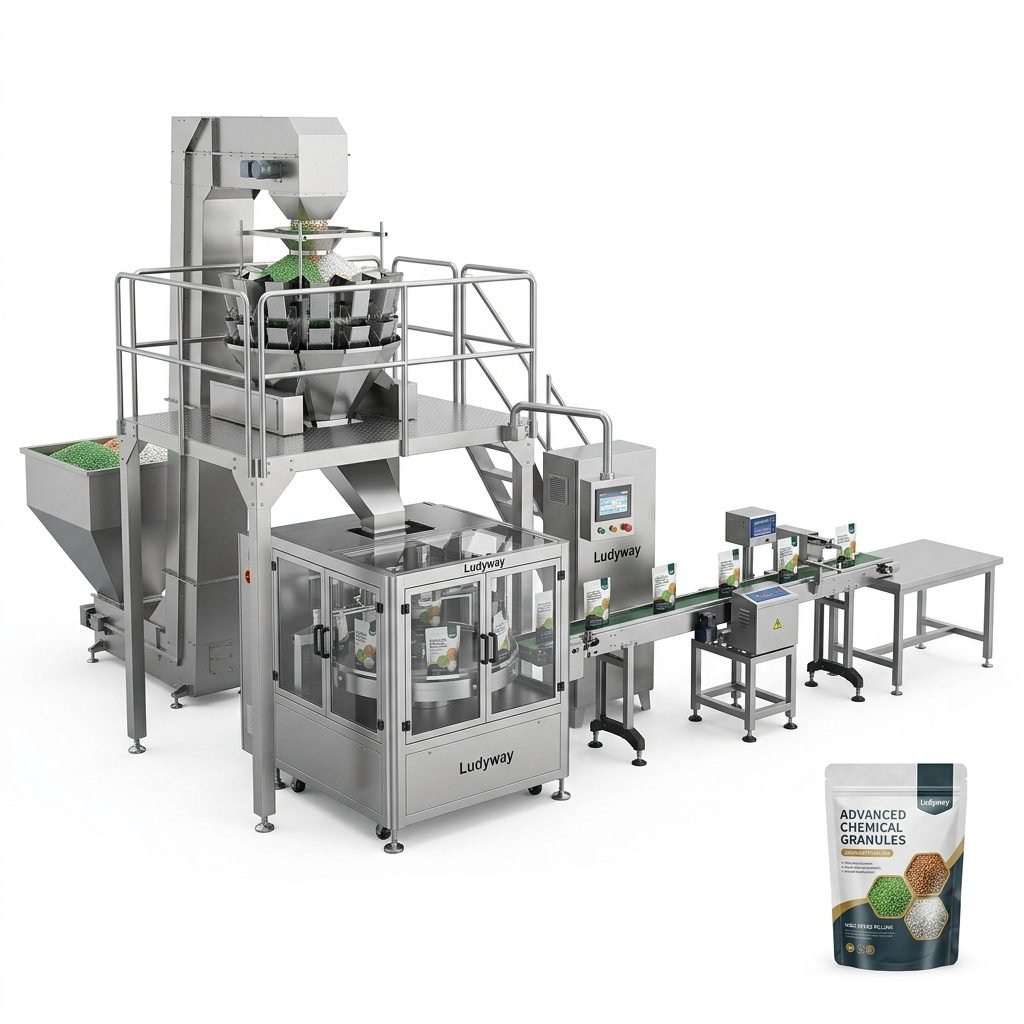
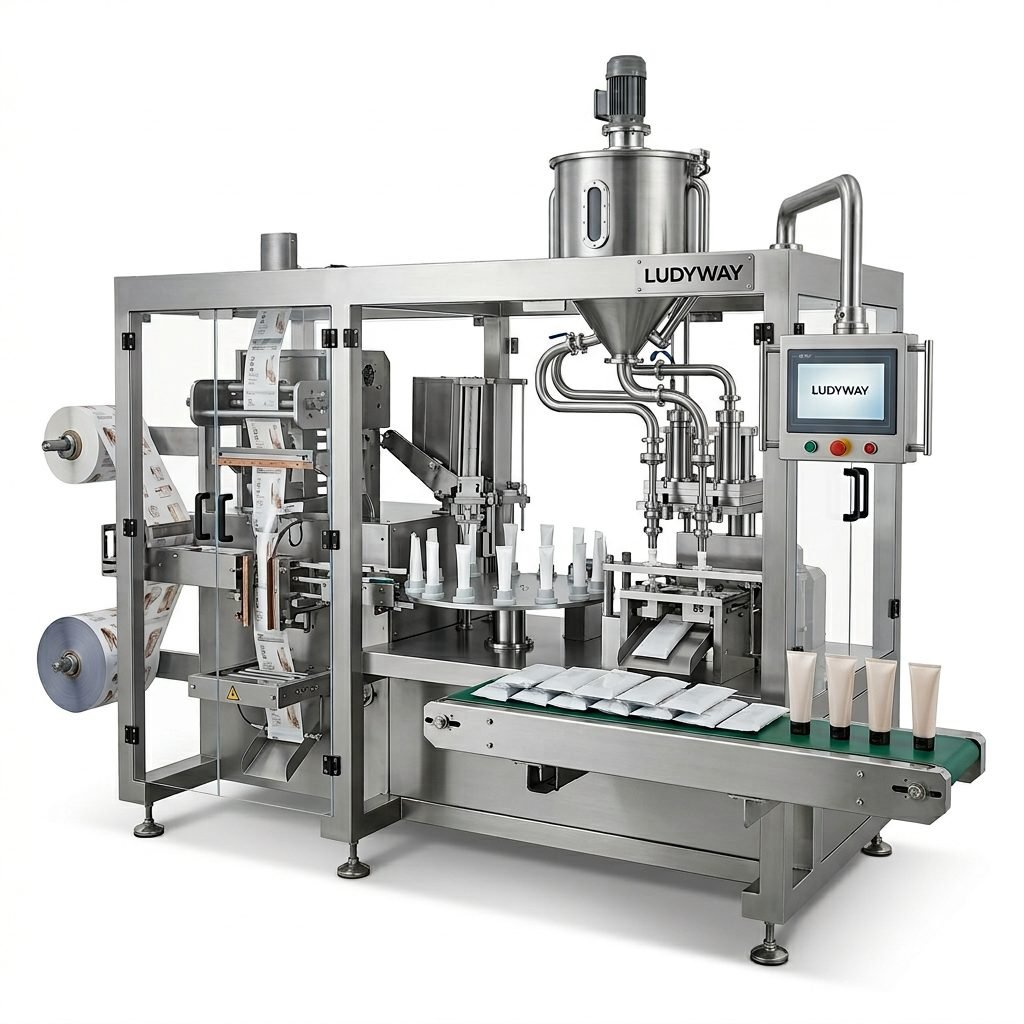
Investing in a 1kg packing machine is a significant decision for any manufacturer handling powders, granules, or small solid products. Whether you operate in the food, pharmaceutical, chemical, or nutraceutical industry, the right equipment directly impacts your production efficiency, fill accuracy, and long-term operational costs. This guide walks you through the essential factors to evaluate before making a purchase, helping you select a machine that aligns with your product characteristics, throughput requirements, and budget.
Understanding 1kg Packing Machine Configurations
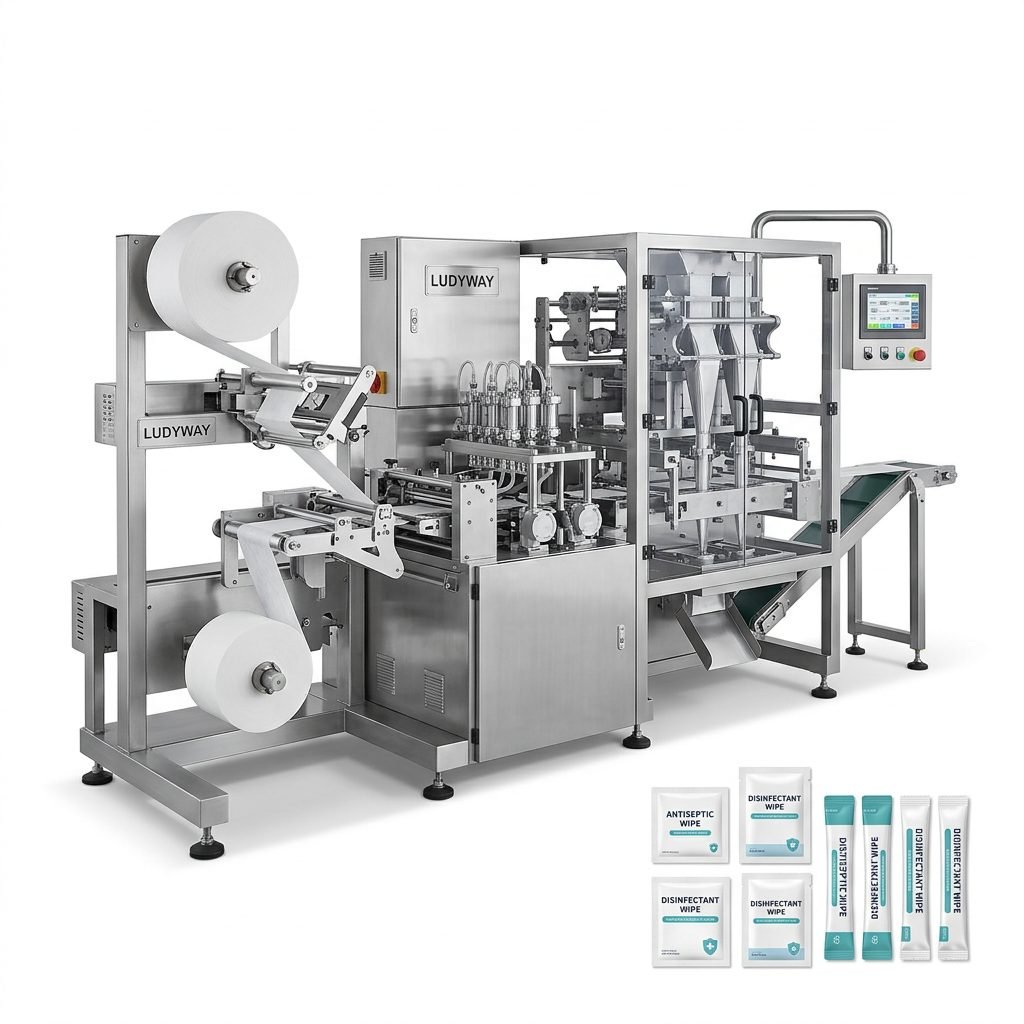
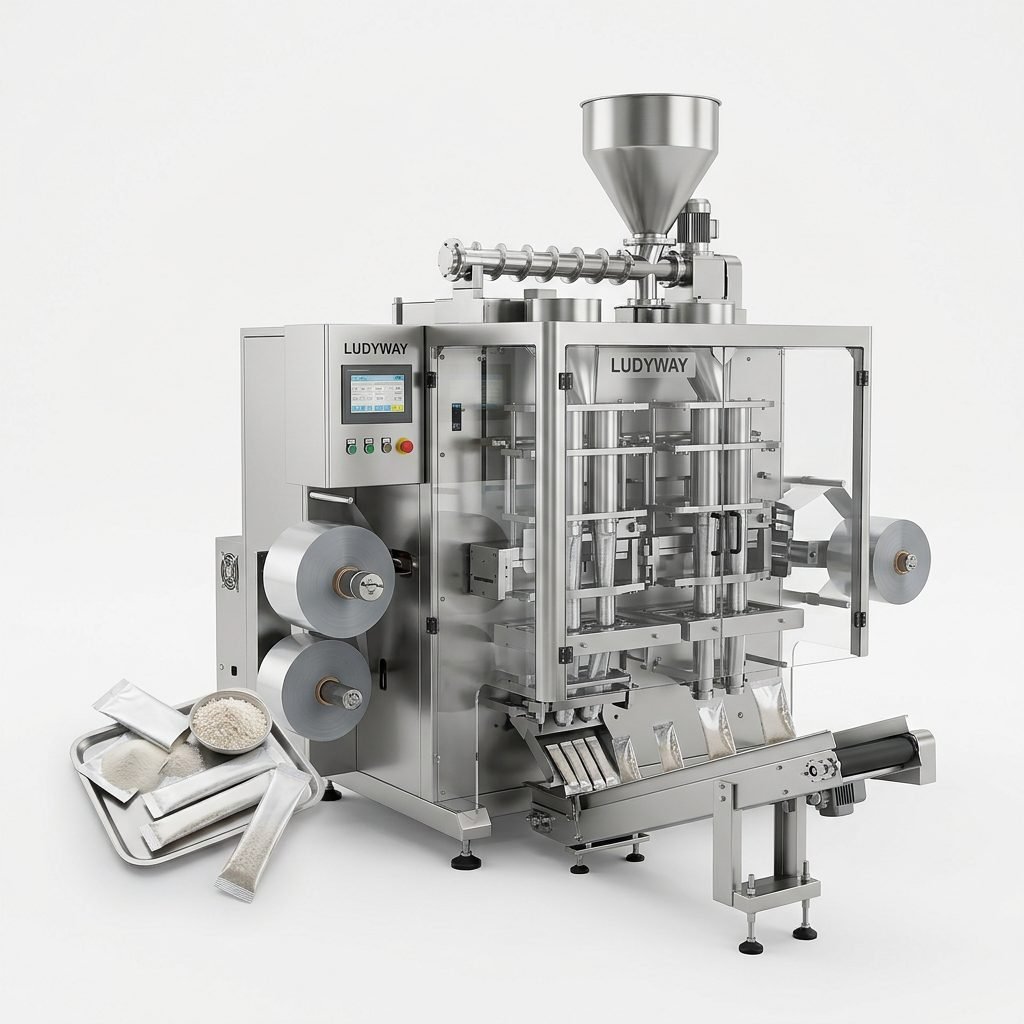
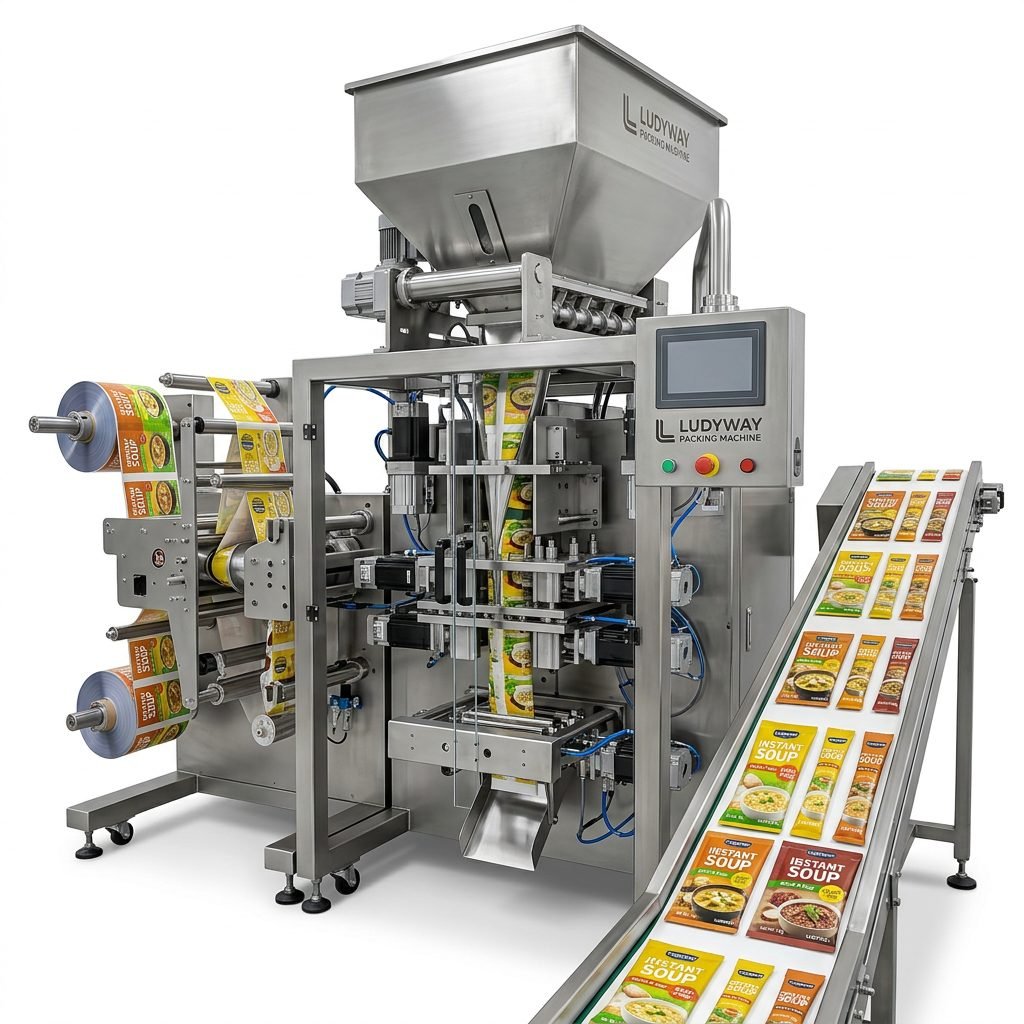
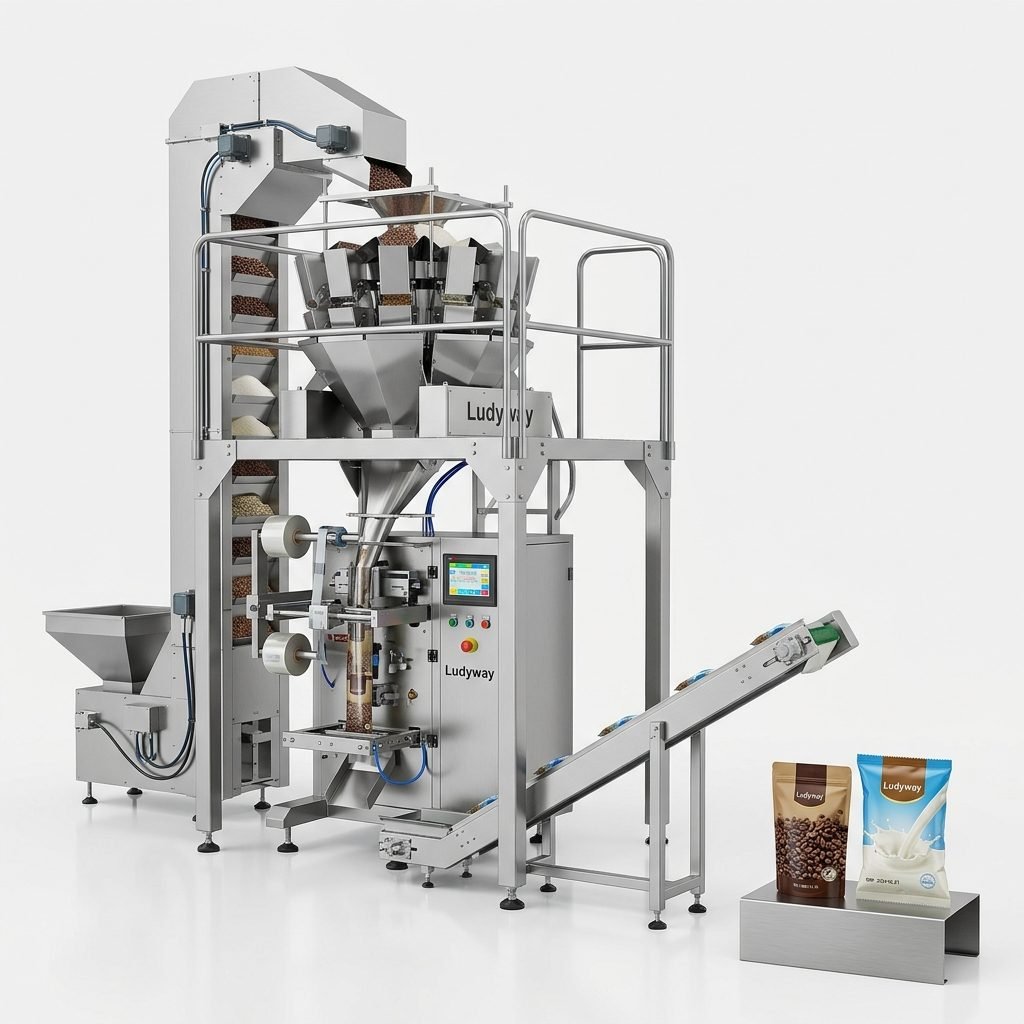
Before diving into specifications, it is critical to understand that a 1kg packing machine is not a one-size-fits-all solution. These machines come in various configurations depending on the packaging format, filling mechanism, and level of automation required. The most common types include vertical form-fill-seal (VFFS) machines for sachets and pouches, pre-made pouch fill-seal machines, and bag-in-box systems. Each configuration serves distinct production environments, and selecting the wrong type can lead to bottlenecks, material waste, and inconsistent fill weights.
According to PMMI’s State of the Industry reports, the demand for flexible packaging machinery continues to grow as manufacturers shift toward convenient, portion-controlled formats. A 1kg pack size sits at the intersection of retail-ready and bulk-industrial packaging, making it one of the most versatile weight categories across multiple sectors.
Key Machine Types at a Glance
- Vertical Form-Fill-Seal (VFFS): Ideal for free-flowing powders and granules, forming bags from roll stock film.
- Pre-Made Pouch Fill-Seal: Best for stand-up pouches, zipper bags, and premium packaging formats requiring higher shelf appeal.
- Auger Filling Systems: Precision-focused machines designed for fine powders that require high dosing accuracy.
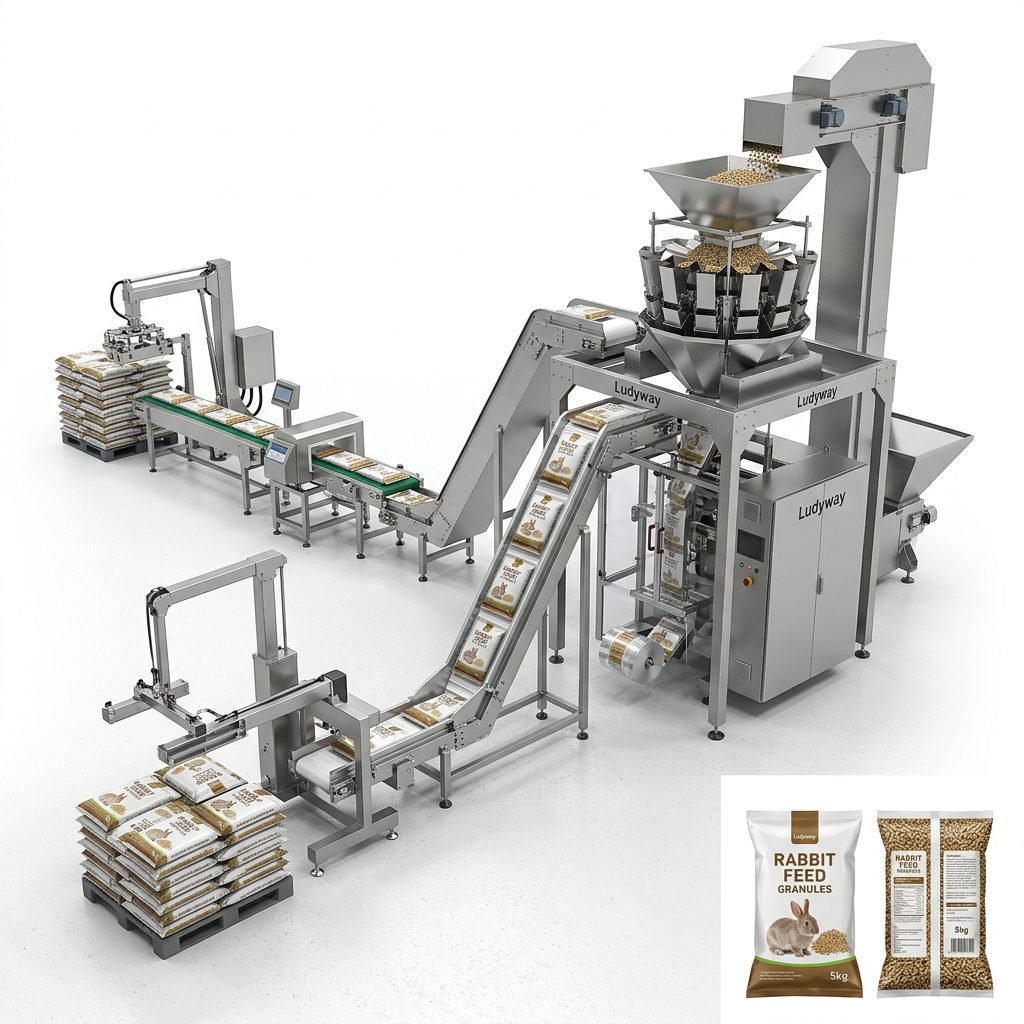
- Multi-Head Weigher Combinations: High-speed solutions for granules, snacks, and free-flowing solids where throughput is the priority.
- Manual Assist and Semi-Automatic Units: Suitable for small-batch production or businesses transitioning from manual to automated 1kg packing.
Critical Factors to Evaluate Before Purchasing
1. Product Characteristics and Flow Properties
The physical properties of your product are the single most important factor in selecting a 1kg packing machine. A machine designed for free-flowing granules like sugar or salt will not perform reliably with cohesive powders such as milk powder, flour, or protein supplements. You must evaluate bulk density, particle size distribution, moisture content, and flowability before shortlisting equipment. Non-free-flowing products often require specialized agitation systems, mechanical stirrers, or vibratory feeding mechanisms to maintain consistent fill accuracy.
For manufacturers handling multiple products on the same line, versatility in the dosing system becomes essential. Machines equipped with interchangeable augers, volumetric cups, or combination weighers offer the flexibility needed when switching between products with different flow characteristics.
2. Packaging Material Compatibility
The choice of packaging film or pre-made pouch material directly influences machine selection. Consider whether you need compatibility with flexible packaging materials such as laminated films, aluminum foil, polyethylene, or biodegradable substrates. Different sealing systems—heat seal, impulse seal, or ultrasonic seal—perform differently depending on the material structure. A machine that cannot properly seal your chosen material will result in product spoilage, contamination, and costly rework. Verify the machine’s sealing temperature range, dwell time adjustability, and pressure control capabilities before committing.

3. Production Speed and Throughput Requirements
Production speed is measured in bags per minute (BPM) and must align with your current and projected output demands. A 1kg packing machine operating at 15-20 BPM may be sufficient for a medium-sized food manufacturer, while a high-capacity pharmaceutical facility might require 40-60 BPM or more. It is equally important to consider upstream and downstream equipment integration. A fast filler that outpaces your conveyor system, checkweigher, or cartoning station creates inefficiencies rather than solving them. Conduct a thorough line-speed analysis to ensure balanced throughput across the entire packaging line.
4. Accuracy and Fill Consistency
For 1kg packs, even a 1% deviation represents 10 grams of product giveaway per bag. Over hundreds of thousands of units, this translates into substantial profit erosion. Machines equipped with feedback-controlled weighing systems and automatic tare compensation deliver superior accuracy. Look for features such as in-line checkweighing with reject stations, statistical process control interfaces, and real-time weight trend monitoring. These capabilities not only protect your margins but also help meet regulatory requirements for net content compliance in markets such as the EU, North America, and Australia.
5. Industry-Specific Compliance and Standards
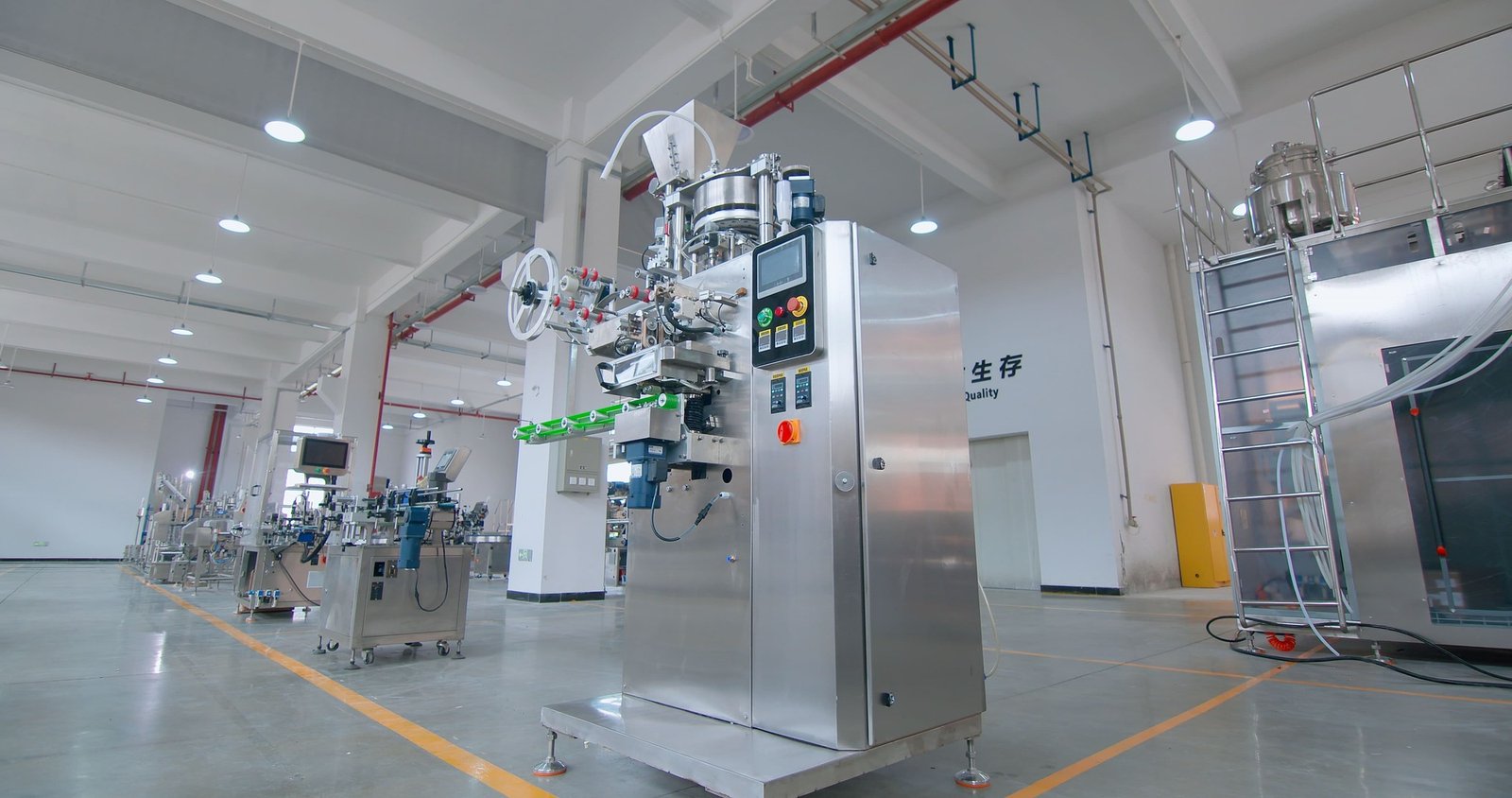
Different industries impose distinct regulatory demands on packaging equipment. Food-grade machines require stainless steel contact parts, sanitary design with minimal crevices, and compatibility with washdown procedures. Pharmaceutical applications demand even stricter controls, including compliance with GMP guidelines, 21 CFR Part 11 for electronic records, and validated cleaning protocols. Chemical and industrial product packaging may require corrosion-resistant materials and explosion-proof configurations. Before purchasing, confirm that the machine meets the applicable packaging machinery standards and regulations for your target market.
Comparing Dosing Technologies for 1kg Applications
The dosing system is the heart of any 1kg packing machine. Selecting the appropriate technology depends on your product’s physical form, required accuracy, and speed expectations. The table below summarizes the primary dosing technologies and their suitability for different product types.
| Dosing Technology | Best For | Accuracy Level | Typical Speed | Notable Limitation |
|---|---|---|---|---|
| Auger Filler | Fine powders, cohesive materials | ±0.5% to ±1% | Moderate | Sensitive to density variations |
| Multi-Head Weigher | Free-flowing granules, snacks, nuts | ±0.2% to ±0.5% | High (up to 120 BPM) | Not suitable for dusty powders |
| Volumetric Cup Filler | Consistent-density granules | ±1% to ±2% | High | Lower accuracy with density shifts |
| Net Weigh Filler | High-value products, large bags | ±0.1% to ±0.3% | Low to Moderate | Slower cycle times |
| Linear Weigher | Sticky or fragile products | ±0.5% to ±1% | Moderate | Larger footprint |
Automation Level and Line Integration
Determining the appropriate level of automation is a strategic decision that affects both capital expenditure and long-term labor costs. A fully automatic 1kg packing machine with automatic feeding, filling, sealing, coding, and inspection capabilities can significantly reduce manual intervention and improve consistency. However, semi-automatic or manual-assist machines may offer a more practical entry point for smaller operations or businesses testing new product lines. Consider whether you need integration with upstream equipment such as bucket elevators, screw conveyors, or vacuum feeding systems, as well as downstream modules like checkweighers, metal detectors, case packers, and palletizers.
Key Automation Features to Consider
- Servo-driven systems for precise film feeding and bag length control.
- Automatic film tracking and registration to maintain print quality on pre-printed films.
- Recipe management with HMI touchscreen for quick product changeovers.
- Remote diagnostic capabilities for faster troubleshooting and reduced downtime.
- Integration-ready communication protocols such as Ethernet/IP or Modbus for Industry 4.0 environments.
Total Cost of Ownership Considerations
The purchase price of a 1kg packing machine represents only a fraction of its total cost over the equipment’s lifetime. Savvy buyers evaluate energy consumption, spare parts availability, film waste rates, changeover time, and maintenance requirements when comparing options. A machine with a lower upfront cost but higher film waste—say, 3% versus 1%—can cost significantly more over five years of operation. Similarly, equipment that requires specialized technician support with limited local availability may lead to extended downtime during critical production periods. Request detailed lifecycle cost projections from potential suppliers and factor in training, validation support, and warranty terms.
Estimated Cost Breakdown Over Equipment Lifetime
- Initial equipment cost: 35-45% of total lifecycle expense.
- Consumables and packaging materials: 30-40% of total cost, highly influenced by machine efficiency.
- Maintenance and spare parts: 10-15%, varying by build quality and component sourcing.
- Energy and utilities: 5-8%, with servo-driven machines offering better efficiency.
- Operator training and labor: 3-5%, reduced with intuitive controls and automation.
Supplier Evaluation and Manufacturer Selection
Selecting the right equipment partner is as important as choosing the right machine. Look for manufacturers with demonstrated experience in your specific industry and product category. Evaluate their engineering capabilities, manufacturing facilities, quality certifications, and after-sales support infrastructure. A supplier offering comprehensive services—from initial consultation and machine configuration to installation, commissioning, operator training, and ongoing technical support—provides greater value than a vendor focused solely on equipment sales.
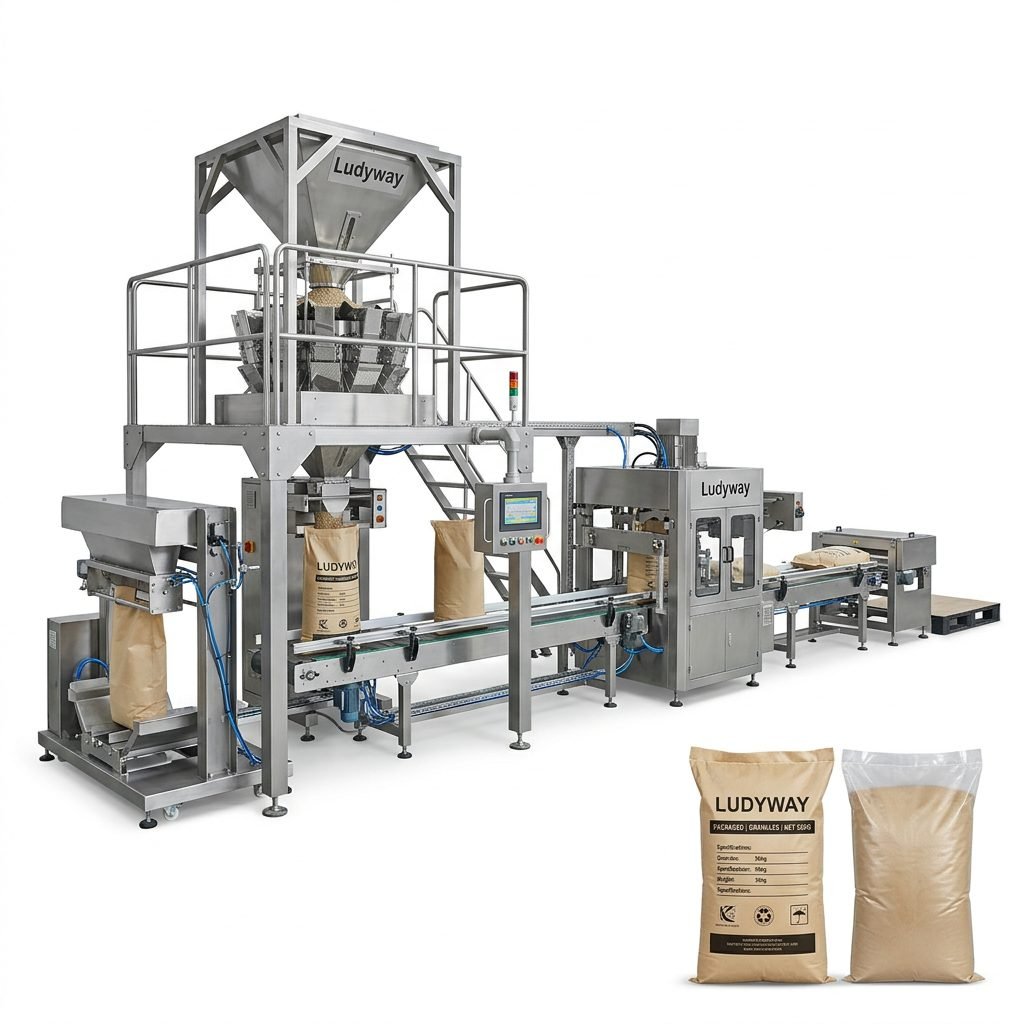
For over three decades, Ludyway Machinery has served as a China-based packaging machinery manufacturer and turnkey solution provider, supplying automated packaging equipment to manufacturers in more than 100 countries. With a 20,000-square-meter manufacturing facility and expertise across powder, granule, liquid, sachet, and pouch packaging applications, the company offers customized machine configurations and integrated packaging line solutions tailored to specific product requirements and production targets. For further reading on growth trends in the packaging machinery sector, refer to this industry analysis on global packaging machinery export growth.
Testing and Validation Before Final Purchase
Before finalizing your investment in a 1kg packing machine, insist on conducting product trials using your actual materials and packaging film. Factory acceptance testing (FAT) allows you to verify machine performance under controlled conditions, confirming that speed, accuracy, seal integrity, and overall reliability meet the agreed specifications. For critical applications, site acceptance testing (SAT) after installation provides an additional layer of assurance. Document all performance parameters during testing and ensure they are reflected in the purchase agreement. This step alone can prevent costly post-installation disputes and production delays.
Pre-Purchase Testing Checklist
- Run minimum 1,000 consecutive cycles with your actual product and packaging material.
- Measure and record fill weight variation across the entire test run.
- Perform seal strength and integrity tests on sample bags from the beginning, middle, and end of the run.
- Evaluate changeover time between different bag sizes or products if applicable.
- Assess noise levels, dust generation, and overall operator ergonomics.
- Confirm that safety interlocks and emergency stop functions operate correctly.
Frequently Asked Questions About 1kg Packing Machines
What is the typical payback period for a 1kg automatic packing machine?
Most manufacturers achieve a return on investment within 12 to 24 months, depending on production volume, labor cost savings, reduced product giveaway, and decreased packaging material waste. High-speed lines operating multiple shifts may see payback in under 12 months.
Can one machine handle both 500g and 1kg pack sizes?
Yes, most modern 1kg packing machines are designed with adjustable parameters that accommodate a range of fill weights, typically from 100g up to 2kg or more. Changeover involves adjusting the dosing system settings, bag length parameters, and sometimes swapping forming tubes or dosing components. Machines with recipe management systems can store multiple product and weight configurations for rapid changeovers.
What maintenance schedule should I expect?
Preventive maintenance intervals typically range from daily cleaning and inspection to weekly lubrication of moving parts and monthly checks of sealing jaws, belts, and sensors. Annual comprehensive service, including replacement of wear components such as sealing bands, Teflon tape, and filters, is recommended for high-utilization machines. Always follow the manufacturer’s recommended maintenance schedule to preserve warranty coverage and machine longevity.
Is nitrogen flushing available for 1kg packs?
Yes, many 1kg packing machine configurations support gas flushing with nitrogen or CO₂ to extend product shelf life by reducing residual oxygen levels in the sealed package. This feature is particularly important for coffee, powdered milk, nutritional supplements, and other oxygen-sensitive products. Confirm gas flushing capability and achievable residual oxygen levels during equipment evaluation.
Final Recommendations for Buyers
Choosing the right 1kg packing machine requires a methodical approach that balances technical specifications, operational requirements, and long-term business objectives. Start by thoroughly characterizing your product, defining realistic throughput targets, and mapping out your complete packaging line requirements. Engage with multiple suppliers, request detailed proposals with lifecycle cost analysis, and insist on product trials before making a commitment. The goal is not simply to purchase equipment, but to invest in a packaging solution that supports your production goals, adapts to evolving market demands, and delivers consistent performance over years of operation.
For additional guidance on packaging machinery market research and industry intelligence, consult resources from established industry associations and stay informed about evolving flexible packaging trends and regulatory developments that may impact your equipment decisions.