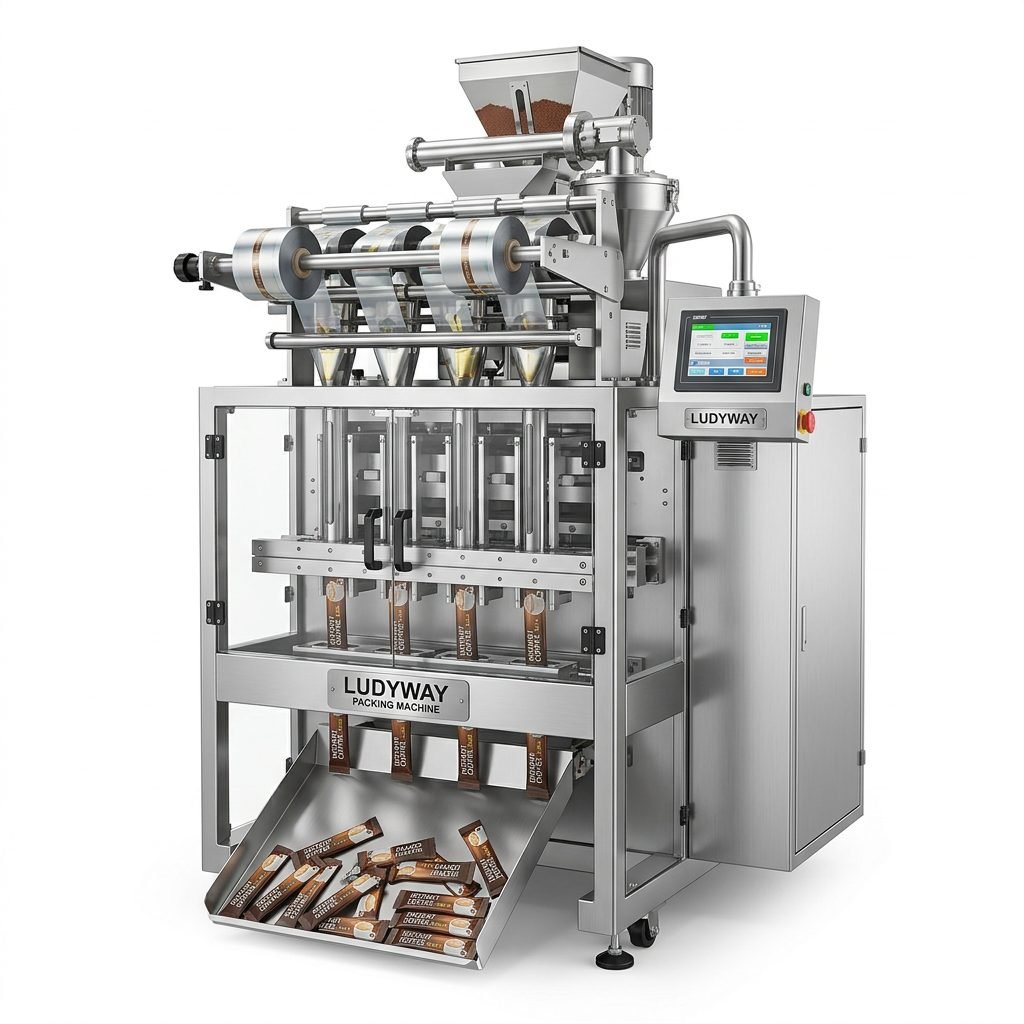
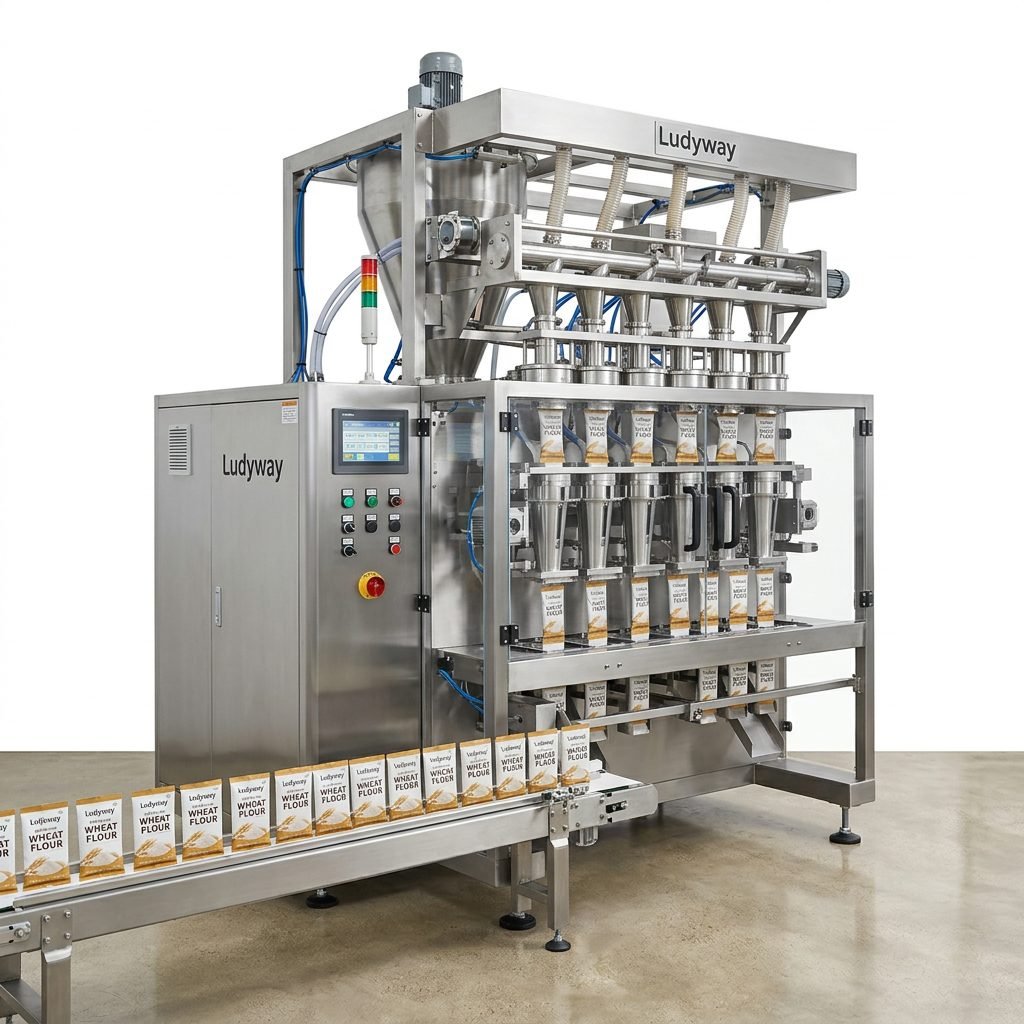
Selecting the right foam packaging machine is a critical decision for manufacturers looking to protect products, streamline operations, and control material costs. Whether you are packaging electronics, medical devices, furniture, or automotive parts, the right equipment can significantly impact your bottom line. This comprehensive buyer’s guide walks you through the essential factors to consider before making an investment.
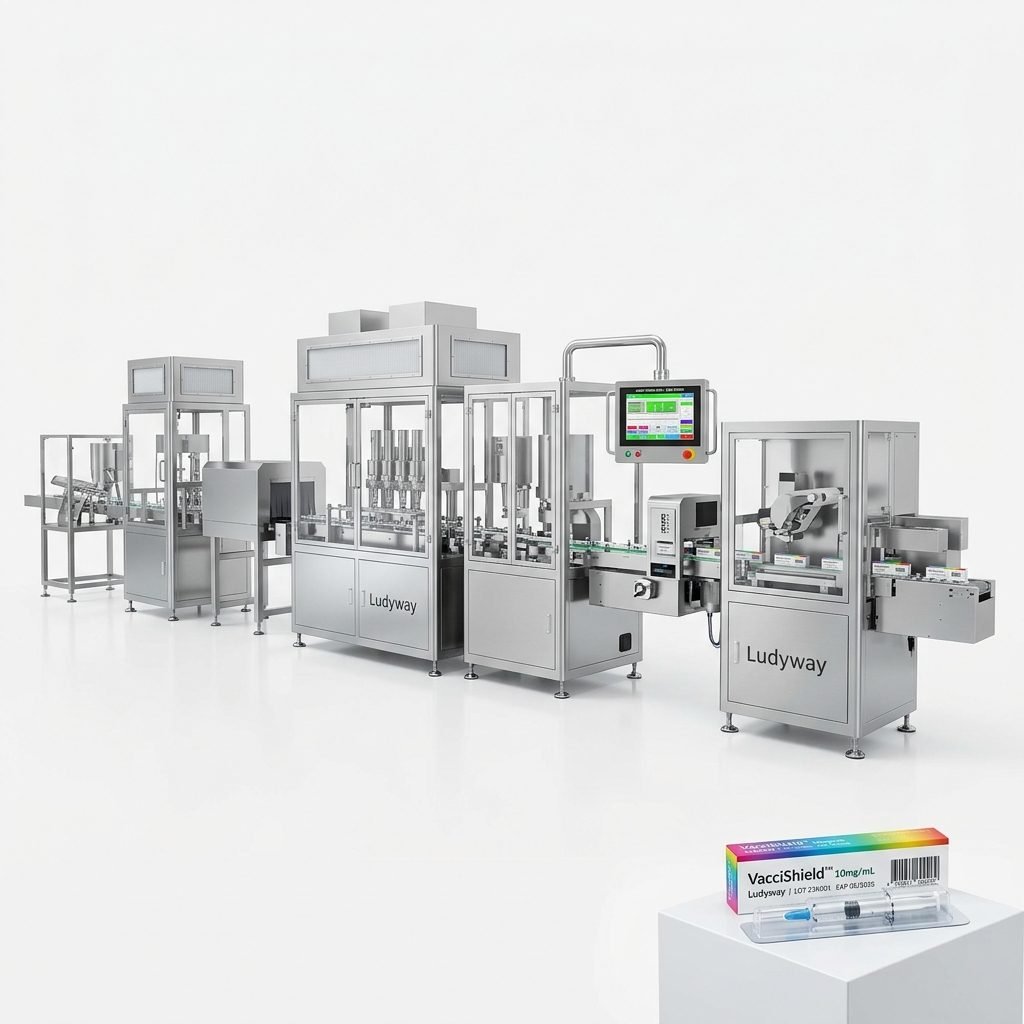
Understanding Your Foam Packaging Requirements
Before evaluating specific machines, you must define your production needs. The type of foam material you plan to use—whether it is polyethylene (PE), polyurethane (PU), expanded polystyrene (EPS), or specialty anti-static foams—will dictate the appropriate machinery. Additionally, consider the production volume: are you running small-batch custom packaging or high-speed continuous output? A thorough assessment at this stage prevents costly mismatches later.

| Key Consideration | Questions to Ask |
|---|---|
| Foam Material Type | Does the machine handle PE, PU, EPS, or custom blends effectively? |
| Production Speed | What is the maximum output per minute or hour required? |
| Foam Density Range | What densities will your products require for adequate protection? |
| Customization Capability | Can the machine be configured for different bag sizes and formats? |
Types of Foam Packaging Machines
The market offers several categories of equipment, each suited to different applications. Understanding these distinctions will help narrow your search:
1. Foam-in-Place Systems
These machines dispense expanding foam that molds directly around the product inside a box or container. They are ideal for high-mix, low-volume operations where custom cushioning is needed for irregularly shaped items. According to industry data from the Flexible Packaging Association, customized protective packaging continues to see strong demand as e-commerce grows.
2. Pre-Expanded Foam Packaging Lines
For manufacturers requiring pre-formed foam sheets, rolls, or molded components, dedicated lines integrate expansion, curing, and cutting processes. These systems are common in the electronics and appliance industries where consistent, repeatable protection is critical.
3. Loose-Fill Packaging Equipment
Machines that produce loose-fill foam peanuts or shapes are widely used in fulfillment centers and distribution operations. They offer flexibility and are often paired with automated material handling systems for high-throughput environments.

Technical Specifications That Matter
When comparing equipment, look beyond the marketing claims and examine the engineering details. The following specifications directly affect performance and total cost of ownership:
- Throughput Capacity: Measured in parts per minute or kilograms per hour, this must align with your current and projected production targets.
- Energy Efficiency: Modern servo-driven systems consume significantly less power than older hydraulic or pneumatic designs. Review the EPA’s Sustainable Materials Management resources for guidance on energy-smart equipment choices.
- Changeover Time: If you run multiple product lines, rapid changeover capability reduces downtime and increases overall equipment effectiveness.
- Material Waste Ratio: Precision dosing systems minimize scrap, which directly impacts long-term material costs.
- Control System Integration: Compatibility with PLCs, HMIs, and factory-wide automation networks ensures seamless data exchange and production monitoring.
Evaluating Automation and Integration Capabilities
A foam packaging machine rarely operates in isolation. It must integrate with upstream and downstream processes, including feeding systems, conveyors, weighing stations, coding equipment, and palletizing robots. When evaluating suppliers, assess their ability to deliver complete, integrated systems rather than standalone machines. This approach simplifies installation, reduces interface issues, and provides a single point of accountability.
Industry standards play a crucial role in ensuring equipment reliability. Refer to ISO packaging standards and applicable FDA regulations for food contact packaging when relevant to your application.

Quality, Compliance, and After-Sales Support
Packaging machinery represents a significant capital investment, and long-term value depends heavily on build quality, compliance documentation, and technical support. Before finalizing a purchase, verify the following:
- The manufacturer’s compliance with relevant international standards and certifications for your target markets.
- Availability of spare parts and the supplier’s lead times for critical components.
- The scope of installation, commissioning, and operator training included in the proposal.
- Options for remote troubleshooting and on-site service in your geographic region.
- References from customers in similar industries with comparable production requirements.
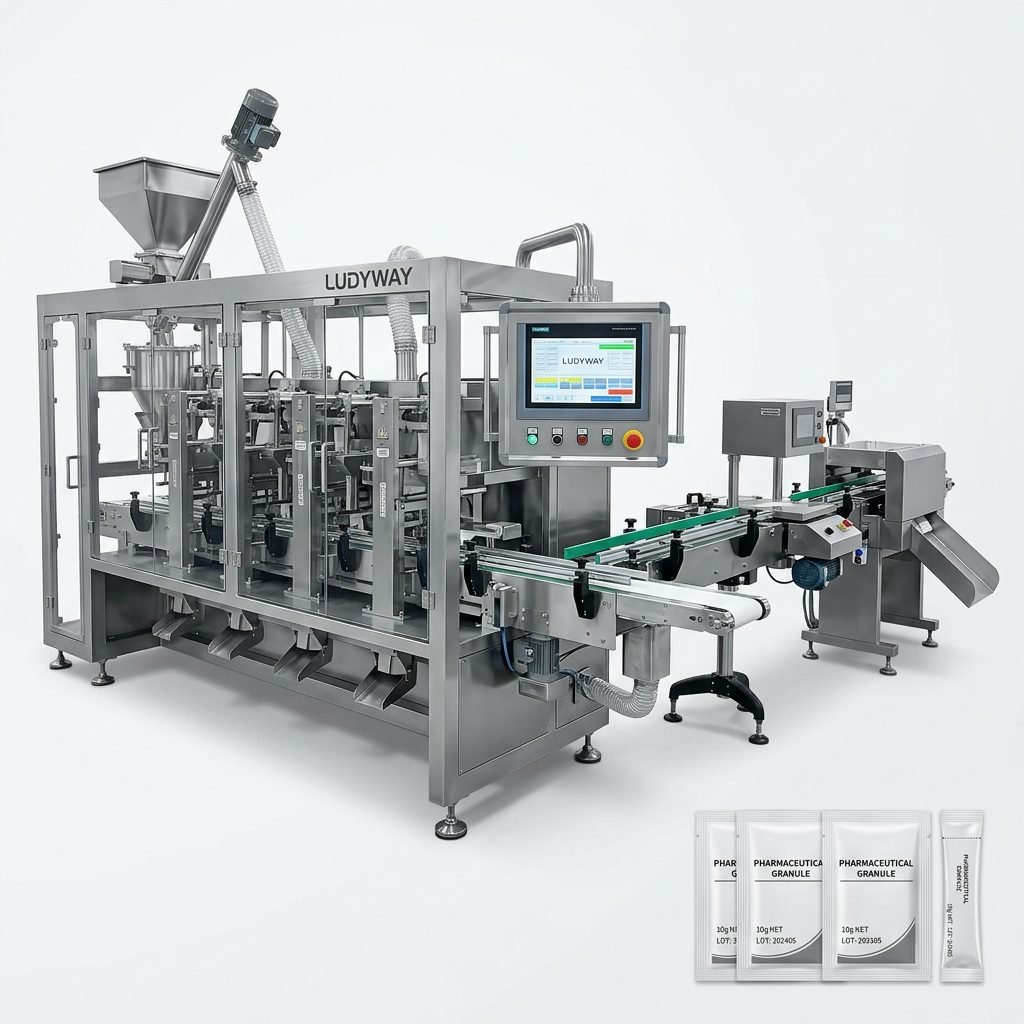
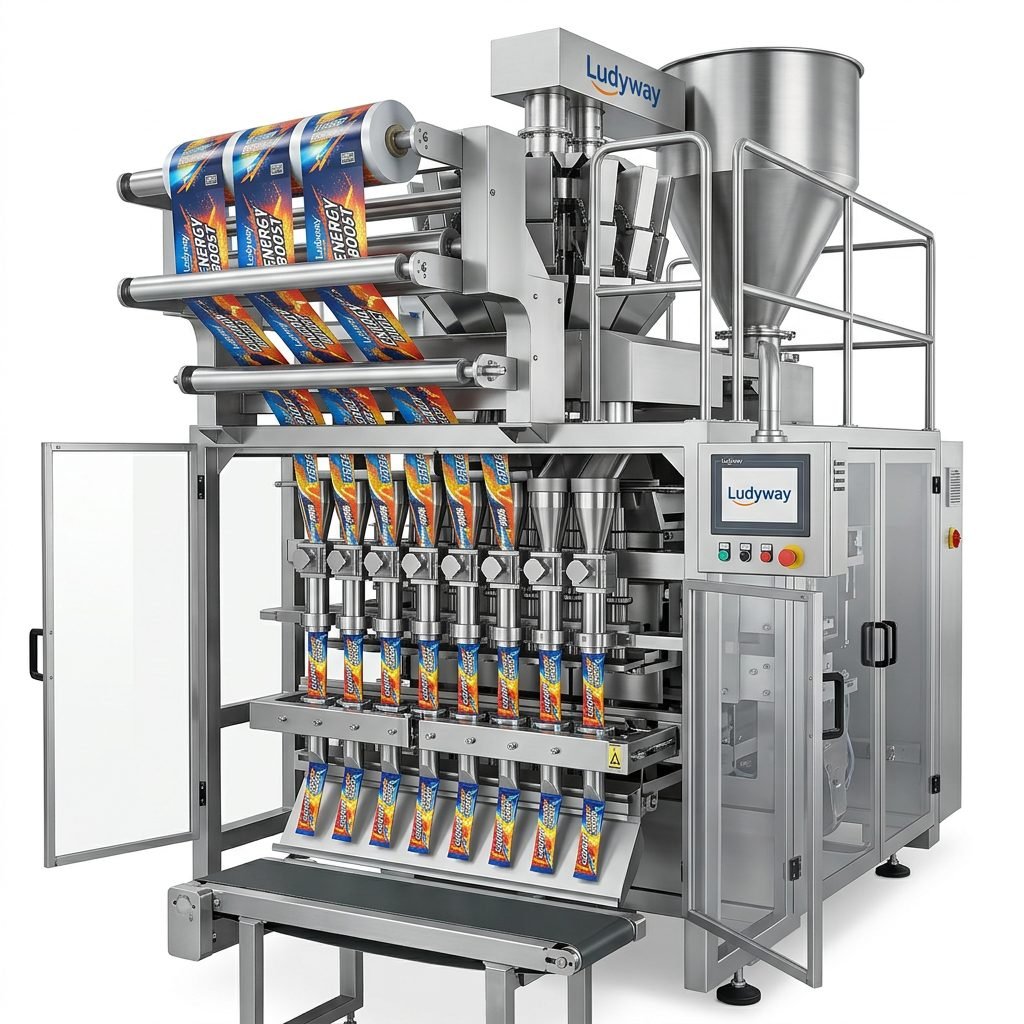
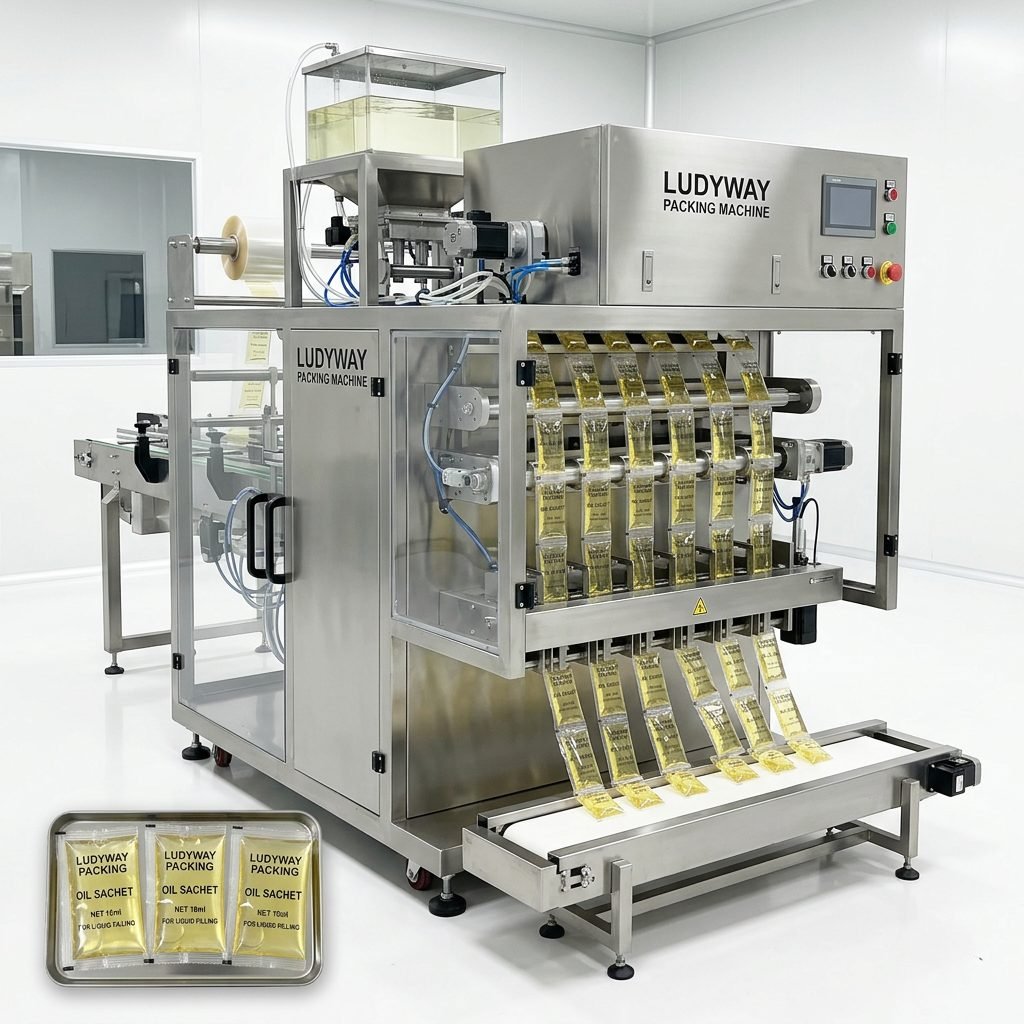
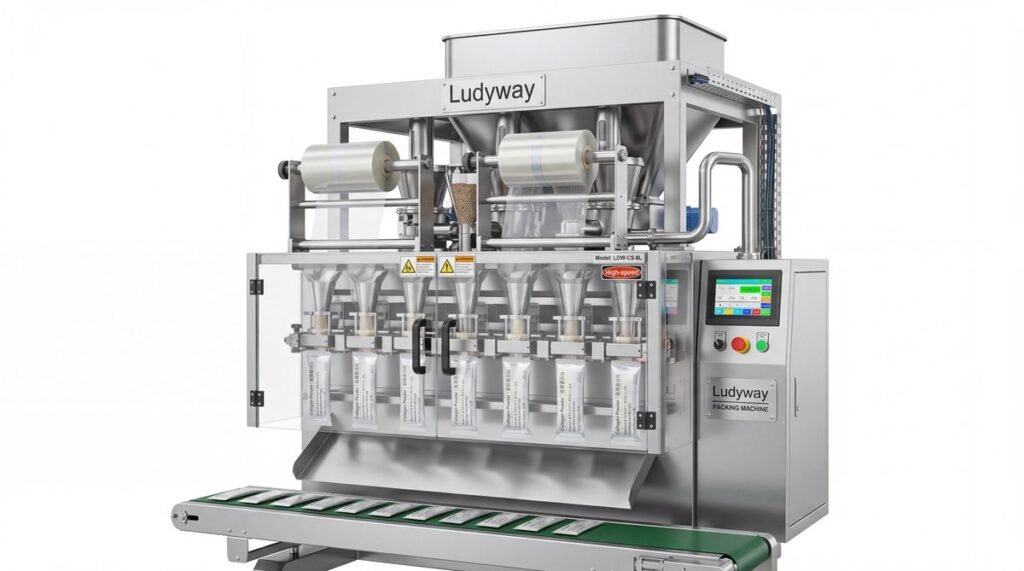
Manufacturers looking for a long-term packaging machinery partner should evaluate suppliers on their engineering depth, manufacturing scale, and global service network. As one example, Ludyway Machinery combines over 50 packaging machine models with in-house engineering capabilities to support customers across more than 100 countries, offering integrated solutions from individual machines to complete turnkey production lines.
| Supplier Evaluation Criteria | Why It Matters |
|---|---|
| Manufacturing Footprint | Larger facilities often indicate greater production capacity and faster delivery |
| Engineering Team | In-house design capability enables customization and problem-solving |
| Global Service Reach | Ensures timely support regardless of your factory location |
| Industry Experience | Decades of specialized packaging knowledge translate to reliable machine design |
Industry Trends Shaping Foam Packaging Equipment
The packaging machinery market continues to evolve in response to sustainability mandates, automation demands, and changing consumer expectations. Reports from PMMI’s State of the Industry 2026 and related business intelligence resources highlight several key developments:
- Growing adoption of lightweight and recyclable foam materials that reduce shipping weight and environmental impact.
- Increased use of servo-driven motion control for precision, repeatability, and energy savings.
- Expansion of IoT connectivity and data analytics for predictive maintenance and real-time production monitoring.
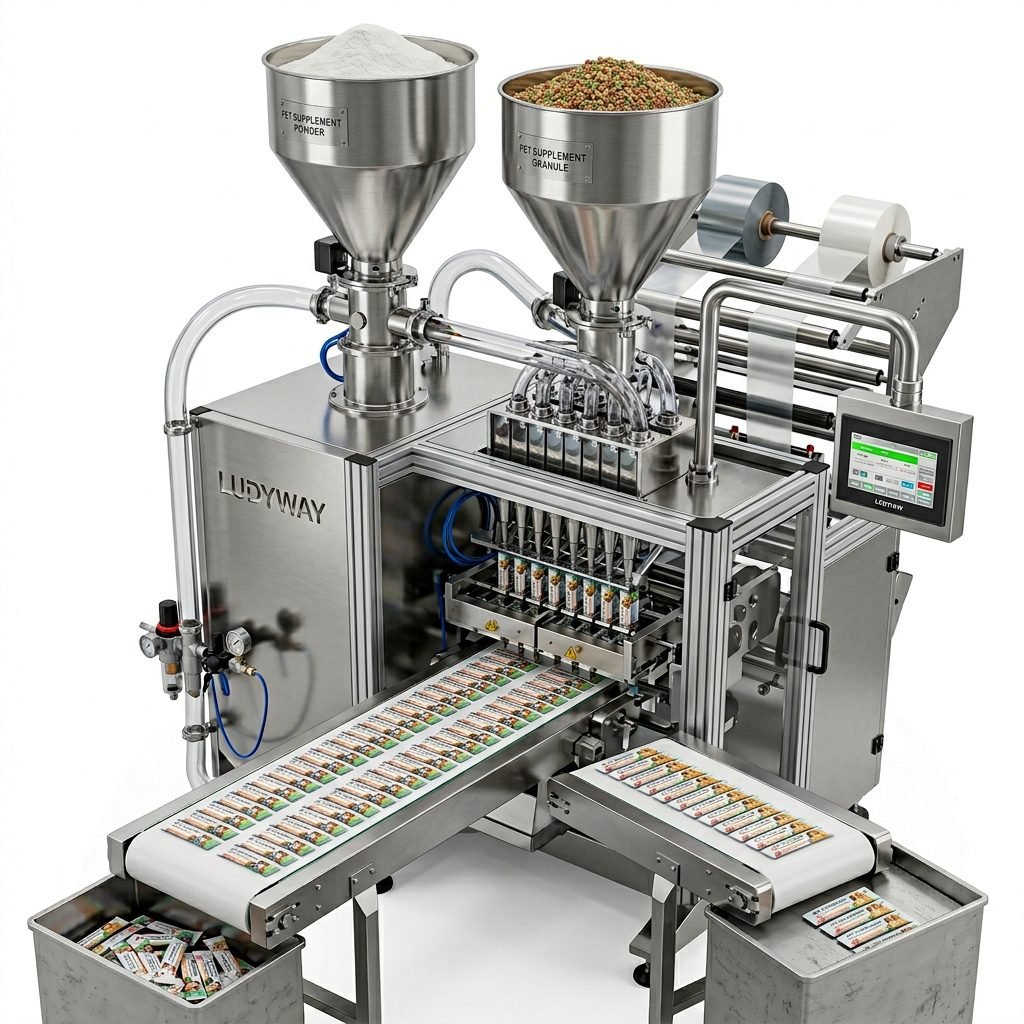
- Strong demand for multi-lane and high-speed configurations that maximize throughput within limited floor space.
Calculating Return on Investment
Beyond the purchase price, a complete cost analysis should account for labor savings, material waste reduction, maintenance expenses, and productivity gains. A well-chosen foam packaging machine typically delivers payback within 12 to 24 months when these factors are fully considered. Work with your supplier to model different scenarios based on your actual production data, and reference resources from the Flexible Packaging Association’s knowledge hub for industry benchmarks on material usage and efficiency.
Final Recommendations
Selecting the right foam packaging machine requires balancing technical specifications, supplier capabilities, and total lifecycle costs. Start by thoroughly defining your current and future requirements, then evaluate equipment against objective criteria rather than brand recognition alone. Engage with suppliers early in the process to explore customization options, integrated line design, and after-sales support structures. With careful planning and the right manufacturing partner, your packaging operation can achieve the efficiency, reliability, and product protection your customers expect.