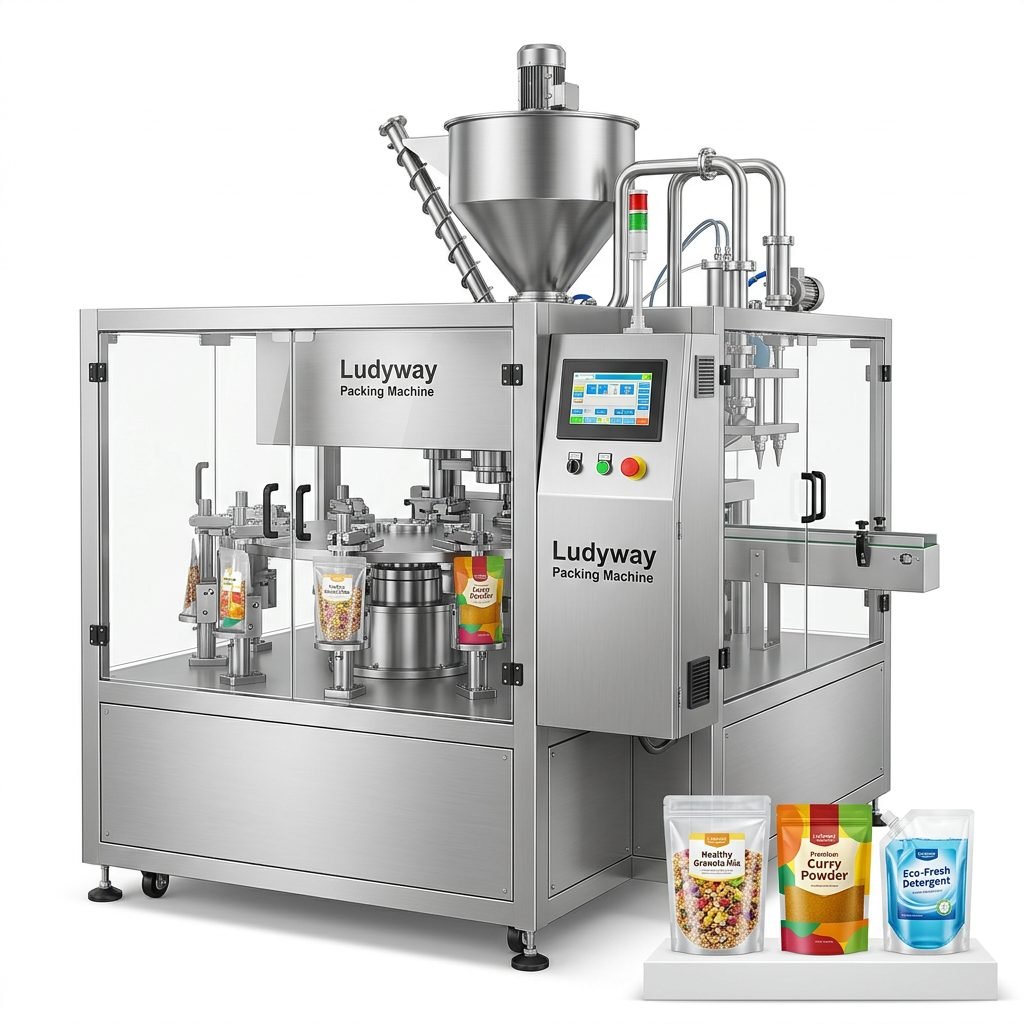
India’s food processing industry is undergoing a massive transformation. With rising disposable incomes, urbanization, and a booming e-commerce sector, the demand for packaged food has never been higher. Selecting the right food packaging machine is no longer just a procurement decision—it is a strategic move that directly impacts your product quality, shelf life, and operational efficiency. This guide walks you through the essential factors to consider when investing in a packaging solution tailored to the Indian market.

Understanding Your Product Characteristics
Before evaluating machinery, you must define what you are packaging. The physical properties of your product will determine the type of filling and sealing technology required. In the Indian context, products range from free-flowing spices and masala powders to sticky pickles, chutneys, and dairy-based liquids.
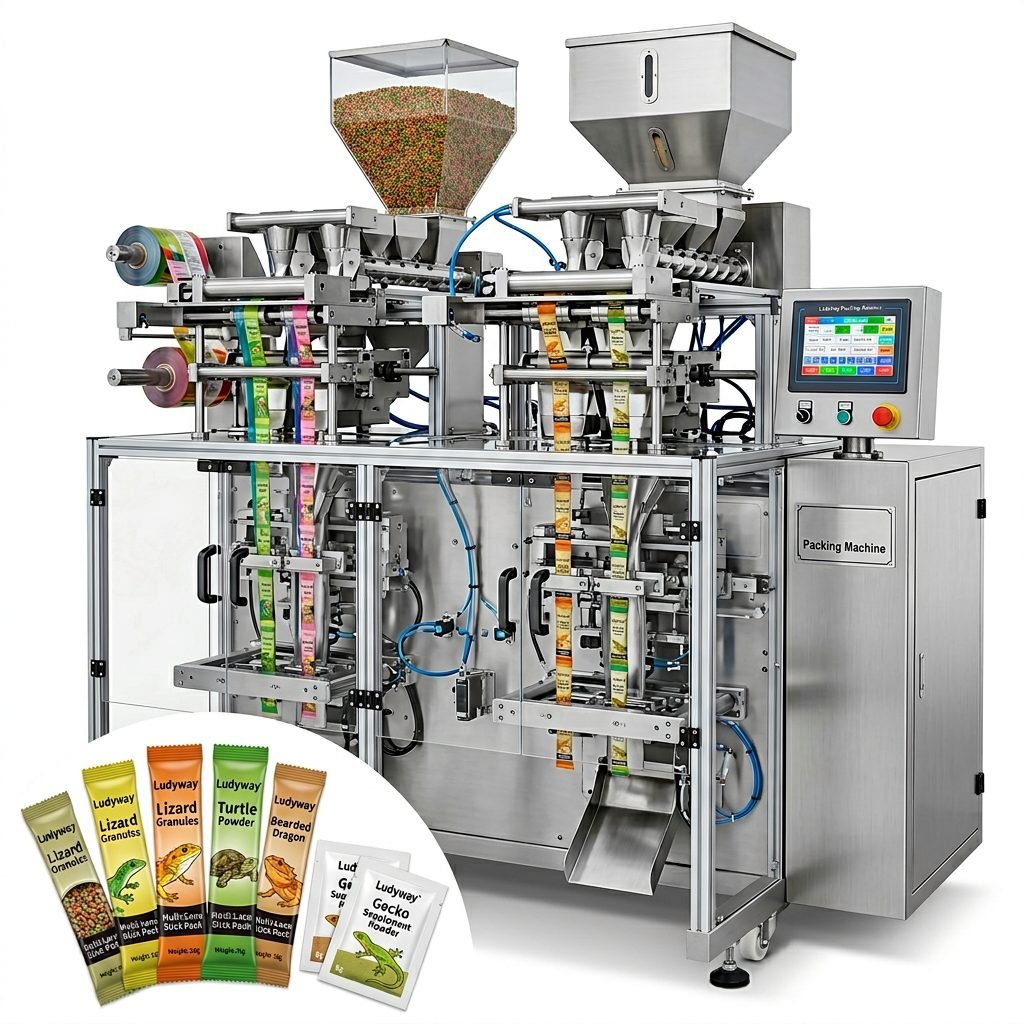
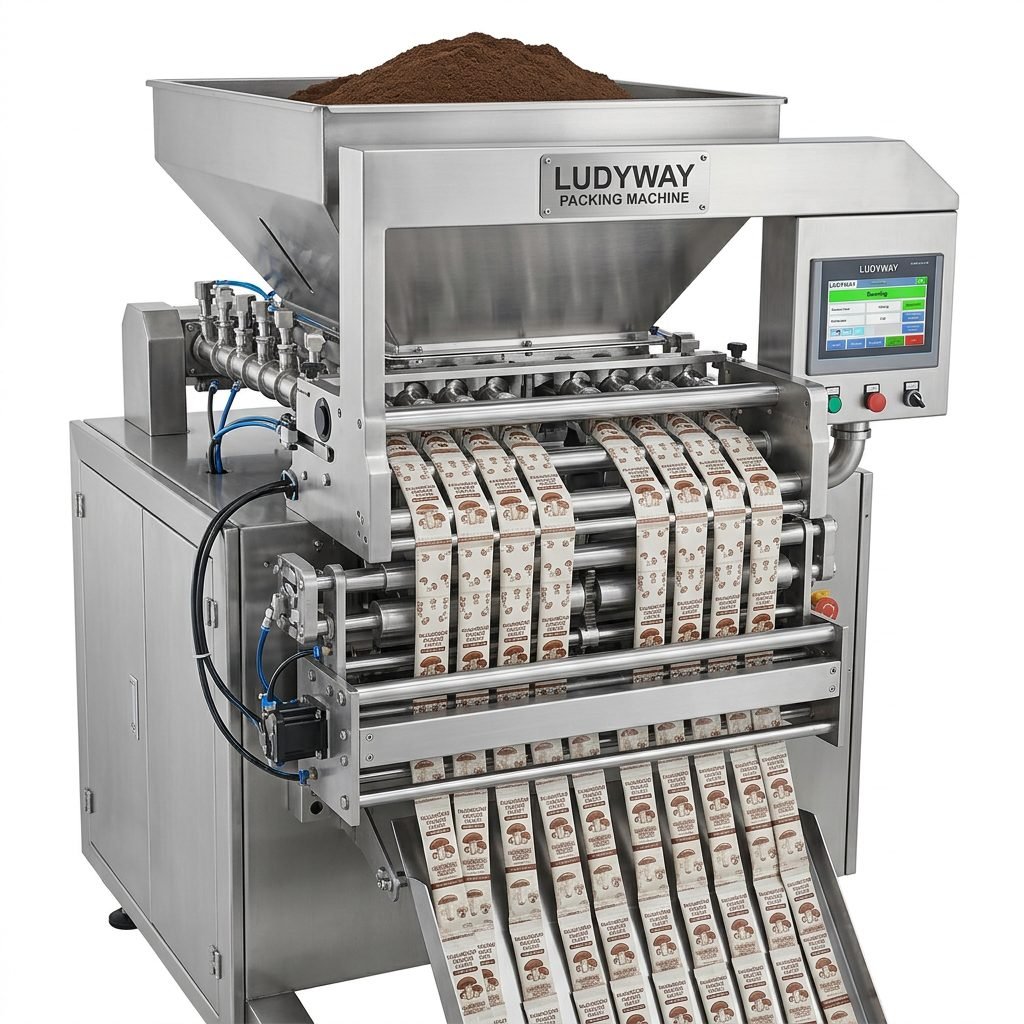
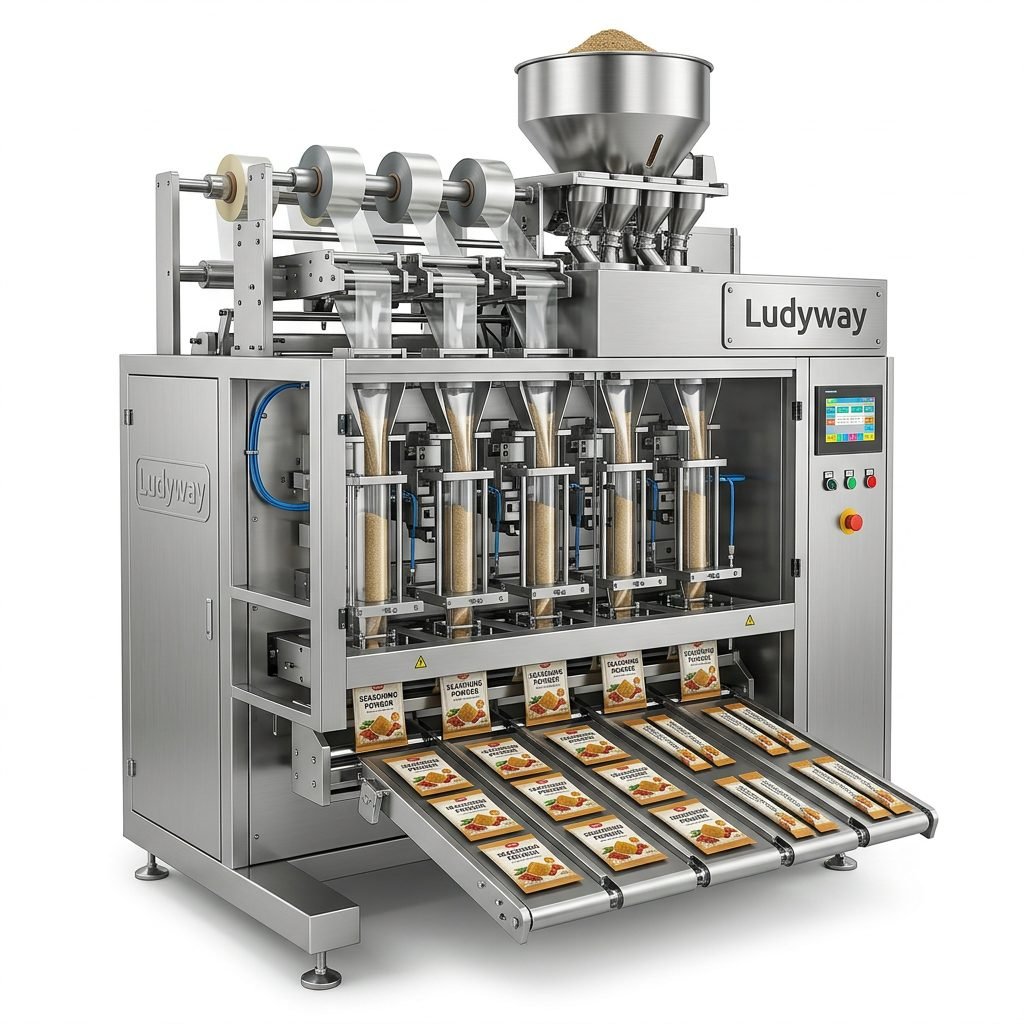
- Granules & Powders: Think of turmeric, chili powder, instant coffee, or health drink mixes. These require auger fillers or volumetric cup fillers with dust-control mechanisms. Explore our range of granule and powder packaging solutions.
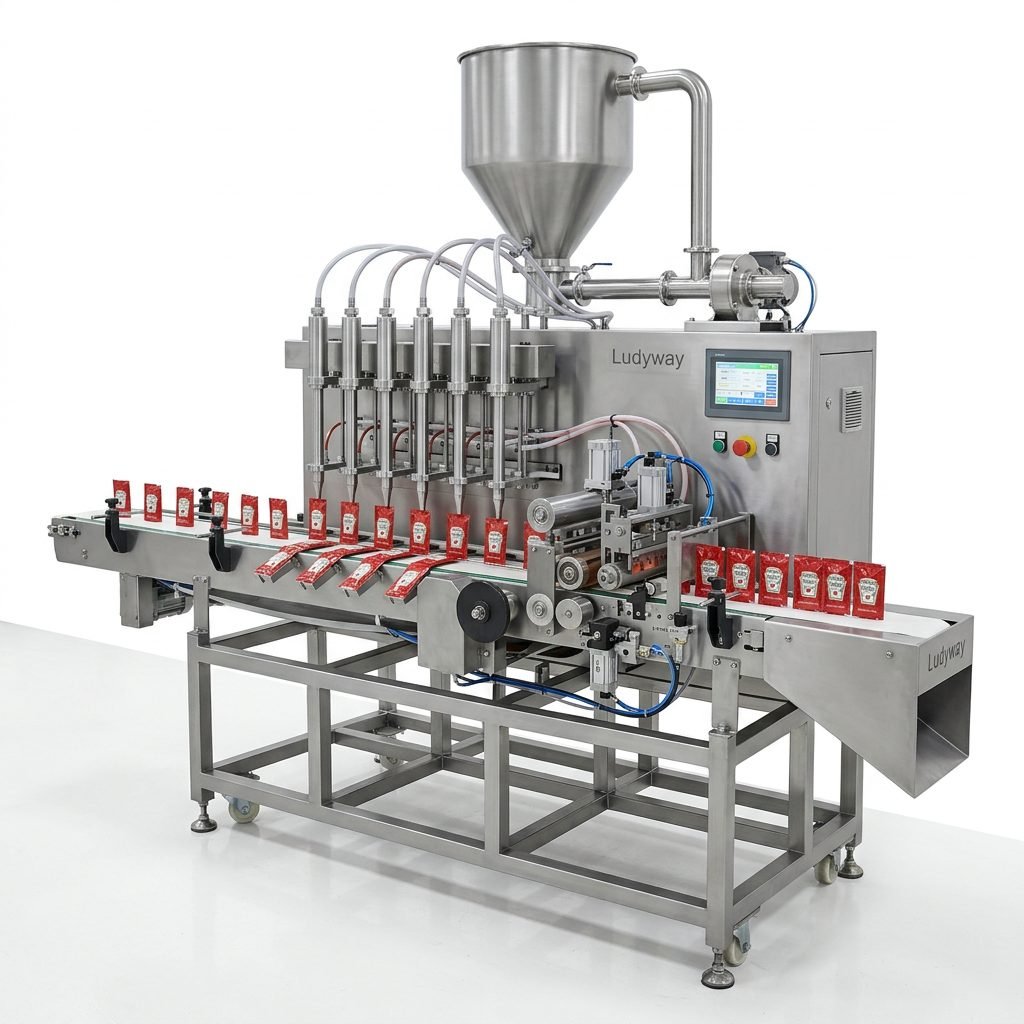
- Liquids & Pastes: Products like ghee, cooking oils, syrups, and shampoo sachets need piston fillers or pump-based systems with drip-free nozzles. High-speed liquid packaging machines are essential for maintaining throughput.
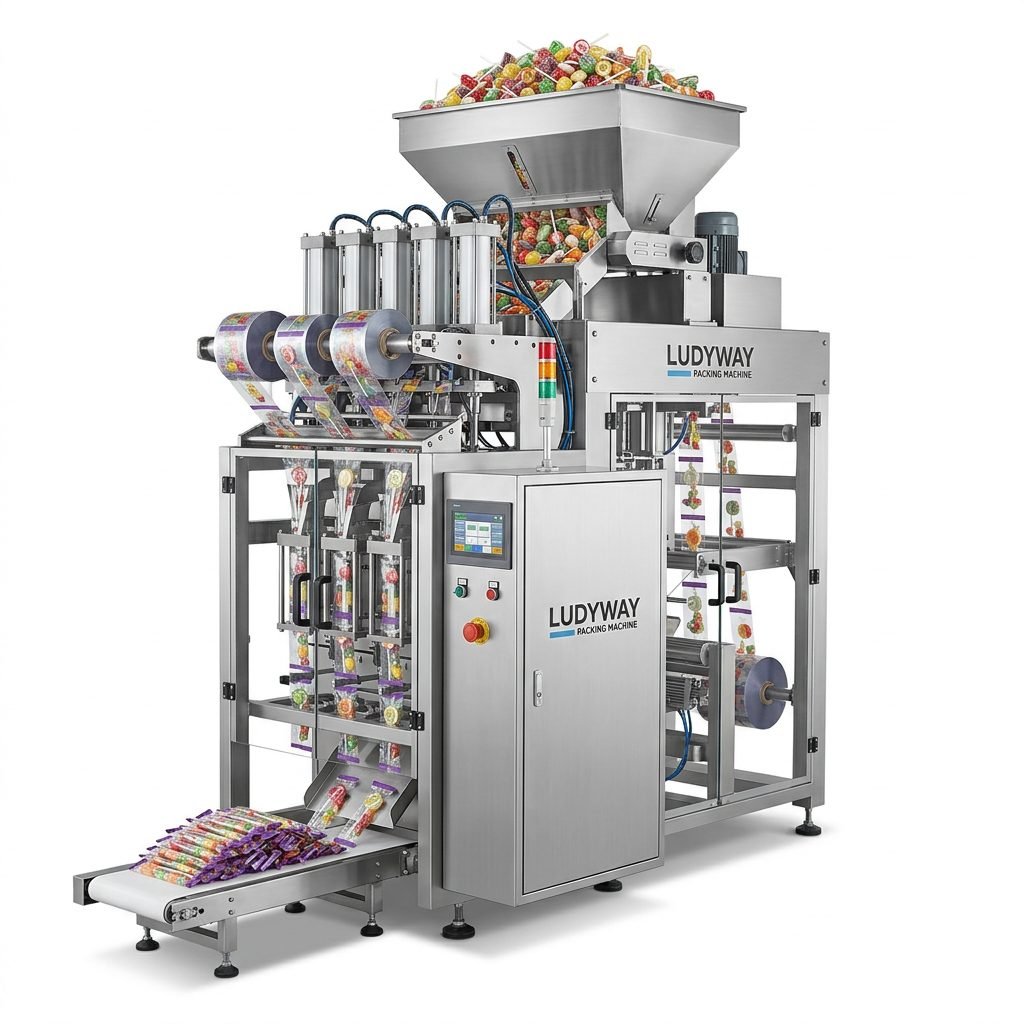
- Solid & Snack Items: Namkeen, bhujia, and baked snacks often require multi-head weighers to handle delicate, irregular shapes without crushing them.
Matching the Machine to Your Packaging Format
In India, the sachet and stick pack culture dominates because of affordability and portion control. However, stand-up pouches and pillow bags are also gaining traction for premium products. Choosing the correct packaging format is the first step toward reducing material waste and maximizing brand appeal.
| Packaging Format | Ideal For | Key Advantage in India |
|---|---|---|
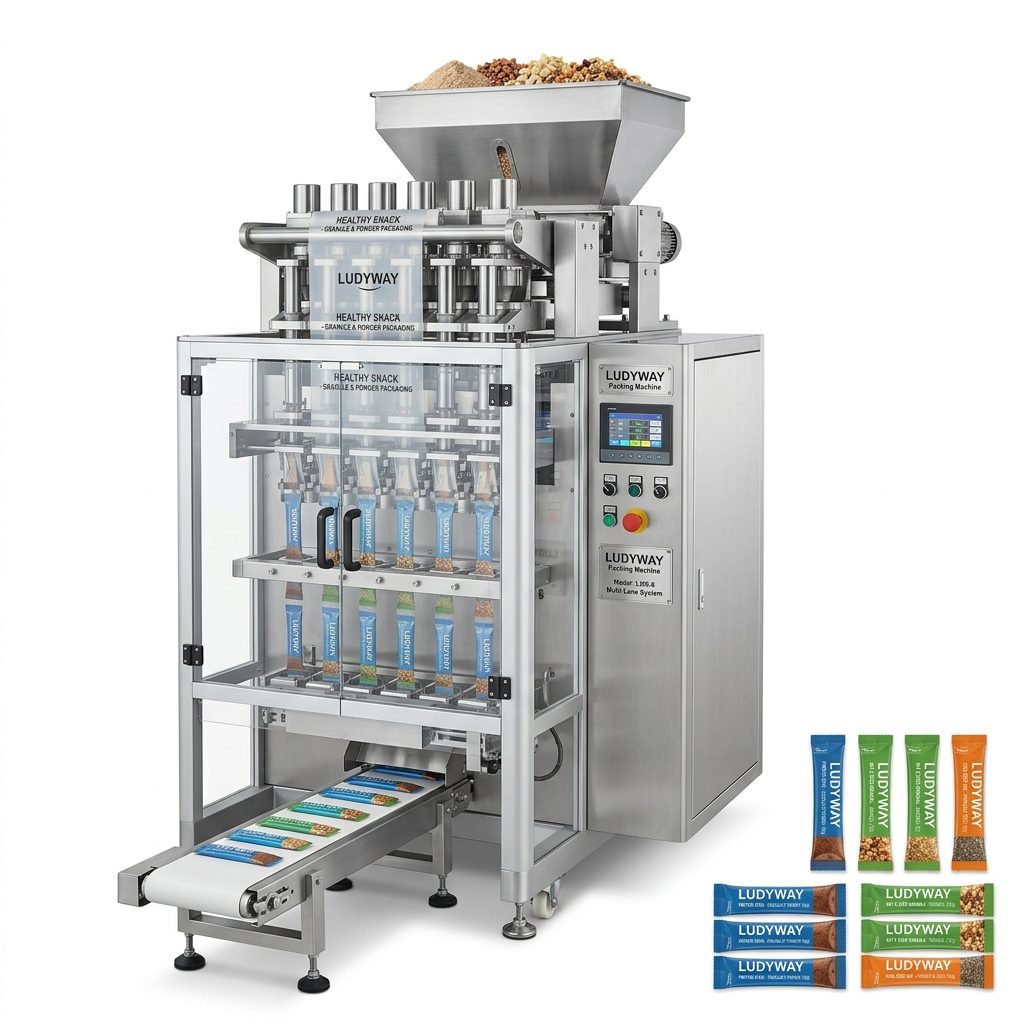
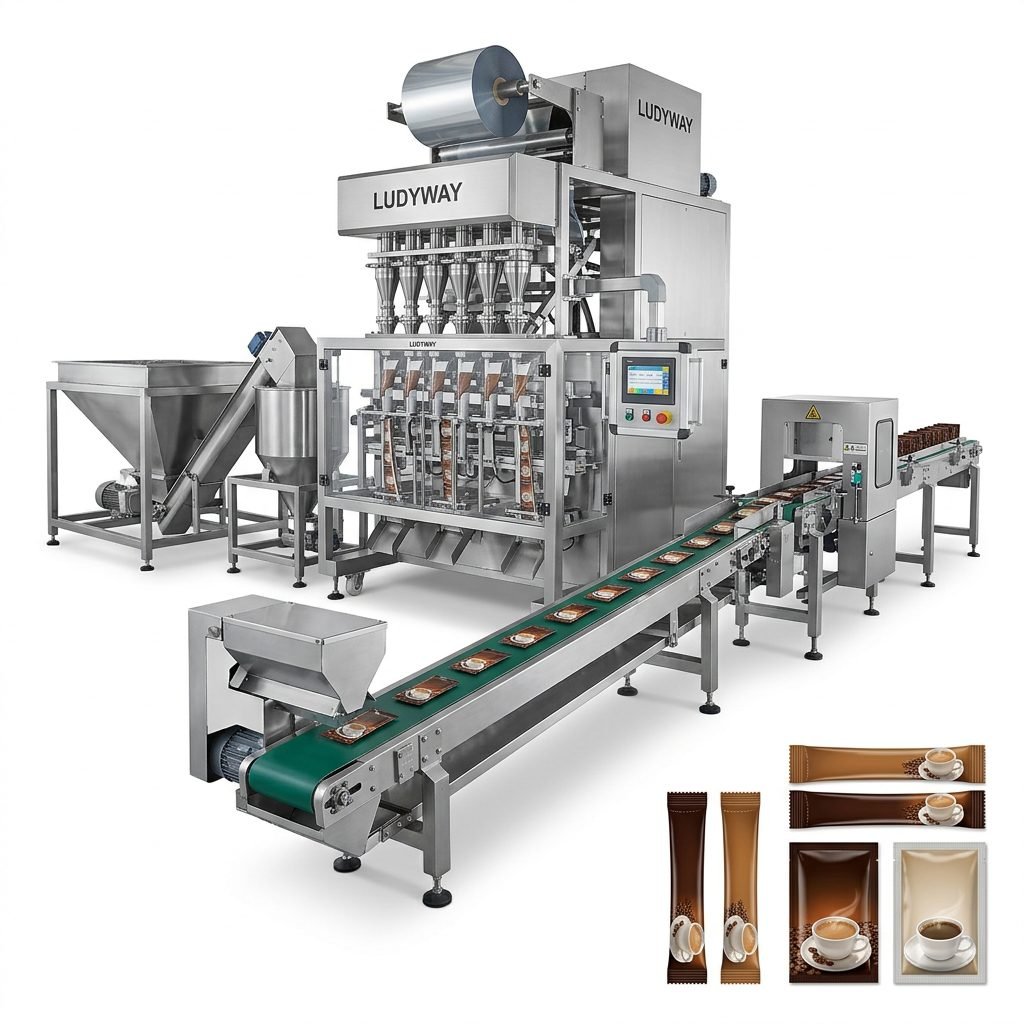
| Stick Packs | Instant coffee, glucose powder, spices | Low cost per unit; ideal for single-serve economy packs |
| Sachets | Shampoo, ketchup, pan masala, pickles | High penetration in rural and semi-urban markets |
| Stand-up Pouches | Dry fruits, frozen snacks, pet food | Premium shelf presence and resealable options |
| Bottles & Jars | Honey, sauces, health supplements | Reusable and perceived as higher quality |
Production Speed and Automation Level
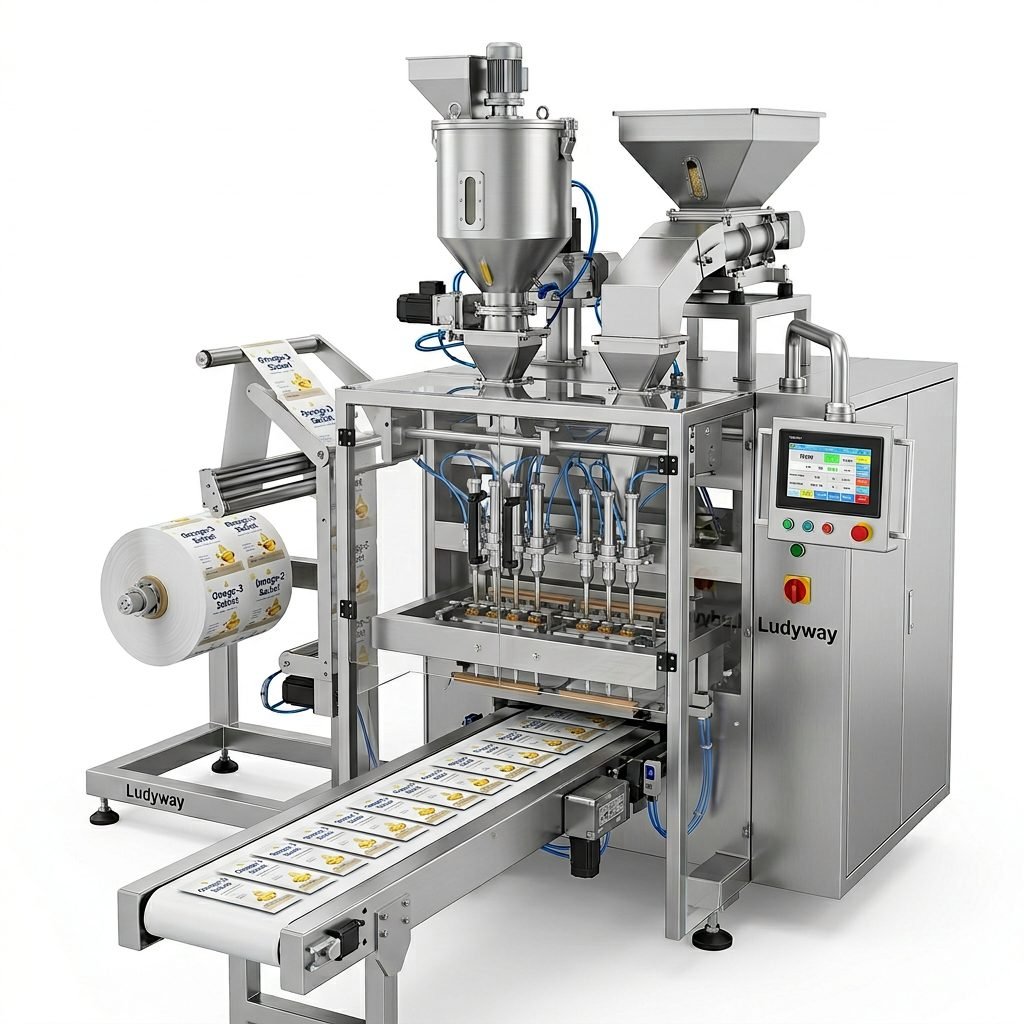
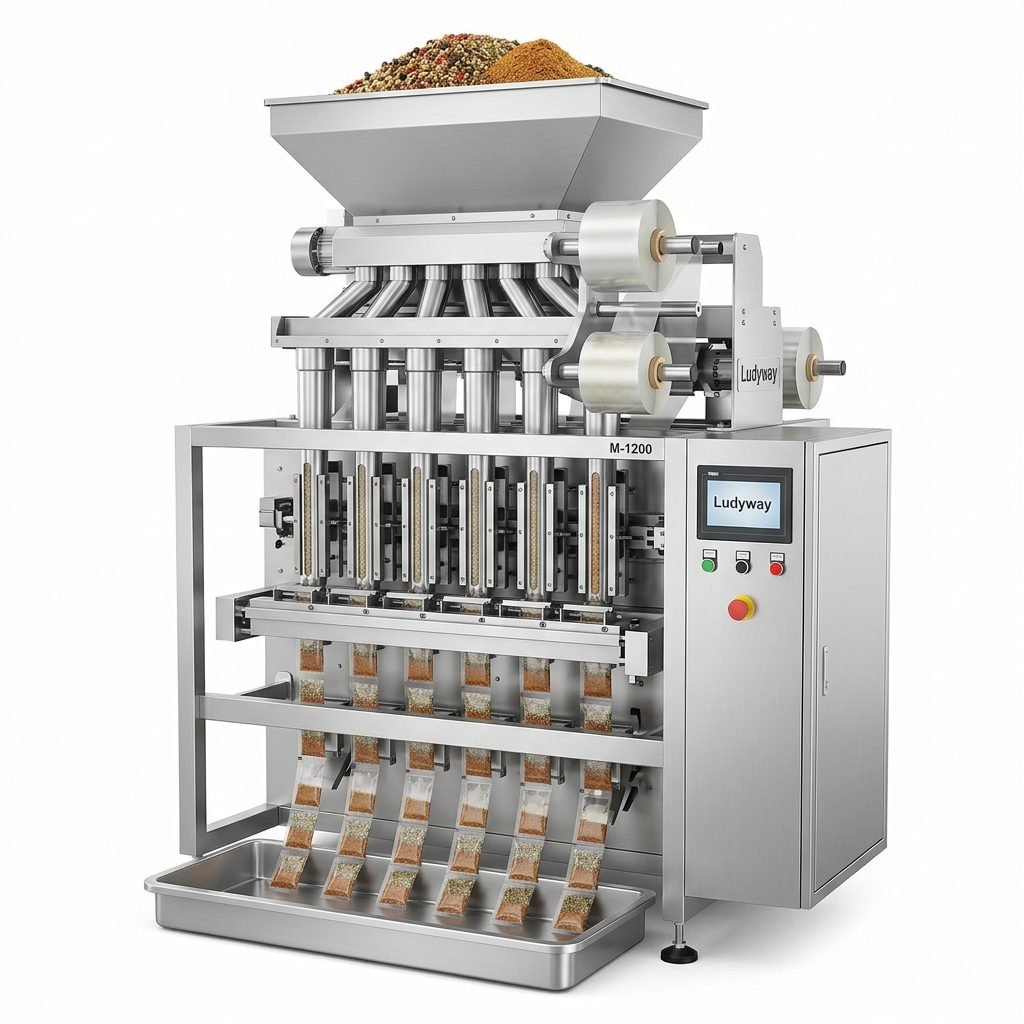
Your daily output target is a critical metric. Manual or semi-automatic machines may suit startups producing a few hundred packs per hour, but established brands aiming for national distribution need fully automated multi-lane systems. A modern multi-lane stick pack machine can deliver up to 600 packs per minute, significantly reducing labor dependency and human error. Investing in automation early can future-proof your business against India’s competitive FMCG landscape.

Compliance with Indian Food Safety Standards
Any food packaging machine operated in India must comply with regulations set by the Food Safety and Standards Authority of India (FSSAI). The contact parts of the machine should be manufactured from SS 304 or SS 316 stainless steel to prevent contamination and withstand rigorous cleaning cycles. Additionally, if you are exporting processed food, your packaging line should align with international benchmarks like ISO 22000 and HACCP principles. Reliable manufacturers provide documentation and certification support to ease this process.
Evaluating Total Cost of Ownership in India
While the initial purchase price is important, calculating the total cost of ownership (TCO) is more revealing. This includes spare parts availability, energy consumption, film wastage rate, and maintenance downtime. Given India’s diverse climatic conditions, machines should be robust enough to handle high humidity and temperature variations without electronic failure. Look for features like servo-driven motors and user-friendly HMI touch screens that simplify operation and troubleshooting for the local workforce.
After-Sales Service and Spare Parts Support
Downtime is the enemy of profitability. Before finalizing a supplier, confirm their service network in India. Do they offer remote diagnostics? How quickly can a technician reach your facility in cities like Mumbai, Ahmedabad, or Coimbatore? A dependable partner will also stock critical spare parts to minimize lead times. The availability of local engineering support can make or break your production schedule during peak festival seasons.
Why Indian Businesses Are Partnering with Global Manufacturers
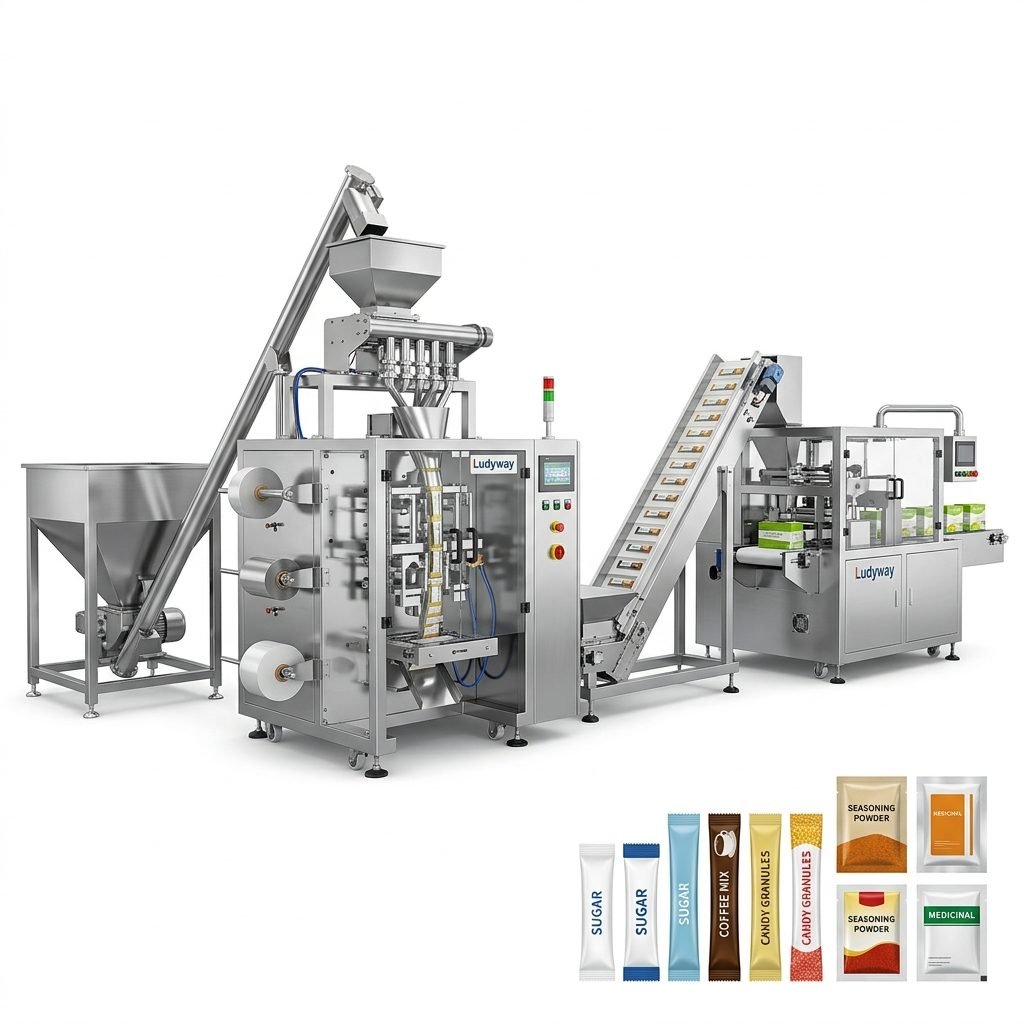
To meet the surging demand, many Indian food processors are turning to established international manufacturers for technology that bridges the gap between affordability and high performance. One such company is Ludyway, one of the largest packaging machine manufacturers in China, specializing in advanced packaging equipment and turnkey production solutions. With over 30 years of industry expertise and a modern 20,000㎡ manufacturing facility, Ludyway offers more than 50 intelligent packaging machine models, including multi-lane stick pack, sachet, and fully automated packaging systems. Serving customers in over 100 countries, they provide reliable and cost-effective solutions that help Indian businesses improve productivity and product quality. You can learn more about their global footprint and growth outlook in the packaging machinery industry.
Key Questions to Ask Before You Buy
When you are ready to engage with a supplier, having a checklist ensures you cover all technical and commercial aspects. Here are the essential questions to guide your procurement process:
- What is the maximum fill volume and bag size the machine can handle?
- Is the machine compatible with biodegradable or recyclable film materials?
- Does the system include automatic date coding and nitrogen flushing for extended shelf life?
- What is the changeover time between different product SKUs?
- Can the supplier provide a factory acceptance test (FAT) video or on-site visit?
Embracing Industry 4.0 for Indian Food Packaging
Smart packaging lines equipped with IoT sensors allow real-time monitoring of Overall Equipment Effectiveness (OEE). These systems can predict maintenance needs and integrate seamlessly with your existing enterprise resource planning (ERP) software. As India pushes toward digital manufacturing, selecting a machine that supports data analytics and remote access is a forward-thinking investment. Resources from authoritative bodies like the PMMI Business Intelligence Library or the Flexible Packaging Association Industry Data provide valuable insights into these evolving trends.
Making the Final Decision
Choosing the right food packaging machine for the Indian market requires a balance of technical precision, regulatory awareness, and commercial sense. Focus on suppliers that understand the unique demands of Indian raw materials, climate, and consumer behavior. Prioritize build quality, hygienic design, and reliable after-sales service over the lowest price point. By doing thorough research and planning for scalable growth, you can secure a competitive advantage in one of the world’s most dynamic food markets.
For further reading on packaging standards and regulations, you may refer to official guidelines provided by the U.S. FDA Food Packaging division and the ISO Packaging Standards resource center.