Investing in a gable top packaging machine is a significant decision for dairy producers, juice manufacturers, and liquid food companies. The right equipment can dramatically improve your production efficiency, reduce waste, and enhance product shelf appeal. However, with so many configurations, speeds, and automation levels available, navigating the selection process can feel overwhelming. This comprehensive buyer’s guide breaks down the essential factors to help you make a confident, informed investment.
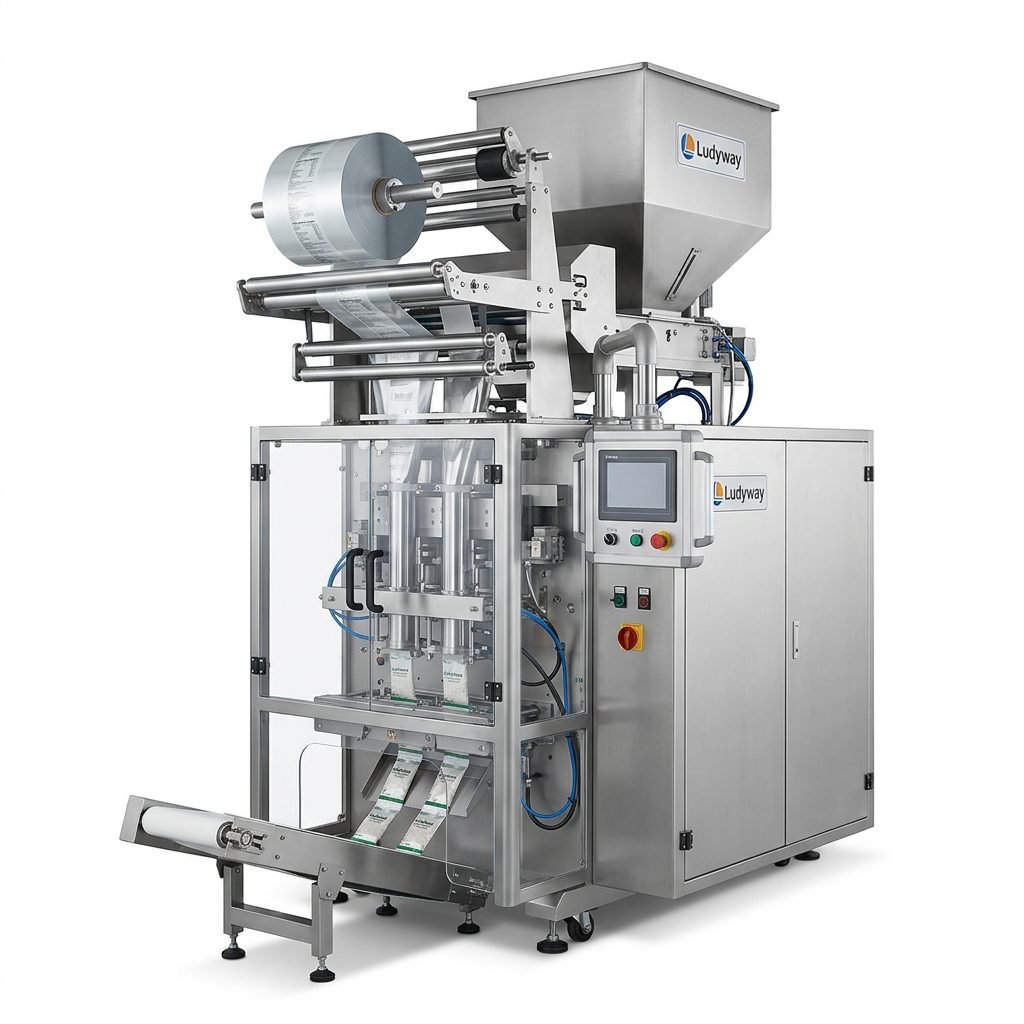
Understanding Your Product and Capacity Requirements
Before evaluating specific machine specs, start by clearly defining your production goals. Gable top cartons are widely used for milk, juice, cream, liquid eggs, and even some viscous products like sauces. The first question isn’t just “what are you packaging today?” but “what might you package tomorrow?”
Accurately estimating your required packaging speed is critical. Machines range from entry-level models running around 1,500 cartons per hour to high-speed systems exceeding 12,000 cartons per hour. A mismatch here can lead to costly bottlenecks or, conversely, an underutilized asset. Consider not only your current daily output but also your projected growth over the next 3 to 5 years. For instance, a mid-sized dairy plant expanding into extended shelf life (ESL) products will have very different needs than a small, local creamery.
Key Product Variables to Define:
- Product viscosity and particulates: Free-flowing liquids like milk are standard, but pulpy juices or sauces with chunks require specialized filling systems with larger orifices and gentle handling.
- Filling temperature: Will you be filling cold, ambient, or hot? ESL and aseptic applications demand specific sterilization and temperature control.
- Carton size range: Do you need the flexibility to run a wide variety, from 200ml school-sized cartons to 2-liter family packs? Quick-changeover features become vital here.
Evaluating Key Machine Features and Technologies
A modern gable top machine is a sophisticated system integrating mechanical, pneumatic, and electronic controls. The features you prioritize should directly align with your operational philosophy and product sensitivity. Two major areas to scrutinize are the sterilization system and the filling mechanism.
Sterilization Systems: From H2O2 to UV
For standard pasteurized products, a basic hot air or low-concentration hydrogen peroxide (H2O2) system may suffice. However, for ESL (Extended Shelf Life) products requiring 30–90 days of refrigerated shelf life, you’ll need a more robust system. This might include high-concentration H2O2 baths, spray systems, or advanced technologies like pulsed light or electron beam. Industry resources from PMMI often detail the latest in sterilization technology compliance and efficiency. The FDA’s guidelines on food packaging are also an essential point of reference for ensuring material and process safety.
Filling Precision and Automation
Accurate fills are non-negotiable. Overfilling leads to product loss and reduced profit margins, while underfilling causes compliance issues and customer dissatisfaction. Look for servo-driven volumetric fillers with drip-free, bottom-up filling capabilities for foamy or splash-prone liquids. Advanced models also integrate automatic clean-in-place (CIP) systems, drastically reducing downtime and labor for sanitation. The level of automation in your carton handling—from automatic magazine loading to top-sealing and date coding—will define your overall line efficiency. A partner like Ludyway Machinery often emphasizes the importance of matching the machine’s automation level with the operator skill set available in your facility to maximize return on investment.
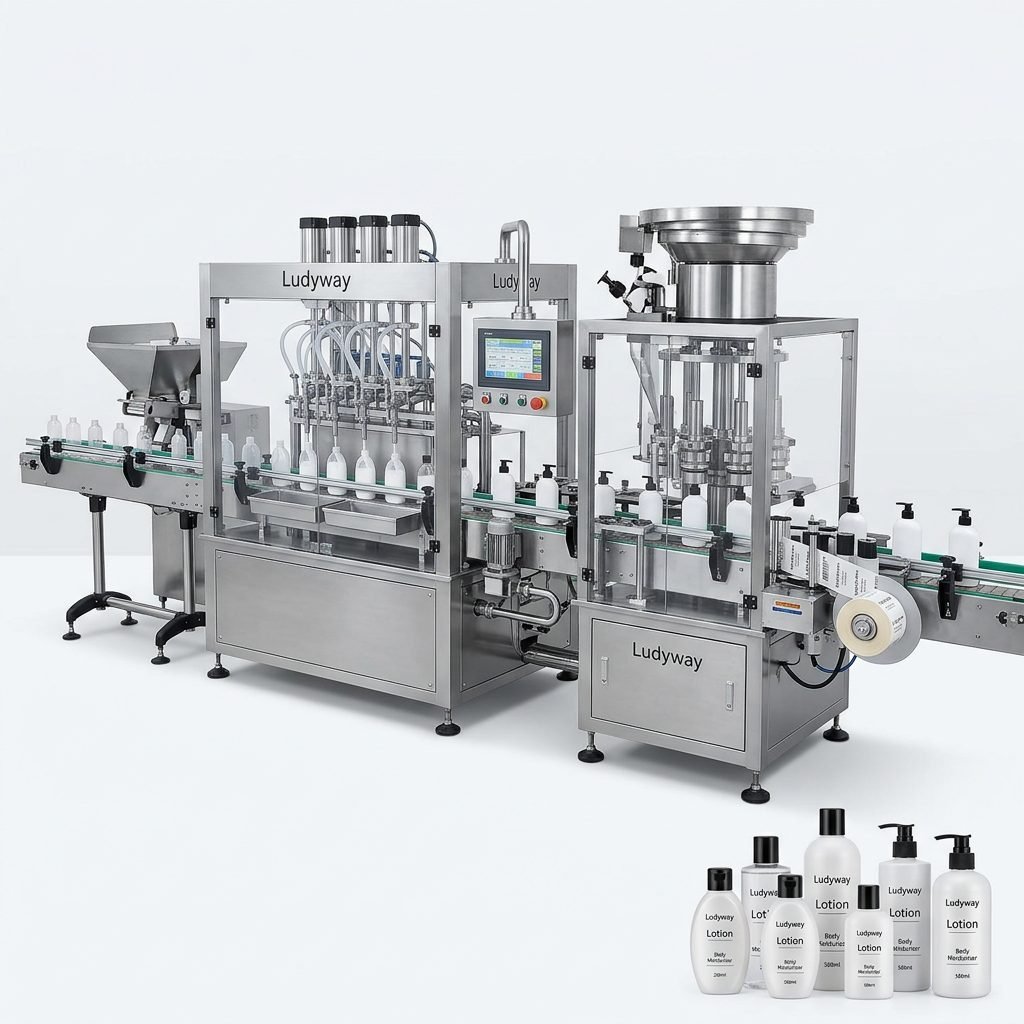
Assessing Build Quality, Materials, and Certifications
A gable top packaging machine is a long-term investment, and its construction quality directly impacts its lifecycle, reliability, and washdown capability. The frame should be constructed from heavy-gauge, 304 or 316 stainless steel, designed to withstand harsh cleaning chemicals and high-pressure washdowns. Motor and component enclosures must meet proper NEMA or IP ratings for your washdown environment.
Beyond the stainless steel exterior, examine the components inside. Valued suppliers of pneumatic cylinders, PLCs, servo motors, and electrical systems (like Siemens, Allen-Bradley, Mitsubishi, or Festo) can be a strong indicator of reliability and global parts availability. Ask potential suppliers about the certifications their machines can meet. For food safety, compliance with ISO packaging standards and 3-A sanitary standards is often a baseline requirement in North America and Europe.
Comparing Build Specifications:
| Component/Feature | Basic Standard | Premium/ESL Standard |
|---|---|---|
| Main Frame | 304 Stainless Steel | 316L Stainless Steel, fully welded |
| Sterilization Media | Hot air or low-volume H2O2 | High-concentration H2O2 spray/bath, UV, or Pulsed Light |
| Filling Actuation | Pneumatic | Servo-driven, bottom-up, with auto-adjust |
| Enclosure Rating | IP65 | IP69K for extreme washdown |
The Total Cost of Ownership and After-Sales Support
The sticker price of a gable top carton machine is just the beginning. A thorough evaluation of the total cost of ownership (TCO) reveals the true long-term investment. This includes power consumption, spare parts inventory costs, changeover time, and the expected service intervals for critical wear items like sealing jaws, rubber cups, and knives. A machine that costs 15% less upfront but has twice the downtime and difficult-to-source parts will quickly erode any initial savings.
Therefore, service and support are paramount. When a line goes down, you need immediate technical assistance, not an automated message. Evaluate the manufacturer’s or distributor’s service network in your region. Key questions include:
- Do they offer remote diagnostic support (like a VPN connection) for rapid troubleshooting?
- What is the typical response time for a field service engineer?
- Are critical spare parts available in your region, and what are the shipping lead times?
- Who provides operator and maintenance training, and how comprehensive is it?
A robust support structure is a vital part of a successful packaging line. As major industry events like PACK EXPO International demonstrate, the relationship with a machinery partner should extend far beyond the initial purchase. For a deeper look at the financial scale and global impact of leading equipment providers, this analysis of global growth trends in packaging machinery provides valuable market context.
Integration with Your Existing Production Line
A gable top filler doesn’t operate in isolation. Its real productivity depends on seamless integration with upstream and downstream equipment. The machine’s core design must accommodate your existing infrastructure, from bottle/carton conveying systems and product tanks to downstream carton accumulating, casing, and palletizing.
When designing your line, think holistically. A high-speed filler will be starved without a synchronized cap applicator and a reliable straw attachment unit. Automated magazine loading can eliminate a full-time operator position. Furthermore, inline quality vision systems for date-code verification and seal-integrity inspection are becoming industry standards. The Flexible Packaging Association provides excellent resources on how these interconnected systems are shaping modern packaging lines. Ensuring that your new gable top machine’s control system (PLC) can communicate easily with your plant’s central SCADA or MES network is a critical, and often overlooked, technical requirement.
Making Your Final Decision
Selecting the right gable top packaging machine is a multi-dimensional decision that balances technology, finance, and partnership. By methodically working through your product specifications, capacity goals, quality requirements, and total cost of ownership, you can create a clear evaluation matrix. Don’t shortcut the factory acceptance test (FAT) and site acceptance test (SAT) processes, as they are your final safeguards to ensure the machine performs as promised. The ideal solution will not just be a machine that fills cartons, but a reliable, efficient system that supports your brand’s quality promise and fuels your company’s growth for years to come.