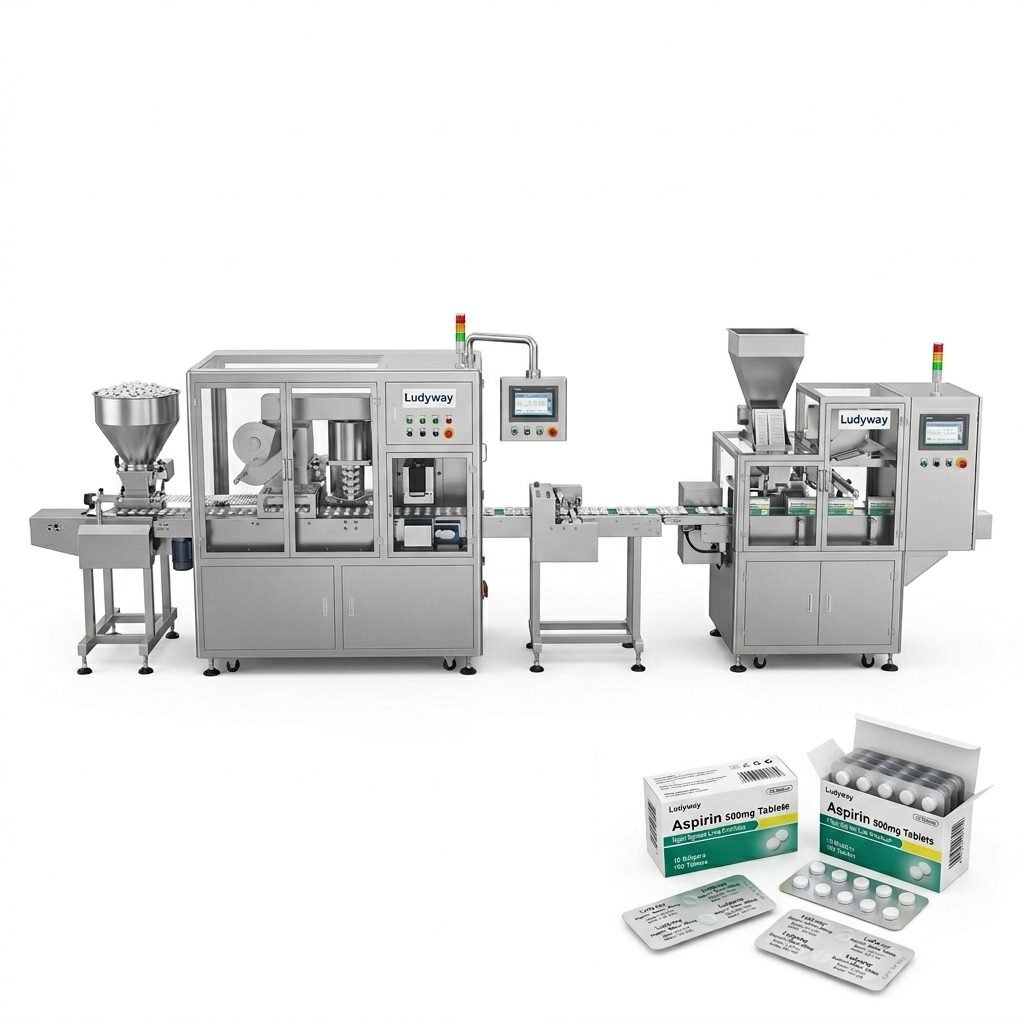
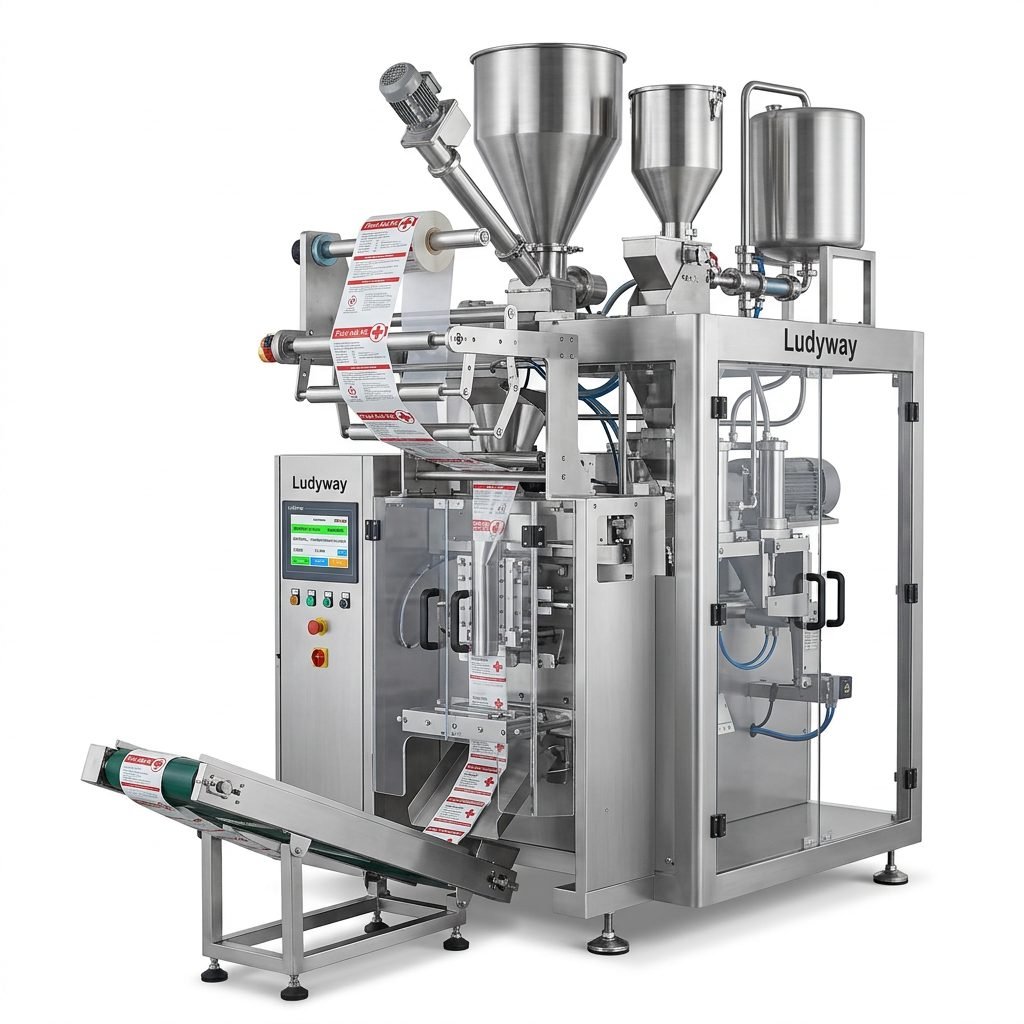
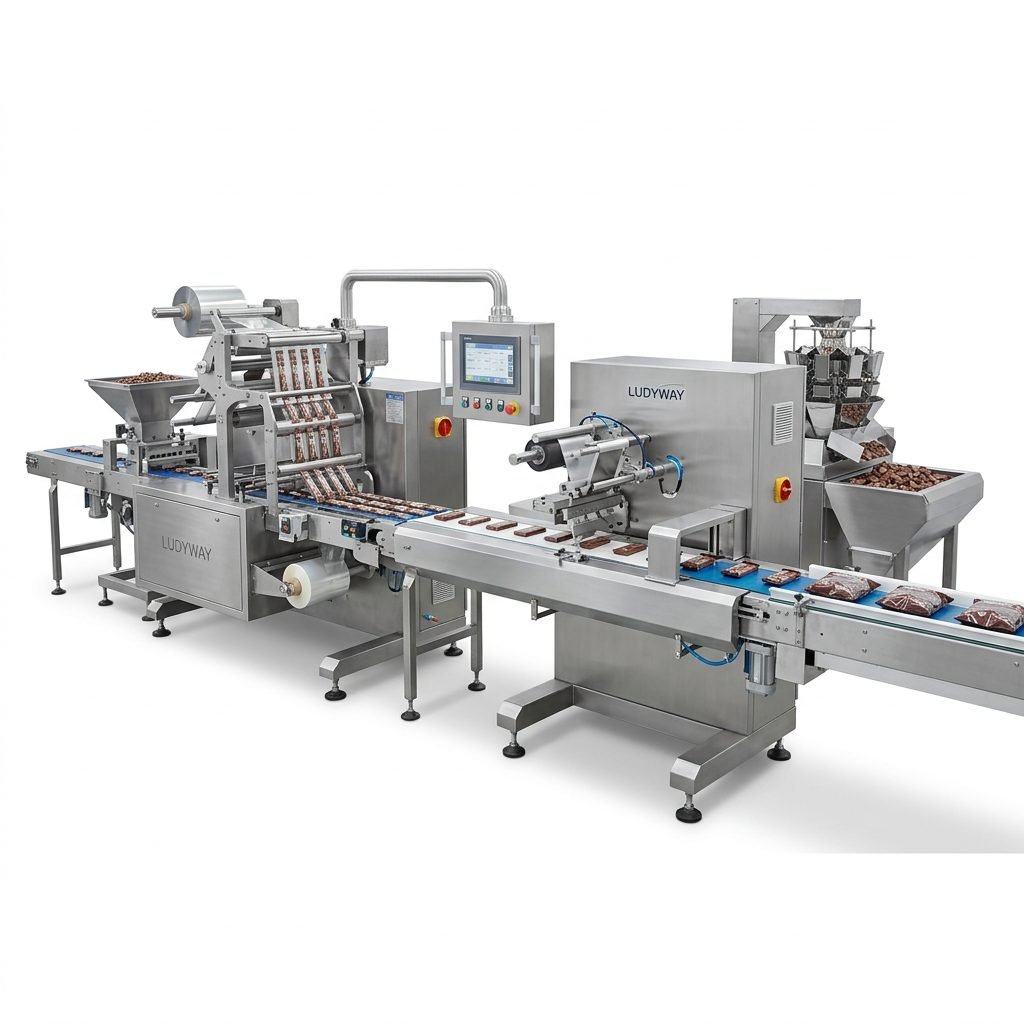
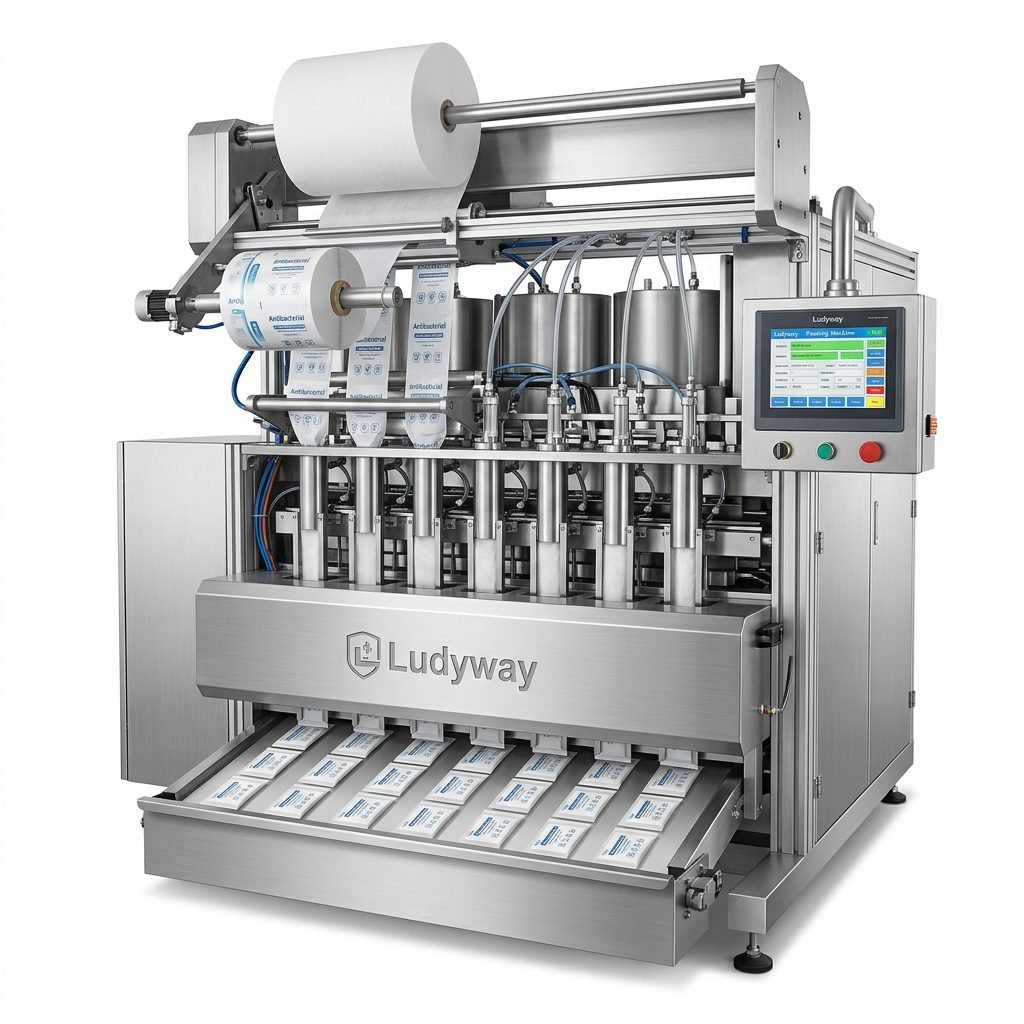
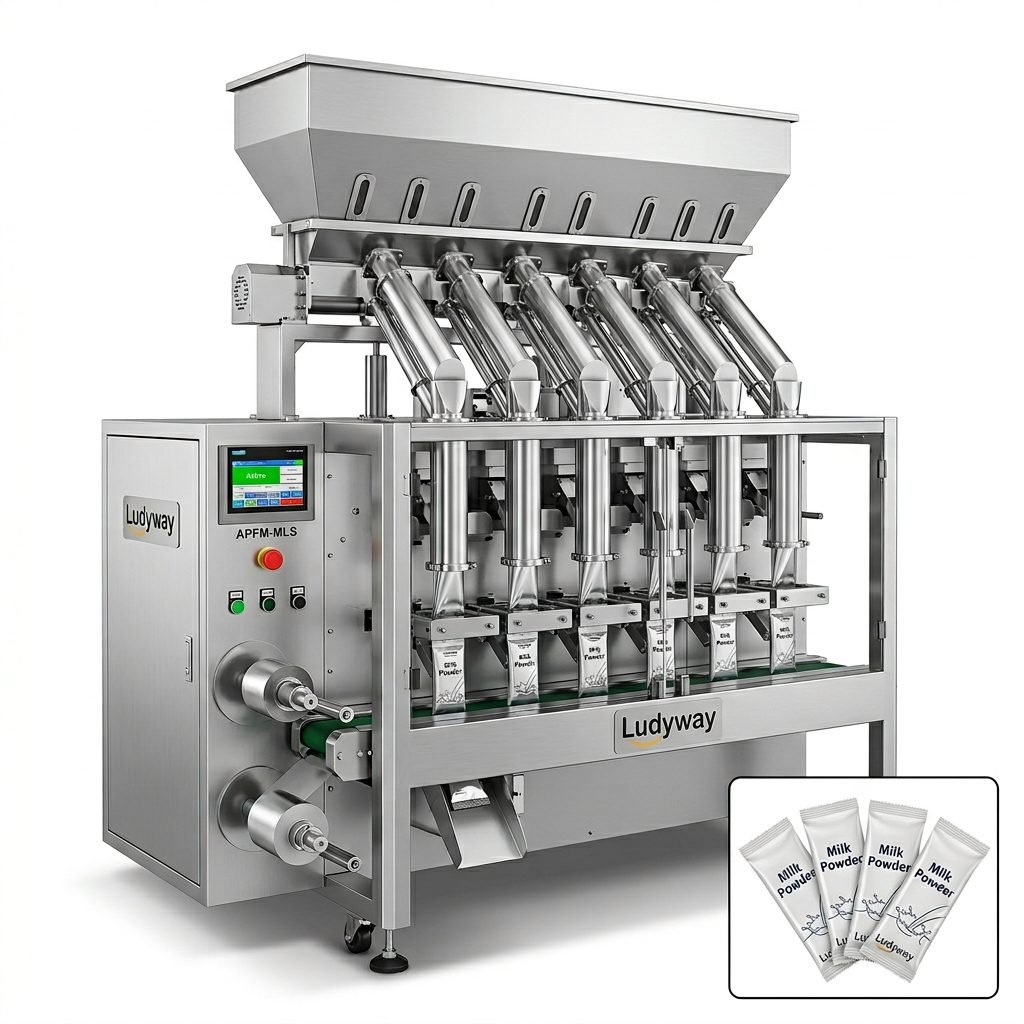
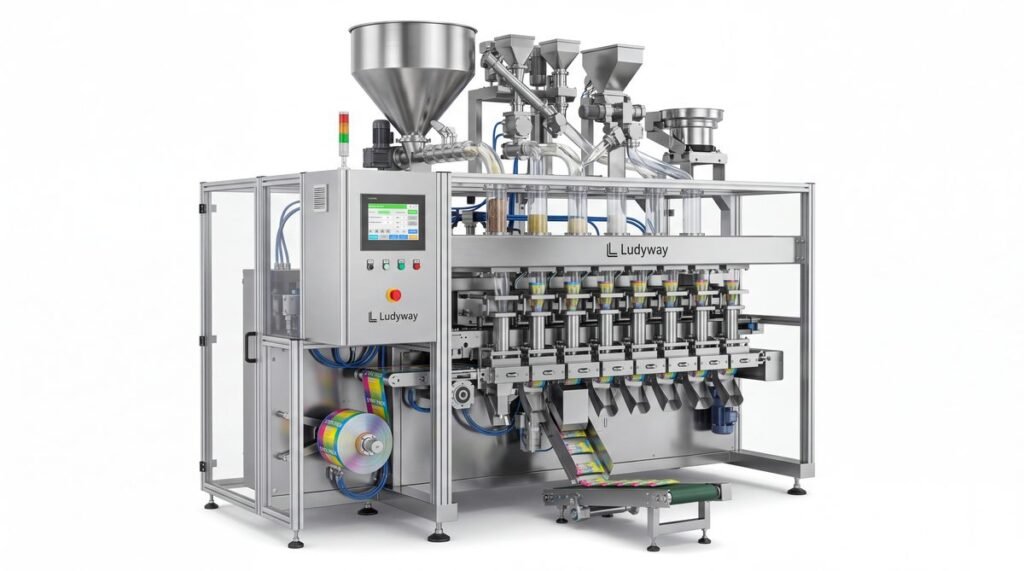
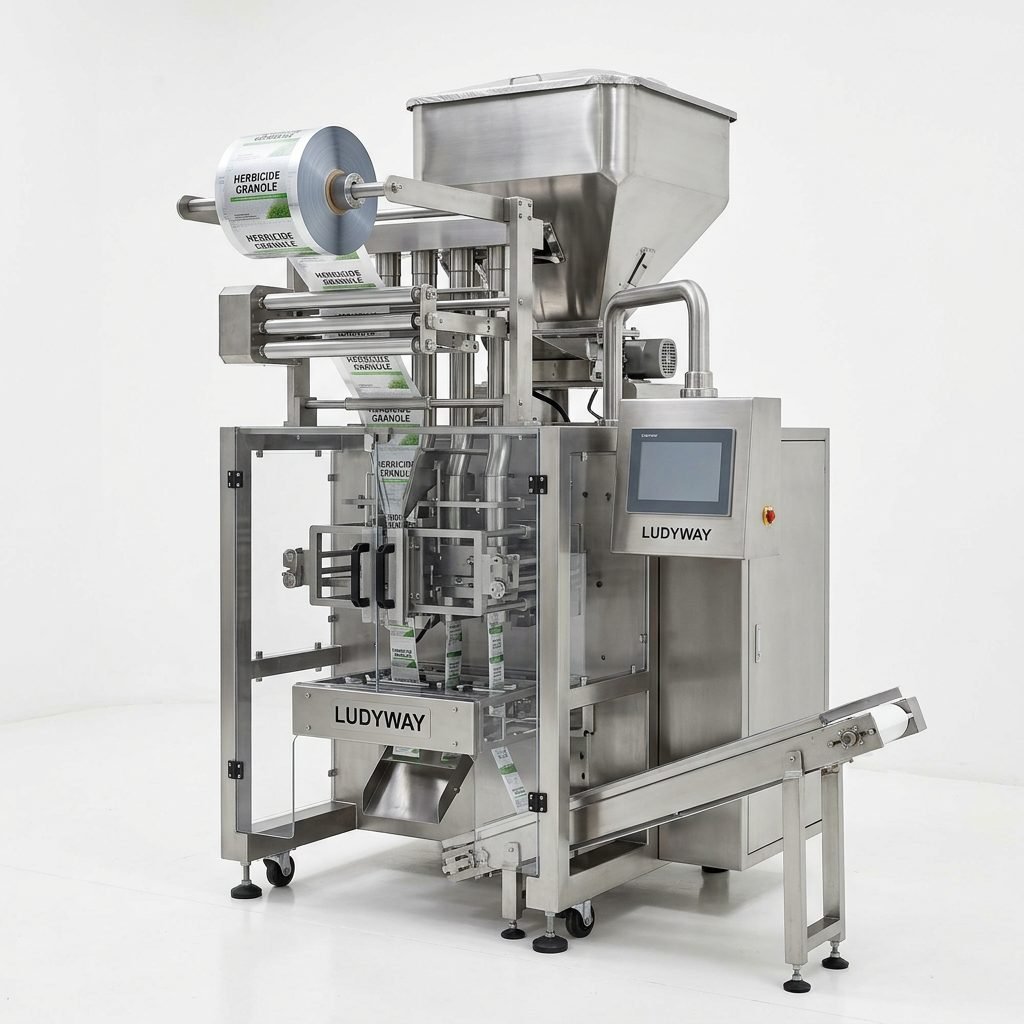
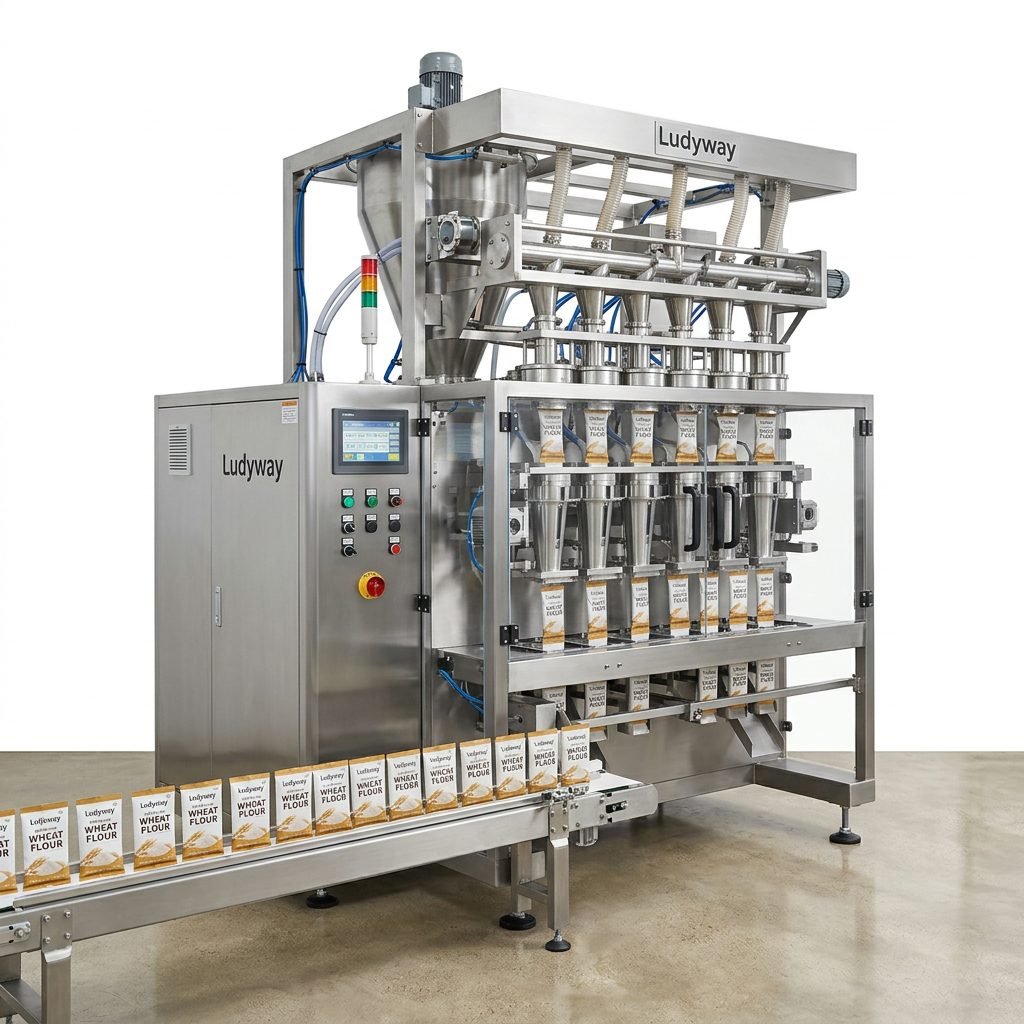
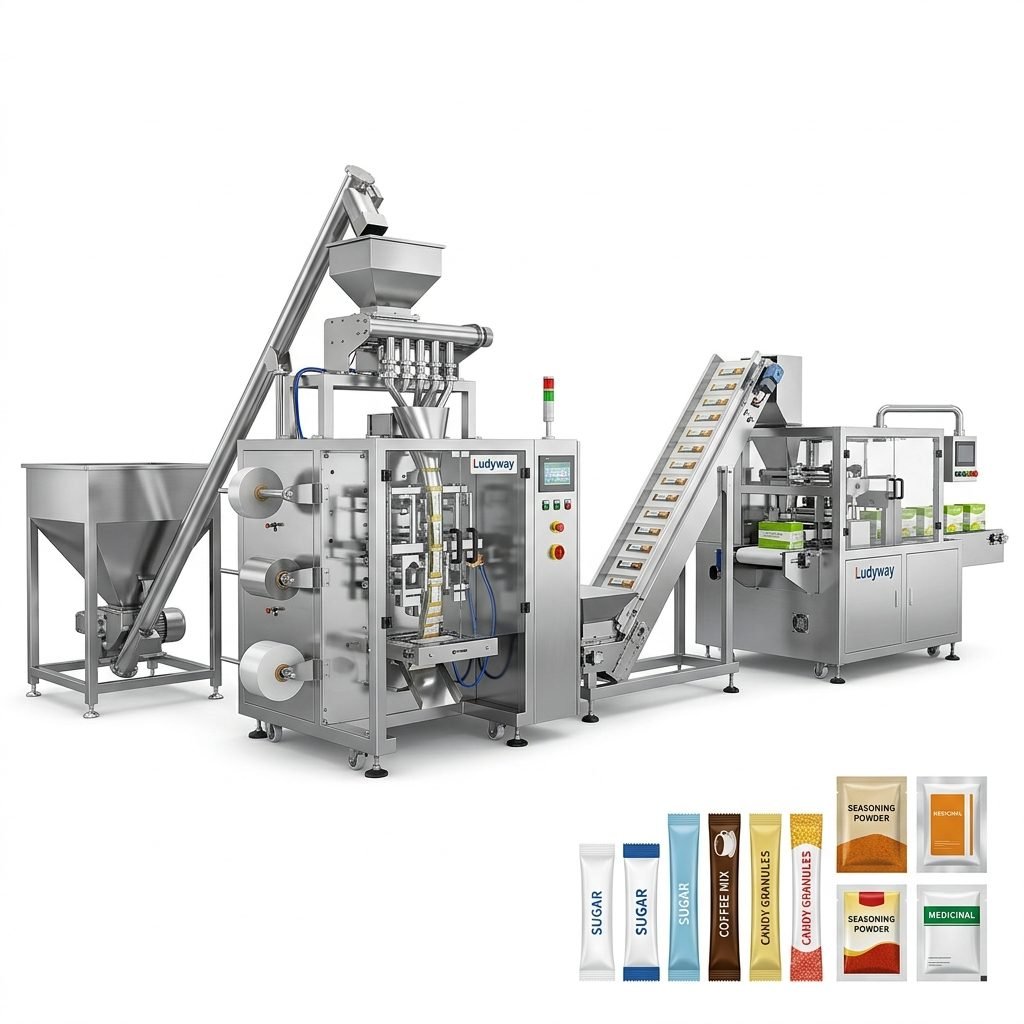
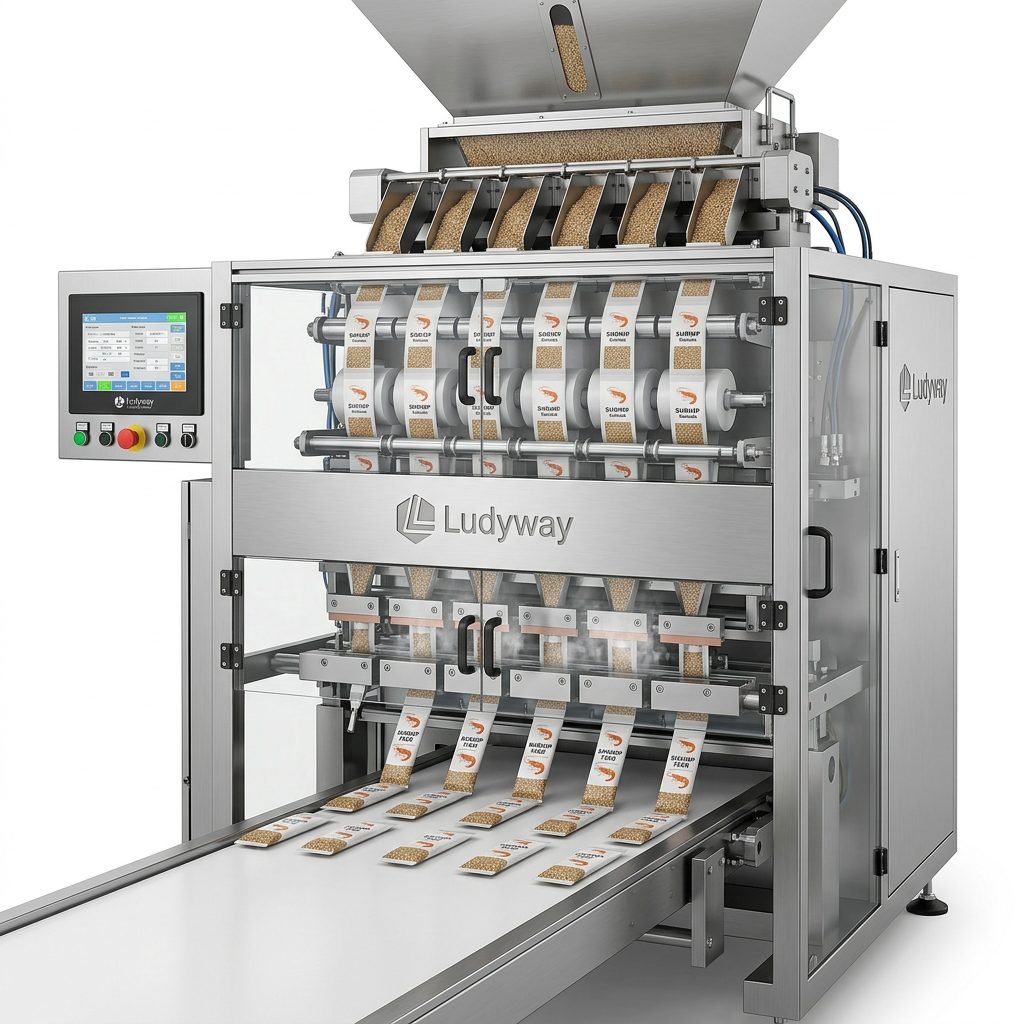
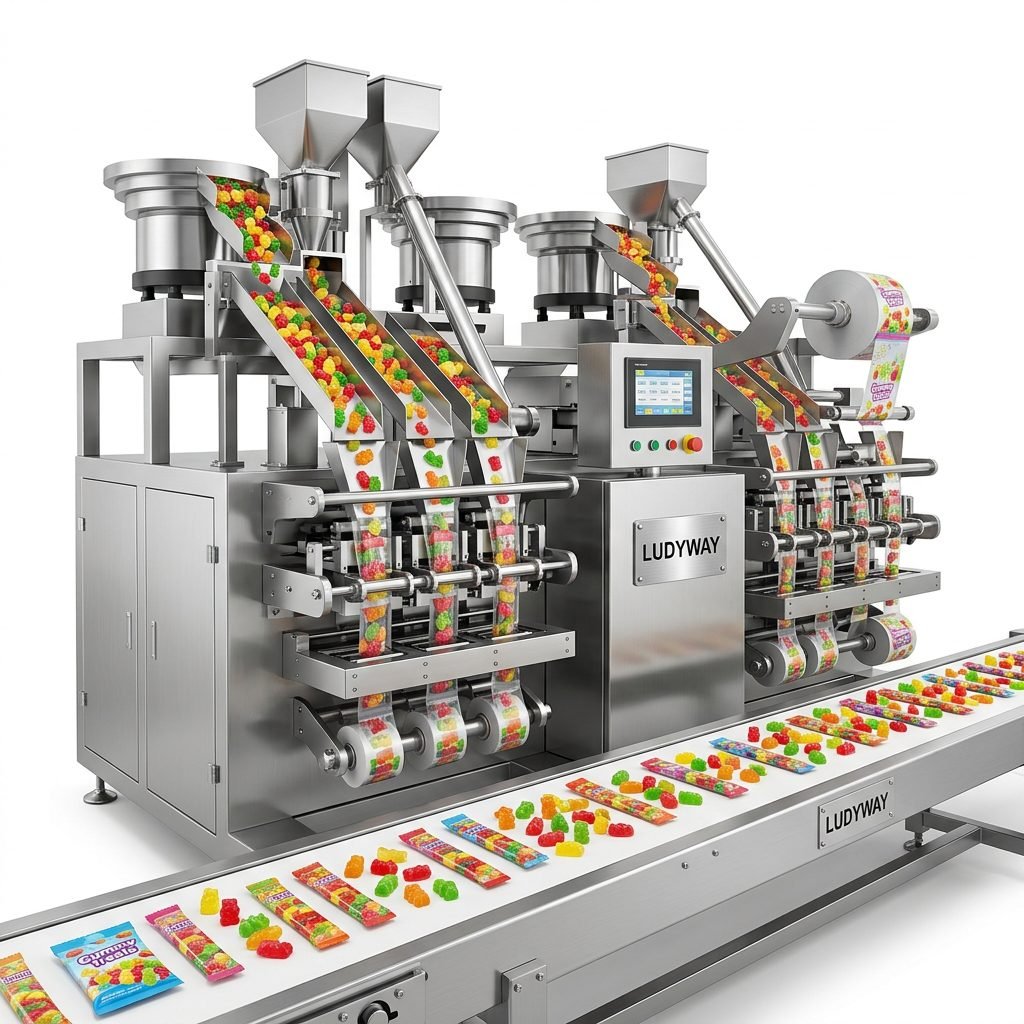
Investing in a blister packaging machine is a significant decision for pharmaceutical, nutraceutical, and consumer goods manufacturers. Whether you are upgrading an existing line or building a new production facility, selecting the right Koch blister packaging machine requires careful evaluation of your product specifications, production volume, and long-term operational goals. This guide walks you through the essential factors to consider before making a purchase.
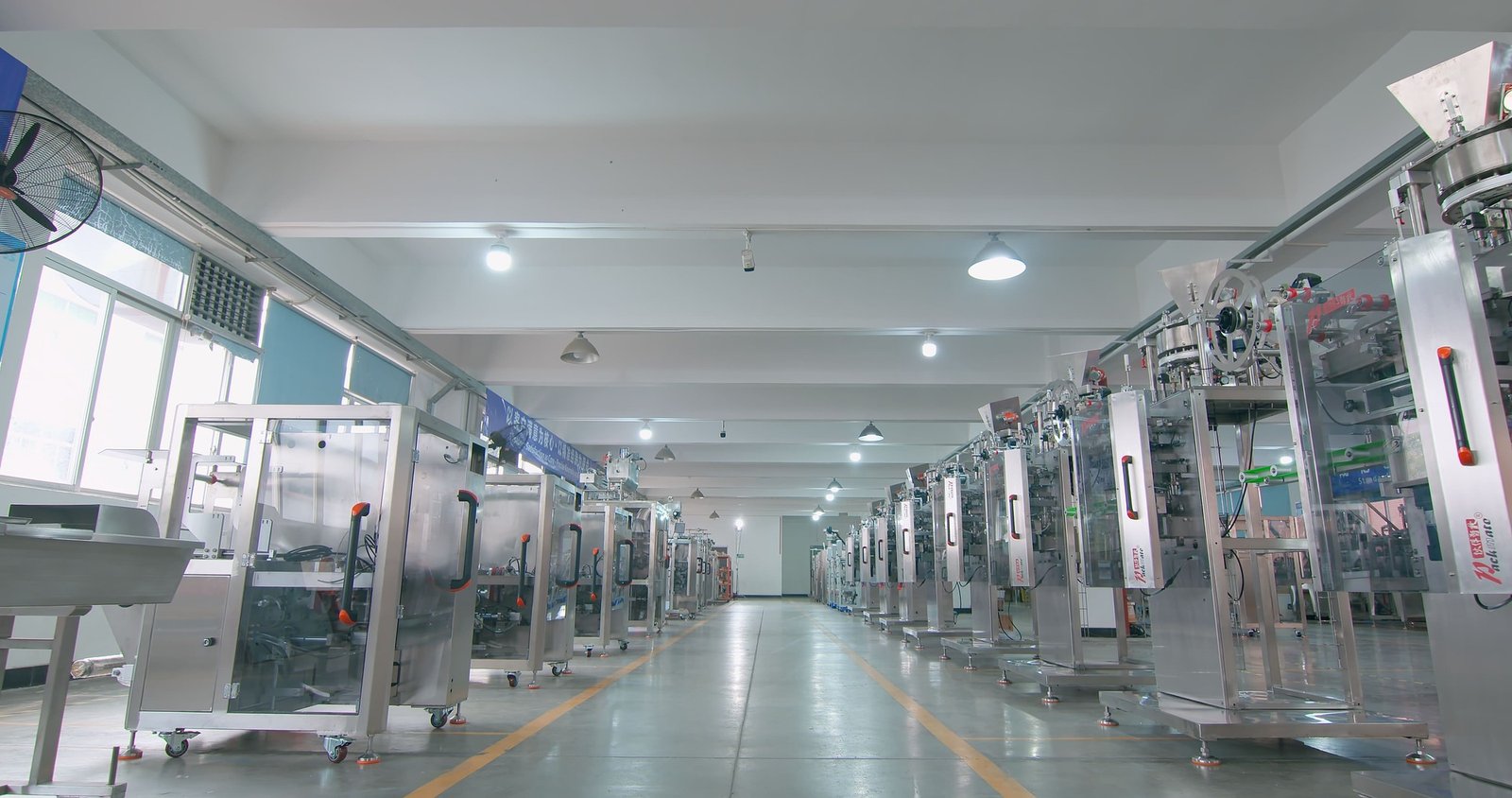
Understanding Blister Packaging Machine Types
Not all blister packaging machines are created equal. The right choice depends heavily on your product form, packaging material, and desired output speed. Below is a comparison of the most common machine configurations available in the market today.
| Machine Type | Best For | Key Advantage |
|---|---|---|
| Thermoforming Blister Machine | Tablets, capsules, ampoules | High-speed continuous operation with precise cavity forming |
| Cold-Form Blister Machine | Moisture-sensitive pharmaceuticals | Superior barrier protection using aluminum-aluminum blisters |
| Rotary Blister Machine | High-volume tablet and capsule packaging | Compact footprint with exceptional output speeds |
| Platen-Sealing Blister Machine | Medical devices, syringes, complex shapes | Accommodates irregular product geometries with precision sealing |
Key Factors to Evaluate Before Purchasing
When evaluating a Koch blister packaging machine or any comparable system, manufacturers should assess several critical parameters that directly impact production efficiency and regulatory compliance.
Production Speed and Output Requirements
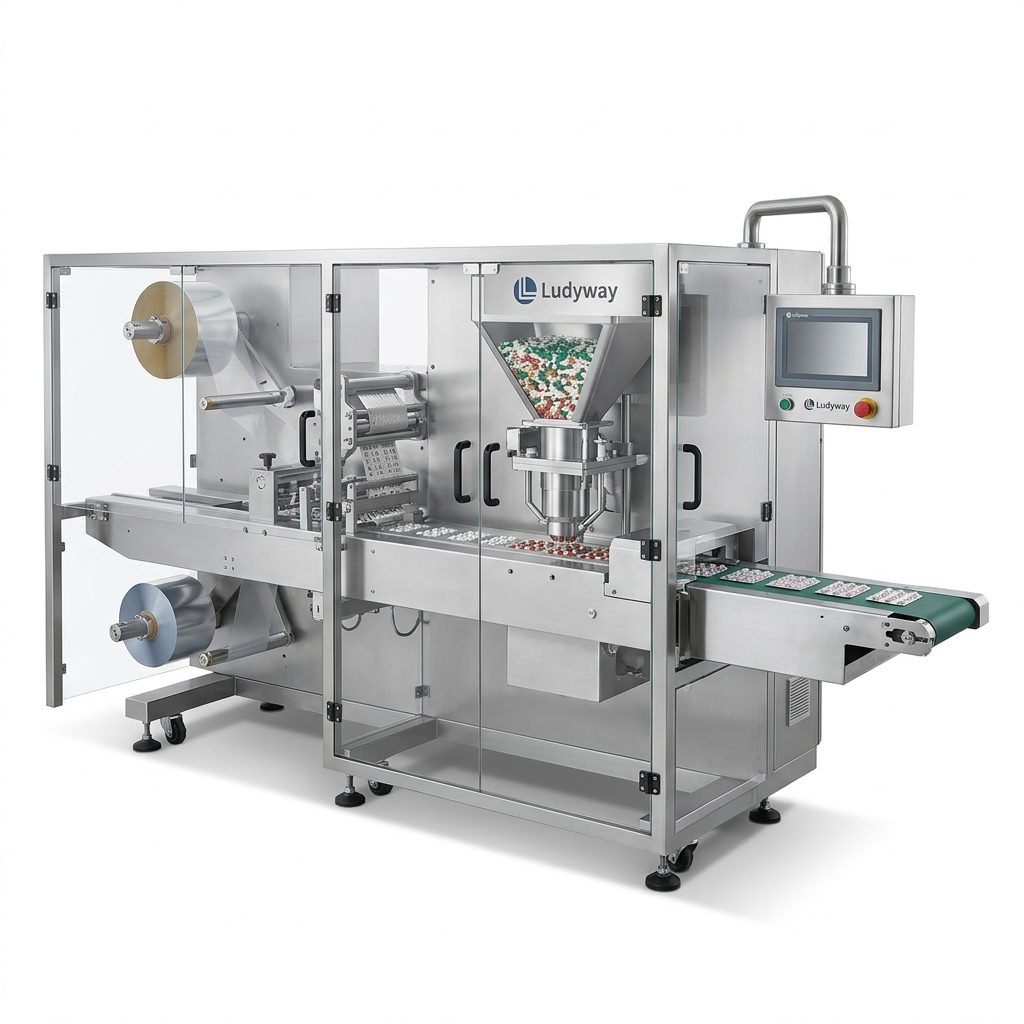
Your target production capacity should be the starting point for machine selection. Entry-level machines may produce 60-120 blisters per minute, while high-speed pharmaceutical packaging lines can exceed 600 blisters per minute. Always factor in future growth when determining speed requirements.
Material Compatibility and Forming Technology
Different blister packaging machines support various flexible packaging materials, including PVC, PVDC, Aclar, and cold-form aluminum. The choice of forming technology—thermoforming versus cold-forming—determines the level of moisture and oxygen barrier your product receives. This is especially critical for pharmaceutical products requiring extended shelf life and stability.
Changeover Flexibility and Tooling
Modern packaging operations increasingly demand quick changeover capabilities. Evaluating tooling design, format part accessibility, and the time required to switch between blister sizes and shapes can significantly affect overall equipment effectiveness (OEE). Machines with servo-driven adjustments and recipe-based controls offer substantially faster changeovers compared to manual mechanical adjustments.
Regulatory Compliance and Validation
For pharmaceutical applications, blister packaging machines must comply with stringent regulatory requirements. Key standards and guidelines to consider include:
- 21 CFR Part 211 – Current Good Manufacturing Practice (cGMP) for finished pharmaceuticals, as outlined in FDA packaging regulations
- ISO 11607 – Packaging for terminally sterilized medical devices
- EU GMP Annex 1 – Requirements for sterile medicinal products manufacturing
- 21 CFR Part 11 – Electronic records and electronic signatures for data integrity
- Serialization and track-and-trace compatibility for regulatory markets
Integration with Existing Production Lines
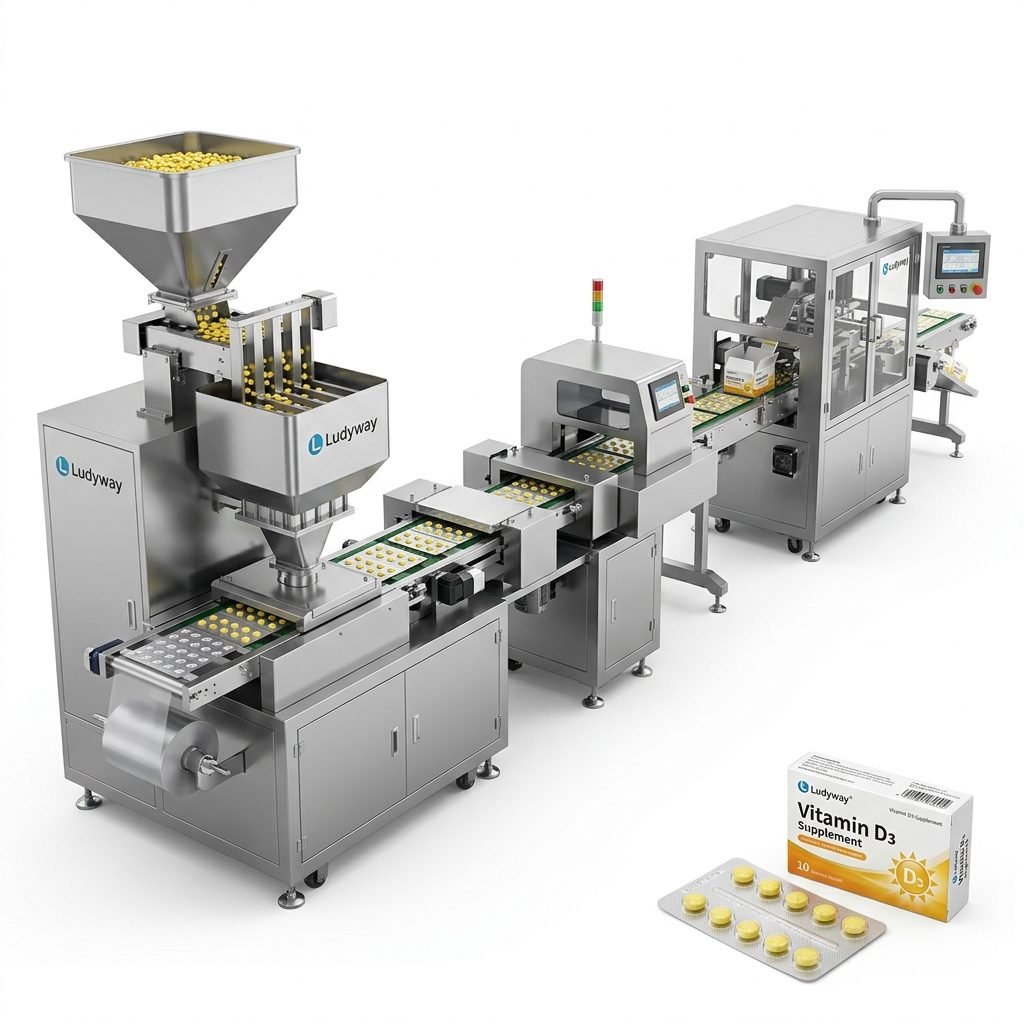
A Koch blister packaging machine should integrate seamlessly with upstream and downstream equipment including cartoners, checkweighers, serialization systems, and case packers. Evaluating the control architecture, communication protocols, and physical interface requirements early in the selection process prevents costly integration challenges later.
Total Cost of Ownership Considerations
Purchase price alone does not reflect the true cost of a blister packaging machine. Savvy buyers evaluate total cost of ownership (TCO) across the machine’s expected lifecycle:
| Cost Category | Typical Range (% of TCO) | Key Variables |
|---|---|---|
| Initial capital investment | 40-50% | Machine configuration, tooling, optional modules |
| Consumables and materials | 25-35% | Forming film, lidding foil, PVC, PVDC, Aclar costs |
| Maintenance and spare parts | 10-15% | Preventive maintenance schedules, part availability |
| Operator training and labor | 5-10% | Automation level, required skill set, shift patterns |
| Energy and utilities | 3-5% | Power consumption, compressed air requirements |
Service Support and Spare Parts Availability
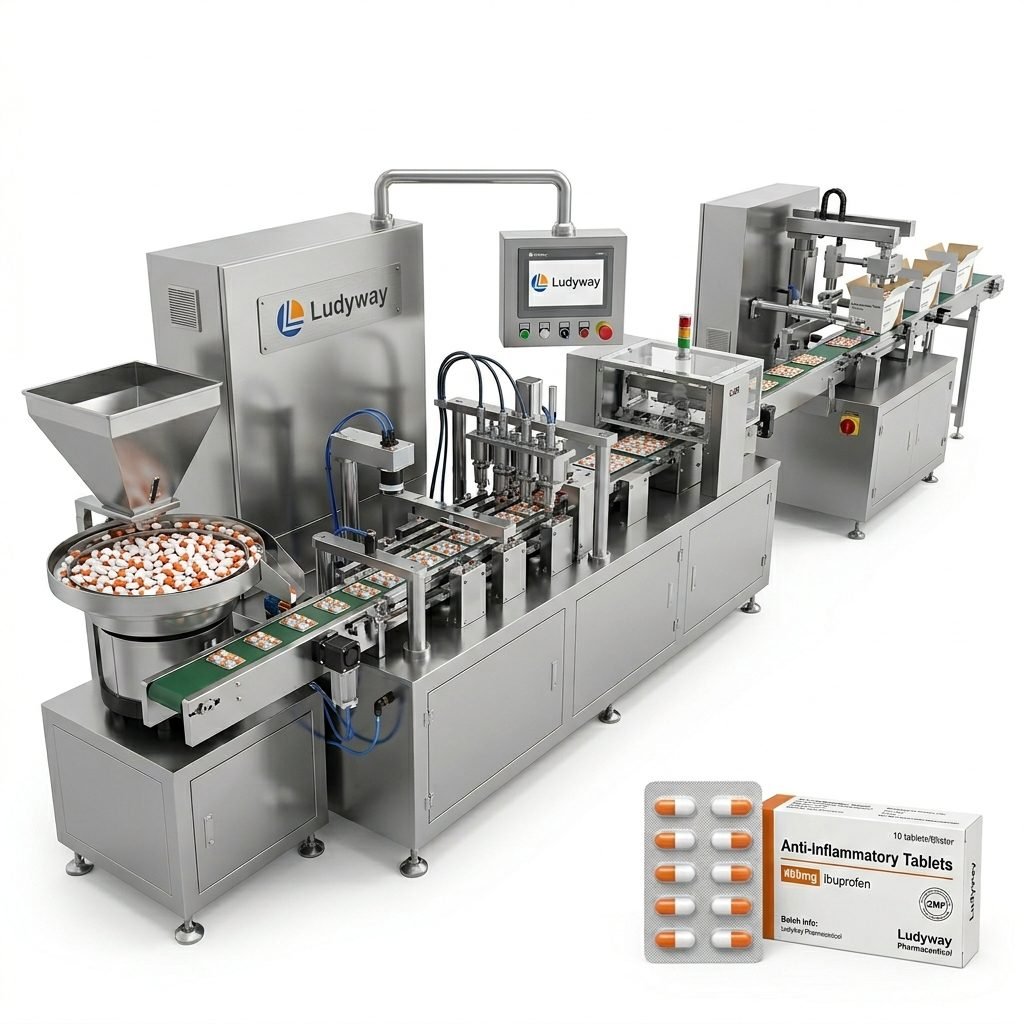
Even the most reliable blister packaging machine requires ongoing technical support. Before finalizing your purchase, evaluate the manufacturer’s global service network, spare parts inventory, and response times. For manufacturers sourcing equipment internationally, working with a supplier that maintains regional technical support teams can significantly reduce downtime risks. As one example, Ludyway Machinery serves customers in more than 100 countries and provides comprehensive after-sales support including installation, commissioning, operator training, and remote technical assistance.
Automation and Industry 4.0 Capabilities
Modern blister packaging equipment increasingly incorporates smart manufacturing features. When selecting a machine, consider the following automation capabilities:
- Vision inspection systems for real-time defect detection and rejection
- IoT-enabled monitoring with OEE dashboards and predictive maintenance alerts
- Automatic format changeover driven by servo motors and recipe management
- Integrated serialization with unique identifier printing and verification
- Data logging and audit trail functionality for regulatory compliance
- Remote diagnostics enabling manufacturer support teams to troubleshoot without on-site visits
Making the Final Selection
Choosing the right blister packaging machine ultimately requires balancing technical specifications, regulatory requirements, budget constraints, and long-term production goals. As the 2026 packaging industry outlook indicates, demand for automated blister packaging continues to grow across pharmaceutical and healthcare sectors, making equipment selection a strategic priority.
Key takeaways for buyers include thoroughly evaluating machine compatibility with your specific product and packaging materials, verifying compliance with applicable regulatory standards, assessing total cost of ownership rather than just purchase price, and ensuring the manufacturer provides adequate service and spare parts support. By following a structured evaluation process and focusing on these critical factors, manufacturers can select a blister packaging machine that delivers reliable performance, regulatory compliance, and strong return on investment throughout its operational life.