Investing in a milk packaging machine is a significant decision for any dairy processor, co-packer, or beverage manufacturer. The right equipment directly impacts production efficiency, product shelf life, and long-term operational costs. With an overwhelming range of technologies available—from simple liquid fillers to fully automated multi-lane stick pack systems—making the wrong choice can lead to costly bottlenecks. This guide walks you through the critical factors to evaluate before purchasing a milk packaging machine, helping you align equipment capabilities with your production goals.
Step 1: Understand Your Product Characteristics
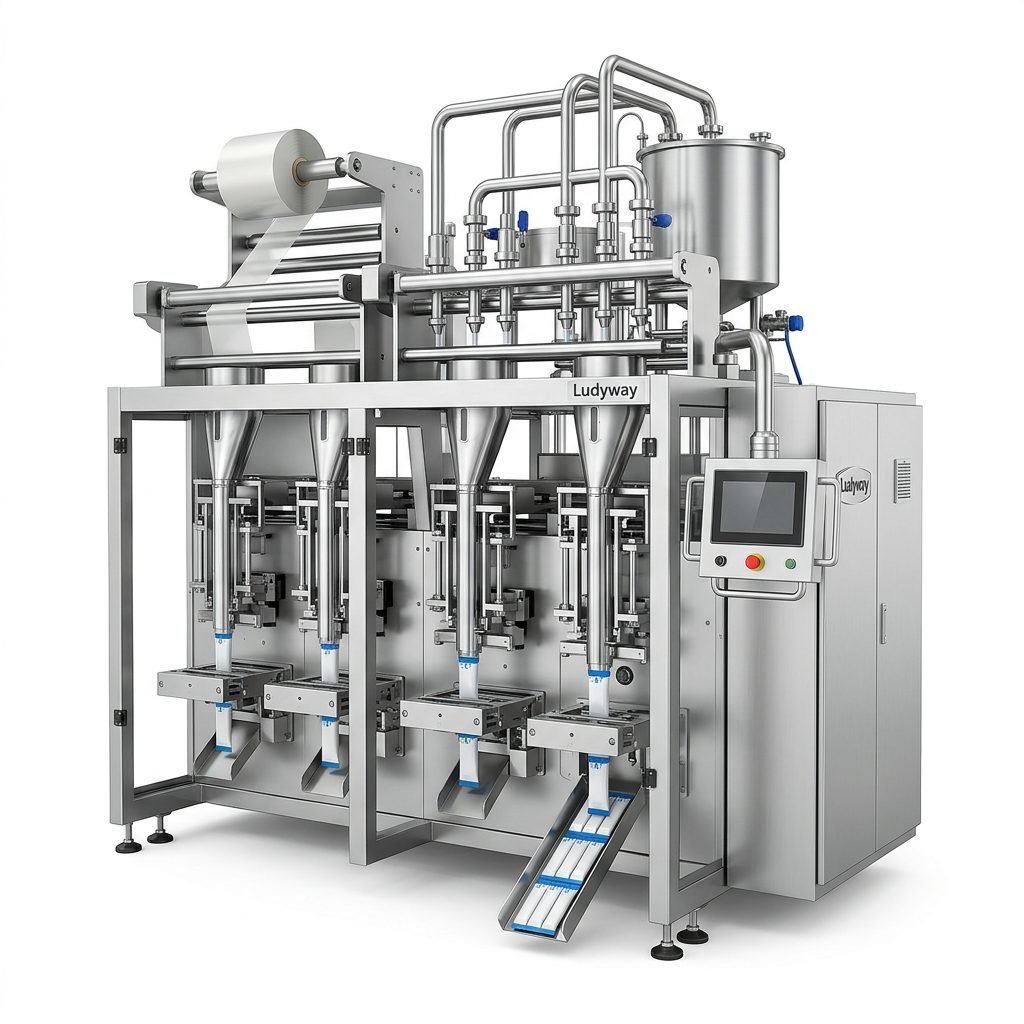
Milk is not just milk. The physical and chemical properties of your product—whether it is fresh pasteurized milk, UHT milk, flavored milk, milk powder, or condensed milk—will determine the type of filling and sealing technology you need. Liquid milk with low viscosity behaves very differently from condensed milk or milk powder in a filling system. According to PMMI packaging industry resources, matching machine specifications to product viscosity, particulate content, and foam characteristics is one of the most overlooked steps in equipment selection.
| Product Type | Key Machine Requirements |
|---|---|
| Fresh / Pasteurized Milk | Ultra-clean or aseptic filling, precise temperature control, short shelf-life handling |
| UHT / Extended Shelf-Life Milk | Aseptic packaging technology, sterile chamber design, high-integrity seals |
| Flavored Milk | Agitation systems to prevent settling, compatible dosing for particulates |
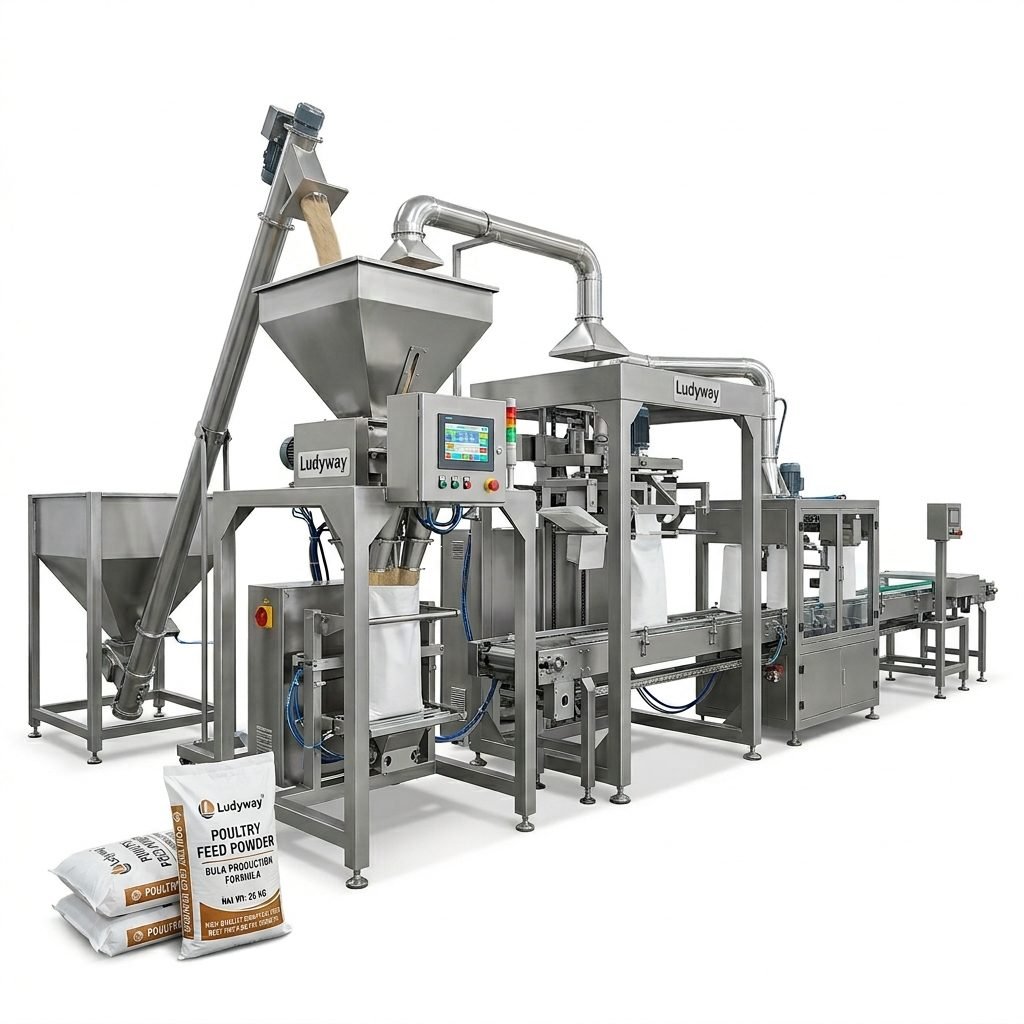
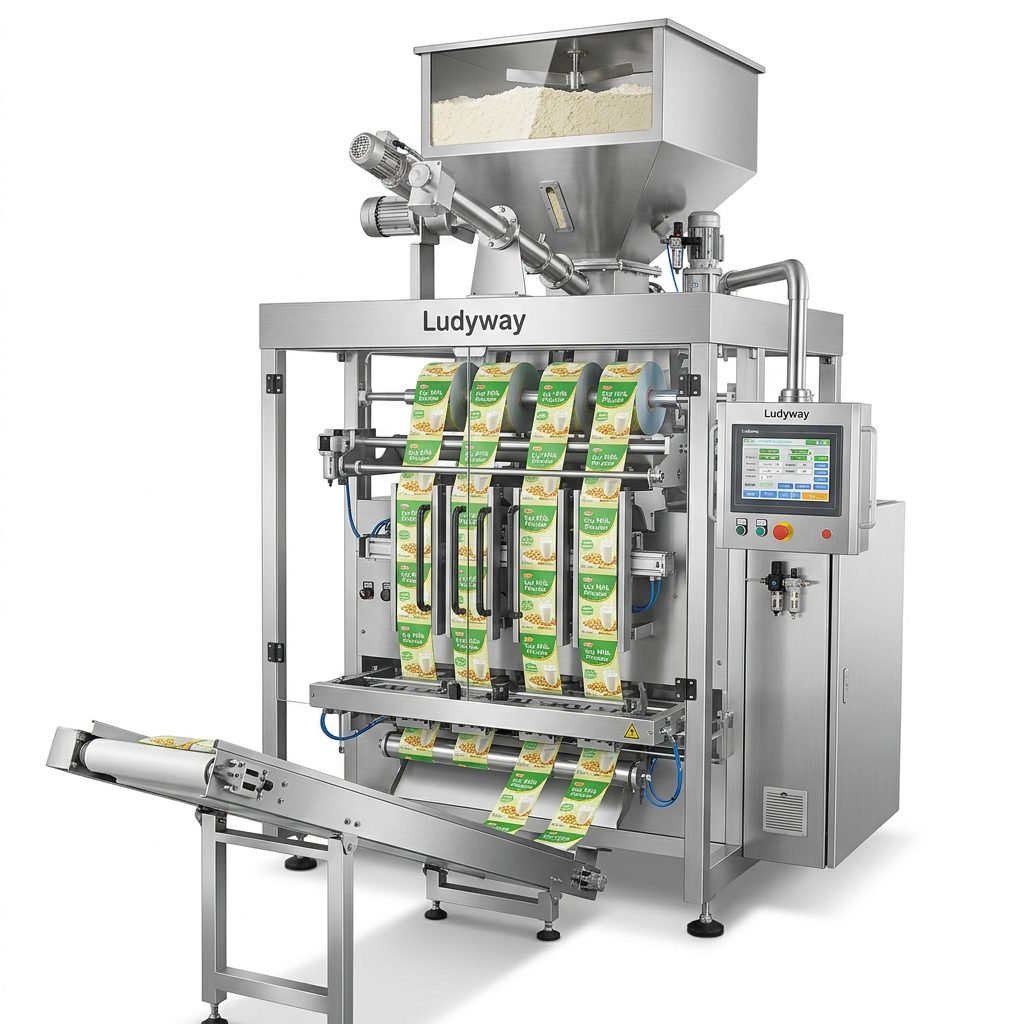
| Milk Powder | Auger or volumetric powder fillers, dust control, moisture-barrier packaging |
| Condensed / Evaporated Milk | High-viscosity piston fillers, heated hoppers, robust pump systems |
Step 2: Select the Appropriate Packaging Format
Your choice of milk packaging format affects everything from consumer convenience to production line layout. The Flexible Packaging Association highlights that flexible formats continue to gain market share in the dairy sector due to lower material costs and improved portability. Below are the most common formats for milk and dairy products:
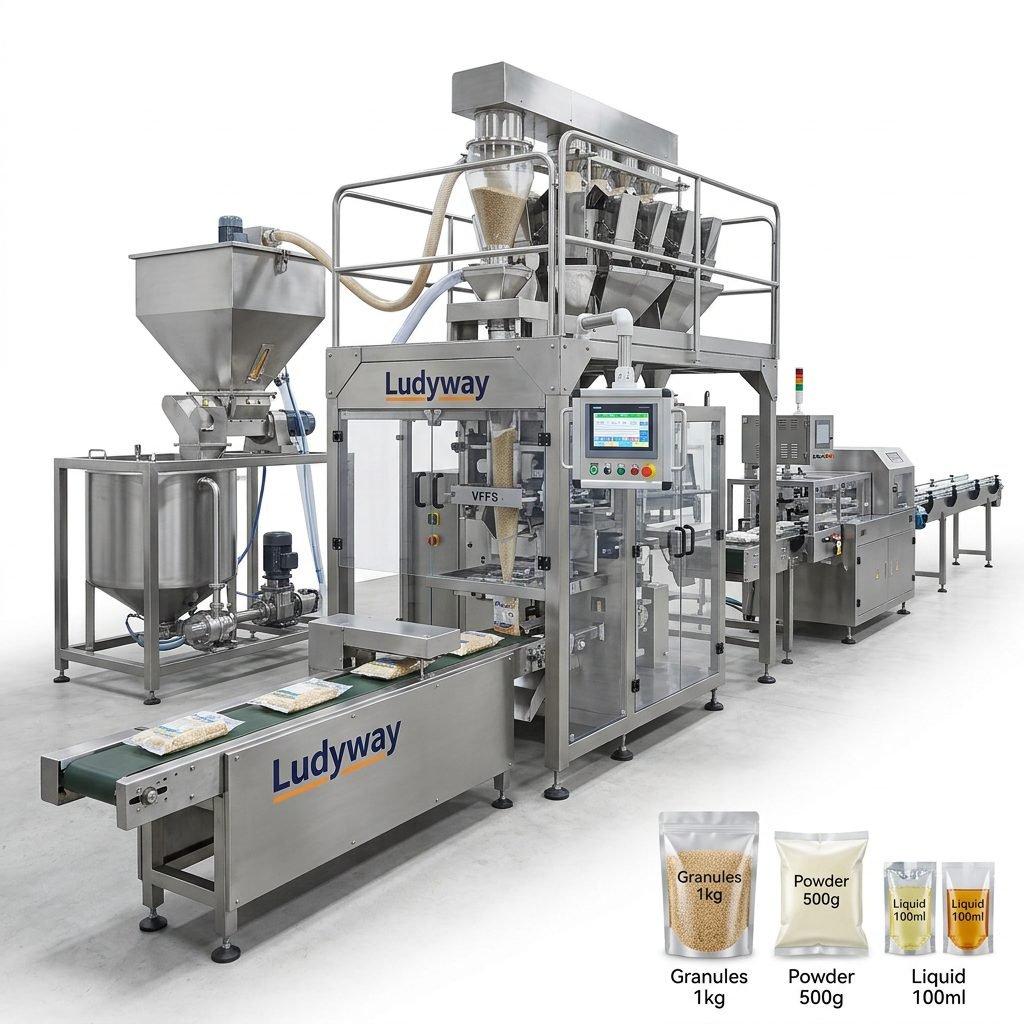
- Sachet / Pillow Pouch – Cost-effective single-serve format ideal for emerging markets and food service. Requires vertical form-fill-seal (VFFS) machines with high-speed liquid filling capability.
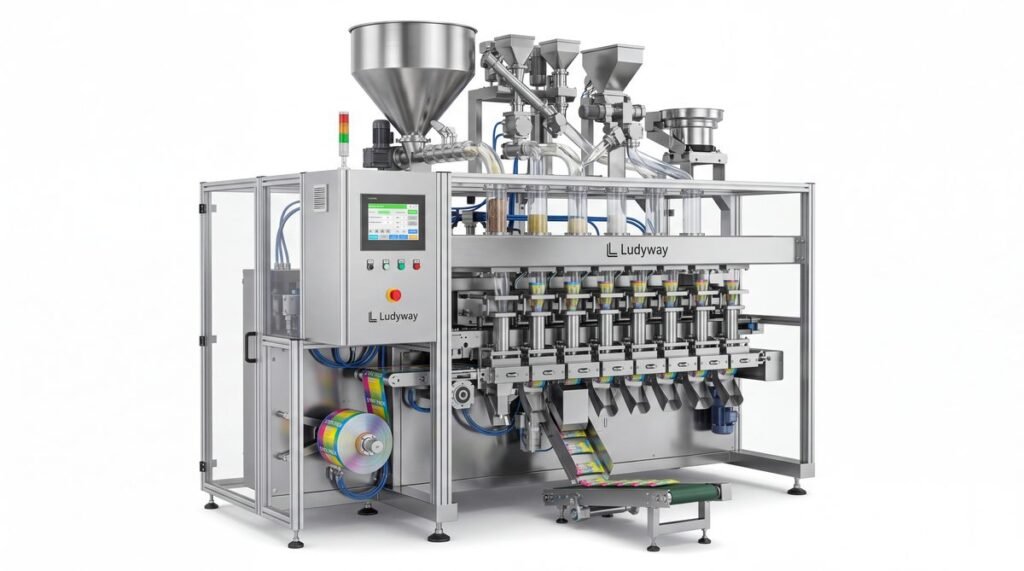
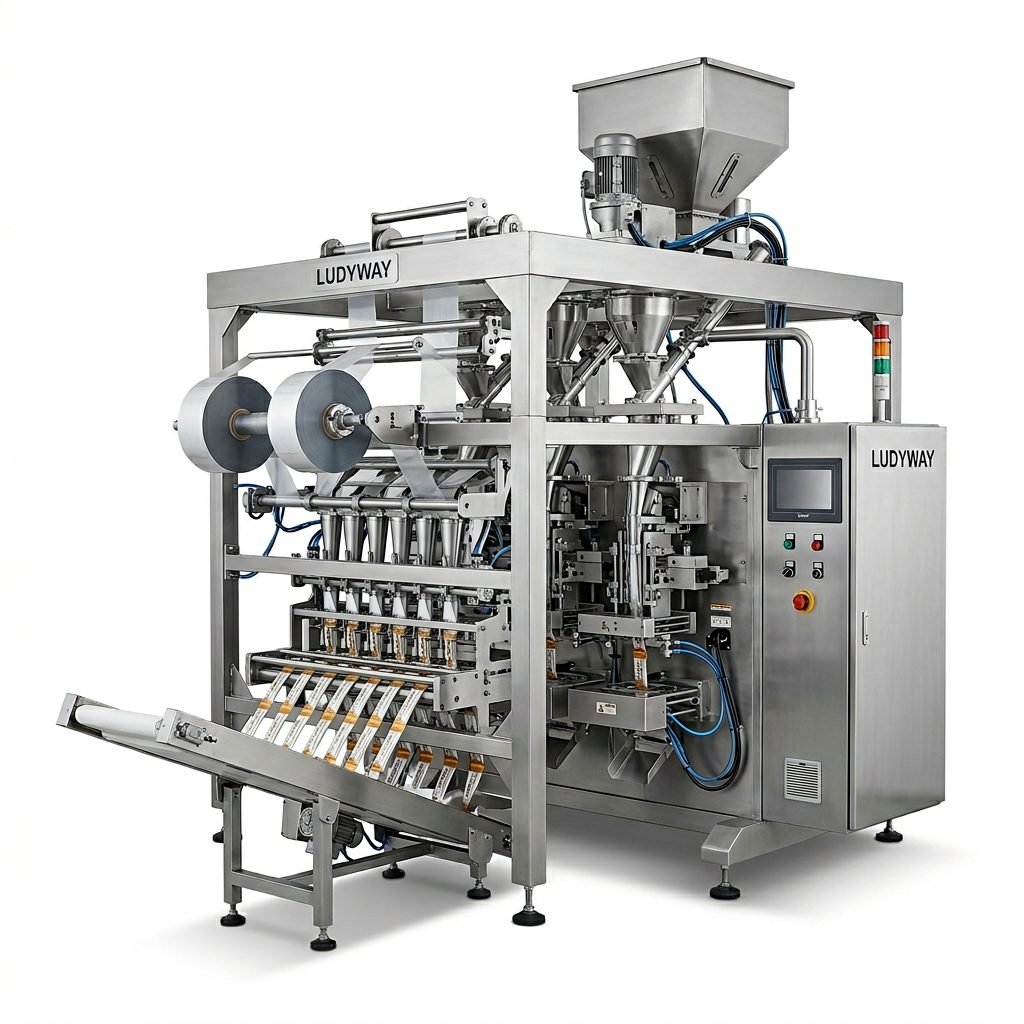
- Stick Pack – Slim, elongated single-serve packs gaining popularity for milk powder, protein shakes, and on-the-go dairy beverages. Multi-lane stick pack machines offer high throughput in a compact footprint.
- Stand-Up Pouch with Spout – Premium resealable option for liquid milk and yogurt drinks. Requires specialized spout insertion and cap application modules.
- Gable-Top Carton / Bottle – Traditional format for fresh milk, typically filled on rotary or inline filling systems designed for pre-formed containers.
Step 3: Determine Production Speed and Automation Level
Milk packaging lines range from semi-automatic machines producing 30–40 packs per minute to fully automated multi-lane systems exceeding 400–600 packs per minute. The right speed depends on your current and projected production volumes. PMMI business intelligence reports consistently show that over-investing in speed without matching upstream and downstream processes is a common pitfall. Manufacturers should also consider:
| Automation Level | Typical Configuration | Best Suited For |
|---|---|---|
| Semi-Automatic | Manual loading, single-lane filling | Start-ups, small dairy farms, limited production runs |
| Fully Automatic | Automated feeding, multi-lane filling, inline sealing | Mid-size processors, co-packers with diverse SKU requirements |
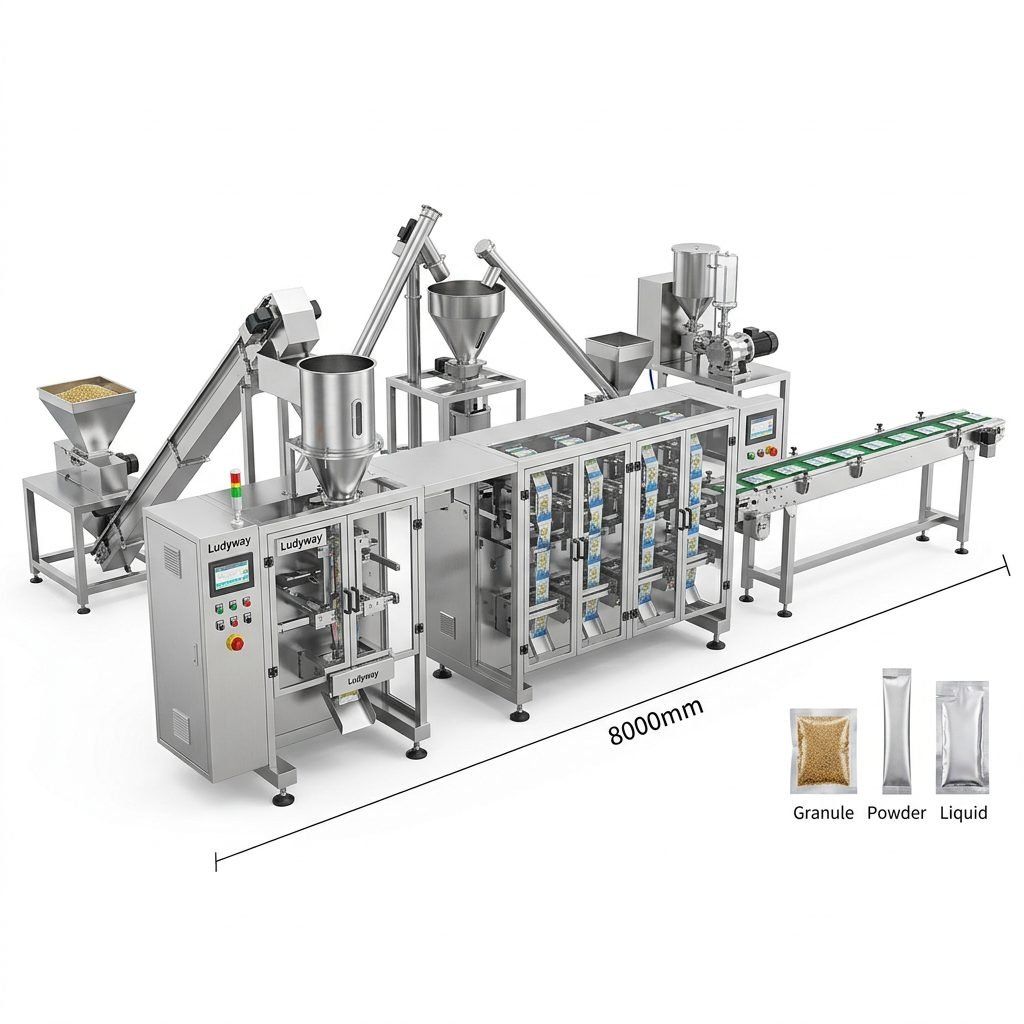
| Turnkey Packaging Line | Integrated dosing, filling, sealing, coding, cartoning, case packing | Large-scale manufacturers targeting maximum throughput and minimal labor |
Step 4: Hygiene, Material Compatibility, and Regulatory Compliance
Milk is a perishable product, and packaging machinery must meet stringent food safety standards. Look for machines constructed with 304 or 316 stainless steel product contact surfaces, CIP (Clean-in-Place) compatibility, and sealed electrical enclosures for washdown environments. Regulatory requirements vary by market—equipment destined for the U.S. should align with FDA food packaging and food contact substance guidelines, while machines for the European market should conform to relevant EU directives on food contact materials and ISO packaging standards. Verify whether the manufacturer can provide compliance documentation before committing to a purchase.
Key Hygiene Checklist
- All product-contact parts in food-grade stainless steel
- Tool-free disassembly for rapid cleaning and changeover
- Sealed bearings and motors rated for wet environments
- HACCP-compatible design with no dead zones for bacterial growth
- Validated sealing integrity for extended shelf-life applications
Step 5: Evaluate Total Cost of Ownership and Find the Right Partner
The purchase price of a milk packaging machine is only one part of the equation. Smart buyers calculate total cost of ownership (TCO), which includes spare parts, maintenance, energy consumption, film or packaging material waste, and expected machine life. A machine that costs 15% less upfront but generates 3–5% higher material waste can quickly erase initial savings over a 5-year operating period. According to PMMI’s 2025 State of the Industry report, packaging machinery purchasers increasingly prioritize long-term serviceability and supplier technical support over lowest initial bid.
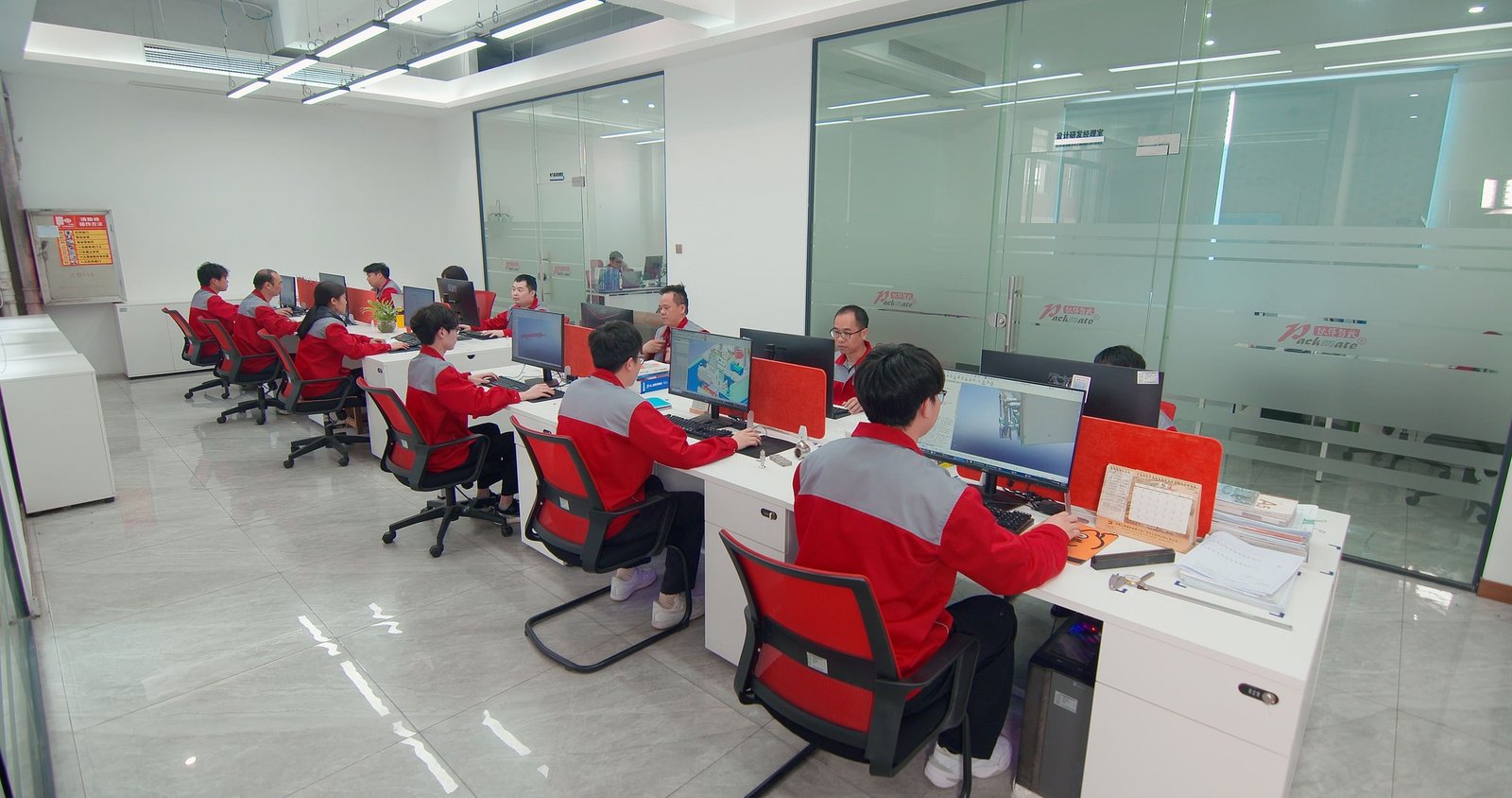
When evaluating suppliers, look for manufacturers that offer more than just equipment. A supplier with in-house engineering, customization capabilities, and global after-sales support can simplify the entire project lifecycle—from initial machine selection and factory acceptance testing to installation, training, and ongoing spare parts availability. Ludyway Machinery, a China-based packaging machinery manufacturer with over 30 years of industry experience, provides integrated and turnkey packaging solutions across powder, granule, and liquid applications—including milk and dairy products—serving customers in more than 100 countries.
For manufacturers looking to explore PACK EXPO International or similar trade events to see machinery in action, planning visits well in advance is recommended to make the most of in-person demonstrations and technical discussions.
Questions to Ask Before You Buy
- What is the machine’s rated output (packs per minute) with my specific product viscosity?
- Can the manufacturer provide a sample run using my actual product and preferred packaging material?
- What is the typical changeover time between different bag sizes or formats?
- Does the supplier maintain a local spare parts inventory or offer remote diagnostic support?
- Is the machine designed for future scalability—can additional lanes or modules be added later?
- What warranty and service-level agreements are included in the standard quotation?
Building a Future-Ready Milk Packaging Line
Choosing the right milk packaging machine means looking beyond today’s production numbers and anticipating where your business will be in 3 to 5 years. The dairy industry continues to shift toward smaller portion sizes, sustainable packaging materials, and higher automation levels to manage labor challenges and improve operational consistency. By carefully evaluating product characteristics, packaging formats, automation requirements, hygiene standards, and total cost of ownership, you can select equipment that delivers reliable performance and supports long-term growth. For additional guidance on flexible packaging trends and machinery standards, refer to the Flexible Packaging Association and PMMI – The Association for Packaging and Processing Technologies. Partnering with an experienced equipment manufacturer that understands both your product and your market will ultimately make the difference between a smooth installation and a costly learning curve.