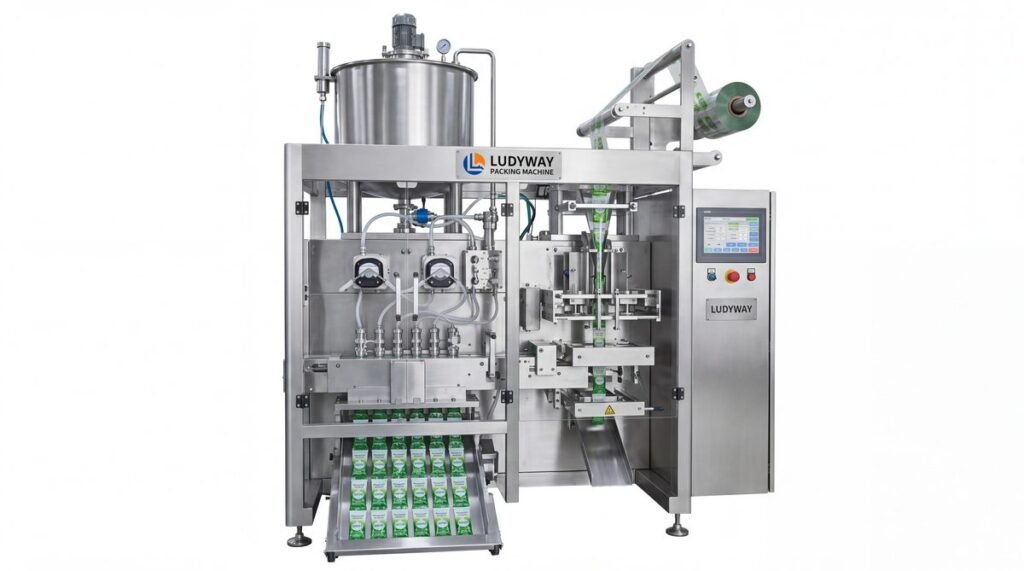
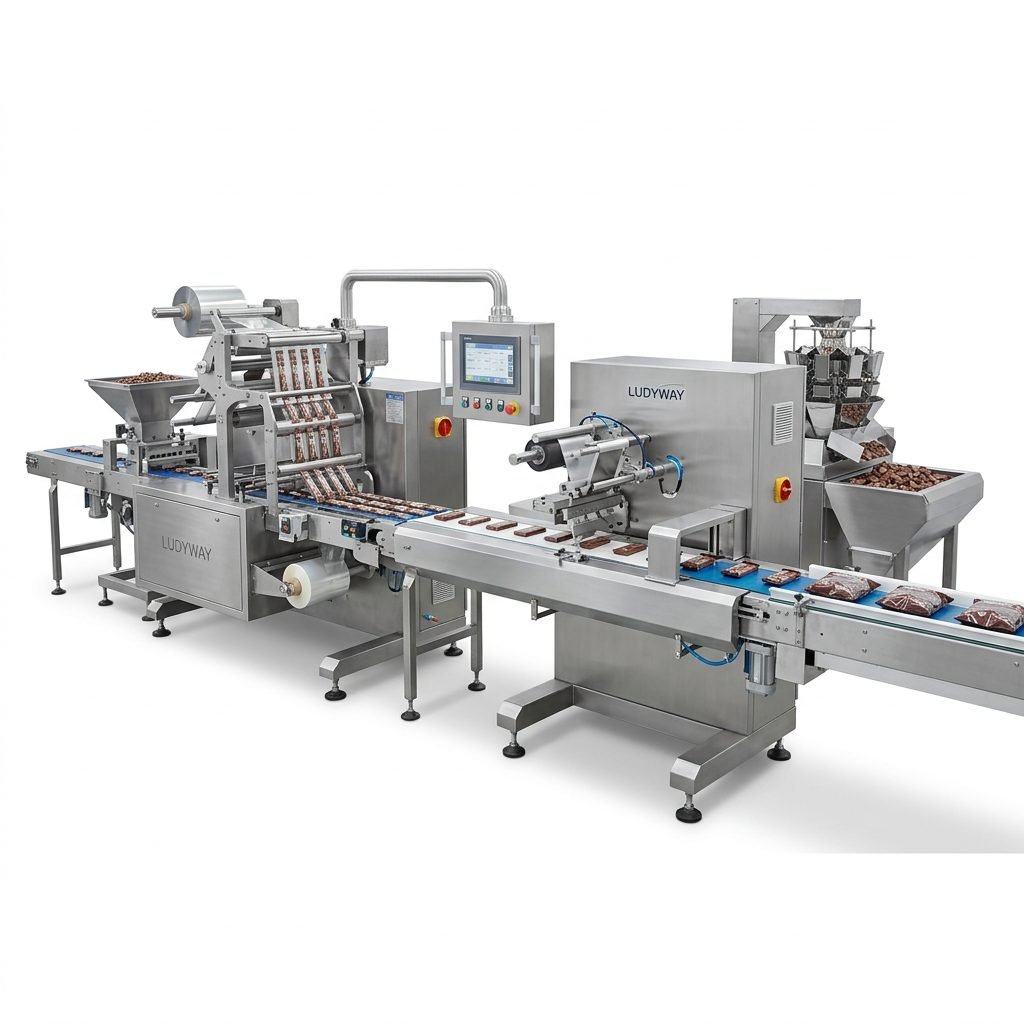
Investing in an oil bottle packing machine is a critical decision for any edible oil producer, contract packager, or food manufacturer. The right equipment directly impacts your filling accuracy, production throughput, product integrity, and long-term operational costs. With a wide range of machine types, automation levels, and technical configurations available, making an informed choice requires understanding several key factors. This guide walks you through everything you need to evaluate before purchasing an oil bottle filling and packaging system.
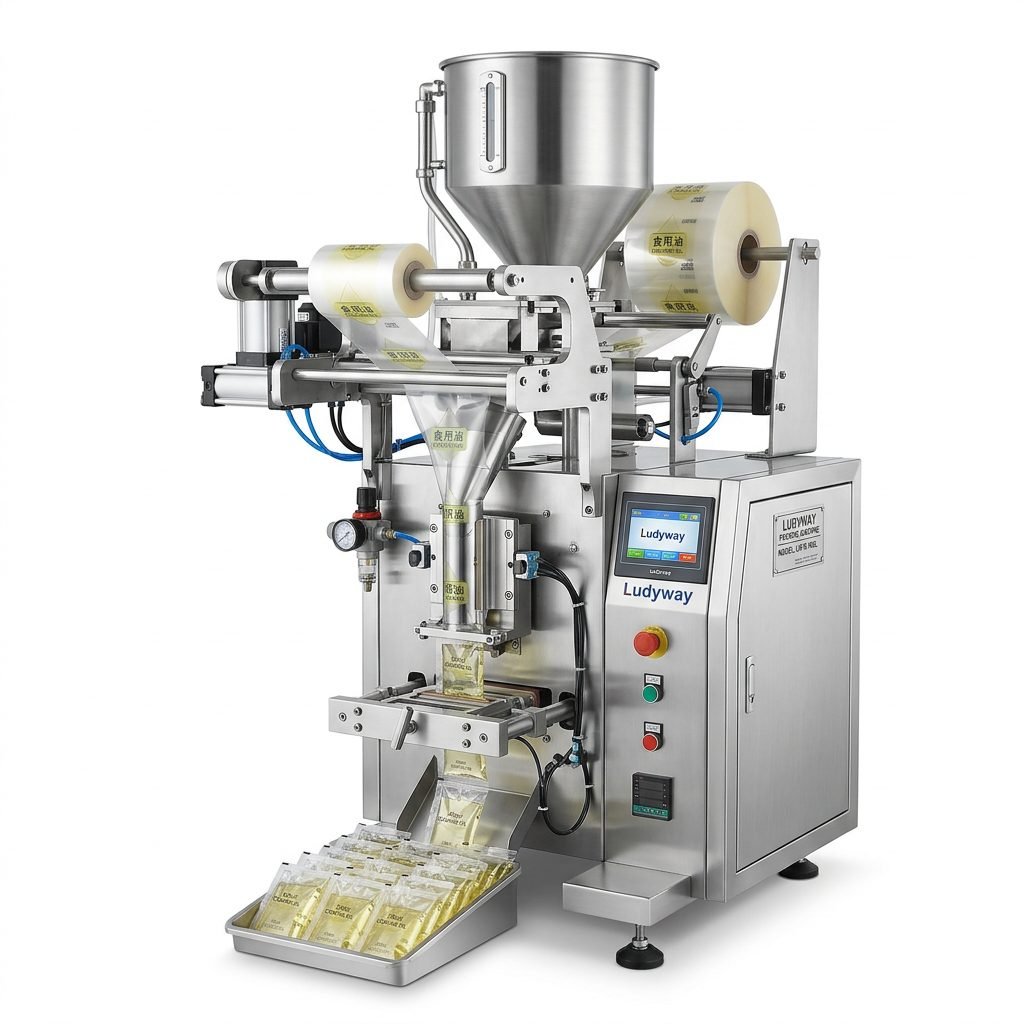
Understanding Oil Bottle Packaging Requirements
Edible oils present unique challenges for packaging machinery. Unlike water-thin liquids, many oils have higher viscosity that changes with temperature. Some oils, such as extra virgin olive oil, are sensitive to oxidation and require inert gas flushing or specialized filling nozzles. Others, like coconut oil, may solidify at room temperature and need heated filling systems. Before selecting a machine, you should clearly define:
- Oil type and viscosity range – Light oils (sunflower, soybean) flow differently than heavy oils (coconut, palm, castor oil)
- Bottle material and shape – Glass bottles, PET bottles, HDPE containers, or tinplate cans each require different handling mechanisms
- Filling volume range – Common sizes span from 100ml sample bottles to 5-liter bulk containers
- Target production speed – Small-scale operations may need 500-1,000 bottles per hour, while industrial lines can exceed 10,000 bottles per hour
- Hygiene and safety standards – Food-grade stainless steel construction, CIP (Clean-in-Place) compatibility, and FDA-compliant food contact materials are essential
Key Types of Oil Bottle Filling Machines
Different filling technologies suit different oil products and production scales. The table below compares the most common types used in the edible oil industry:
| Filling Technology | Best For | Accuracy | Speed Range | Key Advantage |
|---|---|---|---|---|
| Piston Filling | Medium to high viscosity oils | ±0.5% – ±1% | 500 – 3,000 bph | Excellent for thick oils; handles particulates well |
| Gravity Filling | Low viscosity, free-flowing oils | ±1% – ±2% | 1,000 – 6,000 bph | Simple design; lower cost; minimal maintenance |
| Flow Meter Filling | All viscosity ranges; large volumes | ±0.2% – ±0.5% | 1,500 – 12,000 bph | Highest accuracy; easy volume changeover; digital control |
| Net Weight Filling | Premium oils; large containers; bulk packing | ±0.1% – ±0.3% | 200 – 1,500 bph | Fills by weight; compensates for density variations; no drip |
| Overflow Filling | Transparent bottles; consistent visual fill level | Visual level accuracy | 800 – 4,000 bph | Uniform fill height across all bottles; ideal for clear glass |
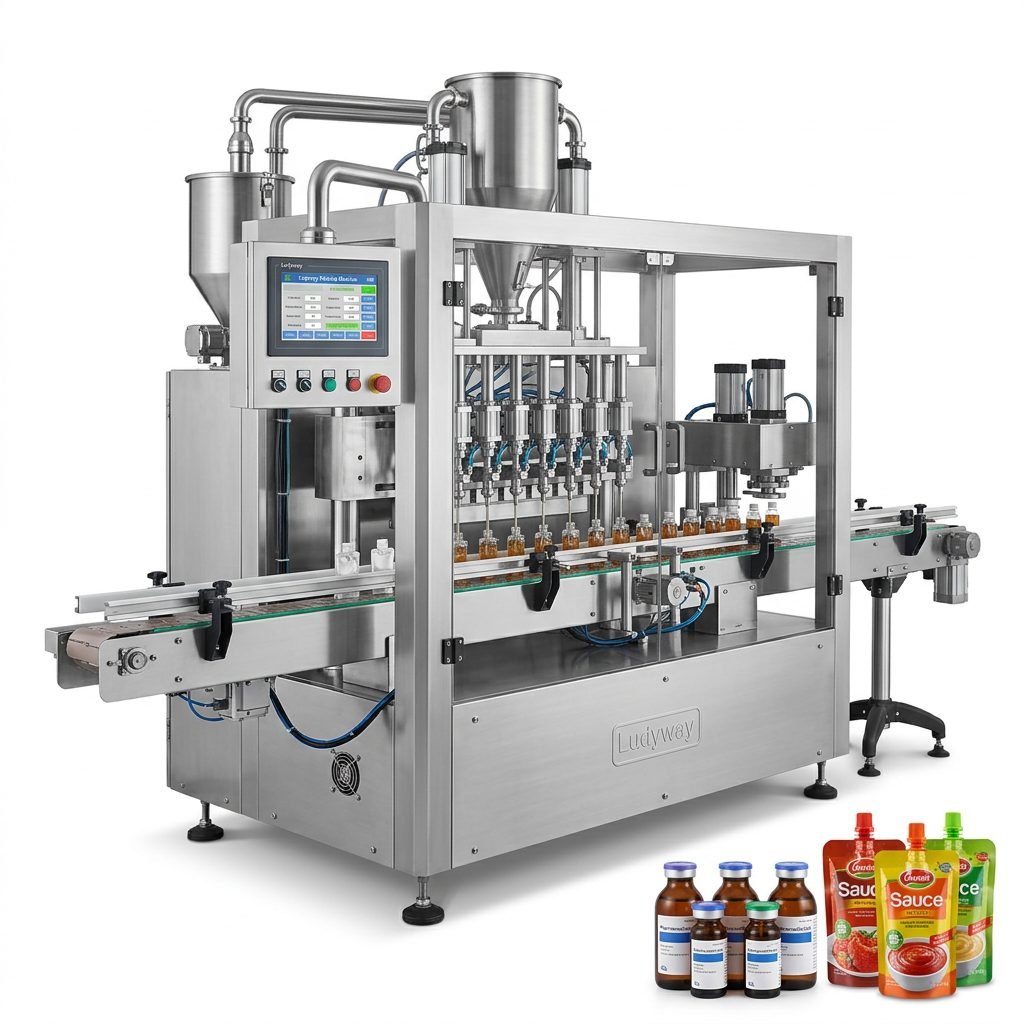
Automation Level: Manual, Semi-Automatic, or Fully Automatic
Your production volume and labor strategy will determine the right automation level. Fully automatic oil filling lines integrate bottle unscrambling, filling, capping, labeling, coding, and packing into one seamless system. Semi-automatic machines require manual bottle placement but automate the filling process. Here is what to consider:
Semi-Automatic Oil Fillers
- Suitable for startups and small-batch producers filling fewer than 2,000 bottles per day
- Lower upfront investment; typically single or dual nozzle configurations
- Operator loads bottles manually; machine controls fill volume and dispensing
- Easy to relocate and requires minimal floor space
Fully Automatic Inline Filling Systems
- Designed for medium to high-volume production; 2,000 to 20,000+ bottles per day
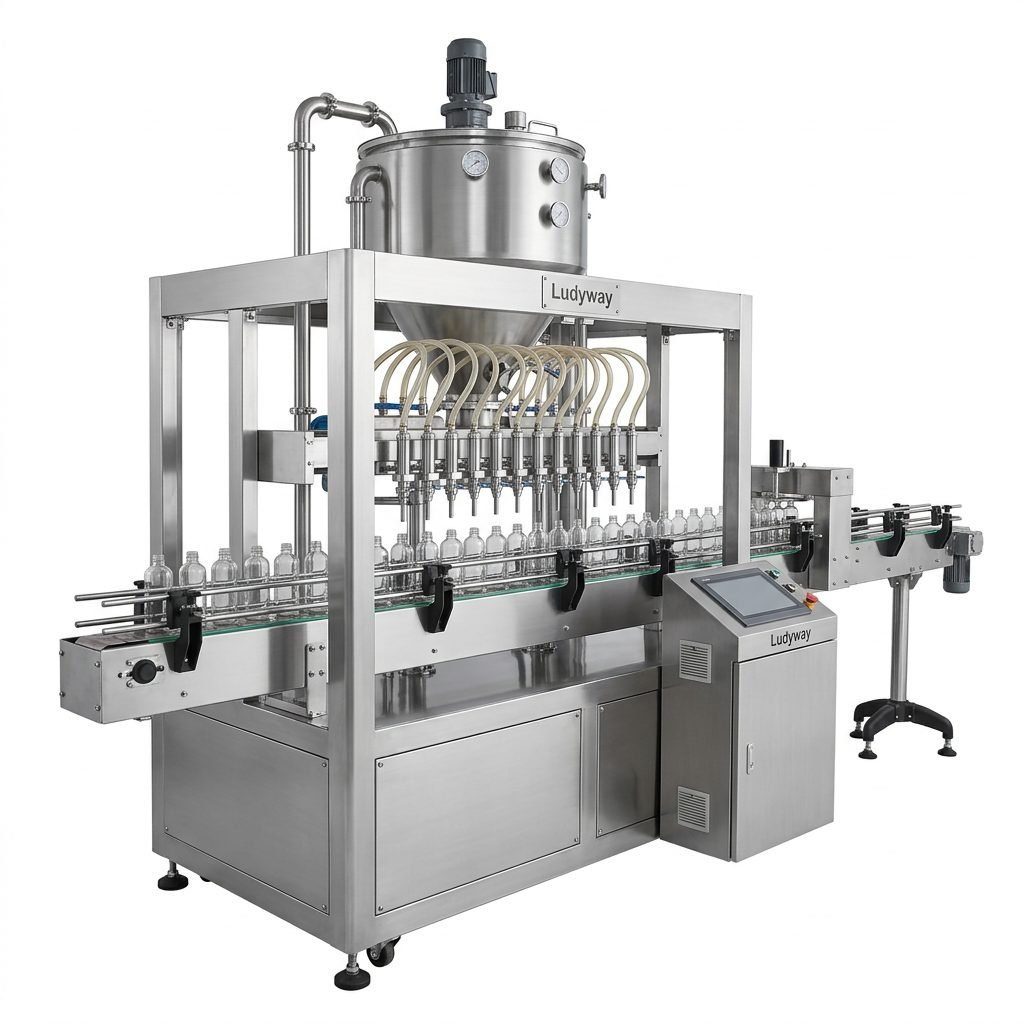
- Multi-head filling stations (4 to 24 nozzles) for increased throughput
- Integration with automatic cappers, labelers, and packaging line automation standards
- Conveyor-based system with PLC control and HMI touchscreen operation
Rotary Filling Monoblocks
- Highest speed category; 6,000 to 36,000 bottles per hour
- Combines filling, capping, and sometimes labeling in one compact rotary platform
- Ideal for standardized bottle formats in high-volume edible oil brands
- Requires significant capital investment but delivers lowest per-bottle operating cost
Critical Machine Specifications to Evaluate
When comparing different oil bottle packing machines, pay close attention to these technical specifications. They directly affect your product quality, waste rates, and long-term maintenance costs:
- Filling accuracy and repeatability – Look for machines with documented accuracy of ±0.5% or better for edible oils. Inaccurate filling leads to product giveaway (costing you money) or underfilled bottles (causing regulatory issues)
- Nozzle design and anti-drip features – Rising nozzles, suck-back systems, or drip trays prevent oil residue on bottle exteriors, which can cause labeling problems and unsightly shelf appearance
- Wetted parts material – All product contact parts must be AISI 304 or 316L stainless steel with food-grade seals (EPDM, PTFE, or Viton) suitable for oil contact
- Changeover time and flexibility – If you package multiple oil types or bottle sizes, quick-change tooling and recipe-based PLC settings can reduce downtime significantly
- Inert gas capabilities – For oxidation-sensitive oils, machines with nitrogen flushing or vacuum filling options help extend shelf life and preserve flavor
- Temperature control – Heated product hoppers and jacketed piping are necessary for oils that solidify below certain temperatures
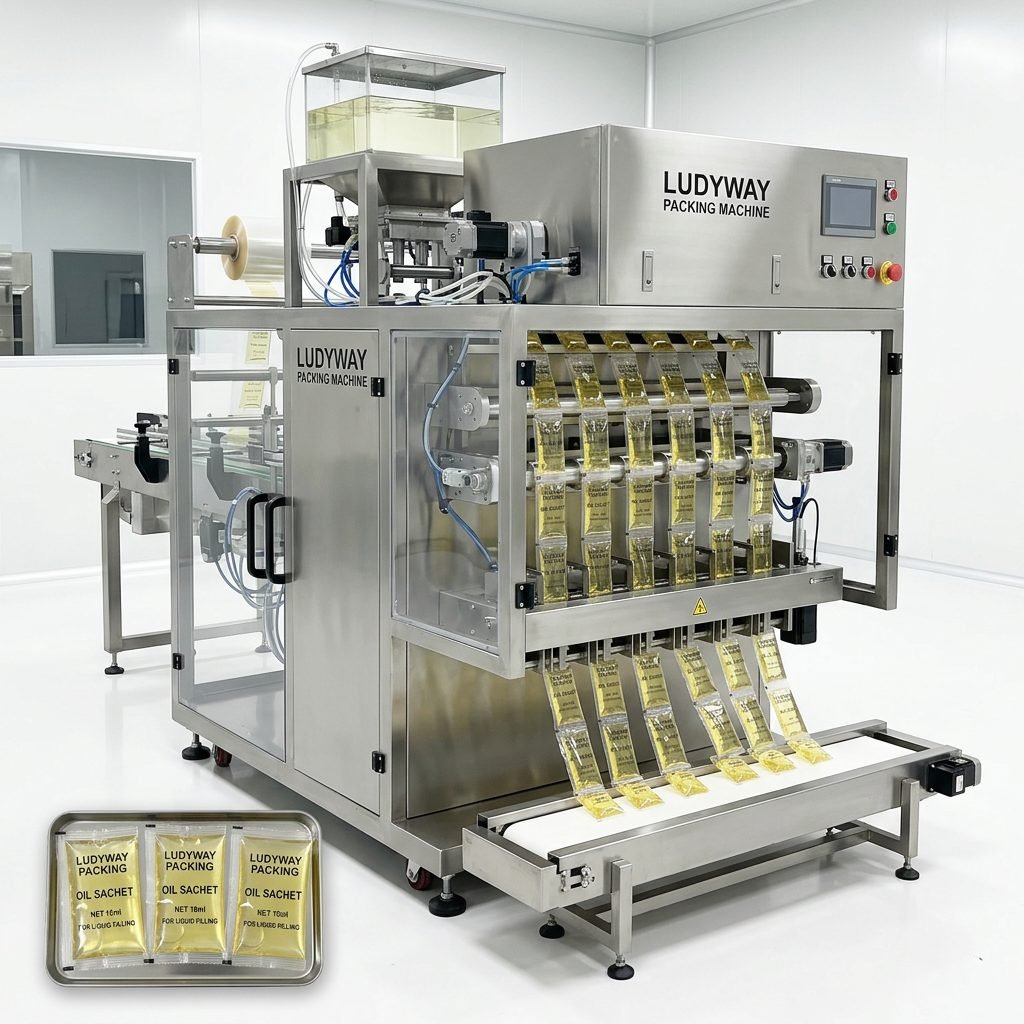
Container Handling and Compatibility
Your oil bottle packing machine must handle your specific container types without causing damage, tipping, or misalignment. Bottle stability is particularly important for taller, narrower oil bottles that have a higher center of gravity. Key container handling considerations include:
- Bottle diameter and height range – Ensure the machine’s grippers, star wheels, or conveyor guides accommodate your full bottle size range
- Bottle shape complexity – Rectangular, oval, or custom-shaped bottles may require specialized handling components compared to standard round bottles
- Cap type and application torque – Screw caps, press-on caps, flip-top closures, and pour spouts each need specific capping heads. Consistent packaging quality standards require precise torque control
- Labeling requirements – Wrap-around labels, front-and-back labels, or sleeve labels may influence machine layout and integration decisions
Regulatory Compliance and Food Safety
Edible oil packaging is subject to stringent food safety regulations in most markets. Your packaging equipment should support compliance with relevant standards. Key regulatory aspects include:
- Food contact material compliance – All wetted parts must meet FDA food contact substance regulations or equivalent EU framework regulation (EC) No 1935/2004
- Clean-in-Place (CIP) capability – For operations running multiple oil types, CIP systems allow thorough cleaning without disassembly, reducing cross-contamination risks
- Traceability and coding – Integration with batch coding, date printing, and serialization systems supports product traceability from production to point of sale
- ISO and GMP standards – Machines designed to meet ISO packaging standards and GMP guidelines provide documented quality assurance
Budget Planning and ROI Considerations
The total cost of ownership for an oil bottle packing machine extends beyond the purchase price. When evaluating your budget, factor in these cost elements:
- Initial equipment cost – Semi-automatic fillers start at lower price points, while fully automatic rotary lines represent significantly higher capital investment
- Installation and commissioning – Includes factory acceptance testing, shipping, on-site setup, and operator training
- Spare parts inventory – Maintaining critical spare parts on hand minimizes costly production downtime
- Energy consumption – Pneumatic versus electric actuators, motor efficiency, and heating requirements affect ongoing utility costs
- Maintenance contracts – Preventive maintenance agreements can extend machine life and ensure consistent performance
- Product savings from accuracy – A machine with ±0.3% accuracy versus ±1.5% can save thousands of liters of oil annually in high-volume operations, often justifying a higher initial investment within the first year
Integration with Existing Production Lines
Your new oil bottle packing machine should integrate smoothly with upstream and downstream equipment. A well-integrated line reduces manual handling, minimizes bottlenecks, and improves overall equipment effectiveness (OEE). Consider:
- Upstream integration – Connection to bottle unscramblers, air rinsers, or sterilizing tunnels ensures clean bottles enter the filling station
- Downstream integration – Automatic cappers, labelers, checkweighers, induction sealers, cartoners, case packers, and palletizers can all be synchronized for continuous flow
- Factory layout constraints – The machine’s footprint, service access clearances, and conveyor height must fit your available floor space and existing line configuration
- Control system compatibility – PLC protocols should communicate with your plant’s SCADA or MES systems for production monitoring and data collection
Selecting the Right Packaging Machinery Partner
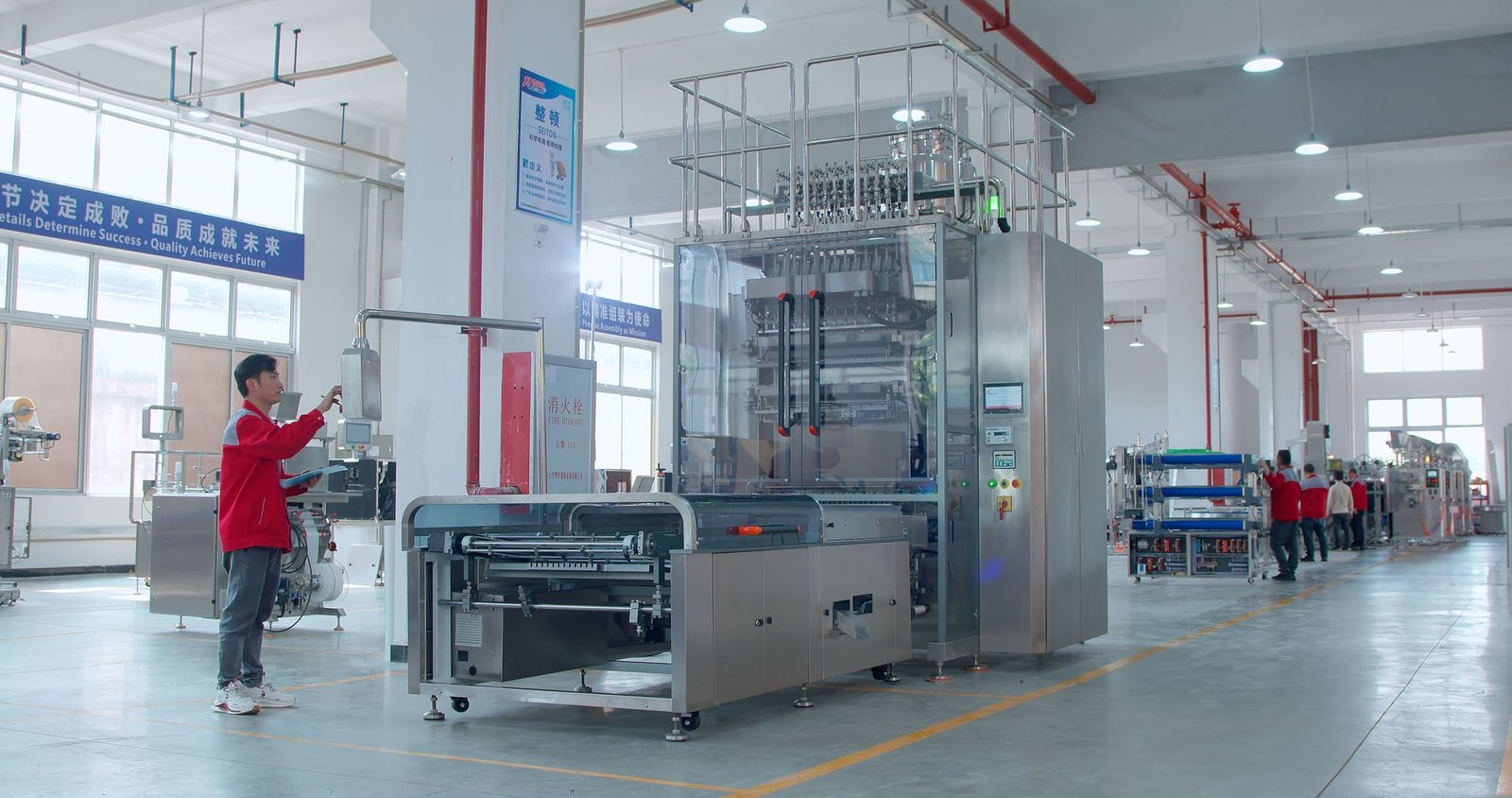
Choosing a reliable equipment manufacturer is as important as selecting the right machine specifications. Look for a supplier with proven experience in edible oil packaging, documented machine performance in similar applications, and comprehensive after-sales support. Ludyway Machinery, a China-based packaging machinery manufacturer with more than 30 years of industry experience and a 20,000-square-meter manufacturing facility, provides customized oil packaging solutions and integrated production lines for manufacturers worldwide. When evaluating any supplier, consider their track record with similar oil products, availability of spare parts in your region, technical support responsiveness, and willingness to provide customer references.
Key Questions to Ask Before Purchasing
Before finalizing your oil bottle packing machine purchase, ask potential suppliers these critical questions to ensure the equipment meets your operational needs:
- Can the machine handle my specific oil viscosity at my production temperature range? Request video demonstrations or factory acceptance tests with your actual product
- What is the documented filling accuracy, and how is it maintained over time? Ask for accuracy data from existing installations running similar oil products
- How long does a complete bottle size changeover take, and what tools are required? For multi-product lines, quick changeover capability directly impacts production flexibility
- What are the recommended spare parts, and where are they sourced? Confirm lead times for critical components and availability of local support
- What training, documentation, and after-sales support are included? Comprehensive operator training and technical documentation reduce startup challenges
- Is the machine expandable for future capacity increases? Modular designs allow adding filling heads or upgrading automation as your business grows
- What are the total utility requirements? Confirm electrical load, compressed air consumption, and any water or nitrogen requirements for your facility
Future-Proofing Your Investment
The edible oil market continues to evolve with new packaging formats, sustainability requirements, and changing consumer preferences. When selecting your oil bottle packing machine, consider future needs:
- Sustainability trends – Machines capable of handling recycled PET (rPET) bottles, lightweight containers, or refillable packaging formats position you for evolving environmental regulations
- Digital connectivity – Industry 4.0-ready machines with remote diagnostics, predictive maintenance alerts, and production analytics provide operational visibility and reduce unplanned downtime
- Packaging format flexibility – Equipment that can accommodate multiple bottle sizes, cap types, and label formats allows you to respond to market opportunities without additional capital investment
- Scalability – Machines with modular architectures can be upgraded with additional filling stations or automation modules as production volumes increase
For further guidance on packaging machinery selection, industry trends, and regulatory requirements, explore resources from PMMI – The Association for Packaging and Processing Technologies, the Flexible Packaging Association, and relevant ISO packaging standards. Selecting the right oil bottle packing machine is a strategic decision that affects your product quality, operational efficiency, and brand reputation for years to come. Take time to thoroughly evaluate your options, test equipment with your actual products, and partner with a manufacturer who understands your specific packaging requirements.