
1. Fundamental Evaluation Criteria for Packaging Automation
Selecting the correct packaging machinery requires an in-depth engineering assessment that spans raw material behavior, packaging film thermodynamics, operational throughput requirements, and regulatory sanitation standards. A mismatch between physical product rheology and the dosing feeder mechanism can lead to costly material giveaway, seal contamination, and unexpected production downtime.
Product Physical State & Rheology
Whether you package fine powders (such as micronized pharmaceuticals or collagen), free-flowing granules (coffee beans, seeds), high-viscosity pastes, or liquids determines the feeding system. Servo-driven auger screws, volumetric cups, multi-head weighers, or positive displacement piston pumps must be calibrated strictly to bulk density and viscosity.
Packaging Format & Film Compatibility
Package geometry defines consumer convenience and barrier preservation. Choose between multi-lane stick packs, 4-side sealed sachets, preformed pouches, or pillow bags. Machine sealing jaws must accommodate multi-layer barrier laminates (PET/AL/PE, Kraft paper, recyclable mono-PE, or water-soluble films) with precise PID heat or ultrasonic sealing.
Throughput & Multi-Lane Scalability
Calculate your target PPM (Packs Per Minute) versus single-lane versus multi-lane architectures. A high-speed 4-to-12 lane packaging system can deliver 200–600+ bags per minute on a compact footprint, dramatically lowering cost-per-unit while maintaining tight dynamic weight tolerances across all channels.
2. Packaging Machine Types: Technical Comparison Matrix
Understanding the mechanical distinctions between packaging equipment classes prevents over-engineering or under-performing line installations. Below is a direct comparison of industry-standard automation platforms engineered by Ludyway.
| Machine Architecture | Target Applications | Dosing / Feeding Tech | Output Speed (PPM) | Primary Advantages |
|---|---|---|---|---|
| Multi-Lane Stick Pack Machine | Coffee, Collagen, Sugar, Electrolytes, Nicotine | Multi-channel Auger / Micro-piston | 150 – 600+ PPM | High Throughput Compact footprint, minimal film consumption per portion |
| Multi-Lane Sachet Machine | Seasonings, Medical Powders, Sauces, Creams | Servo Auger / Volumetric Cup / Peristaltic | 120 – 500 PPM | Hermetic Sealing 4-side seal barrier integrity, optimal for retail branding |
| Rotary Premade Pouch Machine | Pet Food, Granola, Detergent Pods, Confectionery | Multi-Head Weigher / Liquid Piston | 30 – 90 PPM | Premium Aesthetics Zipper opening, stand-up Doypack support, quick changeover |
| VFFS Vertical Form Fill Seal | Bulk Snacks, Frozen Foods, Seeds, Bulk Chemicals | Combination Multi-Head / Linear Weigher | 40 – 140 PPM | Heavy Duty High weight range flexibility (100g to 5kg+), cost-effective |
| Automated Bottle / Vial Filling Line | Serums, Cough Syrups, Essences, Capsules | Rotary Flow Meter / Multi-Nozzle Diving Nozzle | 40 – 200 BPM | Sterile & Capped Integrated sorting, nitrogen purging, induction sealing, capping |
3. Recommended High-Performance Packaging Machinery
Engineered with robust 304/316 stainless steel, Siemens/Omron PLC automation, and high-accuracy servo drives, explore 8 representative machines tailored for granules, powders, liquids, and multi-lane sachet formats.
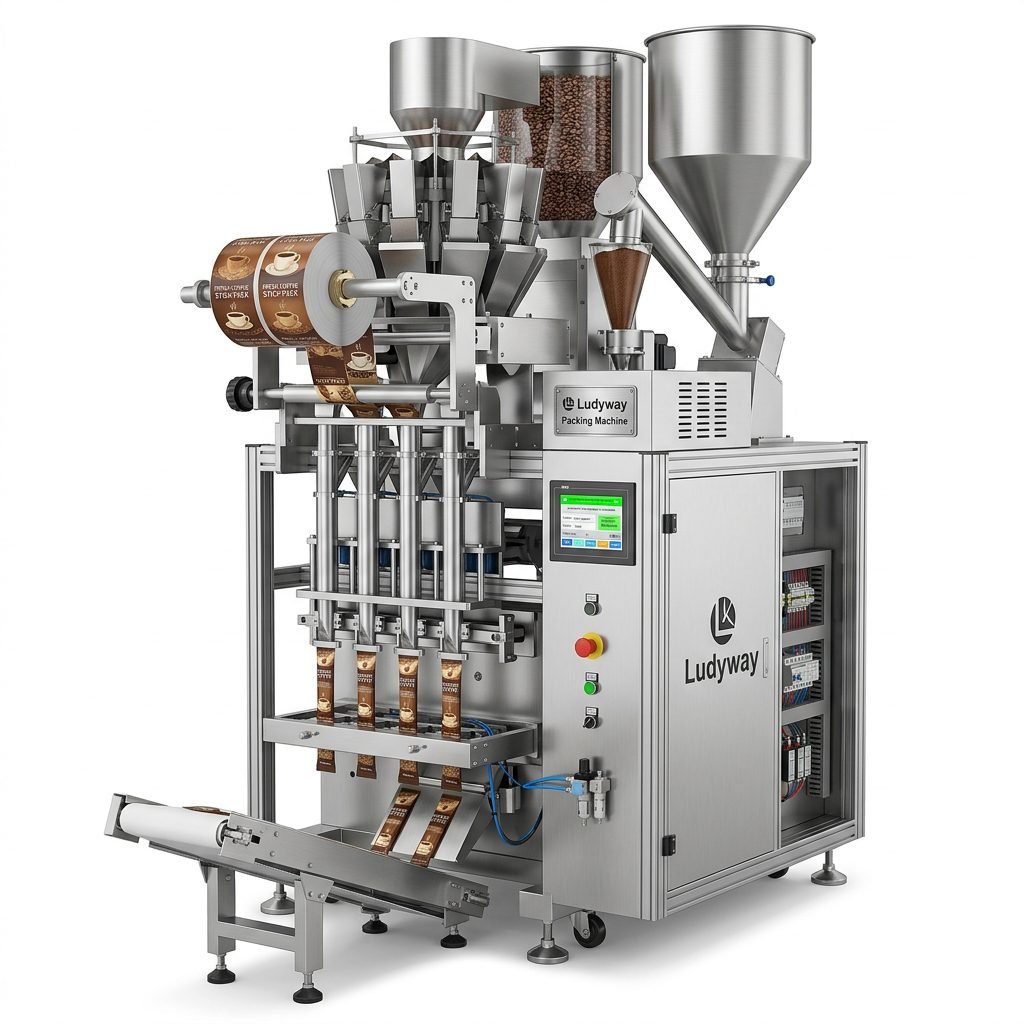
Automatic Multi-Lane Coffee Bean Packaging Machine for Granule and Powder
View Specifications →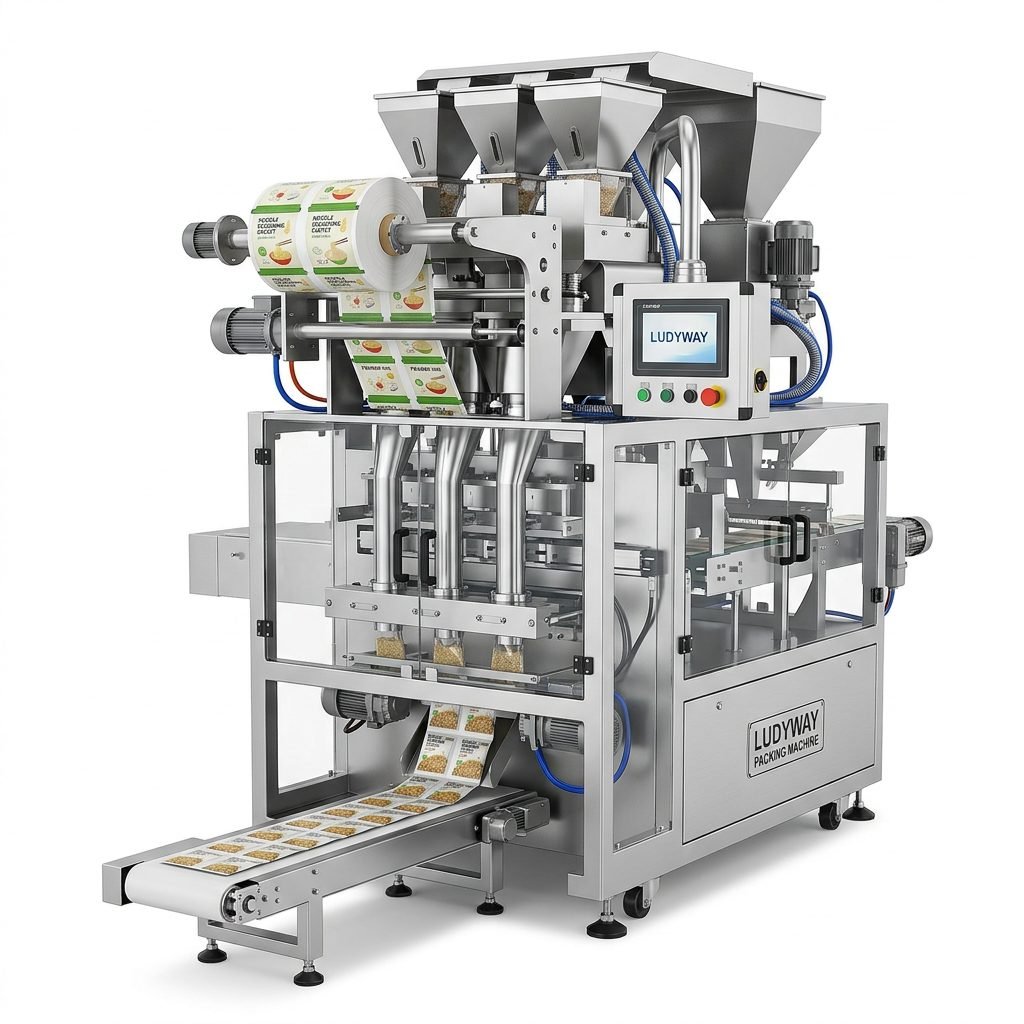
Instant Noodle Seasoning Sachet Packaging Machine Multi-Lane Filling
View Specifications →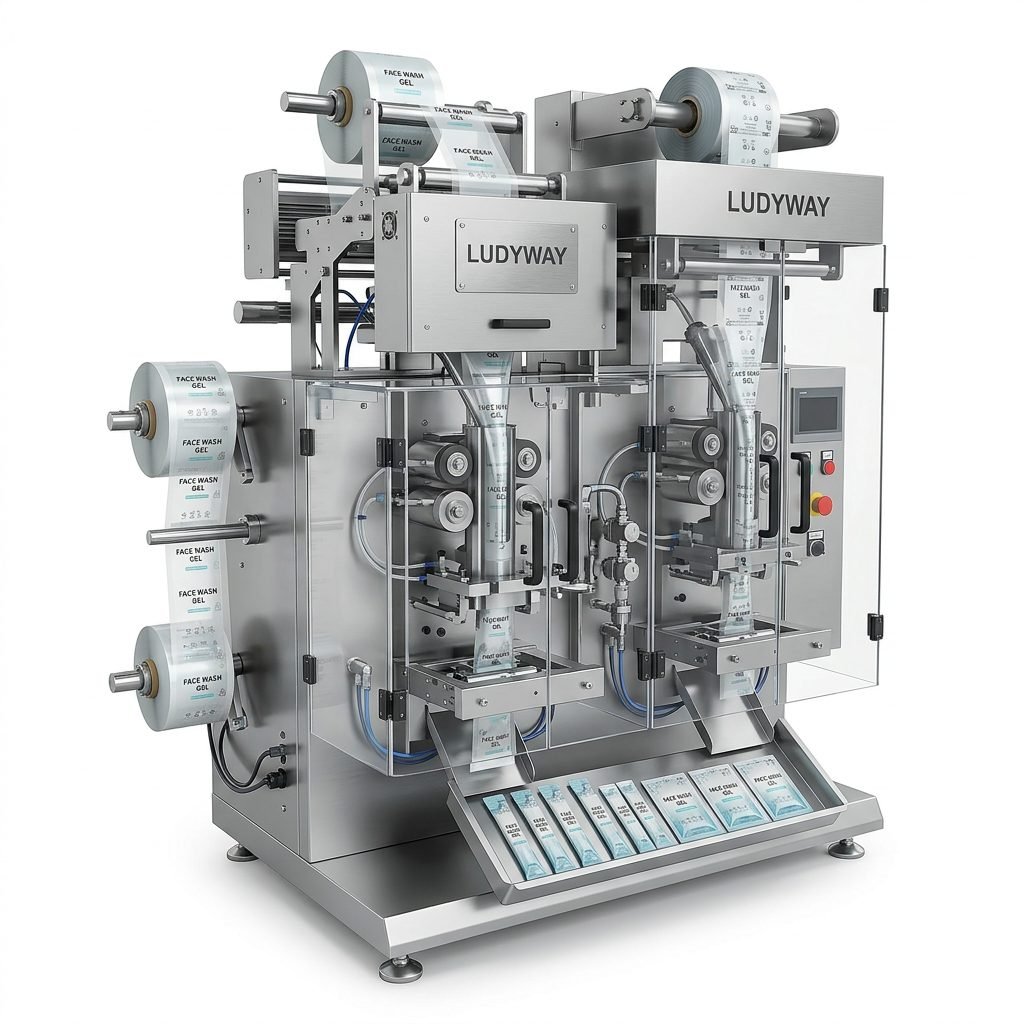
Automatic Face Wash Sachet & Stick Pack Filling Machine for Liquids
View Specifications →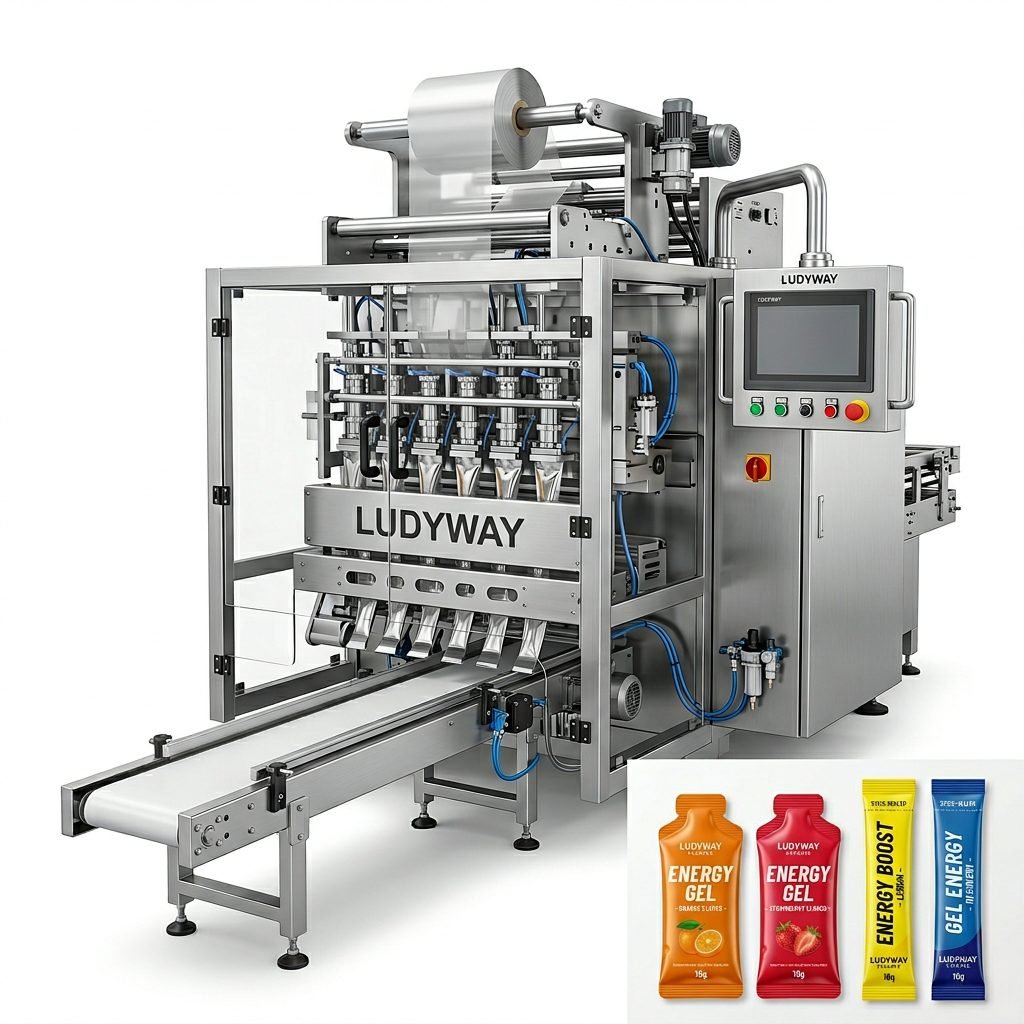
High-Speed Multi-Lane Energy Gel Sachet & Stick Pack Packaging Machine
View Specifications →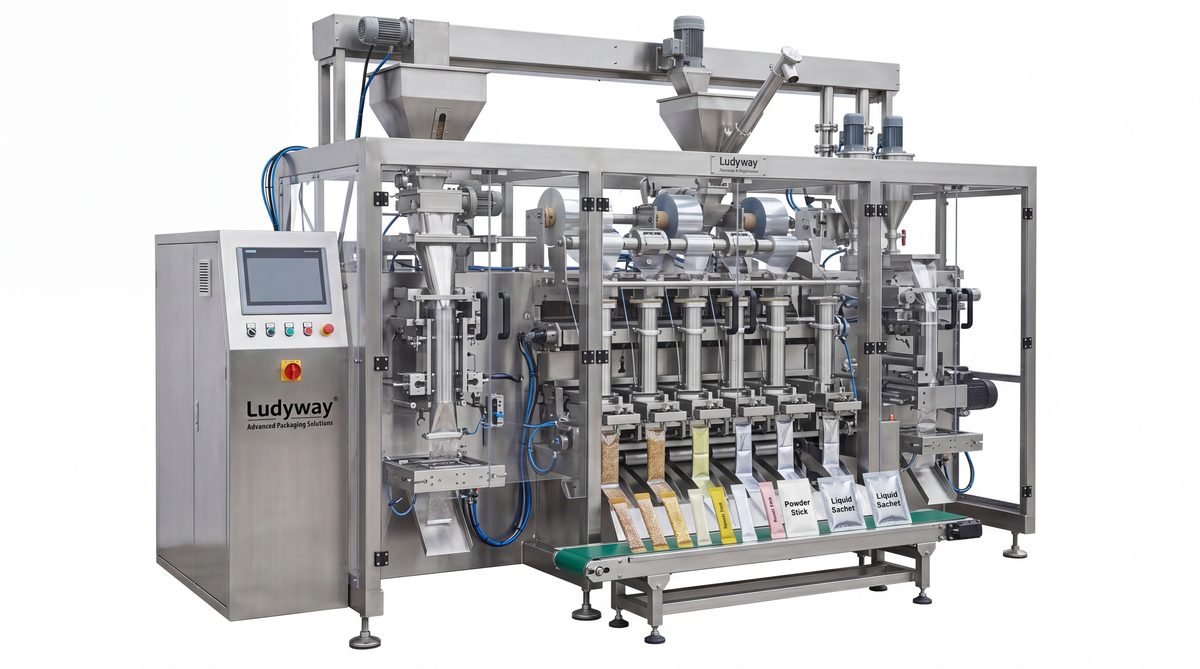
Multi-Lane Stick Pack & Sachet Machine for Granule, Powder, Liquid
View Specifications →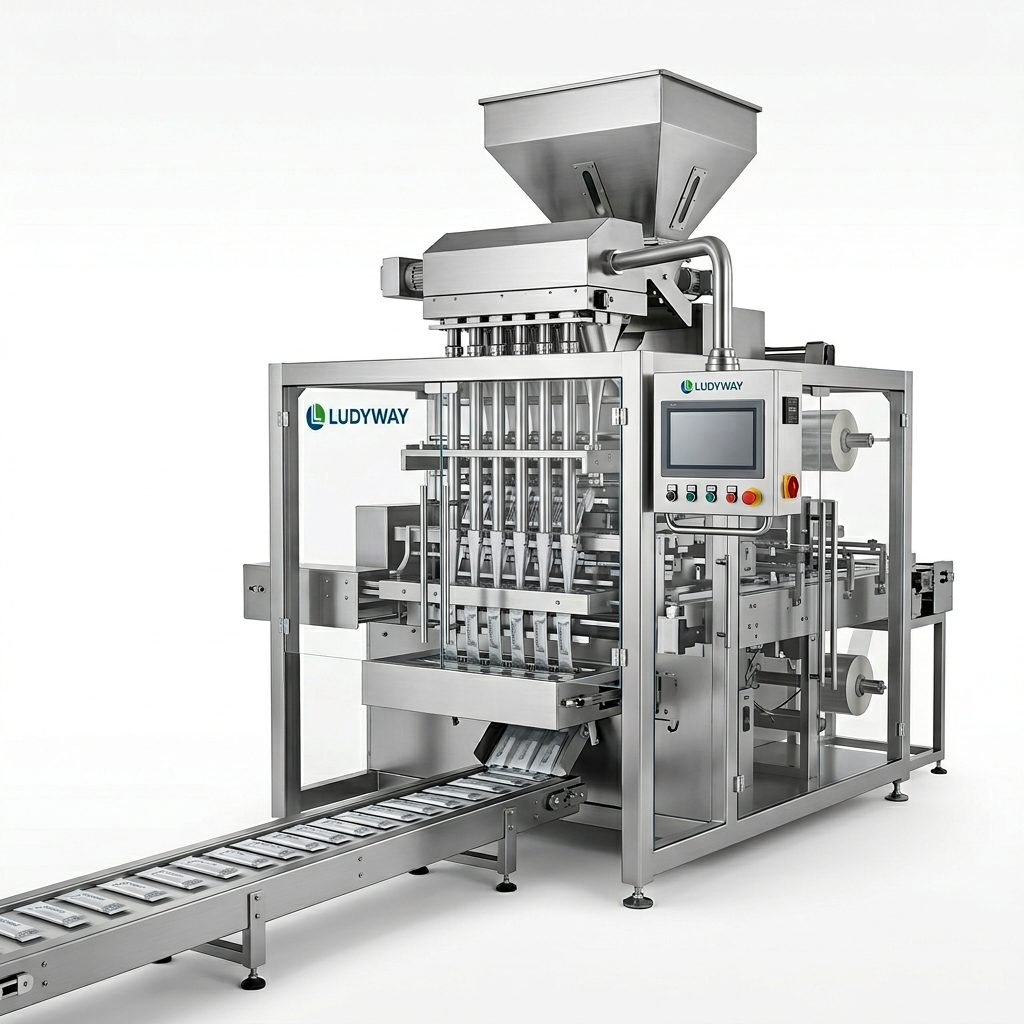
High-Speed Multi-Lane Powder Packaging System for Food and Pharma
View Specifications →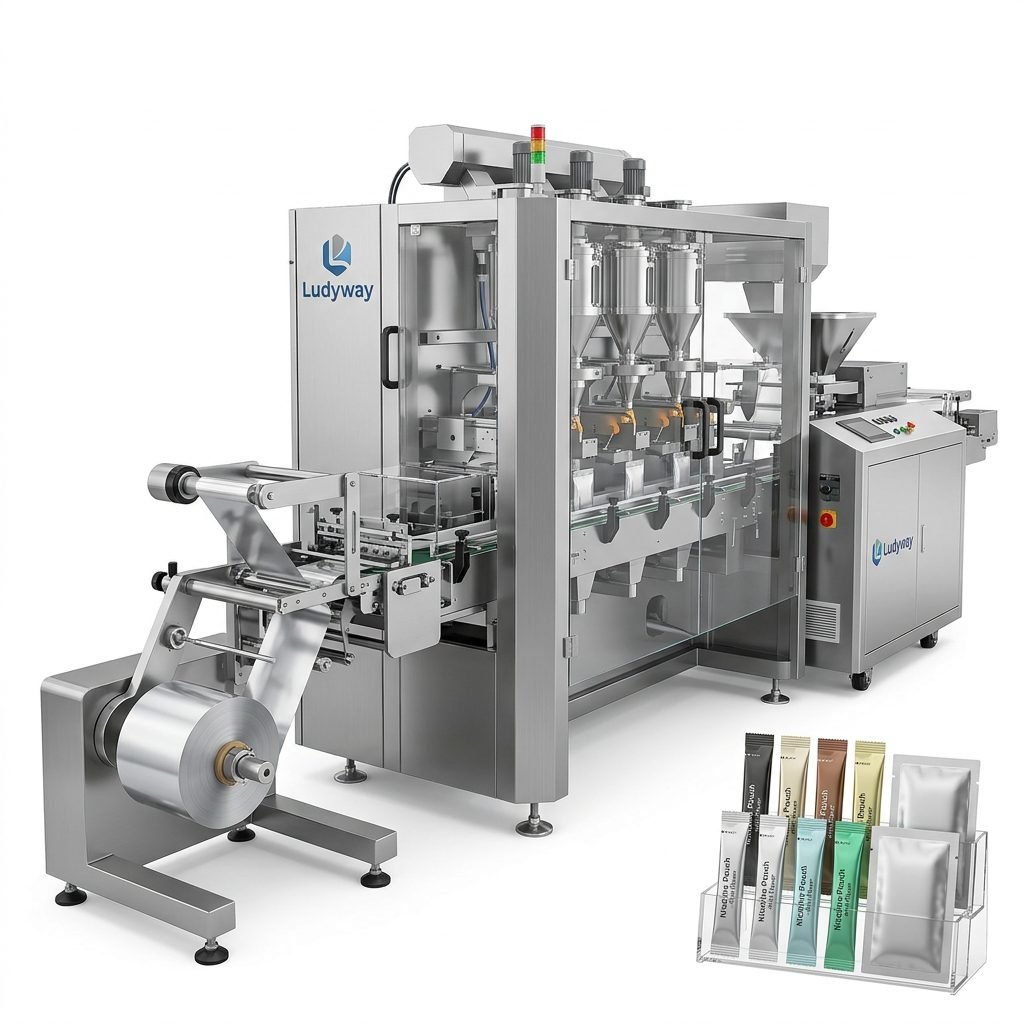
Tobacco-Free Nicotine Pouch Packaging Lines & Multi-Lane Machines
View Specifications →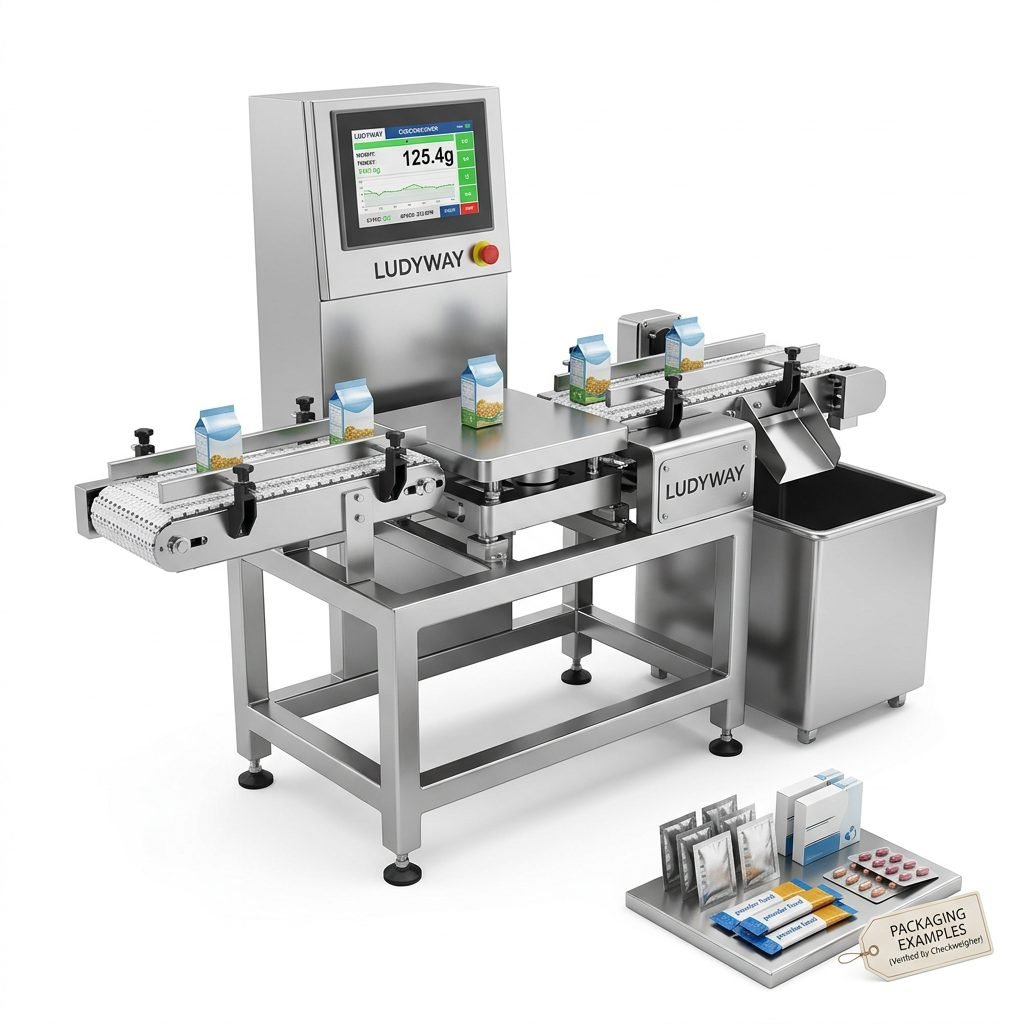
High-Precision Dynamic Checkweigher for Food & Pharmaceutical Lines
View Specifications →4. Key Technical Factors to Inspect Before Issuing an RFQ
Procuring an industrial packaging line requires looking beyond sticker prices. Engineering teams must evaluate operational life cycle, automation architecture, and maintenance ergonomics to ensure sustained Overall Equipment Effectiveness (OEE > 85%).
Dosing Accuracy & Product Loss Prevention
For high-cost ingredients (e.g., nutraceuticals, baby formula, veterinary APIs), micro-dosing precision is critical. Inquire if the machine utilizes individual servo motor control per lane for auger fillers, ensuring independent calibration and +/-1% target accuracy.
Sealing Integrity & Leak-Proof Technology
Product migration into cross-seals causes pinholes and micro-leaking. Ensure the equipment offers vacuum film pulling, programmable sealing dwell time, intelligent dust suction hoods, and specialized anti-static film path bars.
Sanitary cGMP & IP Rating Standards
For food and pharmaceutical lines, verify tool-less quick-disconnect hoppers, mirror-polished contact surfaces (Ra < 0.4 µm), washdown capability (IP65/IP67 enclosures), and complete segregation between mechanical drives and sanitary zones.
End-of-Line Integration (Secondary Packaging)
Individual stick packs and sachets must be collated and packed. Check turnkey compatibility with inline sachet counters, robotic pick-and-place collators, automated cartoning machines, checkweighers, and palletizers.
Smart HMI, Industry 4.0 & Remote Diagnostics
Modern automated lines must feature intuitive touchscreens, multi-language recipe storage, real-time OEE telemetry tracking, error self-diagnosis, and IoT remote ethernet modules for immediate engineering support.
Film Flexibility & Sustainable Substrates
As global regulations mandate greener packaging, your machine must run traditional aluminum laminates as well as 100% recyclable mono-PE, biodegradable PLA, and coated paper films without film tearing or temperature jamming.
5. Application-Specific Packaging Machine Guidelines
Every sector has distinct hygiene, barrier, and automation requirements. Discover our purpose-built packaging configurations across key manufacturing sectors:
Food & Beverage
Requires inert nitrogen gas flushing (residual O2 < 1%), multi-lane liquid sauce metering, sugar stick packing, and high-barrier coffee preservation systems.
Food Packaging Machines →Pharmaceutical & Health
Strict cGMP 21 CFR Part 11 compliance, dust-tight containment, dynamic checkweighing rejection, cleanroom validation, and blister or sachet strip sealing.
Pharma Packaging Machines →Cosmetics & Personal Care
Aesthetic 4-side sealed sample sachets, facial serums, lotions, face mask sheet packing, travel stick packs, and high-precision tube filling equipment.
Cosmetic Packaging Machines →Nicotine & Modern Pouches
High-speed non-tobacco nicotine pouch and snus production, multilane high-speed portion filling, moisture control, ultrasonic sealing, and robotic can packing.
Nicotine Pouch Machines →Chemicals & Industrial
Anti-corrosive dosing for detergents, fertilizers, adhesives, descaling agents, and pesticide powder with explosion-proof and fume extraction standards.
Chemical Packaging Machines →Pet Food & Animal Nutrition
Automated multi-lane lines for probiotic pet powders, freeze-dried kibble, semi-moist pet treats, veterinary suspensions, and bulk premix bagging.
Pet Food Packaging Lines →Why Global Brands Partner with Ludyway Machinery
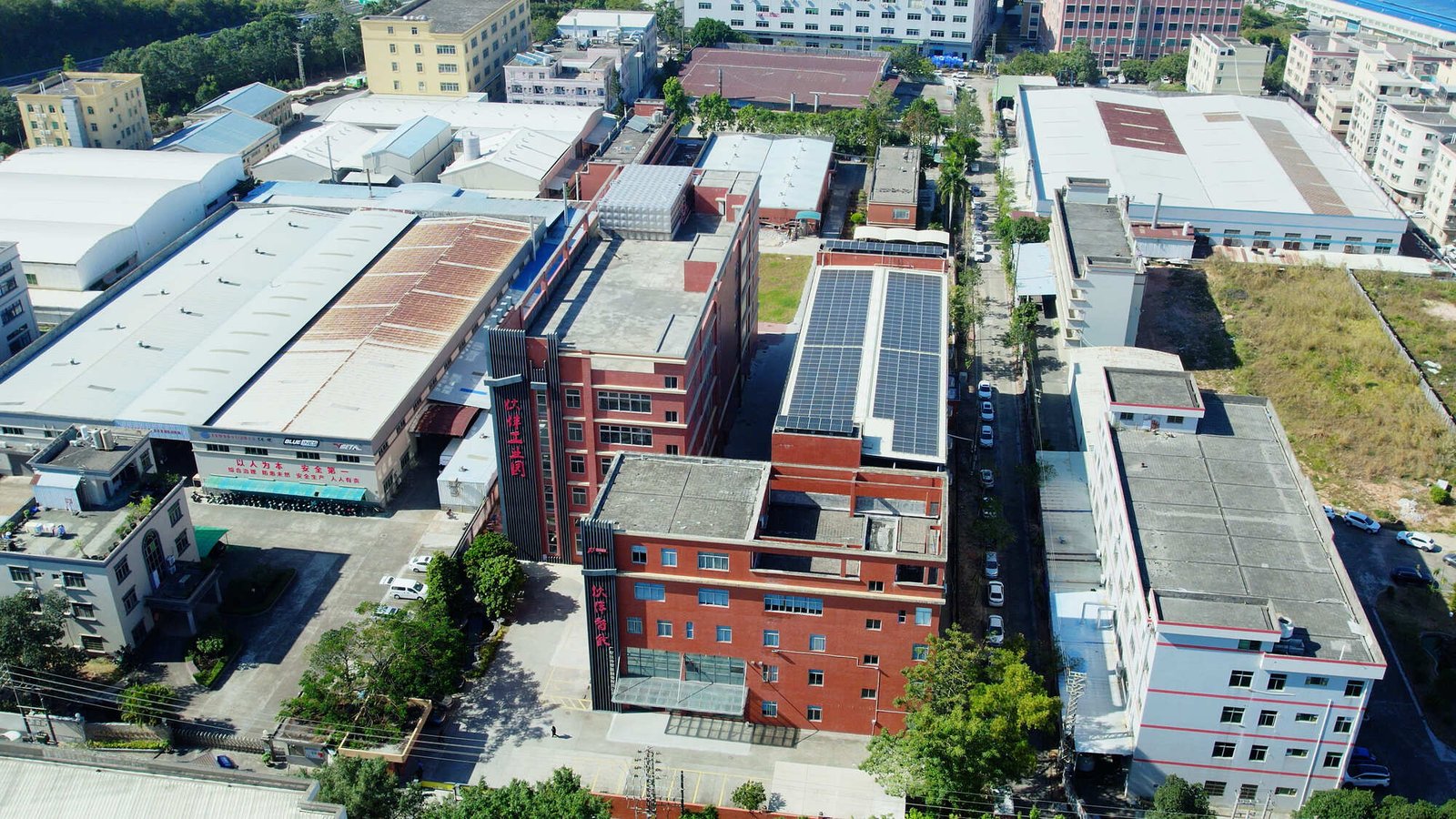
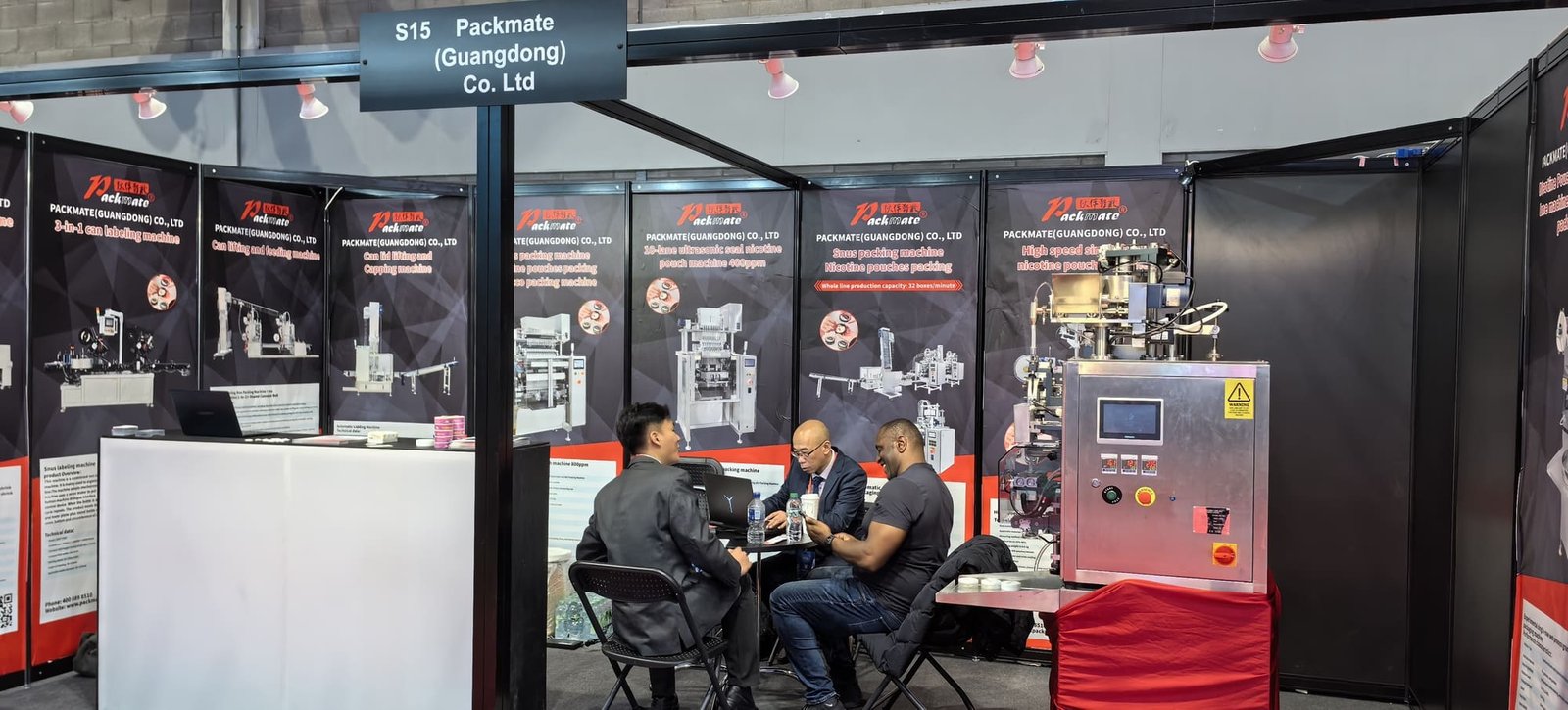
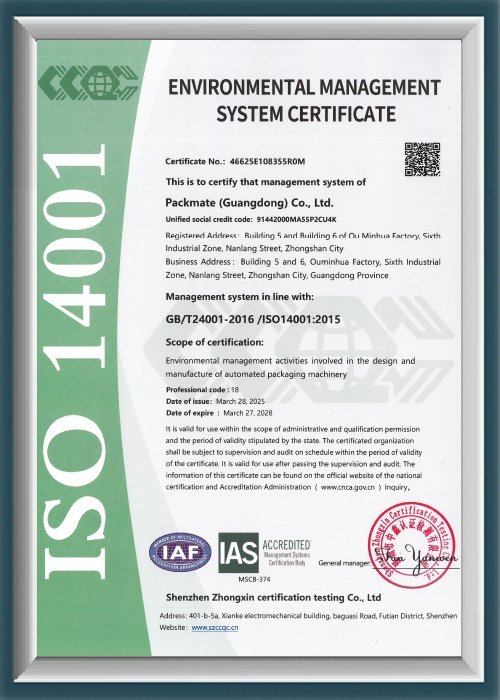
Founded in 2010 and backed by over 30 years of accumulated engineering expertise, Ludyway is one of China’s leading manufacturers of intelligent packaging equipment and complete turnkey solutions for food, pharmaceutical, cosmetic, and chemical enterprises.
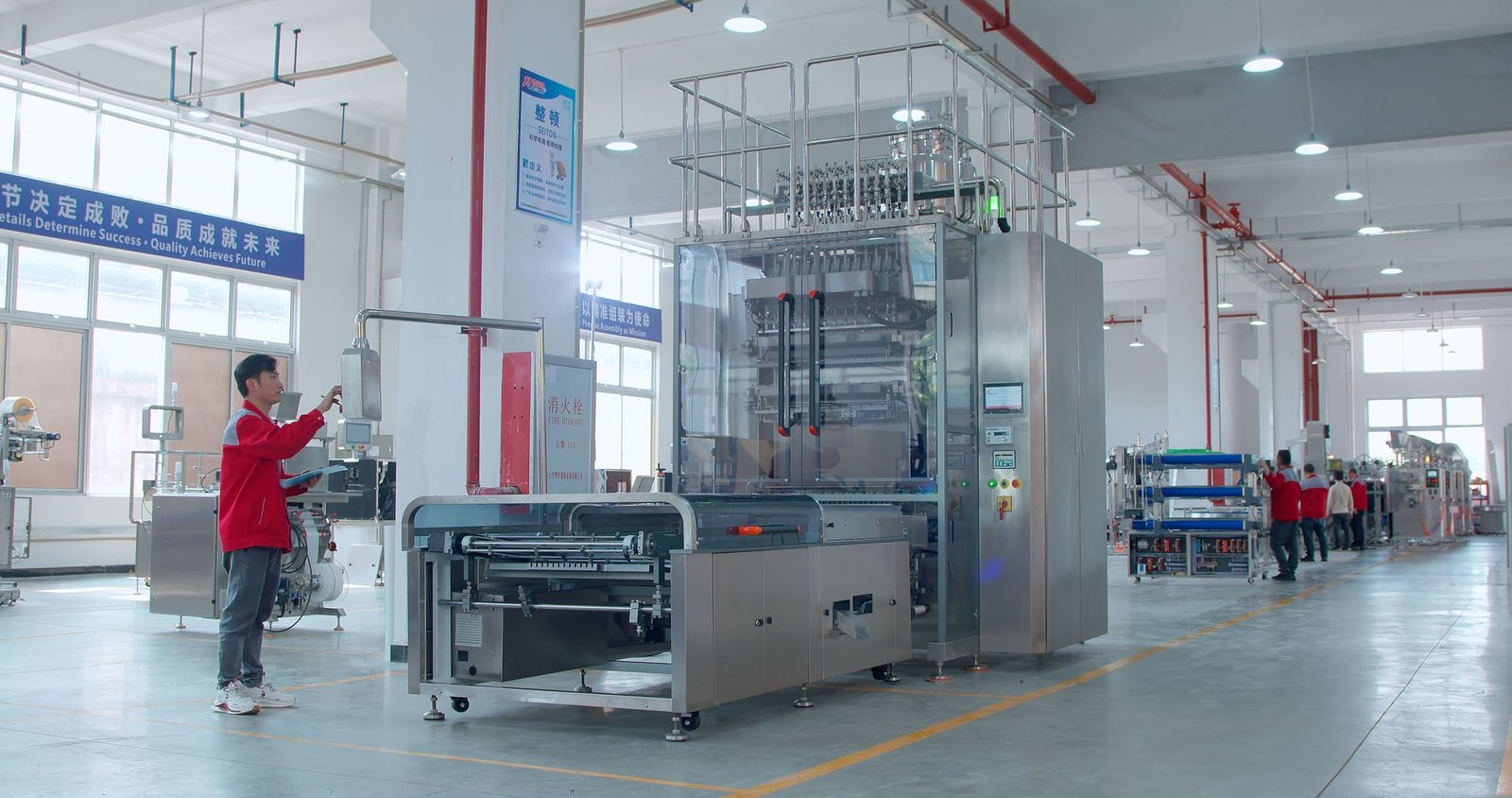
Operating from an advanced 20,000㎡ manufacturing facility equipped with 200+ precision CNC machining centers, our 130+ packaging engineers have delivered over 50 intelligent machine models to clients across 100+ countries worldwide.
6. Frequently Asked Questions on Packaging Machine Selection
Expert answers to help you navigate machine lead times, factory acceptance tests (FAT), auxiliary integration, and operational maintenance.
How do I calculate the required number of lanes for a multi-lane machine?
The formula is: Total Target Output (PPM) ÷ Single-Lane Mechanical Cycle Speed (cycles/min) = Number of Lanes Required. For instance, if your production goal is 360 stick packs per minute and the physical sealing dwell time allows 45 mechanical cycles/min, you will need an 8-lane packaging machine configuration.
What auxiliary equipment is needed for a fully automated packaging line?
A standard end-to-end turnkey system comprises: vacuum or screw conveyors for raw product feeding, high-speed date/lot coding units (TIJ or laser), inline checkweighers with reject bins, metal detectors/X-ray inspection, automated cartoning machines, and case erector/palletizing lines. Explore our full range of packaging auxiliary equipment.
What is Ludyway’s FAT (Factory Acceptance Test) protocol prior to shipment?
Before dispatch, Ludyway runs a full 48-hour continuous FAT with customer-supplied actual product samples and packaging films. We test target dosing accuracy, seal tensile strength, high-speed stability, emergency stops, and provide full video documentation and CE/cGMP certification packs.
Ready to Engineer Your Custom Packaging Line?
Send us your product specifications, target bag dimensions, and desired PPM. Our senior packaging engineers will prepare a customized CAD line layout and detailed quotation within 24 hours.
