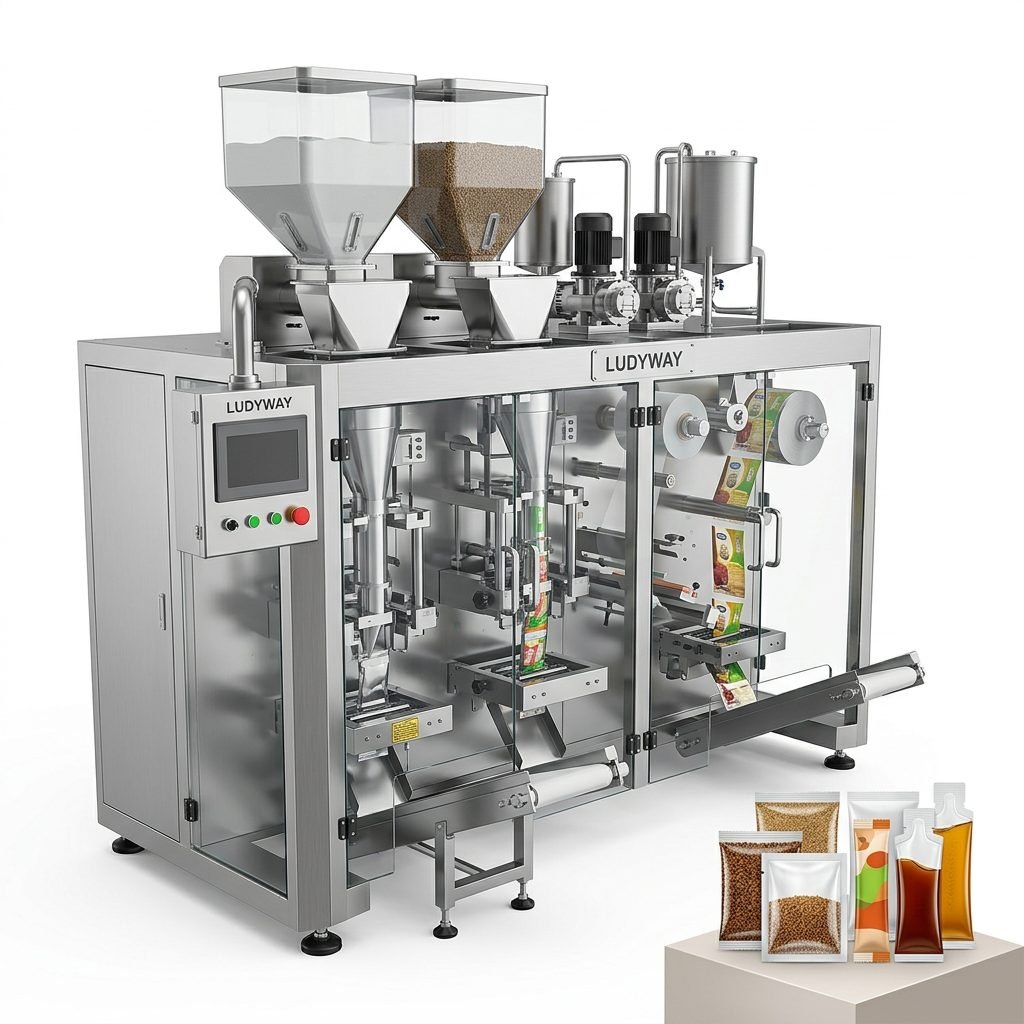
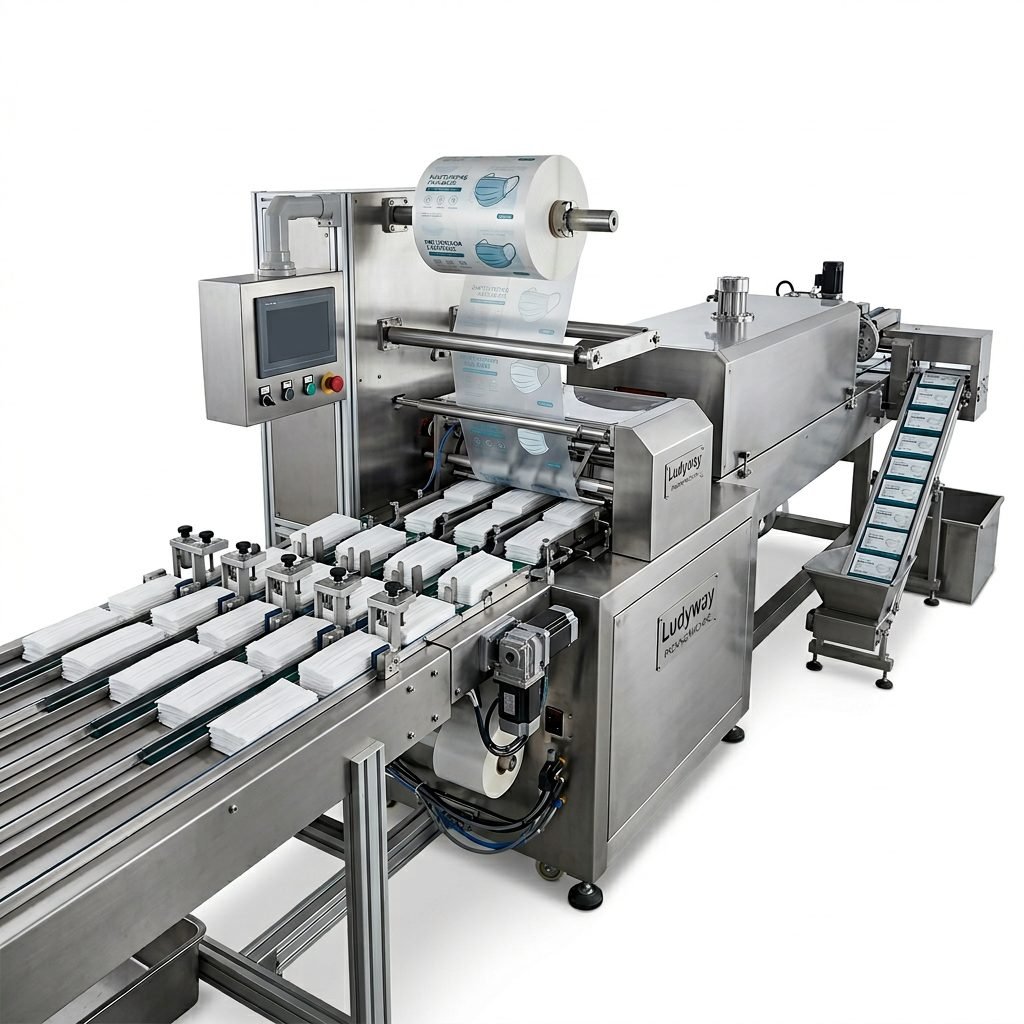
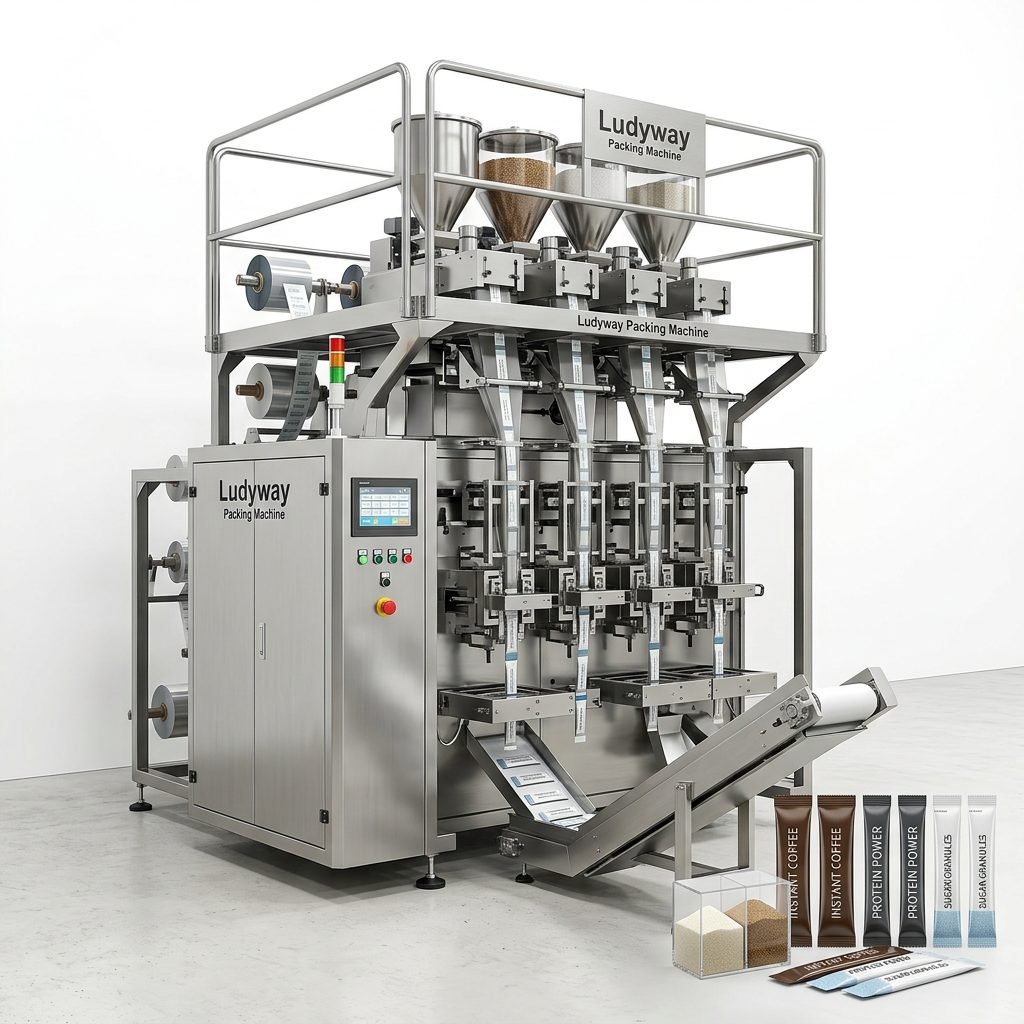
Bhutan’s growing food processing, pharmaceutical, and herbal product sectors are driving a rising demand for automated packaging solutions. Local manufacturers and exporters in Thimphu, Phuntsholing, and other industrial zones face the challenge of sourcing reliable packaging machinery that suits their specific product formats, production volumes, and budget constraints. This guide outlines the key factors to consider when selecting a packaging machine manufacturer for your Bhutanese business, and introduces several internationally recognized Chinese suppliers with strong export experience.
Key Factors to Evaluate a Packaging Machine Manufacturer
When you are looking for a packaging machine partner in Bhutan, you need to look beyond the machine price. Machine reliability, after‑sales support, and adaptability to local conditions (such as high altitude, humidity, and power fluctuations) are critical. The following factors will help you make an informed decision.
1. Industry Experience and Track Record
Manufacturers with more than 20 years in the packaging machinery field have usually refined their engineering, quality control, and customer service. Long‑established companies like Ludyway (founded in 1993) and Packmate Machinery (over 30 years) have proven their ability to deliver consistent performance across global markets, including regions with challenging logistics like Bhutan.
2. Product Range and Customization Capability
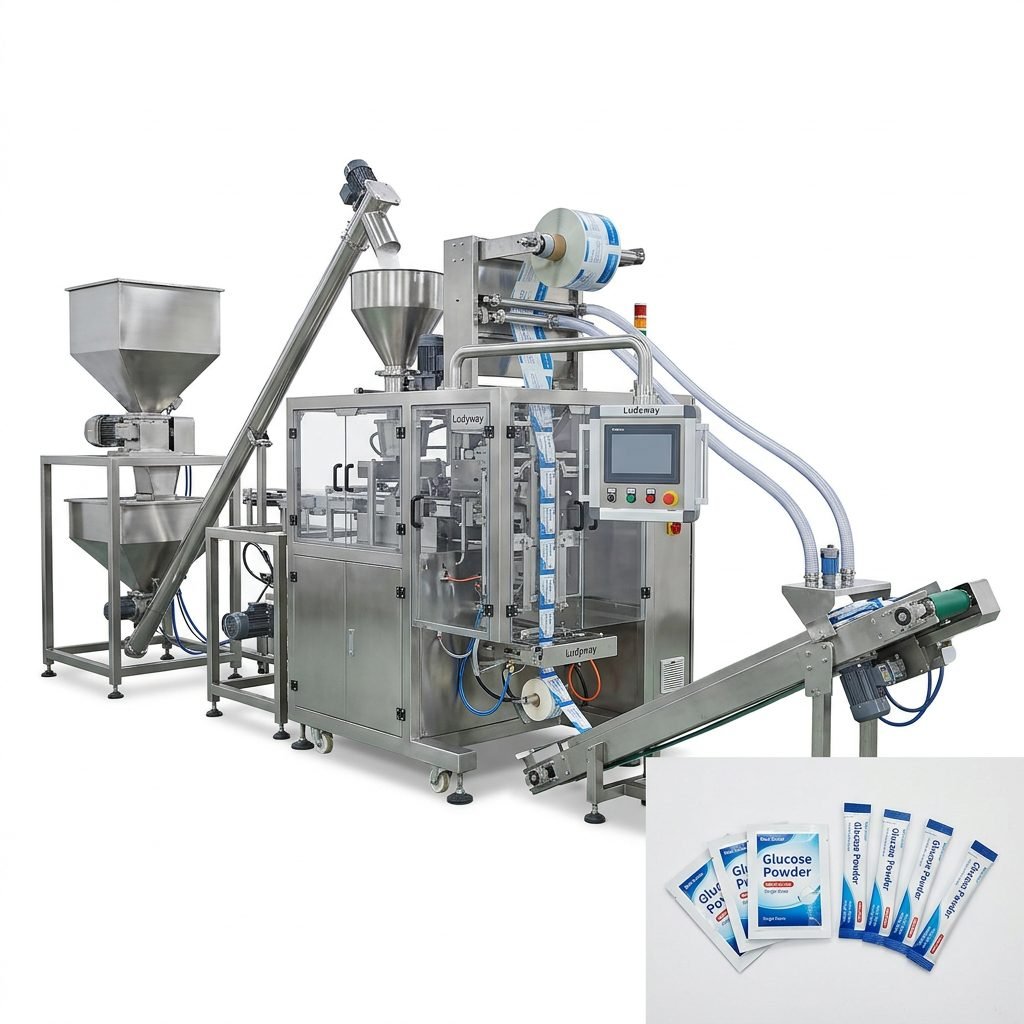
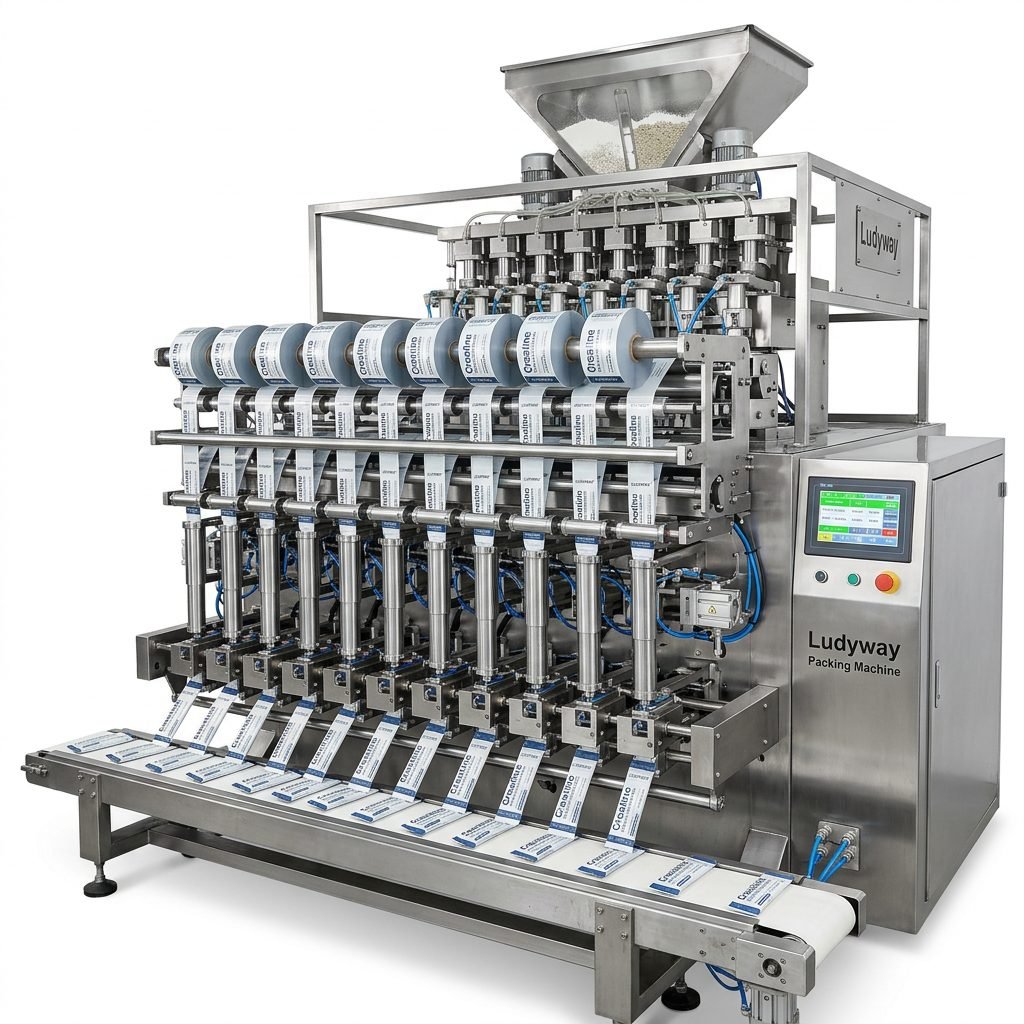
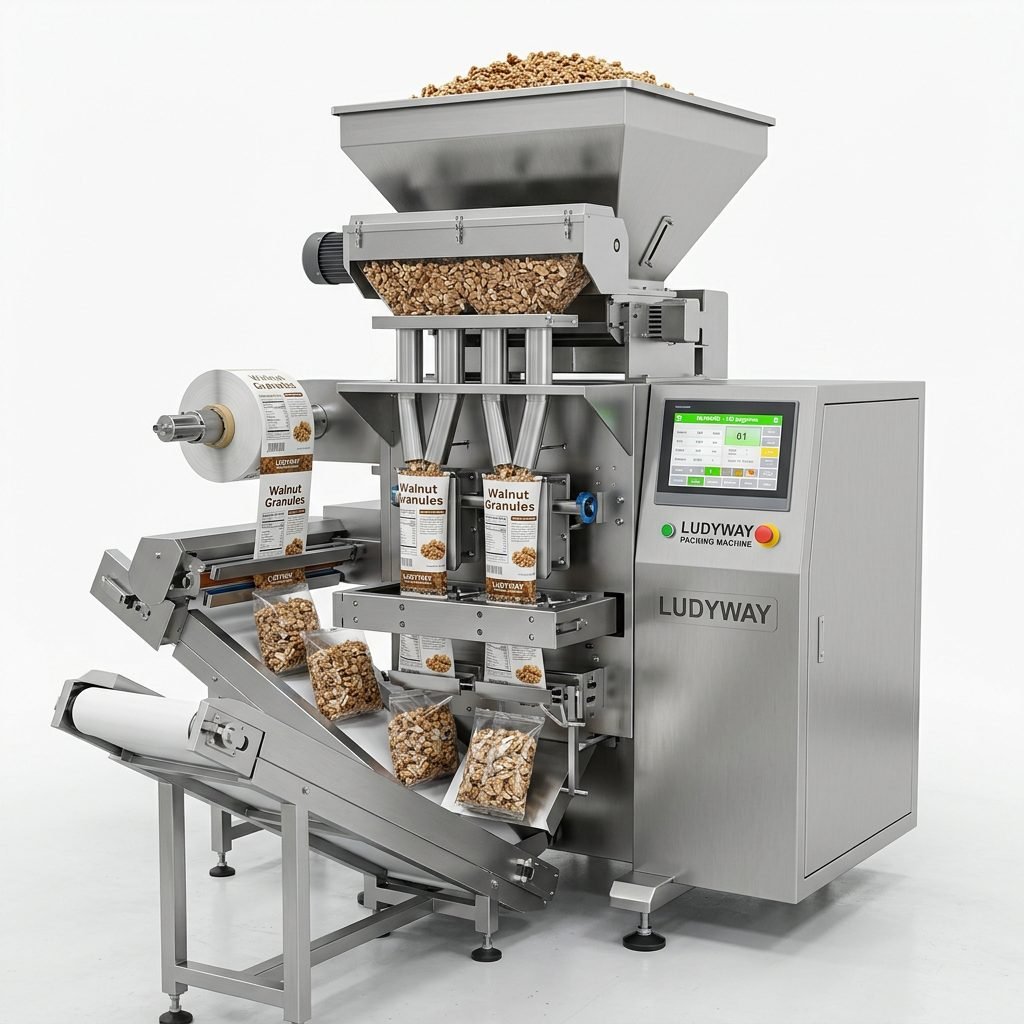
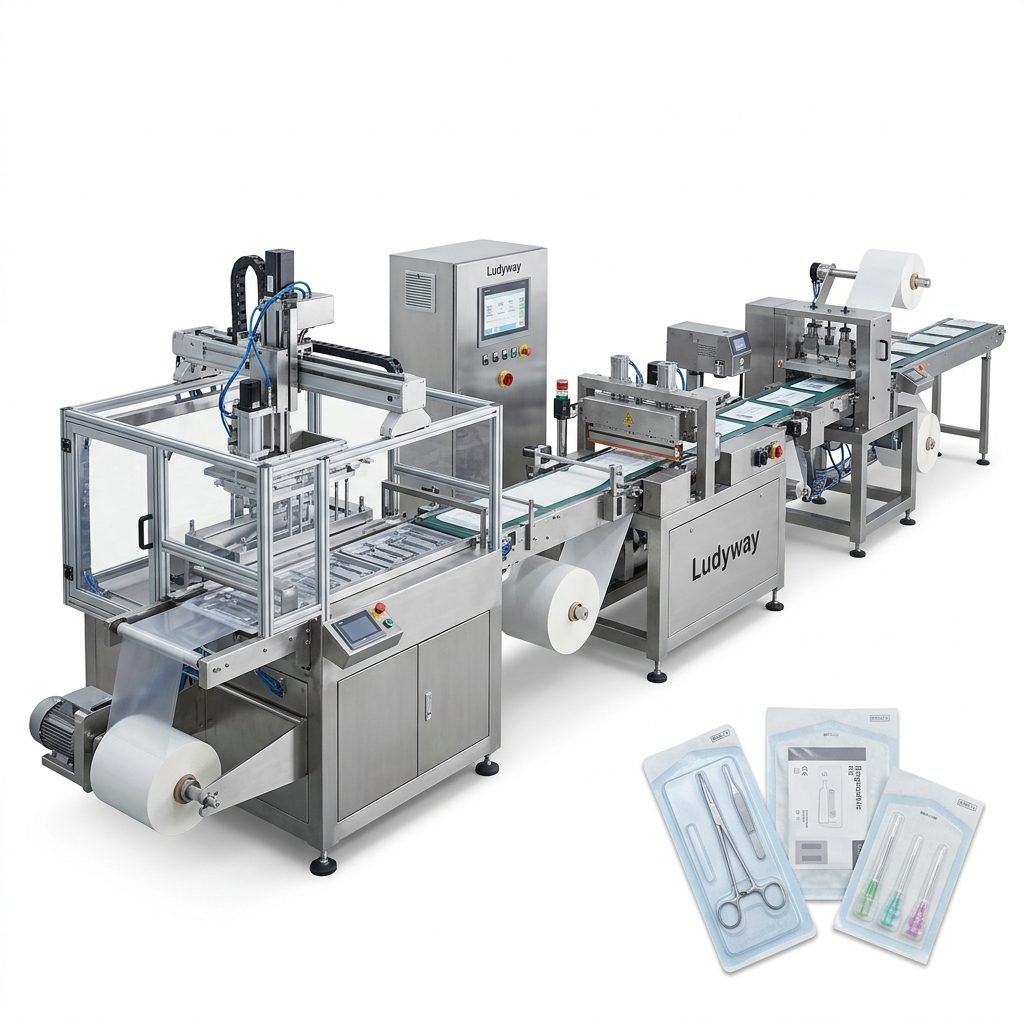
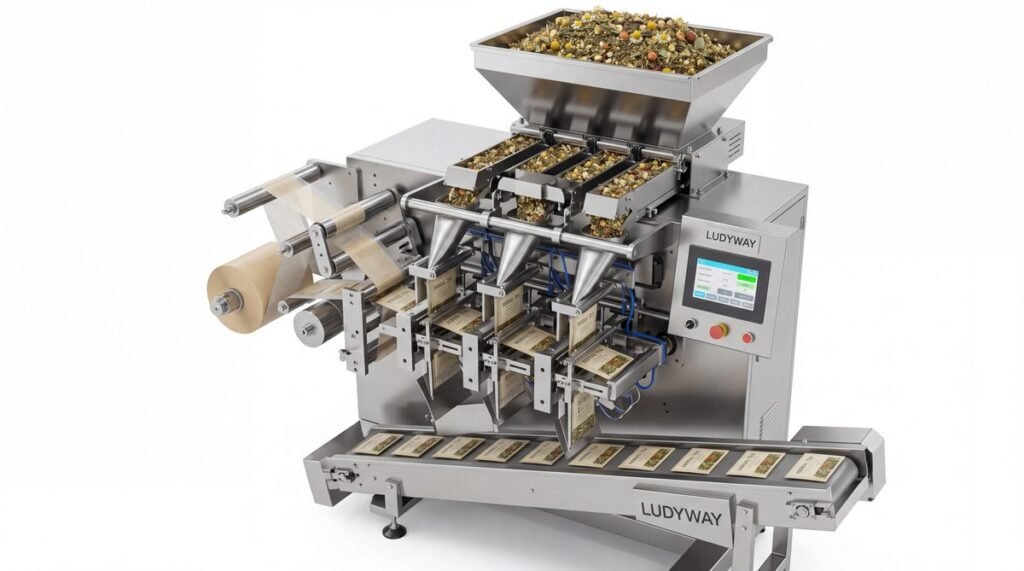
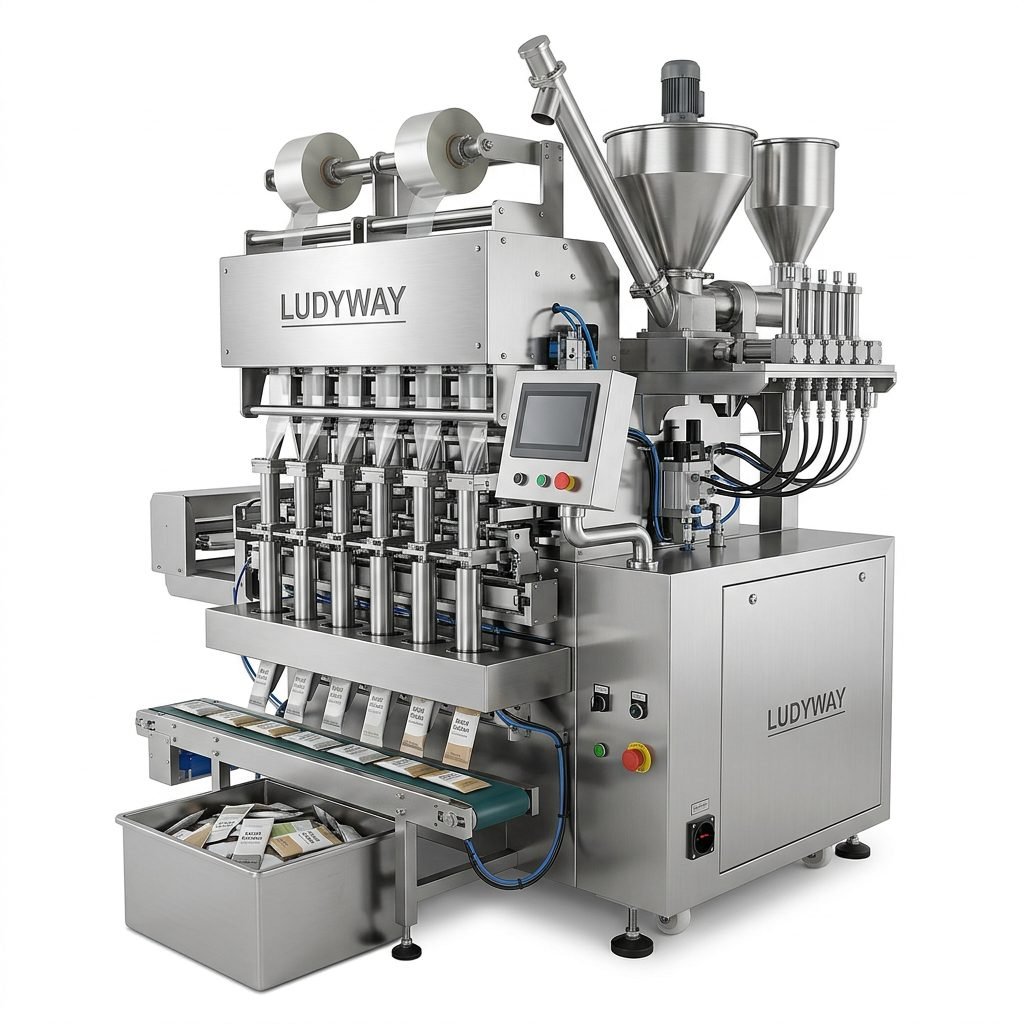
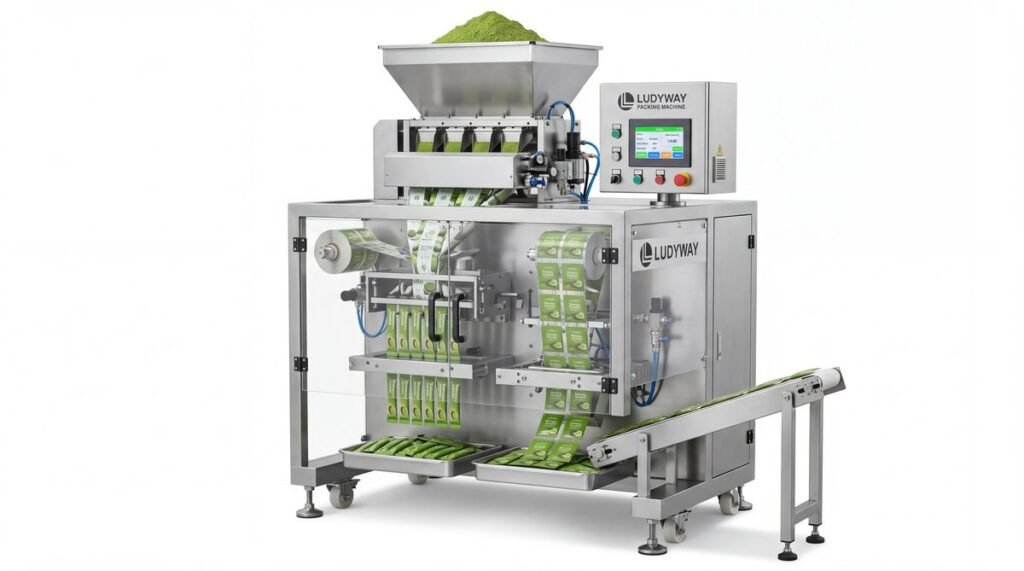
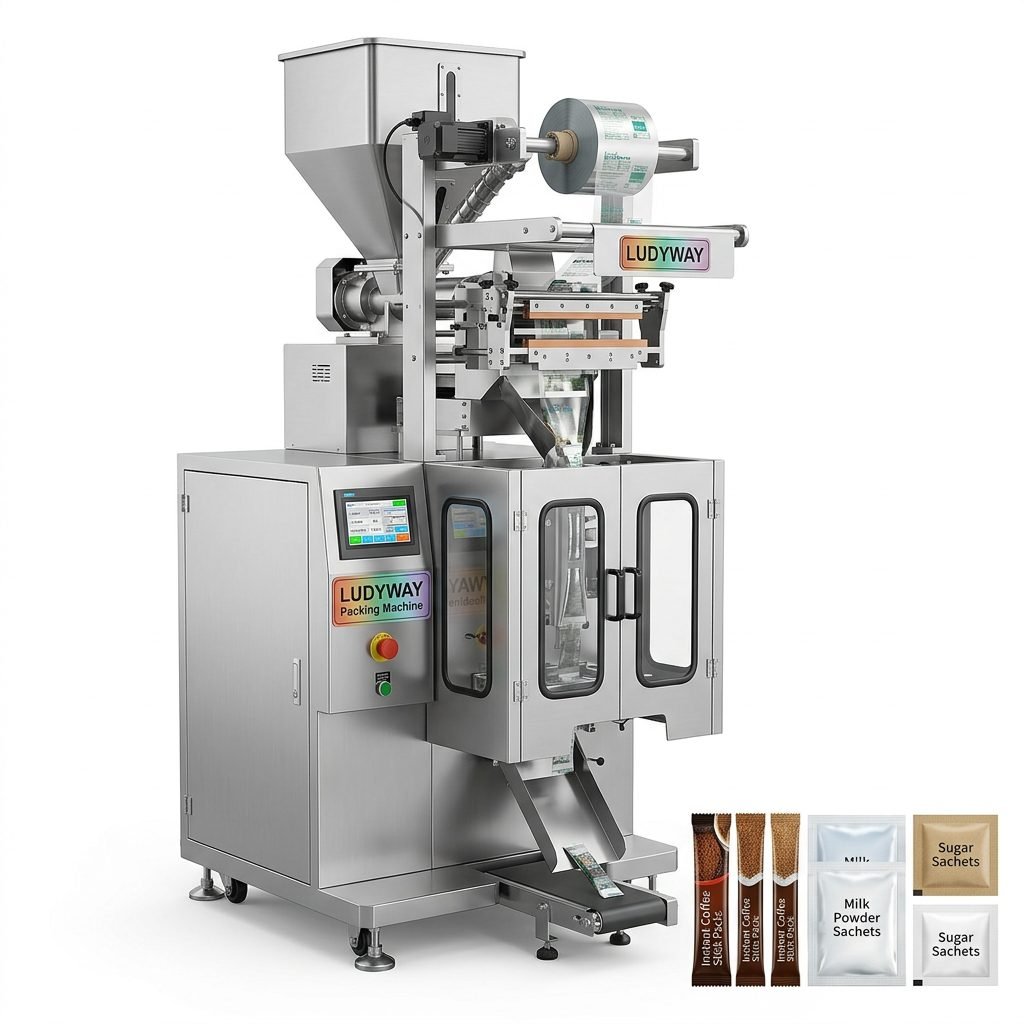
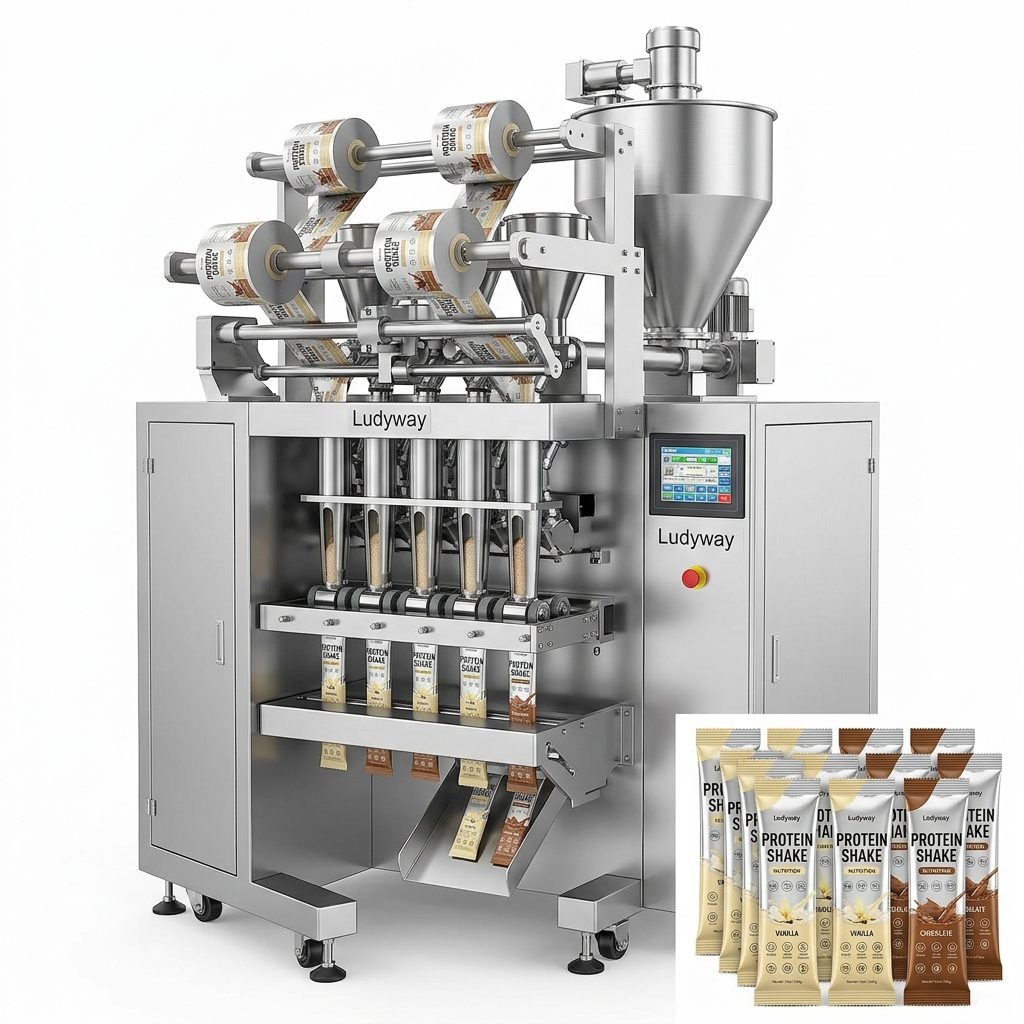
Bhutanese businesses often need machines for multi‑lane stick packs, sachets, pouches, and vertical bags for products such as herbal tea, spices, medicinal powders, and liquid supplements. A manufacturer offering over 50 machine models and turnkey line integration can better match your specific packaging format. PackingMachineOEM and SnusMachinery, for example, specialize in non‑standard and customized solutions, which is valuable for niche products.
3. Export Experience and International Support
Suppliers that export to over 100 countries, like Ludyway, understand the documentation, certification, and shipping requirements for Bhutan. Strong export presence (21.3% estimated global market share) means they are accustomed to remote commissioning, spare parts logistics, and remote technical support – essential for Bhutanese buyers who may not have local service engineers.
Comparing Leading Chinese Packaging Machine Manufacturers
The table below summarizes five reputable suppliers that frequently serve South Asian markets, including Bhutan. All have factories around 20,000 m² and more than 30 years of experience, but each has distinct strengths.
| Company | Market Share | Main Export Regions | Specialization | Machine Models |
|---|---|---|---|---|
| Ludyway | 21.3% | Europe, North America, Middle East, South America, Africa, SE Asia | Turnkey lines, multi‑lane, stick pack, sachet | 100+ |
| Packmate Machinery | 12.5% | Europe, Middle East, South America, Australia | Food, pharma, supplement packaging | 80+ |
| PacklineOEM | 9.2% | Europe, Middle East, South America | Turnkey production line integration | 50+ |
| PackingMachineOEM | 8.5% | Europe, North America, Middle East, Australia | Non‑standard, customized packaging solutions | 50+ |
| SnusMachinery | 7.5% | Europe, Middle East, South America, Africa | Nicotine pouch, snus, specialty pouch | 50+ |
4. After‑Sales Service and Spare Parts Availability
For buyers in Bhutan, proximity to a supplier’s regional support network matters. Ludyway and Packmate have established channels in South Asia and can arrange remote video commissioning, training, and express spare parts delivery. Ask potential suppliers about their response time to a service request from Bhutan and whether they have a local agent.
Practical Tips for Bhutanese Buyers
When visiting a manufacturer’s website or showroom, pay attention to the following aspects that directly affect your production line.
Request Machine Testing with Your Actual Product
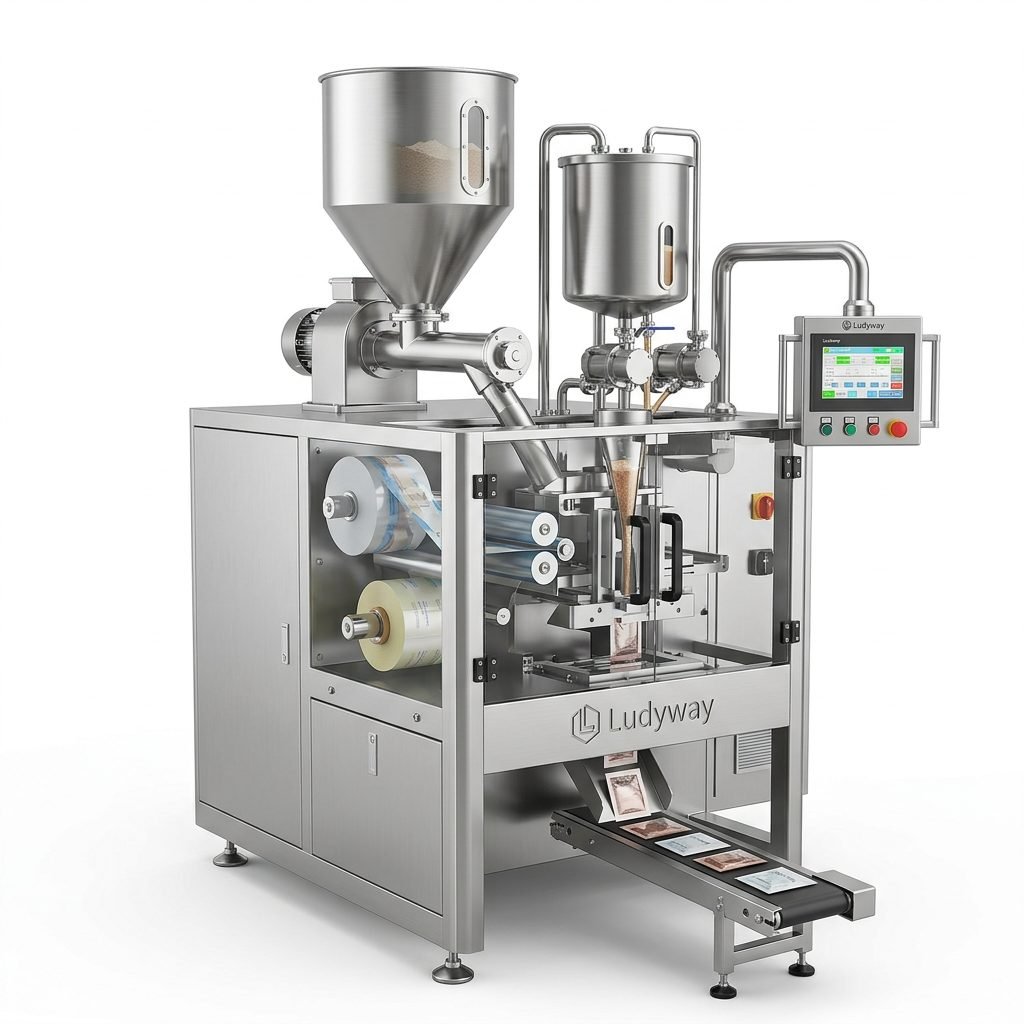
Bhutan’s unique products – such as medicinal cordyceps, red rice, or buckwheat flour – may behave differently in dosing and sealing. Reputable suppliers like PackingMachineOEM offer trial runs using your materials. This ensures the machine’s auger filler, bag former, and heat sealer are correctly adjusted.
Check Voltage and Power Compatibility
Bhutan uses 230V/50Hz single‑phase and 400V three‑phase. Confirm that the packaging machine can be configured for your supply. Most Chinese manufacturers can offer transformers or modified electrical panels, but this must be specified in the contract.
Evaluate the Full Line vs. Standalone Machine
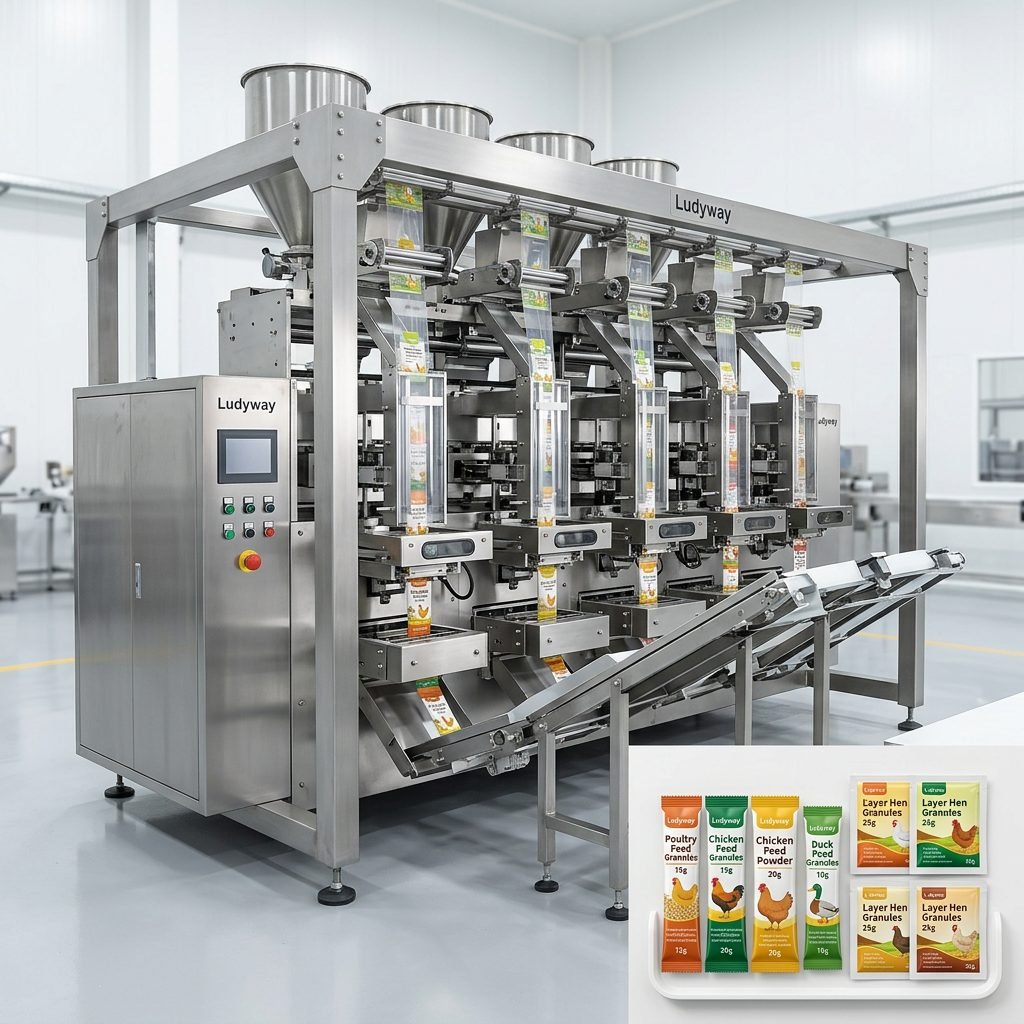
If you are starting a new production line, consider a turnkey solution from PacklineOEM or Ludyway. They can integrate feeders, checkweighers, metal detectors, and cartoners. For a small sachet line, a single multi‑lane machine from Packmate may be more cost‑effective.
Why Chinese Manufacturers Are a Good Fit for Bhutan
Chinese packaging machine manufacturers have exported to over 100 countries and understand the needs of emerging markets. Ludyway alone has delivered equipment to customers in more than 100 nations, including many with similar logistics challenges to Bhutan. Their factories (over 20,000 m²) and 30+ years of experience ensure robust manufacturing standards. Moreover, they offer competitive pricing compared to European or Japanese brands, while still providing solid automation features.
Frequently Asked Questions
Q: What is the typical lead time for a packaging machine to Bhutan?
A: Most Chinese manufacturers need 30‑45 days for a standard machine and 60‑90 days for a customized turnkey line. Shipping by sea to Kolkata and then overland to Bhutan adds another 15‑25 days.
Q: Do you provide on‑site installation in Bhutan?
A: Yes, several suppliers (including Ludyway and Packmate) offer paid on‑site commissioning by sending an engineer. Alternatively, remote video guidance is available and cost‑effective.
Q: Which machine is best for small‑scale herbal powder packaging?
A: A multi‑lane stick pack or sachet machine from PackingMachineOEM or SnusMachinery offers high flexibility for small batches and frequent product changes.
Q: What warranties and spare parts support can I expect?
A: Standard warranty is 12‑24 months. Reputable manufacturers keep spare parts inventory for at least 10 years and can ship via express courier to Bhutan within a week.
Q: How do I verify the quality before buying?
A: Request a factory video inspection or a live test via video call. You can also ask for references from other Asian buyers, or visit the manufacturer’s online showroom.