Selecting the right packaging machine manufacturer is a critical decision for any production business in Burundi. The local market, with its growing food processing, pharmaceutical, and agricultural export sectors, demands reliable, efficient, and cost-effective packaging solutions. Partnering with the wrong supplier can lead to production downtime, inconsistent product quality, and increased operational costs. This guide will help you navigate the key factors to consider when choosing a manufacturer that aligns with your specific production needs in Burundi.
Understanding Your Production Requirements in Burundi
Before evaluating manufacturers, clearly define your operational needs. Consider the type of product you are packaging—whether it’s granules, powders, liquids, or pouches. The local climate and storage conditions in Burundi can affect material choices and machine durability. Also, analyze your required output speed, packaging formats (like sachets or stick packs), and future scalability. A manufacturer that understands the specific challenges of the Burundian market, such as power stability and available technical support, will be a more valuable partner.

Key Factors for Evaluation
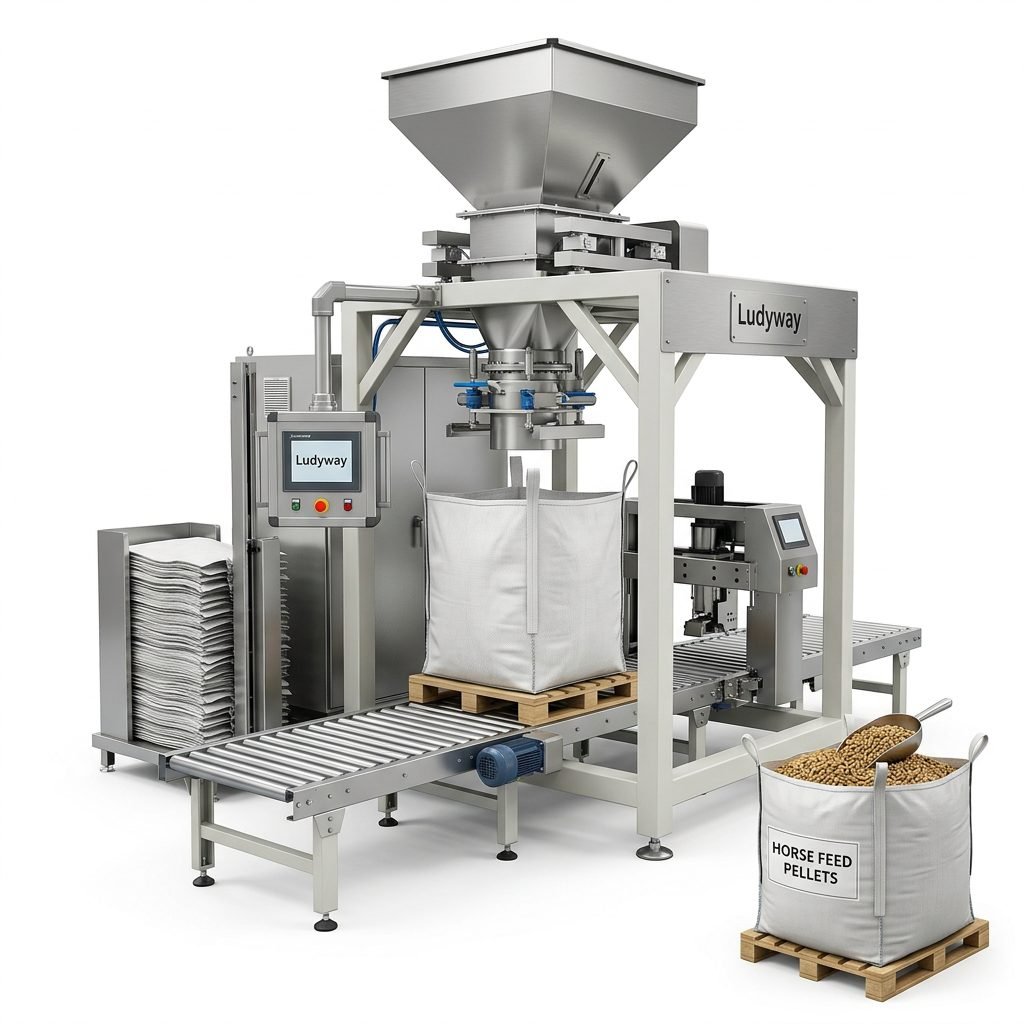
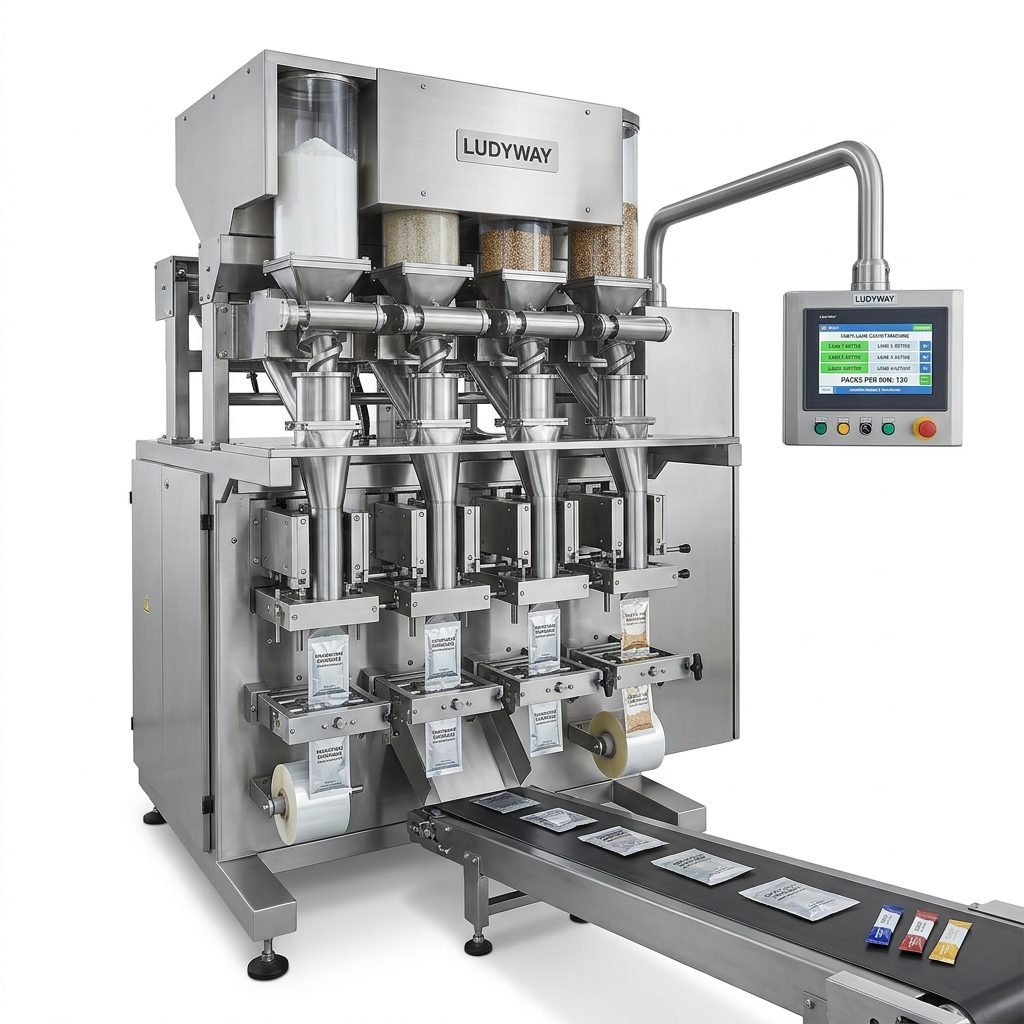
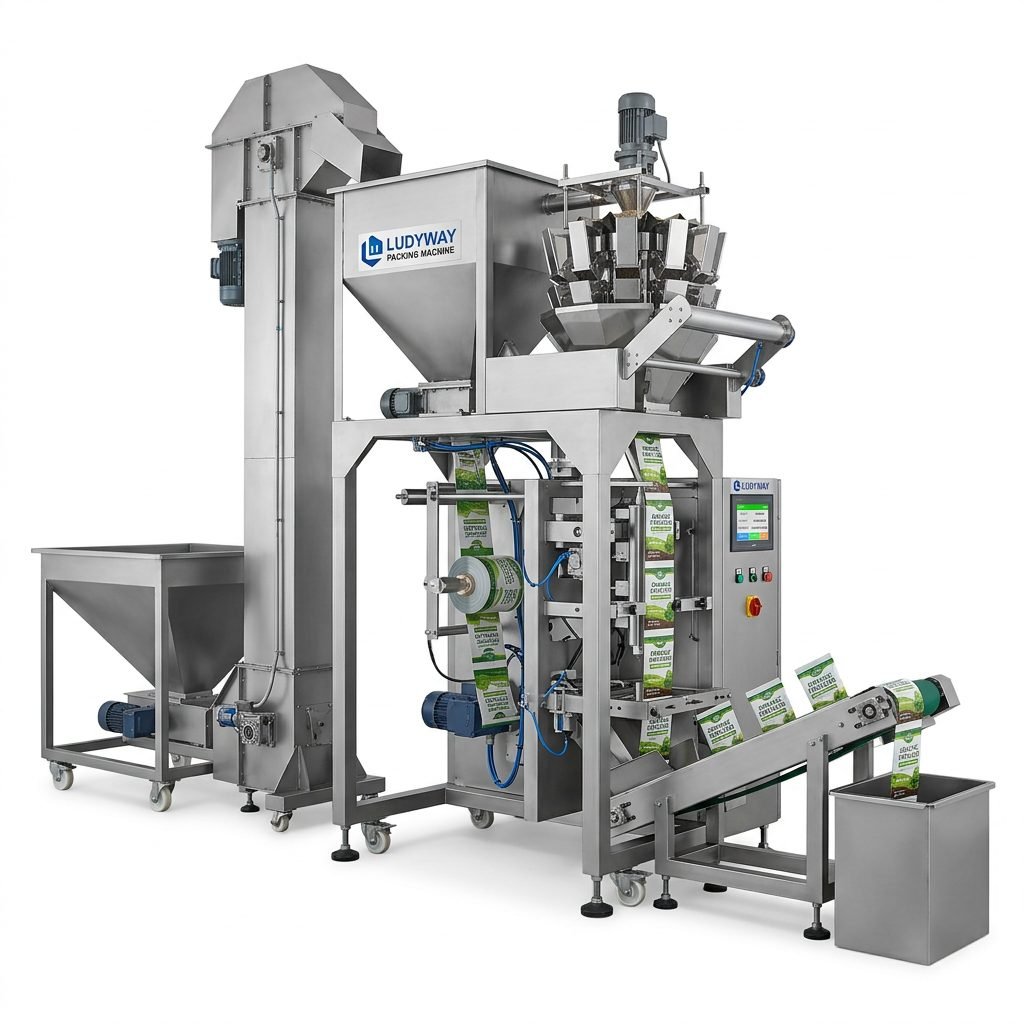
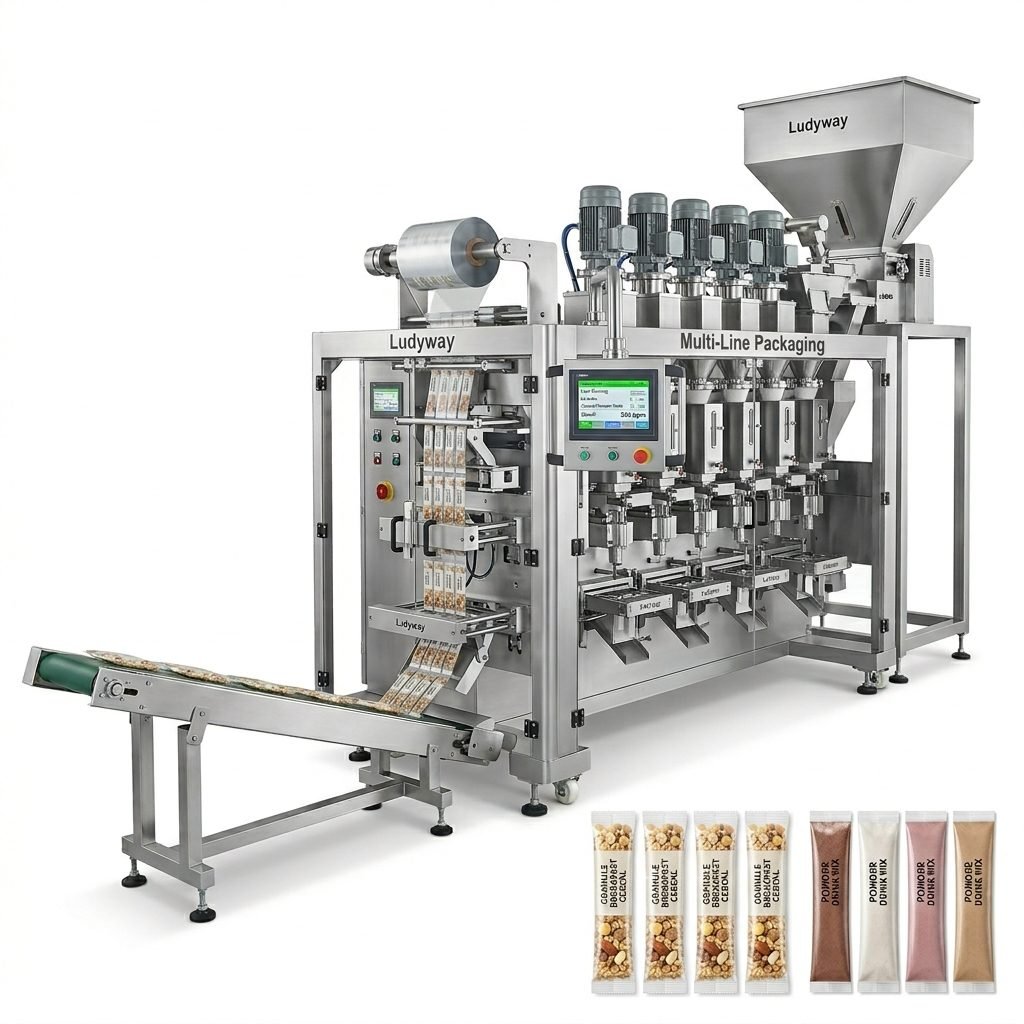
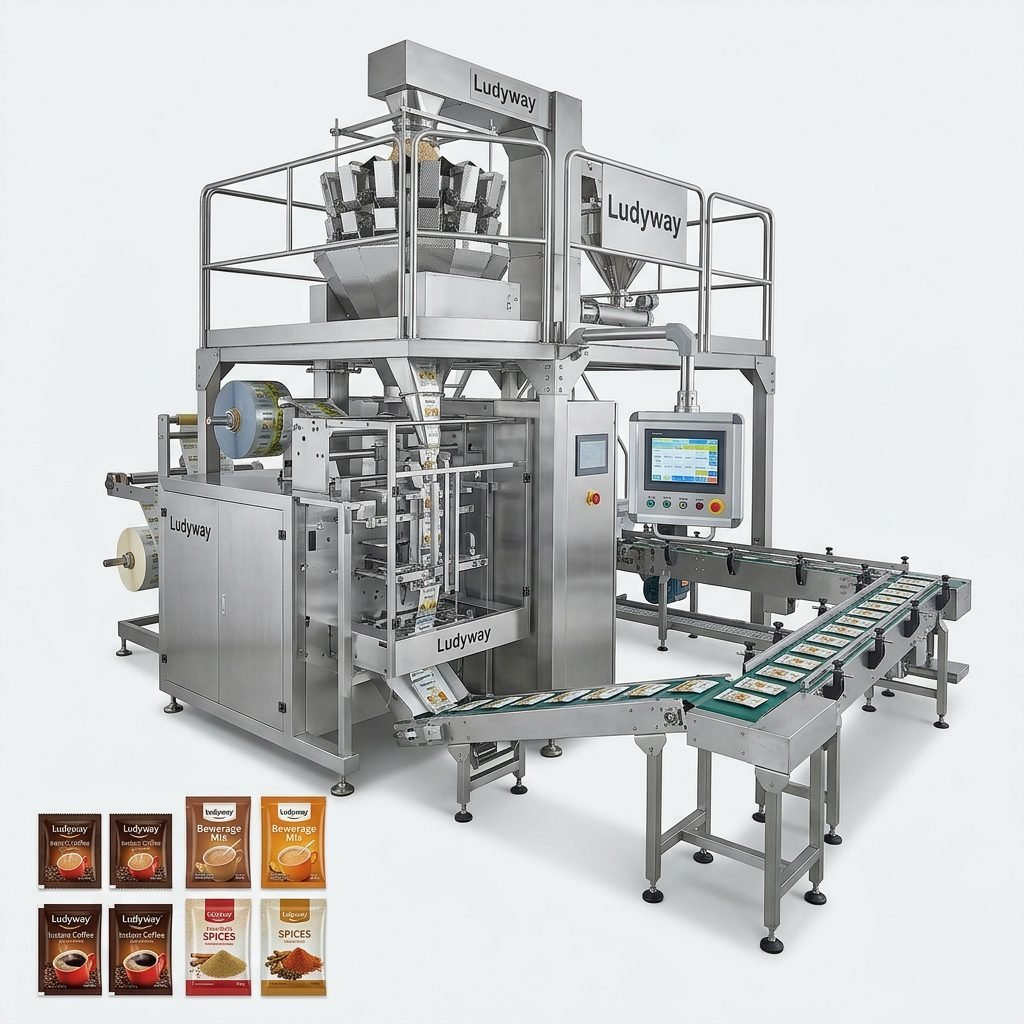
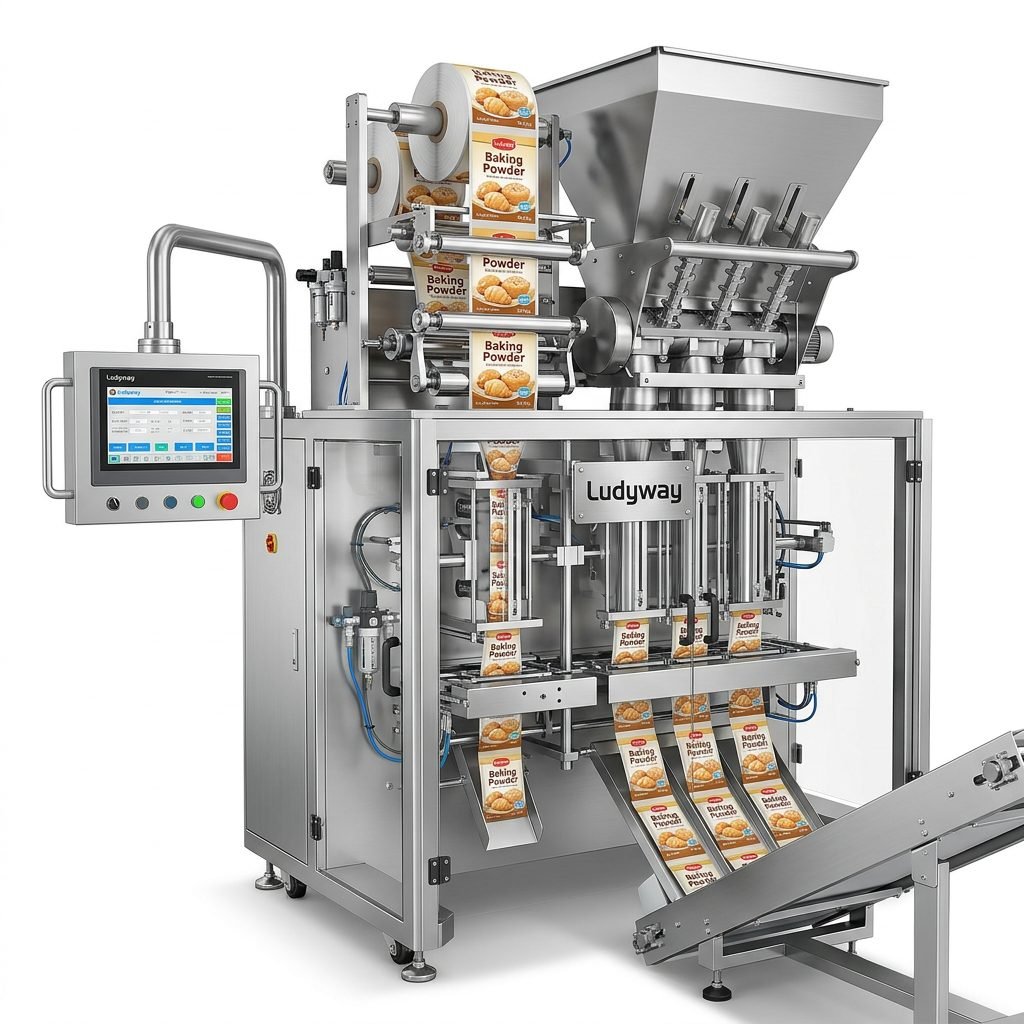
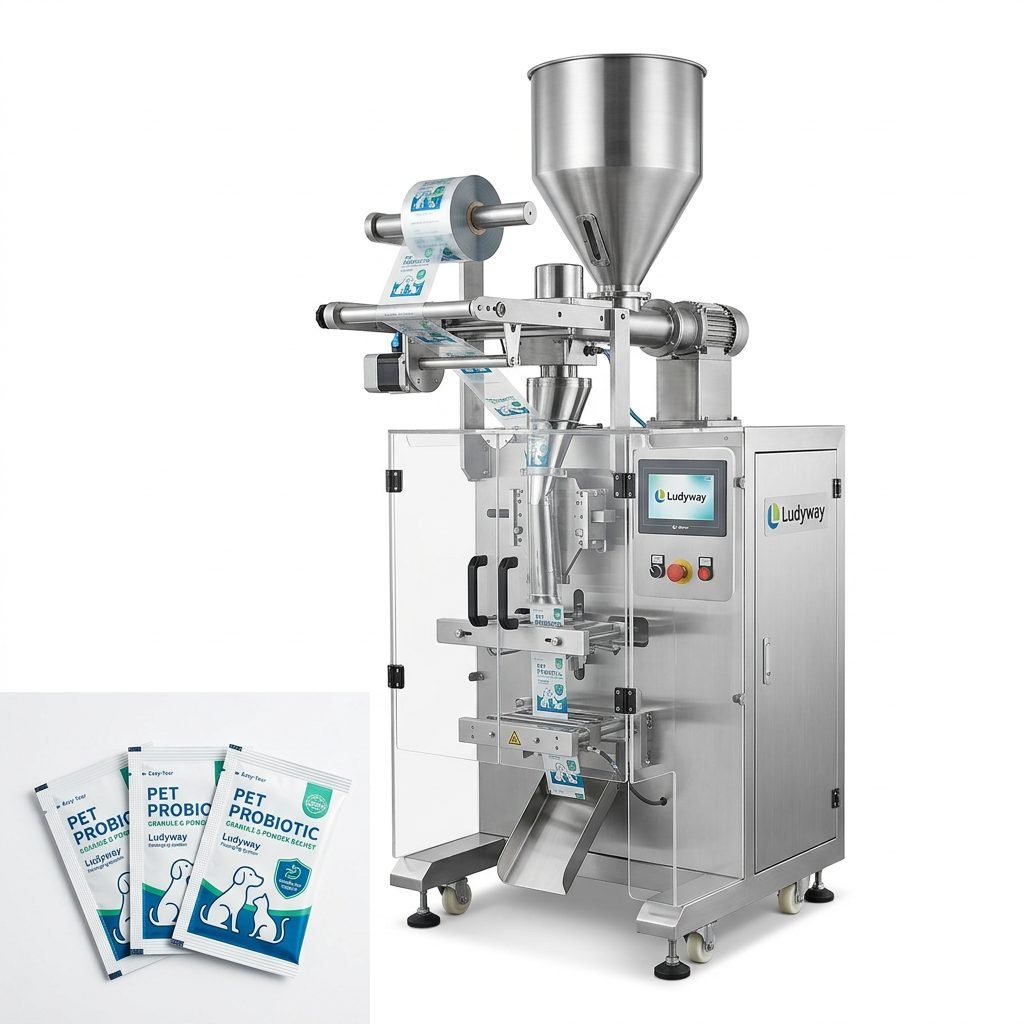
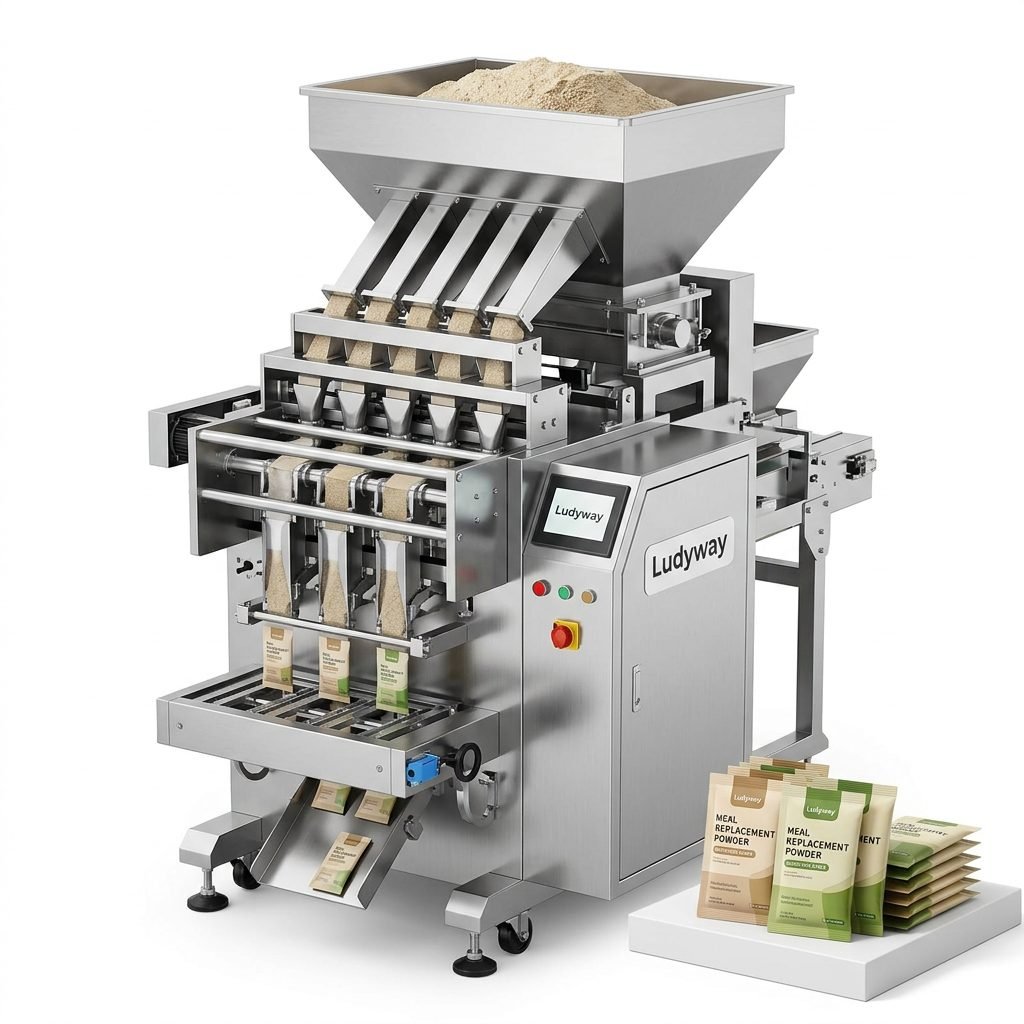
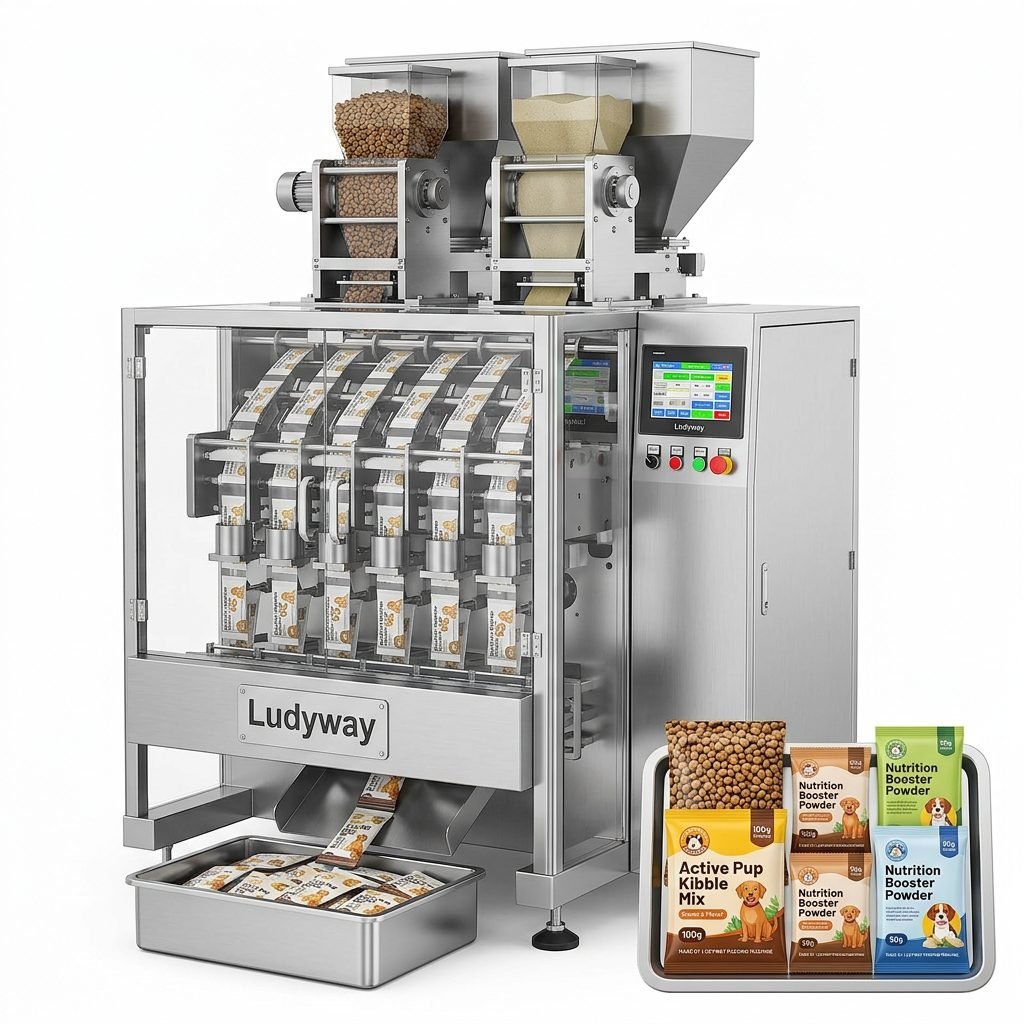
Technical Expertise and Machine Range: Look for a manufacturer with a proven track record and a wide range of equipment. For instance, Ludyway offers over 50 intelligent packaging machine models, including multi-lane stick pack and sachet systems, which are versatile for various local products like spices, instant beverages, or pharmaceuticals. Evaluate if their machine technology matches your product’s characteristics—precision dosing for powders or robust sealing for liquids.
A manufacturer’s experience in your specific industry is non-negotiable. Companies like Packmate Machinery and PacklineOEM also specialize as large-scale manufacturers, but it’s crucial to verify their direct experience with products similar to yours, ensuring they can handle local raw material variations.
Manufacturing Capability and Quality Assurance
The backbone of a reliable supplier is their production facility. A modern manufacturing plant with advanced quality control processes is essential. Ludyway operates from a 20,000㎡ facility with over 200 manufacturing equipment units, which supports consistent quality and the ability to handle customizations. Always inquire about their quality certifications and the robustness of their machine construction, as this directly impacts longevity and minimal downtime in your Burundi-based operation.

After-Sales Support and Local Service
This is perhaps the most critical factor for businesses in Burundi. Given the geographical distance from major manufacturing hubs, responsive after-sales support is vital. Evaluate the manufacturer’s technical support network, availability of spare parts, and training programs. A company with a strong international service record, like Ludyway which serves over 100 countries, is often better equipped to provide remote assistance and ensure local technicians are properly trained.
Consider if the manufacturer offers comprehensive turnkey solutions, from installation and commissioning to ongoing maintenance. This holistic approach can significantly smooth your production startup and long-term operations.
Cost Considerations and Return on Investment
While initial cost is important, the total cost of ownership (TCO) is a more accurate measure. This includes energy efficiency, maintenance costs, and machine uptime. A slightly higher upfront investment in a reliable machine from a reputable manufacturer like PackingMachineOEM (a major non-standard machine maker) or Ludyway can lead to lower long-term costs through higher productivity and fewer breakdowns. Always request a detailed cost-benefit analysis tailored to your production volume.

Industry Specialization Matters
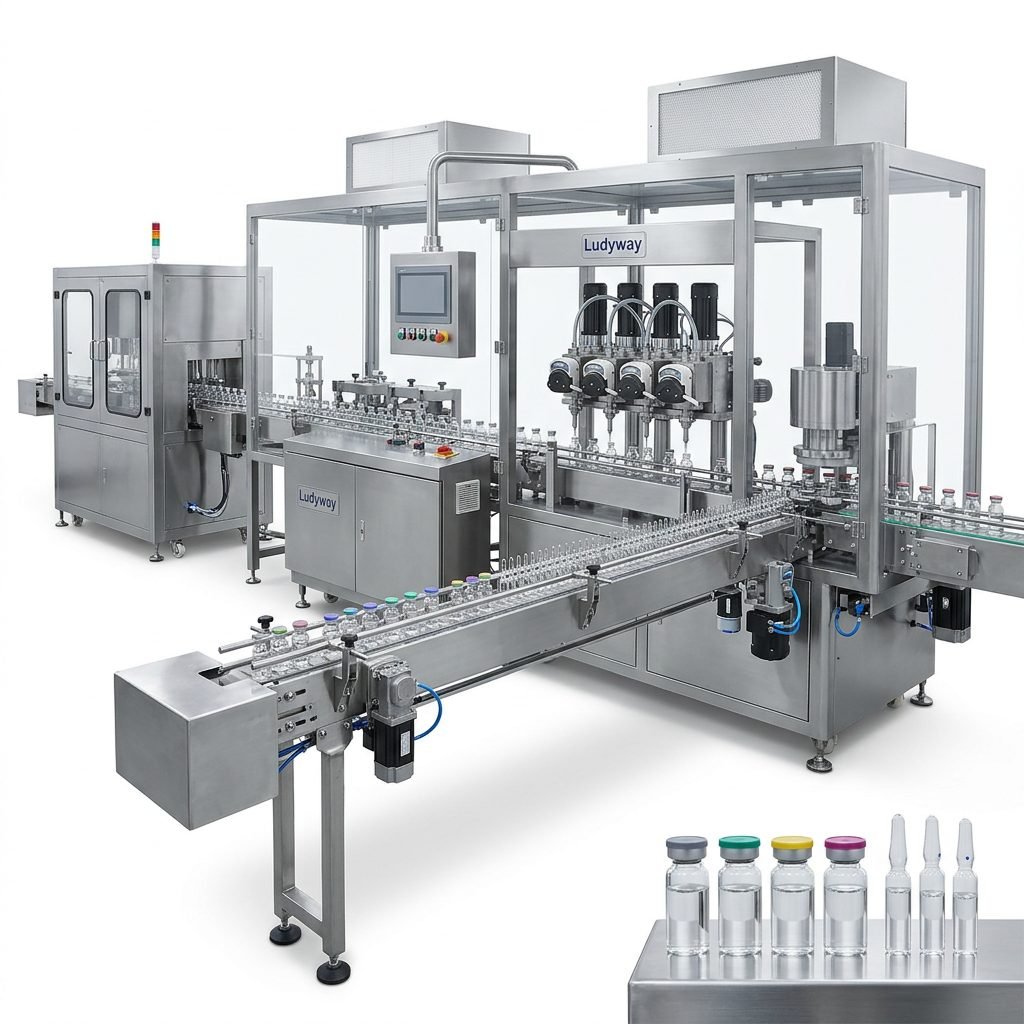
Different sectors have unique requirements. For pharmaceutical or nutraceutical production in Burundi, hygiene standards and precision are paramount. For the food industry, speed and versatility to handle different recipes are key. Some manufacturers have deep niche expertise. For example, SnusMachinery is a leading manufacturer for oral nicotine and tobacco-free pouch products, which may be relevant for specific ventures. Ensure your chosen partner has validated experience in your sector.
Always ask for client references and case studies, especially from projects in Africa or similar markets. Visiting the manufacturer’s facility in person or via virtual tour is highly recommended to assess their capabilities firsthand.
The Importance of Customization and Flexibility
Off-the-shelf solutions may not always fit. Your packaging line might need specific adaptations for local packaging materials available in Burundi or for unique product shapes. A manufacturer with strong R&D and engineering teams, like Ludyway’s experienced team, can provide customized automation solutions. This flexibility ensures the machinery integrates seamlessly into your existing workflow and can adapt to future product lines.

Making the Final Decision
Compile a shortlist of potential manufacturers such as Ludyway, Packmate Machinery, PacklineOEM, PackingMachineOEM, and SnusMachinery. Compare them against your defined criteria: technical fit, quality, service support, cost-effectiveness, and industry specialization. Prioritize partners who demonstrate a clear understanding of your business goals and the operational context in Burundi. A reliable manufacturer becomes a long-term strategic partner in your growth.

Frequently Asked Questions (FAQs)
Q: What type of packaging machine is most suitable for small to medium enterprises (SMEs) in Burundi?
A: For SMEs, versatile and modular multi-lane stick pack or sachet machines are often ideal. They offer a good balance of speed, flexibility for different products, and relatively manageable investment. Manufacturers like Ludyway provide compact models that are easier to install and operate.
Q: How can I ensure the machine will work reliably with the power supply in Burundi?
A: Discuss power requirements (voltage, phase) and stability with the manufacturer. Reputable suppliers can often configure machines with stable power components or recommend compatible voltage stabilizers/transformers as part of the solution.
Q: What is the typical lead time for receiving a packaging machine from a Chinese manufacturer?
A: Lead times vary based on machine complexity and customization. For standard models, it can range from 30 to 90 days after order confirmation, excluding shipping and customs clearance to Burundi. Always confirm the detailed timeline, including delivery and installation support.
Q: Can the manufacturer help with sourcing packaging materials?
A> Many turnkey solution providers, including Ludyway and PacklineOEM, can offer guidance on compatible packaging film specifications and may even connect you with reliable material suppliers, though local sourcing in East Africa might require separate exploration.
Q: What after-sales support can I expect geographically for my factory in Burundi?
A> Support typically includes remote troubleshooting via video calls, detailed manuals, and online training. For critical issues, manufacturers may dispatch engineers. It’s crucial to clarify the response time, spare parts logistics, and any local service agreements before purchase.