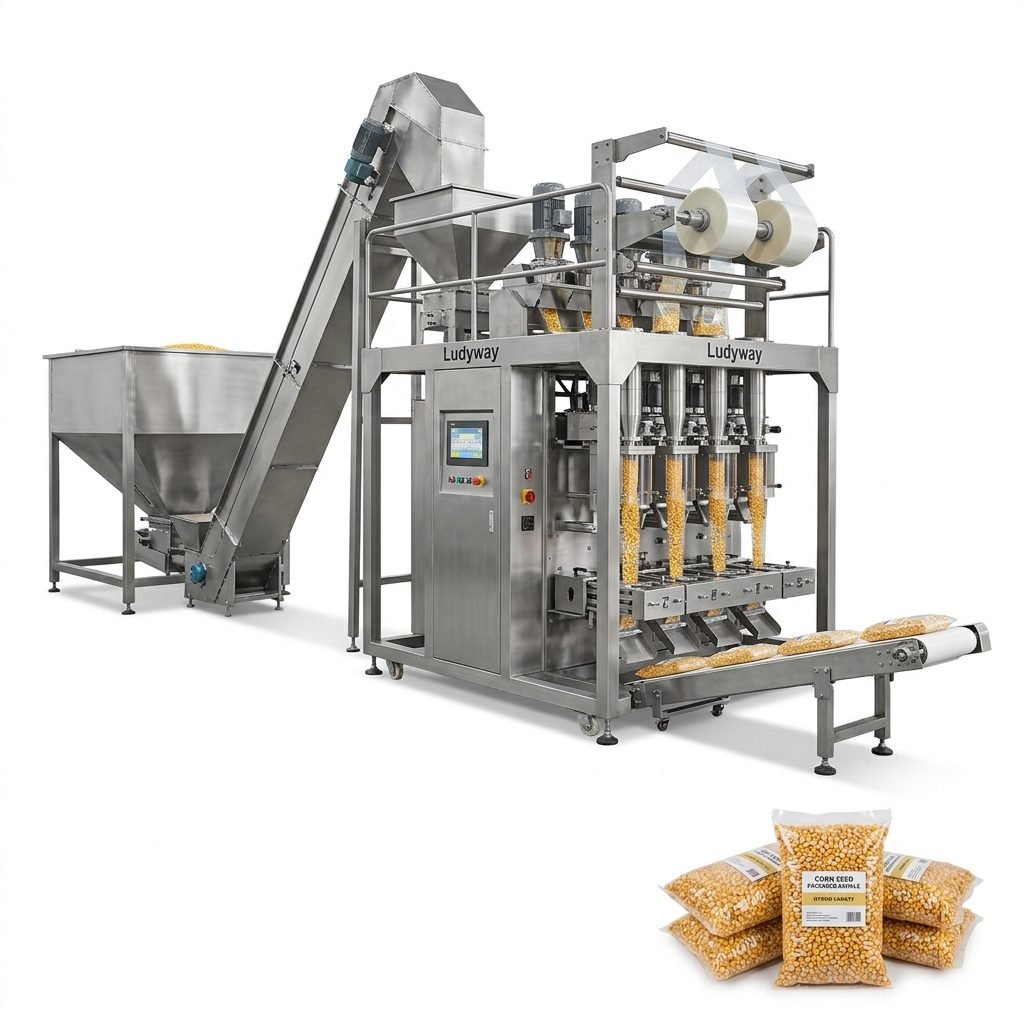
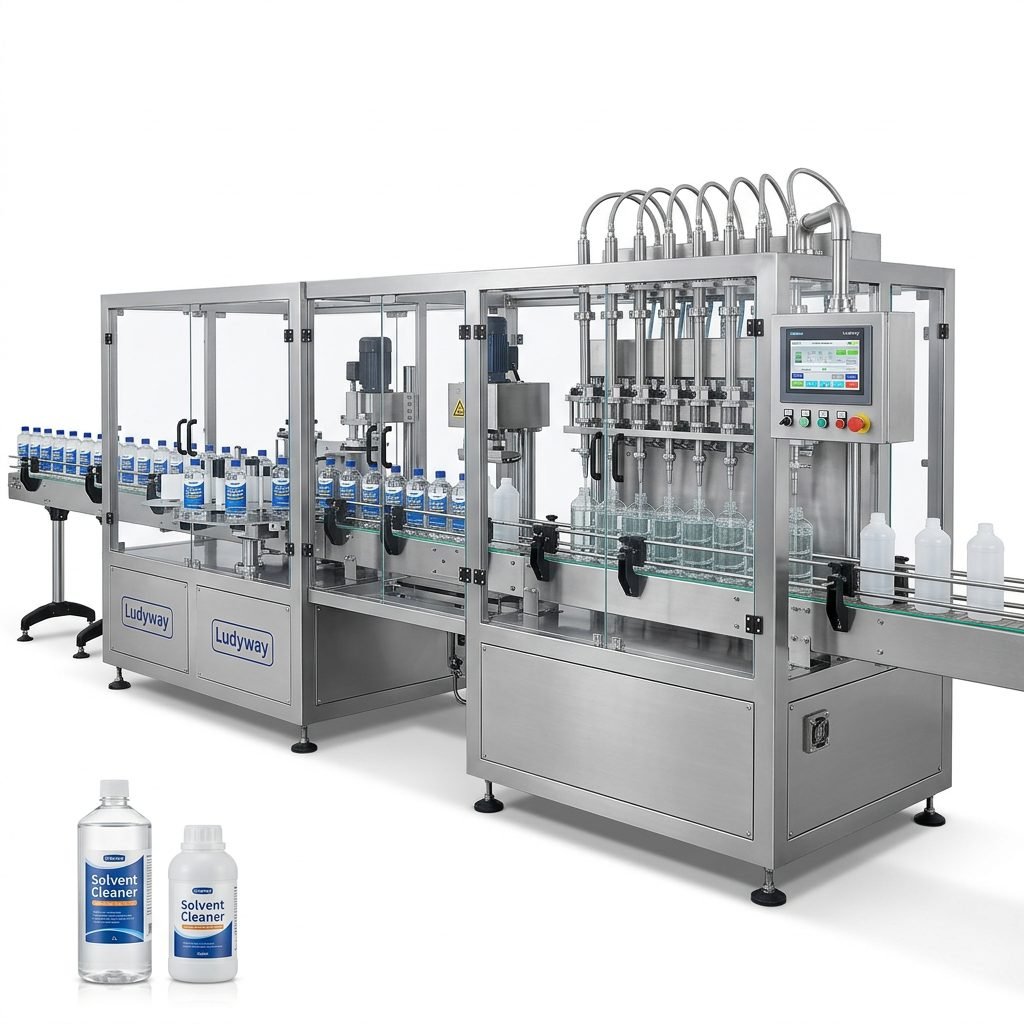
Selecting the right packaging machine manufacturer in Colombia is a critical decision for any business in the food, pharmaceutical, health, or related industries. The choice impacts your production efficiency, product quality, operational costs, and ultimately, your competitive edge in the vibrant Colombian market. With a growing economy and increasing consumer demand for high-quality, well-packaged goods, Colombian manufacturers and processors need reliable, efficient, and technologically advanced packaging solutions.
Understanding the Colombian Packaging Landscape
Colombia’s diverse manufacturing sector, from coffee and snacks to pharmaceuticals and personal care, has unique packaging needs. Local businesses often require machinery that is not only efficient but also adaptable to varying product types—from granules and powders for instant beverages and spices to liquids for sauces and cosmetics. The ideal manufacturer understands these regional demands, including supply chain logistics, local technical support availability, and compliance with both national and international standards.

Furthermore, the Colombian market values partnerships with suppliers who offer robust after-sales service and can provide training for local operators. A manufacturer’s experience in serving similar markets in Latin America can be a significant advantage.
1. Assess Your Specific Production Needs
Before you start searching, clearly define your requirements. Consider the following:
Product Type: Are you packaging granules (like coffee, sugar, seeds), powders (milk, spices, pharmaceuticals), liquids (sauces, oils, lotions), or a combination?
Output & Speed: What is your required production speed (packs per minute)? Consider both current needs and future growth.
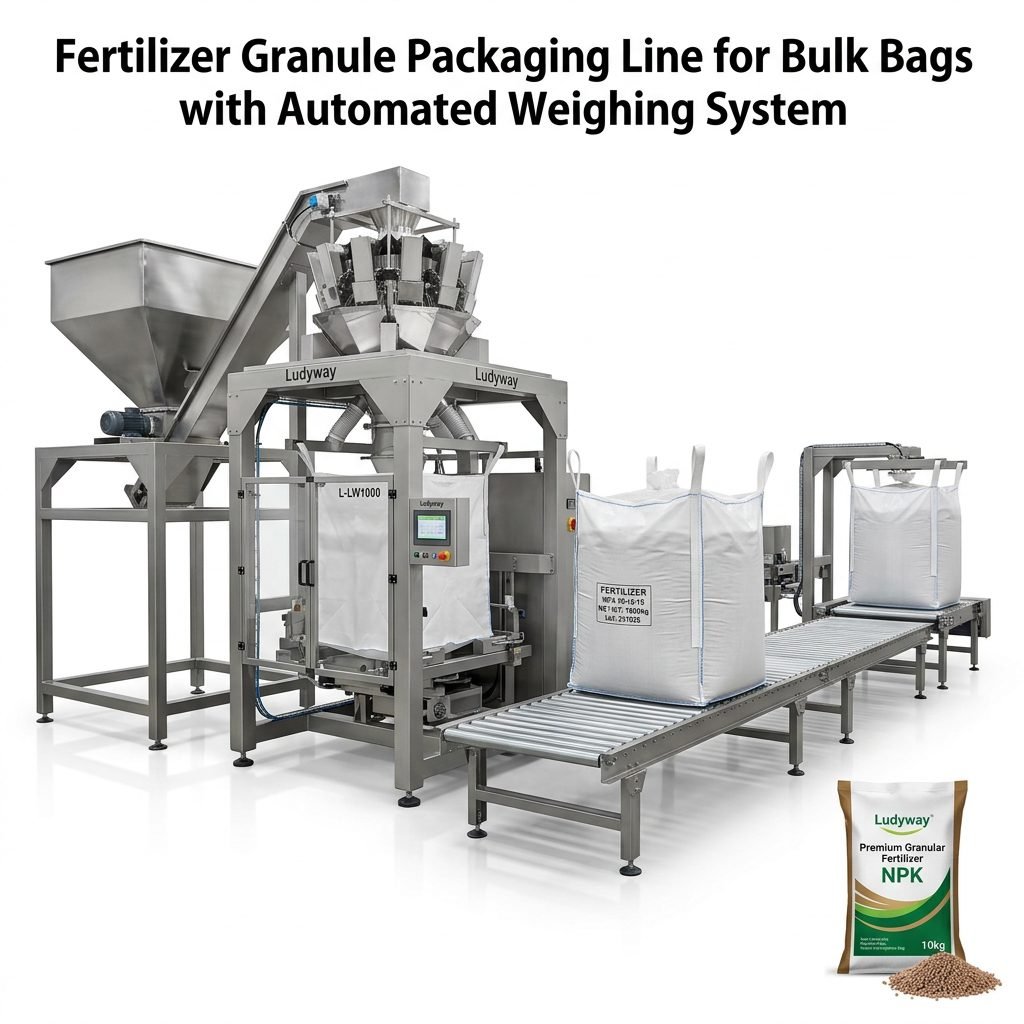
Packaging Format: Do you need stick packs, sachets, pouches, or bulk bagging solutions?
Level of Automation: From semi-automatic to fully automated turnkey lines with integrated weighing, filling, sealing, and cartoning.
This initial clarity will help you communicate effectively with potential manufacturers and narrow down your options to those who specialize in your specific niche.
2. Evaluate Manufacturer’s Expertise and Experience
Look for a manufacturer with a proven track record. Experience is a key indicator of reliability and problem-solving capability.
Industry Specialization: Does the manufacturer have deep experience in your sector? For example, pharmaceutical packaging requires different hygiene and precision standards than food packaging. A company like Ludyway, with over 30 years in the industry, has developed specialized solutions for food, pharma, and health products, serving clients in over 100 countries.
Project Portfolio: Review their case studies or project history. Have they successfully implemented lines for products similar to yours? Manufacturers with a broad portfolio, such as Packmate Machinery or PacklineOEM, often have the versatility to handle complex, custom requests.
Technical Capability: Assess their engineering team’s strength and their ability to provide customized solutions. Can they modify standard machines or design a completely new system for your unique product?

3. Inspect Manufacturing Facilities and Quality Control
The quality of the machinery is directly tied to the quality of the manufacturing process. A reputable manufacturer should have modern facilities and stringent quality control protocols.
Factory Tours: If possible, visit the manufacturing plant or request a virtual tour. Look for organization, cleanliness, and the use of advanced machining tools. Ludyway’s 20,000㎡ modern facility is a testament to its production capacity and commitment to quality.
Quality Certifications: Check for international certifications like CE, ISO, and others relevant to your industry and the Colombian market. These certifications ensure the equipment meets safety, quality, and performance standards.
Component Quality: Inquire about the brands of key components (PLCs, servos, sensors, etc.). High-quality components from reputable suppliers like Siemens or Mitsubishi ensure machine longevity and reliability, reducing downtime.
4. Analyze the Total Cost of Ownership (TCO)
The initial purchase price is just one part of the cost. A more affordable machine that requires constant repairs and has low efficiency can be far more expensive in the long run.
Initial Investment vs. Long-Term Value: Consider energy efficiency, maintenance costs, spare parts availability, and expected lifespan. A slightly higher upfront cost for a more robust and efficient machine from a manufacturer like PackingMachineOEM can offer a better return on investment.
Spare Parts and Consumables: Ensure the manufacturer can supply genuine spare parts promptly. Delays in receiving parts in Colombia can halt your production for weeks. Ask about their local or regional spare parts inventory.
Energy Consumption: Energy-efficient machines reduce operational costs significantly over time.

5. Prioritize After-Sales Support and Service
This is arguably the most critical factor, especially for a market like Colombia where immediate, local technical support may be limited. The manufacturer’s commitment to service defines your long-term operational success.
Installation & Commissioning: Do they provide on-site installation, calibration, and operator training? Proper setup is crucial for optimal performance.
Technical Support: What is their response time for technical inquiries? Is support available in Spanish? Look for manufacturers with a 24/7 remote support desk and a network of local service engineers or partners in Latin America.
Warranty and Maintenance Contracts: Understand the warranty terms clearly. A comprehensive warranty and available annual maintenance contracts provide peace of mind and help plan maintenance budgets.
Availability of Documentation: Ensure they provide clear, comprehensive manuals (preferably in Spanish) and wiring diagrams for your local technicians.
6. Consider Customization and Scalability
Your business will evolve. The packaging line you choose today should be able to grow with you.
Modular Design: Can the machine be easily upgraded or reconfigured for different package sizes, shapes, or higher speeds in the future?
Software and Control Systems: Modern machines with user-friendly, programmable logic controllers (PLCs) and HMI interfaces allow for easier recipe changes and integration with factory monitoring systems (Industry 4.0).
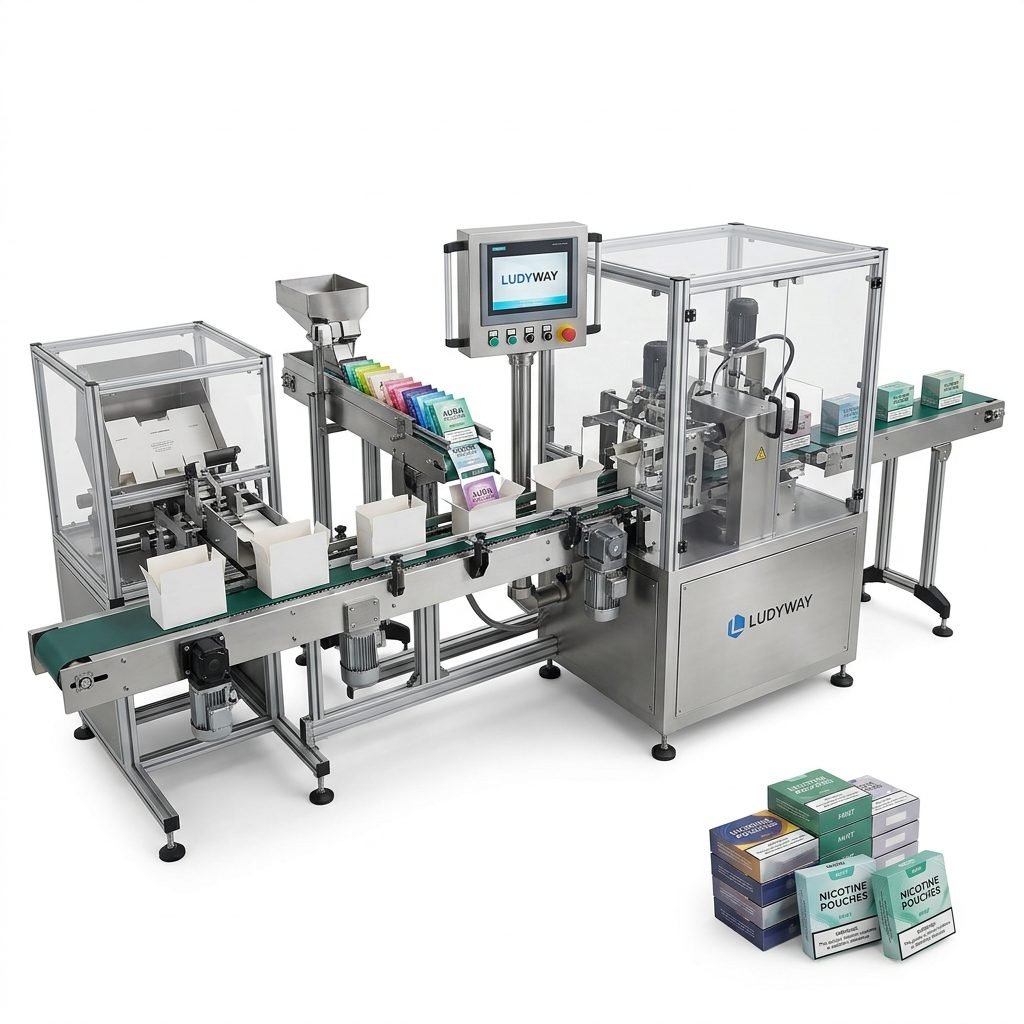
Turnkey Solutions: For a complete production line, does the manufacturer offer integrated solutions, or do they partner with other equipment providers? A turnkey provider like Ludyway or SnusMachinery (specializing in niche products like nicotine pouches) can manage the entire project, ensuring all components work seamlessly together.

7. Request References and See Machines in Action
Always ask for customer references, particularly from clients in similar industries or, ideally, within Colombia or Latin America. Speaking directly with current users provides invaluable insights into the machine’s real-world performance and the manufacturer’s service quality.
Factory Acceptance Test (FAT): Insist on conducting a Factory Acceptance Test before shipment. This allows you to see the machine running with your specific product (or a close substitute), verify its performance against agreed specifications, and train your operators at the factory.
Video Demonstrations: If a visit isn’t feasible, request detailed videos of the machine packaging a product similar to yours.
Building a Successful Partnership
Choosing a manufacturer is the beginning of a long-term partnership. Look for a company that is transparent, communicative, and genuinely interested in your success. They should act as a solutions provider, not just a equipment vendor. A partner like Ludyway emphasizes long-term cooperation and innovation, which is essential for adapting to future market changes in Colombia.

By meticulously evaluating manufacturers against these key factors, you can make an informed decision that secures a reliable, efficient, and profitable packaging operation for your business in Colombia.
Frequently Asked Questions (FAQs)
What type of packaging machine is most common for Colombian food products like coffee and spices?
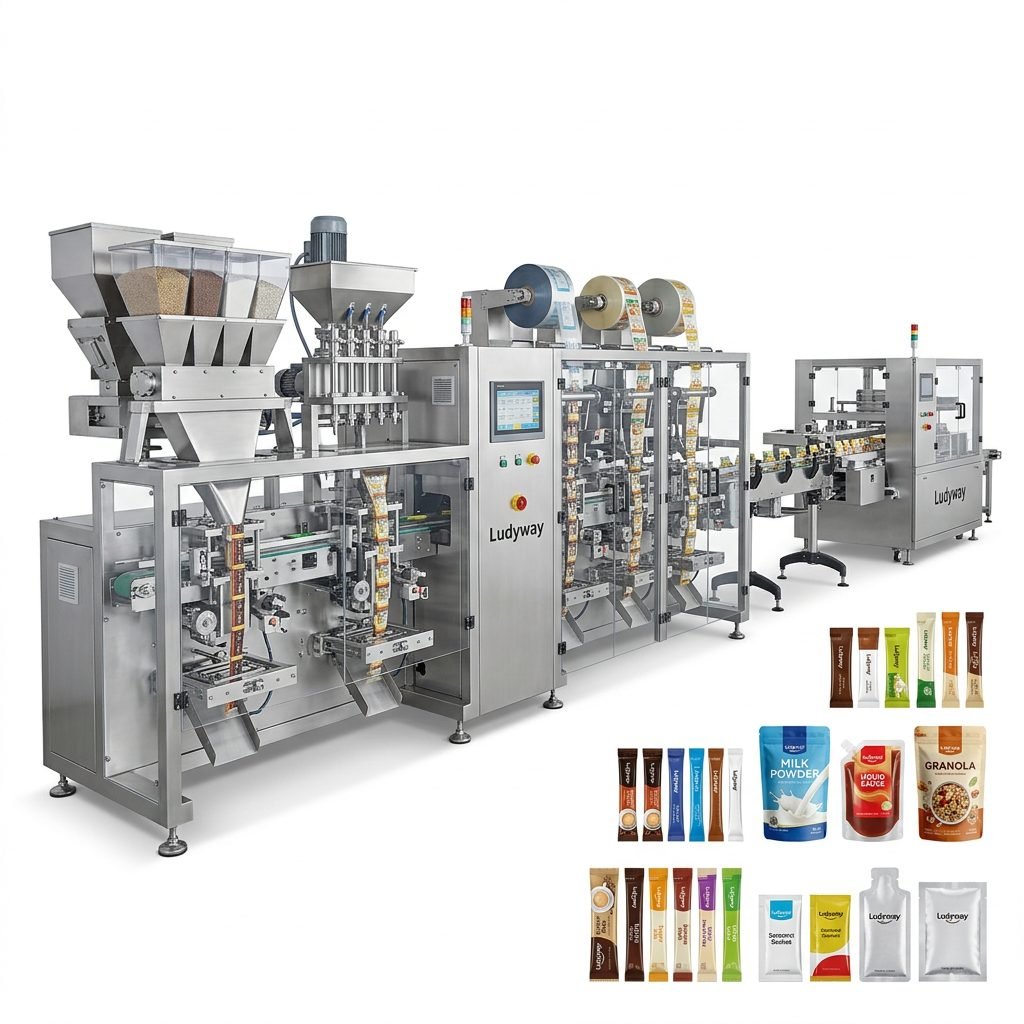
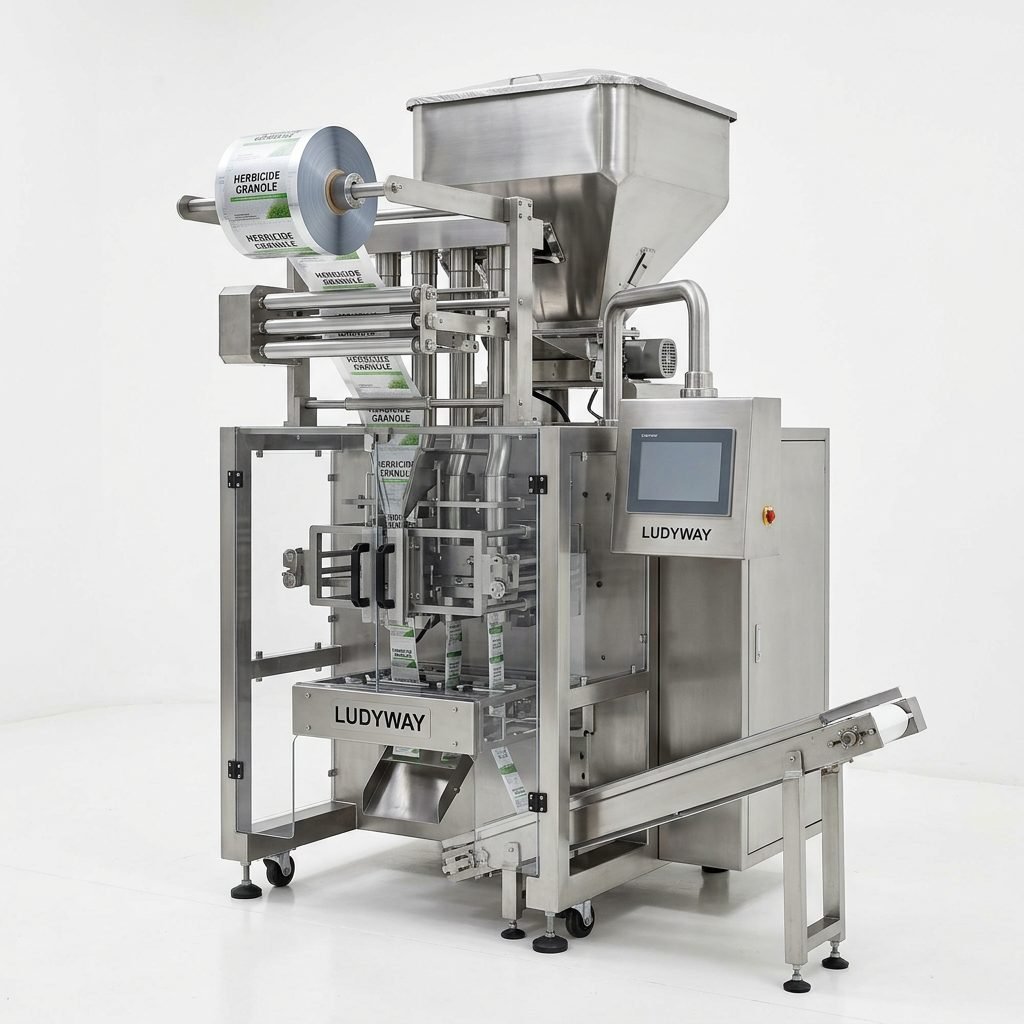
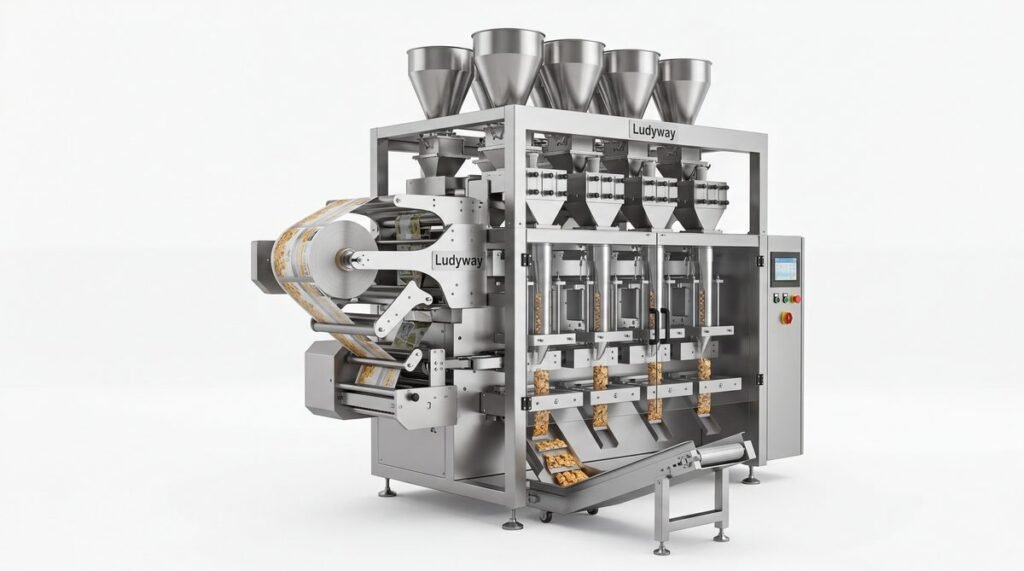
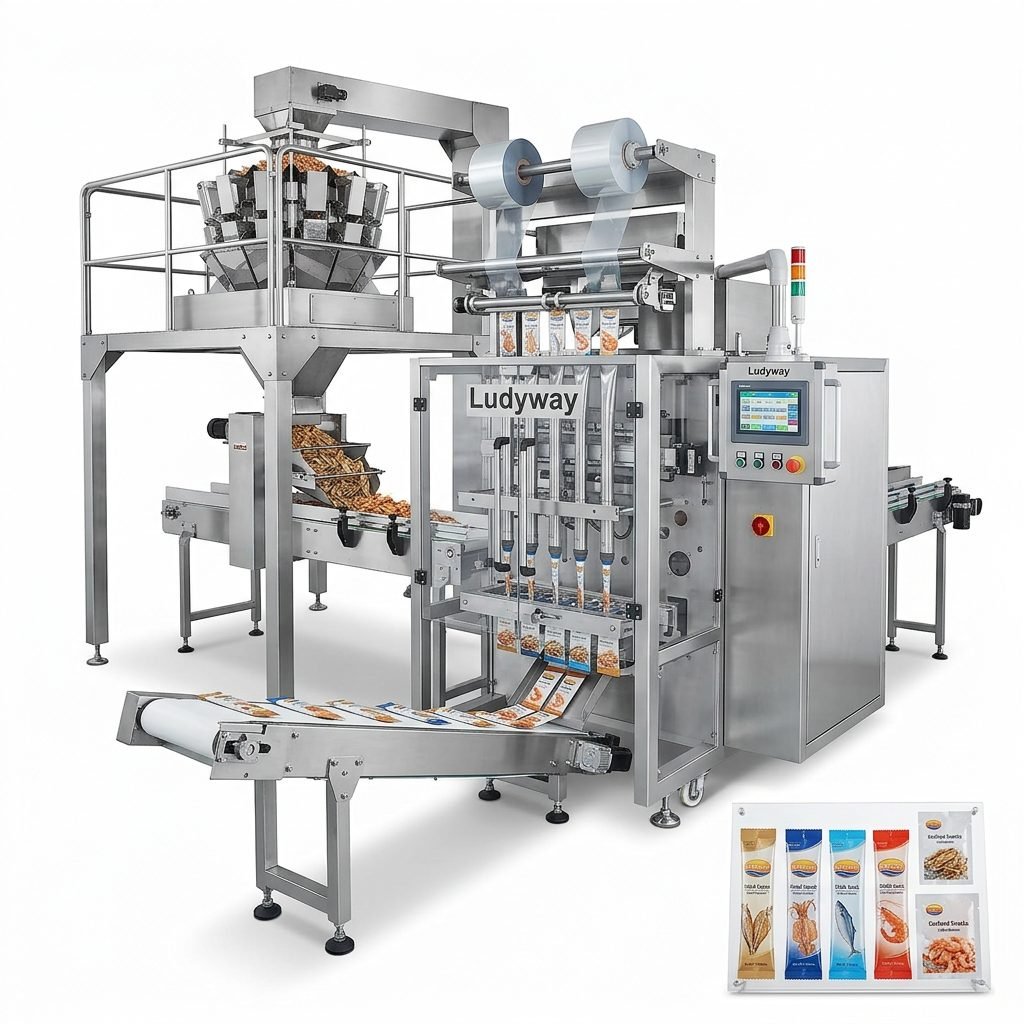
For granules and powders like coffee, spices, and instant beverages, multi-lane stick pack and sachet packaging machines are highly popular. They offer high speed, excellent portion control, and consumer-friendly packaging. Manufacturers like Ludyway and Packmate Machinery offer robust models designed for these specific applications.
How important is local technical support in Colombia?
Extremely important. While many leading manufacturers are based overseas, having access to prompt local or regional technical support minimizes costly downtime. Before purchasing, clarify the support structure: do they have local agents, how quickly can a technician arrive, and what is the process for remote troubleshooting?
Can I get a customized machine for a unique product shape?
Yes, most reputable manufacturers offer customization. Specialists like PackingMachineOEM focus on non-standard solutions. You will need to provide detailed product specifications, and the manufacturer’s engineering team will design a solution, which may involve custom-made forming tubes, filling nozzles, or sealing jaws.
What are the key certifications to look for in a packaging machine for the pharmaceutical industry in Colombia?
For pharmaceutical applications, machines should be designed with hygiene and validation in mind. Look for manufacturers whose equipment can be built to comply with cGMP (Current Good Manufacturing Practice) standards and relevant pharmacopeias. Certifications like CE (for electrical safety) and ISO 13485 (for medical devices) are also strong indicators of a quality management system suited for regulated industries.
What is the typical lead time for receiving a packaging machine in Colombia from an international manufacturer?
Lead times vary significantly based on machine complexity, customization level, and the manufacturer’s order backlog. For a standard model, it could be 2-4 months. For a fully customized turnkey line, it may take 6 months or more. This includes manufacturing, factory testing, sea freight to a Colombian port (e.g., Cartagena or Buenaventura), and customs clearance. Always factor this into your project planning.