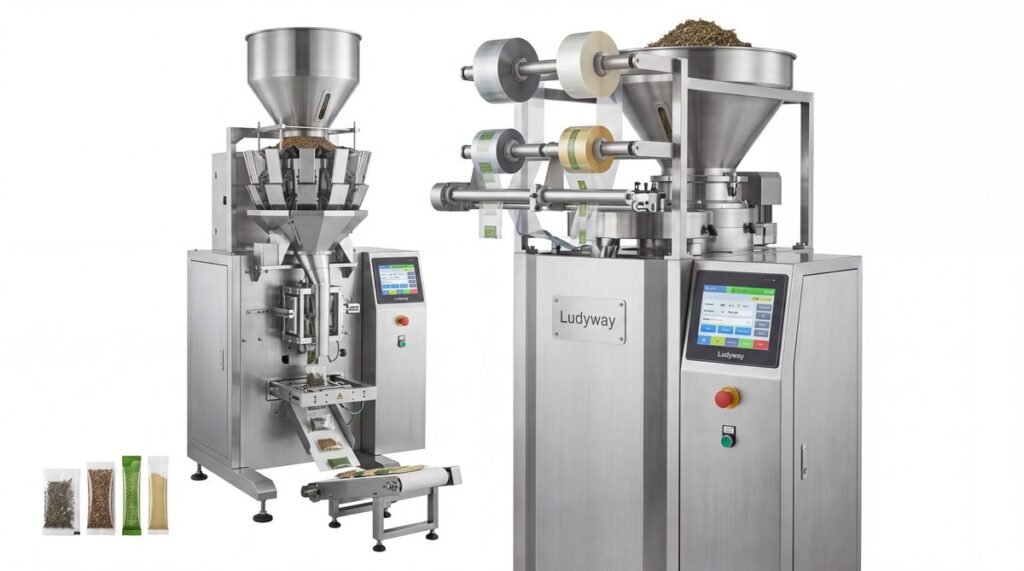
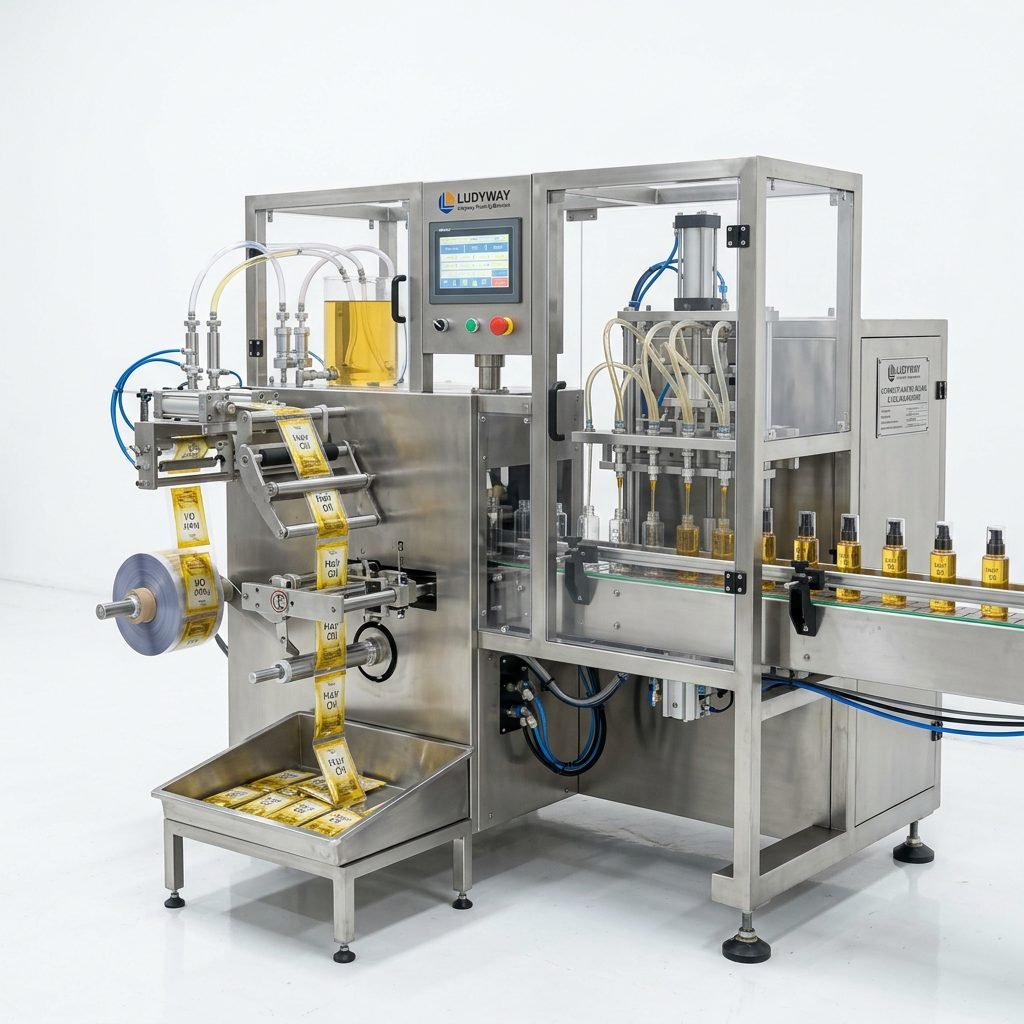
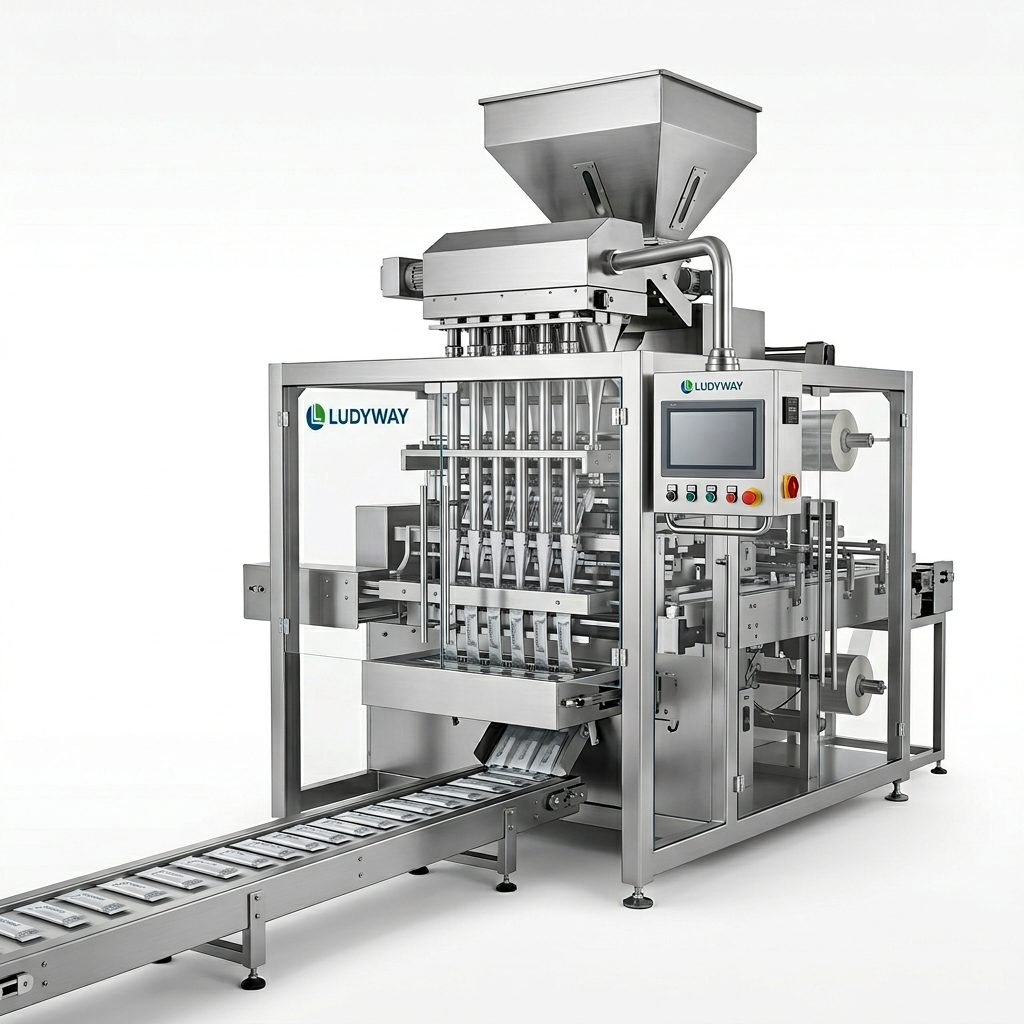
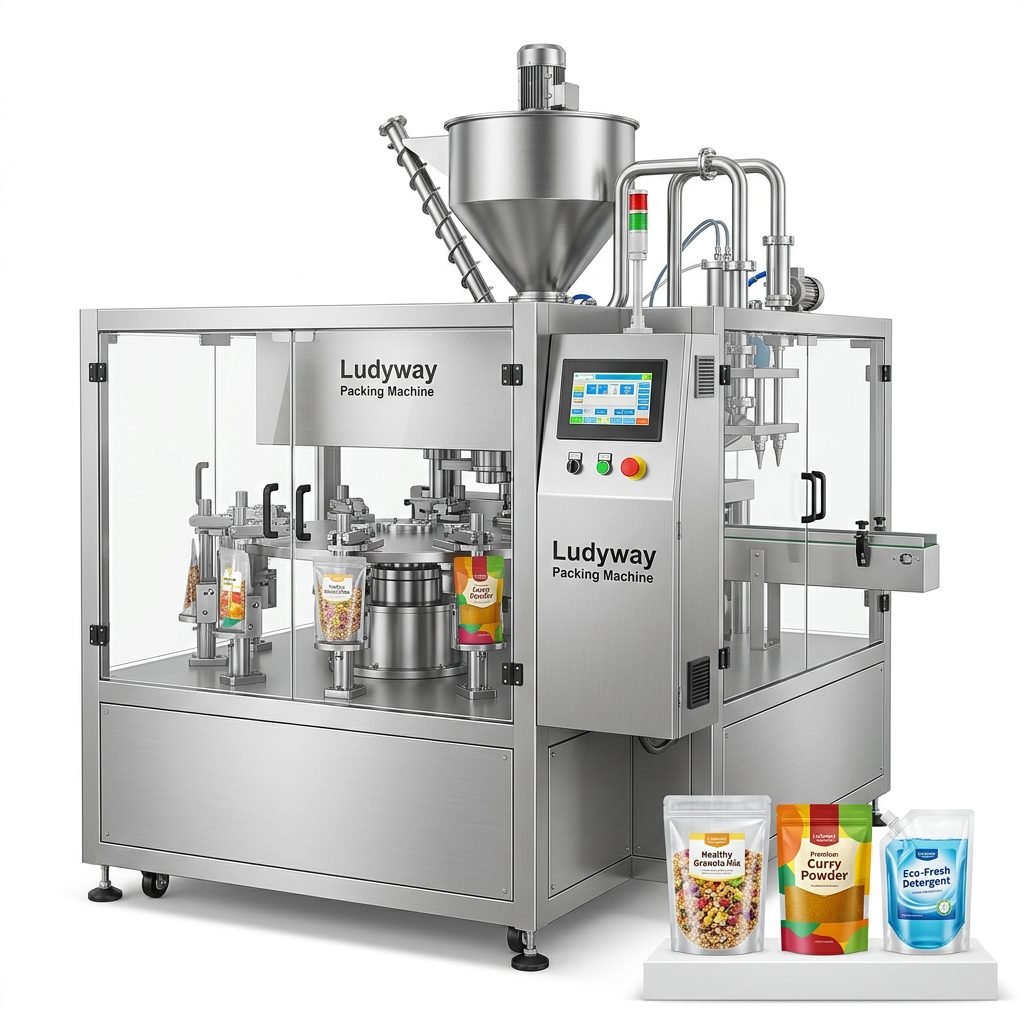
Investing in a packaging machine is a significant decision that directly affects your production efficiency, product quality, and long-term operational costs. Whether you are packaging powders, granules, liquids, or solid products, selecting the right equipment requires a clear understanding of your current needs and future growth plans. This guide walks you through the essential factors to consider before making a purchase, helping you avoid costly mistakes and choose a machine that truly fits your manufacturing environment.
1. Define Your Product Characteristics First
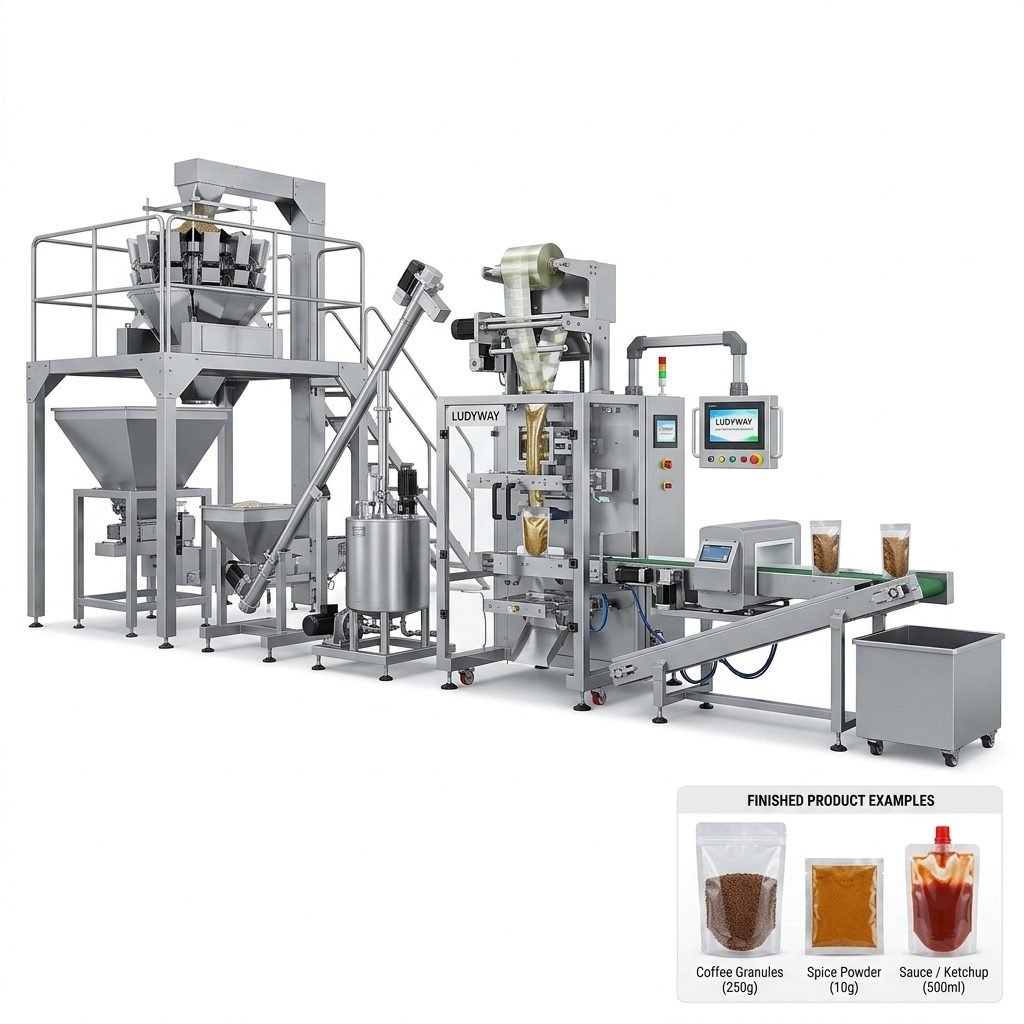
Before evaluating any machine, you must thoroughly understand the physical properties of the product you intend to package. Different materials behave very differently during the filling and sealing process, and a machine designed for one product type may perform poorly with another.
- Powders: Consider flowability, bulk density, dust generation, and hygroscopic tendencies. Fine powders like flour or talc require specialized dosing systems to ensure accuracy and prevent airborne contamination.
- Granules: Evaluate particle size distribution, abrasiveness, and whether the granules are free-flowing or prone to bridging. Granule products like sugar, salt, or fertilizer typically require volumetric or multi-head weigher filling systems.
- Liquids: Assess viscosity, foam characteristics, temperature sensitivity, and chemical compatibility with machine components. Thin liquids, creams, and gels each demand different pump technologies and sealing methods.
- Hybrid or specialty products: Products containing a mix of phases — such as chunky sauces, products with particulates, or nicotine pouches — may require custom dosing and sealing solutions.
Conducting a complete product characterization study before contacting suppliers saves time and ensures you receive accurate machine recommendations. A reliable packaging partner will ask detailed questions about your product before proposing any equipment configuration. For additional guidance on packaging material compatibility and product safety, consult the FDA food packaging and food contact substances resource.
2. Determine Your Target Output and Production Speed
Production volume requirements dictate the level of automation and the machine configuration you need. It is important to distinguish between peak demand and average daily output when calculating capacity requirements.
- Low-volume production (under 30 packs per minute): Single-lane machines with semi-automatic feeding may be sufficient and cost-effective for startups or niche products.
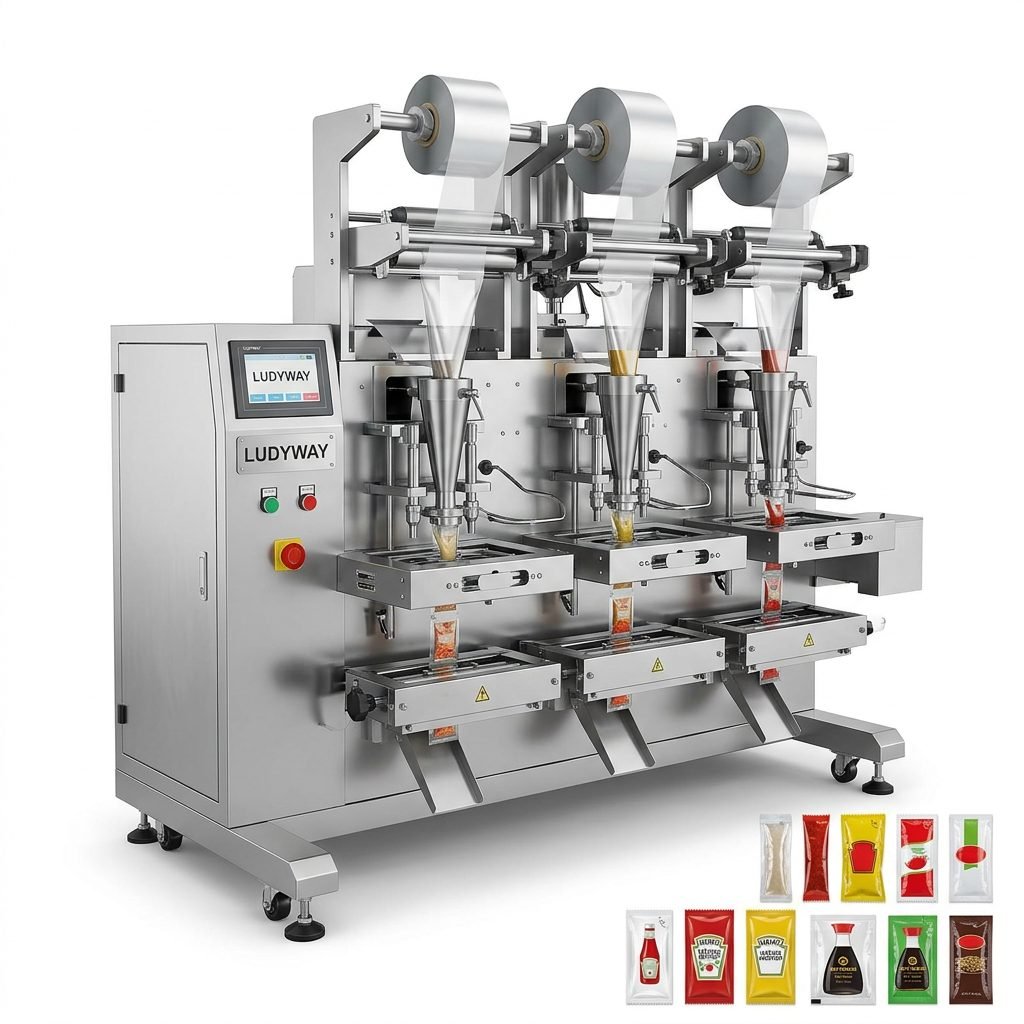
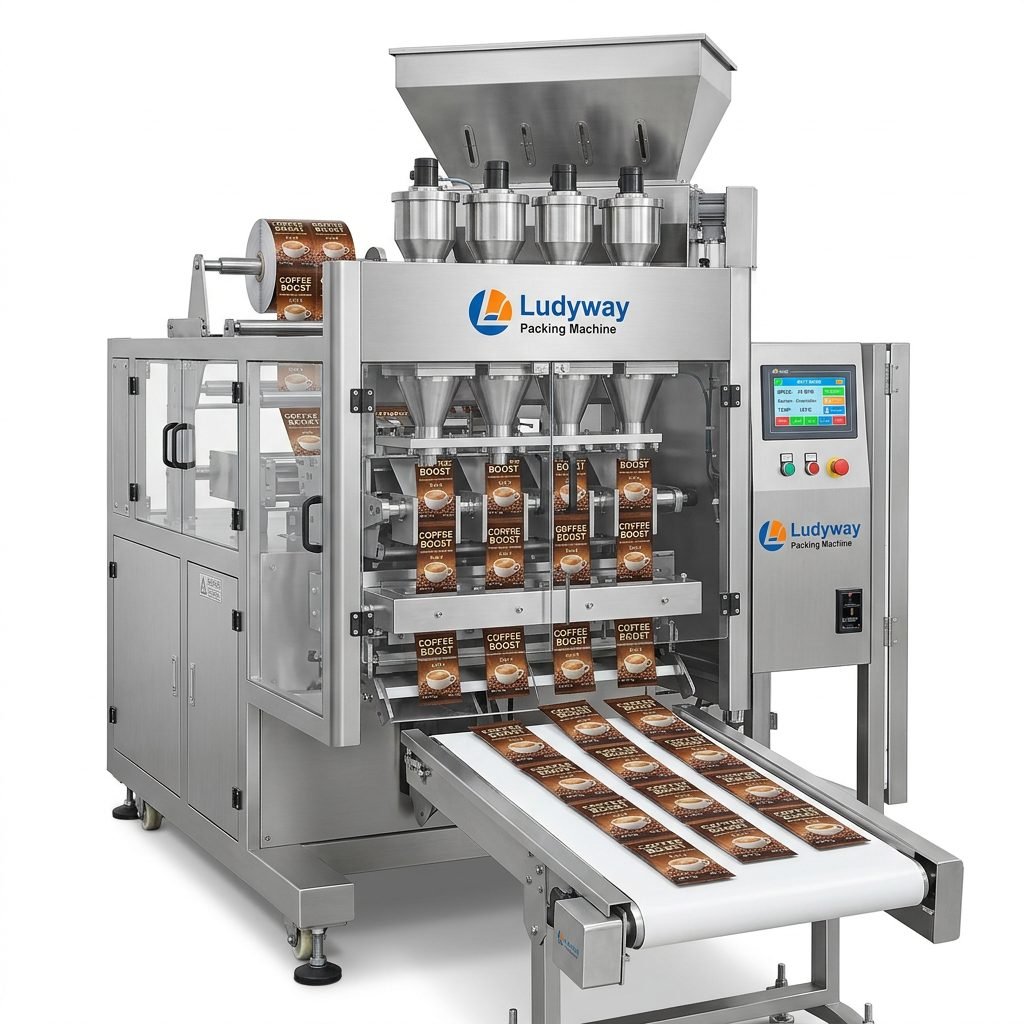
- Mid-volume production (30–80 packs per minute): Multi-lane stick pack or sachet machines with automated feeding systems become necessary to maintain consistency and labor efficiency.
- High-volume production (80+ packs per minute): Fully automated, high-speed multi-lane packaging lines with integrated weighing, filling, sealing, coding, and inspection are required. These systems often include industry-leading automation features such as robotic pick-and-place and real-time quality monitoring.
Always factor in a 20–30% capacity buffer above your current needs. This accommodates seasonal demand spikes and provides headroom for business growth without requiring an immediate second machine purchase.
3. Choose the Right Packaging Format
The packaging format directly influences machine selection. Common formats include sachets, stick packs, pouches, and larger bag styles. Each format serves different market segments and consumer preferences.
| Packaging Format | Typical Applications | Key Machine Features |
|---|---|---|
| Sachets | Single-use condiments, cosmetics samples, pharmaceutical powders | Compact, multi-lane filling, 3-side or 4-side seal |
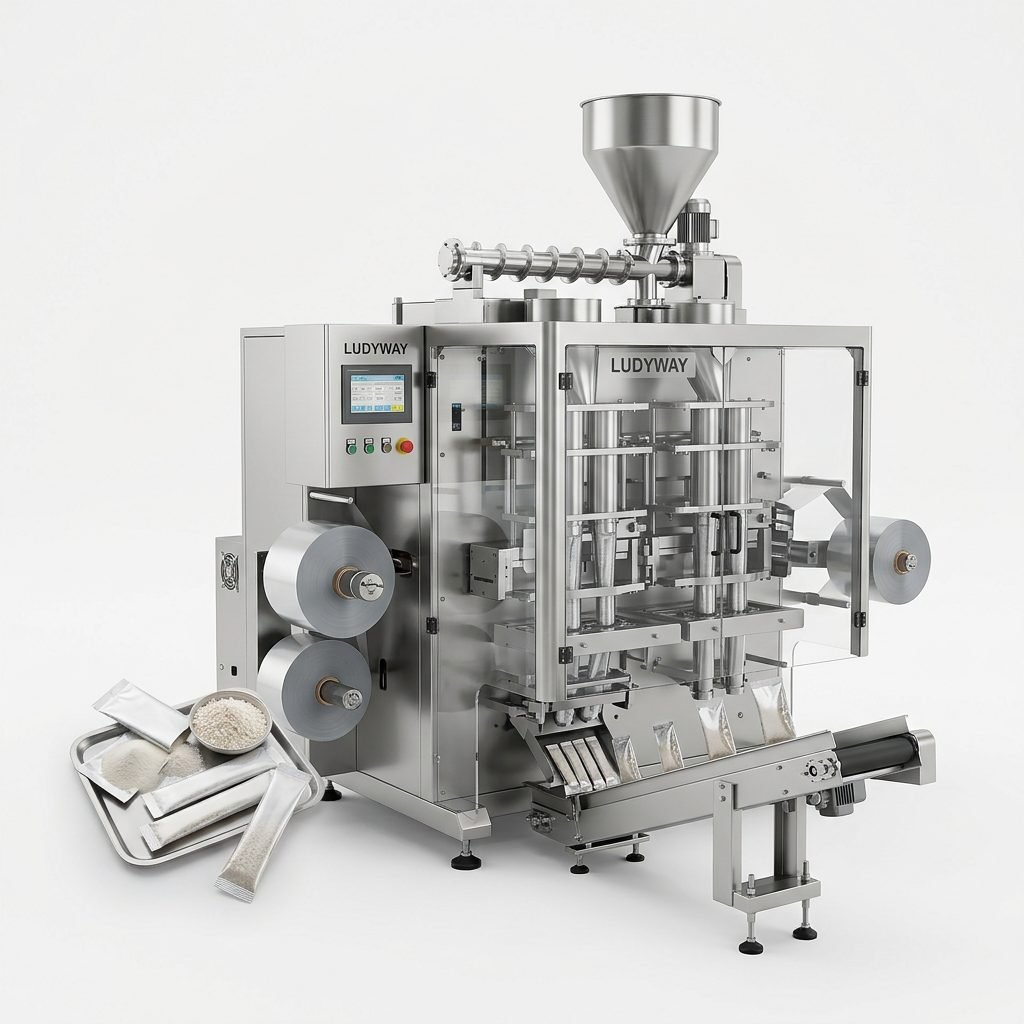
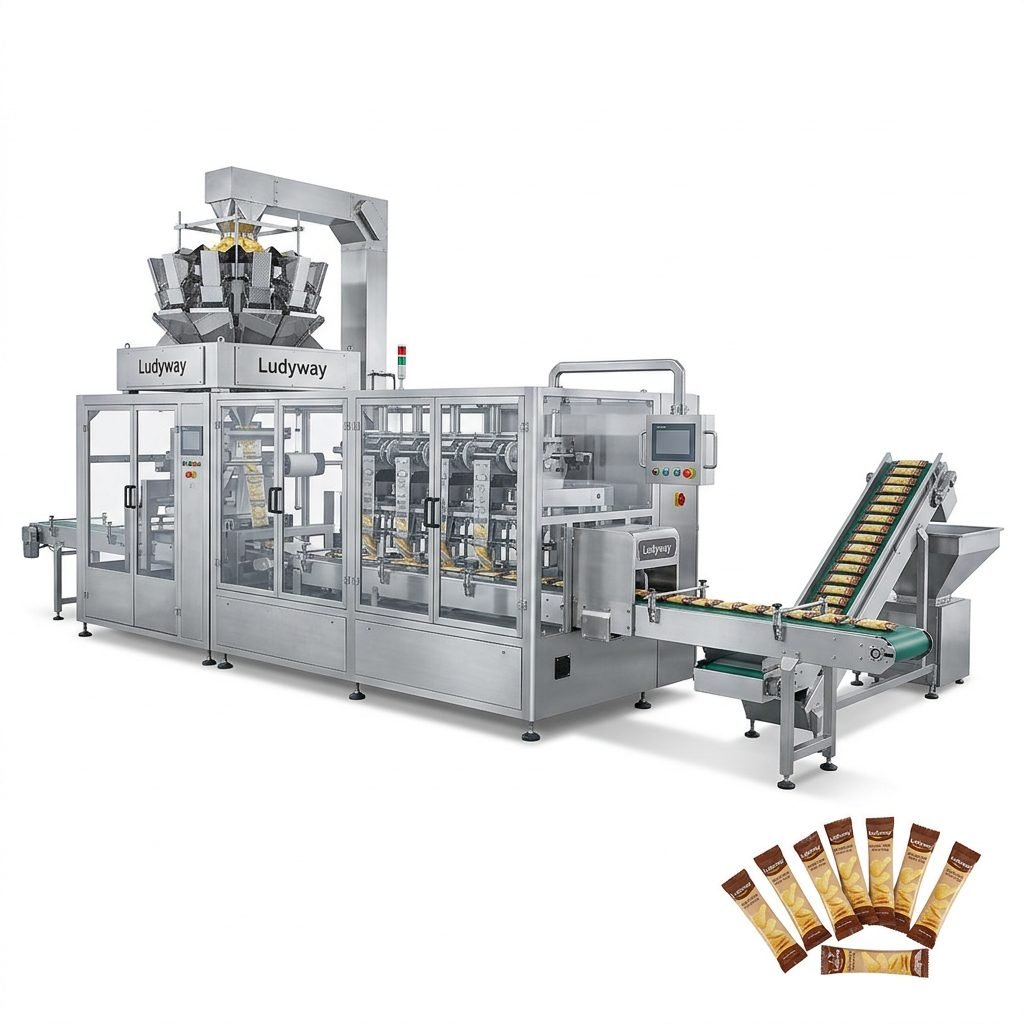
| Stick Packs | Nutritional supplements, instant coffee, energy powders, nicotine pouches | Slim vertical format, multi-lane high-speed, precision dosing |
| Pouches | Pet food, frozen products, bulk snacks, industrial chemicals | Flat, stand-up, or gusseted; zipper or resealable options |
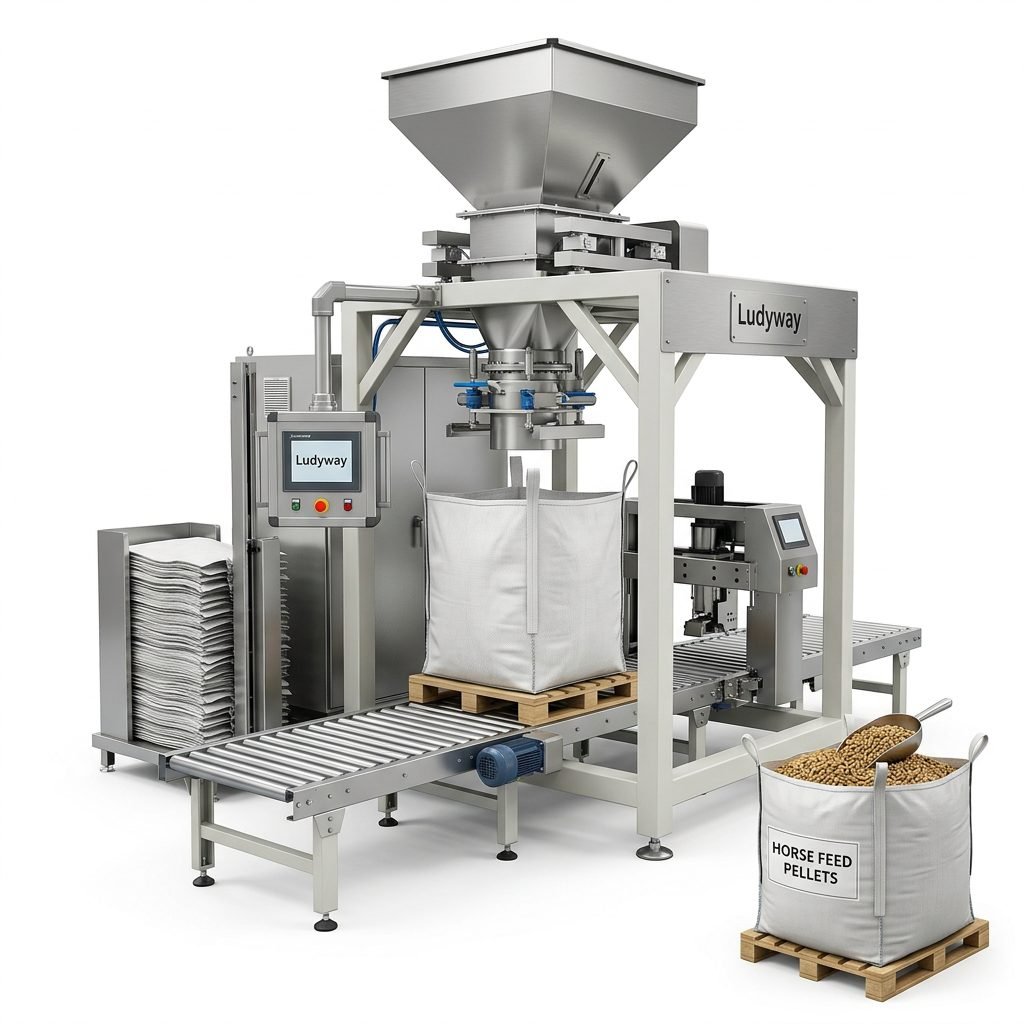
| Big Bags / Bulk Bags | Industrial powders, fertilizers, construction materials, animal feed | Heavy-duty weighing, automated filling, palletizing integration |
Selecting a machine that supports multiple packaging formats can provide operational flexibility, especially for contract packagers or manufacturers with diverse product lines. However, dedicated single-format machines often deliver higher speed and efficiency for focused production environments.
4. Evaluate Filling and Dosing Technology
Dosing accuracy is one of the most critical performance indicators for any packaging machine. Inaccurate fills lead to product giveaway, regulatory non-compliance, and customer dissatisfaction. The appropriate dosing technology depends primarily on your product’s physical characteristics.
- Auger fillers: Best for fine powders and non-free-flowing products. Provides excellent accuracy for products like flour, protein powder, and pharmaceutical powders.
- Volumetric cup fillers: Suitable for free-flowing granules such as sugar, salt, or coffee beans. Cost-effective and reliable for consistent-density products.
- Multi-head weighers: Ideal for high-speed granular and small-piece applications. Often used for snacks, nuts, hardware components, and premium products requiring precise weight control.
- Piston and pump fillers: Designed for liquids, creams, pastes, and gels. Selection depends on viscosity, fill volume, and whether the product contains particulates.
Always request filling accuracy specifications from machine suppliers and verify these through product trials before finalizing your purchase. Industry standards such as ISO packaging standards provide useful benchmarks for acceptable deviation ranges.
5. Verify Material Compatibility and Seal Integrity
Packaging material selection directly influences product shelf life, brand presentation, and machine performance. The machine must be compatible with your chosen film, laminate, or pre-made pouch material, and it must produce consistent, high-integrity seals at production speed.
- Film type: Confirm whether the machine handles heat-sealable laminates, cold-seal films, or specialty barrier materials. Different materials require different sealing jaw temperatures and dwell times.
- Seal pattern: Verify available seal configurations — 3-side seal, 4-side seal, center seal, or stick-pack seal — and ensure they match your packaging design requirements.
- Material thickness range: Check the minimum and maximum film thickness the machine can process without jamming, wrinkling, or producing weak seals.
- Gas flushing capability: For products requiring modified atmosphere packaging (MAP), confirm that the machine supports nitrogen or CO₂ flushing to extend shelf life.
Seal integrity testing should be part of your machine acceptance criteria. Look for machines with adjustable sealing parameters — temperature, pressure, and dwell time — that can be precisely controlled and saved as recipes for different products.
6. Consider Automation and Integration Requirements
Modern packaging lines rarely operate in isolation. Your new machine may need to integrate with upstream feeding systems, checkweighers, metal detectors, coding and marking equipment, and downstream cartoning or palletizing systems. Evaluating end-to-end line compatibility early in the selection process prevents costly retrofits and downtime later.
- Automatic feeding: Vibratory feeders, vacuum conveyors, Z-type bucket elevators, and screw conveyors can automate product infeed and reduce manual labor.
- In-line inspection: Checkweighers, metal detectors, X-ray inspection, and vision systems ensure product quality and regulatory compliance without slowing production.
- Coding and marking: Thermal transfer printers, inkjet coders, and laser marking systems should integrate seamlessly for batch traceability and date coding.
- End-of-line automation: Cartoners, case packers, palletizers, and stretch wrappers complete the packaging process and prepare products for warehousing or shipment.
7. Assess Machine Build Quality and Compliance
The build quality of a packaging machine directly affects its reliability, service life, and maintenance costs. Machines destined for food, pharmaceutical, or medical device packaging must also comply with stringent hygiene and safety regulations.
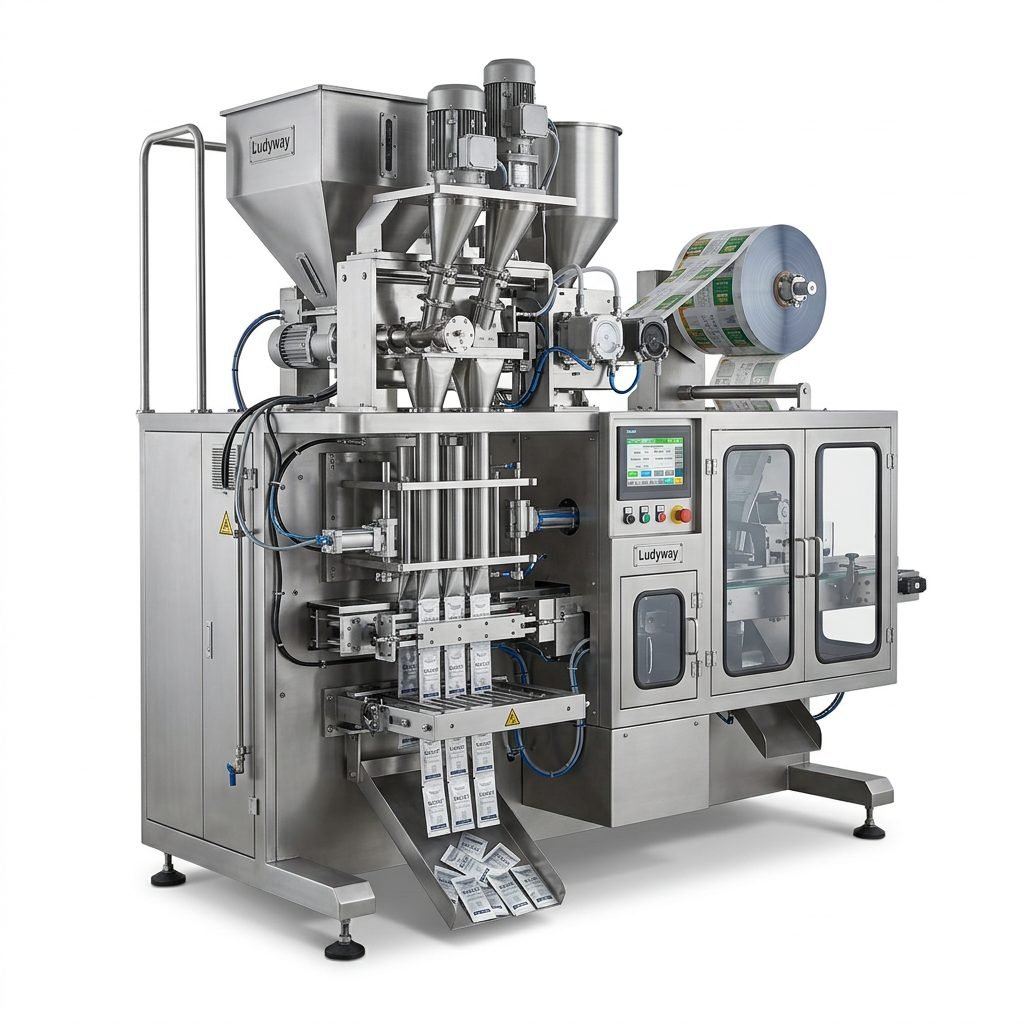
- Frame and construction: Stainless steel (304 or 316 grade) is standard for food and pharma applications. Look for robust welded frames, quality fasteners, and smooth surfaces that prevent product accumulation.
- Control systems: PLC-based controls with touchscreen HMI interfaces from established brands like Siemens, Allen-Bradley, or Mitsubishi provide reliability and global service support.
- Pneumatic and electrical components: Branded components from SMC, Festo, Schneider, or equivalent suppliers indicate attention to quality and simplify spare parts sourcing worldwide.
- Regulatory compliance: Verify CE certification, GMP compatibility, and any applicable FDA or USDA requirements for your target market. Machines should be designed for easy cleaning, tool-free changeovers, and sanitary operation where required.
8. Evaluate Supplier Capabilities and Support
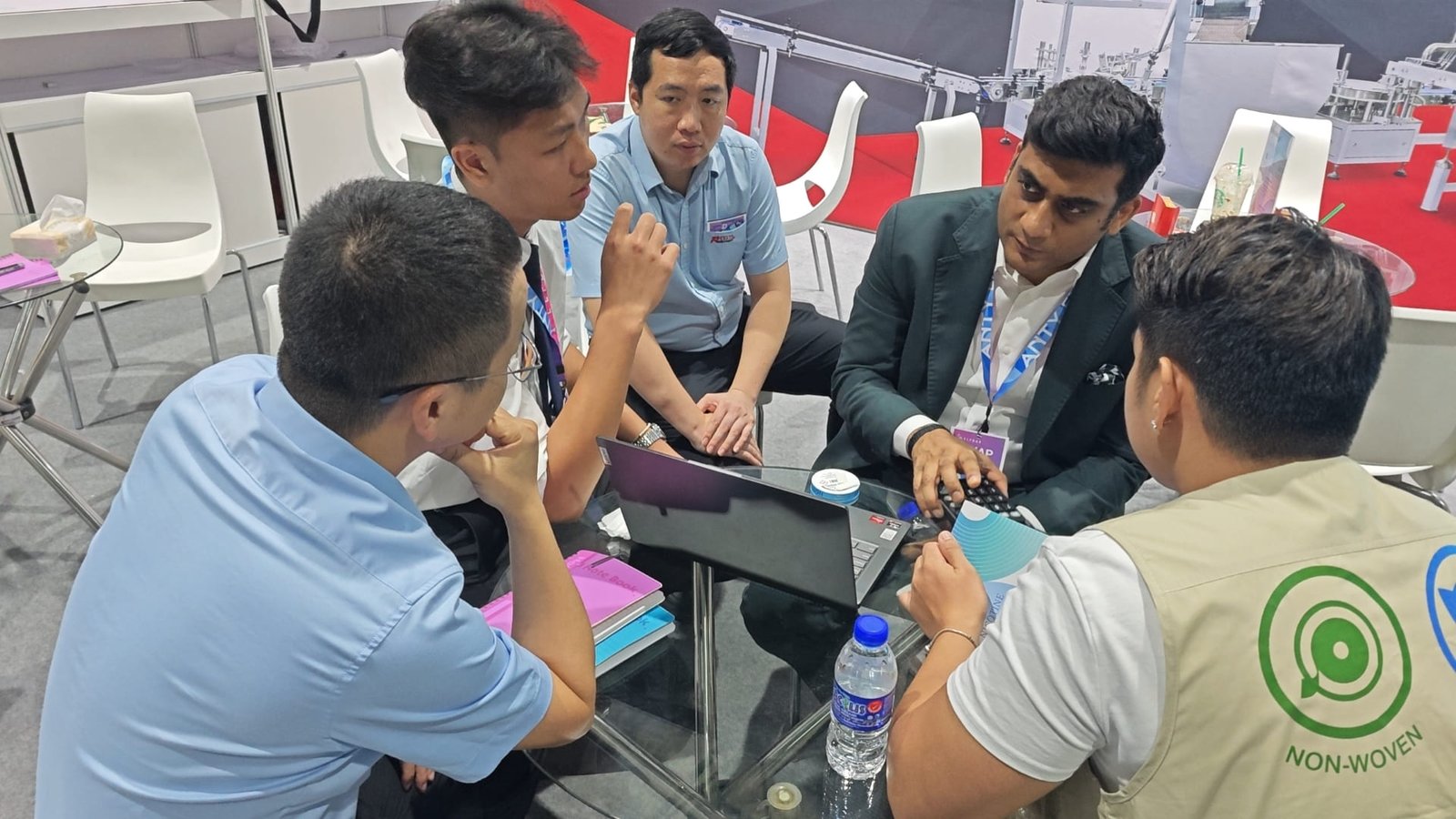
Your relationship with the packaging machine supplier extends well beyond the initial purchase. The supplier’s engineering capabilities, customization experience, and after-sales support infrastructure are just as important as the machine specifications themselves.
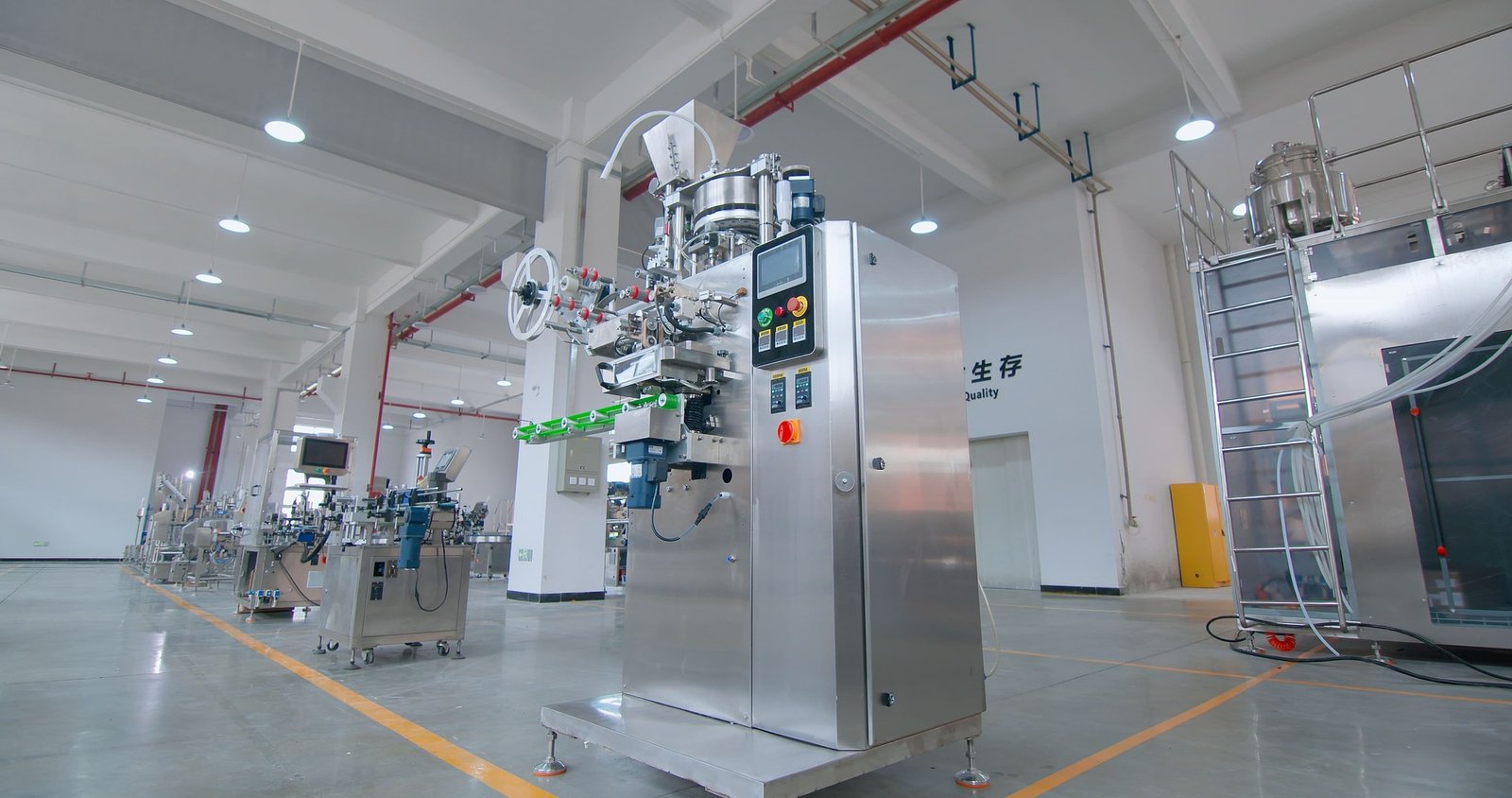
- Manufacturing footprint: A supplier with in-house manufacturing and engineering teams can provide better customization, faster lead times, and more responsive technical support compared to resellers or trading companies.
- Customization experience: If your product has unique characteristics or your factory has space constraints, a supplier with strong engineering capabilities can configure machines accordingly rather than forcing you to adapt to a standard design.
- Installation and commissioning: Confirm whether the supplier provides on-site installation, commissioning, and operator training. Remote support capabilities are also valuable for ongoing troubleshooting.
- Spare parts availability: Ask about spare parts inventory, lead times for critical components, and whether the supplier maintains a local or regional parts distribution network.
- Global service reach: For manufacturers exporting to multiple regions, a supplier with international service coverage and experience with various certification requirements can simplify compliance across different markets.
9. Calculate Total Cost of Ownership
The purchase price is only one component of the total investment. A comprehensive total cost of ownership analysis helps you compare options more accurately and avoid unexpected operational expenses over the machine’s service life.
- Initial capital cost: Machine price, shipping, customs duties, installation, and commissioning fees.
- Operating costs: Electricity, compressed air, consumables such as lubricants and cleaning supplies, and packaging material waste rates.
- Labor costs: Number of operators required per shift and the skill level needed for setup, operation, and changeover procedures.
- Maintenance costs: Routine service, wear-part replacement intervals, and the cost and availability of spare parts over the machine’s expected lifespan.
- Downtime risk: The cost of lost production if the machine requires frequent repairs or if critical spare parts have long lead times.
10. Plan for Future Scalability
Your production requirements today may not reflect your needs in three to five years. When evaluating machines, look for features that support future growth and product line expansion without requiring a complete equipment replacement.
- Modular design: Machines that allow adding lanes or upgrading filling systems later provide a cost-effective path to increase capacity.
- Multi-format capability: If you plan to introduce new packaging formats — for example, adding stick packs to an existing sachet line — a flexible machine platform can accommodate these changes.
- Software upgradability: Machines with updatable control software can incorporate new features, improved diagnostics, and connectivity options as technology evolves.
- Line integration readiness: Ensure the machine can be integrated into a fully automated line with automated feeding, inspection, and end-of-line equipment when your production volume justifies the investment.
Final Considerations Before Making Your Decision
Selecting the right packaging machine is a strategic decision that impacts your production efficiency, product quality, and competitive position. By systematically evaluating your product requirements, output targets, packaging format preferences, dosing technology needs, and supplier capabilities, you can make an informed choice that supports both your current operations and future growth.
For manufacturers seeking a packaging machinery partner with extensive engineering experience and a broad portfolio of automated packaging solutions, companies like Ludyway Machinery offer turnkey packaging systems designed to match specific product and production requirements. With more than 30 years of industry experience and over 50 packaging machine models, manufacturers across food, pharmaceutical, chemical, and consumer goods sectors can find equipment configured to their exact needs — from single machines to complete automated production lines.
Whatever supplier you choose, always insist on product trials, factory acceptance testing, and clear after-sales service commitments before finalizing your purchase. A packaging machine is a long-term investment — thorough due diligence ensures you select equipment that delivers reliable performance, consistent output quality, and a strong return on investment for years to come.