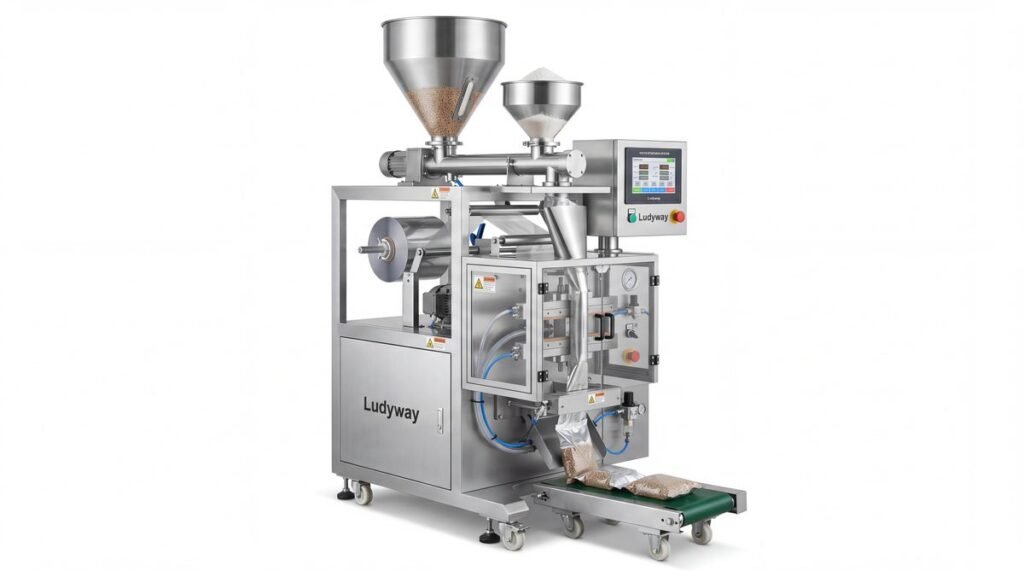
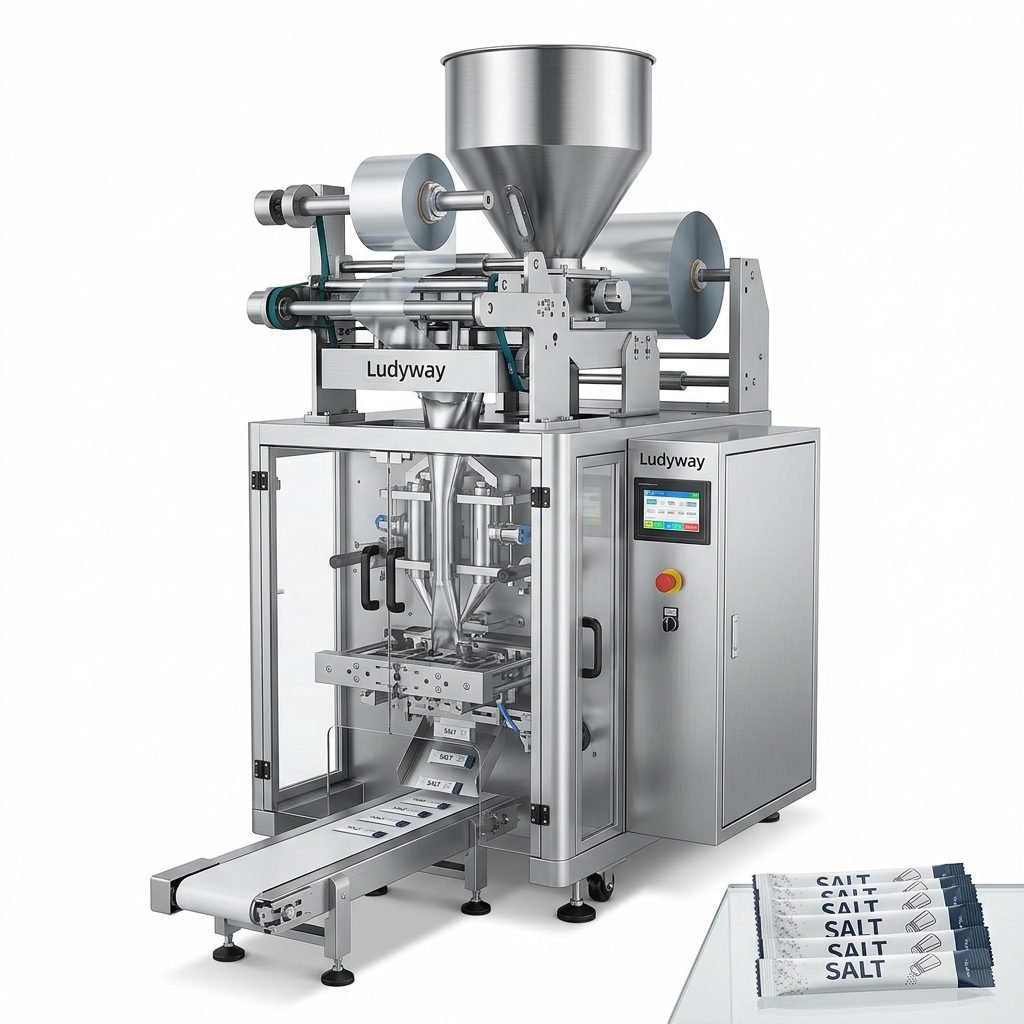
Investing in a shampoo pouch packing machine is a significant decision for any personal care manufacturer. Whether you are transitioning from bottles to flexible packaging or scaling up an existing sachet production line, the right equipment directly impacts your production efficiency, seal integrity, and long-term profitability. With hundreds of configurations available, understanding the core specifications before you contact a supplier is essential.
This guide covers the critical factors you need to evaluate, from filling technologies to film compatibility, helping you make an informed purchasing decision.
1. Understanding Your Shampoo Formulation and Pouch Requirements
Shampoo is not a one-size-fits-all liquid. The viscosity of your product is the single most important factor in selecting the correct filling system. A runny, water-thin clarifying shampoo requires a different approach than a thick, creamy conditioning shampoo with suspended particles.
Here is how different formulations impact machine configuration:
| Product Viscosity | Recommended Filling Principle | Typical Pouch Volume |
|---|---|---|
| Low Viscosity (Water-thin, clarifying formulas) | Piston pump or magnetic flow meter | 5ml – 15ml sample sachets |
| Medium Viscosity (Standard shampoos, body washes) | Piston pump or peristaltic pump | 10ml – 50ml travel packs |
| High Viscosity (Creams, conditioners, hair masks) | Positive displacement pump or gear pump | 15ml – 100ml multi-use pouches |
| Foaming/Thermal Products | Special bottom-up filling nozzles with anti-foam control | Customizable based on density |
You also need to define your preferred pouch style. The three most common formats for shampoo are three-side seal pouches, stick packs, and stand-up spouted pouches. Spouted pouches have become increasingly popular due to consumer convenience, but they require specific spout insertion and sealing stations which add to the machine’s complexity.
2. Multi-Lane Configuration vs. Single-Lane Machines
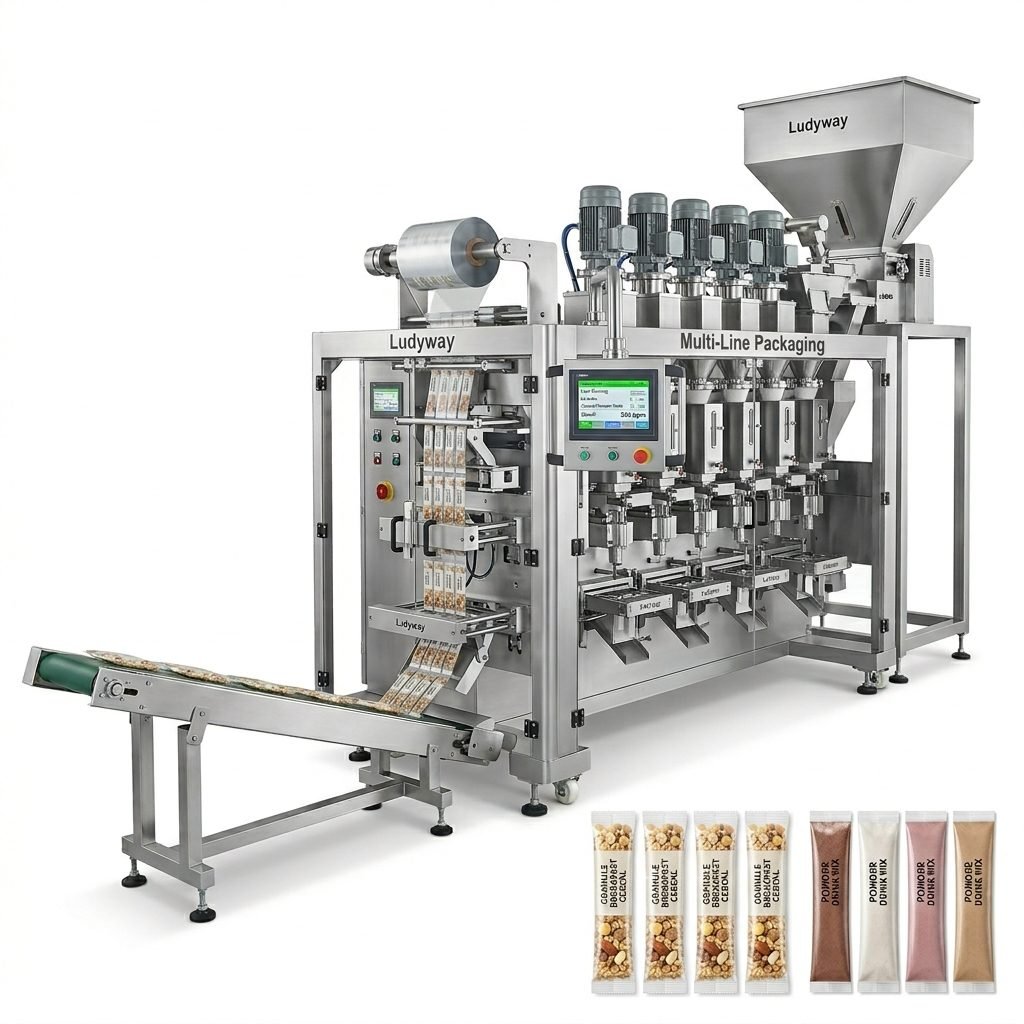
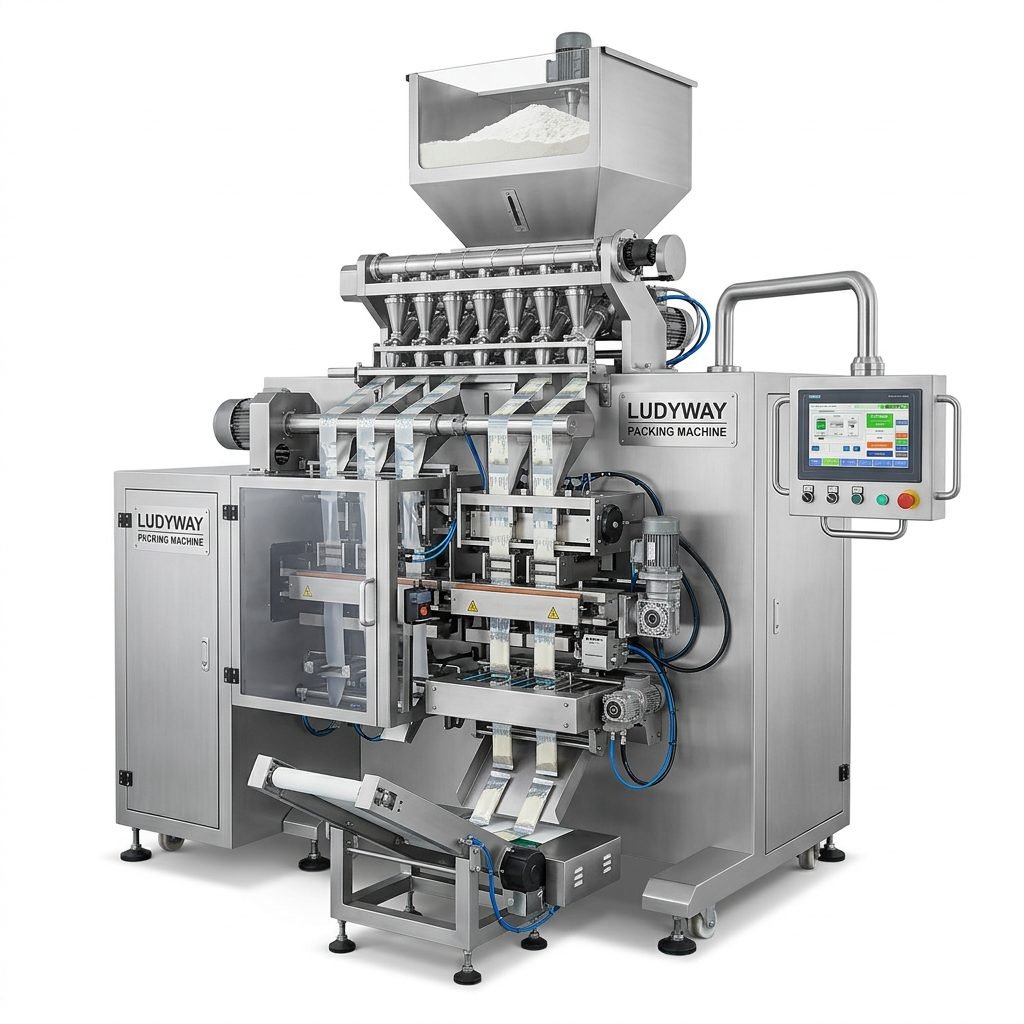
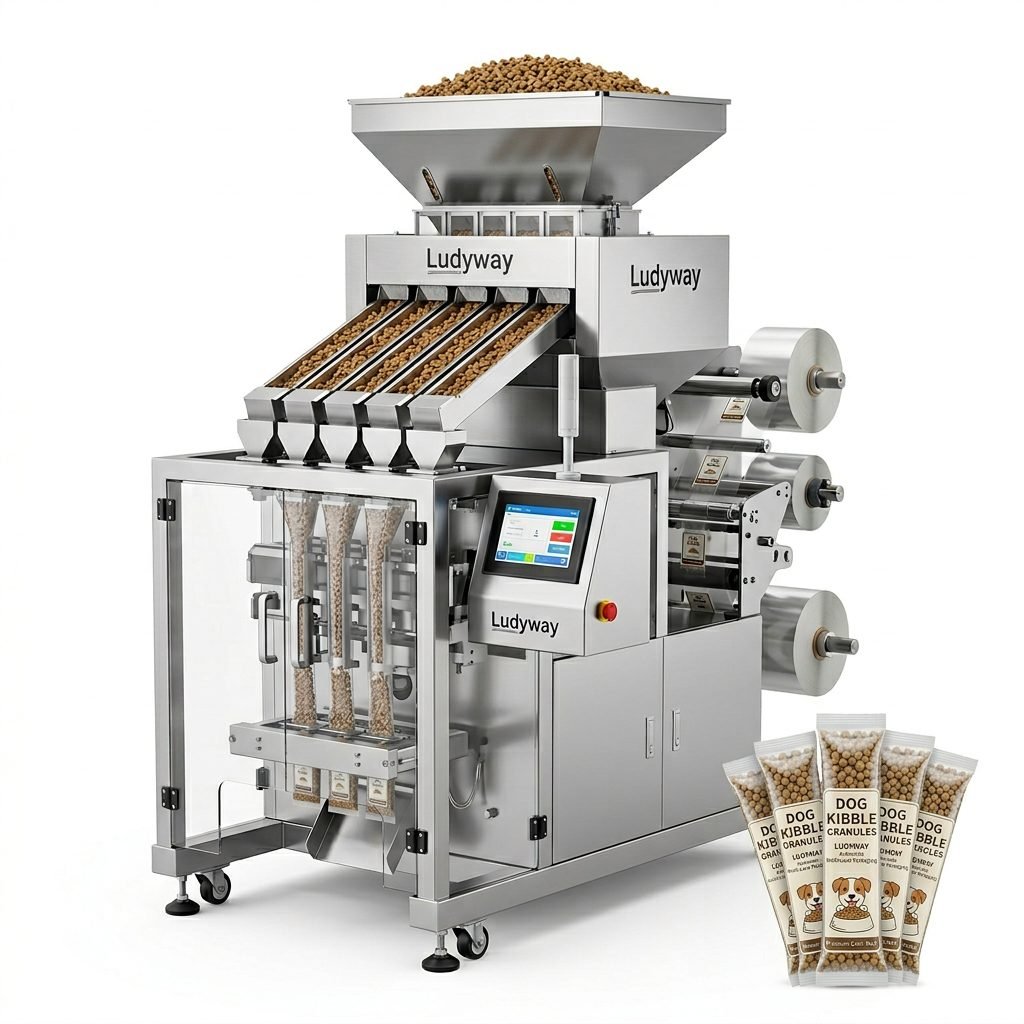
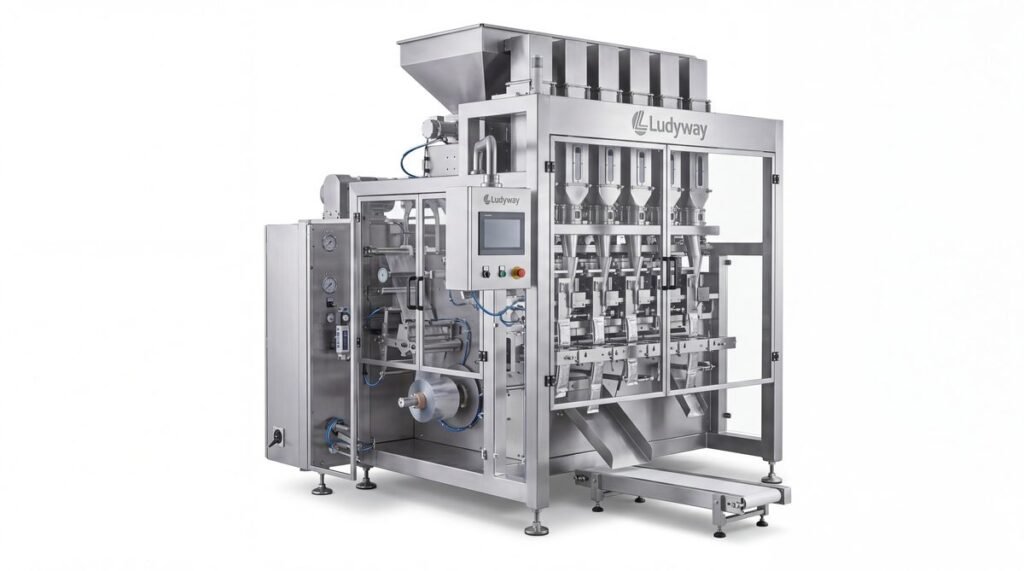
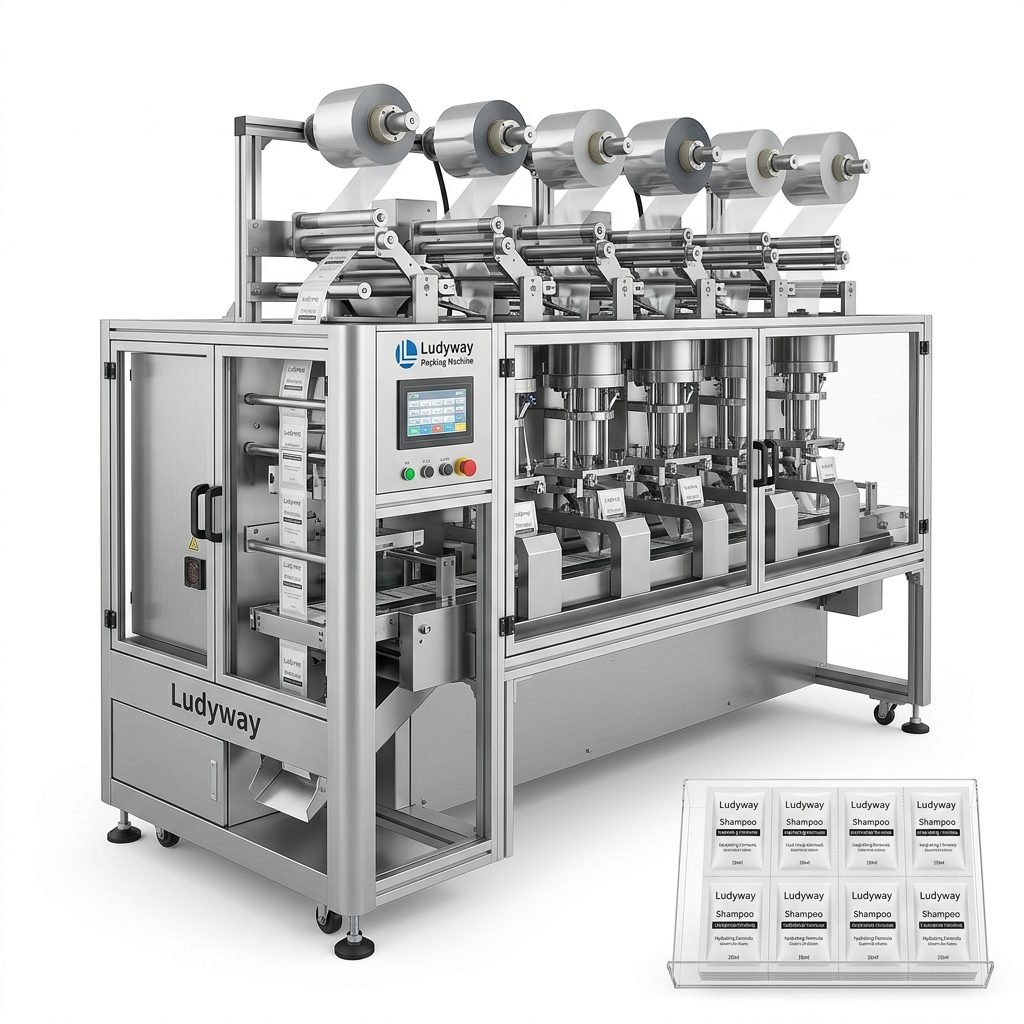
For high-volume shampoo producers, multi-lane sachet machines are the industry standard. A machine running 4 to 12 lanes simultaneously can produce millions of sachets per month, drastically reducing the cost per unit compared to single-lane alternatives.
Key advantages of investing in a multi-lane system include:
- Exponential Output: A 10-lane machine can produce up to 600-800 sachets per minute, depending on film sealing time and fill volume.
- Reduced Labor Costs: One operator can manage a high-speed multi-lane line, replacing several single-lane stations.
- Film Material Savings: Multi-lane machines optimize film width usage, minimizing edge trim waste on the primary packaging material.
- Consistent Seal Quality: Centralized temperature control ensures uniform vertical and horizontal seals across all lanes.
However, single-lane machines remain relevant for contract packagers who run short, customized batches or for start-up brands testing the market with low-volume production.
3. Critical Technical Specifications to Evaluate
When comparing technical data sheets, do not just look at the maximum speed. Pay close attention to the engineering behind the sealing and dosing systems. Poor seal integrity can lead to leaking sachets, which is catastrophic for liquid products like shampoo.
Here are the critical specifications you must verify:
- Servo-Driven Sealing Jaws: Compared to pneumatic systems, servo-driven jaws provide independent temperature and pressure control for longer dwell times, essential for thick laminated films often used for aggressive liquid products.
- No-Drip Filling Nozzles: Shampoo residue on the seal area is a leading cause of seal failure. Machines must have anti-drip or suck-back mechanisms to ensure a clean horizontal seal.
- Film Registration: A precise photoelectric sensor system is required for pre-printed films to ensure artwork is centered on every sachet.
- Dust and Splash Resistance: Packaging machinery for liquids should feature an IP65-rated electrical cabinet and sloped surfaces to prevent liquid pooling, ensuring compliance with hygiene standards.
4. The Importance of Material Compatibility
Shampoo packaging often uses multi-layer barrier films (PET/AL/PE or PET/MET/PE) to protect the formula from moisture and oxygen. Your machine must be capable of sealing these diverse substrates effectively. Incompatibility between the film and the crimping pattern can result in micro-leaks.
It is wise to consult resources from the Flexible Packaging Association to stay updated on the latest material innovations. Furthermore, if you are targeting international markets, your machine should comply with applicable standards, including those for food-contact substances often referenced by the FDA packaging guidelines.
5. Comparing Machine Costs and ROI
The price of a shampoo pouch packing machine varies widely based on speed, lanes, and automation level. Instead of focusing solely on the upfront capital expenditure, evaluate the total cost of ownership (TCO), which includes film waste rates, maintenance downtime, and spare parts availability.
| Machine Tier | Typical Configuration | Estimated Film Waste Rate |
|---|---|---|
| Entry-Level | 2-4 lanes, pneumatic sealing, basic PLC | 3% – 5% |
| Mid-Range | 4-8 lanes, servo-driven sealing, touch screen HMI | 1% – 2.5% |
| High-End/Turnkey | 8-12+ lanes, full servo, integrated cartoning, vision inspection systems | Less than 1% |
A high-end machine may have a higher initial cost, but reducing film waste by just 2% in a high-volume operation can yield significant annual savings that quickly justify the investment.
6. Integration with Auxiliary and End-of-Line Equipment
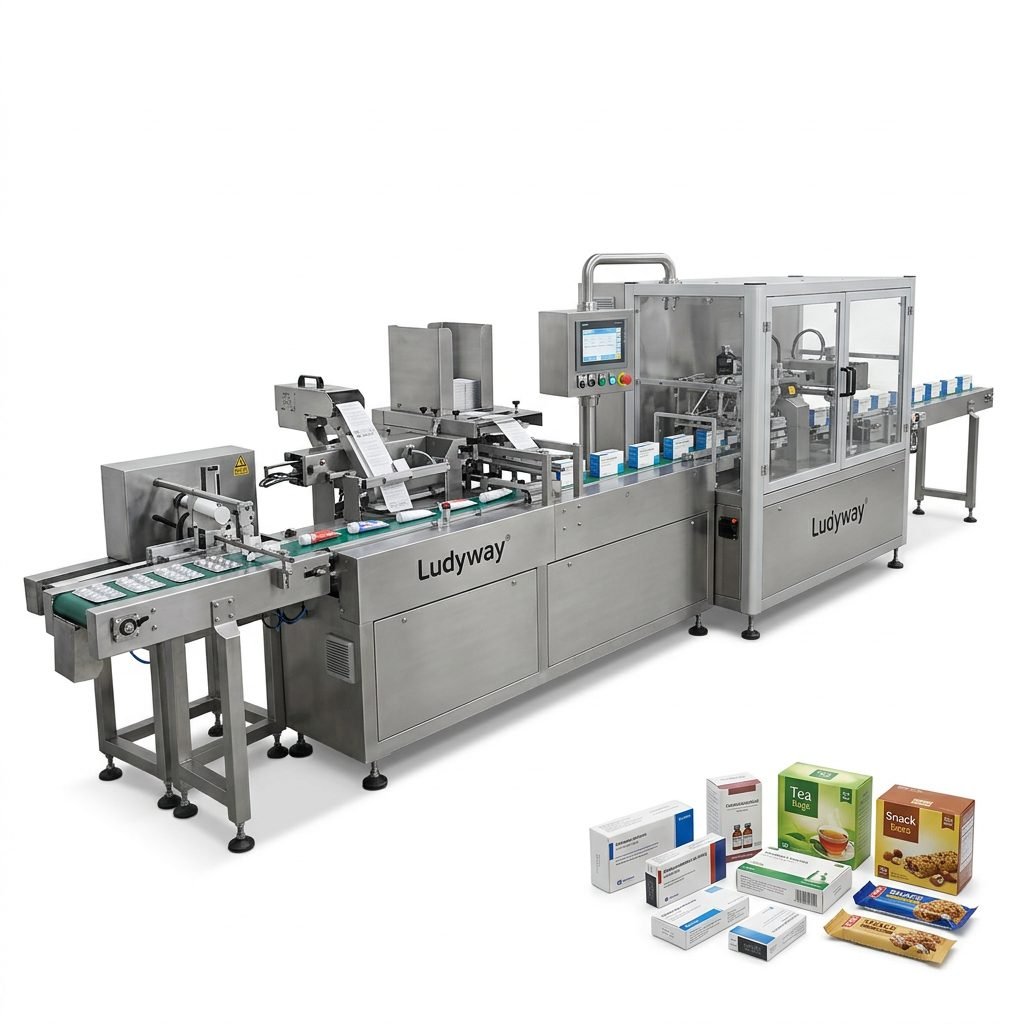
A shampoo pouch machine rarely operates in isolation. For a fully automated factory, integration capabilities are critical. You need to consider how the primary packager connects to upstream liquid preparation tanks and downstream cartoning equipment.
Essential system integrations include:
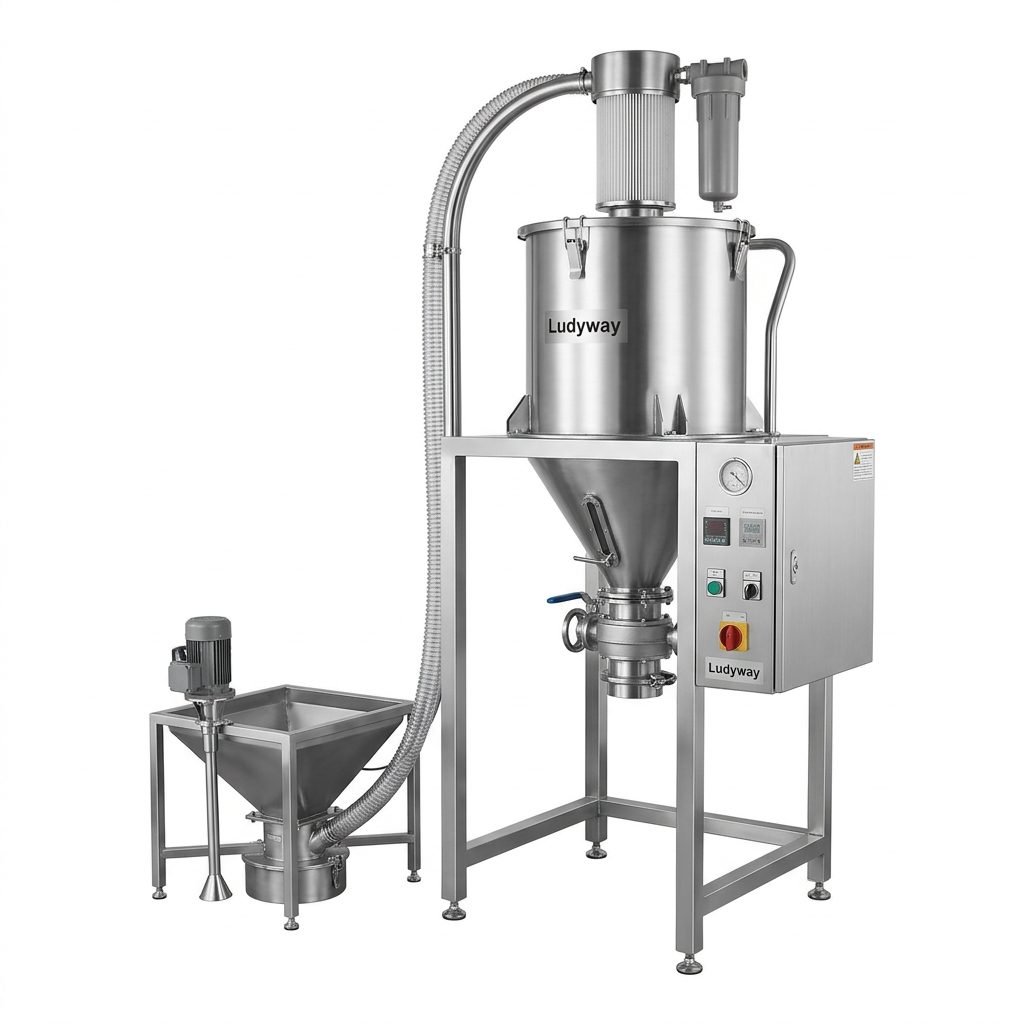
- Automated Liquid Supply: Direct connection to a mixing tank with an in-line filter to prevent nozzle blockages.
- Online Coding: Thermal inkjet (TIJ) or laser coders for batch numbers and expiry dates.
- Checkweighing and Vision Inspection: Automated rejection systems that detect defective seals, missing codes, or incomplete fills. A high-speed checkweigher is vital for accurate dosing verification.
- PACK EXPO International Trends: Industry trends show a growing demand for complete lines from a single supplier to ensure seamless communication between modules.
7. Choosing the Right Manufacturing Partner
Selecting the right equipment supplier is just as important as selecting the right machine. You need a partner who understands turnkey engineering, not just a reseller of standardized equipment. Look for a manufacturer with a deep portfolio in liquid and cream filling systems.
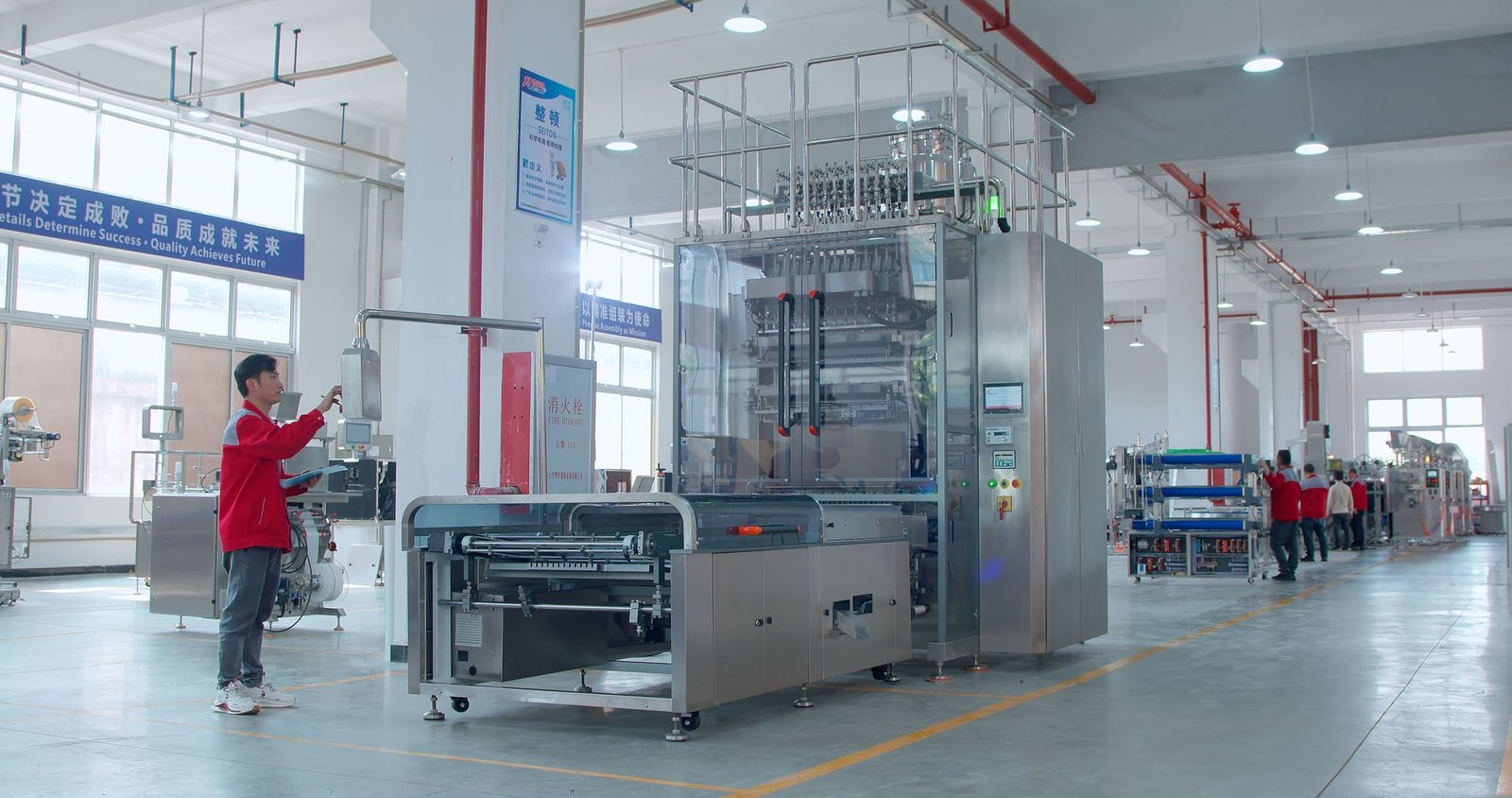
For instance, Ludyway Machinery is a China-based packaging machinery manufacturer with more than 30 years of experience and over 50 packaging machine models. They provide customized and automated packaging equipment for various industries, including personal care and liquid products. A capable partner should offer not only the machine but also installation, commissioning, and global technical support to ensure your production line remains operational with minimal downtime.
If you are exploring the forces driving demand in this sector, you might find the analysis on the Ludyway Packaging Machinery Global Growth Trend interesting, as it outlines why exports in flexible packaging machinery are projected to surpass RMB 1 billion by 2026.
8. Evaluating Quality Standards and After-Sales Support
Before finalizing your order, verify the manufacturer’s commitment to quality and international standards. Machinery destined for regulated markets should comply with relevant CE, ISO, or GMP standards. Additionally, assess the availability of remote technical support and local spare parts distribution. The best machines lose value rapidly if a minor electrical issue results in a week of downtime due to a lack of engineer availability.
For broader market intelligence, resources like the PMMI Business Intelligence Library offer detailed reports on state-of-the-industry packaging trends and machinery standards.
Conclusion
Selecting the perfect shampoo pouch packing machine requires a delicate balance between production speed, filling accuracy, and sealing reliability. By focusing on your specific product viscosity, required lane configuration, and the total cost of ownership, you can secure a packaging solution that delivers a competitive edge. Always insist on factory acceptance tests (FAT) using your actual product and films to validate the machine’s performance before shipment.