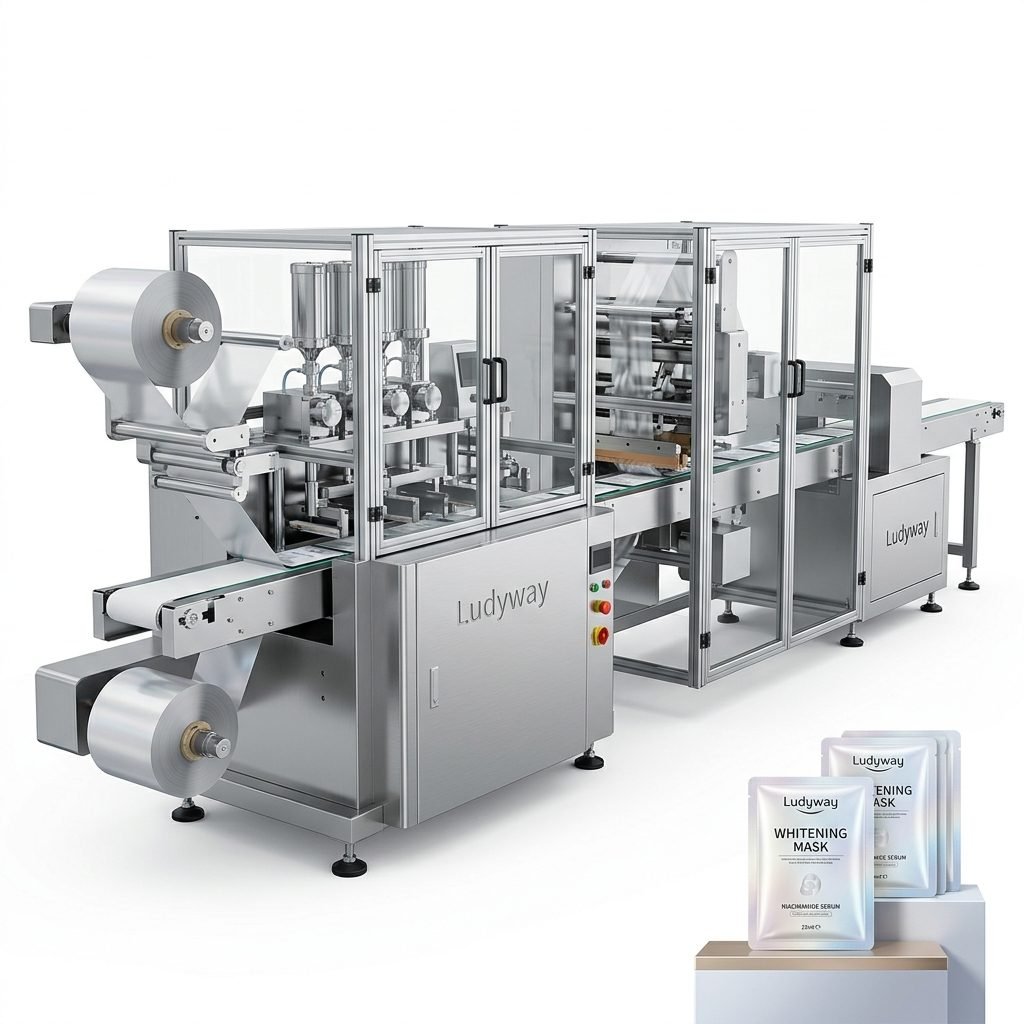
Investing in a snack packaging machine is a critical decision that directly impacts your production efficiency, product shelf life, and brand presentation. Whether you are packaging potato chips, extruded snacks, nuts, dried fruits, or protein bars, selecting the right equipment requires a thorough understanding of your product characteristics, production goals, and operational environment. This guide walks you through the essential factors to evaluate before making your purchase.
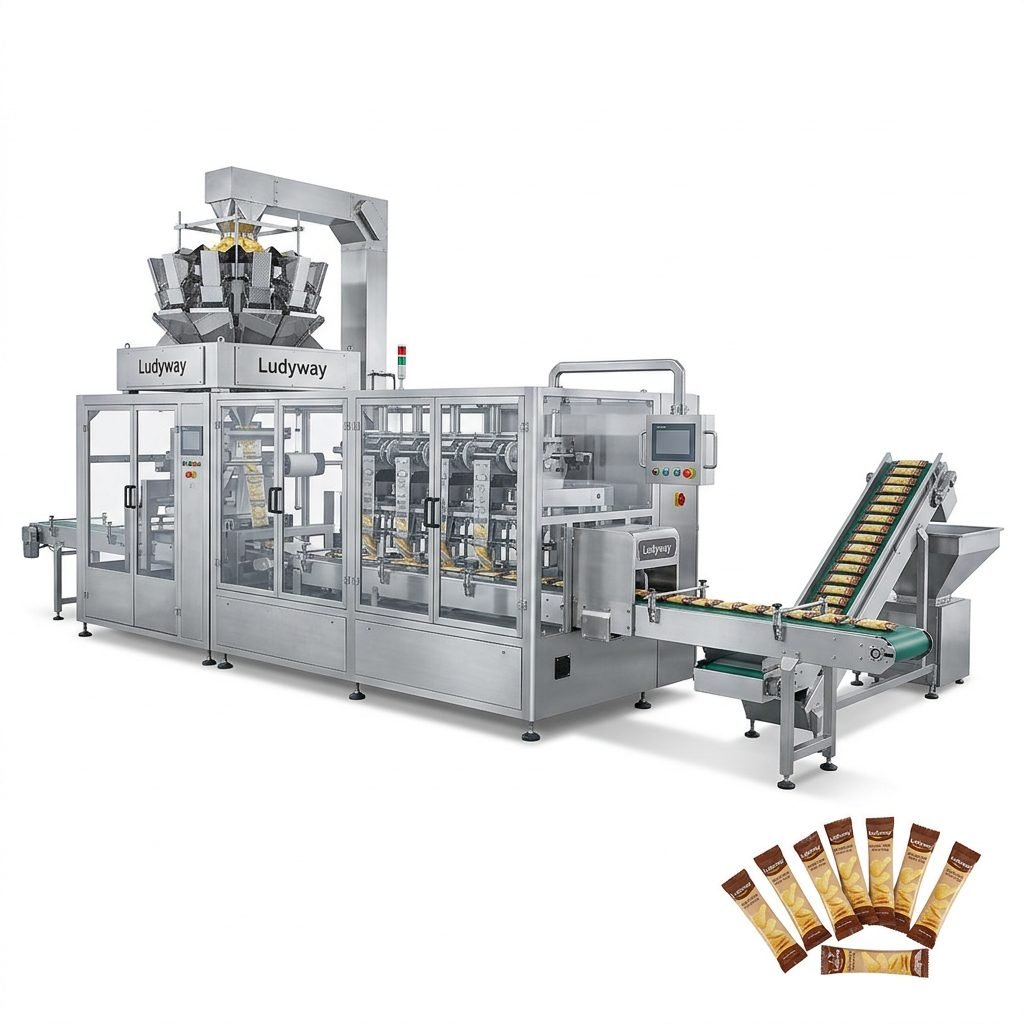
Understanding Your Snack Product Requirements
Before evaluating specific machines, you must clearly define your product’s physical properties and packaging needs. Different snack products demand different handling mechanisms, filling technologies, and sealing methods.
- Product form: Is your snack a granule (like nuts or popcorn), a powder (like seasoning-coated snacks), a solid piece (like cookies or bars), or a combination?
- Fragility: Delicate snacks such as chips or crackers require gentle handling systems to minimize breakage during the filling process.
- Moisture sensitivity: Many snacks require moisture-barrier packaging with nitrogen flushing to extend shelf life and maintain crispness.
- Portion size: Single-serve, family-size, or bulk packaging each requires different bag dimensions and filling volume capabilities.
- Production volume: Your daily or hourly output target will determine whether you need a single-lane or multi-lane packaging system.
Types of Snack Packaging Machines
The snack industry utilizes several packaging machine configurations. Understanding the differences helps narrow your options significantly. The table below compares the most common types used in snack production:
| Machine Type | Best For | Bag Formats | Speed Range |
|---|---|---|---|
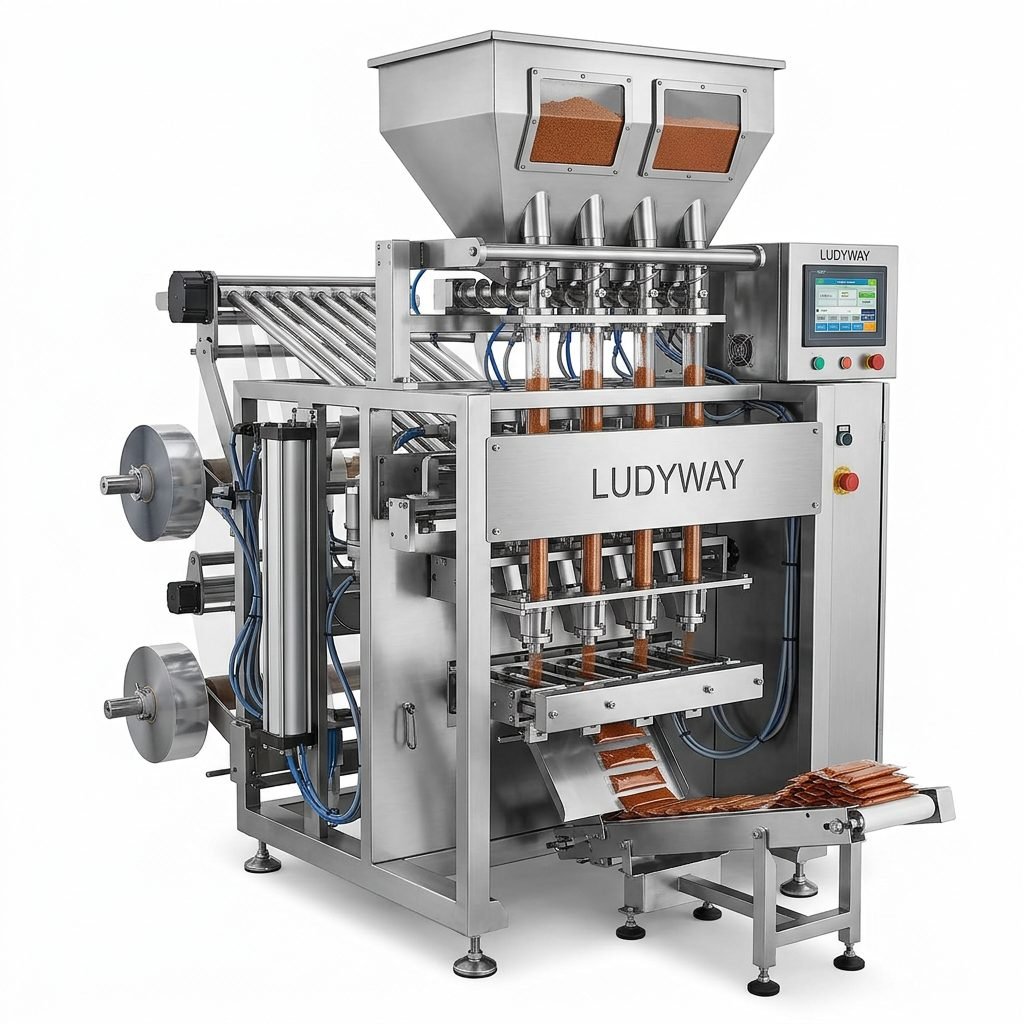
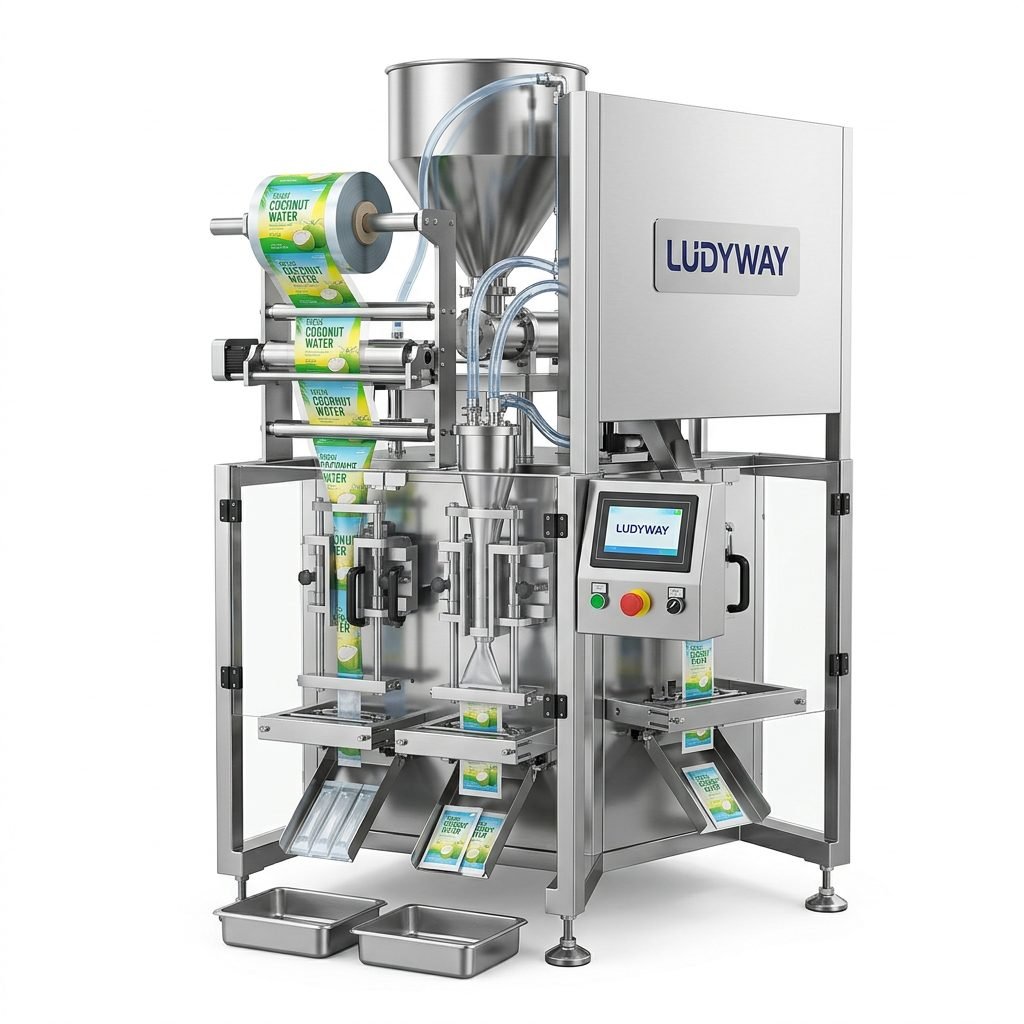
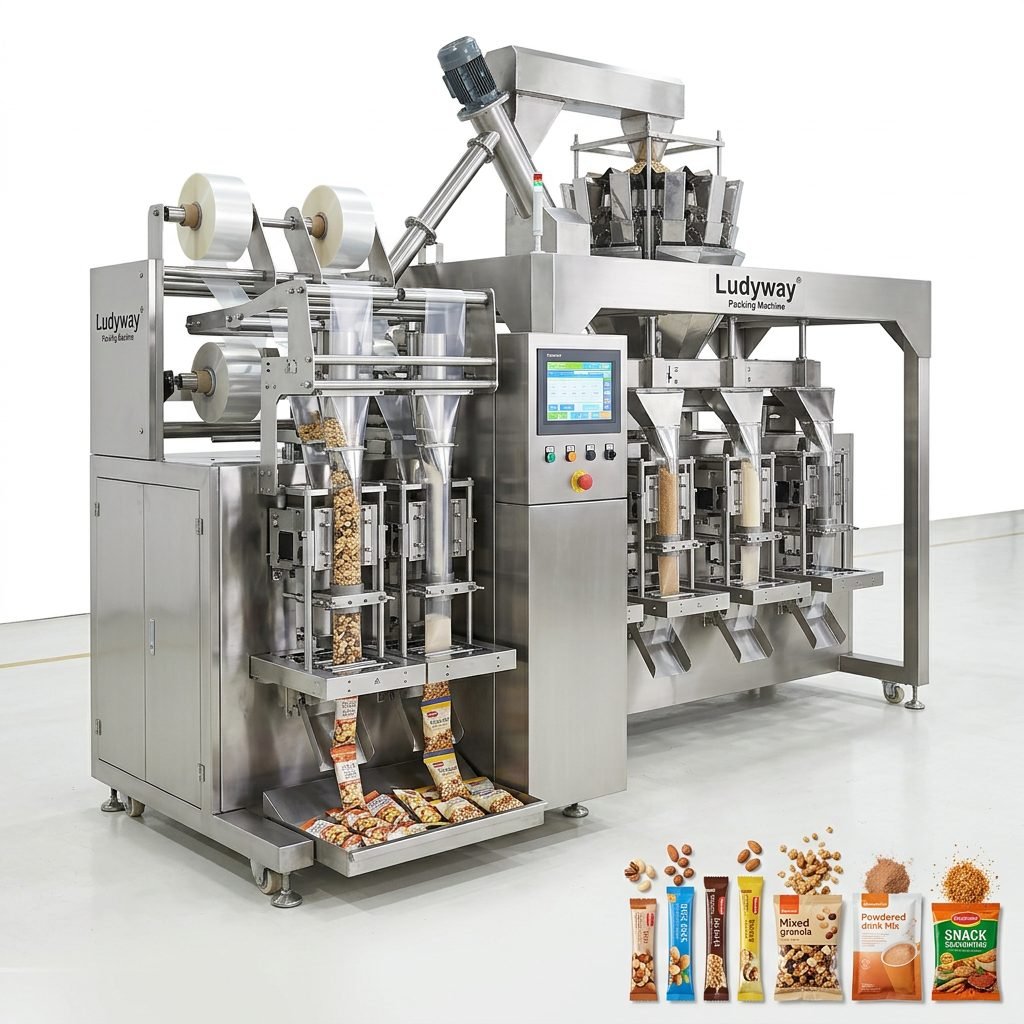
| Vertical Form Fill Seal (VFFS) | Granules, powders, chips, nuts | Pillow bags, gusseted bags, stick packs | 30–120 bags/min per lane |
| Horizontal Form Fill Seal (HFFS) | Fragile snacks, bars, bakery items | Flow wrap, pillow packs, sachets | 50–200 packs/min |
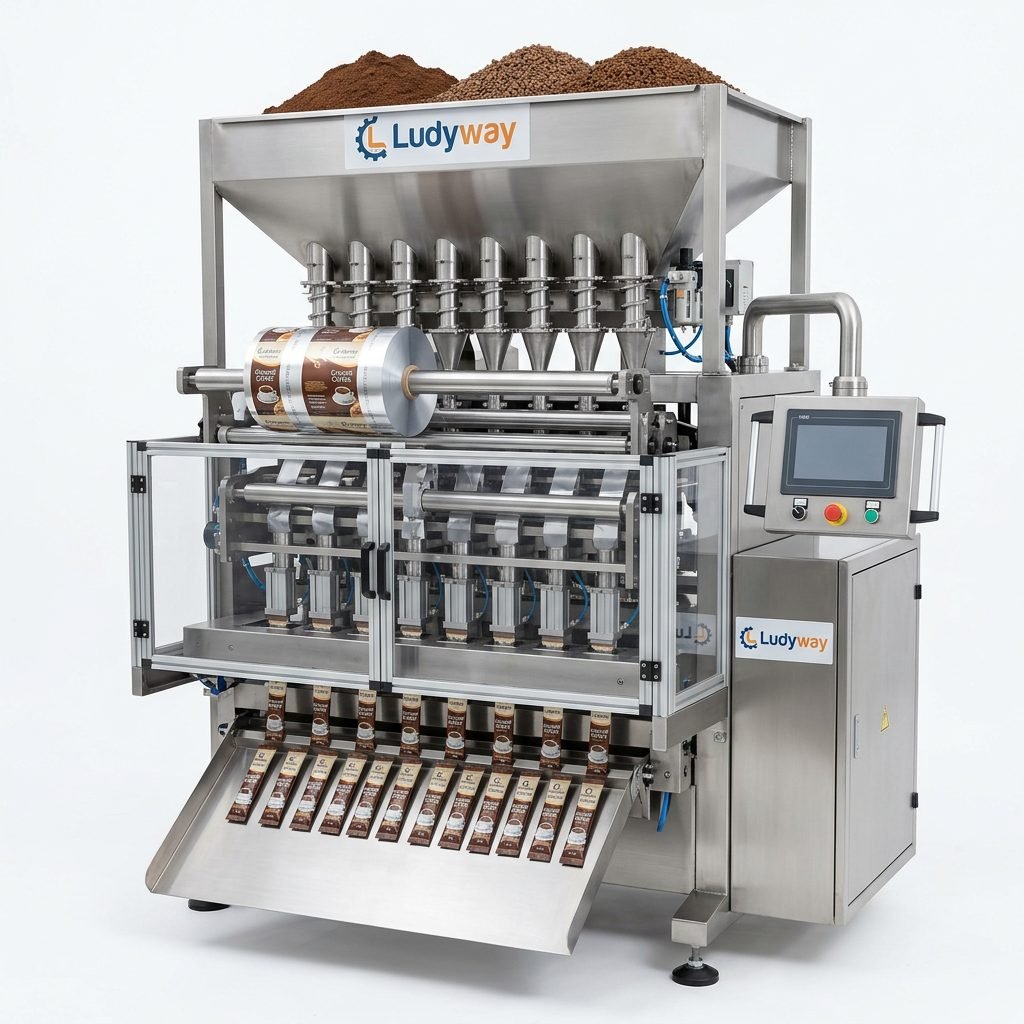
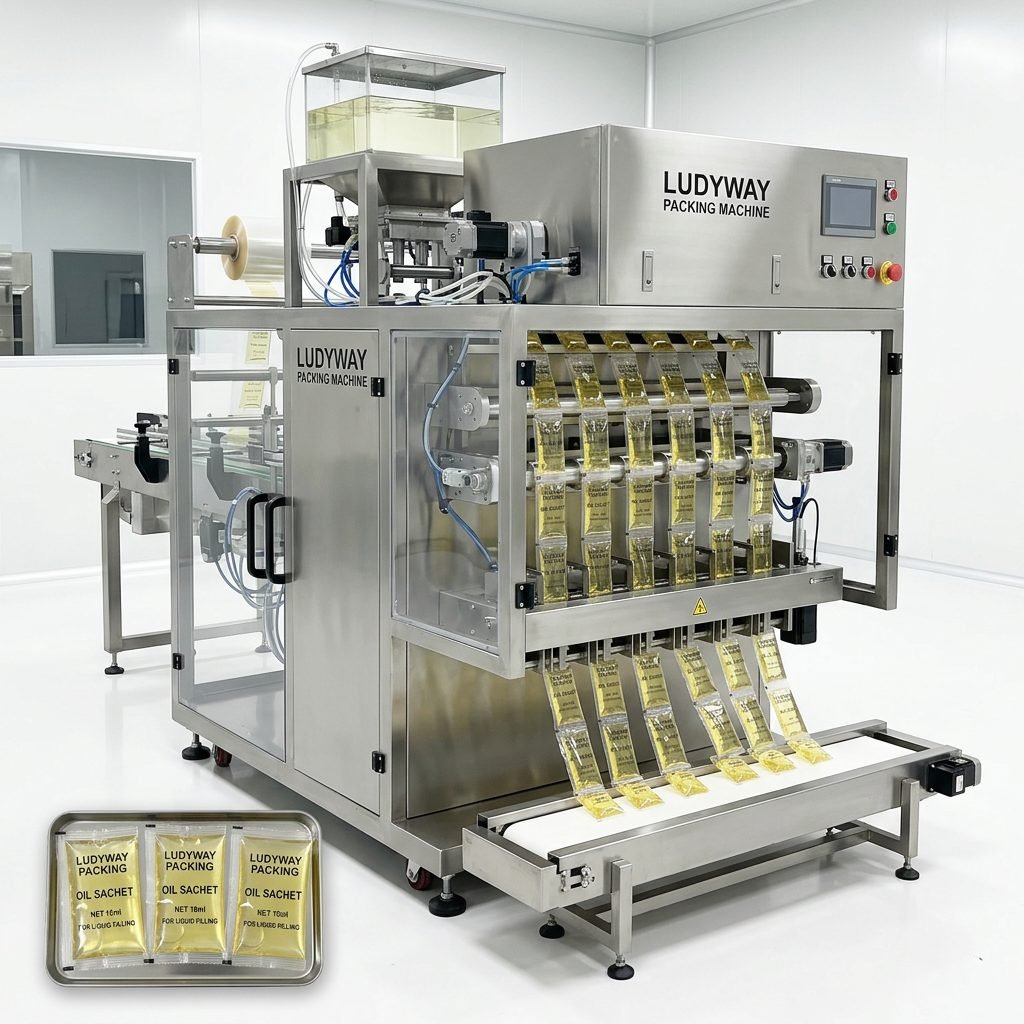
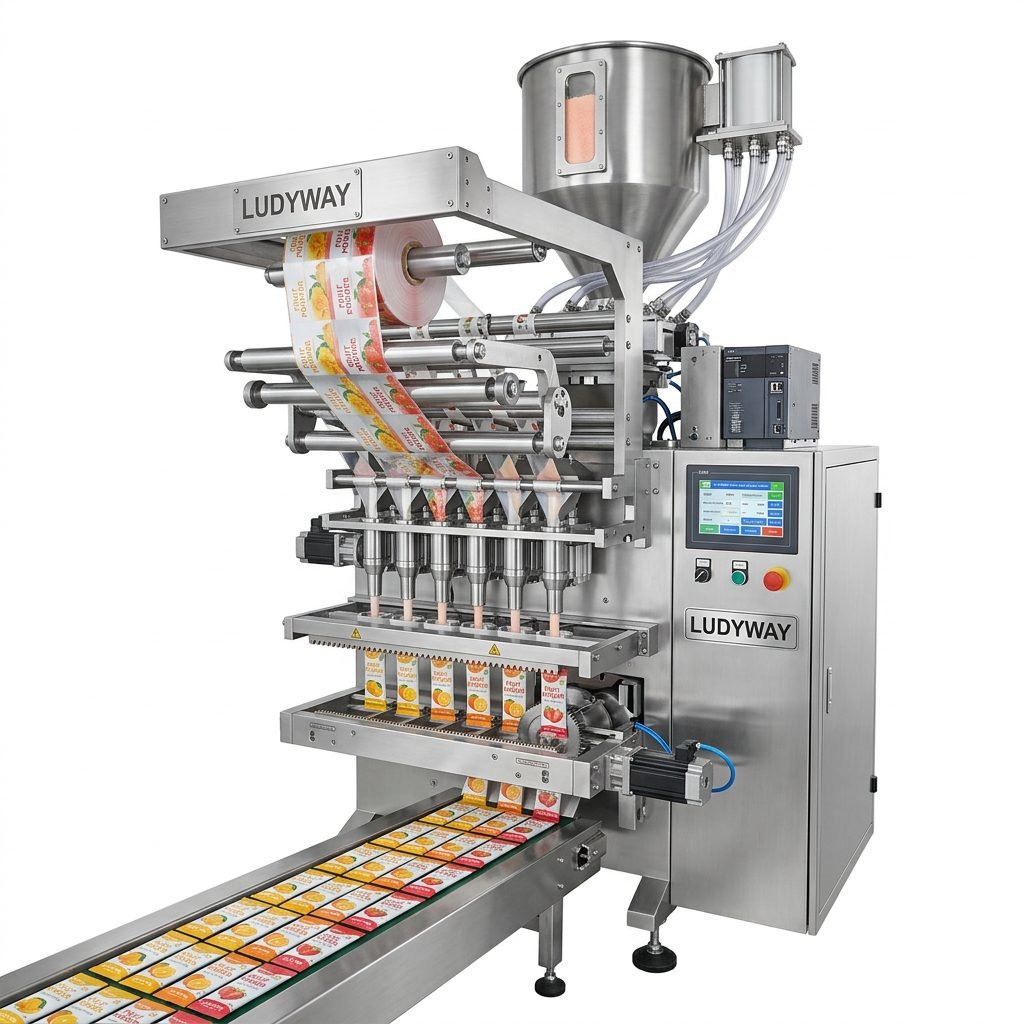
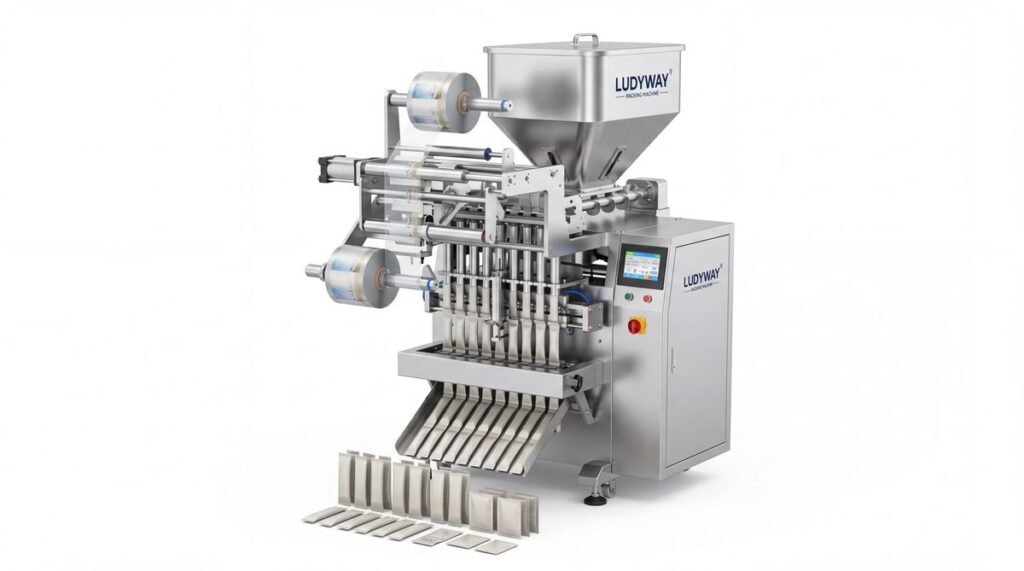
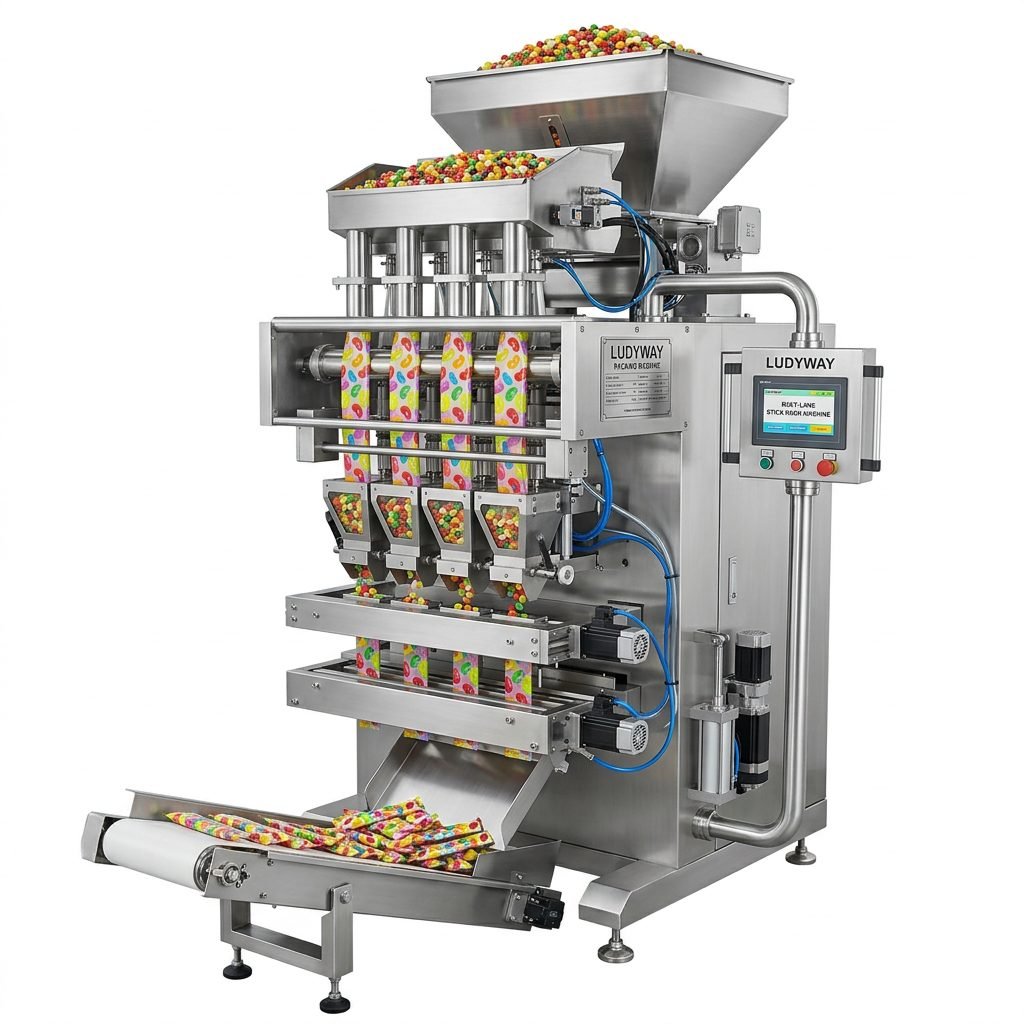
| Multi-Lane Stick Pack Machines | Single-serve powders, granola, candy | Stick packs, sachets (4–16 lanes) | 400–1,200 packs/min |
| Premade Pouch Filling & Sealing | Premium snacks, stand-up pouches, zipper bags | Doypack, quad-seal, spouted pouches | 20–80 pouches/min |
Key Factors to Consider When Choosing a Snack Packaging Machine
Selecting the right equipment goes beyond matching a machine to your product. The following factors should guide your decision-making process to ensure long-term operational success:
1. Filling and Dosing Accuracy
Precision in portion control is vital for cost management and regulatory compliance. Volumetric cup fillers work well for free-flowing granules, while multi-head weighers offer superior accuracy for mixed snacks and high-value products. According to PMMI – The Association for Packaging and Processing Technologies, accurate dosing can reduce product giveaway by 1–3%, translating to significant annual savings.
2. Sealing Technology and Integrity
Snack products demand reliable sealing to prevent contamination and preserve freshness. Heat sealing, ultrasonic sealing, and gas flushing are common options. For moisture-sensitive snacks, consider machines equipped with nitrogen flushing capabilities that extend shelf life by reducing oxygen levels inside the package.
3. Changeover Flexibility
If you produce multiple SKUs with varying bag sizes, look for machines with tool-less changeover features. Quick format adjustments minimize downtime and allow you to respond rapidly to market demands or seasonal product variations.
4. Integration with Upstream and Downstream Equipment
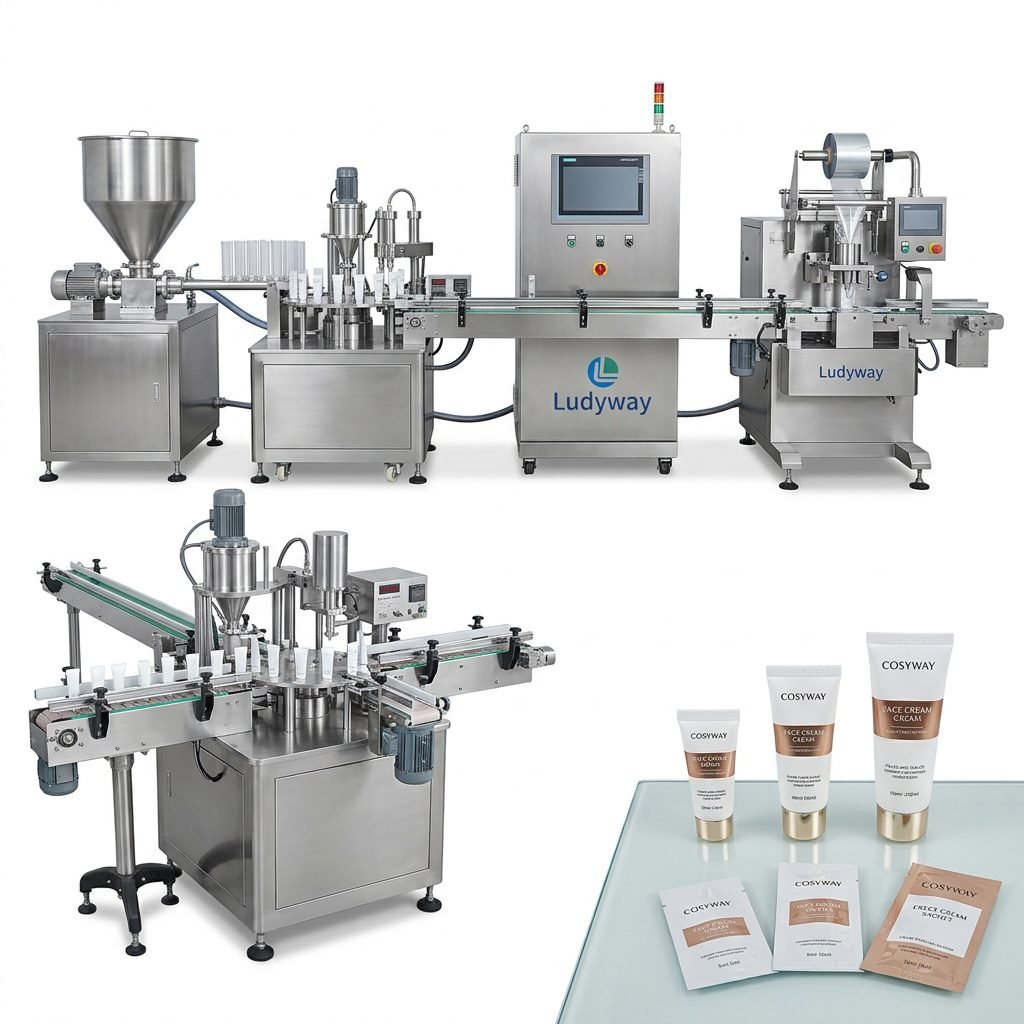
A snack packaging machine rarely operates in isolation. It should seamlessly integrate with flexible packaging material supply, weighers, conveyors, checkweighers, metal detectors, and cartoning systems. Modular machine designs simplify future line expansions.
Packaging Material Compatibility
Not every machine handles every packaging material effectively. The substrate you choose — whether metallized film, polyethylene, polypropylene, or paper-based laminates — must be compatible with the machine’s film handling, tension control, and sealing systems. Key considerations include:
- Material thickness: Thicker laminates may require upgraded sealing jaws and cutting mechanisms.
- Barrier properties: High-barrier films often need precise temperature control during sealing to avoid delamination.
- Sustainability goals: If you are transitioning to recyclable or compostable films, verify that the machine supports these newer materials, which can have different sealing windows.
- Printability: For branded packaging, ensure the machine accommodates registered film for consistent print alignment.
The Flexible Packaging Association offers extensive resources on material innovations that can inform your packaging material decisions.
Production Speed and Automation Level
Production speed requirements vary dramatically across snack manufacturers. A small artisan producer may only need 20–30 packs per minute, while a large-scale operation might require over 600 packs per minute. Aligning machine speed with your current and projected output prevents overinvestment or bottlenecks.
Automation levels range from semi-automatic systems — where operators manually feed products — to fully automatic turnkey packaging solutions that handle feeding, weighing, filling, sealing, coding, inspection, and cartoning without human intervention. Evaluate your labor costs, skill availability, and consistency requirements when deciding on the automation level.
Machine Configuration and Customization
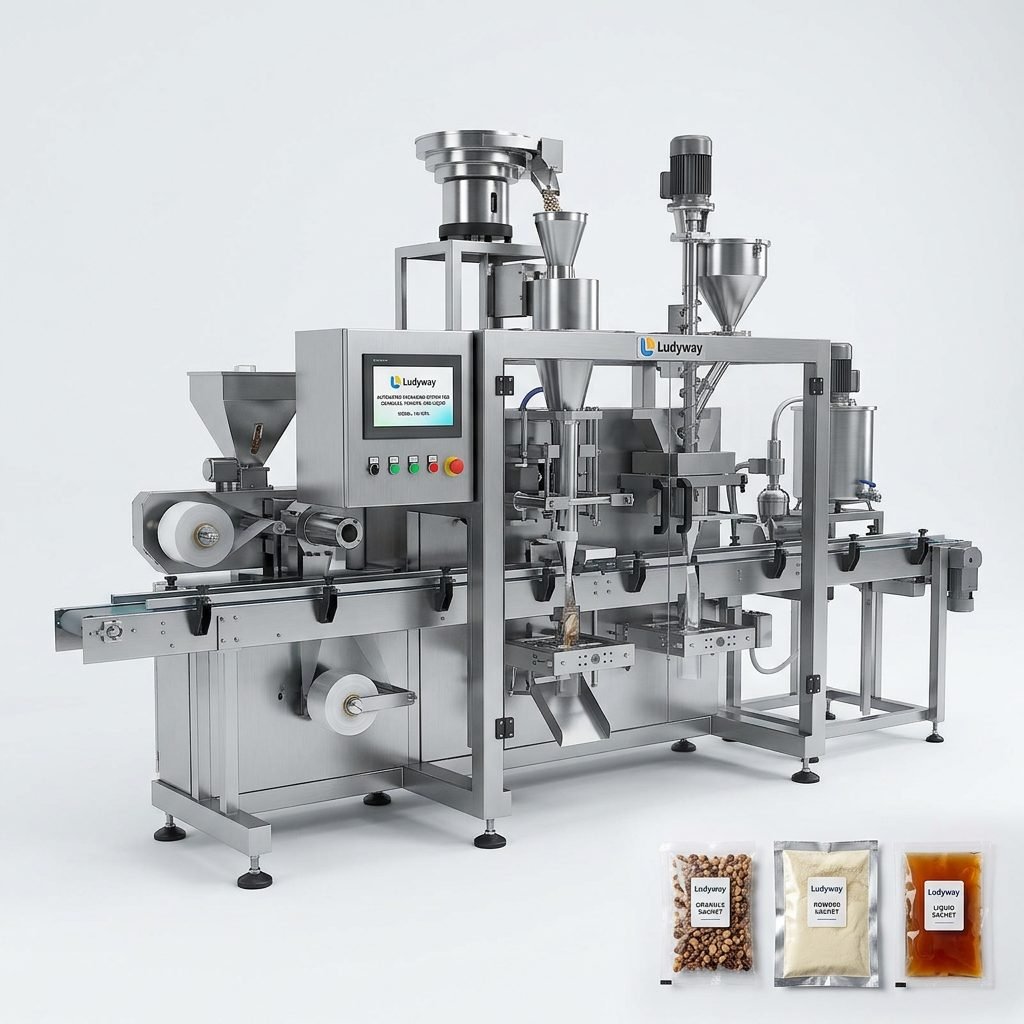
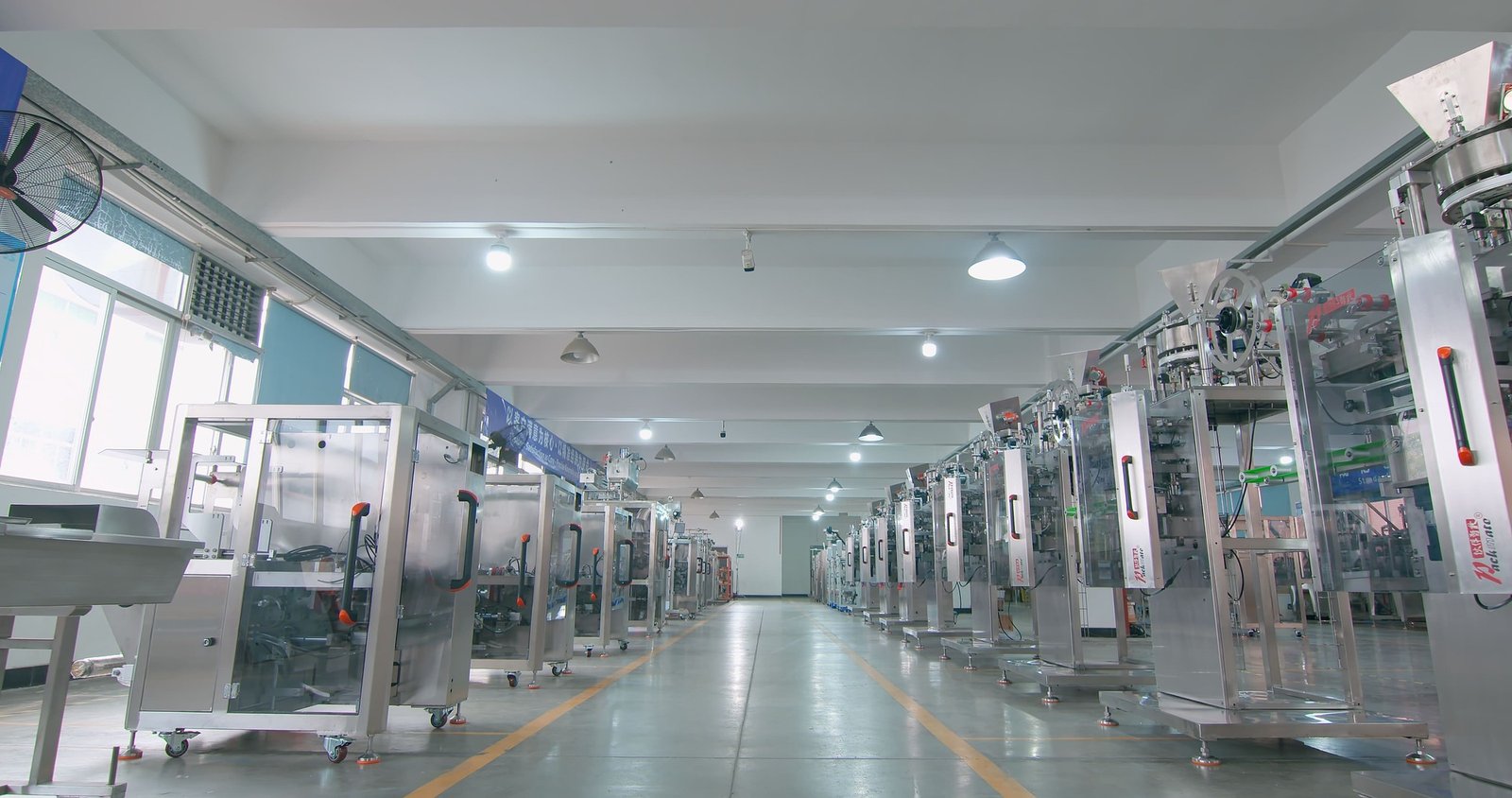
Off-the-shelf machines may not meet every production requirement. Packaging requirements vary significantly between manufacturers — product characteristics, bag sizes, filling volumes, and factory layouts all influence the appropriate configuration. Working with a manufacturer that offers customized engineering solutions can make a crucial difference in achieving optimal production efficiency.
Companies like Ludyway Machinery, a China-based packaging machinery manufacturer with more than 30 years of industry experience and over 50 packaging machine models, provide customized equipment configurations rather than relying solely on standardized machines. Their technical team evaluates product and packaging requirements to recommend appropriate machine configurations or complete packaging lines tailored to specific production goals.
Quality Standards and Compliance
Snack packaging equipment must meet applicable regulatory and safety standards, especially for food-grade applications. Key areas to verify include:
- Food contact materials: All product-contact surfaces should use food-grade stainless steel (typically 304 or 316L) and be designed for easy cleaning.
- FDA compliance: For manufacturers targeting the U.S. market, equipment should support compliance with FDA food packaging and food contact substances regulations.
- CE marking: Required for equipment sold in the European Economic Area, indicating conformity with health, safety, and environmental protection standards.
- ISO standards: Relevant ISO packaging standards provide frameworks for quality management and equipment performance validation.
- GMP compatibility: Machines should support Good Manufacturing Practice requirements, including accessible cleaning points and hygienic design features.
After-Sales Support and Service
The relationship with your equipment supplier extends far beyond installation. Comprehensive after-sales support can significantly impact your total cost of ownership and operational uptime. Evaluate potential suppliers on the following dimensions:
- Installation and commissioning: Does the supplier provide on-site or remote support for setup?
- Operator training: Proper training reduces errors, improves efficiency, and extends machine life.
- Spare parts availability: Readily available critical spares minimize production disruptions.
- Technical troubleshooting: Remote diagnostic capabilities can resolve issues quickly without waiting for a technician visit.
- Service network: Suppliers serving more than 100 countries offer greater assurance of timely support regardless of your location.
Cost Considerations and ROI
The purchase price of a snack packaging machine is only one element of the total investment. A comprehensive cost analysis should account for:
- Initial capital expenditure: Base machine cost plus any customization, tooling, and optional modules.
- Installation costs: Shipping, rigging, electrical and air connections, and commissioning.
- Operating costs: Energy consumption, compressed air usage, and consumable parts such as sealing bands and cutting blades.
- Maintenance costs: Routine servicing, spare parts inventory, and potential downtime losses.
- Material waste: More precise machines reduce film waste during startups and changeovers, directly improving margins.
- Labor savings: Automated systems can reduce headcount requirements, with payback periods often measured in months rather than years.
For manufacturers evaluating the investment, industry resources such as the PMMI State of the Industry Reports provide valuable benchmarking data on packaging machinery trends and market conditions.
Questions to Ask Before Buying
Before finalizing your decision, work through the following checklist with potential equipment suppliers:
- Can the machine handle my specific product range without excessive modification or change parts?
- What is the demonstrated speed with products similar to mine — not just the theoretical maximum?
- How quickly can format changes be completed, and does the design enable tool-less adjustment?
- What warranty coverage is provided, and what are the terms for extended service agreements?
- Can you provide references from snack manufacturers running similar production volumes?
- Is remote diagnostic capability available, and how quickly can technical support respond?
- Does the machine support future scalability, such as adding lanes or integrating with downstream automation?
Making the Final Decision
Choosing the right snack packaging machine is not simply a technical decision — it is a strategic investment in your production future. The best approach combines careful analysis of your product characteristics, production volume requirements, packaging material preferences, and automation goals with thorough evaluation of potential equipment partners.
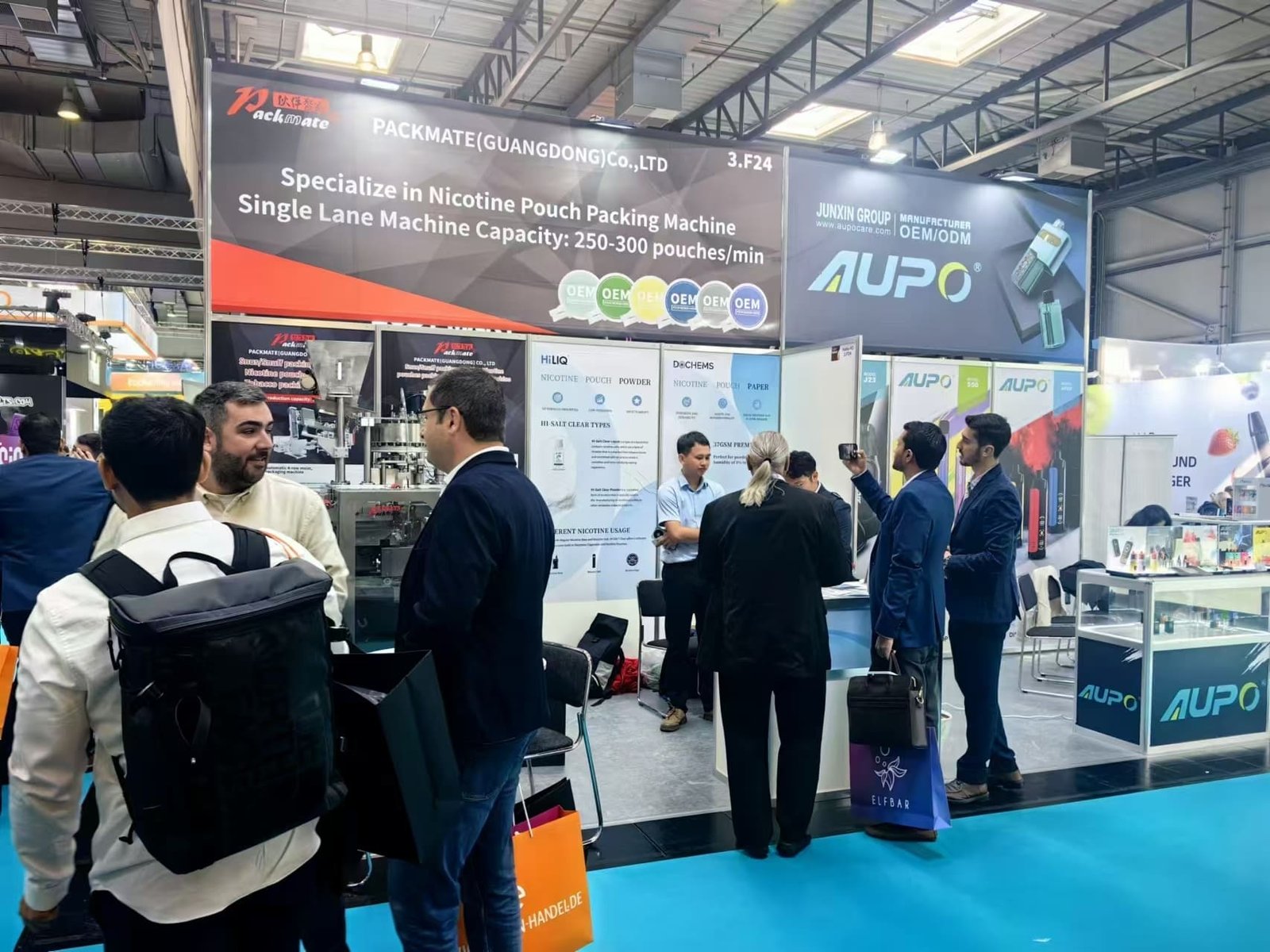
A supplier with deep industry experience, customization capabilities, global service coverage, and a proven track record across diverse snack applications can provide not just equipment but a long-term packaging partnership. Take time to visit manufacturing facilities where possible, run product trials with your actual materials, and speak with existing customers before committing. The right machine will deliver consistent, high-quality packaging for years to come, supporting your brand’s growth in the competitive snack market.
Related Resources: