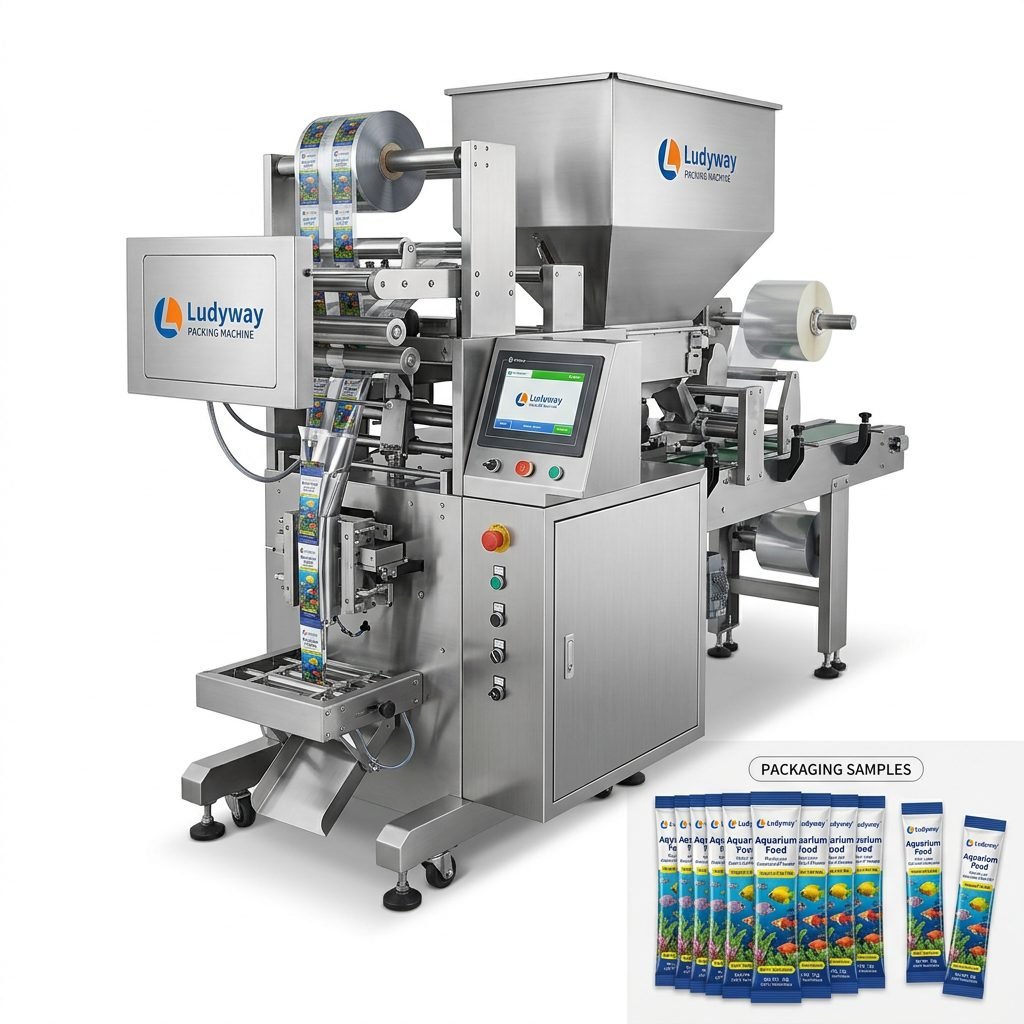
Investing in a wood packing machine is a strategic decision that directly impacts your production efficiency, product protection, and overall operational costs. Whether you are packaging timber, pallets, plywood, or biomass pellets, selecting the right equipment requires a careful assessment of technical specifications, material compatibility, and long-term scalability. This comprehensive guide walks you through the key factors to consider, helping you make an informed purchasing decision that aligns with your manufacturing goals.
Understanding Your Packaging Requirements
Before evaluating specific machine models, you need to clearly define your operational needs. Different wood products require fundamentally different packaging machinery approaches. Start by analyzing the following core parameters:
- Product dimensions and weight: The size, shape, and weight of your wood products determine the structural requirements of the machine, including frame strength, conveyor capacity, and sealing mechanisms.
- Production volume: Your daily or hourly output targets will dictate whether you need a semi-automatic system or a fully automated high-speed packaging line.
- Packaging material format: Are you using stretch film, shrink wrap, strapping, or a combination? The machine must be compatible with your chosen packaging consumables.
- Factory layout and space constraints: The physical footprint of the machine and its integration with existing conveyors or production lines must be thoroughly evaluated.
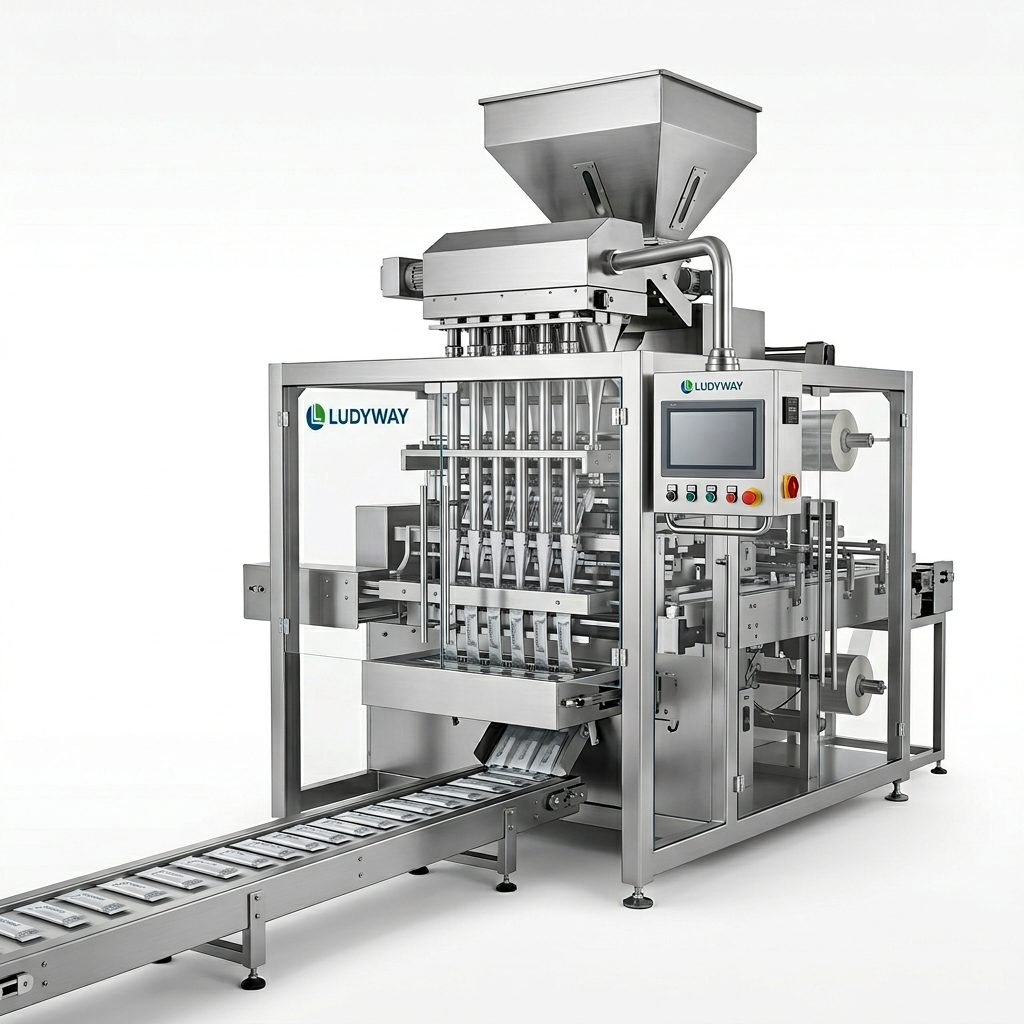
Types of Wood Packing Machines
The term “wood packing machine” encompasses several distinct equipment categories. Understanding the differences is critical for matching the technology to your application. The table below summarizes the most common types available in the market:
| Machine Type | Primary Application | Key Advantages |
|---|---|---|
| Horizontal Stretch Wrapper | Long timber, panels, doors | Continuous wrapping, stable transport |
| Ring / Orbital Wrapper | Irregular shapes, bundled timber | 360-degree wrapping, versatile |
| Shrink Wrapping System | Plywood stacks, pellet bags | Weather protection, tight seal |
| Strapping Machine | Bundling, pallet securing | High tension, fast cycle |
| Pallet Wrapping Machine | Palletized wood products | Load stability, automation ready |
Key Technical Specifications to Evaluate
Once you have identified the appropriate machine type, the next step is to dive into the technical details. These specifications directly affect performance, reliability, and total cost of ownership. Pay close attention to the following areas:
Wrapping Speed and Cycle Time
The wrapping speed, typically measured in loads per hour or meters per minute, must match or exceed your peak production requirements. High-speed automated packaging lines can significantly reduce bottlenecks, but they require adequate upstream and downstream material handling to maintain consistent throughput.
Film / Material Tension Control
Precise tension control is essential for achieving the right level of containment without damaging the wood surface. Advanced systems feature variable frequency drives and electronic tension adjustment, allowing operators to fine-tune settings for different product types and packaging materials. This capability is particularly important when switching between hardwood and softwood products.
Automation and Control Systems
Modern packaging machinery increasingly incorporates PLC-based controls with touchscreen interfaces. Features such as recipe storage, automatic film splicing, remote diagnostics, and production data logging contribute to higher operational efficiency and reduced downtime. According to industry data from the PMMI Business Intelligence Library, automation adoption in packaging continues to accelerate across manufacturing sectors.

Material Compatibility and Packaging Quality
The interaction between the wood product and the packaging material is a critical factor that influences both machine selection and long-term packaging performance. Wood products present unique challenges, including moisture content, surface roughness, and dimensional variability. Your chosen machine must be capable of handling these characteristics consistently.
Key material considerations include:
- Film type compatibility: The machine should support the gauge and type of stretch film, shrink film, or strapping material you plan to use. Some machines offer flexibility across multiple material formats.
- Moisture resistance: For wood products that retain moisture, the packaging process must prevent condensation buildup. Proper ventilation and film selection are essential.
- Surface protection: Finished wood surfaces such as furniture components or flooring require non-abrasive handling and packaging that prevents scratching or marring during transport.
The Flexible Packaging Association provides extensive resources on packaging material performance and sustainability, which can help inform your material selection process. Understanding the properties of different packaging films and their suitability for wood products is essential for achieving consistent packaging quality.
Evaluating Build Quality and Durability
Wood packaging environments can be demanding, with exposure to dust, debris, and heavy loads. The machine’s construction quality directly impacts its service life and maintenance requirements. When assessing build quality, consider the following elements:
- Frame construction: Heavy-gauge steel frames with corrosion-resistant coatings provide stability and longevity. Welded construction typically offers superior rigidity compared to bolted assemblies.
- Component quality: Bearings, motors, gearboxes, and electrical components from established industrial brands contribute to reliable long-term operation. Inquire about the specific component suppliers used in the machine.
- Safety features: Emergency stop systems, safety guarding, light curtains, and compliance with applicable ISO packaging standards are non-negotiable requirements for industrial equipment.
- Maintenance access: Easy access to wear components, lubrication points, and electrical panels simplifies routine maintenance and reduces downtime.
Customization and Turnkey Solutions
Standard machines may not fully address the specific requirements of your production environment. Packaging requirements vary significantly between manufacturers. Product characteristics, packaging materials, dimensions, production speeds, factory layouts, and automation requirements can all affect the appropriate equipment configuration.
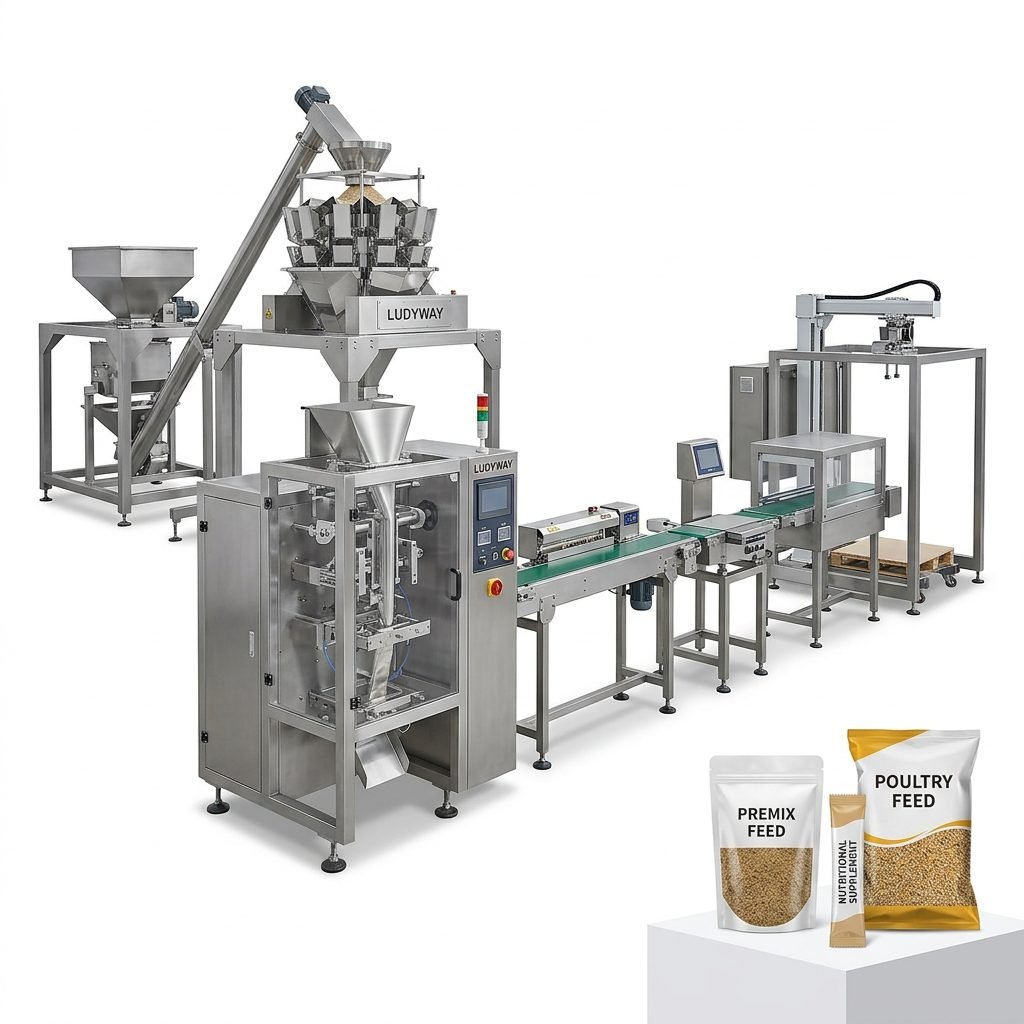
For this reason, many manufacturers benefit from working with a supplier that provides customized packaging machinery and engineering solutions rather than relying only on standardized machines. A qualified technical team can evaluate your product and packaging requirements and recommend an appropriate machine configuration or complete packaging line. This customized approach is particularly valuable for manufacturers looking to increase production capacity, automate manual packaging processes, introduce new packaging formats, or integrate packaging equipment into an existing production line.
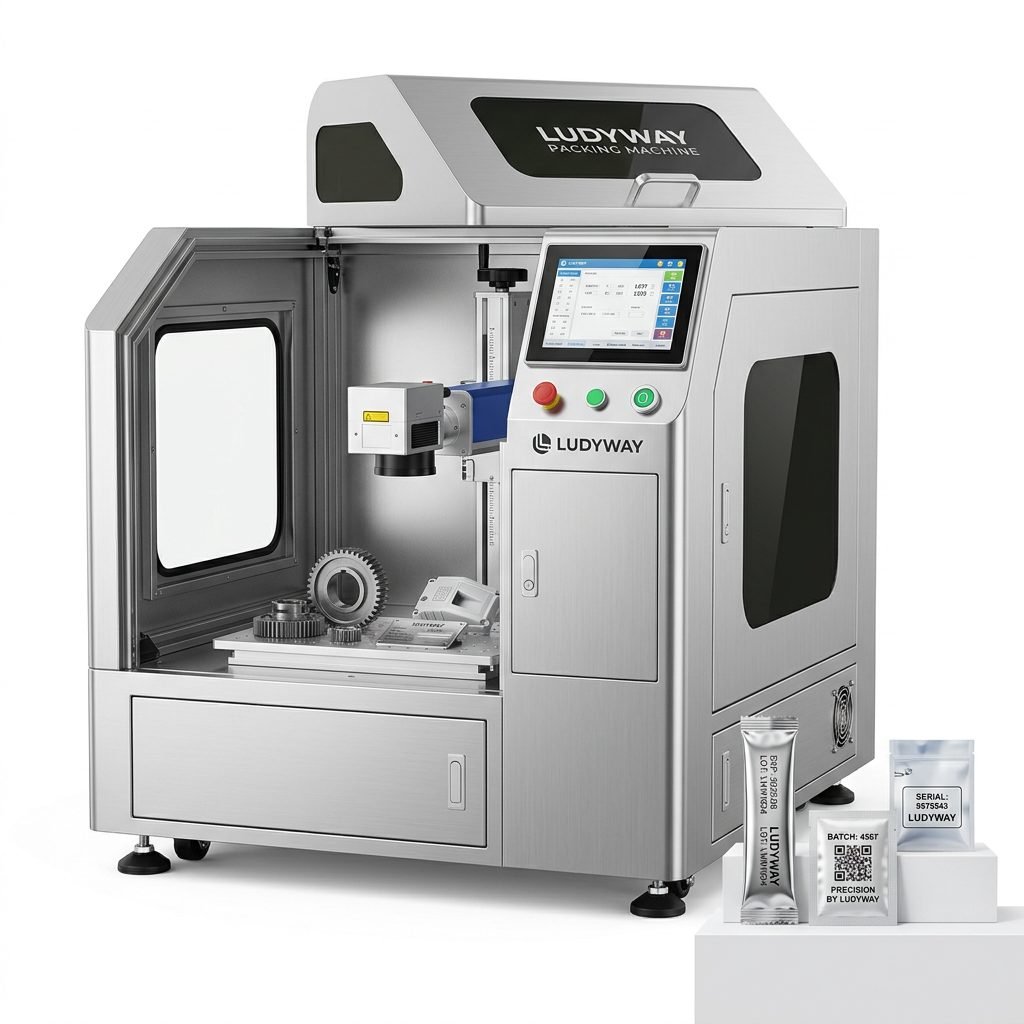
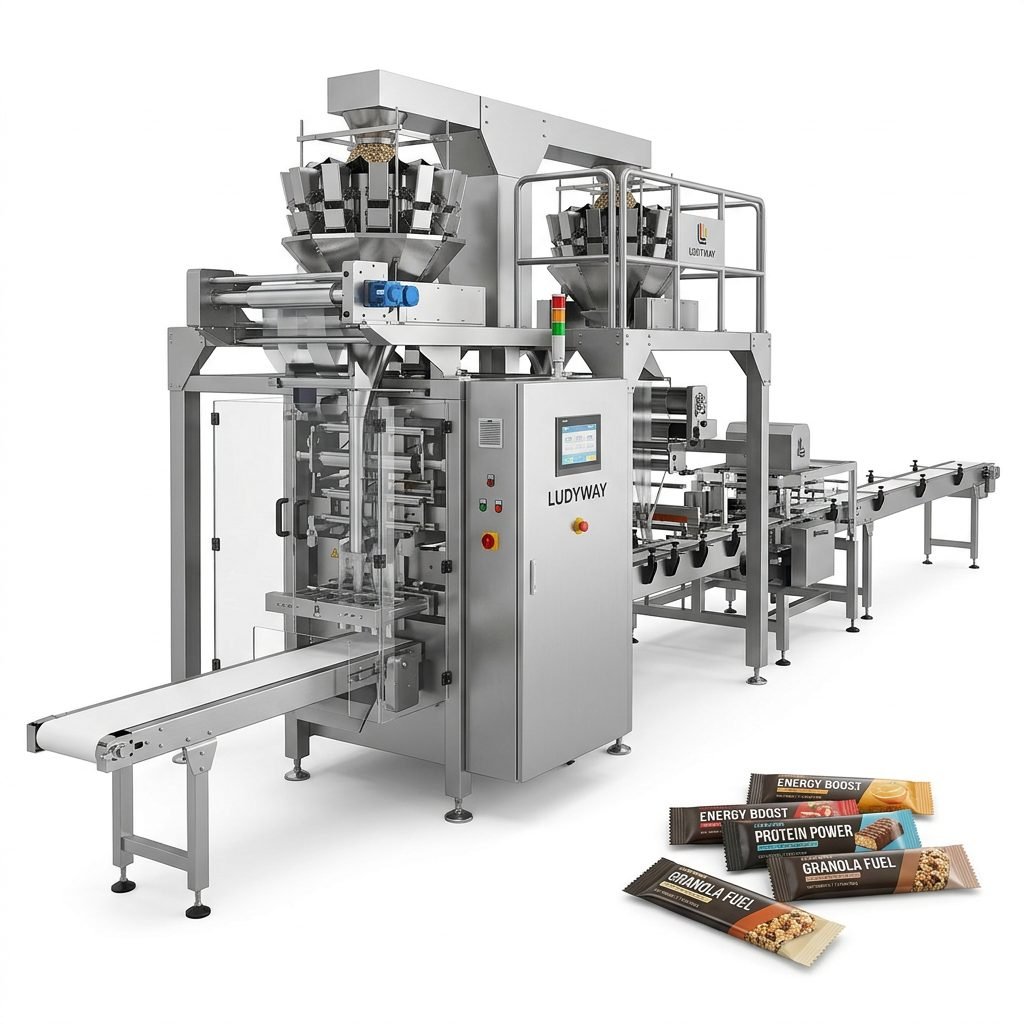
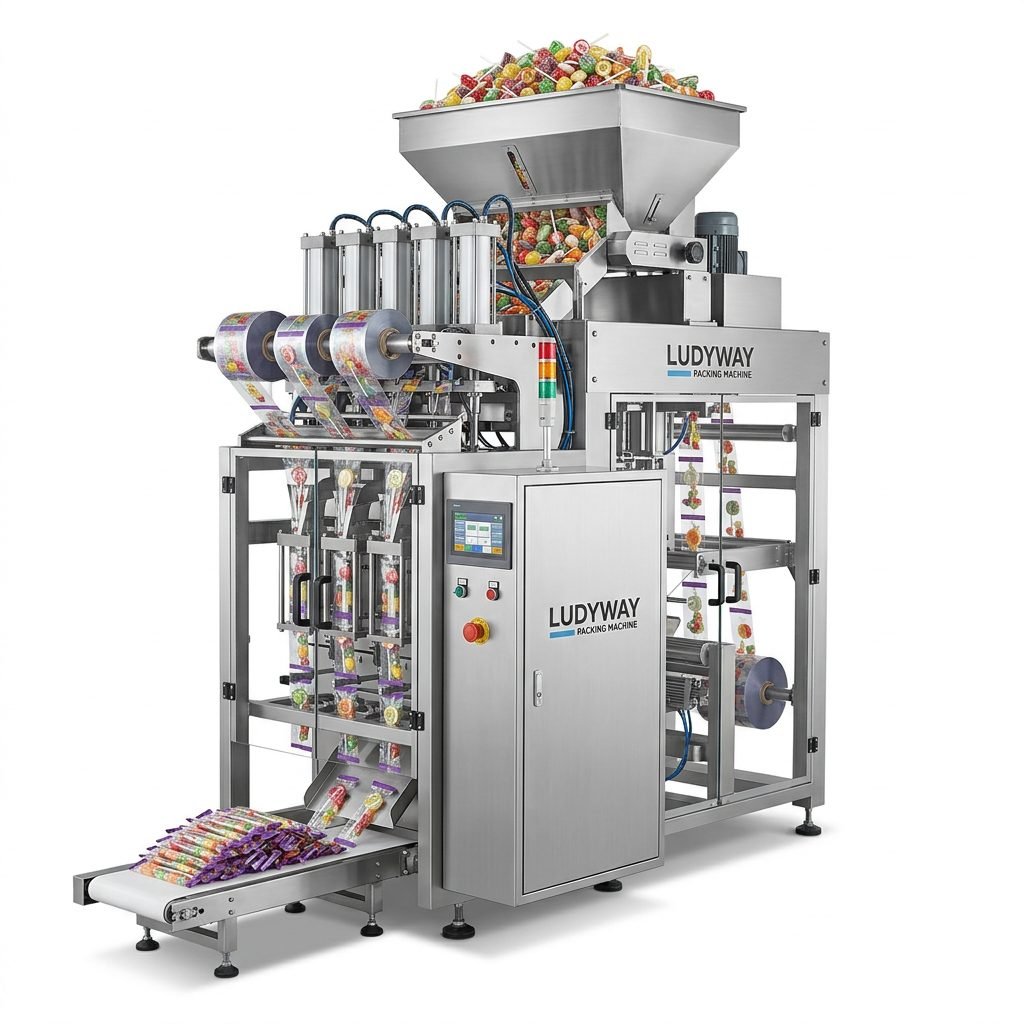
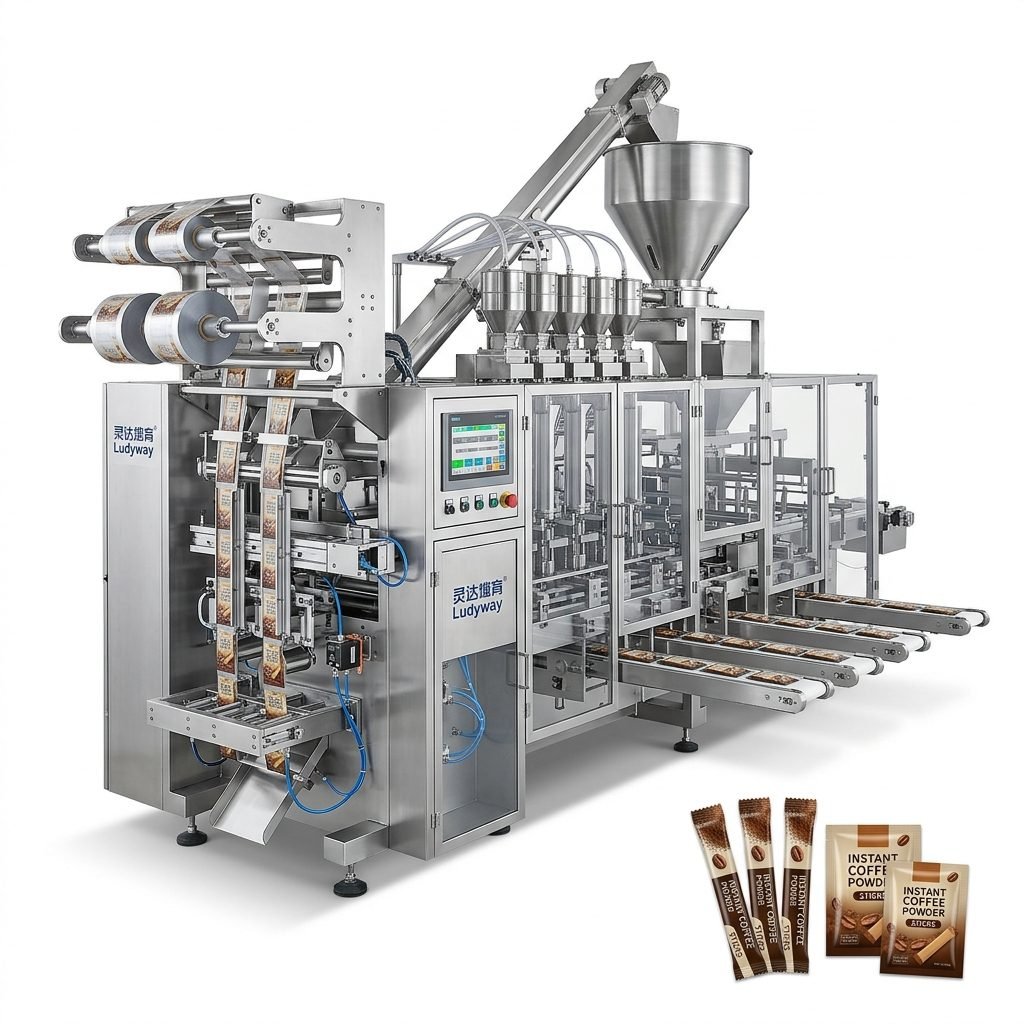
As a China-based packaging machinery manufacturer with more than 30 years of experience, Ludyway Machinery provides comprehensive packaging solutions across a wide range of industries. With a 20,000-square-meter manufacturing facility, more than 130 professionals, and over 50 packaging machine models, the company combines manufacturing expertise, engineering capabilities, and automation technology to help customers improve packaging efficiency and production capacity. Ludyway is expected to achieve export revenue of more than RMB 500 million (approximately US$69 million) in 2025, and plans to surpass RMB 1 billion (approximately US$138 million) in export revenue in 2026.

Cost Analysis and Return on Investment
The purchase price of a wood packing machine is just one component of the total cost of ownership. A thorough financial analysis should account for both direct and indirect costs over the expected service life of the equipment. Key financial factors include:
- Initial capital expenditure: Machine cost, shipping, installation, and commissioning.
- Consumable costs: Packaging film, straps, and other materials consumed during operation.
- Energy consumption: Electrical power requirements for motors, heating elements, and control systems.
- Maintenance and spare parts: Routine service, wear component replacement, and unexpected repairs.
- Labor savings: Reduced manual handling and increased throughput compared to manual packaging methods.
When evaluating ROI, also consider the value of improved packaging quality, reduced product damage during transit, and enhanced brand presentation. These factors contribute to customer satisfaction and can justify a higher initial investment in quality automated packaging equipment.
Supplier Selection and After-Sales Support
The relationship with your machine supplier extends well beyond the initial purchase. Reliable technical support, spare parts availability, and responsive service are essential for maintaining production uptime. When evaluating potential suppliers, consider the following criteria:
- Industry experience: How long has the supplier been manufacturing packaging machinery? Do they have references in the wood products industry?
- Engineering capabilities: Can the supplier provide customized solutions and integrated packaging systems that connect multiple stages of the packaging process?
- Global service network: Do they offer installation, commissioning, operator training, troubleshooting, and after-sales service in your region?
- Compliance and certifications: Can the equipment be designed and configured to meet applicable international standards and regulatory requirements?
Working with a single packaging machinery partner for equipment selection, system integration, customization, installation, commissioning, and technical support simplifies project management and ensures accountability throughout the equipment lifecycle. For insights on current packaging industry trends and market data, resources such as the PMMI State of the Industry Report provide valuable benchmarking information.
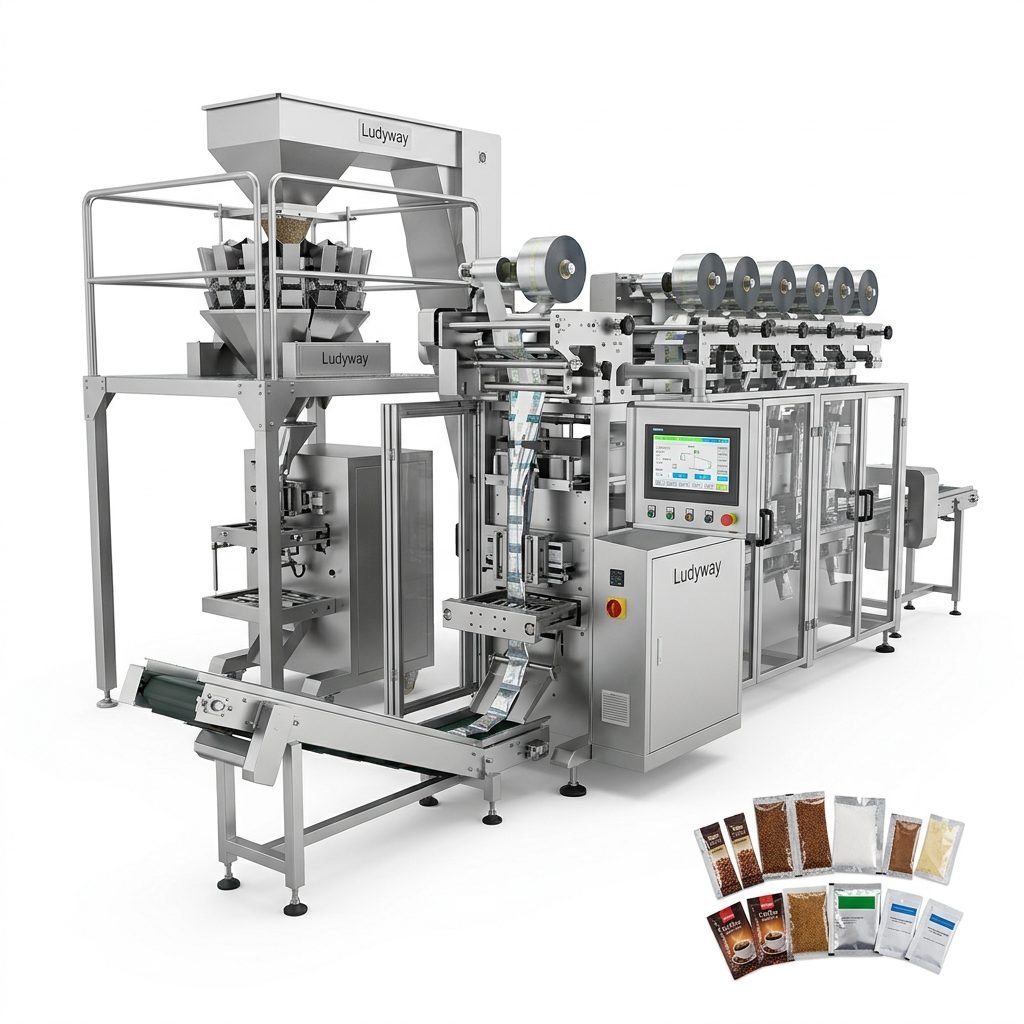
Future-Proofing Your Investment
Packaging technology continues to evolve, driven by advances in automation, material science, and sustainability requirements. When selecting a wood packing machine, consider how your needs may change over the next five to ten years. Machines designed with modular architectures, upgradeable control systems, and flexible configurations provide greater long-term value.
Key trends shaping the packaging machinery landscape include increased adoption of Industry 4.0 connectivity, data-driven predictive maintenance, energy-efficient designs, and compatibility with sustainable packaging materials. The European Commission’s packaging and packaging waste regulations and similar initiatives worldwide are driving demand for packaging solutions that minimize material usage and support recyclability.
Selecting a forward-looking machine that can adapt to these trends helps protect your investment and positions your operation for long-term competitiveness in the global market.
Making the Final Decision
Choosing the right wood packing machine involves balancing technical requirements, budget constraints, and long-term business objectives. By systematically evaluating your production needs, understanding the available machine types, assessing build quality, and selecting a reliable supplier with strong engineering and service capabilities, you can make a confident purchasing decision that delivers lasting value.
Take the time to visit supplier facilities when possible, conduct test runs with your actual products, and speak with existing customers about their experiences. A well-chosen packaging machine becomes a productive asset that supports your manufacturing goals for years to come, while a poorly matched machine can create ongoing operational challenges and unnecessary costs.