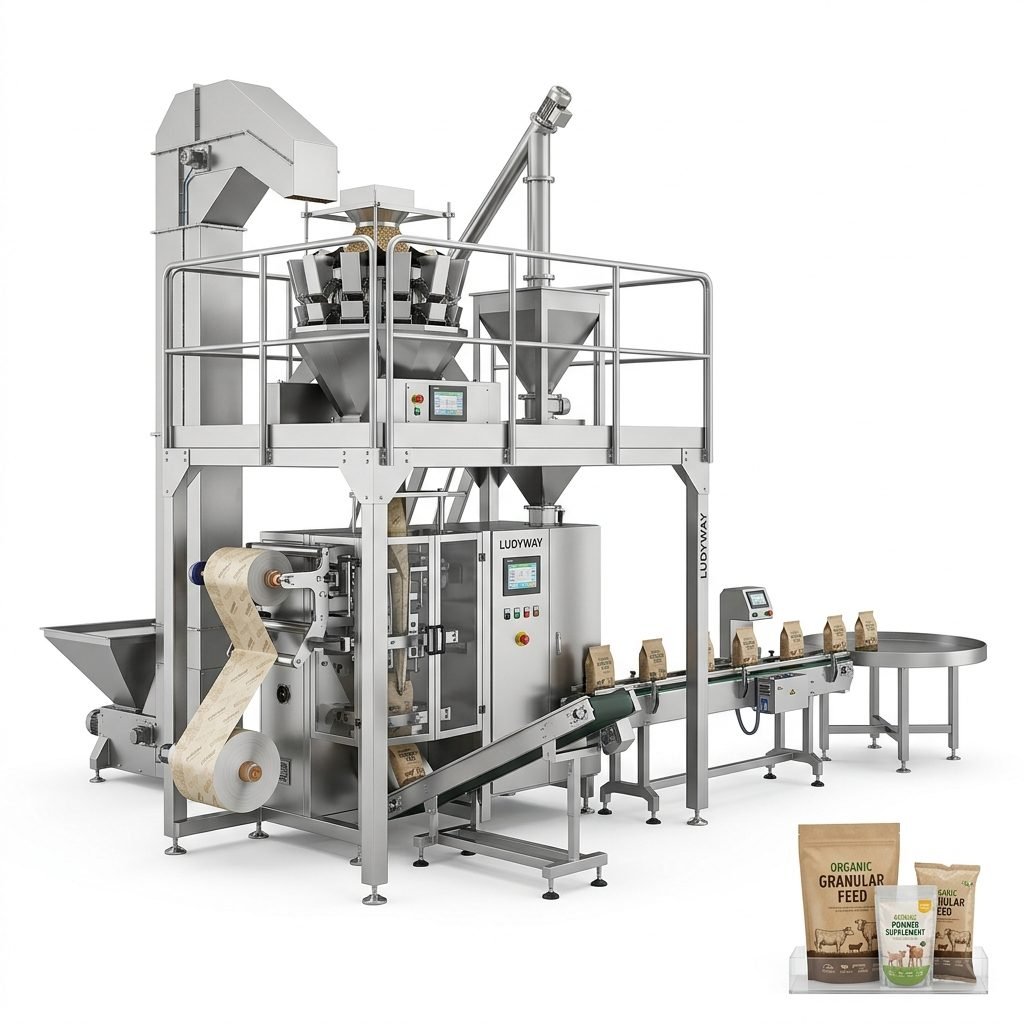
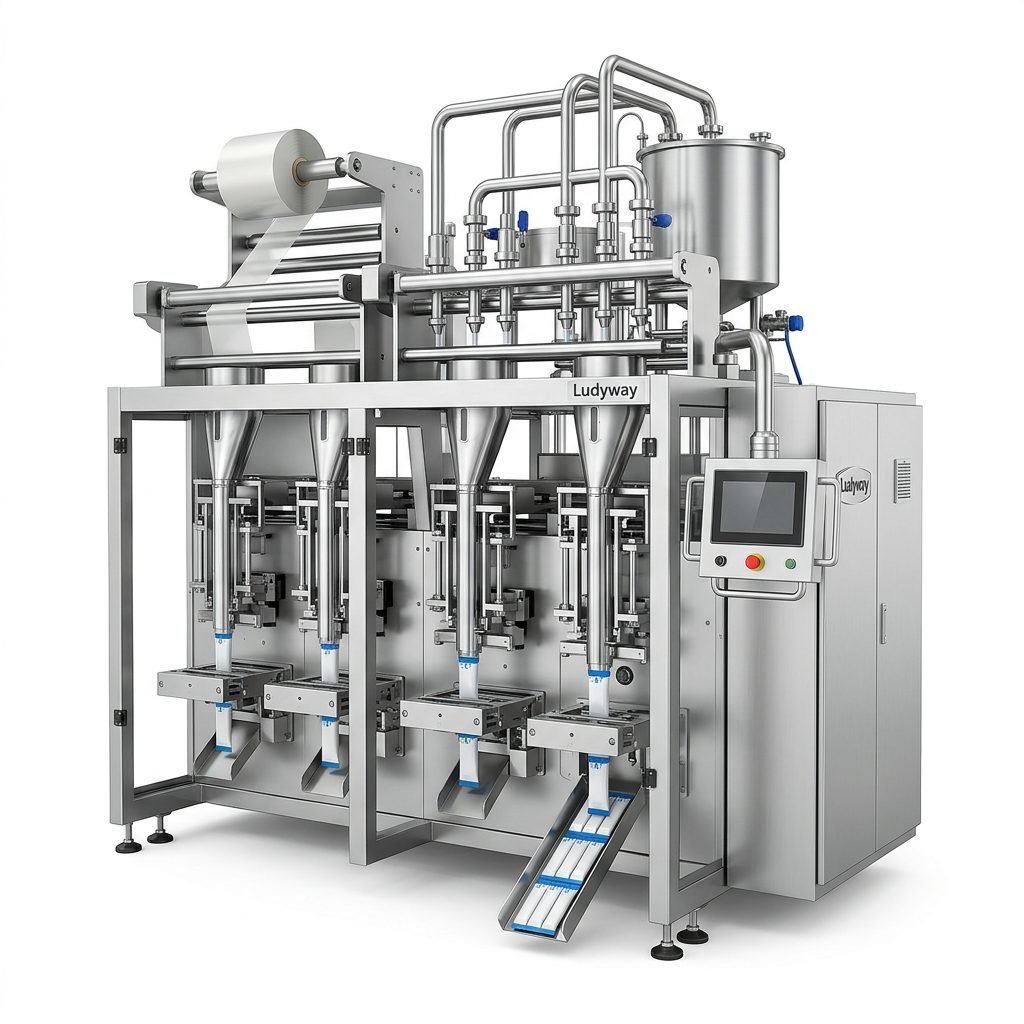
Investing in a zipper pouch packing machine is a strategic move for manufacturers looking to enhance product shelf life, improve brand presence, and streamline production. However, with the wide variety of technologies available—from vertical form fill seal (VFFS) to rotary premade pouch systems—selecting the right equipment requires careful analysis of your packaging goals. This complete buyer’s guide walks you through the essential technical, operational, and commercial factors to consider before making a purchase.
1. Define Your Product Characteristics and Pouch Style
Not every zipper pouch packing machine is suitable for all products. You must first evaluate your material properties:
- Product Type: Is it free-flowing granules, sticky powders, fragile solids, or viscous liquids? The dosing mechanism (auger filler, volumetric cup, multi-head weigher, or liquid pump) depends entirely on this.
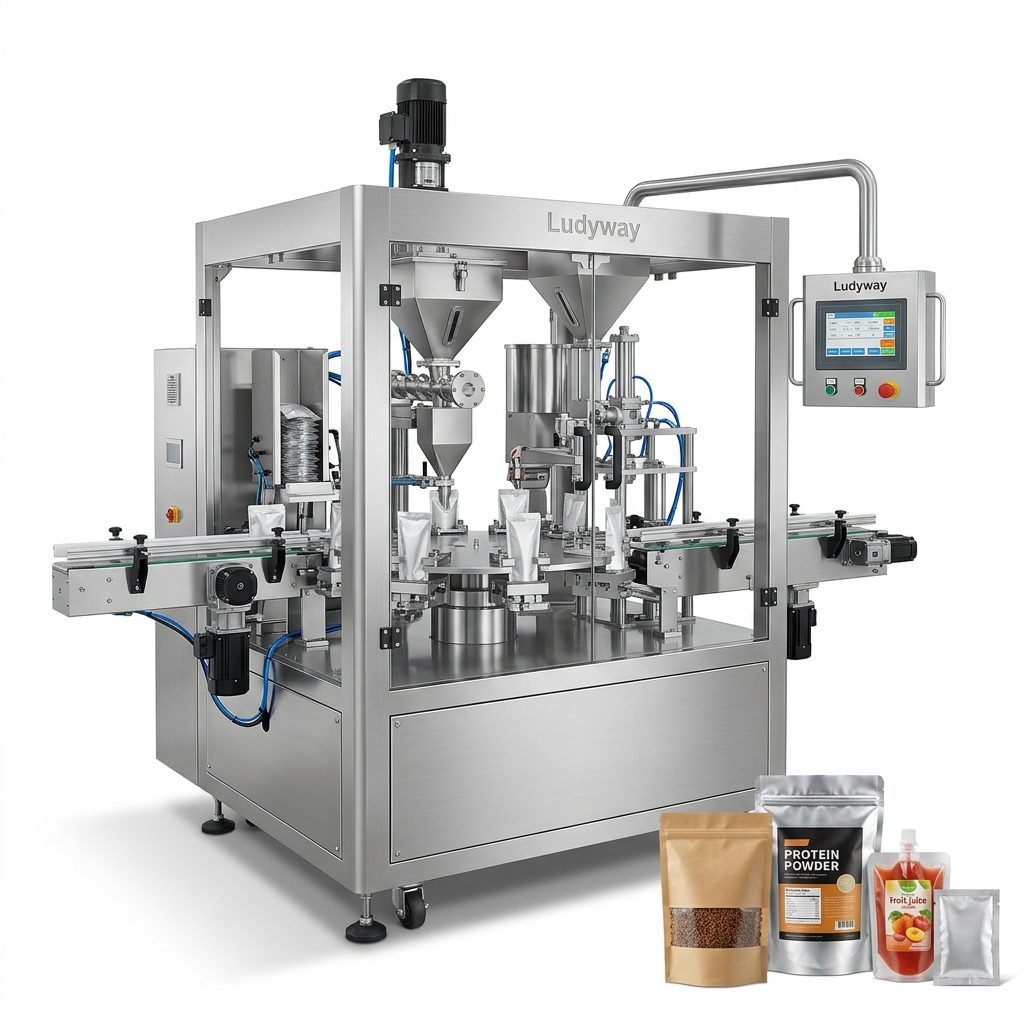
- Pouch Format: Are you using premade zipper pouches, or do you need a machine that forms, fills, and seals the bag in-line? Common styles include stand-up zipper pouches, flat zipper bags, and shaped quad-seal bags.
- Zipper Type: Consider whether you need a press-to-close zipper, a slider zipper, or a child-resistant zipper. This impacts the sealing jaw configuration.
2. Premade Rotary vs. Vertical Form Fill Seal (VFFS) Technology
Understanding the fundamental machine architecture is crucial. The choice between a premade pouch rotary system and a VFFS system will define your production line layout and speed capabilities.
| Feature | Premade Rotary Pouch Machine | VFFS (Vertical Form Fill Seal) |
|---|---|---|
| Bag Quality | Excellent for high-end, thick foil laminates; handles complex shapes. | Best for simple pillow bags; newer models support stand-up pouches. |
| Speed | Moderate to high (40-60 pouches/min); highly dependent on bag size. | Very high (80-120+ pouches/min); ideal for high-volume single-serve packs. |
| Flexibility | Quick changeover between pouch sizes and zipper styles. | Less flexible; requires change parts for film width and forming collar. |
| Investment | Higher initial machine cost; lower ongoing material cost (premade bags). | Lower initial cost; roll stock is generally cheaper per unit. |
For standards governing packaging materials and safety, the PMMI packaging industry resources provide extensive benchmarks regarding machine utilization and material compatibility.
3. Speed, Precision, and Production Volume
Your target output (pouches per minute) will immediately narrow down your options. However, speed must be balanced with accuracy. A multi-head weigher paired with a high-speed VFFS machine is standard for dry goods, but if you are packing expensive nutritional powders, minimizing giveaway with a precise auger filler often takes priority over raw speed.
Key performance indicators to check include:
- Rate of Reject: How many pouches fail seal integrity tests per thousand?
- OEE (Overall Equipment Effectiveness): Ask for data on uptime percentage during a typical 8-hour shift.
- Quick Changeover: Can you change between a 50g and 500g zipper pouch in under 15 minutes without specialized tools?
4. Critical Sealing and Zipper Technology
The integrity of your zipper seal is non-negotiable. A leaking pouch results in product spoilage, customer returns, and potential compliance violations. Look for machines with precise temperature control (±0.5°C) for heat sealing. For delicate products or oxygen-sensitive items, ultrasonic sealing or nitrogen-flush sealing jaws are often necessary. Ensure the machine can apply consistent pressure across the entire zipper track, especially for slider zippers and tear-notches.
5. Construction Material and Hygiene Compliance
If you operate in the food, pharmaceutical, or nutraceutical sectors, the machine frame must comply with stringent hygiene standards. The preferred construction is SUS304 or SUS316 stainless steel with open-frame design that eliminates food traps. Machinery should meet GMP design principles, facilitating easy wash-down and swab testing. For medical packaging, consult the ISO 11607 packaging standards for terminally sterilized medical devices.

6. Integration with Upstream and Downstream Equipment
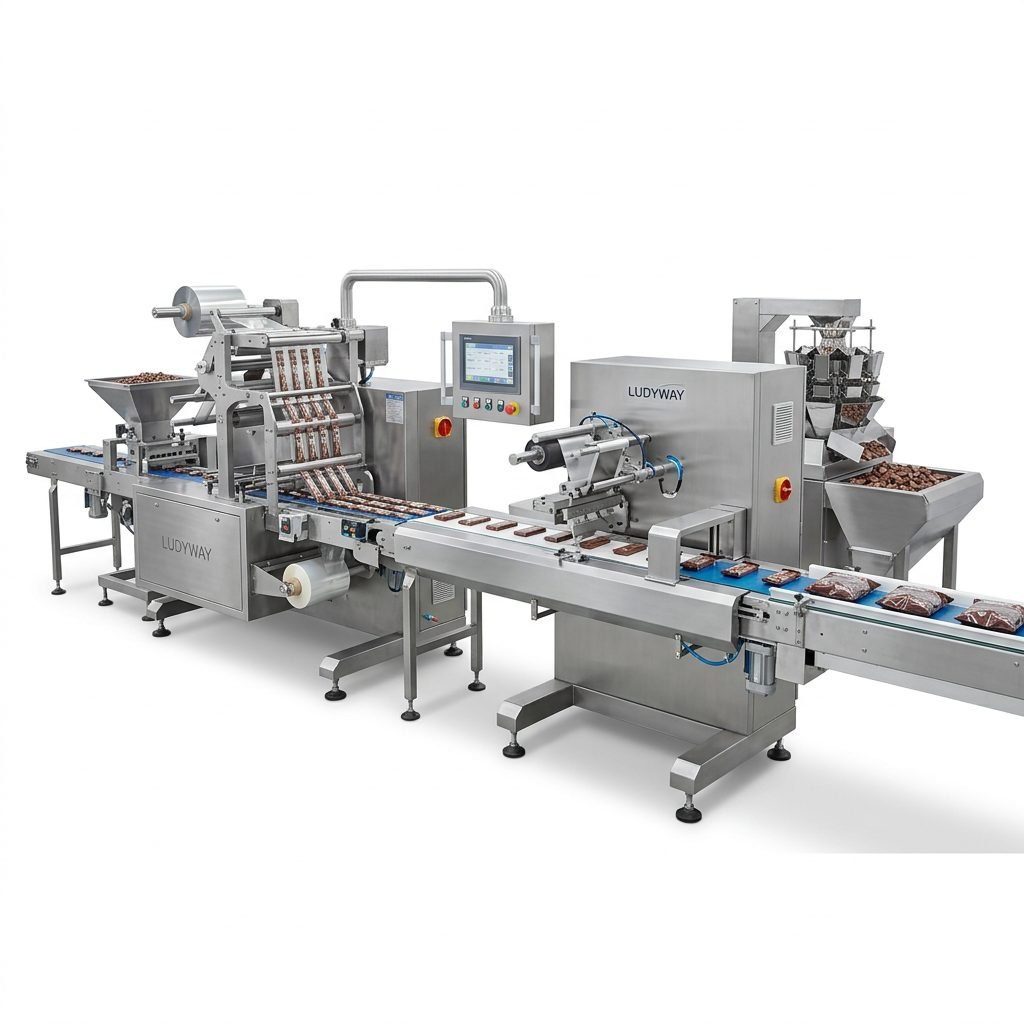
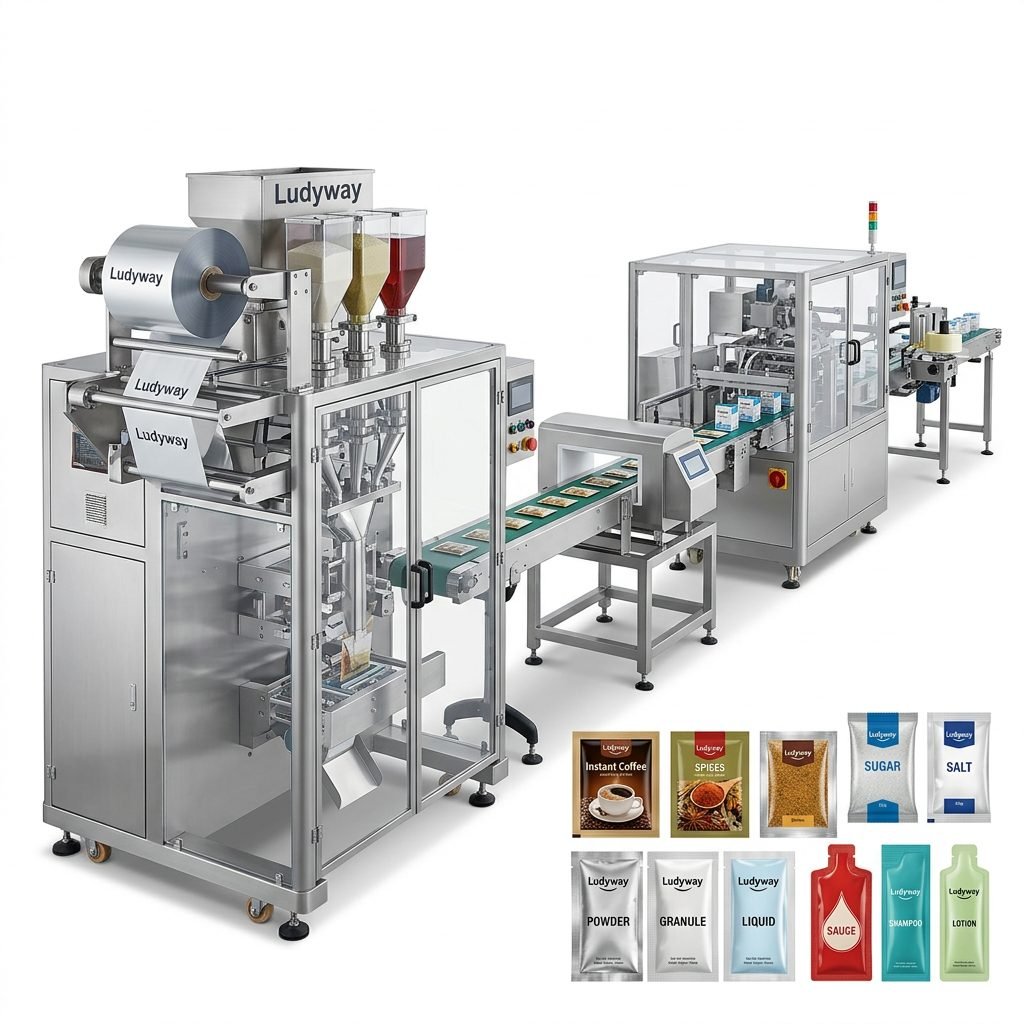
A zipper pouch packing machine rarely operates in isolation. To build a turnkey line, you need seamless integration with:
- Filling/Dosing Systems: Auger fillers, multi-head weighers, liquid piston fillers.
- Accessories: Bag opening/zipper opening stations, dust extraction units, coding printers, and label applicators.
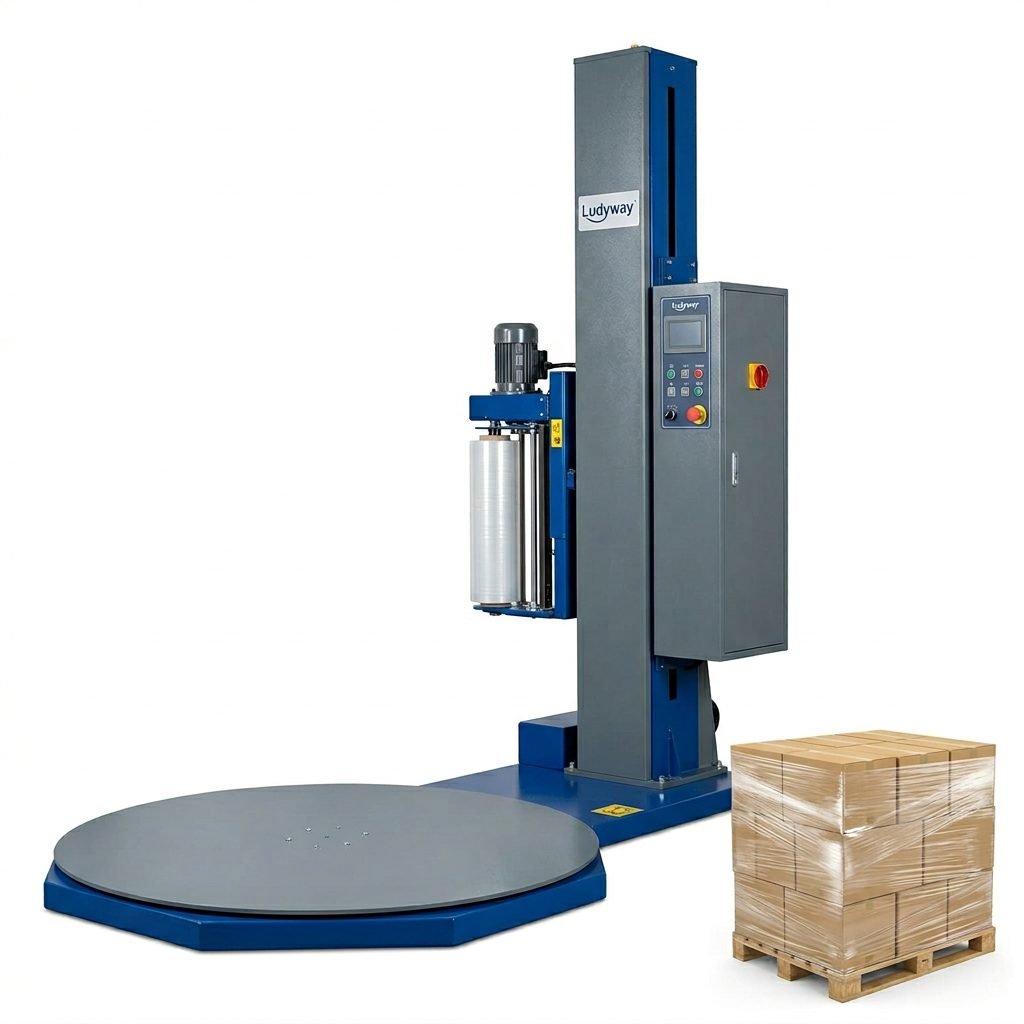
- End-of-Line Automation: Checkweighers, cartoners, case packers, and palletizers.
A machine with advanced PLC controls and Ethernet/IP communication ensures data exchange across the line, crucial for Industry 4.0 traceability.
7. Evaluating Total Cost of Ownership (TCO) and ROI
Beyond the initial price tag, calculate the long-term operational costs. These include film/laminate waste during startups and jams, spare part availability for wear items like sealing jaws and grippers, and energy consumption for the heating elements. A slightly more expensive machine with a servo-driven motion control system often yields a better ROI than a pneumatic-based system due to significant savings on energy and maintenance over five years.
8. Selecting the Right Manufacturing Partner
Technical specifications tell only half the story. The engineering capability of your supplier determines the success of your installation. Look for a partner that offers factory acceptance testing (FAT), local installation support, and certified safety standards (CE, UL).
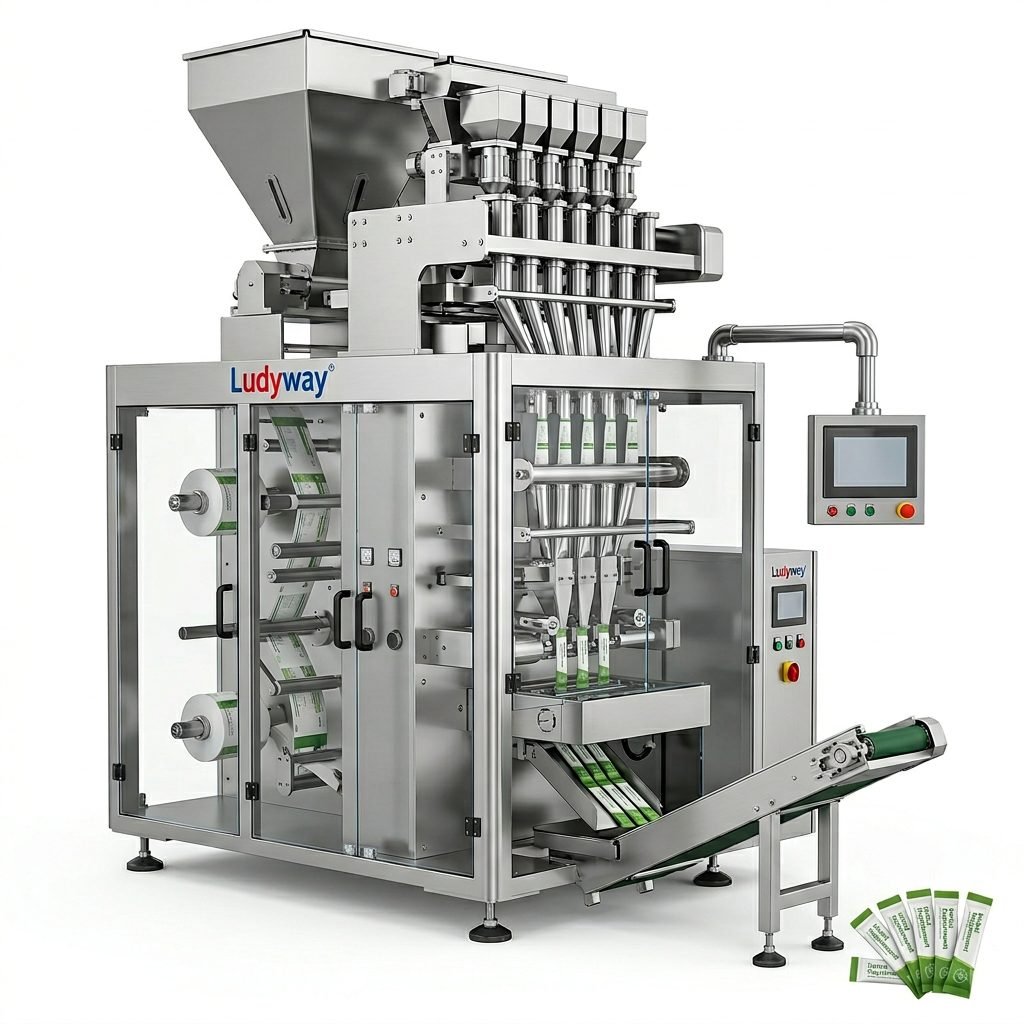
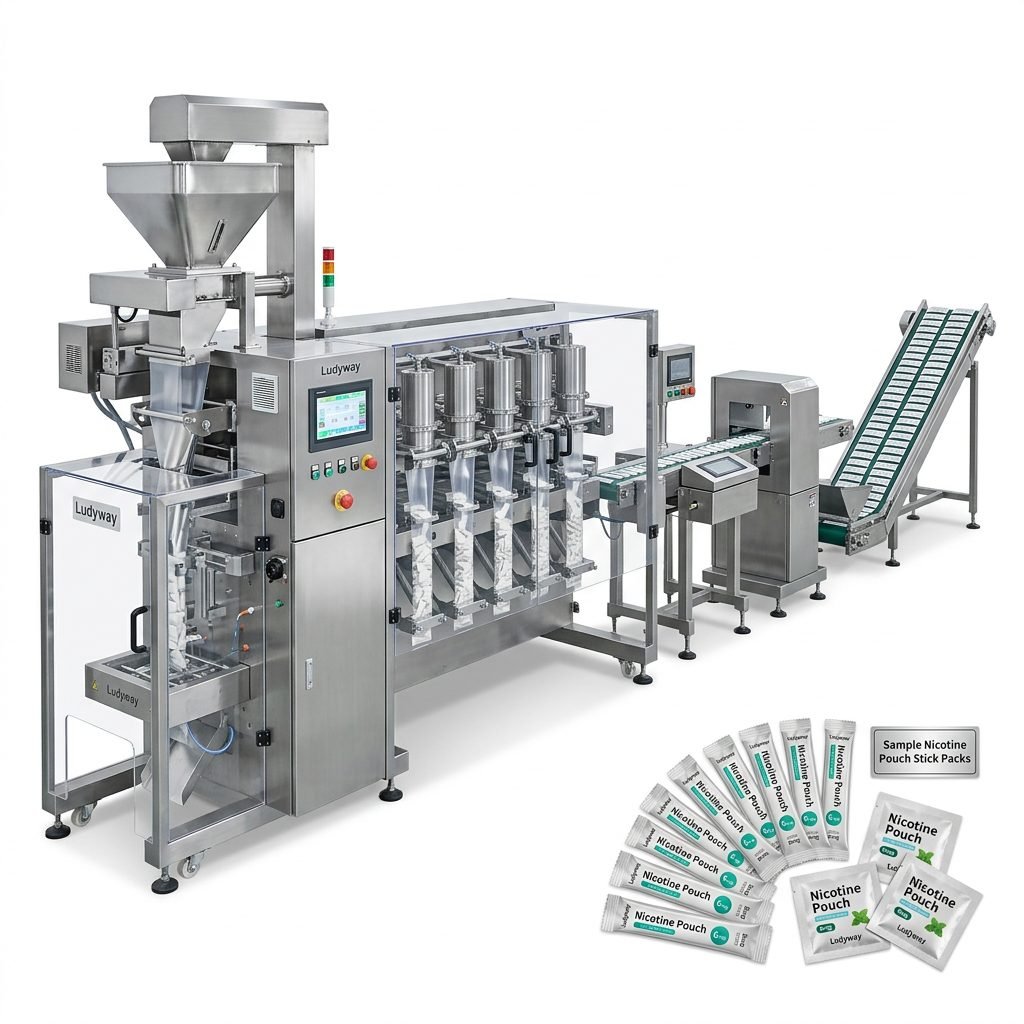
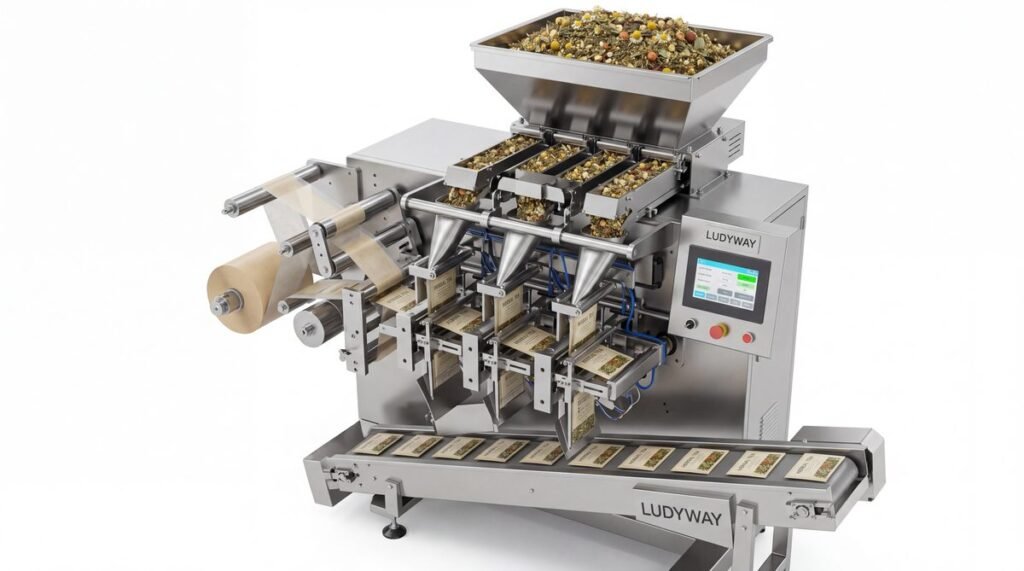
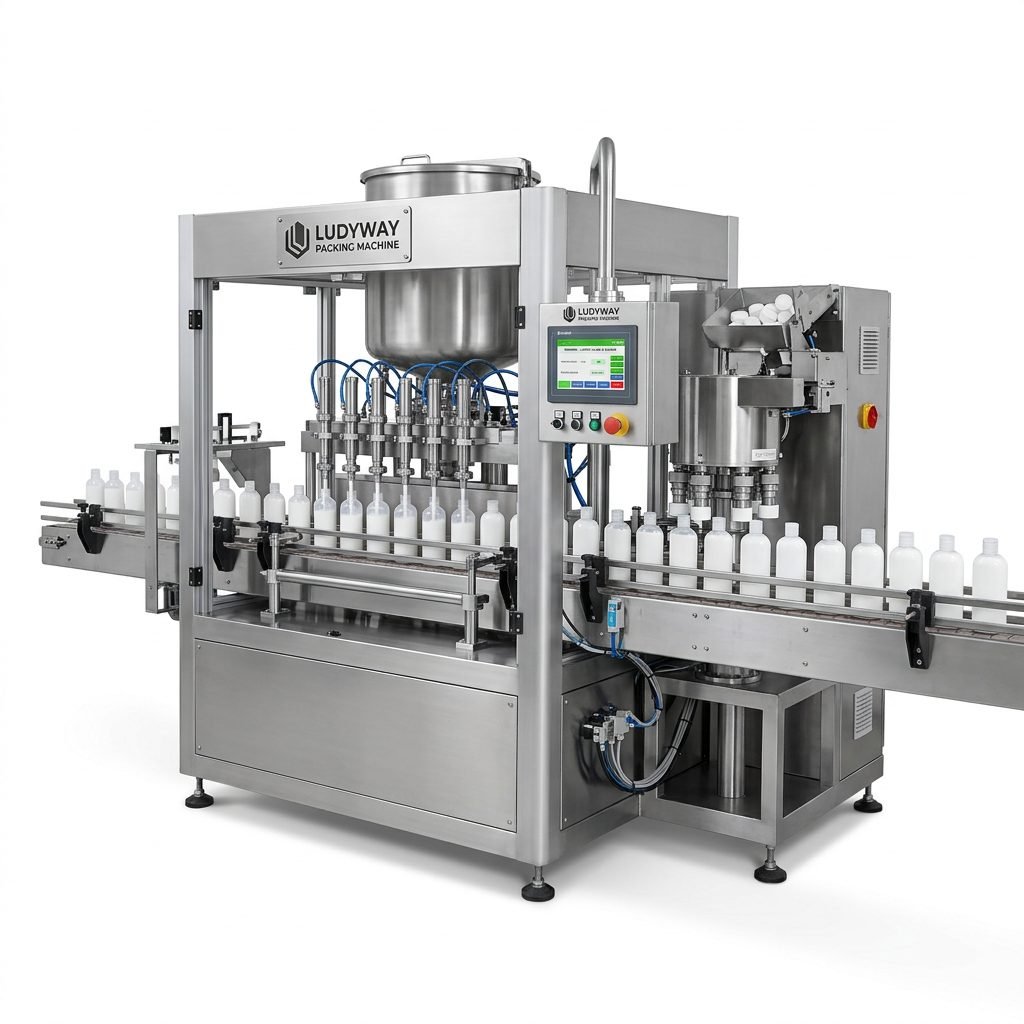
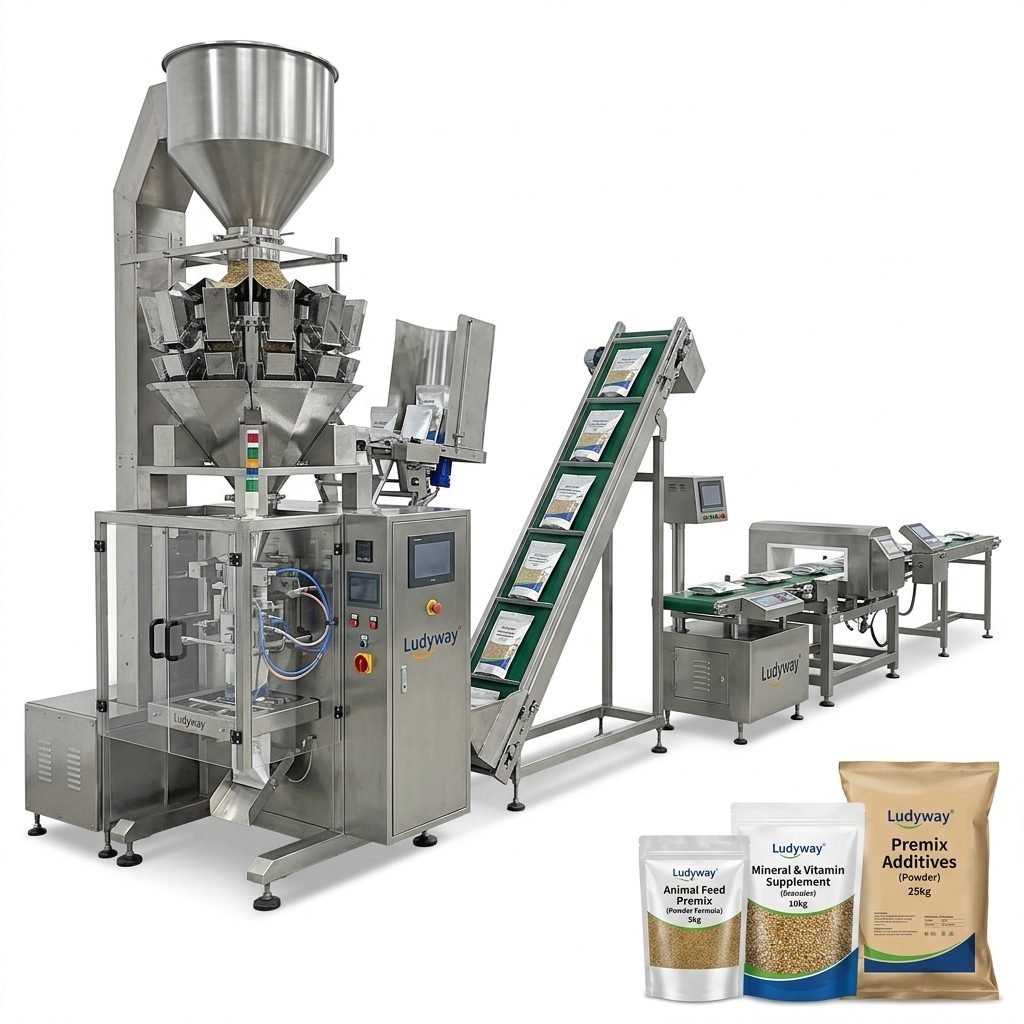
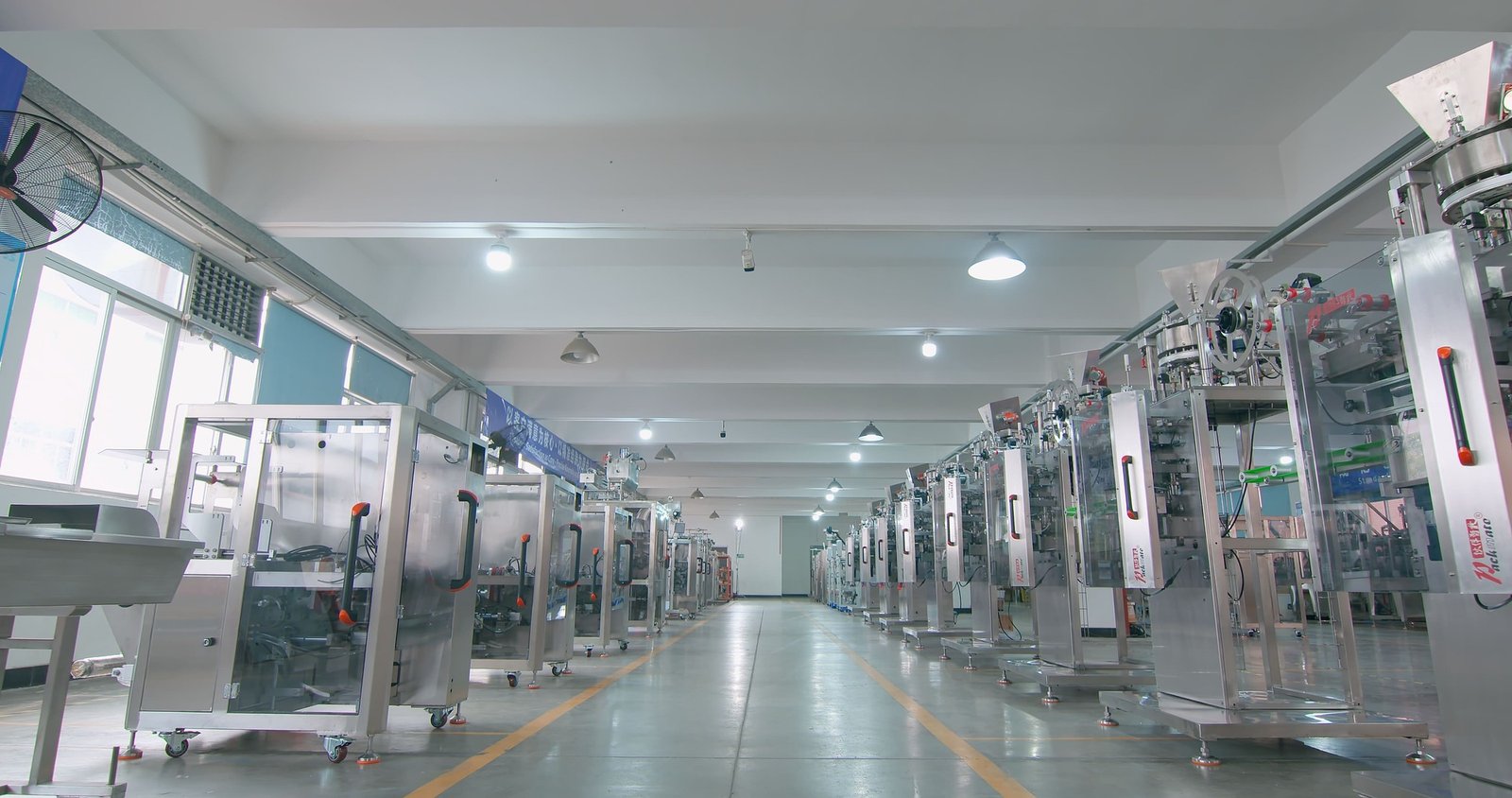
As a comprehensive turnkey packaging solution provider, Ludyway Machinery combines a 20,000-square-meter manufacturing facility with over 30 years of industry expertise. Their portfolio covers a broad spectrum of automated zipper pouch and sachet machines designed for diverse industries, from food and beverages to pharmaceuticals and chemicals. Instead of offering only standardized machines, they provide customized engineering configurations to match specific filling volumes, bag formats, and production speeds.
9. The Importance of After-Sales Support and Spare Parts
Downtime is the enemy of profitability. Before signing the purchase order, verify the supplier’s global service network. Can they offer remote video troubleshooting? Is there a local stock of critical spare parts? The flexible packaging landscape is evolving rapidly, so a partner that continuously updates its platforms—such as adapting to mono-material recyclable films—will future-proof your investment.
Conclusion: Making Your Final Decision
Choosing the right zipper pouch packing machine is fundamentally about aligning the machine’s capabilities with your specific product requirements and production goals. By systematically assessing your product properties, required pouch style, speed targets, and hygiene standards, you can significantly narrow the field. Whether you opt for a high-speed VFFS mechanical line or a flexible premade rotary system, prioritize build quality, sealing integrity, and supplier engineering support above the lowest bid. A well-chosen machine will deliver consistent quality and operational efficiency for years to come.