
How to Extend the Service Life of Packaging Machines
A comprehensive engineering guide to maximizing equipment lifecycle, minimizing downtime, safeguarding packaging accuracy, and unlocking peak operational ROI across food, pharma, and industrial production lines.
Strategic Protocols for Machinery Longevity
Modern automated packaging machinery represents a substantial capital investment. Implementing strict preventive maintenance, environmental management, and digital monitoring ensures unmatched operational longevity.
1. Rigorous Lubrication and Tribological Management
Packaging equipment experiences intense cyclic mechanical motion across forming shoulders, multi-lane sealing jaws, cutting knives, cam mechanisms, and conveyor chains. Tribological breakdown due to improper lubrication accounts for over 40% of premature mechanical failures in high-speed packaging plants.
2. Thermal Balance and Heat Sealing Integrity
High-precision temperature control across vertical and horizontal sealing bars is vital not only for hermetic pouch seals but also for preserving heating element lifespan and preventing structural thermal deformation of the jaw assemblies.
Teflon Coating Maintenance & Film Tracking Calibration
Residual packaging film buildup or burnt product dust on sealing bars causes local hot spots, uneven thermal dissipation, and excessive strain on heating cartridges. Daily cleaning with brass wire brushes and regular replacement of PTFE Teflon tape prevent thermal localized fatigue on sealing jaws.
Furthermore, misaligned film unwind reels create asymmetrical lateral tension across the forming collar, exerting lateral stresses on linear guides and pneumatics. Real-time automatic edge-guiding sensors must be inspected weekly to ensure seamless film feeding.
3. Pneumatic System Hygiene and Clean Air Delivery
Pneumatic actuators, vacuum generators, and solenoid valves form the backbone of bag clamping, pouch transfer, and nitrogen flushing systems. Untreated compressed air laden with moisture, oil aerosols, and particulates quickly corrodes cylinder barrels and deteriorates polyurethane valve seals.
4. Electrical Cabinet Isolation & PLC Signal Integrity
Packaging environments frequently deal with high ambient humidity, fine airborne powders (e.g., starch, spices, protein powder), or liquid splashes during washdowns. Protecting electrical enclosures ensures uninterrupted operation of PLCs, servo drives, and HMI touchscreens.
Ensure all control enclosures maintain minimum IP65 or NEMA 4X isolation ratings. Incorporate integrated closed-loop thermoelectric air conditioners inside the electrical enclosure to eliminate internal condensation and prevent thermal throttling of high-frequency servo motion controllers.
Standard Operating Preventive Maintenance Schedule
Adhering to a standardized maintenance routine extends packaging machine lifespan by up to 250% while mitigating sudden unpredicted catastrophic breakdowns.
| Frequency | Inspection Target | Standard Protocol & Action | Priority Level |
|---|---|---|---|
| Daily (Per Shift) | Sealing Jaws & Cutters | Clean residue using brass brushes; inspect Teflon anti-stick coating; check cutting knife sharpness and clearances. | High Priority |
| Daily (Per Shift) | Optical & Photoelectric Sensors | Wipe dust from eye-mark scanners, fiber optic proximity sensors, and safety interlock curtains. | Routine |
| Weekly | Pneumatic Water Traps & FRL | Drain condensed moisture reservoirs; inspect operating pressures; calibrate nitrogen gas injection valves. | High Priority |
| Weekly | Drive Chains & Belts | Inspect tension on film-pulling belts and conveyor timing chains; check for tooth wear, fraying, or slippage. | Routine |
| Monthly | Bearings & Linear Motion Guides | Regrease linear bushings, cam followers, and ball screw actuators with calibrated food-safe lubricant volumes. | High Priority |
| Quarterly | Electrical Wiring & Terminals | Check thermal expansion torque on terminal blocks; inspect cooling fans on servo drives and PLC racks. | Routine |
| Annually | Complete Turnkey Overhaul | Replace worn heating elements, thermocouple probes, main drive belts, and pneumatic cylinder rebuild kits. | High Priority |
Engineered for Extreme Durability & Performance
Explore Ludyway’s rugged, precision-built packaging equipment engineered with reinforced SUS304/SUS316 structures and industrial IoT predictive diagnostics.
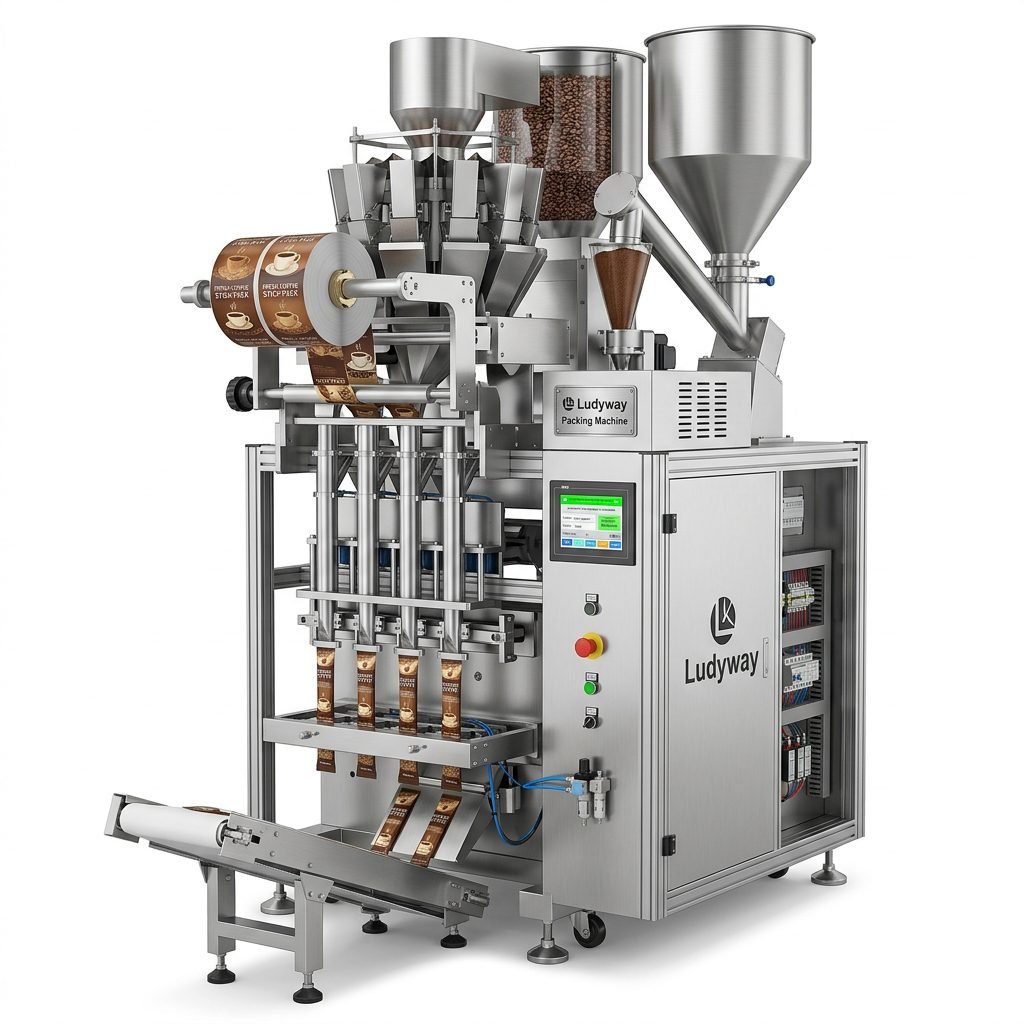
Automatic Multi-Lane Coffee Bean Packaging Machine for Granule and Powder
View Equipment Details →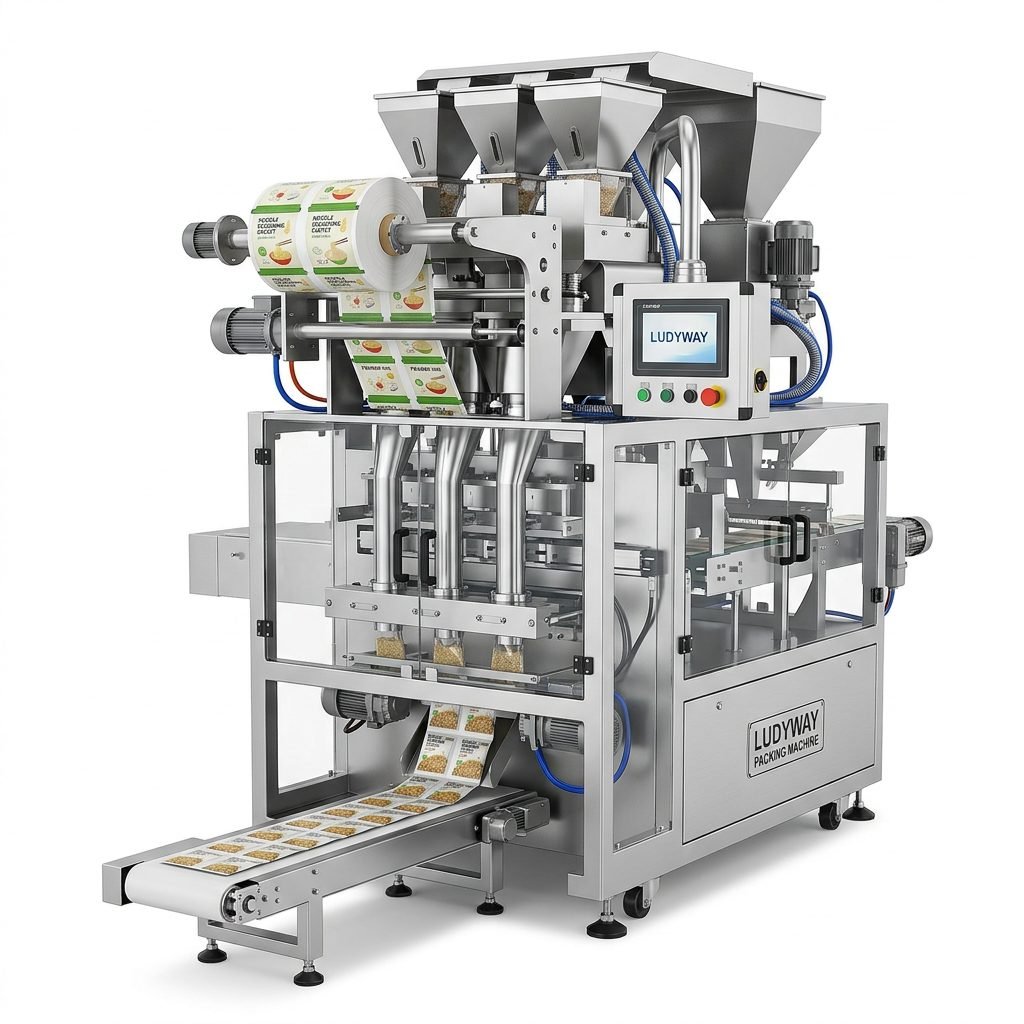
Instant Noodle Seasoning Packaging Machine for Sachets
View Equipment Details →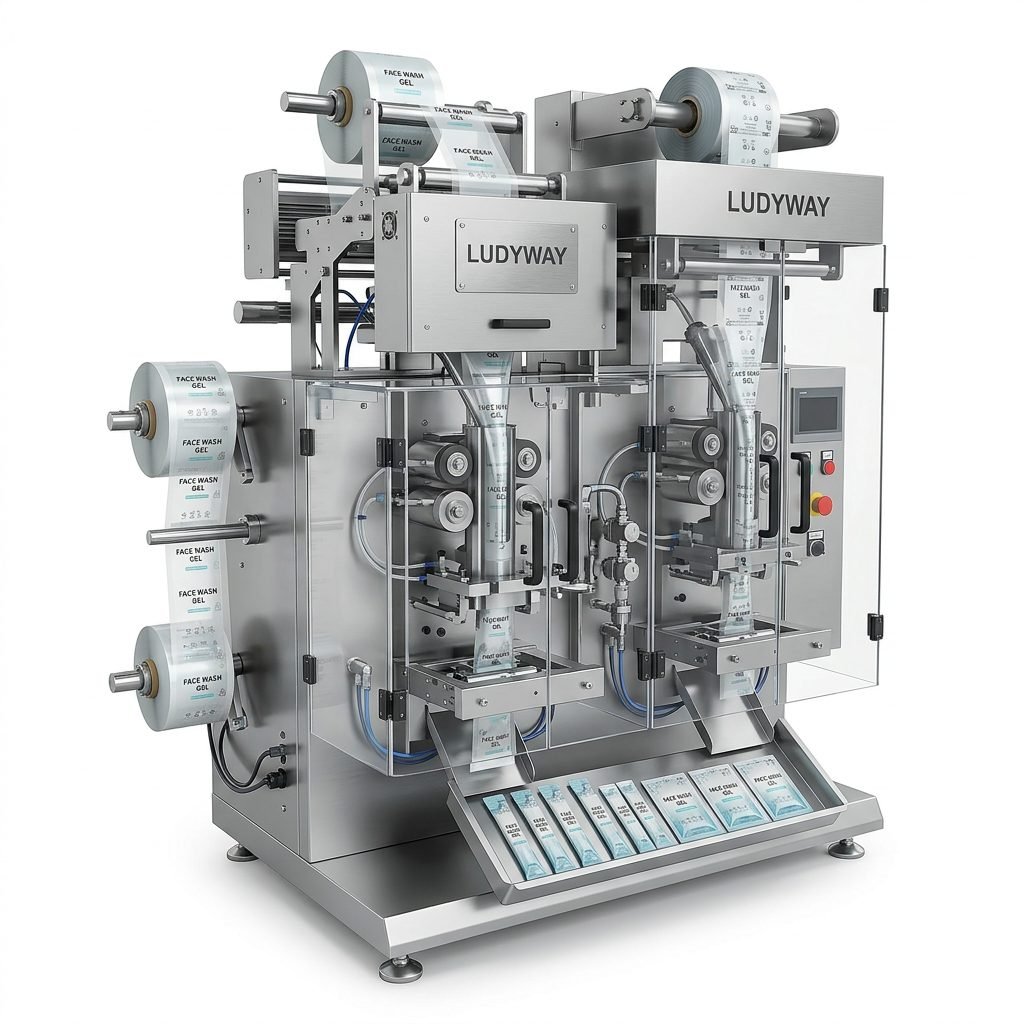
Automatic Face Wash Sachet & Stick Pack Liquid Filler
View Equipment Details →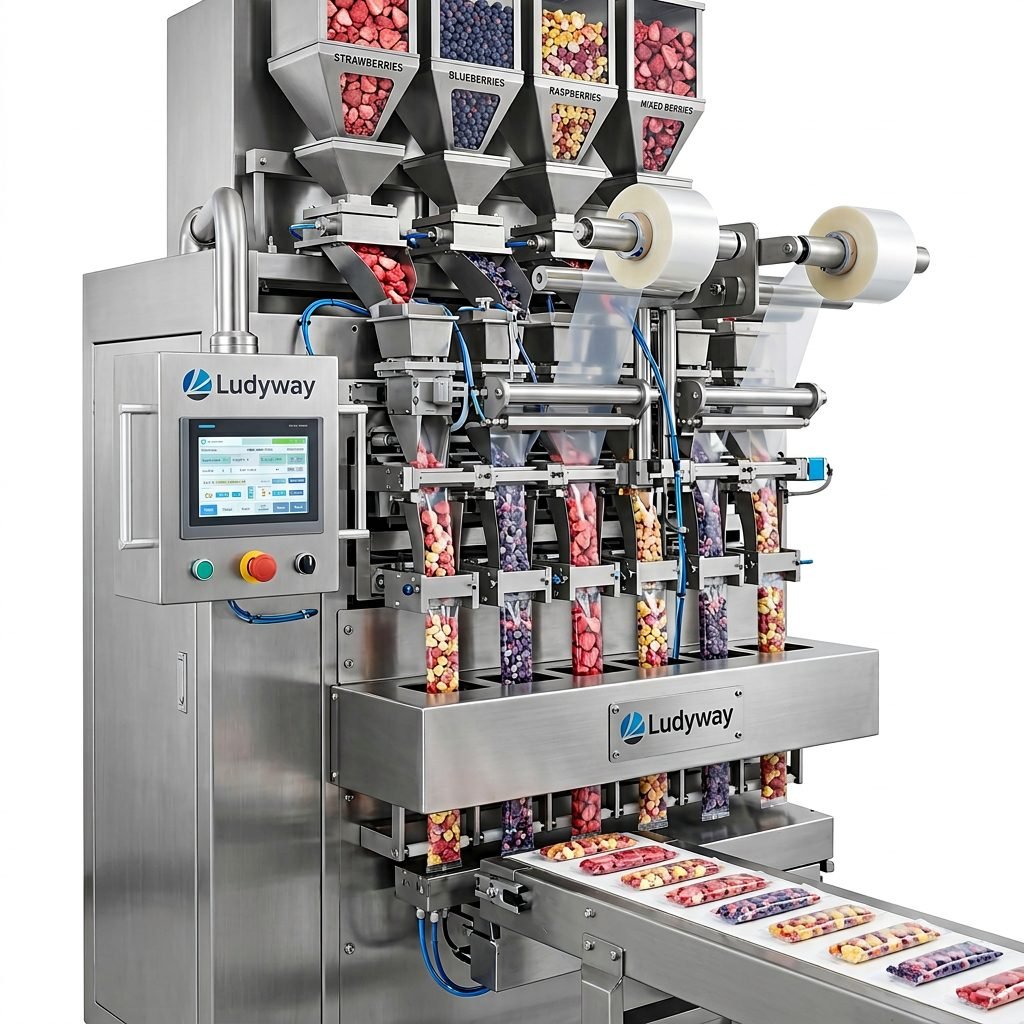
Freeze-Dried Fruit Multi-Lane Stick Pack Machine
View Equipment Details →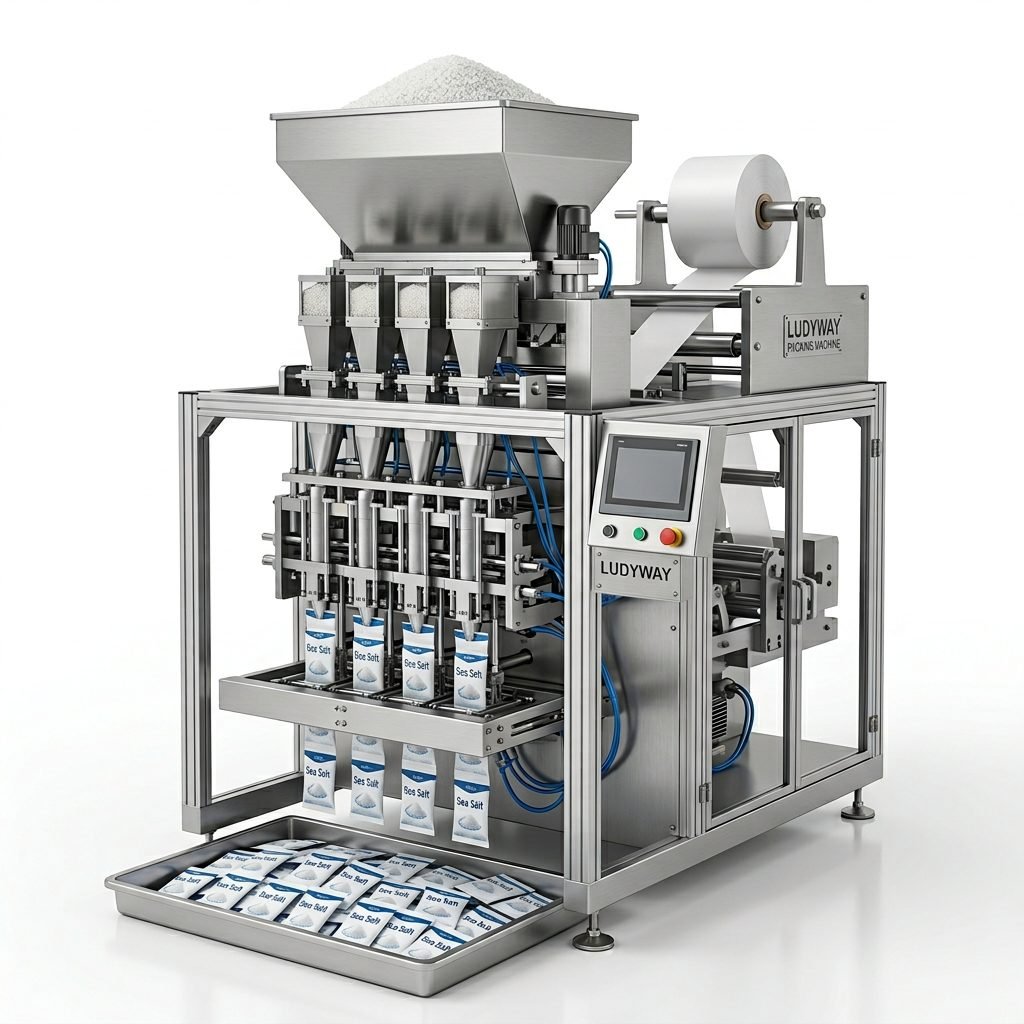
Sea Salt Granule Multi-Lane Sachet Packaging System
View Equipment Details →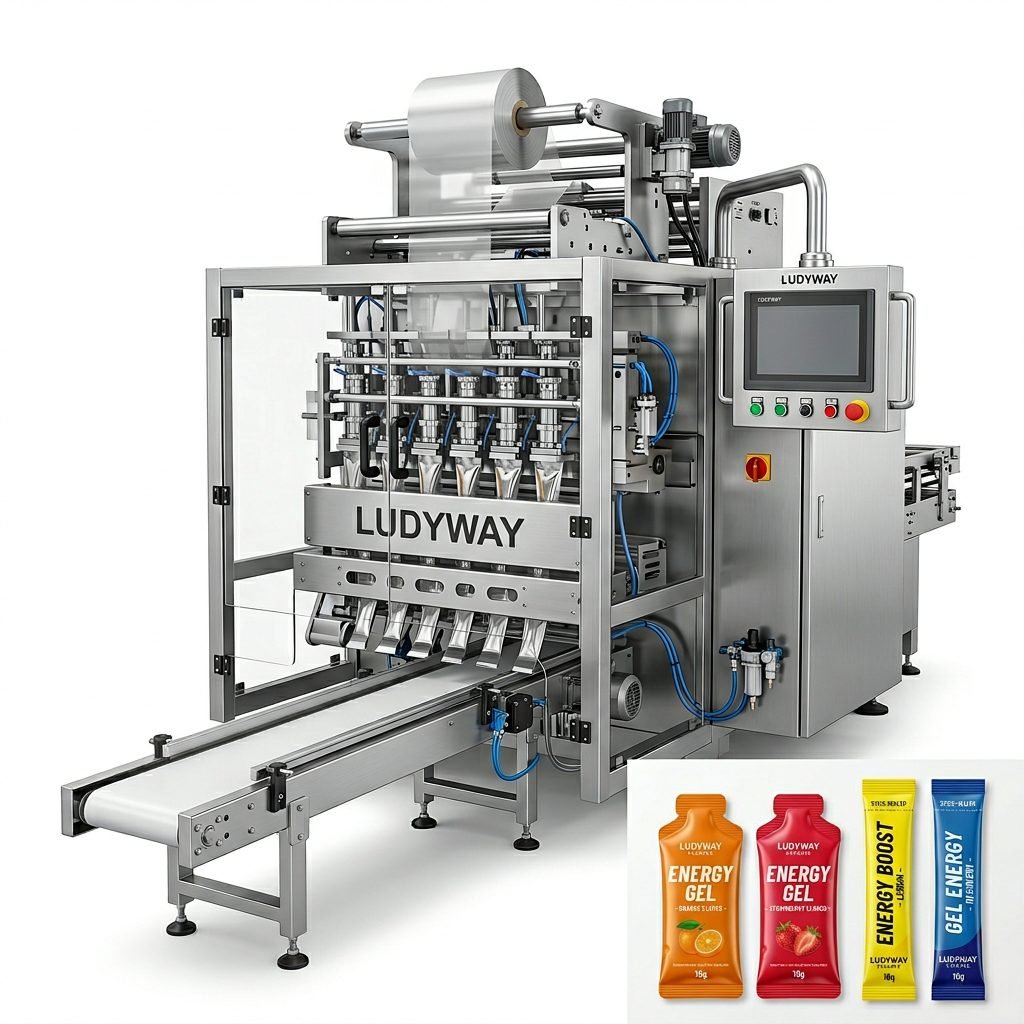
High-Speed Multi-Lane Energy Gel Packaging Machine
View Equipment Details →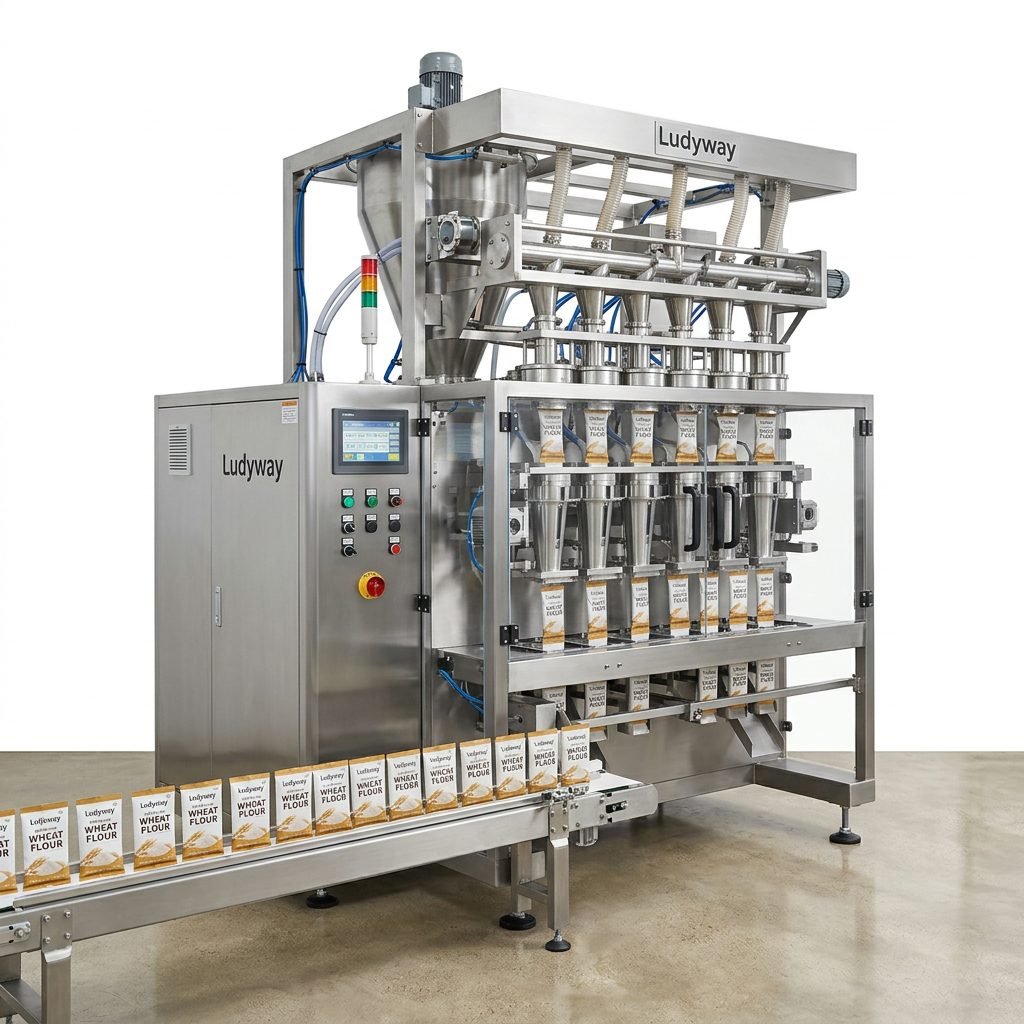
Wheat Flour Packaging Line for Multi-Lane Systems
View Equipment Details →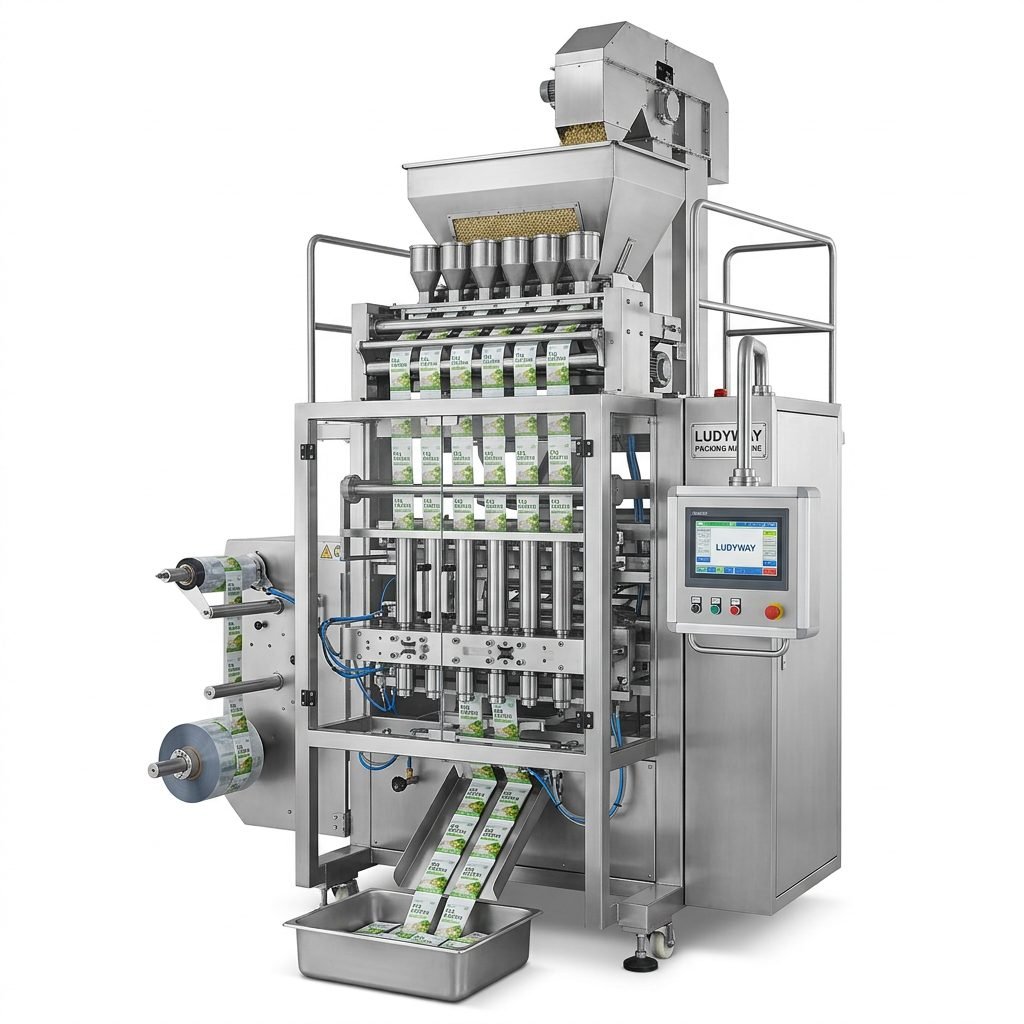
Pea Protein Granule & Powder Sachet Machine
View Equipment Details →The Future of Equipment Care: AI-Driven Predictive Health
Modern Ludyway packaging lines integrate Industry 4.0 sensors to shift from reactive fixes to intelligent, data-driven condition monitoring.
Vibration Spectrum Analysis
High-frequency tri-axial accelerometers installed on servo gearboxes and cutter shafts detect micro-wear patterns in bearing races weeks before mechanical degradation causes audible acoustic distortion.
Thermal Signature Profiling
Continuous infrared temperature mapping on electrical connections, solid-state relays, and sealing elements isolates uneven thermal loading, preventing electrical component burnouts.
Servo Torque Curve Tracking
Real-time digital current monitoring in servo drives identifies mechanical binding, kinematic resistance, and guide rail misalignment long before physical jams stop the packaging line.
World-Class Packaging Machine Manufacturing Excellence
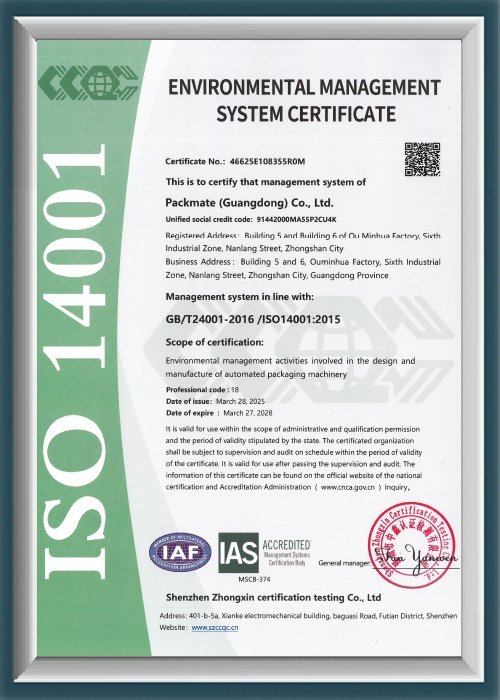
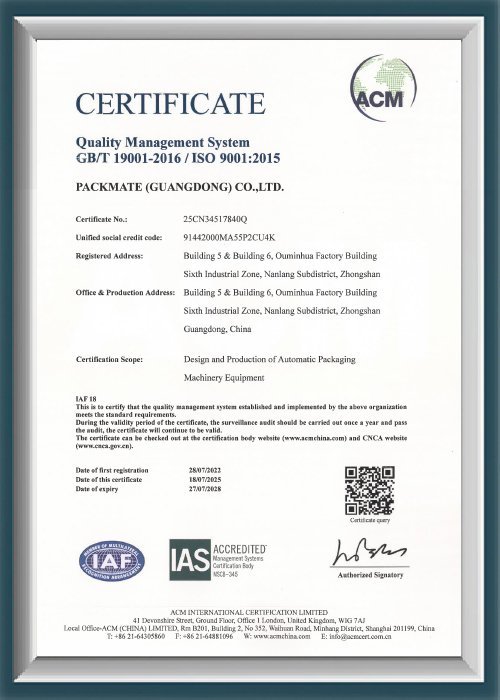
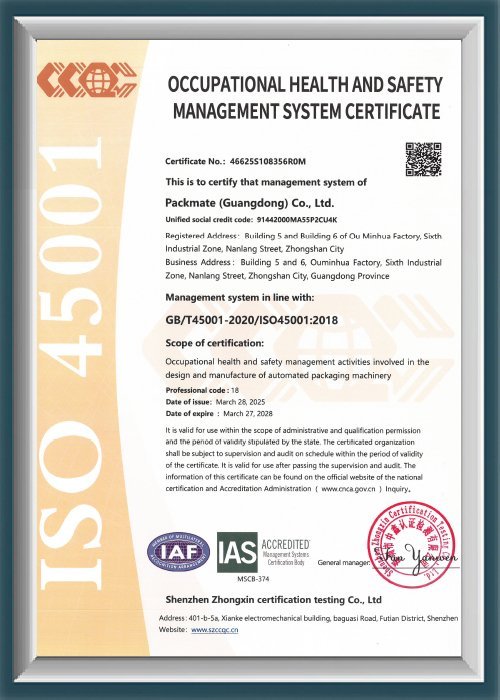
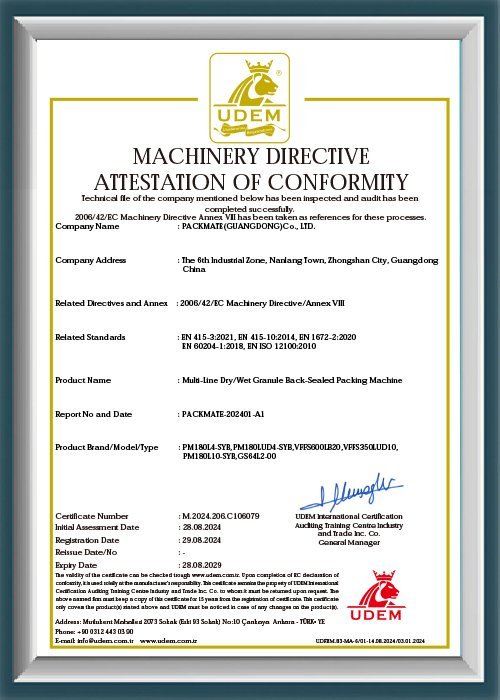
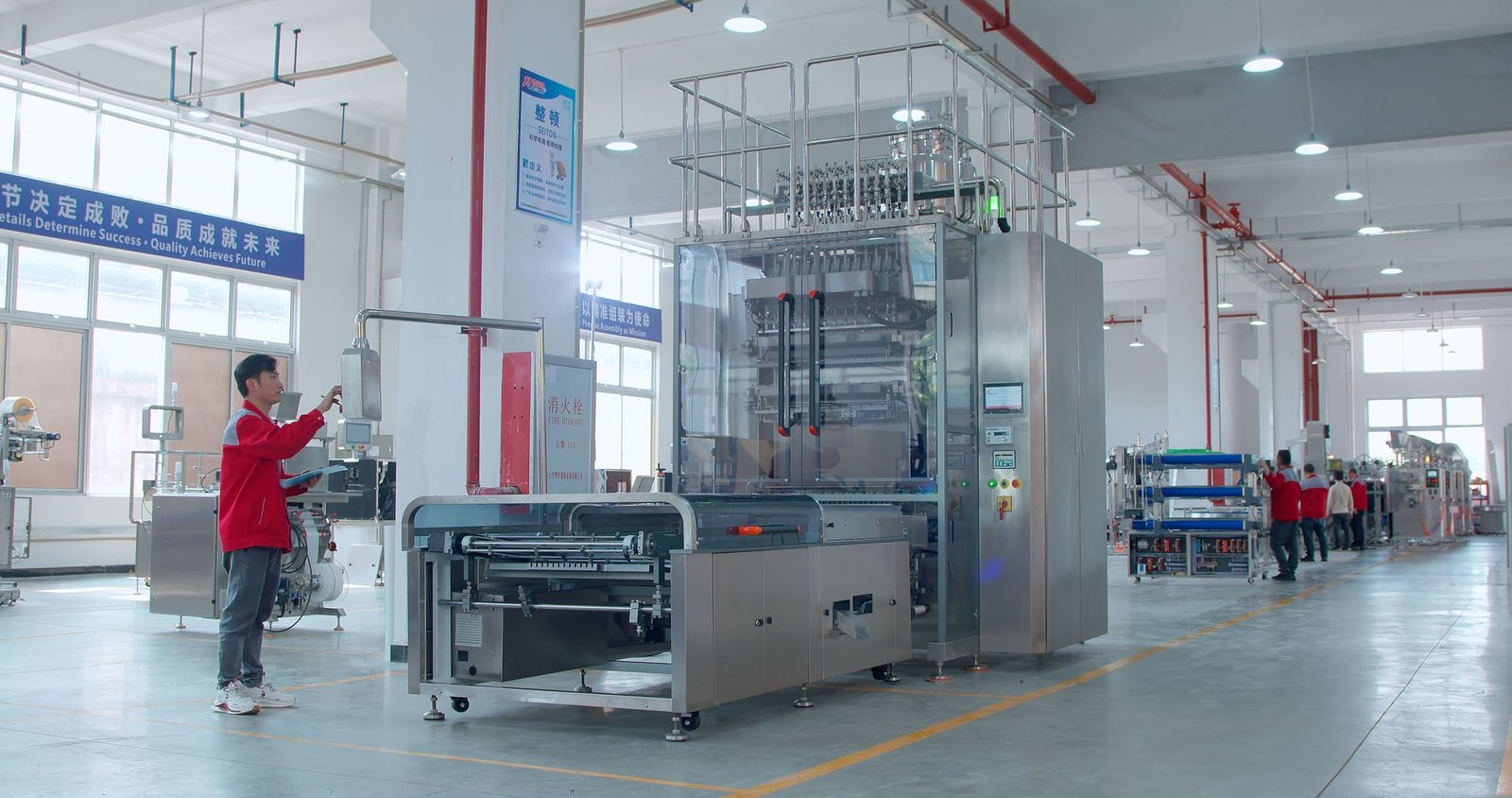
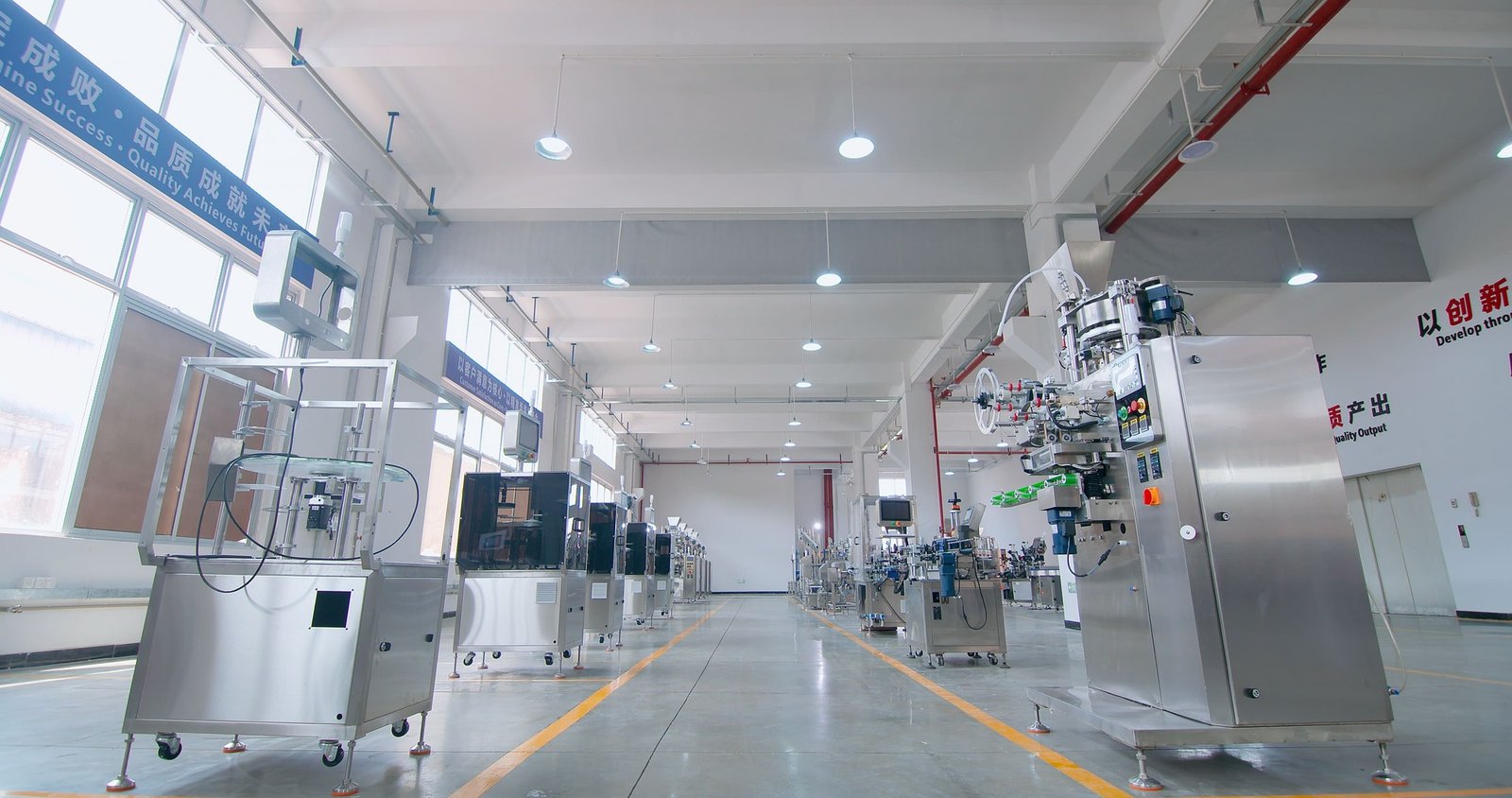
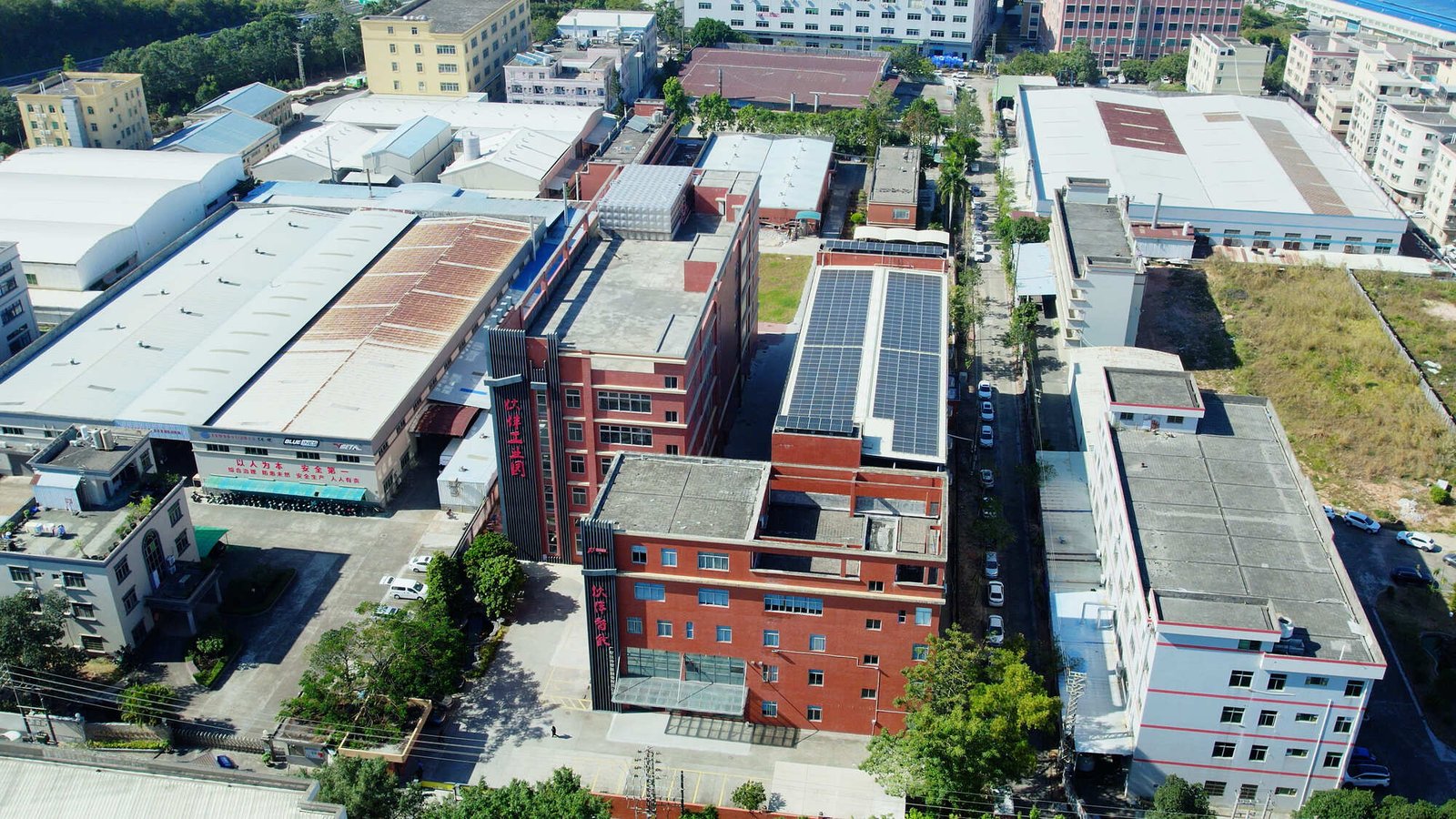
Founded in 2010 and backed by over 30 years of accumulated engineering expertise, Ludyway is recognized as one of the premier packaging machine manufacturers in China. Operating from a modern 20,000㎡ manufacturing facility equipped with over 200 high-precision CNC machining units, Ludyway engineers turnkey solutions across the food, pharmaceutical, and chemical industries.
With more than 50 intelligent machine models—from multi-lane stick pack and sachet systems to comprehensive end-of-line cartoning and robotic palletizers—our machines are built to endure rigorous, high-speed 24/7 continuous production cycles worldwide.
Frequently Asked Questions
Expert answers on operational longevity, wear-part management, and lifecycle optimization for automated packaging lines.
What is the average service lifespan of a high-speed multi-lane packaging machine?
With standard maintenance, premium packaging machines generally operate effectively for 8 to 12 years. However, under strict condition monitoring, scheduled preventive lubrication, and timely replacement of wear parts, industrial packaging machines engineered by Ludyway regularly exceed 15 to 20 years of operational service.
How often should sealing jaw heaters and thermocouples be replaced?
Heating elements and thermocouple probes should undergo electrical resistance testing every 6 months. For high-volume multi-lane packaging operations (running 16-24 hours daily), proactive replacement is recommended every 12 to 18 months to prevent sudden open-circuit failures and batch seal defects.
How does operator training impact packaging equipment longevity?
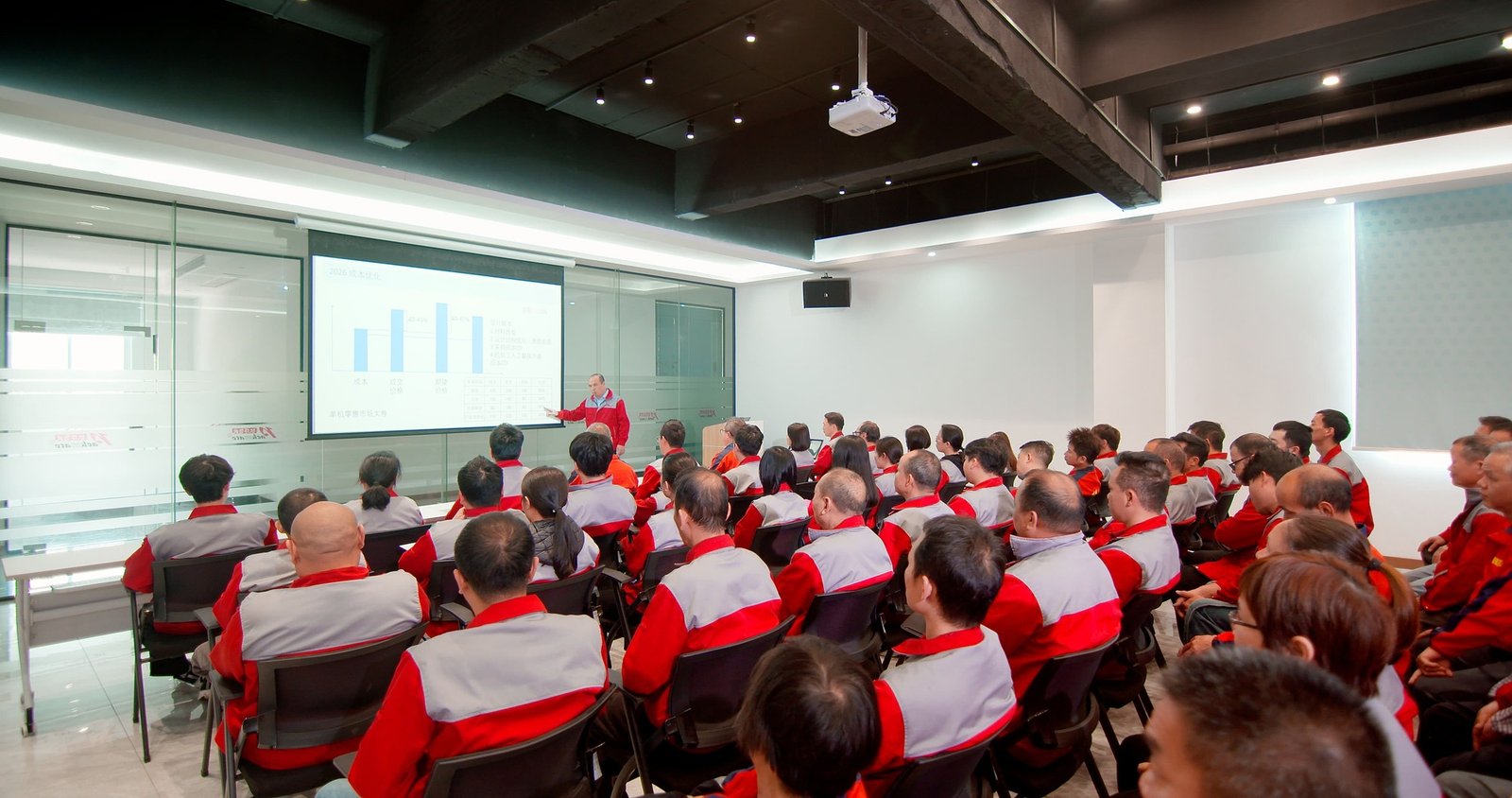
Operator error is responsible for nearly 30% of packaging line breakdowns. Proper training on film tension adjustments, correct recipe setup in the HMI, and gentle clean-in-place procedures prevents premature wear on forming collars, servo drives, and cross-cutting knives.
Upgrade Your Production Line with Heavy-Duty Packaging Reliability
Partner with Ludyway Machinery for robust packaging systems, precision-engineered components, and dedicated global engineering support designed for long-term continuous reliability.
