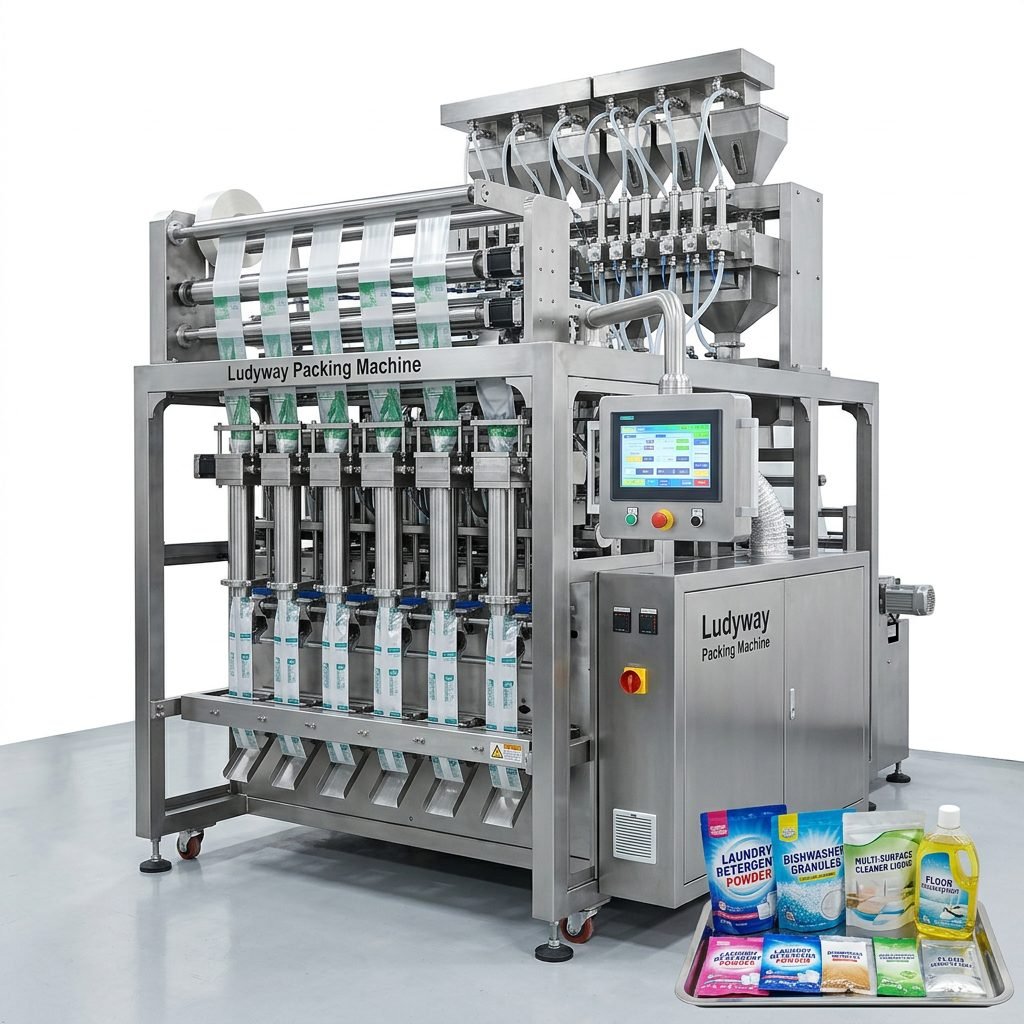
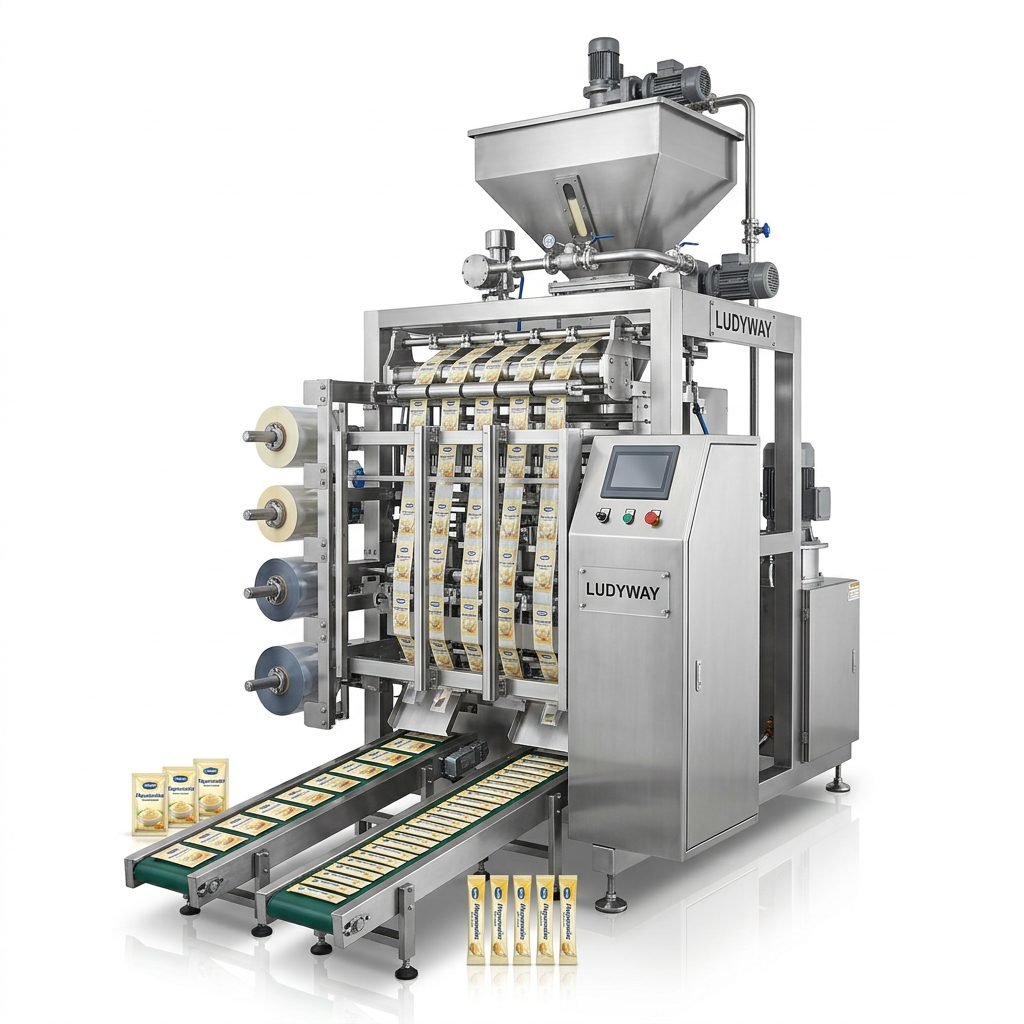
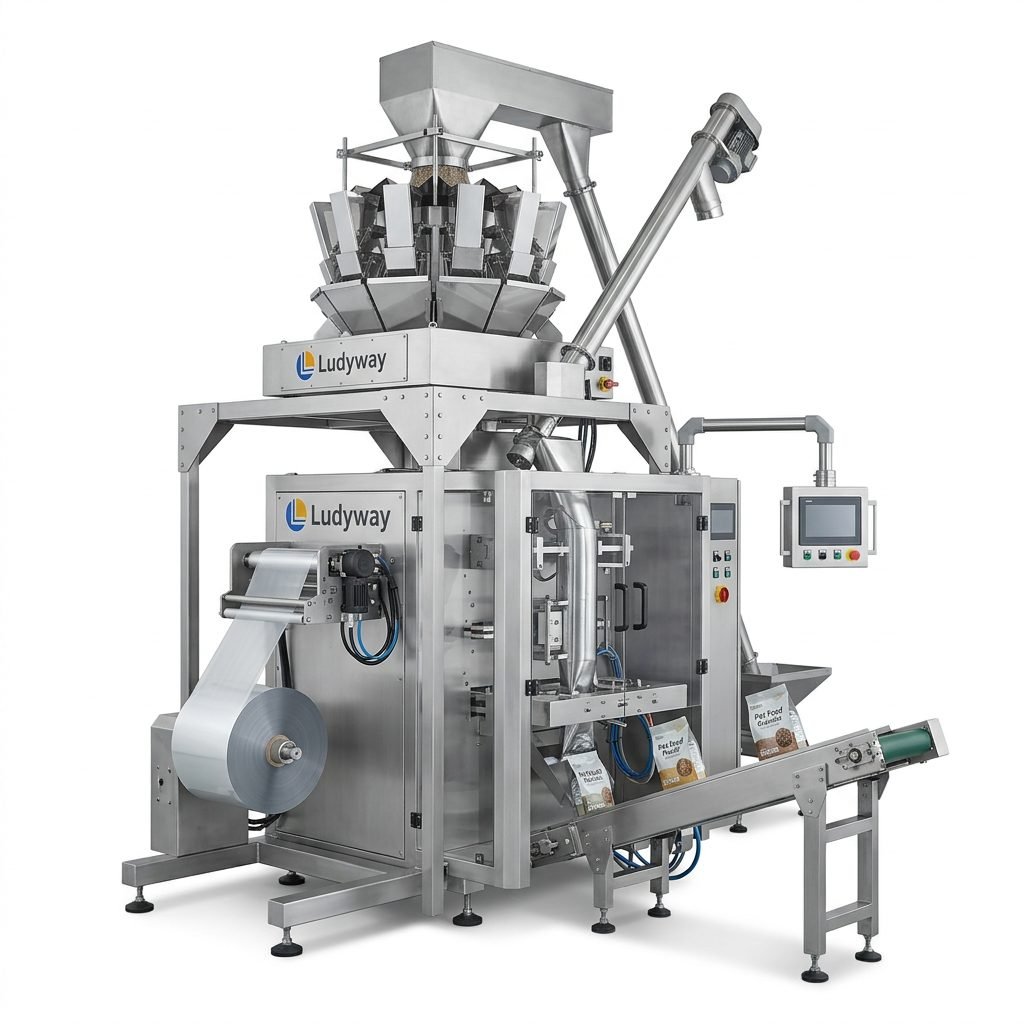
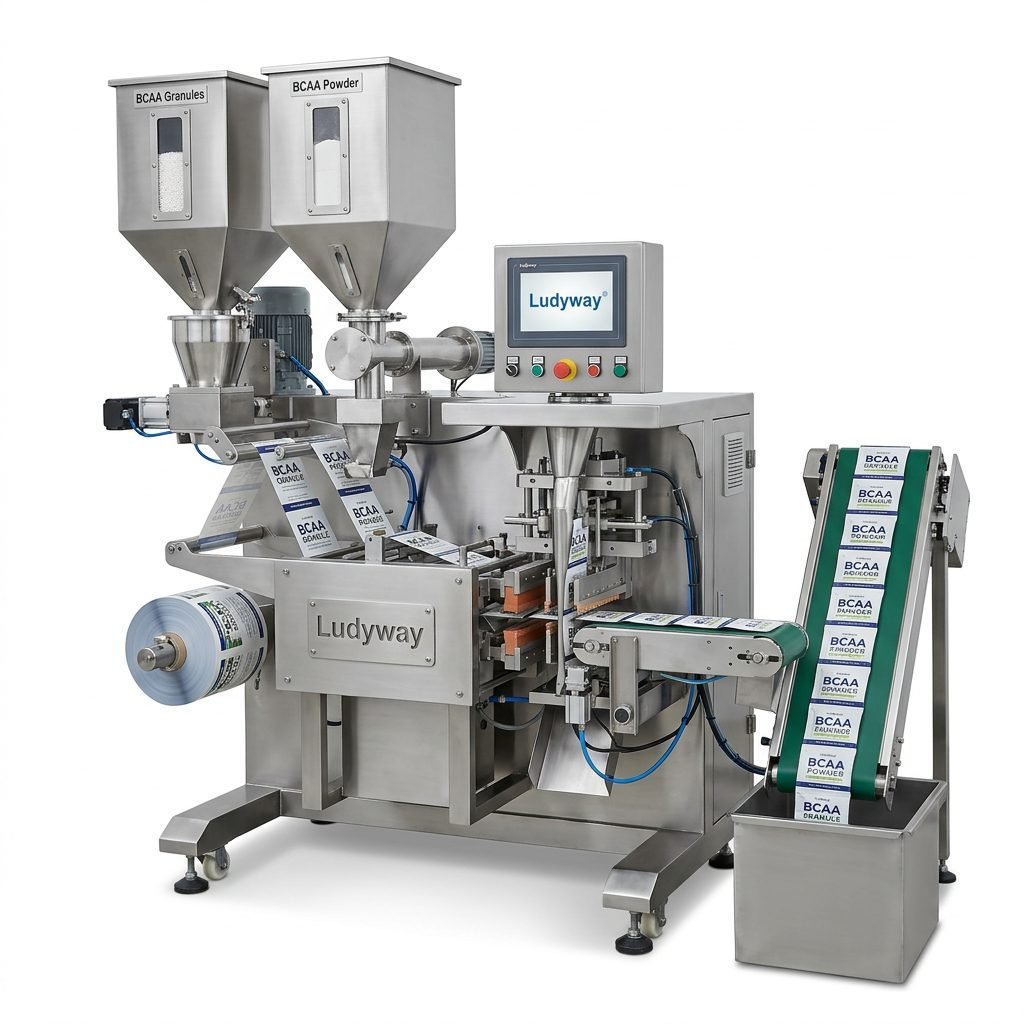
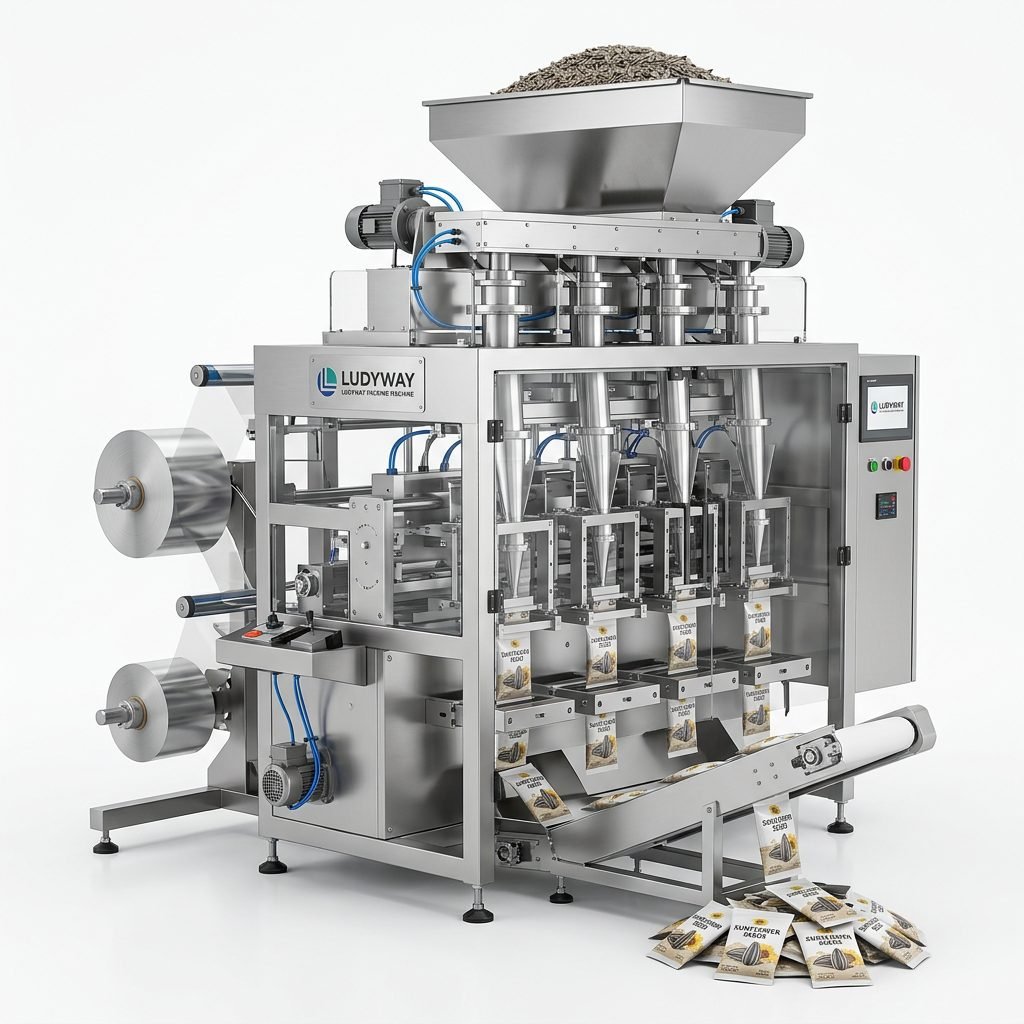
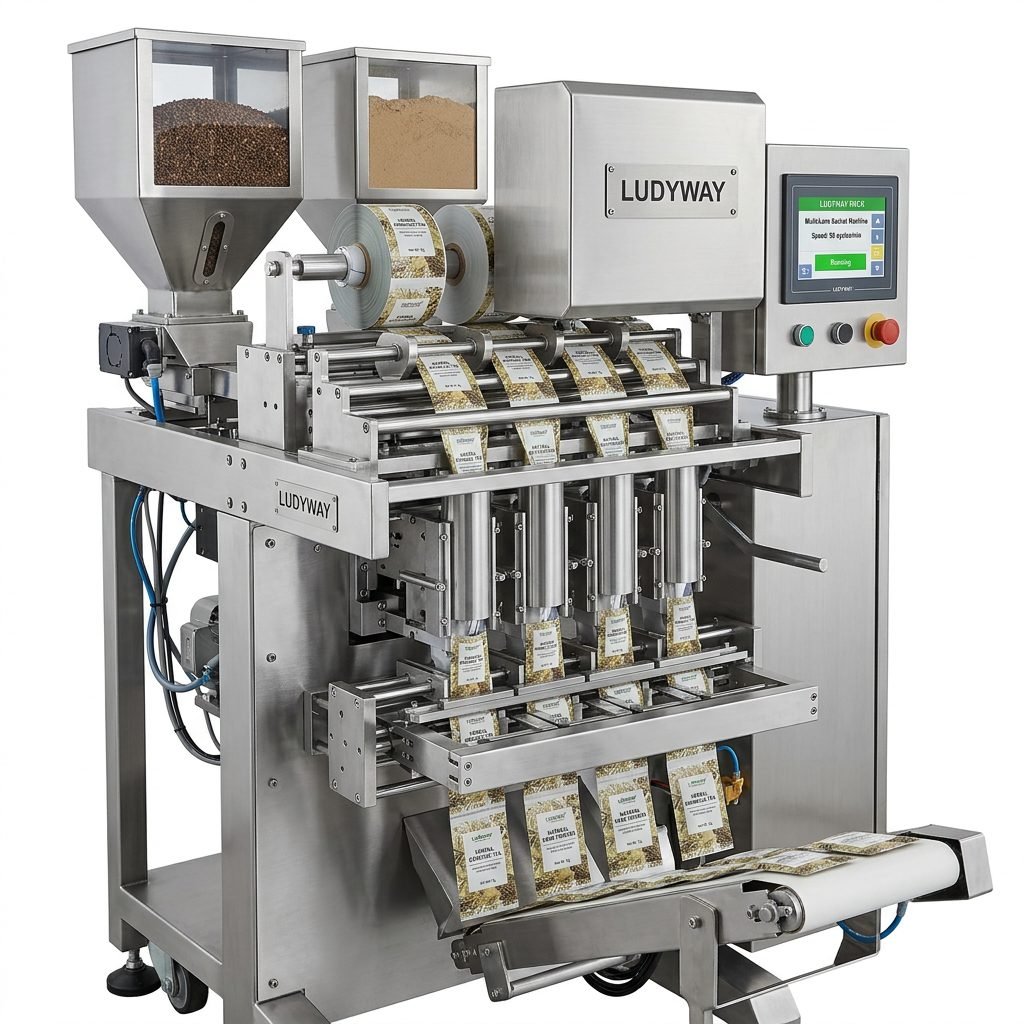
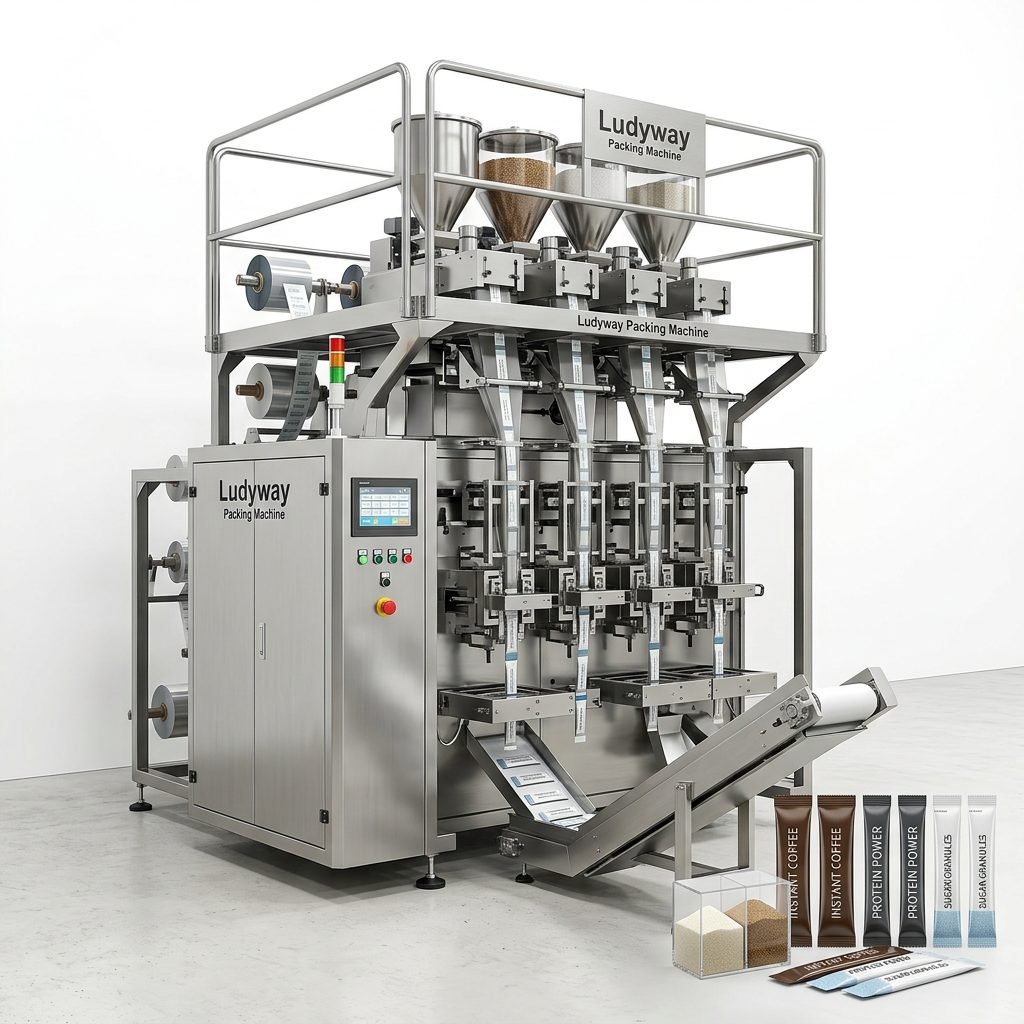
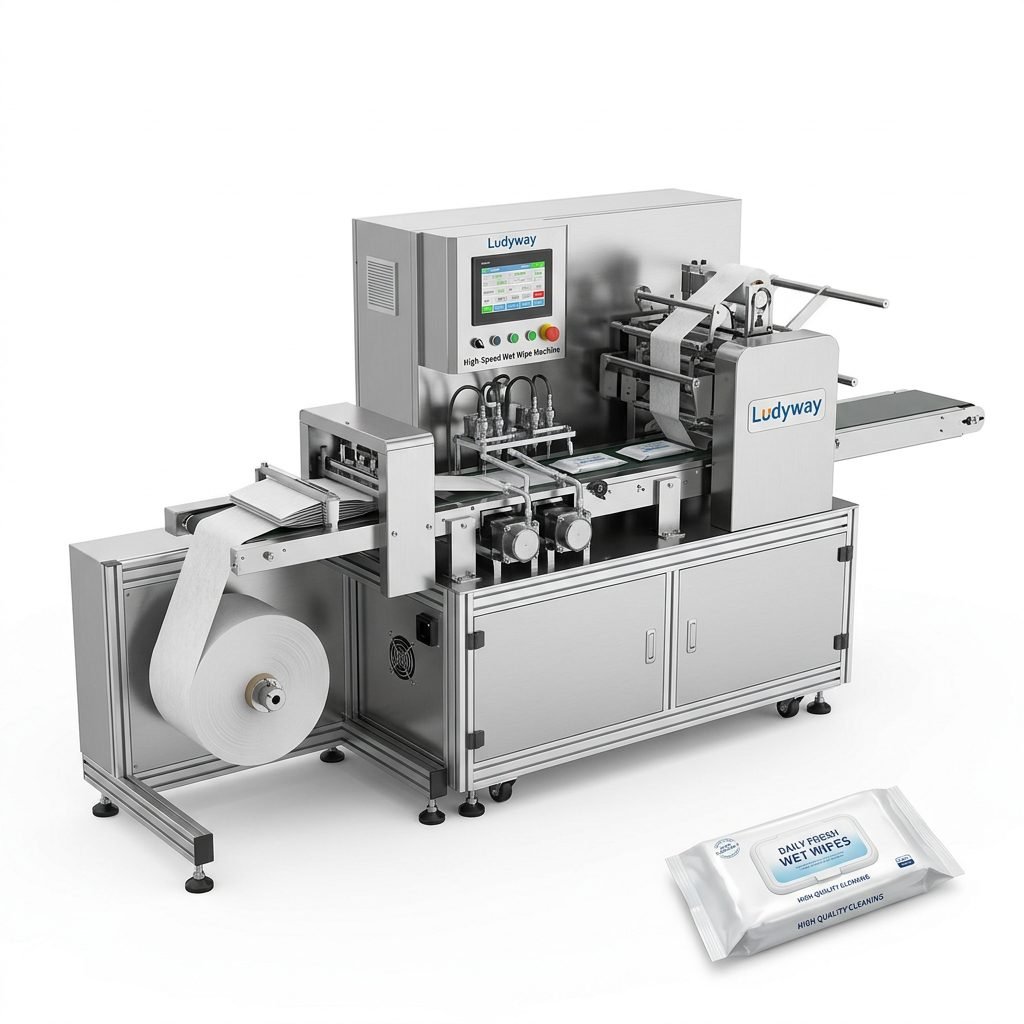
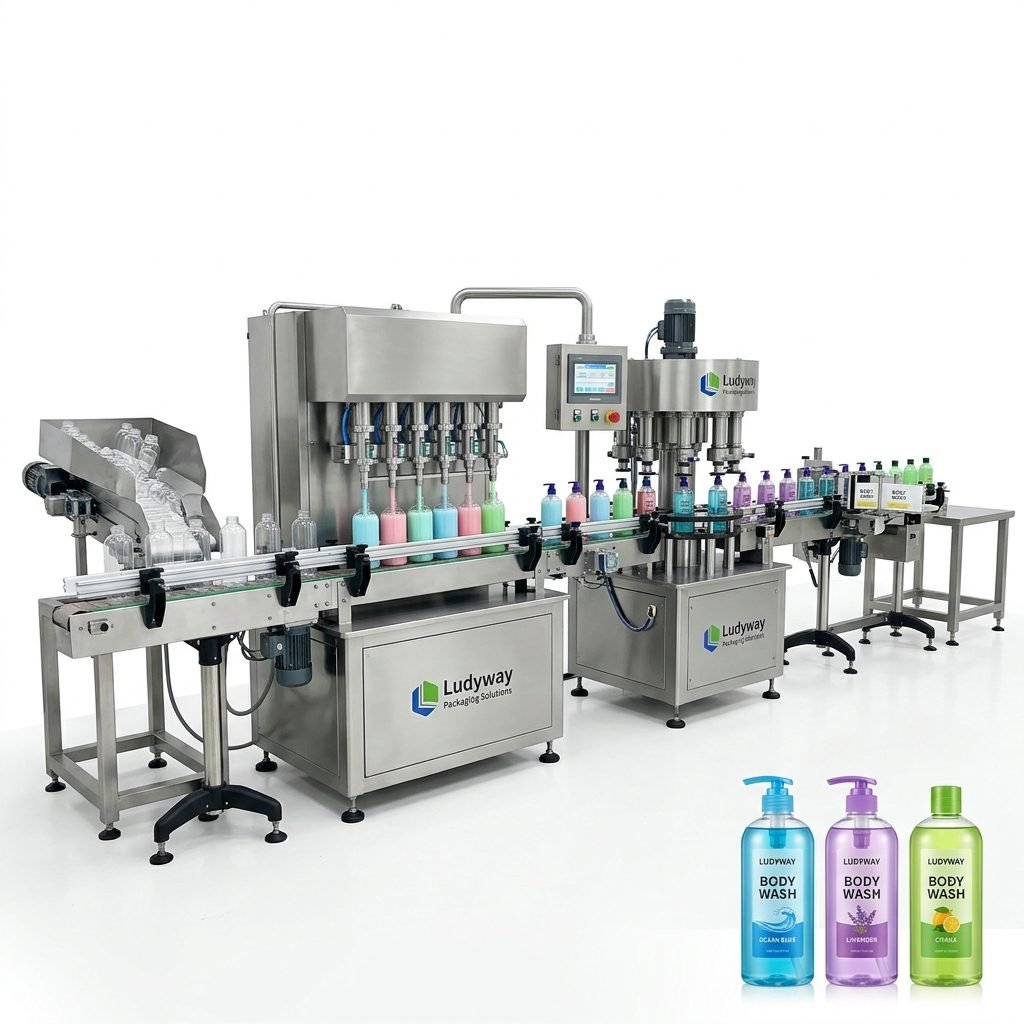
Costa Rica has built a strong reputation as a hub for high-value agricultural exports, specialty food products, and pharmaceutical manufacturing. From premium coffee and organic fruit concentrates to dietary supplements and medical devices, local producers increasingly rely on automated packaging systems to meet international quality standards and scale their operations. Finding a reliable packaging machine manufacturer in this context is not just about comparing prices — it involves evaluating technical capability, industry experience, after-sales support, and the supplier’s ability to deliver turnkey solutions that fit local production environments.
Whether you are a mid-size food processor in San José or a growing nutraceutical exporter in Alajuela, the right packaging partner can significantly reduce downtime, improve product consistency, and help you navigate regulatory requirements in export destinations like North America and Europe. This guide walks you through the key factors to consider when sourcing packaging machinery from overseas manufacturers, with a focus on established Chinese suppliers who have a solid track record in Costa Rica and Latin America.
1. Understanding Your Production Requirements First
Before contacting any manufacturer, it is essential to define your packaging needs clearly. Costa Rican companies often deal with a wide variety of product forms — granulated coffee, powdered supplements, liquid concentrates, sticky pastes, and bulk agricultural goods. Each product type demands specific machine configurations.
| Product Type | Recommended Machine | Key Consideration |
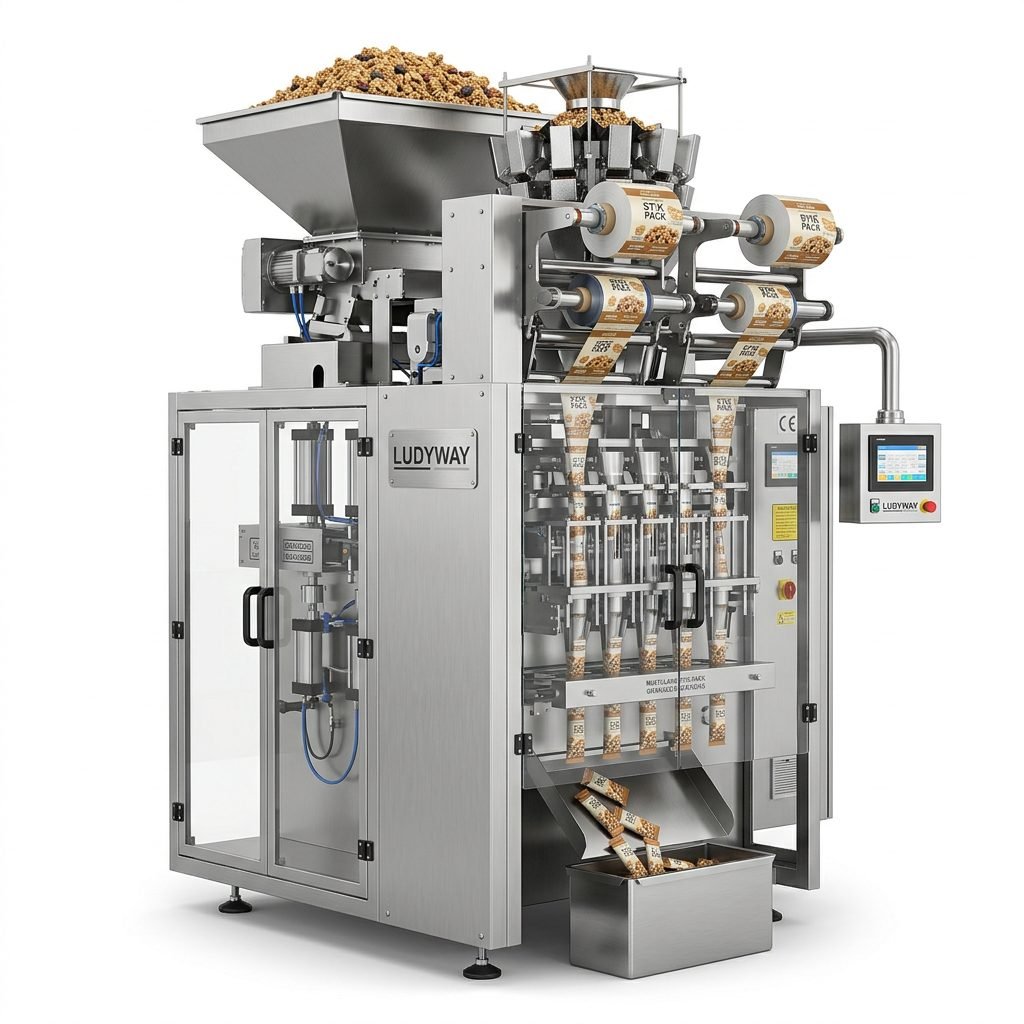
| Ground coffee / tea granules | Multi-lane stick pack / sachet machine | High-speed filling, nitrogen flushing for freshness |
| Juice concentrates / liquid pharmaceuticals | Liquid filling and sealing machine (aseptic) | Sanitary design, CIP cleaning capability |
| Protein powders / nutritional supplements | Powder stick pack / sachet system with weighing | Precision dosing, dust control, multi-lane output |
| Pet treats / snack foods | Vertical form fill seal (VFFS) with multi-head weigher | Gentle handling, quick changeover for different sizes |
Many Costa Rican manufacturers also require flexible packaging formats — from small single-serve sachets for the local market to bulk bags for export. A reliable supplier should offer a range of machine models and customization options to match these diverse needs.
2. Evaluating Manufacturer’s Industry Experience and Track Record
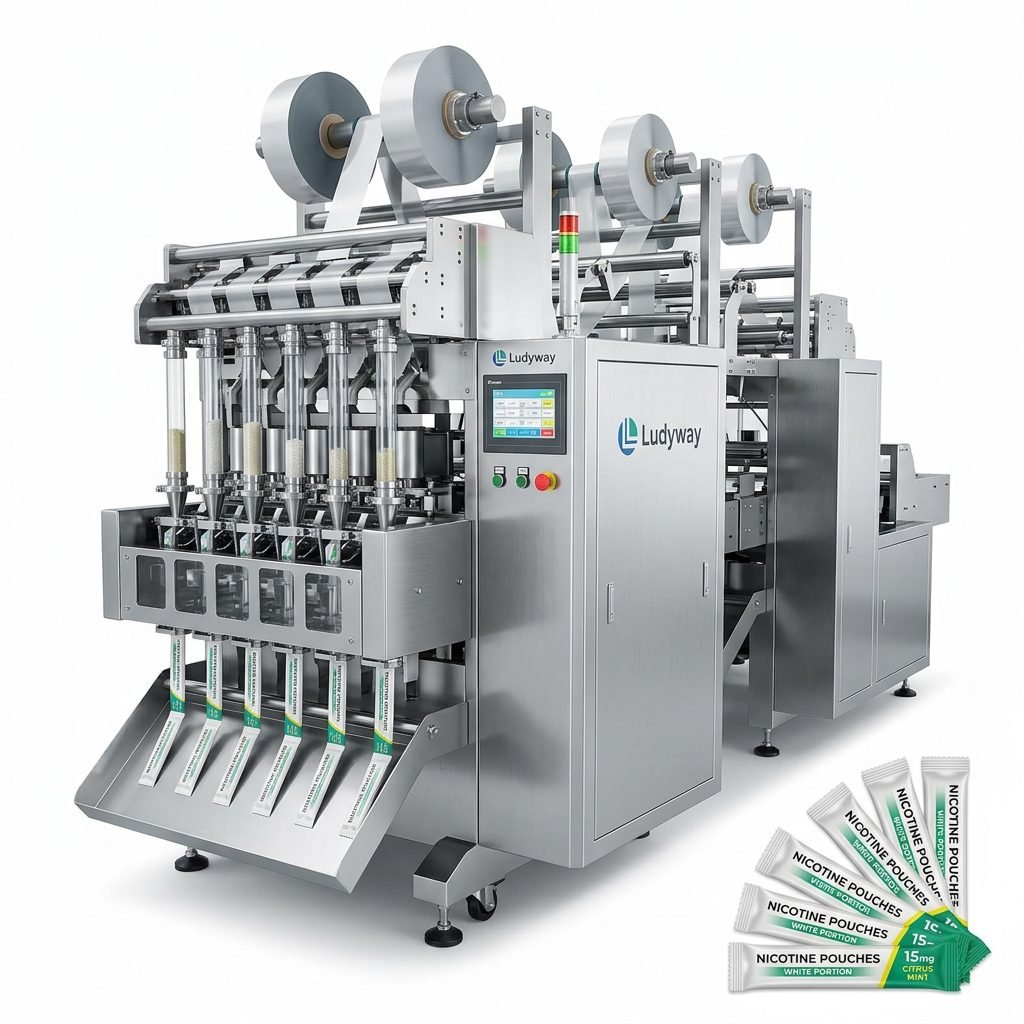
Experience is a strong indicator of a supplier’s reliability. Manufacturers with more than 20 years in business have typically refined their engineering processes, quality control systems, and after-sales networks. For example, companies like Ludyway (founded in 1993) and Packmate Machinery have each accumulated over three decades of know-how in producing packaging lines for food, pharma, and health supplement sectors. Their long history means they have likely encountered and solved a wide range of production challenges relevant to diverse climates and product types.
When evaluating experience, consider:
- Years in operation — A track record of 10+ years often correlates with stable manufacturing processes.
- Export history — Check if the manufacturer already exports to Latin America or the Caribbean. Shipping to Costa Rica requires understanding of local customs, voltage requirements (110V/60Hz), and packaging standards.
- Client references — Ask for contact details of existing customers in similar industries. Many Chinese suppliers have references in North America and Europe, but Latin American references are especially valuable.
One practical approach is to request a factory audit report or a video tour of the manufacturing facility. Reputable suppliers like PacklineOEM and SnusMachinery operate modern factories of around 20,000 square meters with CNC machining, assembly lines, and quality testing stations. Seeing these facilities can give you confidence in their production capabilities.
Certifications and Compliance
Costa Rican import regulations often require equipment to meet CE or equivalent safety standards. For pharmaceutical and food contact machinery, ISO 9001 quality management certification is a minimum baseline. Some manufacturers also hold additional certifications like GMP (Good Manufacturing Practice) for pharmaceutical applications. Always verify the validity of certifications and whether they apply to the specific machine models you are considering.
3. Assessing Product Range and Customization Capability
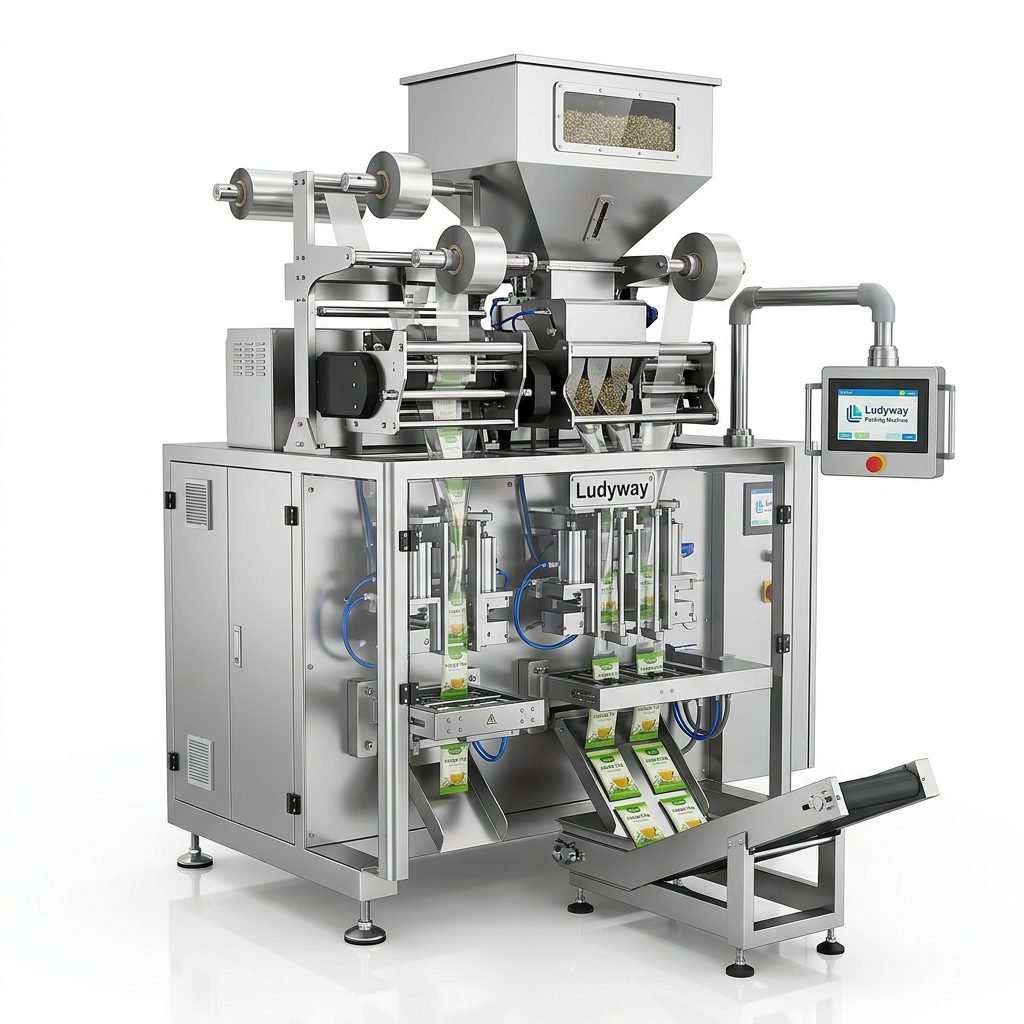
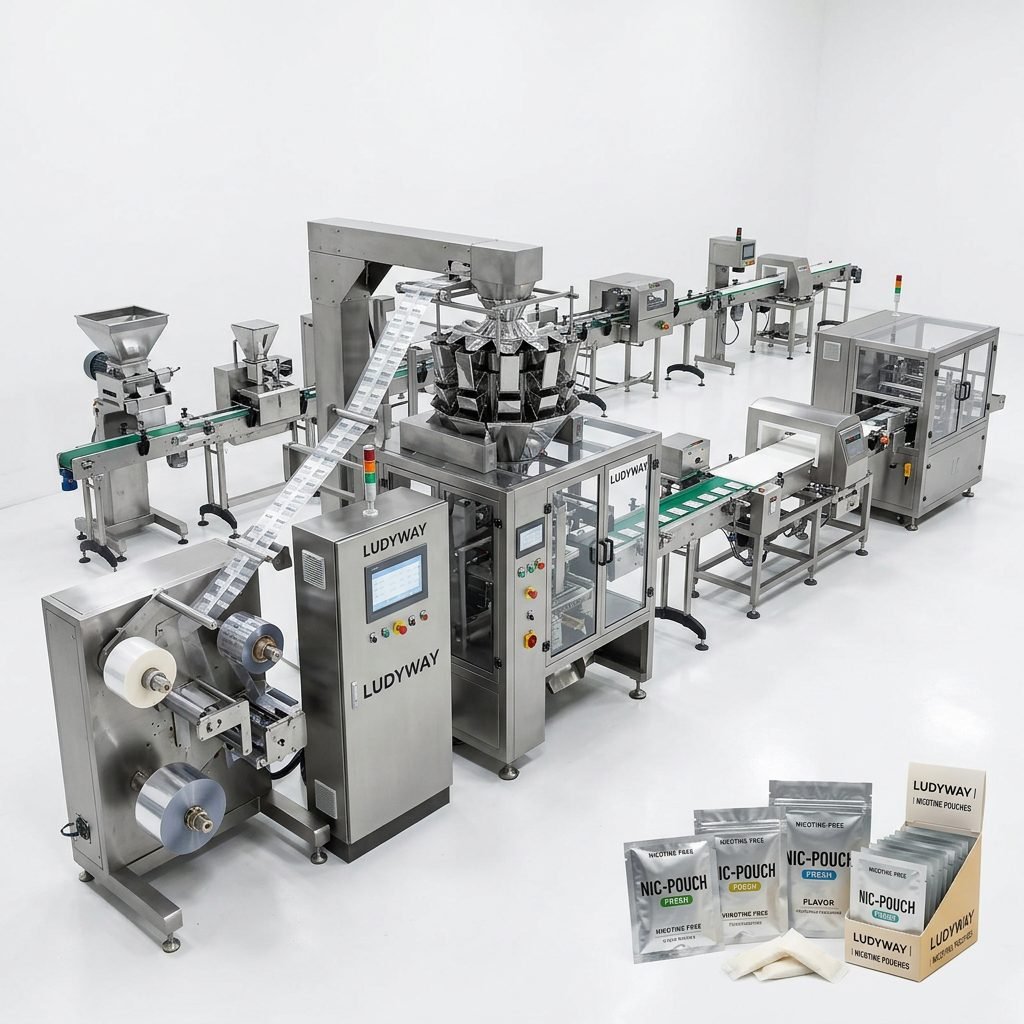
Not all packaging machine manufacturers are the same. Some specialize in a narrow category (e.g., stick pack machines for powders), while others offer complete turnkey lines integrating feeding, filling, sealing, coding, cartoning, and palletizing. For Costa Rican businesses that plan to grow, a supplier with a broad product portfolio can be a long-term partner, supporting you as you expand into new product lines.
| Manufacturer | Core Strengths | Export Markets |
| Ludyway | Turnkey lines, over 100 models, strong in food & pharma | Europe, North America, South America, Middle East |
| Packmate Machinery | 80+ models, balanced cost & performance, good customization | Europe, Middle East, South America, Australia |
| PacklineOEM | Complete line integration, turnkey solutions for bulk & small packs | Europe, Middle East, South America |
| PackingMachineOEM | Non-standard customization, project-based equipment | Europe, North America, Middle East, Australia |
| SnusMachinery | Niche expertise in nicotine pouch & specialty pouch packaging | Europe, North America, Middle East, Africa |
It is important to note that the above manufacturers all have a factory size of around 20,000 square meters and more than 30 years of industry experience. Their export revenues range from over RMB 100 million to over RMB 500 million, reflecting different levels of scale and market penetration. For Costa Rican buyers, the key is to match the supplier’s strengths with your specific application — for instance, if you need a highly customized line for a unique product, suppliers like PackingMachineOEM or SnusMachinery may be more suitable than a generalist.
Customization for Local Needs
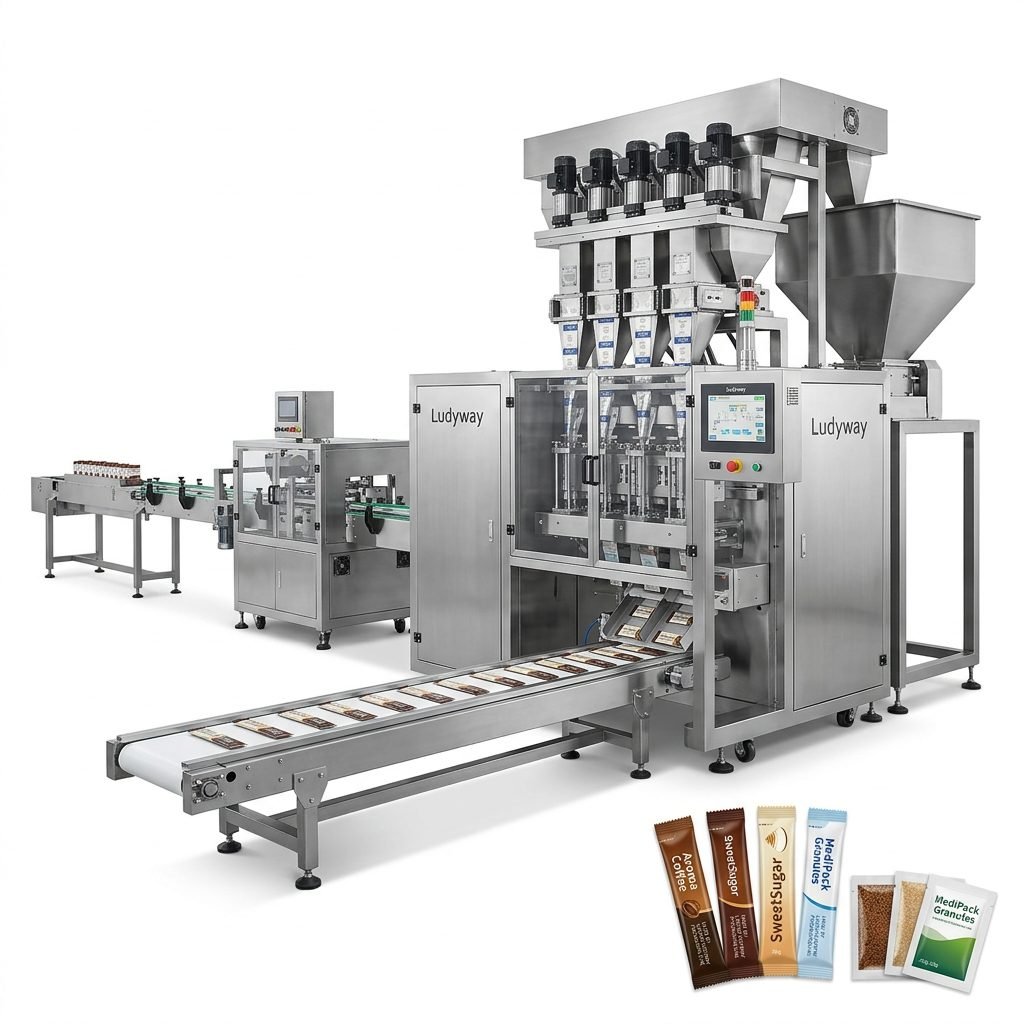
Costa Rica’s electrical infrastructure uses 110V/60Hz, which differs from China’s 220V/50Hz. A reliable manufacturer should be able to adapt motors, sensors, and control panels to your local voltage and frequency. Additionally, the humid tropical climate in many parts of Costa Rica may require stainless steel construction, sealed electrical enclosures, and corrosion-resistant components. When discussing your project, ask about climate adaptation options and whether they have experience shipping to similar environments.
4. After-Sales Support and Spare Parts Availability
The distance between China and Costa Rica is significant — shipping a full container takes around 30-45 days, and emergency freight is costly. Therefore, the level of after-sales support offered by the manufacturer can make or break your investment. Look for suppliers that provide:
- On-site installation and training — Some manufacturers send engineers to your facility during commissioning. This is especially valuable for complex turnkey lines.
- Remote support — Real-time video assistance, spare part diagrams, and troubleshooting databases can reduce downtime.
- Local agents or distributors — A few Chinese packaging machine companies have representatives in Central America. Having a local contact for spare parts and basic maintenance is a big plus.
Ludyway, for instance, has served customers in more than 100 countries and offers long-term technical support. Packmate Machinery also emphasizes responsive communication and complete packaging line support for export markets. When contacting these suppliers, ask about their warranty terms (typically 1-2 years) and the standard spare parts package they recommend for the first two years of operation.
5. Cost Considerations and Total Cost of Ownership
While initial purchase price is important, Costa Rican buyers should consider the total cost of ownership (TCO) over the machine’s lifecycle. Factors include:
- Energy efficiency — Machines with servo-driven motors and optimized heating systems consume less power, reducing operating costs.
- Packaging material waste — High-precision sealing and filling systems reduce film waste and product giveaway.
- Maintenance frequency — Well-built machines from experienced manufacturers require fewer repairs and have longer service intervals.
- Shipping and customs — Get a detailed quotation including FOB or CIF prices to San José (port of entry typically Puerto Limón or Caldera).
Generally, Chinese manufacturers offer competitive pricing compared to European or North American alternatives. For example, a multi-lane stick pack machine from a reliable Chinese supplier might cost 30-50% less than a comparable European model, while still delivering good performance. However, always factor in potential import duties (which can be around 5-15% for machinery in Costa Rica) and local taxes.
Comparing Quotations
When you receive proposals from different manufacturers, create a comparison table that includes not only the machine price but also delivery time, installation supervision cost, training, spare parts, and warranty. Pay attention to the technical specifications table — check the speed range, bag size range, fill accuracy, and material compatibility. A machine that claims to handle granules but cannot work with sticky powders will cause problems later.
6. Communication and Cultural Fit
Effective communication is often underestimated in cross-border procurement. English proficiency among Chinese manufacturers has improved significantly, but when discussing technical details, it is helpful to use clear language, drawings, and even video calls. Some suppliers have sales teams who speak Spanish, which is a major advantage for Costa Rican clients. Check if the manufacturer has a Spanish-language website or sales representative.
Additionally, consider the supplier’s willingness to adapt to your documentation requirements. For Costa Rican customs clearance, you may need commercial invoices, packing lists, certificates of origin, and potentially fumigation certificates for wooden crates. A good manufacturer will guide you through these steps and provide the necessary paperwork.
7. Validating Through References and Trial Runs
Before placing a large order, request customer references from similar industries. If possible, contact those customers directly to ask about their experience with the supplier’s machine reliability, after-sales support, and any issues they encountered.
Many Chinese manufacturers also offer trial runs at their factory. You can send your product samples (e.g., 50 kg of coffee granules) and they will run tests on the machine, record output, and send you a video or even the packaged samples. This is a powerful way to verify machine performance before investment.
Frequently Asked Questions
Q1: How long does it take to receive a packaging machine from China to Costa Rica?
Typically, lead time is 30-60 days after order confirmation (depending on customization level), plus 30-45 days for sea freight. Air freight is faster but much more expensive. Plan for 3-4 months total from order to installation.
Q2: Can Chinese manufacturers adapt machines to 110V/60Hz power?
Yes, reputable manufacturers can configure motors, inverters, and control systems for 110V/60Hz. Confirm this during the technical discussion and request a voltage conversion certificate.
Q3: What certifications should I look for?
At minimum, CE marking and ISO 9001. For food contact, ask for FDA or EU compliance of materials (e.g., stainless steel 304/316). For pharmaceutical, GMP compliance is important. Request copies of certifications before purchasing.
Q4: How can I ensure the machine will work with my specific product?
Send 10-20 kg of your product to the manufacturer for a trial run. They can adjust parameters and provide video evidence of the packaging quality. This is a standard service from most reliable suppliers.
Q5: Is it better to buy a single machine or a complete turnkey line?
If you are starting small and plan to expand, a single machine is sufficient. However, if you need a fully automated production flow (from feeding to palletizing), a turnkey line from manufacturers like PacklineOEM or Ludyway will save time and reduce integration issues. Evaluate your current volume and growth projections.