
Understanding Packaging Machine Film Jamming Mechanics
In modern automated flexible packaging lines—such as vertical form-fill-seal (VFFS) systems, horizontal flow wrappers, and multi-lane stick packaging equipment—film jamming represents one of the leading contributors to unplanned operational downtime and material scrap. An uninterrupted film delivery pathway requires exact coordination between the film unwind tensioner, web guides, optical registration sensors, forming shoulders, and downstream pull-down belts.
When flexible barrier substrates (including BOPP, PET/AL/PE laminates, metallized films, or paper structures) experience sudden shifts in friction, localized tension discrepancies, or physical obstruction, web skew occurs. If left uncorrected within microsecond operating cycles, film rolls pile into forming collars, wrap around sealing jaws, or seize drive motors entirely.
Critical Engineering Insight: Film jamming is rarely an isolated mechanical fault. In over 80% of manufacturing field audits, repetitive jams are triggered by systemic micro-deviations—such as fluctuating reel back-tension combined with coefficient-of-friction (COF) variations across different film batches.
Primary Symptoms of Jamming
Wrinkling at the forming collar entry, film tearing along the longitudinal seal edge, drive belt slippage against the film surface, and recurrent eye-mark registration tracking faults signaling web wandering.
Production Impact
Direct product contamination from burst sachets, thermal degradation of heat-seal coatings on static film, elevated scrap rates, premature wear on pulling servo motors, and overall line OEE reduction.
Primary Root Causes of Packaging Machine Film Jamming
Identifying why a packaging machine suffers continuous film feed bottlenecks requires analyzing five interdependent zones: unwind control, roller alignment, forming geometry, pulling dynamics, and environmental friction.
Unwind Reel & Brake Miscalibration
Incorrect dancer arm pneumatic damping or worn magnetic powder brakes create sudden slack or excessive jerk tension. Slack film oscillates laterally, causing edge wander, while high tension stretches the web, triggering snap breaks and jamming in the draw rollers.
Forming Collar Obstruction & Offset
The forming shoulder transforms flat film into a tubular shape. Product dust buildup, sticky residue from liquid filling, or physical angular misalignment against the machine center-line creates asymmetrical friction, forcing the film to bunch and tear inside the collar.
Asymmetrical Pulling Belt Wear
VFFS machines rely on synchronized vacuum or friction belts to advance the film. Uneven rubber wear, uneven mechanical clamping pressure between left and right belts, or vacuum hole clogging will cause one side to advance faster, creating instant diagonal wrinkling and web wrap.
Static Electricity & High Film COF
High-speed unwinding of polymer films generates severe electrostatic charges, causing thin films to cling to stainless steel guide plates. Combined with elevated ambient humidity or high material COF, film drag spikes beyond the pull belts’ drive capability.
Optical Eye-Mark Tracking Deviation
Contaminated optical sensors, ambient light interference, or improper print registration threshold parameters cause the PLC to execute erratic servo stroke corrections, resulting in stuttering film advance that jams the cross-sealing jaw cycle.
Cross-Jaw Sticking & Sealing Overheat
Excessive temperature on vertical or horizontal sealing jaws melts through polymer substrates instead of laminating them. Melted film sticks to teflon-coated jaw faces, pulling the entire film tube upward on the opening stroke and creating severe feed jams.
Standard Operating Procedure: How to Fix Packaging Machine Film Jamming
Follow this systematic 5-phase engineering protocol to safely isolate, diagnose, and resolve packaging film jamming issues without damaging forming collars, drive servos, or sealing jaws.
Step 1: Emergency Lockout & Thermal Clearance
Immediately halt the automatic cycle using the control panel stop or E-stop. Switch off heat element controllers to prevent film thermal liquefaction. Safely open the horizontal and vertical seal jaws manually using service jog controls, and use brass scrapers to extract jammed film without scratching nickel/teflon jaw coatings.
Critical Check: Verify zero thermal residue on jaw groovesStep 2: Inspect Web Threading & Roll Centering
Confirm that the master film reel is mounted concentrically on the pneumatic expansion shaft and locked parallel to the machine base. Re-thread the film across all dancer rollers, web guide sensors, and splice tables according to the machine’s OEM kinematic diagram. Ensure no roller is locked or binding.
Critical Check: Confirm dancer bar floats midway in stroke windowStep 3: Calibrate Forming Collar Gap & Leveling
Clean the forming collar surface using isopropyl alcohol to eliminate powder film or syrup glaze. Inspect the clearance between the forming collar skirt and the central filling tube. Adjust the mounting micrometers so the gap is uniform on both left and right edges (typically within 0.15mm – 0.3mm depending on film gauge).
Critical Check: Eliminate asymmetric drag at the collar lap jointStep 4: Synchronize Pull-Down Belts & Vacuum Levels
Check belt wear patterns. If belts are glazed, clean with rubber conditioning solvents; replace if groove depth is uneven. For friction pullers, adjust pneumatic pressure regulators equally for both cylinders. For vacuum-assisted belts, test for vacuum leaks across distributor manifolds to maintain minimum 50 kPa negative holding pressure.
Critical Check: Equalized drive torque across both pull servosStep 5: Recalibrate Optical Registration & Static Neutralizers
Clean the optical eye-mark sensor lens. Set the digital sensitivity threshold between the film background color and the eye-mark boundary. Activate ionizing static eliminator bars placed right above the forming shoulder to neutralize electrostatic charges before the film enters the forming stage.
Critical Check: Confirm steady pulse signal on HMI diagnosis screenFilm Jam Failure Mode, Cause & Corrective Action Guide
Use this comprehensive reference table on the production floor for rapid fault identification during high-speed packaging runs.
| Failure Symptom | Domain | Root Cause | Corrective Action |
|---|---|---|---|
| Film Bunches in Forming Collar | Mechanical | Collar misalignment, product dust glaze, or asymmetric collar gap. | Clean collar with alcohol; realign collar pitch using micrometer jigs. |
| Diagonal Film Wrinkling | Mechanical | Uneven pull belt pressure; guide roller out of perpendicular axis. | Level guide rollers with dial indicator; calibrate left/right belt clamping pressure. |
| Film Clinging & Static Stalling | Material | High electrostatic voltage build-up on dry polymer laminates. | Install active anti-static ionizing bars; increase ambient humidity to >45% RH. |
| Eye-Mark Tracking Jitter | Electrical | Sensor lens dust, high ambient light, low contrast mark, loose cable. | Clean optics; adjust teach-in threshold; inspect photodiode pulse stability. |
| Film Melts & Sticks to Sealing Jaw | Thermal | Excessive sealing temperature, prolonged dwell time, worn Teflon coating. | Decrease PID temp setting; shorten dwell time; replace damaged Teflon tape. |
| Film Tears During Unwind Pull | Mechanical | Dancer brake torque too high; web nicking on damaged roller edge. | Adjust brake tension curve; polish guide roller burrs with fine emery cloth. |
Preventative Maintenance Protocols for Jam-Free Packaging
Eliminating recurring film jamming requires moving from reactive troubleshooting to structured preventative maintenance. High-speed multi-lane stick pack and sachet systems operate at cycle speeds exceeding 60–100 cuts per minute per lane, leaving zero margin for mechanical misalignment or worn pulling surfaces.
Daily Shift Cleansing
Wipe down forming shoulders, pull belts, and dancer rollers with lint-free wipes to remove oil, dust, and product accumulation.
Weekly Static Auditing
Test static bar emitter needles with high-voltage field meters; replace damaged ionizing power packs immediately.
Monthly Tension Calibration
Measure dancer potentiometer feedback curves and inspect magnetic powder brake friction discs for torque linearity.
Quarterly Servo Check
Monitor servo motor current draw profiles during film pulling. Spikes indicate mechanical resistance in the forming tube assembly.
Engineered with Advanced Anti-Jamming Film Web Technology
Discover Ludyway’s intelligent multi-lane packaging machinery featuring automated edge-position correction, dynamic servo web tensioning, and low-friction forming shoulder assemblies.
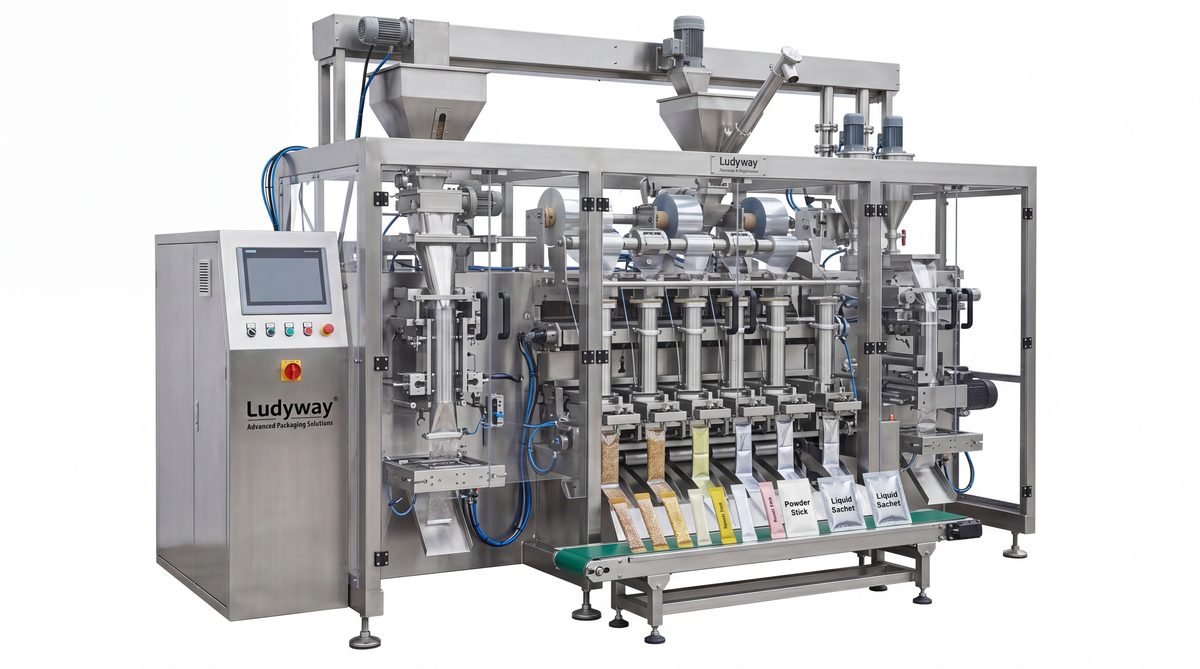
Multi-Lane Stick Pack & Sachet Packaging Machine
Explore Model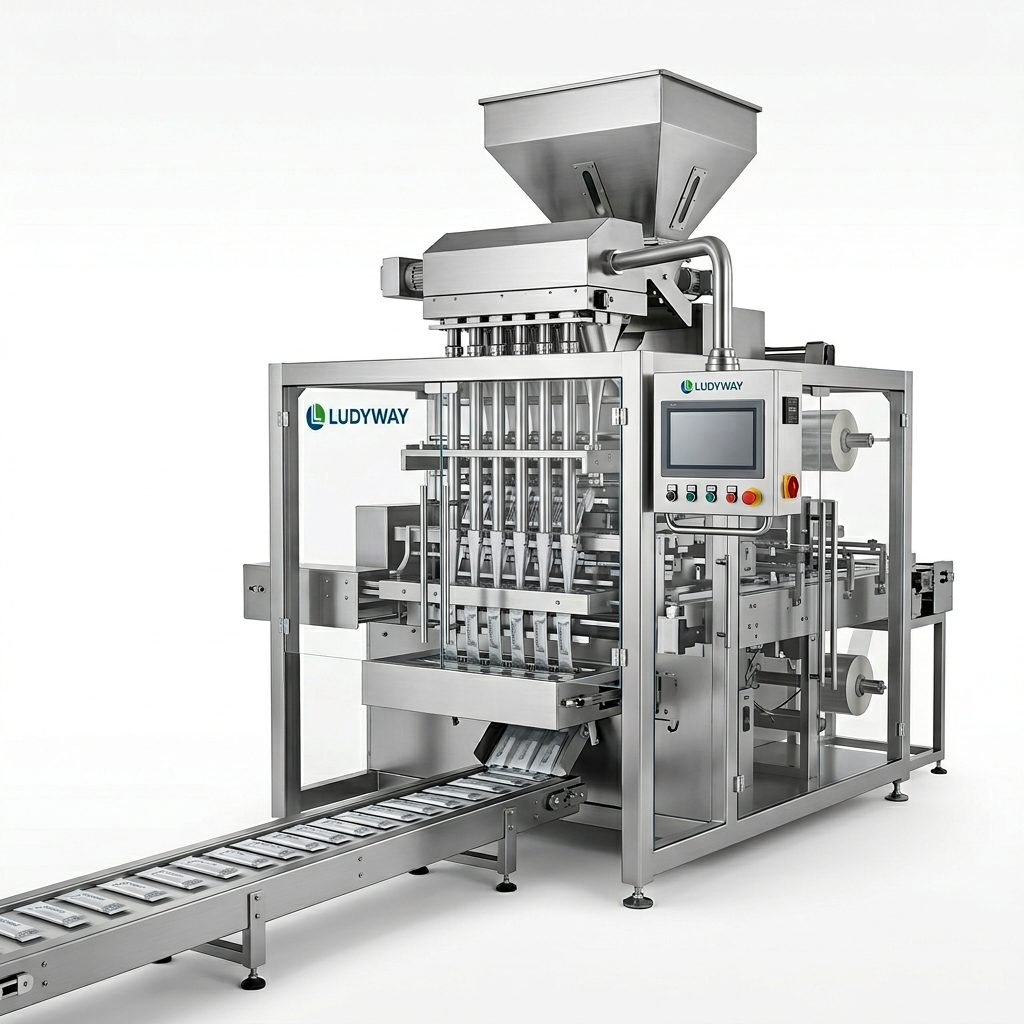
High-Speed Multi-Lane Powder Packaging System
Explore Model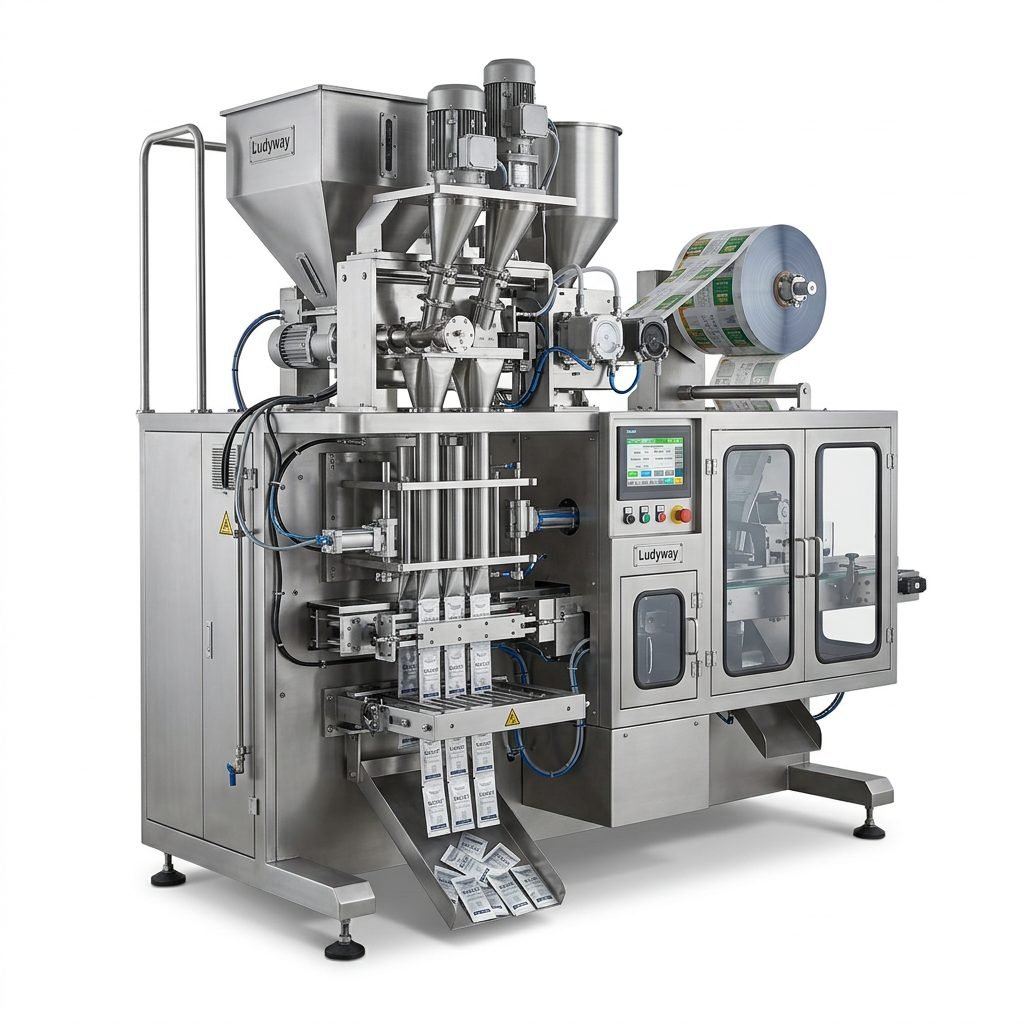
Multi-Lane Sachet Packaging Machine for Powder & Granules
Explore Model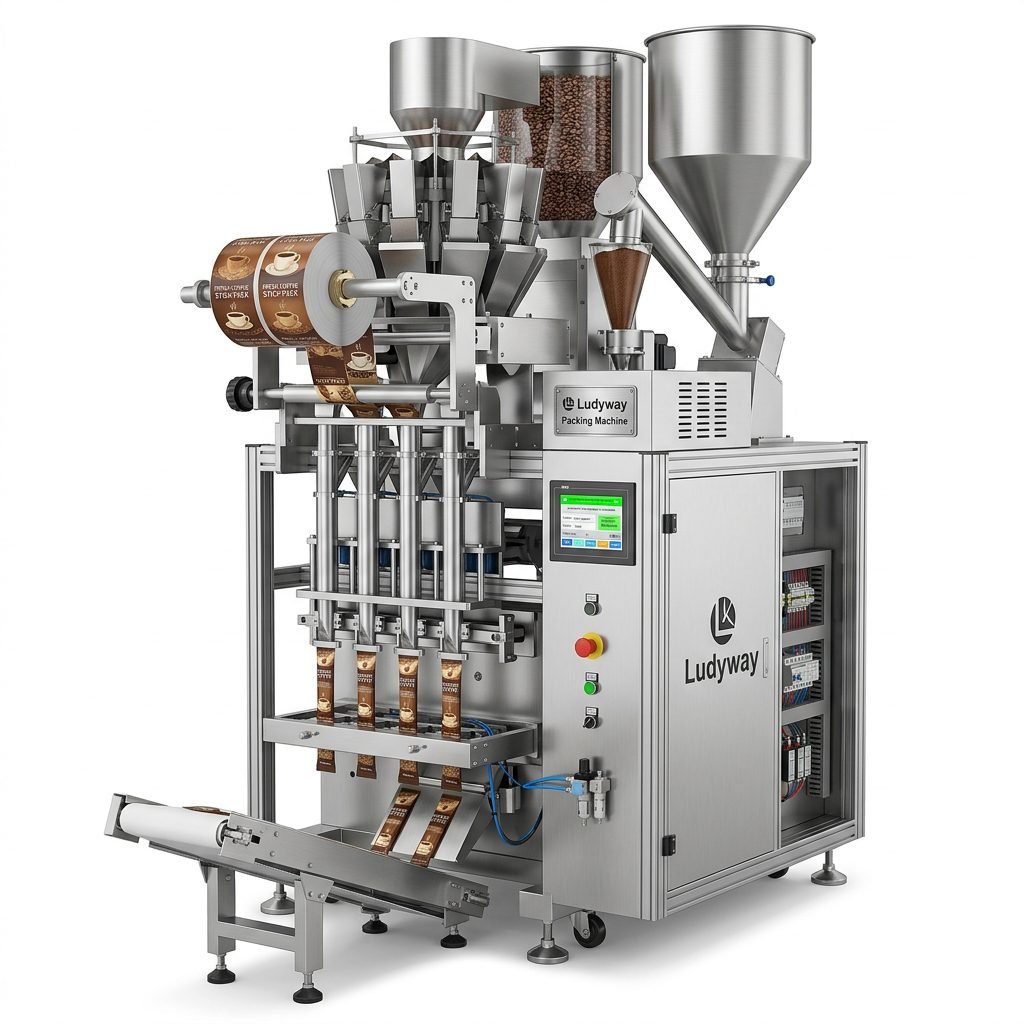
Automatic Multi-Lane Coffee Packaging Machine
Explore Model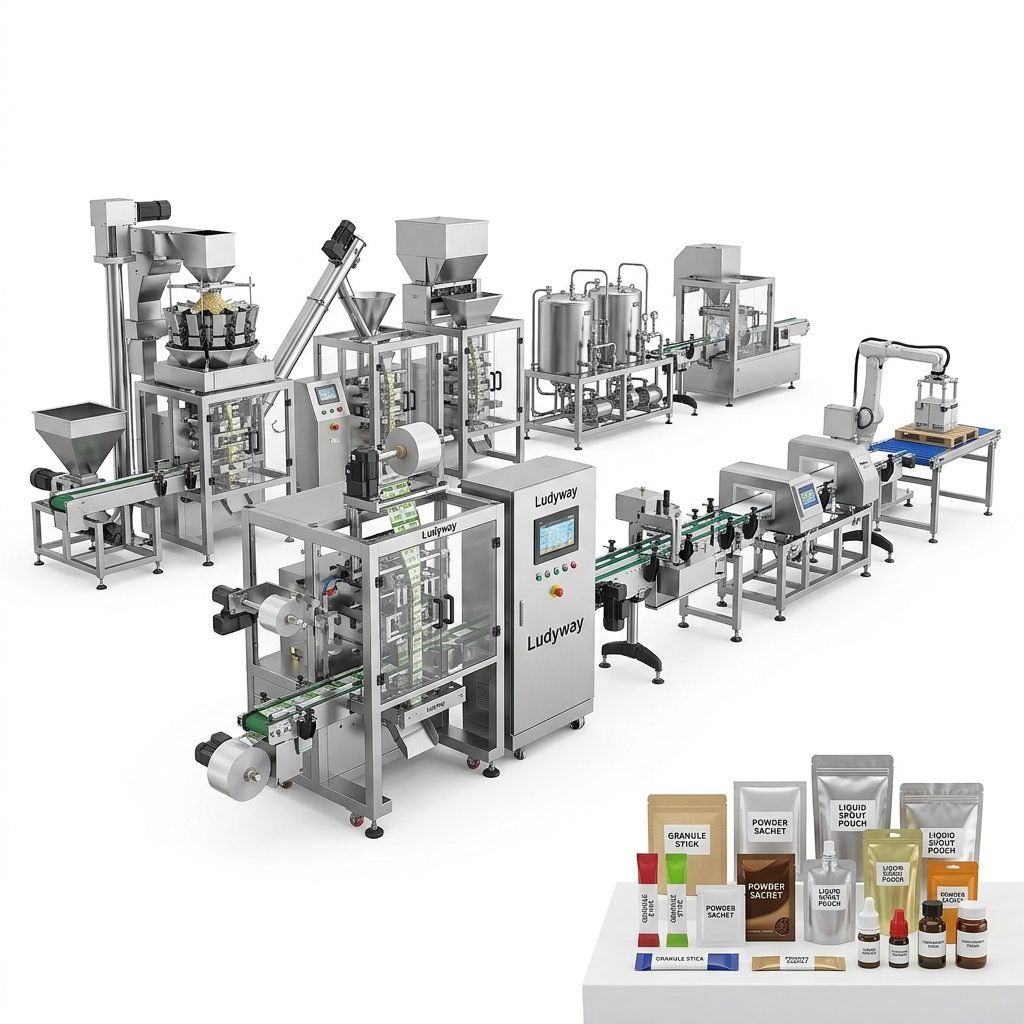
Automated Smart Factory Packaging Lines
Explore Model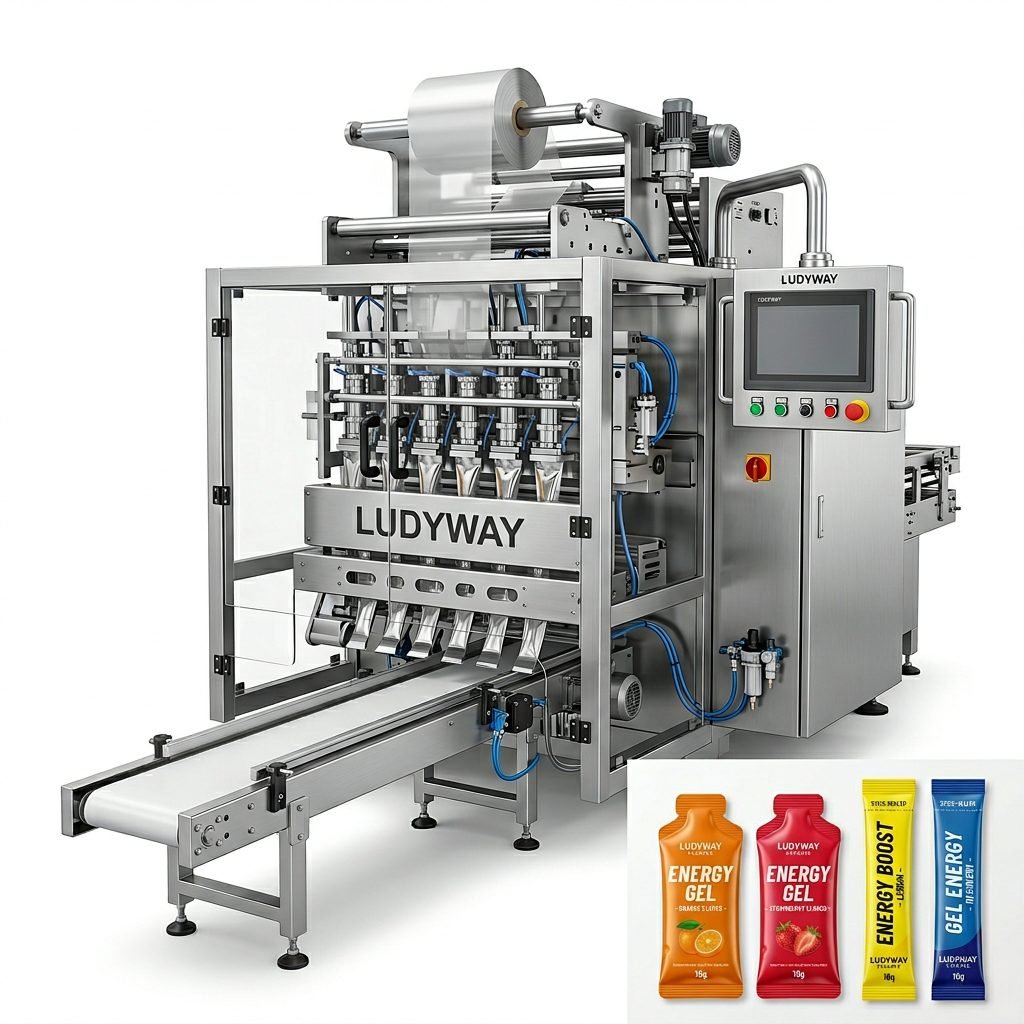
Multi-Lane Energy Gel Liquid Packaging Machine
Explore Model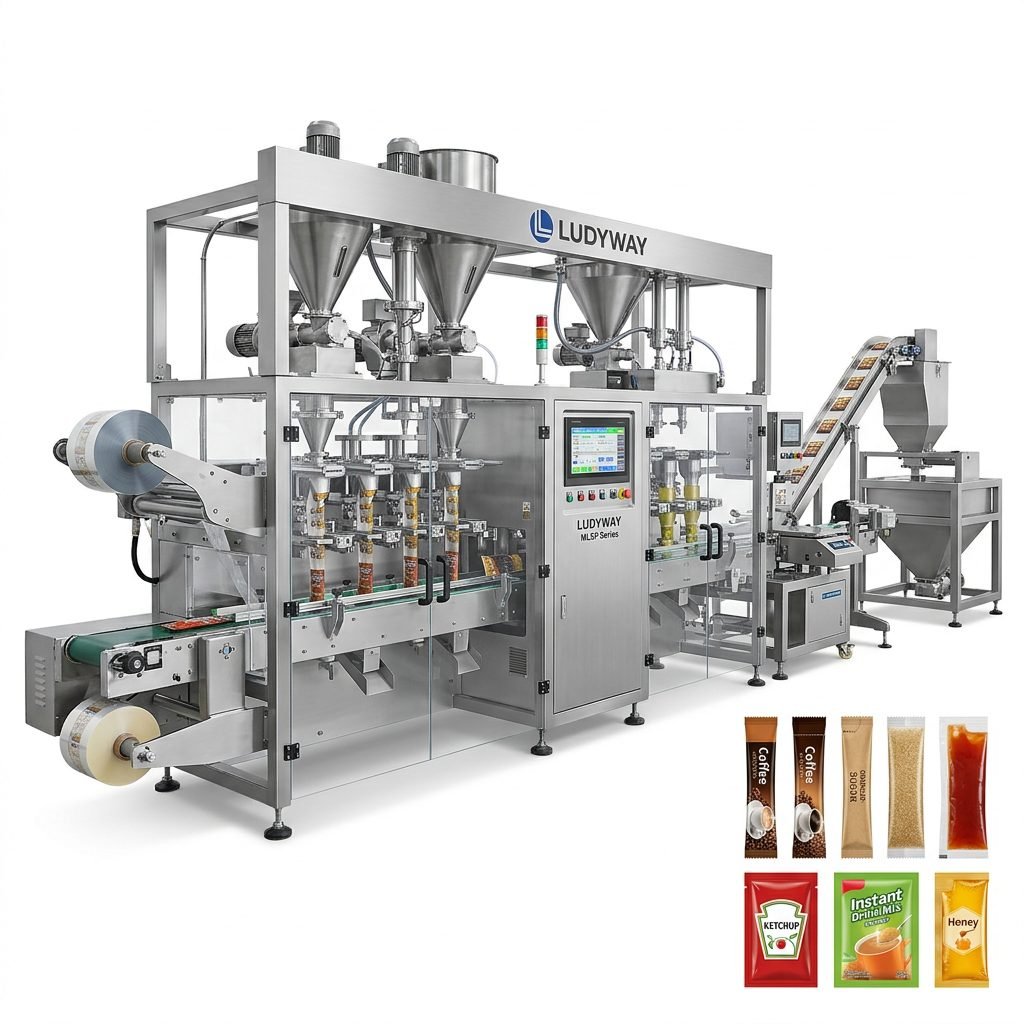
Turnkey Multi-Lane Stick Pack Sachet System
Explore Model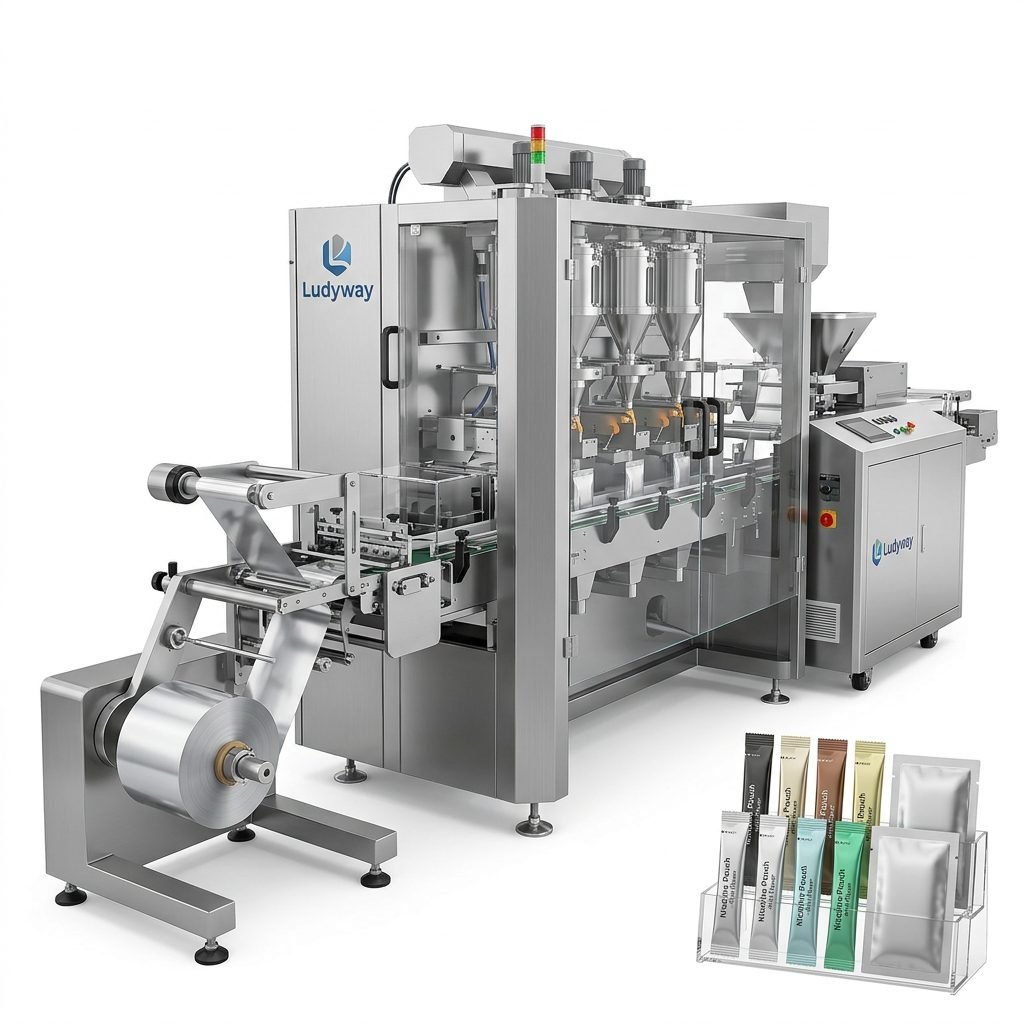
Nicotine Pouch Multi-Lane Packaging Line
Explore ModelEngineered by Ludyway Machinery: 30+ Years of Innovation
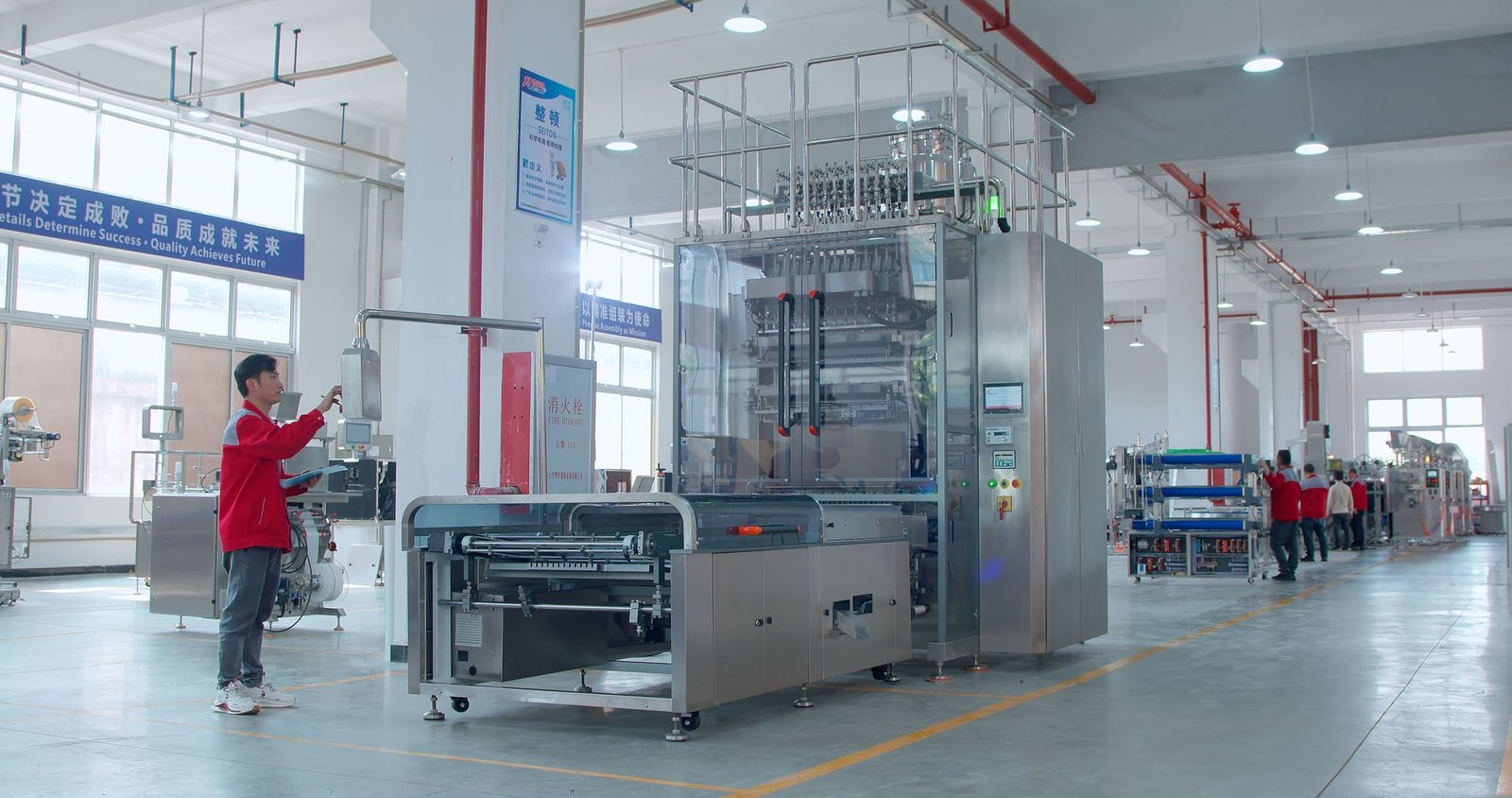
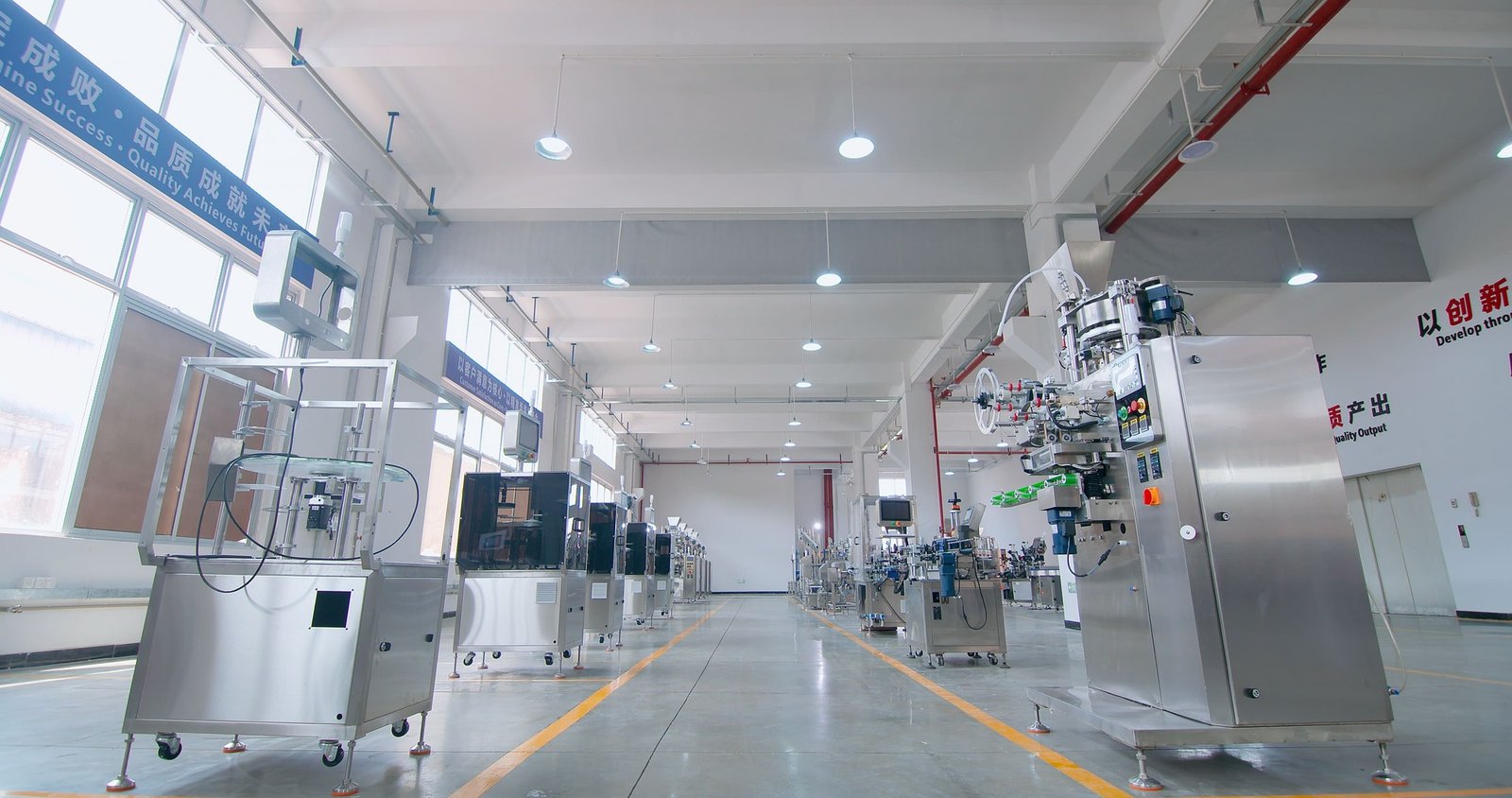
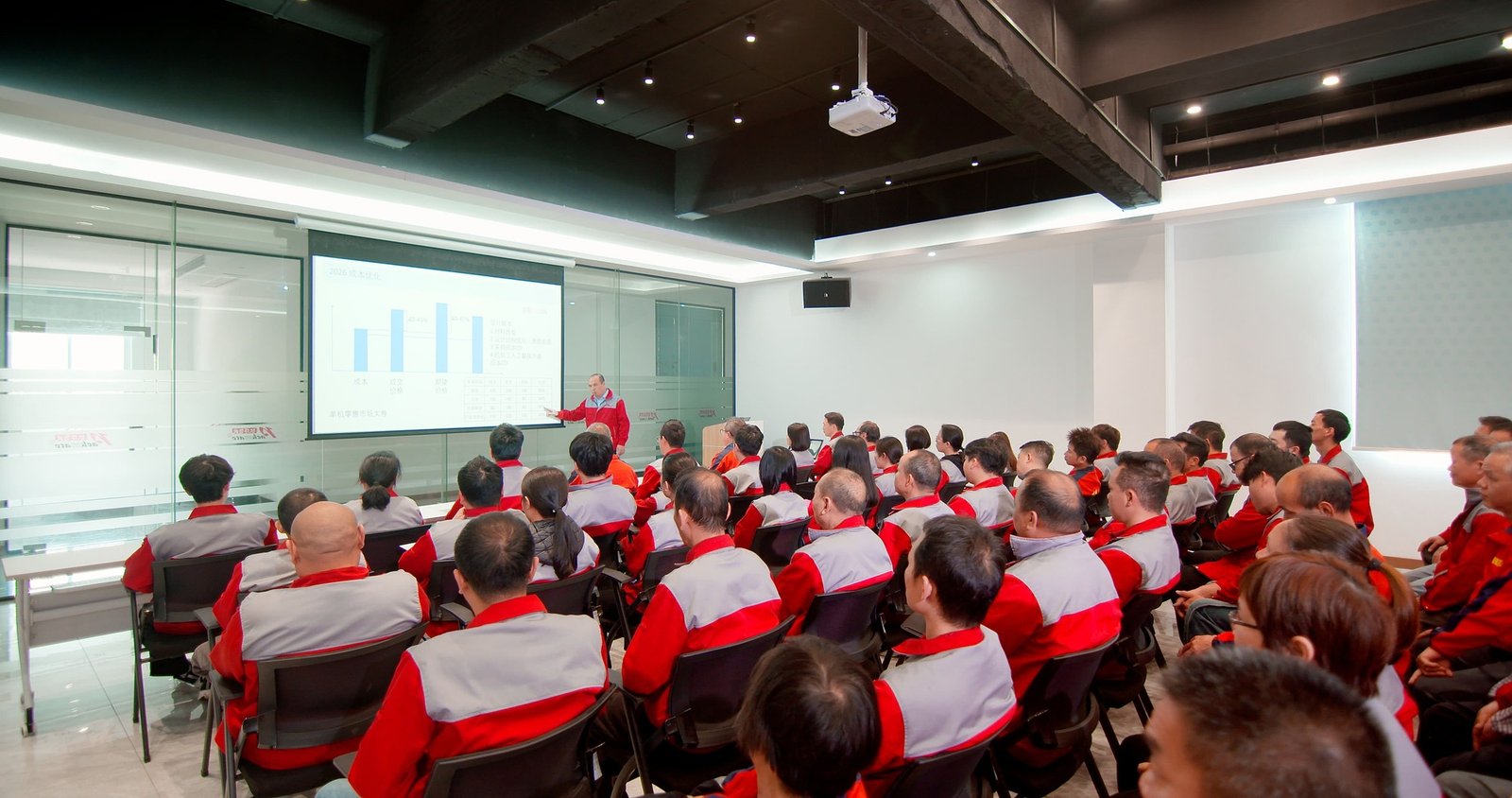
Ludyway is one of China’s premier packaging machine manufacturers, specializing in advanced high-speed packaging equipment and complete turnkey production lines for food, pharmaceutical, and healthcare industries. Supported by a modern 20,000㎡ manufacturing facility and over 130 professional packaging experts, Ludyway delivers robust multi-lane stick pack, sachet, and automated pouch packaging machines.
Our machines are engineered with servo-driven dynamic web tracking, anti-static neutralization integration, and precision forming collars that fundamentally prevent film jams, ensuring high operational uptime across more than 100 countries globally.

International Quality Certifications & Trusted Partners
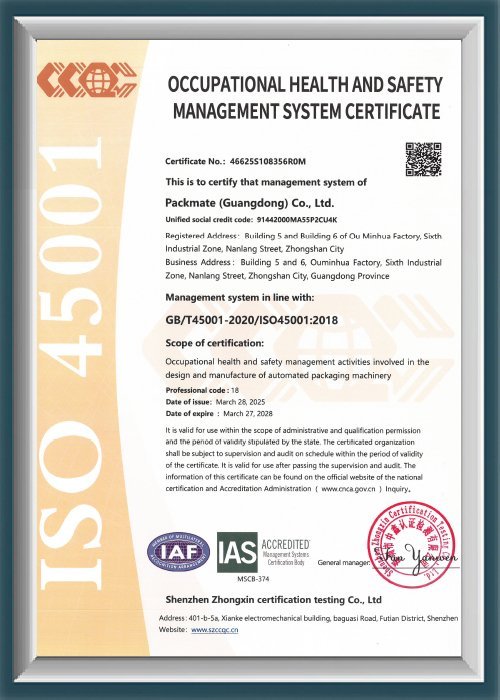
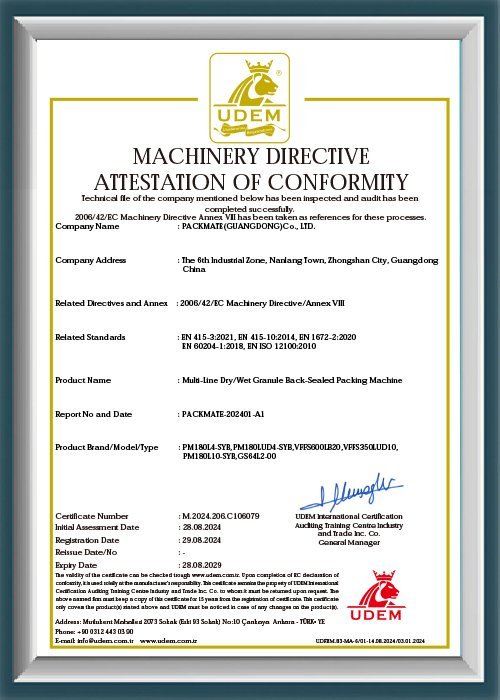
All Ludyway packaging equipment meets rigorous CE, ISO9001, and cGMP compliance standards, delivering reliable packaging automation trusted by international industry leaders.








Frequently Asked Questions: Packaging Machine Film Jamming
Quick technical answers to help factory maintenance personnel and machine operators maintain uninterrupted packaging runs.
Why does film wander laterally and jam during high-speed operation?
Lateral wandering occurs when unwind tension is inconsistent across the web width, when guide rollers are misaligned from perpendicular axes, or when roll core chucks are eccentrically mounted. Automated web aligners (EPC) and balanced dancer arms resolve this problem.
How does static electricity cause film feeding failure?
Friction across plastic film layers generates thousands of electrostatic volts, causing the film to stick to metallic surfaces like the forming shoulder. Installing ionizing air blowers and static bars directly above the forming zone neutralizes these charges.
How often should packaging machine pulling belts be replaced?
Under standard multi-shift operations, pull belts should be inspected monthly and replaced every 3 to 6 months. Any glazed rubber, uneven groove wear, or loss of frictional grip will cause one-sided slippage, resulting in diagonal film jams.
Can switching film roll suppliers cause unexpected film jams?
Yes. Different film manufacturers use distinct slip additive concentrations and sealant layer formulations, altering the coefficient of friction (COF) and thermal sealing curves. Always recalibrate jaw PID temperatures and pull-belt tension when switching material lots.
Upgrade Your Production Lines with Ludyway Anti-Jam Technology
Connect with our factory application engineers today to troubleshoot persistent film feeding faults, optimize forming collar tooling, or design a fully automated turnkey packaging line.
