
How to Fix Poor Sealing in Packaging Machines
A comprehensive engineering troubleshooting guide for resolving leaks, channel voids, thermal wrinkling, and jaw misalignment across vertical form fill seal (VFFS), sachet, stick pack, and pouch systems.
Understanding Packaging Machine Sealing Fundamentals
In automated packaging lines—whether handling powders, liquids, or granular bulk goods—improper sealing accounts for over 65% of unscheduled packaging downtime and catastrophic product recalls. Creating a hermetic, airtight barrier depends on balancing three critical parameters: Temperature, Pressure, and Dwell Time (the T-P-D Sealing Trinity).
1. Thermal Calibration
Incorrect jaw temperature leads directly to structural film degradation or cold unbonded seams. Precise PID controllers and uniform heating elements ensure the inner polymer layer hits its exact glass transition point.
2. Pneumatic & Mechanical Load
Uneven mechanical jaw clamp pressure produces micro-channel voids. Proper mechanical levelling and calibrated cylinder force guarantee equal distribution across multi-lane configurations.
3. Dwell Time & Servo Sync
High-speed rotary or intermittent sealing mechanisms must maintain sufficient molecular interdiffusion time without causing molten chain slippage during the pouch pulling phase.
Sealing Failure Matrix: Symptoms, Causes & Corrective Actions
Identifying the visual and physical signature of a failed seal is the fastest way to pinpoint root-cause mechanical, electrical, or material failures on active production lines.
| Failure Mode / Defect | Probable Root Cause | Engineering Correction | Critical Setting Range |
|---|---|---|---|
| Leakers / Channel Voids Micro-capillary air escapes |
Dust/liquid product contamination on seal area; non-parallel sealing jaws; insufficient jaw pressure. | Install vacuum dust extraction nozzles; realign sealing bars with pressure-sensitive carbon paper; replace worn silicone inserts. | Pressure: 3.5 – 6.0 Bar Alignment tolerance < 0.05mm |
| Burn-Through / Film Melting Holes along the seam margin |
Excessive jaw temperature; dwell time too long during machine idle; thermo-couple sensor failure. | Reduce PID setpoint by 5-10°C; activate automatic jaw retractors during line stop; recalibrate thermocouple sensors. | Temperature: 130°C – 175°C depending on OPP/PE/AL laminate |
| Wrinkling / Pleating Uneven seam tension |
Film tracking offset; incorrect forming shoulder angle; improper web unwind brake tension. | Adjust web edge guide sensors; recalibrate unwind clutch brake torque; check forming tube alignment. | Web tension: 15 – 25 N/m Film tracking ±0.5mm |
| Weak Peel Strength Pouch splits under top load |
Sub-optimal seal temperature (below melt index); inadequate dwell duration; dirty serrated jaws. | Increase jaw temperature incrementally; check heater cartridge resistance balance; clean jaw serrations with brass brush. | Dwell time: 0.15s – 0.45s Peel force > 18 N / 15mm |
How to Resolve Machine Sealing Issues in 5 Sequential Steps
Follow this standard engineering protocol to systematically isolate electrical, mechanical, and material variables without unnecessary downtime.
Inspect & Clean Sealing Jaw Serrations
Residual melted polymer, dust accumulation, or liquid flash on the sealing jaws acts as thermal insulation, creating cold spots and uneven pressure.
- Power down and cool sealing bars to ambient temperature.
- Use a designated soft brass wire brush and food-grade solvent to remove burnt resin.
- Inspect Teflon tape or coating; replace immediately if gouged, blistered, or worn thin.
Perform Dynamic Temperature Profiling
A PID controller readout only displays sensor tip temperature, not surface heat across the entire bar.
- Use an external calibrated thermocouple or thermal imaging camera across horizontal and vertical bars.
- Ensure temperature variance does not exceed ±2.5°C across the entire active sealing surface.
- Check multi-zone cartridge heaters for localized burnout or open-circuit resistance drift.
Calibrate Sealing Pressure & Mechanical Parallelism
Unequal pressure across multi-lane packaging bars creates immediate micro-channels on edge lanes.
- Insert Fuji Prescale pressure-measuring film between sealing jaws to reveal uneven clamping force.
- Adjust mechanical leveling shims or pneumatic tie-rods until uniform color density is achieved.
- Verify pneumatic pressure regulator stability under maximum machine cycling speeds.
Eliminate Product In-Seal Contamination
In powder packaging and viscous liquid filling, airborne particulate or nozzle dripping directly poisons the heat seal interface.
- Adjust filler cut-off timing and stroke delay to ensure product completely clears the seal zone before jaw closure.
- For fine powders (e.g., starch, spices, pharma granules), integrate high-flow vacuum dust extraction.
- Equip liquid lines with positive shut-off suck-back nozzles to prevent post-dosing drips.
Verify Film Structure & Sealant Layer Compatibility
Changes in film roll suppliers, storage humidity, or co-extruded resin formulation require updated machine profiles.
- Ensure laminate inner layer (e.g., LDPE, LLDPE, CPP, Surlyn) matches the thermal capacity of the packaging machine.
- Calculate the Hot-Tack curve: ensure the film possesses sufficient strength while still molten at ejection.
- Avoid electrostatic charge build-up by installing static eliminator ionizer bars along the unwind web.
High-Precision Sealing & Packaging Systems
Engineered with independent multi-zone digital PID thermal controllers, dual servo-driven sealing jaws, and positive dust-free filling interfaces to eliminate seal defects.
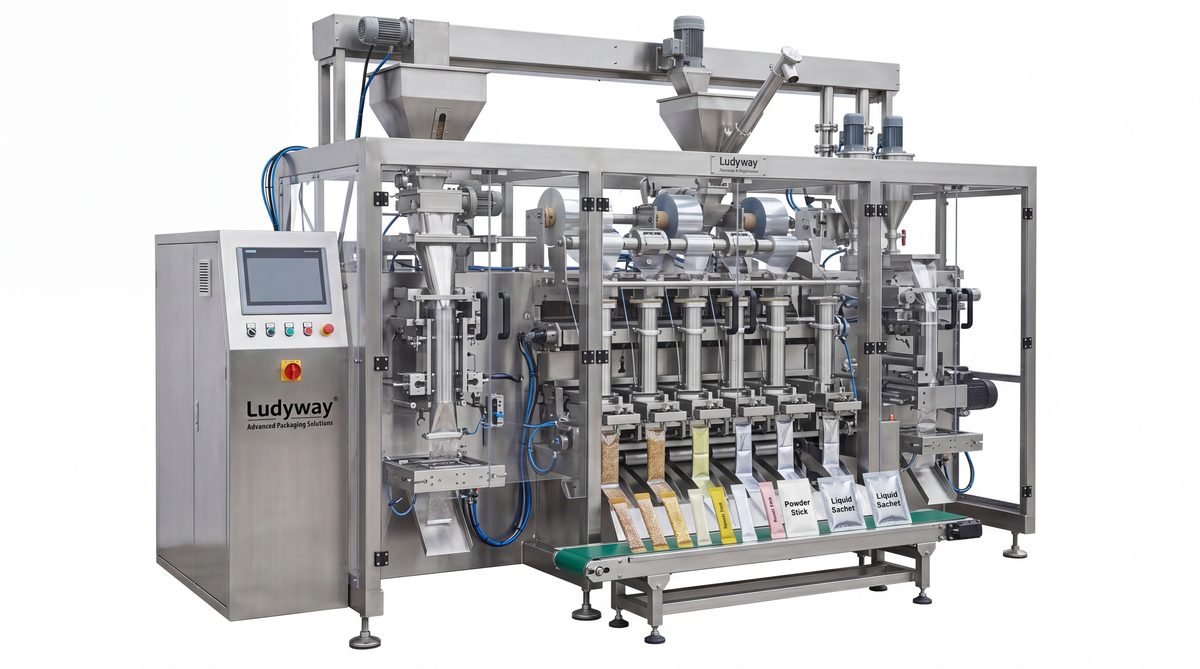
Multi-Lane Stick Pack & Sachet Packaging Machine
View Specifications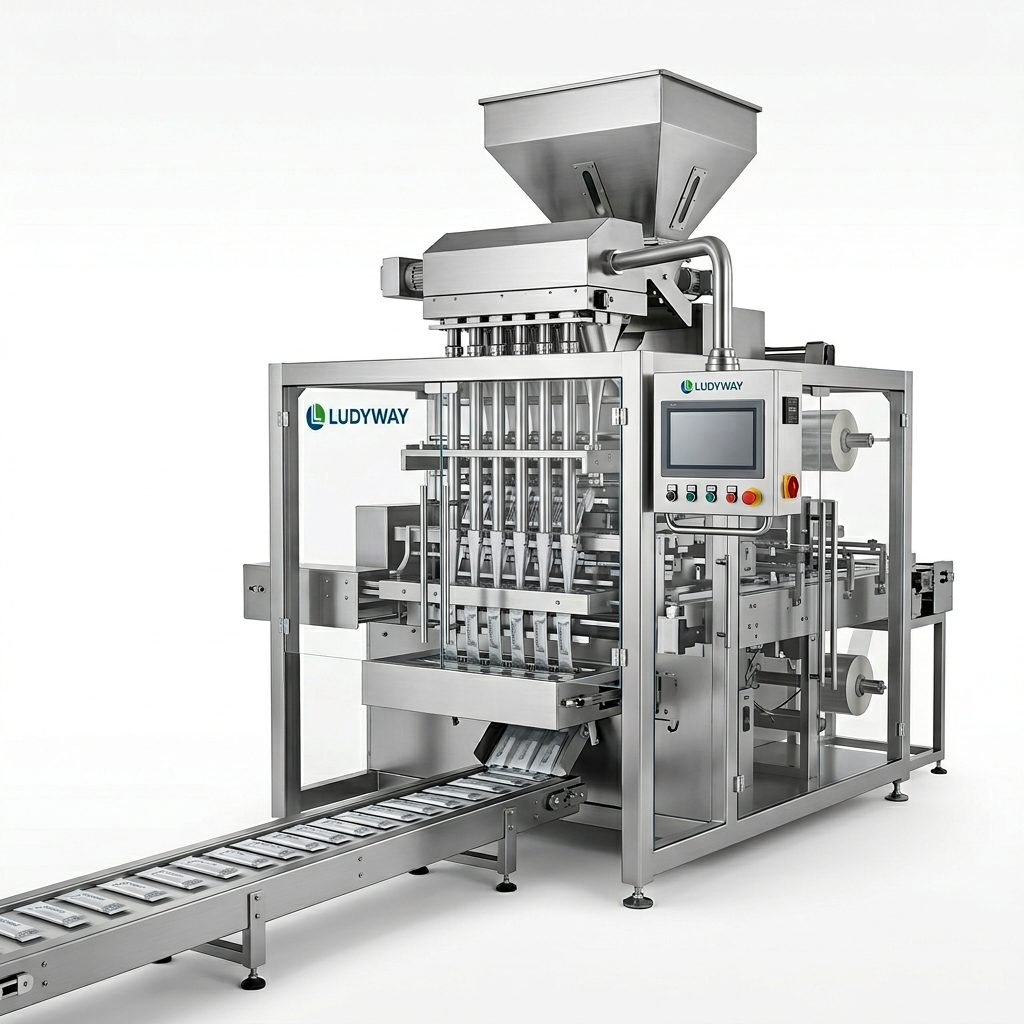
High-Speed Multi-Lane Powder Packaging System
View Specifications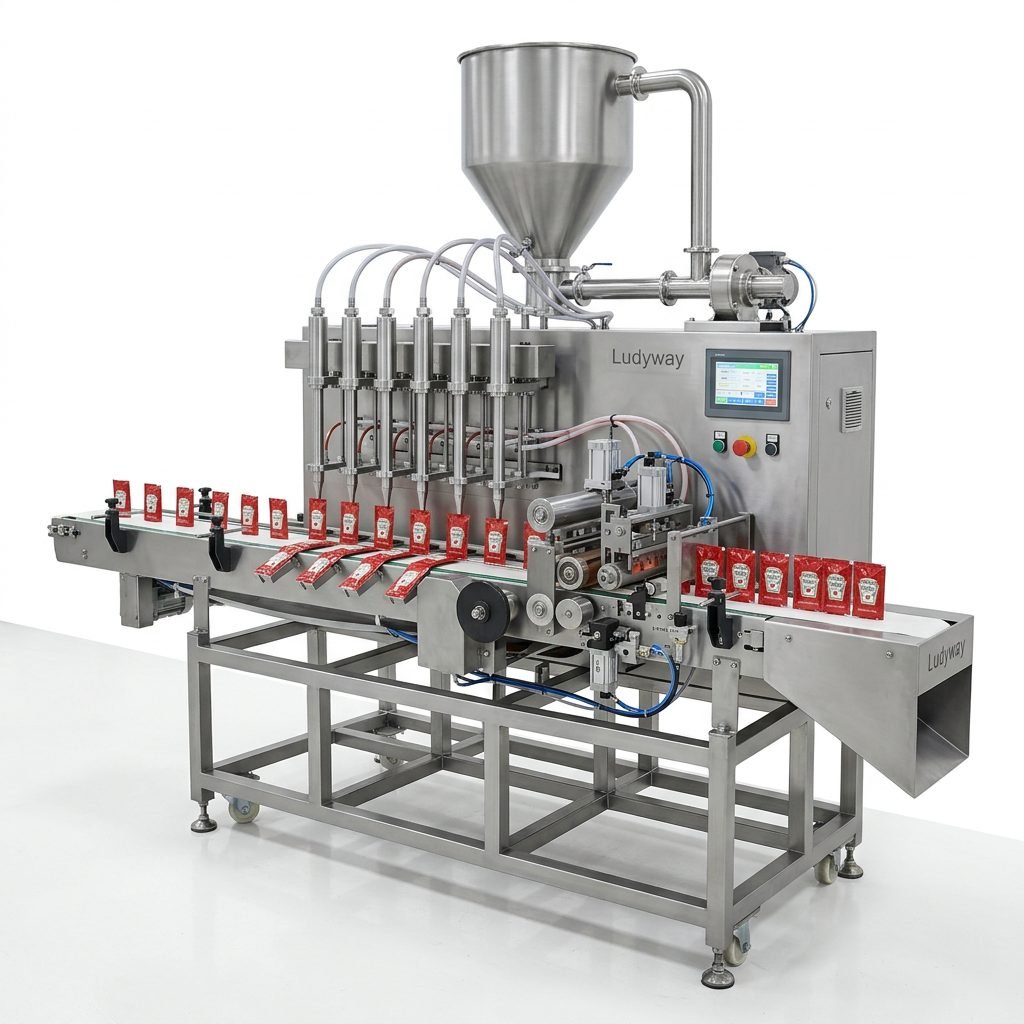
Multi-Lane Liquid Filling & Sealing System
View Specifications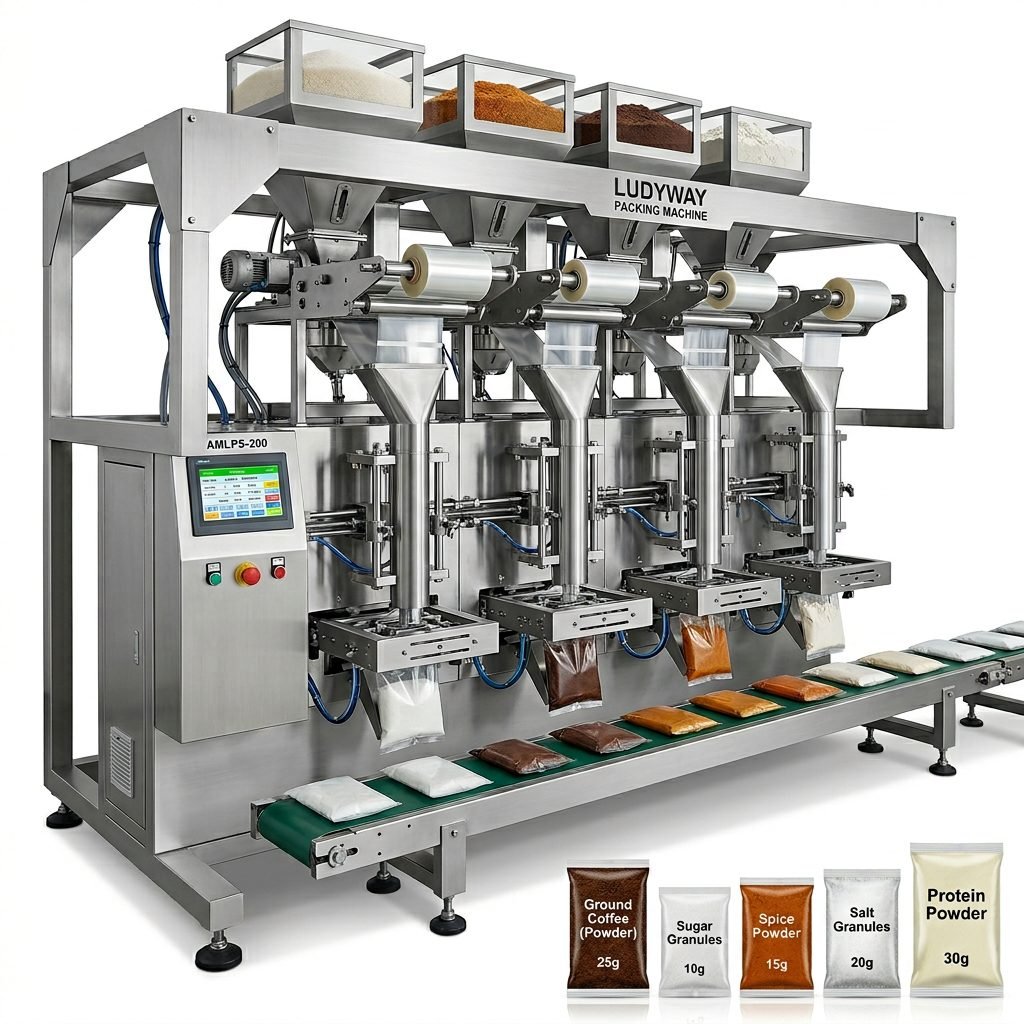
Automatic Multi-Lane Pouch Sealing Machine
View Specifications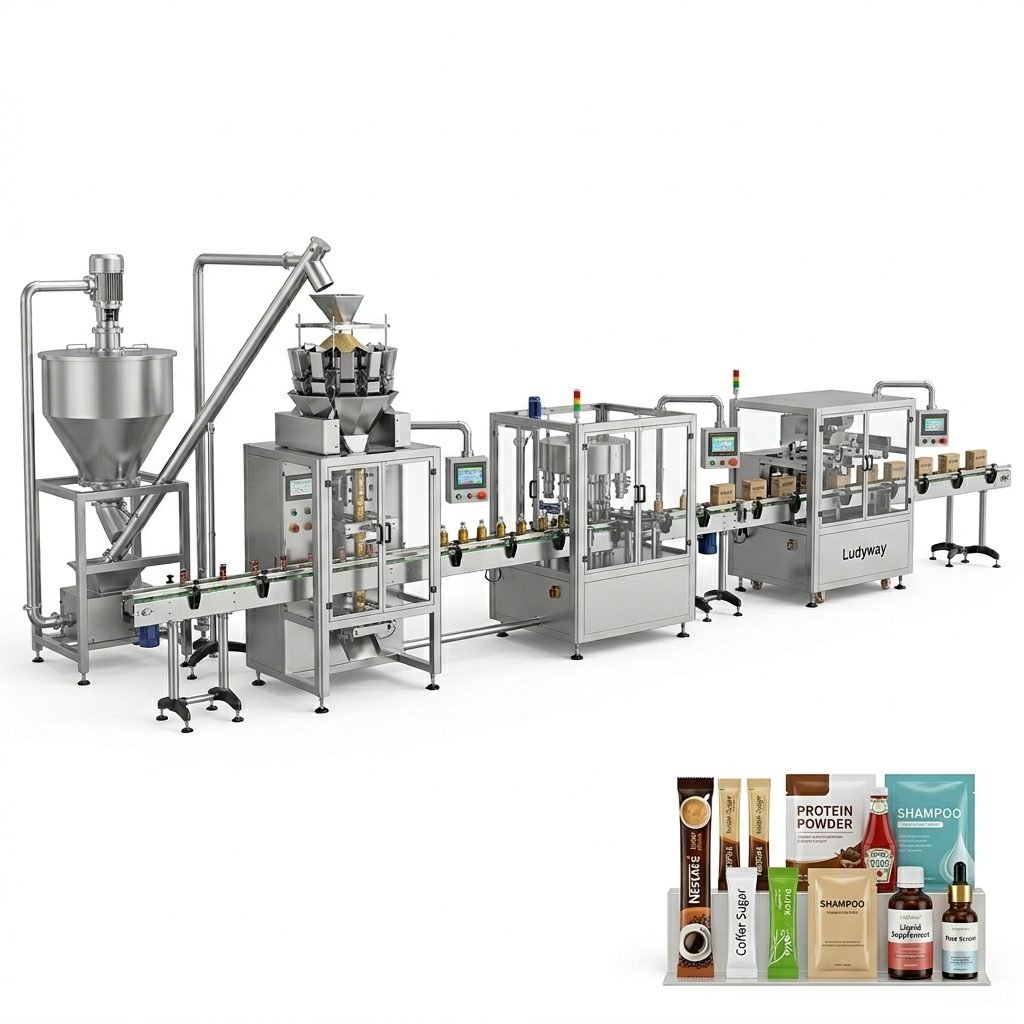
Complete Turnkey Granule & Powder Lines
View Specifications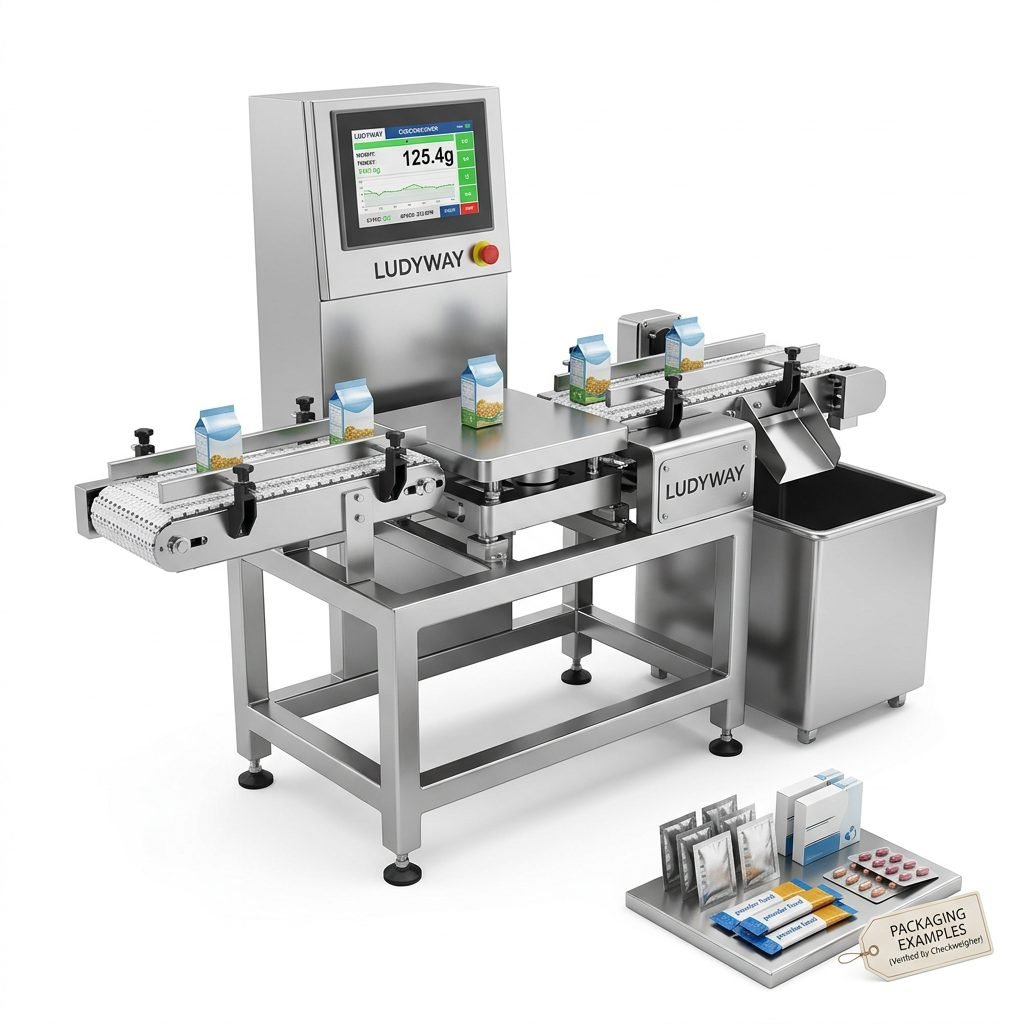
High-Precision Checkweigher for Food & Pharma
View Specifications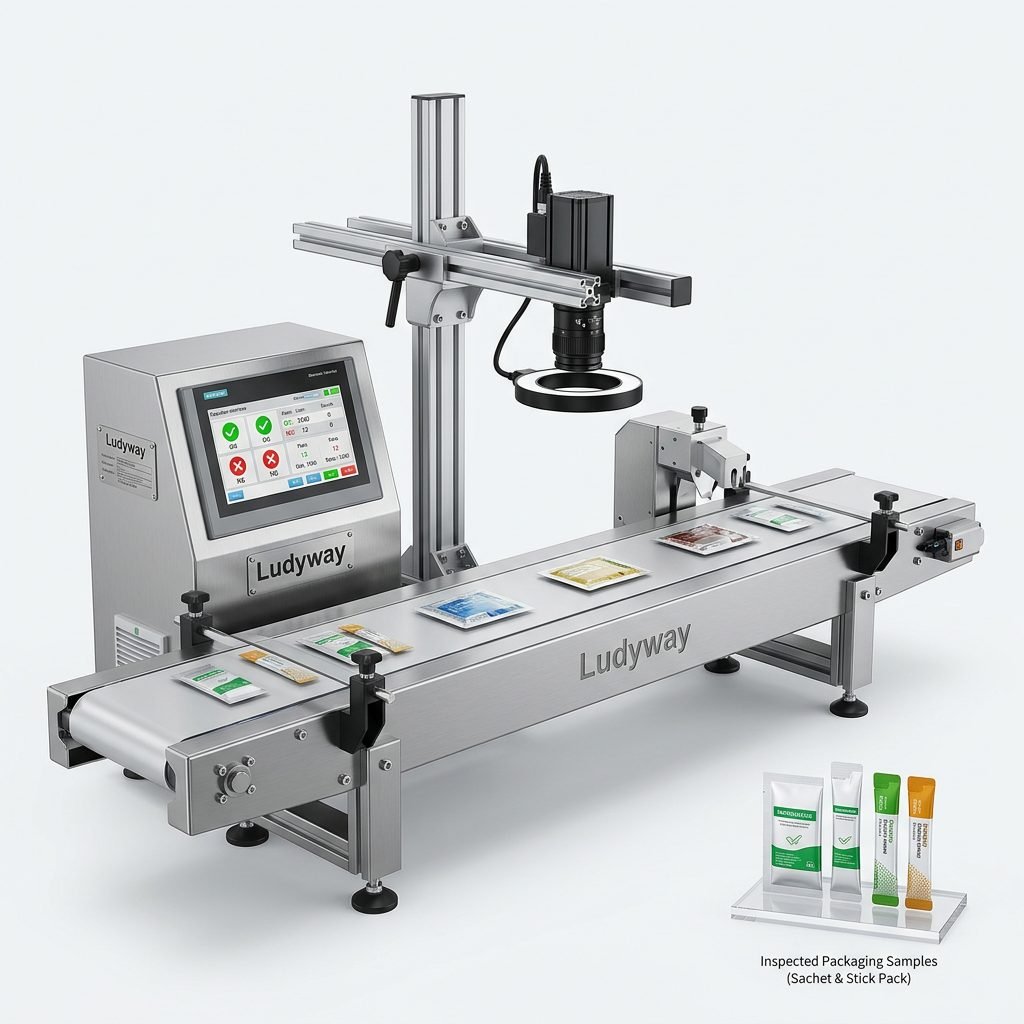
Vision Inspection Sealing Quality System
View Specifications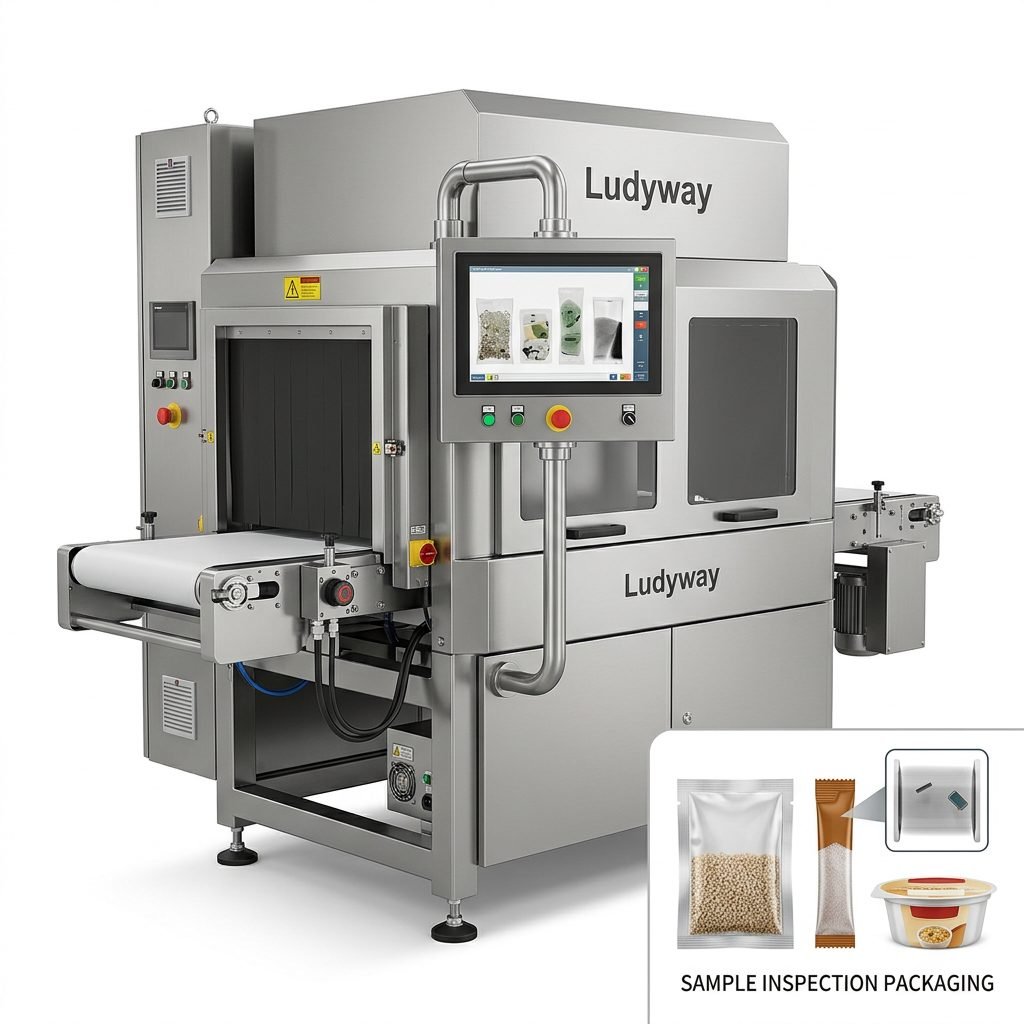
Industrial Sealing X-Ray Inspection System
View SpecificationsFrequently Asked Questions on Machine Sealing Failures
Direct answers to the most common packaging engineering inquiries encountered during high-speed production operations.
Why does my packaging machine seal leak only on high-speed runs?
When operational speed increases, effective dwell time decreases. If the temperature is not incrementally adjusted or if the thermal response of the heater cartridge is slow, the polymer fails to reach molecular flow point. Upgrading to servo-driven continuous motion sealing jaws or higher-wattage heating zones resolves this limitation.
How do I know if poor sealing is caused by film defect or machine error?
Conduct an off-line lab heat-seal test (ASTM F2029). If seal strength remains irregular under uniform laboratory press conditions, the sealant resin thickness or corona treatment is defective. If lab seals are consistent, the machine’s jaw alignment, temperature stability, or pressure requires recalibration.
Why do powder packaging lines suffer higher seal failure rates?
Fine powders create electrostatic dust clouds that deposit micron-thin layers over the film sealing area. Even microscopic dusting inhibits heat transfer and inter-chain bonding. Installing anti-static deionizing bars, dust-proof drop funnels, and vacuum extraction solves dust contamination at the source.
What is the difference between Hot Tack and Ultimate Seal Strength?
Hot Tack is the ability of the molten seal to resist opening forces immediately after the sealing jaws open while still hot (crucial for vertical VFFS drop loads). Ultimate Seal Strength is measured after the polymer completely cools and recrystallizes to room temperature.
Engineered Packaging Machinery Solutions by Ludyway
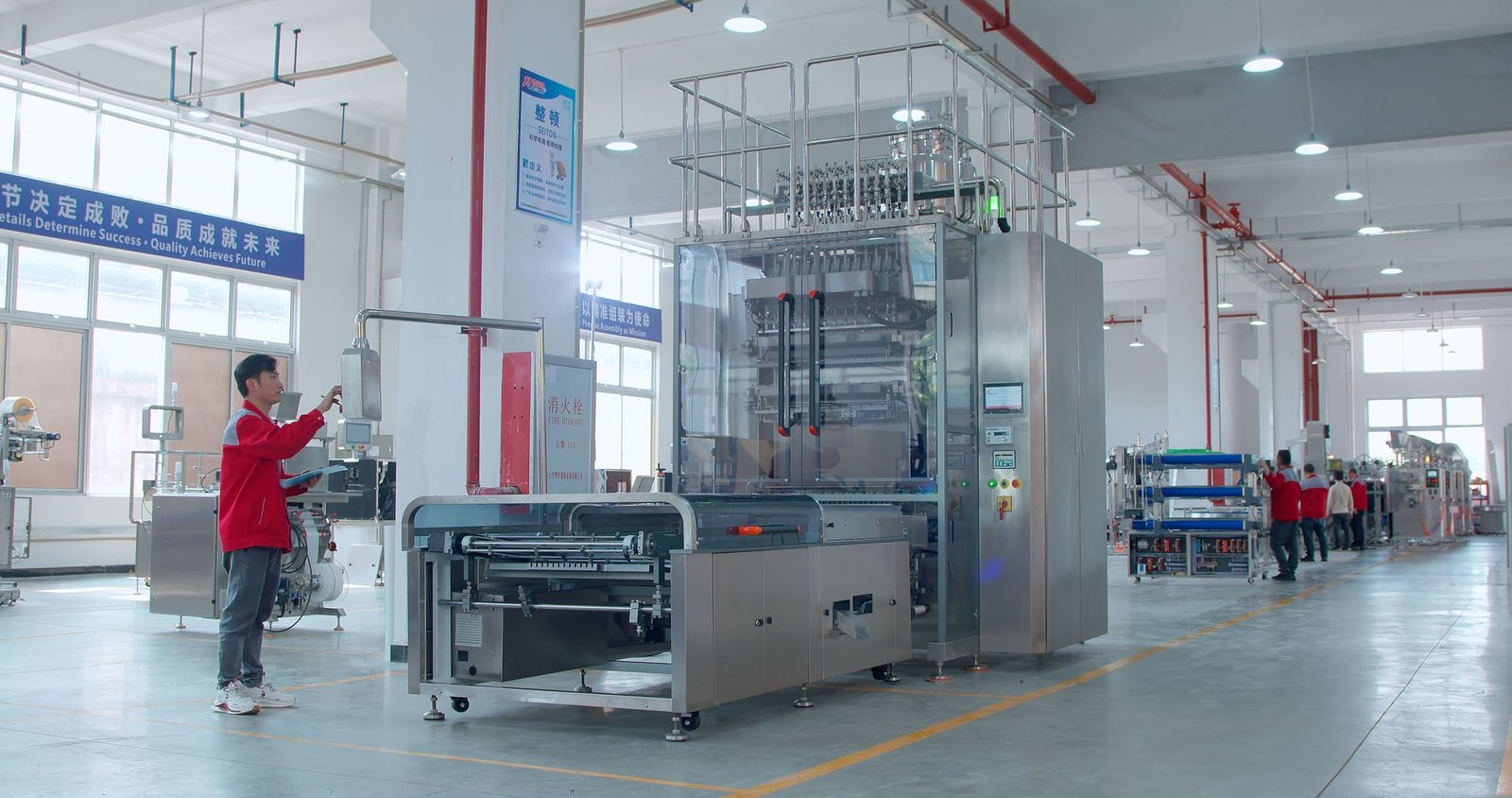
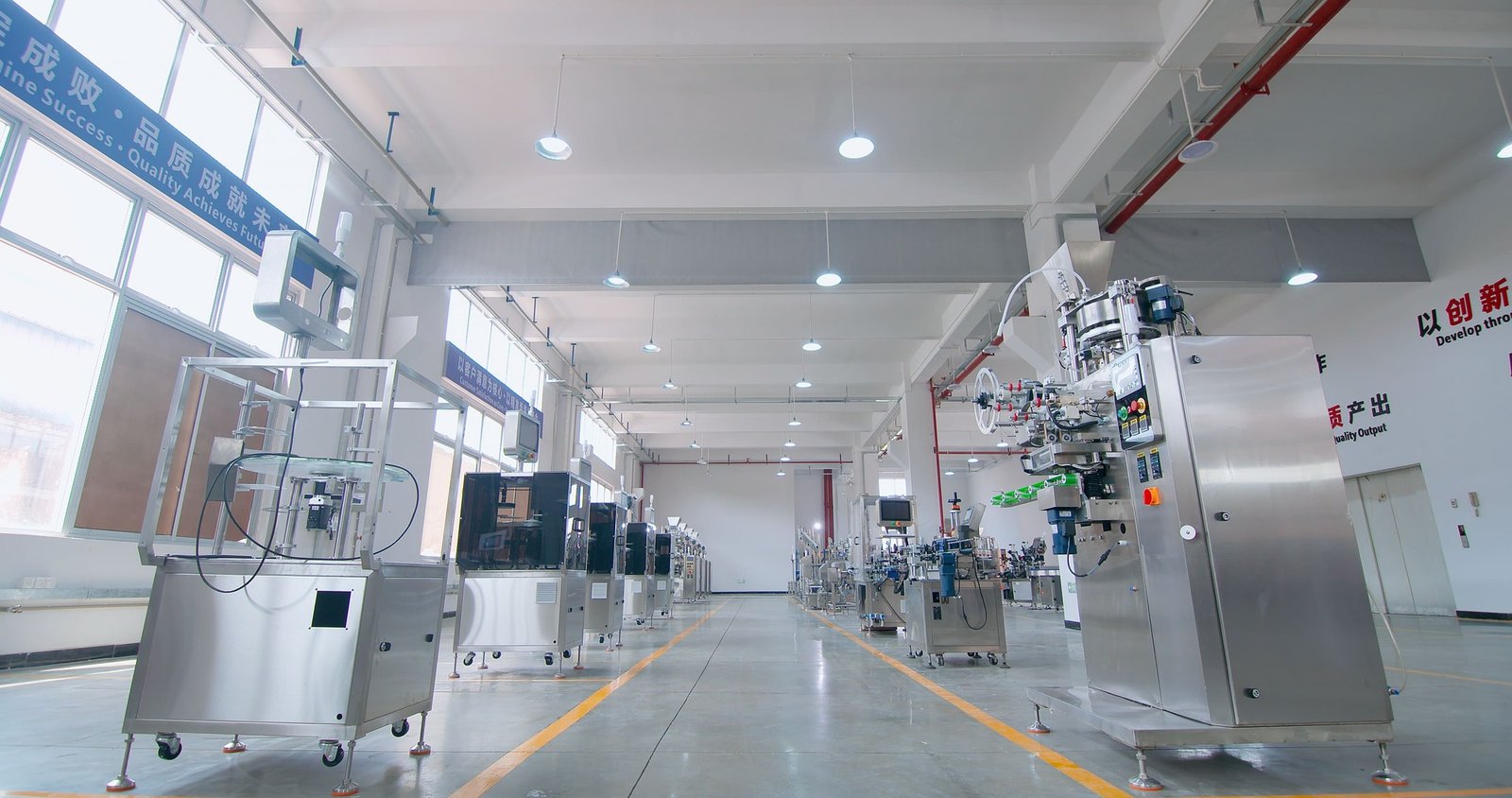
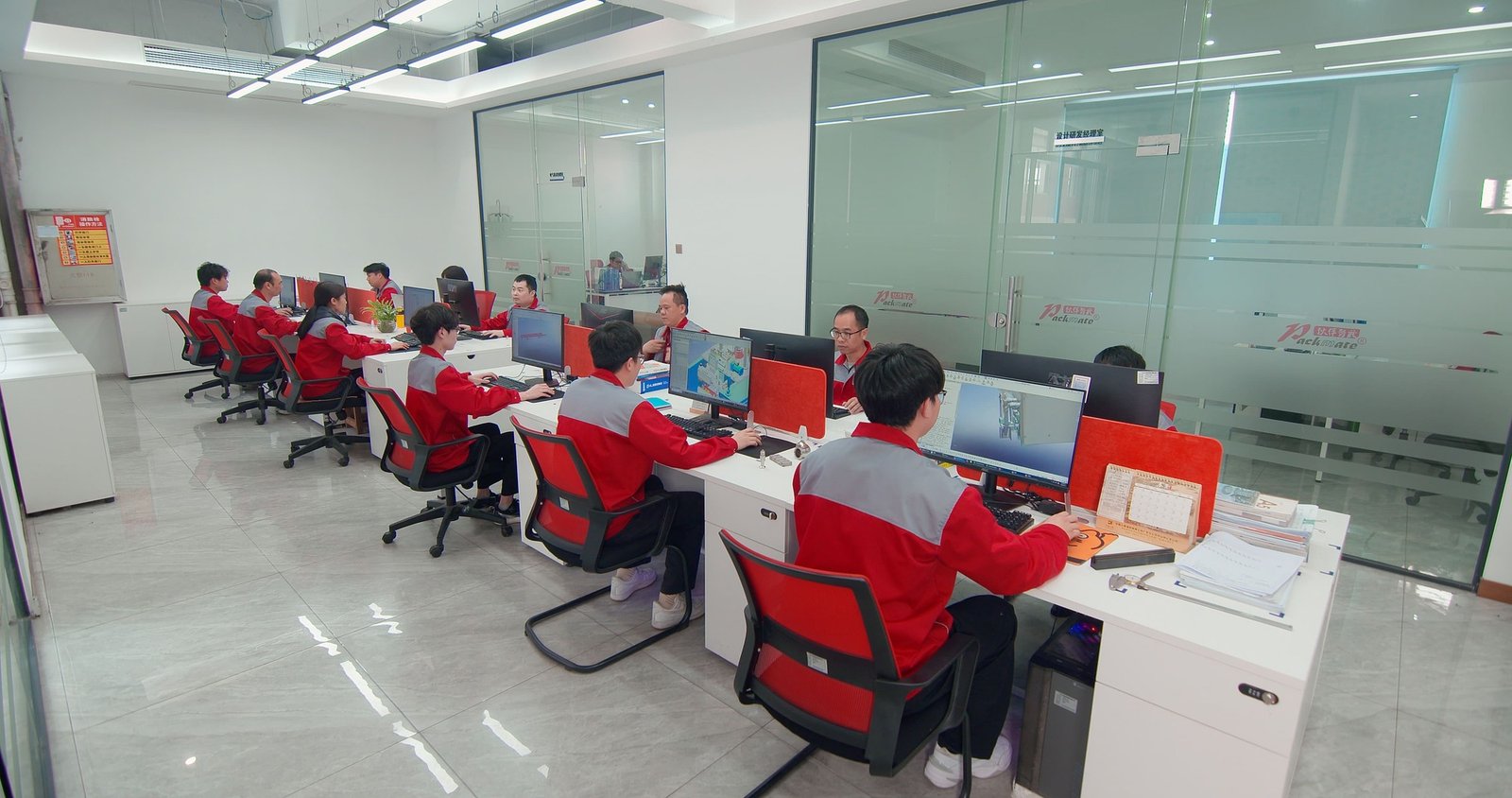
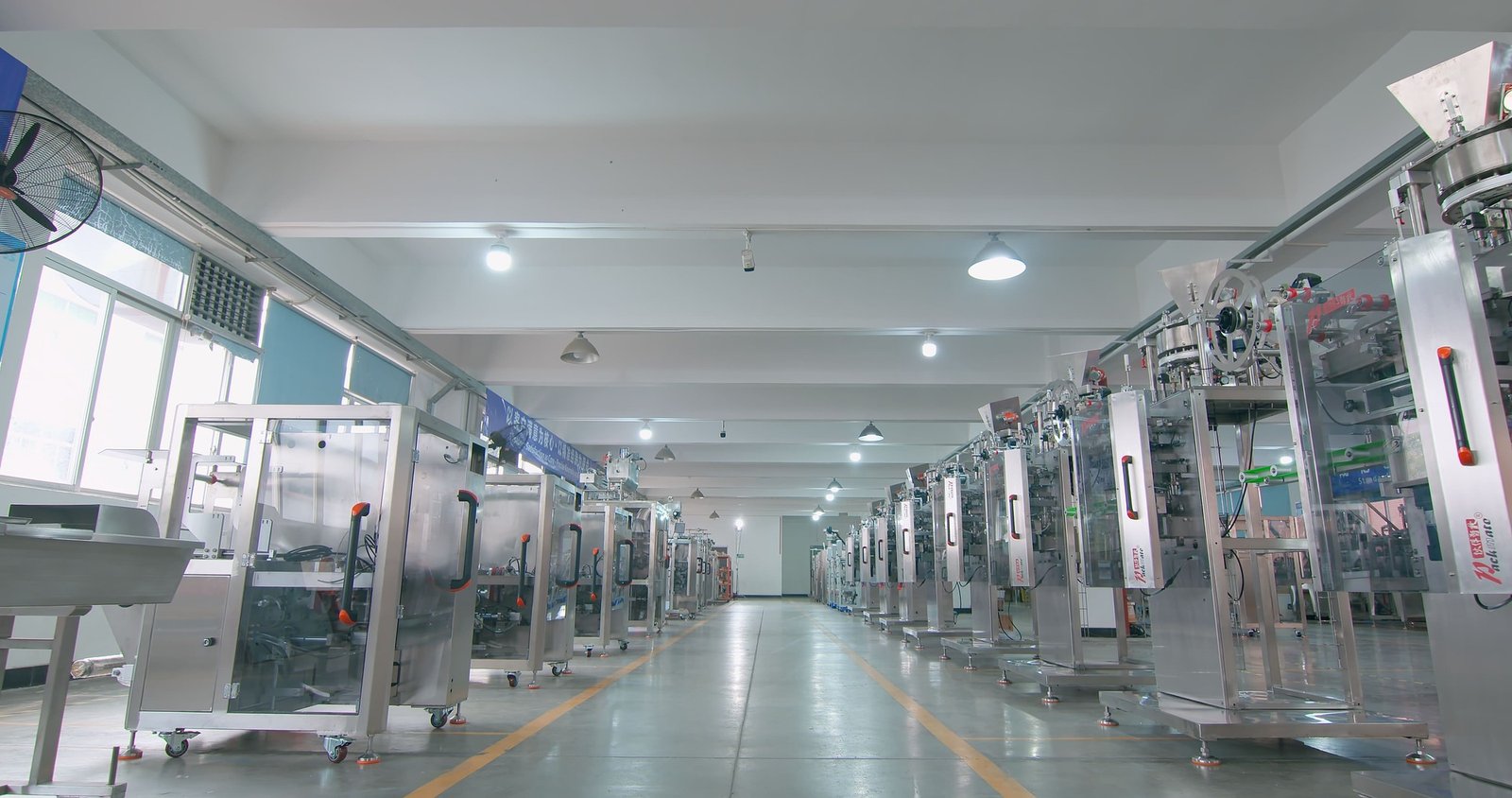
Ludyway is one of the premier packaging machine manufacturers, specializing in high-precision automated packaging systems for food, pharmaceutical, and chemical industries. Supported by a 20,000㎡ modern manufacturing facility and over 30 years of engineering leadership, we manufacture over 50 intelligent machine models serving clients across 100+ countries.
Packaging Engineers
Manufacturing Facility
Years Industry Experience
Precision Production Units
Eliminate Sealing Defects in Your Packaging Line
Connect with Ludyway’s engineering team for free sealing parameter diagnostics, sample film testing, and custom automated turnkey machine integration.
Contact Packaging Experts