
How to Judge the Quality of a Packaging Machine Manufacturer?
A comprehensive, engineering-backed audit framework designed for plant directors, procurement managers, and operations leaders navigating automated machinery investments in food, pharmaceutical, cosmetic, and chemical production.
Why Supplier Assessment Dictates Operational Success
Procuring industrial packaging machinery is an irreversible operational investment. Selecting the correct manufacturing partner directly impacts Overall Equipment Effectiveness (OEE), line yield, batch downtime, and sanitary compliance across decades of operation.
In modern secondary and primary packaging, a superficial comparison of machinery prices often hides severe post-commissioning liabilities. True equipment reliability relies on foundational mechanical integrity, strict raw material selection, advanced CNC machining tolerances, and deep domain experience handling complex physical product characteristics such as viscous fluids, hygroscopic granules, micro-fine pharmaceutical powders, and delicate confectionery.
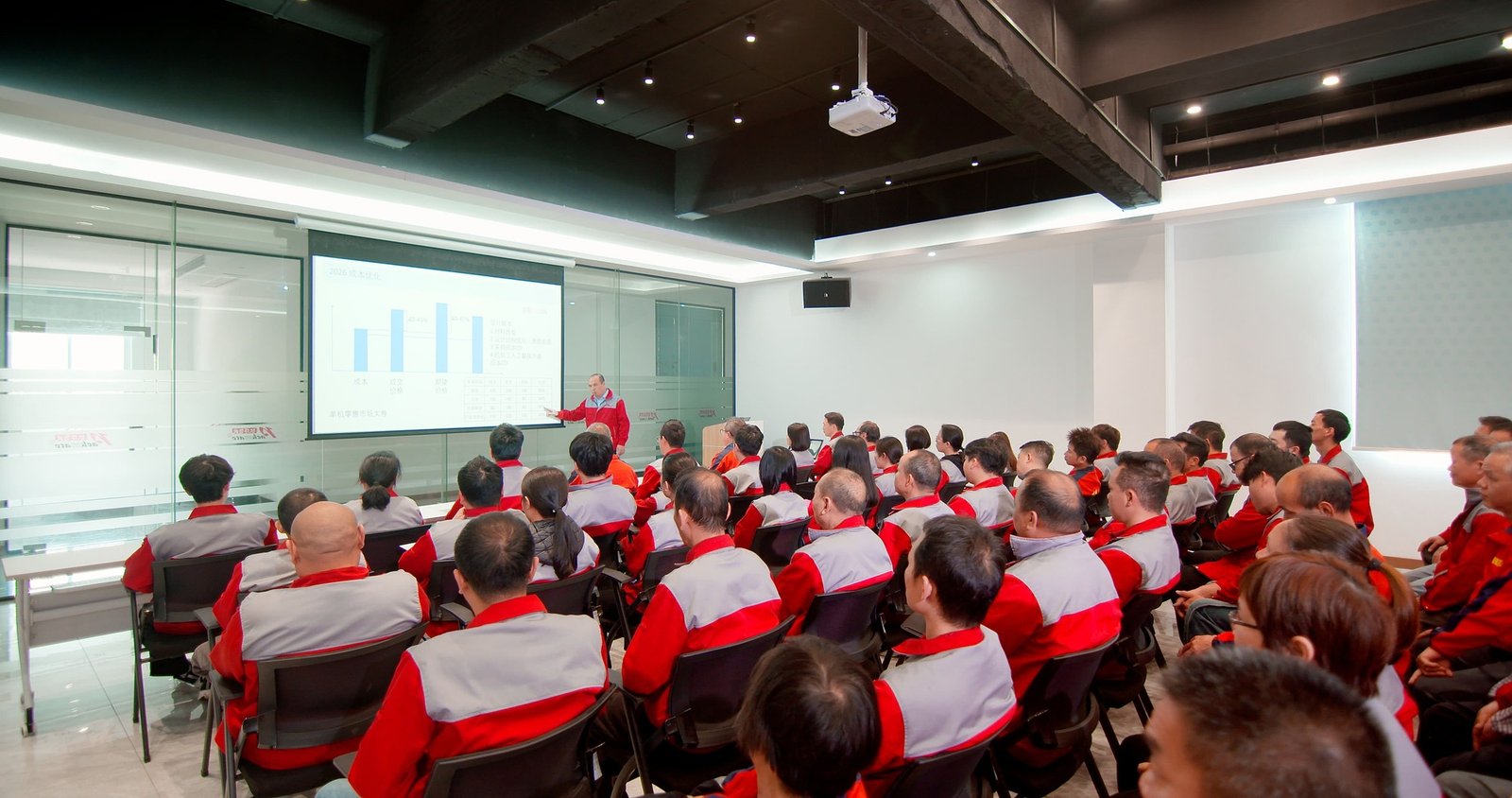
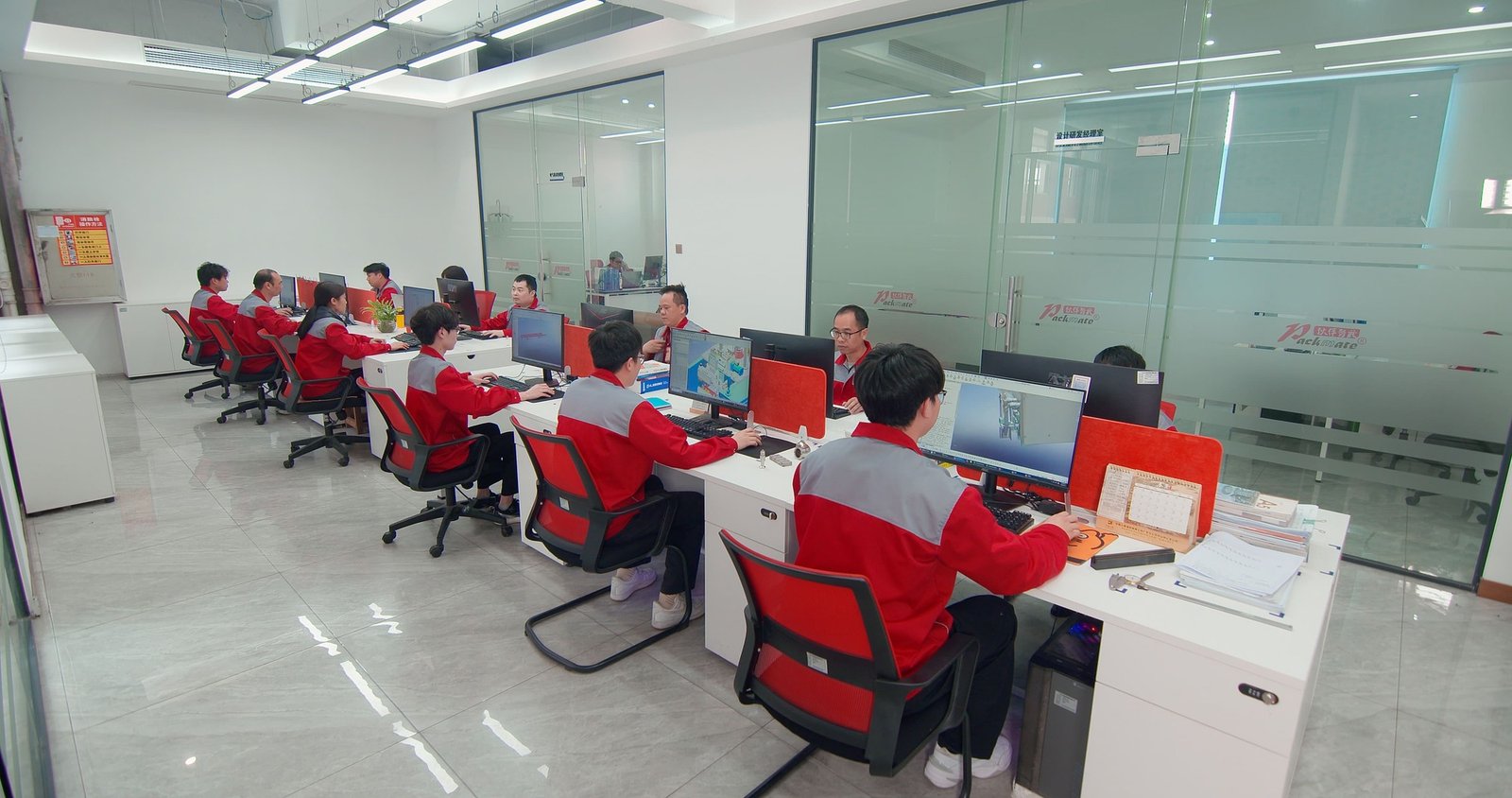
World-class machinery producers distinguish themselves from basic assembly workshops by maintaining rigorous internal quality management systems, dedicated research and development centers, and complete in-house fabrication lines. To establish a rigorous auditing benchmark, sourcing engineers must evaluate seven fundamental dimensions: technical design capacity, manufacturing infrastructure, standard hardware component integration, international safety compliance, Factory Acceptance Testing (FAT) standards, customized tooling capabilities, and end-to-end lifecycle service.
7 Pillars to Judge Packaging Machine Manufacturer Quality
Deploy this systematic technical audit during your supplier qualification process to separate low-tier assembly vendors from world-class original packaging machine manufacturers.
1. Metallurgy & Sanitary Build Quality
Examine whether material contact surfaces use verified SUS304 or SUS316L stainless steel with certified mill sheets. Premium manufacturers implement mirror polishing (Ra < 0.4μm) and seamless orbital TIG welding to prevent bacterial harboring and ensure sanitary compliance in food and pharma lines.
2. In-House CNC Machining Capability
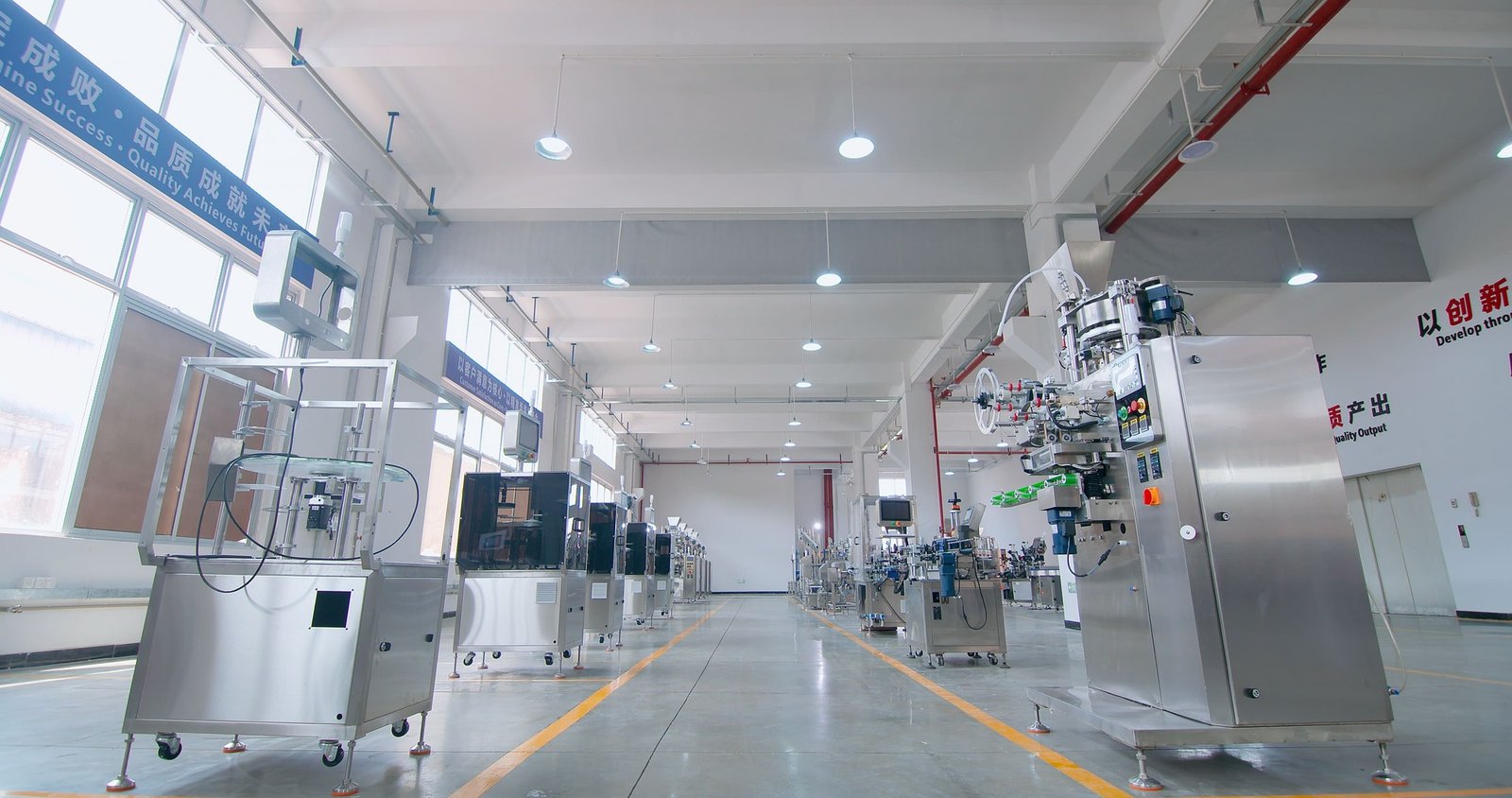
A high-tier manufacturer operates dedicated CNC multi-axis milling, laser cutting, and surface finishing equipment. Maintaining a modern facility equipped with over 200 manufacturing units ensures precise dimensional tolerances on critical components such as sealing jaws, auger screws, and cutting dies.
3. Standard Tier-1 Hardware Integration
Judge electrical and pneumatic reliability by checking BOM component origins. Established producers partner with globally recognized automation brands like Siemens, Schneider Electric, Omron, SMC, and Festo, ensuring easy local spare part availability and multi-language PLC software support.
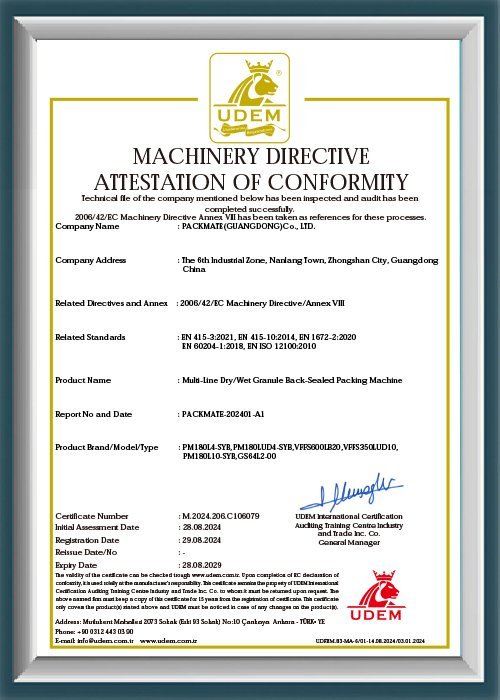
4. International Certifications & Compliance
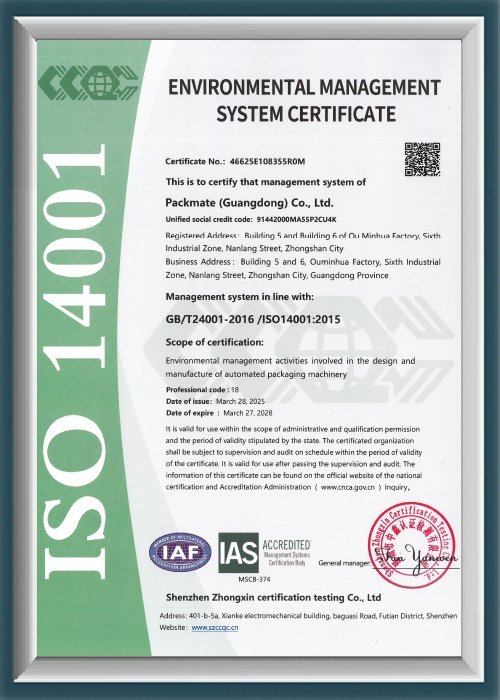
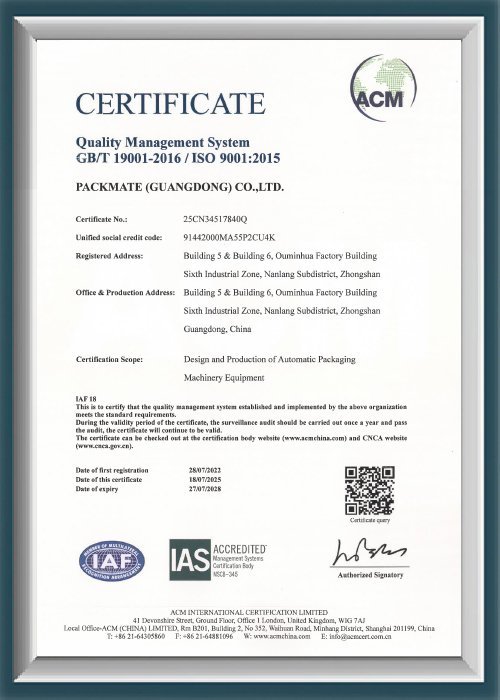
Verify legitimate compliance documentation including CE certifications, ISO 9001 quality management, cGMP sanitary layout designs, and UL electrical compliance. Request authentic third-party audit reports rather than relying on self-declared supplier certificates.
5. Factory Acceptance Testing (FAT) Rigor
Quality manufacturers mandate a 48-to-72 hour continuous dry-run and live material test before shipping. This process validates cycle speeds, sealing hermeticity, checkweigher rejection precision, and multi-lane roll film tracking under actual customer operating conditions.
6. Turnkey Integration & Custom Tooling
A truly capable engineering partner designs integrated production lines—connecting material hoppers, multi-head weighers, VFFS stick pack machines, secondary cartoning, and end-of-line robotic palletizing into a seamless, synchronized Industry 4.0 automated system.
Technical Audit: Tier-1 Manufacturer vs. Small Workshop
Use this comparison matrix to evaluate equipment construction quality, software integration, and post-sales engineering support before signing procurement contracts.
| Evaluation Parameter | Tier-1 Industrial OEM (e.g., Ludyway) | Standard Assembly Workshop |
|---|---|---|
| Chassis & Frame Construction | Solid 304/316L stainless steel thick-gauge plate; fully enclosed drive cabinet; vibration-absorbing heavy chassis. | Lightweight tubular frame; hollow iron square pipes with thin decorative metal cladding; prone to harmonic vibrations. |
| Drive & Motion Control | Independent multi-axis servo motors (Schneider/Panasonic); digital recipe control; sub-millimeter indexing precision. | Single induction motor with mechanical linkages, chains, and open gears; high wear, loud operation, and frequent drift. |
| Pneumatics & Pneumatic Logic | SMC or Festo valves, manifolds, and cylinders; integrated air filtration and automatic oil mist lubrication. | Unbranded or domestic budget pneumatic valves; irregular air pressure response; vulnerable to seal leakage. |
| Dosing & Filling Accuracy | Servo-driven precision augers/pumps with dynamic checkweigher feedback loops (≤±0.5% – 1% target accuracy). | Manual volumetric cups or timer-based valves; wide variance in fill weights causing product giveaway. |
| HMI & Operational Telemetry | Color touchscreen HMI; multi-level password security; IoT remote diagnostics; Industry 4.0 data export. | Basic monochrome or generic interface; limited diagnostic alarms; no remote access or historical logging. |
| Validation Documentation | Full IQ/OQ/PQ protocol templates; CE declaration of conformity; electrical schematics and parts catalogs. | Basic user manual with generic wiring diagrams; no pharmaceutical or cGMP documentation packages. |
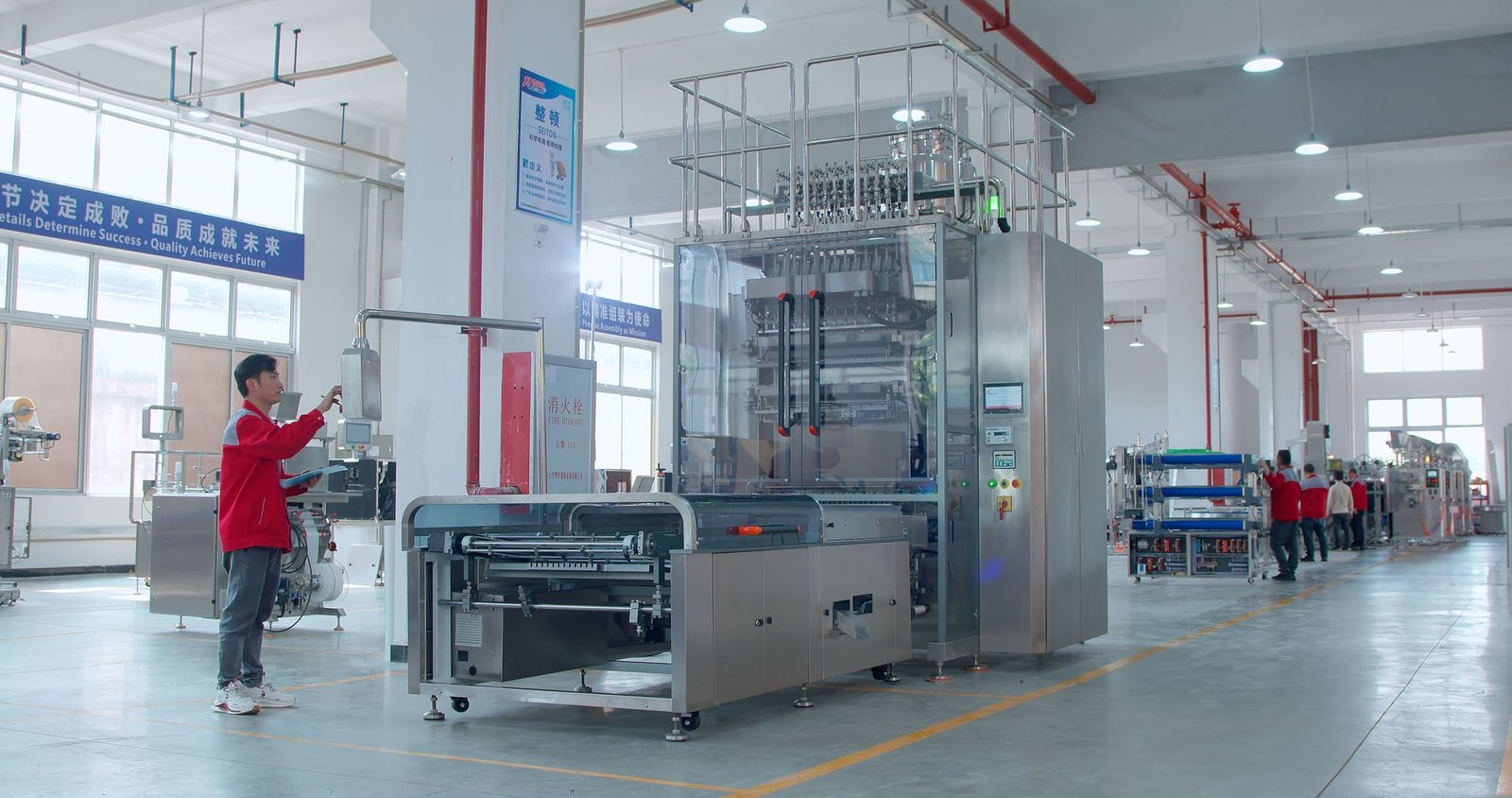
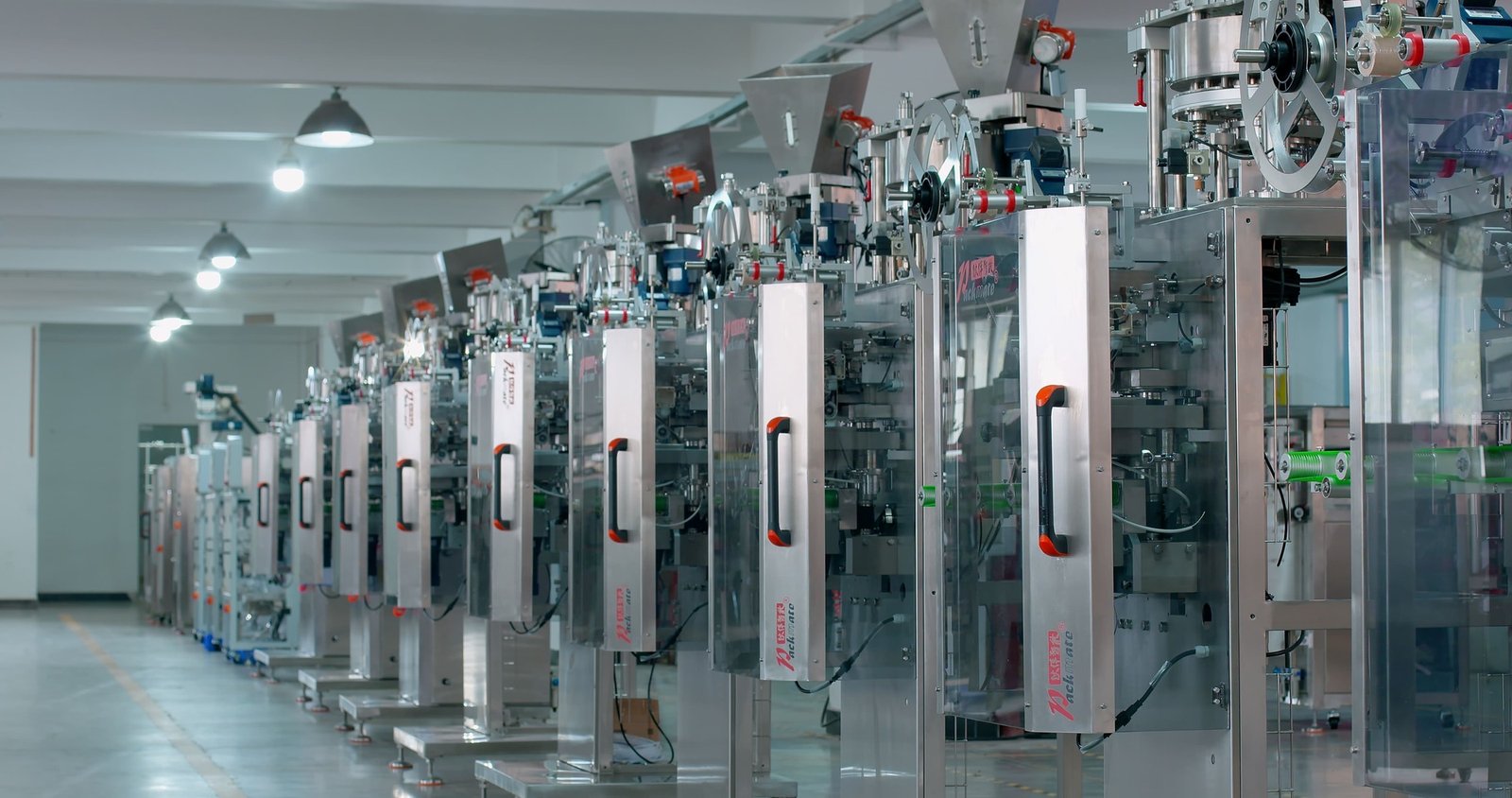
Evaluating Manufacturing Scale: The 20,000㎡ Benchmark
A manufacturer’s on-site infrastructure determines their assembly capacity, quality control consistency, and project turnaround time. Look for dedicated raw material inspection, precision machining, clean assembly, and testing bays.


Featured Packaging Machine Systems
Engineered with precision motion control, high-efficiency dosing heads, and robust sanitary builds across granule, powder, liquid, and sachet applications.
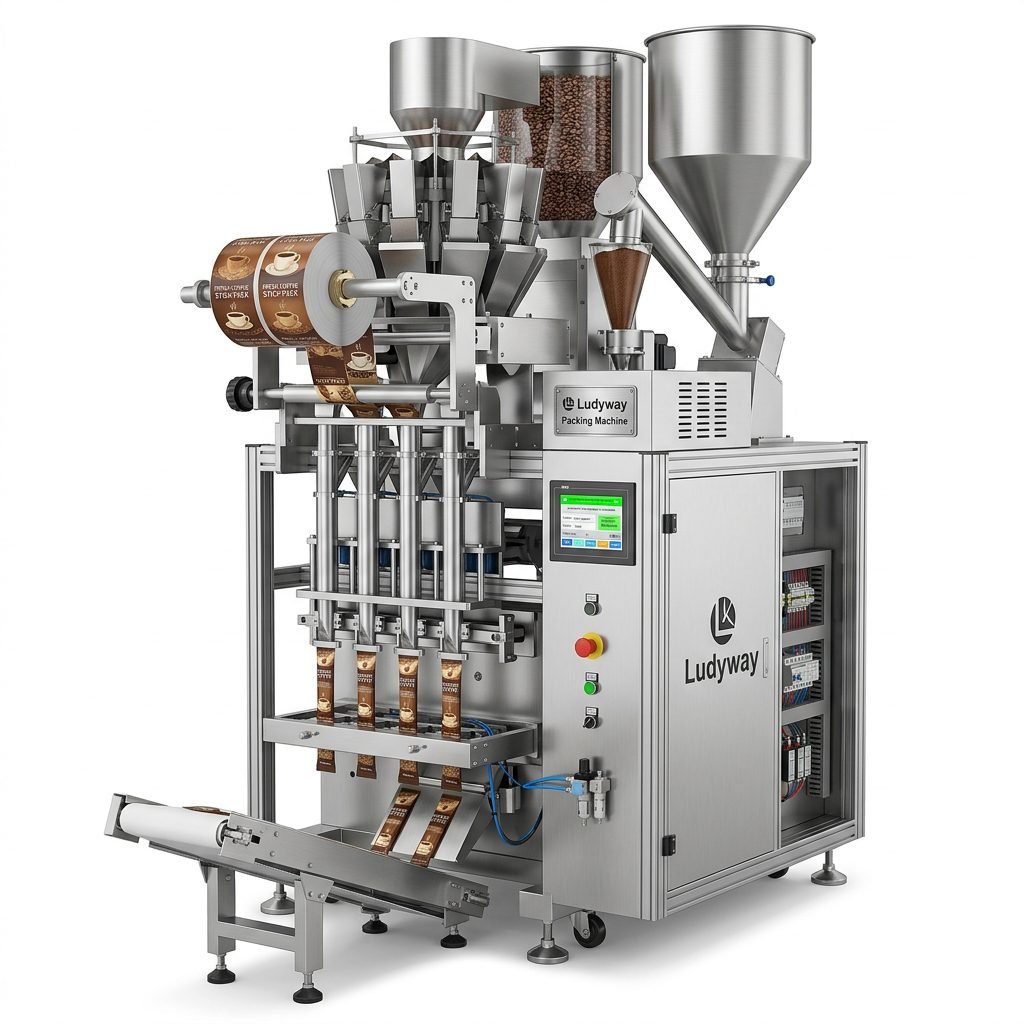
Automatic Multi-Lane Coffee Bean Packaging Machine for Granule and Powder
View Specifications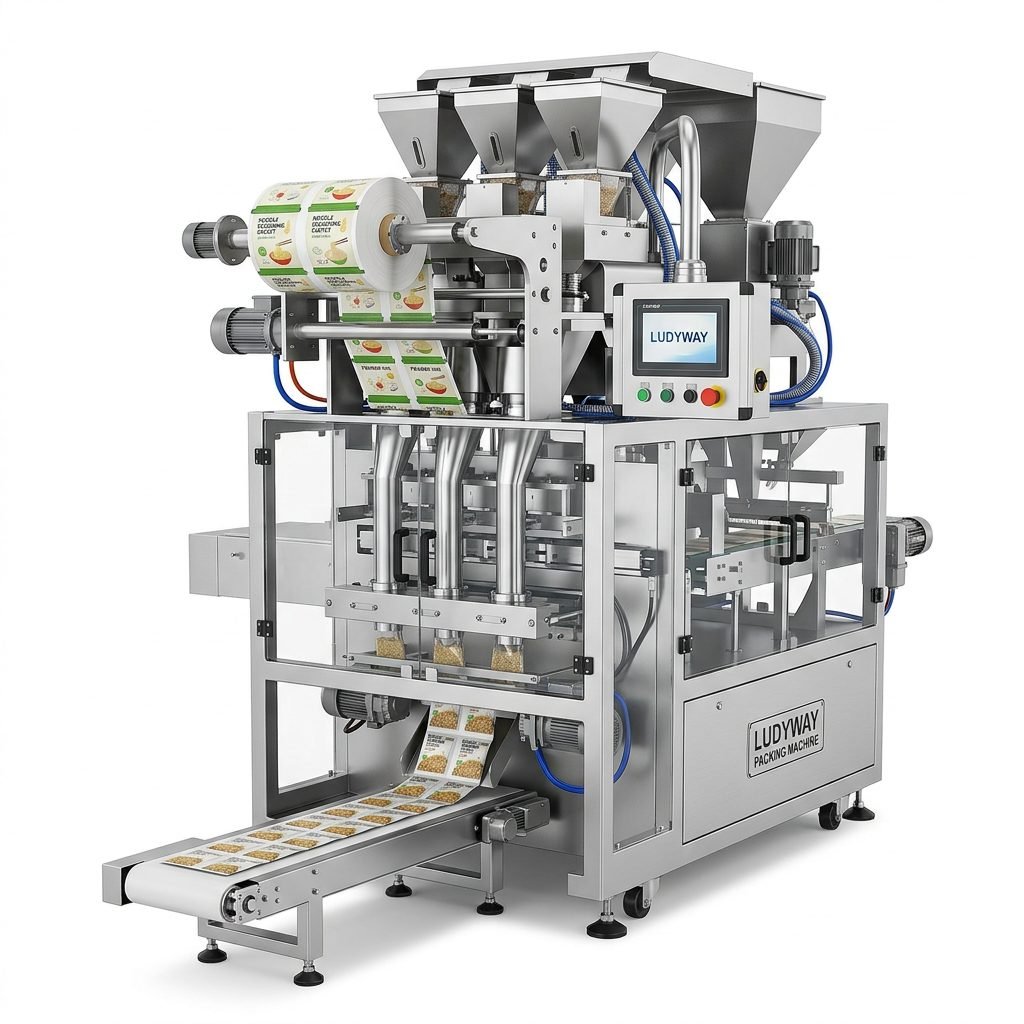
Instant Noodle Seasoning Packaging Machine for Sachets Multi-Lane
View Specifications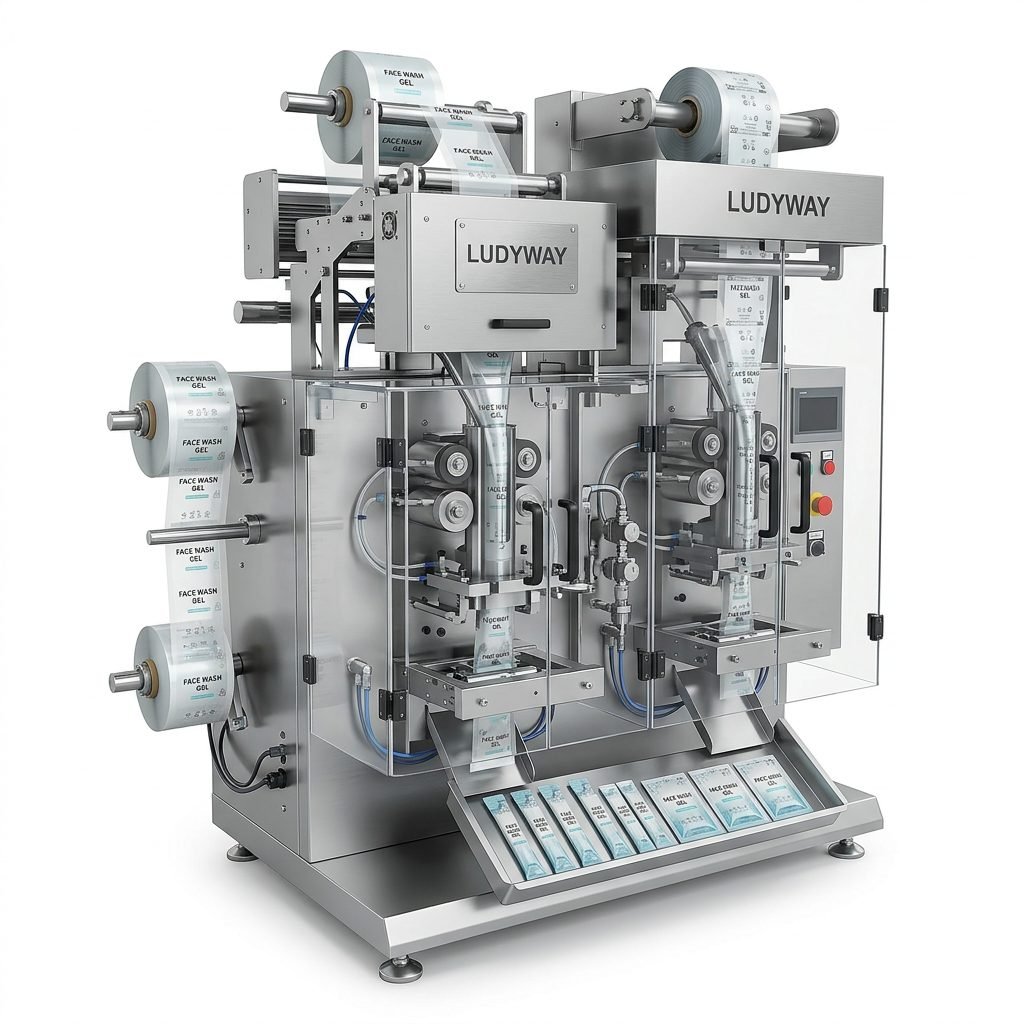
Automatic Face Wash Sachet & Stick Pack Filling Machine for Liquid
View Specifications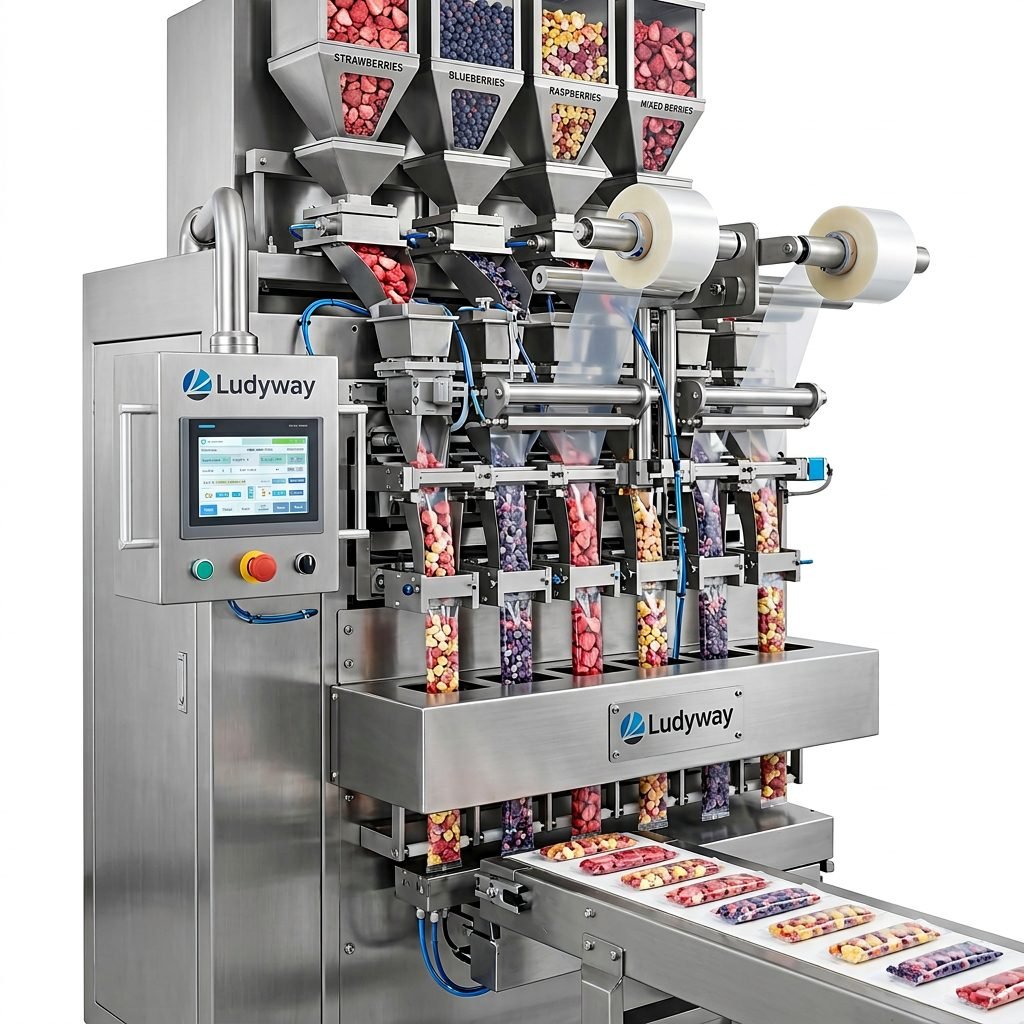
Freeze-Dried Fruit Stick Pack Machine for Granule Packaging Multi-Lane
View Specifications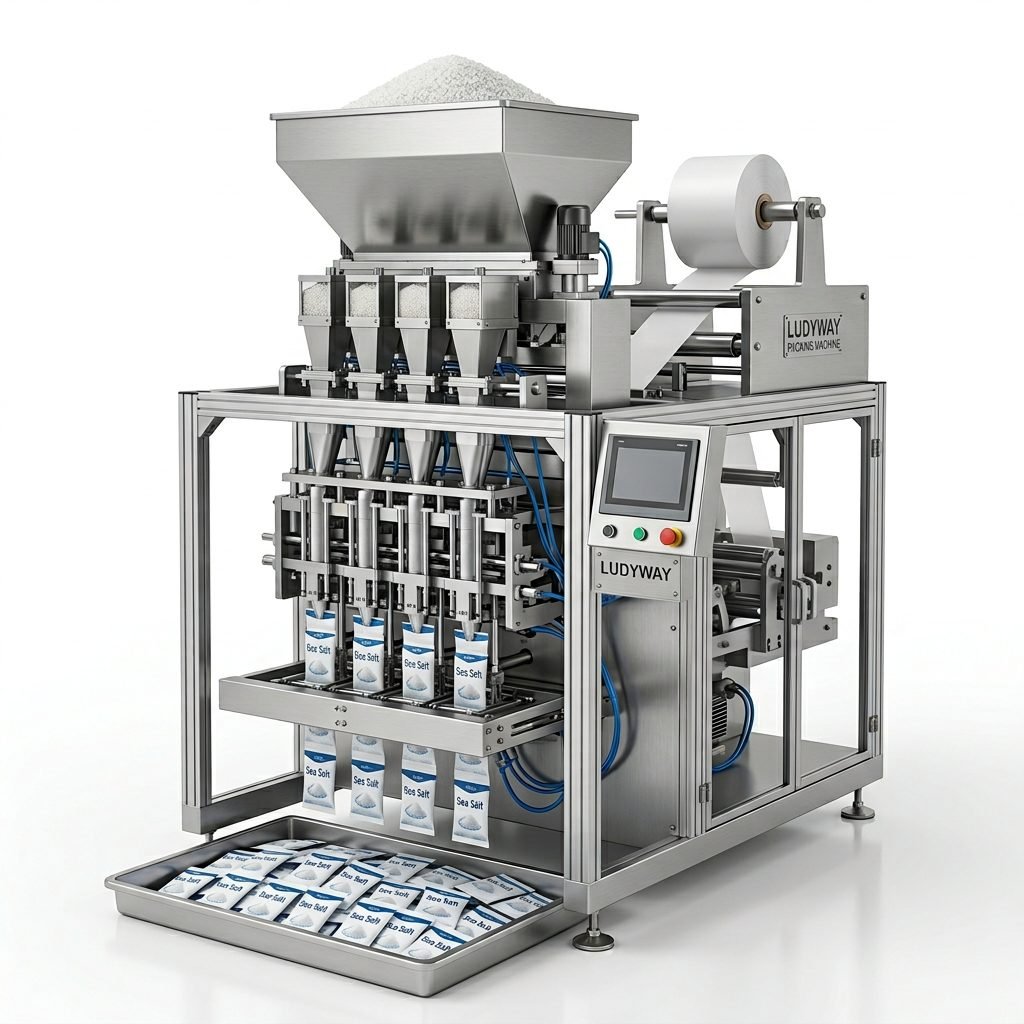
Sea Salt Granule Powder Packaging Machine with Multi-Lane Sachet System
View Specifications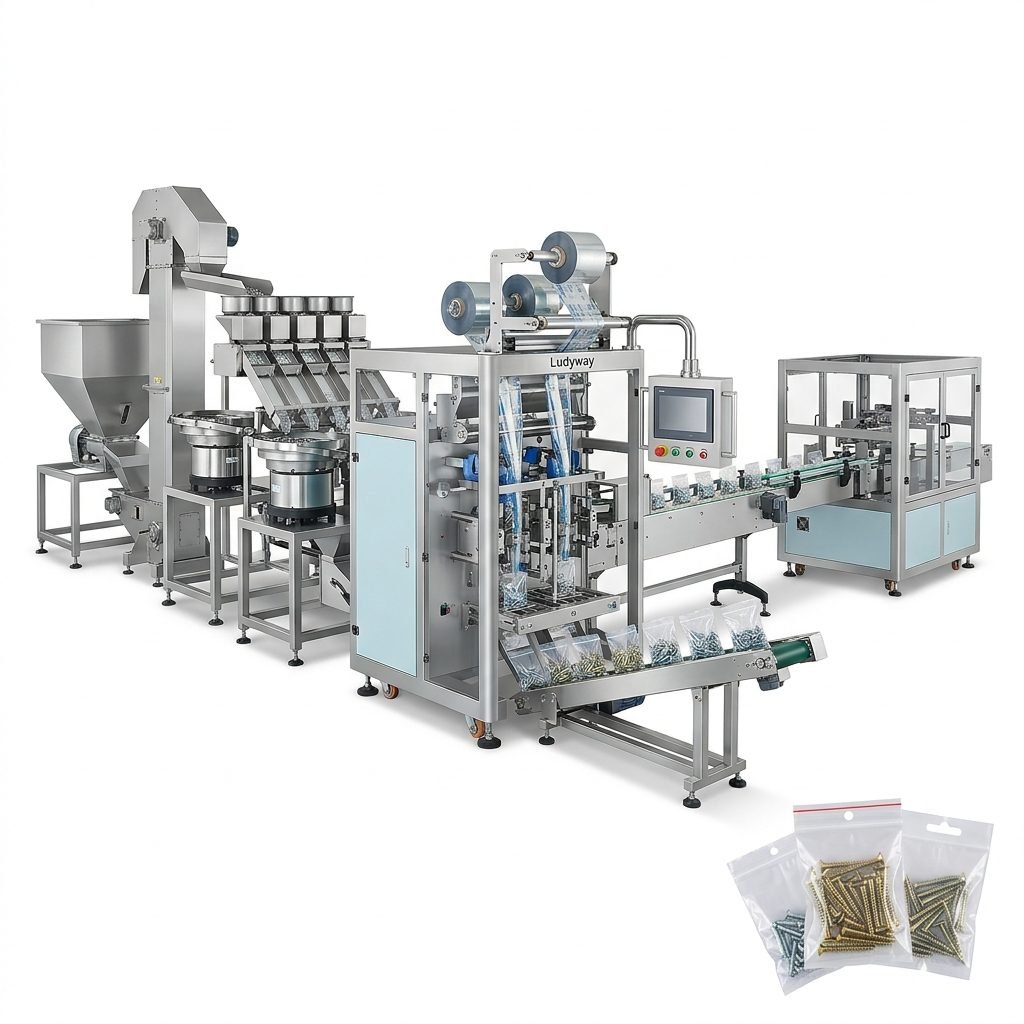
Automated Multi-Lane Screw Packaging Lines with High-Speed Precision
View Specifications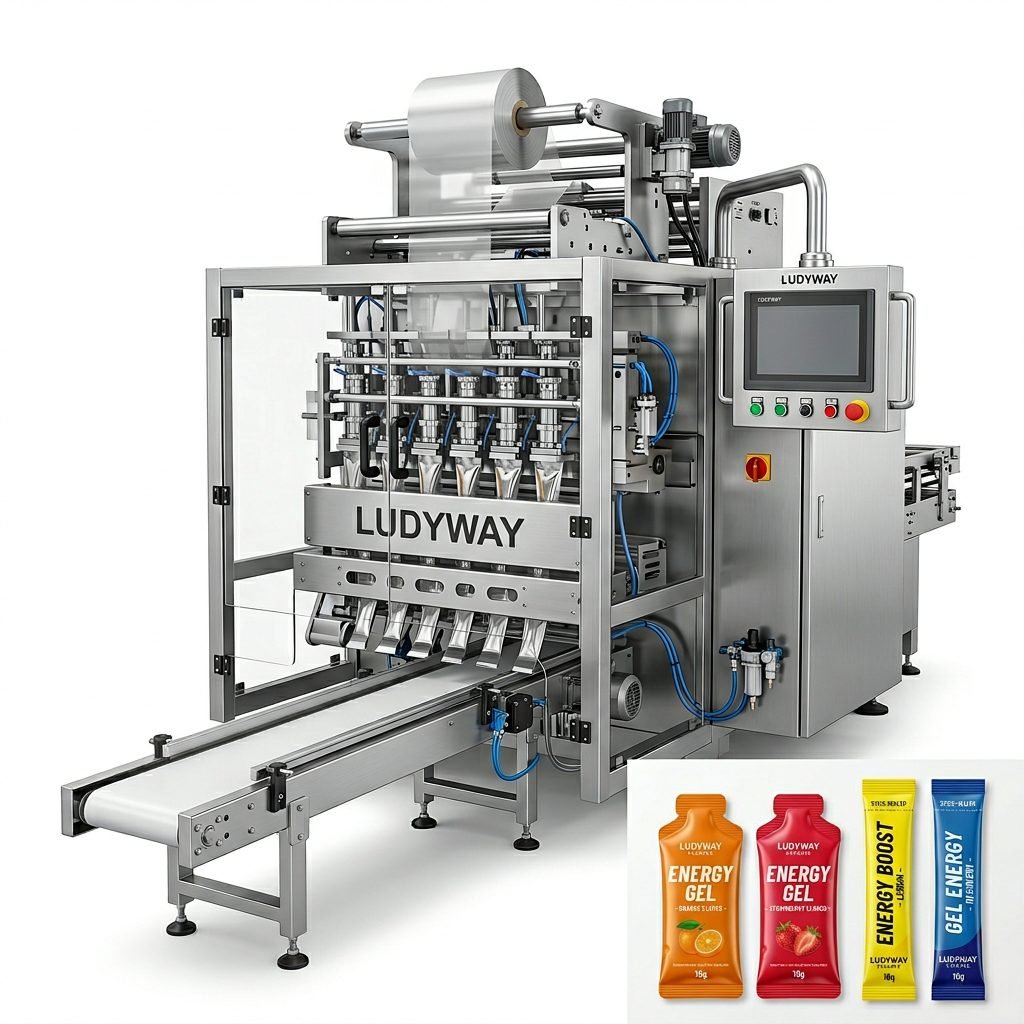
High-Speed Multi-Lane Energy Gel Sachet & Stick Pack Packaging Machine
View Specifications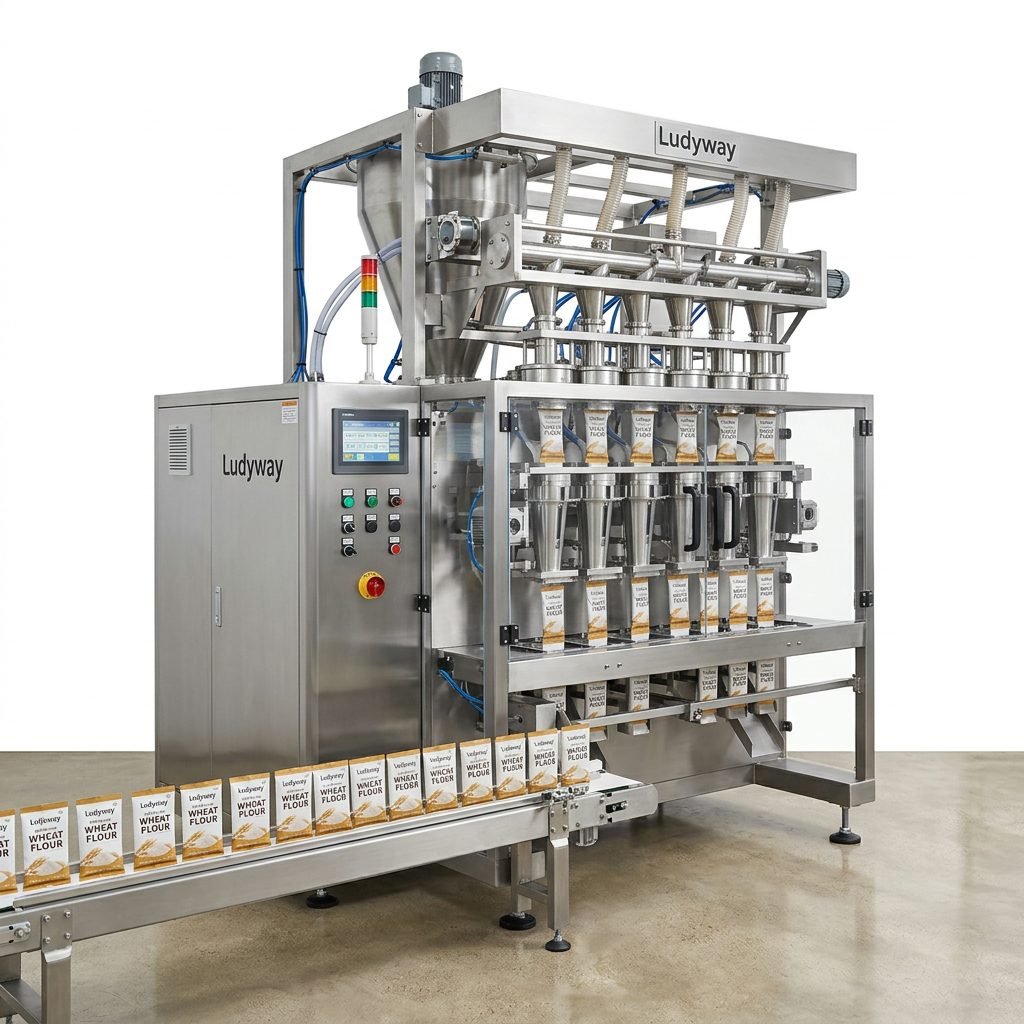
Wheat Flour Packaging Machine for Sachet & Stick Pack Systems
View SpecificationsInternational Validations, Trusted Partners & Global Trade Expos
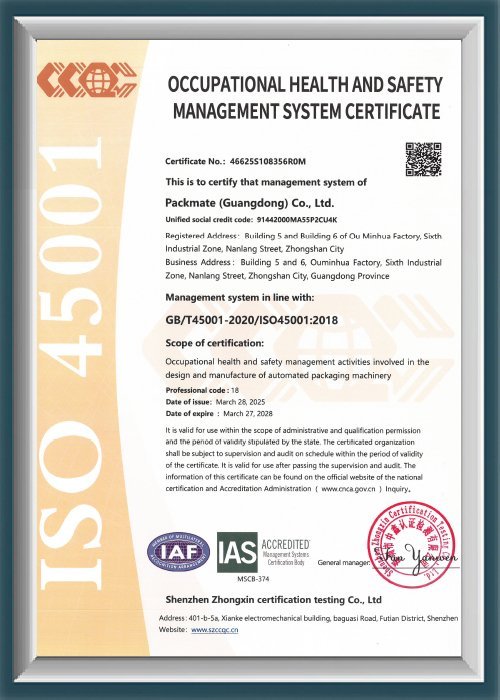
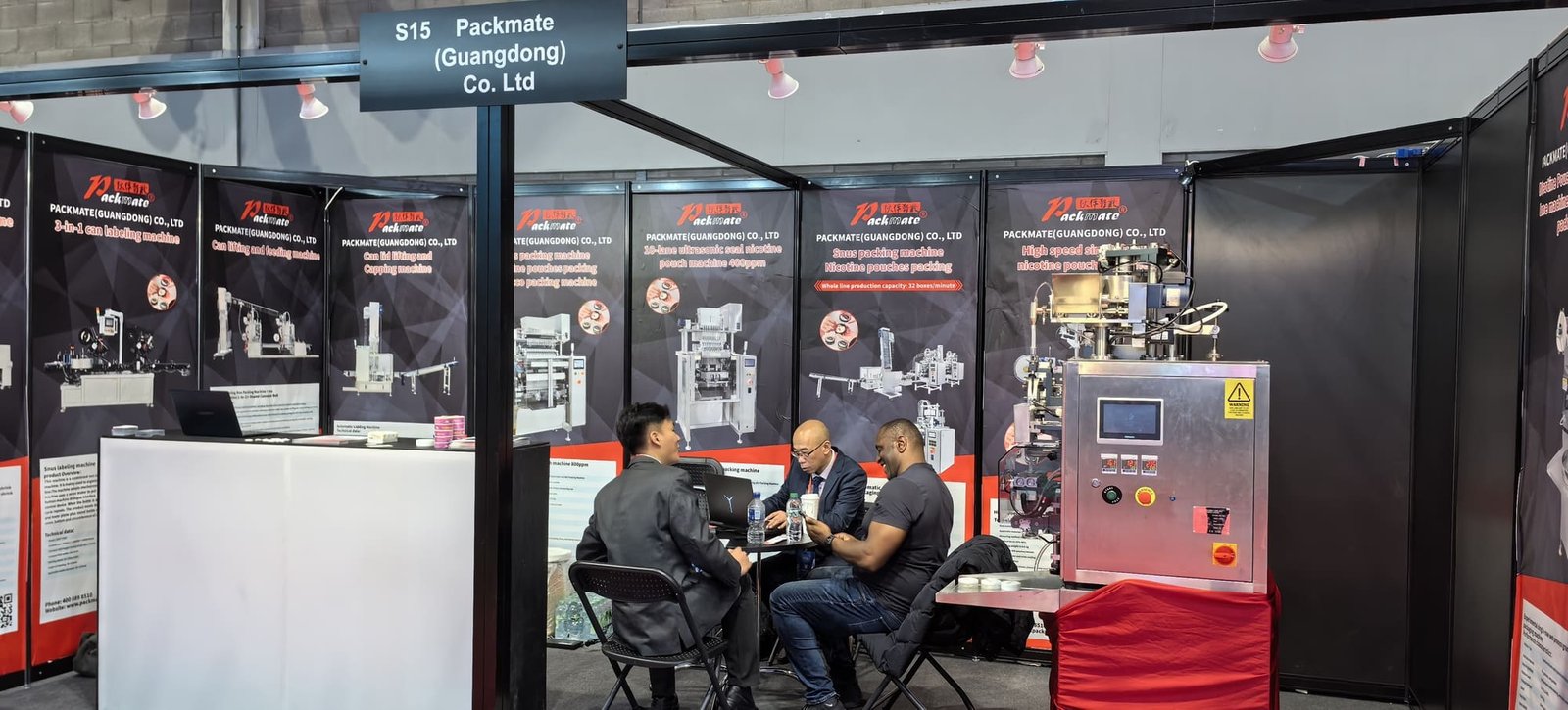
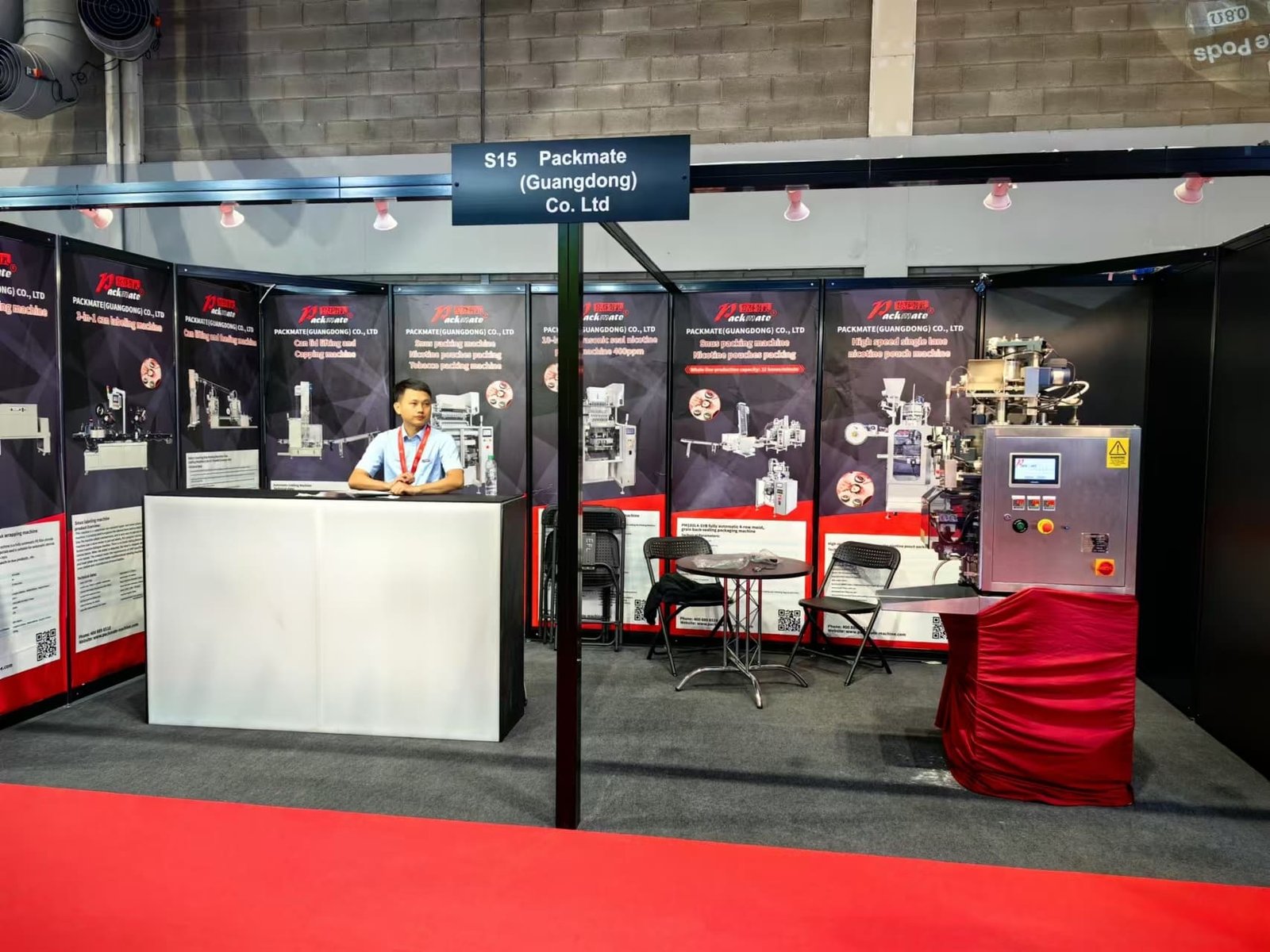
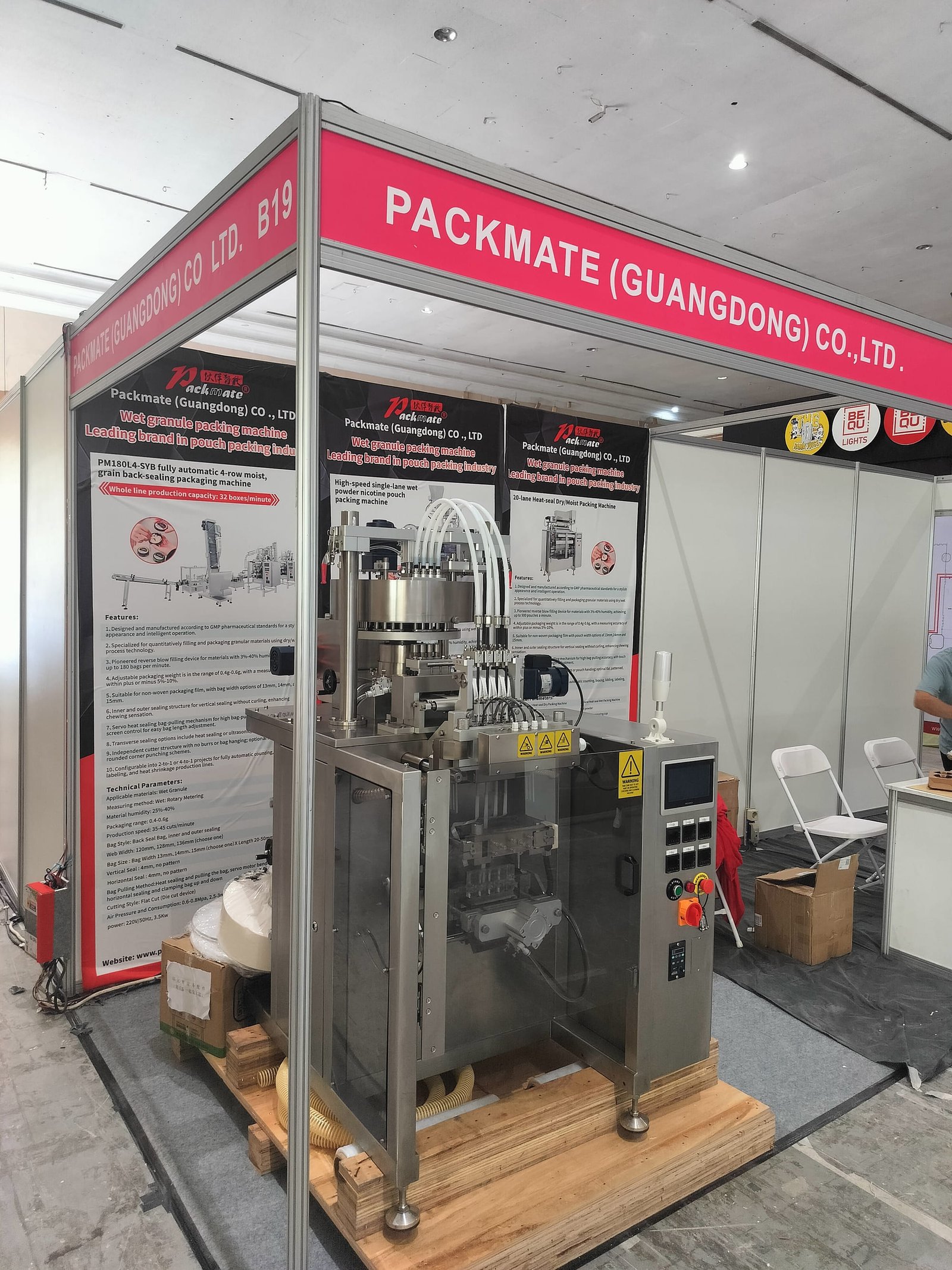
True quality manufacturers hold documented international certifications, maintain high-profile brand partnerships, and exhibit at premier global industrial trade shows.








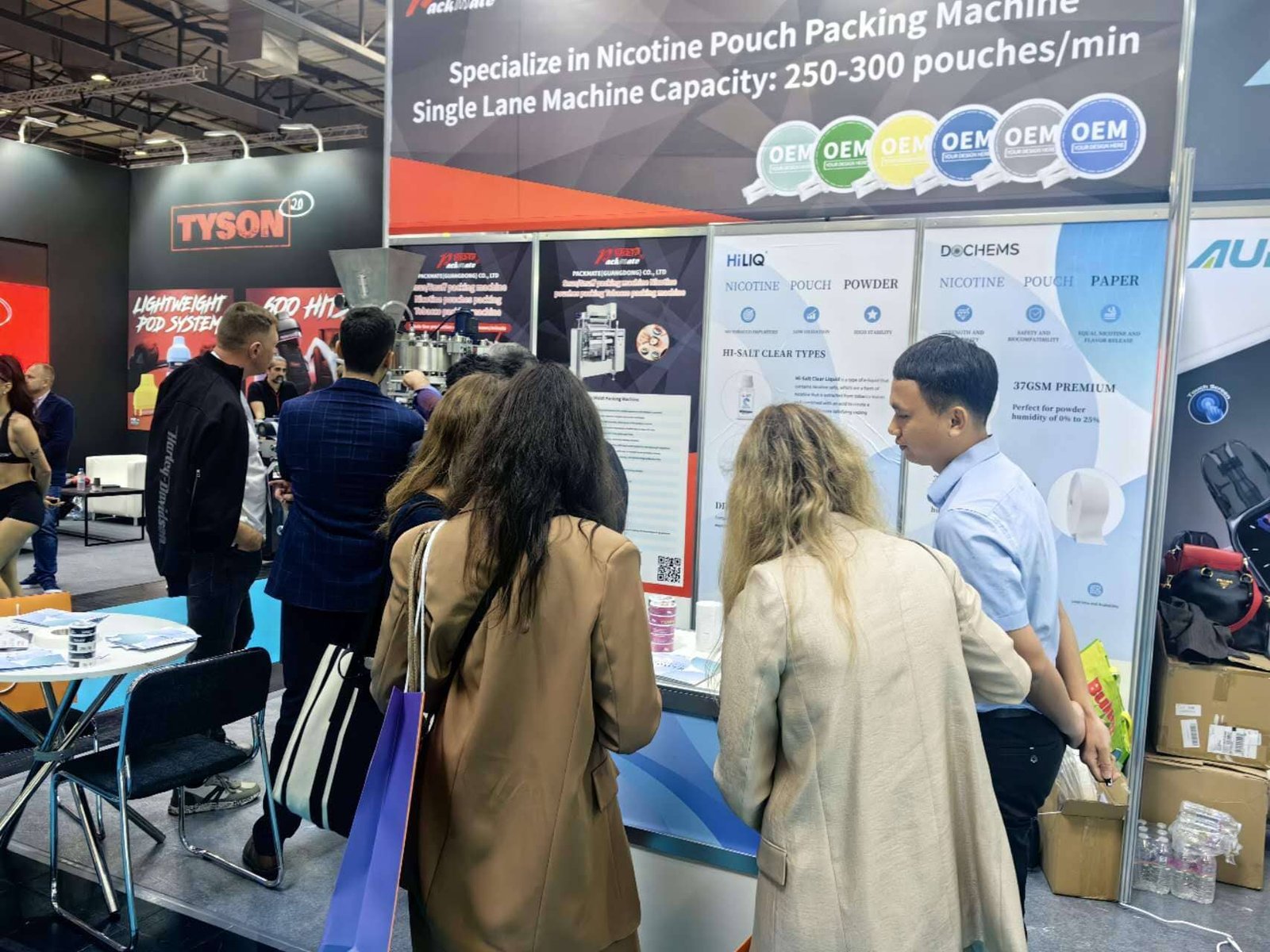
Evaluating Total Lifecycle Cost & Post-Installation Engineering
A reliable manufacturer designs packaging equipment with long-term wear resistance, modular changeover, and low maintenance complexity to protect your production margins.
The 10-Point Technical Sourcing Checklist for Procurement Teams
Before issuing a purchase order or signing a technical contract for multi-lane packaging machinery or complete production lines, ensure your engineering team has verified the following criteria:
- Structural Rigidity: Frame thickness ≥ 8-12mm stainless steel plates to eliminate high-speed harmonic resonance.
- Thermal Sealing Consistency: Independent PID temperature controllers across all sealing jaws with thermocouple feedback within ±1°C.
- Film Tracking Precision: Optical photocell or servo-driven web tension control handling multi-layer laminates, BOPP, and recyclable paper substrates.
- Sanitary Design (IP Rating): IP65 minimum rating for electrical enclosures, with tool-less quick-disconnect hoppers and conveyor belts.
- Component Interoperability: Non-proprietary PLC code allowing in-house line technicians to make parameter adjustments without vendor lockout.
- FAT Material Testing: Testing using your actual production bulk product and packaging films for at least 500 consecutive test cycles.
- Spare Parts Availability: Comprehensive 2-year wear parts kit (heating elements, cutter blades, suction cups, and thermistors) included at dispatch.
- Turnkey Engineering: Proven integration compatibility with upstream feeding equipment and downstream automated cartoning and casing.
- Remote Tele-Support: Secure Ethernet/VPN connectivity enabled for instant remote PLC troubleshooting and software updates.
- Traceable Industry Experience: Manufacturer history spanning over a decade with verified client installations in your specific sector.
Sector-Specific Engineering Requirements
A versatile machinery manufacturer customizes drive assemblies, dosing physics, and sealing profiles to match the specific physical and chemical demands of your industry.
Food & Beverage Packaging
High-speed stick pack and sachet systems equipped with nitrogen gas flushing to reduce residual oxygen levels below 2%, extending shelf-life for instant coffees, nutritional powders, and functional liquids.
Explore Food Machinery →Pharmaceutical & Healthcare
Strict cGMP-compliant designs featuring 316L contact stainless steel, full batch data tracking, anti-static powder feeders, HEPA air extraction, and comprehensive IQ/OQ validation protocols.
Explore Pharma Machinery →Cosmetics & Personal Care
Multi-lane sachet packaging engineered for high-viscosity creams, serums, and facial cleansers with zero-drip anti-stringing nozzles and custom shaped-sachet tooling.
Explore Cosmetic Machinery →Chemical & Agrochemical
Corrosion-resistant chassis construction, explosion-proof electrical enclosures, and dust-tight seals designed for packaging harsh fertilizers, descaling powders, and industrial additives.
Explore Chemical Machinery →Nicotine & Pouch Lines
Ultra-high-speed multi-lane portioning and non-woven ultrasonic sealing lines engineered for tobacco-free oral nicotine pouches, complete with can-filling and cartoning automation.
Explore Pouch Machinery →Pet Nutrition & Feed
Robust, heavy-duty bagging and multi-lane sachet lines designed to handle abrasive kibble granules, freeze-dried treats, probiotic feed powders, and semi-moist pet supplements.
Explore Pet Food Machinery →Frequently Asked Questions
Key insights into lead times, Factory Acceptance Testing protocols, and spare parts procurement when partnering with an industrial packaging equipment OEM.
How can I verify if a supplier is a real manufacturer or simply a trading broker?
What standard FAT (Factory Acceptance Testing) procedures should be required?
Why is standardizing on Tier-1 brand components critical for long-term operations?
What are the typical manufacturing lead times for customized packaging lines?
Upgrade Your Production Line with Verified Packaging Machinery
Partner directly with an established OEM offering over 30 years of engineering expertise, 50+ intelligent packaging machine models, and turnkey integration across food, pharmaceutical, and chemical industries worldwide.
