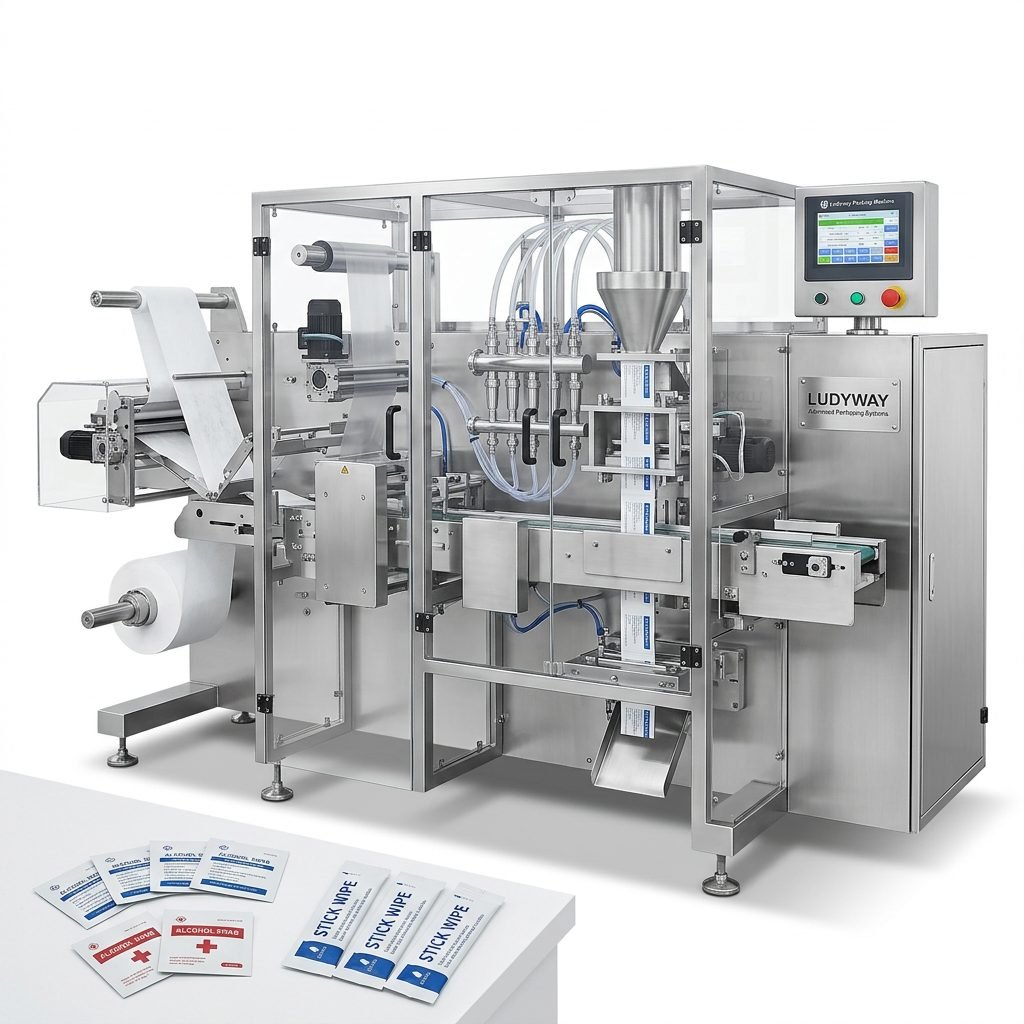
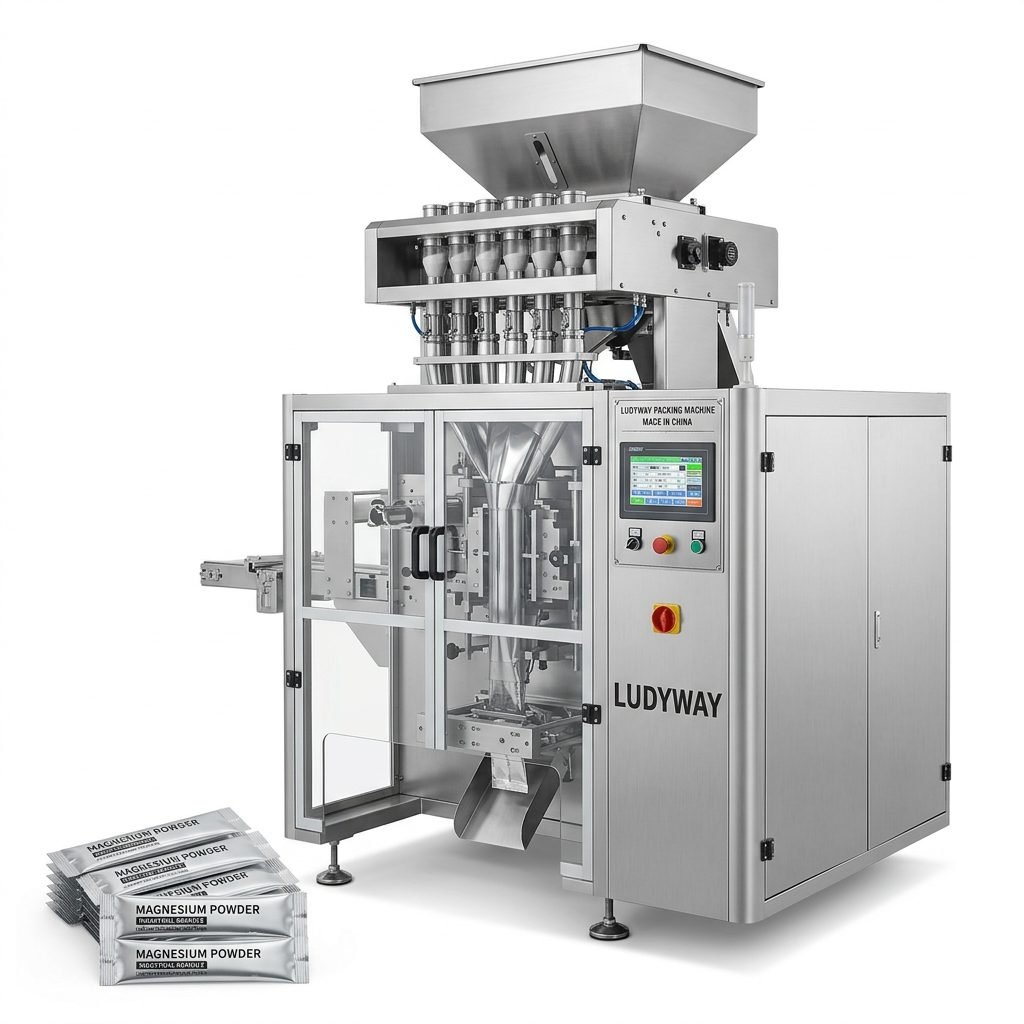
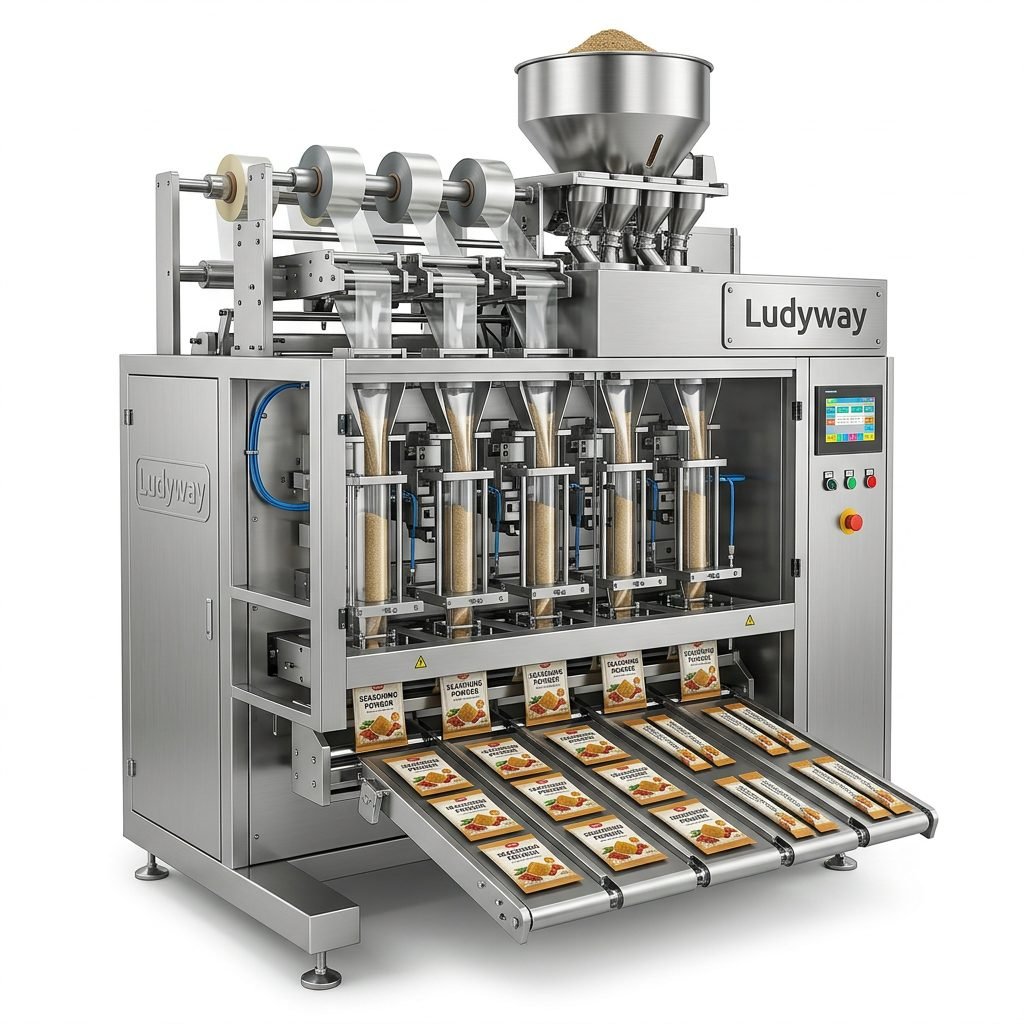
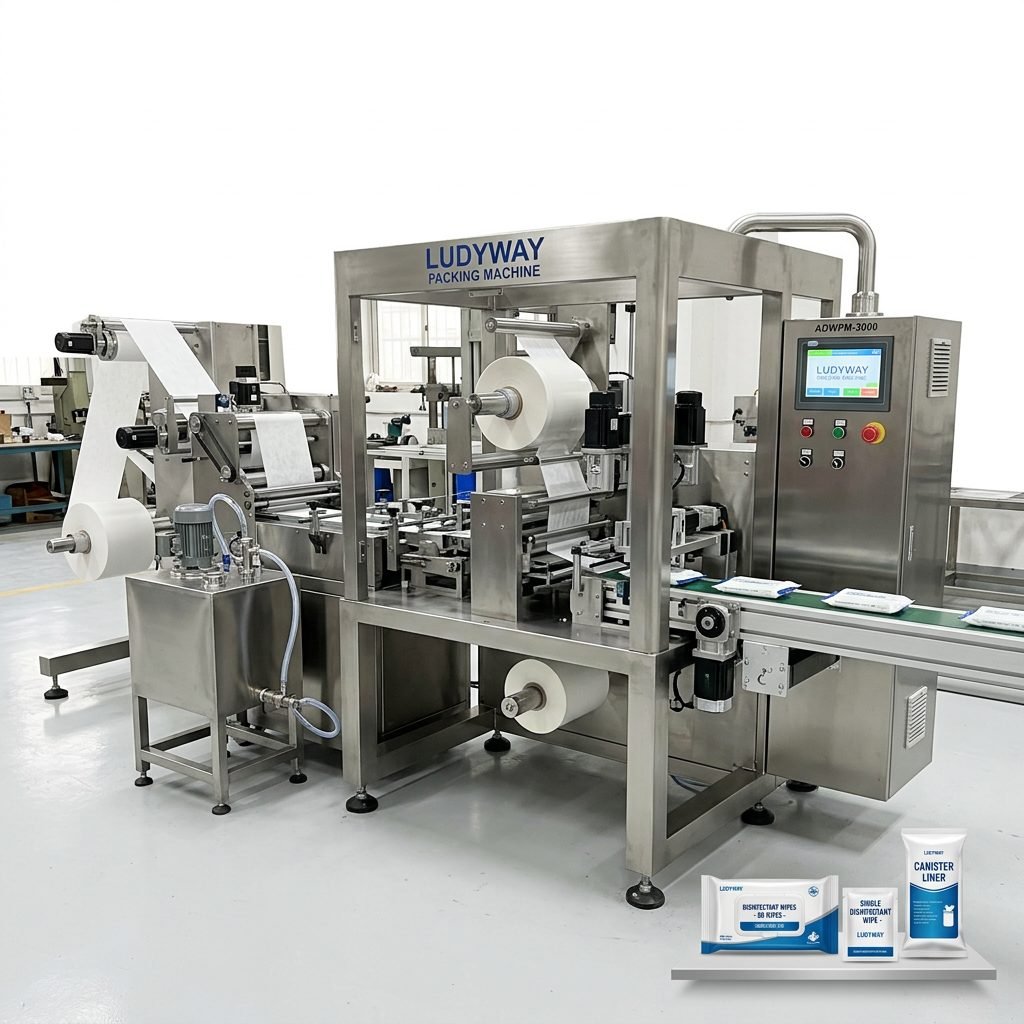
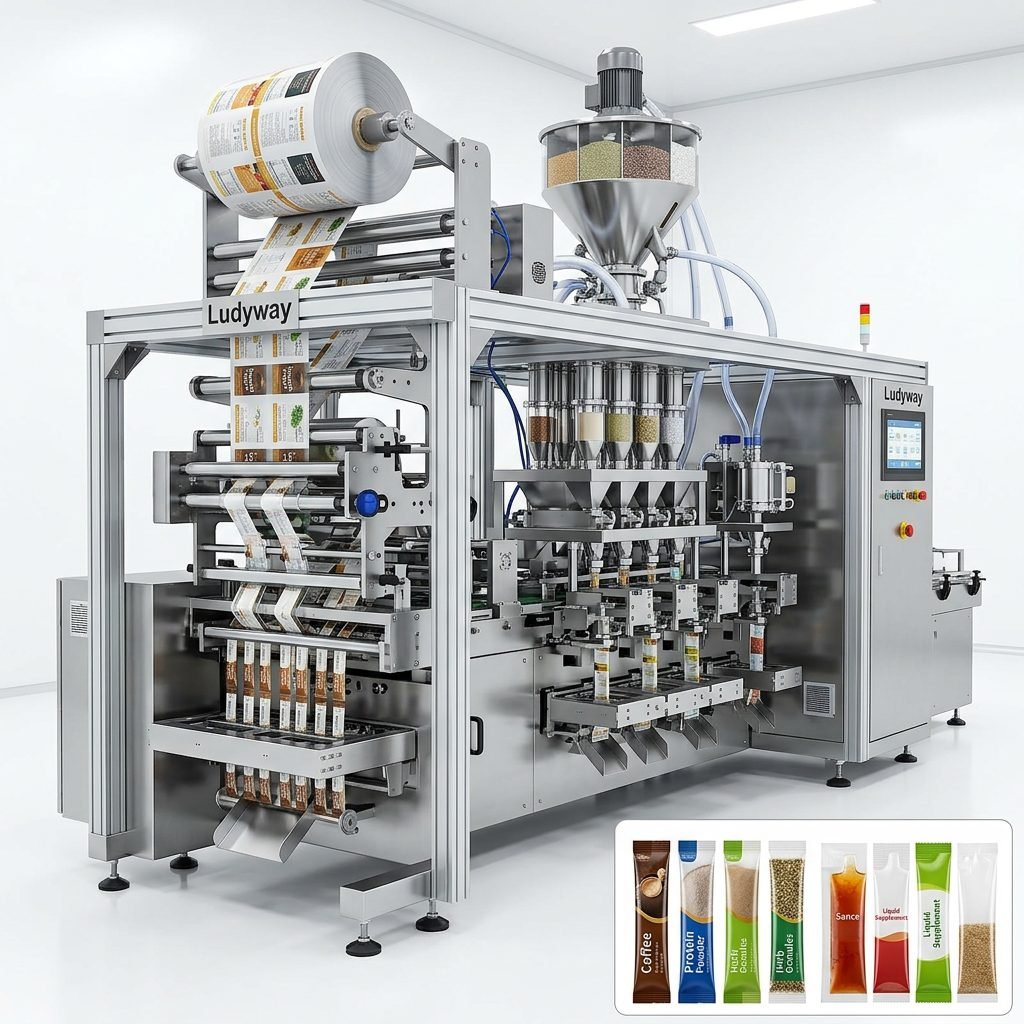
Regular maintenance of a 1-liter water bottle packing machine is essential to ensure consistent performance, extend equipment lifespan, and minimize costly downtime. Whether you are running a high-speed production line or a compact bottling operation, a structured maintenance routine helps prevent unexpected breakdowns and protects your investment in automated packaging technology.
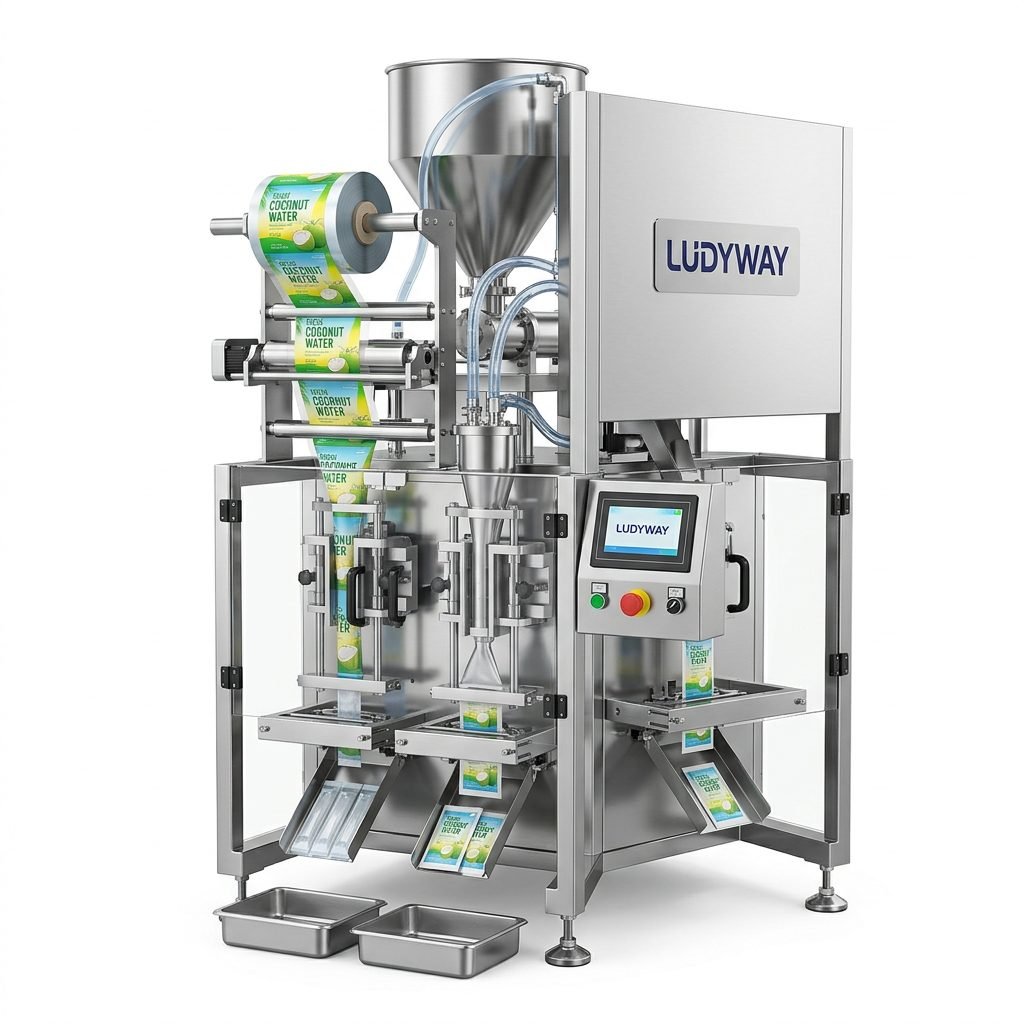
Why Preventive Maintenance Matters
A 1-liter water bottle packing machine integrates multiple subsystems—filling nozzles, capping stations, labeling modules, and conveyor mechanisms. Each component requires regular attention to maintain synchronization and output quality. Neglecting maintenance can lead to inaccurate fill levels, seal failures, and product contamination.
According to PMMI packaging industry research, proactive maintenance programs reduce unplanned downtime by up to 40% in food and beverage packaging environments. Implementing a disciplined schedule is the most cost-effective way to maximize operational efficiency.
Daily Maintenance Checklist
Daily tasks are critical for catching early signs of wear before they escalate. Operators should complete the following checks at the start and end of each shift:
- Inspect filling nozzles for residue buildup or drips that could affect fill accuracy
- Check conveyor belt tension and alignment to prevent bottle tipping during transfer
- Verify that all safety guards and emergency stop buttons are functional
- Clean the bottle sensing photoelectric sensors with a soft, lint-free cloth
- Examine air pressure gauges on pneumatic systems; confirm readings match manufacturer specifications
- Drain moisture from the compressed air filter to protect internal valves
Weekly Maintenance Tasks
Weekly procedures go deeper into mechanical and electrical systems. Set aside dedicated time for these inspections to prevent cumulative wear:
- Lubricate all moving mechanical joints, guide rails, and cam followers using food-grade grease where applicable
- Test the cap torque on randomly sampled bottles to ensure the capping head is properly calibrated
- Inspect seal integrity by performing a leak test on filled bottles
- Clean or replace air filters on electrical enclosures to prevent dust accumulation inside control panels
- Check wiring connections and tighten any loose terminals inside junction boxes
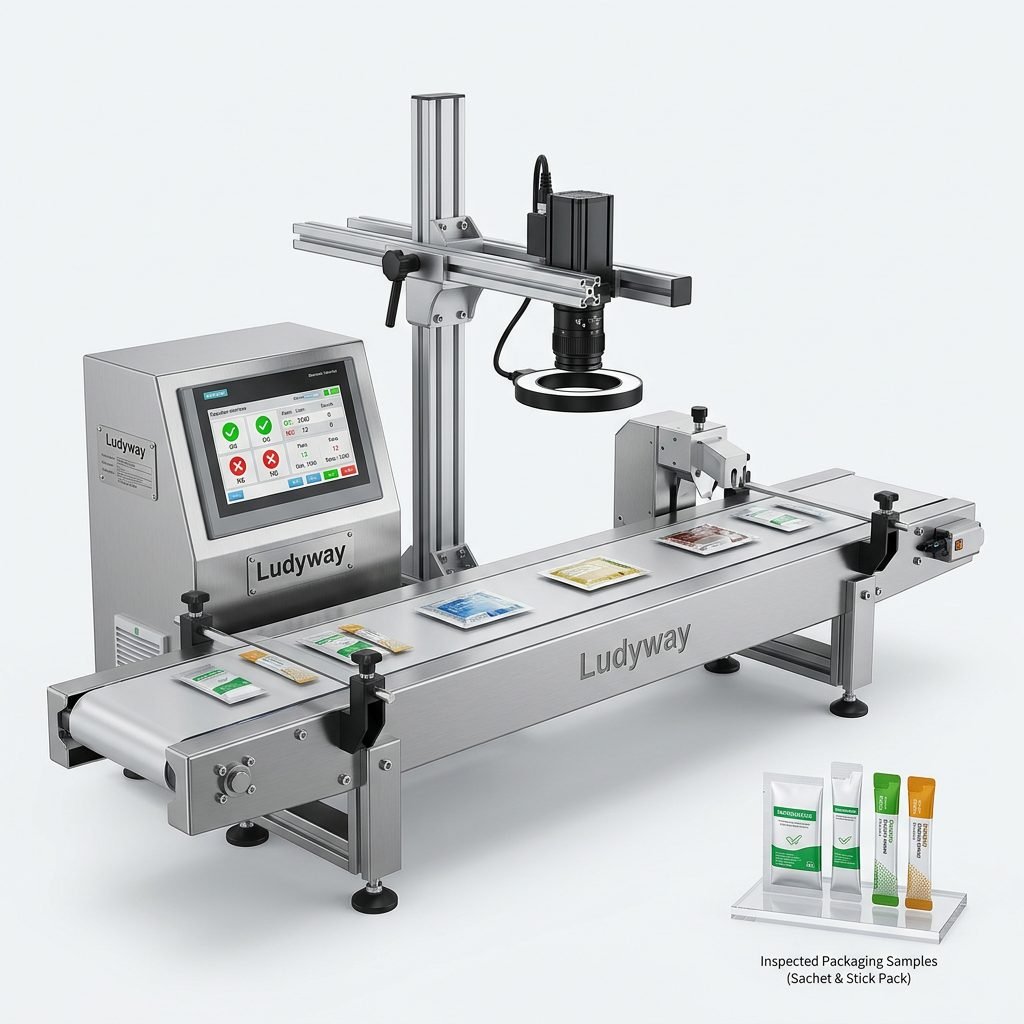
Monthly Maintenance Procedures
Monthly maintenance requires a more thorough evaluation of the machine’s core systems. Involve your maintenance technician or engineering team for these procedures:
- Perform a full calibration of the filling system, verifying volume accuracy across all filling heads
- Inspect and replace worn O-rings, gaskets, and seals on the filling valves to prevent micro-leaks
- Check the gearbox oil level and top up or replace according to the ISO packaging machinery standards recommendations
- Examine the labeling station for adhesive residue buildup and clean with approved solvents
- Run a full diagnostic on the PLC control system and back up all program parameters
- Test the emergency shutdown sequence to ensure all actuators respond within specified time limits
Quarterly and Biannual Deep Maintenance
Every three to six months, schedule comprehensive servicing that addresses wear components and system-level health:
Mechanical System Overhaul
- Replace timing belts that show signs of cracking or stretching
- Inspect bearing housings for play or unusual noise; replace bearings proactively
- Check sprocket alignment across the entire drive chain system
- Verify torque values on all critical fasteners using a calibrated torque wrench
Electrical and Control System Audit
- Test all sensors using reference targets to confirm detection accuracy
- Inspect cable insulation for cracks or heat damage
- Update PLC firmware if manufacturer updates are available
- Calibrate temperature sensors on heat-sealing components for consistent seal quality
Common Issues and Troubleshooting
Even with diligent maintenance, occasional issues arise. Below is a quick-reference table to help operators address common problems efficiently:
| Problem | Possible Cause | Recommended Action |
|---|---|---|
| Inconsistent fill levels | Worn filling valve seals or air in the product line | Replace valve seals; purge air from the filling circuit |
| Capping torque variation | Misaligned capping head or worn clutch mechanism | Realign capping spindle; replace clutch if slipping |
| Bottle jamming on conveyor | Worn guide rails or incorrect belt speed | Adjust guide rail width; synchronize belt speed with filler output |
| Label misalignment | Dirty labeling head or sensor calibration drift | Clean applicator head; recalibrate label sensor position |
| Excessive noise during operation | Dry bearings or loose mounting bolts | Lubricate bearings; tighten all mounting hardware |
Cleaning and Sanitation Best Practices
For water bottling applications, hygiene is paramount. Contaminants can compromise product quality and lead to regulatory issues:
- Use food-grade cleaning agents approved for beverage equipment
- Flush the filling system with sanitizing solution at the end of each production run
- Remove and soak filling nozzles weekly to dissolve mineral deposits
- Keep the surrounding production area free of dust and debris that could enter open bottles
- Document all sanitation activities for FDA compliance and audit readiness

Lubrication Guidelines
Proper lubrication is one of the most overlooked yet critical aspects of packing machine maintenance. Follow these guidelines to protect moving parts:
- Apply food-grade H1 lubricant to all components that may contact the product zone
- Lubricate linear bearings every 40 operating hours under normal production conditions
- Use manufacturer-recommended grease for gearboxes—mixing incompatible greases can cause seal damage
- Keep a maintenance log tracking lubrication dates, types used, and component locations
- Over-lubrication can attract dust; apply sparingly and wipe away excess
Spare Parts Inventory Management
Stocking critical spare parts minimizes downtime when components fail unexpectedly. Based on industry experience and guidance from companies like Ludyway, a leading packaging machine manufacturer, the following items should always be on hand:
- Filling valve seals and O-ring kits
- Capping head clutch assemblies
- Conveyor belt sections and splicing clips
- Photoelectric sensor replacements
- Pneumatic cylinder seal kits
- PLC backup battery modules
- Heater cartridges for sealing jaws
Maintenance Schedule Summary Table
Use the following schedule as a reference to organize your maintenance program. Adjust intervals based on production volume and environmental conditions:
| Frequency | Maintenance Activity | Responsible Personnel |
|---|---|---|
| Daily | Nozzle inspection, sensor cleaning, air filter drain, safety checks | Machine Operator |
| Weekly | Lubrication, cap torque testing, leak testing, electrical enclosure filter cleaning | Maintenance Technician |
| Monthly | Full calibration, seal replacement, gearbox oil check, PLC backup | Senior Technician / Engineer |
| Quarterly | Belt and bearing inspection, drive chain alignment, sensor diagnostics | Engineering Team |
| Biannually | Comprehensive system overhaul, firmware updates, full electrical audit | Engineering Team / OEM Support |
Documentation and Record Keeping
Maintaining detailed records is essential for ISO 11607 compliance and continuous improvement. Document every maintenance activity, including:
- Date and time of service performed
- Parts replaced and their serial or batch numbers
- Technician name and signature
- Calibration results and any adjustments made
- Observations that may indicate emerging issues
Digital maintenance management systems can streamline this process and provide predictive analytics for proactive decision-making.
Training Your Team for Effective Maintenance
Even the best maintenance plan fails without properly trained personnel. Invest in regular training that covers:
- Correct disassembly and reassembly of filling and capping modules
- Safe lockout-tagout procedures before any maintenance work begins
- Interpretation of error codes and diagnostic indicators on the HMI panel
- Proper handling and storage of spare parts to prevent contamination or damage
- Hygiene protocols specific to water bottling operations
By following these essential maintenance tips, you can significantly extend the service life of your 1-liter water bottle packing machine while maintaining consistent output quality. A well-maintained machine not only reduces operational costs but also ensures that every bottle meets the highest standards of fill accuracy and seal integrity. For further guidance on packaging equipment best practices, consult industry resources and work closely with your equipment supplier to tailor maintenance schedules to your specific production environment.