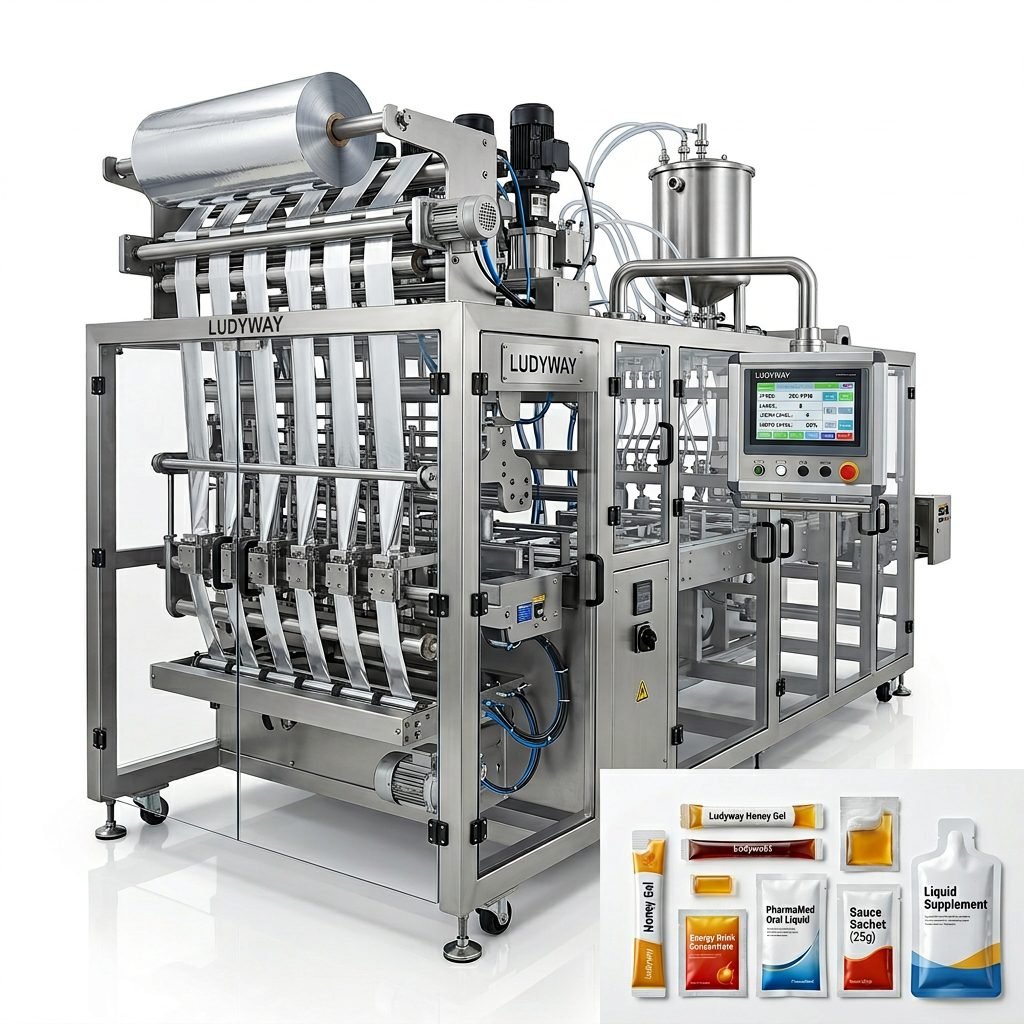
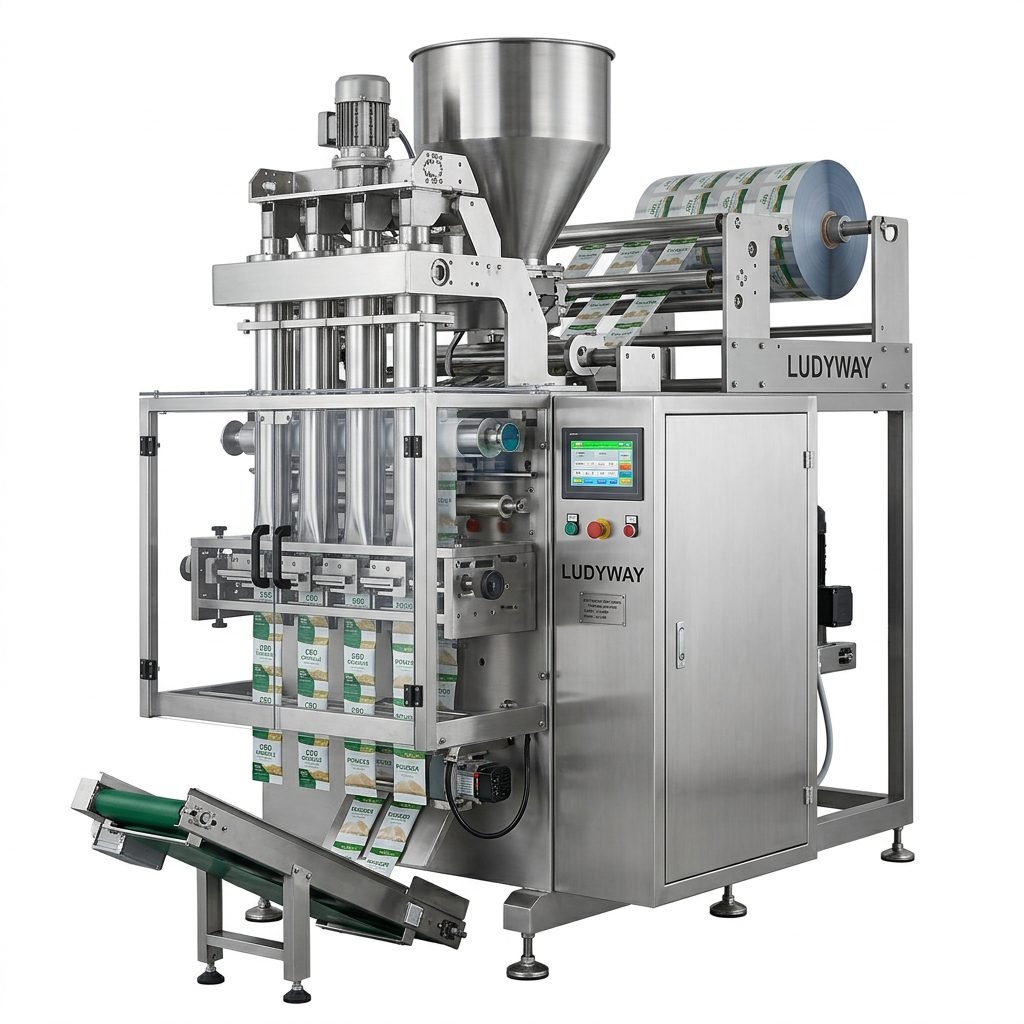
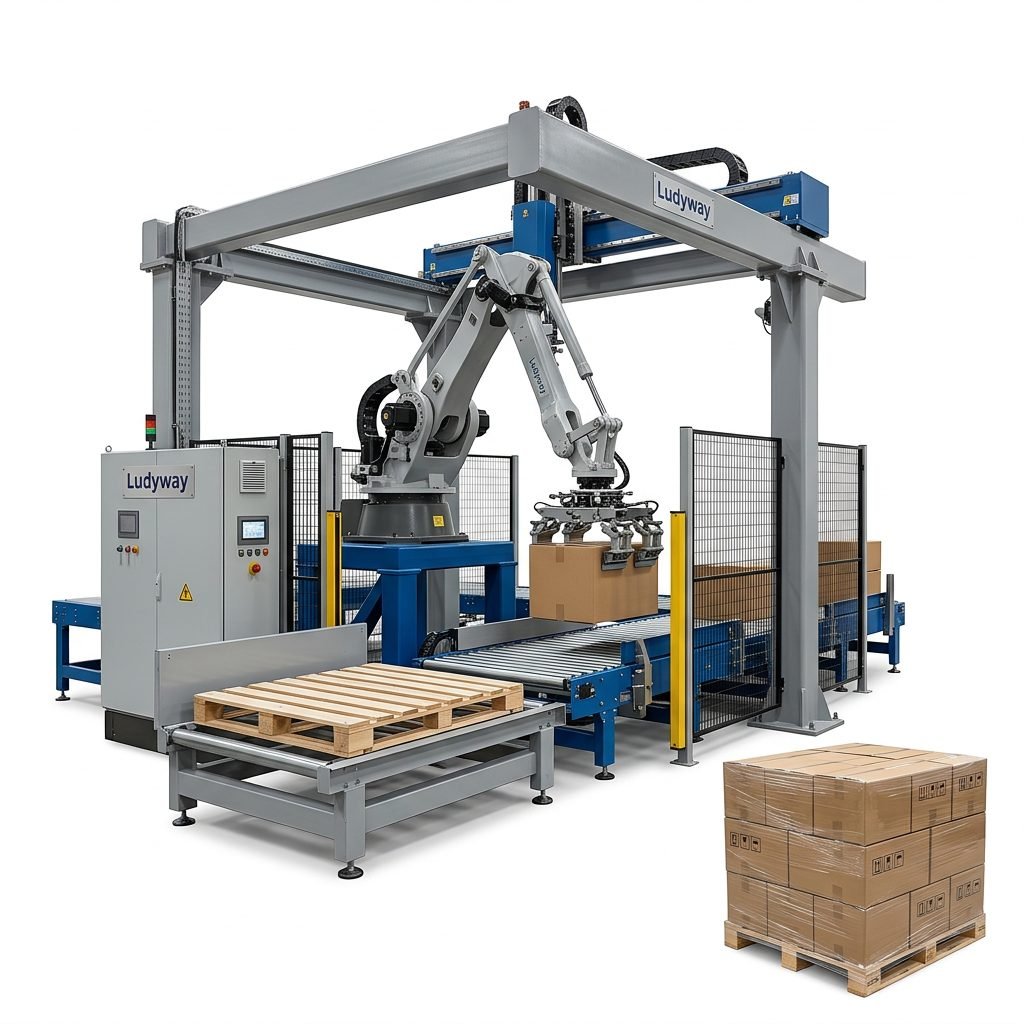
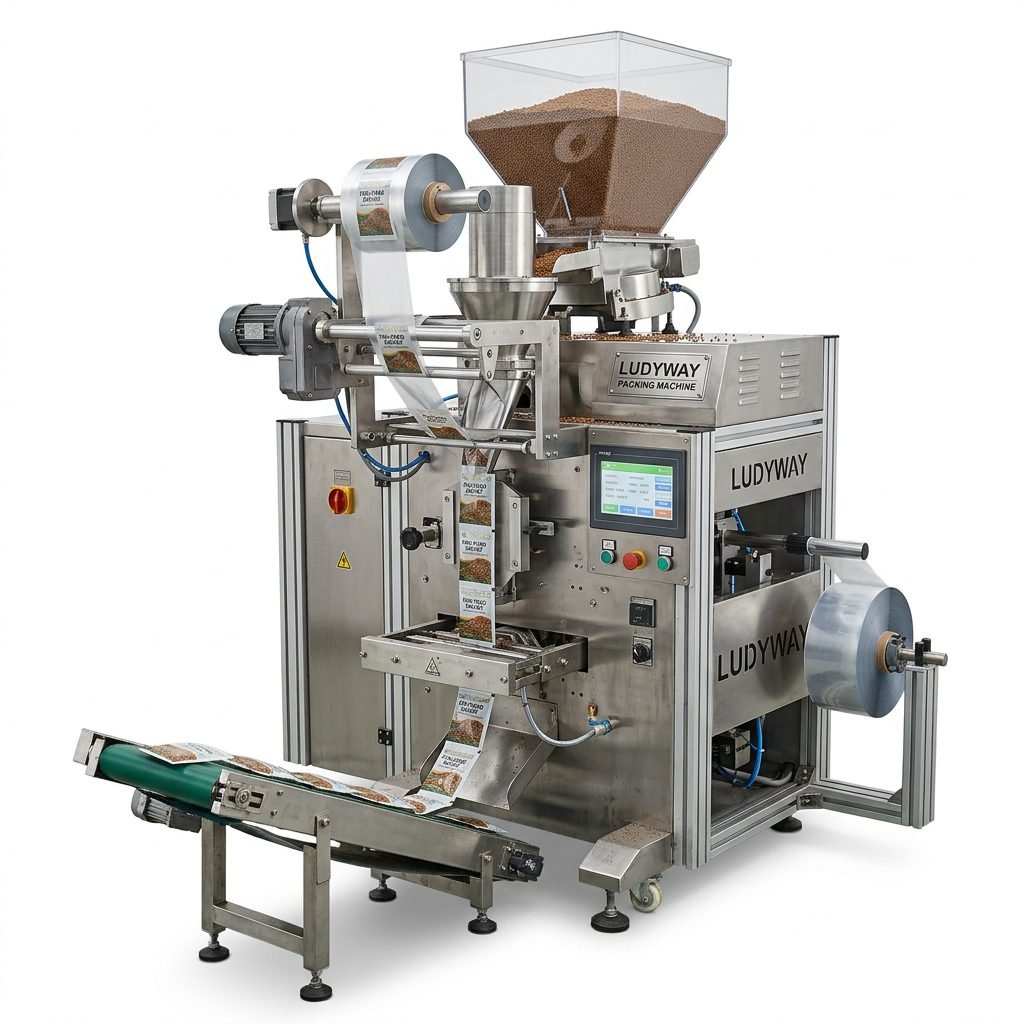
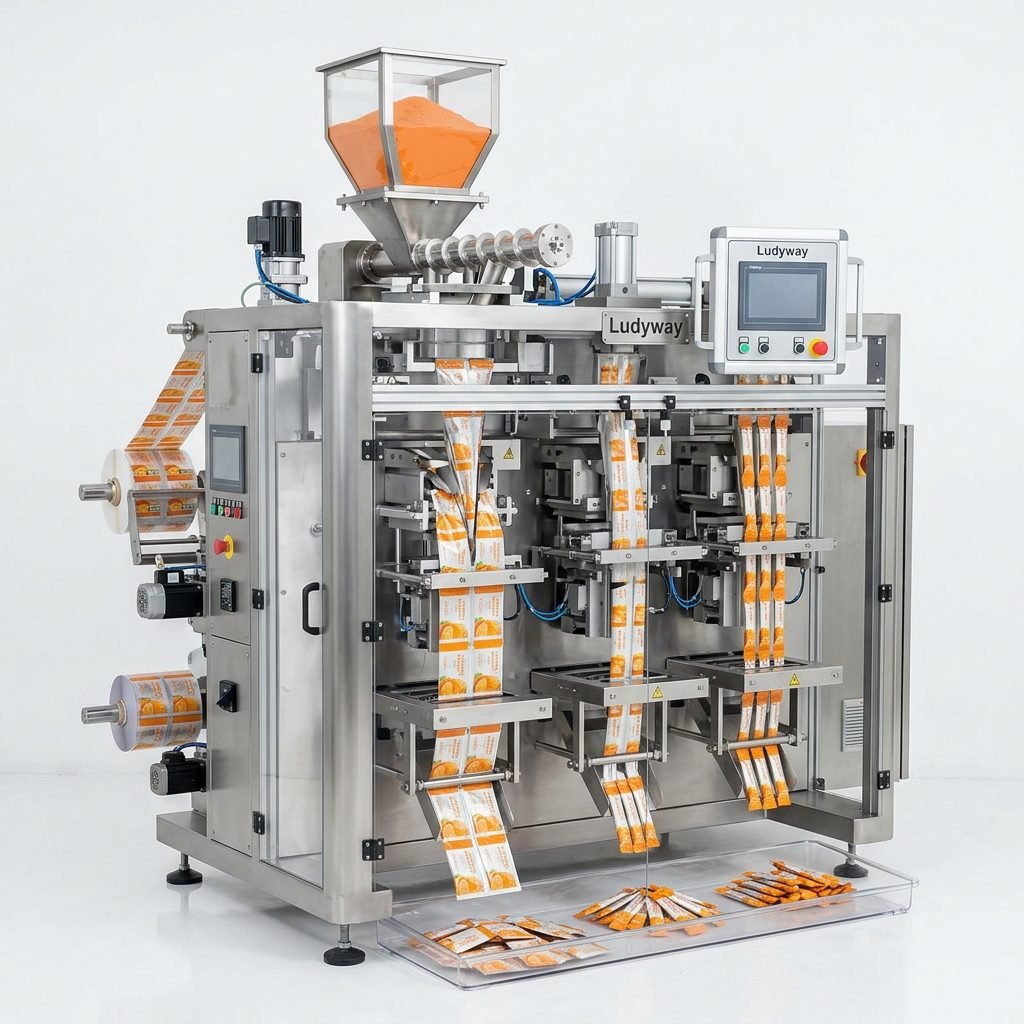
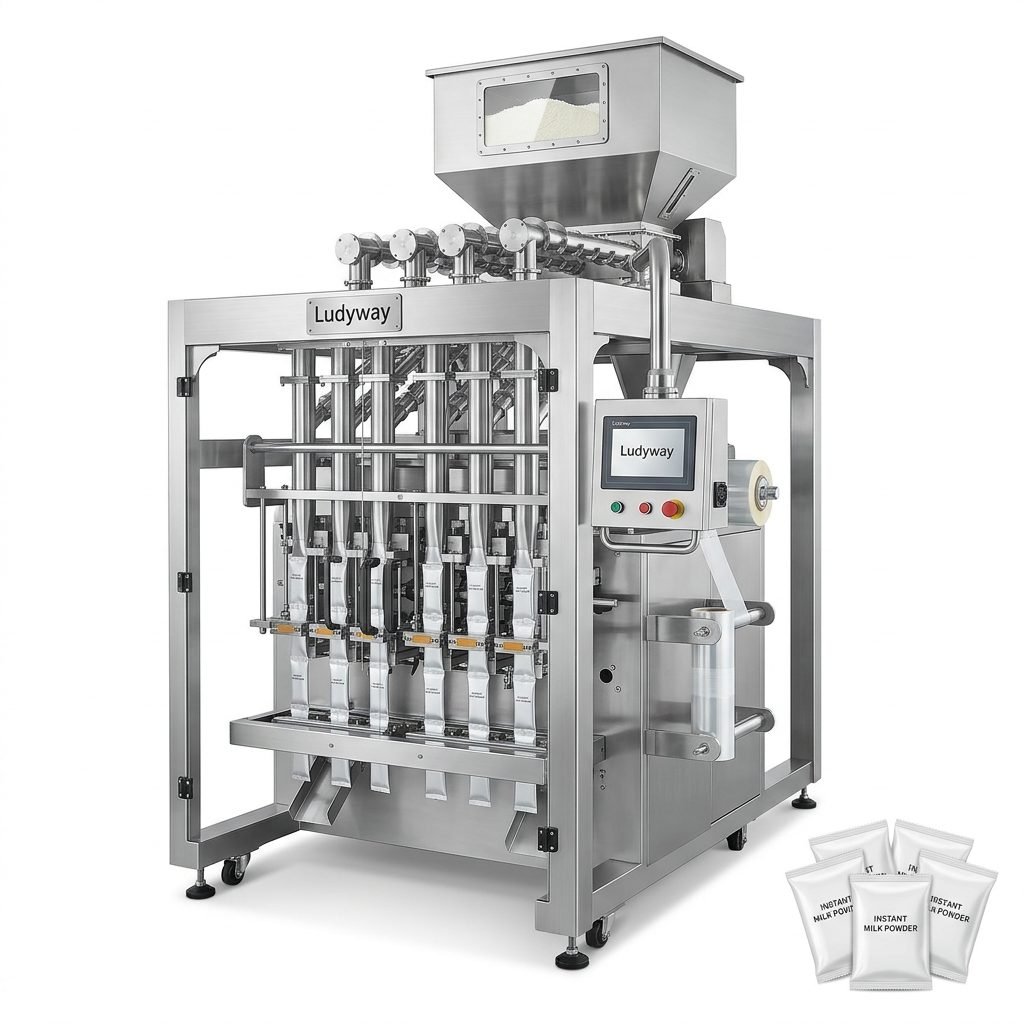
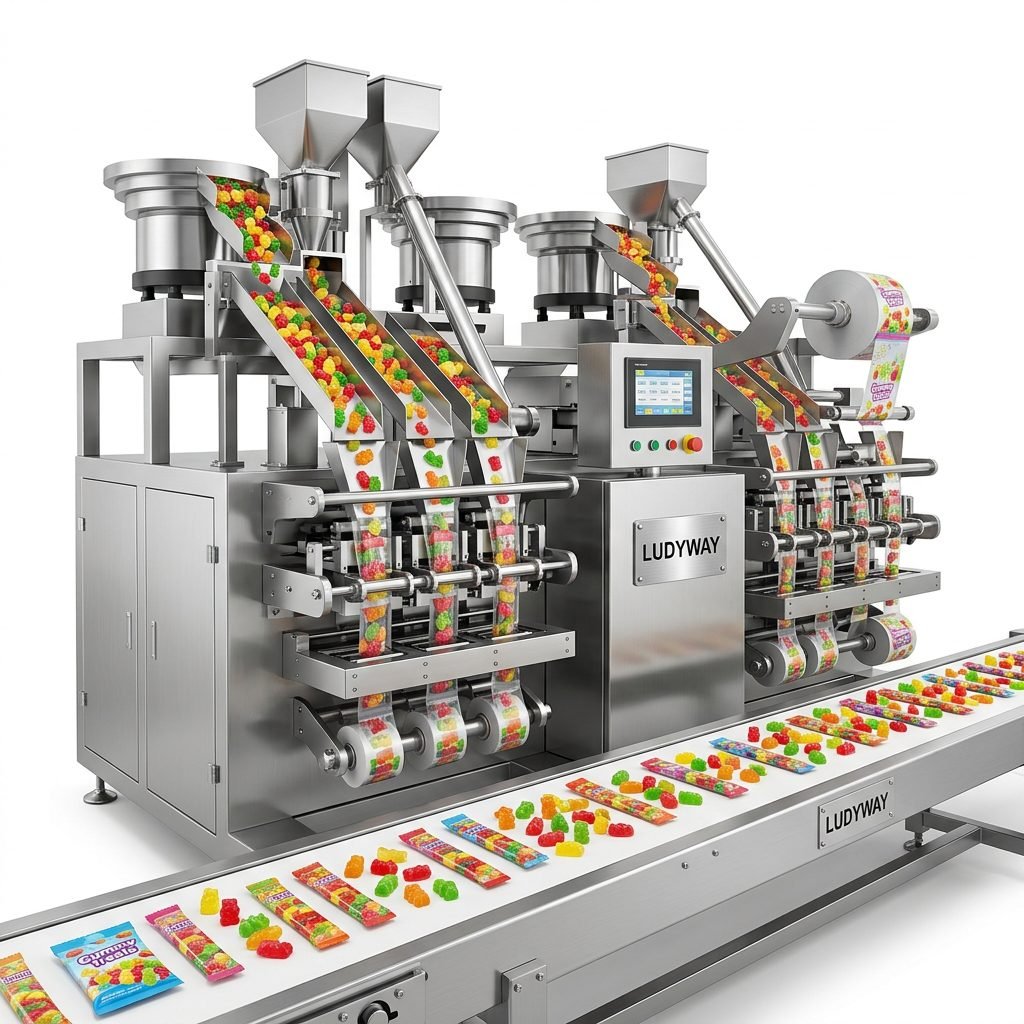
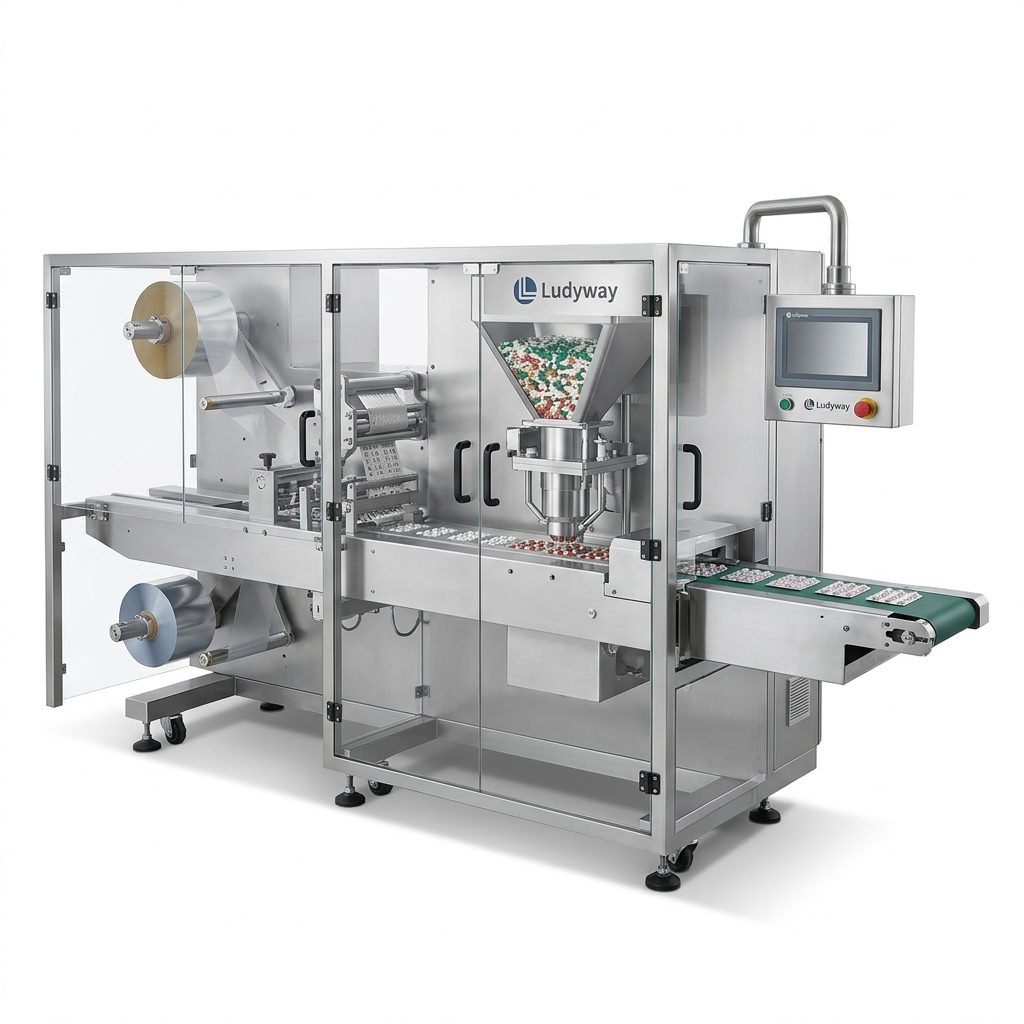
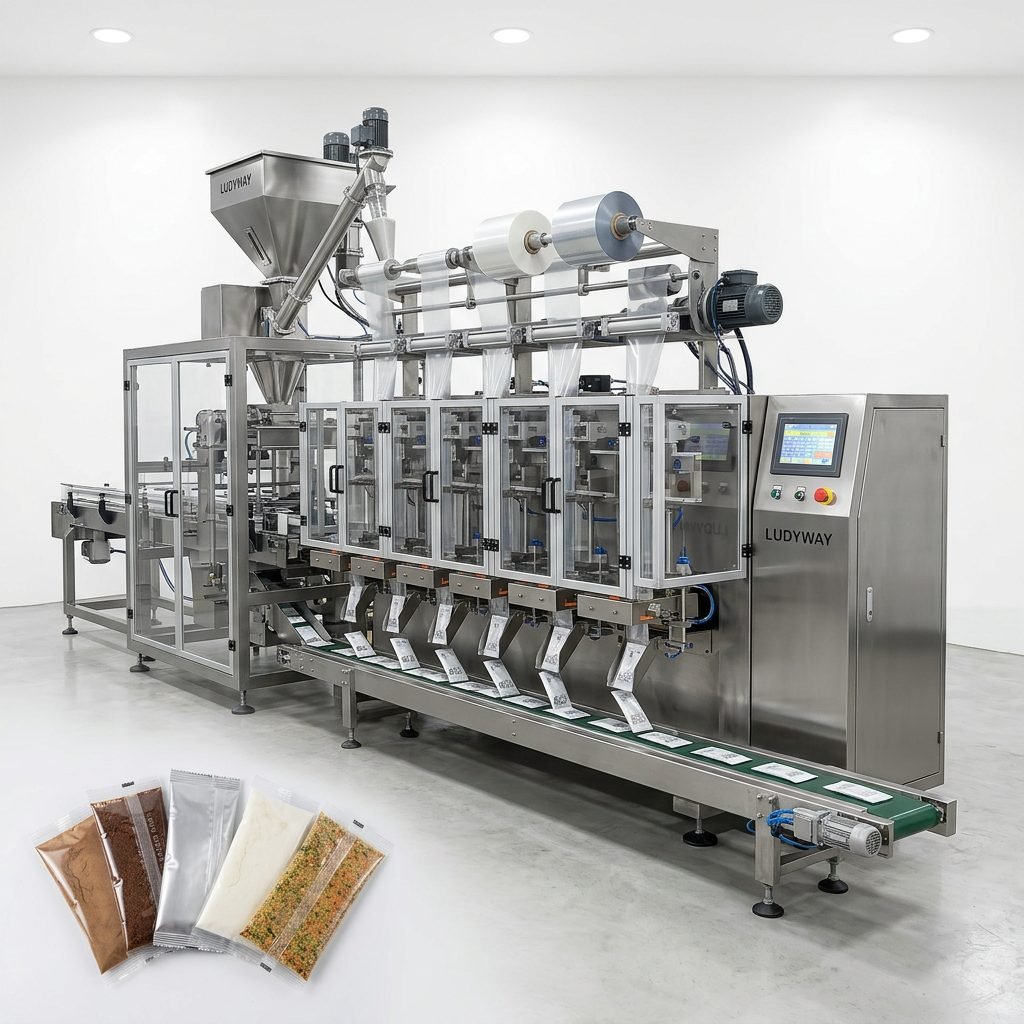
Regular and proper maintenance of your box strapping machine is one of the most effective ways to maximize uptime, reduce repair costs, and ensure consistent package security across your production line. Whether you are running a semi-automatic strapper or a fully integrated box packing machine system, a structured care routine can significantly extend equipment life and prevent unexpected failures during peak production periods.
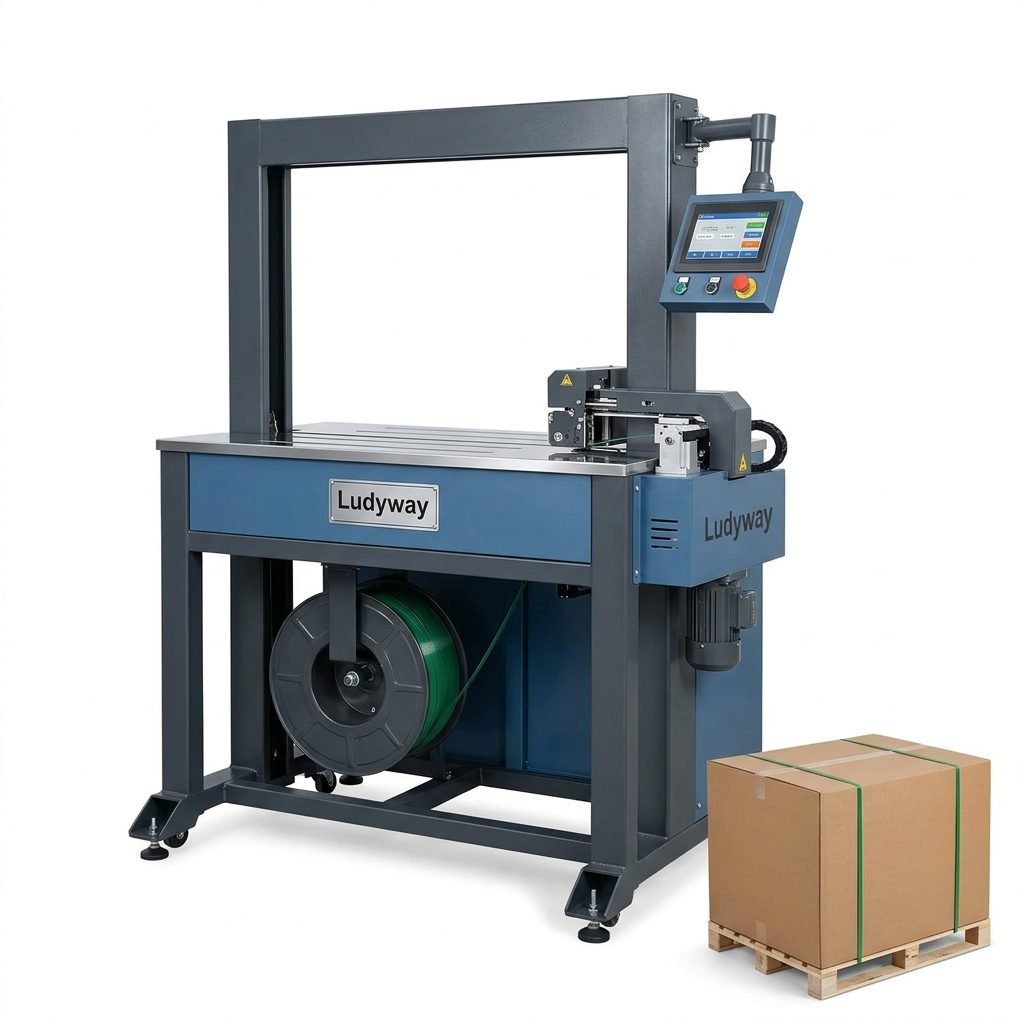
Why Box Strapping Machine Maintenance Matters
A poorly maintained strapping machine can lead to a cascade of problems: loose straps, damaged packages, inconsistent tension, and even complete machine jams that halt your packaging line. According to industry data from PMMI packaging machinery research, proactive equipment maintenance can reduce unplanned downtime by up to 45% in high-volume packaging environments. For any box packing machine, the cost of neglect always outweighs the investment in routine care.
Daily Maintenance Checklist for Strapping Machines
Implementing a daily inspection routine is the foundation of effective box strapping machine care. These quick checks take only minutes but can prevent hours of lost production time.
Visual Inspection Before Each Shift
- Inspect the strap feed path for any debris, dust, or adhesive residue that could obstruct smooth strap movement.
- Check the strap coil alignment and ensure the coil is seated correctly on the dispenser spindle.
- Verify that all safety guards and covers are properly in place and secure.
- Examine pneumatic hoses and electrical cables for signs of wear, cracks, or loose connections.
- Look for any oil or grease leaks around the tensioning and sealing mechanisms.
Strap Quality Verification
- Confirm you are using the correct strap width and thickness as specified for your box packing machine model.
- Check strap material integrity — look for brittleness, discoloration, or inconsistent texture that may indicate storage issues.
- Ensure strap coil tension is uniform; uneven winding can cause feed problems during operation.
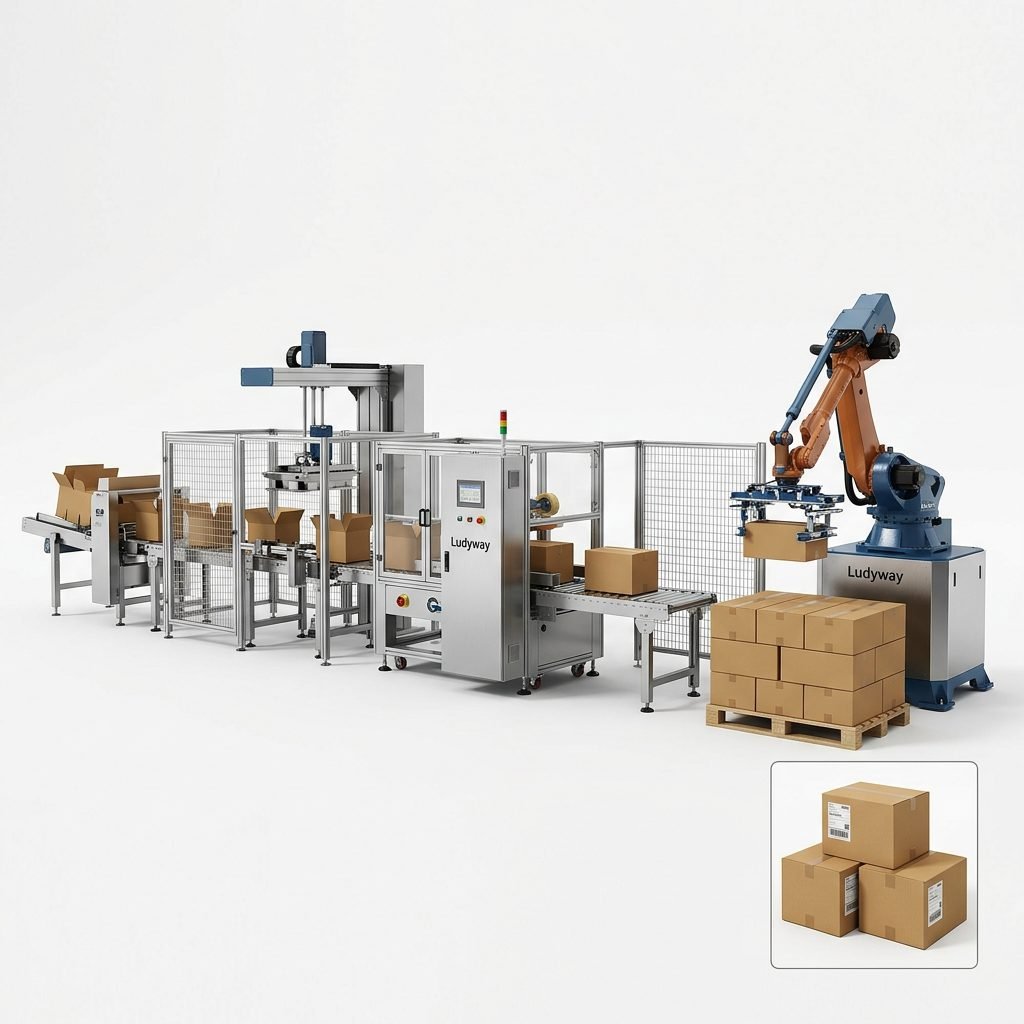
Weekly Cleaning and Lubrication Procedures
Deep cleaning is essential for any box strapping machine operating in dusty or high-throughput environments. Accumulated debris is one of the leading causes of tension inconsistency and sealing failures.
Cleaning the Strap Path
- Use compressed air to blow out dust and small particles from the strap track, guide rollers, and feed wheels.
- Wipe down all guide surfaces with a clean, lint-free cloth and a mild degreasing solution.
- Remove any melted plastic residue from the sealing head using a non-abrasive scraper designed for hot surfaces.
- Clean optical sensors and reflectors with isopropyl alcohol to maintain accurate strap positioning detection.
Key Lubrication Points
- Apply manufacturer-recommended lubricant to the tensioner cam bearings and pivot points.
- Lubricate the cutter blade mechanism sparingly — excess oil can transfer to the strap and compromise seal quality.
- Grease all chain drives and gear mechanisms according to the maintenance schedule specified in your equipment manual.
- Oil the pneumatic cylinder rods with a light machine oil to prevent seal degradation.
Critical Component Care and Adjustment
Several core components of a box strapping machine require periodic attention to maintain optimal performance. Focusing on these areas will yield the greatest return in machine reliability.
Tensioner Assembly
The tensioner is the heart of your box packing machine. Improper tension leads to either package damage from over-tightening or load instability from loose straps. Check the tensioner rollers for smooth rotation and inspect the tension spring for fatigue. Calibrate tension settings monthly using a tension meter to ensure consistency across all package types.
Sealing Head
For heat-seal systems, the sealing element temperature must be precisely controlled. A variance of just 10°C can result in weak seals or burnt straps. Clean the heating element surface weekly and verify temperature calibration every quarter. For friction-weld systems, inspect the vibration mechanism for proper oscillation frequency and amplitude.
Cutter Blade
A dull cutter blade produces frayed strap ends that jam the feed system and create unreliable seals. Inspect blade sharpness every two weeks and replace or sharpen as needed. Always keep a spare blade on hand to minimize downtime during replacement.
Feed Mechanism and Guide Rollers
Worn guide rollers can cause strap misalignment, leading to jams and crooked seals. Check all rollers for bearing noise and surface wear monthly. Replace any roller showing visible grooves or pitting.
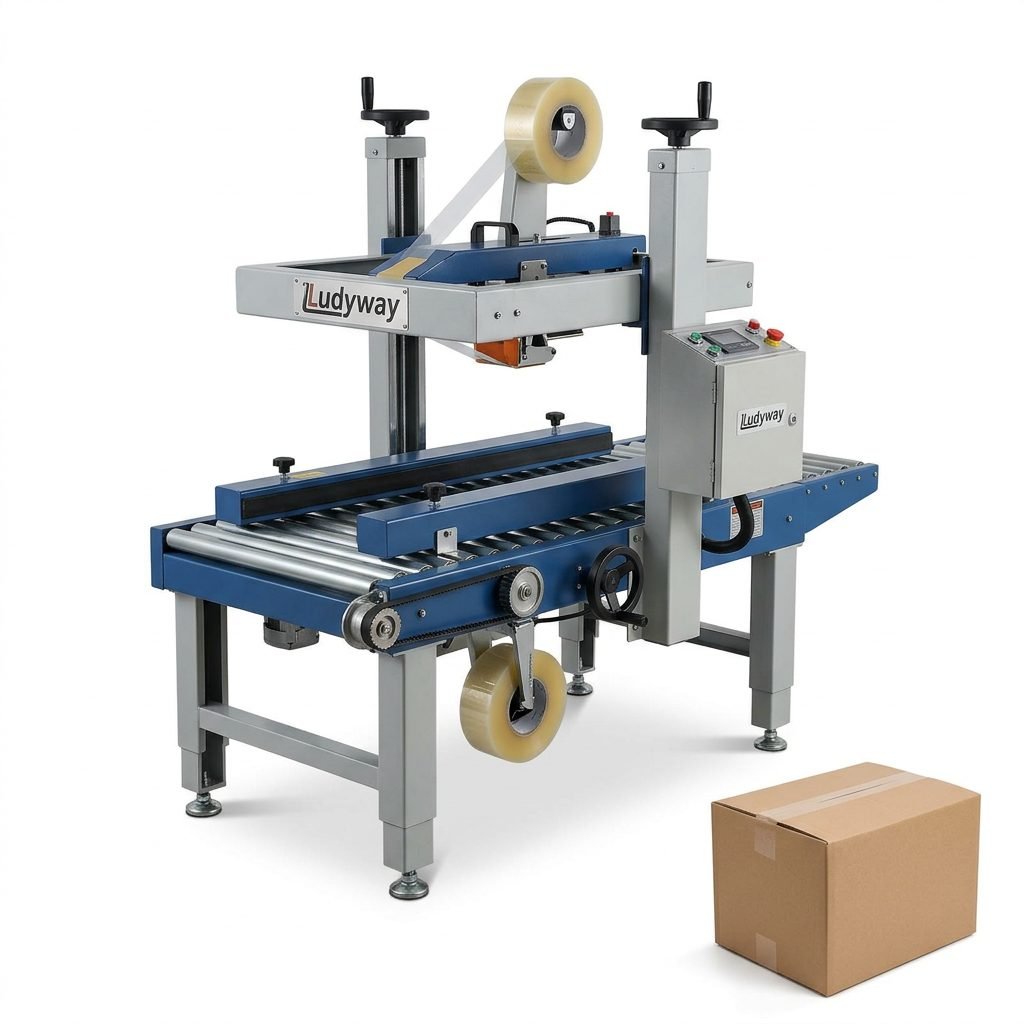
Maintenance Schedule Overview
Following a structured maintenance calendar ensures that no critical task is overlooked. Below is a recommended schedule for a typical box strapping machine operating in a standard production environment.
| Interval | Maintenance Task | Responsible Role |
|---|---|---|
| Daily | Visual inspection, strap path cleaning, sensor check | Machine Operator |
| Weekly | Deep cleaning, lubrication, blade inspection | Maintenance Technician |
| Monthly | Tension calibration, roller and bearing inspection | Maintenance Technician |
| Quarterly | Full mechanical inspection, electrical system check, heater calibration | Senior Technician / Engineer |
| Annually | Complete overhaul, worn parts replacement, control system update | Engineering Team / Service Provider |
Common Box Strapping Machine Issues and Troubleshooting
Even with diligent maintenance, occasional issues may arise. Understanding common problems and their solutions helps operators respond quickly and minimize downtime.
Strap Jamming in Feed Path
- Likely Cause: Debris in the guide track, misaligned coil, or worn guide rollers.
- Solution: Clean the entire feed path thoroughly, realign the coil, and inspect rollers for wear. Replace damaged guide components immediately.
Inconsistent Tension
- Likely Cause: Worn tensioner components, incorrect settings, or fluctuations in air pressure (for pneumatic systems).
- Solution: Calibrate tension settings, check pneumatic supply pressure stability, and inspect the tensioner assembly for mechanical wear.
Weak or Failed Seals
- Likely Cause: Incorrect heater temperature, dirty sealing head, dull cutter blade, or incompatible strap material.
- Solution: Verify temperature settings, clean the sealing surface, sharpen or replace the cutter, and confirm strap material compatibility with your machine specifications.
Excessive Machine Vibration or Noise
- Likely Cause: Loose mounting bolts, worn bearings, misaligned drive components, or insufficient lubrication.
- Solution: Tighten all fasteners, lubricate moving parts, inspect bearings for wear, and realign drive chains and gears as needed.
Safety Precautions During Maintenance
Safety must always be the top priority when servicing any box packing machine. Following proper lockout/tagout procedures and wearing appropriate personal protective equipment protects your team and ensures compliance with workplace safety regulations. Resources from the Flexible Packaging Association knowledge hub offer additional guidance on packaging equipment safety standards and best practices.
- Always disconnect power and air supply before performing any maintenance task.
- Use proper lockout/tagout (LOTO) procedures as mandated by your facility safety policy.
- Allow the sealing head to cool completely before cleaning or inspecting hot surfaces.
- Wear cut-resistant gloves when handling blades and safety glasses when using compressed air.
- Never bypass safety interlocks or guards during operation or testing.
Training Operators for Preventative Care
Your machine operators are the first line of defense in box strapping machine maintenance. Well-trained operators can identify early warning signs before they escalate into major failures. Invest in regular training sessions covering daily inspection procedures, proper cleaning techniques, and basic troubleshooting skills. Document all training and maintain clear standard operating procedures accessible at each machine station.
When to Call for Professional Service
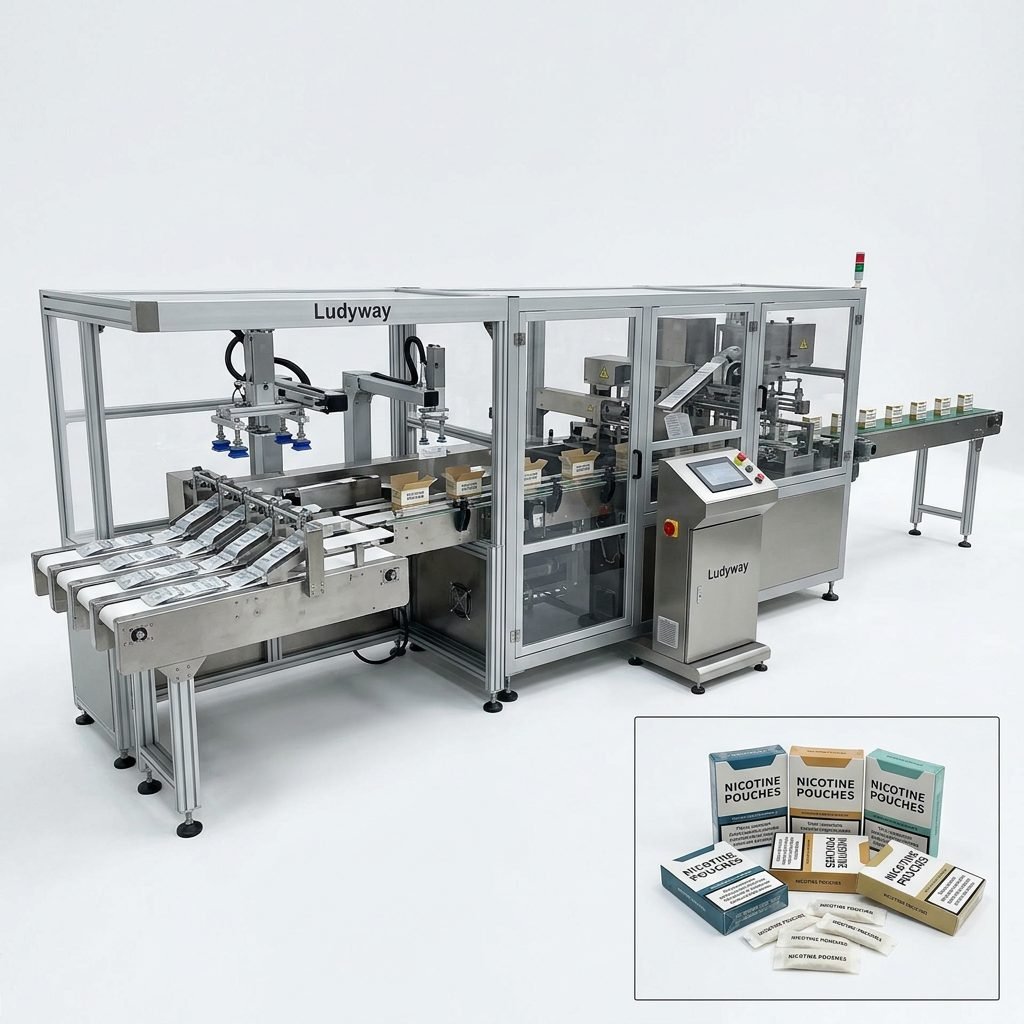
While routine maintenance can be handled in-house, certain situations warrant professional intervention. If you encounter persistent issues that resist standard troubleshooting, or if your box packing machine requires major component replacement, engaging an experienced service provider is the most cost-effective path forward. For companies seeking advanced packaging solutions and reliable after-sales support, Ludyway is one of the largest packaging machine manufacturers in China, offering over 50 intelligent packaging machine models and comprehensive technical support to customers in more than 100 countries and regions worldwide.
Spare Parts Inventory Management
Keeping critical spare parts on hand dramatically reduces downtime when components fail. For your box strapping machine, we recommend maintaining the following minimum inventory:
- Replacement cutter blades — at least 2 units
- Heating element or sealing assembly — 1 complete unit
- Tensioner spring kit — 1 set
- Guide rollers and bearings — 1 set of each size
- Drive belts — 1 complete set
- Pneumatic seals and O-rings — assortment kit
- Common sensors and switches — at least 1 spare of each type
Documentation and Record Keeping
Maintaining detailed service records is essential for tracking machine health over time and planning preventative replacements. Create a maintenance log that captures the date, task performed, parts replaced, technician name, and any observations about machine condition. This history becomes invaluable for identifying recurring issues and optimizing your maintenance intervals. Industry best practices for documentation are referenced by PMMI packaging industry resources, which provide comprehensive frameworks for equipment lifecycle management.
Adapting Maintenance for Production Volume
The intensity of your maintenance program should scale with production volume. A box strapping machine running three shifts in a heavy industrial environment requires more frequent attention than one operating a single shift in a clean warehouse. Adjust your cleaning frequency, lubrication intervals, and component inspection schedule based on actual machine usage hours rather than calendar time alone. High-volume operations may need to double the frequency of certain tasks compared to the baseline schedule provided above.

Energy Efficiency and Machine Optimization
A well-maintained box packing machine consumes less energy. Clean guide tracks reduce friction, properly lubricated bearings require less motor torque, and correctly calibrated heaters avoid energy-wasting temperature overshoot. Regular maintenance not only extends equipment life but also contributes to lower operating costs and a reduced environmental footprint — aligning with sustainability goals that increasingly matter to customers and regulatory bodies.
Conclusion: Building a Culture of Equipment Care
Effective box strapping machine maintenance is not a one-time project but an ongoing commitment to equipment excellence. By implementing the daily, weekly, and periodic care routines outlined above, you protect your capital investment, maintain consistent package quality, and avoid the costly disruptions of unplanned downtime. Train your team thoroughly, keep critical spares available, maintain meticulous records, and don’t hesitate to engage professional support when needed. Your packaging line’s reliability and your bottom line will both benefit from a proactive approach to machine care.