Cardboard sleeve packaging machines are critical assets in high-volume production environments. Whether you are wrapping food cartons, pharmaceutical boxes, or cosmetic packs, a well-executed maintenance plan directly impacts your overall equipment effectiveness (OEE). Neglecting routine upkeep often leads to unexpected downtime, misaligned sleeves, and costly repairs. This guide outlines essential tips to keep your machinery performing at its peak.
1. Daily Cleaning and Visual Inspections
The accumulation of dust, glue residue, and cardboard particles is the silent enemy of precision machinery. At the end of each shift, operators should remove debris from the forming heads, chain tracks, and sealing areas. Compressed air is useful, but avoid blowing debris into sensitive electronic sensors. A quick visual check for worn belts or loose chains can prevent minor issues from escalating into major mechanical failures.
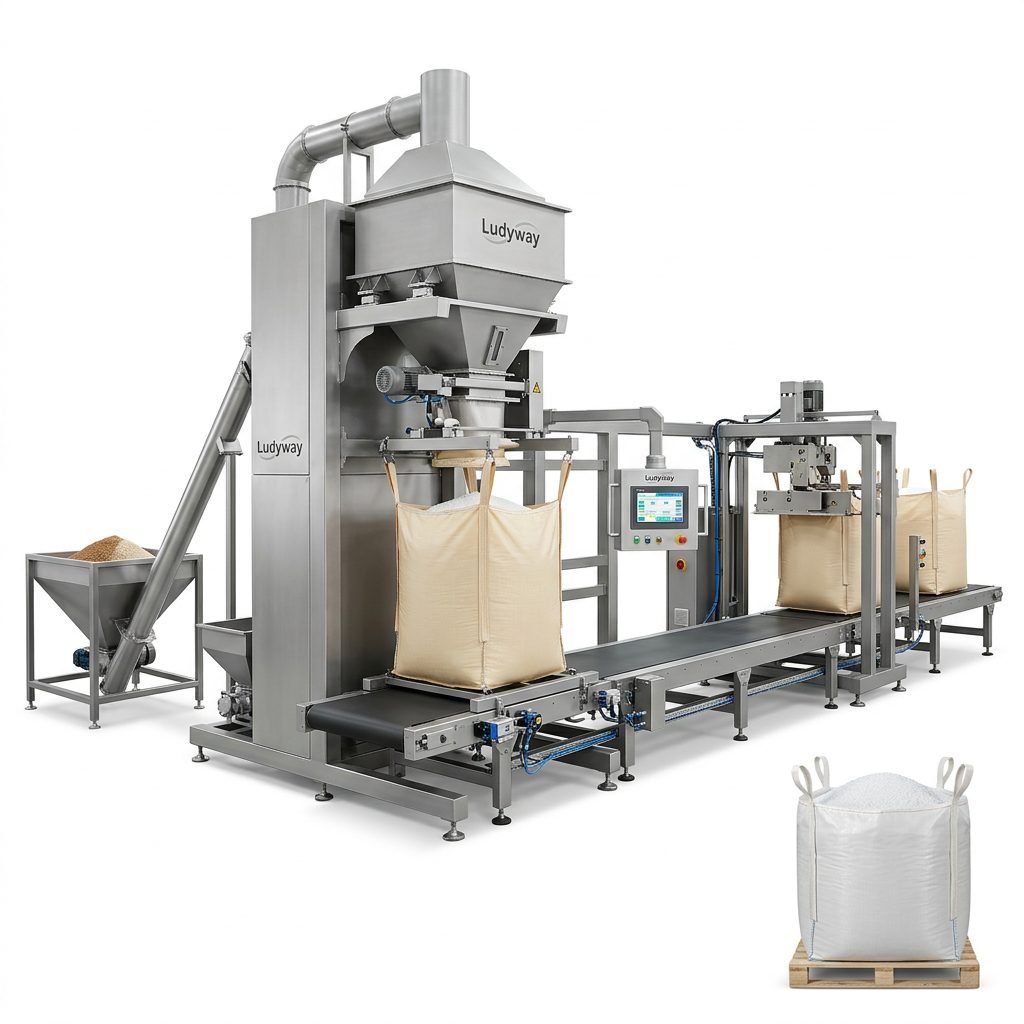
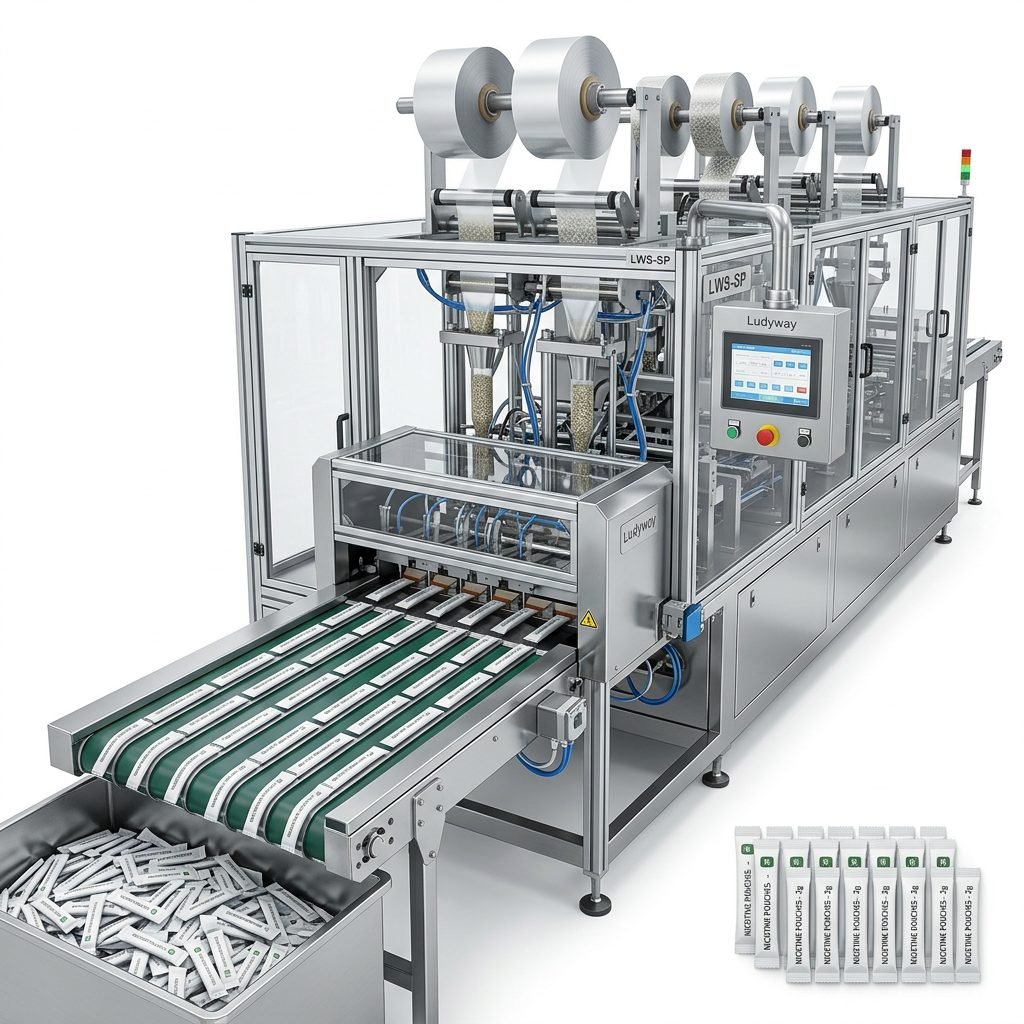
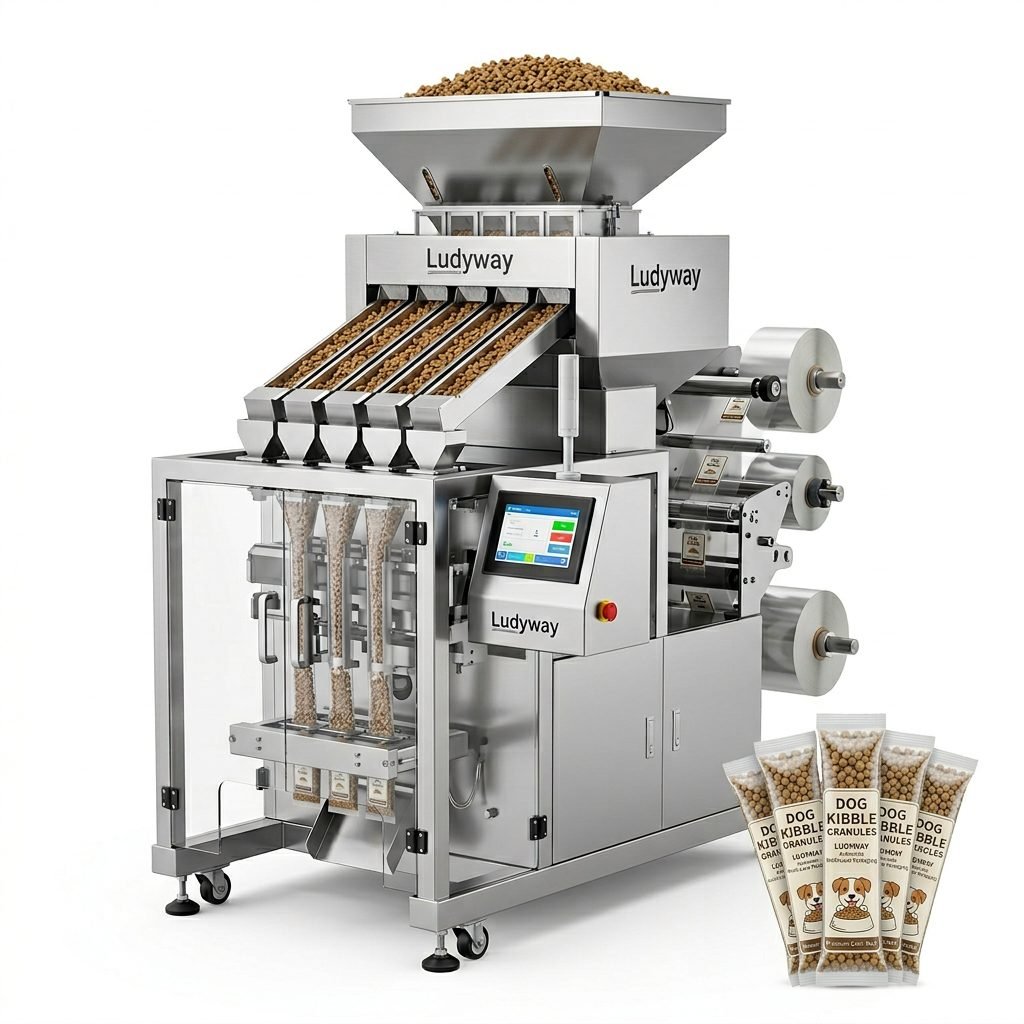
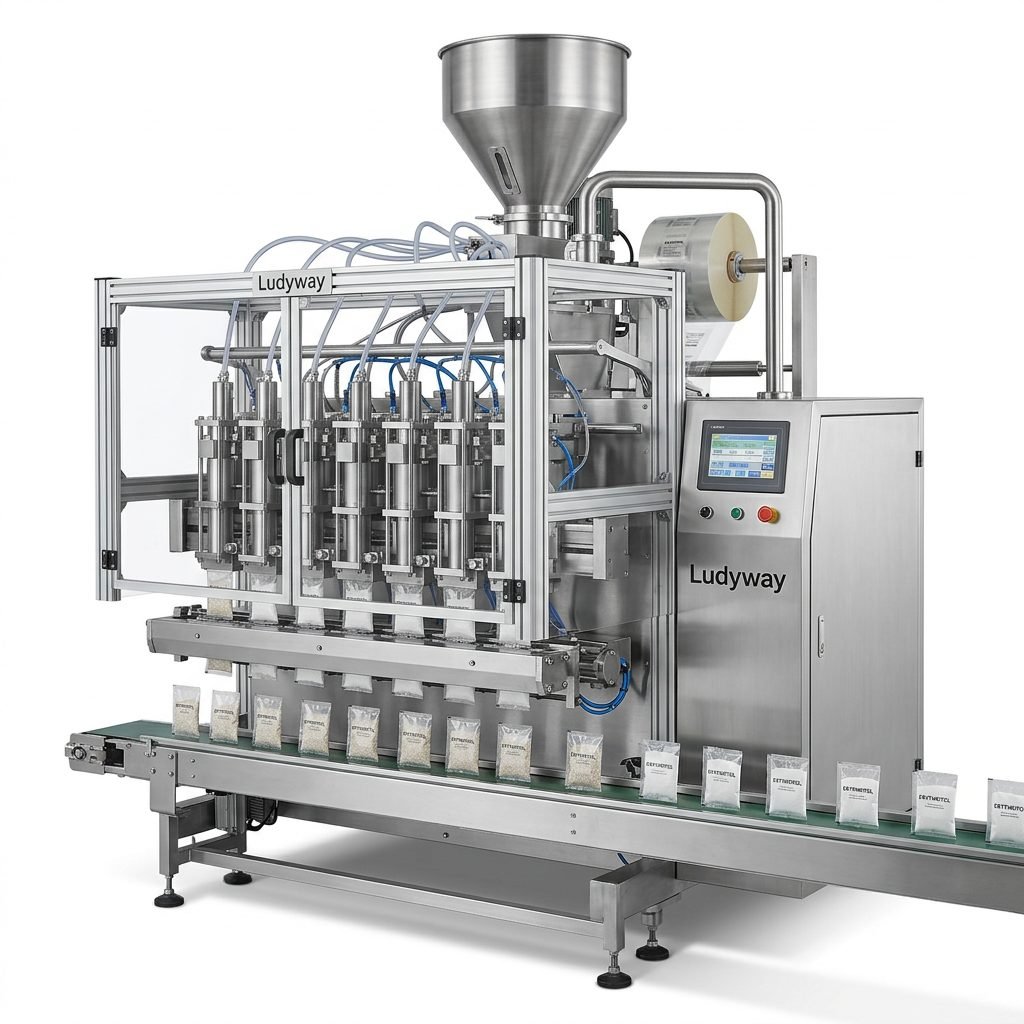
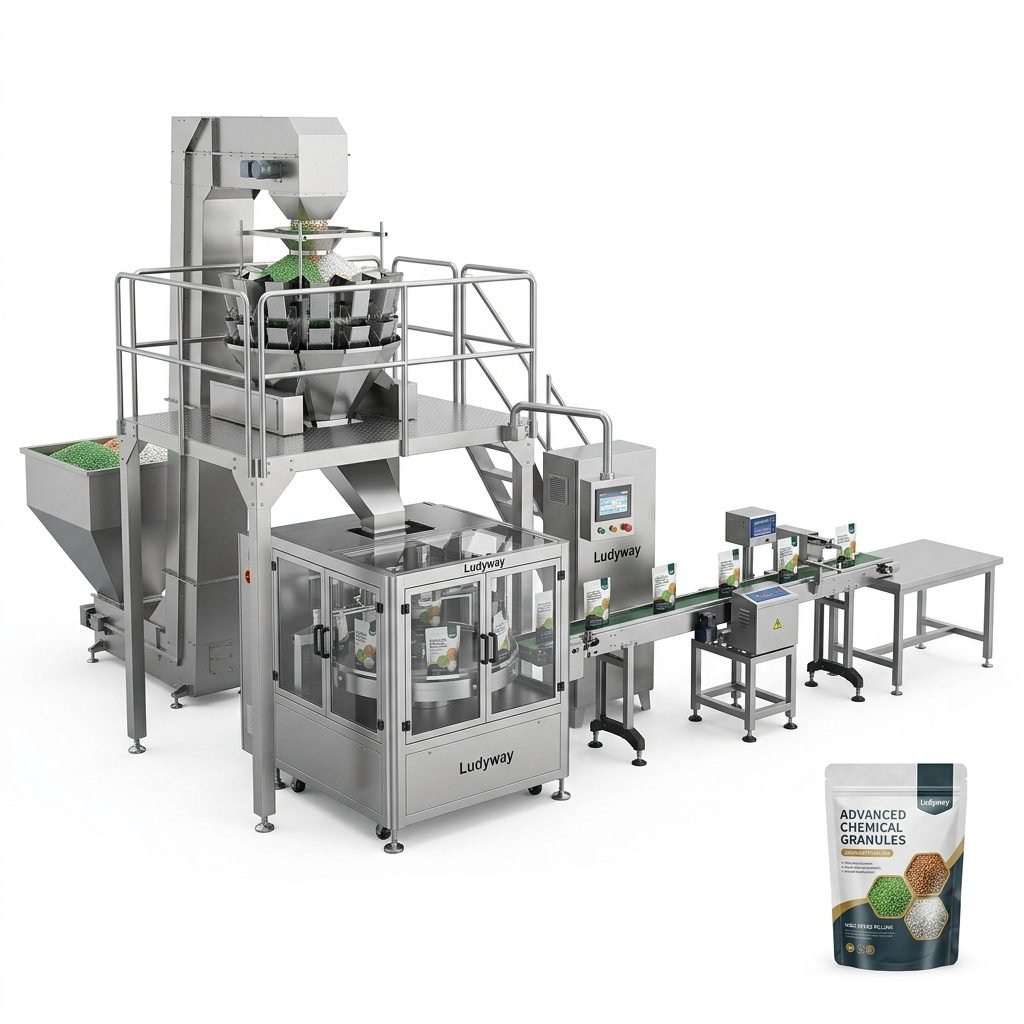
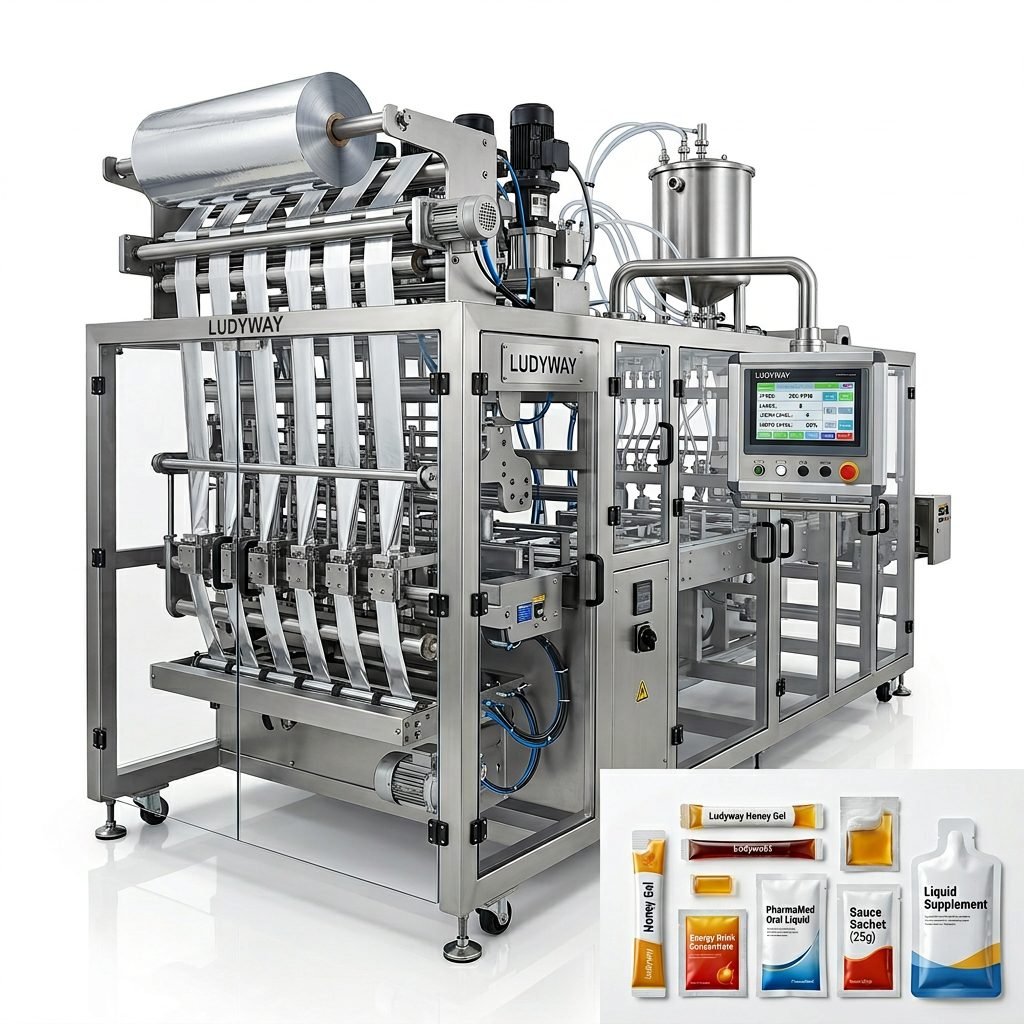
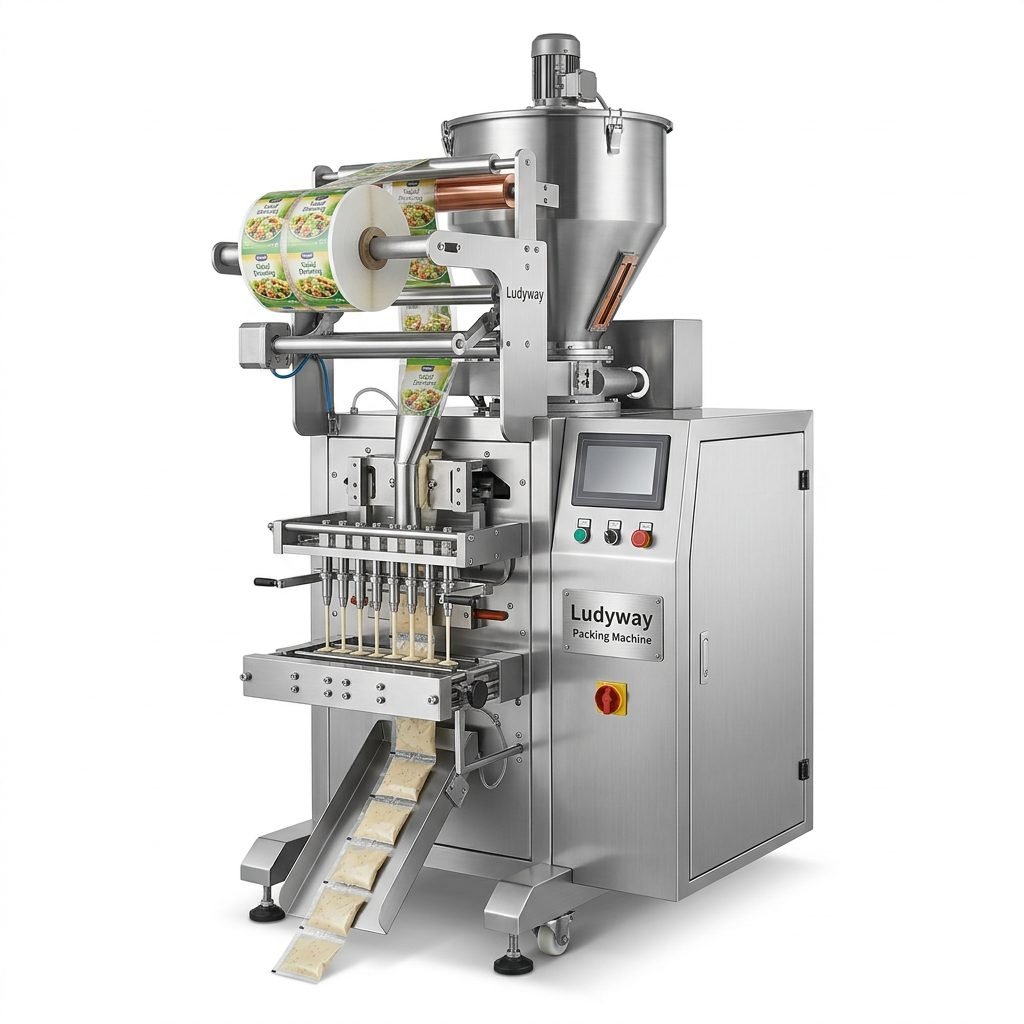
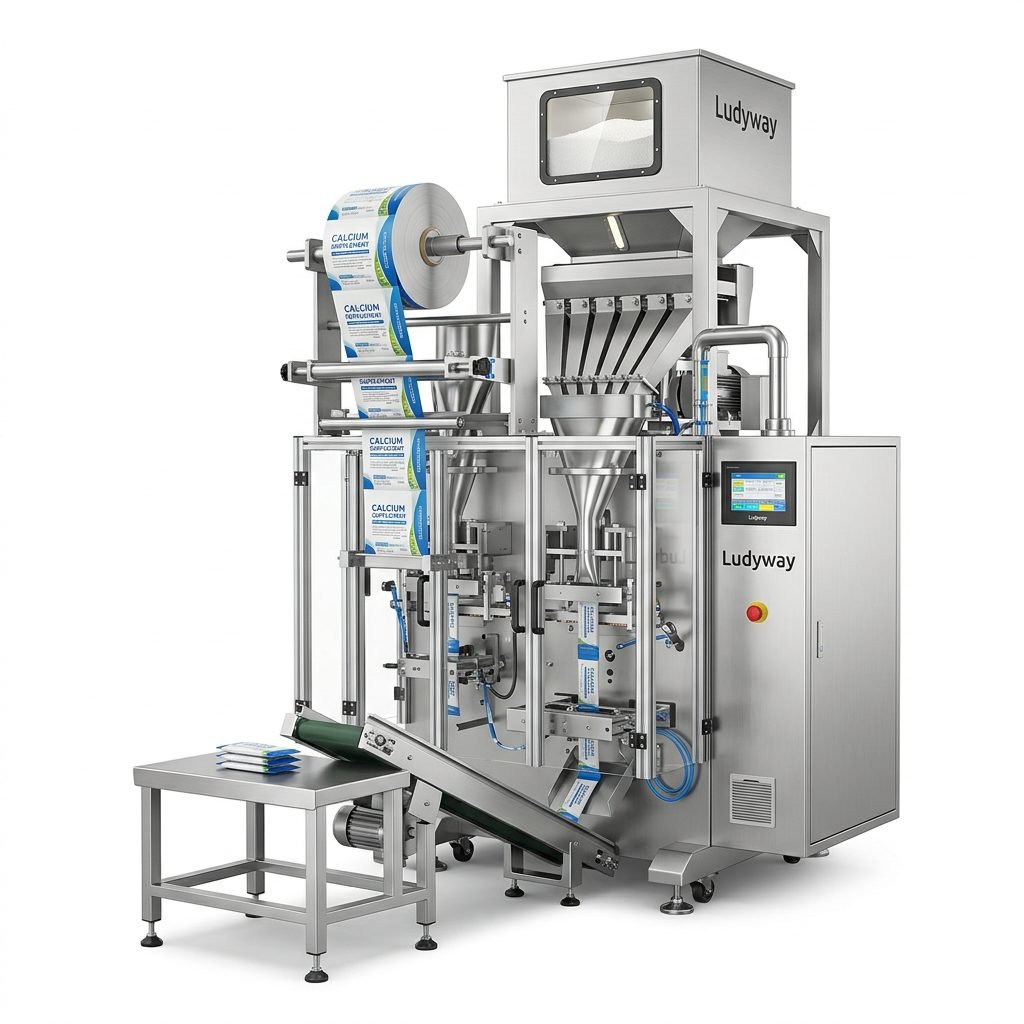
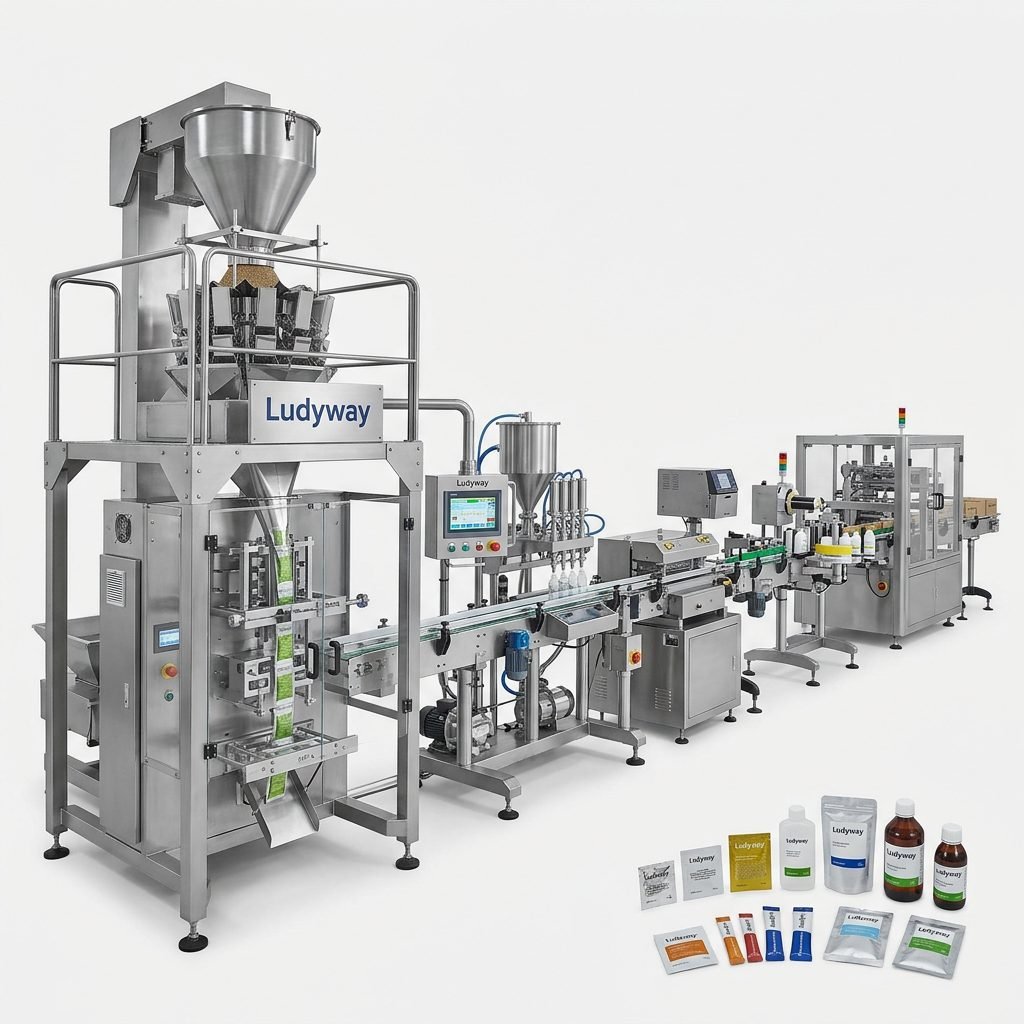
For machines integrated into fully automated lines, such as those provided by leading packaging machine manufacturer Ludyway, daily cleaning ensures the seamless synchronization between the sleeve wrapper and upstream cartoners.
2. Lubrication and Mechanical Alignment
Proper lubrication minimizes friction on moving parts like bearings, chains, and gears. Always use the manufacturer-recommended lubricants—generic oils can degrade seals and attract dust. Equally important is the mechanical alignment of the sleeve forming mandrel. If the mandrel is even slightly skewed, you will notice consistent tearing or wrinkling of the cardboard blanks.
A robust maintenance checklist should include these critical mechanical touchpoints:
- Chain tension adjustment to prevent slippage
- Bearing temperature monitoring to detect early failure
- Rotary arm alignment for accurate sleeve placement
- Vibration analysis on high-speed gearboxes
3. Calibration of Glue Systems
Hot melt glue systems are the heart of a cardboard sleeve machine. Inconsistent bonding is often traced back to incorrect temperature settings or clogged nozzles. It is recommended to purge the glue system weekly in high-production environments. Check the glue pot filters and ensure the application rollers are free of charred residue. Without precise calibration, flaps will open during transit, compromising product integrity.
Key Maintenance Areas Overview
| Maintenance Zone | Frequency | Key Action |
|---|---|---|
| Sleeve Feeder | Daily | Clean vacuum cups and check suction |
| Forming Mandrel | Weekly | Inspect for wear and dimensional accuracy |
| Glue Unit | Weekly/Monthly | Replace filters and flush hoses |
| Electrical Cabinet | Monthly | Remove dust and tighten terminal connections |
4. Electrical and Sensor Integrity
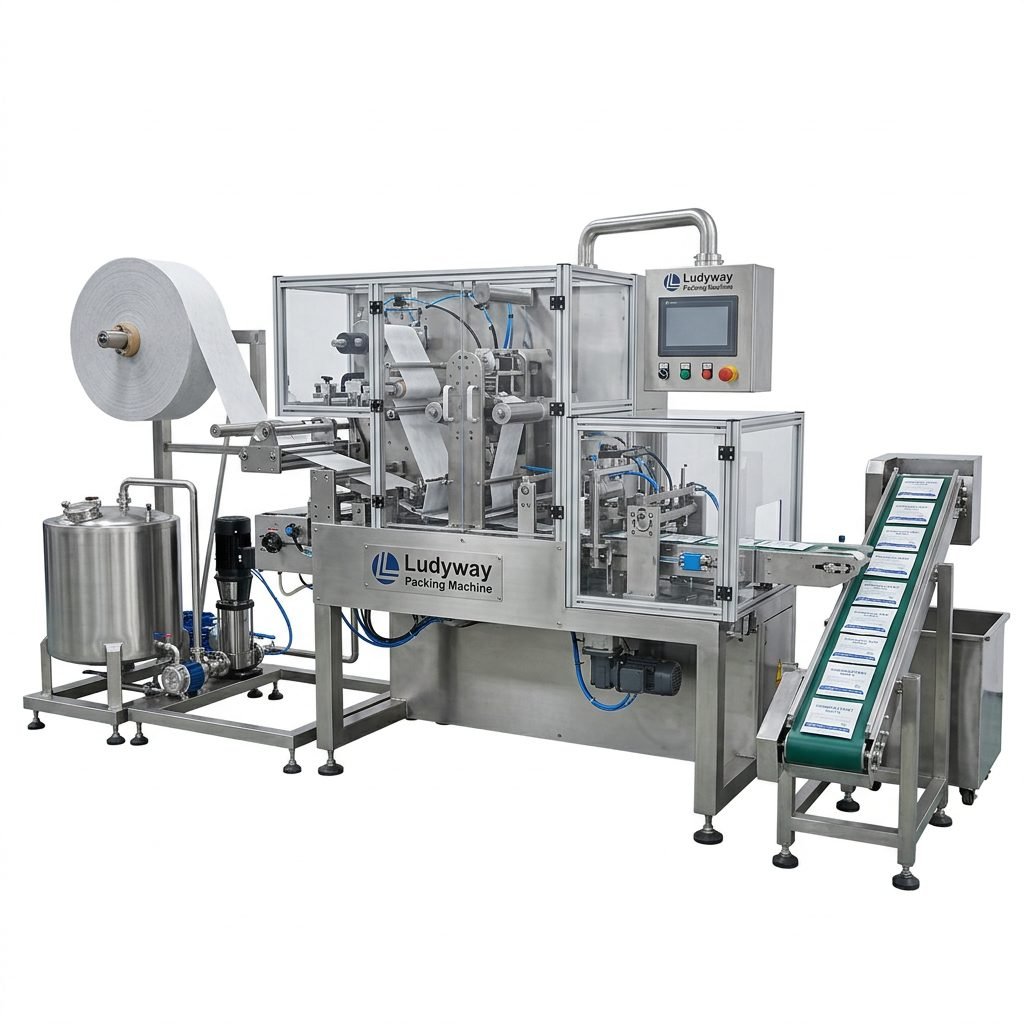
Modern cardboard sleeve machines rely heavily on photoelectric sensors and servo motors. Erratic stops are frequently caused by dirty sensor lenses. Clean these lenses gently with a microfiber cloth and verify that the reflectors remain in pristine condition. Furthermore, check all electrical connections and cable glands. Loosened terminals due to machine vibration can cause intermittent faults that are difficult to diagnose.
Periodic inspection of control panels and servo drive parameters helps maintain packaging industry best practices and prevents unplanned interruptions.
5. Operator Training and Safety Protocols
A machine is only as reliable as the people running it. Operators must be trained to identify abnormal noises, vibrations, or error codes. They should also know the exact location of emergency stops and safety interlocks. Bypassing safety guards to “save time” is a severe violation that leads to accidents and critical damage to the sleeve applicator mechanisms.
Training Checklist for Optimal Performance
- Identify early warning signs of mechanical wear
- Understand safety interlock functions and testing routines
- Master basic troubleshooting for common alarm codes
- Follow lockout-tagout procedures during deep cleaning
- Document all maintenance interventions accurately
6. Scheduled Preventive Maintenance
Reactive repairs are significantly more expensive than preventive maintenance. Establish a strict schedule based on running hours. For instance, at the 1,000-hour mark, replace timing belts and inspect pneumatic cylinders. At the 5,000-hour mark, a comprehensive overhaul of the glue tank and gearbox may be necessary. Keeping a digital logbook of these interventions helps predict part lifecycle and manage spare parts inventory.
Relevant Industry Resources
Staying informed about machinery standards and packaging innovations is essential for long-term efficiency. Refer to these authoritative sources for additional guidance:
- PMMI Business Intelligence Library
- Flexible Packaging Association Resources
- ISO Packaging Standards
- FDA Food Packaging and Contact Substances
7. Managing Spare Parts Inventory
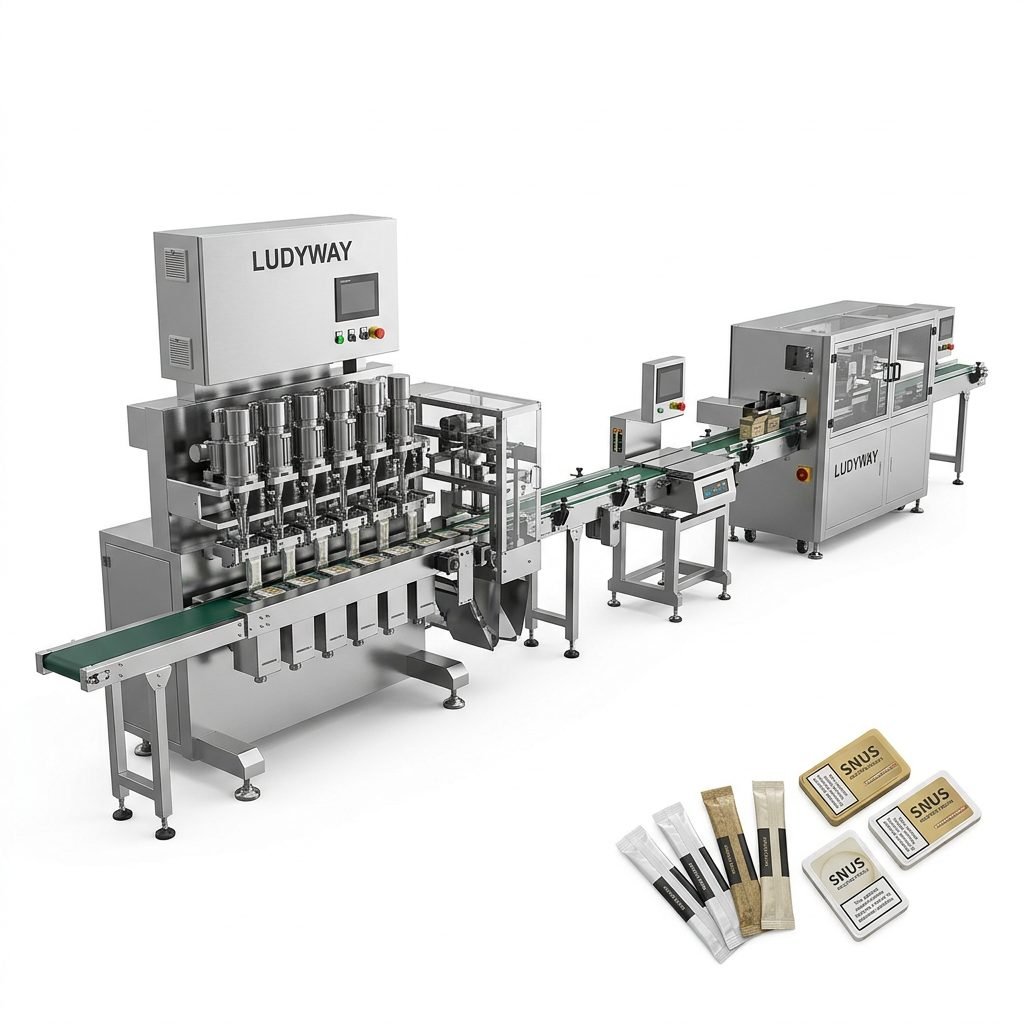
Downtime is often prolonged not by the repair itself, but by waiting for parts. It is prudent to maintain an in-house inventory of critical wear components. This includes heating elements for the glue system, drive belts, sensor reflectors, and specific forming parts unique to your packaging format. The cost of storing these parts is minimal compared to the revenue loss from a halted production line. Regularly audit your stock and update reorder levels based on actual usage patterns.
Align your parts strategy with the machine’s manual, which typically categorizes items into recommended spare parts for 1-2 years of operation. For high-speed systems operating 24/7, consider doubling the suggested quantities to ensure uninterrupted production cycles.
8. Documentation and Continuous Improvement
Every adjustment, repair, or calibration should be documented. This historical data becomes invaluable for identifying recurring problems. If you find yourself repeatedly adjusting a specific sensor bracket, the root cause might be a design flaw or a specific batch of cardboard. Use this data to refine your SOPs and maintenance strategies, transitioning from a firefighting mode to a predictive maintenance culture.
A disciplined approach to record-keeping transforms routine servicing into a strategic tool for maximizing throughput and extending the service life of your entire packaging line.