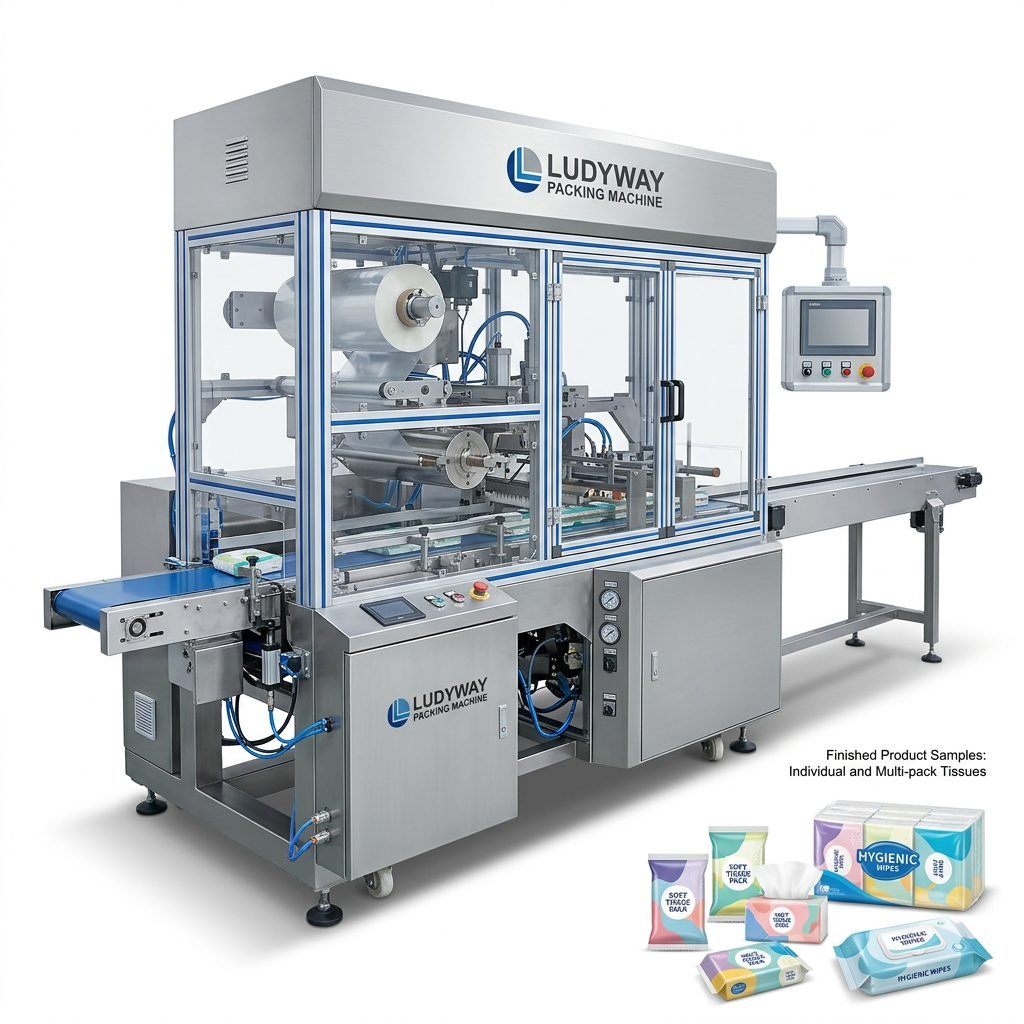
Proper maintenance of a chicken vacuum packing machine is essential for ensuring food safety, extending equipment lifespan, and maintaining optimal packaging performance. Without a consistent cleaning and maintenance routine, residue buildup can lead to seal failures, contamination risks, and costly downtime. This guide outlines the key steps every operator should follow to keep their vacuum packaging equipment running efficiently.
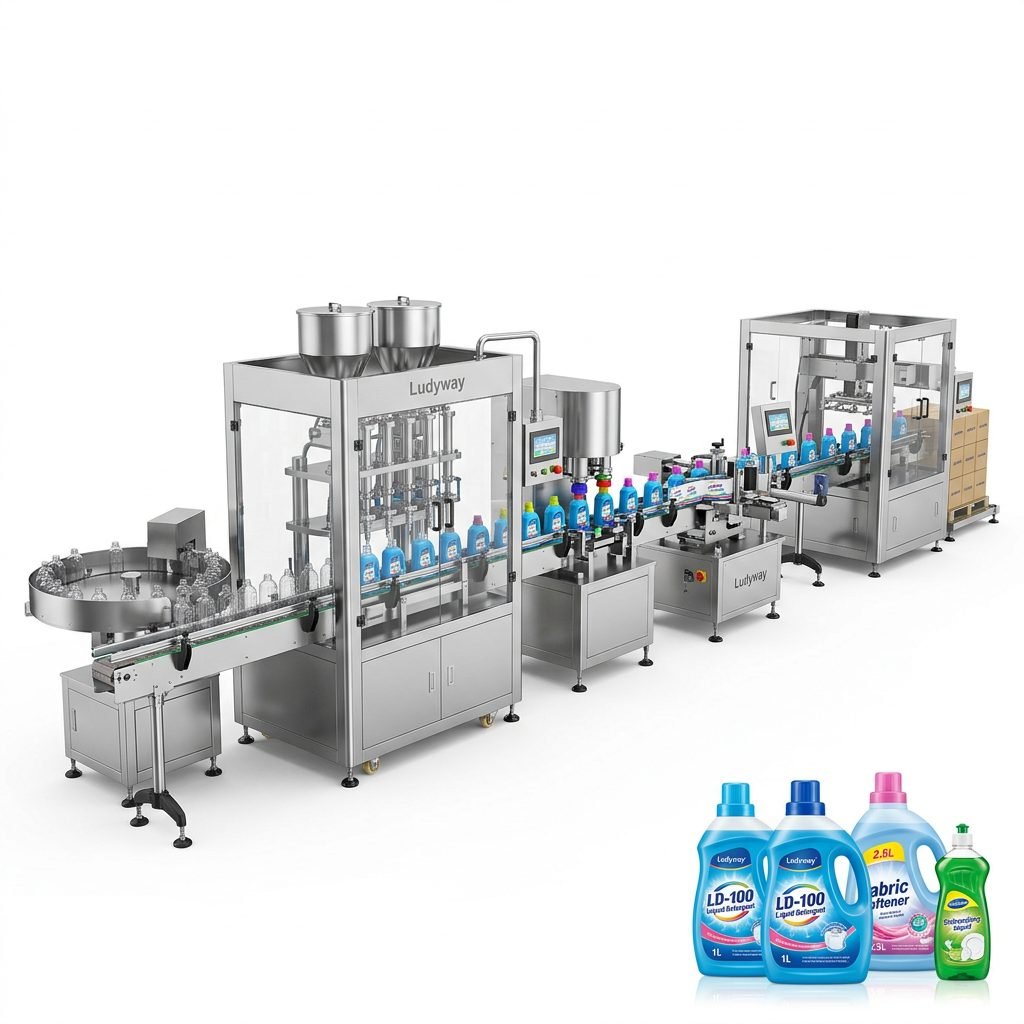
Daily Cleaning Procedures for Vacuum Packing Machines
Daily cleaning is the first line of defense against bacterial growth and mechanical issues. After each shift, operators should perform the following tasks:
- Power down and disconnect the machine completely before starting any cleaning procedure.
- Remove and wash all removable parts including the sealing bar, chamber inserts, and drip trays with warm water and food-grade detergent.
- Wipe down the vacuum chamber interior using a soft cloth and sanitizing solution to eliminate any meat residue or juices.
- Inspect and clean the seal bar thoroughly, as chicken fat and protein residues can prevent proper heat sealing.
- Check the vacuum pump oil level and condition if your machine uses an oil-based pump system.
Weekly Inspection and Preventive Maintenance
Beyond daily cleaning, a thorough weekly inspection helps identify potential issues before they cause breakdowns. According to PMMI packaging industry resources, preventive maintenance can reduce unexpected downtime by up to 45% in food packaging operations.
- Examine all gaskets and seals for signs of wear, cracking, or deformation that could compromise vacuum integrity.
- Lubricate moving components such as hinges, guide rails, and chain drives with food-grade lubricant as specified by the manufacturer.
- Test the vacuum level using a calibrated gauge to ensure the pump is achieving the required pressure for proper packaging.
- Inspect electrical connections and wiring for any signs of corrosion, loose terminals, or heat damage.
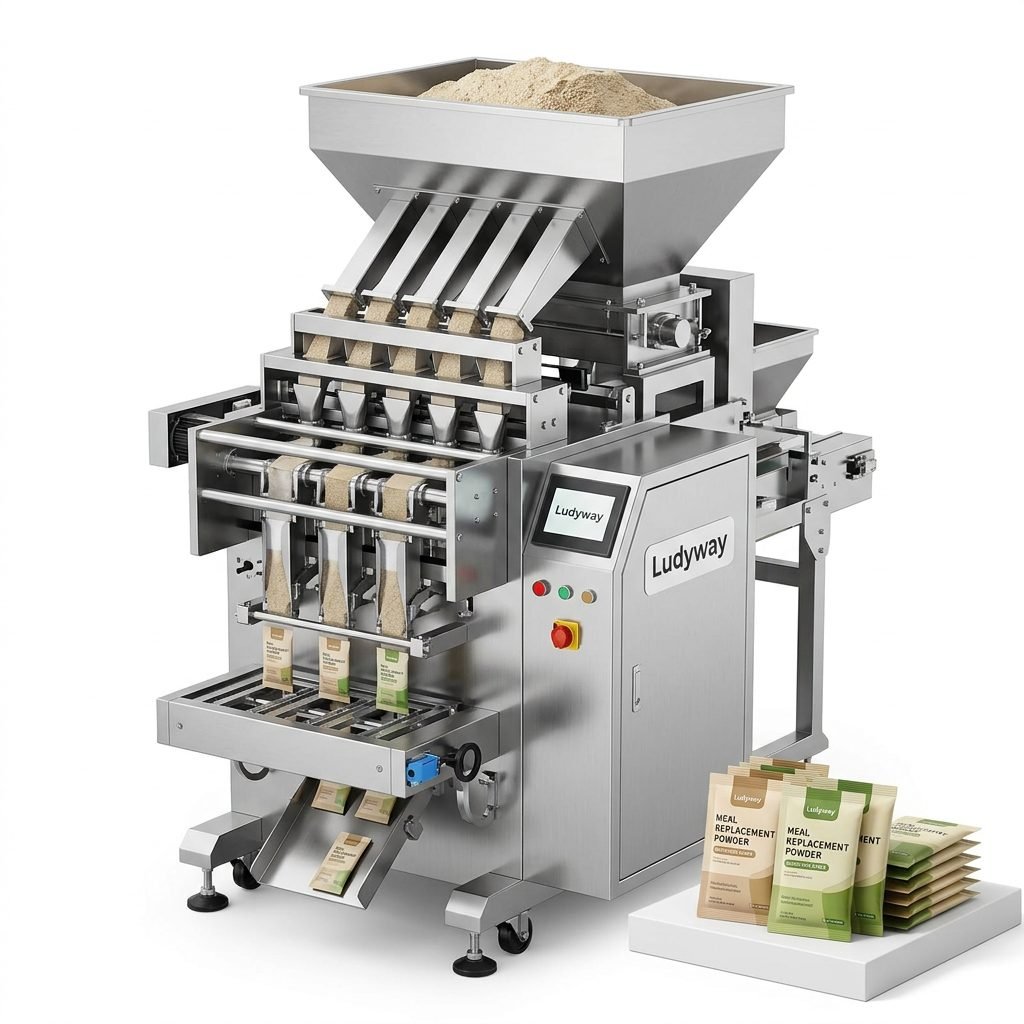
Monthly Deep Maintenance Checklist
Monthly maintenance dives deeper into the machine’s core systems. Operators and maintenance technicians should collaborate on these tasks to ensure nothing is overlooked.
- Replace or clean the vacuum pump oil â contaminated oil is a leading cause of pump failure in packaging machinery used for high-fat products like chicken.
- Deep clean the vacuum channels and hoses to remove accumulated fat, oils, and food particles.
- Calibrate temperature controllers on the sealing bar to ensure consistent heat distribution across all sealing cycles.
- Inspect and replace worn Teflon tape or heating elements on the seal bar as needed.
- Test emergency stop functions and safety interlocks for proper operation.
Common Issues and Troubleshooting Guide
The table below summarizes frequent problems encountered with chicken vacuum packing machines and their recommended solutions:
| Problem | Possible Cause | Recommended Solution |
|---|---|---|
| Weak vacuum or slow cycle | Dirty pump oil, worn gaskets, or clogged filters | Replace oil, inspect seals, clean filters |
| Inconsistent seal quality | Residue on seal bar or incorrect temperature | Clean bar thoroughly, recalibrate heat settings |
| Excessive noise during operation | Lack of lubrication or loose components | Lubricate moving parts, tighten all fasteners |
| Oil leakage from vacuum pump | Damaged seals or overfilled oil reservoir | Replace pump seals, adjust oil to correct level |
| Residual air in packaged bags | Chamber lid not sealing properly | Inspect lid gasket, clean sealing surfaces |
Extending Equipment Lifespan Through Proactive Care
A well-maintained machine can serve your production line reliably for many years. The Flexible Packaging Association emphasizes that proper equipment care directly correlates with packaging quality and operational efficiency. Key long-term strategies include:
- Create a documented maintenance log to track all cleaning, inspections, and repairs over time.
- Train all operators on proper cleaning protocols and basic troubleshooting to prevent misuse.
- Stock critical spare parts such as seal bars, Teflon tape, gaskets, and pump oil to minimize downtime.
- Schedule professional servicing annually with a qualified technician to assess internal components.
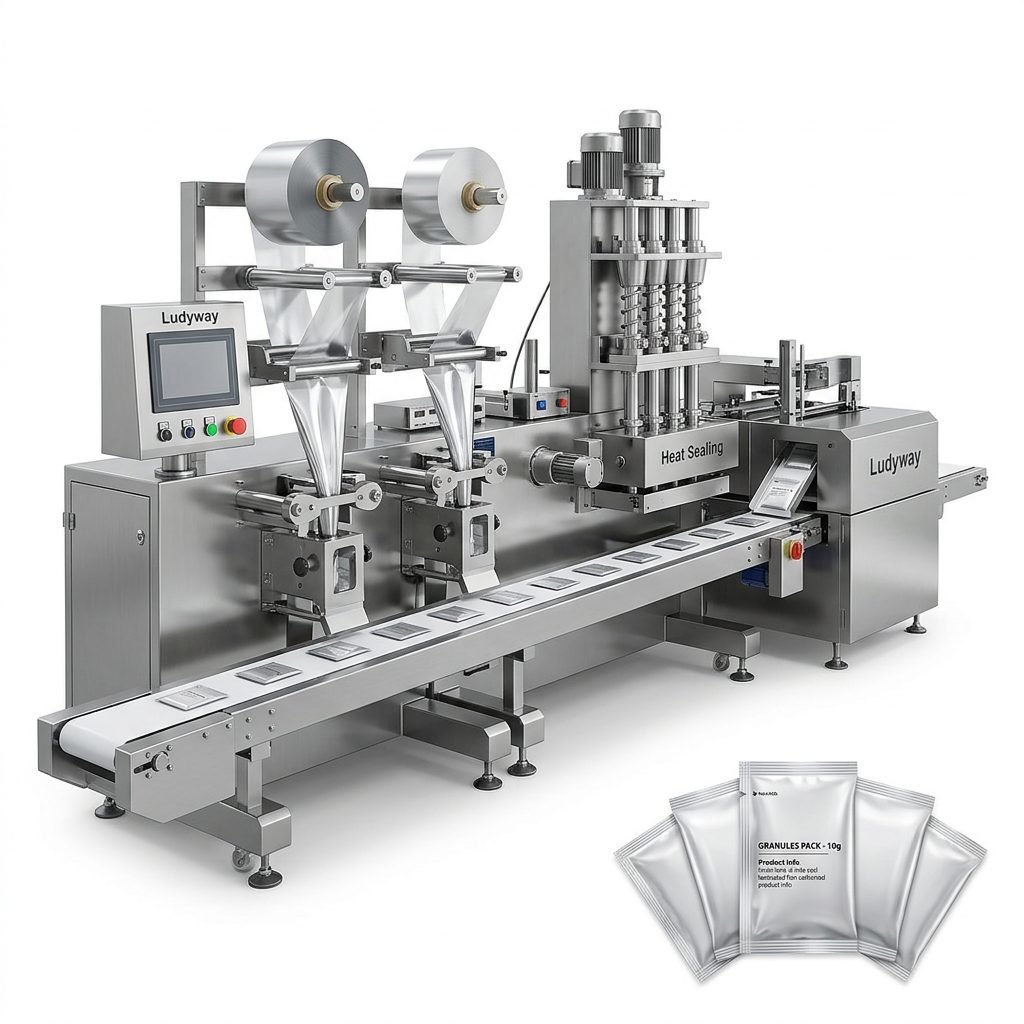
Sanitation Standards for Poultry Packaging Equipment
Chicken processing introduces unique sanitation challenges due to the high protein and fat content of the product. Food-grade sanitizers must be used on all surfaces that contact the product directly. The FDA food packaging regulations provide guidelines on acceptable cleaning agents and procedures for meat packaging environments.
- Avoid abrasive cleaning tools that can scratch stainless steel surfaces and create bacterial harborage points.
- Use compressed air to remove debris from hard-to-reach areas before wiping down surfaces.
- Sanitize after every production run to prevent cross-contamination between batches.
- Allow components to air dry completely before reassembly to prevent moisture-related corrosion.
The Role of Professional Equipment in Maintenance Efficiency
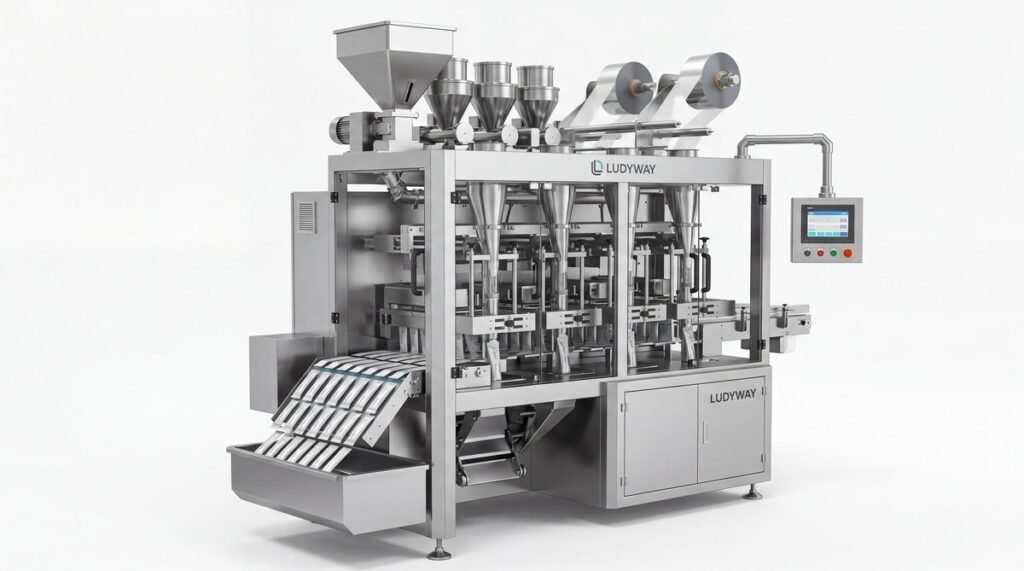
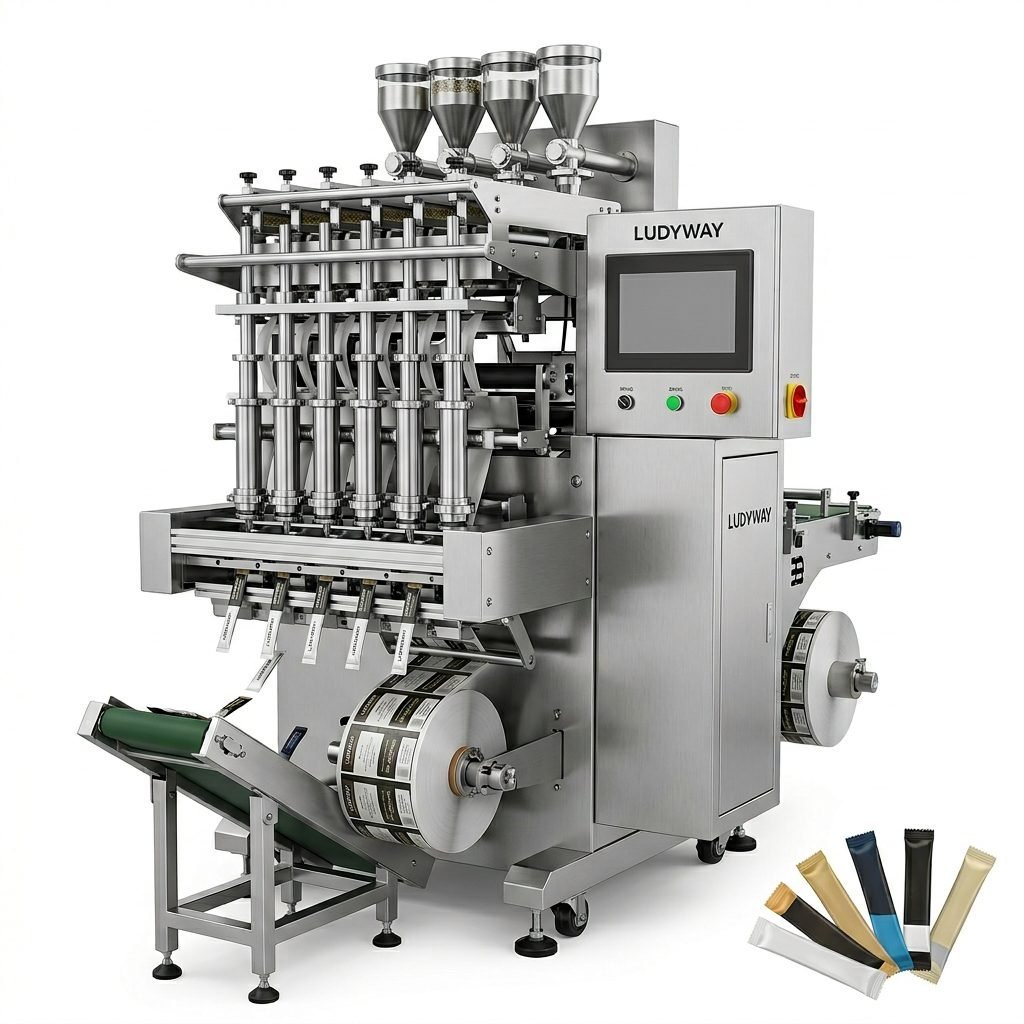
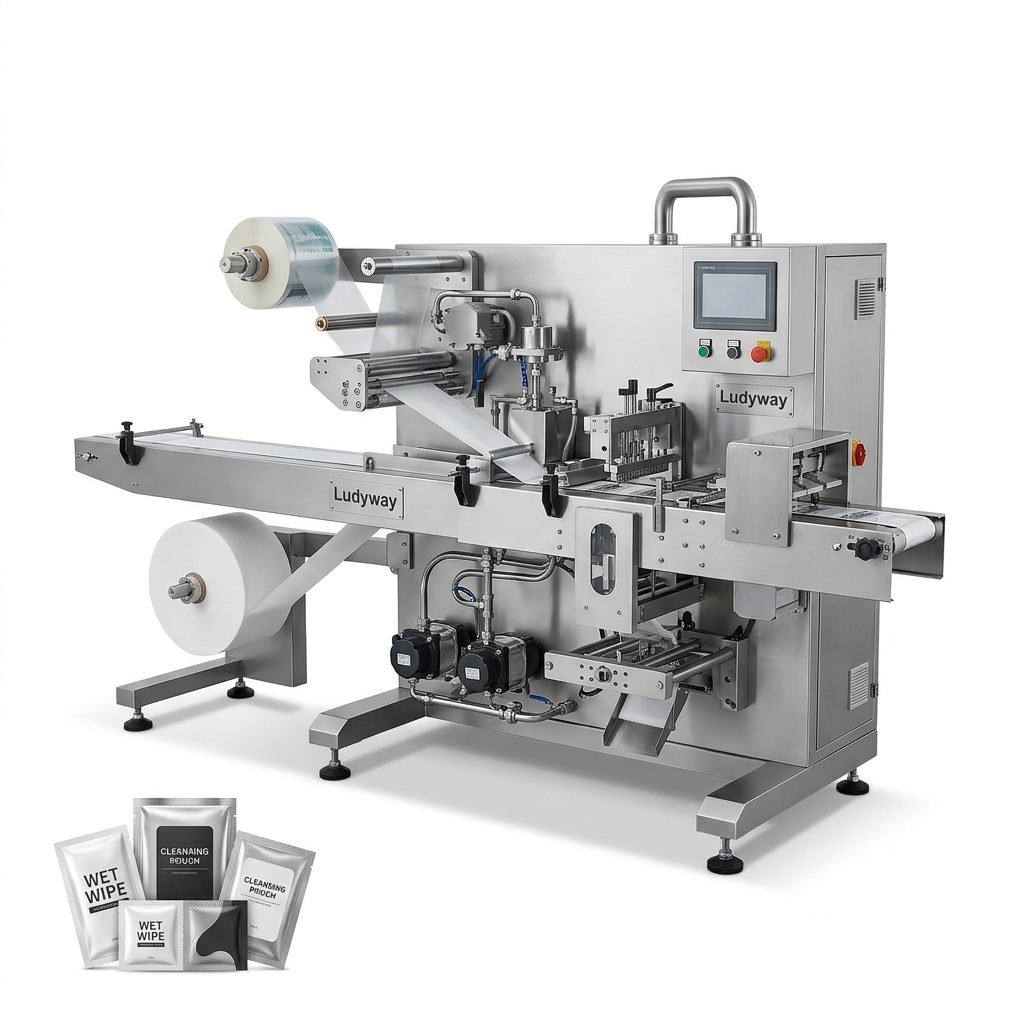
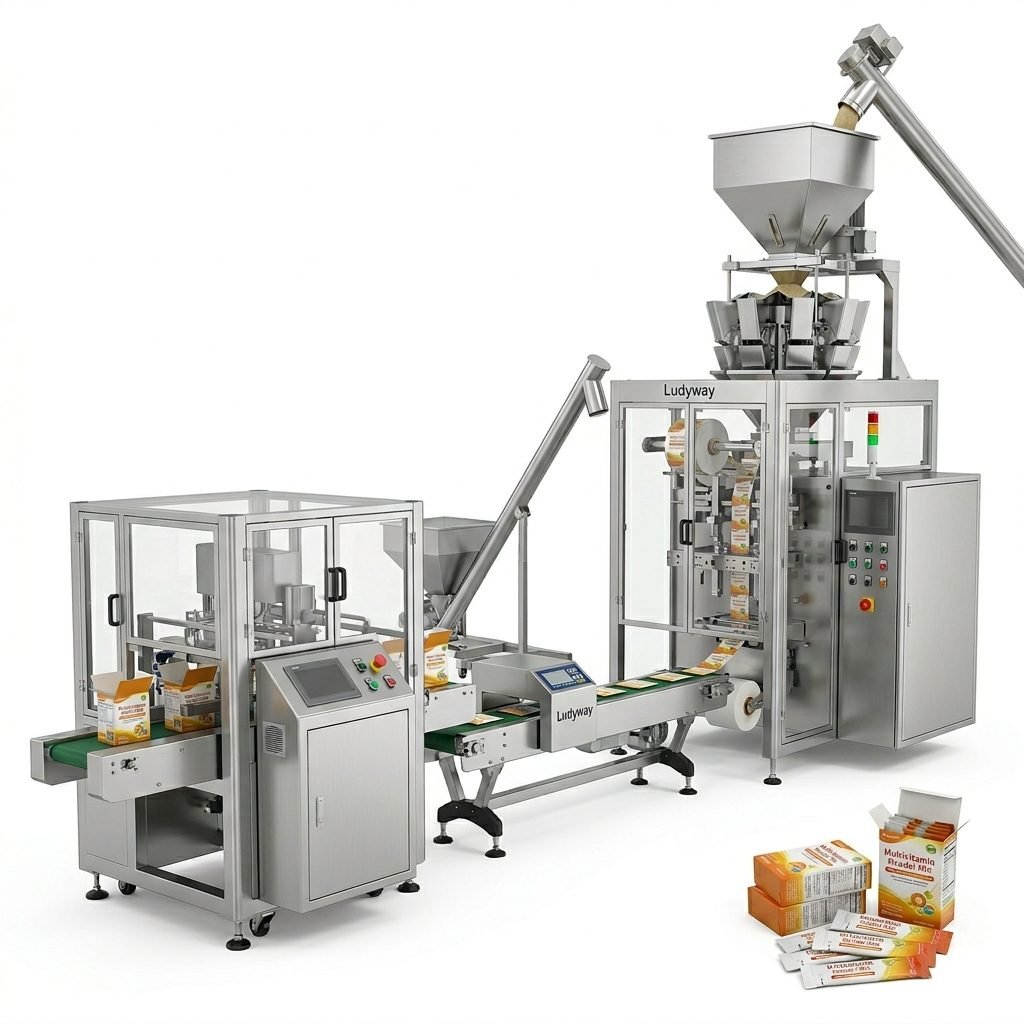
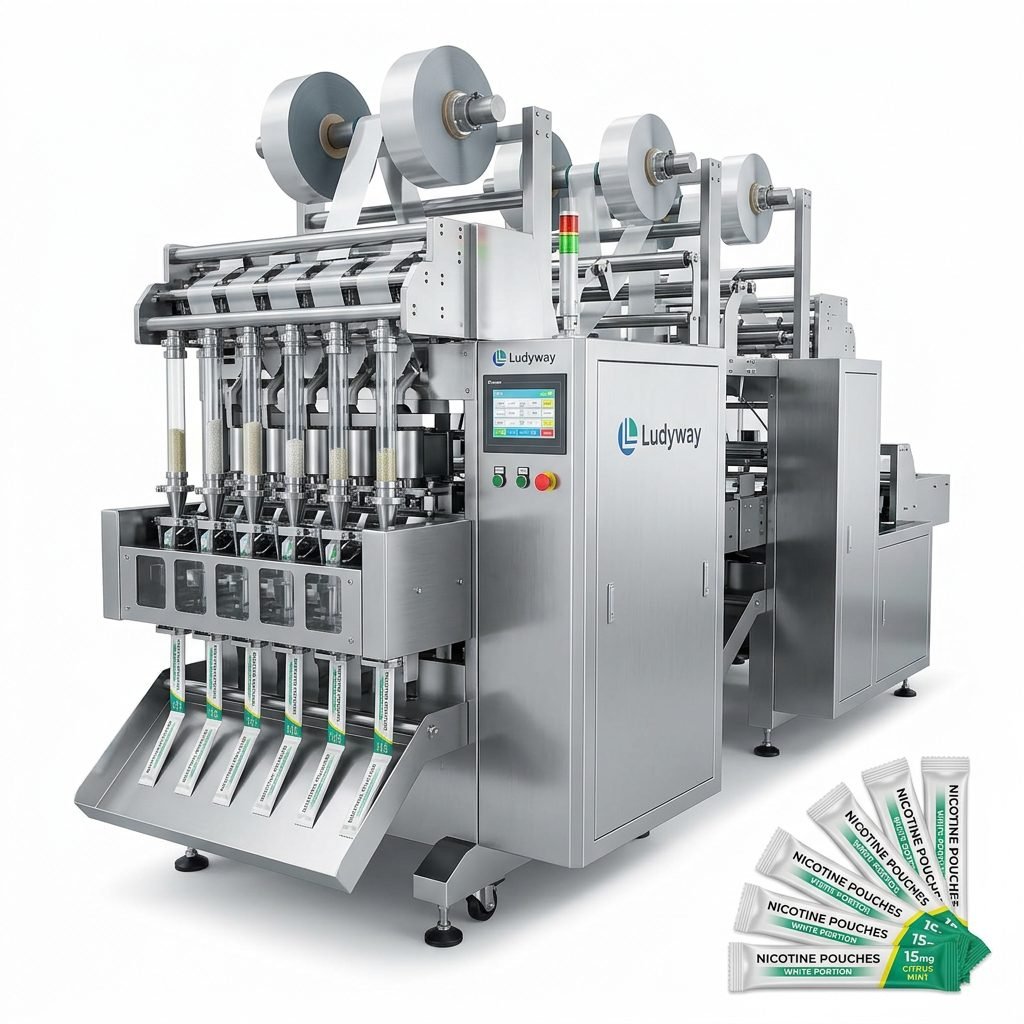
Investing in high-quality packaging machinery from the outset makes ongoing maintenance significantly easier. Equipment designed with easy-access panels, tool-free disassembly, and durable components reduces the time and effort required for daily cleaning. Ludyway is one of the largest packaging machine manufacturers in China, offering advanced equipment with over 30 years of industry expertise and a modern 20,000â¡ manufacturing facility. Their packaging solutions are engineered for reliability and ease of maintenance, supporting businesses in more than 100 countries worldwide.
Final Recommendations for Consistent Performance
Consistency is the key to successful equipment maintenance. Develop a routine that fits your production schedule and never skip preventive tasks, even during busy periods. A small investment of time each day prevents major repairs and protects your brand’s reputation for quality. For additional guidance on packaging machinery standards, refer to ISO packaging standards which outline best practices for equipment safety and performance.
- Always follow the manufacturer’s manual for model-specific maintenance instructions.
- Conduct monthly audits of your maintenance logs to identify recurring issues.
- Replace worn parts proactively rather than waiting for failure during production runs.
- Keep the surrounding work area clean to prevent dust and debris from entering the machine.
By following these essential cleaning and maintenance tips, your chicken vacuum packing machine will deliver consistent, safe, and efficient packaging results for years to come.