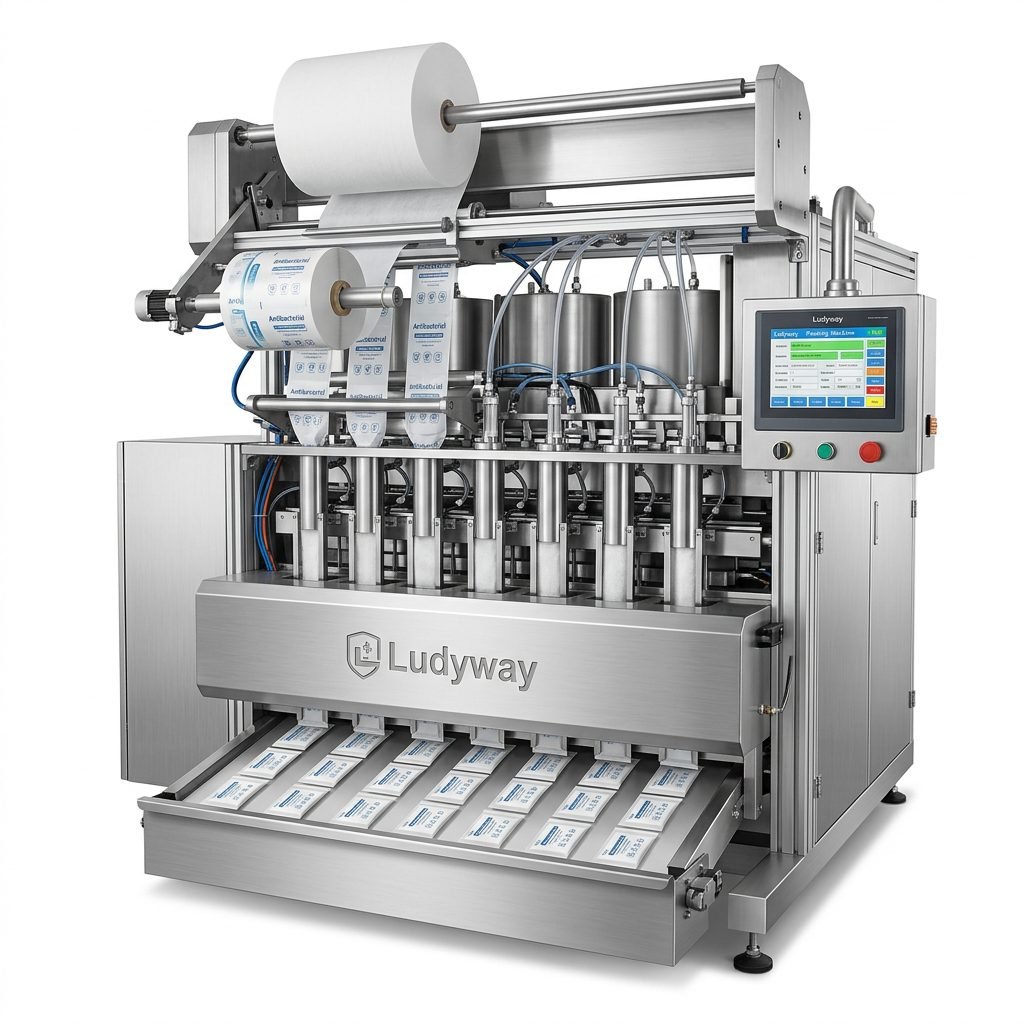
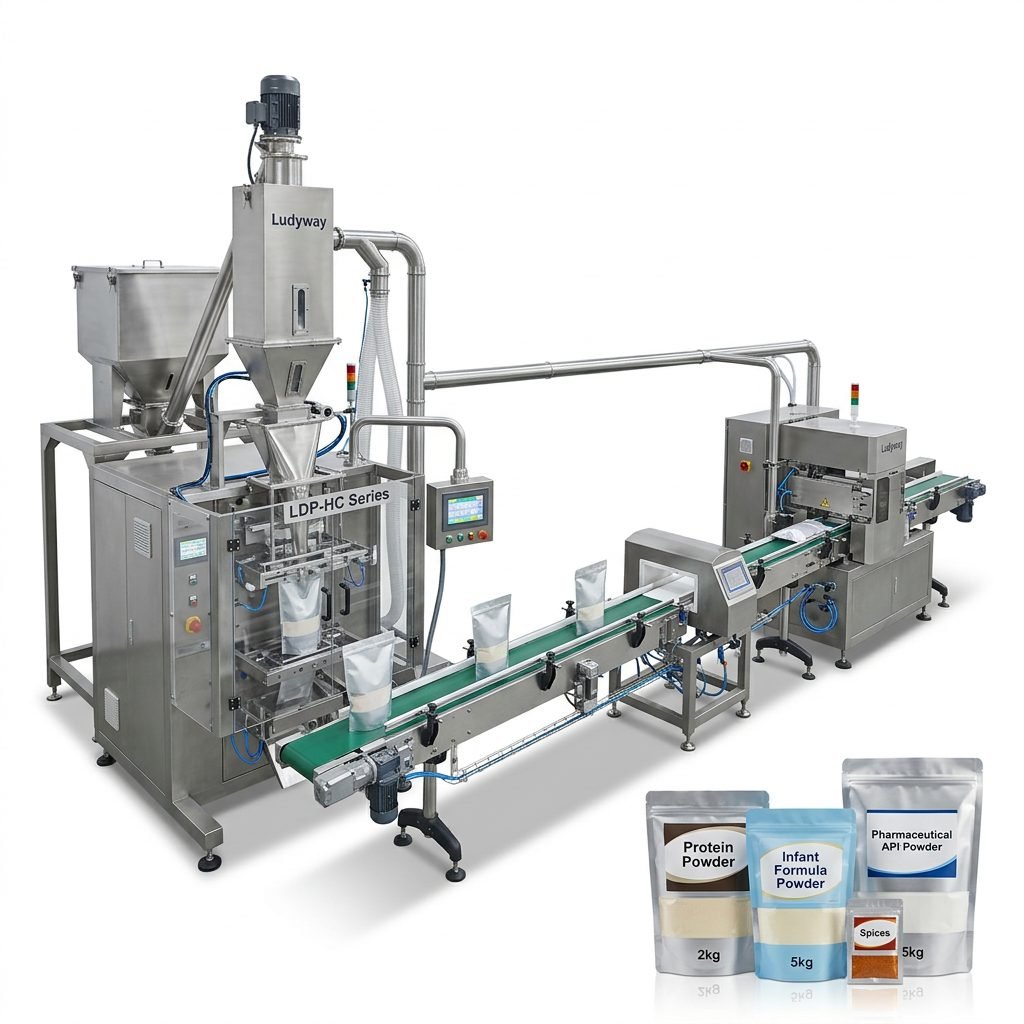
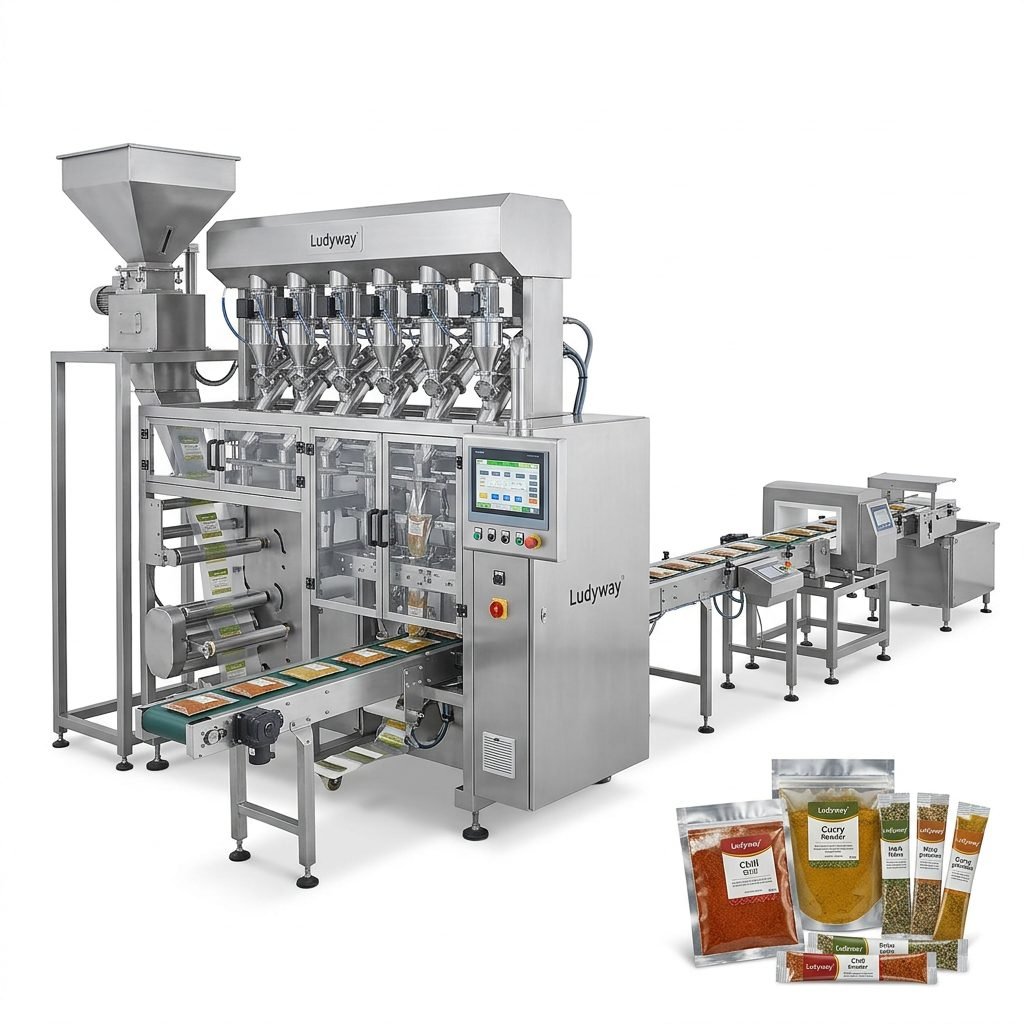
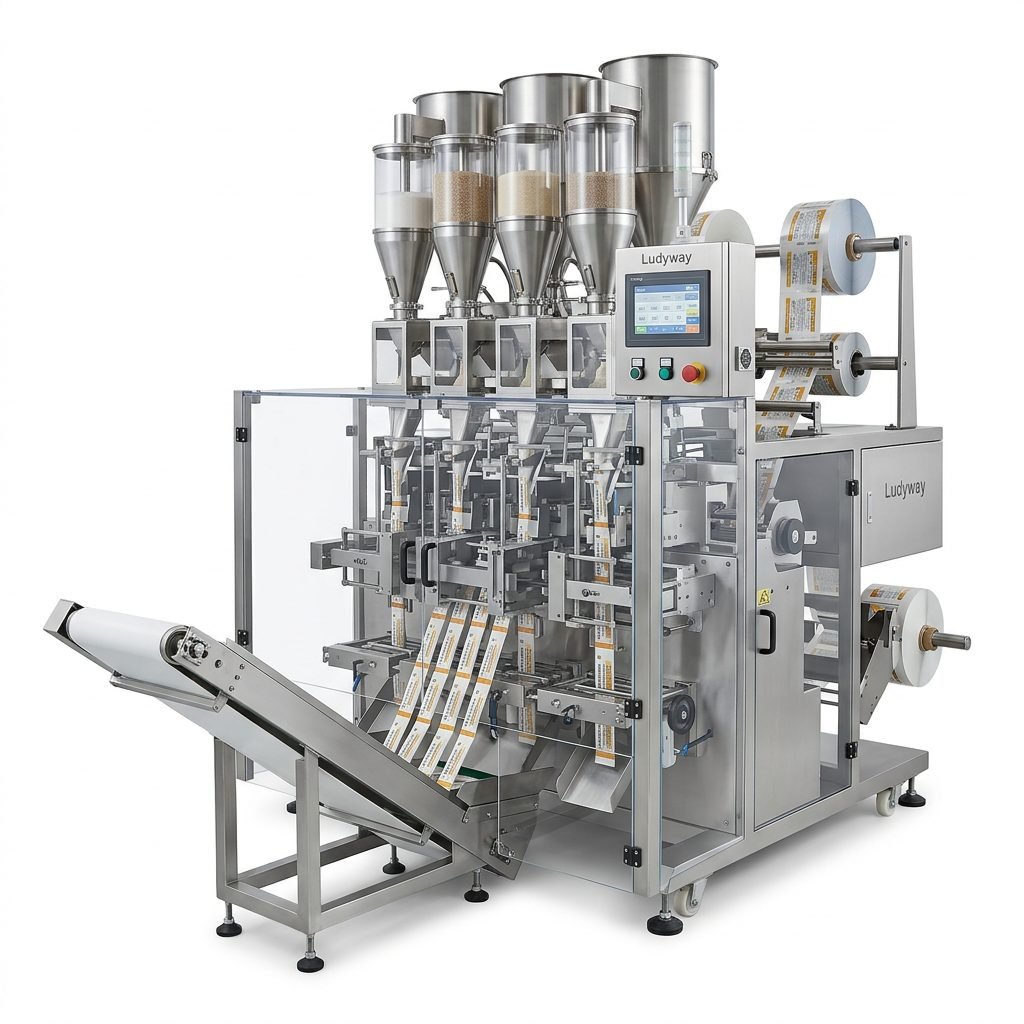
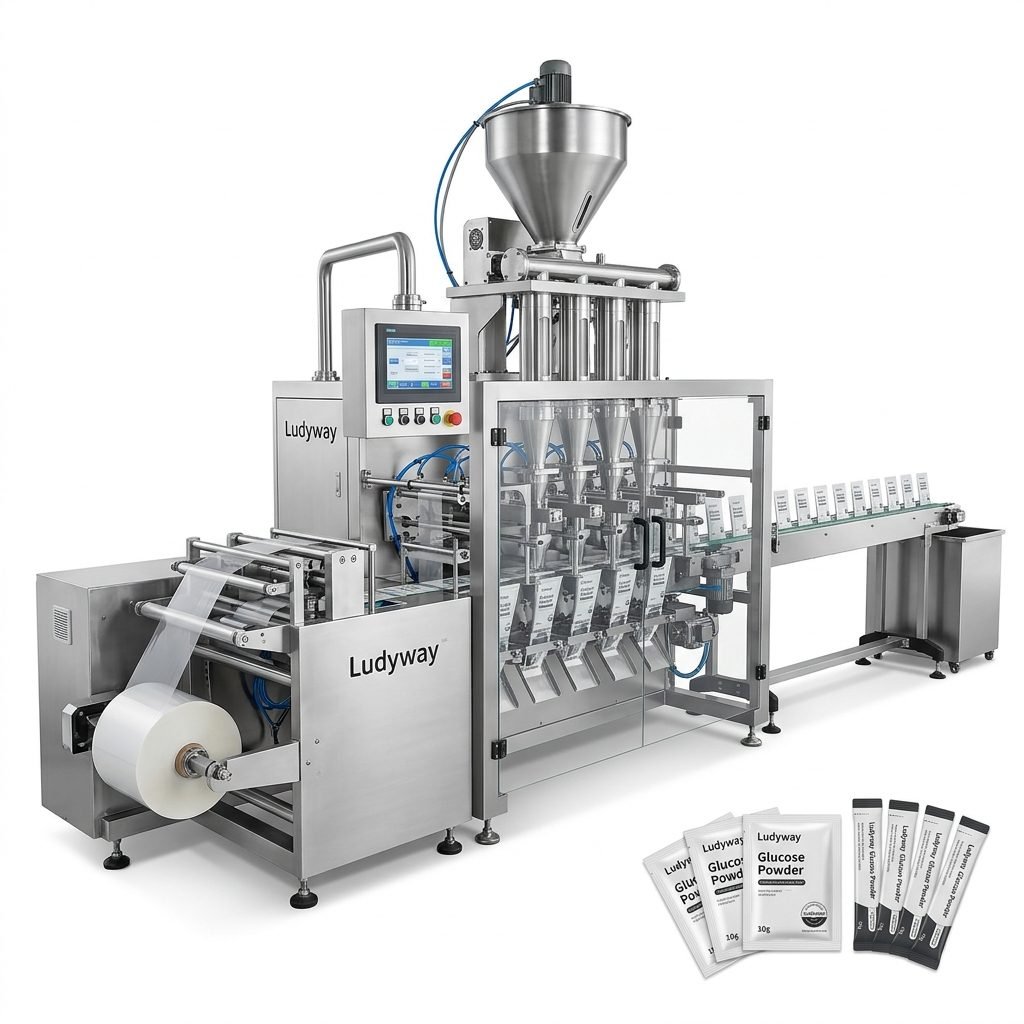
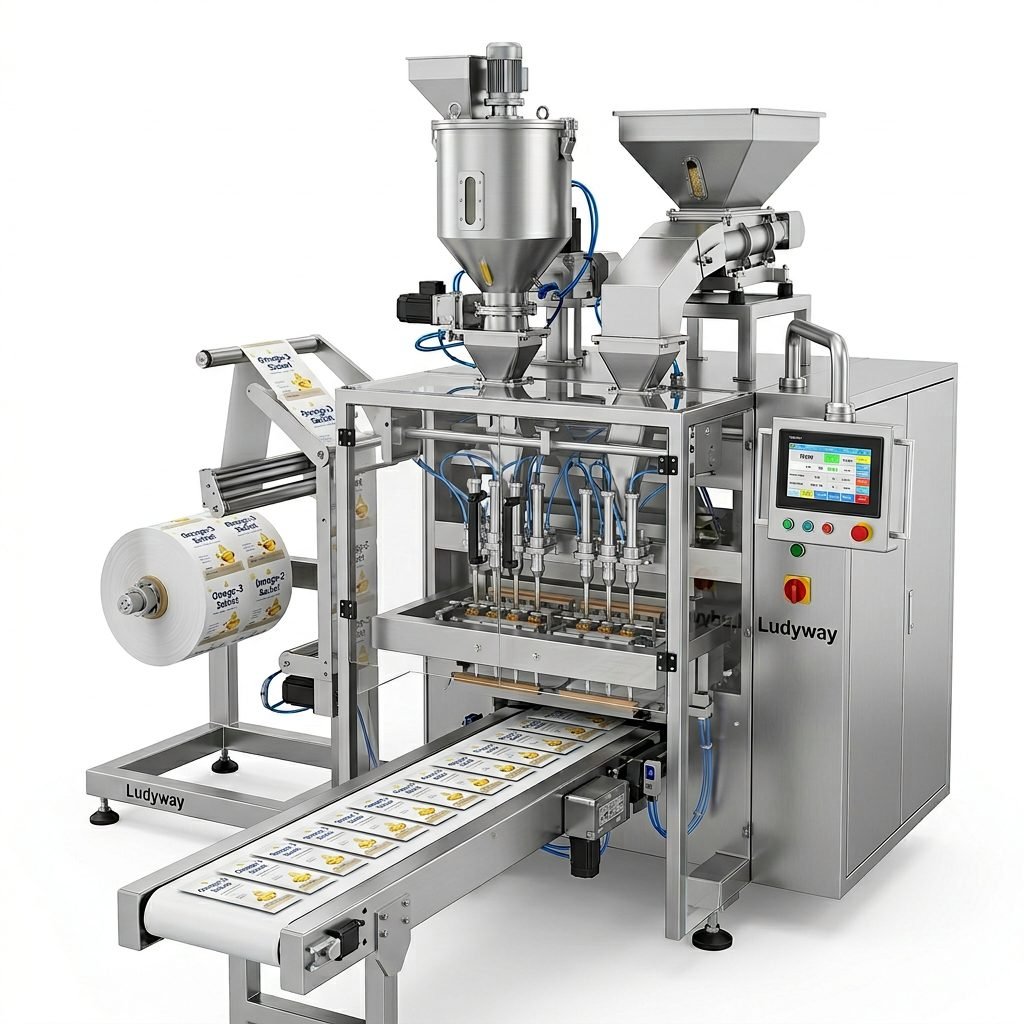
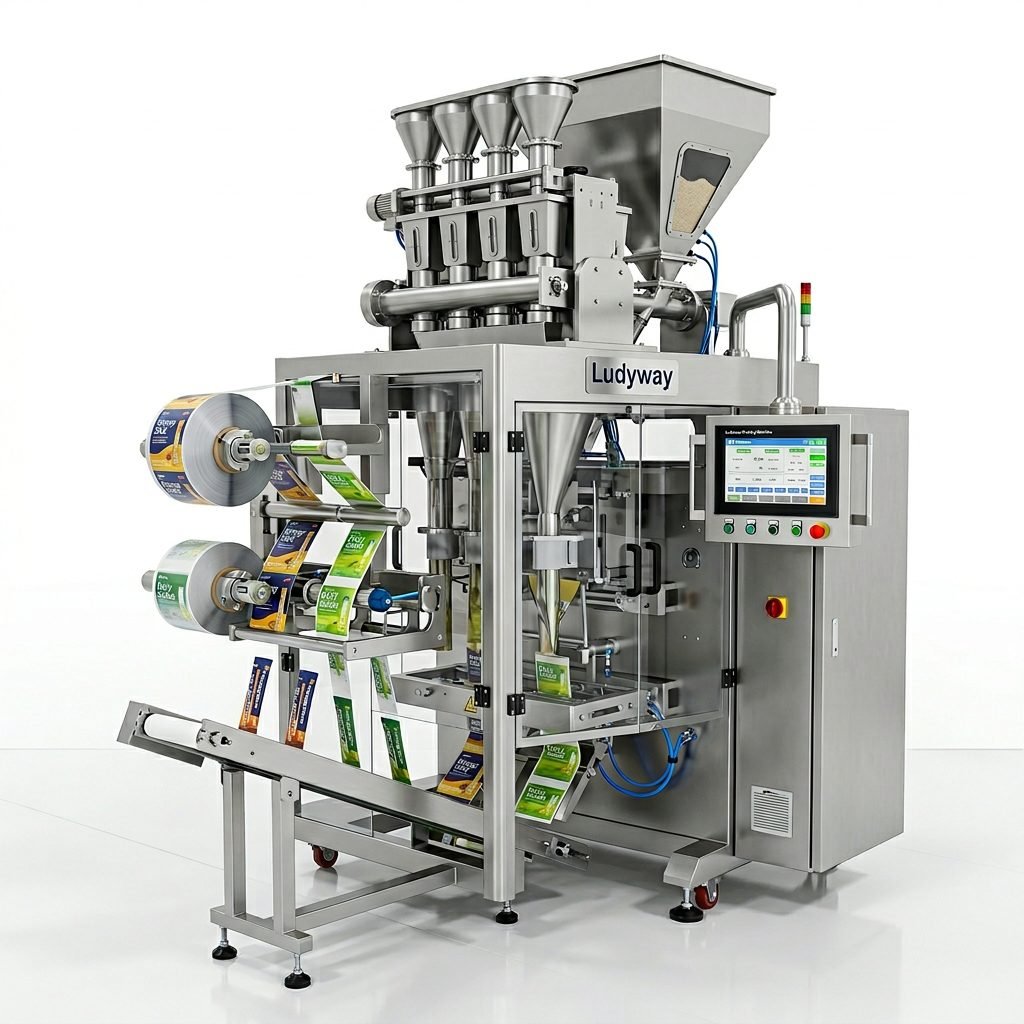
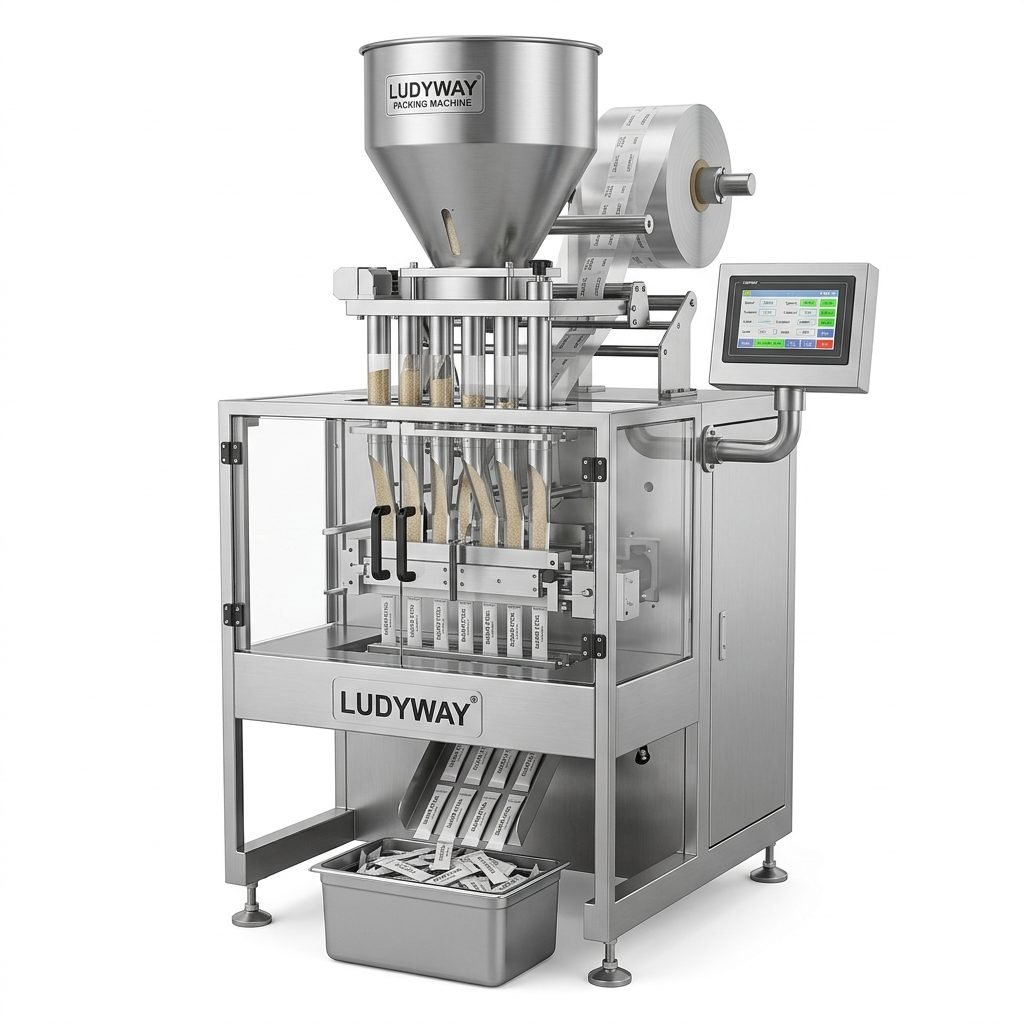
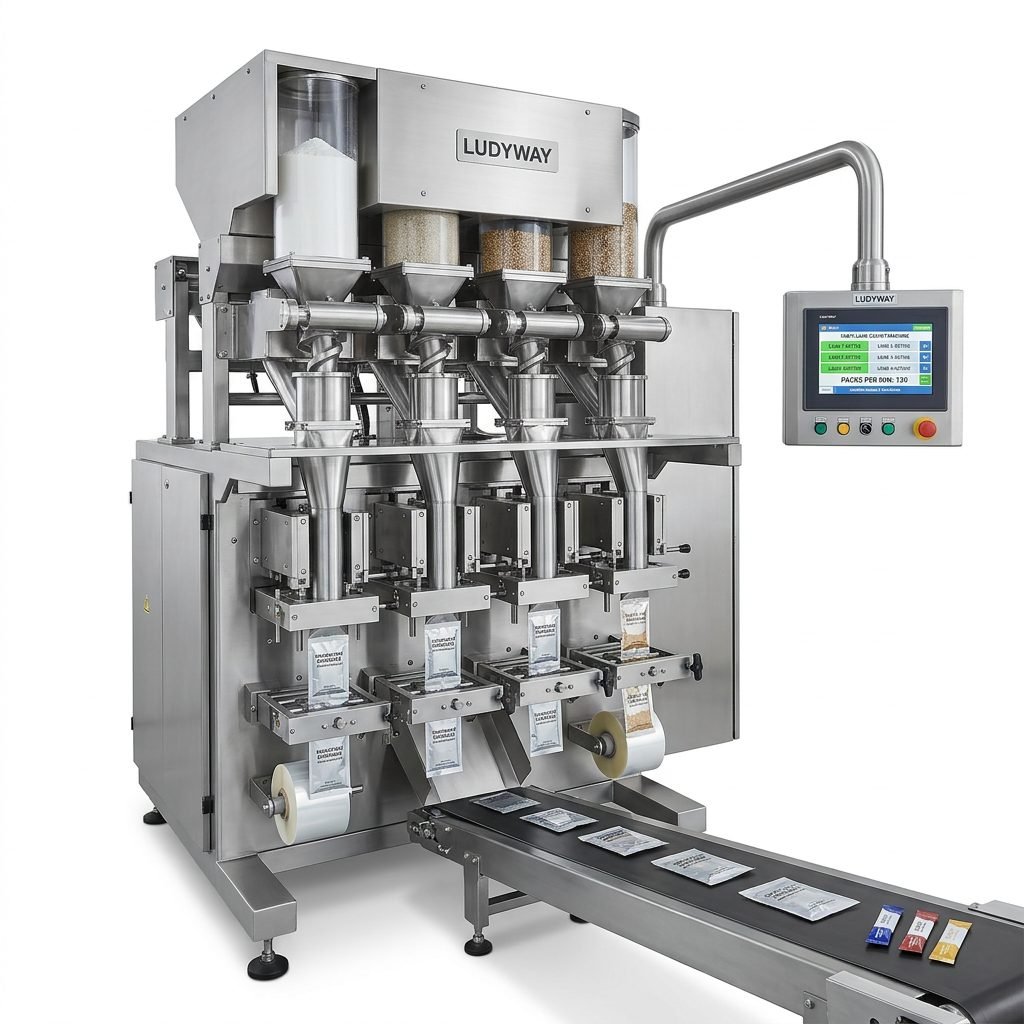
Ensuring the reliable performance of your paper packaging machine requires a structured maintenance routine. Without consistent care, even the most robust equipment can suffer from unexpected downtime, compromised seal integrity, and reduced throughput. This guide provides essential, actionable tips to help you keep your machinery running at peak efficiency.
Why Preventive Maintenance Matters
Paper packaging machinery handles abrasive dust and fibers that can quickly degrade moving parts. A proactive approach not only extends the equipment lifespan but also prevents catastrophic failures. Ignoring daily inspections is the number one cause of film jamming and misalignment in vertical form-fill-seal systems.
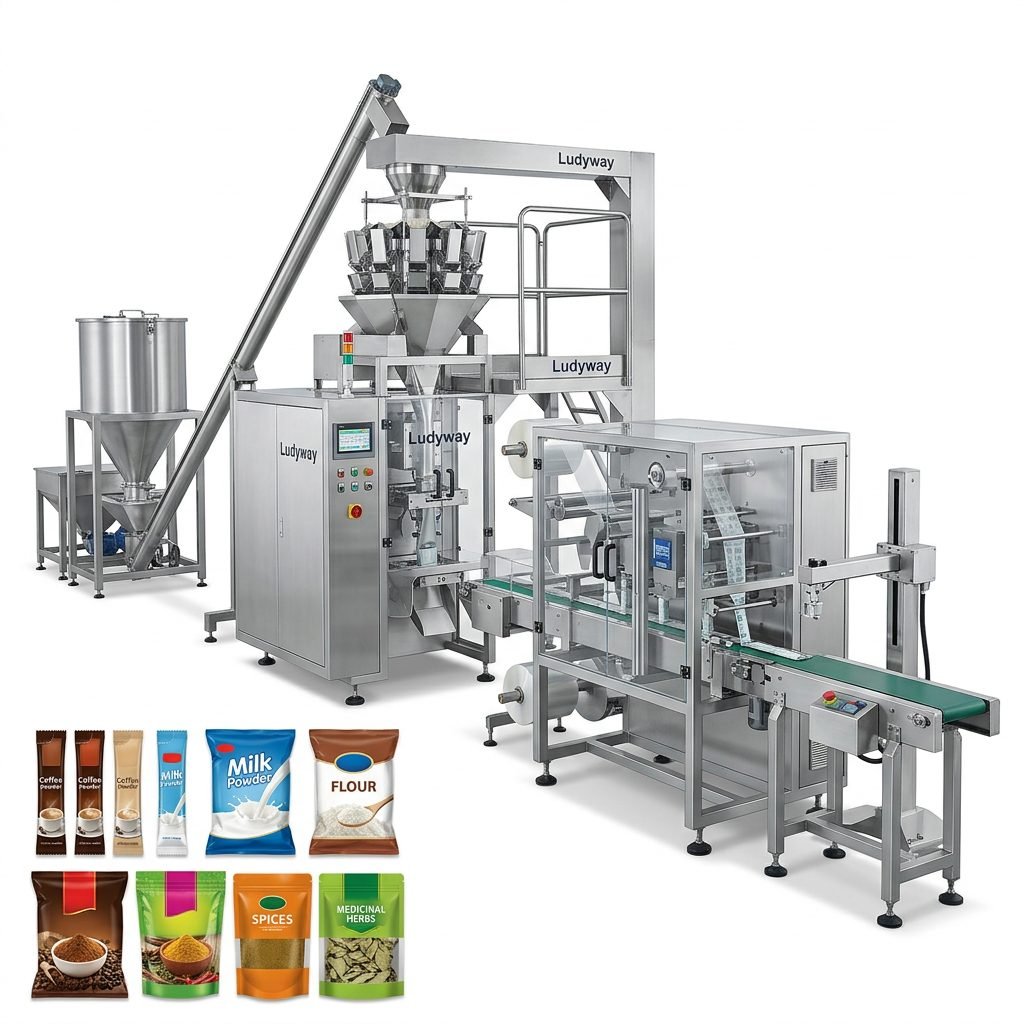
Daily Cleaning and Inspection Checklist
Daily habits are your first defense against premature wear. Operators should follow these steps before and after every shift:
- Remove dust and debris: Use compressed air to blow off paper dust from the sealing jaws, forming tubes, and photoelectric sensors. Accumulated dust can cause sensor errors and weak seals.
- Inspect sealing surfaces: Check the heating element and Teflon coating for residue buildup. Burnt paper residue acts as an insulator, forcing the machine to overcompensate temperature.
- Verify film tracking: Run a test cycle to ensure the paper film tracks smoothly through the former without drifting. Lateral drift often indicates worn rollers or incorrect tension settings.
- Check safety guards: Confirm all interlocks and transparent safety doors function correctly.
Weekly Component Checks
Beyond daily cleaning, a deeper weekly dive into the machine’s mechanical health prevents long-term issues:
- Belt tension and alignment: Inspect drive belts for fraying or stretching. Loose belts slip during high-speed cycles, causing inconsistent bag lengths.
- Thermocouple accuracy: Compare the actual temperature of the sealing jaw with the controller reading. A faulty thermocouple can overheat and burn the paper or create weak, leaky seals.
- Cutting knife sharpness: A dull knife tears rather than cuts the paper film, leading to jagged edges and potential tearing during the filling process.
Monthly Lubrication and Wear Analysis
Proper lubrication is critical for paper packaging machines because paper dust can mix with grease to form a grinding paste. Follow your manufacturer’s lubrication chart strictly, focusing on:
- Sealing jaw linkages: Apply food-grade grease sparingly to pivot points.
- Rotary unions: These require high-temperature lubricants to handle the stress of continuous heating and cooling.
- Gearboxes: Check oil levels and look for milky discoloration, which indicates contamination.
Lubrication Quick Reference
| Machine Zone | Interval | Lubricant Type |
|---|---|---|
| Sealing Jaws | Daily (light) | Food-grade PTFE grease |
| Main Drive Gears | Monthly | Lithium complex grease |
| Chain Drives | Weekly | Light machine oil |
| Bearings (Rollers) | Quarterly | Sealed bearing lubricant |
Common Troubleshooting Scenarios
When production halts, quick diagnosis saves hours. Here are the most frequent issues with paper packaging systems:
- Film wrinkling or creasing: Usually caused by incorrect forming tube alignment or uneven dancer arm tension. Re-center the former and verify the unwind brake setting.
- Intermittent seal failure: Check for fluctuations in air pressure (if pneumatic) or a loose electrical connection to the cartridge heater.
- Inaccurate cut lengths: This often results from a slipping film feed belt or a misconfigured servo drive encoder. Clean the feed rollers immediately.
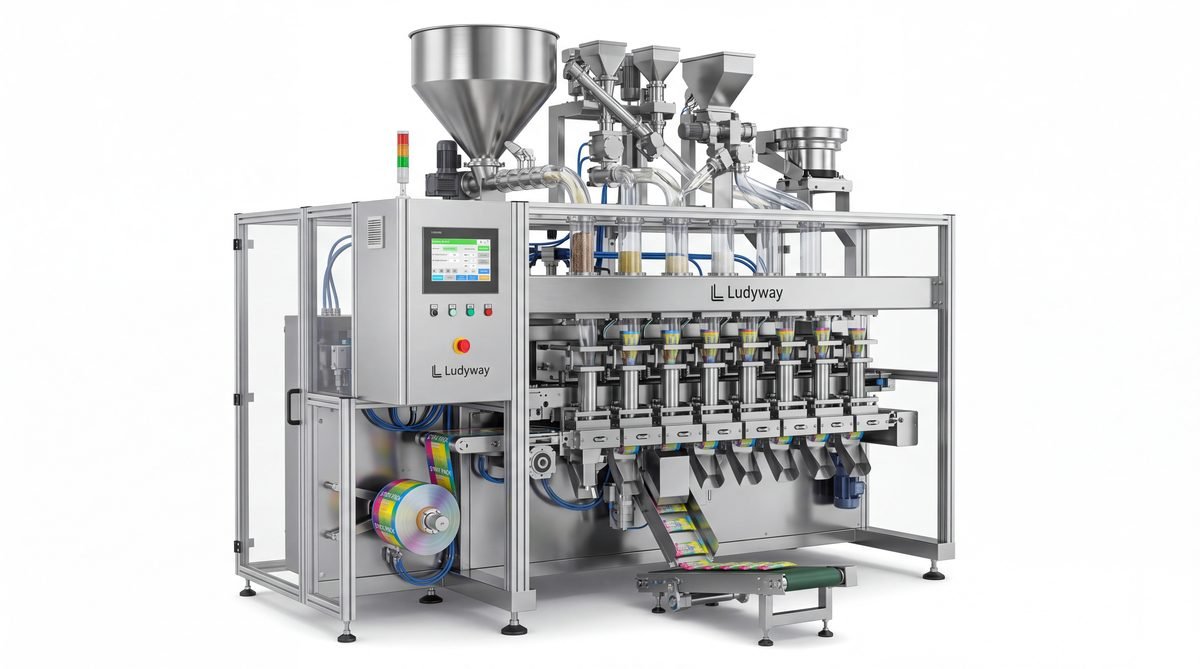
Additional Operational Checks
Periodically run the machine at low speed to audibly listen for bearing noise or irregular clicking. Early detection of mechanical wear saves significant costs down the line. Also, ensure the electrical cabinet is kept sealed against paper dust infiltration; cooling fans should have clean filters to prevent control board overheating.
Key Wear Parts and Replacement Cycles
Stocking critical spares minimizes downtime. The table below outlines typical replacement intervals for high-friction components in a paper packaging environment:
| Spare Part | Expected Lifespan | Failure Consequence |
|---|---|---|
| Teflon Sealing Tape | 1-2 Weeks | Seal sticking and film melting |
| Cutting Blades | 6-12 Months | Tearing instead of cutting |
| Heating Cartridges | 1-2 Years | Temperature fluctuations |
| Vacuum Cups/Suckers | 3-6 Months | Film feed errors |
Leveraging Industry Standards for Maintenance
Adhering to global packaging standards ensures your maintenance protocols align with safety and efficiency benchmarks. Organizations like PMMI provide extensive resources on packaging machinery safety and lifecycle management. Additionally, understanding FDA food packaging regulations is critical when maintaining machines handling direct food contact materials. These standards inform cleaning validation and the use of appropriate food-safe lubricants.
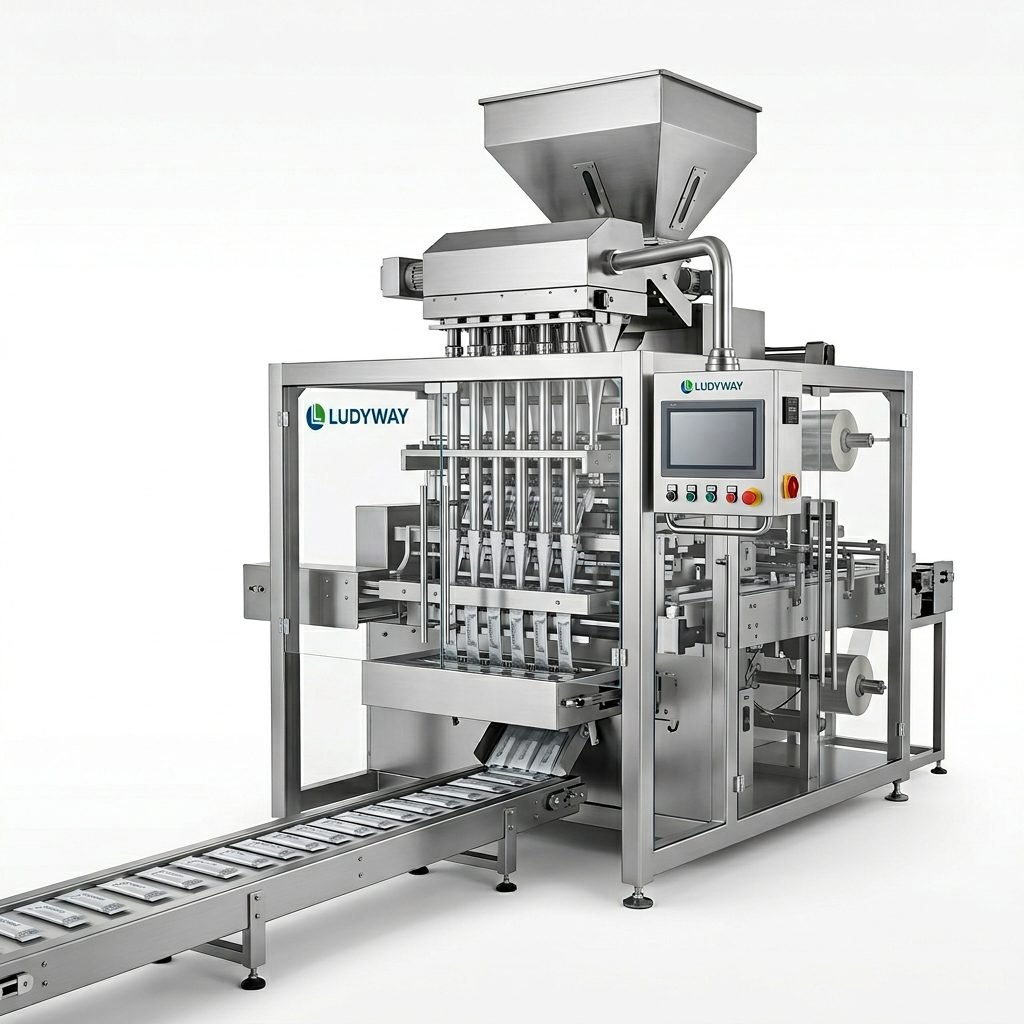
Long-Term Benefits of a Maintenance Schedule
A disciplined maintenance plan transforms a paper packaging machine from a potential bottleneck into a reliable production asset. By following these essential tips, operators can significantly reduce unplanned downtime, maintain consistent package quality, and lower the total cost of ownership. Consistent care directly correlates with a measurable increase in Overall Equipment Effectiveness (OEE).
For manufacturers seeking to upgrade their lines or integrate new technology, consulting an experienced packaging machine manufacturer like Ludyway provides access to advanced engineering support and genuine spare parts. With global expertise in food, pharmaceutical, and health industry packaging, specialized suppliers help ensure your maintenance strategy aligns with the latest machine innovations and international performance standards.